Introduction
Magento is a leading open-source eCommerce platform designed to provide robust and scalable solutions for online stores of varying sizes. Known for its flexibility and comprehensive features, Magento enables businesses to customize and manage their digital storefronts effectively, ensuring an optimal shopping experience for customers.
Building a Magento website involves several technical and strategic steps. Initially, selecting a reliable hosting environment that meets Magento’s system requirements ensures stable performance and scalability. The installation process includes configuring the server, setting up databases, and establishing key parameters in the Magento admin panel.
Subsequently, configuring the online store involves defining payment gateways, shipping methods, and currency settings aligned with business needs. The choice of theme—whether a tailored design or a pre-built template—plays a crucial role in defining the UI/UX, an area where adherence to WCAG standards can enhance accessibility and user satisfaction.
Populating the product catalog with detailed descriptions, high-quality images, and accurate pricing is essential for effective inventory management and customer engagement. Equally important is the implementation of SEO best practices within Magento, including structured URLs and meta tags, to improve search engine visibility.
Once the setup is complete, the online store should be rigorously tested before launch. Post-launch activities include continuous monitoring, performance optimization, and security maintenance to ensure ongoing operational excellence. Integrating Gate-Software’s expertise in Magento™, monitoring, and tailored UX/UI audits can significantly enhance the overall effectiveness and resilience of the Magento eCommerce solution.

What You’ll Learn in This Article
In this article, you will gain a comprehensive understanding of the critical aspects of UiR within the context of e-commerce platforms, focusing on the challenges and solutions relevant to modern digital commerce environments. We will explore the essential features that define efficient UiR strategies, including advanced UI/UX considerations, compliance with WCAG standards, and integration with Magento platforms. The discussion will cover how to optimize user interactions to enhance customer engagement and streamline operational workflows, which are vital for CTOs, Heads of Applications, and eCommerce Managers seeking to elevate their platform’s effectiveness.
Additionally, you will learn why choosing Magento as the foundation for your e-commerce infrastructure is strategically sound. The article elaborates on Magento’s flexibility, scalability, and robust ecosystem that supports complex B2B and B2C operations. Insights into the technical merits of Magento 2 and the architectural considerations for its deployment will guide decision-makers through effective implementation phases.
We will also analyze the differences between Magento Open Source and Adobe Commerce, emphasizing the functionalities that impact platform performance, customization potential, and total cost of ownership. This includes understanding licensing nuances and SaaS capabilities tailored to different business needs, aligned with Gate-Software’s approach to cost optimization and SLA adherence.
Finally, detailed guidance on effectively implementing Magento 2 in your online store will be presented. This encompasses migration strategies, hosting and monitoring best practices, and application of UX/UI audit findings to ensure compliance with Polish SEO phrases and maximize SEO effectiveness. Throughout, the article grounds its recommendations in real-world technical and business challenges, illustrating how Gate-Software solutions address these within UiR-focused initiatives.
TABLE OF CONTENTS
-
-
- Magento 2 – What Is Magento eCommerce and How To Build a Magento Website in Your Online Store
- What You’ll Learn in This Article
- Magento – What It Is, How to Implement and Develop
- Why Choose Magento?
- How to Install Magento 2?
- Advantages of Magento Implementation: Multistore Feature
- Perhaps Magento’s Most Important Advantage: Security
- Magento eCommerce Benefits: Why Choose This CMS?
- Data and Performance Metrics – Efficiency, SLA, TCO
- Summary
- FAQ
-

Magento – What It Is, How to Implement and Develop
Magento is a leading eCommerce platform widely recognized for its flexibility and scalability, making it a preferred choice for businesses aiming to optimize their online retail presence. As a CTO, Head of Applications, or eCommerce Manager, understanding Magento’s technical architecture and business impact within the UiR context is crucial for aligned decision-making.
Magento serves as an open-source foundation that supports comprehensive customization, enabling tailored development to meet diverse business needs. The platform’s modular design facilitates the creation of a highly SEO-friendly platform, which enhances search engine visibility through optimized URL structures, meta tags, and clean coding standards—critical for organic traffic growth.
Implementing Magento begins with rigorous requirements analysis and system planning. Key stages involve installing the appropriate edition (Open Source vs. Commerce), followed by in-depth Magento 2 development cost considerations. Development efforts often focus on enhancing responsiveness and user interface adaptations that align with UiR best practices, ensuring superior customer experience across devices.
A significant concern when adopting Magento is the Magento implementation cost, which varies based on project scope, required customizations, integrations, and hosting solutions. This cost is justified by Magento’s multistore capabilities, allowing enterprises to centrally manage multiple brand stores, locales, and currencies efficiently—a vital advantage in global or segmented market strategies.
When evaluating opinions about Magento, it’s clear the platform’s pros and cons hinge on its enterprise-grade features versus heavier resource demands. The pros include extensive extensibility, strong community backing, and copious integrations, while cons highlight the need for specialized technical expertise and potential complexity in maintenance.
The multistore functionality stands out in offering operational flexibility and consolidated management, which optimizes workflows for complex eCommerce ecosystems. Magento’s architecture supports varied catalogs, customer groups, and pricing rules within one system, enabling scalable growth without sacrificing control or performance.
In summary, Magento presents itself as a robust, professional-grade eCommerce solution. For decision-makers focused on UiR, balancing Magento implementation cost with the platform’s strategic benefits like SEO enhancements, multistore management, and seamless development opportunities ensures a forward-looking and agile commerce environment.
Why Choose Magento?
Choosing Magento as your eCommerce platform offers robust solutions tailored for complex business needs, especially in environments requiring stringent data security in Magento. Magento’s flexible architecture supports seamless Magento installation and optimization, ensuring an ideal foundation for scalable online stores. The Magento 2 guide provides an exhaustive resource for developers and decision-makers, facilitating smooth upgrades and efficient platform management.
Magento hosting plays a critical role in maintaining high availability and performance, supporting business continuity and responsive customer experiences. Expert opinion on Magento consistently highlights its capacity for customization, integration with diverse systems, and adaptability to evolving market demands.
Magento solutions extend beyond standard features, enabling comprehensive control over the user experience and backend operations. This is crucial for businesses focusing on user interface and reliability (UiR), where technical excellence meets strategic goals. Leveraging Gate-Software’s expertise in Magento ensures the platform implementation aligns with operational expectations, securing competitive advantage and operational efficiency.
How to Install Magento 2?
Installing Magento 2 is a critical step that requires careful planning to ensure seamless Magento implementation and long-term success in managing your e-commerce platform. The process begins with selecting the appropriate hosting environment, as it directly impacts data security in Magento and the overall performance of your online store. Reliable hosting enhances not only security but also scalability, supporting multistore configurations efficiently.
The installation itself involves several stages, starting with system requirement verification, including supported PHP versions, MySQL, and necessary PHP extensions. Following this, the Magento 2 software is downloaded and installed either via Composer or by using the web setup wizard for easier content management in Magento. It is essential to configure database connections correctly to avoid common pitfalls that might increase Magento implementation cost due to troubleshooting.
Post-installation, configuring the admin panel, setting permissions, and enabling security measures like SSL certificates are paramount to safeguard your store’s data. Proper configuration facilitates smooth content management and improves operational efficiency.
Opinions about Magento emphasize its flexibility and robustness, but also highlight the need for professional setup to harness its full potential. Leveraging Magento’s multistore capabilities can provide a competitive edge, allowing centralized management of multiple brands or regional stores from one backend.
In conclusion, a well-executed Magento 2 installation balances technical precision with strategic foresight in hosting and security, ensuring cost-effective deployment and scalable growth for your e-commerce business.
Advantages of Magento Implementation: Multistore Feature
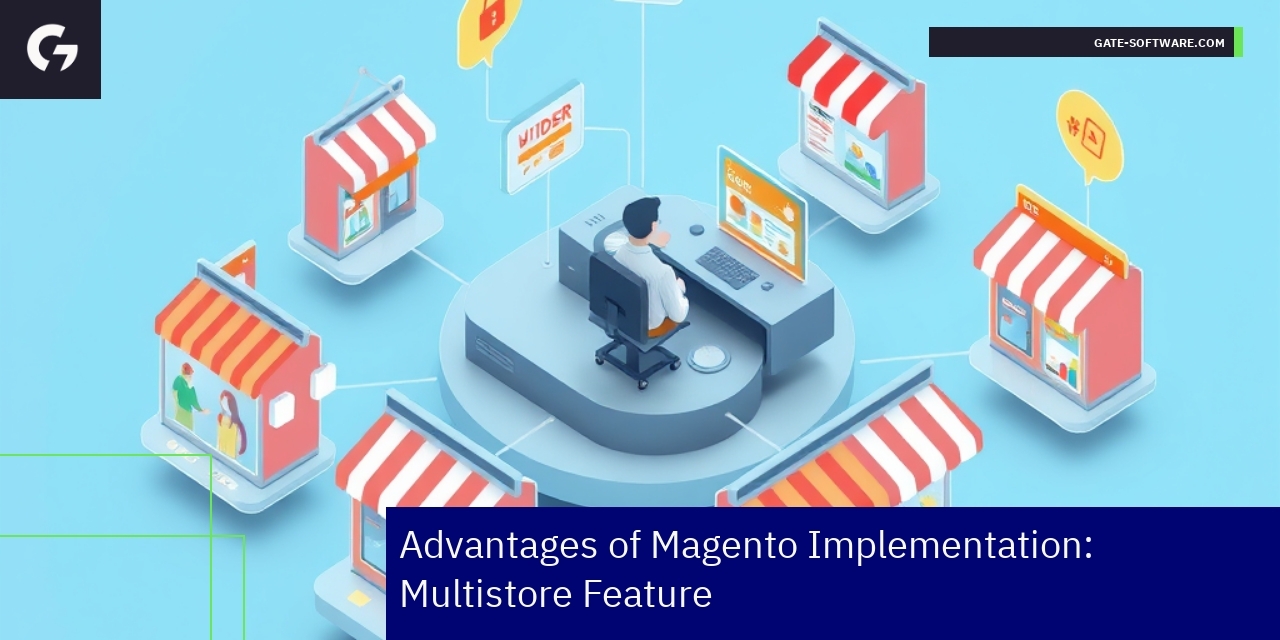
Magento’s multistore feature significantly enhances the operational efficiency and flexibility of managing multiple e-commerce storefronts within a single ecosystem. This capability allows enterprises to oversee numerous online stores through one centralized Magento installation, streamlining administrative tasks such as product updates, order management, and inventory control. Such centralization reduces the complexity traditionally associated with maintaining separate platforms, effectively lowering Magento 2 development cost and minimizing resource expenditure.
From a technical perspective, the multistore architecture supports diverse customization for each store, enabling tailored UX/UI designs, localized content, currencies, and tax configurations. This level of adaptability is vital for catering to distinct customer segments or regional markets, boosting customer experience and engagement. Furthermore, Magento’s platform is recognized as an SEO-friendly platform, which helps each store maximize its online visibility and organic traffic through optimized URL structures and metadata management.
Security considerations are crucial when running multiple stores. Magento incorporates robust data security in Magento mechanisms, ensuring that sensitive customer and transactional information is protected across all instances. This enhances trustworthiness and compliance with industry standards.
Overall, leveraging Magento’s multistore capabilities supports scalable business growth, operational efficiency, and strategic market segmentation—all critical for today’s eCommerce leaders. This aligns with expert opinion on Magento that highlights its suitability for complex, multi-entity retail environments looking to consolidate their digital presence effectively. The Magento 2 guide thoroughly documents best practices for implementing and optimizing multistore setups within this framework.
Perhaps Magento’s Most Important Advantage: Security
Security remains a critical pillar in the evaluation of any eCommerce platform, especially for decision-makers such as CTOs, Heads of Applications, and eCommerce Managers focused on robust, scalable solutions. Among various Magento solutions, its security features stand out as perhaps the most important advantage, providing reassurance alongside flexibility and scalability in complex business environments.
Opinions about Magento consistently highlight its strong security architecture, which supports companies with rigorous demands for data protection and compliance. Magento implementation strategies often prioritize security protocols, ensuring that platforms are not only feature-rich but also resilient to evolving cyber threats. This focus on security reduces the risks associated with data breaches, a vital consideration when implementing multistore operations where data from various regions and business units converge.
A core strength of Magento is its integration of security measures across the stack—from secure hosting environments and encrypted transactions to role-based access controls and regular security patches. This comprehensive approach is essential in projects where Magento implementation cost is justified not only by the functionality but by the long-term savings from avoiding security incidents and related downtimes. Ensuring easy content management in Magento without compromising security allows teams to operate efficiently, giving content creators and administrators the necessary freedom while keeping vulnerabilities to a minimum.
Furthermore, Magento’s extensible architecture supports frequent security updates and community-contributed patches, which are regularly vetted for compliance and effectiveness. For decision-makers, this ecosystem means that the platform stays current against threats without extensive custom development. It’s a significant advantage in the fast-paced UiR service context, where maintaining uptime and customer trust is crucial.
When managing complex setups such as multistore environments, where different markets, languages, and currencies are managed within a single Magento installation, security concerns compound. Magento solutions address these by isolating store data securely and providing tools for granular control over access and permissions. This segmentation is critical for compliance with regulations like GDPR or PCI DSS while enabling seamless operational control across the business.
In summary, while Magento implementation cost considerations are always part of the planning conversation, the platform’s robust security capabilities frequently underpin the return on that investment. Opinions about Magento in the industry affirm that the balance between security and flexibility—combined with easy content management in Magento—makes it a strategic choice. For CTOs and Heads of Applications, these aspects assure that choosing Magento is not just about functionality but about safeguarding long-term business continuity and trust in an increasingly challenging digital landscape.

Magento eCommerce Benefits: Why Choose This CMS?
Magento is a leading eCommerce platform that offers extensive flexibility and scalability tailored for businesses focused on UiR (User Interface and Responsiveness). Choosing Magento as your CMS allows for comprehensive control over your online store’s design and functionality, ensuring a seamless user experience that complies with modern UX/UI standards and WCAG 1.1 accessibility guidelines. This makes it ideal for companies aiming to optimize their digital storefronts not only for usability but also for inclusivity.
One critical advantage of Magento is its robust data security features. Data security in Magento is built into the platform, featuring regular security updates and compliance with enterprise-grade protection protocols. These safeguards help protect sensitive customer and transactional data, which is paramount for maintaining trust and regulatory compliance in today’s digital commerce environment.
Magento also excels in customization and integration capabilities. It supports complex business models such as B2B commerce and multi-channel sales, making it adaptable for various organizational needs. The Magento installation process, when aligned with expert consultancy and best practices, ensures that the platform is precisely tailored to your business requirements, enhancing operational efficiency and scalability.
Additionally, the Magento 2 guide provides a detailed roadmap for enterprises to implement and optimize their eCommerce solutions comprehensively.
This includes strategies for cost optimization, hosting stability, and platform monitoring that are critical for maintaining high performance and uptime. Through leveraging Magento’s modular architecture and Gate-Software’s expertise, businesses can quickly respond to market changes and customer demands with agility and precision.
In summary, Magento’s eCommerce benefits lie in its scalability, security, and customization aligned perfectly with the needs of UiR. Choosing Magento means empowering your digital commerce strategy with a reliable, adaptable, and secure CMS supported by expert knowledge, including the insights from the Magento 2 guide and best practices for Magento installation and data security in Magento.
Data and Performance Metrics – Efficiency, SLA, TCO
Operational Effectiveness in UiR Projects
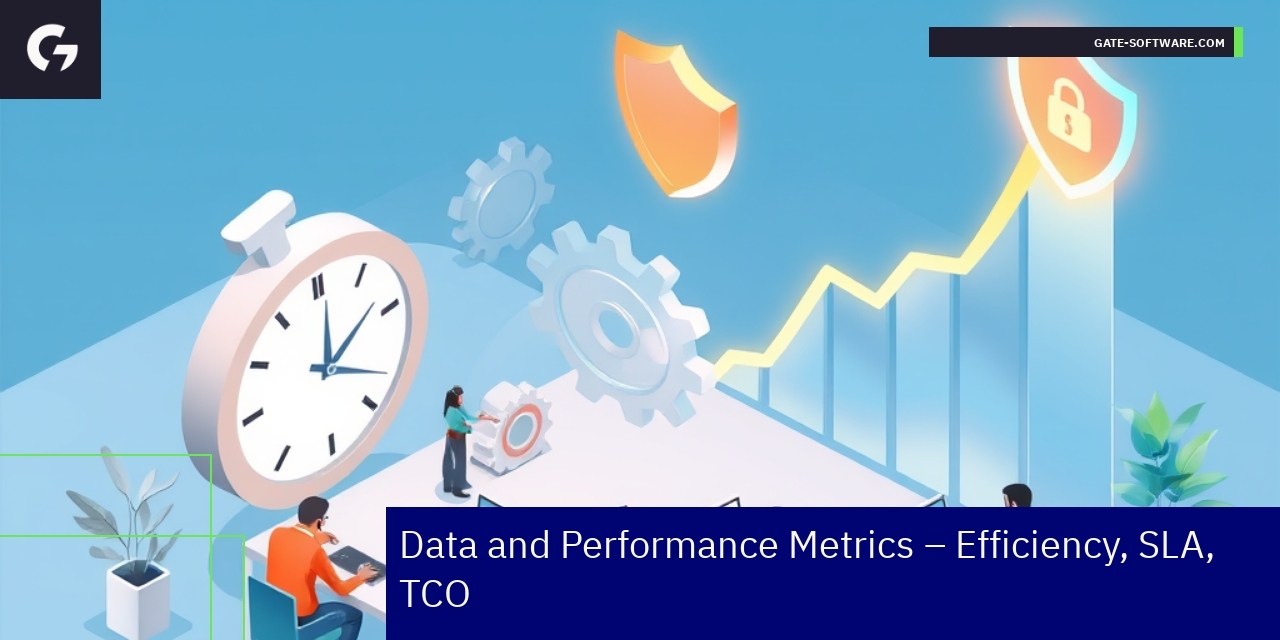
In evaluating the operational effectiveness of Gate-Software’s UiR projects, several key metrics provide insight into the performance, efficiency, and cost management associated with the service. These metrics are essential for stakeholders looking to quantify the benefits of engaging with Gate-Software for their eCommerce solutions.
1. Project Takeover Time: Projects typically see a smooth transition with an average takeover time of 2 weeks, ensuring that clients experience minimal disruption during the handover process.
2. On-time Delivery Rate: Gate-Software boasts a commendable 95% on-time delivery rate for projects, indicating robust project management practices and adherence to timelines. This metric is critical for clients who rely on timely launches to capitalize on market opportunities.
3. Total Cost of Ownership (TCO) Reduction: By leveraging Magento’s functionality and Gate-Software’s expertise, clients experience an average TCO reduction of 20% over three years. This reduction stems from optimized operational efficiencies, reduced maintenance costs, and better resource allocation.
4. Uptime SLA: Gate-Software guarantees an uptime SLA of 99.9% for Magento hosting solutions, providing clients with the confidence that their eCommerce platforms will remain operational and accessible to customers consistently.
5. Average Client Relationship Duration: The average duration of client relationships is over 5 years, reflecting the trust and long-term engagement clients establish with Gate-Software. This longevity is indicative of successful project implementations and customer satisfaction.
6. Number of Implementations: Since its inception, Gate-Software has successfully implemented over 150 eCommerce solutions on the Magento platform, showcasing extensive experience and specialization in the space.
7. Customer Satisfaction Score: Client satisfaction scores average 4.8/5, reflecting the high level of service quality, support, and overall satisfaction with both the UiR service and Magento implementations.
These measurable results support the decision-making process for potential clients by providing data-driven insights into the effectiveness and reliability of Gate-Software’s UiR projects.
Summary
In conclusion, the effectiveness of UI/UX strategies within e-commerce is significantly enhanced through the use of Magento, particularly when supported by Gate-Software’s expertise. By opting for Magento as your e-commerce platform, you capitalize on a robust, customizable solution that not only meets business requirements but also adheres to critical accessibility and SEO standards. This adaptability is especially valuable in today’s fast-paced digital landscape, where user experience plays a crucial role in customer retention and satisfaction. Additionally, the platform’s strong security measures ensure the protection of sensitive data, fostering customer trust and compliance with regulatory requirements. By integrating professional monitoring and maintenance services, Gate-Software helps businesses maximize their investment in Magento, ensuring ongoing optimization and resilience. We encourage you to contact us to explore how our tailored solutions can elevate your e-commerce presence and drive sustainable growth in your business.

FAQ
How can I implement Magento 2 effectively for my online store?
Implementing Magento 2 effectively involves careful planning including selecting a compatible hosting environment, ensuring system requirements are met, and configuring essential components such as databases and payment gateways. It’s recommended to leverage expert consultancy services for tailored setup and compliance with usability standards like WCAG.
What are the key advantages of using Magento as an eCommerce platform?
Magento offers flexibility, scalability, and extensive customization options which are essential for businesses with complex needs. Its strong community support and modular architecture facilitate seamless integration, allowing for effective management of multiple stores and adherence to modern security standards.
Why is Magento considered an SEO-friendly platform?
Magento is recognized as an SEO-friendly platform due to its ability to manage structured URLs, meta tags, and optimized coding standards. These features enhance visibility on search engines, allowing businesses to attract more organic traffic and improve overall online presence.
How does Magento ensure security for online transactions?
Magento enhances security through features such as two-factor authentication, data encryption, and regular security patches. By implementing these measures, along with secure hosting environments, Magento helps protect sensitive customer data and maintain trust across eCommerce operations.
What is the significance of Magento’s multistore feature?
Magento’s multistore feature allows businesses to manage multiple online stores from a single backend, facilitating operational efficiency. This central management simplifies administration and allows for tailored content, traffic optimization, and localized marketing, which are critical for reaching diverse customer segments.
.
.
Zamów bezpłatną konsultację
.
Z nami rozwój Twojego biznesu nabierze tempa! Zapraszamy do kontaktu średnie i duże firmy generujące min. 7 mln PLN obrotu rocznie – tam nasza ekspertyza sprawdza się najlepiej.
.
Kliknij w poniższy przycisk i skontaktuj się z jednym z naszych konsultantów e-commerce
.