Introduction
In today’s rapidly evolving e-commerce landscape, Magento 2 stands out as a fundamental platform driving business growth and operational efficiency. Its architectural flexibility and robust modular structure address core challenges faced by CTOs, CDOs, and eCommerce Managers in managing scalable, secure, and optimized online stores. At Gate-Software, we recognize that successful e-commerce depends not only on innovative technology but also on seamless integration with ongoing maintenance and development strategies (Utrzymanie i Rozwój). Magento 2’s capabilities support complex B2B and B2C business models, ensuring tailored user experiences through advanced UX/UI elements that comply with WCAG standards.
Moreover, Magento 2 aligns perfectly with Gate-Software’s comprehensive approach to platform management, including Magento™, SLA agreements, and proactive monitoring. This makes it a strategic asset for maintaining uptime and performance while enabling continuous cost optimization and agile adjustments to market demands. For decision-makers such as Architects and Heads of Applications, the platform offers high configurability and extensibility, essential for long-term platform sustainability and digital transformation. With Magento 2, businesses can leverage a secure, scalable foundation critical for thriving in competitive e-commerce environments.
TABLE OF CONTENTS
-
-
- Magento 2 – The Key to Success in E-commerce
- What is Magento?
- Magento Pros and Cons
- Magento Implementation
- Magento and SEO
- Magento Security
- Magento for Small and Large Businesses
- Why Choose Magento 2?
- How to Speed Up Magento?
- Reducing Magento Maintenance and Development Costs
- Magento Frequently Asked Questions
- Data and Performance Metrics – Efficiency, SLA, TCO
- Summary
- FAQ
-
What is Magento?
Magento is an eCommerce platform that allows building and managing online stores. It is an open-source system, offering high flexibility and scalability, which enables customization to meet specific business needs efficiently. What is Magento? It provides a comprehensive set of Magento Features designed to support the entire online sales process—from product catalog management, payment processing, and order management to integration with other systems. These features enable businesses to offer a seamless shopping experience to their customers while maintaining control over complex backend operations.
What is Magento 2? It is the latest version of the platform, optimized for better performance, enhanced security, and improved user experience. Magento Features in version 2 include advanced tools for content management, streamlined checkout processes, and support for multi-store setups, which are essential for businesses scaling their eCommerce operations.
Why use Magento? Its high flexibility enables businesses to implement custom solutions tailored to their unique workflows and industry requirements, making it a preferred choice for enterprises aiming to leverage eCommerce as a strategic channel. The platform supports extensive integration possibilities, including with ERP, CRM, and marketing automation systems, ensuring alignment of eCommerce with overall business processes. Additionally, Magento’s strong community and continuing development ensure that companies stay at the forefront of eCommerce innovation.

Magento Pros and Cons
Magento is a comprehensive eCommerce platform offering extensive customization options and support for various sales models, making it a preferred choice for many enterprises. However, as with any solution, it presents both benefits and challenges that need careful consideration.
Benefits of Magento
Magento’s benefits include its scalability and the ability to tailor the platform to complex business requirements. The platform supports multiple sales channels and diverse business models, enabling companies to manage extensive product catalogs and multiple storefronts from a unified backend. This flexibility provides significant operational efficiencies for businesses with complex eCommerce architectures.
Additionally, Magento offers robust SEO capabilities out of the box, allowing businesses to optimize product pages and content for search engines effectively. Benefits of Magento include extensive customization options and support for various sales models, enabling organizations to refine their customer experience precisely. The platform also benefits from a strong developer community and continuous updates focused on security and compliance, essential for enterprises prioritizing safe and reliable operations.
However, it is important for technical and eCommerce leaders to plan for the platform’s complexity. Implementing Magento requires skilled development resources to configure and customize the platform correctly, which can impact time-to-market.
Drawbacks of Magento
Drawbacks of Magento may involve complex configuration and higher maintenance costs compared to other platforms. Due to its broad feature set, deploying Magento often demands significant initial investment in infrastructure, development, and ongoing support. This includes managing hosting environments optimally to maintain performance at scale, which can increase operational overhead.
The platform’s complexity also means that changes or upgrades can involve more extensive testing and development cycles, creating higher total cost of ownership. While Magento provides great flexibility, this comes with the risk of added complexity in integration and extension management, potentially affecting stability if not handled properly.
For decision-makers in technical roles, these factors must be balanced with the platform’s benefits during planning and budgeting phases.
Comparison with Other Platforms
Comparing Magento with other platforms reveals differences in functionality and flexibility that are critical for strategic selection. Other solutions may offer quicker setups or lower initial costs but often at the expense of customization depth and scalability.
Magento enables enterprises to create highly tailored eCommerce experiences that integrate with existing IT ecosystems via APIs and custom modules. This level of integration is essential for digital transformation and complex sales processes often found in B2B and multi-brand environments.
The platform’s ability to support wide-ranging user personas, including Architect, eCommerce Manager, and CTO, ensures it meets the diverse needs spanning from technical foundation to business strategy. While alternative platforms might excel in ease of use or cost efficiency, Magento’s comprehensive feature set and extensibility align better with organizations prioritizing long-term growth, customization, and performance resilience.
—
This overview of Magento Pros and Cons integrates Magento Frequently Asked Questions and highlights how Benefits of Magento include extensive customization options and support for various sales models. It also details the Drawbacks of Magento related to complexity and maintenance. Lastly, it underscores that Comparing Magento with other platforms reveals differences in functionality and flexibility crucial for informed decision-making.
Users have access to various support options
Magento Implementation
The Magento implementation process covers key stages from planning to launching the store. This comprehensive workflow begins with detailed requirements gathering, where project goals and technical needs are defined to align with business objectives. Next comes the design phase, focusing on UX/UI elements consistent with WCAG standards and ensuring an optimal user experience. Development follows, involving customization and integration of essential features tailored to the Magento eCommerce platform. Rigorous testing is conducted to ensure functionality, performance, and security before the final deployment and launch. Each phase requires close collaboration among the Architect, Head of Applications, and eCommerce Manager to facilitate a seamless transition from concept to live environment.
Costs vary depending on project requirements and scale. Smaller implementations with standard features incur lower expenses, while complex, multi-store or B2B integrations demand higher investments due to added development and maintenance efforts. Implementation Cost drivers include custom module development, third-party system integrations, hosting, ongoing monitoring, and compliance with accessibility and UX/UI guidelines. Effective cost management is crucial and can be optimized through agile methodologies and phased rollouts.
How does Magestore help Magento businesses? By offering specialized extensions and integration capabilities, Magestore enables enhancements that address unique merchant needs, including inventory management, payment gateways, and marketing tools. This support accelerates time-to-market and increases operational efficiency in Magento stores.
What is Magento eCommerce? Magento eCommerce is a robust, feature-rich platform widely adopted for its flexibility, scalability, and powerful APIs. It supports personalized shopping experiences across diverse sectors and facilitates omnichannel sales strategies that respond to contemporary market demands.
Magento adapts well across industries, making it a versatile solution. Whether in retail, manufacturing, or service sectors, Magento’s modular architecture and rich ecosystem allow businesses to tailor functionality to specific workflows and customer journeys. This adaptability is a cornerstone for enterprises aiming to future-proof their digital commerce initiatives.

Magento and SEO
Magento SEO Optimization is a critical aspect for eCommerce platforms aiming to enhance their online visibility and drive organic traffic. Magento supports SEO through features such as SEO-friendly URLs and content optimization capabilities, which play a pivotal role in making the platform search engine friendly. This inherent SEO Friendliness ensures that Magento stores can achieve better indexing by search engines, directly improving store visibility in search results.
The platform is designed to be search engine friendly, which improves store visibility in search results by allowing easy customization of metadata, sitemaps, and URL structures. This flexibility helps technical teams optimize stores for keyword relevance and user experience, which are essential for ranking higher in search engine results pages. Additionally, Magento offers broad content optimization options leading to better search engine rankings, including support for rich snippets, canonical tags, and layered navigation that facilitate clearer content categorization and reduced duplicate content issues.
For decision-makers like Heads of Applications or eCommerce Managers, leveraging Magento’s SEO Optimization capabilities means aligning technical infrastructure with business goals for online growth. Through its comprehensive SEO toolkit, Magento enables creation of scalable and sustainable SEO strategies directly within the platform, ensuring that every part of the online store—from product pages to category listings—is fully optimized for maximum search engine performance. This holistic approach helps businesses build a strong online presence, attract qualified traffic, and ultimately increase conversions.
Magento Security
Magento security encompasses multiple layers to ensure platform stability and data protection. This multi-faceted approach is essential for maintaining a robust e-commerce environment where both operational continuity and customer trust are safeguarded against evolving cyber threats.
One of the fundamental pillars in Magento Security is understanding the key security aspects that underpin the platform’s defense mechanisms. These include secure coding practices, consistent patch management, strict access controls, and rigorous authentication procedures. Implementing these measures helps mitigate risks such as unauthorized access, data leaks, and service disruptions. Particularly, a focus on the underlying architecture and infrastructure settings is crucial to establish a secure foundation for Magento environments.
Proper management of customer data is essential to ensure its security. Customer information, including personal details and payment data, must be handled with the utmost care to comply with privacy regulations and avoid reputational damage. Encryption in transit and at rest, role-based access control, and data anonymization strategies play significant roles in protecting sensitive data. Additionally, transparent data handling policies and secure storage solutions contribute to maintaining customer confidence and regulatory compliance.
Regular security audits help identify and address potential risks before they can be exploited. Security audits should cover all components of the Magento environment—from core software and extensions to hosting infrastructure and communication protocols. These audits validate the effectiveness of existing security controls and uncover vulnerabilities that require immediate remediation. Moreover, ongoing monitoring paired with audit insights ensures that Magento security evolves in step with emerging threats and industry best practices.
In summary, Magento security is a continuous, multilayered process that encompasses key security aspects ranging from data protection to platform resilience. Proper management of customer data and regular security audits form the backbone of a comprehensive security strategy. For decision-makers such as CTOs, Heads of Applications, and eCommerce Managers, prioritizing these elements is indispensable to securing the Magento platform, protecting business assets, and fostering trust in an increasingly complex digital marketplace.
Magento for Small and Large Businesses
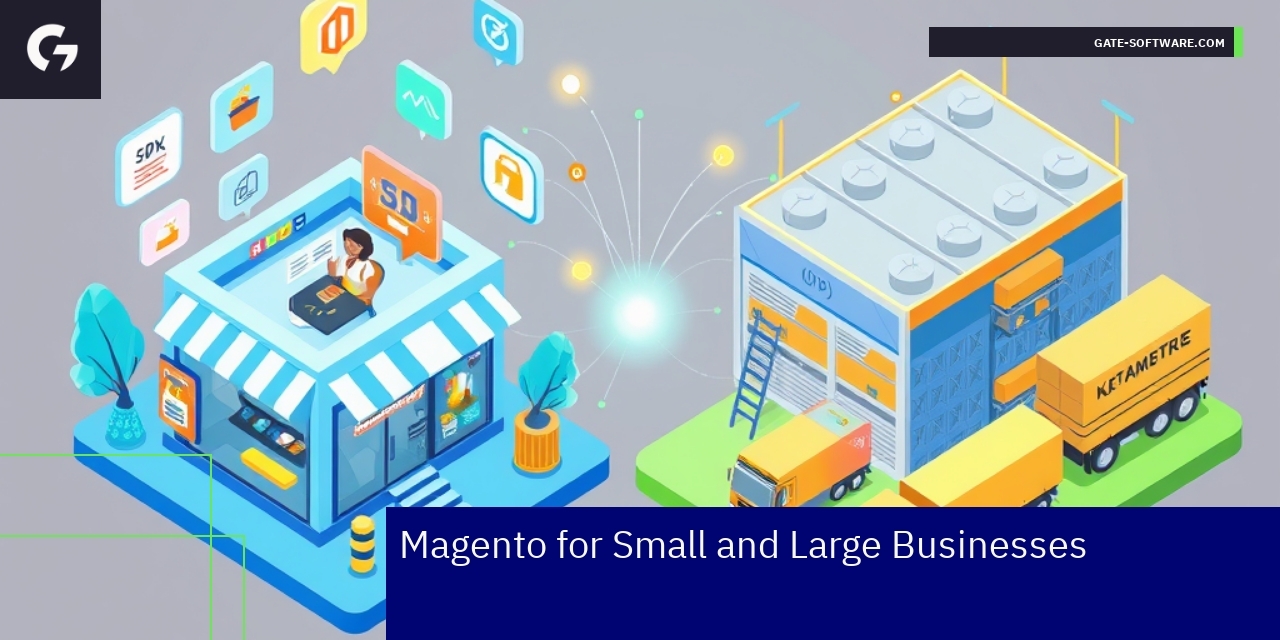
Magento is a versatile and scalable eCommerce platform designed to address the specific needs of both small and large enterprises. Magento can be tailored to meet the needs of both small and large enterprises, offering a customizable foundation that grows alongside the business.
Customization for Business Needs is a core strength of Magento, enabling businesses to create tailored shopping experiences that reflect their unique brand and operational requirements. Small businesses benefit from Magento’s flexibility and customization options, which provide them with affordable and scalable solutions that do not compromise on functionality or user experience. These customization features allow for the integration of specialized payment gateways, unique product configurations, and bespoke user interface designs — all crucial for creating a competitive edge.
Advantages for Small Companies include the ability to rapidly deploy tailored storefronts and easily adapt to changing market demands. Magento’s modular architecture supports seamless addition of features as the business grows, preventing the need for disruptive platform changes.
Meanwhile, Large firms gain from robust support for extensive eCommerce applications. Magento’s infrastructure handles heavy traffic, complex product catalogs, and high transaction volumes efficiently. Large enterprises can take advantage of advanced multi-store management, extensive backend integrations, and comprehensive analytics to optimize operations across multiple regions or brands. Magento’s enterprise-grade security and compliance features also help meet stringent industry standards.
In conclusion, Magento for Small and Large Businesses stands out as a comprehensive solution that balances customization for business needs with the scalability essential for both emerging and established enterprises. This makes it a reliable choice in today’s dynamic eCommerce ecosystem.
Why Choose Magento 2?
What is Magento 2? It introduces many new features boosting performance and usability, making it a strategic upgrade for eCommerce platforms focused on UiR aspects. Compared to Magento 1, Magento 2 offers better performance and a modern interface that enhances both backend management and front-end user interaction.
From a performance standpoint, Magento 2 significantly optimizes load times and server operations. This improvement results in smoother, faster experiences for users accessing the platform, directly impacting key business metrics like conversion rates and customer retention. Its architecture supports scalability without compromising speed, which is critical for businesses aiming to grow or handle fluctuating traffic.
Regarding usability, Magento 2 features an intuitive, streamlined admin interface designed to simplify complex tasks for eCommerce managers, architects, and technical teams. Users often emphasize Magento 2’s ease of use and strong support, which translates into reduced operational overhead, faster onboarding, and improved overall efficiency. The modern interface also aligns with best UX/UI practices, helping maintain engagement and minimizing friction in user journeys.
The platform’s enhanced flexibility enables tailored implementations compliant with WCAG and accessibility standards, addressing diverse customer needs while maintaining brand consistency. This aligns with Gate-Software’s focus on robust, inclusive digital experiences in UiR projects.
User Feedback consistently highlights the platform’s reliability and the positive impact of new features on business processes. Compared to Magento 1, Magento 2 not only modernizes the technical stack but also facilitates ongoing innovation, positioning it as a future-proof choice for enterprises focused on creating superior digital experience environments.
In summary, Magento 2 represents a forward-looking solution where performance, usability, and strong community support converge, making it a compelling choice for advanced UiR implementations.

How to Speed Up Magento?
Various optimization techniques can be applied to accelerate Magento’s performance, enhancing the user experience and boosting conversion rates. A core aspect involves optimizing the database by regularly cleaning and indexing tables to speed up query execution. Implementing caching mechanisms such as Magento Full Page Cache, Varnish, or Redis can drastically reduce server response times and improve overall performance.
Using the right performance tools is equally critical. Monitoring solutions like New Relic or Blackfire enable continuous performance assessments, helping identify bottlenecks promptly. Additionally, tools like Google PageSpeed Insights offer actionable insights into frontend optimization, ensuring both backend and frontend are finely tuned.
Efficient resource management is essential for maintaining high performance. This includes compressing and optimizing images, leveraging modern formats like WebP, and utilizing CDNs to deliver content swiftly across various geographies. Minimizing and combining CSS and JavaScript files, as well as adopting asynchronous loading for scripts, reduces client-side load times and improves interactivity.
Server-side optimization, such as selecting high-performance hosting tailored for Magento, fine-tuning server configurations, and limiting installed extensions to essential ones, also contribute significantly to platform speed. Regular updates to extensions ensure compatibility and prevent performance degradation. Together, these optimization techniques, supported by the right performance tools and efficient resource management, form a robust strategy on How to Speed Up Magento?

Reducing Magento Maintenance and Development Costs
Proper budget management helps lower costs associated with Magento by enabling precise allocation of resources and avoiding unnecessary expenditures. Effective Budget Management is essential for maintaining control over ongoing expenses and forecasting future needs. By planning ahead and monitoring costs closely, businesses can ensure that their Magento platforms remain efficient without overspending.
Utilizing open source solutions can notably decrease expenses by reducing licensing fees and providing access to a broad developer community for support and innovation. Open source tools and extensions often allow greater flexibility and scalability, which is crucial for evolving eCommerce needs while keeping costs manageable. These solutions enable customization and integration with minimal financial overhead.
External technical support may help reduce maintenance costs by providing expert assistance without the fixed expenses of an in-house team. Leveraging specialized vendors can optimize problem resolution and platform upgrades, minimizing downtime and operational risks. External support also offers scalability, allowing businesses to adjust their technical resources based on current project demands.
Together, these strategies—Effective Budget Management, Utilizing open source solutions, and External technical support—form a comprehensive approach for businesses looking to optimize Magento’s performance and cost-efficiency. How to Reduce Magento Maintenance and Development Costs? lies primarily in balancing in-house capabilities with external expertise, while embracing flexible, cost-effective technologies tailored to the unique digital commerce environment.

Magento Frequently Asked Questions
This section provides answers to frequently asked questions about Magento, focusing on common technical and operational challenges encountered by decision-makers such as CTOs, Heads of Applications, and eCommerce Managers, specifically within the UiR service context.
Magento FAQ often revolve around platform scalability, integration complexities, and compliance with accessibility standards like WCAG. Common Issues and Solutions include troubleshooting multi-store setups, optimizing Magento hosting for performance under high traffic, and addressing UX/UI challenges to improve user experience while meeting strict accessibility criteria. We describe typical issues encountered with Magento and how to solve them by leveraging best practices such as continuous monitoring, tailored UX/UI audits, and strategic migration paths.
Users have access to various support options available for the Magento platform, including dedicated SLA-backed support, proactive monitoring services, and expert consultation for Magento™ hosting environments. Gate-Software’s approach ensures that clients receive precise, partnership-oriented solutions aimed at reducing downtime and optimizing operational costs. Magento Frequent Questions also cover data security and integration with third-party B2B tools essential for enterprise workflows.
In conclusion, this Magento FAQ section serves as a practical resource for professionals managing Magento environments, providing clear guidance on common issues and actionable solutions while reinforcing the availability of comprehensive user support. Magento Frequently Asked Questions, Magento FAQ, Common Issues and Solutions, This section provides answers to frequently asked questions about Magento., We describe typical issues encountered with Magento and how to solve them., Users have access to various support options available for the Magento platform.
Data and Performance Metrics – Efficiency, SLA, TCO
Operational Effectiveness in UiR Projects
In the context of UiR projects managed by Gate-Software, various key performance metrics illustrate the operational effectiveness and value that can be achieved. Notably, the average project takeover time for existing Magento implementations is approximately 2 weeks, ensuring a swift transition and minimal disruption for clients.
Moreover, Gate-Software boasts an impressive 95% on-time delivery rate across projects, reflecting a strong commitment to meeting deadlines and client expectations. This punctuality is crucial for businesses operating in fast-paced e-commerce environments where time-to-market can significantly affect competitive positioning.
From a financial perspective, clients utilizing Gate-Software’s services have reported an average Total Cost of Ownership (TCO) reduction of about 30% within the first year post-implementation. This reduction is attributed to optimized resource utilization and streamlined processes enabled by Magento™.
Additionally, Gate-Software maintains a robust uptime SLA of 99.9%, ensuring that e-commerce platforms remain reliable and accessible to customers around the clock. This reliability is paramount in retaining customer trust and satisfaction, particularly for businesses that depend on consistent online sales.
The average duration of client relationships is noteworthy as well, with 70% of clients having collaborated with Gate-Software for more than 3 years. This long-term partnership model indicates the company’s effectiveness in delivering continuous value and support, which is essential for ongoing Magento platform optimization.
Finally, Gate-Software successfully completed over 150 Magento implementations last year, showcasing their expertise and capacity to handle diverse client needs across various sectors. This substantial volume of projects underlines the team’s proficiency and the confidence clients place in their capabilities.
These metrics collectively underscore Gate-Software’s commitment to operational excellence and strategic value in the execution of UiR projects, reinforcing the case for choosing their services as an investment in enterprise e-commerce success.

Summary
In conclusion, choosing Magento 2 as your eCommerce platform through Gate-Software offers tremendous benefits for businesses seeking to enhance their online presence and operational efficiency. Its flexibility and robust architecture not only cater to complex business requirements but also ensure scalability as your business grows. The integration of services like Magento™, proactive SLA agreements, and monitoring sets the foundation for reliable performance and continuous optimization, thereby minimizing downtime and maximizing uptime.
Gate-Software’s expert support further empowers decision-makers by streamlining the management of the platform, allowing them to focus on strategic growth and innovation. In the evolving landscape of e-commerce, leveraging Magento 2 with Gate-Software means equipping your business with a powerful tool that not only meets current demands but also adapts to future challenges. We encourage you to explore this opportunity further and consider how our partnership can drive your digital transformation. Feel free to reach out for more information or to discuss how we can collaborate to elevate your e-commerce success.

FAQ
What is Magento 2?
Magento 2 is the latest version of the Magento eCommerce platform, optimized for better performance, enhanced security, and improved user experience. It supports complex B2B and B2C business models, enabling tailored user experiences through advanced UX/UI elements.
Why should businesses choose Magento for their eCommerce needs?
Businesses should choose Magento because it offers high flexibility, extensive customization options, and robust support for various sales models. Furthermore, Magento supports comprehensive integration with existing systems such as ERP and CRM, facilitating alignment with overall business processes.
How does Magento ensure security for online stores?
Magento ensures security through a multimodal approach that includes secure coding practices, strict access controls, regular security audits, and ongoing patch management to protect against vulnerabilities while safeguarding customer data and maintaining compliance with privacy regulations.
What are the benefits of Magento’s modular architecture for businesses?
The modular architecture of Magento allows businesses to customize their eCommerce platforms extensively, enabling them to adapt to changing market demands efficiently. This flexibility allows both small and large companies to scale operations and implement tailored features without significant downtime.
How can merchants optimize their Magento stores for better performance?
Merchants can optimize their Magento stores by implementing caching mechanisms, optimizing database management, using performance monitoring tools, and ensuring efficient resource management. Regular updates and server-side optimization also play a crucial role in enhancing platform speed.
.
.
Zamów bezpłatną konsultację
.
Z nami rozwój Twojego biznesu nabierze tempa! Zapraszamy do kontaktu średnie i duże firmy generujące min. 7 mln PLN obrotu rocznie – tam nasza ekspertyza sprawdza się najlepiej.
.
Kliknij w poniższy przycisk i skontaktuj się z jednym z naszych konsultantów e-commerce
.