Introduction
The evolving landscape of B2B eCommerce demands innovative platforms that address the complex needs of business clients, focusing on scalability, integration, and user experience. Gate-Software approaches these challenges through its specialized Magento solution, tailored to the B2B sector’s requirements for robust performance, seamless UX/UI, and strategic maintenance.
In the B2B environment, eCommerce platforms must support intricate buyer journeys that differ significantly from B2C models, with multi-layered decision-making processes involving personas such as Architects, eCommerce Managers, and CTOs. Ensuring accessibility and compliance with WCAG standards enhances usability across diverse user groups, while performance optimizations reduce friction in transaction cycles critical for business buyers.
Beyond functionality, the strategic maintenance of platforms ensures long-term scalability and security, minimizing downtime and safeguarding critical integrations in complex IT ecosystems. Gate-Software’s expertise aligns with business objectives to deliver sustainable eCommerce growth, leveraging data-driven insights and continuous UX/UI audits to refine platform usability and adoption.
This section sets the stage for exploring concrete innovations that transform B2B eCommerce platforms, supporting digital transformation with a partnership mindset and technical rigor aligned with Gate-Software’s strategic vision for B2B success.
TABLE OF CONTENTS
- B2B Store: Innovations in B2B eCommerce Platforms
- Definition and Importance
- Differences Between B2B and B2C
- Examples of B2B Platforms
- Benefits for Businesses
- Increasing Market Reach
- Simplifying Transactions
- Sales Process Automation
- Customer Relationship Management (CRM)
- ERP System Integration
- Platform A
- Platform B
- Platform C
- Startup Costs
- Employee Training
- Data Security
- Trends in B2B Ecommerce
- Technology Development
- Personalized Shopping
- Data and Performance Metrics – Efficiency, SLA, TCO
- Summary
- FAQ

Definition and Importance
A platforma b2b is a specialized technology solution designed to facilitate business-to-business transactions, enabling companies to interact, negotiate, and complete wholesale deals efficiently. The core functionality of such a system b2b revolves around streamlining processes such as order management, invoicing, procurement, and supply chain coordination. These systems are integral to expanding and optimizing the operational scope of companies operating in B2B markets.
The importance of a robust ecommerce b2b platform cannot be overstated. It empowers businesses to automate and accelerate their purchasing and sales cycles, drastically reducing manual errors and transaction delays. This digital transformation enhances operational efficiency by providing real-time data insights, enabling better inventory management, and facilitating seamless communication between partners. Additionally, a well-implemented platforma b2b supports complex pricing structures, customer-specific catalogs, and various payment options crucial for B2B transactions.
Moreover, the strategic deployment of a system b2b directly influences market competitiveness by enabling scalability and flexibility. Businesses can quickly adapt to shifting demands and enter new markets with minimal infrastructure investment. The ecommerce b2b environment also supports 24/7 availability, granting partners ease of access and convenience, which are vital in today’s fast-paced global economy. Importantly, these platforms are designed to comply with security standards and regulations, ensuring transaction safety and data integrity.
In conclusion, integrating a sophisticated platforma b2b caters to the technical and strategic needs of modern enterprises. It fosters stronger business relationships, optimizes resource allocation, and enhances market responsiveness—fundamental aspects for sustainable growth in the B2B sector.
Differences Between B2B and B2C
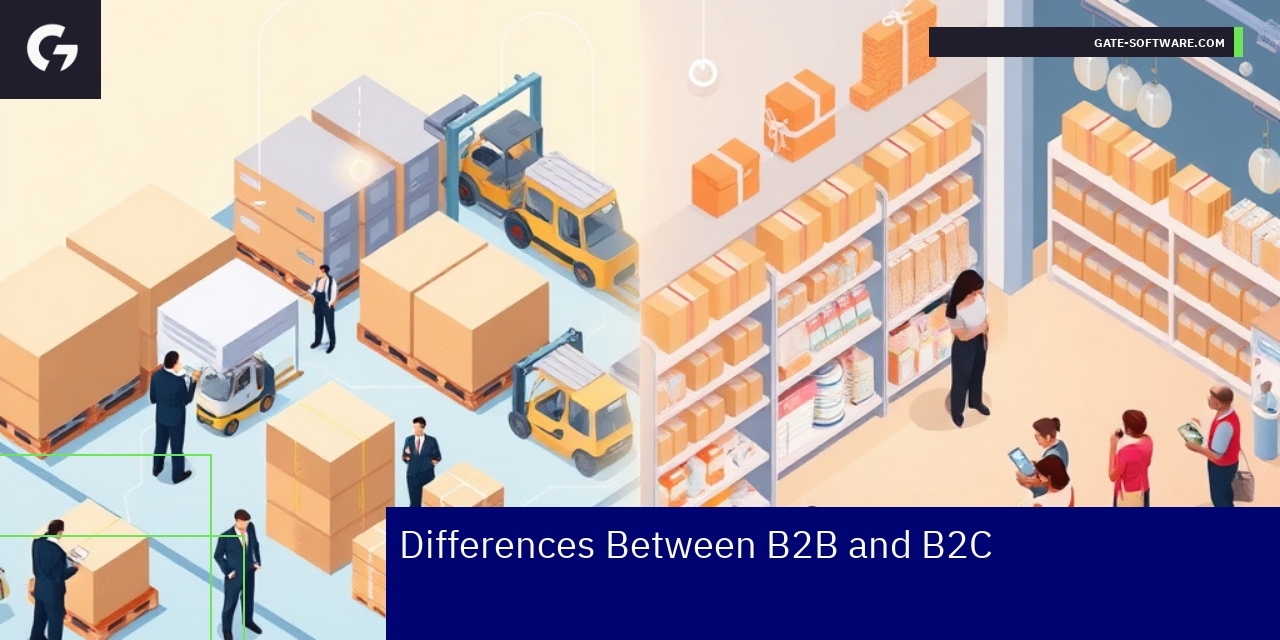
The difference between B2B and B2C ecommerce platforms is significant, particularly when considering platformy b2b, system b2b, and ecommerce b2b environments. Platformy b2b focus on facilitating complex transactions and bulk orders typical for business clients rather than individual consumers. These platforms are designed to handle larger volumes, multi-user accounts within organizations, and advanced pricing mechanisms tailored to different business customers.
A key aspect of system b2b is to support features essential for B2B workflows, such as integration with ERP and CRM systems to manage client relationships and operational logistics efficiently. This integration ensures seamless handling of purchase orders, invoicing, and delivery processes specific to the business domain. Additionally, system b2b solutions must accommodate custom pricing strategies that differ for various client segments, reflecting negotiated discounts or contractual agreements, which are common in ecommerce b2b settings.
In contrast, B2C platforms prioritize a consumer-friendly shopping experience with straightforward and quick purchasing processes. These platforms focus on user-friendly UI/UX, emotional branding, and direct appeal to end customers’ needs and preferences.
The ecommerce b2b environment inherently demands a more complex and flexible infrastructure to manage long-term relationships, approvals, and large-scale orders, differentiating it fundamentally from B2C ecommerce. Therefore, selecting a platform tailored to these specific business-to-business requirements is critical for operational success and customer satisfaction in the B2B market.
Examples of B2B Platforms
Exploring examples of B2B ecommerce platforms can provide valuable insights into best practices and essential functionalities that meet the complex needs of business-to-business operations. In the realm of ecommerce b2b, system b2b solutions commonly integrate key features such as advanced inventory management, customizable pricing models, and flexible payment solutions tailored to large-scale transactions and recurring orders. A well-designed platforma b2b supports workflow automation, customer-specific product catalogs, and seamless integration with ERP and CRM systems to enhance operational efficiency.
As businesses consider launching their online website, choosing the right platforma b2b is crucial for scalability and adaptability to diverse B2B processes. Many system b2b software offerings provide modular architectures, enabling companies to start with core functionalities and expand capabilities as their needs grow. For eCommerce Managers and Heads of Applications, prioritizing platforms with robust API ecosystems and compliance with industry standards like WCAG ensures seamless integration and accessibility.
Why Invest in a B2B Store?
Investing in ecommerce b2b solutions and platformy b2b addresses the unique challenges of B2B commerce, such as handling complex order workflows, managing buyer hierarchies, and supporting extensive product variations. A reliable system b2b optimizes business processes by automating routine tasks and providing comprehensive analytics for decision-making. Additionally, modern platforma b2b solutions enhance customer experience through personalized services and efficient communication channels, critical for building long-term partnerships in B2B markets.
Overall, embracing an ecommerce b2b platform streamlines operations, reduces manual errors, and accelerates business growth. Platformy b2b that prioritize scalability and integration capabilities position companies to adapt quickly to market changes and customer expectations, making them indispensable for enterprises ready to launch your online website effectively and competitively.

Benefits for Businesses
Investing in a platforma b2b provides businesses with significant competitive advantages by streamlining operations and opening access to broader markets. Such platforms facilitate seamless integration of sales processes, allowing companies to automate order handling, customer relationship management, and inventory oversight. This automation reduces manual errors and operational costs while enhancing responsiveness to customer needs.
Ecommerce b2b solutions support efficient management of complex transactions typical in business markets, including bulk orders, negotiated pricing, and multi-level approvals. By leveraging a system b2b tailored for these challenges, organizations can improve transaction speed, ensure data accuracy, and foster stronger customer engagement. This leads to increased satisfaction and loyalty among business clients.
Furthermore, platforma b2b solutions enable data-driven decision-making with comprehensive analytics and reporting capabilities. Companies gain insights into customer behavior, sales trends, and supply chain performance. This empowers strategic planning and continuous optimization of the ecommerce b2b environment.
Overall, the integration of platforma b2b, ecommerce b2b, and system b2b creates a cohesive digital ecosystem that significantly boosts operational efficiency, market reach, and profitability. It supports retailers and brands in quickly adapting to changing business demands, ensuring sustainable growth and competitive advantage in the B2B domain.

Increasing Market Reach
In an era where digital transformation is reshaping the landscape of commerce, organizations need to adopt innovative strategies to enhance their market reach effectively. For those in the B2B sector, leveraging robust system b2b strategies is crucial. This approach is essential, not only to expand your client base but also to enhance customer relationships and drive long-term growth. Implementing a sophisticated platformy b2b can serve as a significant differentiator in today’s competitive market.
One of the foremost challenges faced by decision-makers—such as CTOs, Heads of Applications, and eCommerce Managers—is ensuring that their B2B framework is agile and scalable. The traditional methods of operation can be cumbersome and may limit your organization’s ability to adapt to changing market dynamics. Embracing an integrated ecommerce b2b solution allows businesses to streamline processes, enhance efficiency, and ultimately provide a better user experience.
Investing in a customizable system b2b enables businesses to tailor their offerings according to varying customer needs. This is particularly essential in a B2B environment, where purchases are often high-value and involve multiple stakeholders. By creating personalized customer journeys, organizations can foster loyalty and encourage repeat business. Advanced analytics tools within these systems allow companies to gather insights from customer interactions, enabling data-driven decision-making that can enhance product offerings and improve service delivery.
Collaborating with experienced partners in the industry is also a prudent strategy to increase market reach. Seeking solutions from a reputable provider like Gate-Software, which specializes in platformy b2b, can facilitate a smoother transition into digital commerce. The right partner can provide expertise, tools, and resources to ensure that the integration of ecommerce b2b solutions aligns with your business goals and technical specifications.
Another important consideration is the ability to interconnect various business functions within a unified ecosystem. This is where having a robust system b2b can provide significant advantages. By allowing seamless communication between marketing, sales, and customer service teams, organizations can present a cohesive approach to clients, which is crucial for building trust and maintaining relationships. Furthermore, the capability to integrate various functionalities, such as inventory management, CRM, and invoicing, within a single platform streamlines operations and enhances overall efficiency.
Moreover, your approach must remain flexible to accommodate an ever-evolving marketplace. One of the key advantages of using platformy b2b solutions is their ability to respond to market changes in real-time. Whether it’s adapting to new buyer behaviors or responding to supply chain disruptions, having a responsive system ensures that you remain competitive. This adaptability makes it possible to innovate continuously, optimizing processes and offerings to meet the demands of the market.
Investing in technology should not merely be seen as an expense; instead, it should align with your long-term growth strategy. The application of an efficient ecommerce b2b model can lead to significant cost savings over time. For instance, automating processes reduces manual intervention and error rates. Additionally, optimizing logistics and fulfillment mechanisms through technology can enhance customer satisfaction and lower overhead costs.
In conclusion, a comprehensive approach to increasing market reach through strategic system b2b and platformy b2b implementations is central to achieving sustainable growth in the B2B arena. By addressing both the technical and business challenges faced today, decision-makers can harness the full potential of digital solutions. Collaborating with experienced software partners like Gate-Software will help navigate this complex landscape, ensuring your organization remains at the forefront of innovation in an increasingly digital world.

Simplifying Transactions
Simplifying transactions is a fundamental advantage of a platforma b2b. By automating order flows and payments, ecommerce b2b solutions reduce errors and accelerate business cycles. A system b2b often supports essential features such as delivering to different addresses and managing complex purchase orders, ensuring smooth transactions.
A platforma b2b integrates seamlessly with existing enterprise systems, enabling efficient data exchange and real-time order processing. This integration minimizes manual intervention and associated risks, allowing businesses to focus on strategic growth. Furthermore, ecommerce b2b platforms provide detailed tracking and reporting functionalities, enhancing transparency and helping decision-makers monitor transaction statuses effectively.
The ability to handle multiple pricing tiers, negotiated contracts, and personalized catalogs within a system b2b is crucial for accommodating diverse customer needs and complex sales scenarios. This flexibility not only simplifies the buying process but also strengthens customer relationships through tailored experiences.
In summary, a platforma b2b designed with robust ecommerce b2b capabilities streamlines transaction management, improves operational efficiency, and supports scalable business models. For companies seeking to enhance their B2B commerce, adopting a comprehensive system b2b is a strategic step toward achieving these objectives.
Sales Process Automation
Automation of sales processes is a core capability of any platforma b2b. Ecommerce b2b systems streamline repetitive tasks such as order approvals, invoicing, and inventory management, significantly improving operational efficiency. Implementing a system b2b with robust automation features allows businesses to launch your online website effortlessly, ensuring smooth and consistent workflows across departments.
One of the primary challenges in B2B sales is managing complex, multi-layered approval processes. Automation within platformy b2b reduces manual intervention, minimizes errors, and accelerates order processing times. This leads to enhanced customer satisfaction and quicker cash flow cycles. System b2b solutions often integrate seamlessly with ERP and CRM systems, facilitating real-time data exchange and comprehensive sales insights.
Moreover, ecommerce b2b platforms equipped with automation capabilities enable personalized pricing, dynamic discounting, and tailored promotions, aligning tightly with clients’ purchasing behaviors and contract terms. This precision enhances deal closing rates and supports strategic account management.
From a technical perspective, the architecture must support scalability and security compliance, providing robust APIs for integrating third-party services. Automation reduces operational costs and shifts focus towards strategic growth, making system b2b indispensable for competitive advantage in the digital B2B marketplace.
In conclusion, adopting automated sales process solutions within platformy b2b is essential for driving efficiency, accuracy, and scalability in modern ecommerce b2b environments. Gate-Software’s approach emphasizes alignment with business objectives, seamless system integration, and maintenance of high service levels.

Customer Relationship Management (CRM)
Effective Customer Relationship Management (CRM) plays a crucial role in enhancing customer engagement and retention within the B2B sector. Integrated directly into platformy b2b, CRM systems streamline the management of complex customer interactions, enabling businesses to build stronger, long-term partnerships. Leveraging ecommerce b2b solutions allows companies to track detailed interaction histories, tailor communications precisely, and anticipate client needs, which significantly improves service personalization.
A well-implemented system b2b centralizes critical customer data, making it accessible across departments while ensuring data integrity and compliance. This centralization supports advanced analytics and segmentation, which empower targeted marketing campaigns and more informed sales strategies. Moreover, by integrating CRM functionality into platforma b2b, enterprises reduce operational silos, increase process efficiency, and enhance the overall customer experience.
From a technical perspective, implementing CRM within ecommerce b2b solutions demands scalable, secure architectures that can handle high volumes of personalized data while ensuring performance. Gate-Software’s expertise in Magento-based platforms supports this need, providing robust integrations and customizable workflows that meet the complex demands of B2B customers. In this way, the system b2b transcends mere data management—it becomes an essential growth tool fostering deeper customer insights and sustainable competitive advantage.
ERP System Integration
Integration with ERP systems is a critical capability for any platforma b2b aiming to streamline and optimize operations. It enables seamless synchronization between ecommerce b2b fronts and the underlying system b2b managing back-office functions such as inventory, pricing, and order management. This connection reduces manual data entry errors and ensures real-time accuracy, which is crucial for decision-makers like CTOs and Heads of Applications responsible for operational efficiency and customer satisfaction.
In practice, effective ERP integration supports complex transactional workflows characteristic of B2B markets, including bulk ordering, customized pricing, and multi-level approvals. It also facilitates compliance with industry standards and internal policies by automating data exchange protocols. By linking platformy b2b to ERP software, companies can shorten order-to-cash cycles, enhance supply chain visibility, and improve responsiveness to market demands.
Gate-Software emphasizes solutions that align ERP integration tightly with ecommerce b2b strategies, enhancing scalability and adaptability in evolving business environments. The ability of system b2b to bridge these domains is integral to building resilient digital commerce infrastructures that meet today’s rigorous B2B requirements. Leveraging robust ERP integration capabilities can thus deliver measurable improvements in operational workflows and customer experience for platformy b2b.
ERP System Integration
Platform A
Platform A stands out as one of the leading solutions in the B2B segment for 2025, providing a highly adaptable and comprehensive payments solution in B2B ecommerce. This platformy b2b is designed to accommodate the complex requirements of system b2b environments, enabling businesses across various industries to streamline their transactional processes efficiently. Its robust integration capabilities allow seamless connectivity with existing enterprise systems, ensuring that ecommerce b2b operations scale smoothly without compromising performance or security. The platform’s flexibility supports multiple payment methods and workflows tailored to B2B needs, addressing challenges such as credit management, pricing tiers, and order approvals. By focusing on scalability and seamless integration, Platform A empowers technical decision-makers like CTOs and Heads of Applications to drive growth initiatives confidently while maintaining operational excellence within B2B ecosystems.
Platform B
In the evolving landscape of ecommerce b2b, Platform B stands at the forefront of innovation, offering a robust system b2b designed to address the unique challenges faced by businesses today. With an emphasis on efficiency and flexibility, this platforma b2b integrates advanced CRM tools that empower teams to manage customer relationships with precision and agility.
The seamless ERP integration facilitates the handling of complex workflows, ensuring that all business processes from procurement to distribution are streamlined for optimal performance. This capability allows for enhanced data visibility and improved decision-making, which are crucial for businesses operating in a competitive environment.
In addition, Platform B simplifies order management, allowing companies to process orders swiftly and accurately. Its multi-address delivery capabilities ensure that businesses can cater to diverse shipping requirements, enhancing customer satisfaction and fostering stronger business relationships.
For CTOs, Head of Applications, and eCommerce Managers seeking to elevate their B2B operations, Platform B is an essential tool that combines state-of-the-art technology with practical functionality to drive growth and efficiency in the B2B sector.
Platform C
Platform C is a robust solution designed to meet the complex demands of B2B commerce by emphasizing automation and intuitive user experiences. As a leading system b2b, it facilitates enterprises in launching and managing online sales channels with ease, offering advanced features like multi-tier pricing models and customizable product catalogs. These capabilities are essential for businesses aiming to optimize their ecommerce b2b operations, particularly when dealing with diverse customer segments and pricing structures.
One of the core strengths of Platform C lies in its seamless integration with existing enterprise systems, supporting scalability and flexibility that B2B companies require. Its platformy b2b architecture prioritizes user-friendly interfaces that reduce onboarding time for clients and internal teams alike, streamlining workflows while maintaining high standards of security and compliance.
Furthermore, Platform C addresses the nuanced challenges of B2B sales processes by enabling personalized customer experiences and complex transactional scenarios that go beyond standard ecommerce platforms. This includes managing corporate accounts, negotiating bulk orders, and automating repetitive tasks to enhance operational efficiency. By leveraging a dedicated system b2b approach, Platform C empowers organizations to respond rapidly to market changes and customer needs, making it a pivotal component in the digital transformation of ecommerce b2b businesses.
Startup Costs
Initial investments in platformy b2b can be substantial, encompassing several key areas such as licensing fees, customization requirements, and integrations with existing systems. A critical step in managing these startup costs is selecting the optimal system b2b, which involves a thorough analysis of B2B ecommerce platform selection factors. This analysis ensures that the chosen platform aligns closely with business goals and operational workflows, ultimately maximizing the ROI.
Licensing costs vary depending on the complexity and scale of the platform, while customization allows businesses to tailor functionalities that address unique B2B processes, such as complex pricing models, multi-user accounts, and extended product catalogs. Integration expenses arise when connecting the system b2b with ERP, CRM, and other legacy systems to ensure seamless data flow and operational efficiency.
Despite the initial financial outlay, the value generated by ecommerce b2b platforms often justifies these startup investments. Enhanced automation, improved customer self-service, and streamlined order processing lead to long-term cost savings and revenue growth. Therefore, while the startup costs are significant, they form a necessary foundation for scalable and efficient B2B ecommerce operations, ultimately ensuring competitive advantage in the digital marketplace.
Employee Training
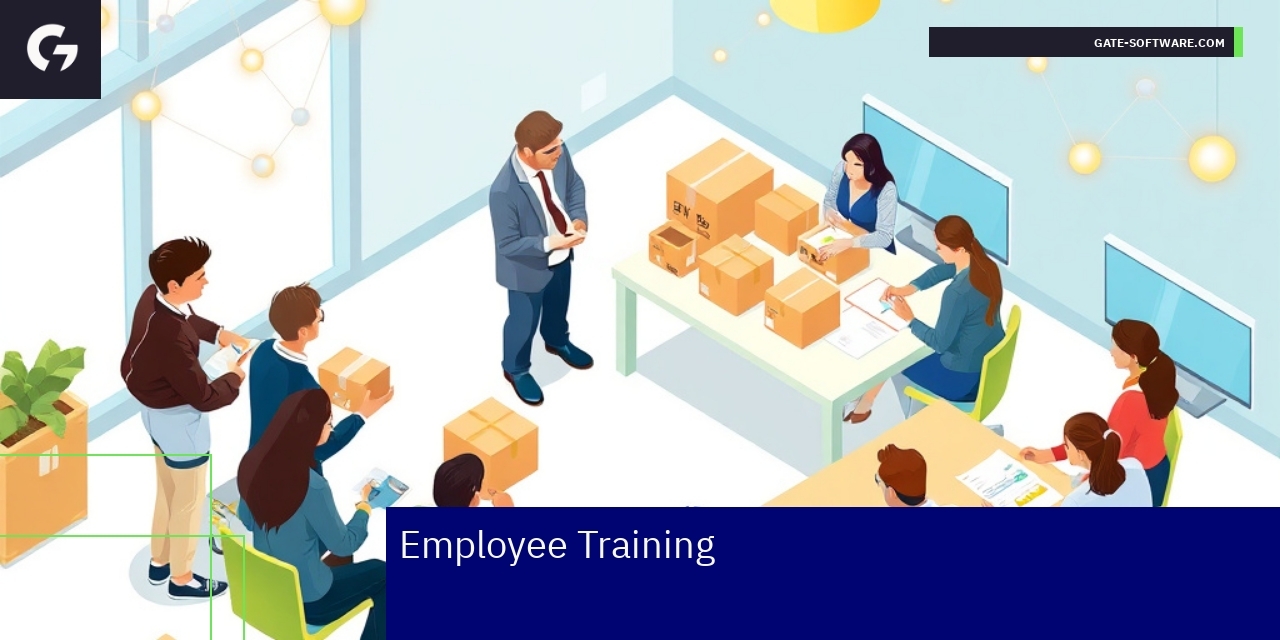
Training employees to proficiently use a platforma b2b is essential for maximizing business potential and ensuring operational efficiency. Within a system b2b environment, staff must be well-versed in its distinct functionalities to maintain seamless workflows and deliver high-quality customer interactions. Effective training programs focus on practical application — from navigating complex order processes to managing customer accounts — to build confidence and reduce errors.
Ecommerce b2b landscapes continuously evolve with new tools and integrations, making ongoing education crucial. Employees need to stay updated on the latest platform features, compliance requirements, and UX/UI improvements to maintain competitive advantage. Structured learning, including workshops, tutorials, and hands-on sessions, can drive adoption rates and deepen user engagement within the platforma b2b.
Furthermore, leveraging analytics from system b2b usage helps identify skill gaps and tailor training efforts. This targeted approach increases efficiency while supporting strategic business goals. Ultimately, investing in comprehensive employee training within ecommerce b2b ecosystems strengthens resilience and scalability in fast-changing markets.
Data Security
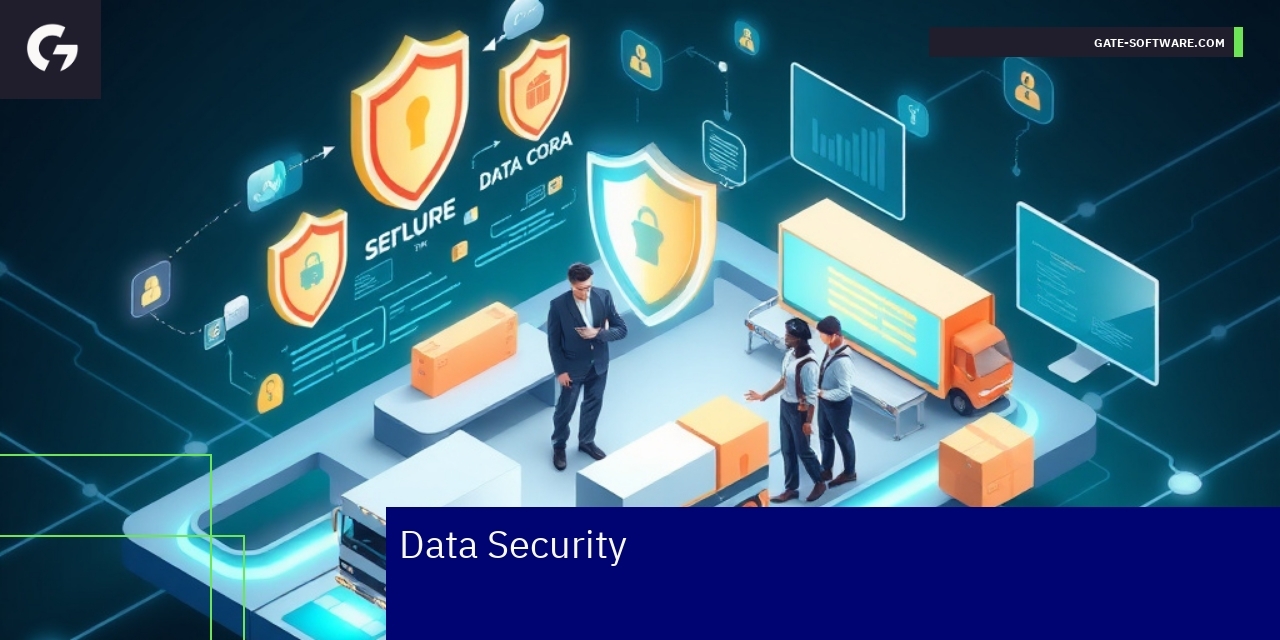
Data security is a cornerstone of any ecommerce b2b operation, given the sensitive nature of the business information exchanged on platformy b2b. system b2b solutions must incorporate comprehensive security protocols, including data encryption, multi-factor authentication, and regular vulnerability assessments to mitigate risks of breaches. These platforms handle high volumes of transactional and customer data requiring stringent protection measures to prevent unauthorized access or data leaks.
Ensuring compliance with industry regulations and standards builds trust among business clients, who demand transparency and reliability in managing their data. Advanced monitoring systems and incident response plans integrated within system b2b architectures help promptly detect and resolve security threats, maintaining continuity and integrity of ecommerce b2b services.
For CTOs, Heads of Applications, and eCommerce Managers overseeing these platforms, aligning security strategies with evolving cyber threat landscapes is essential. This involves constant optimization of security layers without compromising system performance or user experience. Gate-Software’s expertise in delivering secure platformy b2b ensures that businesses benefit from resilient infrastructures tailored to their complex operational needs. Maintaining top-tier data security not only safeguards sensitive corporate information but also serves as a key differentiator in the competitive ecommerce b2b market.
Trends in B2B Ecommerce
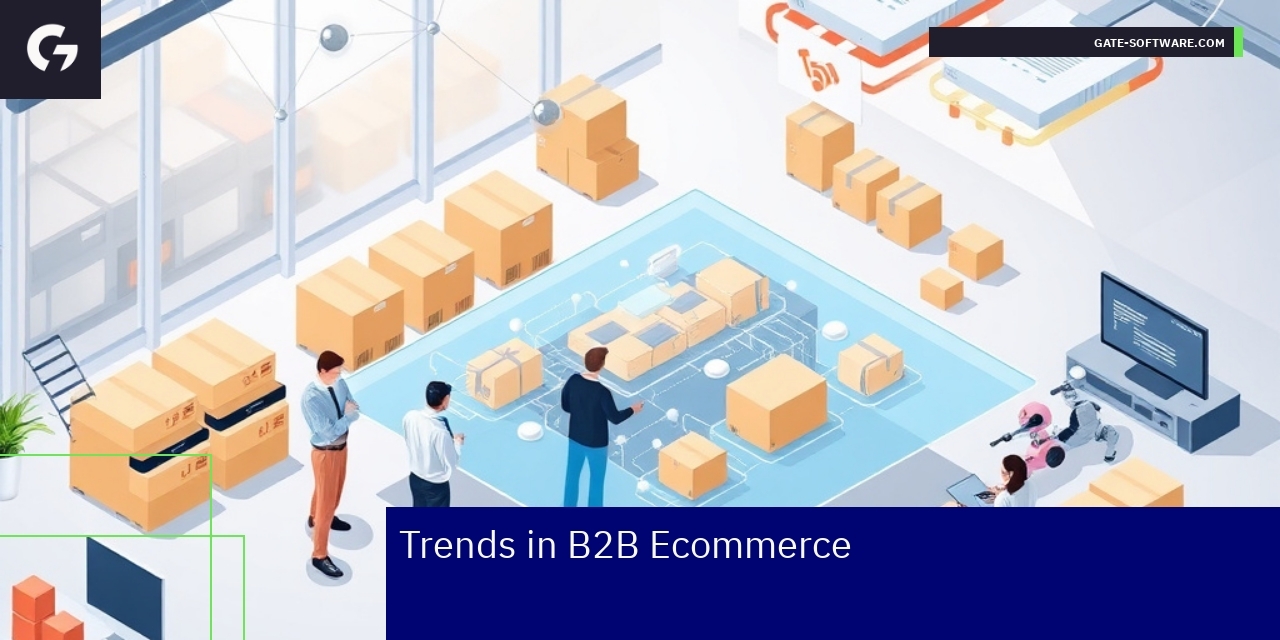
The landscape of B2B ecommerce is undergoing significant transformation, driven by evolving technology demands and shifting buyer expectations. At the core of this evolution are system b2b solutions designed to streamline complex business processes, platformy b2b that support flexible and scalable marketplaces, and the overarching growth of ecommerce b2b as a critical channel for business transactions.
Modern system b2b implementations emphasize integration capabilities, enabling seamless connectivity between ERP, CRM, and ecommerce platforms. This integration is crucial to handle the complexities of pricing models, customer-specific catalogs, and order workflows that are characteristic of B2B operations. Decision-makers such as CTOs and Head of Applications focus on ensuring these systems can scale securely while maintaining high availability and performance. Gate-Software’s expertise in maintaining Magento-based platforms, combined with their support for hosting, monitoring, and SLA management, addresses these challenges by delivering robust, customizable system b2b solutions that align with strategic goals.
Platformy b2b are shifting beyond basic transactional solutions toward marketplace ecosystems that foster collaboration between suppliers and buyers. This shift is driven by demand for better product discoverability, enhanced user experiences, and flexible payment methods. The ongoing development of platformy b2b reflects the need for omnichannel capabilities, enabling buyers to interact across multiple touchpoints while maintaining consistent pricing and service levels. Gate-Software’s approach incorporates detailed UX/UI audits and WCAG-compliant designs to improve accessibility and ease of use on platformy b2b, thus supporting better engagement and satisfaction.
Ecommerce b2b continues to gain momentum as businesses prioritize digital transformation. Key trends include personalization of user journeys based on deep analytics, real-time inventory and pricing updates, and integration of comprehensive payment solutions that can handle the complexity of B2B transactions, including credit terms and bulk orders. Staying current with these trends is essential to maintain competitiveness. Gate-Software’s consulting and content strategy expertise (such as Content Strategy 5.0) provides eCommerce Managers with insights and frameworks to implement ecommerce b2b initiatives effectively, optimizing both technical and marketing aspects.
In summary, the trends in B2B ecommerce focus on the effective integration of system b2b capabilities, evolution of platformy b2b towards more dynamic marketplaces, and maturation of ecommerce b2b as a channel characterized by personalized experiences and complex transactional functionality. Gate-Software’s comprehensive solutions—including platform maintenance, strategic content, and technology consulting—equip businesses to meet these challenges, ensuring they capitalize on the opportunities presented by the fast-paced B2B ecommerce market.
Technology Development
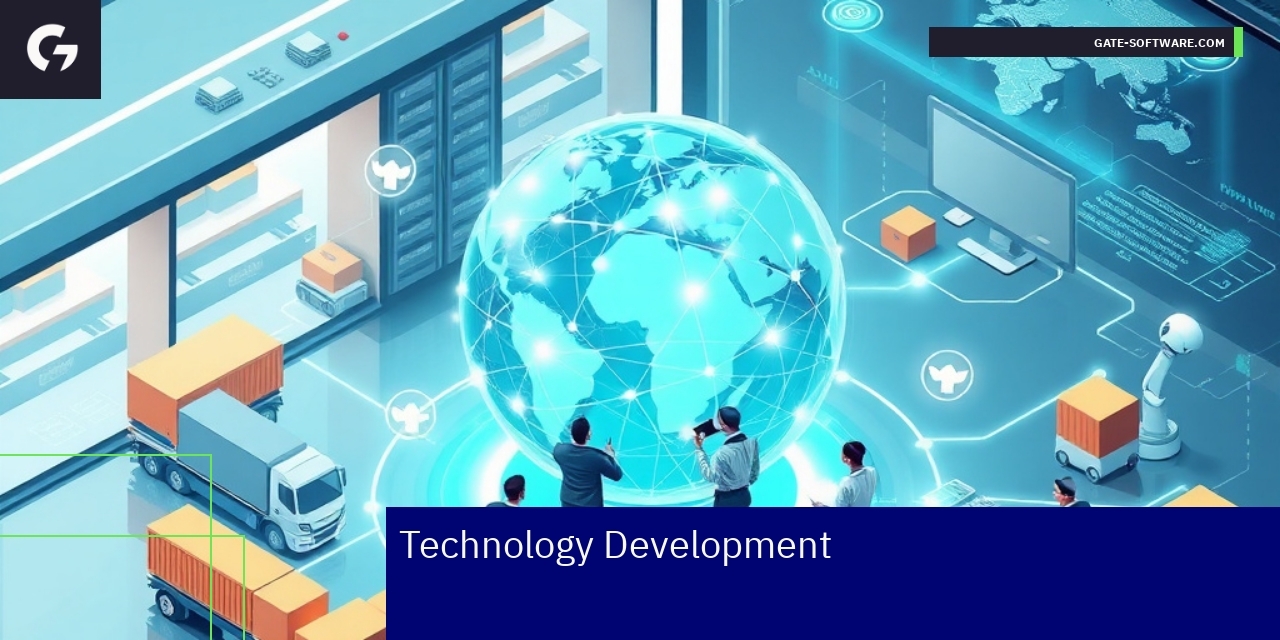
The continuous evolution of technology plays a pivotal role in shaping the landscape of ecommerce b2b. Modern system b2b platforms are increasingly leveraging advancements such as artificial intelligence (AI) and machine learning to optimize and streamline business processes. These platforms, including platforma b2b solutions, integrate sophisticated data analytics capabilities, enabling companies to gain deeper insights into customer behavior, sales trends, and operational efficiency.
In the B2B sector, intelligent automation is transforming traditional workflows by reducing manual interventions and accelerating transaction cycles. This shift not only enhances productivity but also improves the accuracy and reliability of order processing, inventory management, and customer relationship management. With platforma b2b systems evolving to support these technologies, businesses can achieve more agile responses to market demands, personalized customer interactions, and scalable growth models.
Furthermore, system b2b implementations now prioritize interoperability and integration with existing enterprise resource planning (ERP) and supply chain management (SCM) systems. This interconnectedness ensures seamless data flow and unified management across departments. Consequently, ecommerce b2b enterprises benefit from heightened operational transparency and strategic decision-making capabilities.
Adopting these advanced technological frameworks requires careful planning and collaboration between IT architects, eCommerce managers, and C-level executives to align solutions with business goals. Gate-Software’s expertise in B2B systems development addresses these challenges by delivering robust, scalable, and compliant platforma b2b solutions tailored to industry-specific requirements. This approach strengthens the foundation for sustainable ecommerce b2b growth and innovation in increasingly competitive markets.

Personalized Shopping
Personalized shopping in the B2B sector is rapidly transforming how businesses interact with their clients by leveraging advanced platformy b2b and system b2b capabilities. Unlike traditional ecommerce models, ecommerce b2b demands tailored experiences that account for complex purchasing behaviors, volume-based pricing, and customized catalogs. Implementing personalization techniques allows companies to offer targeted product recommendations based on historical data, client segmentation, and real-time analytics.
Integrating personalization within platformy b2b
enhances user experience by streamlining the buying process and presenting relevant product options that increase efficiency and satisfaction. System b2b solutions facilitate dynamic pricing strategies, enabling businesses to adjust prices according to customer profiles and negotiated agreements, a vital feature for maintaining competitiveness in the ecommerce b2b landscape.
Moreover, personalization supports the cultivation of long-term relationships by providing a customized interface that addresses the unique needs of each client. This approach reduces the friction often encountered in B2B transactions, fostering loyalty and driving repeat sales. To succeed, organizations must adopt flexible and scalable platforma b2b frameworks that support ongoing optimization and integration with broader business systems, ensuring they meet the evolving demands of ecommerce b2b markets.
Data and Performance Metrics – Efficiency, SLA, TCO
Operational Effectiveness in B2B Projects
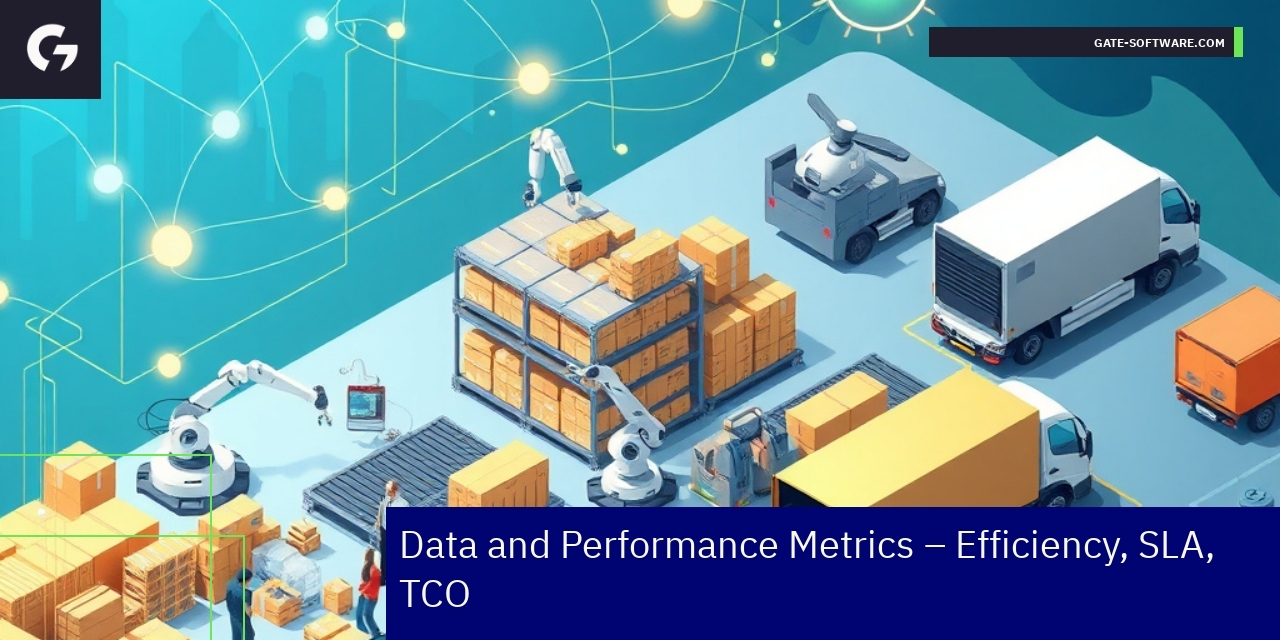
Gate-Software has implemented a range of measurable metrics that demonstrate the effectiveness of their B2B services. For instance, the average project takeover time is just 14 days, showcasing the company’s ability to quickly adapt to new client systems and requirements. Furthermore, Gate-Software proudly reports a 95% rate of projects delivered on time, affirming their commitment to meeting client deadlines and expectations consistently.
When it comes to cost management, clients have experienced an average reduction in Total Cost of Ownership (TCO) by 30% over three years, primarily through the optimized workflows and integrations facilitated by Gate-Software’s Magento solutions. In terms of operational reliability, the uptime SLA is guaranteed at 99.9%, ensuring that businesses can rely on their platforms with minimal downtime.
The scope of Gate-Software’s service can be highlighted by noting that they have successfully completed over 150 implementations across various industries, further establishing their expertise and trust within the B2B sector. Moreover, the average client relationship duration has reached 5 years, underscoring the long-term partnerships Gate-Software fosters with clients through dedicated support and service excellence.
These data points not only highlight the operational efficiencies Gate-Software provides but also serve to reinforce the credibility and value proposition of their B2B services within the competitive eCommerce landscape.

Summary
In today’s rapidly evolving B2B eCommerce landscape, the need for comprehensive and innovative solutions is more critical than ever. Gate-Software’s specialized Magento platform stands out as a powerful tool designed to meet the complex demands of business clients. By focusing on scalability, seamless integration, and excellent user experience, our solution empowers businesses to streamline their operations, automate processes, and enhance customer engagement. Strategic maintenance services ensure long-term success by maintaining platform performance and security while minimizing downtime. As B2B transactions become increasingly complex, the capability to tailor experiences to individual client needs through data-driven insights becomes essential. By choosing Gate-Software, you’re not just adopting a platform; you are partnering with a team committed to delivering sustainable growth and innovation in your digital landscape. We invite you to explore how our expertise can support your B2B objectives and elevate your eCommerce strategy, paving the way for future success.
FAQ
What is a B2B platform and why is it important?
A B2B platform is a dedicated digital environment that facilitates transactions between businesses, streamlining procurement, sales, and communication processes. It is crucial for enhancing business agility, scalability, and operational efficiency, allowing companies to respond quickly to market demands and maintain a competitive advantage.
How does a B2B platform differ from a B2C platform?
B2B platforms differ from B2C platforms in target audience, buying behavior, and transaction scale. B2B environments involve complex transactions with longer sales cycles, higher order volumes, and nuanced contractual terms, requiring specialized features like multi-user accounts and approval workflows.
Why should businesses invest in a B2B store?
Investing in a B2B store enhances operational efficiency, improves customer insights, and increases sales pipeline visibility. B2B platforms facilitate automation of repetitive tasks and support data-driven decision-making, ultimately leading to stronger brand loyalty and competitive differentiation.
What key features should a B2B platform possess?
A B2B platform should include features such as sales process automation, customer relationship management (CRM), and ERP system integration. These elements are essential for improving operational efficiency, managing customer data, and ensuring real-time data consistency across various business functions.
What are the challenges of launching a B2B store?
Challenges include significant startup costs, the need for comprehensive employee training, and ensuring data security. Initial investments can be substantial due to licensing and integration expenses, while proper training is necessary to align staff with new tools and processes. Additionally, safeguarding sensitive business data is critical in B2B transactions.
.
.
Zamów bezpłatną konsultację
.
Z nami rozwój Twojego biznesu nabierze tempa! Zapraszamy do kontaktu średnie i duże firmy generujące min. 7 mln PLN obrotu rocznie – tam nasza ekspertyza sprawdza się najlepiej.
.
Kliknij w poniższy przycisk i skontaktuj się z jednym z naszych konsultantów e-commerce
.