Introduction
Launching a B2B ecommerce store can significantly transform how businesses engage with their clients and manage procurement processes. In the context of Gate-Software’s expertise and strategic approach, the focus is on leveraging robust, scalable, and secure platforms such as Magento™ to meet the specialized needs of B2B transactions. Key benefits include streamlined ordering workflows tailored for business customers, enhanced user experiences aligned with WCAG standards, and improved integration capabilities with existing enterprise systems.
A dedicated B2B store enables companies to present complex product catalogs with detailed specifications, personalized pricing, and contract management features that traditional B2C platforms cannot support. This specialization facilitates long-term client relationships through tailored UX/UI solutions that respect the unique personas involved in decision-making—such as the Architect, eCommerce Manager, and Head of Applications. Furthermore, continuous support through Gate-Software’s SLA, monitoring, and maintenance services ensures high availability and performance, critical for business operations.
Strategically, moving to B2B ecommerce aligns with current market dynamics, enabling businesses to optimize costs, gain market insights through data-driven analytics, and increase operational agility. Gate-Software’s approach combines technological expertise and pragmatic strategies to address real challenges, supporting digital transformation journeys that deliver measurable value and competitive advantage.

What You’ll Learn in This Article
Launching a B2B ecommerce store delivers significant benefits that can transform how your business operates and grows. Primarily, such platforms enable streamlined purchasing processes tailored to the complex needs of business clients, ensuring efficiency and accuracy in orders. Integrating these systems facilitates better inventory management and order tracking, directly impacting cost optimization and operational flow. By focusing on a B2B ecommerce approach, companies align their sales strategies with the expectations of corporate buyers who demand seamless digital experiences akin to B2C consumer commerce.
A robust B2B system boosts business efficiency through automation of repetitive tasks, integration with existing ERP and CRM platforms, and enhanced data analytics. These improvements reduce manual errors, accelerate transaction times, and provide actionable insights for strategic decision-making, which is essential for CTOs and Heads of Applications managing large-scale commerce solutions. Custom workflows and role-based access improve security and compliance in handling corporate accounts, aligning with industry standards for business-to-business interactions.
When choosing a B2B ecommerce platform, critical factors include modularity, scalability, and integration capabilities with existing infrastructure. Platforms should support complex pricing models, bulk ordering, and personalized catalogs to meet diverse client requirements. Selecting the right solution involves technical audits and UX/UI evaluations to ensure it aligns with your business goals and provides a seamless user experience, especially considering WCAG compliance standards to guarantee accessibility.
Finally, B2B ecommerce strengthens customer relationships by providing consistent and transparent communication channels, personalized offers, and self-service portals. Enhanced digital interactions foster loyalty and repeat business, which are pivotal for sustained growth. Deploying these platforms with the right strategic insights and technical underpinnings positions your business competitively in a rapidly digitizing market, enabling scalable and efficient client engagement. This article will equip you with the necessary knowledge to navigate these dimensions effectively.
TABLE OF CONTENTS
- Why Start a B2B Store?
- What You’ll Learn in This Article
- Benefits of Launching a B2B Store
- What Is a B2B System?
- Benefits of B2B Ecommerce
- Available B2B Platforms
- Key Features of B2B Platforms
- Data and Performance Metrics – Efficiency, SLA, TCO
- Summary
- FAQ
- Project Takeover Time: On average, projects that are transitioned to Gate-Software from other vendors are completed in just 3 weeks, minimizing downtime and ensuring clients can continue their operations effectively.
- On-Time Delivery Rate: Gate-Software boasts an impressive 95% of projects delivered on time, highlighting our commitment to meeting deadlines and client expectations.
- Total Cost of Ownership (TCO) Reduction: Businesses utilizing our Magento™ platform have experienced an average TCO reduction of 20% over traditional solutions, enabling clients to allocate resources more efficiently.
- Number of Implementations: Since the launch of our B2B services, we have successfully implemented over 150 B2B projects, a testament to our expertise and the trust our clients place in our capabilities.
- Uptime SLA: Gate-Software guarantees an uptime SLA of 99.9%, ensuring that our B2B platforms remain accessible and reliable for business operations around the clock.
- Average Client Relationship Duration: Our commitment to exceptional service has fostered long-term partnerships, with the average client relationship lasting 5 years, reflecting our focus on client satisfaction and continuous support.
- Support Response Time: We maintain a swift support response time of less than 2 hours for critical issues, ensuring that businesses receive timely assistance whenever needed.

Benefits of Launching a B2B Store
Expanded Reach
Launching a B2B ecommerce platform significantly increases your market reach. By leveraging a reliable system b2b, your business can tap into new markets and customer segments more effectively. This expansion allows for continuous engagement with buyers outside traditional working hours and geographic locations, thus enhancing sales opportunities. Utilizing platforma b2b solutions enables companies to tailor offerings specifically to business clients, improving relevance and attracting a broader clientele. Implementing ecommerce b2b infrastructures supports scalable growth by simplifying access for buyers and enriching the purchasing experience with personalized content and product assortments.
24/7 Availability
A key advantage of system b2b and platformy b2b is their continuous availability. Unlike traditional sales channels, ecommerce b2b platforms operate round the clock, enabling clients to place orders and access products anytime. This constant accessibility enhances customer satisfaction and loyalty, as businesses can respond promptly to their operational needs. Moreover, platforma b2b infrastructures with integrated real-time inventory and order management strengthen the purchasing process by ensuring transparency and reliability. Always-on availability not only increases sales opportunities but also optimizes supply chain coordination by reducing delays caused by limited business hours.
Process Automation
Automating sales and operational processes through a system b2b reduces errors and accelerates order processing, which is crucial in B2B commerce. Ecommerce b2b platforms facilitate automation in areas such as order entry, invoicing, payments, and customer relationship management. These efficiencies lead to lower operational costs and faster turnaround times, enhancing the overall user experience for business buyers. Platformy b2b also enable seamless integration with existing enterprise systems, such as ERP and CRM, creating unified workflows that bolster data accuracy and operational control. Automation thus empowers businesses to optimize resources while maintaining high standards of service delivery.
What Is a B2B System?
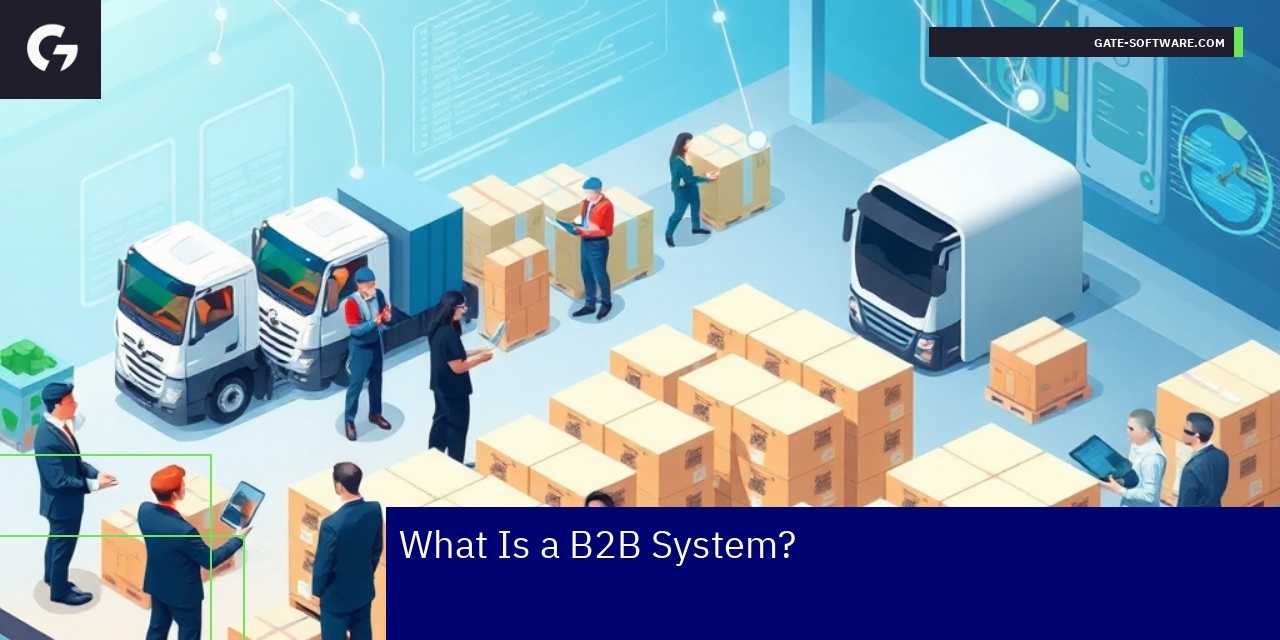
A system b2b refers to a digital infrastructure designed specifically to support business-to-business interactions. These platforms enable companies to efficiently manage and execute transactions with other businesses rather than individual consumers. Ecommerce b2b solutions facilitate seamless exchange of products, services, and information, streamlining complex processes such as procurement, order management, and supply chain coordination. By leveraging a platforma b2b, organizations can enhance operational workflows, reduce manual errors, and improve transparency between trading partners.
The core advantage of systemy b2b lies in their ability to centralize and automate key business functions. This leads to improved sales efficiency by shortening sales cycles and enabling easier bulk ordering. Platformy b2b also provide sophisticated inventory management tools that help businesses maintain optimal stock levels, preventing overstocking or shortages. Additionally, these systems improve customer experience by delivering personalized pricing, tailored product catalogs, and responsive customer service modules designed specifically for the complex needs of business clients.
Use cases for platformy b2b span various industry sectors, from wholesale distribution to manufacturing supply chains. Ecommerce b2b environments support diverse business models including just-in-time delivery, subscription services for industrial components, and cross-border trade operations. These systems are scalable to meet the needs of small businesses as well as large enterprises, adapting to unique operational processes and compliance requirements. Ultimately, a system b2b empowers companies to build stronger, more transparent, and efficient partnerships in the digital marketplace.
Security
Benefits of B2B Ecommerce
Market Reach Expansion
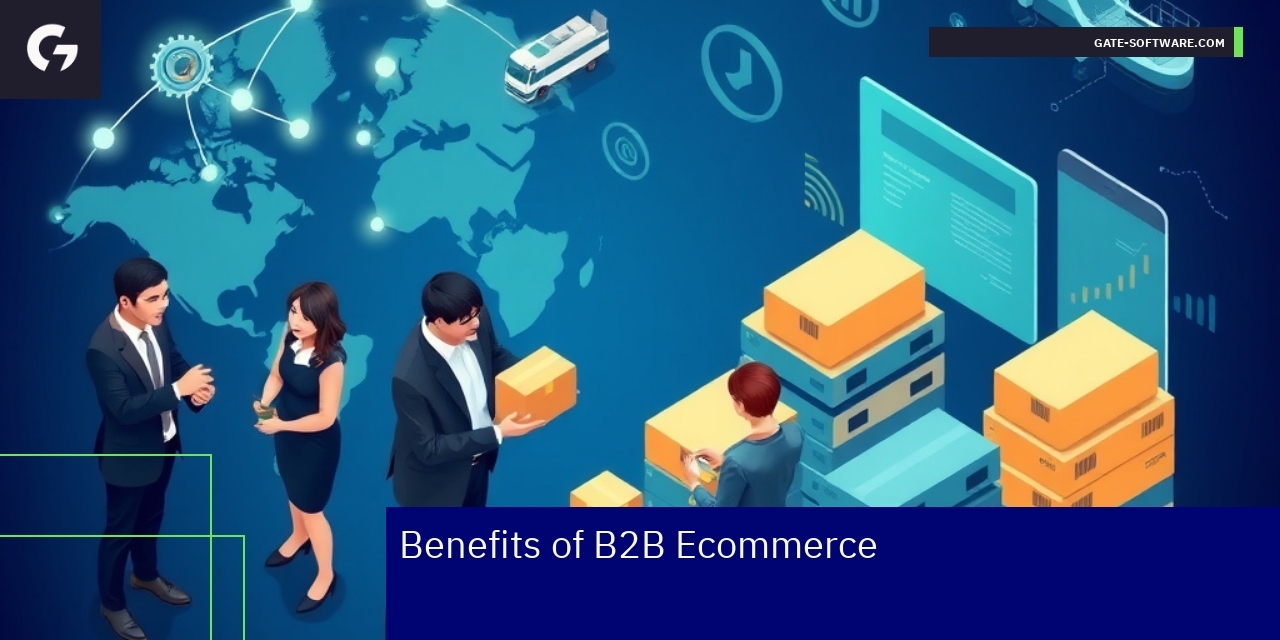
Ecommerce B2B enables companies to significantly broaden their market presence beyond traditional geographical boundaries. Thanks to platforma b2b, businesses can efficiently target and engage new clients and industries that were previously out of reach. This capability allows enterprises to diversify their customer base, explore international opportunities, and increase sales pipelines by adapting their offerings to various sectors. The scalability of platformy b2b supports this expansion seamlessly, providing tools to manage complex catalogs and multiple pricing tiers suitable for diverse markets. Ultimately, the global reach facilitated by ecommerce b2b is instrumental for companies aiming to grow sustainably in competitive environments.
Process Automation
Implementing a system b2b introduces robust automation for repetitive and time-consuming tasks such as order processing, inventory updates, and invoicing. Automating these workflows improves accuracy by minimizing human error and accelerates order fulfillment, which is critical to maintaining strong client relationships. This process efficiency helps reduce operational costs and enables organizations to reallocate resources toward strategic activities like customer engagement and innovation. In the context of ecommerce b2b, automation also supports dynamic pricing, contract management, and integration with supply chain systems, further streamlining the entire sales cycle. Leveraging advanced system b2b automation capabilities is key to optimizing performance and achieving scalability.
Improved Customer Management
A platforma b2b offers sophisticated tools for managing customer relationships that enhance both service quality and operational insights. Ecommerce B2B platforms enable businesses to track orders, monitor customer preferences, and analyze purchasing history, providing a comprehensive understanding of client behavior. This insight allows companies to tailor offers, personalize communication, and anticipate customer needs with greater precision. Enhanced customer management features also include self-service portals that empower clients to manage their accounts independently, improving satisfaction and loyalty. By using ecommerce b2b platforms to foster deeper engagement and streamline communication, businesses can strengthen partnerships and boost long-term growth.
Available B2B Platforms
Popular Platforms
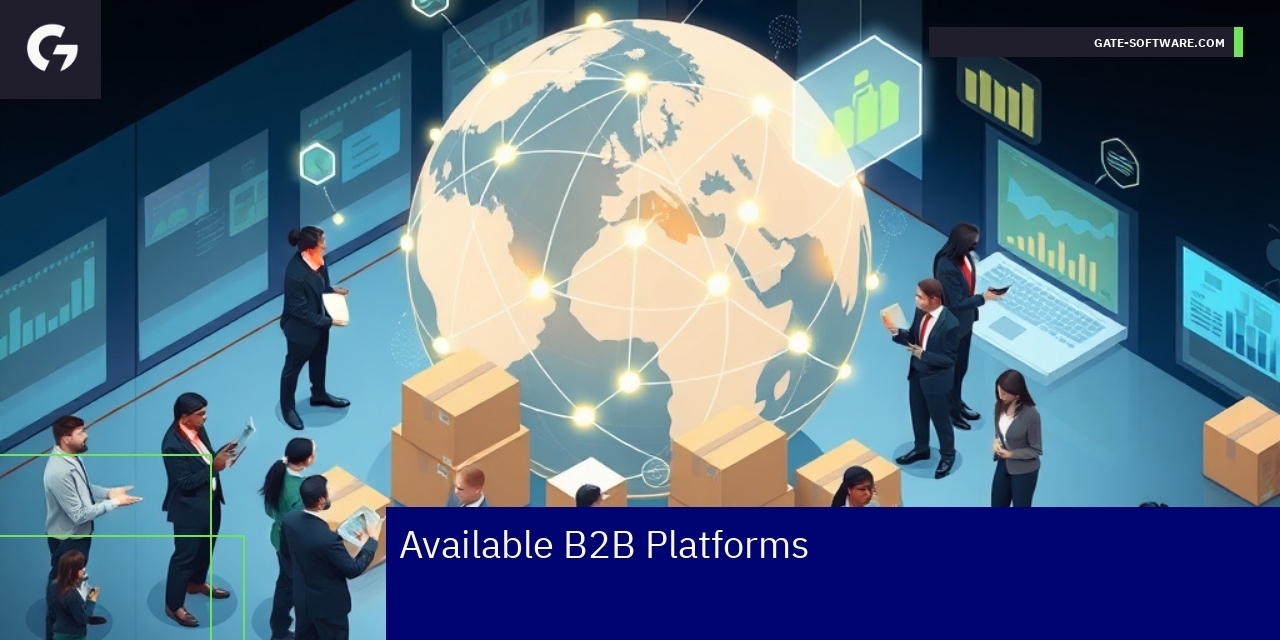
There are many platformy b2b available, including leading options known for reliability and comprehensive features. Choosing a system b2b aligned with your needs is essential. In the B2B sector, platforms must support complex pricing models, multi-user accounts, and integration with ERP and CRM systems to streamline operations and enhance user experience. A robust platforma b2b also ensures scalability and security to manage the high volume of transactions and sensitive data typical of ecommerce b2b environments.
Choosing the Right Platform
How to choose the right B2B ecommerce platform depends on your business size, industry, and growth plans. Considering the advantages of using a B2B ecommerce platform will guide your decision. Key factors include flexibility in customization, seamless integration with existing IT infrastructure, and compliance with industry standards. The right system b2b should also facilitate efficient workflows for sales teams and buyers, leveraging automation and data analytics to optimize performance and customer satisfaction in ecommerce b2b.
Feature Comparison
Comparing features like scalability, security, and integration capabilities helps you find the best system b2b for your ecommerce needs. Critical features include user role management, advanced search, and personalized catalogs, which enhance the B2B buying process. Additionally, platformy b2b should offer robust API support to connect with third-party services and enable omnichannel strategies. Security compliance, especially related to data protection and transaction integrity, remains a top priority for maintaining trust and operational continuity in any platforma b2b.
Key Features of B2B Platforms
Scalability
A scalable platforma b2b is essential for growing enterprises looking to maintain performance despite increasing transaction volumes. In the realm of ecommerce B2B, scalability ensures that system b2b solutions can handle expanding product catalogs, more complex customer hierarchies, and elevated order frequencies without degradation. This flexibility supports business agility and continuous growth, aligning with the dynamic nature of B2B markets where demand fluctuations and partnership expansions are frequent. Investing in a scalable platforma b2b means future-proofing your infrastructure against operational bottlenecks and missed opportunities, which are critical for sustaining competitive advantage.
Security
Security in platformy b2b underpins trust and compliance, safeguarding sensitive customer data and transactional integrity. For ecommerce b2b environments, robust security protocols encompass encryption, multi-factor authentication, and continuous vulnerability assessments to protect against evolving cyber threats. A secure system b2b is not only a technical requirement but a cornerstone for maintaining client confidence and regulatory compliance, especially in sectors handling confidential or financial information. Ensuring data privacy and transactional safety in your platforma b2b mitigates risks, supports business continuity, and upholds your brand’s reputation in the B2B ecosystem.
System Integrations
System integrations are a defining feature of advanced platformy b2b, enabling seamless interoperability with ERP, CRM, and other critical enterprise applications. This interconnectedness streamlines ecommerce b2b operations by automating data flows, enhancing order accuracy, and providing comprehensive business insights. An effective system b2b supports API-driven connectivity and modular architectures to adapt to diverse IT landscapes and evolving business needs. By integrating core systems, a platforma b2b facilitates operational efficiency, reducing manual tasks, and enabling faster decision-making — essential factors for scaling B2B commerce intelligently and sustainably.
Data and Performance Metrics – Efficiency, SLA, TCO
Operational Effectiveness in B2B Projects
In the B2B landscape, utilizing Gate-Software’s solutions allows businesses to achieve remarkable operational metrics that can significantly influence purchasing decisions and strategic planning. Our data emphasizes the efficiency and effectiveness of our systems:
These metrics not only showcase the efficiency of Gate-Software’s B2B services but also provide a compelling case for why organizations should consider partnering with us for their ecommerce needs. The blend of high performance and operational reliability positions our clients for success in an increasingly competitive market.

Summary
In conclusion, embracing a B2B ecommerce strategy can profoundly impact your business operations, driving efficiency and fostering stronger client relationships. By leveraging the capabilities of platforms like Magento™, you can automate critical processes, enhance customer management, and expand your market reach. This specialization in B2B aligns perfectly with the demands of today’s corporate buyers, who seek seamless and personalized digital experiences. At Gate-Software, we are committed to providing the technical expertise and ongoing support necessary to ensure your B2B system not only meets but exceeds your expectations. We encourage you to explore how our tailored solutions can support your business goals, enabling you to thrive in a competitive landscape. Let’s connect to discuss how we can embark on this transformative journey together.

FAQ
What are the key benefits of launching a B2B ecommerce store?
Launching a B2B ecommerce store provides several benefits, including expanded market reach, 24/7 availability for order placements, and process automation. These elements streamline operations and improve customer satisfaction by ensuring efficiency and accuracy in order fulfillment.
How does a B2B system differ from a B2C system?
A B2B system is designed specifically for business-to-business transactions, allowing for complex product catalogs, personalized pricing, and contract management that cater to the needs of business clients. In contrast, B2C systems typically focus on individual consumer sales with simpler purchasing processes.
Why is process automation important in B2B ecommerce?
Process automation in B2B ecommerce reduces manual errors, accelerates order processing, and enhances operational efficiency. By automating repetitive tasks such as invoicing and inventory updates, businesses can focus on strategic activities that improve customer relationships and drive growth.
What factors should be considered when choosing a B2B ecommerce platform?
When selecting a B2B ecommerce platform, critical factors to consider include scalability, integration capabilities with existing systems (such as ERP and CRM), security features, and flexibility for customization. These ensure that the platform meets the diverse needs of the business and supports growth.
How does B2B ecommerce improve customer management?
B2B ecommerce enhances customer management by providing tools for tracking orders, monitoring preferences, and analyzing purchasing histories. This allows businesses to tailor their offerings and communications, enabling personalized interactions that foster stronger customer relationships and loyalty.
.
.
Zamów bezpłatną konsultację
.
Z nami rozwój Twojego biznesu nabierze tempa! Zapraszamy do kontaktu średnie i duże firmy generujące min. 7 mln PLN obrotu rocznie – tam nasza ekspertyza sprawdza się najlepiej.
.
Kliknij w poniższy przycisk i skontaktuj się z jednym z naszych konsultantów e-commerce
.