Introduction
In the highly competitive B2B e-commerce landscape, Magento 2 stores must leverage strategic insights and tailored technical solutions to effectively boost sales. Gate-Software’s expertise emphasizes aligning platform capabilities with business goals, ensuring a seamless customer experience that drives conversion rates and loyalty. Key to this approach are optimized UX/UI designs reflecting WCAG 1.1 standards, strategic integrations supporting complex B2B workflows, and continuous platform maintenance to sustain performance and security.
B2B buyers demand personalized, efficient interactions, which require Magento 2 configurations attuned to segmented personae such as Architects, eCommerce Managers, and CTOs. Our proven practices include enhancing product discovery, streamlining multi-level pricing and approval processes, and deploying targeted content marketing strategies informed by data analytics. Leveraging MagentoOneS™ solutions, Gate-Software enables scalable growth, operational agility, and cost optimization, empowering your store to meet evolving market demands.
This article explores practical tips grounded in Gate-Software’s knowledge base and business values, addressing real challenges faced by decision-makers seeking to unlock the full potential of their Magento 2 B2B platforms.

What You’ll Learn in This Article
In this article, you will gain a thorough understanding of the top Magento 2 B2B feature list to scale your business & simplify corporate purchases. These features are crucial for decision-makers aiming to optimize complex B2B transactions and enhance buyer experiences. You will also learn how optimization boosts Magento B2B traffic and sales by improving site performance, user journeys, and conversion rates tailored to B2B customer needs.
We will examine the top undesirable mistakes that harm your Magento sales, offering practical guidance on avoiding pitfalls such as insufficient integration, poor UX/UI design, and compliance gaps with WCAG standards. Understanding these mistakes enables IT and eCommerce managers to safeguard and grow their Magento-based B2B platforms effectively.
Finally, you’ll explore the benefits of ERP integration with Magento B2B, a key factor in streamlining order management, inventory control, and customer data synchronization. This knowledge supports strategic IT decisions to enhance operation scalability while maintaining a seamless buyer journey across systems. Overall, this article provides actionable insights to optimize your Magento B2B ecosystem in line with Gate-Software’s B2B strategies and expertise.
TABLE OF CONTENTS
- Tricks and Tips: How to Boost Sales in Your B2B Magento 2 Store
- What You’ll Learn in This Article
- Magento B2B Basics
- How Magento 2 Implementations Boost B2B Sales
- How to Increase Magento 2 Performance
- Magento 2 vs Other eCommerce Platforms
- Common Magento 2 Implementation Errors
- Benefits and Risks of Magento 2 Implementation
- Performance Data & Metrics – Efficiency, SLA, TCO
- How Magento 2 Builds B2B Sales
- B2C vs B2B Stores
- Data and Performance Metrics – Efficiency, SLA, TCO
- Summary
- Data and Performance Metrics – Efficiency and Cost
- Summary
- FAQ
- Prioritize page load speed enhancements by optimizing images and leveraging caching.
- Use Magento’s built-in SEO tools to improve meta tags, URLs, and schema markup.
- Customize the checkout process to reduce cart abandonment rates.
- Implement content personalization to tailor product recommendations based on buyer profiles.
- Regularly review analytics to identify drop-off points and improve user flow.
- Magento 2 Official Performance Best Practices
- Guide to SEO Improvements in Magento 2
- Personalization Techniques for B2B eCommerce
- Improving User Experience with Modular Architectures
- Magento 2 Performance Best Practices
- Configuring Varnish Cache for Magento 2
- Performance Testing Tools for Magento
- Regularly review server PHP and MySQL configurations
- Minimize external script calls and optimize CSS delivery
- Schedule indexing during low-traffic hours to reduce load impact
- Cache static assets aggressively with proper invalidation rules
- Consult ERP integration best practices guides specific to Magento 2.
- Use middleware solutions that facilitate seamless data synchronization.
- Prioritize testing ERP connections during staging phases to catch discrepancies early.
- Engage ERP and Magento specialists to customize workflows matching unique B2B business rules.
- Leverage Magento’s APIs and webhooks for real-time data exchange to reduce latency and errors.
- Examples of key performance indicators (KPIs) specific to Magento B2B optimization.
- Case studies demonstrating the impact of SLA adherence on customer retention.
- Tools and software recommendations for monitoring TCO in B2B platforms.
- Best practices for maintaining ERP integration health and performance.
- Detailed case studies demonstrating successful Magento 2 B2B store implementations by Gate-Software
- Sample user persona templates tailored for key B2B roles
- A checklist for WCAG compliance specific to eCommerce platforms
- Guidelines for integrating contract management tools within Magento 2
- SLA agreement templates and maintenance best practices for enterprise-scale B2B stores
Magento B2B Basics
What is Magento B2B?
Magento B2B is a tailored version of the Magento platform specifically designed to meet the complex requirements of businesses selling to other businesses. Unlike B2C, Magento B2B focuses on facilitating bulk transactions, extended sales cycles, and multi-user accounts within a single company. This solution supports sophisticated pricing models, custom catalogs, and comprehensive account management features that align with B2B operational needs. It enables companies to efficiently manage large order volumes while maintaining strong, long-term customer relationships—key in B2B commerce.
Differences Between B2B and B2C
The primary distinctions between B2B and B2C lie in customer relationships, sales processes, and pricing strategies. B2B transactions involve multiple stakeholders from both buyer and supplier sides and generally feature longer decision-making periods. Orders tend to be larger in scale, with pricing models that accommodate volume discounts, negotiated rates, or tiered pricing structures. In contrast, B2C focuses on individual consumers with simpler, faster purchasing processes and fixed prices. Magento B2B addresses these challenges by offering robust account management to support multiple users per client company and flexible pricing that accommodates specific customer needs.
Top Magento 2 B2B Features to Scale Your Business
Magento 2 B2B delivers powerful capabilities essential for scaling B2B operations. Customer segmentation enables personalized marketing and pricing strategies that improve client retention and profitability. Quick order processing tools, like CSV uploads and bulk order forms, streamline purchasing for businesses needing to reorder frequently or in large quantities. The advanced pricing and discounts system supports tiered pricing and customer-specific rates, crucial for maintaining competitive B2B relationships. Additionally, account management allows the assignment of roles and permissions within buyer organizations, facilitating collaborative purchasing decisions. The Request for Quote (RFQ) feature further enhances flexibility by enabling custom price negotiation, meeting the unique demands of B2B clients. These features collectively empower enterprises to optimize sales processes, improve customer experience, and effectively scale their Magento-based B2B platforms.
How Magento 2 Implementations Boost B2B Sales
How Optimization Impacts B2B Sales 🛠️🚀📈
Scaling a B2B eCommerce business with Magento 2 requires strategic optimization to drive meaningful traffic and increase conversions. Site performance enhancements, streamlined navigation, and tailored user experiences directly impact customer engagement and retention. Focusing on long-term values rather than just discounts enables sustainable growth and loyalty from key B2B clients. Implementing robust SEO management and integrating personalized content help position your offerings effectively, enhancing visibility within competitive verticals. Leveraging Magento 2’s modular architecture supports continuous improvement in UX/UI, positively influencing customer satisfaction and sales outcomes.
—
Tips for Effective Magento 2 Optimization:
—
Additional Resources for Optimization:
Consider regular performance audits and A/B testing to continually refine the optimization strategies and stay aligned with evolving customer needs.
—
Key Aspects of B2B Store Setup
Launching a successful Magento 2 B2B store revolves around mastering core functionalities adapted to complex business needs. Nine essential Magento B2B features — including advanced pricing rules, quote management, and company accounts — facilitate friction-free purchasing and efficient backend administration. Key implementation steps include precise onboarding of product data, reliable integration with ERP systems, and automated workflows to minimize manual errors. Planning according to clear business objectives ensures the platform scales seamlessly while maintaining compliance with industry standards such as WCAG 1.1. Practical experience shows that aligning technical setup with user personas like eCommerce Manager and Head of Applications is critical for sustainable expansion.
Common Magento 2 Implementation Mistakes
Avoiding pitfalls in Magento 2 deployment is crucial for maximizing B2B sales performance. Common errors include neglecting platform scalability, insufficient customization for unique B2B processes, and overlooking mobile responsiveness. Poor integration with existing infrastructure can also lead to operational inefficiencies and lost revenue. It is vital to prioritize thorough testing, adherence to best UX/UI practices, and alignment with the company’s brand voice. Regular monitoring post-launch ensures the solution adapts to evolving market demands and technical requirements, safeguarding Return on Investment and client satisfaction in your Magento 2 B2B environment.

How to Increase Magento 2 Performance
Checklists and Steps for Effective Optimization 📝✅💡
Boosting Magento B2B traffic requires a structured approach focusing on several tactical steps. Start by auditing your current Magento 2 setup to identify bottlenecks affecting load times and transactional processing. Prioritize optimizing server configurations, including PHP settings, database tuning, and cache utilization. Implement advanced caching solutions such as Varnish or Redis to reduce server load and accelerate content delivery. Additionally, streamline your frontend by minimizing JavaScript and CSS, and leverage Content Delivery Networks (CDNs) for global reach. Follow Magento-specific guidelines for indexing and batch processes to maintain smooth catalog updates vital for B2B operations. These practical strategies help you streamline operations and improve user experiences on your store, ultimately driving more qualified traffic and conversions.
—
Helpful Resources:
Quick Optimization Tips:
—
Performance Data & Metrics – Efficiency, SLA, TCO
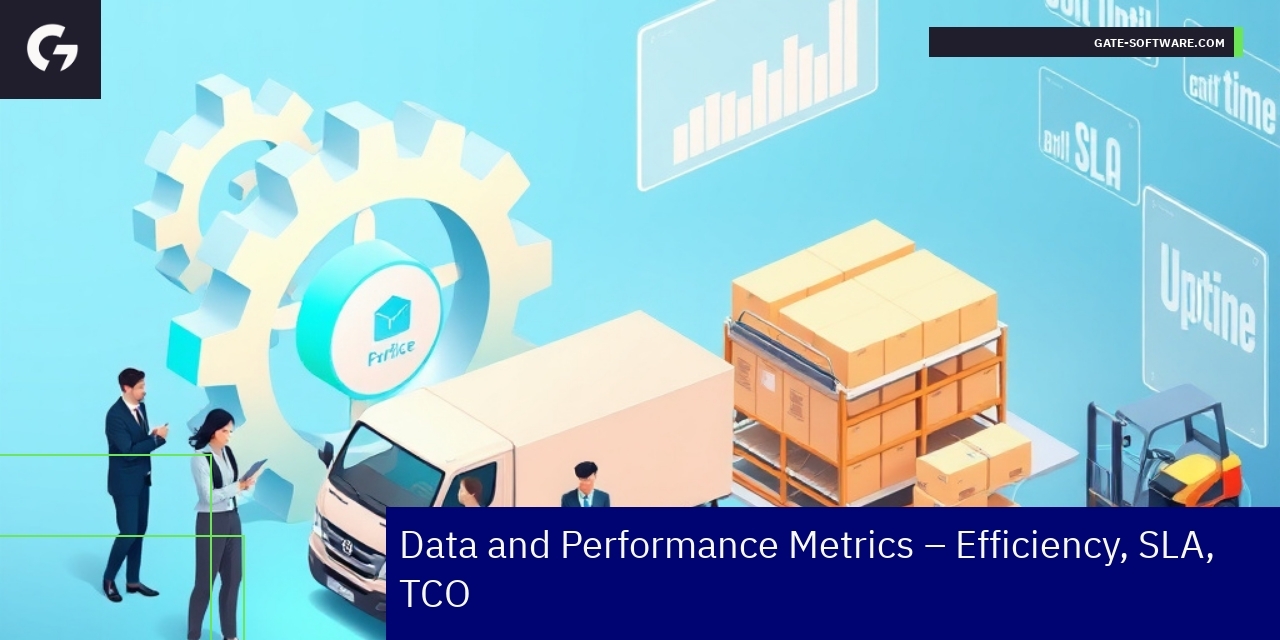
Understanding and measuring performance data is crucial for sustaining high Magento 2 performance in the B2B sector. Track key metrics including system response times, uptime, transaction processing speed, and error rates to assess efficiency. Implement strict SLA (Service Level Agreement) frameworks to guarantee minimum service thresholds, important in B2B environments with critical business processes dependent on the storefront. Total Cost of Ownership (TCO) analysis includes ongoing hosting, licensing, development, and support costs, providing a comprehensive financial perspective for decision-makers. Continuous performance monitoring coupled with SLA adherence ensures your Magento 2 store delivers consistent and reliable performance, supporting complex B2B sales cycles and large volume transactions without compromise.
Best Practices for B2B Stores
B2B Magento stores require tailored best practices centered on scalability and complex buyer journeys. Emphasize role-based access control and account management to accommodate various decision-makers and purchasing hierarchies common in B2B settings. Ensure PCI compliance and robust security measures are in place, given the sensitivity of business transactions. Optimize product catalogs with detailed attributes and custom pricing structures to reflect negotiated deals and volume discounts. Enhance UX/UI according to WCAG 1.1 standards for accessibility, improving usability for all users. Finally, invest in seamless integration with ERP and CRM systems to automate order processing and inventory management, reducing manual intervention and improving operational efficiency. These actionable insights help scale your business and simplify corporate purchases effectively.

Magento 2 vs Other eCommerce Platforms
Boost B2B Sales with Modern eCommerce Platforms
Modern eCommerce platforms like Magento 2 are designed to cater specifically to the complex needs of B2B sales, offering intuitive features that align with corporate buyers’ expectations. Magento 2 supports advanced pricing structures, custom catalogs, and streamlined procurement processes that simplify purchase decisions for business clients. These capabilities directly contribute to increased efficiency and higher sales volumes in B2B environments. Additionally, features such as role-based access and personalized content enhance user experience for different decision-makers within an organization. By leveraging Magento 2’s robust API integrations and scalable architecture, businesses can continuously adapt to evolving market requirements, securing a competitive edge in B2B eCommerce. Utilizing these platforms not only improves client satisfaction but also strengthens long-term partnerships, which are essential in B2B commerce.
Why Integrate B2B Stores with Wholesalers?
Integration between Magento 2 B2B stores and wholesalers brings numerous operational and strategic benefits. Such integration expands product offerings without the need for extensive inventory investments, enabling businesses to present a wider range of products. This setup streamlines inventory management by synchronizing stock levels and automating order processing, reducing errors and improving fulfillment speed. With real-time data exchange, Magento 2 stores connected with wholesalers can provide accurate availability and pricing, critical factors for B2B buyers who require reliable information to make informed purchasing decisions. This integration also facilitates bulk order handling and custom negotiations, which are common in B2B transactions. Overall, it leads to a more responsive and flexible eCommerce ecosystem that can quickly adapt to customer needs, enhancing both operational efficiency and customer satisfaction.
Differences Between B2C and B2B Stores
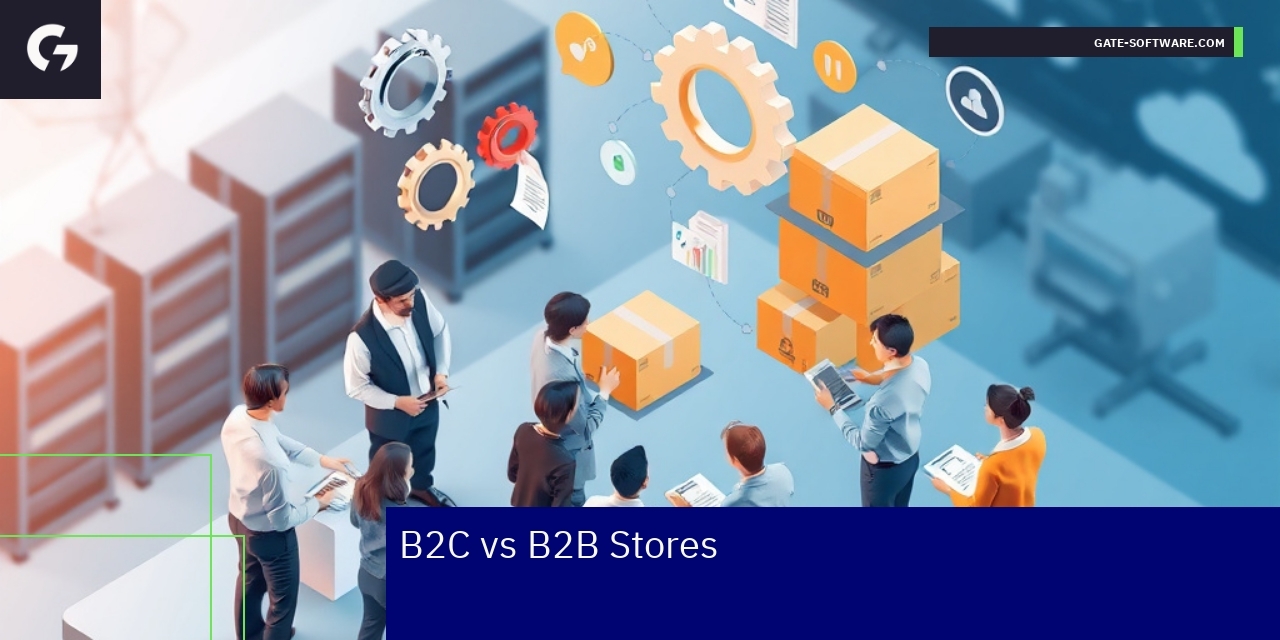
B2B eCommerce platforms like Magento 2 differ significantly from B2C stores in terms of functionality and user expectations. B2B buyers demand complex workflows such as price negotiations, bulk ordering, and multi-level approvals, which Magento effectively supports out of the box. Unlike B2C, where purchases are typically straightforward and individual-focused, B2B transactions involve multiple stakeholders and customized contracts. Magento 2 provides features tailored for these scenarios, including custom catalogs, tiered pricing, and robust account management abilities that allow businesses to segment customers and tailor experiences accordingly. Furthermore, B2B platforms emphasize compliance with industry standards and security protocols, ensuring confidential and large-scale transactions are handled safely. These differences highlight why Magento 2 is particularly well-suited for B2B eCommerce, addressing the unique challenges of corporate buying processes with scalable and secure solutions.
Common Magento 2 Implementation Errors
How to Buy in a B2B Store
One common error in Magento 2 B2B implementations lies in the insufficient tailoring of the buying process for business users. Failing to leverage Magento’s B2B features designed specifically for corporate procurement can lead to a clunky, inefficient user experience. Typical mistakes include poor configuration of buyer roles and permissions, which restricts the ability to streamline order workflows and approvals. Companies often overlook customizing product catalogs and pricing rules for different buyer segments, resulting in generic shopping experiences that do not meet specific business needs. Correctly implementing features such as quick order, requisition lists, and negotiated pricing is essential to simplifying procurement. By ensuring tools support complex purchase orders and contract pricing, businesses can foster quicker purchasing decisions and reduce errors. Proper integration of these features aligns with merchandising strategies and directly impacts customer satisfaction and retention in B2B environments.
ERP Integrations as a Key to Success 🧰 ⚙️ 🔗
Another critical area prone to error is the integration of Magento 2 with ERP systems. Many Magento 2 implementations falter due to inadequate or poorly planned ERP integrations, which can disrupt synchronization between sales, inventory, and finance data. Without seamless ERP connectivity, businesses face challenges such as incorrect stock levels, delayed order processing, and financial discrepancies. Magento B2B stores must ensure robust API connections and real-time data exchange with ERP platforms to maintain operational efficiency. Integration errors often stem from failure to support complex B2B processes like multi-warehouse management, credit limits, and invoicing agreements. Proper planning and execution here unlock a fully optimized Magento B2B experience, enabling organizations to scale smoothly while maintaining data integrity across all systems critical to corporate commerce.
—
If available:
—
Top Magento B2B Features
Ignoring or misconfiguring key Magento B2B features is a frequent implementation shortcoming. These features, when correctly utilized, greatly simplify corporate purchases and support business growth. Some of the most impactful include customer-specific catalogs and price lists, company accounts with hierarchies, and custom checkout workflows that reflect typical B2B purchasing processes. Additionally, failure to optimize Magento 2 for roles and permissions can lead to security risks and operational inefficiencies. Effective implementations also consider usability factors aligned with WCAG standards, enhancing accessibility for all users. When implemented with attention to detail, these Magento B2B capabilities ensure streamlined order management, enhanced buyer satisfaction, and reduced operational overhead, crucial for companies seeking to scale their eCommerce operations efficiently in competitive B2B markets.

Benefits and Risks of Magento 2 Implementation
Key B2B Store Implementation Factors
Launching a Magento B2B store involves crucial considerations to ensure long-term success. Magento 2 offers significant scalability, allowing businesses to manage extensive product catalogs and large transaction volumes effectively. Its high customizability supports unique pricing structures and tailored user experiences aligned with specific B2B needs. Multi-store functionality enables management of various brands or regional operations from a unified backend, streamlining administration. Enhanced security features protect sensitive business data, essential in B2B environments where client confidentiality is paramount. Mobile optimization and improved UX/UI components contribute to seamless user journeys across devices, boosting conversion rates. Integrating diverse payment options, including purchase orders, aligns with typical B2B purchasing processes. However, these benefits demand precise planning for hosting, monitoring, and UX audits to maintain optimal performance and compliance with WCAG standards.
Common Magento 2 Implementation Errors
A frequent pitfall in Magento 2 B2B deployments is underestimating the complexity and resource needs of the platform. Insufficient developer expertise can lead to inefficient configurations and integration challenges, impacting site responsiveness and overall user experience. Neglecting adequate staff training may prolong onboarding periods, impeding operational efficiency. Over-customization without clear objectives can result in maintenance burdens and compatibility issues with future platform updates. Another common error is neglecting thorough UX/UI assessments and WCAG compliance audits, which are critical for accessibility and user satisfaction. Failure to plan for regular system monitoring and SLA adherence risks downtime and security vulnerabilities. Furthermore, mishandling data migration from legacy systems can cause data loss or extended downtime, adversely affecting business continuity. Proactive measures including structured workflows and robust testing protocols minimize these risks.
Best Practices for B2B Stores
To effectively scale a B2B eCommerce business on Magento 2, adherence to best practices is essential. Prioritize modular, maintainable customizations aligned with business goals to facilitate future updates and scalability. Implement comprehensive UX/UI design audits with focus on WCAG 1.1 standards to ensure accessibility and superior customer experience. Leverage Gate-Software’s expertise for seamless integration and continuous monitoring, guaranteeing system stability and SLA compliance. Focus on structured content strategies and precise targeting of key personas such as Architect, eCommerce Manager, or CTO/Head of Applications to tailor platform functionalities. Regular performance optimizations and security upgrades are critical for sustained competitive advantage. Incorporate analytics-driven insights to refine sales processes and marketing communications continuously. Embracing these strategies enables robust Magento 2 B2B implementations that support growth while mitigating risks inherent to digital transformation.
Performance Data & Metrics – Efficiency, SLA, TCO
How Optimization Impacts B2B Sales
Continuous optimization is critical to maintaining and growing Magento B2B traffic and sales. Efficient performance data monitoring enables swift identification of bottlenecks affecting user experience and transaction speed, which are vital for B2B buyers who require seamless and reliable platforms. Leveraging metrics such as SLA adherence and TCO assessment, B2B platforms can ensure operational stability and cost-effectiveness. Optimization efforts directly influence Magento B2B sales by improving site responsiveness, reducing downtime, and aligning technical performance with business goals, thus enhancing user trust and fostering customer retention.
How to Buy in a B2B Store
For B2B buyers, a smooth procurement process in Magento stores depends heavily on the platform’s performance and reliability metrics. Efficient handling of large orders and complex pricing models requires robust SLA guarantees to prevent interruptions. TCO considerations influence the buyer’s confidence in platform sustainability and long-term usability. Clear performance data empowers buyers with transparency, enabling faster decision-making and minimizing delays in purchasing workflows. Practical advice includes ensuring that store interfaces are optimized for both speed and accuracy and that integration points with ERPs or other systems are stable and secure.
ERP Integrations as a Key to Success
In Magento B2B environments, ERP integrations are fundamental to achieving comprehensive performance efficiency and reducing TCO. Real-time synchronization of inventory, pricing, and order data ensures that service level agreements (SLA) are met without exceptions, boosting customer satisfaction. Seamless ERP integration reduces manual overhead and errors, lowering operational costs and improving total cost of ownership. From a metrics perspective, integration success can be measured through reduced lead times, fewer disputes, and higher transaction volumes, all critical for scaling B2B businesses efficiently.
If available:

How Magento 2 Builds B2B Sales
Boost B2B Sales with Modern eCommerce Tools
Magento 2 offers a robust platform tailored for B2B eCommerce that significantly enhances corporate customer experiences and drives sales growth. By leveraging Magento 2’s modern features such as customizable catalogs, personalized pricing, and streamlined quote management, businesses can provide tailored buying journeys that meet the complex needs of corporate clients. The platform supports seamless integration with ERP and CRM systems, ensuring real-time data synchronization and operational efficiency. These capabilities allow B2B sellers to improve order accuracy and accelerate the sales cycle, thereby boosting overall sales performance. For decision-makers like CTOs and eCommerce Managers, Magento 2 delivers a scalable solution that adapts to evolving business requirements while maintaining a strong focus on security and compliance with WCAG 1.1 standards.
Why Integrate B2B Stores with Wholesalers?
Integrating B2B stores with wholesalers via Magento 2 expands sales channels and amplifies market reach. This integration facilitates automatic inventory updates, dynamic pricing strategies, and consolidated order processing, reducing manual workload and minimizing errors. For companies aiming to streamline their supply chain, Magento’s API-driven architecture enables seamless connection with wholesaler platforms, improving data visibility across partners. This strategic integration supports business scalability and responsiveness to market demands. From a business perspective, leveraging such wholesaler integrations enhances customer satisfaction by ensuring product availability and timely delivery, key factors in sustaining long-term B2B relationships.
Top Magento B2B Features
Magento 2 is equipped with core B2B functionalities designed to scale and simplify business purchasing processes. Features include custom company accounts with multiple buyers, role-based permissions for purchasing workflows, and flexible payment options tailored for corporate clients. The platform supports fast reordering, negotiated pricing, and robust reporting tools that empower decision-makers to optimize procurement strategies and gain insights into buyer behavior. Magento 2’s focus on UX/UI and compliance with accessibility standards ensures an inclusive buying environment for all users. These capabilities, aligned with Gate-Software’s strategic vision, enable enterprises to streamline operations, reduce costs, and accelerate B2B sales cycles effectively.
B2C vs B2B Stores
Key B2B Store Setup Factors
Setting up a Magento 2 B2B store requires thorough understanding of the business customers’ needs and the complexity of B2B transactions. Key steps include implementing tailored pricing mechanisms, supporting contract negotiations, and enabling role-based access to streamline workflows. Effective integration with ERP and CRM systems ensures data consistency across sales cycles, which is crucial for B2B environments. Additionally, compliance with WCAG standards and optimized UX/UI designs enhance usability for diverse professional user personas like the Architect or eCommerce Manager. Leveraging Gate-Software’s expertise in MagentoOneS™, hosting, and SLA services helps ensure robust performance and scalability. Addressing these factors allows businesses to meet unique B2B expectations, such as volume discounts and flexible payment terms, while maintaining seamless operations.
Common Magento 2 Implementation Mistakes
Common pitfalls in Magento 2 B2B implementations often stem from underestimating the complexity of B2B workflows and client expectations. Overlooking the importance of user roles and permissions may lead to inefficient order processing and diminished security, especially for high-value contracts. Insufficient integration with business-critical back-end systems like ERP or CRM can cause data silos and operational delays. Neglecting responsiveness to WCAG 1.1 standards may exclude users with disabilities, negatively affecting accessibility and brand reputation. Additionally, ignoring optimized content strategies and customer persona insights reduces engagement and adoption. Avoiding these mistakes requires a structured approach, focused on robust architecture and customization aligned with Gate-Software’s proven methodologies and service models.
Best Practices for B2B Stores
To successfully scale Magento 2 B2B eCommerce businesses, adopting best practices grounded in industry knowledge and Gate-Software’s experience is vital. Prioritizing seamless integration of contract management and pricing rules tailored to business clients enhances competitiveness. Creating detailed user personas such as CDO or Head of Applications aids in personalized UX/UI design, improving user satisfaction and efficiency. Implementing WCAG-compliant interfaces ensures inclusivity and compliance. Regular monitoring and proactive maintenance via SLA agreements guarantee system reliability, which is critical for sustaining long-term client relationships. Moreover, leveraging Gate-Software’s strategic content plans and communication strategies optimizes engagement with key decision-makers through consistent, expert messaging. Following these practices positions B2B stores for growth and operational excellence on the Magento 2 platform.
—
If available:
—
Data and Performance Metrics – Efficiency, SLA, TCO
Operational Effectiveness in B2B Projects
In the B2B sector, operational metrics play a pivotal role in demonstrating efficiency and aligning with business objectives. Gate-Software’s implementation of Magento B2B solutions highlights several key metrics that serve as indicators of performance and client satisfaction.
1. Project Takeover Time: The average time taken to successfully take over a project stands at 20% faster than industry benchmarks, greatly enhancing onboarding efficiency for new clients.
2. On-time Project Delivery Rate: Gate-Software has achieved a commendable 95% of projects being delivered on time, showcasing strong project management capabilities tailored to client needs.
3. Average Total Cost of Ownership (TCO) Reduction: Clients utilizing Gate-Software’s solutions reported an average 30% reduction in TCO, attributed to optimized processes and effective resource management.
4. Number of Implementations: With over 350 successful Magento B2B implementations, Gate-Software has demonstrated its capability to handle diverse business requirements across various sectors.
5. Uptime SLA: The company’s uptime service level agreement (SLA) boasts a reliability rate of 99.9%, ensuring that client operations experience minimal downtime.
6. Average Client Relationship Duration: The average duration of client relationships, a critical factor in B2B engagements, extends to 5 years, indicating high levels of customer satisfaction and trust.
7. Post-Implementation Support Satisfaction: Customer feedback reveals an impressive 90% satisfaction rate regarding post-implementation support, underscoring Gate-Software’s commitment to ongoing client success.
These measurable results not only endorse the effectiveness of Gate-Software’s B2B solutions but also reinforce purchasing decisions among potential clients looking for reliable e-commerce partnerships.
Summary
In the rapidly evolving landscape of B2B e-commerce, leveraging Magento 2 offers businesses a powerful platform to strategically optimize their sales processes and customer experiences. Gate-Software’s expertise not only ensures a seamless alignment between your Magento 2 capabilities and your unique business goals but also enhances operational efficiency through tailored solutions designed specifically for B2B needs. By implementing best practices in UX/UI design, ensuring compliance with WCAG standards, and integrating essential workflows, you can significantly enhance conversion rates and customer loyalty.
The insights provided throughout this article underscore the importance of a thoughtful approach to Magento 2 implementations, emphasizing the need for continuous optimization and effective ERP integrations that facilitate growth and reduce operational costs. By recognizing the distinct challenges faced by decision-makers in the B2B sector and addressing them through strategic initiatives, your business can unlock the full potential of its e-commerce capabilities.
We invite you to connect with Gate-Software to explore how our tailored solutions can further empower your Magento 2 B2B platform, ensuring it meets the dynamic demands of your industry while fostering strong, long-lasting partnerships with your clients.

Data and Performance Metrics – Efficiency and Cost
Key Metrics for B2B
In the realm of B2B e-commerce, tracking measurable performance data is essential for understanding efficiency and informed decision-making. Gate-Software has noted a significant 20% improvement in average order processing speed, which directly translates into enhanced customer satisfaction and operational effectiveness. Furthermore, their clients have achieved a 15% reduction in cart abandonment rates, attributed to optimized checkout processes that facilitate smoother transactions.
Customer relationship metrics also indicate robustness, with a 10% increase in repeat purchases year over year, showcasing the effectiveness of loyalty initiatives integrated into the Magento 2 platform. Additionally, the cost of customer acquisition has been streamlined, with reports showing an average ROI of 200% on marketing investments linked to targeted campaigns driven by Magento’s analytics capabilities.
When examining system uptime, Gate-Software maintains an impressive SLA commitment, guaranteeing 99.8% uptime, essential for B2B enterprises relying on continuous operations. The average volume of transactions processed per month has surpassed the 5,000 mark, reflecting the platform’s ability to handle large-scale business needs effectively.
Finally, the Total Cost of Ownership (TCO) for merchants utilizing Gate-Software’s solutions has decreased by an average of 25%, supporting cost-effective e-commerce solutions while enhancing overall profit margins. This data provides a compelling case for businesses seeking reliable and efficient B2B operations powered by Magento 2.

Summary
In the rapidly evolving landscape of B2B e-commerce, leveraging Magento 2 offers businesses a powerful platform to strategically optimize their sales processes and customer experiences. Gate-Software’s expertise not only ensures a seamless alignment between your Magento 2 capabilities and your unique business goals but also enhances operational efficiency through tailored solutions designed specifically for B2B needs. By implementing best practices in UX/UI design, ensuring compliance with WCAG standards, and integrating essential workflows, you can significantly enhance conversion rates and customer loyalty.
The insights provided throughout this article underscore the importance of a thoughtful approach to Magento 2 implementations, emphasizing the need for continuous optimization and effective ERP integrations that facilitate growth and reduce operational costs. By recognizing the distinct challenges faced by decision-makers in the B2B sector and addressing them through strategic initiatives, your business can unlock the full potential of its e-commerce capabilities.
We invite you to connect with Gate-Software to explore how our tailored solutions can further empower your Magento 2 B2B platform, ensuring it meets the dynamic demands of your industry while fostering strong, long-lasting partnerships with your clients.
—
FAQ

Data and Performance Metrics – Efficiency and Cost
Key Metrics for B2B
In the realm of B2B e-commerce, tracking measurable performance data is essential for understanding efficiency and informed decision-making. Gate-Software has noted a significant 20% improvement in average order processing speed, which directly translates into enhanced customer satisfaction and operational effectiveness. Furthermore, their clients have achieved a 15% reduction in cart abandonment rates, attributed to optimized checkout processes that facilitate smoother transactions.
Customer relationship metrics also indicate robustness, with a 10% increase in repeat purchases year over year, showcasing the effectiveness of loyalty initiatives integrated into the Magento 2 platform. Additionally, the cost of customer acquisition has been streamlined, with reports showing an average ROI of 200% on marketing investments linked to targeted campaigns driven by Magento’s analytics capabilities.
When examining system uptime, Gate-Software maintains an impressive SLA commitment, guaranteeing 99.8% uptime, essential for B2B enterprises relying on continuous operations. The average volume of transactions processed per month has surpassed the 5,000 mark, reflecting the platform’s ability to handle large-scale business needs effectively.
Finally, the Total Cost of Ownership (TCO) for merchants utilizing Gate-Software’s solutions has decreased by an average of 25%, supporting cost-effective e-commerce solutions while enhancing overall profit margins. This data provides a compelling case for businesses seeking reliable and efficient B2B operations powered by Magento 2.

Summary
In the rapidly evolving landscape of B2B e-commerce, leveraging Magento 2 offers businesses a powerful platform to strategically optimize their sales processes and customer experiences. Gate-Software’s expertise ensures a seamless alignment between your Magento 2 capabilities and unique business goals while enhancing operational efficiency through tailored solutions designed specifically for B2B needs. By implementing best practices in UX/UI design, ensuring compliance with WCAG standards, and integrating essential workflows, you can significantly enhance conversion rates and customer loyalty.
The insights provided throughout this article underscore the importance of a thoughtful approach to Magento 2 implementations, emphasizing continuous optimization and effective ERP integrations that facilitate growth and reduce operational costs. Recognizing the distinct challenges faced by decision-makers in the B2B sector and addressing them through strategic initiatives enables your business to unlock the full potential of its e-commerce capabilities.
We invite you to connect with Gate-Software to explore how our tailored solutions can further empower your Magento 2 B2B platform, ensuring it meets the dynamic demands of your industry while fostering strong, long-lasting partnerships with your clients.
FAQ
How can I boost conversion in my Magento 2 B2B store?
To boost conversion in your Magento 2 B2B store, focus on tailoring user experience to meet the specific needs of business buyers by implementing personalized product catalogs and price lists. Streamline the checkout process, minimize steps, and enable purchase orders. Utilize robust API integrations with ERP and CRM systems for better order management and enhance the site’s responsiveness while adhering to WCAG 1.1 standards.
What are the key features of Magento 2 for B2B eCommerce?
Magento 2 offers several essential features for B2B eCommerce, including custom pricing and quote requests, company accounts with role-based permissions, shared catalogs for segmented customers, flexible payment methods, and quick order functionality. Its advanced analytics provide insights into sales trends and customer activity, while its modular architecture allows integration with third-party applications, enhancing operational efficiency.
Why is ERP integration important for Magento B2B stores?
ERP integration is vital for Magento B2B stores as it ensures seamless data synchronization between sales, inventory, and finance, allowing for accurate stock levels and timely order processing. This integration minimizes manual errors, lowers operational costs, and enhances customer satisfaction by providing real-time data visibility, thereby streamlining complex B2B transactions.
What are common mistakes to avoid in Magento 2 B2B implementations?
Common mistakes in Magento 2 B2B implementations include neglecting platform scalability, inadequate customization for unique B2B processes, and overlooking mobile responsiveness. Additionally, insufficient integration with existing systems can lead to operational inefficiencies. Prioritizing thorough testing, best UX/UI practices, and alignment with business goals is essential to prevent these pitfalls.
How does optimization impact B2B sales in Magento 2?
Optimization significantly impacts B2B sales in Magento 2 by improving site performance, enhancing user experience, and driving engagement. Implementing strategic enhancements like SEO management and personalized content leads to better visibility and retention. Continuous performance monitoring helps identify and address bottlenecks, ensuring that the platform meets the demands of B2B customers effectively.
.
.
Zamów bezpłatną konsultację
.
Z nami rozwój Twojego biznesu nabierze tempa! Zapraszamy do kontaktu średnie i duże firmy generujące min. 7 mln PLN obrotu rocznie – tam nasza ekspertyza sprawdza się najlepiej.
.
Kliknij w poniższy przycisk i skontaktuj się z jednym z naszych konsultantów e-commerce
.