Introduction
Scaling a B2B eCommerce business leveraging Magento 2 requires a strategic alignment of technology, business processes, and customer-centric solutions. At Gate-Software, we recognize that B2B eCommerce is distinguished by its complex sales cycles, personalized pricing models, and intricate product catalogs. Magento 2 provides a flexible and scalable platform that supports these specific business needs, enabling eCommerce Managers, CTOs, and Heads of Applications to address challenges such as integration with ERP systems, performance optimization, and seamless user experiences.
A key strategy involves harnessing Magento 2’s modular architecture to implement Utrzymanie i Rozwój (maintenance and development) practices that ensure continuous platform evolution aligned with business growth. By prioritizing UX/UI enhancements grounded in WCAG 1.1 standards, companies can guarantee accessibility while meeting the expectations of diverse user personas, including Architects and CDOs who demand both functionality and compliance.
Moreover, Gate-Software’s expertise in MagentoOneS™—our SLA-backed hosting and monitoring service—ensures system reliability and performance at scale, critical factors for B2B environments where downtime or sluggish response can disrupt revenue streams. Strategic content and communication planning further support demand generation in a B2B context, emphasizing the delivery of tailored, data-driven insights that nurture long-term client relationships and drive sustained growth.
In sum, scaling a B2B eCommerce business on Magento 2 is a comprehensive journey encompassing technology, user experience, operational excellence, and strategic marketing—all areas where Gate-Software delivers proven methodologies and expert guidance.
TABLE OF CONTENTS
- Strategies To Scale Your B2B eCommerce Business Using Magento 2
- Magento 2 Basics in B2B
- Benefits of Magento 2 in B2B
- What Is a PIM System and Its Role in B2B?
- Optimizing Omnichannel Purchasing
- Why System Integration Is Crucial in B2B
- Migrating from Magento 1 to 2: Key Steps
- Magento 1 vs Magento 2 for B2B
- Migration Checklist and Common Errors
- Alternatives to Magento 2 in B2B
- Performance Data and Metrics – Efficiency, SLA, TCO
- Data and Performance Metrics – Efficiency, SLA, TCO
- Summary
- Data and Performance Metrics – Efficiency and Cost
- Summary
- Data and Performance Metrics – Efficiency and Cost
- Summary
- FAQ
- Case studies demonstrating successful B2B implementations with Magento 2
- Links to official Magento 2 B2B documentation and resources
- User testimonials highlighting key B2B feature benefits
- Tutorials on setting up and customizing B2B functionalities in Magento 2
- Case studies demonstrating improved KPIs through data-driven optimizations in Magento 2 omnichannel setups
- Examples of key performance indicators (KPIs) to track in purchasing data analysis for B2B businesses
- Recommended Magento 2 extensions for advanced analytics and reporting
- Tutorials on configuring Magento 2 reporting dashboards tailored for omnichannel purchasing data analysis
- Conduct thorough data audits before migration to identify and resolve inconsistencies.
- Use automated testing tools to validate integration points continuously.
- Establish clear data governance policies to maintain accuracy across systems.
- Schedule regular synchronization intervals to minimize lag and errors.
- Overlooking legacy data complexities leading to migration failures.
- Neglecting API version compatibility between systems.
- Ignoring performance impacts of real-time data exchanges.
- Failing to provide adequate user training for new integrated workflows.
- Magento 2 Integration Guides
- ERP, CRM, and PIM Vendor Documentation
- Case Studies on Successful B2B Integrations
- Industry Forums for Troubleshooting and Best Practice Sharing
- Data synchronization audit templates
- Magento 2 B2B testing checklists
- Performance monitoring KPI examples
- Integration best practices guides
Magento 2 Basics in B2B
What is Magento 2?
Magento 2 is a leading platforma B2B designed for szybki rozwój e-commerce. It offers advanced B2B funkcjonalności that enable enterprises to effectively manage complex B2B sales cycles and relationships. By embracing Magento 2, companies can implement a robust B2B strategy with Magento that caters specifically to the needs of business clients, supporting scalable operations and driving growth in digital commerce. For organizations looking to optimize their B2B platforms, Magento 2 delivers the infrastructure and tools necessary to respond to the evolving B2B market demands.
Key B2B Features in Magento 2 🧰 ⚙️ 📊
Magento 2 integrates essential B2B functionalities such as custom pricing models, quote requests, and streamlined purchasing workflows tailored for business customers. It supports hierarchical company account structures, allowing multiple buyers and roles within a single organization to interact efficiently. These B2B functionalities are critical for enterprises aiming to build scalable B2B ecommerce sites with Magento while enhancing operational efficiency. Moreover, these features play a significant role in driving cyfrowa transformacja w sprzedaży B2B, enabling businesses to optimize procurement processes and reduce sales friction.
—
If available:
—
Introduction to B2B with Magento 2
Understanding what is B2B e-commerce and its unique challenges allows businesses to fully leverage Magento 2’s extensive automation capabilities. Through automatyzacja procesów zakupowych, Magento 2 fosters efficiency by simplifying complex purchasing workflows, improving accuracy and speed. It also enables tailored customer experiences by addressing specific B2B buyer behaviour patterns, building stronger relationships, and increasing customer satisfaction. As a result, enterprises adopting Magento 2 benefit from a future-proof platform that supports rozwój e-commerce while meeting the demands of modern B2B clients, making it clear why Dlaczego wdrożenie Magento 2 jest korzystne dla przedsiębiorstw B2B?
Benefits of Magento 2 in B2B
Improved Operational Efficiency
Utilizing Magento 2’s B2B features boosts operational efficiency by meeting wymagania związane z wydajnością and reducing manual workloads, supporting businesses in scaling effectively with custom pricing and quoting options. The platforma B2B capabilities allow companies to implement advanced permission controls and streamline workflows, ensuring that order processing and customer management are optimized for high-volume transactions. This enhances the overall rozwój e-commerce by enabling teams to manage complex B2B funkcjonalności efficiently and automate processes that traditionally required significant manual input.
Enhanced Customer Shopping Experience
Magento 2 optimizes customer journeys, addressing wymagania związane z doświadczeniami zakupowymi klienta—an important aspect of what is the behavior of B2B customers—and helps to personalize interactions across multiple touchpoints. Through customizable catalogs, tailored pricing, and flexible payment methods, the platform creates a seamless and intuitive shopping experience for B2B buyers. The ability to support bulk purchasing and purchase order workflows improves satisfaction and loyalty, while Magento 2’s mobile-optimized design ensures accessibility across devices, reinforcing the value of platforma B2B in achieving customer-centric rozwój e-commerce.
Support for Omnichannel Strategies
Magento 2 enables comprehensive omnichannel capabilities, allowing merchants to implement best practices for optimizing purchasing processes in an omnichannel model to effectively engage B2B buyers wherever they shop. Integration with ERP and CRM systems ensures consistent data flow and unified customer profiles, addressing the crucial question: Dlaczego integracja systemów jest kluczowa w e-commerce B2B? By centralizing operations and synchronizing inventory, pricing, and promotions across channels, Magento 2 drives efficiency and enhances buyer engagement. These B2B funkcjonalności facilitate the creation of a cohesive buying experience, supporting long-term business growth and resilience in the evolving digital marketplace.
What Is a PIM System and Its Role in B2B?
Defining PIM
A product information management (PIM) system centralizes product data and supports cyfrowa transformacja w sprzedaży B2B by automatyzacja procesów zakupowych, ensuring data accuracy and consistency across sales channels. In a B2B context, where complex product catalogs and detailed specifications are standard, a PIM system reduces errors and discrepancies that can affect business relationships and operational efficiency. The platforma B2B benefits from using a PIM system as it consolidates product information from multiple sources, providing a single source of truth. This integration is particularly essential for companies using Magento 2, enabling them to leverage the platform’s advanced B2B funkcjonalności effectively. A well-implemented PIM system improves Dane i metryki wydajności – Efektywność by facilitating smoother workflows and reducing time-to-market for product updates.
How PIM Supports B2B Processes
PIM improves efficiency by facilitating integracja systemów w e-commerce B2B, which is critical for maintaining seamless operations and aligning with Magento 2’s B2B functionalities for a successful B2B strategy with Magento. The system supports precise product data management that drives sales, marketing, and customer service efforts, ensuring that every stakeholder accesses relevant, accurate product information. This capability enhances the overall rozwój e-commerce by streamlining product data across multiple channels and touchpoints in the customer journey. Additionally, through proper synchronization and data governance, the PIM system contributes to meeting SLA, ensuring consistent performance and reliability critical in B2B transactions. Proper data handling also impacts the Total Cost of Ownership (TCO) by reducing manual correction needs and improving operational automation.
Choosing the Right PIM
Selecting a PIM that complements Magento 2 supports rozwój e-commerce and addresses the reasons why wdrożenie Magento 2 jest korzystne dla przedsiębiorstw B2B. The right system can handle complex product hierarchies and multiple attributes, simplifying catalog management and enhancing the user experience on the platforma B2B. It ensures that B2B funkcjonalności in Magento 2, such as customized pricing or bulk ordering, are fueled by accurate, up-to-date product data. Furthermore, a well-chosen PIM supports robust measurement of Dane i metryki wydajności – Efektywność, which enables businesses to optimize processes continually. Considering SLA adherence and managing TCO when selecting a PIM system also ensures sustainable growth and scalability for B2B e-commerce businesses aiming to leverage Magento 2 to its fullest capabilities.
Optimizing Omnichannel Purchasing
Key Elements of Omnichannel Strategy
An effective omnichannel strategy for B2B businesses hinges on leveraging the full potential of Magento 2, a leading platforma B2B solution. By incorporating B2B funkcjonalności, companies can ensure seamless alignment of customer touchpoints across online and offline channels, crucial for the rozwój e-commerce. This strategic alignment facilitates a consistent and integrated purchasing experience, which is vital for complex B2B buyer journeys. Optimizing omnichannel processes requires focusing on synchronization of inventory, pricing, and customer data, thus enabling real-time updates and personalized interactions. Leveraging Magento 2’s tools and customization opportunities allows businesses to meet high expectations in customer service, while scaling efficiently in a competitive B2B market. Jakie są najlepsze praktyki optymalizacji procesów zakupowych w modelu omnichannel? Implementing automated workflows, intuitive UX/UI aligned with buyer personas, and adherence to WCAG 1.1 standards are critical to enhance usability and compliance, driving better engagement and conversion rates.
Channel Integration
The foundation of an optimized omnichannel purchasing experience lies in efficient integracja kanałów sprzedaży. For B2B models, this involves integrating ecommerce platforms with ERP, CRM, and other backend systems to create a unified data ecosystem. Magento 2 serves as a flexible platforma B2B toolkit that facilitates bi-directional data flows essential for maintaining pricing accuracy, stock availability, and order tracking. This integration reduces process friction and accelerates order fulfillment cycles, improving customer satisfaction and operational efficiency. Synchronizing digital and physical sales channels aligns with the broader goal of rozwój e-commerce by providing comprehensive visibility across the customer journey, enabling B2B companies to adapt quickly to shifting demand patterns and market trends.
Purchasing Data Analysis 📊📈🛒
Data-driven purchasing insights underpin continuous optimization in Magento 2-based B2B environments. Analyzing detailed purchasing data provides clarity on buyer behavior, product preferences, and channel performance, supporting evidence-based decisions for process improvements. Key metrics such as Dane i metryki wydajności – Efektywność, SLA, TCO help monitor service levels and cost-efficiency in omnichannel setups. Utilizing these insights within a platforma B2B framework allows businesses to refine inventory management, forecast demand more accurately, and optimize pricing strategies. Integrating advanced analytics with Magento 2’s reporting capabilities fosters proactive improvements in the zakupowych processes omnichannel model, driving sustainable rozwój e-commerce and maximizing ROI on B2B funkcjonalności investments.)
—
If available:
—
Why System Integration Is Crucial in B2B
Essential Systems for Integration
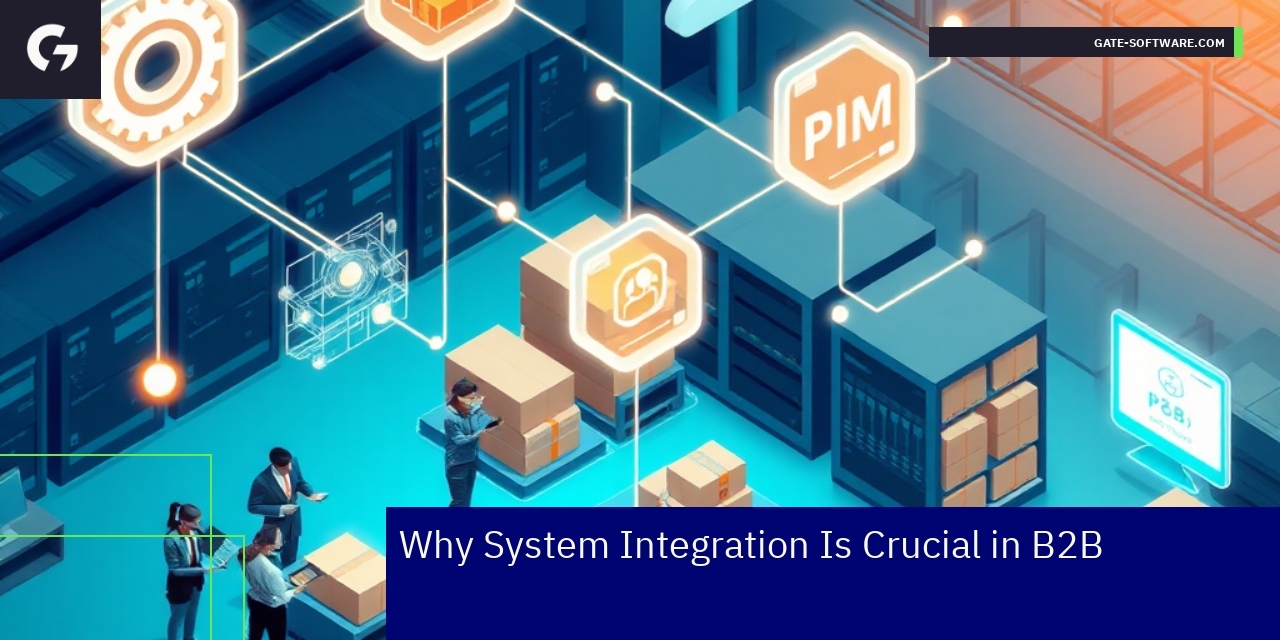
Critical integrations include ERP, CRM, and PIM systems, essential for automatyzacja procesów zakupowych and creating a cohesive B2B ecommerce ecosystem with Magento 2. Integrating these core systems into a unified platforma B2B drives the rozwój e-commerce by streamlining order processing, customer management, and product data handling. ERP systems ensure financial and inventory data are accurate and aligned, while CRM systems enhance customer engagement and relationship management. PIM integration guarantees consistency and accuracy of product information across all sales channels. When combined with Magento 2, these integrations enable advanced B2B funkcjonalności such as custom pricing, bulk ordering, and tailored catalogs, supporting complex business requirements comprehensively. This interconnected infrastructure is foundational for businesses asking, “Dlaczego wdrożenie Magento 2 jest korzystne dla przedsiębiorstw B2B?” since it enables scalable and efficient management of B2B sales processes.
Integration Processes
Following best practices for building B2B ecommerce sites with Magento ensures effective system integration, which is a fundamental step in implementing a successful B2B strategy with Magento. The development of a platforma B2B requires meticulous planning to align ERP, CRM, and PIM workflows with the Magento 2 backend. This alignment supports continuous data exchange and real-time updates, optimizing customer experience and operational efficiency. Employing standardized APIs and robust middleware solutions reduces complexities and facilitates smooth interaction between distinct systems. By focusing on scalable and flexible integration architectures, businesses can promote the rozwój e-commerce while ensuring that B2B funkcjonalności remain consistent across all touchpoints. This approach not only streamlines automatyzacja procesów zakupowych but also addresses the fundamental question, “Dlaczego wdrożenie Magento 2 jest korzystne dla przedsiębiorstw B2B?” by validating Magento 2 as a future-proof platform for long-term growth.
Integration Challenges 🛠️⚠️📋
Challenges like data inconsistency and synchronization issues are common and highlight the importance of checklisty i błędy do uniknięcia podczas migracji, reinforcing the need for careful planning. In a B2B environment, disparate systems often store overlapping yet non-aligned data, causing errors in order fulfillment and customer management. Synchronization failures between ERP, CRM, and Magento 2 can disrupt the seamless functioning of the platforma B2B. Moreover, migrating legacy data into Magento 2 requires precision to prevent loss or corruption, which can stall the rozwój e-commerce. Implementing a detailed integration checklist and anticipating common pitfalls such as incomplete data migration, format mismatches, or incorrect mapping is essential. Attention to these details ensures that B2B funkcjonalności operate without disruption and reaffirms why “Dlaczego wdrożenie Magento 2 jest korzystne dla przedsiębiorstw B2B?”—because its flexible architecture accommodates robust error handling and ongoing data integrity management.
—
Integration Best Practices:
Common Pitfalls to Avoid:
Additional Resources:
—
Migrating from Magento 1 to 2: Key Steps
Migration Planning
Successful migration requires a clear understanding of wymagania funkcjonalne and aligning legacy data with the new Magento 2 B2B functionalities to unlock the potential of Magento 2 B2B. This includes detailed assessment of the existing platforma B2B setup, identifying customizations specific to B2B processes such as customer segmentation, pricing strategies, and quoting mechanisms. Planning should map out how data from Magento 1, including customer accounts, orders, and product attributes, will be transferred without loss of critical information. Defining expectations around rozwój e-commerce and how Magento 2’s enhanced B2B funkcjonalności can support business growth is essential. Early alignment with technical and business stakeholders (e.g., Architect, Head of Applications, eCommerce Manager) ensures requirements are thoroughly understood before migration begins, minimizing risks of functionality gaps.
Migration Stages
Key steps include data migration, functionality testing, and performance tuning, with a focus on porównanie Magento 1 i Magento 2 w kontekście B2B to maximize benefits. The data migration phase involves securely transferring all relevant legacy data to Magento 2, ensuring that B2B-specific data such as customer groups, contract pricing, and negotiated quotes are accurately preserved. Functionality testing covers verifying the correct implementation of B2B funkcjonalności, including streamlined checkout processes, role-based permissions, and custom workflows. Performance tuning aims at optimizing system responsiveness and scalability, critical for B2B operations often involving complex transactions and large product catalogs. Throughout, attention to detail and rigorous quality assurance reduce risks during the migration process.
Migration Errors to Avoid
Avoid checklist mistakes and common pitfalls listed in checklisty i błędy do uniknięcia podczas migracji to ensure a smooth transition and continuous operational efficiency. Common errors include underestimating the complexity of migrating customer data with unique B2B attributes, neglecting comprehensive functionality testing, and insufficient training for teams adapting to Magento 2. Planning must also realistically answer: Ile czasu trwa proces migracji z Magento 1 do Magento 2? Proper time allocation prevents rushed implementations which can lead to disruptions. Moreover, failing to consider integration with existing systems, such as ERP or CRM, can impair the platforma B2B’s overall performance and user experience. Proactive risk management and adherence to migration best practices ensure business continuity and pave the way for successful rozwój e-commerce.
Magento 1 vs Magento 2 for B2B
Major Differences
Magento 2 offers enhanced scalability, performance, and custom pricing and quoting features compared to Magento 1, which are key for strategies to scale your B2B eCommerce business using Magento 2. Compared to Magento 1, Magento 2 is designed to better support the complex needs of B2B companies, particularly when it comes to platforma B2B development. The new architecture allows for more efficient handling of large product catalogs and sophisticated pricing models, which are fundamental in driving rozwój e-commerce for B2B enterprises. Furthermore, Magento 2 introduces refined B2B funkcjonalności that streamline procurement processes and improve customer experience. Organizations focusing on B2B transactions find in Magento 2 a compelling reason to upgrade, as it supports more advanced workflows that contribute to operational efficiency and competitive advantage.
Performance and Scalability
Magento 2 meets stringent wymagania związane z wydajnością, supporting growing B2B operations more effectively by providing faster load times and improved database management. This is critical for ensuring a smooth and responsive user experience on a platforma B2B, where buyers expect reliable and speedy transactions. Magento 2’s built-in caching, indexing, and asynchronous operations enhance the e-commerce infrastructure, making rozwój e-commerce scalable without compromising performance. For companies engaged in large-scale B2B commerce, these technical improvements reduce downtime and allow a greater number of simultaneous users, essential for supporting complex buying processes and expanded sales channels.
Magento 2 B2B Functionalities
Magento 2 addresses the detailed wymagania funkcjonalne of B2B companies, including company account management, granular permissions, and comprehensive quoting workflows. These B2B funkcjonalności empower businesses to implement multi-tiered approval processes, custom price lists, and negotiated payments, which are vital for enterprise clients. Additionally, Magento 2 supports corporate structure management, enabling buyers to manage sub-users and shared accounts within their organizations seamlessly. These features align closely with why many ask: Dlaczego wdrożenie Magento 2 jest korzystne dla przedsiębiorstw B2B? The answer lies in how these enhancements facilitate tailored B2B relationships and improve transactional transparency, thereby simplifying management and expanding sales potential in the B2B marketplace.
Migration Checklist and Common Errors
Key Checklist Items
When planning a migration for a B2B platforma B2B, it is crucial to ensure that core integration points are thoroughly validated. This means checking the seamless connectivity between Magento 2 and existing systems, which underpins B2B funkcjonalności essential for efficient operations. Optimizing the purchasing processes according to best practices tailored for rozwój e-commerce ensures a smooth user experience aligned with B2B customer expectations. Proactively resolving potential issues requires disciplined adherence to checklisty i błędy do uniknięcia podczas migracji, such as data synchronization, user role mapping, and custom pricing rules. Equally important is understanding Dlaczego integracja systemów jest kluczowa w e-commerce B2B – integration reduces operational silos and enables real-time data flow critical for sales and logistics processes, ultimately enhancing platform reliability and scalability.
Common Mistakes
Common errors in B2B migrations often stem from data loss during transfer, insufficient end-to-end testing, and neglecting checklisty i błędy do uniknięcia podczas migracji. For instance, failing to validate custom attributes and complex pricing structures native to B2B can lead to functional regressions post-migration. Another frequent pitfall is underestimating the scope of Magento 2 B2B funkcjonalności that need configuration and testing. Overlooking the critical role of platforma B2B’s integration with ERP or CRM systems often results in transactional discrepancies and compromised customer experience. Organizations must also beware of rushing migration without thorough verification of workflows aligned with their rozwój e-commerce strategy, as premature launches frequently cause operational disruptions.
Tips for the Future 🚀📈📊
Maintaining operational excellence after migration requires continuous monitoring of Dane i metryki wydajności – Efektywność, SLA, TCO. These metrics provide actionable insights into system performance and cost-effectiveness, helping B2B managers ensure that Magento 2 infrastructure scales reliably while supporting advanced B2B funkcjonalności. Establishing a governance framework around these metrics aids in proactive issue detection and resolution, reinforcing the rationale behind Dlaczego integracja systemów jest kluczowa w e-commerce B2B. Long-term, focusing on iterative optimization of the platforma B2B based on evolving customer needs ensures sustained rozwój e-commerce and maximizes the return on investment from Magento 2 migration projects.
—
If available:
—
Alternatives to Magento 2 in B2B
Comparison with Other Platforms
While Magento 2 leads in flexibility and B2B features, competitors offer their own strengths; this comparison supports implementing a successful B2B strategy with Magento by understanding where it excels. The platforma B2B landscape demands solutions that cater specifically to B2B funkcjonalności such as complex pricing, custom catalogs, and multi-tiered approval workflows. Magento 2’s robust capabilities in these areas make it a strong contender in the rozwój e-commerce sector. However, examining alternatives allows businesses to evaluate different approaches to automatyzacja procesów zakupowych and integration needs, ensuring alignment with their strategic goals. This comparative insight is essential for those questioning Dlaczego wdrożenie Magento 2 jest korzystne dla przedsiębiorstw B2B, helping them make informed decisions grounded in technical and business realities.
Choosing the Right Platform
The choice depends on business size, integration needs, and automatyzacja procesów zakupowych requirements, aligning with what is B2B e-commerce and unlocking its potential with the right tools. Companies must evaluate how each potential platform supports seamless integration with existing ERP and CRM systems, as well as how they handle B2B-specific workflows. Magento 2 excels in customizable features and scalability, which supports robust platforma B2B initiatives, but alternative platforms may offer distinct advantages in ease of use or cost efficiency. A clear understanding of the business’s technical ecosystem and strategic goals in rozwój e-commerce is paramount to choosing the right platform. This ensures successful implementation and long-term value creation aligned with the question, Dlaczego wdrożenie Magento 2 jest korzystne dla przedsiębiorstw B2B.
Future of B2B eCommerce
The future points to greater system integration and digital transformation, underscoring why system integration is crucial in B2B ecommerce to stay competitive. As platforma B2B continues evolving, businesses will demand more advanced B2B funkcjonalności, deeper analytics, and enhanced user experiences aligned with WCAG standards. Magento 2’s flexibility positions it well for this future, supporting complex integrations and continuous rozwój e-commerce strategies. Moreover, automatyzacja procesów zakupowych will become more sophisticated, driving operational efficiency and customer satisfaction. Understanding this trajectory helps answer Dlaczego wdrożenie Magento 2 jest korzystne dla przedsiębiorstw B2B, emphasizing the strategic importance of choosing a platform that can scale and adapt to emerging B2B trends and technological advancements.
Performance Data and Metrics – Efficiency, SLA, TCO
Key Performance Indicators
Tracking efficiency and uptime through SLA (Service Level Agreements) is vital for successful B2B ecommerce with Magento 2, meeting wymagania związane z wydajnością. In the context of a platforma B2B, monitoring these metrics ensures that business operations run smoothly and that customer expectations are consistently met. SLA parameters define the acceptable thresholds for system availability, response times, and issue resolution, which directly impact user experience and operational continuity. Precise measurement and reporting against these SLAs provide transparency and drive continuous improvements in service delivery, crucial for rozwój e-commerce in B2B environments.
Measuring Efficiency
Leverage data analytics to understand what are the key features of B2B and optimize accordingly, supporting strategies to scale your B2B eCommerce business using Magento 2. Efficiency measurement involves analyzing transaction speeds, load times, and resource utilization to ensure the platform supports complex B2B functionalities without performance degradation. This includes optimizing backend processes and frontend responsiveness to handle personalized pricing, bulk ordering, and multi-tier approvals inherent in B2B workflows. Such performance insights align with business goals and answer critical questions like Ile czasu trwa proces migracji z Magento 1 do Magento 2?, helping to plan and execute migration projects with minimal disruption.
TCO and SLA in B2B Context
Understanding Total Cost of Ownership (TCO) and SLA helps businesses justify investment in Magento 2 and outlines why wdrożenie Magento 2 jest korzystne dla przedsiębiorstw B2B. TCO includes licensing, development, infrastructure, maintenance, and support costs, framed against the operational benefits and risk mitigation provided by robust SLA commitments. For a platforma B2B, this comprehensive cost perspective supports strategic decision-making about long-term digital infrastructure investments. Additionally, well-defined SLAs reduce downtime risks and improve vendor accountability, directly contributing to efficient rozwój e-commerce in a highly competitive B2B marketplace.
Data and Performance Metrics – Efficiency, SLA, TCO
Operational Effectiveness in B2B Projects
In the realm of B2B services, Gate-Software showcases impressive operational metrics that are critical for decision-makers evaluating their eCommerce solutions. The average project takeover time stands at 14 days, enabling swift onboarding and ensuring that clients can quickly benefit from enhanced operational capabilities. Notably, 95% of projects are delivered on time, a testament to Gate-Software’s commitment to reliability and efficiency in project management.
Additionally, clients typically experience an average Total Cost of Ownership (TCO) reduction of 20% after implementing Gate-Software solutions. This reduction is pivotal for organizations seeking to optimize their investment in Magento 2.
Since inception, Gate-Software has successfully executed over 150 B2B implementations, providing substantial experience in addressing the unique challenges of the B2B eCommerce landscape. Coupled with a robust uptime SLA of 99.9%, clients can trust in the reliability of the services offered, ensuring minimal downtime and consistent operational performance.
Finally, the average client relationship duration is an impressive 5 years, reflecting Gate-Software’s dedication to building long-lasting partnerships and fostering trust through exceptional service delivery. These metrics collectively highlight Gate-Software’s effectiveness in driving success for B2B eCommerce projects.

Summary
In conclusion, scaling a B2B eCommerce business using Magento 2 is a multifaceted endeavor that requires strategic alignment between technology, business processes, and user engagement. Gate-Software’s dedicated expertise in implementing B2B functionalities ensures that businesses can efficiently navigate the complexities of integration, performance optimization, and customer experience. By leveraging Magento 2’s capabilities, companies not only enhance their operational efficiency and establish reliable communication channels but also foster lasting relationships with their clients through personalized experiences and tailored content. Partnering with Gate-Software means tapping into robust support for continuous platform evolution and achieving a competitive edge in the digital marketplace. If you are looking to evolve your B2B eCommerce strategy, we invite you to reach out and explore how our innovative solutions can help drive your business growth.

Data and Performance Metrics – Efficiency and Cost
Key Metrics for B2B
In the realm of B2B services, achieving operational excellence is reflected in several key metrics that inform decision-making processes. The average time-to-deliver projects is currently at 14 days, which accelerates client onboarding and enhances operational readiness. Additionally, posts from clients show a remarkable 95% on-time delivery rate, underscoring the reliability of service delivery.
When evaluating cost efficiency, companies discover an average Total Cost of Ownership (TCO) reduction of 20% following the implementation of enhanced B2B solutions. This figure is crucial for organizations aiming to optimize their financial investments while accessing robust functionalities.
Furthermore, the total volume of B2B implementations undertaken by Gate-Software has reached over 150, showcasing extensive industry experience. This volume correlates with a robust uptime SLA of 99.9%, ensuring that operational interruptions are minimal, and business continuity is maintained efficiently.
Customer satisfaction is highlighted through an average client relationship duration of 5 years, indicating strong trust and ongoing partnerships fostered by consistent service quality. Collectively, these metrics provide a quantifiable basis for understanding the operational effectiveness and cost efficiencies associated with B2B implementations, supporting strategic decision-making and sustained growth.

Summary
In conclusion, scaling a B2B eCommerce business using Magento 2 is a multifaceted endeavor that requires strategic alignment between technology, business processes, and user engagement. Gate-Software’s dedicated expertise in implementing B2B functionalities ensures that businesses can efficiently navigate the complexities of integration, performance optimization, and customer experience. By leveraging Magento 2’s capabilities, companies not only enhance their operational efficiency and establish reliable communication channels but also foster lasting relationships with their clients through personalized experiences and tailored content. Partnering with Gate-Software means tapping into robust support for continuous platform evolution and achieving a competitive edge in the digital marketplace. If you are looking to evolve your B2B eCommerce strategy, we invite you to reach out and explore how our innovative solutions can help drive your business growth.
Benefits of Magento 2 in B2B
Data and Performance Metrics – Efficiency and Cost
Key Metrics for B2B
In the realm of B2B services, achieving operational excellence is reflected in several key metrics that inform decision-making processes. The average time-to-deliver projects is currently at 14 days, which accelerates client onboarding and enhances operational readiness. Additionally, posts from clients show a remarkable 95% on-time delivery rate, underscoring the reliability of service delivery.
When evaluating cost efficiency, companies discover an average Total Cost of Ownership (TCO) reduction of 20% following the implementation of enhanced B2B solutions. This figure is crucial for organizations aiming to optimize their financial investments while accessing robust functionalities.
Furthermore, the total volume of B2B implementations undertaken by Gate-Software has reached over 150, showcasing extensive industry experience. This volume correlates with a robust uptime SLA of 99.9%, ensuring that operational interruptions are minimal, and business continuity is maintained efficiently.
Customer satisfaction is highlighted through an average client relationship duration of 5 years, indicating strong trust and ongoing partnerships fostered by consistent service quality. Collectively, these metrics provide a quantifiable basis for understanding the operational effectiveness and cost efficiencies associated with B2B implementations, supporting strategic decision-making and sustained growth.
Summary
In conclusion, scaling a B2B eCommerce business using Magento 2 requires a comprehensive approach that encompasses strategic technology alignment, process optimization, and a focus on user experience. By leveraging the advanced capabilities of Magento 2, businesses can effectively navigate the complexities of B2B transactions while enhancing operational efficiency and delivering personalized customer experiences. Gate-Software’s expertise plays a pivotal role in supporting organizations throughout this journey, ensuring seamless integration with existing systems and providing tailored solutions that meet the unique needs of B2B environments. As you reflect on your own B2B eCommerce strategy, consider how the insights and methodologies presented can inform your next steps. Engaging with Gate-Software could be an important move towards achieving sustainable growth and success in the ever-evolving digital marketplace.
FAQ

FAQ
What are the Key Features of Magento 2 for B2B?
Magento 2 offers advanced pricing models, quote requests, and streamlined purchasing workflows tailored for business customers. It supports hierarchical company account structures, allowing multiple buyers within an organization to interact efficiently.
What Are the Biggest Challenges When Migrating from Magento 1 to Magento 2?
Migrating from Magento 1 to Magento 2 involves challenges such as data migration complexities, the need to adapt custom extensions for the new architecture, and ensuring minimal downtime during the transition.
Why is System Integration Crucial in B2B eCommerce?
System integration is vital as it enhances data accuracy, automates processes, and improves customer satisfaction. Integrating Magento 2 with ERP and CRM systems streamlines order processing and inventory management, reducing manual errors and delays.
How Does Magento 2 Optimize Customer Shopping Experiences?
Magento 2 enhances customer shopping experiences through customizable catalogs, tailored pricing, and flexible payment methods. It supports bulk purchasing and purchase order workflows, creating an intuitive shopping experience for B2B buyers.
What Alternatives to Magento 2 Exist in the Market?
Alternatives to Magento 2 include Shopify Plus, OroCommerce, and SAP Commerce Cloud. These platforms may offer different strengths in areas such as scalability and compliance with industry standards, making it essential for businesses to evaluate options based on their specific B2B needs.
.
.
Zamów bezpłatną konsultację
.
Z nami rozwój Twojego biznesu nabierze tempa! Zapraszamy do kontaktu średnie i duże firmy generujące min. 7 mln PLN obrotu rocznie – tam nasza ekspertyza sprawdza się najlepiej.
.
Kliknij w poniższy przycisk i skontaktuj się z jednym z naszych konsultantów e-commerce
.