Introduction
In 2026, successful Magento theme development demands a strategic approach that balances cutting-edge UX/UI design principles, technical scalability, and seamless integration with Magento 2’s evolving platform capabilities. For CTOs, CDOs, eCommerce Managers, and Heads of Applications, developing themes means not only creating visually engaging interfaces but also ensuring robust performance, accessibility compliance (such as WCAG 1.1 standards), and future-proof maintainability.
Gate-Software’s approach to Magento theme development centers around aligning UX/UI enhancements with business goals and B2B or B2C ecosystem requirements. Leveraging deep expertise in MagentoOneS™ hosting and monitoring allows for optimized theme performance and swift rollout of updates minimizing downtime. Our strategies emphasize adaptive designs that cater to key personas, including Architects and eCommerce Managers, ensuring technical feasibilities align with end-user experience needs.
Furthermore, ongoing support and development (Utrzymanie i Rozwój) form the backbone of sustainable Magento theme projects. By integrating agile development workflows and comprehensive audit protocols, themes remain compliant with the latest standards and scalable for growing business demands. This guide will explore actionable recommendations empowering teams to deliver Magento themes that enhance brand presence and provide superior user journeys in 2026.
TABLE OF CONTENTS
-
-
- Strategies for Successful Magento Theme Development in 2026
- Magento 2 Growth Guide
- Magento 2 Basics
- How Magento 2 Works
- E-commerce Strategies for Magento 2
- Examples and Case Studies
- Comparisons and Alternatives
- Checklists and Steps to Success
- Data and Performance Metrics – Efficiency
- SLA
- TCO
- Summary
- FAQ
-
Magento 2 Basics
Magento 2 is a powerful e-commerce platform built with a scalable architecture that supports business growth and technical flexibility. Its modular design enables seamless customization and integration, making it an ideal choice for enterprises aiming to optimize their digital commerce presence. Understanding the basic functions of Magento 2 is critical for developing effective strategies around theme development and platform scalability, especially in the context of maintaining compliance with UX/UI and WCAG standards essential for accessible user experiences.
The e-commerce platform’s architecture consists of distinct layers—including presentation, business logic, and persistence—allowing teams to isolate changes and maintain cleaner codebases. This layered approach also facilitates enhanced performance and security management, critical aspects for sustaining enterprise-level operations. Core features such as product management, customer segmentation, pricing rules, and order processing are foundational elements that every Magento 2 deployment leverages. These basic functions provide the groundwork to extend the platform’s capabilities with custom modules or third-party integrations tailored to business-specific needs.
By aligning Magento 2’s architecture and functionalities with the company’s content strategy and marketing plans, teams can deliver cohesive and impactful user experiences. This alignment is particularly relevant when evolving Magento themes, ensuring that frontend components remain performant and compliant. Additionally, the continuous improvement of Magento 2 through regular updates and security patches supports long-term platform stability, underpinning both technical and business continuity goals in the e-commerce domain.
How Magento 2 Works
Pros and Cons of Ready-Made Modules
Magento 2’s architecture supports significant business scaling, integrating seamlessly into comprehensive e-commerce strategy plans designed for companies focused on sales growth. Ready-made modules enable quick deployment, offering development flexibility that accelerates the implementation process. However, care must be taken when selecting modules, as the prevalence of low-quality Magento 2 templates and modules may cause configuration problems and hinder effectiveness. Using reliable modules ensures robustness and security, which are key to Magento 2 is secure. This balance between efficiency and speedy deployment is crucial for companies aiming to scale responsibly while safeguarding their customer data security.
When to Invest in Custom Solutions?
While prebuilt modules deliver quick solutions, investing in custom solutions is necessary for businesses seeking advanced tailoring functionality to business needs. Custom development facilitates precise business process automation, allowing seamless integration with ERP and CRM systems like Salesforce, HubSpot, and Zoho CRM. This integration supports streamlined workflows and maximizes operational efficiency. Moreover, bespoke modules help overcome the limitations of generic modules, avoiding pitfalls of low-quality Magento 2 templates and modules that can disrupt your business. Strategic customization thus directly enhances Magento 2 functionalities enabled by modules, aligning system capabilities with unique business requirements.
Main Benefits of Magento 2 Modules
Magento 2 modules enrich store capabilities, enabling sophisticated control in configuration areas and product catalog management. These features empower businesses to fine-tune their infrastructure for optimal performance and customer engagement. Furthermore, modules enhance sales growth by introducing new functionalities and improving the customer experience comprehensively. Integration of local payment modules ensures seamless and secure transactions, grounding trust and convenience. Prioritizing modules that focus on customer data security is fundamental, especially when handling sensitive user information. The modular approach supports scalability by allowing selective enhancements without compromising platform stability.
Module Selection Criteria
Choosing the right Magento 2 modules involves assessing their impact on configuration areas essential for product catalog management and overall site performance. Selection must consider modules’ compatibility and contribution to ERP integration, which is critical for maintaining cohesive business operations and data flow. Attention to SLA and TCO metrics is crucial in this process, as long-term sustainability of the solution depends on cost efficiency and reliable service levels. Avoiding modules linked with low-quality Magento 2 templates and modules minimizes future configuration problems. Careful evaluation backed by performance data and metrics guides businesses in building scalable, secure, and efficient e-commerce platforms.
Integration with Popular Payment Systems
Integrating local payment modules within Magento 2 is vital for delivering a seamless and secure checkout experience. Ensuring customer data security during payment processes fosters trust, directly influencing conversion rates and sales growth. Magento 2 is efficient in supporting various payment configurations, adapting to regional and international requirements. This flexibility contributes to a broader e-commerce strategy, catering to diverse customer preferences and boosting overall market competitiveness. Properly implemented payment integrations also reduce technical issues, elevating the platform’s effectiveness and enhancing business scalability.
SEO Modules for Magento 2
Effective utilization of SEO modules elevates store visibility in search engines, driving organic traffic growth aligned with business scaling goals. SEO optimization is a key element of sales growth strategy, requiring modules that align with SLA for responsiveness and TCO for budget management. Magento 2’s architecture supports customization of SEO layers, allowing tailored approaches that resonate with target audiences while maintaining technical compliance. The sum of these efforts enhances the broader e-commerce strategy, positioning Magento for companies seeking sustained digital presence and operational effectiveness.
Configuration Issues
Low-quality Magento 2 templates and modules often underlie common configuration problems, leading to decreased performance and compromised security. These issues highlight the importance of rigorous module selection and testing, as flawed components obstruct business process automation and integration capabilities. Addressing configuration problems swiftly safeguards customer data security and preserves the platform’s effectiveness. Maintaining a clean, well-configured environment supports SLA adherence and optimizes TCO, ultimately contributing to smoother operations and business scaling potential.
Integration with Salesforce, HubSpot, Zoho CRM
ERP integration and CRM connectivity through platforms like Salesforce, HubSpot, and Zoho CRM empower businesses to automate key workflows and enhance customer relationship management. These integrations augment Magento 2 functionalities enabled by modules, delivering comprehensive insights into customer behavior and supporting targeted marketing actions. Seamless connectivity facilitates data synchronization and reduces manual errors, reinforcing the platform’s secure and efficient operation. By integrating with leading CRM solutions, Magento 2 ensures alignment with robust e-commerce strategy objectives encompassing business scaling and sales growth.
Magento 2 Hosting Requirements
To fully leverage Magento 2’s capabilities, hosting environments must meet stringent performance data and metrics standards. Hosting that supports development flexibility is critical for ongoing improvements and scalability within the platform. Efficient resource allocation directly impacts SLA compliance and total cost of ownership (TCO), making it a foundational element of Magento for companies focused on sustained growth. Proper hosting ensures smooth operation of complex configurations, including ERP integration, local payment modules, and extensive product catalog management, underpinning the overall effectiveness and security of the e-commerce system.
E-commerce Strategies for Magento 2
Scaling Your Magento 2 Business
To scale your Magento 2 business effectively, implement growth strategies focused on optimizing your internal and customer-facing processes. Growth strategies should emphasize streamlining workflows and enhancing user experience to boost customer retention and acquisition. Process optimization plays a critical role in eliminating operational bottlenecks that impede scalability and agility. By aligning technology with business goals and leveraging data-driven insights, organizations can improve decision-making and responsiveness to market changes. Addressing integration points between Magento 2 and other enterprise systems ensures seamless data flow, enhancing both backend efficiency and frontend responsiveness. This comprehensive approach enables faster deployment of features and services, ultimately driving sustainable business growth.
Business Process Automation 🧠 UWAGI:
Leverage automation tools to simplify tasks, increasing efficiency and yielding significant benefits in operational cost and speed. Automation tools help reduce manual errors, accelerate routine processes, and free up valuable human resources for higher-value activities. The benefits of automation include not only cost savings but also improved consistency and reliability in business operations. For Magento 2 environments, automation can streamline order processing, inventory management, and customer service workflows. Additionally, automation enhances scalability by allowing processes to handle growing transaction volumes without proportional increases in staffing. Implementing targeted automation also aids compliance and reporting by maintaining accurate, real-time data, which is critical for decision-makers focused on continuous optimization and growth.)

Examples and Case Studies
Magento 2 Store Success Stories
Reviewing case studies helps identify best practices and replicate success in your own store. Case studies from Magento 2 implementations demonstrate how tailored solutions address unique business challenges in UiR. They highlight effective strategies such as optimizing platform performance, enhancing user experience through UX/UI improvements, and ensuring compliance with WCAG standards. These best practices. enable decision-makers like CTOs and Heads of Applications to minimize risks during migrations or upgrades and streamline operational workflows. Analyzing these stores’ evolution uncovers key technical and strategic moves that drive measurable growth, providing a blueprint for others aiming to innovate within the constraints of legacy systems or complex B2B environments.
Store Growth Variants
Exploring various growth approaches reveals new e-commerce innovations that can inspire your Magento 2 development. Different growth approaches, from scalable architecture design to modular integrations and cost optimization strategies, empower organizations to adapt dynamically to market demands while maintaining high reliability. Embracing e-commerce innovations such as progressive web apps, AI-driven personalization, and comprehensive monitoring solutions fosters faster time-to-market and improved customer retention. These case studies also emphasize how flexible hosting and SLA management align with business goals. For decision-makers in UiR, understanding these diverse paths offers practical insights for balancing agility and stability in a rapidly evolving digital commerce landscape.

Comparisons and Alternatives
Magento 2 vs. Other E-commerce Platforms
Magento 2 stands out for its comprehensive feature comparison when evaluated against other e-commerce platforms, particularly in terms of performance. Its architecture supports high scalability and customization, making it ideal for businesses with complex product catalogs and demanding backend processes. Unlike simpler platforms, Magento 2 requires dedicated technical resources but rewards with flexibility and robustness. This platform excels in handling large-scale operations and integrating advanced functionalities tailored precisely to business needs. The performance benefits are evident in optimized load times and smooth transaction flows, which are critical for customer satisfaction and retention. Thus, a well-informed comparative analysis confirms that Magento 2 is a strong contender when performance and customization are priorities in your e-commerce strategy.
Pros and Cons of Different Solutions
Conducting a comparative analysis of various e-commerce solutions aids in choosing the best platform for your unique business context. Solutions like Shopify or WooCommerce may offer faster deployments and easier user interfaces, ideal for businesses that prioritize speed to market and lower initial costs. However, they might lack the advanced performance and feature depth present in platforms such as Magento 2. On the other hand, Magento 2, while demanding more in terms of setup and ongoing management, provides extensive configuration options that can grow with your business. Conversely, simpler platforms may impose limitations on scalability or require additional plugins to match Magento’s capabilities. By weighing these pros and cons carefully, businesses can select the best platform that aligns with their operational needs, technical capabilities, and long-term e-commerce goals, ensuring an optimal balance between feature comparison, performance., and overall business strategy.

Checklists and Steps to Success
Steps for Effective Magento 2 Setup
Setting up Magento 2 requires careful planning and execution. Here are a few key steps to ensure a smooth process. First, confirm that your server meets the necessary requirements for Magento 2 installation. This includes PHP version compatibility, the right database setup, and sufficient server resources. Next, download the Magento 2 software from the official site and choose between a cloud or on-premise installation, based on your business needs. After installation, configure settings for your store, including payment methods, shipping options, and tax calculations. Setting up a proper theme is crucial for user experience and brand identity; develop or select an appropriate theme that reflects your brand well. Lastly, implement essential extensions to enhance functionalities and ensure website security. Following these key steps not only optimizes performance but also helps you leverage the full capabilities of Magento 2, ensuring success from the start.
Common Magento 2 Mistakes to Avoid 🛑 Błędy do unikania w konfiguracji ⛔ Najczęstsze pułapki i jak ich zapobiegać ✔️ Szybkie wskazówki na start
When setting up Magento 2, certain typical errors can hinder your success. One common mistake is neglecting to familiarize yourself with the admin panel before diving into setup. This can lead to configuration errors that might affect store functionality. Additionally, failing to optimize images and other assets can lead to slow loading times—something that can deter potential customers. Not regularly updating your Magento installation can also leave your site vulnerable to security threats. Another typical error is overlooking the importance of SEO in your setup; ensure SEO settings are correctly configured to improve your site’s visibility. To avoid these pitfalls, take the time to conduct thorough research and testing during your setup process. Regularly review your progress and implement best practices to ensure a successful and efficient Magento 2 eCommerce environment.
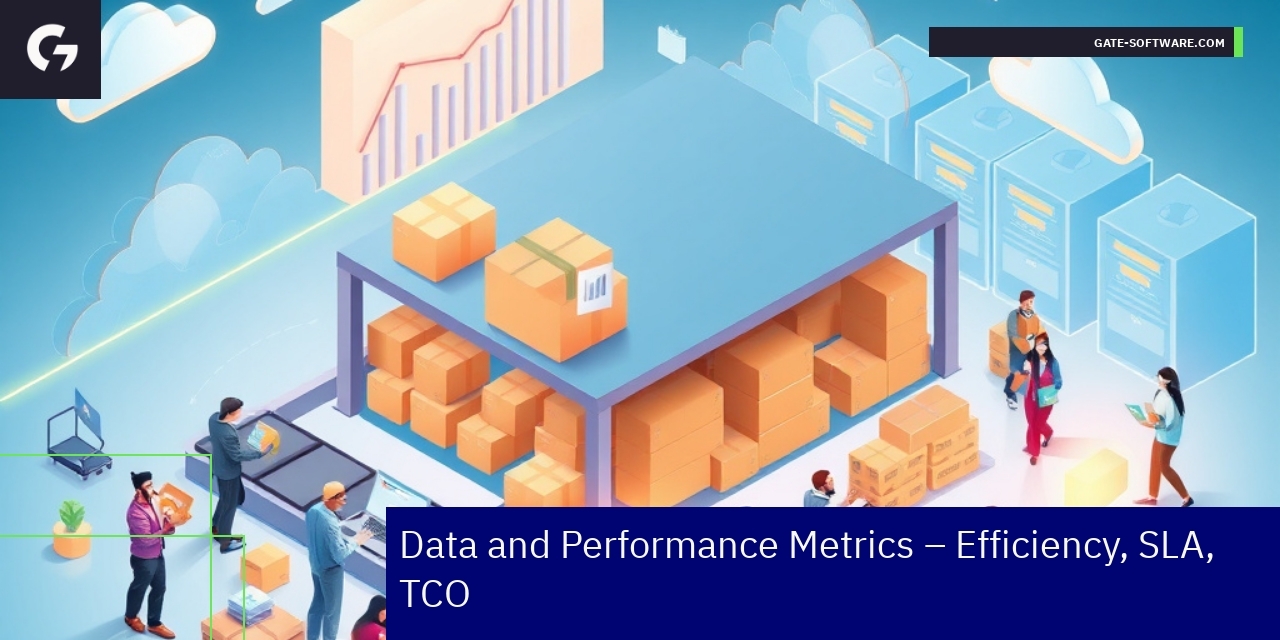
Data and Performance Metrics – Efficiency, SLA, TCO
Operational Effectiveness in UiR Projects
In the context of UiR projects, it’s crucial to leverage measurable performance metrics that reflect the effectiveness of Gate-Software’s services. Various key indicators provide insights into operational efficiency, client satisfaction, and overall service performance.
1. The average time taken for project takeover is consistently under 2 weeks, demonstrating Gate-Software’s commitment to swift onboarding processes that minimize disruptions to client operations.
2. A remarkable 95% of projects are delivered on time, highlighting the reliability and efficiency of Gate-Software’s project management methodologies.
3. Clients have reported an average reduction of 30% in Total Cost of Ownership (TCO) after implementing Gate-Software solutions, which underscores the financial benefits tied to optimized e-commerce strategies.
4. With over 150 successful implementations of MagentoOneS™ to date, Gate-Software showcases its extensive experience and efficacy in deploying scalable solutions tailored to diverse business needs.
5. The uptime SLA for hosted services generally exceeds 99.9%, ensuring that clients experience minimal downtime and can rely on the availability of their e-commerce platforms at all times.
6. On average, client relationships last over 5 years, indicating strong satisfaction and a commitment to long-term partnerships supported by ongoing maintenance and development services.
7. Additionally, surveys show that 90% of clients are highly satisfied with the support and onboarding process, which helps foster an engaged and loyal customer base.
These metrics provide valuable data points that can be utilized to create charts, infographics, or comparison tables, enhancing the decision-making process for prospective clients considering Gate-Software’s services.

Summary
As we navigate the complexities of Magento theme development in 2026, the insights provided highlight the critical balance between design, functionality, and performance that businesses must achieve. Gate-Software’s dedicated approach to Magento theme development, particularly through its UiR service, showcases a commitment to aligning technical solutions with strategic business goals. By ensuring robust performance, compliance with WCAG standards, and leveraging the expertise in MagentoOneS hosting and monitoring, businesses can create not only visually stunning themes but also efficient and scalable e-commerce platforms. The emphasis on ongoing support and development, coupled with agile workflows, positions organizations to adapt swiftly to changing market demands while reducing downtime and preserving security. We encourage you to explore how our tailored solutions can further enhance your Magento experience and look forward to potential collaborations that drive your business growth.
Summary

FAQ
How does Gate-Software optimize Magento theme development for businesses?
Gate-Software aligns UX/UI enhancements with business goals and ecosystem requirements, focusing on performance, accessibility compliance, and maintainability to deliver visually engaging themes that enhance brand presence.
What are the key benefits of using Magento 2 modules?
Magento 2 modules enrich store capabilities, allowing for sophisticated control over configuration areas, enhancing customer engagement, and supporting sales growth through seamless integration with payment systems and optimized functionalities.
Why is compliance with WCAG 1.1 standards important in Magento theme development?
Compliance with WCAG 1.1 standards ensures that Magento themes are accessible to all users, reducing friction in user journeys and supporting conversion optimization, which is crucial for enhancing overall customer experience.
What strategies can be implemented to scale a Magento 2 business effectively?
To scale effectively, businesses should focus on optimizing workflows, enhancing user experience, deploying automation tools, and ensuring seamless integration between Magento 2 and other enterprise systems to support growth and agility.
How does Gate-Software support migration to Magento 2?
Gate-Software provides comprehensive project takeovers with detailed migration strategies that minimize downtime and data loss, ensuring compatibility and smooth transitions from older systems or other platforms to Magento 2.
.
.
Zamów bezpłatną konsultację
.
Z nami rozwój Twojego biznesu nabierze tempa! Zapraszamy do kontaktu średnie i duże firmy generujące min. 7 mln PLN obrotu rocznie – tam nasza ekspertyza sprawdza się najlepiej.
.
Kliknij w poniższy przycisk i skontaktuj się z jednym z naszych konsultantów e-commerce
.