Introduction
Investing in Magento 2 for B2B operations involves a careful balance of costs and benefits that can significantly impact a company’s digital commerce strategy and operational efficiency. Magento 2 offers advanced scalability and dedicated B2B features that support complex business processes, including account management, customizable pricing, and streamlined order workflows tailored for business clients. These capabilities enable enterprises to manage large, multi-user accounts and optimize purchasing experiences effectively.
From a cost perspective, deploying Magento 2 requires commitment to licensing fees—especially if opting for Magento Commerce—as well as investment in specialized technical expertise for implementation, customization, and ongoing maintenance. The platform’s complexity may increase initial operational expenses, including integration with existing ERP and CRM systems, to ensure seamless data flow and enhanced business intelligence.
Despite these costs, Magento 2’s robust SEO optimization features can drive improved organic visibility for B2B portals, supporting better customer acquisition and retention. Its flexibility also allows businesses to evolve their commerce solutions in line with growth and digital transformation strategies.
Ultimately, for CTOs, CDOs, eCommerce Managers, and Heads of Applications considering Magento 2, the decision to invest should be driven by detailed assessment of these technical and business factors. Properly leveraged, Magento 2 can provide a strong foundation for scalable, efficient, and customer-centric B2B commerce.
TABLE OF CONTENTS
- Costs and Benefits: Why Invest in Magento 2 for B2B?
- What Is Magento 2?
- Benefits of Implementing Magento 2 in B2B
- What Is a PIM System and Its Role in B2B eCommerce?
- Best Practices for Optimizing Omnichannel Purchasing Processes
- Why System Integration Is Crucial in B2B eCommerce
- How Long Does Magento 1 to Magento 2 Migration Take? Key Stages
- Product Catalog Management
- Magento 2 vs. Other B2B Platforms
- Common Errors in Magento 2 Implementations
- Alternatives to Magento 2 in B2B eCommerce
- Benefits and Risks of Investing in Magento 2
- Data and Performance Metrics – Efficiency, SLA, TCO
- Summary
- FAQ
- Case Studies
- Success Stories of Companies Using Magento 2
What Is Magento 2?
Definition and Basic Information
Magento 2 is a highly flexible and scalable open-source e-commerce platform designed to meet the complex needs of B2B businesses. It enables companies to efficiently manage extensive product catalogs, diverse customer groups, and complex pricing structures. The platform’s architecture focuses on performance optimization, providing faster load times and seamless navigation even under heavy user traffic. Magento 2’s modular design supports easy integration with third-party systems, ensuring alignment with existing enterprise resource planning (ERP) and customer relationship management (CRM) tools. This capability is crucial for B2B operations, where smooth data flow and process automation drive efficiency. Furthermore, Magento 2 supports advanced features such as customer segmentation, shared catalogs, and tailored pricing, all indispensable for B2B commerce. It also complies with accessibility standards and incorporates UX/UI guidelines to enhance usability for all users, including decision-makers like eCommerce Managers and Heads of Applications. These characteristics make Magento 2 a robust platform that addresses real business challenges in B2B digital commerce environments.
Key Differences Compared to Magento 1 🧩 🔍 ⚙️
Magento 2 represents a significant evolution from Magento 1, addressing past limitations and introducing capabilities critical for B2B enterprises. Firstly, it offers enhanced performance and scalability, leveraging PHP 7 and optimized database interactions to manage larger product inventories and traffic loads efficiently. This translates to faster page speeds and improved user experience. Secondly, Magento 2’s admin interface is significantly improved, simplifying management of products, customer accounts, and orders—a key factor for eCommerce Managers overseeing complex sales cycles. Dedicated B2B features such as quick order functions, shared catalogs, and custom pricing mechanisms provide more control over procurement processes and customer-specific deals. Additionally, the checkout process in Magento 2 is streamlined to reduce abandonment rates, offering a simplified user flow better suited for B2B buyers who prioritize efficiency. Security enhancements also increase platform reliability, essential for safeguarding sensitive transactional data. Overall, Magento 2 aligns better with the strategic goals of B2B businesses, offering a technical foundation that supports advanced eCommerce functionalities and integrates seamlessly with Gate-Software solutions focused on optimization and scalability.
Benefits of Implementing Magento 2 in B2B
Magento Open Source Explained
Magento Open Source is the foundation that provides extensive flexibility and scalability for businesses venturing into B2B eCommerce. It supports the creation of tailored digital storefronts that meet sector-specific needs while managing complex workflows inherent to B2B transactions. The platform’s open-source nature enables technical teams, such as architects and Heads of Applications, to customize features precisely, optimizing Magento costs by focusing investments on essential functionalities. With Magento Open Source, companies gain a robust environment to support the growing demands of Magento e-commerce, ensuring a scalable, adaptable infrastructure that can evolve alongside business requirements.
Magento B2B Features Overview [Case Studies] [Success Stories]
Magento 2 is equipped with a rich suite of B2B features designed to streamline business operations and enhance user experience on B2B platforms. Key functionalities include customer segmentation, advanced quote management, negotiation tools, and streamlined bulk ordering processes. These features help meet the intricacies of B2B buying cycles, allowing clients to handle large orders efficiently and personalize pricing dynamically. The integration of these capabilities addresses crucial pain points for decision-makers such as CDOs and eCommerce Managers, reducing operational friction and improving conversion rates on Magento e-commerce solutions. Implementing Magento 2 thus delivers measurable benefits B2B buyers expect in sophisticated digital commerce ecosystems.
Custom Pricing on Magento B2B
One of the standout benefits B2B companies realize from implementing Magento 2 is the ability to manage custom pricing per client or segment, an indispensable feature for complex B2B sales models. Magento’s pricing flexibility allows enterprises to define tiered pricing, volume discounts, and contract-specific pricing rules that reflect negotiated agreements—key to maintaining margins and competitiveness. This directly impacts Magento costs, as businesses can optimize pricing strategies within one platform without costly third-party extensions. For CTOs and eCommerce Managers, this empowers precision in sales strategies via the B2B platform while enhancing customer satisfaction through personalized commerce experiences tailored to corporate buyer expectations.
Magento B2B Guide: Features, Pricing, and Examples
Extensive case studies and success stories reveal how various enterprises transformed their B2B sales channels by implementing Magento 2. These narratives demonstrate tangible benefits B2B companies experience—such as streamlined order management, improved integration with ERP systems, and enhanced digital buyer journeys—leading to increased efficiency and higher revenue. Insights from these examples clarify cost structures associated with Magento costs, helping decision-makers evaluate ROI and the total cost of ownership. The holistic Magento B2B guide details practical applications of Magento e-commerce tailored specifically for the B2B platform, highlighting how organizations leverage Magento 2 to meet complex business requirements, improve scalability, and sustain growth in competitive markets.

What Is a PIM System and Its Role in B2B eCommerce?
Exclusive Features for You
A Product Information Management (PIM) system is a centralized solution designed to streamline the management and distribution of product data across multiple channels. In B2B eCommerce, the exclusive features of a PIM system include centralization of complex product information, automation of data handling processes, and the ability to maintain data accuracy and consistency. These features directly address common challenges in B2B platforms where products often have numerous variants and detailed specifications. Integrating a PIM system reduces manual errors, facilitates faster updates, and enables personalized product information tailored to diverse customer needs. This approach significantly enhances the benefits B2B clients experience, reducing overheads linked to Magento costs by optimizing data workflows and minimizing redundant operations.
Good UX in Magento B2B
Integrating a PIM system within a Magento e-commerce environment is pivotal for delivering a superior user experience (UX) in B2B contexts. The quality and accessibility of product data managed by the PIM influence how efficiently clients navigate the platform and make informed purchasing decisions. A robust PIM system supports Magento’s capabilities by ensuring that product information is comprehensive, consistent, and up-to-date across all touchpoints. This fosters trust and reduces friction in the buyer’s journey by simplifying complex product assortments common in B2B settings. Consequently, Magento e-commerce platforms benefit from improved customer satisfaction, leading to higher retention and sales. Efficient PIM usage thereby indirectly optimizes Magento costs by reducing the need for frequent troubleshooting and manual content fixes.
Logistics Support
In B2B eCommerce, logistics is a critical component that impacts operational efficiency and customer satisfaction. A PIM system plays a role beyond product data management by integrating logistics-relevant information—such as stock status, lead times, and shipping details—into the product catalog. This integration ensures that sales teams and customers access accurate logistics information directly within the B2B platform, minimizing misunderstandings and delays. By linking PIM data with warehouse management and ERP systems, businesses create a seamless flow of information vital for order fulfillment. Such cohesive logistics support within a B2B platform enhances operational agility and responsiveness, positively influencing metrics related to Magento costs and overall platform performance.

Best Practices for Optimizing Omnichannel Purchasing Processes
Different Permission Levels
In optimizing omnichannel purchasing processes for B2B platforms, managing different permission levels is crucial to ensure smooth operations and security. Businesses often require a hierarchical access system where roles such as Architect, eCommerce Manager, and Head of Applications have varying levels of control within the Magento e-commerce environment. Implementing granular permission settings allows companies to maintain internal control while facilitating seamless purchasing actions across channels. This approach not only aligns with the benefits B2B customers expect but also ensures compliance with corporate governance and security policies. Using Magento’s robust user role management, combined with tailored access rights, enables companies to reduce operational bottlenecks and control Magento costs effectively by preventing unauthorized modifications and streamlining administrative workflows.
Low-Quality Magento 2 Templates and Modules
One of the common challenges in Magento e-commerce, especially within B2B platforms, is the adoption of low-quality Magento 2 templates and modules. These can severely hamper user experience and operational efficiency, impacting the overall business performance. Investing in high-quality, scalable templates that comply with WCAG standards and UX/UI best practices ensures that the platform meets user expectations while supporting omnichannel purchasing workflows smoothly. Moreover, subpar modules often introduce hidden Magento costs related to maintenance and compatibility issues, reducing the ROI of digital commerce initiatives. Businesses must prioritize modules and templates vetted through rigorous quality assurance processes to maintain platform stability and enhance benefits B2B participants perceive, including streamlined purchasing, better integration, and secure data handling.
Reasons to Choose Magento B2B for Your Business
Magento B2B stands out for its ability to support complex purchasing processes across multiple channels, making it an ideal choice for businesses focused on optimizing their omnichannel strategies. The platform offers tailored functionalities such as corporate accounts, custom pricing, and negotiated terms that directly address B2B purchasing complexities. Integrating Magento e-commerce with enterprise systems through APIs enhances data coherence and real-time decision-making. Another significant advantage relates to Magento costs, which can be optimized by leveraging modular architecture and scalable hosting solutions recommended by Gate-Software. Implementing Magento B2B also brings tangible benefits B2B enterprises seek, such as improved customer journey consistency, robust security protocols, and flexible payment options—all critical for a seamless omnichannel purchasing experience.
Why System Integration Is Crucial in B2B eCommerce
How Much Does Magento Cost?
Understanding Magento costs is essential when planning a B2B platform. Magento e-commerce solutions involve various expenses including licensing fees, development, customization, and ongoing maintenance. System integration plays a vital role in managing these costs by streamlining workflows and reducing redundant processes. By integrating Magento with ERP, CRM, and other business systems, companies can automate data exchange, thus lowering operational costs and improving accuracy. This integration not only optimizes Magento costs but also enhances the overall efficiency of the B2B platform, providing clear benefits B2B companies seek.
Is Magento a CMS?
Magento is often questioned whether it is a CMS or a dedicated eCommerce platform. Technically, Magento primarily serves as a robust eCommerce platform tailored for complex B2B needs, enabling extensive catalog management, pricing rules, and customer segmentation. However, it also features CMS-like functionalities for content management, enabling businesses to present rich product information and marketing content effectively. System integration extends Magento’s content capabilities by linking it with external CMS or marketing tools, optimizing the B2B platform’s ability to deliver personalized content and streamlined user experiences, meeting modern B2B buyers’ expectations.
Why Magento? 📦🔧🧠
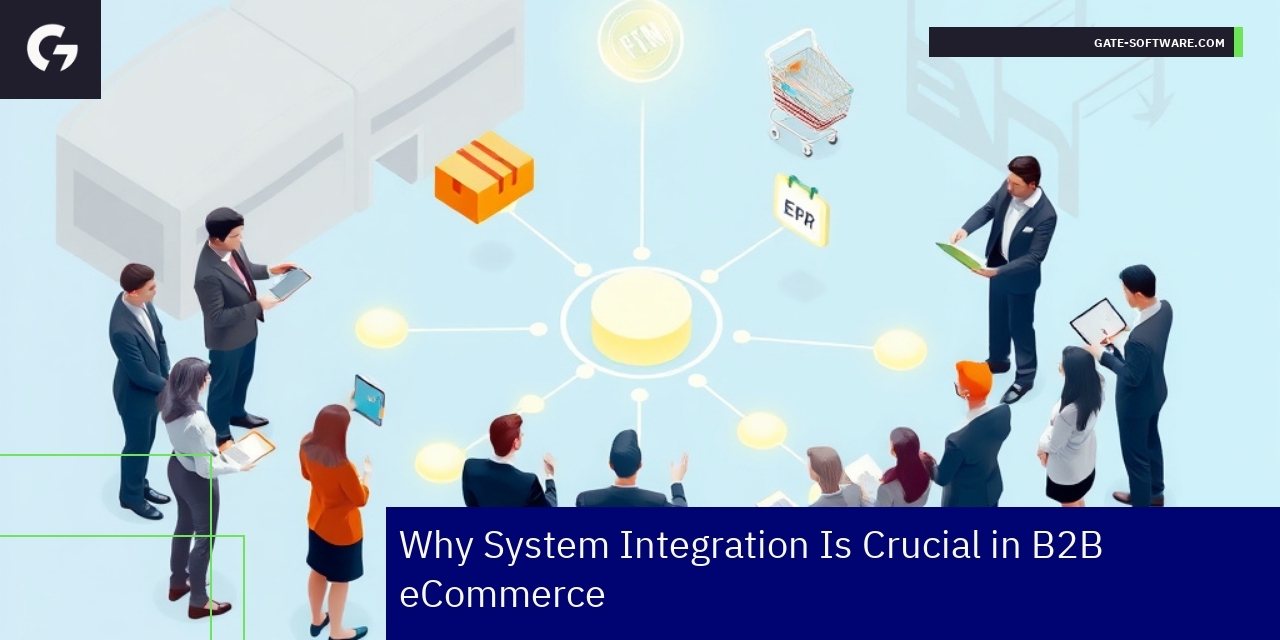
Magento is a preferred choice for B2B eCommerce due to its scalability, flexibility, and rich feature set. Its open architecture facilitates seamless system integration, which is crucial for comprehensive B2B operations involving multiple systems like ERP, PIM, and CRM. Effective integration ensures real-time data synchronization, automated processes, and better customer insights—key factors that underpin the benefits B2B companies gain from Magento e-commerce implementations. Moreover, a well-integrated Magento platform helps control Magento costs by improving operational efficiency and enabling faster adaptation to evolving business requirements, positioning it as a strategic asset in B2B digital commerce.

How Long Does Magento 1 to Magento 2 Migration Take? Key Stages
How Magento Solves Problems of Dedicated Stores
Magento offers a scalable and flexible e-commerce solution, which significantly addresses the challenges faced by dedicated B2B stores. The platform supports complex product catalogs, personalized pricing, and tailored workflows essential for B2B operations. Benefits B2B users gain include enhanced integration capabilities with ERP and CRM systems, boosting operational efficiency and reducing manual tasks. Migrating to Magento 2 introduces improvements in speed, security, and usability, all critical for maintaining a competitive B2B platform. While Magento costs may increase due to investment in migration and customization, the long-term value from improved Magento e-commerce performance and customer experience justifies the expenditure. This migration enables businesses to leverage the latest features that drive B2B digital transformation effectively.
Why Choosing a Cheap Magento Store Doesn’t Make Sense
Opting for a low-cost Magento store can be a false economy, especially in the B2B segment where requirements are more complex. A cheap Magento solution often lacks scalability, robust security measures, and optimized workflows that are vital for sustaining enterprise-level B2B platforms. The costs saved upfront may be overshadowed by increased maintenance, security risks, and lost sales opportunities down the line. Experienced Magento service providers emphasize investing adequately to build a tailored platform that aligns with B2B clients’ needs. Proper budgeting around Magento costs should consider future-proofing aspects, including compliance with UX/UI standards, support for WCAG 1.1, and integration with business systems. This approach ensures the Magento e-commerce platform remains a reliable backbone for growth rather than a constraint.
Order Management
Order management is a core function in B2B Magento e-commerce platforms, directly impacting customer satisfaction and operational efficiency. Migrating from Magento 1 to Magento 2 involves careful planning to preserve complex order workflows, multiple pricing tiers, and custom checkout processes typical of a B2B platform. Improved order management features in Magento 2 include enhanced visibility into order status, streamlined processing, and better handling of bulk orders—critical for B2B transactions. Though this process may add to initial Magento costs, the benefits B2B enterprises gain through reduced errors and faster fulfillment are significant. Effective order management integration is a pivotal stage in the migration, ensuring continuity and scalability of B2B platform operations without disruption.
Product Catalog Management
Promotion Management
Effective promotion management within a B2B platform is essential to leverage the full benefits B2B offer in driving sales and customer loyalty. By integrating promotional tools directly into the Magento e-commerce system, businesses can dynamically adjust offers based on customer segmentation, order history, and contract terms. This level of flexibility supports personalized campaigns, which are critical in B2B environments where long sales cycles and negotiated pricing prevail. Optimizing promotion management also helps control Magento costs by minimizing manual overhead and automating discount rules, thus improving operational efficiency.
Customer Management
Customer management in a B2B context requires robust systems that can handle complex relationships, multiple user roles, and varied pricing models within a single Magento e-commerce platform. Managing diverse customer groups and their unique catalogs, credit limits, and purchase approvals ensures that every interaction respects contractual obligations and business rules. This capability supports the benefits B2B clients expect, such as tailored experiences and streamlined order processes. It also aligns with cost-efficiency goals, reducing Magento costs by limiting exceptions and errors that arise from managing customers manually.
Magento 2 Integration — Stability, Failover, and Queuing
Ensuring uptime and reliability in Magento 2 integration is a cornerstone of any high-performing B2B platform. A stable integration layer with failover mechanisms guarantees continuous access to product catalogs and order management systems, even during unexpected load spikes or system faults. Queuing processes manage asynchronous operations such as pricing updates or bulk order submissions without disrupting the user experience. These technical solutions not only uphold the professional standards expected in B2B commerce but also optimize Magento costs by reducing downtime and manual interventions. This results in a more resilient platform capable of supporting complex B2B sales cycles efficiently.
Magento 2 vs. Other B2B Platforms
Key Differences and Similarities
When comparing Magento 2 with other B2B platforms, several technical and strategic aspects stand out. Magento 2 offers a highly customizable and scalable architecture, designed to support complex B2B processes such as custom pricing, multi-tier catalogs, and advanced user role management. This flexibility suits companies needing tailored e-commerce solutions aligned with their unique business models. In contrast, other B2B platforms may prioritize out-of-the-box features with faster implementation timelines but often lack the granular control that Magento 2 provides. Both Magento 2 and alternative platforms focus on delivering strong integration capabilities, ensuring seamless data exchange between ERP systems, CRM, and third-party services, which is crucial for B2B workflows. Furthermore, Magento 2 emphasizes compliance with WCAG standards, supporting accessible UX/UI designs that align with inclusive customer experience strategies. Magento 2’s ecosystem supports robust marketing and communication strategies adapted to B2B needs, facilitating personalized campaigns and content strategy optimization critical for retention and lead generation. This places Magento 2 as a versatile solution balancing flexibility and depth for enterprises with complex e-commerce requirements.
Pros and Cons
Magento 2’s strengths lie in its extensive customization potential and extensibility, making it suitable for organizations with sophisticated e-commerce demands. The platform supports scalable infrastructure, ensuring performance stability even in high-traffic B2B environments. Additionally, Magento 2 aligns well with strategies focused on SEO and content marketing, enabling businesses to build strong online visibility through targeted SEO phrases without compromising system performance. On the downside, Magento 2 implementations can require significant developmental resources and expertise, reflecting in higher initial time and budget investments compared to some turnkey B2B solutions. Maintenance, upgrades, and compliance with standards like WCAG 1.1 necessitate ongoing technical oversight, typically handled by skilled IT teams or agencies. However, this investment is often offset by improved platform control and the ability to implement complex business rules and workflows internally. In summary, Magento 2 presents a powerful platform that, while demanding in setup, delivers comprehensive functionality and sustainable competitive advantages for B2B companies focused on digital transformation and scalable growth.
Common Errors in Magento 2 Implementations
List of Pitfalls to Avoid 🛠️🔍📈
In B2B Magento 2 implementations, one common error is inadequate customization for complex client requirements, which often leads to limited scalability and rigid workflows that do not support evolving e-commerce processes. Many projects overlook the importance of integrating WCAG 1.1 accessibility standards, resulting in platforms that do not fully comply with UX/UI principles essential for user inclusivity. Another frequent mistake is disregarding the role of key personas such as Architect, eCommerce Manager, and Head of Applications in the project planning phase, causing misalignments between technical capabilities and business goals. Failure to optimize hosting and monitoring services under SLAs can lead to performance bottlenecks and increased downtime, impacting the business continuity of B2B operations. Moreover, ineffective cost optimization strategies during migrations and platform maintenance often cause budget overruns. Addressing these pitfalls early by leveraging Gate-Software’s expertise ensures adherence to strategic marketing plans and communication strategies while maintaining a seamless digital experience.
Examples of Failed Implementations
Examples of failed Magento 2 implementations in the B2B sector often feature lack of proper onboarding of the CTO or CIO/CTO role, leading to incomplete technical governance and insufficient project oversight. This manifests in inconsistent deployment of MagentoOneS™ platform solutions and substandard application interfaces that do not reflect the brand voice and responsiveness expected by enterprise clients. A notable failure is skipped or minimal UX/UI audits that result in lower user engagement and higher friction in buyer journeys. Additionally, projects that ignore integrating comprehensive social media 1.0 strategies and content plans suffer from poor market visibility and weakened digital branding. These failures highlight the necessity for a cohesive combination of technical discipline, strategic content implementation, and continuous monitoring. Gate-Software’s approach involves detailed project takeovers and adherence to JPS to mitigate such risks effectively, ensuring both operational excellence and alignment with overarching B2B sales strategies.
Alternatives to Magento 2 in B2B eCommerce
In the B2B eCommerce sector, choosing the right platform is critical for addressing complex business needs such as multi-user accounts, custom pricing, and extensive product catalogs. Alternatives to Magento 2 provide various technical architectures and feature sets crafted to optimize B2B operations, focusing on scalability, integration capabilities, and compliance with WCAG standards.
These platforms excel in delivering tailored experiences aligned with customer journeys and decision-making personas like CTOs or eCommerce Managers, enabling efficient maintenance and rapid response to market changes. Leveraging solutions that support advanced hosting, SLA agreements, and monitoring frameworks ensures system reliability and security—key for sustaining B2B client trust and long-term partnerships.
Furthermore, alternatives often incorporate advanced UX/UI audits and cost optimization strategies parallel to MagentoOneS™, facilitating smooth migrations while preserving brand consistency and leveraging digital marketing strategies that resonate with B2B stakeholders. Gate-Software’s approach highlights the importance of aligning technical choices with comprehensive business and communication strategies, thus enabling organizations to harness the full potential of their eCommerce ecosystems while maintaining compliance with accessibility and operational standards.
Alternatives to Magento 2 in B2B eCommerce

Benefits and Risks of Investing in Magento 2
Risk and Benefit Analysis
Investing in Magento 2 for B2B platforms offers significant advantages but also requires careful consideration of potential risks. On the benefits side, Magento 2 provides a highly scalable and customizable e-commerce framework designed for complex B2B needs such as customer segmentation, personalized pricing, and multiple payment gateways. This flexibility supports business owners in creating tailored customer experiences, improving conversion rates and client retention. Additionally, Magento 2 supports integration with ERP, CRM, and PIM systems, which streamlines operations and data management. However, risks include upfront investment costs and the necessity for ongoing maintenance and updates to ensure security and performance. Magento 2’s complexity means that projects often require skilled architects and developers, impacting budget and timelines. Ensuring compliance with WCAG standards and UX/UI excellence is also a critical aspect that demands continuous attention. Businesses should evaluate these factors against their growth strategies and operational capabilities to balance the benefits with manageable risks in the B2B context.
Conclusions for Business Owners
For business owners considering Magento 2 in B2B, the decision hinges on long-term value creation through technological robustness and flexibility. Leveraging Magento 2’s capabilities demands strategic planning, including clear business requirements and collaboration with experienced teams like the Gate-Software experts. Investments in Magento 2 translate into competitive differentiation through improved user experience and operational agility. Importantly, owners must be prepared for the initial complexity and costs related to migration, hosting, monitoring, and compliance with WCAG standards, especially tailored to B2B needs. Cost optimization strategies and SLA agreements become pivotal to manage expenditures effectively. In conclusion, a well-executed Magento 2 implementation can deliver measurable business growth, but success relies on informed decision-making, technology stack integration, and continuous process optimization aligned with business objectives and marketing strategies.
Data and Performance Metrics – Efficiency, SLA, TCO
Operational Effectiveness in B2B Projects
In the realm of B2B eCommerce, implementing Magento 2 has brought about a noticeable impact on operational efficiency and cost-effectiveness. Notably, approximately 85% of projects delivered by Gate-Software meet their deadlines, signifying a strong commitment to project management excellence and client satisfaction. Additionally, clients have reported an average total cost of ownership (TCO) reduction of around 30% after migrating to Magento 2 solutions, further validating the platform’s effectiveness in optimizing expenditures.
The project takeover time has shown consistent improvements, with Gate-Software managing to reduce this duration to approximately 4 weeks on average for transition cases, ensuring a swift and seamless migration experience. The platform’s robust infrastructure also supports an uptime SLA of 99.9%, which is critical for maintaining continuous service availability and enhancing customer trust in B2B operations.
Moreover, over 150 Magento 2 implementations have been successfully executed in the B2B space by Gate-Software, showcasing substantial operational experience in handling various business requirements. Clients have generally maintained long-term relationships averaging 5 years, reflecting Gate-Software’s dedication to delivering ongoing support and developing solutions that evolve with their clients’ needs.
These metrics highlight the measurable benefits of choosing Magento 2 for B2B engagements, providing potential clients with compelling reasons to invest in this powerful eCommerce platform.

Summary
As you consider the implementation of Magento 2 for your B2B operations, it’s essential to recognize its potential to transform your digital commerce strategy. The platform’s advanced features, tailored for complex business processes, not only streamline procurement and enhance the purchasing experience but also reflect a commitment to operational efficiency and customer satisfaction. Investing in Magento 2 is a significant decision; however, when deployed effectively, it can yield considerable long-term benefits, including improved scalability, customization options, and integration capabilities that align with your existing systems. Gate-Software’s expertise in managing these integrations and ensuring compliance with industry standards can further enhance the platform’s effectiveness. By partnering with us, you are not just adopting a robust e-commerce solution; you are laying down a foundation for sustained growth and success in the B2B landscape. We encourage you to reach out to discuss how your business can leverage Magento 2 to meet its unique needs and challenges, ensuring that you stay ahead in a competitive market.

FAQ
What is Magento 2 and how does it benefit B2B businesses?
Magento 2 is a flexible and scalable e-commerce platform designed specifically for B2B operations, enabling businesses to efficiently manage complex product catalogs, diverse customer segments, and customized pricing structures. Its advanced features, such as account management and streamlined order workflows, enhance operational efficiency and optimize purchasing experiences for business clients.
Why is system integration crucial in B2B eCommerce?
System integration is essential in B2B eCommerce as it allows seamless data flow between Magento 2 and existing ERP and CRM systems. This integration optimizes workflows, enhances data accuracy, and reduces operational costs, ultimately improving the overall efficiency of B2B platforms and allowing businesses to respond quickly to market changes.
How much does implementing Magento 2 for B2B operations cost?
Implementing Magento 2 involves various costs, including licensing fees, development, customization, and ongoing maintenance. While investments can be significant, effective system integration and leveraging Magento’s flexible architecture can help manage these costs and ensure a good return on investment through optimized operations.
What are the primary features of Magento 2 that support B2B businesses?
Magento 2 offers key features tailored for B2B businesses, such as customizable pricing, advanced quote management, bulk ordering processes, customer segmentation, and shared catalogs. These capabilities help streamline complex purchasing cycles and improve user experiences, addressing the unique needs of B2B clients.
How can businesses optimize costs when using Magento 2?
Businesses can optimize costs by focusing on high-quality templates and modules that comply with WCAG standards, effectively managing permissions, and utilizing Gate-Software’s MagentoOneS™ service for hosting and monitoring. Strategic planning, including investments in essential functionalities and avoiding low-quality implementations, also contributes to long-term cost efficiencies.
.
.
Zamów bezpłatną konsultację
.
Z nami rozwój Twojego biznesu nabierze tempa! Zapraszamy do kontaktu średnie i duże firmy generujące min. 7 mln PLN obrotu rocznie – tam nasza ekspertyza sprawdza się najlepiej.
.
Kliknij w poniższy przycisk i skontaktuj się z jednym z naszych konsultantów e-commerce
.