Introduction
A B2B store is a specialized e-commerce platform designed to facilitate transactions between businesses rather than individual consumers. Unlike B2C (Business to Consumer) stores, which primarily cater to the end user, B2B stores focus on serving the needs of professional buyers, wholesalers, distributors, and corporate clients. These platforms emphasize features such as bulk ordering, tiered pricing, and integration with enterprise resource planning (ERP) systems.
Key differences between B2B and B2C stores stem from their distinct customer bases and transaction characteristics. B2B transactions typically involve larger order volumes, negotiated pricing structures including real wholesale prices, and complex approval workflows. The buying process in B2B is often prolonged and relationship-driven, with multiple stakeholders involved. This contrasts with B2C’s usually one-time purchase decisions based on individual consumer preferences.
Setting up a B2B store is essential for companies looking to streamline their wholesale sales, reduce manual processing, and improve customer experience for business clients. Implementing a dedicated B2B platform enables real-time access to wholesale prices via the B2B Panel and offers tailored functionalities such as customer-specific price lists, enhanced reporting, and flexible payment terms. This approach aligns with Gate-Software’s commitment to delivering robust, scalable Magento™ solutions that meet the strategic needs of B2B businesses, ensuring efficient order management and optimized UX/UI according to WCAG standards.
TABLE OF CONTENTS
- Real Wholesale Prices – B2B Panel
- How to Buy
- B2B vs. B2C Store Differences
- B2B Store Basics – Start in a Few Steps
- Cost of Launching a B2B Store – What Does Wholesale Distribution Really Cost?
- Launching Your B2B Store – Easier Than You Think!
- LinkedIn B2B – Building Communication and Marketing
- Omnibus Directive in B2B – What You Need to Know
- B2B Digital Marketing – Choosing the Right Strategy
- Successful B2B Store Examples
- Case Studies: Wins and Losses in B2B
- Alternatives to Traditional B2B Models
- Common Mistakes When Starting a B2B Store
- B2B Store FAQs
- Data and Performance Metrics – Efficiency, SLA, TCO
- Summary
- FAQ
- Answers to frequently asked questions
- Tips for beginners
- Key takeaways
- Call to action

How to Buy
Integrating Your Online Store with Wholesalers
Integrating your ecommerce b2b platform with wholesalers is a strategic step that enhances the efficiency of your supply chain and sales process. By connecting systems seamlessly, businesses can automatically update inventory, prices, and product data, allowing for precise management of separate offers for retail and wholesale customers. This integration enables the platform b2b to support dedicated options tailored to different buyer profiles, improving the purchasing experience. Furthermore, wholesalers selling to brick-and-mortar and online stores can benefit from real-time synchronization, reducing errors and delays in order fulfillment. This comprehensive approach not only supports exceptional UX/UI standards but also aligns with the need for a robust system b2b that handles complex transactions effortlessly.
Is B2B Store Setup Right for You?
Launching a professional online wholesale store tailored to your business needs is crucial when evaluating if a b2b store setup fits your objectives. Consider whether your sales team requires tools to manage both retail and wholesale clients with separate offers, as well as options for volume discounts or specialized pricing. The right ecommerce b2b platform can also send you notifications on updates and promotions, ensuring you stay informed of the latest sales opportunities. If your current setup lacks flexibility or scalability, investing in a platform b2b with custom functionalities might be the best course of action. Evaluate if your operation leans towards wholesalers selling to brick-and-mortar and online stores and whether you need capabilities ranging from virtual showroom presentations to lightning-fast delivery and update of Standard Sales Terms.
B2B vs. B2C Store Differences
Want to Open a B2B Store? Discover Automico B2B!
Automico B2B offers a comprehensive solution designed to help businesses launch seamless and efficient b2b stores. This platform b2b supports separate offers for retail and wholesale customers, allowing businesses to add dedicated options that cater to specific client needs. Automico’s system b2b facilitates smooth integration with wholesalers selling to brick-and-mortar and online stores, providing reliable notifications on updates and promotions to keep your team proactive. From setting up a virtual showroom to ensuring lightning-fast delivery, this solution also includes management of the update of Standard Sales Terms, crucial for transparent and compliant transactions. Automico B2B equips your business with the tools necessary for success in ecommerce b2b, supporting growth and scalability in competitive markets.
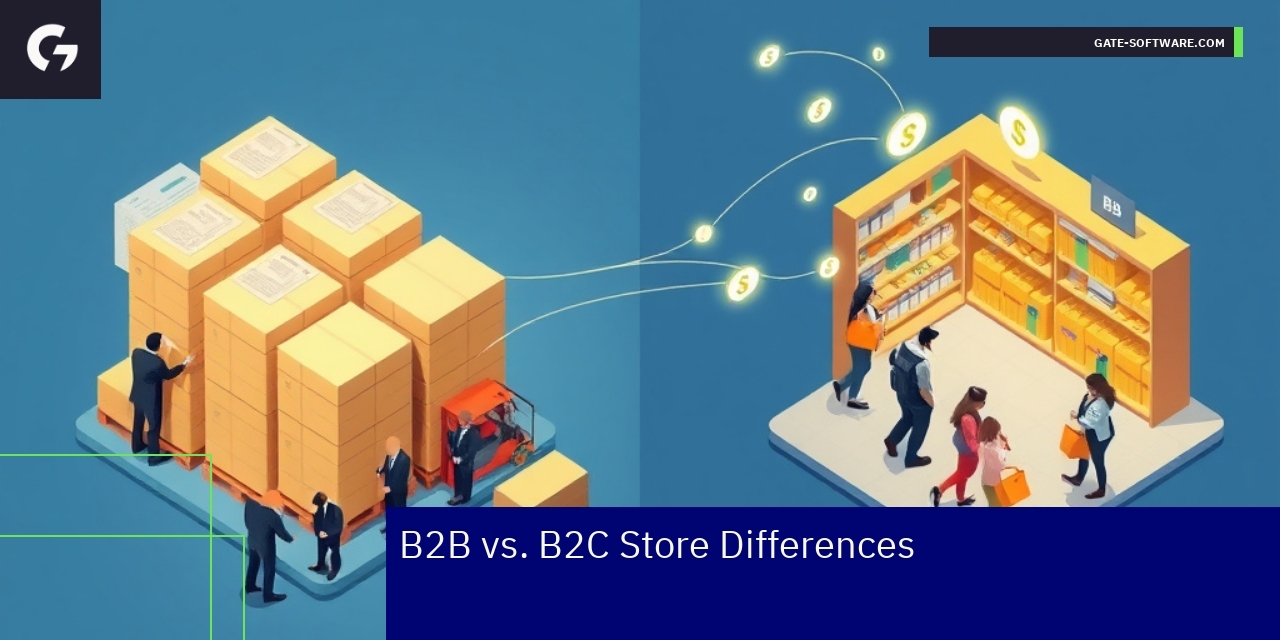
B2B vs. B2C Store Differences
The distinctions between B2B and B2C ecommerce are fundamental and influence how system b2b solutions are designed and implemented. In the B2B landscape, platforms b2b must address complex buyer journeys that often involve multiple decision-makers, negotiation processes, and recurring bulk orders. Unlike typical ecommerce b2c models, ecommerce b2b platforms require robust functionalities such as advanced pricing rules, custom catalogs, and integration with enterprise resource planning systems to support Manufacturers selling retail and wholesale effectively.
A platform b2b typically emphasizes scalability and security to accommodate diverse business needs and compliance requirements. Stores running or planning B2B sales face the challenge of delivering tailored experiences that reflect organizational purchasing behaviors rather than individual consumer habits. For instance, system b2b often incorporates features like role-based access and approval workflows, which are rarely necessary in B2C contexts but critical for B2B operations.
Moreover, ecommerce b2b environments handle larger transaction volumes and more intricate payment terms, necessitating platforms b2b with flexible payment options, credit management, and detailed reporting capabilities. This sophistication supports Manufacturers selling retail and wholesale in streamlining order processing while maintaining full visibility and control.
In summary, the transition from B2C to B2B ecommerce entails adopting system b2b that are purpose-built for the demands of professional buyers. Choosing the right platform b2b facilitates efficient management for Stores running or planning B2B sales, ensuring operational excellence and fostering long-term business relationships.
Omnibus Directive in B2B – What You Need to Know
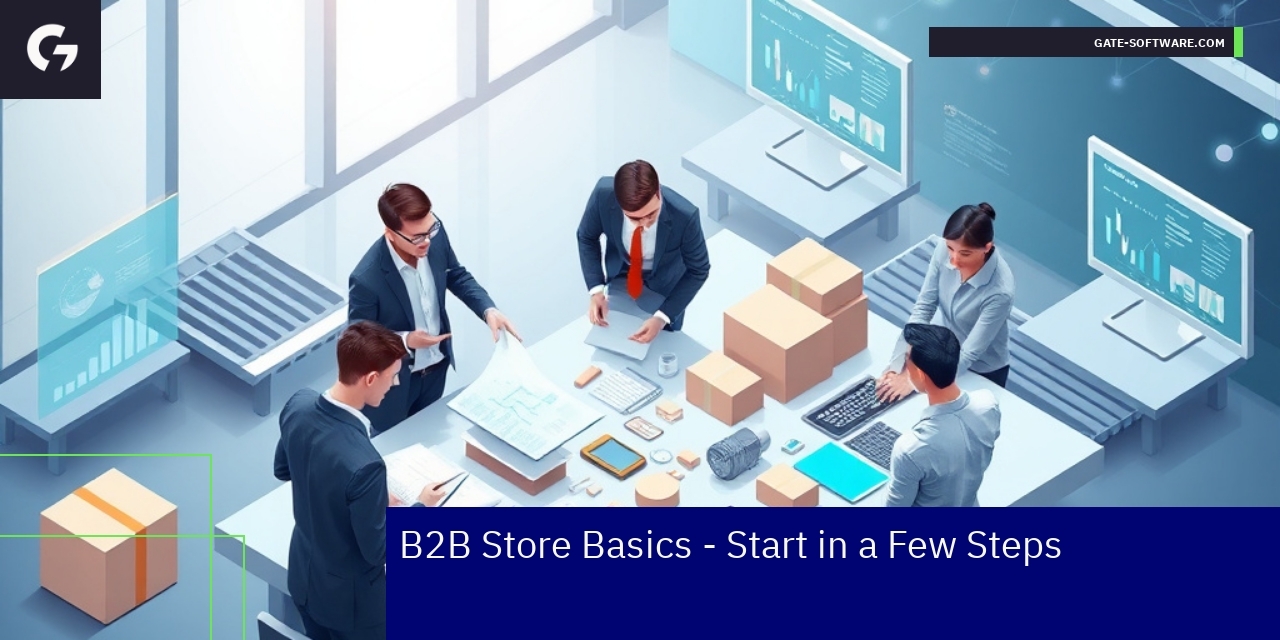
B2B Store Basics – Start in a Few Steps
Starting a B2B store requires a strategic approach to effectively address the complex needs of business clients. The foundation lies in selecting the right system b2b that supports robust ecommerce b2b functionality. Such systems must accommodate various business requirements, including complex pricing models, user roles, and order management unique to B2B transactions.
Implementing platforms b2b involves choosing a platform b2b that integrates seamlessly with existing business processes and IT infrastructure. This ensures smooth operations and scalable growth. For example, Gate-Software’s solutions enable customization options, allowing companies to tailor features to specific industry needs. This includes the ability to add dedicated options such as custom catalogs, price lists, and purchase workflows, which are critical for enhancing buyer experience and operational efficiency.
Additionally, understanding customer feedback is essential. See how Magento B2B online wholesalers are rated by customers provides valuable insights into platform performance and customer satisfaction. Leveraging this knowledge helps in optimizing service delivery and maintaining competitive advantages.
In practical terms, starting a B2B store involves several key steps: selecting a reliable platform, configuring it to meet business requirements, ensuring compliance with UX/UI and WCAG standards, and designing user experiences aligned with key personas like the Architect, eCommerce Manager, and CTO. Throughout this process, the focus should remain on delivering scalable, user-friendly solutions that support complex B2B sales cycles and foster strong customer relationships.
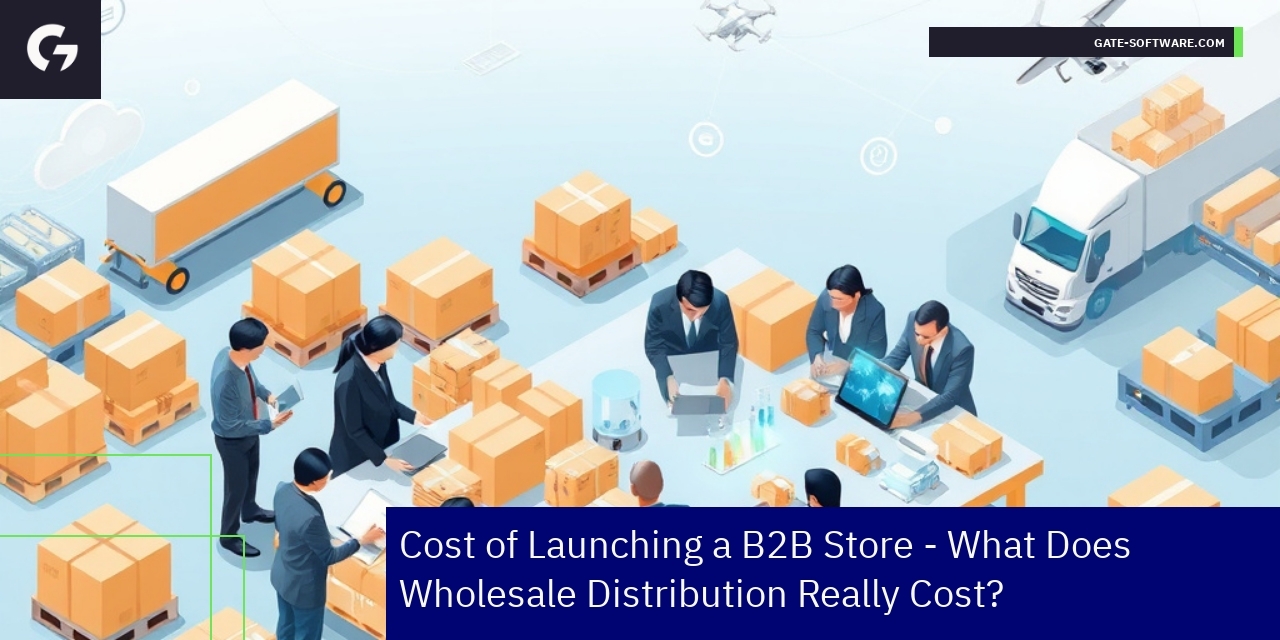
Cost of Launching a B2B Store – What Does Wholesale Distribution Really Cost?
Launching a system b2b tailored for wholesale distribution involves a multifaceted cost structure that extends beyond initial platform setup. Core expenses include the development or customization of an ecommerce b2b platform that can handle complex pricing, inventory management, and customer-specific terms. Platforms b2b require integration with existing ERP systems and compliance with industry regulations, which add to both time and financial investment. Moreover, ensuring a seamless user experience aligned with UX/UI audits and WCAG standards demands specialized development focus, contributing to the overall project cost.
The technology infrastructure supporting a platform b2b impacts ongoing operational costs, affecting scalability and reliability. Investment in hosting, SLA agreements, and monitoring services is crucial to maintain uptime and support peak loads in wholesale operations. These costs are directly linked to enhancing EBITDA by 34% through optimized performance and reduced downtime. Besides technical expenses, strategic marketing and communication plans involving content strategy and targeted campaigns help establish a strong market presence, requiring budget allocation that aligns with the overall business goals.
Gate-Software’s expertise offers a comprehensive approach to system b2b implementation, ensuring the platform supports the full lifecycle of wholesale distribution from onboarding new clients to managing recurrent orders efficiently. The integration of industry best practices and continuous support positions ALSO as the largest technology provider in Europe, delivering scalable solutions that balance cost and performance. In summary, the cost of launching a B2B store should factor in platform customization, infrastructure, compliance, UX/UI refinement, and strategic marketing—elements essential for sustainable growth and competitive advantage in wholesale ecommerce b2b.
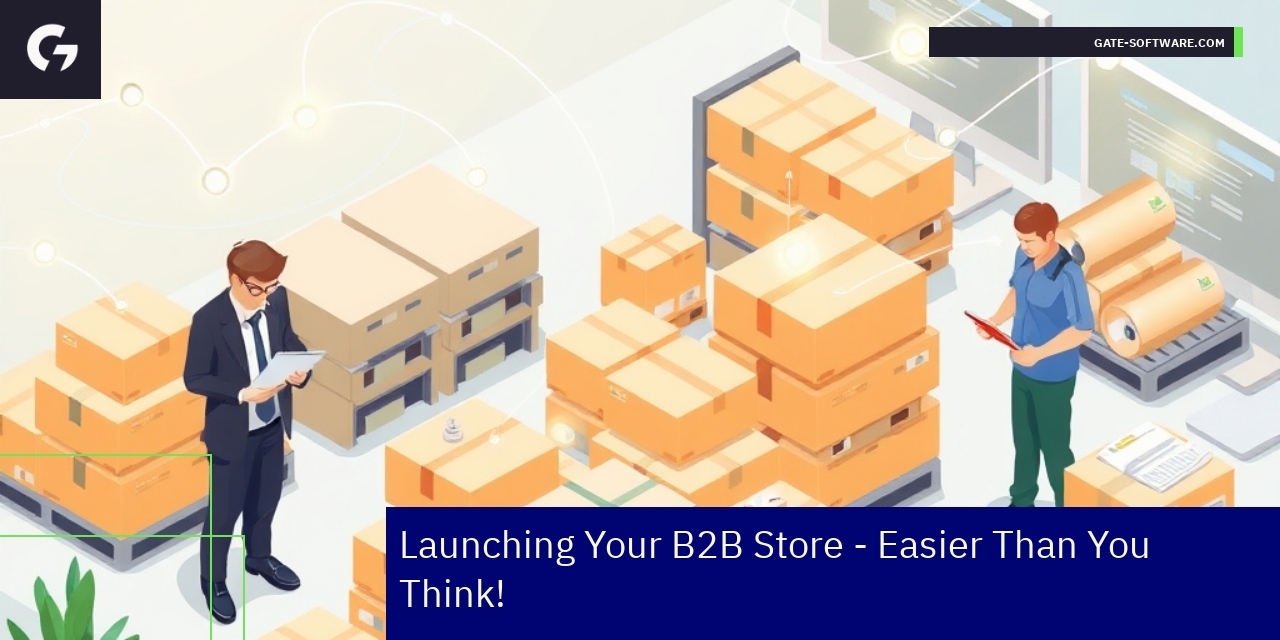
Launching Your B2B Store – Easier Than You Think!
Launching a system b2b store presents unique challenges and opportunities compared to traditional retail platforms. For decision-makers such as CTOs and eCommerce Managers, choosing the right platform b2b is crucial to address the complexities of wholesaling to both brick-and-mortar and online stores. A well-implemented ecommerce b2b solution facilitates seamless transactions with varied client types, ensuring that wholesalers can efficiently manage separate offers for retail and wholesale customers within a single platform.
A key aspect of successful B2B ecommerce is the ability to customize pricing, access rights, and product catalogs based on customer segments. This flexibility empowers wholesalers to differentiate their propositions clearly, enhancing buyer experience and operational efficiency. Platforms b2b that support comprehensive integrations, advanced analytics, and robust security features enable businesses to scale confidently while maintaining control over their digital ecosystem.
Furthermore, adopting a system b2b strategy that integrates real-time inventory management and streamlined order workflows reduces friction for both sellers and buyers. Through this approach, wholesalers selling to brick-and-mortar and online stores gain a competitive edge by providing faster, more reliable service. Leveraging Gate-Software’s expertise in deploying and maintaining platform b2b environments simplifies these technical complexities, ensuring alignment with organizational goals and compliance standards.
Ultimately, launching your ecommerce b2b store can be a straightforward process when guided by clear strategic planning and supported by adaptable, feature-rich platforms. This enables wholesalers to meet diverse customer needs, optimize sales channels, and grow sustainably in dynamic markets while maintaining a sharp focus on separate offers for retail and wholesale customers.

LinkedIn B2B – Building Communication and Marketing
In the B2B sector, LinkedIn serves as a crucial platform for establishing and nurturing professional relationships, particularly for businesses operating within system b2b and ecommerce b2b environments. Leveraging LinkedIn’s network capabilities enables companies to target decision-makers such as CTOs, Heads of Applications, and eCommerce Managers effectively, ensuring that communication is both precise and relevant.
Building a robust presence on LinkedIn involves sharing insightful content that resonates with the challenges and needs within platforms b2b ecosystems. This includes discussing system integrations, platform optimizations, and compliance with standards such as WCAG for accessibility. Engaging posts, case studies, and expert commentaries help position a company as a thought leader, fostering trust and long-term partnerships.
Furthermore, LinkedIn’s tools can be integrated into a broader digital strategy supporting a platform b2b approach. Automated notifications and personalized messages help maintain ongoing engagement, keeping audiences informed about innovations and offerings. This aligns well with marketing campaigns that use targeted messaging to announce new launches or updates: Want to receive notifications about news and promotions? Launch a professional online wholesale store. Such calls to action motivate B2B clients to explore and adopt advanced ecommerce b2b solutions tailored to their operational scale.
In summary, LinkedIn B2B communication is not just about presence but about meaningful interaction and knowledge exchange, reinforcing company expertise in system b2b and platform b2b domains, while supporting digital transformation and market growth.
Omnibus Directive in B2B – What You Need to Know
The Omnibus Directive introduces significant updates that directly impact system b2b operations, ecommerce b2b management, and platforms b2b architecture. For businesses relying on platform b2b solutions, understanding these regulatory changes is crucial to maintaining compliance and competitive advantage.
One key aspect of the directive is the Update of Standard Sales Terms, which mandates clear, transparent, and standardized contractual conditions. This is particularly important for platforms b2b functionalities, where diverse stakeholders interact digitally. Aligning these terms helps reduce disputes and streamline transactions across complex supply chains.
The directive also influences the transition from traditional sales channels like virtual showroom models to more advanced logistics solutions promising lightning-fast delivery. This evolution enhances the expectations for ecommerce b2b platforms, which must integrate real-time inventory management, advanced order processing, and responsive customer service.
Implementing the Omnibus Directive means that companies need to revisit their system b2b frameworks, ensuring technical and legal aspects reflect the new standards. For CTOs and Heads of Applications, this involves coordinating development, compliance, and operational teams to update ecommerce b2b platforms accordingly.
In summary, the Omnibus Directive offers an opportunity to modernize platform b2b ecosystems with updated sales terms and logistical innovations, fostering more efficient, compliant, and customer-centric business processes. Keeping pace with these changes is essential for maintaining leadership in the evolving B2B market landscape.
B2B Digital Marketing – Choosing the Right Strategy
Choosing the right strategy for B2B digital marketing requires a nuanced understanding of the unique needs and behaviors in the B2B ecosystem. Businesses operating within system b2b environments must prioritize efficient integration between ecommerce b2b solutions and robust platforms b2b that handle complex workflows, including Manufacturers selling retail and wholesale as well as Wholesalers selling to brick-and-mortar and online stores.
A successful B2B digital marketing strategy starts with selecting a platform b2b that ensures seamless user experiences tailored to professional buyers. These platforms must support sophisticated product catalogs, multi-level pricing, and contract management, which are essential for Manufacturers selling retail and wholesale. Additionally, ecommerce b2b systems should enable streamlined ordering processes and integration with ERP and CRM systems to provide real-time data for decision-makers like CTOs and eCommerce Managers.
Marketing efforts should focus on delivering targeted and relevant content that resonates with key personas such as the Architect, eCommerce Manager, and Head of Applications. Using personalization techniques based on detailed segmentation allows businesses to address specific pain points and buying cycles, which is critical when dealing with Wholesalers selling to brick-and-mortar and online stores.
From a technical perspective, platforms b2b must adhere to high standards of accessibility and usability, including compliance with WCAG guidelines, to ensure all stakeholders can effectively interact with digital touchpoints. Optimizing for performance and security is also paramount to maintain trust and efficiency in these system b2b environments.
Finally, data-driven decision-making enabled by integrated analytics tools helps refine and optimize campaigns, ensuring a consistent return on investment. Leveraging Gate-Software’s expertise in maintaining and enhancing ecommerce b2b platforms ensures these digital marketing strategies are both scalable and aligned with overall business objectives.
Successful B2B Store Examples
Successful B2B stores exemplify the effective integration of advanced technology, user-centric design, and strategic business solutions to meet complex client needs. Analysis of these selected cases reveals that tailored platforms supporting extensive product catalogs, seamless integration with ERP systems, and compliance with WCAG standards are critical. Such stores prioritize UX/UI enhancements that facilitate efficient product searches and ordering processes, crucial for B2B buyers who demand streamlined interactions and robust backend support.
Key success factors include deep personalization capabilities aligned with clearly defined buyer personas, enabling precise targeting and communication with roles such as eCommerce Manager, Architect, and CTO. Implementing Magento™ platforms coupled with SLA-backed hosting and monitoring ensures high availability and optimal performance — crucial for maintaining continuous B2B operations. Moreover, successful stores leverage Gate-Software expertise in migrations and cost optimization to sustain scalability and responsive adaptation to market demands. Integrating social media and content strategies enhances brand presence, supporting marketing plans that resonate with decision-makers, while adherence to WCAG 1.1 standards ensures accessibility compliance, broadening audience reach. These elements collectively drive B2B store success, balancing technical robustness with strategic communication and customer-centric design.
Case Studies: Wins and Losses in B2B
Lessons from other companies’ experiences
In the B2B sector, companies often face unique challenges around platform integration, scalability, and maintaining compliance with industry standards such as WCAG. Successful case studies typically highlight the strategic importance of aligning technology with business goals, ensuring seamless eCommerce processes, and optimizing user experience (UX/UI) design to meet the expectations of key personas such as Architects, eCommerce Managers, and CIO/CTOs. Leveraging Gate-Software’s expertise in Magento migrations, cost optimization, and robust SLA-backed hosting services has enabled some clients to achieve significant gains in operational efficiency and customer engagement. The integration of precise marketing strategies and content voices tailored for B2B decision-makers has further improved lead generation and long-term retention, underscoring the value of a cohesive content strategy.
How to avoid common pitfalls
Common pitfalls in B2B eCommerce projects often stem from inadequate upfront analysis of technical requirements or neglecting the accessibility standards crucial for a wider audience. Failing to incorporate feedback from all stakeholders, especially the Head of Applications or CDO, can lead to misaligned project outcomes. Another frequent challenge is underestimating the complexity of migration processes or ignoring SLA monitoring, which causes unexpected downtime and operational disruptions. Utilizing Gate-Software’s comprehensive UX/UI audits, adherence to WCAG 1.1 standards, and transparent communication strategies can greatly mitigate such risks. A proactive and collaborative approach, grounded in a clear understanding of gate values and the B2B buyer journey, ensures projects deliver measurable business value and avoid common setbacks.
Alternatives to Traditional B2B Models
In today’s evolving B2B landscape, new approaches to selling are essential for meeting the demands of sophisticated buyers and complex business environments. Traditional B2B models, often characterized by linear sales processes and rigid hierarchies, are giving way to more agile, customer-centric strategies. These innovative solutions leverage digital transformation, enhanced data analytics, and integrated platforms such as Magento™ to deliver seamless, personalized buying experiences. Incorporating UX/UI best practices and WCAG 1.1 standards ensures accessibility and usability, addressing the diverse needs of decision-makers like Architects, eCommerce Managers, and CTOs. This shift enables businesses to respond faster to market changes, optimize operational costs, and improve customer satisfaction through tailored communication strategies and content marketing aligned with Gate-Software’s brand voice and values.
The benefits of innovative solutions extend beyond improved user experience. By adopting models that integrate real-time monitoring and SLA commitments, companies enhance their service reliability and performance. Migration strategies and project takeovers provide flexibility in scaling operations without disrupting existing workflows. Furthermore, the focus on cost optimization and hosting efficiency supports sustainable growth, a critical factor for CDOs and Heads of Applications overseeing IT infrastructure. With strategic social media engagement and targeted content addressing key personas, these alternatives foster stronger partnerships and drive measurable business outcomes. As the B2B sector continues to evolve, embracing these alternatives is pivotal for maintaining competitive advantage and delivering value-driven solutions.
Common Mistakes When Starting a B2B Store
Starting a B2B store involves numerous challenges that can impact long-term success if not addressed carefully. One common mistake is neglecting the specific needs of B2B clients, who often require more complex purchasing workflows, including bulk orders, price negotiations, and custom terms. Overlooking these distinct requirements may result in a poor user experience and lost business opportunities. Another frequent issue is insufficient integration with internal ERP, CRM, and other backend systems critical for seamless order processing and customer management. This disconnect can cause delays, errors, and increased operational costs.
A third mistake is inadequate attention to UX/UI design tailored to professional users rather than typical retail customers. B2B buyers expect efficiency, clarity, and easy access to product data and order history. Ignoring WCAG compliance and accessibility standards like WCAG 1.1 could also alienate users and expose the platform to legal risks. Finally, underestimating the importance of a well-defined content strategy (such as Content Strategy 5.0) that educates and engages key personas—such as the Architect, eCommerce Manager, and CTO—can leave your marketing and sales efforts unfocused and ineffective.
To avoid these pitfalls, it’s critical to implement a comprehensive approach that aligns platform features and content with the complex workflows and decision processes of B2B clients. Leveraging Gate-Software’s expertise in Magento™ platform hosting, SLA, monitoring, and migrations ensures robust technical foundation and cost optimization. Prioritizing WCAG 1.1 standards and UX/UI audits delivers an accessible, user-friendly experience. Integrate marketing strategies specifically designed for B2B personas to communicate brand values and product benefits clearly. By addressing these aspects from the outset, companies can build a scalable, compliant, and customer-centric B2B store that supports long-term growth and competitive advantage.
B2B Store FAQs
Summary
FAQ
Data and Performance Metrics – Efficiency, SLA, TCO
Operational Effectiveness in B2B Projects
When assessing the effectiveness of B2B operations, several key metrics demonstrate the efficiency and reliability of services provided by Gate-Software. For instance, the average project takeover time stands at approximately 14 days, illustrating a swift transition from project initiation to execution. Furthermore, about 92% of projects are delivered on time, showcasing the company’s commitment to meeting deadlines and enhancing client satisfaction.
In terms of Total Cost of Ownership (TCO), businesses have reported an average reduction of 20% in operational costs after implementing Gate-Software solutions. This reduction is attributed to streamlined processes and improved system integrations that optimize resource allocation. With a proven track record of over 150 implementations of Magento™, customers have access to a robust platform capable of supporting extensive B2B functionalities.
Additionally, Gate-Software offers a 99.9% uptime SLA, ensuring that businesses maintain smooth operations without significant disruptions. The average duration of client relationships spans 3.5 years, reflecting trust and ongoing collaboration that enhances service delivery and innovation. Lastly, by adhering to WCAG 1.1 standards, Gate-Software guarantees not only compliance but also higher accessibility levels, positively impacting user engagement and satisfaction across diverse buyer demographics.
These measurable results underscore the operational effectiveness and strategic value that Gate-Software brings to B2B projects, providing clients with the insights necessary to drive informed purchasing decisions.
Summary
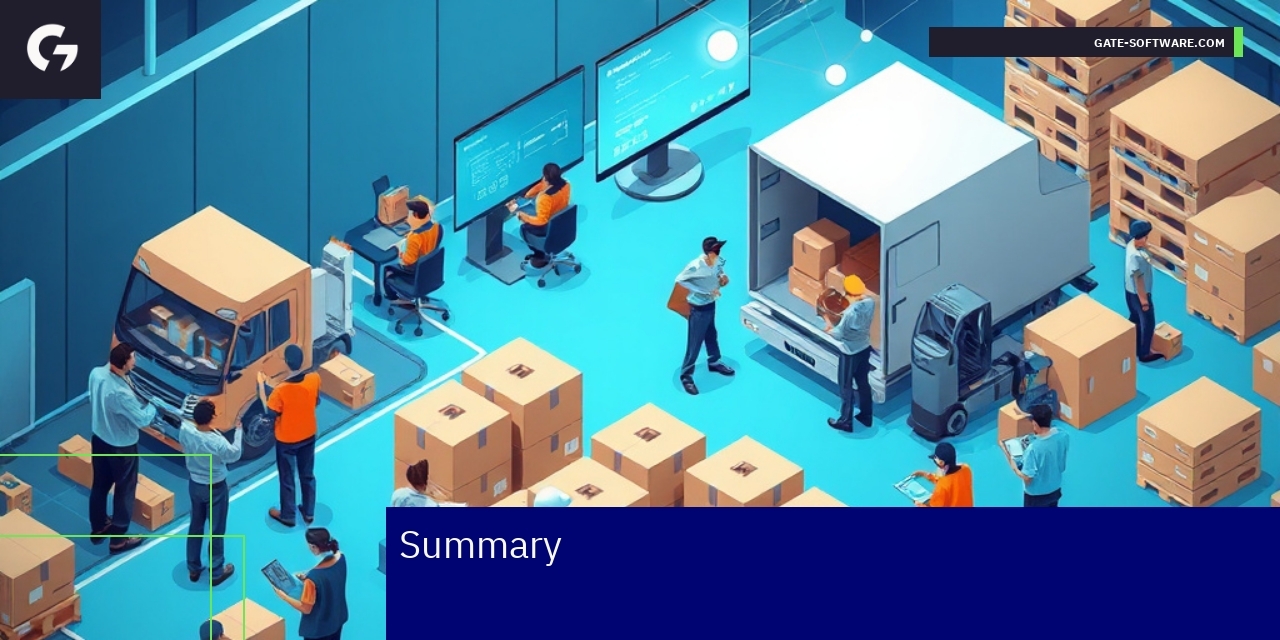
In today’s competitive landscape, establishing a robust B2B store is essential for businesses aiming to optimize their wholesale transactions and enhance customer experiences. Gate-Software’s tailored solutions, such as Magento™, provide the necessary infrastructure to support complex workflows, ensure compliance with accessibility standards like WCAG 1.1, and facilitate seamless integrations with ERP systems. By focusing on the unique needs of B2B buyers—such as bulk ordering, tiered pricing, and customized customer experiences—you can significantly improve operational efficiency and create long-lasting relationships with your clients. Investing in a dedicated B2B platform not only streamlines order processing but also empowers your team to manage diverse client requirements effectively. We encourage you to explore our offerings further and discover how we can partner with you to drive success in the B2B marketplace. Your journey to a more efficient, customer-centric B2B operation begins here.
FAQ
How does a B2B store differ from a B2C store?
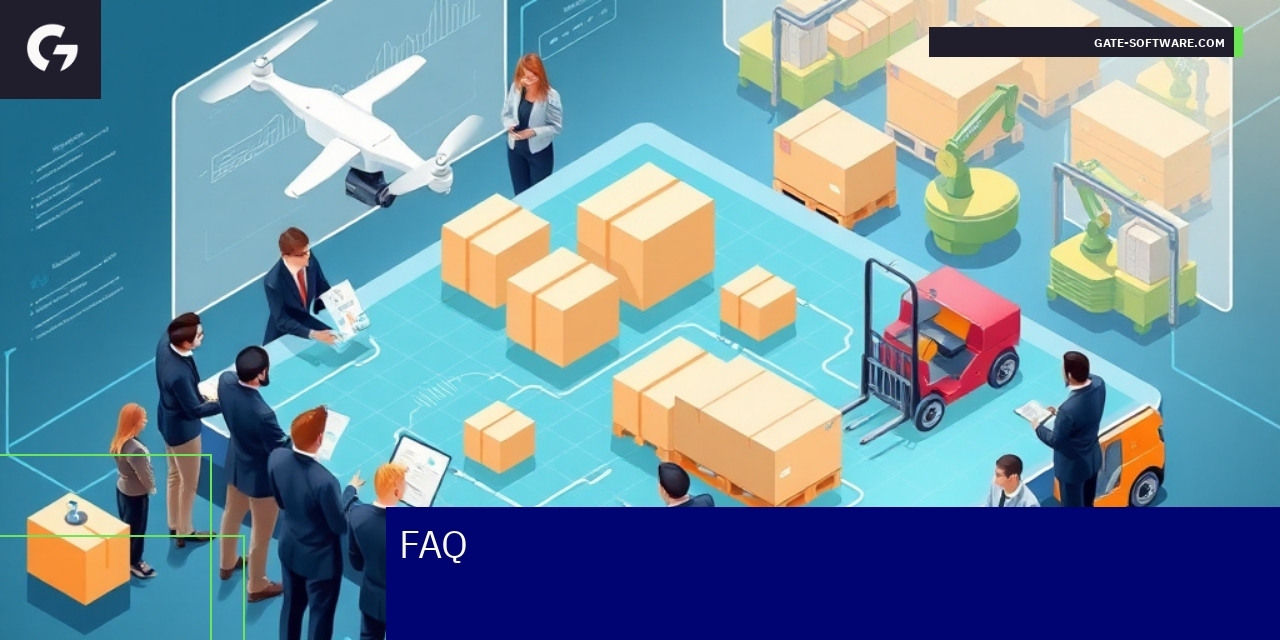
A B2B store is designed for transactions between businesses, emphasizing features such as bulk ordering, tiered pricing, and complex approval workflows. In contrast, a B2C store caters to individual consumers, focusing on one-time purchases based on personal preferences.
What are the key steps to launching a B2B store?
Starting a B2B store involves selecting a reliable platform, configuring it to meet specific business requirements, ensuring compliance with UX/UI and WCAG standards, and designing user experiences tailored to B2B buyer personas like Architects and eCommerce Managers.
Why is it important to integrate a B2B store with wholesalers?
Integrating your B2B platform with wholesalers enhances supply chain efficiency, allowing real-time updates of inventory and prices. This integration ensures accurate management of separate offers for retail and wholesale customers, improving the overall purchasing experience.
What common mistakes should be avoided when starting a B2B store?
Common mistakes include neglecting the specific needs of B2B clients, insufficient integration with backend systems, inadequate UX/UI design for professional users, and overlooking the importance of a well-defined content strategy tailored to key B2B personas.
How can B2B businesses optimize their digital marketing strategies?
B2B businesses can optimize digital marketing by using tailored content that resonates with decision-makers, implementing sophisticated product catalogs, and integrating real-time data analytics tools. This approach helps deliver relevant information to stakeholders and enhances engagement with the brand.
How to Buy
.
.
Zamów bezpłatną konsultację
.
Z nami rozwój Twojego biznesu nabierze tempa! Zapraszamy do kontaktu średnie i duże firmy generujące min. 7 mln PLN obrotu rocznie – tam nasza ekspertyza sprawdza się najlepiej.
.
Kliknij w poniższy przycisk i skontaktuj się z jednym z naszych konsultantów e-commerce
.