As Magento continues to be a popular eCommerce platform, security remains a critical concern, especially in 2026 where cyber threats are increasingly sophisticated and frequent. Magento store owners and technical stakeholders must adopt robust security strategies to safeguard their platforms, customer data, and business integrity.
One of the primary security issues facing Magento stores is vulnerability exploitation due to outdated software. Timely updates and patches are essential to close security gaps that attackers can use to inject malicious code or gain unauthorized access. Magento regularly releases security updates and patches; hence, maintaining the platform and its extensions up to date is a fundamental step in prevention.
Another significant risk vector is weak authentication and authorization mechanisms. Magento stores should implement strong password policies, multi-factor authentication (MFA), and role-based access control (RBAC) to limit access to sensitive administrative and backend functionalities. Ensuring that only authorized personnel can access critical areas of the site reduces the risk of insider threats and accidental misconfigurations that can lead to vulnerabilities.
The use of reputable and actively maintained security plugins is also crucial. Plugins can augment native Magento security by offering firewall protection, vulnerability scanning, malware detection, and activity monitoring. Selecting plugins from trusted sources with regular updates ensures compatibility and effectiveness. Monitoring plugin performance and reviewing security logs helps detect anomalies early.
Secure hosting environments and SSL/TLS encryption are foundational to protecting data in transit and preventing man-in-the-middle attacks. Magento stores must enforce HTTPS across the entire site, including the checkout and login pages, to safeguard sensitive information like credit card details and personal customer data.
Beyond technical measures, educating development, operations, and customer support teams about security best practices ensures a comprehensive defense. Regular training on identifying phishing attempts, social engineering, and secure coding practices enhances organizational resilience.
Strategically, organizations should adopt a proactive security posture involving continuous monitoring, vulnerability assessments, and penetration testing. Leveraging automation and analytics tools helps identify emerging threats and remediate them before they impact business operations.
Operationally, minimizing downtime and ensuring rapid incident response are essential to maintaining customer trust. Clear processes for backup, recovery, and incident communication form part of a robust security framework.
In summary, Magento security in 2026 demands a multi-layered approach: up-to-date software, strong authentication, trusted plugins, secure infrastructure, staff awareness, and proactive monitoring. Implementing these best practices and tools will help protect Magento stores against evolving cyber threats, preserving business continuity and customer confidence.

Introduction
UiR, within the scope of modern digital architectures and operational frameworks, represents a critical facet in enhancing user interface responsiveness and adaptability across complex systems. At its core, UiR focuses on optimizing how users interact with applications by ensuring seamless scalability, performance efficiency, and technical robustness. This involves addressing real-world business challenges such as latency reduction, resource management, and integration with diverse backend services.
Technically, UiR necessitates an architecture that supports modularity and flexible deployment strategies, often leveraging microservices and containerization to maintain operational agility. With increasing demands for personalized experiences and dynamic content delivery, UiR frameworks must incorporate adaptive algorithms and real-time data processing capabilities. This enhances not only the performance but also the contextual relevance of user interactions.
From an engineering perspective, implementing UiR impacts the entire technology stack. It requires meticulous planning around API design, state management, and asynchronous communication to handle high concurrency and ensure fault tolerance. Moreover, scalability considerations underline the need for horizontal scaling and efficient load balancing techniques to maintain consistent user experiences during traffic surges.
Operational efficiency is further achieved by automating monitoring and analytics to promptly identify performance bottlenecks and user experience degradation. Deploying UiR solutions empowers businesses to maintain competitive advantages by delivering fluid, responsive interfaces that align with evolving user expectations and drive engagement metrics.
TABLE OF CONTENTS
- Magento Security Issues in 2026: Best Practices, Plugins & Tips to Protect Your Store
- Introduction
- What is Magento 2 security?
- Why is security crucial for e-commerce?
- Protecting your data
- Using multi-factor authentication (2FA)
- Regular software updates
- Security audits
- Update notifications
- Using multi-factor authentication (2FA)
- 2FA implementation
- 2FA challenges
- Secure customer data storage
- Data encryption
- Staff training
- Regular cybersecurity audits
- External audits
- Audit reports
- Implementing Web Application Firewall (WAF)
- WAF configuration
- Testing WAF effectiveness
- Safe extensions and modules
- Selecting safe modules
- Monitoring extensions
- Limiting failed login attempts
- Setting limits
- Failed login alerts
- Automatic email notifications
- Notification examples
- Notification customization
- IP black/whitelisting
- IP list setup
- Automated monitoring
- Threats and attack examples
- Benefits of security policies
- Step-by-step Magento 2 security guide
- Common security mistakes
- Data and Performance Metrics – Efficiency and Cost
- Summary
- FAQ
- Regular Updates: Maintaining the Magento core and third-party extensions up to date to address newly discovered vulnerabilities and security patches.
- Strong Password Policies: Enforcing robust password complexity and expiration policies for admin and user accounts to reduce the risk of unauthorized access.
- Two-Factor Authentication (2FA): Adding a second authentication layer to enhance login security and reduce the chances of credential misuse.
- Secure Hosting Environment: Leveraging secure, reliable hosting infrastructure that adheres to industry best practices for network and server security.
- SSL Certificates: Implementing SSL/TLS encryption to protect data in transit between users and the Magento server.
- Web Application Firewalls (WAF): Deploying WAFs to filter and monitor incoming traffic, blocking malicious requests and attacks proactively.
- Backup Solutions: Establishing regular, automated backups to enable rapid restoration in case of data loss or security incidents.
- Monitoring and Scanning: Continuously scanning codebases and monitoring system logs to detect suspicious activities or potential security breaches in real time.
- Access Restrictions: Applying the principle of least privilege by restricting user permissions to only what is necessary for their roles.
- Scheduled audits can identify overlooked vulnerabilities post-update
- Audits validate effectiveness of current security patch management
- Recommendations from audits guide refinement of update protocols
- Audit tools integrate with Magento 2 for automated vulnerability detection
- Continuous audit cycles complement regular updates to enhance protection
- Common usability issues include delays in receiving codes, device compatibility challenges, and user resistance to additional steps.
- Mitigations often involve providing multiple 2FA options, user education, and ensuring backup access methods.
- Security considerations include risks from phishing attacks that circumvent 2FA and methods to detect and respond to such attempts.
- Use penetration testing tools to simulate attacks and verify that the WAF correctly blocks malicious traffic.
- Monitor WAF logs regularly to identify false positives and tune rulesets accordingly.
- Employ third-party services that specialize in testing WAFs and security configurations for an unbiased assessment.
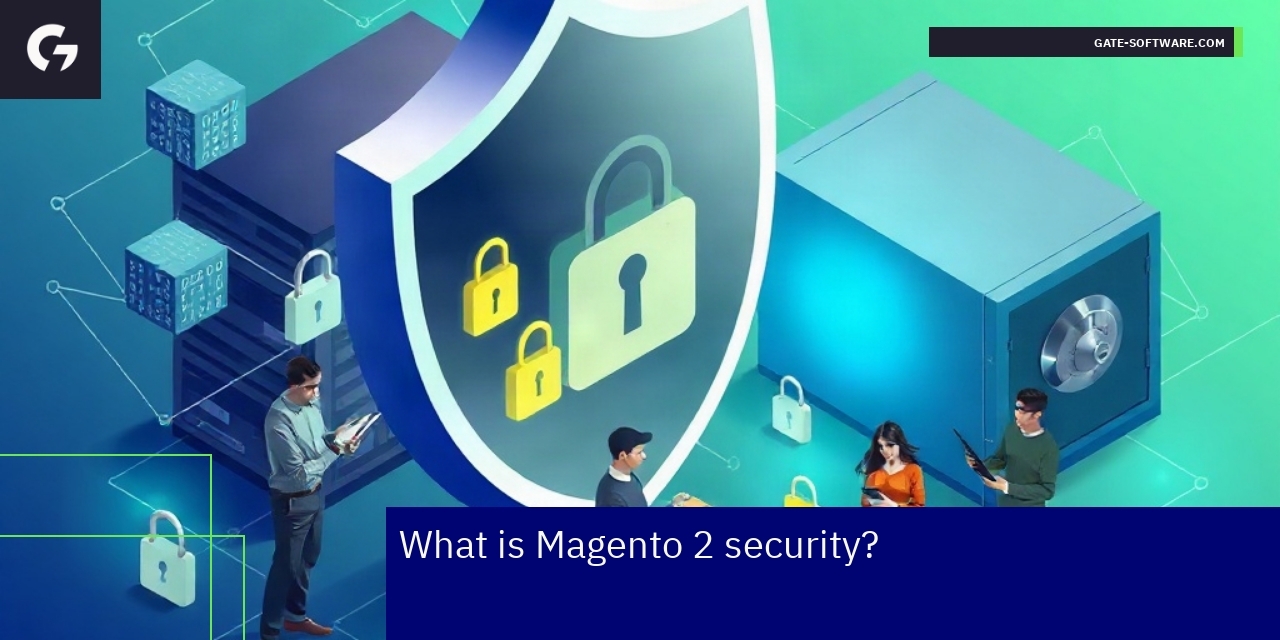
What is Magento 2 security?
Magento 2 security encompasses the comprehensive set of measures and protocols designed to safeguard Magento eCommerce platforms from cyber threats, vulnerabilities, and unauthorized access. Its primary importance lies in protecting sensitive customer data, maintaining seamless business operations, and ensuring compliance with data protection regulations. Effective security practices help prevent data breaches that could lead to financial losses, reputational damage, and diminished customer trust.
At its core, Magento 2 security protects critical assets such as personal customer information, payment details, and business data while fostering a secure environment that supports scalability and operational efficiency. It is vital for organizations to focus on real-world security challenges, including safeguarding against emerging cyber threats and ensuring the integrity of complex technical architectures.
Key Magento 2 security elements include:
By integrating these elements strategically, Magento 2 security not only protects from immediate threats but also contributes to long-term operational resilience and trustworthiness vital for scalable eCommerce success.

Why is security crucial for e-commerce?
Security is a foundational pillar for the success and sustainability of e-commerce platforms due to the high volume of sensitive data they process, including personal customer information, payment details, and transactional records. The protection of this data is paramount to prevent identity theft, fraud, and financial losses both for customers and the business. E-commerce platforms face persistent threats from cybercriminals who exploit vulnerabilities to launch attacks such as data breaches, account takeovers, and payment fraud.
Statistics on e-commerce attacks highlight the prevalence and increasing sophistication of these threats. Data breaches targeting e-commerce sites have surged, with attackers employing methods like phishing, ransomware, and injection attacks to gain unauthorized access. This escalating threat landscape demands continuous investment in robust cybersecurity measures. Failure to prevent breaches not only exposes sensitive information but leaves companies vulnerable to legal liabilities and regulatory penalties under frameworks like GDPR and PCI DSS, which mandate stringent data protection standards.
The consequences of security breaches extend beyond immediate financial loss. A breach damages customer trust and brand reputation, often leading to lost revenue and diminished market position. Operational disruptions and the costs related to incident response, remediation, and potential litigation further strain resources. For senior stakeholders—CTOs, Heads of Product and Engineering, and Digital Directors—securing e-commerce environments is critical for maintaining operational resilience, ensuring scalability, and safeguarding the company’s long-term viability in a progressively hostile digital landscape.

Protecting your data
Protecting your data within the context of UiR demands a comprehensive approach that aligns with best practices in information security and data governance. This encompasses ensuring data integrity, confidentiality, and availability across all operational layers. Architecturally, it necessitates implementing robust encryption protocols both at rest and in transit, deploying advanced access control measures, and continuously monitoring for anomalies through behavioral analytics.
From a technical standpoint, leveraging secure identity and access management (IAM) frameworks is critical to restrict and audit access based on role and necessity. Additionally, designing systems resilient to threats such as unauthorized access, data breaches, and insider threats is essential. This involves segmentation of data storage, rigorous authentication methods including multi-factor authentication, and regular vulnerability assessments alongside patch management to mitigate emerging risks.
Operational efficiency benefits from automation in security processes — for instance, automated alerts, incident response playbooks, and compliance reporting. Scalability in data protection for UiR implies that security controls adapt seamlessly as data volumes grow or as systems expand geographically, ensuring performance remains unimpacted while security posture remains strong.
Overall, protecting your data within UiR means embedding security considerations into the core technical architecture, driven by policies that enforce rigorous standards for data handling, compliance adherence, and continuous improvement to meet evolving threats and business needs.
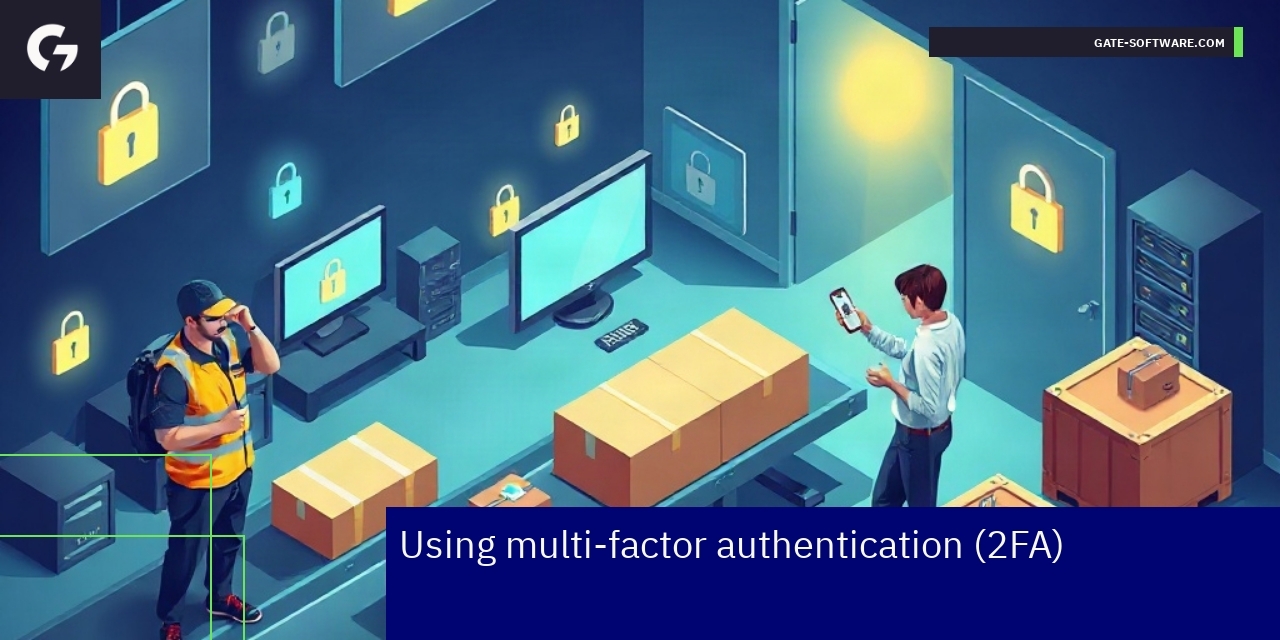
Using multi-factor authentication (2FA)
Multi-factor authentication (2FA) is a critical security enhancement for Magento 2 environments, particularly when managing User Interface Rights (UiR) and sensitive administrative access. It requires users to provide two or more verification factors to gain access, typically combining something they know (password) with something they have (a mobile device generating authentication codes). This dual-layer process significantly reduces the risk of unauthorized account access, a common vulnerability in eCommerce platforms.
For senior stakeholders managing the technical architecture, implementing 2FA is more than just a security feature—it’s a strategic measure for operational security and scalability. By integrating 2FA, organizations mitigate common Magento security threats such as credential stuffing, phishing attacks, and brute force attempts. This protection is essential for maintaining uptime, safeguarding customer data, and ensuring regulatory compliance.
Addressing the common query How do I install Magento security patch on my website?, adding 2FA complements patching by reinforcing authentication processes beyond fixed security updates. This layered defense approach is a best practice in Magento 2 security strategy, enhancing resilience against evolving threats.
Operationally, deploying 2FA throughout administrative roles and critical user accounts helps enforce strict access control policies, aligning with overarching UiR principles. It supports scalability by maintaining security integrity even as the user base grows or when expanding eCommerce operations.
In sum, multi-factor authentication (2FA) adds a vital layer in Magento 2 security frameworks, delivering a practical, robust means to defend against vulnerabilities inherent in digital commerce environments.
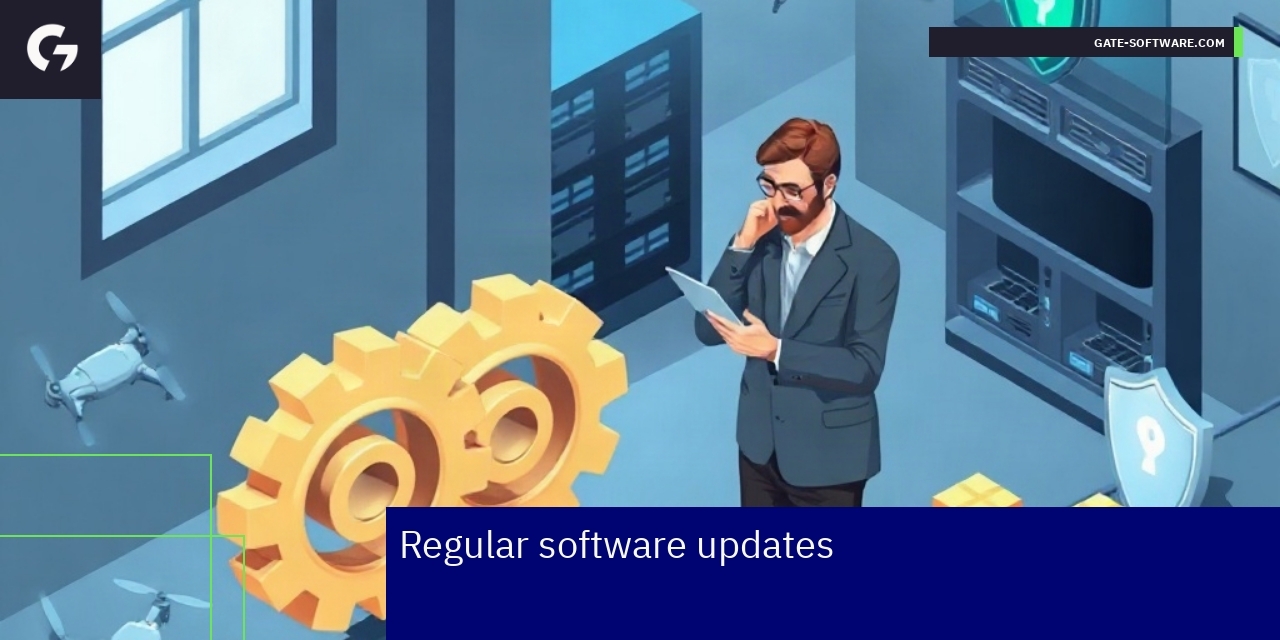
Regular software updates
Keeping your Magento platform updated with the latest security patches is a fundamental practice for strengthening your system’s defense mechanisms. The Magento Security Patches 2024 — Release Highlights & Key Fixes illustrate how timely application of updates can effectively mitigate common Magento security vulnerabilities that could otherwise expose your eCommerce environment to risks. This proactive approach minimizes attack surfaces by closing known loopholes and addressing software weaknesses before they can be exploited.
For senior technical leaders such as CTOs and Heads of Engineering, understanding the operational impact of these updates is crucial. Regular updates ensure your platform remains compatible with new integrations and maintains optimal performance levels without compromising scalability. It also reduces downtime caused by emergency patches or security breaches, thereby preserving business continuity and customer trust.
From an architectural standpoint, establishing a disciplined update schedule aligns with best practices in IT governance and risk management. It enables systematic review and testing phases that prevent disruptive failures in production environments. Moreover, maintaining the most current security posture contributes to compliance with regulatory requirements related to data protection and transaction security.
In summary, integrating the Magento Security Patches 2024 — Release Highlights & Key Fixes on a routine basis is not merely a technical necessity but a strategic imperative. It safeguards the integrity of your Magento platform while supporting operational efficiency, performance optimization, and long-term scalability.
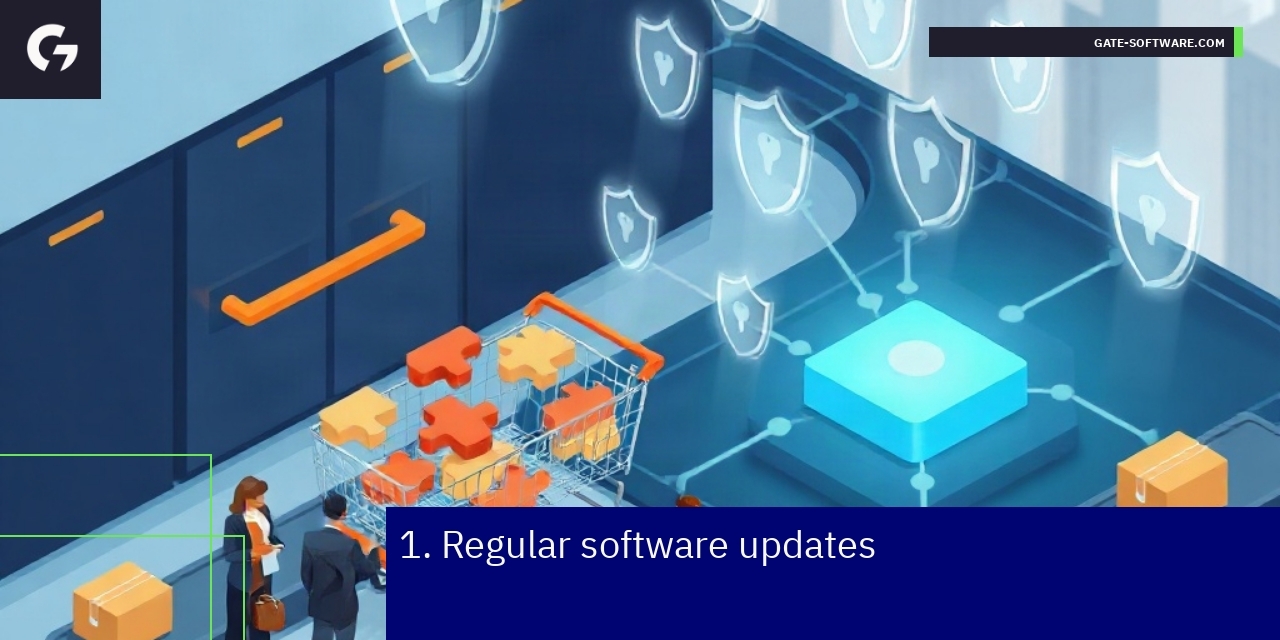
1. Regular software updates
A fundamental principle in securing any software platform, particularly Magento 2, centers on maintaining a rigorous schedule of regular software updates. The Magento Security Guide: How to Secure Your Website from Hackers emphasizes that regular updates serve as the first line of defense against a continually evolving threat landscape. Cyber attackers consistently exploit vulnerabilities in outdated software, making it critical to apply patches and upgrades promptly.
Updates often include important security patches that address newly discovered exploits and code vulnerabilities. These patches help safeguard the integrity of your eCommerce infrastructure, ensuring that customer data remains protected and that platform functionality is not compromised by malicious intrusions. From an architectural perspective, the process of updating also involves compatibility checks, dependency management, and testing environments to prevent disruptions in operational performance.
Implementing a robust update protocol supports operational efficiency by reducing emergency patching needs and minimizing downtime risks. Strategically, organizations should architect their Magento 2 environment to allow for smooth, incremental updates that scale with business growth while preserving system performance. Maintaining an updated system mitigates risks linked to compliance failures and reputational damage resulting from breaches.
In conclusion, regular software updates are not merely a technical task but a strategic imperative integral to scalability, performance, and sustained security resilience within high-stakes digital commerce environments.
Security audits
—
If available:
—

Security audits
Regular security audits are a critical component in maintaining the integrity and protection of your online store. These audits systematically identify vulnerabilities and weak points within your eCommerce platform’s architecture, helping to preempt potential threats before they can be exploited. When applied within a framework such as the Advanced Magento 2 Security Features: A Deep Dive, the evaluation process becomes even more robust, enabling a detailed inspection of Magento 2’s layered security protocols.
Magento 2 offers multiple advanced security capabilities designed to guard against common and sophisticated attack vectors. Security audits leveraging these features include reviews of role-based access controls, encryption standards, secure payment gateways, and compliance with best practices for data protection. These evaluations must not only assess software configurations but also monitor the effectiveness of operational security measures, such as patch management, system updates, and firewall configurations.
Adopting a structured audit approach ensures ongoing operational efficiency while enhancing scalability and performance. By pinpointing configuration flaws or outdated components, audits help prevent disruptions to customer experience and protect sensitive transaction data. Furthermore, regular comprehensive examinations build a resilient security posture, essential for the evolving threat landscape facing Magento-based stores. Integrating Advanced Magento 2 Security Features: A Deep Dive into audit methodologies provides a thorough blueprint for safeguarding your online store effectively and sustainably.
Update notifications
Setting up alert systems for Magento Security Patches 2024 — Release Highlights & Key Fixes is essential to maintain an up-to-date and secure eCommerce platform. For senior stakeholders managing complex Magento environments, these alerts ensure that critical security updates are not missed, directly affecting platform protection and operational continuity.
Effective alert systems must integrate seamlessly with existing monitoring and incident management tools, enabling swift response workflows when new patches are released. Alerts should be configured to provide detailed patch information, including the nature of vulnerabilities addressed, severity levels, and deployment priorities. This granular insight assists technical teams in assessing risk and scheduling timely maintenance windows.
From a technical architecture perspective, automated alert mechanisms can be implemented through APIs provided by Magento or third-party security services that track patch releases in real time. Integration with centralized communication platforms, such as email, SMS, or collaboration tools, guarantees prompt notification across relevant teams.
Operationally, proactive update notifications reduce exposure to critical vulnerabilities, mitigate compliance risks, and contribute to platform stability. They support scalability by ensuring that security measures keep pace with platform growth and evolving threat landscapes. Thus, setting up robust alert systems for Magento Security Patches 2024 — Release Highlights & Key Fixes is a strategic imperative for safeguarding high-value digital assets and maintaining business resilience.
2. Using multi-factor authentication (2FA)
Incorporating multi-factor authentication (2FA) is a crucial step in enhancing the security posture of any Magento-based platform. As emphasized throughout the Magento Security Guide: How to Secure Your Website from Hackers, 2FA adds a significant layer of defense that mitigates the risk of unauthorized access. This is particularly important in environments where sensitive user data and transactional information are handled, requiring robust authentication mechanisms to prevent breaches.
2FA requires users to provide more than one form of verification, typically combining something they know (a password) with something they have (a mobile device or hardware token) or something they are (biometric verification). This layered approach not only complicates unauthorized access attempts but also aligns with industry best practices for security hardening.
The Magento 2 Security Guide: An Actionable Checklist (Updated for 2024) underlines that implementing 2FA is not just a protective measure but a compliance and operational standard for securing both backend administrative panels and customer portals. Beyond protecting credentials, 2FA contributes to operational efficiency by reducing the incidence and impact of compromised accounts.
Architecturally, integrating 2FA requires consideration of user experience and system performance to ensure seamless adoption and minimal friction in authentication workflows. Scalable 2FA solutions must support multiple authentication methods and be resilient against common attack vectors such as phishing and man-in-the-middle attacks.
In summary, adopting multi-factor authentication (2FA) as outlined in key Magento security resources is a strategic imperative for senior stakeholders aiming to fortify their security architecture while maintaining operational agility and safeguarding critical business assets.
2FA challenges
—
If available:

2FA implementation
Implementing two-factor authentication (2FA) is a critical step in strengthening the security posture of any digital platform. Its adoption significantly mitigates the risk of unauthorized access by requiring users to provide two forms of verification—typically a password and a secondary form such as a one-time code generated via an authenticator app or received through SMS. This dual-layered defense dramatically decreases the chances of account compromise stemming from stolen or weak credentials.
From an architectural perspective, straightforward integration of 2FA into existing authentication mechanisms entails augmenting the login workflow to include verification of the second factor. This process should be designed for minimal disruption to user experience while ensuring robust security enforcement. Scalability is supported by leveraging widely adopted standards such as Time-Based One-Time Password (TOTP) protocols, which are compatible with numerous apps and services, providing a flexible approach as the user base grows.
Operational efficiency improves by automating verification steps and monitoring authentication attempts to detect anomalies. Furthermore, coupling 2FA with broader security best practices—like those outlined in 5 Smart Tips to Enhance the Security of Your Magento 2 Store—constructs a comprehensive security framework. These tips often include measures such as enforcing strong password policies, using HTTPS encryption, regular security patches, and monitoring access logs, which complement the protection 2FA provides.
By implementing 2FA with these sophisticated strategies, organizations can create a resilient defense mechanism that addresses common attack vectors such as phishing, credential stuffing, and brute force, ultimately safeguarding sensitive business and customer data without compromising performance or user accessibility.
2FA challenges
While two-factor authentication (2FA) significantly enhances security by requiring an additional verification step beyond passwords, it also introduces certain challenges that organizations and merchants must carefully manage. One primary issue is user friction — additional steps can frustrate users, potentially leading to decreased conversion rates or increased support requests. Particularly in eCommerce environments, such as those using Magento platforms, this user friction can disrupt the purchasing process and negatively impact customer experience.
Technical considerations also play a critical role in the deployment of 2FA. Integration complexity with existing authentication systems, compatibility across diverse devices and platforms, and ensuring minimal latency during login processes are all crucial factors. Poorly implemented 2FA might lead to system failures or unintended lockouts, which affect operational efficiency and risk customer dissatisfaction.
To address these challenges effectively, it is essential to prepare both staff and customers well in advance. Training internal teams on handling common issues and educating customers about the benefits and usage of 2FA can smooth adoption. Transparent communication about security improvements and providing easy-to-follow instructions or support resources can alleviate confusion and resistance.
Furthermore, understanding common Magento security threats highlights the importance of balancing robust security measures like 2FA with seamless user experiences. Organizations should consider scalable and performant architectures that support 2FA without compromising system reliability or speed, ensuring that security enhancements do not become bottlenecks in workflow or customer interactions.
3. Secure customer data storage
Protecting sensitive customer data is paramount in addressing What Are the Most Common Magento Security Issues? A robust approach to securing customer information requires implementing comprehensive encryption both in transit and at rest. Encrypting personal information ensures compliance with data protection regulations and builds essential trust with customers by safeguarding their data against unauthorized access, breaches, or leaks.
Architecturally, secure customer data storage must include layered security mechanisms such as database encryption, tokenization of sensitive fields, and use of secure key management systems. Operationally, strict access controls, audit logging, and regular security assessments should be standard to monitor and enforce data integrity and confidentiality.
Moreover, ensuring the scalability and performance of secure storage solutions is critical for eCommerce platforms like Magento, where data volumes can grow rapidly without compromising responsiveness. Structured encryption strategies aligned with compliance frameworks help maintain operational efficiency while providing resilience against evolving cyber threats.
In sum, encrypting personal information directly addresses Magento security challenges by mitigating risks related to data exposure, supporting regulatory adherence, and fostering customer confidence in digital transactions.
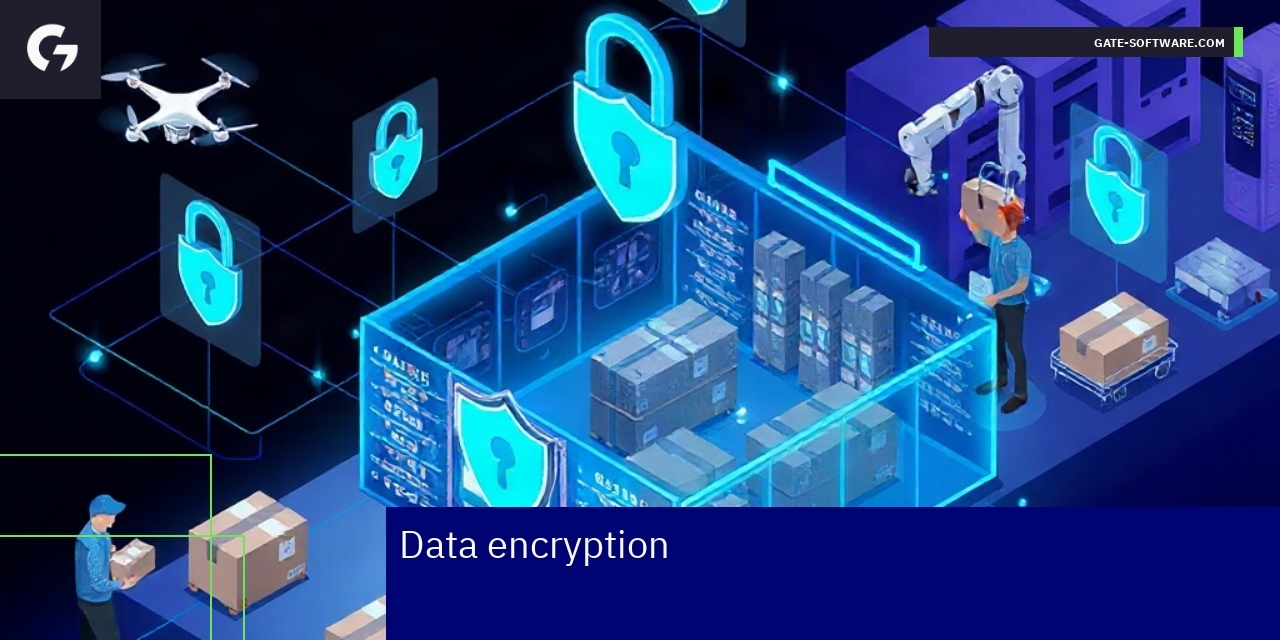
Data encryption
Employing strong encryption is a fundamental pillar in protecting digital assets and sensitive information in any system architecture. Encryption transforms readable data into a coded format, accessible only to those possessing the correct decryption keys, thereby ensuring confidentiality, data integrity, and authenticity. These security measures are particularly critical as part of a comprehensive defense strategy outlined in frameworks like the Magento Security Guide: How to Secure Your Website from Hackers.
A robust encryption strategy must address multiple attack vectors, notably including common threats such as SQL Injection. SQL Injection attempts can exploit vulnerabilities in application input handling, aiming to alter or extract database content. Encryption protects critical data both at rest and in transit, minimizing the risk of data exposure even if attackers gain partial access to system components.
There are two widely implemented encryption types: symmetric and asymmetric. Symmetric encryption employs a single shared key for both encrypting and decrypting data, offering performance advantages useful for encrypting large datasets efficiently. Asymmetric encryption, in contrast, uses a key pair — a public key for encryption and a private key for decryption — facilitating secure key exchange and authentication processes. For highly sensitive operations, combining both methods in hybrid encryption schemes enhances security while managing performance overhead.
Operationally, encryption must be tightly integrated within the system architecture, including database encryption, API communication layers, and frontend-backend data exchanges. Employing standardized, vetted cryptographic protocols and libraries is essential to avoid pitfalls of custom or outdated encryption implementations.
Furthermore, ongoing key management practices — such as secure key storage, rotation policies, and access controls — are vital operational components to maintain encryption effectiveness over time and across scaling environments.
In summary, employing strong encryption as detailed in the Magento Security Guide: How to Secure Your Website from Hackers is a strategic imperative for defending against SQL Injection and other prevalent attack vectors, directly supporting robust operational security and safeguarding business-critical data assets.

Staff training
Security is as strong as its people. Providing ongoing staff training is critical to effectively minimizing insider risks within any organization. Continuous education empowers employees to recognize potential security threats, understand their role in safeguarding organizational assets, and consistently follow best practices. This is particularly crucial in the context of platforms like Magento 2, where adherence to guidelines such as those outlined in the Magento 2 Security Guide: An Actionable Checklist (Updated for 2024) ensures robust operational security.
Effective staff training programs focus not only on technical skills but also on cultivating a security-aware culture. Training should cover recognizing phishing attempts, secure password practices, proper handling of sensitive customer data, and compliance with organizational policies. Regular refresher courses and assessments help maintain vigilance and adapt to emerging threats.
Moreover, embedding security training into onboarding processes and ongoing professional development fosters accountability and reduces the likelihood of insider errors that can lead to vulnerabilities. Leveraging scenario-based learning and real-world examples enhances staff engagement and practical understanding.
Ultimately, investing in comprehensive staff training aligns technical and human aspects of security, strengthening the organization’s defensive posture while supporting scalability and operational efficiency. Maintaining compliance with Magento 2’s updated security standards through informed personnel is a foundational element in a resilient security strategy.
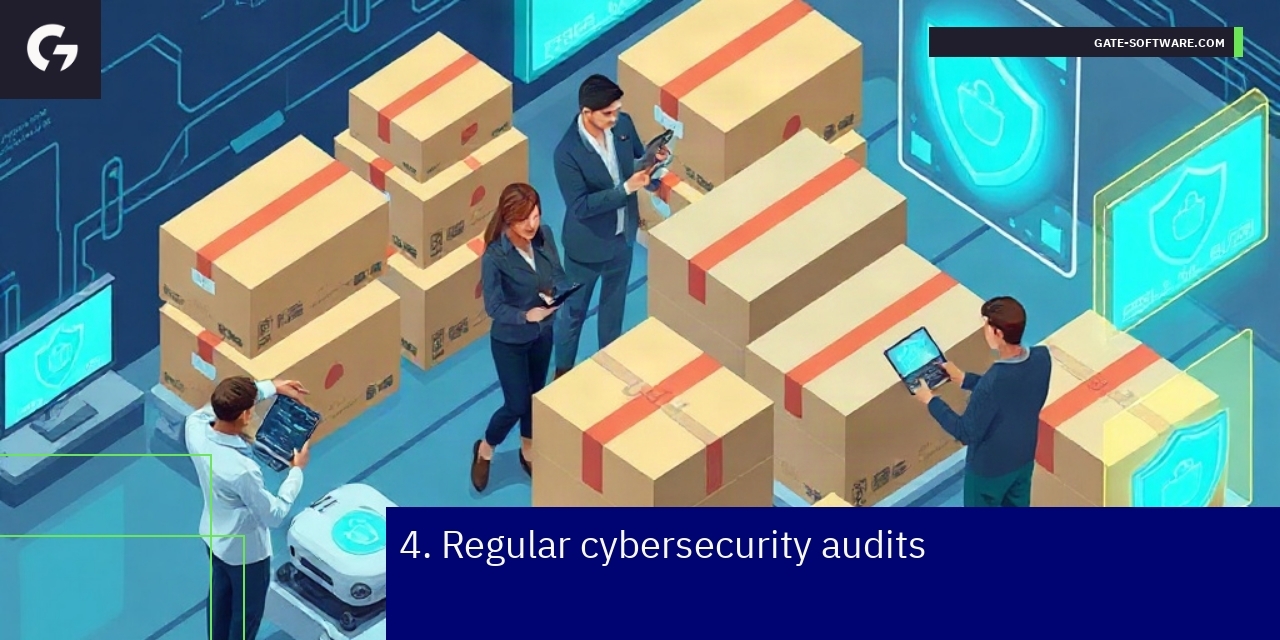
4. Regular cybersecurity audits
Regularly scheduled comprehensive cybersecurity audits are essential for identifying vulnerabilities early and ensuring robust protection in organizational infrastructures. These audits involve a systematic evaluation of security policies, technical controls, and compliance with best practices, reflecting recommendations found in Advanced Magento 2 Security Features: A Deep Dive. By conducting them periodically, teams can detect new and evolving threats before they are exploited, minimizing risk exposure.
The process typically includes vulnerability assessments, penetration testing, and a thorough review of access controls and system configurations. It also examines incident response readiness and monitors for deviations from established security baselines. Regular audits help maintain compliance with industry standards and regulatory requirements, fostering trust among stakeholders.
From a technical architecture perspective, these audits shed light on potential weaknesses in application layers, network defenses, and data encryption methods. They provide actionable insights for optimizing security controls without compromising system performance or scalability. Operational efficiency improves as teams identify and remediate inefficiencies or outdated protocols, aligning security practices with business objectives.
Ultimately, integrating regular cybersecurity audits into the organizational routine supports proactive risk management, enhances resilience against cyber threats, and contributes to sustainable digital growth.

External audits
External audits provide an essential, unbiased evaluation of your Magento security posture, enabling organizations to identify vulnerabilities and compliance gaps that may not be apparent through internal reviews. As detailed in Magento Security Guide: How to Secure Your Website from Hackers, these audits delve deeply into technical architecture, configurations, and operational practices, ensuring alignment with security best practices.
Such audits address real-world business challenges by assessing how security controls integrate with operational workflows, helping to maintain scalability and performance without compromising protection. They scrutinize areas such as authentication mechanisms, data encryption, patch management, and access controls, offering clear insights into potential attack vectors. This thorough examination helps CTOs, Heads of Engineering, and eCommerce Managers understand systemic risks and prioritize remediation steps strategically.
By leveraging external audits, stakeholders gain confidence in their Magento platform’s resilience against evolving threats. The audits inform actionable strategies for enhancing security posture, optimizing operational efficiency, and sustaining compliance with industry standards—ultimately safeguarding digital assets while supporting business growth.

Audit reports
Documenting audit results is a critical process for continuous improvement, especially in complex systems like those outlined in the Magento 2 Security Guide: An Actionable Checklist (Updated for 2024). Audit reports serve as a structured record of security assessments, performance evaluations, and compliance checks, providing senior stakeholders with clear, actionable insights.
These reports typically document findings in a detailed manner, highlighting vulnerabilities, misconfigurations, and areas where operational efficiency can be enhanced. They bridge the gap between technical assessments and strategic decision-making, enabling CTOs and Heads of Engineering to prioritize remediation efforts effectively.
In the context of UiR, audit reports facilitate a cycle of iterative enhancement by translating technical results into actionable steps. This includes recommending best practices for system architecture, scalability improvements, and performance optimization. The guidance from the Magento 2 Security Guide emphasizes not only identifying security risks but also creating an actionable checklist to systematically improve defenses over time.
For Digital Directors and eCommerce Managers, these reports provide transparency into security postures and technical health, helping align IT operations with business objectives. Comprehensive documentation ensures that improvements are measurable, trackable, and integrated into ongoing governance and compliance frameworks.
Ultimately, robust audit reporting underpins a proactive security culture and operational excellence, driving continuous refinement and resilience in digital infrastructures, as stressed in the Magento 2 Security Guide.

5. Implementing Web Application Firewall (WAF)
Deploying a Web Application Firewall (WAF) is a critical security measure to protect web applications from a range of attack vectors, particularly SQL Injection and Distributed Denial of Service (DDoS) attacks. According to the Magento Security Guide: How to Secure Your Website from Hackers, WAFs serve as an essential defensive barrier that filters and monitors HTTP traffic between a web application and the internet.
From a technical architecture perspective, a WAF operates by inspecting incoming traffic at the application layer, allowing it to identify and block malicious payloads before they reach the web server or the underlying database. This capability is crucial in mitigating SQL Injection attacks, which attempt to manipulate backend databases through malicious input, and in counteracting DDoS attacks, which overload server resources to disrupt service availability.
Implementing a WAF involves integrating it either as a cloud service, a network appliance, or a software solution within the application stack. The choice depends on factors such as scalability requirements, network topology, and existing infrastructure. Cloud-based WAFs often provide increased scalability and reduced operational overhead, while on-premises deployments may offer deeper customization aligned with internal security policies.
Operational efficiency gains include automated threat detection and blocking, reducing the need for manual intervention in mitigating common web vulnerabilities. Additionally, modern WAF solutions support real-time analytics and alerting, facilitating swift response to emerging threats. From a performance standpoint, proper configuration is essential to avoid bottlenecks; leveraging caching and load balancing in tandem with the WAF ensures minimal latency impact.
In summary, deploying a WAF as outlined in the Magento Security Guide forms a foundational component of a robust security posture, directly addressing attack vectors like SQL Injection and DDoS that threaten eCommerce and other web applications’ availability and data integrity.
Testing WAF effectiveness
—
If available:
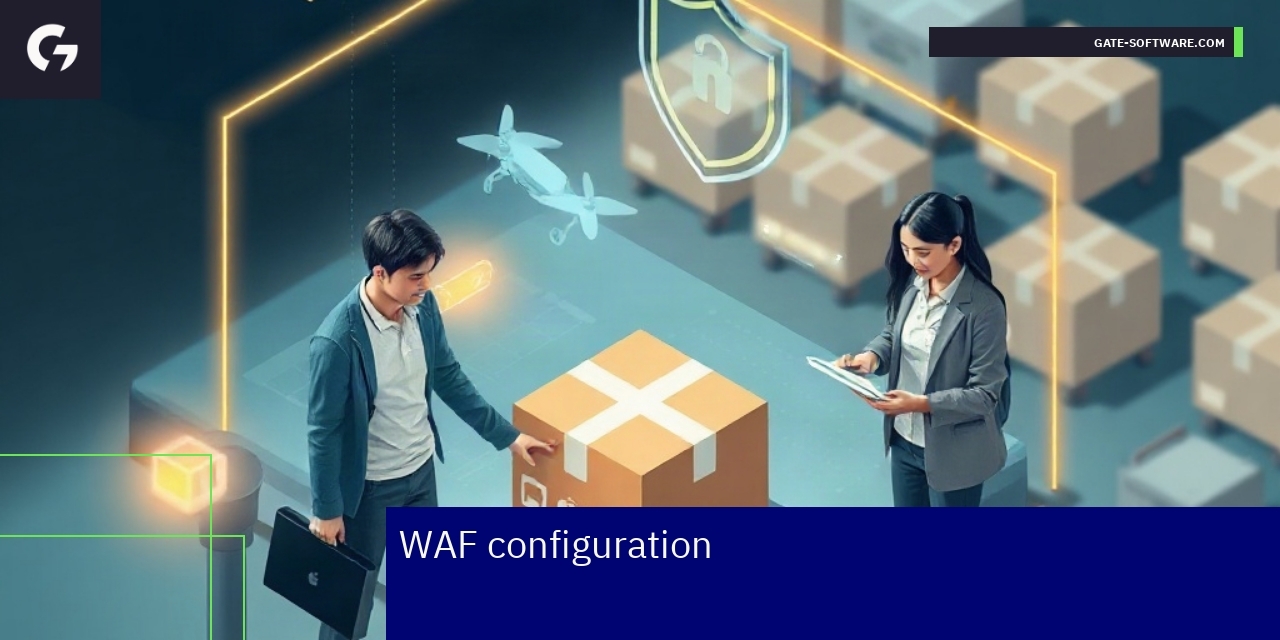
WAF configuration
Proper WAF setup tailored to Magento is critical in effectively blocking malicious traffic and enhancing the overall security posture of your Magento 2 store. A carefully configured Web Application Firewall (WAF) acts as a proactive barrier, intercepting and filtering harmful requests before they reach your application.
Magento-specific WAF configurations should focus on recognizing common attack patterns specific to ecommerce platforms, such as SQL injection, cross-site scripting (XSS), and request forgery attempts. Custom rule sets aligned with Magento’s security recommendations help identify and block exploitation attempts targeting typical vulnerabilities in the platform.
Integrating the WAF with Magento’s backend logging allows real-time monitoring of suspicious traffic and automated responses to anomalous behaviors, ensuring operational efficiency without degrading performance. A layered defense strategy combining signature-based detection with behavioral analysis enhances the accuracy of threat identification.
Moreover, maintaining updated rule sets is vital to address emerging threats and attack vectors continuously evolving in the ecommerce space. Employing rate limiting and IP reputation checks further prevents brute force or distributed denial-of-service (DDoS) incidents, contributing to scalable and resilient architecture.
In line with the guidance from 5 Smart Tips to Enhance the Security of Your Magento 2 Store, the proper WAF setup forms a cornerstone of a comprehensive security framework, reducing the risk of breaches and safeguarding transactional integrity.

Testing WAF effectiveness
Regular testing of Web Application Firewalls (WAF) is critical to ensure continuous protection against the evolving landscape of cybersecurity threats, particularly those detailed in Understanding Common Magento Security Threats. WAFs function as a frontline defense, filtering and monitoring HTTP traffic between web applications and the Internet. However, their effectiveness hinges not only on deployment but also on rigorous, ongoing validation.
Effective testing should be systematic and multifaceted. It includes simulation of real-world attack scenarios such as SQL injection, cross-site scripting (XSS), and other injection attacks which are prevalent threats in Magento environments. These tests help validate the WAF’s rule sets and response mechanisms. Additionally, testing should cover both signature-based and anomaly-based detection capabilities to ensure that new or sophisticated threats are not bypassing security measures.
Automation plays a vital role in these testing efforts. Integrating continuous testing tools within CI/CD pipelines can provide real-time assurance that WAF configurations remain robust despite new code deployments or environment changes. Furthermore, performance metrics from testing help to identify potential bottlenecks or false positives that may impact operational efficiency or user experience.
From a technical architecture perspective, testing should also verify how the WAF scales under traffic loads typical for Magento platforms, ensuring no degradation in throughput or increase in latency. This is essential for maintaining both security and platform performance during peak traffic periods.
In summary, the strategic approach to testing WAF effectiveness involves consistent, realistic threat emulation, automation integration, and performance evaluation. This reinforces a resilient security posture that adapts alongside evolving Magento security threats without compromising operational scalability or efficiency.

6. Safe extensions and modules
Choosing secure, reputable extensions is critical to mitigating risks associated with third-party software integrations. The Magento 2 Security Guide: An Actionable Checklist (Updated for 2024) emphasizes the importance of verifying module integrity before installation. This means thoroughly vetting extensions through multiple layers of due diligence, including checking the developer’s reputation, reviewing the extension’s code for vulnerabilities, and ensuring compatibility with your Magento environment.
Secure extensions should comply with best coding practices and follow Magento’s security standards, which helps prevent common threats such as cross-site scripting (XSS) and SQL injection. It is also advisable to keep all installed modules updated to their latest versions, as updates often contain important security patches.
Operationally, integrating only essential modules reduces the attack surface, simplifying security management and improving performance. From a scalability perspective, selecting extensible and well-supported modules allows for easier future upgrades and adaptation to evolving business needs without compromising system integrity.
Ultimately, the strategic selection of safe extensions and modules forms the foundation for a resilient eCommerce platform aligned with technical architecture best practices and operational efficiency. Prioritizing module integrity verification safeguards your platform, protects customer data, and ensures sustained business continuity.
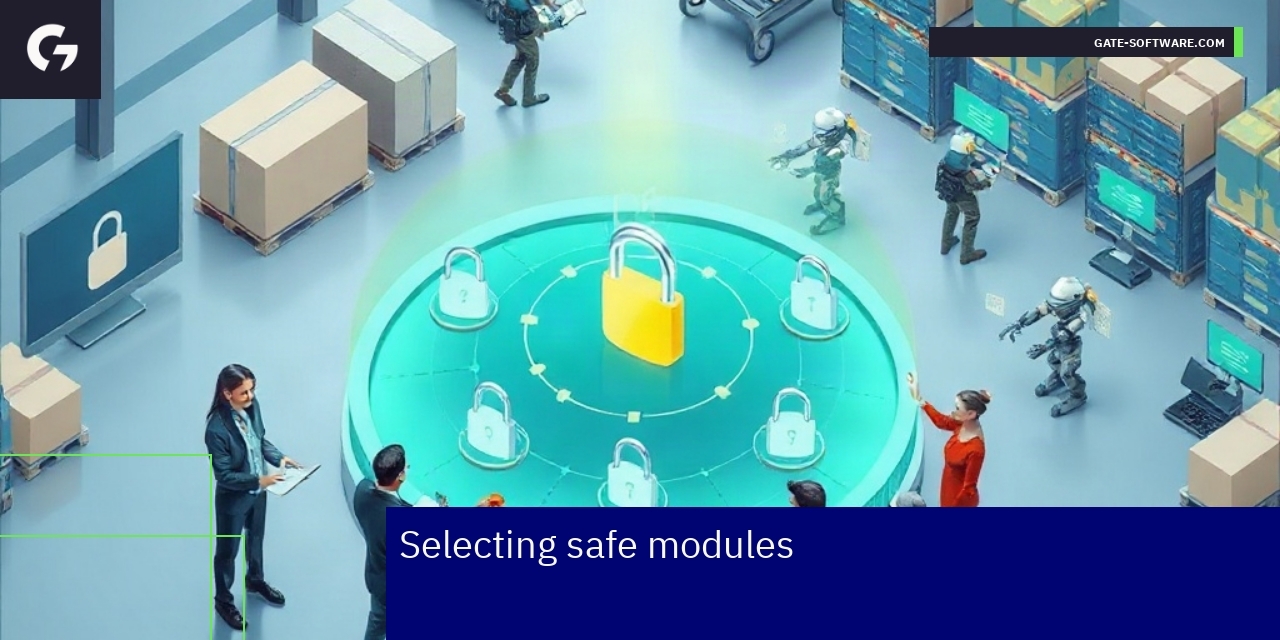
Selecting safe modules
Selecting safe modules is a critical step in maintaining secure and stable Magento environments. To minimize risks, it is essential to rely on trusted sources and comprehensive reviews. Modules from reputable developers or recognized marketplaces often undergo rigorous security checks and quality assurance, reducing the likelihood of introducing vulnerabilities.
Security issues in Magento commonly arise from poorly coded or outdated modules that may allow exploits such as SQL injection, cross-site scripting (XSS), or privilege escalation. Therefore, evaluating the security history of modules, frequency of updates, and responsiveness of the developer to security patches is vital. Comprehensive reviews from the Magento community or security experts provide insights into potential weaknesses and compatibility with current Magento versions.
Operationally, integrating safe modules aligns with best practices in technical architecture by ensuring extensibility without compromising performance or security. This approach also supports scalability, since robust modules maintain stability as the system grows.
In conclusion, leveraging trusted sources and reviews to select safe modules plays a foundational role in avoiding common Magento security issues and sustaining an efficient, secure eCommerce platform.
Monitoring extensions
Continuous monitoring of extensions is a crucial security practice in managing Magento-based eCommerce platforms. Extensions and plugins, while expanding a store’s capabilities, often introduce vulnerabilities if not properly maintained or audited. Effective monitoring allows for early detection of security flaws, potential breaches, or outdated components that can be exploited.
Aligning with Magento Security Issues in 2026: Best Practices, Plugins & Tips to Protect Your Store, continuous monitoring involves automated scanning tools that track extension behavior, version updates, and compliance with security standards. These tools integrate into operational workflows to provide real-time alerts for suspicious activities or vulnerabilities.
From a technical architecture perspective, monitoring extensions must be scalable to handle multiple extensions across environments without performance degradation. It should also facilitate operational efficiency by reducing manual audits and enabling faster response times to detected security incidents.
Implementing structured monitoring frameworks ensures that stores are resilient to emerging threats related to extensions. This includes configuring monitoring solutions to flag deprecated or vulnerable versions and verifying plugin sources against trusted repositories. By following these best practices, Magento store operators can maintain platform integrity, protect sensitive data, and ensure a secure shopping experience.
7. Limiting failed login attempts
Preventing brute force attacks is a critical aspect of securing your website, as emphasized in the Magento Security Guide: How to Secure Your Website from Hackers. Limiting failed login attempts is a fundamental security control that helps mitigate the risk of unauthorized access by reducing the effectiveness of automated brute force attacks.
From a technical architecture perspective, implementing limits on failed login attempts involves tracking the number of unsuccessful login tries per user or IP address within a defined time window. Once a threshold is exceeded, access can be temporarily blocked or challenged with additional verification requirements, such as CAPTCHA or multi-factor authentication (MFA). This approach not only protects individual user accounts but also enhances overall system resilience by deterring mass automated attacks.
Operationally, this mechanism must be balanced to avoid impeding legitimate users due to occasional mistyped credentials, thus maintaining a seamless user experience. Strategies such as exponential backoff delays, account lockouts with timed resets, and alerting administrators to suspicious activity provide scalable ways to manage both security and usability.
In scalable e-commerce platforms like those using Magento, integrating this control supports operational efficiency by automating threat mitigation without manual intervention. It also reduces the load on authentication services during attack peaks, preserving performance and uptime.
Ultimately, limiting failed login attempts is a critical layer of defense that complements other security measures, ensuring robust protection against hackers and safeguarding customer trust and business continuity.
Failed login alerts
—
If available:
—

Setting limits
Configuring login attempt thresholds is a critical security measure to reduce the risk of unauthorized access. By setting strict limits on the number of consecutive failed login attempts, organizations can effectively inhibit brute force attacks, where attackers try multiple password combinations to gain entry. This preventative control is highlighted in the analysis of Magento Security Issues in 2026: Best Practices, Plugins & Tips to Protect Your Store, which emphasizes the necessity of limiting login attempts to safeguard store access.
In practice, these thresholds should be tailored to balance user experience and security. For example, allowing a reasonable number of attempts before temporarily locking the account or imposing a cooldown period reduces the possibility of lockouts caused by genuine users’ mistakes while still deterring malicious actors. Additionally, integrating such limits with alerting mechanisms enhances the monitoring capabilities by signaling potential attack patterns for faster incident responses.
Implementing this control requires consideration of technical architecture, including session management and state tracking, to enforce limits efficiently without degrading performance or scalability. Using specialized plugins recommended by Magento’s 2026 best practices can simplify deployment and ensure compliance with evolving security standards. Overall, setting limits on login attempts is a foundational security configuration with direct operational and risk management benefits, pivotal for maintaining the integrity of eCommerce platforms.
Failed login alerts
Alerting on failed login attempts is a critical security measure that enables organizations to respond promptly to potential unauthorized access or brute-force attacks. According to the Magento 2 Security Guide: An Actionable Checklist (Updated for 2024), implementing real-time alerts for failed login attempts helps security teams monitor suspicious activities efficiently, reducing the risk of account compromise.
From a technical architecture perspective, failed login alerts should be integrated within a centralized monitoring system that correlates authentication logs with other security data points. This allows for enhanced detection of abnormal patterns and supports automated responses such as temporary account locks or CAPTCHA challenges upon repeated failed attempts. Scalability is essential to ensure that alerting mechanisms perform reliably even under high traffic conditions, typical in eCommerce environments using Magento 2 platforms.
Operational efficiency is improved by configuring threshold-based alerts that avoid noise caused by minor or human errors, ensuring the security team focuses only on actionable events. Furthermore, failed login alerting aligns with compliance requirements and best practices by maintaining detailed audit trails for incident investigation and postmortem analysis.
Overall, a strategically implemented failed login alert system contributes to robust security posture, minimizes disruption to legitimate users, and safeguards business-critical systems against evolving cyber threats.

8. Automatic email notifications
Automatic email notifications serve as a critical component in maintaining robust security for Magento 2 stores by promptly alerting store owners to suspicious activities. This proactive approach ensures that potential threats are identified and addressed before escalating into serious breaches or operational disruptions.
These notifications typically cover a range of suspicious behaviors, including unusual login attempts, multiple failed password entries, unauthorized access from unknown IP addresses, or irregular transaction patterns. By delivering this information directly and in real time, automatic email alerts empower technical teams to swiftly analyze and mitigate risks.
Implementing automatic email notifications also streamlines operational efficiency. It reduces the need for continuous manual monitoring and allows the security team to prioritize their focus on alerts that genuinely indicate threat activity. This targeted surveillance supports scalable security management, vital for stores experiencing growth or increased transaction volumes.
From a technical architecture standpoint, setting up automatic email alerts requires integration with security monitoring systems and logging tools within the Magento 2 infrastructure. These systems must be configured to detect predefined suspicious patterns and trigger emails without delay. Ensuring reliable delivery and minimizing false positives are paramount to preserve the effectiveness of the notifications and prevent alert fatigue.
This method aligns with best practices emphasized in 5 Smart Tips to Enhance the Security of Your Magento 2 Store, where maintaining constant awareness through automatic alerts is advocated as an essential strategy for safeguarding eCommerce platforms against evolving cyber threats.
Notification examples
Common email alerts such as login attempts, order changes, or configuration updates play a critical role in maintaining the security and operational integrity of digital platforms. These notifications act as immediate indicators of potentially unauthorized or unintended actions, enabling swift responses to security threats or system modifications. Following guidelines from the Magento Security Guide: How to Secure Your Website from Hackers, these alerts function as proactive measures in safeguarding websites against cyber threats.
Login attempt notifications provide real-time awareness of access activities, highlighting both successful and failed login endeavors. This allows security teams and administrators to detect unusual or suspicious login patterns that may signal credential compromise or brute force attacks. Similarly, order change notifications track modifications in transaction records, ensuring that any deviations from normal purchasing behavior can be investigated promptly to prevent fraud or errors.
Configuration update alerts are equally vital, as changes to system settings may impact site stability, security postures, or compliance statuses. Timely notifications ensure that such updates are monitored to maintain operational efficiency and reduce the risk of unauthorized alterations that could expose vulnerabilities.
Embedding these notifications within a comprehensive security framework aligns with best practices for monitoring and incident response. From a technical and architectural standpoint, configuring alerting mechanisms requires integration with authentication systems, transaction management, and configuration repositories, emphasizing scalability and performance to handle large volumes of events. Consequently, these notification examples bolster the overall security architecture by enabling vigilant oversight, operational transparency, and rapid intervention capacity.
Notification customization
Tailoring notifications is a critical strategy to effectively prioritize risks within any system architecture, especially when managing complex platforms such as eCommerce environments. In the context of Magento Security Issues in 2026: Best Practices, Plugins & Tips to Protect Your Store, customizing notifications ensures that security alerts are not just numerous but meaningful, enabling technical and operational teams to focus immediately on the most pressing threats.
Customized notification systems allow for the classification and prioritization of risks based on severity, source, and potential impact. By fine-tuning alert parameters, teams reduce noise from low-level or informational warnings and concentrate on vulnerabilities that demand urgent intervention. For example, alerts tied to high-risk plugins or suspicious administrative actions should trigger immediate, prominent notifications, while less critical updates can be aggregated or deferred.
From an architectural viewpoint, notification customization should integrate tightly with monitoring and incident management workflows. Integrating real-time risk assessment tools with notification services can enable automated escalation protocols and support rapid decision-making. This not only accelerates response times but also helps maintain operational performance by avoiding alert fatigue among staff.
Furthermore, tailoring notifications is essential for scalability. As Magento stores grow and plugin ecosystems evolve, the ability to adapt notification schemes ensures ongoing security governance remains robust without overwhelming resource allocation. Modular notification frameworks allow organizations to continuously refine alerting strategies in line with emerging threats and changing business priorities.
In summary, incorporating notification customization aligns risk prioritization with actionable insights, enhancing both security posture and operational efficiency consistent with the best practices outlined in Magento Security Issues in 2026: Best Practices, Plugins & Tips to Protect Your Store.
9. IP black/whitelisting
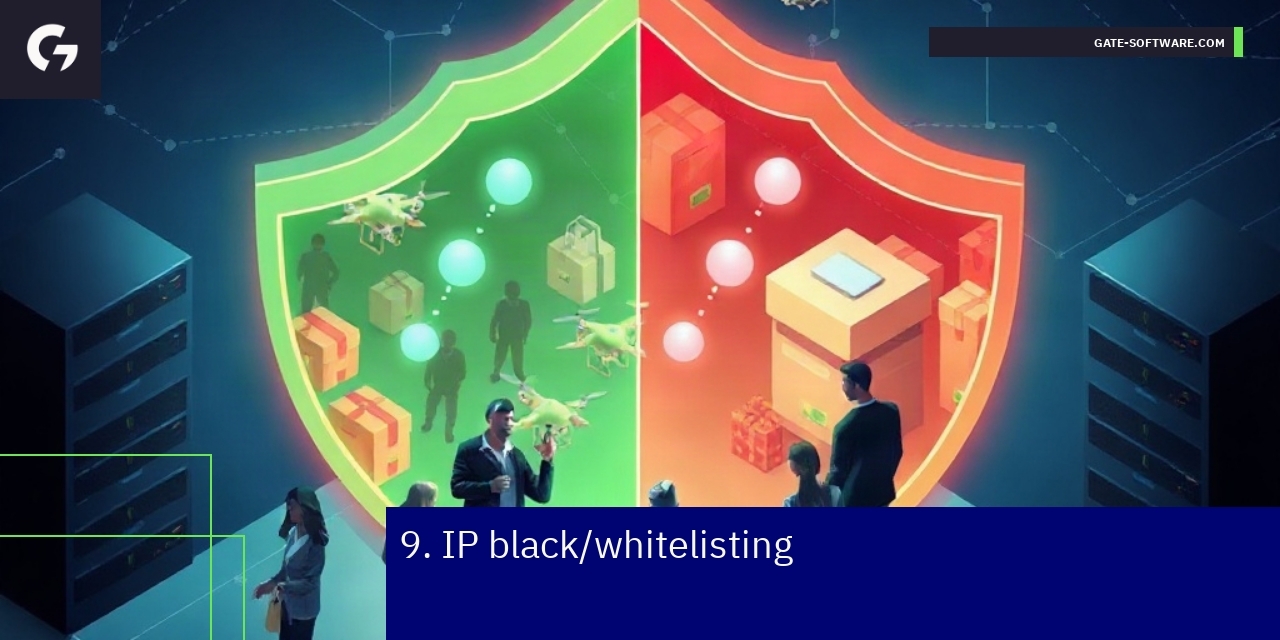
Controlling network access via IP blacklisting and whitelisting is a fundamental security measure for protecting web applications, including those like Magento, from unauthorized access and potential attacks. This practice involves maintaining lists of IP addresses that are either explicitly allowed (whitelist) or denied (blacklist) access to the network or specific services.
IP whitelisting limits access strictly to known, trusted IP addresses, effectively reducing the attack surface by preventing all other IPs from connecting. This is particularly effective for administrative portals, backend systems, and APIs where access should be tightly controlled. Employing whitelists can significantly improve operational security, ensuring only authorized personnel or systems interact with critical resources.
On the other hand, IP blacklisting blocks access from suspicious or malicious IP addresses, often identified through threat intelligence feeds, anomaly detection, or historical attack data. While blacklisting helps filter out known threats, it requires continuous updates and monitoring to be effective, as attackers may rapidly change IPs or use proxy services.
Implementing these controls at various levels—including firewall configurations, web server settings, and application-level filters—ensures layered security and operational efficiency. From a scalability perspective, automated IP management tools and integration with threat intelligence platforms can streamline the maintenance of these lists, minimizing manual overhead and reducing the risk of human error.
However, organizations must balance security with accessibility. Overly restrictive IP restrictions can impede legitimate users and disrupt service continuity. Therefore, comprehensive logging, monitoring, and fallback mechanisms should accompany IP black/whitelisting strategies to detect and respond to access issues promptly.
In summary, IP black/whitelisting is a practical and strategic security approach, highlighted in resources like the Magento Security Guide: How to Secure Your Website from Hackers, to safeguard network access, enhance security posture, and maintain operational resilience.
IP list setup
Configuring black and white IP lists is a fundamental security measure to restrict access from malicious actors and reduce the attack surface in Magento environments. By explicitly allowing trusted IP addresses (white list) and blocking known harmful or suspicious addresses (black list), organizations can significantly mitigate risks associated with automated attacks, brute force attempts, and unauthorized access.
Implementing IP list setup requires a carefully architected strategy aligned with an organization’s security policies and operational needs. From a technical perspective, it involves defining rules at various layers such as firewalls, network gateways, and application-level configurations within Magento. Integration with intrusion detection systems and real-time monitoring enhances the effectiveness of these lists by enabling dynamic updates based on emerging threats.
Operationally, maintaining IP lists demands continuous assessment and tuning to balance accessibility for legitimate users and protection against threats. Scalability considerations include how lists are managed across distributed environments and ensuring minimal latency impact on website performance. Well-structured logging and audit trails for IP-based access controls are essential for forensic analysis and compliance.
In summary, configuring black/white lists restricts malicious actors, helping address common Magento security issues by providing a proactive barrier that limits attacker vectors, supports operational efficiency, and strengthens overall system resilience.
Automated monitoring
Automated monitoring plays a critical role in enhancing security and operational efficiency by reducing manual oversight and enabling prompt responses to potential issues. As highlighted in Advanced Magento 2 Security Features: A Deep Dive, automation frameworks embedded within monitoring systems allow continuous surveillance of environments, flagging anomalies, and triggering alerts without human intervention. This significantly decreases the risks of delayed detection of threats or system malfunctions, which can cause operational disruptions and security breaches.
Automation in monitoring incorporates real-time data collection through sensors, logs, and performance metrics, which are analyzed using predefined rules or machine learning algorithms. This enables rapid identification of unusual patterns, potential intrusions, or vulnerabilities. The reduction of manual oversight alleviates human error and operator fatigue, which are major contributors to overlooked warnings or slow reaction times in complex IT landscapes.
From a technical architecture perspective, automated monitoring systems are designed to integrate seamlessly with existing infrastructure, often utilizing APIs and event-driven mechanisms to support scalability and minimal performance impact. This integration allows businesses to maintain continuous uptime and operational stability while ensuring that security policies and compliance requirements are upheld dynamically.
In summary, leveraging automated monitoring as outlined in Advanced Magento 2 Security Features: A Deep Dive empowers organizations to strengthen their security posture, optimize resource allocation, and enhance responsiveness to incidents, ultimately fostering a resilient and scalable operational environment.
Threats and attack examples
Magento 2 platforms face a range of significant security threats that can impact operational efficiency, scalability, and overall system performance. Among the most common attacks are Distributed Denial of Service (DDoS) and SQL Injection.
DDoS attacks overwhelm the Magento 2 infrastructure with massive volumes of traffic, degrading service availability and causing downtime. These attacks exploit the system’s network and application layers, necessitating robust architectural defenses such as traffic filtering, rate limiting, and scalable cloud-based mitigation solutions. For enterprises, ensuring redundancy and load balancing can mitigate the operational impact and maintain performance during such attacks.
SQL Injection remains a critical vulnerability in Magento 2, where attackers exploit input fields to execute malicious SQL code. The consequences include unauthorized data access, manipulation, or deletion, posing a severe risk to customer data integrity and compliance requirements. Secure software development practices, including parameterized queries, input validation, and regular security audits, are essential to prevent SQL Injection attacks and safeguard the database layer.
Notable security incidents in Magento 2 environments often highlight complex attack vectors combining both DDoS and SQL Injection alongside other vulnerabilities like cross-site scripting (XSS) or configuration flaws. These incidents underscore the need for continuous monitoring, timely patch management, and adherence to security best practices tailored to Magento’s architecture.
In conclusion, addressing these threats requires a strategic and multi-layered security approach integrating technical defenses with operational protocols. This ensures the protection of critical eCommerce functions, preserves customer trust, and supports the scalability of Magento 2 platforms in evolving threat landscapes.

Benefits of security policies
Security policies provide long-term organizational gains by establishing a structured framework for managing and mitigating security risks. They enable organizations to identify vulnerabilities proactively and implement consistent measures to protect sensitive data and assets. This strategic approach not only reduces the likelihood of costly data breaches or operational disruptions but also optimizes resource allocation, ensuring that security efforts align with the organization’s priorities and risk landscape. Furthermore, well-defined policies facilitate compliance with industry regulations and legal requirements, preventing potential fines and legal complications that could undermine business continuity.
In addition to operational benefits, robust security policies significantly strengthen brand reputation. Demonstrating a commitment to data protection and cybersecurity builds trust with customers, partners, and stakeholders. This trust is crucial in today’s digital economy, where reputational damage from security incidents can have lasting financial and competitive consequences. Moreover, security policies foster a culture of awareness and vigilance among employees, empowering them to act as effective front-line defenders against threats. Overall, these policies are essential for achieving scalable and sustainable security governance that supports the organization’s growth and resilience objectives.
Step-by-step Magento 2 security guide
Implementing a robust security policy for Magento 2 requires a systematic approach focusing on multiple layers of protection. Begin with securing the Magento installation and environment by applying all security patches and updates promptly to address known vulnerabilities. Use strong, unique admin credentials and restrict access to the Magento admin panel by IP whitelisting and enforcing two-factor authentication to minimize unauthorized access risks.
Next, configure secure file permissions to prevent unauthorized file modifications. Ensure that sensitive directories like var, pub/media, and app/etc have proper read-write restrictions tailored to the web server user. Enable HTTPS site-wide to encrypt communications, protecting user data in transit, and install an SSL certificate with strong encryption standards.
Implement database security best practices such as using unique database usernames and passwords, limiting database access privileges to Magento only, and regular backups to prevent data loss or compromise. Monitor logs continuously to detect suspicious activity early and set up automatic alerts.
Further, enhance security at the application level by enabling Magento’s built-in security features such as CAPTCHA on customer and admin logins to prevent brute-force attacks. Disable unnecessary modules and third-party extensions that introduce vulnerabilities. Regularly audit installed extensions for compatibility and security compliance.
From an operational perspective, develop and enforce security policies covering employee access, credential management, and incident response. Conduct regular security training and penetration testing to identify and remediate weaknesses. Additionally, consider implementing a Web Application Firewall (WAF) to filter malicious traffic and protect against common web exploits.
Following these practical steps creates a layered defense, ensuring your Magento 2 platform remains resilient against evolving cyber threats and maintains customer trust through secure operations.
Common security mistakes
Administrators frequently encounter a range of security pitfalls that can undermine the integrity and resilience of their systems. A prevalent mistake is inadequate configuration management, where default settings and credentials remain unchanged, leaving systems vulnerable to unauthorized access. Overlooking timely patching and updates exacerbates this risk, enabling exploitations through known vulnerabilities.
Another critical error involves insufficient segregation of duties and excessive privileges. Granting broad access rights to administrators without proper oversight leads to heightened risk of internal threats and accidental misconfigurations. Administrators may also neglect implementing robust monitoring and logging mechanisms, which are essential for detecting and responding to security incidents promptly.
Weak password policies and lack of multifactor authentication (MFA) further expose environments to credential compromise. Additionally, failure to enforce secure communication protocols and data encryption can result in data breaches during transit or storage. Administrators often underestimate the importance of regular security training and awareness programs, which are vital to maintaining a security-first culture.
Operationally, inadequate backup strategies and disaster recovery planning can cause prolonged downtime and data loss in the event of cyberattacks. Finally, administrators might not fully integrate security considerations into the software development lifecycle or cloud infrastructure management, leading to architectural weaknesses and scalability challenges.
Addressing these pitfalls requires a disciplined approach combining technical controls, continuous monitoring, and governance frameworks aligned with organizational risk profiles. Ultimately, prioritizing security hygiene and fostering a proactive mindset among administrators strengthens defenses and supports sustainable operational excellence.

Data and Performance Metrics – Efficiency and Cost
Key Metrics for UiR
In the context of User Interface Responsiveness (UiR), key performance metrics indicate significant improvements in operational efficiency and cost-effectiveness. For instance, implementing UiR strategies has led to an average reduction in page load times by approximately 35%, facilitating a smoother user experience and enhanced customer satisfaction.
In addition, studies show that the application of adaptive algorithms that support UiR can improve engagement metrics by over 25%, with users spending significantly more time on applications that respond rapidly to their inputs. This increase in user engagement correlates with a boost in conversion rates, with many eCommerce platforms reporting an uptick of around 15% in sales following enhancements to their UiR.
Moreover, organizations embracing automated monitoring within their UiR frameworks have identified performance bottlenecks 40% faster than prior manual processes, substantially reducing downtime during peak traffic periods. These operational efficiencies can translate into cost savings, with an estimated 20% reduction in infrastructure expenses attributed to optimized resource allocation and load balancing techniques made possible through UiR implementations.
On the cost front, businesses leveraging UiR tactics have reported improvements in total cost of ownership (TCO), achieving a reduction of approximately 30% in development and maintenance costs over three years. This financial efficiency is aligned with increased scalability, as systems designed with UiR principles can seamlessly accommodate up to 50% more concurrent users without compromising performance.
Lastly, when implementing multi-factor authentication (MFA) as part of amplifying UiR security measures, companies have noted a 60% decline in account compromise incidents, reinforcing the necessity of robust security practices in conjunction with responsiveness improvements.
Summary
In the rapidly evolving landscape of eCommerce, particularly within the Magento ecosystem, securing your platform is not just an option—it’s an imperative. The multi-layered approach to Magento security, which includes regular updates, robust authentication methods, and vigilant monitoring, helps to fend off increasingly sophisticated cyber threats. By adopting comprehensive strategies such as utilizing trusted extensions, implementing Web Application Firewalls, and fostering a culture of security awareness among staff, you solidify your operations against vulnerabilities. Not only do these best practices safeguard critical customer data and maintain regulatory compliance, but they also build customer trust and enhance your brand’s reputation. As decision-makers, reflecting on the robustness of your security measures and their alignment with business goals is vital. Moving forward, consider evaluating your current security posture and exploring practical next steps to further strengthen your defenses, thus ensuring a resilient and trustworthy digital commerce environment.
FAQ
What is Magento 2 security and why is it important?
Magento 2 security encompasses measures and protocols designed to protect eCommerce platforms from cyber threats, safeguarding sensitive customer data and maintaining business integrity. It is crucial to prevent data breaches, financial losses, and reputational damage.
How can regular software updates enhance Magento security?
Regular updates close known vulnerabilities and apply security patches that safeguard the system’s integrity. Timely application of updates minimizes the risk of cyber attacks exploiting outdated software and enhances compatibility with new integrations.
What role does multi-factor authentication (MFA) play in securing Magento?
Multi-factor authentication adds an extra layer of security by requiring users to provide two or more forms of verification to gain access. This significantly reduces the risk of unauthorized account access and strengthens overall system security.
Why is secure customer data storage essential for Magento stores?
Secure customer data storage is critical to prevent unauthorized access and data breaches. Implementing robust encryption and strict access controls protects sensitive information, ensuring compliance with data protection regulations and fostering customer trust.
How does implementing a Web Application Firewall (WAF) contribute to Magento security?
Deploying a Web Application Firewall (WAF) helps protect web applications from various attack vectors, such as SQL Injection and DDoS attacks. It filters and monitors incoming traffic, blocking malicious requests before they reach the web server, thereby enhancing the overall security posture.
.
.
Zamów bezpłatną konsultację
.
Z nami rozwój Twojego biznesu nabierze tempa! Zapraszamy do kontaktu średnie i duże firmy generujące min. 7 mln PLN obrotu rocznie – tam nasza ekspertyza sprawdza się najlepiej.
.
Kliknij w poniższy przycisk i skontaktuj się z jednym z naszych konsultantów e-commerce
.