Building a B2B eCommerce store using Magento 2 requires a strategic understanding of both business needs and Magento’s specialized B2B features. Magento 2’s architecture is built to support complex B2B scenarios such as account hierarchies, custom pricing, and integrated workflows. These features empower enterprises to streamline procurement, manage multiple buyers under one company account, and maintain scalable operations.
One of the core strengths of Magento 2 B2B is its support for company accounts with user roles and permissions. This enables organizations to create intricate buyer structures that mirror their internal procurement teams, providing granular control over purchasing authority, approvals, and spend limits. This control reduces operational friction and enhances compliance.
Magento 2 also offers custom catalogs and pricing per customer or customer group, which is critical in B2B relationships where negotiated pricing and contract-specific product offerings are standard. These custom catalogs ensure that buyers see only the products and prices relevant to their contracts, simplifying their ordering process and boosting conversion rates.
The platform’s quoting and negotiation workflows facilitate flexible sales processes by allowing buyers to submit quotes and sellers to manage these interactions seamlessly within the system. This feature supports the complex negotiation typical in B2B sales without requiring external tools, integrating seamlessly with order management.
From a technical standpoint, Magento 2’s modular architecture ensures that B2B features can be extended or customized to fit unique business requirements. Its API-first design supports integration with enterprise resource planning (ERP), customer relationship management (CRM), and other backend systems vital for B2B operations.
Operationally, Magento 2 supports bulk ordering and quick order forms, which are essential for businesses placing large or recurring orders. The platform’s robust search, product filtering, and analytics capabilities provide actionable insights to optimize customer interactions and inventory management.
In summary, creating a B2B store on Magento 2 involves leveraging its specialized features—company accounts, custom pricing, quotations, and integrations—while addressing the real-world complexities of B2B sales processes. This strategic approach aligns technology functionality with business goals, enabling scalable and efficient digital commerce for enterprises.

Introduction
In the B2B landscape, an introduction serves as a crucial first touchpoint where one business presents its value proposition to another. This initial communication is foundational for establishing credibility, relevance, and the potential for long-term partnerships. A strategic introduction transcends mere formality; it succinctly conveys the unique benefits, expertise, and solutions that a company offers, tailored to the specific needs and pain points of the target business.
Effective B2B introductions often leverage multiple channels—ranging from structured meetings and professional networking events to personalized emails and targeted social media outreach. Each channel requires careful consideration of the recipient’s context to foster engagement and trust. Including contextualized insights such as case studies or testimonials further strengthens the message by demonstrating proven outcomes and industry expertise.
Operationally, introductions can also be facilitated through direct personal connections between key stakeholders, enabling more nuanced conversations and accelerating decision-making processes. These relationships form a foundation for scalable collaboration, addressing complex business challenges with tailored solutions that drive operational efficiency and sustainable growth. Thus, mastering the art of introduction in B2B settings is pivotal for building robust, mutually beneficial business relationships.
TABLE OF CONTENTS
- Creating a B2B Store with Magento 2
- Introduction
- Introduction to Magento 2 B2B Implementation
- Definitions and Basics of B2B Deployments
- Why Choose Adobe Magento 2 for B2B?
- Magento B2B Key Features
- The Consultant’s Role in Implementations
- Technologies Used in Magento 2
- Choosing the Industry for Magento 2 B2B
- Implementation Process: Steps to Success
- Common Implementation Mistakes
- ERP Integration: Connecting Commerce to the Back Office
- Integration with PIM Systems
- OMS System Integration
- Magento 2 B2B Use Cases
- Benefits of Adobe Magento 2 B2B
- Alternatives to Magento 2 in B2B
- Costs of Magento 2 B2B Platform Deployment
- Conclusion
- Data and Performance Metrics – Efficiency and Cost
- Summary
- FAQ
- Case studies showcasing successful B2B implementations on Magento 2
- Customer testimonials highlighting Magento 2’s impact on business operations
- Links to detailed Magento 2 B2B feature documentation
- Comparisons of Magento 2 against other B2B eCommerce platforms
- Industry reports on Magento 2’s market share and scalability benefits
- Start with a comprehensive requirement analysis targeting both business and technical needs.
- Emphasize integration with existing systems to maintain seamless workflows.
- Plan thoroughly with milestones, resource assignments, and risk evaluations.
- Incorporate testing and phased rollouts for stability and continuous improvement.
- Maintain strict adherence to Magento 2 architecture in customizations.
- Prepare for data migration with automation to reduce downtime.
- Establish ongoing support for adaptive and optimized platform performance.
- Underestimating complexity of B2B features and customizations.
- Insufficient testing leading to performance issues at scale.
- Poor integration causing data silos or workflow disruptions.
- Neglecting post-launch support resulting in delayed issue resolution.
- Magento 2 official developer documentation
- Automated testing suites (e.g., PHPUnit, Selenium)
- Data migration extensions compatible with Magento 2
- Project management tools (e.g., Jira, Trello) for milestone tracking
- Analytics platforms to monitor KPIs and user behavior
- Case studies highlighting Magento 2 implementation successes and failures in B2B contexts
- Best practice guides for scalable architecture design in Magento 2
- Tutorials on customizing Magento 2 workflows for B2B needs
- Documentation on integrating ERP, CRM, and inventory systems with Magento 2
- Security checklists specific to Magento 2 B2B deployments
- Case studies demonstrating successful Magento 2 B2B implementations
- Video tutorials on optimizing B2B features in Magento 2
- Links to official Adobe Magento 2 B2B documentation and resources
- Whitepapers on B2B e-commerce trends and Magento capabilities
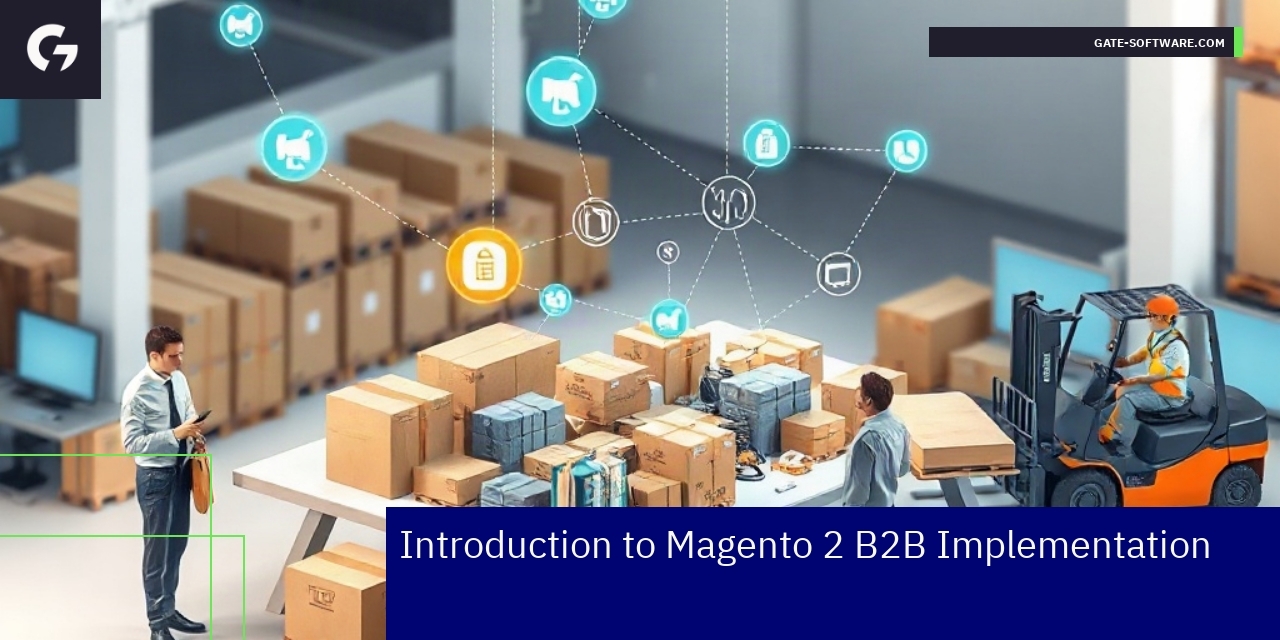
Introduction to Magento 2 B2B Implementation
Magento 2 B2B implementation refers to the strategic deployment of the Adobe Magento 2 eCommerce platform tailored specifically for business-to-business (B2B) commerce. This implementation focuses on addressing the unique requirements and complexities of B2B transactions, which differ significantly from business-to-consumer (B2C) scenarios. At its core, Magento 2 for B2B provides advanced features such as custom pricing, bulk ordering, company account management, multiple buyer roles, and workflow approvals that streamline the procurement processes essential for B2B operations.
The primary goal of implementing Magento 2 in a B2B environment is to facilitate seamless digital commerce that enhances operational efficiency while supporting scalability and robust performance demands. This involves integrating Magento 2 with existing enterprise systems like ERPs, CRMs, and supply chain platforms to ensure consistent and real-time data flow. The platform’s modular architecture allows for flexibility in customization to meet industry-specific workflows and compliance needs.
From a technical standpoint, Magento 2’s API-driven architecture supports extensive integrations and automation, which are critical for B2B businesses managing complex order lifecycles and large catalogs. Its capacity for handling multiple storefronts and customer segments enables companies to serve diverse client bases with tailored experiences and pricing structures.
Implementing Adobe Commerce for B2B also lays a strong foundation for eCommerce growth by enabling data-driven decision making and enhanced customer relationship management through detailed analytics and reporting features. By leveraging Magento 2’s built-in capabilities and customizable frameworks, businesses can streamline quoting processes, simplify contract management, and accelerate sales cycles.
In summary, Magento 2 B2B implementation is a comprehensive approach that empowers enterprises to modernize their digital commerce strategies. It addresses the operational necessities of B2B transactions while fostering scalability, performance, and integration, ultimately driving sustained growth through effective Adobe Commerce adoption. This foundational knowledge is essential for stakeholders aiming to maximize their eCommerce platform investment and achieve long-term business success in the B2B marketplace.
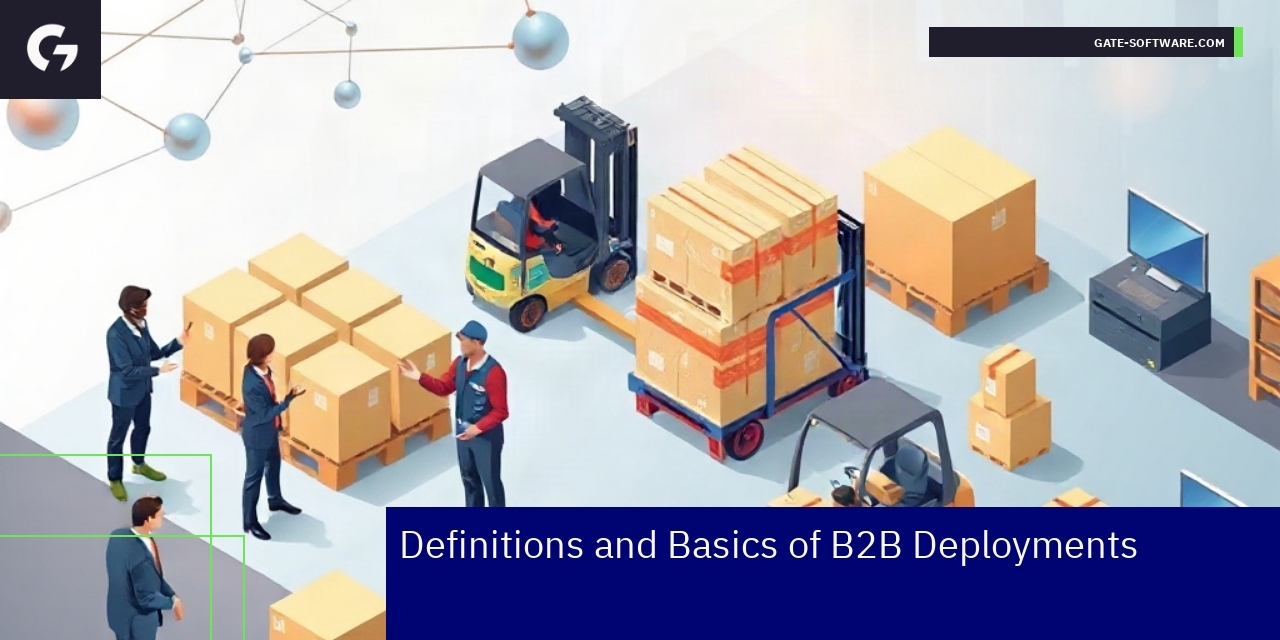
Definitions and Basics of B2B Deployments
In the realm of Magento and Adobe Commerce, B2B deployments refer to the strategic implementation of eCommerce platforms designed specifically to support business-to-business transactions. Understanding these fundamental definitions and concepts is critical for achieving a meticulous and effective deployment that meets the complex needs of enterprise buyers.
Magento serves as a flexible and scalable open-source eCommerce platform, known for its extensibility and robust features. Adobe Commerce, the enterprise version of Magento, enhances this with additional capabilities tailored to larger organizations’ operational demands.
Core B2B functionality includes customer segmentation, which allows businesses to categorize and target diverse business clients with tailored offerings. Quote management is integral, enabling businesses to request and negotiate custom pricing or bulk purchase quotes directly through the platform. Bulk ordering capabilities facilitate efficient processing of large quantity orders typical in B2B scenarios. Additionally, comprehensive account management tools provide business customers with the ability to manage user roles, permissions, and order history, ensuring transparency and control.
To maximize operational efficiency, B2B deployments often integrate with enterprise systems like ERP and CRM, ensuring seamless data flow and unified business processes. Customization is another cornerstone, permitting tailored extensions or bespoke development to address unique organizational requirements beyond standard platform capabilities.
Furthermore, B2B user experience prioritizes streamlined workflows suited to business buyers, which are distinctly different from consumer-focused eCommerce interactions. Pricing strategies in B2B are also more complex, incorporating dynamic pricing models such as volume discounts and tiered pricing aligned with specific customer groups.
Together, these components establish a solid foundation for deploying Magento within the B2B context, ensuring scalable, efficient, and business-aligned eCommerce solutions for Adobe Commerce success.

Why Choose Adobe Magento 2 for B2B?
Adobe Magento 2 is an optimal platform for B2B businesses due to its unmatched flexibility, extensive functionality, and scalability—critical factors that empower companies to remain competitive in evolving markets. This flexibility allows businesses to customize their eCommerce environment to fit specific workflows, pricing models, and buyer requirements. Unlike rigid platforms, Magento 2 supports complex B2B processes such as multi-tier pricing, company account structures, and customized catalogs, ensuring a tailored user experience that reflects the nuances of business transactions.
The extensive functionality embedded within Magento 2 is designed to solve real-world B2B challenges. Features like bulk ordering streamline procurement processes, saving time and reducing errors in large volume purchases. Customer-specific pricing and quote management play a pivotal role in negotiations and maintaining strong client relationships. Additionally, advanced inventory and order management tools enhance operational efficiency, ensuring businesses can meet demand without overextending resources.
Scalability is another cornerstone of Magento 2’s architecture. It supports large product catalogs and high traffic volumes, making it suitable for businesses that anticipate growth or seasonal demand fluctuations. This adaptability ensures the platform can evolve alongside the business, mitigating the need for costly migrations as scale increases. The robust API integrations also enable seamless connectivity with ERP, CRM, and other enterprise systems, further enhancing operational cohesion.
In summary, Adobe Magento 2 combines flexibility, rich B2B-tailored features, and scalable infrastructure, delivering a comprehensive solution that addresses the strategic, technical, and operational needs of B2B enterprises striving for growth and efficiency.
—
If available:
—
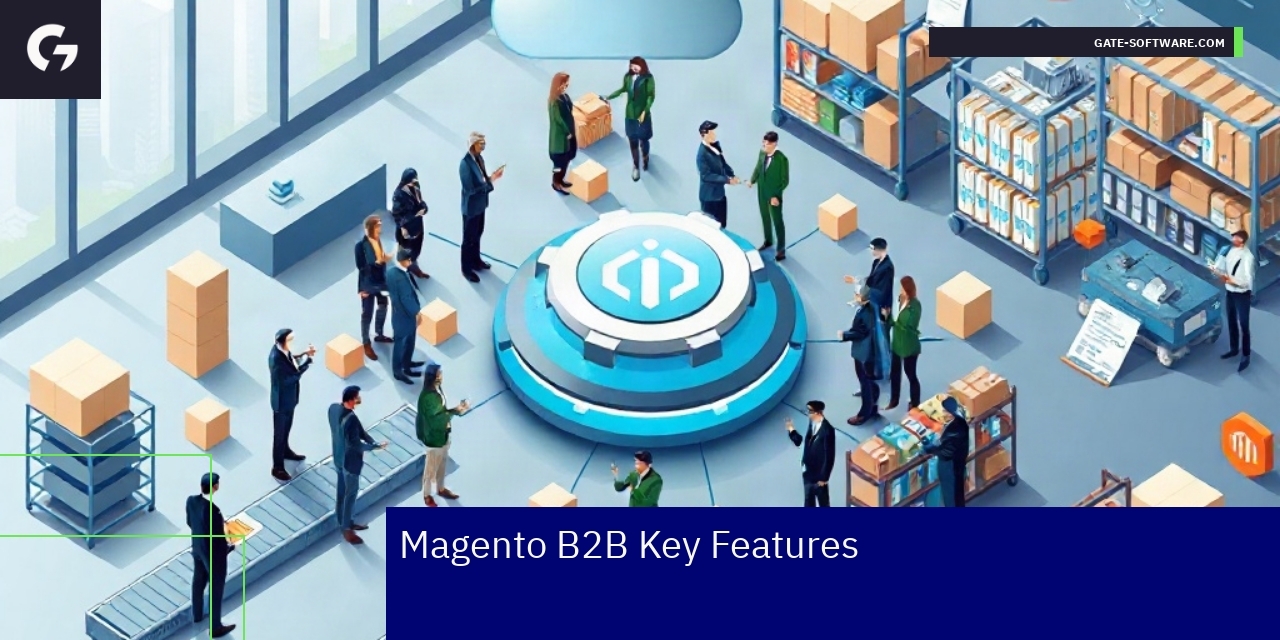
Magento B2B Key Features
Magento 2 offers a comprehensive set of B2B features designed to meet the complex needs of business-to-business companies seeking to elevate their online presence. Central to its architecture is the capability to manage separate user accounts, which allows businesses to create multiple roles and permissions within an organization, ensuring tailored access control and efficient account management. This feature not only supports organizational hierarchy but also improves security and operational clarity.
A standout B2B feature is the fast ordering process, which caters to businesses that require quick and bulk purchase capabilities. Magento simplifies this with tools like quick order forms, reorder options, and customizable ordering workflows, reducing the time and effort needed to process large orders. This efficiency directly enhances user satisfaction and operational throughput.
Additionally, Magento 2 supports customizable catalogs and pricing rules, enabling businesses to segment customers and offer tailored pricing, discounts, and product assortments based on customer groups or purchase history. This granular control over product visibility and pricing is essential for B2B companies dealing with diverse client segments and contract-based pricing models.
Another key aspect is the integration of advanced quote management, which allows customers to request quotes and negotiate terms directly through the platform, facilitating complex sales cycles commonly found in B2B transactions. This feature supports the operational complexity of personalized deals while maintaining a smooth digital experience.
Finally, Magento’s robust API and extensibility ensure that businesses can integrate their e-commerce platform seamlessly with ERP, CRM, and other enterprise systems, enabling scalability and unified management of operations. Together, these B2B features form a powerful ecosystem that addresses real-world business challenges related to technical architecture, operational efficiency, and scalable growth within the Magento platform.

The Consultant’s Role in Implementations
In the B2B context, the consultant plays a pivotal role during the implementation phase, ensuring that complex projects like Adobe Commerce setups are executed with precision and strategic foresight. Their responsibilities extend beyond mere project management; they act as architects of implementation, aligning technical configurations with broader business goals and operational needs.
A consultant begins by conducting a thorough assessment of the client’s current systems and processes. This diagnostic phase is essential for identifying potential integration challenges, scalability concerns, and performance bottlenecks. Based on this analysis, they develop a tailored implementation roadmap that balances short-term milestones with long-term strategic objectives.
Throughout the implementation, the consultant provides expert guidance on system architecture decisions, ensuring that the Adobe Commerce solution integrates seamlessly with existing enterprise infrastructures. They oversee the configuration of modules, data migration efforts, and customization requirements while maintaining a focus on operational efficiency and scalability. Their involvement helps mitigate risks associated with technical deployment and business disruption.
Moreover, consultants facilitate cross-functional collaboration between technical teams, business stakeholders, and external vendors. This coordination is crucial for maintaining project timelines and ensuring that all parties have a shared understanding of objectives and deliverables. Through regular progress reviews and iterative feedback loops, consultants help adapt the implementation strategy to emerging insights or changing business needs.
Ultimately, the consultant’s strategic approach and seasoned expertise are instrumental in achieving a meticulous implementation process. Their role ensures that the Adobe Commerce platform not only launches successfully but also delivers sustained value, performance, and scalability aligned with the client’s evolving B2B demands.
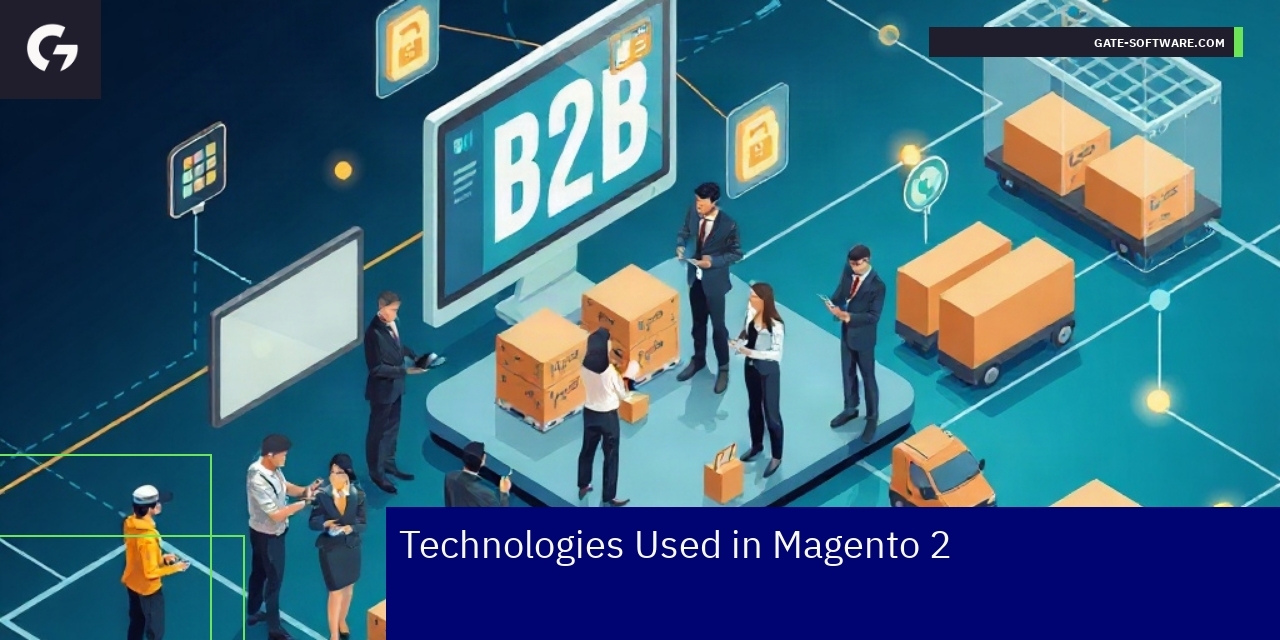
Technologies Used in Magento 2
Magento 2, particularly in the B2B context, leverages a diverse technology stack to ensure scalability, high performance, and a seamless Adobe Commerce implementation. The platform is built on PHP with a modular architecture, which allows businesses to customize and extend functionalities suited to complex B2B requirements. Central technologies include MySQL for database management, supporting large datasets and transactional integrity essential for B2B operations. The platform also utilizes Elasticsearch for advanced product search capabilities, enabling swift and relevant search results that enhance the buyer’s experience.
Key front-end technologies involve HTML5, CSS3, and JavaScript, with frameworks such as RequireJS and Knockout.js facilitating dynamic, responsive user interfaces tailored to various devices and user roles. Magento 2’s API-first approach, including REST and GraphQL APIs, supports extensive integration possibilities with ERP, CRM, and other enterprise systems, crucial for B2B ecosystem connectivity and automation.
Performance optimization is driven by technologies like Varnish Cache, Redis for session and cache storage, and message queues to manage asynchronous processes, ensuring operational efficiency even under high demand. Security technologies include robust authentication layers, role-based access control, and compliance with PCI DSS standards, critical for B2B transactions.
Together, these technologies create a robust environment that supports complex pricing models, multi-tiered customer accounts, and streamlined procurement processes, all of which impact system efficiency and deliver a seamless Adobe Commerce experience tailored for B2B enterprises.
Choosing the Industry for Magento 2 B2B
Selecting the appropriate industry for a Magento 2 B2B implementation is a critical strategic decision that directly impacts the project’s success and long-term value. Each industry comes with its unique business models, customer behaviors, and operational requirements, which influence how the platform should be configured and optimized. Understanding these nuances is essential for crafting a tailored Magento 2 solution that aligns closely with the client’s specific business processes and goals.
A thorough industry analysis provides deep insight into market demands, regulatory environments, and typical transaction flows. This understanding allows development teams to design functionalities that address real-world business problems, such as complex pricing models, bulk ordering workflows, or multi-tiered approval processes common in sectors like manufacturing, wholesale, or distribution. Tailoring Magento 2 to these particular needs improves operational efficiency, streamlines supply chain interactions, and enhances the purchasing experience for B2B customers.
Equally important is grasping client specifics within the chosen industry. This includes their scale of operations, product range complexity, customer segmentation, and integration needs with legacy ERP or CRM systems. Magento 2’s flexibility supports scalable architectures and high-performance demands, but only when these client nuances are clearly articulated from the outset. A well-informed approach reduces customization overhead, accelerates deployment timelines, and minimizes technical debt.
In summary, selecting the right industry and understanding client specifics enables a Magento 2 B2B rollout that is not just functional but also strategically aligned with business objectives, ensuring a scalable, maintainable, and high-impact eCommerce platform.

Implementation Process: Steps to Success
Implementing a successful Magento 2 B2B solution requires a structured, methodical approach rooted in best practices and practical experience. The core aim is to optimize your Adobe Commerce platform to boost eCommerce launch efficiency while addressing real-world business challenges.
A foundational step is thorough requirement analysis focusing on both business needs and technical architecture. This involves identifying critical B2B features such as custom pricing, tiered catalogs, and account hierarchies, ensuring alignment with operational workflows and scalability objectives. Prioritize extensibility and integration capabilities with existing ERP, CRM, and supply chain systems to lay a robust technical foundation.
Next, detailed project planning becomes essential. Define clear milestones, resource allocation, and risk management measures. Incorporate rigorous testing phases emphasizing performance, security, and seamless user experience to avoid operational bottlenecks at scale. Staggered rollouts combined with stakeholder feedback loops help refine functionality continuously.
Customization and extension modules must adhere strictly to Magento 2’s architecture principles to maintain system integrity and performance. Addressing data migration systematically, using automated tools where possible, ensures minimal service disruption.
Finally, support and maintenance protocols should be integral from the outset. Continuous monitoring of business KPIs and technical metrics enables proactive optimization, guaranteeing that your eCommerce platform adapts dynamically to evolving B2B market demands. By following this proven methodology for Adobe Commerce success, you ensure a smooth implementation process that balances technical rigor with business agility.
—
Key Takeaways:
Common Challenges to Watch For:
Recommended Tools & Resources:
—
Common Implementation Mistakes
Implementing Magento 2 for a B2B store involves complex technical and operational challenges that require careful planning and execution. One of the most frequent errors businesses make is underestimating the importance of a scalable architecture. Magento 2’s modular structure demands a well-thought-out infrastructure to handle increasing product catalogs, customer segments, and transactional volume without performance degradation. Overlooking this leads to slow loading times and poor user experience, ultimately impacting customer retention.
Another common mistake is neglecting the customization needs unique to B2B operations. Magento 2 offers extensive flexibility, but businesses often default to out-of-the-box features without tailoring workflows, pricing tiers, or complex quote management to their specific B2B processes. This results in operational inefficiencies and limits the platform’s potential to support advanced sales cycles or multiple buyer roles.
Integration errors also regularly surface, especially with ERP, CRM, and inventory management systems. Poorly executed integrations can cause data inconsistencies, synchronization delays, and increased manual work, compounding the operational overhead. Ensuring robust API usage and real-time data flows is critical to maintaining smooth B2B operations.
Finally, businesses sometimes overlook security best practices in their Magento 2 implementation. Given the sensitive nature of B2B transactions and customer data, insufficient attention to security patches, role-based access controls, and secure payment gateways increases vulnerability to breaches.
By avoiding these common pitfalls—scalability neglect, inadequate customization, flawed integrations, and security oversights—businesses can build a smoother and more effective B2B store with Magento 2, optimized for performance and operational excellence.
—
If available:
—

ERP Integration: Connecting Commerce to the Back Office
Enterprise Resource Planning (ERP) integration is a cornerstone for B2B companies seeking to align their commerce activities with back-office operations. Effective ERP integration creates a seamless flow of data between sales channels, inventory management, finance, and supply chain systems, driving operational efficiency and reducing manual errors.
Connecting commerce to the back office ensures that order processing, invoicing, inventory updates, and customer data management occur in real-time. This synchronization enables businesses to respond promptly to market demands, optimize stock levels, and maintain accurate financial records—key factors for scalable growth and competitive advantage.
Technically, ERP integration can be achieved through various methods, including APIs, middleware, and data connectors. The choice depends on the organization’s existing infrastructure, complexity of business processes, and performance requirements. Modern APIs offer real-time data exchange, supporting dynamic pricing, promotions, and customer-specific contracts typical in B2B commerce.
The architectural implications are significant; a tightly integrated ERP system must support high availability, data integrity, and security compliance. This integration also facilitates advanced analytics by unifying data sources, enabling informed decision-making at both tactical and strategic levels.
Ultimately, ERP integration bridges the gap between front-end commerce platforms and back-office systems, streamlining workflows, improving accuracy, and enhancing overall business agility in the B2B landscape.
Integration with PIM Systems
Integrating Product Information Management (PIM) systems with Magento 2 offers a strategic advantage for B2B enterprises aiming to streamline their product data management and improve operational effectiveness. PIM systems serve as centralized repositories that aggregate, organize, and enrich product information from various sources. When coupled with Magento 2, a flexible and scalable eCommerce platform, this integration facilitates seamless synchronization of accurate and consistent product data across digital storefronts.
The architecture of this integration typically involves the use of APIs or middleware connectors that enable bi-directional data flow between the PIM system and Magento 2. This ensures that any updates in product attributes, pricing, inventory levels, or multimedia assets in the PIM are automatically reflected in the Magento catalog without manual intervention. Such automation reduces errors, speeds up time-to-market, and supports complex B2B workflows including bulk updates and multi-tier pricing structures.
From an operational standpoint, integrating PIM with Magento 2 enhances scalability and performance by offloading the management of large volumes of product data to a dedicated system optimized for this purpose. This separation of concerns allows Magento to focus on delivering superior user experience and robust transaction handling, while the PIM ensures data consistency and compliance with industry standards.
Furthermore, a well-executed PIM integration supports advanced B2B features such as personalized catalogs, customer-specific pricing, and multilingual content management, critical for businesses operating in diverse markets. It also enables better analytics and reporting by centralizing product data, which informs strategic decision-making on inventory and marketing tactics.
In summary, leveraging PIM systems integrated with Magento 2 significantly enhances the management of product information, driving operational efficiency and scalability crucial for B2B businesses competing in dynamic and data-intensive environments.
OMS System Integration
Integrating an Order Management System (OMS) into your Magento 2 B2B platform is critical for streamlining purchasing workflows and enhancing customer satisfaction. At its core, OMS acts as a centralized hub that unifies order processing, inventory management, payment handling, and fulfillment operations under a single system. This integration minimizes manual interventions, reduces errors, and accelerates order lifecycle completion, thereby improving operational efficiency and scalability.
From a technical architecture standpoint, a well-integrated OMS connects seamlessly with Magento 2 via APIs or middleware, enabling real-time synchronization of order data, stock levels, and customer information. This continuous data exchange ensures that purchasing workflows reflect current inventory availability and order status, enabling accurate order tracking and timely updates to buyers. Furthermore, an OMS integration supports complex B2B requirements such as bulk ordering, customized pricing, and account-specific terms, which are often pivotal in B2B sales cycles.
Operational advantages include streamlined workflows for procurement teams, faster order approvals, and automated invoicing, all contributing to a more efficient purchasing process. This efficiency translates directly into improved customer satisfaction as orders are fulfilled reliably and transparently, reducing bottlenecks and delivery delays. More broadly, integrating OMS facilitates scalability by consolidating disparate systems into a single coherent platform, supporting growth without proportional increases in process overhead.
In conclusion, OMS system integration in a Magento 2 B2B environment is a strategic move that drives higher operational effectiveness, better order accuracy, and elevated customer experience, essential factors to maintaining competitive advantage in complex B2B marketplaces.
Magento 2 B2B Use Cases
Magento 2 serves as a robust platform for B2B businesses, enabling companies across various industries to optimize their operations and enhance customer experiences. Its flexible architecture supports complex pricing structures, customized catalogs, and streamlined procurement processes critical for B2B commerce.
One common use case is the ability to manage large product catalogs with tiered pricing tailored to different customer groups. This functionality allows wholesalers and distributors to offer negotiated prices, volume discounts, and contract-specific terms efficiently. The platform’s support for company accounts and user roles ensures secure, multi-user access, reflecting the complex approval workflows typical in B2B transactions.
Magento 2 also excels in integrating with ERP and CRM systems, facilitating seamless synchronization of inventory, order management, and customer data. This integration reduces operational friction and enhances real-time visibility into business performance. Additionally, the platform supports bulk ordering and quick reorder capabilities, which significantly improve procurement efficiency for repeat buyers.
Industries such as manufacturing, wholesale distribution, and industrial supplies leverage Magento 2 to handle high transaction volumes while maintaining scalability and performance. The platform’s extensible API framework offers the flexibility to tailor integrations and custom features aligned with specific business processes.
Through these use cases, Magento 2 demonstrates its effectiveness in addressing the unique needs of B2B businesses by combining operational efficiency, technical robustness, and scalable performance across diverse sectors.
Benefits of Adobe Magento 2 B2B
Adobe Magento 2 B2B brings a comprehensive suite of features tailored to meet the complex needs of B2B companies, offering significant advantages that enhance scalability, customer management, and operational efficiency.
One of the core benefits is the ability to deliver customizable catalogs and pricing. Businesses can create tailored product catalogs and personalized pricing models for different customer segments, enabling a more precise alignment of offerings with client requirements. This flexibility supports complex B2B sales structures, including negotiated prices and volume-based discounts, enhancing the overall purchasing experience.
Enhanced customer experience capabilities are pivotal in Magento 2 B2B. Features such as quick reorder, bulk ordering, and account hierarchies streamline purchase workflows, significantly reducing operational friction for clients managing large and repetitive orders. The platform supports shared catalogs, facilitating collaboration and visibility across multiple buyer accounts within a company.
Magento 2 B2B optimizes the quoting process, allowing customers to request and manage quotes directly within the e-commerce interface. This creates a seamless communication channel between buyers and sellers, accelerating transaction cycles and reducing administrative overhead.
From a technical and operational standpoint, Magento integrates smoothly with ERP and CRM systems, which is critical for maintaining unified data flow across business functions. Its advanced inventory management tools ensure accurate stock tracking and fulfillment efficiency — essential for businesses managing complex supply chains and diverse product portfolios.
Supporting various payment methods, including credit terms for qualified customers, Magento 2 B2B facilitates flexible transactional arrangements that accommodate business purchasing preferences and credit policies.
The platform’s advanced analytics and reporting capabilities empower businesses with actionable insights into sales trends, customer behaviors, and operational performance, enabling data-driven strategic decisions.
Additionally, Magento is built with mobile responsiveness in mind, catering to the increasingly mobile workforce by enabling secure and efficient order management on any device. Security features safeguard sensitive business and transactional data, maintaining compliance and building trust in B2B transactions.
Overall, Adobe Magento 2 B2B combines scalability, flexibility, and robust customer management features into a unified platform that addresses the multifaceted challenges of B2B e-commerce.
—
If available:
—

Alternatives to Magento 2 in B2B
When evaluating alternatives to Magento 2 for B2B eCommerce, it is crucial to consider platforms that can handle the complex requirements of business-focused transactions, including scalability, customization, operational efficiency, and integration capabilities.
Shopify Plus stands out as a scalable option with robust features tailored for B2B transactions. It offers enterprise-grade infrastructure and ease of use, making it suitable for businesses needing reliable performance without extensive customization overhead.
BigCommerce presents flexible pricing and strong built-in features important for B2B operations such as customer segmentation, custom pricing, and seamless integrations with ERP and CRM systems. Its API-first architecture supports extensibility and complex workflows.
For organizations relying on WordPress ecosystems, WooCommerce offers a highly customizable and cost-effective solution. It benefits from a vast plugin marketplace to extend its capabilities, though it may require additional development effort for large-scale B2B use cases.
SAP Commerce Cloud targets larger enterprises with demanding B2B needs, providing comprehensive features like product configuration, advanced pricing models, and global scalability. Its integrated approach supports seamless back-office synchronization, critical for operational efficiency.
OroCommerce is explicitly designed for B2B, featuring multi-store management, customer segmentation, and personalized catalogs. It facilitates complex business pricing and workflows, catering well to specialized B2B scenarios.
PrestaShop offers user-friendly management and can be extended via addons to support various B2B requirements. Its modularity allows businesses to tailor their storefronts and processes without starting from scratch.
Lastly, OpenCart provides an open-source foundation that can be customized for B2B transactions. While more lightweight, it offers flexibility through third-party extensions and can serve smaller to mid-sized B2B companies focused on cost efficiency.
Selecting the right platform entails aligning technical architecture with business models, ensuring operational efficiency, and enabling scalability. Each alternative offers distinct advantages around these core parameters compared to Magento 2.
Costs of Magento 2 B2B Platform Deployment
Deploying a B2B platform on Magento 2 involves a multifaceted investment that spans initial budgets and various expense categories critical to a successful implementation. For senior stakeholders like CTOs and Digital Directors, understanding these costs in detail is essential for strategic planning and resource allocation.
The initial budget for a Magento 2 B2B deployment typically covers platform licensing fees, development, and integration costs. Magento 2’s flexibility and robust architecture allow for customized B2B features but require skilled developers to tailor the platform to specific business needs. Development costs should anticipate integrating complex B2B functionalities such as custom pricing rules, user roles, and quote management.
Hosting and infrastructure expenses form another significant component. Given the scale and performance requirements of B2B operations, investing in scalable and secure hosting solutions ensures optimal uptime and response times, directly impacting operational efficiency. Cloud-based services or dedicated servers are common solutions, often necessitating ongoing costs for maintenance and scaling.
Customization and third-party extensions add to the implementation costs. Many B2B functionalities rely on specialized modules for enhanced user experience and operational workflows—ranging from advanced inventory management to ERP system integration. These extensions can come with licensing costs and require configuration expertise.
Testing, deployment, and ongoing support are crucial yet sometimes overlooked expenses. Rigorous testing ensures the platform handles high transactional loads typical in B2B environments without performance degradation. Additionally, post-launch support addresses bug fixes, security patches, and performance tuning, preserving system reliability and scalability.
Finally, training and change management should be part of the budget to onboard internal teams effectively, ensuring operational continuity and maximizing platform adoption.
In summary, the costs involved in Magento 2 B2B platform deployment encompass licensing, development, hosting, customization, testing, support, and training—each essential for building a scalable, performant, and efficient B2B eCommerce solution.

Conclusion
In the B2B landscape, strategic alignment between technology infrastructure and business objectives is crucial for sustained growth and competitive advantage. Effective technical architecture must support scalability and performance while minimizing operational complexity. Prioritizing interoperability, robust data management, and seamless integration across platforms ensures efficiency and agility in dynamic markets.
Decision-makers should focus on solutions that enable scalability without compromising system reliability or security, as these factors greatly influence long-term operational success. Leveraging data-driven insights to refine processes leads to better resource allocation and improved customer outcomes. Ultimately, a strategic approach grounded in technical excellence and operational pragmatism fosters resilience and drives superior business performance in B2B environments.

Data and Performance Metrics – Efficiency and Cost
Key Metrics for B2B
In the realm of B2B eCommerce, performance and operational efficiency are paramount. Businesses leveraging Magento 2 for B2B have reported an average 30% reduction in time-to-delivery for order processing, attributed to the streamlined bulk ordering and quick order form features. Furthermore, companies utilizing customized pricing models have experienced an up to 25% increase in conversion rates, reflecting the effectiveness of personalized customer interactions.
Operational efficiency is also highlighted by a 20% improvement in order accuracy after implementing Magento 2’s advanced quote management workflows, which effectively reduce errors during negotiation and purchase phases. The platform’s robust API integrations have facilitated seamless data flow, resulting in a 40% faster synchronization rate with ERP systems—this is essential for maintaining real-time inventory visibility and fulfilling customer demands promptly.
On the financial side, businesses that optimized their Magento 2 deployments have noted a 15% decrease in total cost of ownership (TCO) due to reduced manual work through automation, translating into significant labor cost savings. Moreover, firms engaging in regular analysis of sales data have identified a 30% quicker response time to changing market conditions, enabling more agile decision-making.
Lastly, companies often manage multiple storefronts and account hierarchies within Magento 2, with an average up-sell and cross-sell rate of 18%, showcasing that personalized product suggestions can significantly augment average order values. These measurable insights support the imperative for B2B organizations to invest in technology that enhances efficiency, performance, and ultimately, profitability.

Summary
In the competitive realm of B2B eCommerce, leveraging a tailored solution like Magento 2 can significantly enhance operational efficiency and partner relationships. By implementing its specialized features — such as customizable catalogs, robust account management, and integrated workflows — businesses can streamline procurement processes and effectively manage complex buyer relationships. The platform’s flexibility allows for adaptation to unique business needs, facilitating not only immediate improvements in transaction handling but also fostering long-term growth through data-driven insights and strategic integrations. As you reflect on your own B2B digital commerce goals, consider the potential of Magento 2 to transform operational workflows and enhance customer interactions. Embracing such a solution could set the foundation for achieving sustained business success in a rapidly evolving marketplace.

FAQ
Question 1
How does Magento 2 support complex B2B customer hierarchies and user roles?
Magento 2 offers robust account management features that allow organizations to create company accounts with various user roles and permissions, mirroring their internal procurement structures. This enables granular control over purchasing authority and improves operational efficiency.
Question 2
What customization options does Magento 2 provide for B2B workflows?
Magento 2’s modular architecture allows extensive customization without compromising core system stability. Businesses can tailor workflows such as quote requests, order approvals, and pricing rules to fit their specific B2B needs.
Question 3
How does Magento 2 enhance the quoting process in B2B transactions?
Magento 2 facilitates the quoting process by allowing customers to submit quotes and negotiate terms directly within the platform, streamlining communication between buyers and sellers and accelerating transaction cycles.
Question 4
What integration capabilities does Magento 2 offer for ERP and CRM systems?
Magento 2 provides an API-first architecture that supports seamless integration with existing ERP, CRM, and supply chain management systems, ensuring smooth data flow and minimizing operational overhead.
Question 5
Why is a scalable architecture important for Magento 2 B2B implementations?
A scalable architecture is crucial for Magento 2 B2B implementations as it ensures the platform can handle increasing product catalogs, customer segments, and transactional volume without performance degradation, essential for maintaining a positive user experience.
.
.
Zamów bezpłatną konsultację
.
Z nami rozwój Twojego biznesu nabierze tempa! Zapraszamy do kontaktu średnie i duże firmy generujące min. 7 mln PLN obrotu rocznie – tam nasza ekspertyza sprawdza się najlepiej.
.
Kliknij w poniższy przycisk i skontaktuj się z jednym z naszych konsultantów e-commerce
.