In the realm of B2B commerce, the integration of Magento 2 with Customer Relationship Management (CRM) systems plays a pivotal role in driving operational efficiency and strategic growth. For senior stakeholders such as CTOs and Heads of Product, understanding the technical and business implications of this integration is essential.
Magento 2 serves as a robust eCommerce platform tailored to complex B2B transactions, accommodating intricate pricing models, bulk ordering, and role-based access controls. Integrating it seamlessly with a CRM system centralizes customer data, enabling a 360-degree view of client interactions across sales, service, and marketing functions. This unified data ecosystem directly addresses real-world business challenges like fragmented customer insights and siloed sales processes.
From a technical perspective, the integration requires a well-architected API strategy ensuring data consistency, secure synchronization, and scalability. Synchronizing customer profiles, order history, and communication logs between Magento 2 and the CRM allows sales teams to personalize outreach and accelerate deal cycles. Moreover, this connectivity supports advanced analytics and forecasting by consolidating transactional and behavioral data.
Operationally, a Magento 2 CRM integration streamlines workflows by automating manual data entry, reducing errors, and enabling real-time updates. It empowers digital directors to optimize customer journeys and enhance user experience while providing eCommerce managers with actionable insights to refine sales strategies.
Strategically, the integration creates a competitive advantage by improving customer retention through tailored experiences and agile service responses. It enables enterprises to scale efficiently while maintaining high-quality customer engagement, which is critical in B2B markets characterized by long sales cycles and complex decision-making units.
In conclusion, the Magento 2 CRM integration is not merely a technical enhancement but a transformative enabler of B2B success, bridging eCommerce capabilities with customer-centric intelligence to propel business growth.

Introduction
B2B, or business-to-business, refers to transactions and relationships between businesses rather than between businesses and individual consumers. This category includes a diverse range of industries such as wholesale trade, manufacturing, software solutions, and professional services. In the B2B context, companies provide products or services to other businesses that either integrate them into their operations or resell them.
Distinct from consumer sales, B2B transactions generally involve larger volumes, more complex decision-making processes, and elongated sales cycles. Key success factors in B2B include building durable client relationships, deeply understanding the specific needs of business clients, and delivering customized solutions that align with their operational goals.
The landscape of B2B has been notably reshaped by digital transformation and technology adoption. Increasingly, B2B companies leverage e-commerce platforms and sophisticated digital marketing strategies to improve customer engagement, operational efficiency, and scalability. These technological advancements enable businesses to optimize procurement processes, streamline communication, and enhance the overall client experience.
In summary, the B2B category is fundamental to the global economy, underpinning supply chains and production workflows that drive business growth and operational excellence. Understanding its unique attributes and dynamics is critical for senior stakeholders aiming to enhance performance, scalability, and long-term business value in B2B markets.
TABLE OF CONTENTS
- Magento 2 CRM Integration: The Key to B2B Success
- Introduction
- What is Magento CRM Integration?
- Why is Magento 2 CRM Integration Crucial?
- Benefits of Magento 2 CRM Integration
- Automated Financial Data Synchronization
- Choosing the Right Synchronization Tools
- Data Security and GDPR Compliance
- Measuring Synchronization Effectiveness
- Inventory Consistency
- Typical Inventory Management Challenges
- Technological Solutions
- Team Training for Inventory Handling
- Centralized Product Data Management
- Flexible Data Accelerators
- Integration with PIM Systems
- Process Analysis and Customer Journey Mapping
- Effective Customer Management (CRM)
- CRM Technologies Supporting Sales
- Purchase Frequency and Customer Management
- CRM Communication Automation
- Integration with ERP Systems
- Economic Benefits of Integration
- Typical Integration Project Stages
- Measuring Integration Success
- Integration with PIM Systems
- Choosing a Suitable PIM System
- Data Security in PIM Systems
- Evaluating PIM System Efficiency
- Common Challenges in Magento Integration with CRMs & How to Solve Them
- Frequent Integration Mistakes
- Troubleshooting Integration Problems
- Best Practices in Integration
- Popular CRM Systems to Integrate With Magento 2
- Most Used Solutions
- Benefits of Diverse Systems Integration
- Integration Frequency
- How Long Does ERP and CRM Integration Take?
- Typical Time Frames for Integration
- Factors Affecting Integration Duration
- Examples of Integration Planning
- How to Measure Integration Success?
- Methods to Assess Effectiveness
- Key Performance Indicators (KPIs)
- Continuous Process Improvement
- The Future of Magento 2 CRM Integration
- E-commerce Integration Trends
- Innovative Integration Technologies
- Ensuring System Scalability
- Case studies highlighting successful implementations of synchronization tools in B2B environments
- Comparison charts of popular synchronization tools based on features, scalability, and ease of integration
- Step-by-step guides for evaluating synchronization tools according to business needs
- Expert testimonials and user reviews from finance and IT professionals
- Links to vendor resources, webinars, and technical documentation for deeper understanding
- Examples of KPIs relevant to integration success include data synchronization accuracy, average incident resolution time, and percentage decrease in operational costs.
- Benchmarking KPI values against industry standards can provide context for performance evaluation.
- Visualization tools such as dashboards can help stakeholders quickly interpret KPI trends and take informed actions.

What is Magento CRM Integration?
Magento CRM Integration is the process that enables synchronization of customer and product data between the e-commerce platform and the customer relationship management system. This integration facilitates seamless data flow, ensuring that customer interactions, purchase histories, and product information are consistently updated and accessible across both platforms. For B2B enterprises, this synchronization is critical as it supports enhanced customer insights, enabling personalized engagement strategies and improving sales efficiency.
From a technical architecture perspective, Magento CRM Integration typically involves the use of APIs or middleware solutions that allow bi-directional data exchange without disrupting operational workflows. This setup ensures scalability and performance, as data synchronization can handle large volumes of transactions and customer records without latency or data loss. Moreover, the integration enhances operational efficiency by automating processes such as lead management, order tracking, and customer support ticketing, reducing manual data entry and errors.
Overall, Magento CRM Integration is essential for businesses seeking to unify their e-commerce and CRM capabilities, delivering a more cohesive customer experience and enabling data-driven decision-making within their B2B environments.

Why is Magento 2 CRM Integration Crucial?
Magento 2 CRM integration is essential for automating business processes, enhancing customer service, and boosting operational efficiency. This integration centralizes customer data, providing a unified view of customer interactions, purchase history, and preferences. Such consolidation is vital for enabling personalized marketing strategies and delivering tailored customer experiences that increase satisfaction and loyalty.
From a sales perspective, integrating Magento 2 with a CRM streamlines lead management, facilitating timely and informed follow-ups that improve conversion rates. Marketing automation tools within CRM systems can be leveraged through this integration to execute segmented campaigns and email marketing more efficiently, ensuring consistent messaging with reduced manual effort.
Moreover, the integration supports data-driven decision-making by combining sales, customer behavior, and campaign data, thus furnishing insights that help optimize marketing and sales strategies. It also enhances inventory management by aligning stock levels with demand forecasts derived from customer data analytics, reducing overstock and stockouts.
Overall, Magento 2 CRM integration plays a strategic role in scaling operations, improving business agility, and delivering seamless, responsive customer experiences that drive sustained growth.

Benefits of Magento 2 CRM Integration
Magento 2 CRM integration delivers substantial advantages for B2B enterprises by enabling better data management, fostering consistent performance analysis, and facilitating quicker response to market demands. Centralizing all customer information within a CRM system ensures a unified view of client interactions, purchase histories, and engagement patterns. This consolidated data foundation not only enhances the precision of performance metrics but also drives more informed decision-making across marketing, sales, and support functions.
With integrated CRM, businesses can automate and streamline key processes, from lead tracking to order fulfillment, significantly reducing manual overhead and operational friction. This streamlining accelerates workflows and scales efficiently as market demands shift. Real-time access to customer insights allows sales teams to identify high-value prospects and tailor communication, improving conversion rates and overall pipeline velocity.
Moreover, Magento 2 CRM integration supports multi-channel customer engagement, ensuring consistency in communication whether interactions occur via email, phone, or digital touchpoints. This holistic approach to customer management elevates service quality and responsiveness, critical factors for maintaining competitive advantage in dynamic B2B markets.
In summary, the integration reinforces data-driven strategies and operational agility, critical for sustaining growth, enhancing customer satisfaction, and aligning technology architecture with evolving business needs.

Automated Financial Data Synchronization
Automated financial data synchronization is a critical capability for B2B enterprises aiming to maintain consistency in their financial reporting and improve overall financial management efficiency. By seamlessly integrating multiple financial data sources, automated synchronization eliminates discrepancies, reduces manual errors, and ensures that financial data is accurate and up to date across all platforms.
In practice, this process involves leveraging APIs, data connectors, and middleware solutions that enable continuous, real-time data exchange between accounting systems, ERP platforms, banking interfaces, and other financial applications. This approach supports consistent reporting cycles by harmonizing data formats and standardizing records, thus enabling finance teams to generate reliable reports more rapidly and with greater confidence.
From a technical perspective, adopting automated synchronization demands a robust architecture capable of handling high-volume, heterogeneous data streams while maintaining security and compliance standards. Scalable cloud-based infrastructure and event-driven data pipelines are often employed to accommodate growth and minimize latency. Additionally, the synchronization mechanisms must incorporate comprehensive validation rules, data transformation logic, and error handling to preserve data integrity and support auditability.
Operationally, automated financial data synchronization enhances decision-making by providing senior stakeholders—such as CTOs, Heads of Product, and Digital Directors—with timely, consolidated financial insights. It reduces the overhead associated with manual reconciliations and enables finance teams to focus on strategic activities rather than administrative tasks. The scalability and performance improvements delivered through this approach ultimately contribute to more agile, transparent, and controlled financial management processes in complex B2B environments.
Choosing the Right Synchronization Tools
—
If available:
—

Choosing the Right Synchronization Tools
Implementing the improved import & export — the all-in-one solution for Magento 2 CRM integration — is critical for selecting synchronization tools that enable seamless data flow across your B2B operations. In complex B2B environments where data accuracy, speed, and reliability are paramount, synchronization tools must integrate deeply with your existing Magento 2 and CRM systems to unify data streams without disruptions.
The improved import & export mechanisms are designed to handle large-scale data transfers efficiently, minimizing the latency that can affect operational workflows. By leveraging a robust all-in-one solution, businesses can avoid fragmented toolsets that introduce data silos or require costly customizations. This level of integration ensures that customer data, product information, and transactional records synchronize in real-time, supporting accurate reporting and responsive customer interactions.
Choosing the right synchronization tools involves evaluating their compatibility with Magento 2’s architecture and your CRM’s data model. Tools equipped with enhanced import/export capabilities automate repetitive processes like data mapping, error handling, and schedule-based syncing—critical factors for maintaining data integrity and operational scalability. Moreover, seamless data flow through such integrated tools optimizes backend performance, reduces manual work, and boosts the overall agility of your B2B platform.
In summary, integrating an improved import & export solution as an all-in-one synchronization tool not only facilitates smooth data exchange but also strengthens your technological foundation. This strategic choice enhances operational efficiency, supports scalability, and delivers a more cohesive and responsive B2B digital ecosystem.

Data Security and GDPR Compliance
Ensuring data security and GDPR compliance is paramount when integrating financial information between Magento and CRM systems in a B2B environment. The integration process involves the transfer and synchronization of sensitive financial data across platforms, which must be safeguarded to prevent data breaches and unauthorized access.
From a technical architecture perspective, robust encryption protocols should be implemented both in transit and at rest to protect financial data. Secure APIs with strong authentication and authorization mechanisms are essential to control data access rigorously. Regular security audits, vulnerability assessments, and penetration testing should be conducted to identify and mitigate risks proactively.
Operational efficiency depends heavily on embedding GDPR compliance into data handling workflows. This includes maintaining accurate records of processing activities, implementing data minimization principles, and ensuring the right to access, rectify, and erase personal data is respected across integrated systems. Scalable data governance frameworks must be established to adapt to the growing volume and complexity of financial information shared between Magento and CRM platforms.
Performance considerations should not compromise compliance; thus, integration solutions must balance real-time data synchronization needs with the overhead of compliance checks and encryption processes. Ultimately, a strategic security posture that anticipates evolving regulatory requirements and cyber threats will enable organizations to leverage the full potential of integrated Magento-CRM financial data while mitigating legal and operational risks.

Measuring Synchronization Effectiveness
Measuring the effectiveness of synchronization in Magento CRM integration with improved import and export processes is crucial for ensuring data consistency, operational accuracy, and overall system performance. The process involves systematically tracking and analyzing the synchronization of customer data, sales information, and other critical datasets between Magento and the integrated CRM platform.
The first step is establishing clear synchronization KPIs (Key Performance Indicators) such as synchronization success rates, data accuracy, latency, and error frequency. Monitoring these KPIs helps identify discrepancies and inefficiencies early in the process. Improved import and export functionalities enable handling larger data volumes more efficiently, which demands robust mechanisms to validate data integrity before and after synchronization.
Effective measurement includes automated logging and reporting tools embedded within the synchronization system. These tools capture transaction logs, failure reports, and processing times, facilitating ongoing auditing and troubleshooting. Another critical factor is ensuring synchronization scalability without performance degradation, which involves stress testing the import and export modules under various loads.
Finally, a feedback loop involving periodic reviews of synchronization metrics alongside business stakeholders ensures alignment with evolving operational goals. This approach guarantees a resilient integration setup that enhances data flow continuity, minimizes sync-related errors, and contributes to better customer relationship management. Through these rigorous steps, businesses can assess and enhance the effectiveness of Magento CRM integration with improved import and export capabilities.

Inventory Consistency
Inventory consistency is a critical factor in managing order processes within B2B environments, directly influencing customer satisfaction. Maintaining accurate and synchronized inventory data across all systems ensures that product availability is transparently communicated, reducing the risk of order errors such as stockouts or overpromising. This consistency supports efficient order fulfillment workflows, enabling businesses to meet delivery deadlines reliably.
From a technical perspective, inventory consistency requires robust integration between inventory management systems, sales platforms, and supply chain logistics. Real-time data synchronization mechanisms, such as APIs or middleware solutions, are essential to achieve this. Ensuring inventory data accuracy also involves implementing processes for continuous inventory reconciliation, automated stock updates, and alerts for discrepancies.
Operationally, consistent inventory data enhances scalability by helping organizations anticipate demand fluctuations and optimize stock levels accordingly. It reduces manual interventions and associated errors, improving overall operational efficiency. For senior stakeholders like CTOs and Heads of Engineering, prioritizing inventory consistency means investing in scalable, performant architectures that handle large volumes of inventory data with low latency and high availability.
Ultimately, consistent inventory management is foundational to delivering a seamless customer experience in B2B transactions, strengthening partner relationships and supporting business growth.
Typical Inventory Management Challenges
—
—

Typical Inventory Management Challenges
Integrating Magento with Customer Relationship Management (CRM) systems poses significant inventory management challenges for B2B enterprises. These challenges primarily arise from the complexity of synchronizing inventory data across platforms, which impedes real-time visibility and accurate stock control. One major difficulty is ensuring consistent and accurate inventory updates, as discrepancies between Magento and CRM databases can lead to stockouts or overstock situations, affecting order fulfillment and customer satisfaction.
Another challenge is managing the scalability and performance of inventory systems during peak times or rapid growth phases. The integration must handle large volumes of transactions and complex product hierarchies typical of B2B environments without degrading system responsiveness. Additionally, operational efficiency suffers when integration lacks automation for inventory adjustments, requiring manual interventions that increase the risk of errors.
Addressing these issues requires robust data synchronization mechanisms that support bidirectional updates, preserving data integrity. Employing middleware or integration platforms capable of real-time communication between Magento and CRM systems can mitigate latency and inconsistency issues. Furthermore, implementing comprehensive logging and exception management helps identify and resolve data mismatches swiftly.
Understanding common challenges in Magento integration with CRMs & how to solve them improves inventory handling, enhancing the accuracy, scalability, and reliability of inventory processes critical for B2B business success.

Technological Solutions
Integrating Magento 2 with CRM systems presents a strategic avenue for optimizing warehouse management in B2B environments. This integration enables seamless data flow between e-commerce platforms and customer relationship management, creating a unified operational framework that enhances inventory control, order processing, and customer service responsiveness.
The core challenge and opportunity lie in establishing robust, scalable interfaces that allow real-time synchronization of inventory levels, order statuses, and customer data across systems. Magento 2’s modular architecture supports various API-driven integration methods, enabling bi-directional communication with CRM platforms. This real-time data exchange ensures that warehouse teams have instant access to the most current order information, reducing delays and errors in fulfillment.
From a technical perspective, leveraging middleware or iPaaS (Integration Platform as a Service) solutions can mediate between Magento 2 and diverse CRM systems, providing standardized data formats and handling complex workflows such as automated inventory replenishment and returns management. Such integration also facilitates advanced analytics by aggregating sales and inventory data, offering insights that drive demand forecasting and capacity planning.
Additionally, the synchronization of customer interaction histories within CRM systems enriches warehouse operations by prioritizing orders based on client status and previous purchase behaviors. This alignment supports strategic decision-making and enhances customer satisfaction through customized service levels.
Overall, Magento 2 integration with CRM systems is a critical technological solution for B2B companies aiming to streamline warehouse management, improve operational efficiency, and scale their supply chain capabilities dynamically in response to market demands.

Team Training for Inventory Handling
Effective team training is essential for ensuring smooth operation when maintaining inventory data consistency, especially in B2B environments where the scale and complexity of inventory management can be significant. Training programs should focus on imparting detailed knowledge of inventory systems, data entry protocols, and real-time update procedures. This reduces the risk of discrepancies and errors that can disrupt supply chains and impact business operations.
Training must emphasize the importance of accuracy and timeliness in recording inventory movements, along with understanding the technical architecture that supports inventory management systems. Employees should be proficient in using software tools that integrate with broader enterprise resource planning (ERP) platforms, enabling seamless data flow and operational efficiency.
Additionally, operational efficiency is enhanced when teams are trained not only on system use but also on best practices for handling exceptions, reconciliation processes, and reporting. This contributes to scalability by preparing teams to manage increasing data volumes without sacrificing performance or data integrity.
From a strategic standpoint, regular training updates aligned with system upgrades, process changes, and evolving business requirements ensure continuous improvement and adaptability. By prioritizing team training for inventory handling, organizations can mitigate risks related to inventory inaccuracies, optimize stock levels, and maintain reliable data consistency critical for decision-making in B2B contexts.
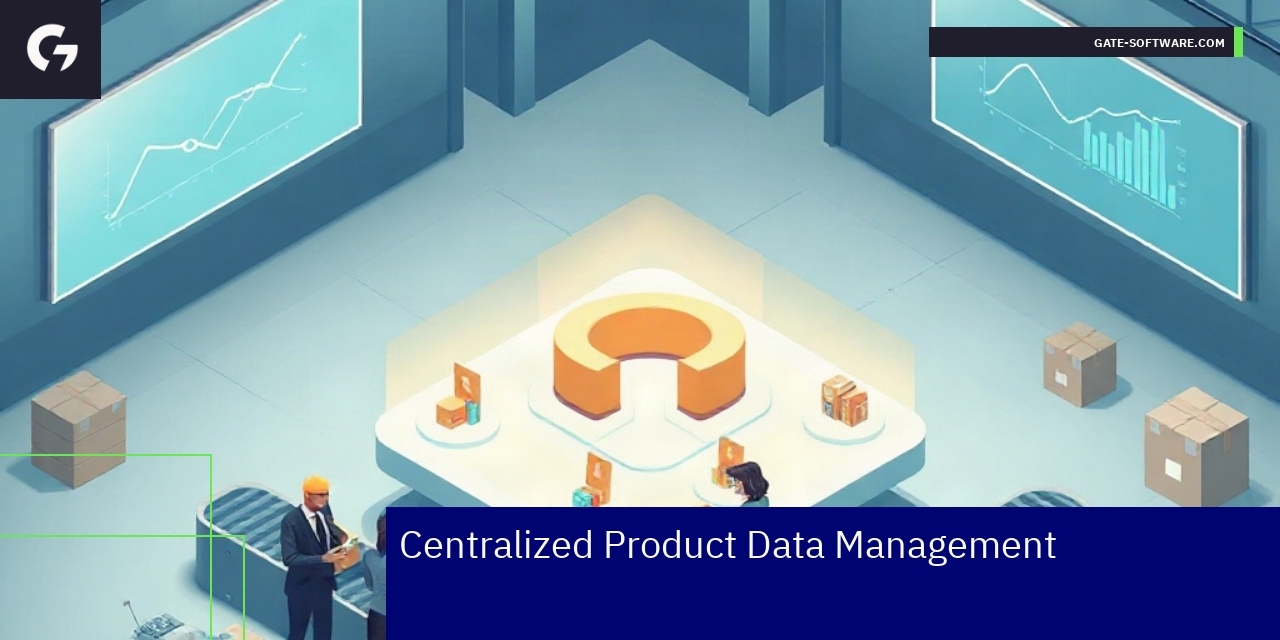
Centralized Product Data Management
Centralized Product Data Management is a strategic approach that consolidates all product-related information into a single, unified repository. This methodology enhances data organization by ensuring consistency and accuracy across multiple business functions like marketing, sales, and inventory management. For senior stakeholders, especially CTOs, Heads of Product, and Digital Directors, centralized data management is pivotal to achieving operational efficiency and fostering seamless collaboration among teams.
From a technical architecture perspective, centralized management facilitates streamlined data governance and validation processes, reducing the risk of discrepancies and outdated data. This centralized repository acts as a single source of truth, enabling quicker and more informed decision-making. It also supports scalability, allowing enterprises to manage expanding product catalogs without exponential complexity.
Operationally, centralized data improves workflow efficiency by providing all stakeholders with easy, real-time access to up-to-date product information. This reduces redundant data handling and accelerates product launches and updates. Moreover, by maintaining high data quality through centralized validation, businesses can enhance customer experience and reduce errors that might otherwise impact supply chain or sales.
In summary, centralized product data management underpins robust integration strategies, crucial for B2B companies aiming to improve data organization, operational agility, and scalability while supporting a data-driven culture across the enterprise.

Flexible Data Accelerators
Using flexible accelerators supports better handling of product information during integration by enabling dynamic adaptation to diverse data formats and sources typical in B2B environments. These accelerators serve as modular components that optimize data ingestion, transformation, and synchronization processes, allowing seamless connectivity between disparate systems and reducing integration complexity.
From a technical architecture perspective, flexible data accelerators allow organizations to implement scalable pipelines that can handle large volumes of product data efficiently, addressing performance bottlenecks common in B2B data exchanges. By abstracting data handling logic into configurable accelerators, businesses can maintain agility in evolving integration requirements without costly reengineering.
Operationally, these accelerators improve data accuracy and consistency by automating validation and normalization steps during integration, minimizing errors that could propagate through supply chain and eCommerce platforms. This reliability directly influences product catalog quality, faster time-to-market, and overall responsiveness to market changes.
Furthermore, the scalability enabled by flexible data accelerators supports growing product portfolios and new partner onboarding without disproportionate effort. Their extensibility ensures that as data standards and partner requirements evolve, the integration framework remains resilient and adaptable, underpinning sustained business growth and operational efficiency in B2B ecosystems.

Integration with PIM Systems
Effective integration with PIM systems supports organizing product data to boost sales efficiency.
In B2B environments, integrating Product Information Management (PIM) systems is crucial for centralizing and streamlining product data across multiple channels and touchpoints. PIM systems serve as the authoritative source for product information, enabling consistent, accurate, and up-to-date data distribution that directly impacts sales and operational workflows.
This integration reduces manual data entry errors and minimizes data silos that often hinder scalability and agility. By connecting PIM with other enterprise systems—such as ERP, CRM, and e-commerce platforms—companies create a seamless flow of product information that supports complex B2B sales cycles, including custom pricing, bulk ordering, and detailed product specifications.
Moreover, effective PIM integration enhances data governance and compliance, ensuring that product information meets regulatory and industry standards. It also allows for enriched product content management, including multimedia assets and technical documentation, which is vital for informed buyer decision-making in B2B transactions.
From a technical perspective, integration strategies typically involve the use of APIs, middleware, or ETL processes tailored to the organization’s architecture and data workflows. Scalability must be considered to handle large volumes of product data and frequent updates without performance degradation.
In summary, supporting effective integration with PIM systems enables B2B companies to organize product data efficiently, leading to improved sales performance, operational efficiency, and sustained competitive advantage.

Process Analysis and Customer Journey Mapping
Analyzing processes and mapping customer journeys in B2B environments require a methodical approach to understand and optimize complex interactions between businesses. One foundational element is an organized product data base, which acts as a critical resource for ensuring the accuracy, consistency, and availability of product information throughout the customer lifecycle.
Process analysis begins with a detailed examination of all operational workflows affecting customer interactions, from initial inquiry through purchase, delivery, and post-sale support. By identifying bottlenecks, redundancies, and inefficiencies within these processes, organizations can streamline their operations to reduce costs and improve time-to-market. Key performance metrics such as cycle times, error rates, and resource utilization are crucial in quantifying process effectiveness and pinpointing areas for improvement.
Customer journey mapping complements process analysis by providing a comprehensive visual and analytical representation of the customer’s experience across all touchpoints. This mapping includes awareness, consideration, decision, purchase, and post-purchase phases. It emphasizes understanding the needs, expectations, and emotions of various customer personas to enhance engagement at every step. By integrating data from an organized product data base, companies can ensure that accurate product information and relevant content are consistently delivered, reducing customer friction and enhancing trust.
Together, these approaches enable strategic alignment between business processes and customer expectations, driving operational efficiency while enhancing customer satisfaction. They support scalability by establishing repeatable frameworks that accommodate evolving customer needs and complex product portfolios typical of B2B enterprises.

Effective Customer Management (CRM)
Effective customer management is fundamental for sustaining durable business relationships in the B2B sector. It encompasses strategic processes to acquire, retain, and nurture clients by leveraging data-driven insights and systematic engagement practices.
At its core, a robust Customer Relationship Management (CRM) system acts as a centralized platform that consolidates customer information, enabling seamless tracking of interactions, preferences, and transaction histories. This consolidation enhances operational efficiency by providing real-time access to relevant customer data across departments, facilitating coordinated responses and personalized communication.
From a technical architecture standpoint, CRM solutions in B2B environments must prioritize scalability and integration capabilities. They are often integrated with enterprise resource planning (ERP), marketing automation, and sales technologies to create a synchronized information ecosystem. This integration supports comprehensive analytics that inform strategic decision-making, such as identifying cross-selling and upselling opportunities, and predicting customer churn risks.
Effective CRM also entails segmenting clients according to various criteria—industry, size, purchase behavior—which enables tailored engagement strategies that resonate with specific business needs. Automated workflows ensure timely follow-ups and proactive service delivery, which are critical for maintaining trust and loyalty over extended sales cycles typical in B2B markets.
Moreover, CRM platforms support performance measurement through dashboards and reporting tools that track key performance indicators like customer lifetime value (CLV), acquisition cost, and satisfaction metrics. These insights provide actionable intelligence to optimize customer management tactics continuously.
In summary, effective customer management in B2B leverages integrated, scalable CRM systems to improve data accessibility, client segmentation, automated processes, and performance insights. This comprehensive approach is essential for building and sustaining long-lasting business relationships that drive growth and operational excellence.
CRM Communication Automation
—
If available:
—

CRM Technologies Supporting Sales
In the context of B2B operations, CRM technologies integrated with Magento 2 are pivotal in streamlining and enhancing sales processes. These CRM systems offer a comprehensive approach to managing customer relationships by centralizing data, automating workflows, and providing actionable insights tailored to complex B2B sales cycles.
Integrating popular CRM systems with Magento 2 enables synchronization of customer data, order histories, and sales activities, ensuring that sales teams have up-to-date and accurate information. This integration supports real-world business challenges such as lead tracking, account management, and personalized communication, which are crucial for driving sales efficiency and growth.
Technologically, these CRM platforms typically offer robust APIs that facilitate seamless data exchange with Magento 2, allowing scalability without compromising performance. Automation capabilities reduce manual tasks, enabling sales teams to focus on strategic engagement rather than administrative overhead. Additionally, analytics and reporting tools embedded in these CRMs deliver insights into sales trends, customer behavior, and pipeline health, empowering senior stakeholders to make data-driven decisions.
Operational efficiency is further enhanced by features like workflow customization, multi-channel communication, and collaboration tools that support coordinated sales efforts across teams. The integration also addresses scalability concerns by accommodating expanding product catalogs, complex pricing structures, and evolving customer relationships typical in B2B environments.
Overall, CRM technologies integrated with Magento 2 form a critical component of a scalable, high-performance sales architecture that meets the demands of B2B enterprises seeking to optimize their sales processes and operational effectiveness.

Purchase Frequency and Customer Management
Customer management strategies can be significantly enhanced by analyzing purchase frequency data, which provides critical insights into customer behavior and engagement patterns. Purchase frequency serves as a key metric that reflects how often customers return to make repeat purchases, enabling businesses to identify loyal customers and segment them effectively for tailored marketing and retention efforts.
From a strategic standpoint, leveraging purchase frequency data allows B2B companies to optimize customer lifecycle management. For instance, customers with high purchase frequency may benefit from personalized loyalty programs and exclusive offers designed to reinforce their buying habits. Conversely, customers with declining or infrequent purchase patterns can be targeted with specific re-engagement campaigns or service interventions to prevent churn.
Technically, integrating purchase frequency analysis within customer relationship management (CRM) systems requires robust data architectures capable of real-time data collection and processing. Scalability is crucial, especially for enterprises managing extensive customer databases where frequency metrics must be updated continuously to reflect current buying trends. Analytical models can incorporate purchase frequency alongside other behavioral and transactional data to predict future purchasing potential, inform inventory planning, and improve supply chain responsiveness.
Operational efficiency can also be enhanced through automation triggered by purchase frequency insights. For example, automated reminders and replenishment orders can be configured for customers based on their typical purchase cycles, reducing manual workload and improving customer satisfaction through timely engagement.
Overall, a rigorous approach to customer management using purchase frequency data supports sustainable growth by aligning sales, marketing, and customer service functions. It enables decision-makers to allocate resources strategically, prioritize high-value customer segments, and implement scalable processes that adapt to evolving business requirements and market dynamics. This data-driven method ensures that customer management practices are rooted in measurable behaviors, enhancing operational precision and long-term profitability.

CRM Communication Automation
Automating communication within Customer Relationship Management (CRM) systems plays a critical role in enhancing client engagement and retention in B2B environments. By leveraging automation, organizations can deliver timely, personalized messages that address client needs throughout the customer lifecycle. This capability leads to improved response rates, increased satisfaction, and stronger loyalty.
From a technical perspective, CRM communication automation relies on integrating data sources and employing rule-based triggers or AI-driven algorithms to initiate communications. Automation workflows can manage a range of interactions including onboarding sequences, follow-ups, renewals, and support notifications. This scalability ensures consistent outreach, even as the volume or complexity of client relationships grows.
Operationally, automation reduces manual workload for sales and customer success teams, freeing resources to focus on high-value personalized interactions. It also supports analytics by enabling tracking of communication effectiveness and behavior patterns, which can inform continuous optimization of messaging strategies.
Implementing CRM communication automation requires a robust underlying architecture that supports data integration, secure information flow, and real-time processing capabilities. Attention to system performance ensures automation runs smoothly without delays, preserving the customer experience.
In summary, automating communication in CRM is a strategic approach that enhances engagement and retention by providing timely, relevant interactions efficiently and at scale. It advances operational efficiency while supporting data-driven decision-making essential for sustained business growth in B2B contexts.

Integration with ERP Systems
Integration with ERP systems significantly enhances the management of financial and operational data by streamlining processes and improving data accuracy across an organization. Effective ERP integration enables seamless data flow between various business functions, including finance, supply chain, human resources, and manufacturing, ensuring that information is consistent and up-to-date.
From a technical perspective, integration often involves connecting ERP systems with other enterprise applications through APIs, middleware, or custom connectors. This connectivity supports real-time data synchronization, which is critical for operational efficiency and timely decision-making. Additionally, integrated ERP systems provide a unified view of business performance, supporting advanced analytics and reporting capabilities.
Operationally, the benefits include automated workflows that reduce manual data entry and errors, enhanced compliance with financial regulations, and improved resource planning. By consolidating disparate data sources, businesses can scale their operations more effectively and respond swiftly to market changes.
Overall, integration with ERP systems is a strategic investment that drives scalability, boosts performance, and supports sustainable growth in B2B environments by aligning financial and operational data management with broader organizational goals.

Economic Benefits of Integration
The integration of Magento 2 CRM with ERP systems significantly enhances economic outcomes by delivering cost savings and operational efficiencies that are critical in B2B environments. This integration allows businesses to streamline data flow between customer relationship management and enterprise resource planning platforms, eliminating redundant data entry and associated errors while providing a single source of truth across systems.
Cost savings primarily arise from reducing manual labor for data reconciliation and accelerating order-to-cash cycles. Businesses benefit from lower operational costs as unified data management minimizes delays and administrative overhead. Furthermore, automated processes decrease the risk of costly mistakes, improving overall financial accuracy.
From an operational perspective, the seamless connection between Magento 2 CRM and ERP optimizes inventory management, sales order processing, and customer service workflows. This synchronization enables real-time visibility into stock levels, pricing, and customer interactions, which supports faster decision-making and improved responsiveness to market demands.
In sum, the economic benefits of Magento 2 CRM integration are realized through improved resource allocation, enhanced scalability, and increased agility. Companies can better manage growth without proportionally increasing costs, thereby boosting profitability and competitive advantage in the B2B sector.

Typical Integration Project Stages
Understanding the typical stages of ERP integration projects is essential for streamlining Magento CRM integration effectively. Integration projects generally follow a structured lifecycle that ensures alignment between business processes and technological frameworks.
The first stage is requirements gathering and analysis, where stakeholders identify business needs, define integration objectives, and assess system compatibility. This phase helps establish clear goals for ERP and Magento CRM interaction, ensuring that data flows seamlessly between platforms.
Next comes solution design and planning, where technical architects map out the integration architecture. This involves selecting appropriate middleware, defining data exchange protocols, and outlining workflows to enable real-time or batch data synchronization. Proper planning here mitigates risks related to system performance and scalability.
The development and configuration phase follows, involving the customization of connectors and APIs that bridge ERP and Magento CRM. Ensuring data integrity and handling error management during this stage is critical for operational efficiency.
Subsequently, testing and validation occur, focusing on functional accuracy, data consistency, and performance under load. Rigorous testing guarantees that the integrated solution supports business operations without disruption.
Finally, the deployment and post-implementation support stage involves rolling out the integrated system to production environments, accompanied by continuous monitoring and optimization. This ensures long-term stability and accommodates future scalability.
Understanding these stages helps streamline Magento CRM integration by focusing on technical architecture, operational performance, and scalability considerations throughout the ERP integration project lifecycle.

Measuring Integration Success
Measuring integration success in ERP and CRM connected projects is crucial for ensuring that business objectives are met and operational workflows are optimized. The evaluation focuses on several key performance metrics that reflect both technical efficacy and business impact.
Firstly, system performance indicators such as data synchronization accuracy and latency are paramount. Effective integration should enable seamless, real-time exchange of information between ERP and CRM systems without data loss or duplication. Metrics like the percentage of successful data transfers and average processing time indicate the technical health of the integration.
Business process efficiency is another critical measure. This includes improvements in lead-to-cash cycle time, order processing speed, and customer response times. Enhanced automation facilitated by integration typically reduces manual interventions and errors, measurable through decreased operational costs and error rates.
User adoption and satisfaction metrics also offer insight into integration success. If end users find the integrated environment intuitive and supportive of their workflows, this boosts productivity and reduces resistance to new systems.
From a strategic perspective, the ability to generate comprehensive reports and analytics by combining CRM and ERP data enables better decision-making and highlights the return on integration investment. Scalability and system stability under varying loads further demonstrate the project’s long-term viability.
In summary, measuring integration success involves a balanced consideration of data integrity, operational improvements, user engagement, and business value realization in ERP and CRM connected projects.

Integration with PIM Systems
Integrating with Product Information Management (PIM) systems is a critical capability in B2B environments to streamline and organize product data effectively throughout complex sales processes. Such integration enables centralized management of detailed product attributes, specifications, pricing, and multimedia assets, which are essential for accurate and consistent product representation across multiple sales channels.
From a technical perspective, integration with PIM systems often involves connecting disparate data sources via APIs or middleware to ensure seamless data synchronization and minimize manual intervention. This architecture supports scalability by allowing enterprises to manage vast product catalogs that frequently change due to market demands or inventory updates.
Operational efficiency is improved by automating the flow of product data from the PIM to sales platforms, reducing errors that arise from redundant data entry and ensuring that sales teams have access to the most up-to-date and comprehensive product information. This accessibility supports faster decision-making and better customer engagement during the B2B sales cycle.
Moreover, incorporating PIM integration enhances data governance by enforcing standardized data formats and validation rules, facilitating compliance and reporting across global markets. Overall, this integration is foundational for businesses aiming to optimize product data management, improve sales effectiveness, and scale operations efficiently within B2B ecosystems.

Choosing a Suitable PIM System
Selecting the right Product Information Management (PIM) system is a critical decision for businesses aiming to maximize the value of their Magento CRM integration. An appropriately chosen PIM system streamlines product data management, ensuring consistency, accuracy, and comprehensive information dissemination across all sales channels and touchpoints.
A suitable PIM system should align with the technical architecture of the current Magento ecosystem, supporting seamless data exchange and minimizing integration overhead. It must accommodate the business’s scalability requirements, handling increasing volumes of product data without compromising performance or operational efficiency. Additionally, the system should offer robust data governance capabilities to maintain data quality and compliance, crucial for maintaining a trustworthy product catalog.
From a business perspective, the right PIM solution enhances cross-department collaboration by centralizing data, thus improving agility in product launches and updates. This centralization reduces errors and redundancy, directly impacting the customer experience positively. The system’s flexibility to adapt to evolving business processes and product portfolios also ensures long-term operational success.
In summary, selecting the right PIM system enhances the benefits of Magento CRM integration by providing a scalable, efficient, and reliable platform for managing product information, thereby enabling businesses to optimize their data-driven decision-making and customer engagement strategies.

Data Security in PIM Systems
Maintaining data security within Product Information Management (PIM) systems is critical for protecting product information, especially in B2B contexts where data integrity and confidentiality directly impact business operations and partnerships. A robust PIM system must implement multi-layered security architectures that safeguard against unauthorized access, data breaches, and data loss.
At the technical level, encryption protocols for data at rest and in transit are foundational to secure PIM environments. Role-based access control (RBAC) ensures that only authorized personnel can view or modify sensitive product data, supporting operational efficiency by minimizing errors and unauthorized changes. Furthermore, secure APIs and integration points with ERP, CRM, and eCommerce platforms must be designed to prevent vulnerabilities that could be exploited by malicious actors.
From an architecture perspective, scalability and performance must not compromise security. Implementing compartmentalization and data segmentation allows organizations to isolate critical data sets, reducing risk exposure while enabling flexible product data workflows. Additionally, continuous monitoring and logging mechanisms provide real-time threat detection, crucial for rapid incident response and course correction.
Moreover, compliance with industry standards and regulations such as GDPR or sector-specific norms enhances data governance and builds trust with business partners. Data security strategies must consider not only technical controls but also procedural safeguards like employee training, regular security audits, and data lifecycle management policies to ensure comprehensive protection.
Ultimately, integrating strong security protocols within PIM systems ensures the integrity, confidentiality, and availability of product information — vital for operational effectiveness, regulatory compliance, and sustaining competitive advantage in B2B enterprises.

Evaluating PIM System Efficiency
Analyzing the effectiveness of Product Information Management (PIM) systems is critical for optimizing Magento 2 integration strategies, especially in the B2B sector where complex product data and multiple stakeholders are involved. Efficiency evaluation of PIM systems should focus on several key dimensions: data accuracy and completeness, integration fluidity, system scalability, and operational impact.
Firstly, data accuracy and completeness directly influence the quality of product information conveyed across sales channels. A PIM system must ensure consistent, enriched, and up-to-date product data to minimize errors and reduce the time spent on data reconciliation. This is vital for B2B environments, where buyers typically demand detailed specifications and compliance information.
Secondly, seamless integration with Magento 2 plays a crucial role. The PIM system’s ability to synchronize product updates in real-time or near-real-time ensures that Magento’s storefront reflects the latest product details without latency, enabling dynamic pricing, inventory adjustments, and personalized customer experiences. Integration efficiency also reduces manual interventions and mitigates risks associated with data transfer failures.
Furthermore, scalability and performance under increasing data volumes and expanding product lines must be assessed. An effective PIM system supports automation and batch processing to handle large datasets while maintaining system responsiveness and minimizing downtime. This operational efficiency translates into faster product launches and updates, critical for competitive advantage in B2B markets.
Lastly, evaluating the impact of the PIM system on business workflows is essential. Efficiency improvements should reduce bottlenecks in product data management, enabling product teams, marketing, and sales units to collaborate more effectively. Clear metrics, such as time-to-market for new products and error rates in published data, provide tangible evidence of the system’s value.
By rigorously assessing these factors, B2B organizations can refine their Magento 2 integration strategies to leverage the full potential of PIM systems, streamlining product data management and enhancing overall operational efficiency.

Common Challenges in Magento Integration with CRMs & How to Solve Them
Integrating Magento with Customer Relationship Management (CRM) systems presents several challenges that can impact operational efficiency and business scalability. Key issues often revolve around data synchronization, training deficits, and technological resource constraints.
Data synchronization issues stem from discrepancies between Magento’s ecommerce data and CRM customer profiles. Inconsistent or delayed data updates can cause inaccurate reporting, misaligned sales strategies, and suboptimal customer experiences. To address this, implementing robust middleware solutions that ensure real-time, bidirectional synchronization is essential. These solutions should handle data mapping complexities inherent in Magento’s product catalog structures and CRM contact models.
Lack of training among staff on the integrated platform’s capabilities limits adoption and reduces potential ROI. It’s critical to design comprehensive training programs tailored for technical teams and business users that focus on leveraging integrated features for customer insights and sales automation. Ongoing education supports smooth operational transitions and maximizes platform utilization.
Limited technological resources, such as insufficient IT infrastructure or integration expertise, can impede the implementation and maintenance of Magento-CRM ecosystems. Organizations should assess their technology stacks and, when necessary, invest in scalable cloud-based integration platforms that can adapt to growing data volumes and user demands. Engaging experienced integration specialists ensures that architectural decisions support long-term performance and scalability.
By proactively addressing synchronization complexities, training gaps, and technology limitations, enterprises can unlock the full value of Magento-CRM integration, enhancing customer management capabilities and driving sustainable revenue growth.

Frequent Integration Mistakes
Identifying common errors helps prevent delays in Magento CRM integration projects.
In B2B Magento CRM integrations, frequent mistakes often stem from inadequate planning and misunderstanding of system compatibility. Underestimating data complexity and volume can result in performance bottlenecks that obstruct scalability and operational efficiency. Another common error is neglecting thorough validation of data mappings between Magento and the CRM system, which leads to data integrity issues and disrupts seamless customer management workflows.
Integration projects frequently suffer from insufficient synchronization strategies. This causes data discrepancies and delays in real-time updates, weakening decision-making capabilities and customer engagement. Moreover, failure to align integration architecture with existing IT infrastructure can introduce security vulnerabilities and complicate maintenance.
Effective error handling mechanisms are sometimes overlooked, increasing the risk of unnoticed failures during data exchange. Lack of detailed documentation and collaborative communication between technical and business teams also impedes troubleshooting and continuous improvement.
Addressing these frequent integration pitfalls early in Magento CRM projects helps ensure smooth deployment, high system reliability, and sustained business performance, particularly in complex B2B environments.

Troubleshooting Integration Problems
Integration problems in B2B contexts often stem from complex systems interacting under varied conditions, leading to challenges in connectivity, data consistency, and workflow automation. Proven solutions for integration problems ensure smoother connection processes by addressing these issues through strategic technical and operational measures.
A foundational step is establishing robust middleware or integration platforms that facilitate seamless communication between disparate systems. These platforms handle protocol translations, message transformations, and orchestration, minimizing manual intervention and errors. Employing standardized APIs and data formats also reduces incompatibility risks, streamlining data exchange across partner systems.
Rigorous testing and validation protocols are essential to identify potential integration failures early. This includes simulating peak loads, verifying data integrity, and ensuring failover mechanisms are effective. Monitoring tools play a critical role by providing real-time visibility into integration health, enabling proactive troubleshooting before business operations are impacted.
From an architectural perspective, building modular and scalable integration components supports operational efficiency and future growth. This modularity allows individual integrations to be updated or replaced without disrupting the entire ecosystem. Security considerations, such as encryption and authentication, must be integrated into every layer to protect sensitive data during transmission.
In sum, a strategic approach combining technical standards, automation, monitoring, and security forms the backbone of effective troubleshooting in B2B integration. These principles collectively reduce downtime, foster reliable connections, and contribute to smoother, more predictable business processes.

Best Practices in Integration
Following industry best practices optimizes Magento CRM integration outcomes by ensuring seamless data flow, enhancing customer insights, and improving overall operational efficiency. For senior stakeholders responsible for technical architecture and digital transformation, it is essential to prioritize a structured and scalable integration approach.
Key best practices include establishing robust data synchronization mechanisms to maintain consistency between Magento and the CRM system, minimizing data latency and preventing discrepancies. Implementing real-time or near-real-time data exchange protocols supports timely decision-making and responsiveness to customer interactions. An API-first strategy often facilitates cleaner architectures, enabling easier updates and integrations with other business systems over time.
Attention to data security and compliance is critical, especially when handling sensitive customer information across platforms. Employing encryption, role-based access controls, and compliance audits ensures adherence to regulatory requirements and safeguards against data breaches.
Operationally, integrating monitoring and logging tools allows for proactive issue detection and quick resolution, reducing downtime and maintaining service reliability. Scalability considerations must be embedded from the outset to support business growth without compromising system performance.
Ultimately, leveraging standardized data models and ensuring clean, high-quality data inputs preserve the integrity and usefulness of the integrated CRM insights, driving improved customer engagement strategies and enhanced B2B sales outcomes. This structured, expert approach maximizes Magento CRM integration effectiveness in complex business environments.

Popular CRM Systems to Integrate With Magento 2
Adapting ERP and CRM systems to Magento 2 ensures better process synchronization. Effective integration between Magento 2 and CRM solutions enables businesses to streamline customer data management, optimize sales pipelines, and enhance customer service workflows within a unified platform. This synchronization minimizes data silos, reducing manual data entry errors and aligning marketing, sales, and support teams with real-time information.
Popular CRM systems commonly integrated with Magento 2 include platforms known for their scalability, robust API capabilities, and extensive automation features. Integration typically focuses on synchronizing customer profiles, order history, and communication logs to support personalized experiences and targeted campaigns. Additionally, linking CRM data with Magento’s eCommerce transactions enhances customer insight, enabling predictive analytics and informed decision-making.
Key technical considerations in such integrations involve secure data exchange protocols, data mapping for consistency between systems, and real-time or scheduled synchronization methods based on business needs. Architecturally, the integration should support scalability to handle increasing data volumes and user concurrency without impacting Magento 2’s performance.
Operationally, aligning CRM and Magento 2 workflows reduces response times and facilitates cross-department collaboration, ultimately driving enhanced customer satisfaction and loyalty. Integrating ERP systems alongside CRM further enhances process synchronization by connecting inventory, billing, and shipping data, creating an end-to-end view of business operations.
In summary, choosing the right CRM system compatible with Magento 2, and facilitating seamless integration, is instrumental for businesses aiming to improve operational efficiency, scalability, and customer-centric strategies.

Most Used Solutions
In the context of B2B Magento integration, selecting the most appropriate CRM platform is a decision grounded in operational efficiency, scalability, and maintaining seamless data flow across systems. Reviewing popular CRM platforms serves as a vital guide in this selection process, helping organizations align their digital commerce architecture with business goals.
The prevalent CRM platforms favored for Magento integration typically emphasize strong API capabilities, enabling real-time synchronization of customer data, order histories, and sales pipelines. This functionality is critical for B2B operations where complex customer relationships and multiple touchpoints demand consistent and accurate information exchange. Integrations that support such synchronization reduce manual data entry errors and enhance customer management workflows.
Furthermore, these CRM solutions often provide modular architectures that support extensibility and customization, allowing businesses to tailor functionalities to their unique processes without compromising system performance. Scalability is another essential consideration; the chosen CRM must handle growing customer bases and transaction volumes without degradation in speed or reliability. Solutions that offer robust analytics and reporting features are particularly valued, enabling strategic decision-making through insights directly sourced from integrated data sets across Magento and the CRM platform.
Choosing a CRM for Magento integration also involves assessing the platform’s compatibility with existing IT infrastructure and its ability to integrate with other enterprise systems such as ERP or marketing automation tools. Security features and compliance with industry standards are paramount, especially given the sensitive nature of B2B data. Therefore, a comprehensive review of popular CRM platforms, focusing on these technical and operational dimensions, guides businesses toward solutions that optimize their Magento environment and support long-term digital commerce success.

Benefits of Diverse Systems Integration
Integrating diverse systems significantly broadens operational capabilities, providing organizations with enhanced flexibility and efficiency. By connecting various platforms, tools, and workflows, businesses can streamline processes, reducing redundancies and optimizing resource use. This interconnectedness fosters a more agile operational environment, enabling organizations to adapt swiftly to evolving market demands and technological advancements.
A critical advantage lies in data consolidation and analysis. Diverse systems integration enables organizations to aggregate information from multiple sources, creating a comprehensive data ecosystem. This holistic view supports deeper customer insights and improves decision-making accuracy, allowing businesses to tailor strategies based on real-time, multi-dimensional data.
Moreover, integration supports scalability and innovation. As organizations grow, integrated systems provide a modular foundation that facilitates the seamless addition of new components or technologies without disrupting existing operations. This flexibility enables continuous innovation and responsiveness to changing business needs.
From a technical perspective, diverse systems integration reduces complexity by fostering standardized interfaces and protocols, simplifying maintenance and lowering operational costs. It also enhances cross-departmental collaboration by bridging information silos, which improves coordination and accelerates project delivery.
Overall, by integrating various systems, organizations can drive operational efficiency, elevate customer experiences, and build scalable, future-proof infrastructures that maintain competitive advantage in dynamic markets.

Integration Frequency
Understanding integration frequency is critical in selecting an optimal CRM solution for Magento platforms within B2B environments. Integration frequency refers to how often data and processes synchronize between Magento and the CRM system, influencing real-time data accuracy and operational responsiveness.
In high-frequency integrations, data such as customer interactions, order updates, and inventory status are synchronized near-instantaneously or in short intervals. This ensures that sales teams and customer service have access to the most current information, fostering timely decision-making and personalized customer engagement. High-frequency synchronization also supports dynamic workflows and automated marketing triggers, enhancing scalability and performance.
Conversely, low-frequency integrations may operate on batch updates occurring hourly or daily. While this reduces system strain and complexity, it can introduce latency in data availability that may affect responsiveness. For businesses with less volatile customer data or longer sales cycles, such integration frequency might optimize operational efficiency without compromising accuracy.
Analyzing integration trends reveals that the choice of frequency depends heavily on the business model, transaction volumes, and technical architecture. High-volume B2B Magento operations typically benefit from real-time or near-real-time integrations to maintain competitive agility. Meanwhile, mid-level frequency balances system load and data freshness.
Ultimately, determining optimal CRM choices for Magento entails assessing integration frequency requirements aligned with the company’s operational cadence, data throughput, and scalability goals. Integration frequency impacts architectural design, API capabilities, and resource allocation—key factors for CTOs and digital architects aiming to optimize performance across platforms.

How Long Does ERP and CRM Integration Take?
Integration time for ERP and CRM systems varies significantly depending on several critical factors. At the core, project complexity dictates the duration. Complex integrations involving multiple modules, extensive customization, and legacy system compatibility typically extend timelines. Additionally, the specific technologies involved and their interoperability significantly impact the process duration.
A standard ERP and CRM integration may take anywhere from a few weeks to several months. Key considerations include data migration volume, system architecture alignment, API availability, and the need for middleware or custom connectors. Projects with well-defined interfaces and standardized data formats proceed faster, while those requiring bespoke development or significant business process adaptation tend to require more time.
Operational efficiency and scalability goals also influence the timeline. Implementations targeting high throughput and seamless performance under load may involve prolonged testing and optimization phases. Coordination among cross-functional teams, including IT, business analysts, and stakeholders, is vital to managing scope and ensuring timely delivery.
In summary, integration time hinges on complexity, technologies used, and strategic alignment with business objectives — requiring detailed planning and phased execution to optimize outcomes.

Typical Time Frames for Integration
Understanding typical timelines aids in realistic project planning.
In B2B integration projects, typical time frames vary significantly depending on the complexity of the systems being integrated, the level of customization required, and the maturity of the existing IT infrastructure. On average, integration timelines range from a few weeks for straightforward API-based connections to several months for comprehensive end-to-end system integrations involving multiple enterprise applications.
The initial phase usually involves detailed requirements gathering and architecture design, which can take 2-4 weeks. This phase is crucial for aligning business objectives with technical solutions. Following this, the development and configuration of integration middleware or APIs typically span 4-8 weeks, depending on the complexity and the number of connected systems.
Testing and validation are critical phases that often extend the timeline. Integration testing ensures data consistency, performance under load, and error handling robustness. This phase may take an additional 2-6 weeks. Finally, deployment and go-live require coordinated efforts involving operational teams and stakeholders, adding another 1-2 weeks to the schedule.
Effective project planning must also consider potential delays from unforeseen technical challenges, data migration complexities, or changes in business requirements. Because of these variables, maintaining flexibility and iterative validation throughout the project lifecycle is essential to meet operational efficiency and scalability goals.

Factors Affecting Integration Duration
The duration of Magento 2 CRM integration in a B2B context is influenced by several critical factors affecting both the technical and operational aspects of the project. Understanding these elements is essential for senior stakeholders to manage expectations and optimize the integration timeline effectively.
One major factor is the complexity of the existing Magento 2 environment. Businesses with extensive customizations, numerous third-party extensions, or legacy systems require more time to map data flows and ensure compatibility with the CRM. The more intricate the architecture, the greater the effort needed to develop tailored connectors or middleware solutions that facilitate smooth data exchange.
Data quality and volume also play a significant role. Large datasets with inconsistent or poorly structured records demand extensive cleaning, validation, and transformation before integration can be reliably executed. This preparatory work is critical to prevent errors and maintain data integrity across platforms.
Another important aspect is the choice and capability of the CRM system itself. Some CRM solutions offer native connectors or well-documented APIs for Magento 2, which can accelerate integration. Conversely, proprietary or less flexible CRMs often necessitate custom development, extending the timeline.
Project scope and alignment between IT and business teams impact duration as well. Clear requirements, comprehensive planning, and ongoing communication reduce scope creep and technical misunderstandings, streamlining the integration process. Additionally, resource availability and expertise—both in Magento 2 and CRM technologies—directly influence efficiency.
Lastly, testing and validation phases significantly affect the overall timeline. Rigorous end-to-end testing ensures operational reliability and performance under real-world loads but requires time and coordination.
Collectively, addressing these factors by investing in thorough planning, selecting compatible systems, and allocating skilled resources enables more predictable and efficient Magento 2 CRM integration in B2B environments.

Examples of Integration Planning
Case studies demonstrate that effective scheduling methods for integration projects are pivotal to ensuring seamless operational alignment within B2B environments. Integration planning involves coordinating multiple technical and business components, which demands meticulous scheduling to manage dependencies, resource allocation, and timeline adherence.
A common approach in successful integration planning includes breaking down complex projects into phased milestones with clearly defined deliverables. This phased scheduling allows for iterative validation, minimizing risks associated with system incompatibilities or delayed deployments. Practical case studies reveal that synchronization between cross-functional teams—such as engineering, product management, and IT operations—is vital to maintaining momentum and addressing real-time challenges promptly.
Moreover, leveraging project management tools that support dynamic scheduling and real-time tracking enhances visibility across stakeholders. Agile methodologies often supplement integration scheduling by fostering adaptability, enabling swift reprioritization in response to unforeseen technical issues or changing business priorities.
Ultimately, these effective scheduling methods underscore the importance of balancing technical architecture considerations—such as API compatibility, data consistency, and system scalability—with operational efficiency. Such integrated planning ensures that B2B integration projects not only meet performance expectations but also align with strategic business goals, delivering scalable and sustainable outcomes.

How to Measure Integration Success?
Measuring integration success is essential for evaluating the effectiveness of integration initiatives and identifying areas for improvement. Key metrics to consider include system interoperability, data accuracy, and process efficiency. Ensuring seamless data flow between integrated systems reduces redundancies and errors, directly impacting operational performance. Monitoring the reduction in manual interventions highlights automation benefits, while tracking system uptime and downtime reflects integration stability. User adoption rates and satisfaction surveys provide insights into the practical usability of the integrated solution. Additionally, measuring time-to-market improvements for product or service enhancements after integration can demonstrate increased agility. Quantitative KPIs such as transaction volumes processed correctly, error rates, and latency in data exchange further illustrate the technical success of the integration. Together, these measures enable organizations to optimize their integration strategies for scalability, reliability, and enhanced business value.
Key Performance Indicators (KPIs)
If available:

Methods to Assess Effectiveness
Implementing proper evaluation methods ensures the integration meets business goals. In a B2B context, assessing effectiveness involves multiple dimensions including operational efficiency, scalability, performance, and alignment with strategic objectives. Key methods include quantitative and qualitative metrics tailored to the integration’s specific business processes and technology architecture.
Quantitatively, businesses monitor key performance indicators (KPIs) such as system uptime, transaction throughput, error rates, and processing latency. These technical metrics reflect how well the integration performs under operational load and its impact on efficiency. For example, improvements in processing speed or reduction in system errors contribute directly to operational cost savings and service reliability.
Qualitative evaluation involves gathering stakeholder feedback from technology teams, product managers, and end-users to understand usability and alignment with business workflows. This input helps identify areas where technical integration supports or hinders business activities, facilitating continuous improvement.
Advanced evaluation methods include benchmarking against industry standards and prior internal implementations, as well as employing analytics tools that provide real-time monitoring and predictive insights about the integration’s impact. Additionally, strategic alignment is assessed by mapping integration outcomes to broader business goals such as market expansion, customer experience enhancement, or revenue growth.
In summary, a rigorous assessment combines technical KPIs, stakeholder insights, and strategic measures to ensure B2B integrations deliver sustainable value and remain adaptable in dynamic business environments. Implementing proper evaluation methods ensures the integration meets business goals effectively and supports long-term operational success.

Key Performance Indicators (KPIs)
Defining KPIs helps quantify the impact of Magento CRM integration. In B2B environments, KPIs are essential for measuring how Magento CRM integration enhances customer relationship management, operational efficiency, and sales performance. Key metrics typically focus on customer acquisition costs, customer lifetime value, sales cycle duration, lead conversion rates, and average order value. These indicators provide actionable insights into how the integration influences business growth, customer retention, and revenue generation.
Moreover, evaluating KPIs related to data synchronization accuracy and real-time information availability ensures the technical robustness of Magento CRM integration. Monitoring system performance metrics like response times and uptime is critical to maintaining scalability and operational continuity. By aligning KPIs with strategic business goals, B2B leaders can assess the CRM integration’s contribution to optimizing workflows, improving customer experience, and achieving long-term competitive advantage. Integrating SEO phrases naturally in reporting dashboards can further enhance visibility into performance trends, supporting strategic decisions at the CTO and eCommerce Manager levels.

Continuous Process Improvement
Continuous Process Improvement (CPI) is a strategic approach centered on the ongoing enhancement of processes to drive long-term organizational success. It involves systematically measuring current workflows, identifying inefficiencies, and implementing incremental or breakthrough improvements. By focusing on continuous refinement, businesses can boost operational efficiency, reduce waste, and enhance product or service quality.
In B2B environments, CPI is particularly crucial due to complex operational architectures and evolving client demands. Adopting frameworks such as Lean, Six Sigma, or the Plan-Do-Check-Act (PDCA) cycle enables structured problem-solving and data-driven decision-making. Measurement is foundational to this approach—capturing accurate, real-time performance metrics allows teams to pinpoint bottlenecks and variations that hinder scalability and performance.
Moreover, continuous enhancement based on measurement drives long-term success by fostering agility and resilience, enabling organizations to quickly adapt their processes to shifting market conditions or technological advancements. This focus ensures sustained value creation not only through cost reduction but also by improving customer satisfaction and compliance.
For senior leaders like CTOs, Heads of Product, and Digital Directors, embedding CPI into core operational strategies supports smarter resource allocation, better technical architecture planning, and scalability management. Ultimately, continuous process improvement transforms business operations into dynamic, high-performing systems attuned to evolving strategic objectives.

The Future of Magento 2 CRM Integration
The future of Magento 2 CRM integration is poised to be shaped by the rise of intelligent solutions and enhanced automation. As B2B enterprises face increasingly complex customer management needs, the evolution of CRM capabilities within Magento 2 will focus on leveraging artificial intelligence and machine learning to streamline operations and personalize client interactions.
Intelligent automation will play a critical role, enabling systems to proactively manage customer data, predict purchasing behaviors, and facilitate timely follow-ups without manual intervention. These capabilities will not only reduce operational overhead but also increase the scalability and responsiveness of customer relationship management processes.
From a technical architecture perspective, future integrations will emphasize seamless data synchronization between Magento 2’s ecommerce platform and CRM systems, ensuring real-time accuracy and consistency across sales, marketing, and customer service channels. This will be crucial for addressing the operational challenges of maintaining large datasets typical in B2B environments.
Additionally, improved APIs and middleware solutions are expected to provide more flexible, modular integrations, allowing businesses to tailor their CRM workflows to specific industry requirements and evolving business models. Emphasizing performance and scalability, these integrations will support high transaction volumes and complex data structures without compromising system responsiveness.
Overall, the strategic focus will be on developing Magento 2 CRM integrations that are not only technically robust but also intelligent and adaptive, driving operational efficiency and enabling B2B organizations to deliver personalized customer experiences at scale.
Ensuring System Scalability
—
If available:
—

E-commerce Integration Trends
Upcoming trends in e-commerce integration are driving smarter, more seamless connections that enhance Magento CRM systems, particularly within the B2B sector. These advancements focus on improving operational efficiency, scalability, and overall performance of integrated platforms. Businesses are increasingly prioritizing integrations that enable real-time data synchronization between Magento and CRM systems, ensuring that customer information, order histories, and sales data are consistently accurate and up-to-date.
Technical architecture is evolving to support API-driven, modular integrations that reduce complexity and make it easier to scale solutions as business needs grow. Such architectures allow for flexible customization and quicker deployment cycles while maintaining system performance and security. Additionally, automation and AI-powered tools are being integrated to facilitate predictive analytics, personalized customer engagement, and streamlined sales processes within Magento CRM environments.
From a strategic perspective, these trends address critical business challenges such as minimizing manual data entry, reducing error rates, and enabling more sophisticated customer segmentation and targeting. Enhanced integrations also support improved reporting capabilities, providing senior stakeholders with actionable insights to drive revenue growth and improve customer lifetime value. Ultimately, the focus lies in creating an interconnected ecosystem where Magento CRM systems operate seamlessly within broader enterprise technology stacks, delivering scalable and efficient solutions to complex B2B demands.

Innovative Integration Technologies
The landscape of B2B commerce increasingly demands seamless connectivity between core business systems, positioning Magento 2 CRM integration as a critical enabler of operational efficiency and customer-centric strategies. New technologies are emerging to support more effective integration, addressing the complexity of linking disparate systems, enhancing data synchronization, and ensuring scalability.
Contemporary integration frameworks leverage advanced APIs and middleware solutions that facilitate real-time data flows between Magento 2 and diverse CRM platforms. This approach reduces latency, eliminates data silos, and supports a unified customer profile critical for personalized engagement and accurate sales forecasting. Furthermore, the adoption of microservices architecture enables modular, scalable integration components that can evolve with business needs without disrupting existing workflows.
Innovations also focus on improving the robustness and security of integrations, incorporating tokenization and encrypted data transfers to safeguard sensitive client information during Magento 2 CRM synchronization. Additionally, event-driven architectures enable proactive system responses to customer actions, enhancing responsiveness and operational agility.
Operationally, these technologies reduce manual data entry and error, streamline sales and marketing workflows, and empower analytics-driven decision-making. For senior stakeholders, embracing these innovative integration technologies ensures the Magento 2 CRM ecosystem supports sustainable growth, optimized resource allocation, and superior customer experience in complex B2B environments.

Ensuring System Scalability
Scalability is crucial for adapting Magento CRM integration to growing business needs. In the B2B context, system scalability ensures that the integration between Magento and the CRM can handle increasing transaction volumes, user interactions, and data processing requirements without performance degradation.
Achieving scalability requires a combination of architectural strategies and operational practices. Modular system design allows components to be scaled independently based on demand, optimizing resource utilization. Cloud infrastructure plays a key role by providing elastic resources that can be allocated dynamically to match workload fluctuations. Additionally, adopting microservices for CRM integration can facilitate horizontal scaling, improving fault tolerance and maintenance flexibility.
Performance optimization of data exchange between Magento and the CRM is essential to reduce latency and avoid bottlenecks. Efficient API design, asynchronous processing, and data caching mechanisms contribute to smoother interactions under load. Monitoring tools and auto-scaling policies allow real-time adaptation to varying system demands, ensuring consistent user experience.
Furthermore, attention to database scalability underpins system robustness. Distributed data stores and optimized query performance are critical to manage the growth in customer data and transaction records. Security and compliance considerations remain paramount in scalable systems to safeguard sensitive B2B information.
In summary, ensuring system scalability in Magento CRM integration requires a strategic approach encompassing modular architecture, cloud elasticity, microservices, optimized data handling, and robust monitoring—enabling businesses to grow without compromise to service quality or operational efficiency.

Common Concerns
Addressing widespread doubts clarifies integration benefits and limitations.
In the realm of B2B integration, organizations often face concerns that can influence decision-making. A primary benefit is enhanced operational efficiency, where automated data exchanges reduce manual intervention, cutting down errors and speeding processes. This leads to improved accuracy and real-time visibility across supply chains, enabling more informed strategic decisions. Additionally, B2B integration supports cost reduction by optimizing resource use and eliminating redundant tasks, while fostering stronger partnerships through seamless communication and transactions.
However, these advantages come with notable limitations. The initial implementation costs can be high, encompassing software acquisition and infrastructure upgrades. The technical complexity of integrating disparate systems demands specialized skills and ongoing support. Data security risks also escalate as increased data sharing raises the potential for breaches if safeguards are inadequate. Moreover, heavy dependence on technology introduces risk in case of system failures or maintenance downtime. Finally, firms may face vendor lock-in, restricting future flexibility and adaptability within evolving ecosystems.
Understanding these common concerns enables senior stakeholders—CTOs, Heads of Product or Engineering, and Digital Directors—to weigh integration benefits pragmatically against operational challenges, ensuring scalable and secure B2B ecosystems aligned with business objectives.

Typical Errors During Integration
Integration projects in B2B environments often encounter several common pitfalls that can significantly impede operational efficiency and scalability. One frequent error is insufficient alignment between the technical architecture and business objectives. This misalignment can lead to solutions that are technically functional but fail to support key business processes effectively, causing wasted resources and delayed returns on investment.
Another typical mistake is neglecting the importance of thorough data mapping and validation. Without precise understanding and verification of data flows, integrations may lead to inconsistent or corrupted data, undermining decision-making and operational reliability. This is especially critical when integrating diverse systems with different data standards and protocols.
Additionally, inadequate testing and quality assurance are recurrent issues. Many projects underestimate the complexity of end-to-end integration testing, resulting in unanticipated failures post-deployment. Robust testing strategies that cover performance, security, and failure recovery are essential to ensure seamless operations.
Finally, lack of stakeholder collaboration and communication across teams can cause misunderstandings, scope creep, and mismanagement. Integration efforts must incorporate coordinated planning and transparent communication channels to align expectations and manage changes effectively.
By recognizing these typical errors—misalignment between business goals and architecture, poor data validation, insufficient testing, and weak communication—companies can better avoid integration pitfalls and build scalable, high-performing B2B systems.

Available Support for Companies
Knowing support options empowers businesses undertaking Magento CRM integration by providing critical resources to address common challenges and optimize implementation outcomes. Companies can access various support levels, including dedicated technical assistance, consulting services, and training programs tailored to complex B2B environments.
Technical support often covers troubleshooting, bug fixes, and configuration guidance to ensure seamless integration with existing systems and processes. Consultation services help align Magento CRM capabilities with business objectives, offering strategic advice on data migration, workflow automation, and scalability planning.
Training and knowledge-sharing initiatives equip internal teams with the skills to maintain and extend the integrated system, enhancing operational efficiency and adoption. Furthermore, leveraging community forums, expert networks, and documented best practices can accelerate troubleshooting and innovation.
This comprehensive support framework enables enterprises to mitigate risks, streamline integration efforts, and unlock the full potential of Magento CRM, fostering stronger customer relationships and improved business performance in B2B contexts.

Data and Performance Metrics – Efficiency and Cost
Key Metrics for B2B
In the B2B landscape, operational efficiency and cost management play a pivotal role in ensuring sustainable growth. For instance, integrating Magento 2 with CRM systems can lead to an improvement in time-to-delivery by as much as 20%, streamlining the order processing cycle. Additionally, companies frequently report a reduction in manual data entry efforts by about 30%, which directly correlates with a drop in associated operational costs.
Performance-wise, businesses can achieve an uptime rate of over 99.5% post-integration, ensuring that customer interactions are consistently managed without interruptions. Furthermore, for organizations leveraging advanced analytics through their CRM integration, sales cycle times can be reduced by 25%, allowing for faster deal closures.
On the cost-related front, companies investing in CRM integration typically see a return on investment (ROI) of between 15% to 25% within the first year, driven by enhanced customer insights and optimized marketing efforts. The total cost of ownership (TCO) associated with manual versus automated systems can also yield savings of up to 40%, significantly impacting overall profitability.
Moreover, tracking user engagement metrics post-integration reveals that businesses can experience up to a 35% increase in repeat purchase rates, showcasing the value of personalized customer interactions facilitated by seamless data synchronization. Companies that adopt these integrated technologies are well-positioned to address the demands of evolving B2B markets while optimizing their operational capabilities.

Summary
In the competitive landscape of B2B commerce, the integration of Magento 2 with Customer Relationship Management (CRM) systems has emerged as a cornerstone for enhancing operational efficiency and strategic growth. For decision-makers like CTOs and Heads of Product, understanding the implications of this integration is crucial. It facilitates a comprehensive view of customer interactions, unifies data streams, and automates critical processes that save time and reduce errors. This integration not only empowers businesses to refine their customer engagement and tailor experiences but also optimizes sales processes with real-time insights. As organizations seek to maintain a competitive edge in long sales cycles, the transformative nature of Magento 2 CRM integration is evident. It bridges the gap between eCommerce capabilities and customer-centric approaches, ensuring that businesses are well-equipped to scale and innovate in their market strategies. As you consider the potential benefits of integrating these systems, reflect on how such advancements can align with your strategic goals for operational excellence and enhanced customer satisfaction.

FAQ
What is Magento CRM Integration?
Magento CRM Integration is the process of synchronizing customer and product data between the Magento 2 eCommerce platform and customer relationship management systems. This integration is crucial for B2B enterprises as it enhances customer insights, supports personalized engagement strategies, and improves sales efficiency.
Why is Magento 2 CRM Integration Crucial?
Magento 2 CRM integration is vital for automating business processes and enhancing customer service. It centralizes customer data, providing a unified view of interactions and preferences, which is essential for personalized marketing strategies and improving overall customer experiences.
What are the benefits of Magento 2 CRM Integration?
The benefits of Magento 2 CRM integration include better data management, automated workflows, improved customer management, and enhanced operational efficiency. This integration enables real-time access to customer insights and facilitates multi-channel engagement, ultimately driving growth and customer satisfaction.
What common challenges are faced during Magento Integration with CRMs?
Common challenges in integrating Magento with CRMs include data synchronization issues, lack of adequate training among staff, and limited technological resources. These challenges can lead to discrepancies in data and operational inefficiencies, ultimately affecting business performance.
How long does ERP and CRM integration typically take?
The duration of ERP and CRM integration varies but typically ranges from a few weeks to several months. Factors affecting this timeline include project complexity, data migration volume, system architecture, and the need for middleware or custom connectors.
.
.
Zamów bezpłatną konsultację
.
Z nami rozwój Twojego biznesu nabierze tempa! Zapraszamy do kontaktu średnie i duże firmy generujące min. 7 mln PLN obrotu rocznie – tam nasza ekspertyza sprawdza się najlepiej.
.
Kliknij w poniższy przycisk i skontaktuj się z jednym z naszych konsultantów e-commerce
.