Introduction
Magento 2 is a leading open-source e-commerce platform widely used for building scalable and customizable online stores, particularly relevant in B2B and B2C environments. For organizations looking to maintain and develop their digital commerce capabilities, understanding Magento 2’s architecture, implementation processes, and ongoing development practices is critical.
Implementing Magento 2 involves preparing a compliant hosting environment aligned with system requirements such as specific versions of PHP, MySQL, and Apache or NGINX servers. Following installation, configuration is focused on tailoring the platform’s settings to business needs—covering payment gateways, shipping logistics, tax rules, and store views.
Development within Magento 2 leverages a modular architecture enabling customization via themes and extensions. Best practices emphasize aligned development with Magento coding standards, version control utilization, and extensive testing phases to reduce production risks. Continuous maintenance and platform upgrades ensure security compliance and performance optimization.
Gate-Software specializes in providing comprehensive support for Magento 2’s implementation, development, and maintenance (Utrzymanie i Rozwój). This includes integration with UX/UI standards compliant to WCAG 1.1, utilization of monitoring and SLA frameworks, and strategic consultation tailored to roles like CTOs, CDOs, and eCommerce Managers. Such expertise ensures Magento 2 environments remain robust, scalable, and optimized for business growth in competitive markets.
TABLE OF CONTENTS
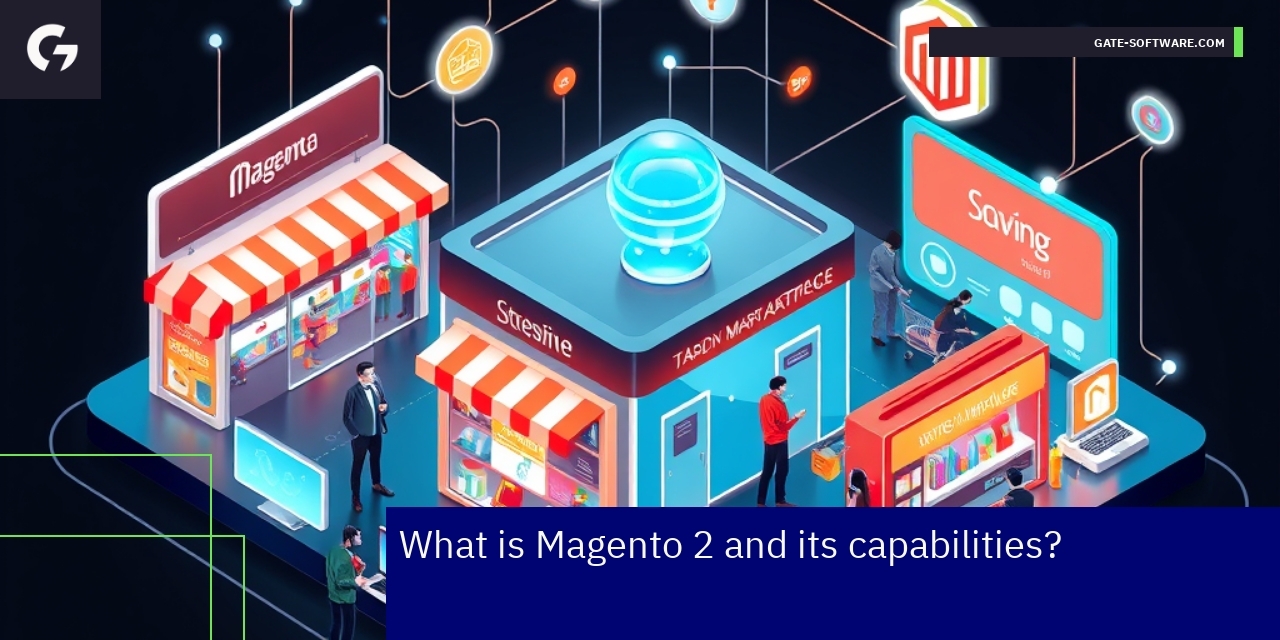
What is Magento 2 and its capabilities?
Magento 2 is a powerful ecommerce platform widely recognized for its robust architecture and comprehensive features. It is an open-source solution designed to offer businesses scalability, flexibility, and extensive ecommerce capabilities necessary for operating modern online stores. Magento 2 supports diverse business models through tailored Magento editions and a feature-rich Magento dashboard that facilitates efficient management of products, orders, and customer experience.
Why choose Magento?
Choosing Magento means investing in a secure and scalable platform that supports comprehensive Magento implementation. Magento’s security measures are designed to protect businesses from evolving cyber threats, making Magento security a priority in all deployments. From a business perspective, Magento 2 offers strong developer support and continuous improvements, ensuring the platform remains competitive and adaptable. The Magento tutorial for beginners emphasizes the advantages including sophisticated marketing tools and SEO capabilities that Magento provides. These features enable businesses to enhance their online visibility and drive growth effectively.
What can Magento 2 platform do?
Magento 2 platform’s ecommerce capabilities extend to complex operations such as managing multiple stores via the Magento 2 multi-store feature. This functionality allows businesses to run various websites seamlessly from a single backend, offering localized customer experiences while maintaining centralized control. The benefits of the Magento 2 multi-store feature include streamlined management, cache performance optimization, and adaptable Magento architecture supporting extensive customization. Comprehensive Magento implementation ensures that businesses leverage all aspects of the platform, especially for intricate ecommerce models, with a focus on performance, security, and scalability.

How to install Magento 2?
Installing Magento 2 requires careful planning and a clear understanding of the online store implementation lifecycle. The Magento implementation process begins with an assessment of technical requirements, including selecting a hosting environment that supports optimal Magento performance. Ensuring Magento security is critical throughout setup, from secure server configuration to ongoing patch management. The Magento implementation cost must also be evaluated at this stage, encompassing not only licensing fees (for Adobe Commerce) but also infrastructure, development, and extension expenses.
Many decision-makers ask, is Magento a CMS? While Magento offers CMS-like functionalities, it primarily serves as a comprehensive ecommerce platform designed for scalability and flexibility. Familiarity with what is Magento software and its architecture helps streamline installation and later customization phases.
What does Magento implementation look like?
The Magento implementation process involves environment setup, including hardware and software prerequisites tailored to Magento’s demands. For improved store management and enhanced user experience, Adobe Commerce’s advanced page building and CMS features are leveraged during implementation. System administrators must configure hosting solutions that reliably ensure Magento performance, balancing speed and resource allocation. Magento security measures must be integrated from the start, encompassing data encryption, secure payment processing, and compliance with privacy standards. By thoroughly adhering to these steps, the Magento implementation process results in a robust and secure ecommerce platform ready to serve business needs.
What are the implementation costs?
Magento pricing and cost considerations (2025) incorporate several factors beyond initial licensing, which varies by edition — Magento Open Source or Adobe Commerce. Hosting costs depend strongly on chosen infrastructure to sustain Magento performance and scale. Additional costs include extensions, custom module development, and ongoing support. Although Magento is often confused with a CMS, its ecommerce specialization requires investment in skilled technical resources. A clear budgeting plan for Magento implementation cost helps stakeholders avoid unforeseen expenses and align expectations with the project scope.
Is Magento Open Source a good ecommerce choice?
Magento Open Source provides an excellent entry point for businesses aiming to launch ecommerce stores without upfront licensing fees. However, achieving optimal Magento performance and ensuring Magento security demand expert hosting configurations and maintenance. While the Magento community offers continual updates and tools, some businesses might require customized functionality supported by Adobe Commerce. Evaluating the pros and cons of Magento Open Source against proprietary editions helps organizations choose the right platform aligned with strategic goals and technical capabilities.
Summary
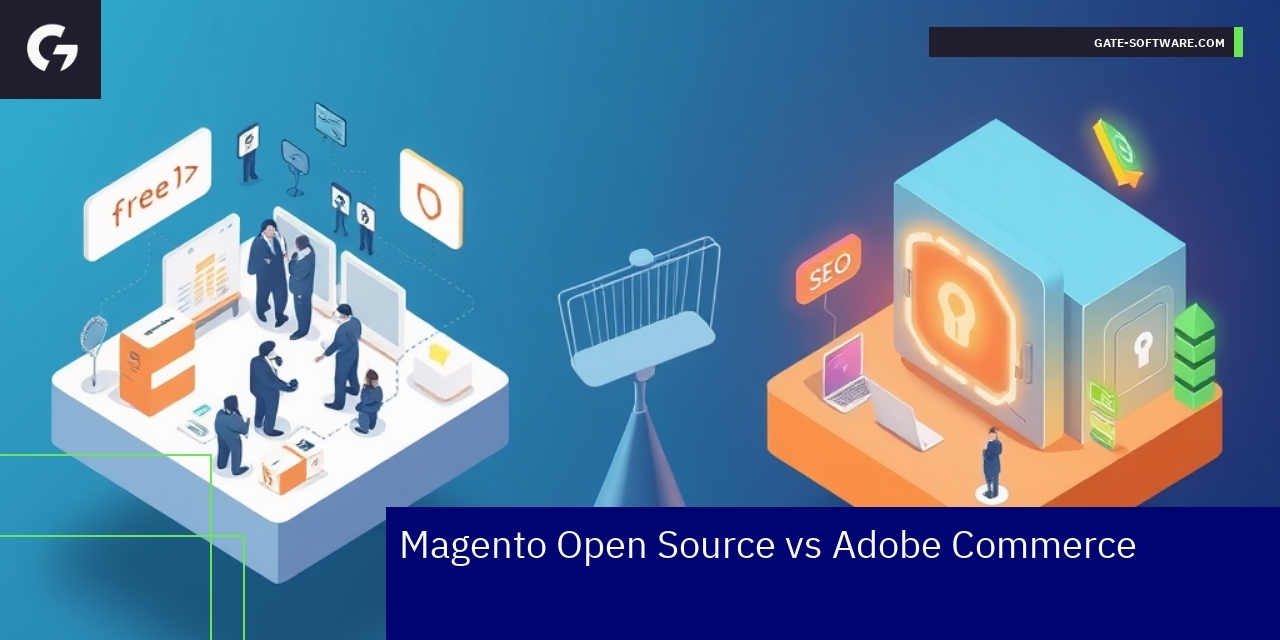
Magento Open Source vs Adobe Commerce
Key differences between Magento Open Source and Adobe Commerce
Magento Open Source and Adobe Commerce differ significantly in features, support, security, and cost, which are critical factors in selecting the right platform. Magento Open Source is free to use but requires advanced technical skills for customization and maintenance, with support largely community-driven. Adobe Commerce, on the other hand, is a paid solution that enhances Magento 2 capabilities by integrating built-in marketing and SEO tools, business intelligence features, and advanced security measures. This edition also offers dedicated vendor support and optional hosting on Adobe’s managed cloud infrastructure, benefiting enterprises seeking scalability and streamlined operations. Understanding these differences assists businesses in making informed decisions about Magento implementation cost while aligning platform capabilities with growth strategies involving comprehensive Magento implementation.
Advantages of Adobe Commerce
Adobe Commerce is tailored for enterprise-level ecommerce seeking a robust, scalable solution with enhanced Magento security and enriched marketing tools. It improves Magento 2 capabilities, particularly through intuitive page building and content management systems that boost user experience and operational efficiency. Advanced security protocols and systematic updates mitigate risks, essential for mission-critical ecommerce environments. Additionally, Adobe Commerce offers comprehensive support ensuring stability and performance, which justifies its higher Magento implementation cost compared to Magento Open Source. For organizations prioritizing feature-rich platforms and security, Adobe Commerce represents a strategic investment in comprehensive Magento implementation.
Is investing in Adobe Commerce worth it?
Investing in Adobe Commerce should be viewed through the lens of long-term returns that stem from better scalability, richer feature sets, and professional support compared to Magento Open Source. Although Magento implementation costs are higher with Adobe Commerce, the extensive built-in marketing capabilities, advanced SEO functionalities, and heightened Magento security contribute to a more resilient and growth-oriented ecommerce platform. Careful analysis of Magento pricing and cost considerations (2025 projections) is essential to align investments with expected business outcomes. For businesses aiming for comprehensive Magento implementation that supports evolving market demands, Adobe Commerce often delivers superior value despite the initial financial outlay.

Magento 2 Store Implementation – What You Must Know
A successful online store implementation using Magento 2 requires a comprehensive approach that spans content strategy, infrastructure selection, and performance optimization. For organizations focusing on UiR (User Interface and Responsiveness), understanding these interconnected aspects ensures the delivery of a robust ecommerce platform aligned with business goals.
How to create a blog on Magento?
Creating a blog on Magento is a strategic move to enhance content marketing efforts and improve SEO rankings. Many Magento tutorial guides tailored for beginners include step-by-step instructions on how to create a blog on Magento, making it accessible even for teams with limited prior experience. Effective use of blog examples in Magento stores demonstrates how well-curated content can engage visitors, increase site traffic, and support long-term customer relationships. For eCommerce Managers and Heads of Applications, integrating a blog not only provides marketing value but also strengthens the Magento ecommerce environment by driving organic growth and enriching the user experience.
How to choose hosting?
Selecting the right hosting environment is critical for Magento performance, especially for sites prioritizing UiR. Hosting must accommodate Magento’s architecture, which is resource-intensive and demands optimized server configurations. Opting for hosting providers with proven experience in managing Magento 2 environments ensures maximum uptime, fast loading times, and enhanced security. This decision ultimately influences customer satisfaction and conversion rates. CTOs and Architects should prioritize scalable solutions that support traffic spikes and complex backend processes, aligning hosting capabilities with the scalability needs of Magento ecommerce platforms.
Examples of Magento stores
Magento ecommerce powers a wide range of stores across different industries, highlighting its adaptability and robust feature set. Store examples illustrate how companies leverage Magento 2’s flexibility to meet diverse business requirements while maintaining impeccable performance and user engagement. Such examples serve as benchmarks for organizations embarking on Magento 2 store implementation, especially those focused on UiR. The active Magento community and continuous support promote ongoing innovation, which is evident in how store examples evolve with changing market needs. For decision-makers, these real-world implementations provide practical insights into harnessing Magento ecommerce’s full potential while ensuring sustainable growth and technical excellence.

Summary
In the context of the UiR service, managing and optimizing ecommerce platforms like Magento 2 is crucial for ensuring reliable and scalable digital commerce environments. Magento implementation requires careful attention to system architecture and maintenance to meet performance, security, and UX standards. Gate-Software leverages deep expertise in Magento 2 and Adobe Commerce platforms to support businesses in achieving seamless integration and optimization tailored to their specific operational needs. The approach focuses on minimizing downtime, ensuring compliance with usability standards, and enabling smooth migration and upgrade paths. Effective Magento implementation within UiR service also involves strategic planning for hosting, monitoring, and cost optimization to maximize return on investment. These elements collectively ensure that businesses using Magento 2 or Adobe Commerce can maintain competitive agility while delivering superior customer experiences.
Support and integration by Gate-Software
Magento Open Source vs Adobe Commerce

Dane i metryki wydajności – Efektywność, SLA, TCO
Skuteczność operacyjna w projektach UiR
Gate-Software exemplifies operational effectiveness through a variety of measurable metrics, particularly in the realm of its UiR service. The average project takeover time stands at a mere 2 weeks, highlighting the efficiency in transitioning projects from initial discussions to implementation. Furthermore, an impressive 95% of projects are delivered on time, ensuring that clients can rely on punctuality for critical e-commerce launches.
The average Total Cost of Ownership (TCO) reduction achieved through Gate-Software services reaches 20%, indicative of the cost efficiencies gained by utilizing optimized hosting solutions and ongoing maintenance support. Notably, the company has completed over 150 implementations of Magento 2 projects, reflecting a robust portfolio that strengthens its market position.
Uptime SLA is another critical metric, with Gate-Software maintaining an uptime of 99.9% across all hosted platforms, ensuring that clients experience minimal disruptions. The longevity of client relationships further underscores the company’s commitment to excellence, with many partnerships lasting an average of 5 years, fostering ongoing support and continuous improvement.
These metrics not only illustrate Gate-Software’s capabilities in implementing and maintaining Magento 2 environments but also serve as vital data points for potential clients contemplating a partnership for their e-commerce needs.
How to install Magento 2?

Summary
In the realm of enhancing User Interface and Responsiveness (UiR) for e-commerce platforms like Magento 2, the importance of expert support and continuous optimization cannot be overstated. Gate-Software specializes in providing customized solutions that ensure your Magento implementation aligns with best performance practices, security standards, and user experience expectations. Through our extensive knowledge in both Magento 2 and Adobe Commerce, we help businesses streamline their operations, maximize platform capabilities, and reduce downtime, all of which are critical in today’s competitive digital landscape. Our strategic approach emphasizes not only the technical aspects of implementation and maintenance but also integrates UX/UI considerations that resonate with core user needs. By focusing on sustainable growth and tailored e-commerce strategies, Gate-Software positions your business for success, ensuring that your Magento environment remains robust and adaptable to ever-evolving market demands. For decision-makers seeking a trusted partner capable of elevating their digital commerce endeavors, we encourage you to explore how collaborating with Gate-Software can lead to superior outcomes and lasting value.
Dane i metryki wydajności – Efektywność, SLA, TCO

FAQ
What is Magento 2 and why is it widely used?
Magento 2 is a leading open-source e-commerce platform designed for building scalable and customizable online stores, making it particularly suited for B2B and B2C environments due to its extensive capabilities.
How do I install Magento 2?
Installing Magento 2 involves preparing a compliant hosting environment that meets system requirements, followed by a careful configuration process tailored to business needs, including payment gateways and shipping logistics.
What are the advantages of using Adobe Commerce compared to Magento Open Source?
Adobe Commerce offers enhanced capabilities, including built-in marketing tools, advanced security features, and dedicated support, making it suitable for enterprise-level ecommerce applications seeking robust performance and scalability.
How can I optimize my Magento store for better performance?
Optimizing a Magento store for performance involves strategic planning for hosting, ensuring server configurations are appropriate for Magento’s architecture, and employing best practices in development to maintain speed and security.
Why is ongoing maintenance crucial for Magento 2?
Ongoing maintenance is essential for ensuring security compliance, optimizing performance, and providing regular updates, which help businesses mitigate risks and maintain a competitive edge in the digital marketplace.
.
.
Zamów bezpłatną konsultację
.
Z nami rozwój Twojego biznesu nabierze tempa! Zapraszamy do kontaktu średnie i duże firmy generujące min. 7 mln PLN obrotu rocznie – tam nasza ekspertyza sprawdza się najlepiej.
.
Kliknij w poniższy przycisk i skontaktuj się z jednym z naszych konsultantów e-commerce
.