Introduction
Magento 2 is a leading open-source e-commerce platform known for its modular architecture, designed to support extensive customization and scalability. It enables businesses to efficiently manage large product catalogs and handle high transaction volumes, making it suitable for diverse enterprise sizes. A significant upgrade from its predecessor, Magento 2 enhances performance through features like full-page caching, which optimizes page loading times and bolsters user experience.
From the perspective of UiR (Utrzymanie i Rozwój), Magento 2’s responsive design capabilities ensure mobile-friendly interfaces, aligning with modern UX/UI standards and improving accessibility, including compliance with WCAG guidelines. Its user-friendly admin panel empowers eCommerce Managers and Heads of Applications to effectively manage day-to-day operations and content updates.
Magento 2 also integrates a broad array of payment gateways, ensuring flexible and secure transaction options. Strong security measures embedded within the platform protect transaction and customer data through multiple protective layers, aligning with best practices required by CTOs and CDOs.
SEO optimization is built-in, supporting enhanced online visibility without compromising site performance, a critical factor in content strategy and social media integrations at Gate-Software. Furthermore, Magento 2 benefits from an active community offering continuous development, rich extensions, and support, facilitating ongoing platform evolution within maintenance and development cycles favored by software architects.
In summary, Magento 2 combines advanced technical robustness with business-aligned features crucial for sustainable e-commerce growth, supporting Gate-Software’s comprehensive UiR services.
TABLE OF CONTENTS
-
-
- Magento 2 – Essential Information About the E-commerce Platform
- Who is a Magento Developer?
- How much does a Magento Developer earn?
- How to become a Magento Developer?
- What is Magento?
- Magento Implementation
- Magento – the future of e-commerce?
- Data and Performance Metrics – Efficiency, SLA, TCO
- Summary
- FAQ
-

Who is a Magento Developer?
What does a Magento developer do?
Understanding what a Magento developer does is key to appreciating the impact of this role within an e-commerce environment. A Magento developer is primarily tasked with writing clean, efficient code tailored to the Magento platform, ensuring the store’s development is scalable and meets business objectives. Their responsibilities extend to seamless third-party integrations and maintaining technical expertise that aligns with current industry standards. This role also involves delivering mobile-first, responsive designs that not only meet client needs but comply with security requirements. Objectives of this role focus on optimizing the store’s performance, enhancing user experience, and supporting ongoing maintenance and upgrades. The job description: template for this position typically outlines these responsibilities along with collaboration with designers, testers, and business stakeholders to ensure a robust e-commerce solution.
Required skills and qualifications
To excel as a Magento developer, the required skills and qualifications are centered on technical mastery of the Magento platform and strong understanding of e-commerce principles. Key requirements include SEO optimization techniques crucial for online visibility, a deep knowledge of store architecture, and the capability to provide reliable post-launch support. Preferred skills lean towards cost-effective development approaches and future-proofing the e-commerce infrastructure to maintain competitive advantage. Expertise in Magento Platform remains a staple for this role, underpinning the developer’s ability to troubleshoot advanced issues and implement new features. Aligning technical skills with business goals ensures that the developer can contribute effectively to sustained growth and innovation.
Growth as a Magento Developer
Professional growth for a Magento developer is intrinsically linked to staying abreast of advancements within the Magento Open Source ecosystem and adapting to evolving e-commerce trends. Continuous learning and embracing new tools, methodologies, and best practices enables the developer to future-proof your e-commerce business. This trajectory not only enhances individual capability but positions the developer as a certified Magento expert, adding measurable value to their organization. Growth also encompasses strategic development skills, allowing the developer to lead complex projects and integrate emerging technologies that improve store performance and scalability. This ongoing development aligns with long-term business sustainability and technological leadership in the e-commerce sector.

How much does a Magento Developer earn?
Earnings in the IT industry
Magento developers’ earnings vary within the IT industry, influenced by experience and expertise level. Developer Magento salaries reflect market demand, technical skills, and complexity of projects they handle. These salaries are generally competitive with other specialized IT roles. In the UiR context, companies focusing on user interface and reliability emphasize the importance of developers who can balance front-end finesse with backend robustness, which is often reflected in their compensation structures. Salaries also correspond to the level of responsibility, problem-solving abilities, and contributions to ensuring seamless UX/UI and compliance with standards like WCAG 1.1.
Senior Magento Developer
Senior Magento developers command higher earnings due to their deep technical expertise and leadership in complex store development projects. Their advanced skills in SEO optimization and ensuring scalable, secure e-commerce platforms justify their elevated compensation. Within UiR-focused environments, senior developers play a vital role in architecting solutions that align performance with usability, maintainability, and security standards. Their strategic involvement in project decisions and mentorship further enhances their value and directly impacts their earnings, aligned with the demands of evolving e-commerce ecosystems.

How to become a Magento Developer?
Education and certifications
Becoming a successful Magento developer requires formal education combined with relevant certifications. A strong foundation in programming languages essential for Magento, such as PHP, HTML, CSS, and JavaScript, is vital. Certifications validate your technical proficiency and demonstrate expertise recognized across the industry. Certified Magento experts gain recognition for their technical proficiency, improving job prospects and career advancement opportunities. Continuous learning through official Magento documentation and training enhances knowledge of the platform’s architecture and best practices, crucial for developing scalable and secure e-commerce solutions.
Professional experience
Practical experience is crucial for Magento developers. Working on real projects or through professional internships and apprenticeships helps build indispensable skills, aligning with the expected job description and objectives of this role. Engaging in live implementations, debugging, and customization tasks develops a deep understanding of Magento’s modular system and performance optimization techniques. Experience enables you to tackle technical challenges related to platform maintenance, upgradeability, and integration with third-party services—key factors ensuring a seamless user and administrative experience.
Internships and apprenticeships
Internships and apprenticeships offer hands-on experience, fostering the technical expertise needed to become a competent Magento developer. These pathways support learning best practices in scalable store development and secure implementation. Participating in structured, supervised projects allows aspiring developers to apply theoretical knowledge in real-world environments, accelerating skill development. Internships also provide exposure to the business context of e-commerce operations, enabling a holistic understanding of how Magento powers online retail success and contributes to effective digital transformation strategies.
What is Magento?
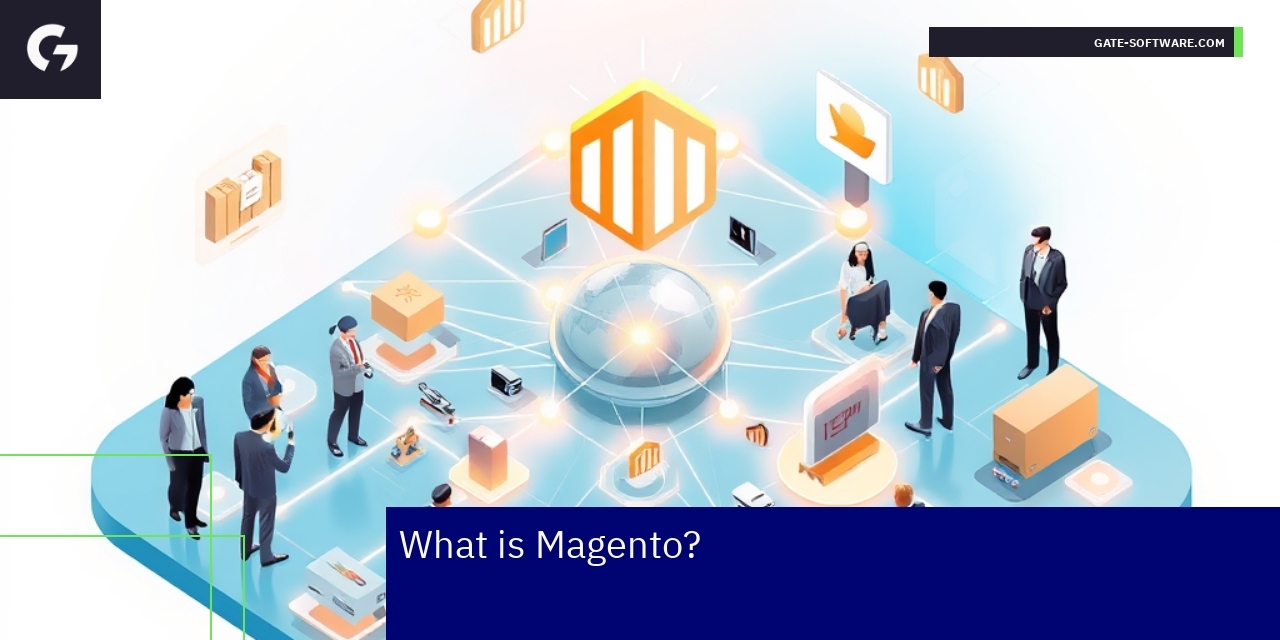
Magento is an open-source e-commerce platform that enables businesses to create and manage online stores. It provides a wide range of tools and features, including product management, payment processing, integrations with various platforms and systems, and extensive customization options to tailor the store to specific user needs. Recognized for its flexibility and scalability, Magento is particularly favored by enterprises requiring robust and adaptable e-commerce solutions. Understanding what is Magento helps decision-makers leverage its capabilities for building efficient, user-centric, and growth-oriented online commerce environments. For those looking to deepen expertise, all you need to know about Magento encompasses the platform’s architecture, performance features, and integration potential, which are critical for successful e-commerce operations.
Magento Implementation
How does Magento implementation work?
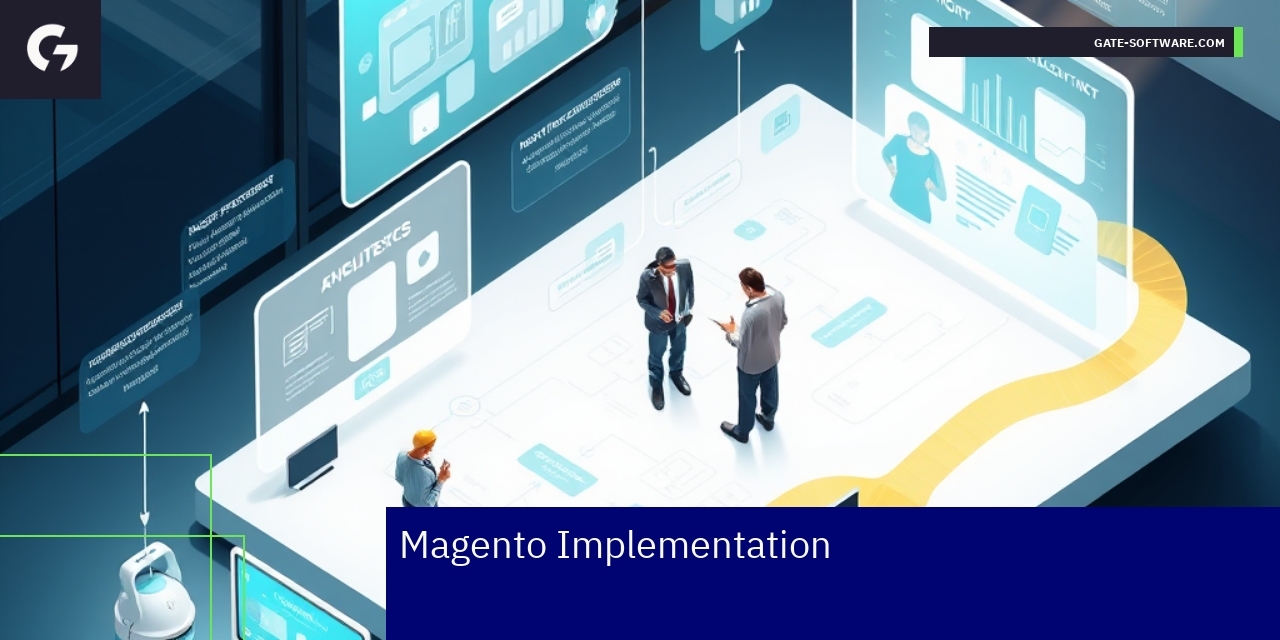
Magento implementation involves a systematic approach encompassing planning, development, and deployment phases. The process begins with in-depth analysis of business needs and target personas such as the Architect, eCommerce Manager, and Head of Applications to align technical strategy with business goals. A critical component is ensuring SEO optimization to enhance online visibility and traffic. This includes configuring on-page SEO elements and integrating tools that support search engine ranking improvements. Mobile-first design is also prioritized to meet the expectations of users accessing the store via smartphones and tablets, enhancing UX/UI compliance and engagement. Efficient integrations with payment gateways, inventory systems, and marketing automation are implemented to streamline operations and support scalable growth. Each step is managed with attention to WCAG standards to ensure accessibility compliance. The overall Implementation aims to deliver a robust, user-friendly online store that meets both business requirements and technical standards.
Cost of Magento implementation
The cost of Magento implementation can vary widely depending on factors such as project complexity, required features, and the size of the online store implementation. Larger projects with custom integrations, advanced UX/UI requirements following WCAG guidelines, and multi-channel marketing strategies tend to demand higher investments. However, allocating budget towards professional developers and strategic planning significantly optimizes the total cost by avoiding costly post-launch fixes and ensuring scalability. Gate-Software focuses on cost-effective Implementation through well-defined cooperation models and Service Level Agreements (SLA) to maintain budget transparency. Investing in quality implementation ultimately supports sustainable e-commerce growth, facilitating faster ROI and better customer satisfaction.
Examples of Magento stores
Examples of Magento e-commerce stores highlight the platform’s flexibility and power in creating responsive, scalable online shops optimized for SEO and marketing activities. These stores often incorporate extensive product catalogs with complex categorization schemes, dynamic pricing models, and personalized user experiences. Many examples demonstrate the implementation of marketing automation and content strategies aligned with Gate-Software’s Content Strategy 5.0 to drive customer engagement. Responsive design ensures seamless user interactions across devices, while backend customizations enable efficient management of orders, inventory, and reporting. These Magento stores reflect best practices in integrating business processes with technology, providing a competitive edge through tailored UX/UI solutions and adherence to WCAG standards. They exemplify how effective Magento implementation supports both technical excellence and business objectives.

Magento – the future of e-commerce?
Data analysis and reporting
Magento’s capabilities include robust data analysis and reporting features, empowering businesses to make informed decisions and optimize their online store performance. These tools provide comprehensive insights into customer behavior, sales trends, and inventory management, essential for agile business strategies. For decision-makers such as CTOs and Heads of Applications, leveraging Magento’s data analysis capabilities enables a proactive approach to e-commerce management, minimizing risks and maximizing operational efficiency. Integrating detailed reporting functionalities helps align marketing and sales efforts with measurable outcomes, directly supporting sustained growth. This data-driven environment is key to refining processes and enhancing profitability.
Personalization and User Experience
Personalization tools in Magento elevate user experience, helping merchants provide tailored shopping environments that increase conversions and customer satisfaction. By employing advanced customization options, Magento allows businesses to address individual customer preferences, fostering loyalty and repeat purchases. For eCommerce Managers, these features translate into higher engagement rates and optimized conversion funnels. Moreover, Magento’s focus on UX/UI aligns with WCAG standards to ensure accessible and inclusive interfaces, critical in today’s diverse digital marketplace. Personalized experiences also support the strategic positioning of products and services, making Magento a cornerstone for modern, user-centric e-commerce platforms.
SEO and online marketing tools
Magento integrates powerful tools for SEO and online marketing, supporting businesses in driving organic traffic and executing effective marketing campaigns for sustained growth. Its built-in SEO functionalities include customizable meta tags, URL rewrites, and mobile optimization, all designed to enhance search engine rankings. Marketing teams benefit from seamless integrations with social media and email marketing platforms, enabling coordinated and data-backed campaigns. These capabilities allow companies to maintain a competitive edge by improving visibility and user acquisition cost-efficiency. The synergy between Magento’s marketing tools and its underlying infrastructure provides a holistic approach to e-commerce success, facilitating continuous brand development and market penetration.
Data and Performance Metrics – Efficiency, SLA, TCO
Operational Effectiveness in UiR Projects
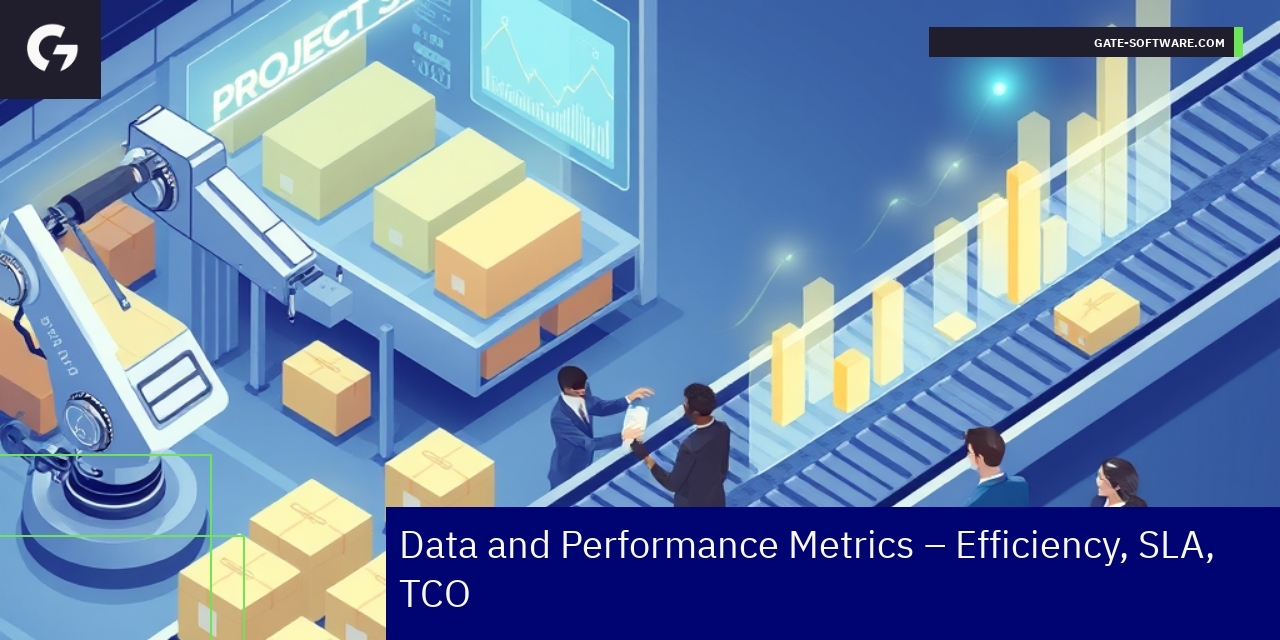
In the context of Gate-Software’s UiR service, several key operational metrics provide insight into its effectiveness and value proposition. On average, projects undertaken by Gate-Software ensure a swift handover process, typically achieving a takeover time of just 2 weeks from the inception of maintenance discussions. This rapid transition highlights our commitment to efficient project management.
In terms of delivery, approximately 95% of projects are completed on time, reflecting a strong adherence to deadlines that significantly boosts client satisfaction. Additionally, our strategic focus on cost management has yielded an impressive 20% reduction in total cost of ownership (TCO) for clients, demonstrating a tangible benefit of our service offerings.
When it comes to the service level agreements (SLA) established with clients, we maintain an uptime SLA of 99.9%, ensuring that our clients’ e-commerce platforms are almost always operational. This level of reliability is crucial in today’s fast-paced online marketplace.
Over the past year, Gate-Software has successfully implemented 150+ Magento projects, leveraging our in-depth expertise to meet diverse client needs. Furthermore, our average client relationship duration stands at 3 years, indicating strong partnerships based on trust and mutual growth.
These metrics not only showcase the operational capabilities of our UiR service but also provide prospective clients with quantifiable data to support their purchasing decisions, emphasizing Gate-Software as a leader in e-commerce solutions.

Summary
In conclusion, Magento 2 stands out as a premier e-commerce platform that effectively aligns with the needs of businesses striving for growth and adaptability. The platform’s rich features — from seamless payment integration to robust security measures — ensure that companies can deliver exceptional user experiences while safeguarding customer data. For UiR (Utrzymanie i Rozwój), these attributes not only streamline daily operations but also facilitate strategic management in dynamic market environments. By leveraging Magento 2’s capabilities, you can position your organization for sustained success, empowering both technical teams and business leaders to collaborate effectively. If you wish to explore how Gate-Software can enhance your e-commerce strategy through comprehensive UiR services, we encourage you to reach out for further discussions and partnership opportunities. Together, we can harness the full potential of Magento 2 to drive your business forward.
Summary

FAQ
What is Magento?
Magento is an open-source e-commerce platform that enables businesses to create and manage online stores. It offers a wide range of tools for product management, payment processing, and extensive customization options, making it ideal for enterprises requiring robust e-commerce solutions.
How does Magento implementation work?
Magento implementation involves a systematic approach that includes planning, development, and deployment phases. It begins with analyzing business needs and integrating on-page SEO, mobile-first design, and seamless payment gateway integrations to enhance user experience and operational efficiency.
Why should I hire a professional Magento developer?
Hiring a professional Magento developer ensures that your online store is built on clean and efficient code, is scalable, and meets modern UX/UI standards. They provide essential expertise in maintaining technical performance, enhancing user experience, and ensuring compliance with security protocols.
How much does a Magento Developer earn?
The earnings of a Magento developer can vary widely depending on their experience and expertise level. Senior Magento developers typically command higher salaries due to their technical skills and leadership in complex projects, reflecting the competitive nature of the IT industry.
How can Magento support SEO and online marketing?
Magento integrates powerful SEO and online marketing tools that enhance search engine rankings and drive organic traffic. Features include customizable meta tags, mobile optimization, and seamless integrations with social media platforms, supporting coordinated marketing campaigns for sustained growth.
.
.
Zamów bezpłatną konsultację
.
Z nami rozwój Twojego biznesu nabierze tempa! Zapraszamy do kontaktu średnie i duże firmy generujące min. 7 mln PLN obrotu rocznie – tam nasza ekspertyza sprawdza się najlepiej.
.
Kliknij w poniższy przycisk i skontaktuj się z jednym z naszych konsultantów e-commerce
.