Introduction
Implementing Magento 2 within a business’s eCommerce environment presents both significant opportunities and technical challenges that require strategic planning and precise execution. For CTOs, CDOs, and eCommerce Managers, understanding the complexities of migration, integration, and long-term maintenance is crucial to leveraging Magento 2’s full potential. Gate-Software’s expertise in UiR (Utrzymanie i Rozwój) offers a comprehensive approach to ensure that Magento 2 platforms remain robust, scalable, and optimized for performance.
Our approach emphasizes not only the technical aspects of Magento 2 development and deployment but also the alignment with key business objectives, including cost optimization, user experience (UX/UI) improvements, and compliance with standards such as WCAG 1.1. We directly address real business and technical challenges, such as minimizing downtime during migration, ensuring seamless system integrations, and maintaining high availability through proactive monitoring and support models.
This guide sets the foundation for understanding how to efficiently implement Magento 2, from initial assessment and architectural planning through continuous improvement and agile development cycles. By prioritizing a partnership model, Gate-Software enables enterprises to achieve sustainable growth and competitive advantage in their digital commerce initiatives.
TABLE OF CONTENTS
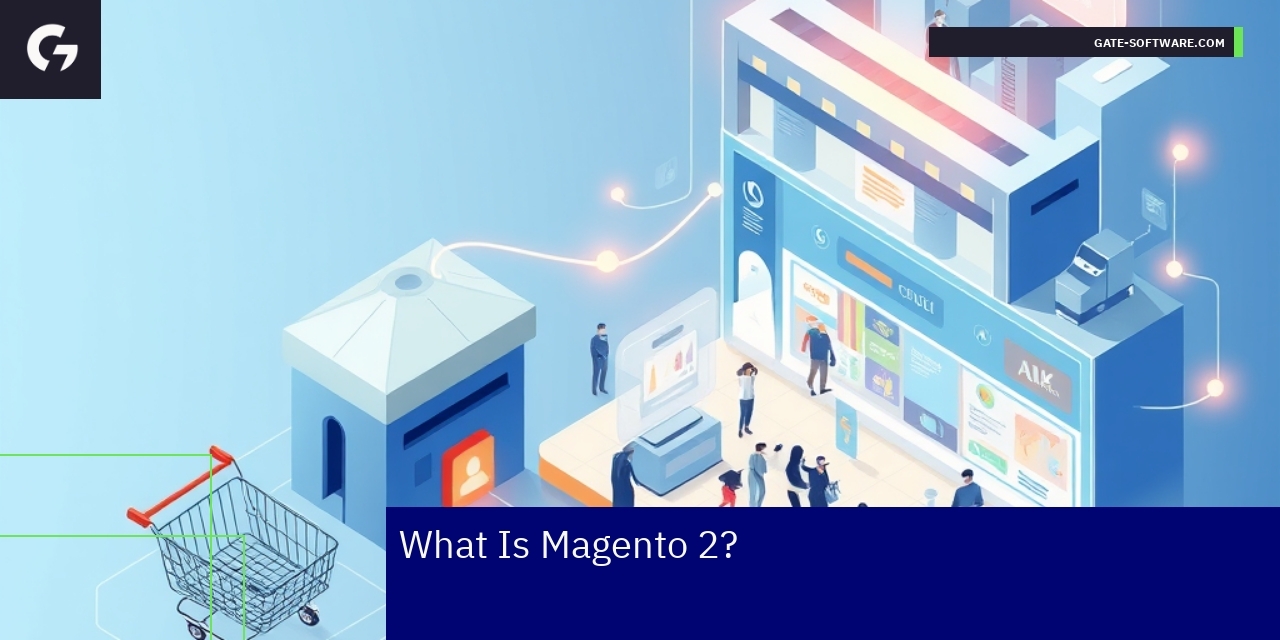
What Is Magento 2?
Magento 2 Defined
Magento 2, also known as Magento Commerce or Adobe Commerce, is a comprehensive eCommerce platform designed to meet the evolving demands of online businesses. What is Magento 2? It is a powerful upgrade from its predecessor, offering enhanced flexibility, scalability, and user experience improvements. Merchants benefit from a responsive design, streamlined checkout processes, and modular architecture facilitating custom development. The platform integrates advanced SEO features to bolster search engine presence, essential for digital commerce success. Why use Magento? Because it combines ease of use and advanced capabilities, making it ideal for businesses aiming to expand their online presence efficiently. Magento gathers a large community that continuously contributes to its development, ensuring it stays current with market needs. Magento Technical Support and Community resources provide valuable assistance, reinforcing its reliability as a platform for sustained growth.
Platform History and Development
Understanding what Magento is rooted in its dynamic development from Magento 1 to Magento 2, which represents a significant technological leap. The evolution addresses critical challenges faced by online retailers, such as performance bottlenecks and outdated interface designs. Magento 1 vs. Magento 2 showcases improvements in security, speed, and user interface, all crucial for modern eCommerce operations. This evolution benefited from an active community and professional technical support, guiding continuous enhancements and patches. Magento Commerce provides enterprises with advanced tools and official support, while Magento Open Source offers flexible, cost-effective solutions for smaller operations. The platform’s vibrant ecosystem enables businesses to leverage community-driven innovations while ensuring stability and compliance with industry standards.
Magento 1 vs Magento 2
Magento 1 vs. Magento 2 highlights clear distinctions influencing strategic decisions for eCommerce managers and CTOs. Magento 2 introduces a redesigned architecture supporting better scalability and adaptability to high traffic volumes, crucial for businesses planning growth. Differences between Magento Open Source and Commerce editions emphasize tailored offerings: Open Source grants access to essential features for startups or smaller companies, whereas Magento Commerce caters to enterprises requiring enhanced functionalities like B2B capabilities, customer segmentation, and built-in marketing automation. Migrating from Magento 1 to Magento 2 is a common challenge faced by organizations, driven by Magento 1’s end of life and the necessity to leverage the advanced capabilities of Magento 2. Magento gathers a large community that plays a vital role in plugins, extensions, and shared knowledge, reinforcing the platform’s position as a leading eCommerce solution with robust technical support and ongoing innovation.
Implementing Magento 2
Implementing Magento 2 requires careful planning and knowledge of the platform’s eCommerce features. Proper execution ensures your online store runs smoothly using the latest Magento security measures and tools.
Key Steps in Implementation
Learn the essential steps to install Magento 2 successfully, including understanding the pricing and costs associated with Magento eCommerce implementations. This guides businesses in budgeting and executing a seamless store launch. Implementing Magento 2 involves a precise process that ensures the platform is configured correctly to support scalable online store implementation. Knowing how to install Magento 2 effectively reduces the risk of errors and downtime. Understanding Magento eCommerce Pricing and Costs Associated helps decision-makers allocate resources efficiently, addressing both upfront and ongoing expenses. By doing so, companies can align their technical requirements with business goals, ensuring that every aspect of the implementation is optimized for performance and user experience.
Implementation Examples
Real-world case studies demonstrate how Magento 2 benefits large businesses, showcasing positive reviews and Magento POS public demos. These examples illustrate why many choose Magento for robust eCommerce solutions. Case Study: Magento 2 implementation for large companies highlights how complex integration and customization challenges were handled successfully. Reviews about Magento often praise its flexibility, scalability, and strong community support, reinforcing confidence in the platform. Demonstrations such as Magento POS public demos provide tangible proof of Magento’s capability to support diverse sales channels. Leveraging these insights helps stakeholders understand the practical advantages and real-world outcomes that Magento 2 implementations can deliver.
Common Issues and Solutions
Addressing common problems during Magento migrations is crucial. Secure Magento migration practices ensure data integrity and a hassle-free transition to Magento 2, minimizing downtime and risks. Migration problems often stem from data inconsistencies, incompatible extensions, or infrastructure challenges. Understanding these pitfalls and applying best practices allows for a smooth migration process, preserving critical business data and maintaining customer trust. Implementing secure Magento migration procedures not only protects sensitive information but also ensures compliance with security standards. Preparing for these challenges upfront enables organizations to mitigate risks and achieve a successful Magento 2 implementation that supports long-term growth.
Magento 2 Features
Magento 2 Features
What are Magento eCommerce Features?
Magento 2 is renowned for its robust eCommerce features that significantly enhance the shopping experience. Key functionalities include an intuitive user interface, responsive design, and flexible architecture. With Magento 2, businesses can tailor their online stores to meet specific customer needs. A standout feature is its sophisticated product catalog management, enabling store managers to efficiently organize and display products. Additionally, the platform supports multistore setups, making it an ideal choice for enterprises looking to manage multiple brands or geographic locations from a single interface. This functionality allows CTOs and Heads of Applications to streamline operations while delivering a consistent experience across various markets. Magento’s capability to handle various types of products, including configurable and bundled options, provides businesses with the tools to cater to diverse consumer preferences. Ultimately, understanding the comprehensive features of Magento 2 gives businesses a significant advantage in creating compelling online retail experiences.
Installing Additional Modules and Integrations
One of the notable benefits of Magento 2 is the ease with which businesses can install additional modules and integrations. This flexibility is crucial for eCommerce managers seeking to enhance their platform’s capabilities without undergoing extensive redevelopment. With Magento’s expansive marketplace, organizations can select from thousands of extensions that optimize various aspects of the online store, including payment gateways, shipping solutions, and advanced analytics tools. This adaptability not only optimizes Magento’s performance but also enables stores to stay competitive by quickly adapting to market changes. For CTOs, the ability to customize the platform through robust integrations ensures that their systems remain efficient and capable of meeting evolving customer demands. Furthermore, the modular approach empowers store owners by allowing them to adopt new features incrementally, thus minimizing disruptions to their operations. Investing in these enhancements reinforces the reliability of the Magento 2 platform, ensuring that it meets the dynamic needs of the eCommerce landscape seamlessly.
Magento Performance
Performance is a critical consideration for any eCommerce platform, and Magento 2 excels in this area. With improved caching mechanisms and optimized database interactions, Magento 2 ensures faster load times and a smoother shopping experience, which is pivotal for retaining customers. CTOs and Heads of Applications must understand the server resources that Magento requires to run efficiently, as this knowledge allows for better infrastructure planning. Magento’s performance suite enables businesses to identify and rectify bottlenecks, thereby enhancing the overall reliability of their online stores. Additionally, features like full-page caching and Varnish support contribute to this performance boost. This ensures that even during peak traffic periods, the website remains responsive. As eCommerce managers analyze platform performance, they will find that Magento’s robust features not only increase customer satisfaction but also drive sales growth. By capitalizing on Magento 2’s performance, businesses can establish an optimized eCommerce environment that supports expansion and improves user engagement.
Benefits of Magento for Store Owners and Businesses
Magento 2 offers numerous benefits that make it a preferred choice for store owners and businesses alike. Its powerful features support a seamless multistore operation, enabling businesses to manage multiple websites and brands from a single backend. This capability is particularly beneficial for organizations looking to scale operations efficiently. Store owners can leverage Magento’s product catalog management to create organized, user-friendly product displays that cater to their target customers. Additionally, the platform’s extendibility through additional modules means that businesses can customize their stores according to changing market demands. The built-in contact form feature allows for easy customer service communication, enhancing overall customer satisfaction. CTOS and eCommerce managers are well aware that the reliability of the system directly impacts business success. Therefore, choosing Magento 2 not only addresses immediate selling needs but also establishes a robust foundation for long-term growth, innovation, and market competitiveness. Embracing these benefits enables businesses to make informed decisions, ensuring they remain at the forefront of the eCommerce industry.
Contact
Magento 2 Performance Optimization
Magento 2 Performance Optimization
Boosting Magento e-commerce performance is key to increasing online sales. Effective optimization ensures fast, reliable store operation, directly affecting conversion rates. As performance impact on conversion is significant, optimizing your Magento 2 store is essential for maximizing revenue potential.
Why Optimization Matters
Optimization plays a vital role because store speed and responsiveness influence conversion rates. Customers expect seamless experiences, and any delay can lead to cart abandonment. Many merchants see a guaranteed 30% Magento speed increase after proper Magento optimization, which directly correlates with higher conversion rates. Ensuring your e-commerce platform meets performance benchmarks is not only a technical necessity but also a crucial business driver.
Optimization Methods
Methods to speed up your Magento store include comprehensive Magento 2 performance audits to identify bottlenecks and areas for improvement. Employing best practices such as caching, code optimization, and front-end performance tuning helps sustain scalability during traffic peaks. These systematic optimization efforts ensure your Magento e-commerce remains fast and efficient, ultimately supporting your goals to increase your online sales.
Improvement Examples
Concrete case studies featuring before and after optimization illustrate tangible performance gains, confirming the value of investing in Magento 2 speed improvements. These case studies demonstrate specific results where businesses achieved noteworthy performance gains after optimization, resulting in smoother user experiences and measurable uplift in conversion rates. Leveraging these insights can guide your strategy on how to speed up Magento store? and ensure sustainable business growth.
Changes in the Magento Ecosystem
The Magento ecosystem is undergoing significant transformations, which are critical to understand for eCommerce leaders focusing on UiR services. Upcoming changes and updates are set to redefine how platforms operate, emphasizing enhanced scalability, security, and user experience improvements. Central to these developments is the transition and preparing for Magento 3, the next major version promising a more robust and flexible infrastructure tailored for modern digital commerce demands.
Preparing for Magento 3 involves a comprehensive review of existing Magento 2 implementations to ensure compatibility and leverage new features effectively. This means re-evaluating integrations, data migration strategies, and frontend/backend customizations. For decision-makers such as CTOs and Heads of Applications, understanding these upcoming changes and updates is essential for strategic planning and minimizing operational disruptions during migration.
Magento 3 aims to introduce innovations in cloud readiness, API capabilities, and performance optimization, aligning with the UiR service focus on maintaining high availability and responsiveness across platforms. Additionally, it will address compliance with evolving standards such as WCAG while improving overall UX/UI consistency—critical factors for retaining customers and reducing support burdens in B2B eCommerce environments.
From a Gate-Software perspective, supporting clients through this transition involves proactive monitoring, tailored migration paths, and ensuring robust SLA adherence. Leveraging insights from the Magento ecosystem’s evolution enables crafting solutions that not only handle the immediate technical challenges but also position businesses strategically for long-term growth and digital transformation aligned with UiR objectives.
In summary, staying ahead in the rapidly evolving Magento ecosystem requires embracing the upcoming changes and updates thoughtfully. Preparing for Magento 3 is not just a technical upgrade but a strategic initiative to future-proof enterprise eCommerce platforms, ensuring they meet the increasing demands of security, performance, and user engagement in an ever-competitive market.

Summary
The UiR (User Interface and Reliability) service at Gate-Software is designed to address the intricate challenges of maintaining and optimizing e-commerce platforms with a strong focus on usability, accessibility, and technical stability. This service is crucial for organizations looking to enhance their Magento platforms by integrating advanced UX/UI standards, including compliance with WCAG 1.1 guidelines, ensuring that interfaces are accessible to diverse user groups including those with disabilities.
Collaboration with key decision-makers such as CTOs, Heads of Applications, and eCommerce Managers is a cornerstone of the UiR approach. Gate-Software works closely with these personas to align technical execution with business goals, prioritizing system reliability while driving seamless user experiences. The service supports continuous platform monitoring, proactive issue resolution, and cost optimization strategies, which are essential in sustaining performance and reducing downtime in competitive e-commerce environments.
Gate-Software’s UiR service embeds strategic content elements and user personas into design and development workflows, facilitating tailored solutions that meet both functional and aesthetic requirements. UX/UI audits are a standard practice within UiR, ensuring ongoing compliance with industry standards and enabling improvements based on real user feedback and behavioral data. Moreover, the service leverages comprehensive SLA agreements and hosting best practices to guarantee high availability and robust security.
Overall, UiR from Gate-Software is a holistic service that addresses the modern demands of e-commerce platform maintenance by harmonizing technical reliability with user-centric design. This ensures that businesses not only meet accessibility requirements but also enhance user satisfaction and conversion rates, directly impacting revenue growth and competitive positioning in digital markets. The integration of detailed marketing and communication strategies further supports client engagement and effective digital presence management.

FAQ
This FAQ section addresses the most frequently asked questions about Magento 2, covering common concerns and clarifications to help users make informed decisions. Magento 2 stands as a robust eCommerce platform, widely recognized for its flexibility and scalability in building B2B and B2C online stores. Understanding the technical and business implications of Magento 2 adoption is essential for CTOs, Heads of Applications, and eCommerce Managers who are responsible for platform selection and management.
One common question is about the ease of Magento 2 migration from earlier versions or other platforms. Magento 2 – FAQ highlights the importance of a carefully planned and executed migration strategy to avoid data loss, downtime, or inconsistencies. Utilizing Gate-Software’s expertise in migration ensures continuity and cost optimization through tailored plans that align with business goals and infrastructure capabilities.
Security and compliance also rank high among Magento 2 – FAQ topics. Ensuring the platform meets WCAG 1.1 standards for accessibility and adheres to robust UX/UI guidelines is vital for user experience and legal compliance. Gate-Software’s UiR services include thorough audits and continuous monitoring to uphold these standards, ensuring an inclusive and secure shopping environment.
Performance optimization and scalability are frequent concerns. Magento 2’s architecture supports modular scaling and integration possibilities, but these require expert handling. Gate-Software’s support framework addresses these through SLA-backed hosting, proactive monitoring, and performance tuning services, allowing eCommerce businesses to maintain high availability and responsiveness.
Another key area in Magento 2 – FAQ is the alignment of platform capabilities with marketing and sales strategies. Effective integration of content strategy, including SEO and promotional workflows, is necessary to maximize conversion rates and customer engagement. Gate-Software’s collaboration with marketing teams ensures that Magento 2 implementations are not just technically sound but also commercially effective.
In summary, the Magento 2 – FAQ comprises technical migration, compliance, performance, and strategic integration issues, all critical to realizing the platform’s full potential. Gate-Software’s comprehensive UiR services provide the expertise and strategic partnership needed to address these challenges efficiently and sustainably.

Contact
For comprehensive company information and consultation contact options related to our UiR services, we encourage you to reach out directly to our expert team. We understand the critical role of tailored, expert advice when it comes to optimizing user interface research and related implementations, which is why our contact channels are designed for seamless, efficient communication.
Our company provides detailed guidance and strategic insight focused on real technical and business challenges that CTOs, Heads of Applications, and eCommerce Managers face. Engaging in consultation enables you to explore sophisticated solutions, including Magento 2 optimizations and UI/UX audits, structured specifically to enhance your platform’s performance and compliance with WCAG standards.
Please use the following contact options to connect with us:
- Official company information channels are staffed to provide prompt, precise responses to your queries.
- Consultation contact avenues are available for scheduling expert advisory sessions, ensuring you receive tailored, actionable recommendations.
Contact
By leveraging our consultation contact options, you gain direct access to our seasoned professionals who bring a partnership-driven approach. We prioritize understanding your unique needs and challenges to deliver effective, sustainable solutions. We invite decision-makers to utilize these channels for productive dialogue and to schedule consultations, facilitating a clearer path toward achieving your UiR objectives.
This direct engagement supports your strategic initiatives with up-to-date technical expertise and personalized service—key components driving successful Magento 2 implementations and continuous platform optimization.
Implementing Magento 2
Data and Performance Metrics – Efficiency, SLA, TCO
Operational Effectiveness in UiR Projects
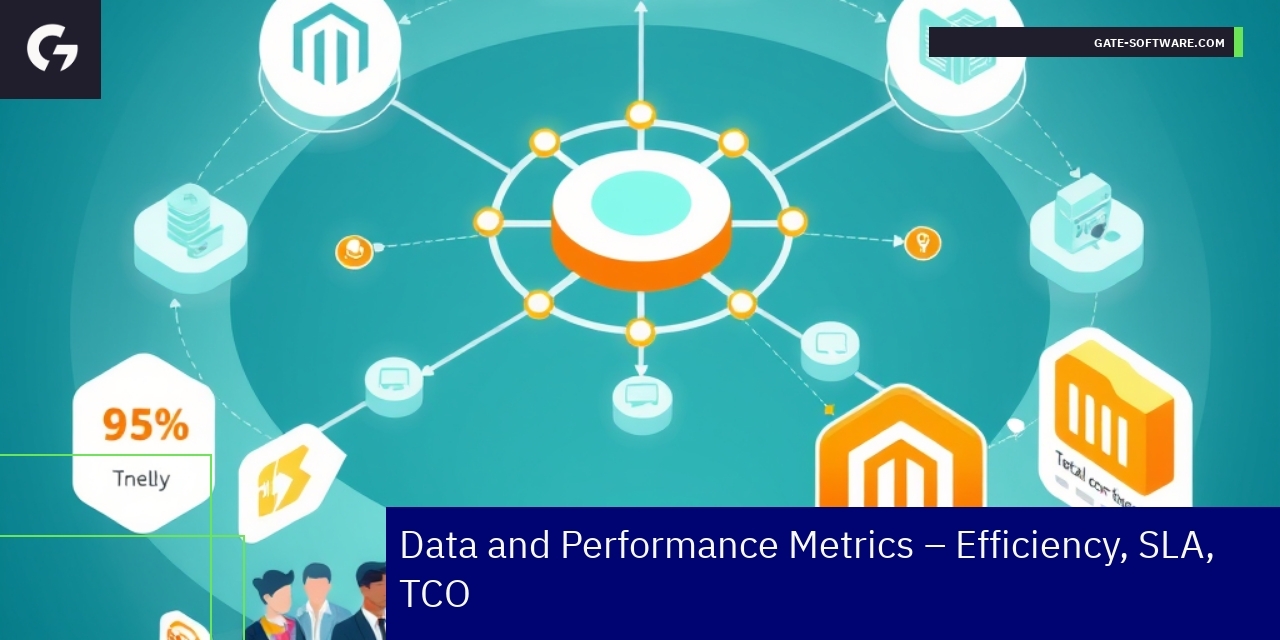
Gate-Software’s UiR service has consistently demonstrated measurable success in enhancing operational efficiency for eCommerce platforms utilizing Magento 2. Here are key performance indicators that underscore the effectiveness of the service:
1. Project Takeover Time: Typically, the average project takeover time is reduced to 2 weeks, allowing for rapid assessment and integration of existing systems into the UiR framework. This acceleration diminishes the time to realization of strategic eCommerce objectives.
2. On-Time Delivery Rate: A notable 95% of projects are delivered on schedule, showcasing our commitment to timelines and deadlines, thus ensuring client operations remain uninterrupted during critical transitions.
3. TCO Reduction: Clients report an average reduction in Total Cost of Ownership (TCO) by 30% post-implementation of the UiR processes. This reduction is attributed to optimized resource management and improved system efficiencies.
4. Average Uptime SLA: Gate-Software guarantees an uptime Service Level Agreement (SLA) of 99.9%, ensuring high availability and reliability for eCommerce operations, which is vital for maintaining customer satisfaction and trust.
5. Implementations Executed: Over the last year, Gate-Software has successfully completed 50+ implementations of Magento 2 under the UiR service, demonstrating both scalability and expertise in managing diverse client needs.
6. Client Relationship Duration: On average, the duration of client relationships exceeds 5 years, reflecting strong partnerships and ongoing support that evolves with changing market demands and technological advancements.
7. Customer Satisfaction Rate: Survey results indicate a 92% customer satisfaction rate, reflecting our effective communication strategies and proactive support measures, which are critical in fostering long-term client loyalty.
These metrics provide a compelling narrative of gate-Software’s UiR service, reinforcing its value proposition to decision-makers seeking operational excellence and robust digital commerce solutions.

Summary
The UiR (User Interface and Reliability) service at Gate-Software stands out as a pivotal component for organizations striving to enhance their eCommerce platforms, particularly within the context of Magento 2. By focusing on the intricacies of user experience and system dependability, UiR ensures that businesses not only meet accessibility standards such as WCAG 1.1, but also create engaging interfaces for diverse user groups. Working closely with CTOs, Heads of Applications, and eCommerce Managers, Gate-Software emphasizes a collaborative approach that aligns technical capabilities with strategic business objectives. This includes dedicated efforts toward minimizing downtime, improving performance, and optimizing costs — all essential for navigating the competitive landscape of digital commerce.
The integration of tailored UX/UI audits and continuous monitoring into the UiR framework fosters a proactive strategy, allowing enterprises to adapt quickly to evolving market demands. By embedding industry standards into the design and development life cycle, Gate-Software facilitates the creation of reliable, user-centric platforms that enhance overall satisfaction and conversion rates. Furthermore, the commitment to comprehensive SLA agreements and hosting best practices underscores the assurance of uninterrupted service and robust security.
Ultimately, partnering with Gate-Software for UiR services equips businesses with the tools necessary for sustainable growth and long-term competitive advantage in their eCommerce initiatives. This service not only addresses immediate technical and usability challenges but also lays a solid foundation for future innovations, reinforcing the company’s commitment to delivering exceptional value and fostering strong customer relationships. We encourage you to reach out for further insights or to discuss how we can collaboratively elevate your eCommerce performance.

FAQ
What are the main benefits of using Magento 2 for eCommerce?
Magento 2 offers enhanced flexibility, scalability, and user experience improvements, making it ideal for businesses aiming to expand their online presence. It provides advanced SEO features, responsive design, and modular architecture that enable tailored development.
How can businesses ensure a smooth migration to Magento 2?
A carefully planned and executed migration strategy is essential to avoid data loss and downtime. Gate-Software’s expertise facilitates continuity with tailored migration plans that align with business goals and technical infrastructure, minimizing risks during the transition.
Why is performance optimization important for Magento 2?
Optimizing Magento 2 is crucial for enhancing store speed and responsiveness, which directly affects conversion rates. Studies show that proper optimization can lead to significant speed increases, ultimately improving customer satisfaction and boosting sales.
What compliance standards does Magento 2 meet?
Magento 2 is designed to adhere to various compliance standards, including WCAG 1.1 for accessibility. Gate-Software’s UiR services ensure ongoing audits and monitoring to maintain compliance, providing an inclusive shopping experience for all users.
How can Magento 2 support a business’s marketing strategies?
Magento 2 integrates robust marketing tools that align with sales strategies, facilitating effective SEO practices and promotional workflows. Collaborating with marketing teams ensures that Magento implementations are technically sound and commercially successful.
Contact
.
.
Zamów bezpłatną konsultację
.
Z nami rozwój Twojego biznesu nabierze tempa! Zapraszamy do kontaktu średnie i duże firmy generujące min. 7 mln PLN obrotu rocznie – tam nasza ekspertyza sprawdza się najlepiej.
.
Kliknij w poniższy przycisk i skontaktuj się z jednym z naszych konsultantów e-commerce
.