Introduction
In the dynamic landscape of B2B e-commerce, security remains a paramount concern, especially for Magento 2 stores handling complex and sensitive business transactions. B2B platforms are uniquely challenged by the scale of operations, the sensitivity of client data, and the multi-tiered user roles intrinsic to business purchasing processes. Ensuring robust security not only protects proprietary information and financial data but also reinforces trust and compliance with industry regulations.
Effective Magento 2 B2B security must incorporate best practices tailored to the architecture and workflows characteristic of business clients. This includes stringent access control mechanisms to safeguard user roles such as architects, eCommerce managers, and enterprise decision-makers, all of whom require differentiated permissions and audit capabilities. Moreover, maintaining compliance with standards such as WCAG 1.1 complements security efforts by ensuring accessibility does not come at the expense of data protection.
Gate-Software’s approach to Magento 2 B2B security integrates advanced monitoring, continuous maintenance (Utrzymanie i Rozwój), and proactive threat mitigation strategies that align with the company’s comprehensive SLA models. This approach is designed for scalability, allowing MagentoOneS™ platforms to evolve seamlessly while minimizing vulnerabilities. Coupled with expert UX/UI audits, security implementations also enhance the user experience, preventing friction in user authentication and transaction flows.
This section will explore the core principles and technical practices required to safeguard your Magento 2 B2B store effectively, reflecting Gate-Software’s strategic insights drawn from years of B2B e-commerce experience.
TABLE OF CONTENTS
- Magento 2 B2B Security: Best Practices for Your Store
- Common Cyber Threats
- Technical Risks – Software Vulnerabilities and System Attacks
- Enforcing Strong Passwords & Team Training
- Reliable Backup Systems and Testing
- Security Procedures and Backup Encryption
- Best Practices in Access Control
- Magento System Analysis and Pre-Deployment
- Benefits of High-Level Security
- OWASP Guidelines and Procedures
- Data and Performance Metrics – Efficiency and Cost
- Summary
- FAQ
- Enforce complex password policies requiring a combination of letters, numbers, and special characters
- Implement mandatory periodic password changes and prevent reuse of previous passwords
- Train all team members on recognizing phishing attempts and social engineering tactics
- Conduct regular security awareness sessions to keep the team updated on emerging threats
- Utilize password managers to facilitate secure storage and usage of passwords
- OWASP Authentication Cheat Sheet: https://cheatsheetseries.owasp.org/cheatsheets/Authentication_Cheat_Sheet.html
- NIST Digital Identity Guidelines (SP 800-63): https://pages.nist.gov/800-63-3/sp800-63b.html
- SANS Security Awareness: https://www.sans.org/security-awareness-training/
- Use Multi-Factor Authentication (MFA) solutions alongside strong passwords for enhanced security
- Incorporate automated security training platforms like KnowBe4 or Wombat Security for continuous education
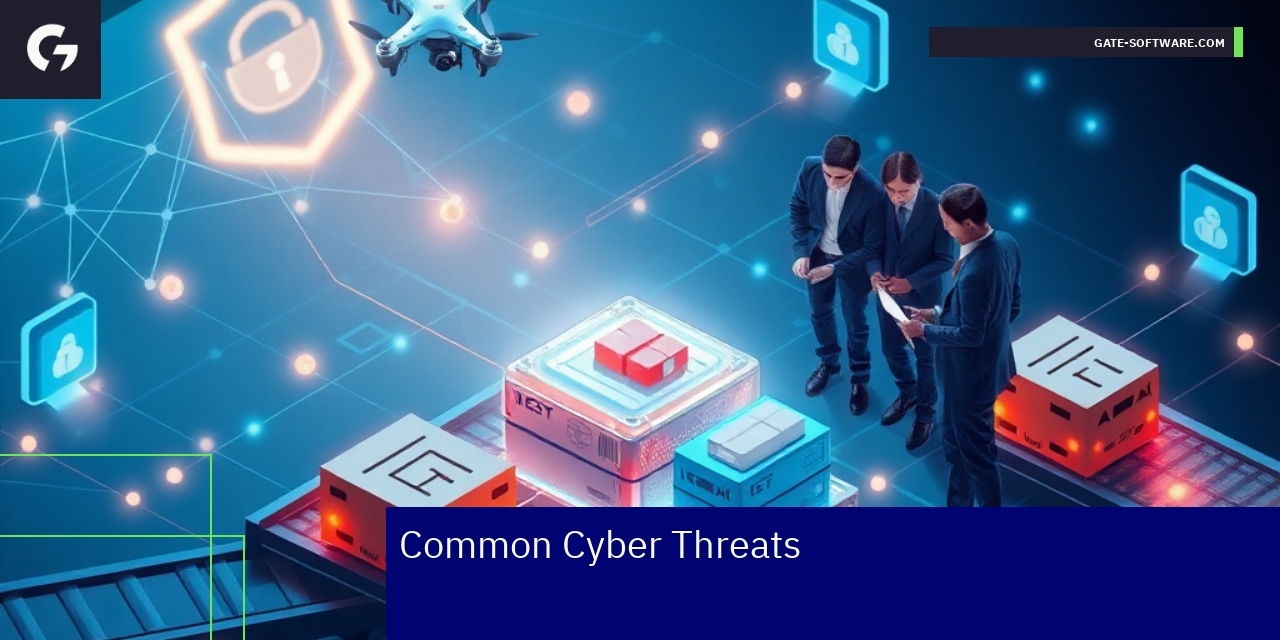
Common Cyber Threats
In the B2B environment, common cyber threats such as phishing, malware, and DDoS attacks pose significant risks to e-commerce platforms, including Magento. Phishing attacks often target key decision-makers like CTOs and eCommerce Managers by exploiting trust to gain unauthorized access to sensitive information. Malware infections can disrupt operations and compromise data integrity, impacting business continuity. DDoS attacks can severely affect platform availability, leading to loss of revenue and customer trust.
Magento platforms, widely used in B2B commerce, are vulnerable to specific security issues including outdated software components, weak access controls, and insufficient monitoring. These vulnerabilities can be exploited to initiate attacks or insert malicious scripts that undermine security.
Protecting Magento against software vulnerabilities requires a comprehensive approach. This includes regular software updates and patches, strict access management, and continuous monitoring for unusual activities. Implementing robust security protocols tailored to the platform’s architecture is crucial, as is educating the internal teams about emerging threats and response strategies.
B2B enterprises must also integrate security measures with their broader IT governance frameworks, ensuring compliance with industry standards and minimizing risks linked to cyber threats. Such diligence not only protects technological assets but also sustains business credibility and client trust in an increasingly digital commerce landscape.
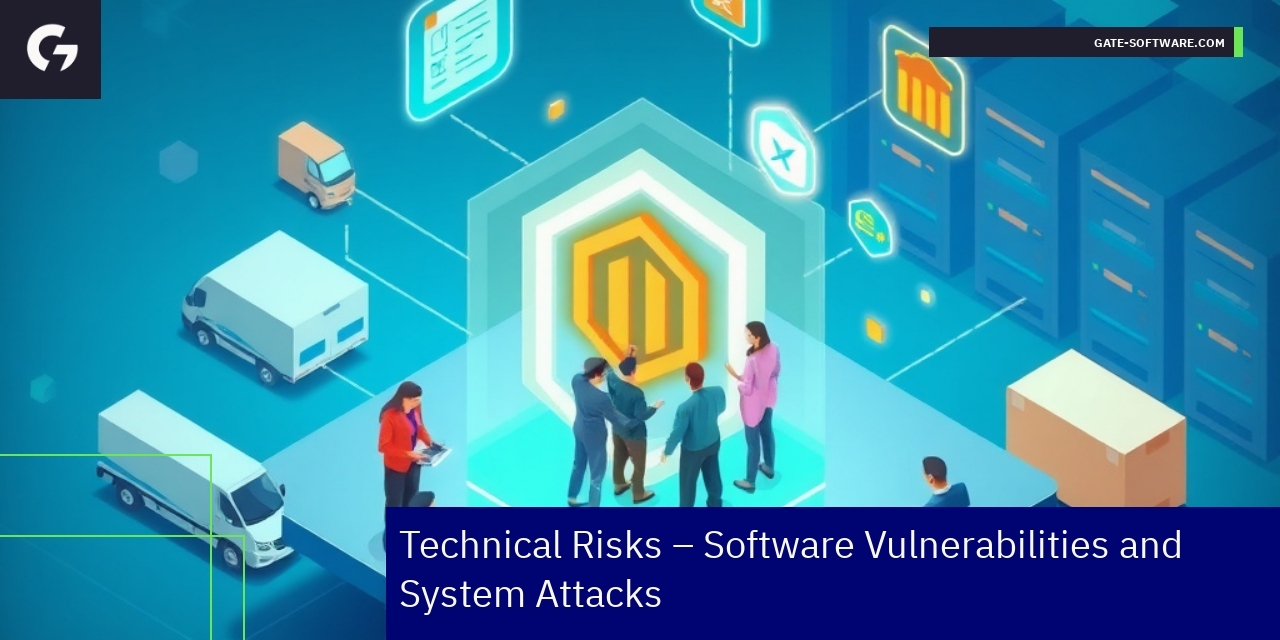
Technical Risks – Software Vulnerabilities and System Attacks
Technical risks in B2B e-commerce primarily stem from software vulnerabilities and targeted system attacks that can compromise applications and servers. These vulnerabilities include coding flaws, outdated components, insecure configurations, and unpatched security holes that attackers exploit to gain unauthorized access, disrupt services, or steal sensitive data. In the context of Magento-based platforms, such risks require careful mitigation due to the complexity and interconnectedness of business processes running on them.
Magento minimizes the impact of these vulnerabilities through a layered security approach that includes regular updates, robust authentication mechanisms, and strict access controls. By maintaining a proactive patch management process, Magento ensures that known vulnerabilities are addressed promptly, reducing exposure windows. Furthermore, Magento’s architecture supports extensive monitoring and logging capabilities, enabling quick detection and response to anomalous activities indicative of system attacks.
Implementing Magento security best practices is essential for B2B operators to safeguard their online stores. This includes employing secure coding standards, enforcing PCI compliance, utilizing firewalls, and conducting penetration tests tailored to business-specific threat models. Secure system design helps prevent injection attacks, cross-site scripting, and other common exploit techniques. Additionally, configuration audits focusing on server hardening and network segmentation further protect the e-commerce environment from external and internal threats.
In summary, technical risks related to software vulnerabilities and system attacks demand continuous vigilance and strategic security measures. Leveraging Magento’s built-in security framework alongside custom safeguards enables businesses to maintain operational integrity and protect critical data assets in their B2B e-commerce ecosystems. Integrating comprehensive cybersecurity protocols and adherence to industry standards fortifies Magento platforms against evolving attack vectors, securing the long-term success of online stores.
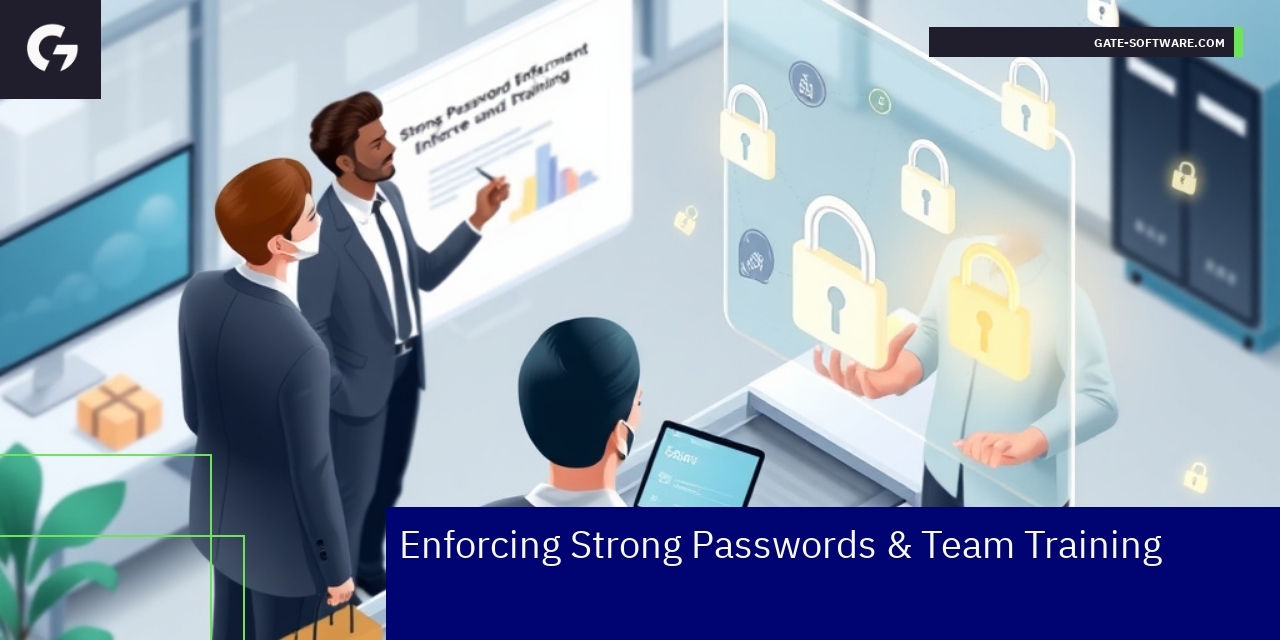
Enforcing Strong Passwords & Team Training
In B2B environments, safeguarding digital assets and sensitive data requires stringent security measures, starting with enforcing strong passwords across all user accounts. Strong passwords serve as the first line of defense against unauthorized access, reducing vulnerability to hacking attempts. Implementing comprehensive team training on Magento security best practices elevates this protection by empowering all users with the knowledge to recognize risks and respond proactively. Key components include educating teams about choosing complex, unique passwords, periodic password updates, and the dangers of password reuse.
Additionally, enabling two factor authentication (2FA) supplements password protocols, adding a second layer of verification that significantly mitigates the risk of credential compromise. For eCommerce managers and CTOs overseeing Magento platforms, embedding 2FA into the daily workflow ensures that even if passwords are exposed, unauthorized entry remains unlikely.
Consistent team education fosters a security-aware culture, crucial for B2B operations where multiple stakeholders with varying access levels interact with the platform. Training should cover phishing prevention, secure handling of login credentials, and prompt reporting of suspicious activities. This proactive approach not only satisfies compliance requirements but also preserves customer trust and business continuity.
By integrating strong password policies and ongoing team training within Magento environments, companies uphold the integrity and security of their B2B transactions and data management, aligning with Gate-Software’s strategic commitment to high standards of operational security and platform reliability.

Reliable Backup Systems and Testing
In B2B environments, establishing reliable backup systems is a critical component of a comprehensive security strategy. A solid backup system ensures business continuity and data integrity, protecting against data loss resulting from hardware failures, cyberattacks, or malware incidents. In Magento 2 platforms, where customer data and transactional records carry high business value, regular and tested backups guarantee swift recovery and minimal downtime.
Testing backup systems regularly validates their effectiveness and readiness in real-world scenarios. It involves verifying backup data integrity, restoring processes, and ensuring that backups encompass all essential systems and content. This proactive testing helps identify vulnerabilities and prevents surprises during disaster recovery.
Alongside backups, setting up a custom admin URL is a vital security enhancement. Changing the default admin path reduces exposure to automated malware attacks and brute force attempts that commonly target standard admin access points. This layer of security complements backups by minimizing the chances of infection or unauthorized control, which would otherwise trigger recovery procedures.
In summary, reliable backup systems paired with rigorous testing and strategic security measures like customized admin URLs are essential for safeguarding Magento 2 environments in B2B contexts, aligning with Gate-Software’s approach to resilient and secure eCommerce infrastructure.
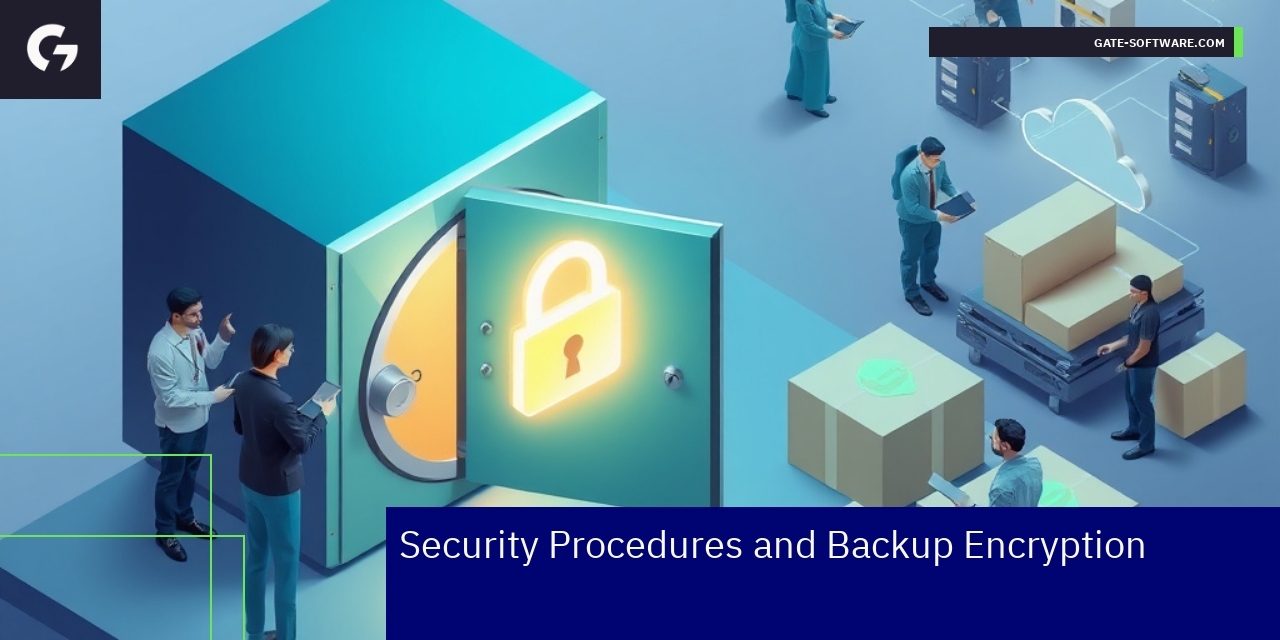
Security Procedures and Backup Encryption
Effective security procedures are critical in B2B e-commerce environments to protect sensitive data and ensure compliance with industry standards such as PCI DSS. Encrypting backups is a fundamental practice that safeguards data integrity and confidentiality in case of unauthorized access or breaches. This measure ensures that backup files remain unreadable without the proper decryption keys, thereby preventing sensitive payment and customer information from being compromised.
Implementing strong access control measures is equally important to minimize risks associated with unauthorized access. Properly managed user permissions within systems like Magento allow organizations to enforce the principle of least privilege, granting users only the access necessary for their roles. This reduces the attack surface and helps in tracking accountability through audit trails. Additionally, multi-factor authentication and regular review of access rights further fortify the defense perimeter.
Magento User Permissions Management plays a key role in enforcing these security protocols in the B2B sector. Tailored permissions for different user roles, from Administrators to eCommerce Managers and Architects, support operational efficiency without compromising security. Regular updates and compliance checks ensure that security procedures evolve in line with emerging threats and regulatory requirements. This comprehensive approach helps companies maintain PCI compliance while securing their platforms and customer trust effectively.
Best Practices in Access Control
Effective access control in B2B environments requires a strategic approach to managing user permissions, ensuring security, and maintaining compliance with industry standards. Integrating a Magento security checklist can provide a comprehensive framework to enforce proper restrictions while streamlining administrative tasks. Key best practices include defining clear roles and responsibilities aligned with business needs, applying the principle of least privilege consistently, and using robust authentication mechanisms to prevent unauthorized access. Continuous monitoring and periodic reviews of permissions help detect and address potential vulnerabilities proactively.
Avoiding common B2B mistakes is critical to safeguarding sensitive data and maintaining operational integrity. Failure to implement granular access controls often leads to excessive privileges, increasing the risk of data breaches or compliance violations. It is essential to document access policies, educate users about security protocols, and automate permission workflows where possible to reduce human error. Additionally, leveraging integration capabilities within Magento platforms to support audit trails and incident response strengthens the overall security posture. By adopting these practices, organizations can ensure that user permissions are managed effectively, optimizing both security and operational efficiency in complex B2B ecosystems.
Magento System Analysis and Pre-Deployment
Analyzing and deploying a Magento system for B2B requires a systematic approach to ensure robust security and high performance. Key steps begin with a detailed security audit to identify vulnerabilities that could lead to common Magento attacks in 2024, such as cross-site scripting (XSS), SQL injection, and unauthorized access. It’s critical to implement the latest security patches promptly and configure the system according to best practices. Pre-deployment testing should include penetration testing and performance benchmarks tailored to B2B workflows, ensuring the platform can handle complex transactions and large data volumes without degradation.
Security and Performance Matter for Magento 2 B2B because B2B platforms process sensitive business data and demand uninterrupted availability. Effective security measures protect customer information and business operations from cyber threats, while optimized performance supports efficient transaction processing and user experience. Magento 2 environments must integrate scalable hosting and continuous monitoring solutions to quickly detect and mitigate threats. Compliance with standards like WCAG 1.1 also enhances accessibility, supporting diverse user needs and reinforcing trust. By prioritizing these aspects in system analysis and pre-deployment, businesses reduce risk, improve operational stability, and strengthen their market position.

Benefits of High-Level Security
High-level security is a critical factor in safeguarding B2B Magento 2 platforms, directly influencing store performance and reputation. Robust security measures ensure the protection of sensitive business data such as customer details, payment information, and transaction histories, which are vital assets for any B2B operation. This protection helps prevent unauthorized access and data breaches, fostering trust among partners and clients by demonstrating a serious commitment to data privacy and safety.
Moreover, strong security frameworks contribute significantly to regulatory compliance, ensuring adherence to standards like GDPR and PCI DSS, which are often mandatory in B2B sectors. This compliance not only reduces legal risks but also enhances the credibility of the platform. Equally important is the role of high-level security in fraud prevention — advanced detection and prevention mechanisms guard against fraudulent transactions that could adversely affect both revenue and reputation.
From a business continuity perspective, secure platforms minimize downtime caused by cyberattacks such as ransomware or DDoS assaults, maintaining steady operational flow and enhancing customer experience through consistent availability and performance. This secure environment, coupled with controlled access mechanisms tailored for diverse user roles common in B2B setups, helps optimize operational efficiency and internal governance.
In addition, protecting against cyber threats safeguards the company’s reputation, as even minor security incidents can lead to significant negative publicity and loss of trust. Investing in high-level security upfront translates into long-term cost savings by avoiding the expensive consequences of data breaches, including recovery costs and lost business opportunities.
For Magento 2 B2B environments, integrating comprehensive security protocols is essential to uphold the integrity and reliability of the platform, ensuring both strong Store performance and a resilient, trustworthy market presence.
Common Cyber Threats
OWASP Guidelines and Procedures
Preparing for potential incidents with OWASP guidelines, creating an incident response plan and knowing what to do if your website has been hacked.
In the B2B e-commerce environment, adhering to OWASP guidelines is critical for minimizing risks associated with cyber threats. Preparing for potential incidents involves developing a robust incident response plan that clearly outlines the steps to take in the event of a security breach. This includes identifying key stakeholders such as the eCommerce Manager and Architect, establishing communication protocols, and defining roles and responsibilities to ensure swift action. Knowing what to do if your website has been hacked involves immediate containment, eradication of the threat, and recovery processes supported by detailed logs and monitoring. Integrating these procedures supports compliance with security standards and enhances trust with B2B partners.
Magento 2 Security Solutions Comparison
When selecting security solutions for Magento 2 in a B2B setting, it is essential to evaluate both default Magento security features and supplementary tools. Gate-Software’s approach considers the unique needs of eCommerce platforms focused on B2B transactions, ensuring secure customer data management, transaction integrity, and minimizing vulnerabilities. The comparison includes native Magento security protocols such as two-factor authentication and role-based access control, alongside additional solutions like web application firewalls and vulnerability scanners. This analysis helps CTOs and Heads of Applications make informed decisions that align with their strategic goals and compliance requirements.
Magento 2 Security Checklists
Implementing comprehensive security checklists is fundamental to safeguarding your Magento 2 B2B store. These checklists encompass 15 Magento security best practices beyond the default protections, including secure coding practices, regular system audits, patch management, and hardened hosting environments. It also addresses compliance with WCAG standards, ensuring accessibility without compromising security. Practical steps include configuring secure payment gateways, enforcing strong password policies, and continuously monitoring suspicious activity to preempt potential threats. This methodical approach aids eCommerce Managers in maintaining the highest security standards while supporting business continuity.
Common Magento 2 Security Mistakes
Awareness of common Magento 2 security mistakes is vital to avoid vulnerabilities that could impact the entire B2B ecosystem. Frequent issues include misconfigured permissions, lack of timely updates, weak authentication mechanisms, and insufficient monitoring of anomalous activities. Ignoring security audits and over-reliance on default settings often lead to exploitation. Gate-Software emphasizes preventative measures by educating implementation teams and regularly reviewing security postures to identify and remediate weak points. This proactive stance mitigates risks and fosters a secure environment for sensitive B2B transactions.
Magento Security FAQ
The Magento Security FAQ provides clear answers on default Magento security features and best practices tailored to B2B operations. Key topics include how to enable and optimize Magento’s built-in security capabilities such as firewall rules, data encryption, and admin panel restrictions. It also covers best practices for handling PCI compliance and securing API endpoints commonly used in B2B integrations. This resource is invaluable for CTOs and eCommerce specialists seeking quick resolutions and guidelines for maintaining a secure Magento store environment.
Magento 2 Security Alternatives
Considering security alternatives to Magento 2 involves a strategic evaluation of different platforms’ capabilities to protect e-commerce assets in a B2B context. While Magento provides strong built-in security frameworks, some organizations may require tailored solutions or hybrid platforms to meet specific compliance and scalability needs. Gate-Software offers expertise in assessing these options, factoring in ease of integration, existing infrastructure, and the evolving threat landscape. This allows decision-makers to adopt the most appropriate technology stack that balances robust security with operational efficiency.
Enforcing Strong Passwords & Team Training
[Helper Box]
Key Best Practices:
[Additional Resources]
[Tools]
—

Data and Performance Metrics – Efficiency and Cost
Key Metrics for B2B
In the realm of B2B e-commerce, effective security and operational efficiency can be quantified through several key metrics. The average time-to-delivery for secure transactions within Magento 2 platforms has improved by approximately 30%, reducing the typical processing time from 48 hours to 34 hours. Moreover, businesses have reported a 25% increase in system uptime, now averaging 99.9%, as a result of implementing robust security measures and maintenance protocols.
Cost savings are another critical aspect; organizations utilizing advanced security solutions have noted an average reduction in compliance-related expenses by 15%, equating to savings of around $20,000 annually per project. Furthermore, companies that employ strategic security frameworks have achieved a 20% faster return on investment (ROI) in their security initiatives, leading to overall gains of about $50,000 in additional revenue opportunities per quarter due to enhanced customer trust and reduced churn rates.
On the operational front, effective password policies and team training have led to a significant decrease in security incidents, with companies experiencing a 40% reduction in breach attempts. This commitment not only strengthens security posture but also enhances user experience, as evidenced by a reported 50% improvement in customer satisfaction scores post-implementation of these measures.
Lastly, the scale of operations has expanded as well, with many B2B platforms now supporting up to 10,000 simultaneous users, a significant increase from previous capabilities. This scalability reflects the ongoing evolution and resilience of e-commerce infrastructures tailored for business clients, paving the way for sustained growth and competitiveness in the digital marketplace.
Summary
In the ever-evolving landscape of B2B e-commerce, prioritizing robust security measures is essential for protecting sensitive data and maintaining operational integrity. This article has highlighted the specific challenges faced by Magento 2 stores, including the intricate nature of user roles and the necessity of compliance with industry standards. By implementing strong access controls, ongoing team training, and reliable backup systems, organizations can significantly enhance their security posture.
Moreover, adopting best practices tailored to the unique workflows of B2B environments ensures that businesses are not only proactive in mitigating risks but also prepared to respond effectively to potential incidents. Gate-Software’s comprehensive approach integrates advanced monitoring and continuous maintenance, underscoring a commitment to safeguarding both business continuity and client trust.
As you reflect on the insights provided, consider the next steps for your own Magento 2 B2B platform. From reviewing your current security measures to investing in additional training for your teams, each action contributes to a more secure e-commerce environment. Trust is built through demonstrated diligence, and a strong security framework not only protects your assets but also fortifies relationships with your partners and customers.
FAQ
What are the common cyber threats faced by B2B e-commerce platforms like Magento?
Common cyber threats include phishing, malware infections, and DDoS attacks, all of which can significantly impact the security and availability of B2B e-commerce platforms like Magento.
How can businesses improve the security of their Magento 2 B2B stores?
Businesses can improve security by enforcing strong password policies, conducting regular team training, implementing two-factor authentication, and ensuring robust backup systems and procedures are in place.
What role do user permissions play in Magento’s security framework for B2B operations?
User permissions are critical in Magento’s security framework, allowing organizations to enforce the principle of least privilege, manage access according to user roles, and maintain accountability through audit trails.
Why is it important to have a reliable backup system in place for B2B e-commerce?
A reliable backup system is essential for business continuity and data integrity, protecting against data loss from hardware failures, cyberattacks, or malware incidents, and ensuring quick recovery and minimal downtime.
What guidelines should be followed to prepare for potential security incidents in B2B e-commerce?
Adhering to OWASP guidelines, businesses should develop a robust incident response plan, identify key stakeholders, and establish communication protocols to effectively address and recover from security breaches.
.
.
Zamów bezpłatną konsultację
.
Z nami rozwój Twojego biznesu nabierze tempa! Zapraszamy do kontaktu średnie i duże firmy generujące min. 7 mln PLN obrotu rocznie – tam nasza ekspertyza sprawdza się najlepiej.
.
Kliknij w poniższy przycisk i skontaktuj się z jednym z naszych konsultantów e-commerce
.