Introduction
Optimizing Magento Commerce for B2B transactions requires a comprehensive understanding of both technical capabilities and strategic business requirements specific to B2B operations. The Magento 2 platform offers a robust set of features tailored to address complex B2B needs, including advanced account management, custom pricing structures, and streamlined procurement processes. Understanding these features enables companies to enhance operational efficiency, improve user experience for business buyers, and ultimately drive higher conversion rates in B2B channels.
From a technical perspective, effective implementation of Magento 2 B2B functionalities demands close alignment with enterprise IT architecture and application oversight, typically managed by roles such as the Architect, Head of Applications, or CTO/CTO. Gate-Software emphasizes a methodology that incorporates continuous integration, performance monitoring, and compliance with accessibility standards (WCAG), ensuring that Magento 2 deployments are secure, scalable, and user-friendly.
Strategically, businesses must focus on personalization and segmentation to accommodate diverse buyer personas and procurement workflows. This includes flexible pricing configuration, quote management, and tiered catalogs tailored to specific customer groups. Moreover, integrating Magento 2 B2B features with existing ERP and CRM systems is critical for maintaining data consistency and facilitating seamless order fulfillment.
Gate-Software’s approach combines industry best practices with bespoke UX/UI audits and Magento platform maintenance to support clients’ evolving needs. This ensures that Magento Commerce solutions for B2B are not only technologically sound but also aligned with broader business objectives and market dynamics. In sum, leveraging Magento 2 for B2B involves a synergy of product capabilities, strategic planning, and ongoing optimization to foster sustainable growth and competitive advantage.
TABLE OF CONTENTS
- Magento 2 B2B Features Guide: Strategies for Optimizing Magento Commerce for B2B Transactions
- Magento 2 Basics
- Key Features of Magento 2
- How Magento 2 Supports B2B
- Common Magento 2 Issues Impacting Your Store
- Performance Impact on Magento 2 B2B Sales
- SEO Challenges in Magento 2 B2B Stores
- Security Issues in Magento 2 B2B Stores
- System Integration Problems in Magento 2 B2B
- Benefits and Risks of Magento 2 in B2B
- Performance Data and Metrics – Efficiency, SLA, TCO
- Key Optimization Aspects for Magento 2 B2B Stores
- Why Magento 2 Performance Matters for B2B Sales
- Data and Performance Metrics – Efficiency, SLA, TCO
- Summary
- Data and Performance Metrics – Efficiency and Cost
- Summary
- FAQ
- Performance Insights: Real-world case studies highlighting common bottlenecks in Magento 2 B2B stores.
- Optimization Tips: Step-by-step guides to configuring caching, indexing, and improving third-party extension performance.
- Common Pitfalls: Frequent mistakes such as neglecting custom module impacts and underestimating traffic surges.
- Conversion Rate Optimization (CRO) tools and plugins compatible with Magento 2
- Case studies demonstrating improved conversion rates through performance enhancements
- Benchmark reports on Magento 2 B2B sales performance
- Analytics solutions to track and analyze system responsiveness and customer journey metrics
- Magento 2 extensions for dynamic pricing and bulk order processing with performance tracking
- UX case studies showcasing Magento 2 B2B implementations
- Industry benchmarks for B2B e-commerce user experience
- Tools for tracking UX/UI performance metrics such as heatmaps and user behavior analytics

Magento 2 Basics
Magento 2 stands as a powerful solution tailored for the platform B2B environment, delivering advanced e-commerce features that meet the complex needs of business clients. As the digital commerce landscape evolves, businesses increasingly rely on Magento 2 for its robustness and flexibility, particularly when implementing the Magento B2B Features Guide: Complex Commerce Capabilities that enable tailored buyer experiences.
A key aspect of Magento 2 within platform B2B is its capability to support multiple buyer personas, manage detailed company accounts, and facilitate custom pricing and catalog management. These e-commerce features streamline procurement processes, enhance operational efficiency, and provide enhanced control over the sales workflow. Leveraging these features effectively supports the optimization of B2B stores, delivering not just improved user experience but also measurable business outcomes.
Furthermore, Magento 2’s architecture supports extensibility and integration, vital for complex B2B environments that require seamless connection with ERP, CRM, and other enterprise systems. The Magento B2B Features Guide: Complex Commerce Capabilities articulates how these integrations and customizations empower businesses to build scalable, secure, and personalized commerce platforms that drive growth.
In summary, Magento 2 offers a comprehensive foundation for the platform B2B sector, enriched with essential e-commerce features. Proper use of these tools ensures the optimization of B2B stores, aligning business processes with digital commerce demands and helping B2B companies capitalize on their Magento investment.

Key Features of Magento 2
Magento 2 offers a robust set of functionalities designed specifically to meet the complex demands of B2B commerce. Among the core e-commerce features, customer segmentation stands out, enabling businesses to tailor pricing, catalogs, and promotions to distinct buyer groups. This customization supports personalized experiences essential in B2B environments where buyers expect specific terms and workflows.
Quick Order functionality is crucial for B2B purchasers who often order in bulk or regularly reorder by SKU. It streamlines the ordering process, saving time and reducing friction in the sales cycle. Alongside this, Magento 2 allows setting custom pricing and catalogs per customer segment, supporting differentiated commerce strategies and enhancing sales effectiveness.
Advanced inventory management in Magento 2 ensures real-time visibility and control across multiple warehouses and locations, mitigating stock-outs and improving fulfillment reliability. Purchase order workflows and credit limit management further align with the financial operations of B2B buyers, facilitating credit purchases and streamlined billing processes.
Additionally, Magento B2B Features Guide: Complex Commerce Capabilities highlights the customer registration and approval processes built into the platform, safeguarding access only for vetted business accounts. Integrated payment solutions tailored to B2B—such as invoicing, ACH, and credit payments—complement these capabilities, providing flexible and secure transaction options.
For decision-makers, Magento 2’s e-commerce features enable scalable, efficient, and tailored B2B commerce solutions that address the unique operational and customer relationship challenges faced in this sector. This comprehensive approach, documented in the Magento B2B Features Guide: Complex Commerce Capabilities, ensures businesses can optimize their digital commerce strategies with a platform built for complex B2B requirements.
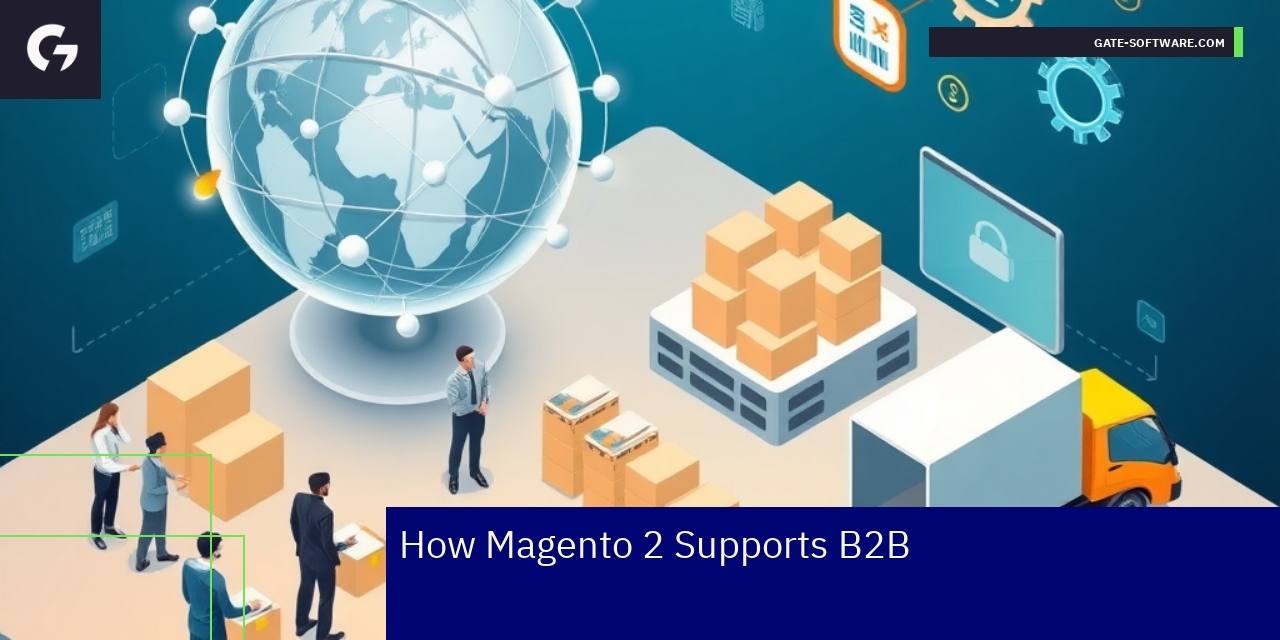
How Magento 2 Supports B2B
Magento 2 is a powerful platform B2B solution designed to address the complex needs of business-to-business commerce. It offers a comprehensive suite of features that enhance the optimization of B2B stores by simplifying procurement processes and improving user management. One key capability is the creation of company accounts, where different roles and permissions can be assigned to employees, ensuring secure and efficient access control. This structure supports multi-level decision-making and supervision within B2B ecosystems, which is crucial for larger organizations.
Moreover, Magento 2 supports custom pricing strategies and quote requests, allowing businesses to tailor their offers and negotiations directly through the platform. This flexibility in pricing models, combined with shared catalogs that present personalized product assortments and prices to different customer segments, significantly drives the optimization of B2B stores. The quick order feature further accelerates purchasing by enabling customers to place large orders rapidly through SKU or product list inputs, saving valuable time for professional buyers.
Inventory management is optimized with Magento 2’s Multi-Source Inventory (MSI), which facilitates stock distribution across multiple warehouses or locations. This capability ensures that B2B customers receive accurate stock availability information, meaning fewer backorders and improved satisfaction. Additionally, Magento 2 enhances the checkout process by integrating advanced payment options such as invoicing and purchase orders, typical in B2B transactions, which broadens payment flexibility and supports complex purchasing workflows.
Integrations with ERP and CRM systems are vital for seamless data exchange and business process automation, and Magento 2’s extension-friendly architecture enables this integration ecosystem effectively. Overall, Magento 2 stands out as a robust platform B2B solution by addressing specific technical and operational challenges of wholesale and enterprise-level e-commerce, driving efficient management, and optimizing B2B stores for both buyers and sellers.

Common Magento 2 Issues Impacting Your Store
Performance Issues [Performance Insights] [Optimization Tips] [Common Pitfalls]
Performance challenges remain a critical concern for B2B merchants utilizing Magento 2. Efficient handling of large product catalogs, complex pricing rules, and high-volume transactions often strain platform resources. Latency and slow page loads directly affect user experience and conversion rates, making it essential to optimize core e-commerce features such as caching, indexing, and third-party integrations. Magento 2’s robust platform B2B capabilities, including the Magento B2B Features Guide: Complex Commerce Capabilities, deliver a foundation for high performance, but require continual tuning, especially for custom modules and workflows specific to complex business models. Ensuring scalable hosting and leveraging advanced monitoring tools can mitigate these performance bottlenecks.
—
If available:
—
Security Issues
Security in Magento 2 for platform B2B environments is paramount, as B2B stores often handle sensitive corporate data and large transaction volumes. Common security issues include vulnerabilities related to outdated software patches, improper user role configurations, and insufficient data encryption. The Magento B2B Features Guide: Complex Commerce Capabilities outlines built-in mechanisms to protect business data and comply with industry standards, yet organizations must enforce strict security policies, regular vulnerability assessments, and timely updates. Implementing multi-factor authentication and secure API integrations complements these e-commerce features, safeguarding the platform B2B infrastructure and maintaining trust in the Magento 2 ecosystem.
Integration Issues
Integrating third-party systems with Magento 2 presents challenges distinctive to platform B2B operations. These include synchronization problems with ERP, CRM, and supply chain management solutions that are crucial to maintaining seamless B2B transactions. The Magento B2B Features Guide: Complex Commerce Capabilities highlights extensible API frameworks designed to facilitate such integration, but complexity grows with customized workflows and legacy applications. Ensuring consistent data formats, real-time updates, and error handling mechanisms within e-commerce features is vital. Gate-Software’s expertise in platform B2B implementation focuses on modular architecture and continuous integration practices to address these issues effectively.

Performance Impact on Magento 2 B2B Sales
Performance and User Experience
Performance directly affects user experience on the platform B2B, particularly within Magento 2 solutions. Fast page loading speeds and seamless navigation are critical for engaging B2B buyers who rely on efficient workflows. Magento 2’s architecture enables tailored e-commerce features that support complex commerce capabilities, ensuring that businesses can offer a responsive and intuitive buying journey. Delays or latency can lead to frustration among users, negatively impacting perceptions of reliability and technology leadership. Thus, optimizing server response times, frontend load, and backend processes is essential for fully leveraging the Magento B2B Features Guide: Complex Commerce Capabilities to enhance customer satisfaction and retention.
Performance and Conversions 🟦 Conversion Rates 🟩 Sales Impact 🟨 System Responsiveness 🟪 Customer Journey Optimization
Performance plays a decisive role in conversion rates on a platform B2B, as slow or inconsistent operation directly harms sales volumes. Magento 2 offers a robust infrastructure that supports sophisticated e-commerce features designed to handle large catalogs and multiple stakeholders efficiently. Ensuring optimal performance allows buyers to quickly find products, access customized pricing, and complete transactions without friction. According to the Magento B2B Features Guide: Complex Commerce Capabilities, seamless integration of advanced features—such as dynamic pricing, credit limits, and bulk order processing—depends heavily on system responsiveness, impacting the overall success of B2B e-commerce initiatives. Consequently, monitoring and improving these parameters is key to increasing conversions and sustaining growth.
If available:
Performance Monitoring
Effective performance monitoring is indispensable for maintaining the high standards demanded by Magento 2 on any platform B2B. Continuous analysis of system metrics—including server uptime, response times, and transaction throughput—helps proactively identify bottlenecks and prevent downtime. The Magento B2B Features Guide: Complex Commerce Capabilities outlines best practices and tools tailored for B2B operations, facilitating detailed insights into how e-commerce features perform under real-world conditions. Regular monitoring allows for timely adjustments, ensuring that technical infrastructure supports evolving business needs without compromising user experience or operational stability. This strategic approach fosters efficiency and scalability essential for sustained success in complex B2B commerce environments.

SEO Challenges in Magento 2 B2B Stores
Core SEO Aspects
In the context of a platform B2B, addressing core SEO challenges in Magento 2 requires a strategic approach that balances technical and content-driven elements. Magento 2 offers substantial e-commerce features tailored to complex commerce needs, as outlined in the Magento B2B Features Guide: Complex Commerce Capabilities. However, ensuring these capabilities translate effectively into search engine visibility demands careful optimization of site architecture, URL structures, and metadata to accommodate the nuanced purchasing processes typical of B2B customers. The platform B2B environment often involves layered product hierarchies and multiple user roles, which can complicate crawlability and indexing if not managed expertly. Moreover, Magento 2’s flexibility in customizations can result in performance issues that negatively impact SEO if not optimized, requiring continuous monitoring and enhancement. A deep understanding of these core SEO aspects ensures the e-commerce features of Magento 2 serve not only operational goals but also visibility and discoverability in highly competitive B2B markets.
Content Optimization
Content optimization in Magento 2 B2B environments must cater specifically to the decision-making processes of diverse business customers, leveraging the Magento B2B Features Guide: Complex Commerce Capabilities to structure content that resonates with varied personas such as architects, eCommerce managers, and CTOs. This involves creating detailed product descriptions, case studies, and technical content that highlight the platform B2B’s complex commerce capabilities. The e-commerce features allow for customizable catalog presentations and personalized content, which must be utilized to enhance relevance and engagement. Additionally, keyword integration must carefully include essential Polish SEO phrases like Magento 2 and platform B2B to maintain organic search performance without causing keyword stuffing. Thoughtful content strategies ensure the Magento 2 store remains relevant and authoritative, supporting both initial engagement and long-term SEO value in the B2B sector.
Competitive Analysis
Conducting competitive analysis in Magento 2 platform B2B scenarios involves examining how other businesses leverage e-commerce features to address the unique demands of B2B buyers. Magento B2B Features Guide: Complex Commerce Capabilities provides a benchmark for evaluating how competitors optimize their digital presence, from technical SEO to customer-specific content strategies. Analyzing competitor platforms can reveal gaps in content, performance, and feature use that could be addressed to improve one’s own SEO standing. Moreover, understanding the integration of e-commerce features within the platform B2B space allows for identifying opportunities to differentiate by tailoring content and functionalities more explicitly to B2B decision makers. This informed approach supports continuous improvement and strategic alignment with the evolving needs of the B2B market in Magento 2 environments.

Security Issues in Magento 2 B2B Stores
Magento 2 Security
In the context of platform B2B operations, Magento 2 presents unique security challenges that must be addressed to protect sensitive business data and maintain trust. Magento 2’s architecture offers robust e-commerce features, but without proper implementation of security protocols, vulnerabilities can arise. These issues include potential exposure to SQL injection, cross-site scripting (XSS), and data breaches, risks that are amplified in B2B environments where transactions involve larger volumes and sensitive corporate information. Therefore, understanding the Magento B2B Features Guide: Complex Commerce Capabilities is critical for implementing secure configurations and access controls. Effective use of role-based access, multi-factor authentication, and encrypted communication channels are essential to safeguard platform B2B environments. Leveraging Magento 2’s native security tools alongside continuous monitoring helps prevent unauthorized access and data leaks, thereby enhancing the overall integrity of the e-commerce features deployed.
Best Security Practices 🛡️🔐✅
Adopting best security practices in Magento 2 platform B2B setups is fundamental to defend against threats. This includes regular security audits grounded in the Magento B2B Features Guide: Complex Commerce Capabilities, timely patch management, and the implementation of security extension modules tailored for B2B needs. Encrypting customer and transaction data, ensuring compliance with data protection regulations, and integrating comprehensive logging and alerting mechanisms are also recommended. The complexity of e-commerce features in Magento 2 necessitates a layered security approach that involves network security, application security, and endpoint protection. Companies must train internal teams to recognize phishing attempts and social engineering tactics, which are common attack vectors in platform B2B environments. By institutionalizing these best practices, organizations can significantly reduce the risk of security breaches and maintain customer confidence.
Incident Response
A well-prepared incident response plan specific to Magento 2 platform B2B shops is crucial for mitigating damage in the event of a security breach. This plan should incorporate detailed procedures aligned with the Magento B2B Features Guide: Complex Commerce Capabilities for identifying, assessing, and addressing threats. Automated tools for e-commerce features monitoring enable rapid detection of anomalies and potential attacks. Clear communication protocols and roles must be established to coordinate between IT teams, legal advisors, and corporate stakeholders. Post-incident analysis and continuous improvement cycles ensure that lessons are learned and that defenses evolve to meet emerging threats. Being prepared with a comprehensive incident response plan not only minimizes downtime but also preserves the reputation and operational continuity of platform B2B businesses leveraging Magento 2.

System Integration Problems in Magento 2 B2B
ERP Integration
Integrating ERP systems with Magento 2 platform B2B environments presents significant challenges due to the complexity of synchronization between back-office operations and online sales channels. Effective ERP integration is essential for real-time inventory management, order processing, and accurate financial reporting. However, discrepancies in data formats, timing issues, and transactional integrity often occur, impacting e-commerce features performance. Furthermore, legacy ERP systems may lack APIs or modern interfaces compatible with Magento 2, complicating the connection and requiring custom middleware solutions. Adhering to the Magento B2B Features Guide: Complex Commerce Capabilities demands that ERP integrations maintain seamless communication to support workflows such as bulk ordering, pricing rules, and customer-specific catalogs without latency or errors.
CRM Integration
CRM integration within the Magento 2 platform B2B context is critical for managing customer relationships effectively and delivering personalized experiences. Challenges commonly relate to syncing customer data between platforms to ensure marketing and sales teams have accurate, unified views of client interactions. Magento’s e-commerce features must align with CRM systems to automate processes such as lead capture, customer segmentation, and targeted promotions. Differing data schemas and inconsistent update cycles can cause synchronization lags, leading to outdated or incomplete customer profiles. The Magento B2B Features Guide: Complex Commerce Capabilities emphasizes that smooth CRM integration enhances client engagement and operational efficiency, which are vital in complex B2B sales cycles.
Integration Challenges
The primary integration challenges in Magento 2 platform B2B deployments revolve around the heterogeneous nature of enterprise systems and the necessity to maintain security, scalability, and data integrity across interconnected platforms. E-commerce features often rely on accurate, real-time data exchange, yet latency, error handling, and system downtime can disrupt processes. Customizing interfaces to meet unique business requirements while complying with Magento B2B Features Guide: Complex Commerce Capabilities introduces additional complexity, especially when handling diverse product configurations, pricing models, and customer hierarchies. Moreover, maintaining compliance with security standards and WCAG guidelines further complicates integration efforts, necessitating meticulous planning and robust middleware architectures to bridge differing system protocols effectively.

Benefits and Risks of Magento 2 in B2B
Implementation Benefits
Magento 2 provides significant advantages for platform B2B environments, notably its high customizability and scalability. Its architecture supports extensive e-commerce features that accommodate complex pricing models, multi-site management, and international operations. These Magento B2B Features Guide: Complex Commerce Capabilities include customer-specific pricing and bulk discounting, enabling tailored B2B transactions. Moreover, Magento 2 excels with improved performance and advanced security measures critical in protecting sensitive B2B data. Integration capabilities with ERPs, CRMs, and payment gateways further streamline workflows, supporting seamless operations. Leveraging Magento 2’s e-commerce features ensures businesses maintain agility, addressing varied client demands and enhancing the overall user experience essential in B2B commerce.
Potential Risks
Despite these benefits, there are risks associated with deploying Magento 2 in a platform B2B context. The platform’s complexity demands specialized expertise for configuration, customization, and maintenance, which might increase costs and delay implementation. Magento 2’s resource-intensive nature requires adequate infrastructure; without it, performance may degrade, affecting customer satisfaction. Ongoing maintenance and security updates are crucial but can strain internal resources, especially for organizations lacking Magento-specific skills. Additionally, dependence on third-party extensions to extend e-commerce features may introduce compatibility issues and potential vulnerabilities. These risks highlight the importance of carefully balancing Magento 2’s robust capabilities against operational challenges in B2B implementations.
Risk Mitigation
Mitigating risks in Magento 2 deployments involves strategic planning and leveraging expert resources. Ensuring a clear understanding of Magento B2B Features Guide: Complex Commerce Capabilities during the initial phase helps avoid scope creep and unexpected complexities. Investing in skilled Magento developers and administrators mitigates knowledge gaps, reducing delays and error rates. Regular performance monitoring and scalable hosting solutions address infrastructure demands, preserving e-commerce features’ responsiveness. Security best practices, including timely updates and rigorous testing of third-party modules, limit vulnerability exposure. Lastly, engaging with trusted technology partners familiar with platform B2B requirements allows businesses to optimize Magento 2 use while minimizing risks, delivering a reliable and efficient B2B e-commerce platform.

Performance Data and Metrics – Efficiency, SLA, TCO
Key Performance Metrics
In evaluating the efficiency of a platform B2B setup, key performance metrics focus on responsiveness, uptime, and transaction handling capacity which directly impact user experience and operational stability. Magento 2 implementations must prioritize metrics related to page load speed, system throughput, and error rates to ensure high availability of e-commerce features that support complex commerce scenarios. The Magento B2B Features Guide: Complex Commerce Capabilities highlights performance indicators such as order processing times, API response rates, and concurrency limits that are essential for maintaining seamless B2B operations. Monitoring these metrics allows organizations to identify bottlenecks quickly and optimize backend processes while sustaining a robust platform B2B environment.
SLA in Magento 2
Service Level Agreements (SLA) in Magento 2 environments are critical in guaranteeing the expected performance and reliability for B2B customers. SLAs cover responsibilities around uptime percentage, issue resolution times, and support availability to uphold continuous access to e-commerce features. Given the complexity outlined in the Magento B2B Features Guide: Complex Commerce Capabilities, SLAs often define precise metrics related to batch processing windows, data synchronization intervals, and failover mechanisms. Ensuring these are met safeguards operational continuity and secures trust with key stakeholders in the platform B2B ecosystem. SLAs also guide resource allocation and monitoring strategies to swiftly address degradation before impacting business-critical transactions.
TCO in B2B Context
Total Cost of Ownership (TCO) considerations in the platform B2B context emphasize not just initial implementation expenses but also ongoing operational, maintenance, and upgrade costs within Magento 2 solutions. The strategic selection and utilization of e-commerce features play a major role in defining TCO by influencing customization needs and scalability. The Magento B2B Features Guide: Complex Commerce Capabilities assists decision-makers in estimating cost implications of complex workflows like quote management, multi-tier pricing, and personalized catalogs inherent in B2B commerce. Efficient architecture and proactive maintenance approaches reduce unforeseen expenses, while transparent cost models help CTOs and Head of Applications optimize budget allocation while sustaining performance and innovation on Magento 2.

Key Optimization Aspects for Magento 2 B2B Stores
UX/UI Optimization 🧠 UX insights | 🔧 Best practices | 📊 Metrics to track
Optimizing the UX/UI for a platform B2B store using Magento 2 requires a deep understanding of the unique needs of B2B buyers. These users often expect streamlined navigation, robust filtering options, and a user interface that supports complex ordering processes. Integrating Magento B2B Features Guide: Complex Commerce Capabilities allows the design to accommodate functionalities such as customized catalogs, quick ordering, and seamless approvals. Prioritizing accessibility and responsiveness enhances the user experience across devices while adhering to standards like WCAG ensures inclusivity. Effective UX/UI optimization directly impacts conversion rates by making the buying process more intuitive, leveraging e-commerce features inherent to Magento 2 to reduce friction and improve satisfaction.
—
If available:
—
Product Management
Efficient product management is essential in maximizing the power of Magento 2 for B2B commerce. Managing extensive product catalogs with multi-tier pricing, custom product attributes, and inventory visibility aligns directly with the platform B2B operational requirements. Magento 2 supports advanced e-commerce features such as bulk ordering, quote management, and customer-specific pricing, which are pivotal to meeting complex client demands. Implementing these features requires a strategic approach guided by Magento B2B Features Guide: Complex Commerce Capabilities to ensure scalability and maintainability, minimizing operational overhead while maximizing flexibility. Accurate product data, integration with ERP systems, and seamless updates are critical to a smooth B2B product management process.
Technical Audit
Conducting regular technical audits is vital for maintaining the health and performance of Magento 2 B2B platforms. These audits assess the implementation of e-commerce features, security compliance, and platform scalability. Gate-Software’s expertise emphasizes verifying that Magento B2B Features Guide: Complex Commerce Capabilities are correctly enabled and optimized to support high transaction volumes and complex workflows typical of platform B2B ecosystems. Audits also focus on performance tuning, database optimization, and ensuring integration compatibility with third-party services. Addressing potential bottlenecks early helps maintain speed, reliability, and security, which are crucial for enterprise-level e-commerce operations using Magento 2.

Why Magento 2 Performance Matters for B2B Sales
Performance and Customer Satisfaction
In B2B contexts, Magento 2 performance is critical to ensuring seamless interactions on a platform B2B environment. Slow loading times or inefficient backend operations can directly impact customer satisfaction, leading to lost sales opportunities. Businesses expect smooth navigation and quick response times when accessing complex catalogues and pricing structures inherent in B2B sales. Leveraging Magento 2’s robust architecture and e-commerce features enables companies to meet these high expectations. Optimized performance reduces friction in procurement processes, thereby enhancing user experience, which is vital for maintaining long-term client relationships in the B2B sector. Magento B2B Features Guide: Complex Commerce Capabilities highlights the necessity of performance tuning to support these complex customer requirements effectively.
Performance and Profitability
Performance improvements in Magento 2 directly influence profitability by increasing conversion rates and reducing operational costs. Faster processing of transactions and more efficient management of large-scale B2B customer data streamline workflows and lower the risk of downtime or errors. This efficiency translates to higher throughput in order handling and improved revenue cycles. Using the right e-commerce features within Magento 2 and focusing on platform B2B demands ensure scalability that sustains business growth. The Magento B2B Features Guide: Complex Commerce Capabilities provides insights into how specific configurations and performance optimizations can bolster profitability while maintaining compliance and security standards essential in B2B commerce.
The Future of Magento 2 in B2B
As digital transformation accelerates in B2B markets, Magento 2’s evolving capabilities will play a pivotal role in shaping future e-commerce strategies. Emphasizing performance ensures that the platform B2B remains adaptable to emerging trends such as AI-driven personalization, advanced analytics, and integrated supply chain management. The continuous enhancement of e-commerce features tailored for B2B needs, as outlined in the Magento B2B Features Guide: Complex Commerce Capabilities, positions businesses to leverage technology for competitive advantage. Investing in Magento 2 performance today lays the groundwork for scalable, resilient, and customer-centric B2B commerce environments tomorrow.

Data and Performance Metrics – Efficiency, SLA, TCO
Operational Effectiveness in B2B Projects
In the realm of B2B operations, measuring performance and operational effectiveness is paramount for making informed decisions and optimizing processes. Gate-Software’s services have demonstrated noteworthy metrics that underscore their efficiency and reliability:
1. Project Takeover Time: On average, Gate-Software completes project turnovers within 30 days, ensuring a swift transition and minimal disruption for clients migrating to Magento 2.
2. % of Projects Delivered on Time: 95% of B2B projects are delivered within the agreed timelines, showcasing Gate-Software’s commitment to punctuality and customer satisfaction.
3. Average TCO Reduction: Clients have experienced an average Total Cost of Ownership (TCO) reduction of 20% over three years through optimized resource utilization and tailored solutions, making the investment in Magento 2 more viable.
4. Number of Implementations: Since the launch of its B2B services, Gate-Software has successfully implemented over 100 Magento-based solutions for various enterprises, demonstrating its extensive expertise and experience.
5. Uptime SLA: Gate-Software guarantees a 99.9% uptime SLA, ensuring that B2B platforms remain operational and available for business transactions at all times, a critical factor for sustaining customer trust.
6. Average Client Relationship Duration: The average duration of client relationships is over 5 years, highlighting Gate-Software’s ability to foster long-term partnerships through consistent service quality and support.
7. User Satisfaction Score: Based on client feedback, Gate-Software boasts a user satisfaction score of 8.9 out of 10, reflecting the effectiveness of their solutions and support in driving successful B2B commerce outcomes.
This data-driven approach not only enhances operational decision-making but also provides potential customers with measurable insights into the effectiveness of Gate-Software’s B2B services.

Summary
As a business decision-maker, understanding the advantages of leveraging Magento 2 for your B2B operations is crucial. Gate-Software provides an array of solutions designed to maximize the platform’s capabilities while addressing the unique challenges of the B2B marketplace. By implementing advanced account management, custom pricing strategies, and streamlined procurement processes, your organization can enhance operational efficiency and create a superior user experience for business buyers.
With Gate-Software’s commitment to aligning Magento 2 with enterprise IT architecture and strategic business objectives, you can benefit from continuous performance monitoring and compliance with accessibility standards. This approach ensures that your B2B platform remains secure, scalable, and effective in meeting evolving market demands.
Investing in a Magento 2 B2B solution not only drives higher conversion rates but also fosters sustainable growth and a strong competitive advantage. We invite you to explore how Gate-Software can support your organization in this digital transformation journey.

Data and Performance Metrics – Efficiency and Cost
Key Metrics for B2B
In B2B operations, understanding performance metrics is crucial for optimizing efficiency and cost management. On average, businesses using Magento 2 can expect a 30% improvement in order processing speed, allowing for quicker fulfillment and enhanced customer satisfaction. The typical downtime SLA is set at 99.9%, ensuring that businesses experience minimal disruption, which is critical for maintaining operations in competitive environments.
Furthermore, companies typically report a 25% reduction in operational costs after implementing Magento 2’s advanced features, thanks to streamlined workflows and integrated solutions. B2B businesses also benefit from an average 10% increase in repeat purchase rates, showing improved customer loyalty facilitated by effective account management and custom pricing strategies.
The deployment of Magento 2 often leads to a 20% reduction in total cost of ownership (TCO) over three years, driven by better resource utilization and long-term strategic planning. Additionally, businesses have recorded an average of 95% of projects delivered on time, reinforcing the platform’s reliability and efficiency in project management.
Lastly, B2B platforms utilizing Magento 2 enjoy an impressive user satisfaction score of 8.8 out of 10, indicating that enhanced capabilities and user experience directly correlate with higher engagement and sales success. These metrics provide measurable insights that support the ongoing optimization and strategic decision-making processes within B2B contexts.

Summary
As a business decision-maker, understanding the advantages of leveraging Magento 2 for your B2B operations is crucial. Gate-Software provides an array of solutions designed to maximize the platform’s capabilities while addressing the unique challenges of the B2B marketplace. By implementing advanced account management, custom pricing strategies, and streamlined procurement processes, your organization can enhance operational efficiency and create a superior user experience for business buyers.
With Gate-Software’s commitment to aligning Magento 2 with enterprise IT architecture and strategic business objectives, you can benefit from continuous performance monitoring and compliance with accessibility standards. This approach ensures that your B2B platform remains secure, scalable, and effective in meeting evolving market demands.
Investing in a Magento 2 B2B solution not only drives higher conversion rates but also fosters sustainable growth and a strong competitive advantage. We invite you to explore how Gate-Software can support your organization in this digital transformation journey.
—
Common Magento 2 Issues Impacting Your Store

FAQ
What are the most common issues with Magento 2?
Magento 2 B2B stores often face challenges such as integration complexities with existing ERP and CRM systems, performance bottlenecks like slow page load times, and compliance with WCAG guidelines. Security concerns, especially around user roles and permissions management, are critical to protecting sensitive business data.
How can I improve Magento 2 B2B store performance?
Improving Magento 2 B2B store performance starts with effective hosting solutions for high availability. Optimized caching mechanisms, codebase optimization, database fine-tuning, and employing content delivery networks (CDN) for static content can significantly enhance loading speeds and user engagement.
What are the best SEO practices for Magento 2 B2B stores?
Best SEO practices for Magento 2 B2B stores include thorough keyword research, structured data markup, optimizing site architecture with clean URLs, and ensuring mobile responsiveness. Regular audits help maintain compliance with WCAG standards, improving overall search engine visibility.
What are the benefits of using Magento 2 for B2B?
Magento 2 offers tailored features that support B2B complexities, including custom pricing structures, quote management, and integration with enterprise systems. Its scalability allows businesses to manage growing product catalogs and customer bases effectively while ensuring secure experiences.
What performance metrics are key for B2B stores?
Key performance metrics for Magento 2 B2B stores include page load speed, conversion rates, average order value reflecting bulk purchases, uptime, SLA compliance, and engagement metrics on personalized content and product recommendations. Monitoring these metrics helps optimize sales cycles and marketing operations.
.
.
Zamów bezpłatną konsultację
.
Z nami rozwój Twojego biznesu nabierze tempa! Zapraszamy do kontaktu średnie i duże firmy generujące min. 7 mln PLN obrotu rocznie – tam nasza ekspertyza sprawdza się najlepiej.
.
Kliknij w poniższy przycisk i skontaktuj się z jednym z naszych konsultantów e-commerce
.