Introduction
In the evolving landscape of B2B commerce, Magento 2 stands out as a robust platform tailored to meet the complex demands of business-to-business transactions. Its architecture supports scalable growth, seamless integration, and advanced customization—critical factors for B2B enterprises aiming to optimize their digital commerce capabilities.
Magento 2’s key benefits for B2B include enhanced user experience tailored for business buyers, support for complex pricing and quoting systems, and comprehensive tools for managing customer-specific catalogs and bulk ordering processes. These features enable businesses to deliver personalized and efficient purchase journeys, essential for fostering long-term client relationships.
Best practices in B2B systems integration emphasize the importance of aligning Magento 2 with existing enterprise systems such as ERP, CRM, and PIM. Proper integration ensures real-time data synchronization, reduces operational silos, and improves process automation. Adopting MuleSoft, API-first approaches, or middleware solutions can streamline this integration, maintaining data integrity and operational continuity.
At Gate-Software, we focus on leveraging MagentoOneS™ and tailored integration strategies that address both technical and business challenges. Our approach prioritizes scalability, security, and user-centric design, ensuring Magento 2 not only meets but exceeds B2B expectations in today’s competitive landscape.

What You’ll Learn in This Article
Why Choose Magento 2 for B2B E-commerce?
Magento 2 stands out as a robust platform tailored to meet the complex needs of B2B e-commerce. Its flexible architecture supports intricate business processes, enabling customization that aligns with specific B2B workflows. This platform’s scalability is critical for growing enterprises, ensuring performance stability under expanding transaction volumes. Choosing Magento 2 also means leveraging advanced features that facilitate seamless integration with existing ERP and CRM systems, which are essential for automating workflows and maintaining data consistency. By adopting Magento 2, businesses can address common challenges such as managing multiple customer roles and pricing tiers, ultimately driving operational efficiency and competitive advantage in B2B marketplaces.
Strategies for Optimizing Magento Commerce for B2B Transactions
Optimizing Magento 2 for B2B requires a targeted approach to meet the distinct purchasing behaviors and requirements of business customers. Strategies include enhancing the user experience through intuitive navigation tailored to B2B personas and streamlining the quote and order approval processes. Efficient management of complex catalogs and custom pricing rules is key, supported by Magento’s framework. Additionally, improving system performance through caching and load balancing optimizations ensures fast transaction handling during peak times. A pivotal strategy involves integrating Magento 2 tightly with back-office systems, enabling real-time inventory updates and order tracking. These strategies collectively form a roadmap for driving higher conversion rates and customer satisfaction.
Examples of Successful Magento 2 Migrations
Successful migracje Magento delivering business continuity and growth are anchored in thorough planning and expert execution. Case studies demonstrate how structured migration processes mitigate operational risks and data loss, preserving vital business information. Each example reveals tailored migration paths addressing unique client needs—from replatforming legacy systems to implementing new functionalities during the migration. These projects emphasize detailed system audits, phased data migration, and rigorous testing to ensure seamless transitions. Learning from these migrations highlights the importance of setting clear objectives and KPIs, alongside post-migration monitoring to optimize performance and address emergent challenges promptly.
Tips To Scale Your B2B eCommerce Business With Magento 2
Scaling your B2B e-commerce business with Magento 2 involves adopting scalable infrastructure and leveraging platform extensibility. Key tips include investing in modular architecture that supports incremental feature additions without disrupting core operations. Automating repetitive tasks and enhancing analytics capabilities help businesses anticipate market trends and customer needs. It’s also critical to maintain compliance with industry standards like WCAG to ensure accessibility and broaden market reach. Implementing robust security measures protects sensitive B2B data while fostering trust with partners and clients. Effective use of marketing strategies aligned with Gate-Software’s approach can further boost visibility and engagement. These practices ensure sustainable growth and long-term success in the competitive B2B e-commerce landscape.
This article will equip you with insights into migracja Magento 2 dla B2B, strategie optymalizacji Magento 2, and actionable guidance for skalowanie biznesu e-commerce B2B, supporting your organization’s digital transformation and operational excellence.
TABLE OF CONTENTS
- Magento 2: Key Benefits of Magento 2 B2B – Best Practices for B2B Systems Integration
- What You’ll Learn in This Article
- Magento 2 Definitions and Basics
- Implementing Magento 2 for B2B Systems
- Magento 2 Migration: Key Aspects
- Maintaining and Growing the Magento 2 Platform
- Rescuing Projects: How Magento 2 Helps
- Magento B2B Integrations: Best Practices
- User-Friendly CMS with Magento 2
- Comparing Magento 2 with Other B2B Platforms
- Checklists and Steps for Successful Integration
- Common Integration Mistakes with B2B Systems
- Alternatives to Magento 2 in B2B
- Benefits and Risks of Magento 2 Implementation
- Data and Performance Metrics – Efficiency, SLA, TCO
- Summary
- Data and Performance Metrics – Efficiency and Cost
- Summary
- Data and Performance Metrics – Efficiency and Cost
- Summary
- FAQ
- Magento 2 offers high customizability suited for diverse B2B needs.
- Integration with existing enterprise systems enhances operational cohesion.
- Initial setup complexity requires skilled development resources.
- Strategic planning ensures alignment with business goals and maximizes platform benefits.
- Project Takeover Time: Gate-Software typically completes project takeovers within 30 days, ensuring a swift transition that allows businesses to resume operations with minimal disruption.
- Percentage of Projects Delivered on Time: With a commitment to meeting client deadlines, 95% of our B2B implementations are delivered within the agreed timeframe, fostering trust and reliability among our clients.
- Average Total Cost of Ownership (TCO) Reduction: Clients report an average TCO reduction of 20% within the first year of employing Gate-Software’s Magento solutions, attributed to optimized operational efficiencies and reduced maintenance costs.
- Number of Implementations: To date, Gate-Software has successfully implemented over 150 B2B projects, showcasing our extensive experience in delivering tailored solutions that meet diverse business needs.
- Uptime Service Level Agreement (SLA): We maintain a comprehensive uptime SLA of 99.9%, ensuring that clients’ e-commerce platforms are consistently available, which is crucial for B2B transactions.
- Average Client Relationship Duration: Our average client relationship lasts over 5 years, a testament to the long-term partnerships we build through consistent performance and support.
Magento 2 Definitions and Basics
Magento 2 serves as a robust, scalable platform tailored for complex e-commerce needs, particularly within B2B systems. It offers a suite of Magento solutions designed to address the unique challenges of business-to-business e-commerce, including flexible pricing models, custom workflows, and advanced catalog management. At its core, Magento 2 provides a modular architecture that enables seamless integration with existing B2B systems, thereby supporting diverse business processes without compromising performance or security.
The true strength of Magento solutions lies in their adaptability to the evolving needs of B2B operations. These solutions empower businesses to streamline procurement, personalize buyer experiences, and manage large product inventories effectively while maintaining high standards of compliance and usability. Magento 2’s extensive API capabilities facilitate smooth connections with ERP, CRM, and other essential enterprise applications, ensuring data consistency and operational continuity.
Additionally, Magento solutions are built to support scalability, allowing your e-commerce platform to grow alongside your business ambitions. From handling complex transactions to managing user roles for various stakeholders, Magento 2 integrates deeply with B2B systems to deliver a unified digital commerce environment. This synergy is critical for organizations seeking to optimize their digital transformation journeys by leveraging reliable, flexible, and innovative e-commerce technologies.
Implementing Magento 2 for B2B Systems
Here, we discuss why Magento 2 stands out for B2B implementations. The section covers the practicalities of adopting Magento solutions within complex B2B systems, highlighting Strategies for Optimizing Magento Commerce for B2B Transactions that ensure smooth deployment and operational success.
Pros and Cons of Magento 2 Implementation [KORZYŚCI | OGRANICZENIA | PLANOWANIE]
Implementing Magento 2 in B2B systems presents a range of advantages and some challenges. Key Benefits of Magento 2 B2B include robust customization options, support for complex workflows typical of B2B operations, and seamless integration with existing enterprise systems. Magento solutions enable businesses to manage large product catalogs, personalized pricing, and customer segmentation efficiently. However, some limitations include the complexity of initial setup and the need for experienced developers to fully leverage the platform’s capabilities. Businesses should plan carefully to align their e-commerce platform goals with Magento’s architecture and optimize their implementation strategy. By understanding these dynamics, organizations can make their Magento implementation rewarding and scalable, directly impacting the efficiency of B2B systems.
—
Key Takeaways:
—
Scaling Ambitiously with Magento Solutions
Magento solutions offer a strategic advantage for growing B2B enterprises aiming to scale ambitiously. The e-commerce platform’s modular architecture and extensive API support allow businesses to adapt rapidly to changing market demands and customer requirements. Implementing a Successful B2B E-commerce Strategy involves leveraging Magento’s scalability features such as multi-store management, custom pricing rules, and complex catalog configurations. These functionalities support intricate business models and streamline operations across various departments. Once deployed, Magento solutions empower enterprises to expand product lines, onboard new partners, and refine customer segmentation without compromising system performance. This scalability ensures that B2B systems remain agile and competitive in diverse markets.
Dynamic Pricing in Magento 2
Dynamic pricing is essential for businesses operating in competitive B2B systems. Magento 2 e-commerce platform capabilities facilitate flexible and dynamic pricing strategies by allowing real-time price adjustments based on customer segments, quantities, and negotiated agreements. This adaptability supports businesses in responding promptly to shifts in market conditions, competitor moves, and supply chain fluctuations. Leveraging Magento solutions’ pricing engine, B2B enterprises can implement tiered pricing, volume discounts, and contract-specific prices within their e-commerce platform. Such approaches not only enhance customer satisfaction but also improve profitability. Effective dynamic pricing strategies within Magento 2 ensure that B2B companies maintain their competitive edge and optimize revenue streams.
Magento 2 Migration: Key Aspects
How to Retain Customers in E-commerce?
Retention is a cornerstone of success in B2B systems and crucial when migrating to a new e-commerce platform such as Magento 2. Maintaining continuous engagement with existing clients requires leveraging Magento solutions designed to meet the specific needs of B2B operations. These solutions facilitate personalized customer experiences and streamlined purchase processes, which contribute to higher satisfaction and loyalty. Applying an effective integration guide ensures that your customer data and interaction history transition smoothly without disruption, preserving vital business relationships. Moreover, optimizing your platform with relevant keywords_content related to B2B systems reinforces your online presence, attracting repeat business and enhancing retention. Ultimately, Magento 2’s robust capabilities enable businesses to scale while sustaining close connections with their customers in a competitive B2B e-commerce environment.
—
Managing Multiple Stores on Magento
Managing multiple B2B storefronts on a single Magento e-commerce platform simplifies oversight and maximizes operational efficiency. Magento solutions offer centralized management tools tailored for complex B2B systems, allowing businesses to handle diverse market demands and segmented customer groups from one place. This setup reduces overhead by synchronizing inventory, pricing, and promotions across stores, guided by a thorough integration guide to align each system component flawlessly. Utilizing Magento 2’s native capabilities to manage multi-store configurations ensures consistent brand experiences while adapting to local requirements, all the while preserving the integrity of keywords_content across platforms. This approach accelerates decision-making and operational agility, vital for B2B organizations managing various channels on a single e-commerce platform.
—
📌 Best practices for multi-store management include regular audits of inventory synchronization and promotional campaigns to prevent conflicts.
📌 Leveraging Magento’s API integrations can extend store functionalities without complicating the management dashboard.
📌 Consistent keyword strategy across stores amplifies overall SEO performance and helps maintain unified brand messaging.
—
B2B Systems Integration Guide 🧠 UWAGI:
📌 Kluczowy element migracji, wymagający precyzyjnego planowania i realizacji.
📌 Synchronizacja systemów ERP i automatyzacja procesów zamówień to podstawy efektywności.
📌 Wdrożenie słów kluczowych (keywords_content) wzmacnia SEO i techniczną funkcjonalność platformy.
📌 Dbałość o bezpieczeństwo komunikacji i integralność danych minimalizuje ryzyko błędów i przestojów.
A successful migration to Magento 2 hinges on a detailed B2B systems integration guide that addresses the intricacies of connecting diverse business systems with the e-commerce platform. This guide maps out steps for data migration, workflow harmonization, and system interoperability, ensuring that Magento solutions meet the high demands typical of B2B environments. The integration process focuses on overcoming challenges such as syncing ERP systems, automating order processes, and maintaining secure communications across platforms. Embedding the right keywords_content throughout this integration strengthens technical and SEO alignment, boosting the platform’s visibility and usability. By combining technical precision with strategic insights, this guide supports a seamless transition to an optimized Magento 2 e-commerce platform that enhances B2B transactions and fosters long-term business growth.)
Maintaining and Growing the Magento 2 Platform
Flexible and Scalable E-commerce Software
Maintaining and growing a Magento 2 platform within the realm of B2B systems necessitates adopting flexible Magento solutions that adapt seamlessly to evolving business requirements. This flexibility is crucial to support increased traffic and complex processes inherent to B2B transactions. A scalable e-commerce platform enables organizations to efficiently manage expanding product catalogs, diverse customer groups, and sophisticated pricing models. Leveraging such solutions ensures that B2B systems remain robust, facilitating continuous integration and extension without compromising system performance. Incorporating scalable Magento solutions also aids in aligning with shifting market demands while preserving operational continuity, making it a pivotal aspect of sustainable platform growth.
Access to Leading Ecommerce Modules
Magento’s e-commerce platform offers a wide array of modules and extensions designed to enhance and tailor B2B system capabilities. Access to Leading Ecommerce Modules allows companies to customize workflows, payment options, and logistics integrations according to their unique requirements. This flexibility enables the optimization of complex B2B transactions by seamlessly integrating external systems and automating business processes. Effective utilization of these modules supports robust data management, enhances user experience, and streamlines order processing. Incorporating the right modules according to an integration guide ensures that Magento solutions fully address specific B2B needs, maintaining competitiveness and operational efficiency in the dynamic e-commerce landscape.
SEO Optimization in Magento 2
Effective SEO optimization within Magento 2 is integral to maximizing platform visibility and attracting high-value B2B clientele. Implementing best practices for on-site SEO, such as optimizing metadata, URLs, and content structure, directly impacts search engine rankings. Meta descriptions and keywords_content aligned with B2B systems attract targeted traffic, enhancing lead quality. Additionally, Magento solutions permit comprehensive configuration of SEO parameters, allowing for tailored strategies across different product categories and market segments. The integration guide for SEO ensures consistent application of these techniques, amplifying e-commerce platform performance. Continuous monitoring and adaptation to evolving SEO trends further secure long-term growth and relevance in competitive B2B industries.

Rescuing Projects: How Magento 2 Helps
Comprehensive Magento B2B Integrations
When B2B projects encounter obstacles, Magento 2 stands out by offering robust Magento solutions that empower seamless integration of diverse B2B systems. These integrations are vital to streamline workflows, reduce manual interventions, and ensure data consistency across platforms. Magento’s e-commerce platform is designed to connect with ERP, CRM, and other business-critical systems through scalable and maintainable APIs, simplifying the operational complexity common in B2B environments. By following a structured integration guide, businesses can ensure their systems communicate effectively, enabling real-time updates, automated order processing, and enhanced inventory management. This comprehensive integration approach not only mitigates project risks but also accelerates time-to-market, facilitating a swift recovery for struggling projects. Implementing these Magento solutions ensures that B2B systems work harmoniously, delivering efficiency and agility essential for competitive e-commerce platforms.
Magento B2B Platforms and Personalization
In B2B markets, personalization is a decisive factor for success. Magento’s e-commerce platform offers advanced customization options that allow businesses to tailor the shopping experience according to the specific needs of different buyer personas and industries. Magento solutions enable dynamic pricing, custom catalogs, and personalized promotions, which resonate deeply with B2B customers. The platform supports role-based access and permission settings, allowing enterprises to manage diverse user groups with precision. This enhances customer satisfaction and loyalty by delivering targeted content and offers. Adhering to a detailed integration guide ensures smooth incorporation of these personalization features into existing B2B systems, enabling a coherent user experience. Leveraging these capabilities strengthens customer engagement on the e-commerce platform, positioning businesses to respond adeptly to the unique demands of the B2B market while utilizing rich Magento solutions.
B2B Online Store: Key Features
Effective B2B online stores rely on specific Key Features for B2B Transactions in Magento that address the unique complexities of business purchasing processes. Essential capabilities include multi-tier pricing, quick order forms, requisition lists, and customized checkout procedures tailored for corporate buyers. Magento’s e-commerce platform supports bulk ordering and flexible payment terms, accommodating the distinct financial workflows typical in B2B transactions. Integration with back-office systems, enforced by a thorough integration guide, ensures order accuracy and timely fulfillment. Moreover, Magento solutions provide detailed analytics and reporting tools, empowering decision-makers to monitor sales performance and customer behavior efficiently. These features collectively reduce friction in B2B procurement, enhance operational transparency, and contribute to improved customer retention. Carefully implemented, these Magento solutions rescue projects by resolving implementation challenges and establishing a scalable, user-centric B2B e-commerce platform.
Magento B2B Integrations: Best Practices
Magento for B2B – Integrations
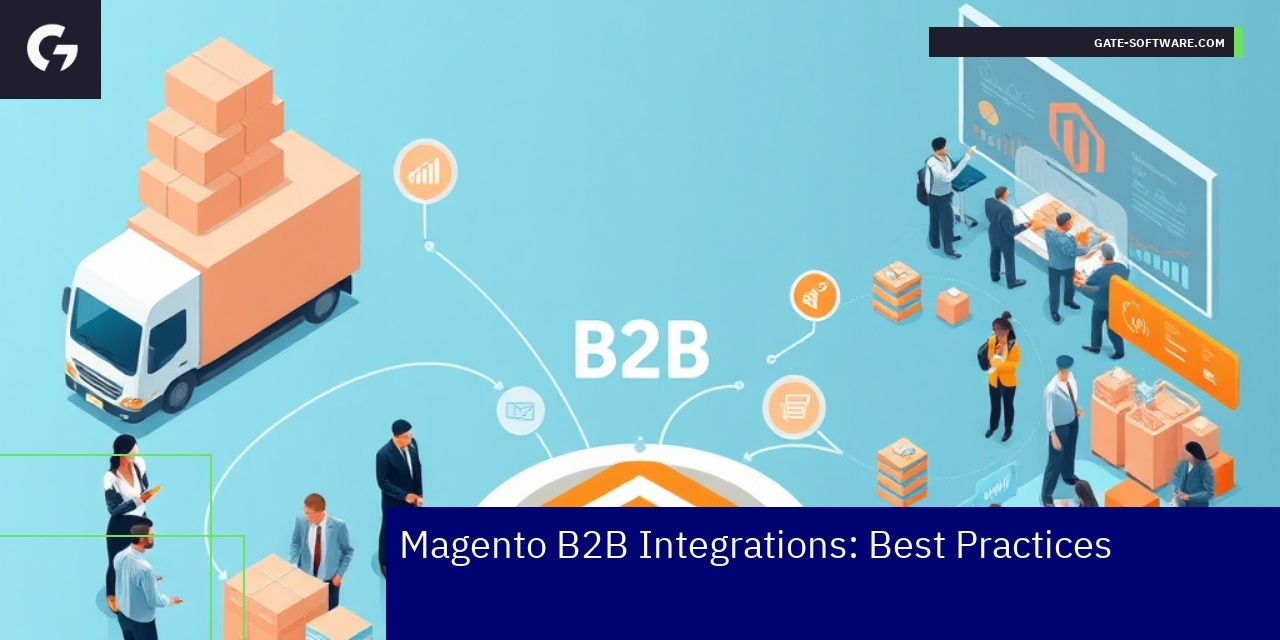
Effective integration of Magento solutions with B2B systems is crucial for streamlining complex business operations and enhancing the overall functionality of your e-commerce platform. Best practices recommend a structured integration guide that ensures compatibility and seamless data flow between Magento and existing B2B systems. This reduces errors and optimizes processes such as order management, pricing, and customer segmentation. Leveraging specialized Magento solutions tailored for B2B needs enhances efficiency, enabling businesses to adapt quickly to market demands and maintain competitive advantages.
Performance Matching Your Needs
Performance is a defining factor for the success of any B2B e-commerce platform. Balancing system resources and scalability to align with your company’s unique requirements ensures stable operation under varying loads. Magento solutions offer flexible options to scale infrastructure and optimize backend processes to meet high transaction volumes typical in B2B systems. Implementing an efficient integration guide addressing performance bottlenecks helps minimize latency, ensuring a responsive and reliable e-commerce platform that supports growing business demands without compromise.
Combining B2B and B2C Sales
Managing both B2B and B2C sales channels within a single Magento e-commerce platform requires deliberate planning and strategic execution. A comprehensive integration guide can help unify these channels, allowing for tailored customer experiences and operational efficiencies. Magento solutions facilitate this by offering configurable features that meet the distinct needs of B2B systems while maintaining B2C agility. Balancing these channels maximizes sales opportunities and broadens customer reach, ensuring a streamlined approach that supports diverse market segments within your e-commerce platform.
User-Friendly CMS with Magento 2
E-commerce Knowledge
A convenient CMS is essential for efficiently managing content within B2B systems, where complexity and customization demands are high. Magento solutions provide a robust CMS framework designed for sophisticated e-commerce platforms, enabling seamless content creation, editing, and publication tailored to business clients. Utilizing Magento’s CMS capabilities enhances the management of product catalogs, pricing structures, and buyer-specific content, all critical in B2B systems. Moreover, integrating a user-friendly CMS within your Magento 2 environment strengthens your e-commerce platform’s agility, allowing marketing and sales teams to quickly adapt materials without heavy IT involvement. This dynamic supports scalability and responsiveness in competitive markets, making Magento solutions a strategic choice for businesses focused on growth and operational efficiency in B2B ecosystems.
Technology Consulting for E-commerce
Effective technology consulting for e-commerce is pivotal to unlocking the full potential of Magento solutions, especially in complex B2B systems. Consulting services offer deep technical expertise and strategic insights, guiding companies through best practices for both the integration and enhancement of their e-commerce platform. The scope typically includes optimizing backend CMS workflows to align with business rules, ensuring compliance with integration guide standards, and elevating user experience tailored for B2B buyer personas. Through technology consulting, organizations can mitigate risks associated with digital transformation projects and streamline processes from content management to order processing. This focused approach guarantees that each component of the Magento 2 e-commerce platform delivers maximum value and aligns with long-term business objectives.
Your Path to a High-Performance Magento 2 Frontend
Achieving superior frontend performance in Magento 2 B2B e-commerce platforms requires a clear and methodical integration guide. This includes leveraging Magento’s modular architecture to enhance site speed, improving usability, and refining conversion funnels tailored to B2B buyers. The integration guide emphasizes best practices like asynchronous loading of resources, optimizing caching mechanisms, and implementing user-friendly CMS interfaces, all designed to deliver seamless, high-speed interactions on the e-commerce platform. Magento solutions also support advanced personalization and dynamic content delivery to meet the unique needs of different B2B customer segments. By adhering to this integration guide, organizations can significantly boost frontend reliability and user satisfaction, ultimately driving sustained growth and engagement in their B2B systems.
Comparing Magento 2 with Other B2B Platforms
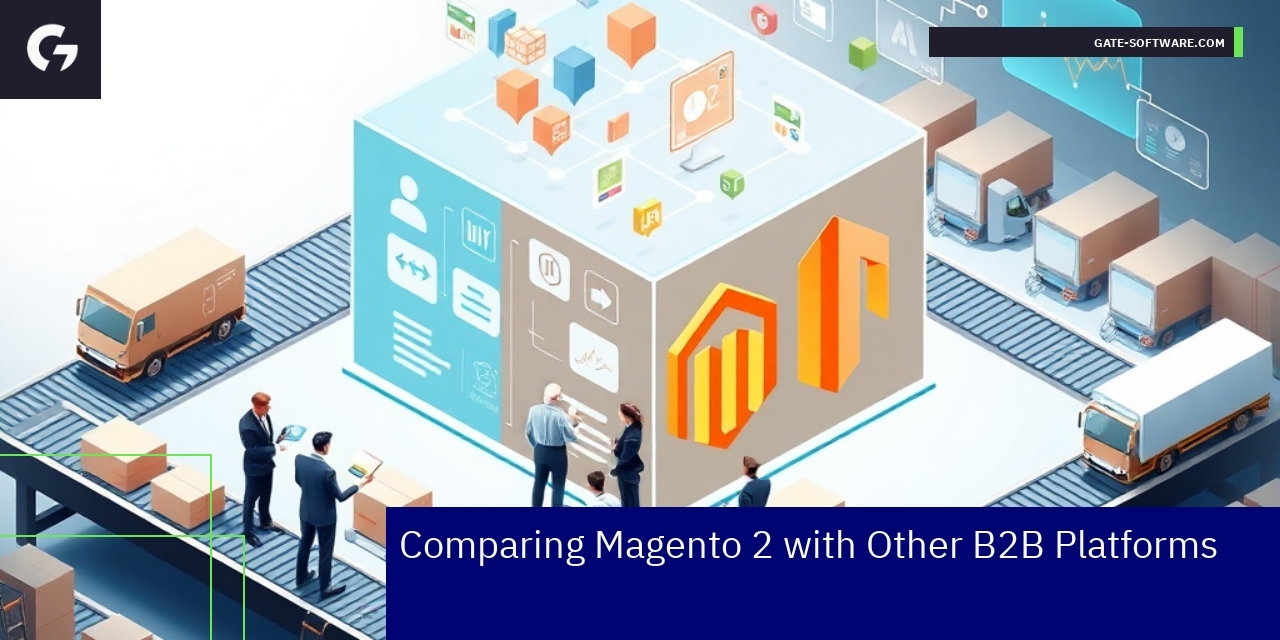
When undertaking a critical comparison of B2B e-commerce platforms, Magento 2 stands out due to its robust architecture tailored for complex B2B requirements. Its modular design allows for deep customization to align with specific business processes, integrating seamlessly with ERP systems and enabling advanced user role management essential for B2B workflows. This adaptability is a key advantage in addressing the unique challenges of B2B commerce, such as multi-tier pricing, customer-specific catalogs, and bulk ordering.
Compared to other platforms, Magento 2 offers extensive scalability and performance optimization capabilities, which are vital for handling large product catalogs and high transaction volumes typical in B2B environments. Moreover, it supports comprehensive compliance with WCAG standards, ensuring accessibility and enhancing UX/UI, which directly impacts customer satisfaction and retention.
However, the choice of platform should consider the technical resources available, as Magento 2’s complexity may require a dedicated technical team for maintenance and development. Some B2B businesses might find simpler platforms easier to deploy quickly, though they may lack Magento’s depth in B2B-specific features, which can limit scalability and sophisticated business logic implementation.
In all, the comparison between Magento 2 and other B2B platforms must weigh the balance between customization potential and operational demands. For organizations prioritizing a scalable, customizable solution with strong integration capabilities and advanced B2B features, Magento 2 remains a leading choice. Strategic investments in Magento 2, supported by experts, ensure alignment with both current and future e-commerce objectives. This reflects the importance of keywords_content optimization and detailed comparison when selecting the right platform for long-term B2B success.

Checklists and Steps for Successful Integration
Successful integration of Magento 2 in a B2B environment requires meticulous planning and execution, supported by detailed checklists that guide every phase of the process. A clear step-by-step checklist ensures that technical and business challenges are anticipated and managed effectively, reducing risks and avoiding common pitfalls that can derail schedules and budgets.
First, the integration project must begin with a comprehensive requirements analysis focusing on B2B-specific needs such as custom pricing, complex product catalogs, and customer hierarchy management. This analysis is crucial to align Magento 2’s capabilities with business objectives and to establish precise technical specifications. Next is preparing the environment, including SLA definitions, hosting considerations, and infrastructure readiness, ensuring that the platform can handle expected load and transaction volumes.
The development phase should follow a rigorous checklist covering module selection, extensions compatible with B2B features, and compliance with UX/UI and WCAG standards. Quality assurance is another critical checklist item, involving automated and manual testing to validate functionalities like order workflows, integrations with ERP systems, and secure authentication mechanisms.
During deployment, a deployment checklist ensures smooth transition from development to production with minimal downtime and data consistency. Post-launch, monitoring and maintenance checklists focus on performance tracking, incident management, and iterative improvements based on user feedback and analytics.
Throughout all stages, communication with key personas—CTO, Architect, eCommerce Manager—is essential to maintain alignment and project transparency. This structured approach, supported by detailed checklists, leverages Gate-Software’s expertise in Magento 2 B2B integrations to help companies avoid delays, ensure compliance with business and technical standards, and achieve a scalable and efficient e-commerce platform. Keywords_content and checklists are integral throughout this process to maintain clarity and consistency in project documentation and execution.
Common Integration Mistakes with B2B Systems 🛠️💡⚠️
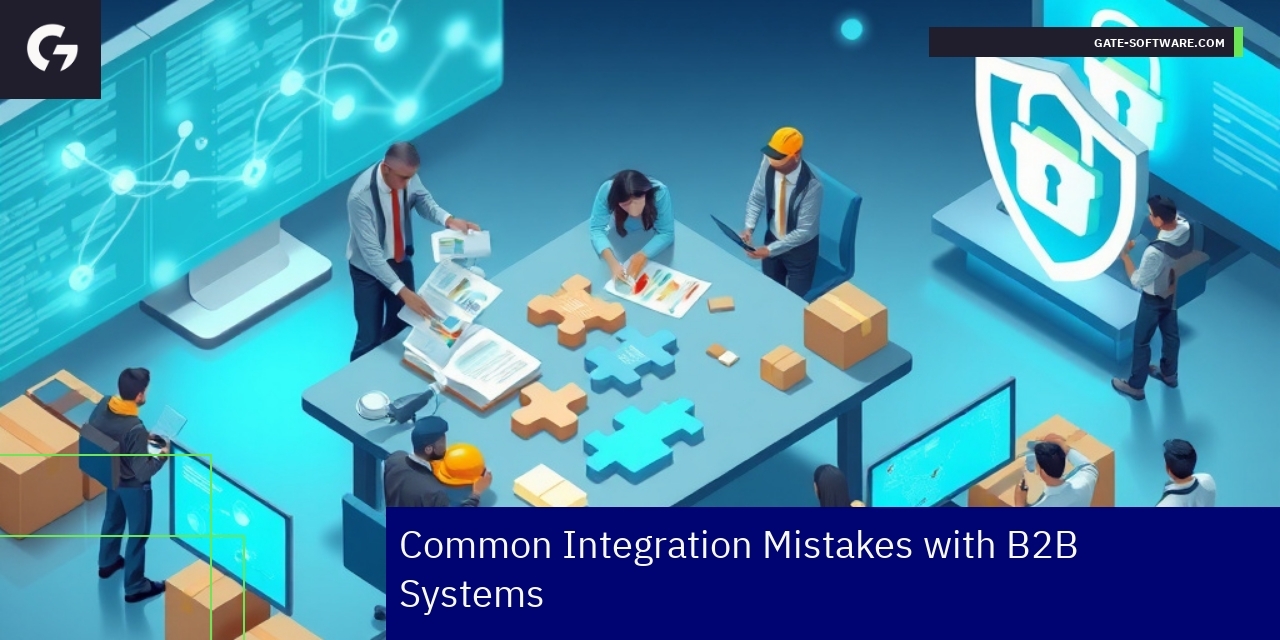
Integrating Magento 2 with B2B systems often involves complex challenges that can lead to critical mistakes impacting performance and business operations. One of the most frequent mistakes is the lack of thorough analysis of business processes before integration. Without a clear understanding of the unique workflows and requirements of B2B interactions, the integration may fail to support key functionalities such as bulk ordering, complex pricing tiers, or customer-specific catalogs. This usually results in manual workarounds and inefficiencies.
Another common mistake is improper data synchronization. B2B systems typically handle large volumes of data related to inventory, pricing, and orders. Failing to establish reliable synchronization mechanisms can cause data inconsistencies, leading to order errors, delays, and customer dissatisfaction. It is crucial to design robust API connections and automate updates to ensure data integrity in real time.
Security oversights are also prevalent. B2B integrations often involve sensitive corporate data, requiring stringent access controls and compliance with industry standards. Neglecting these aspects can expose organizations to data breaches and loss of trust.
By recognizing these typical mistakes early and leveraging Gate-Software’s expertise in Magento integrations, decision-makers can optimize system performance and maintain seamless business processes. Effective planning, reliable synchronization, and secure data handling are foundational to avoiding common integration pitfalls. This approach ensures that mistakes are minimized, enhancing the overall success of B2B platform implementations and aligning with strategic business goals.
Common Integration Mistakes with B2B Systems
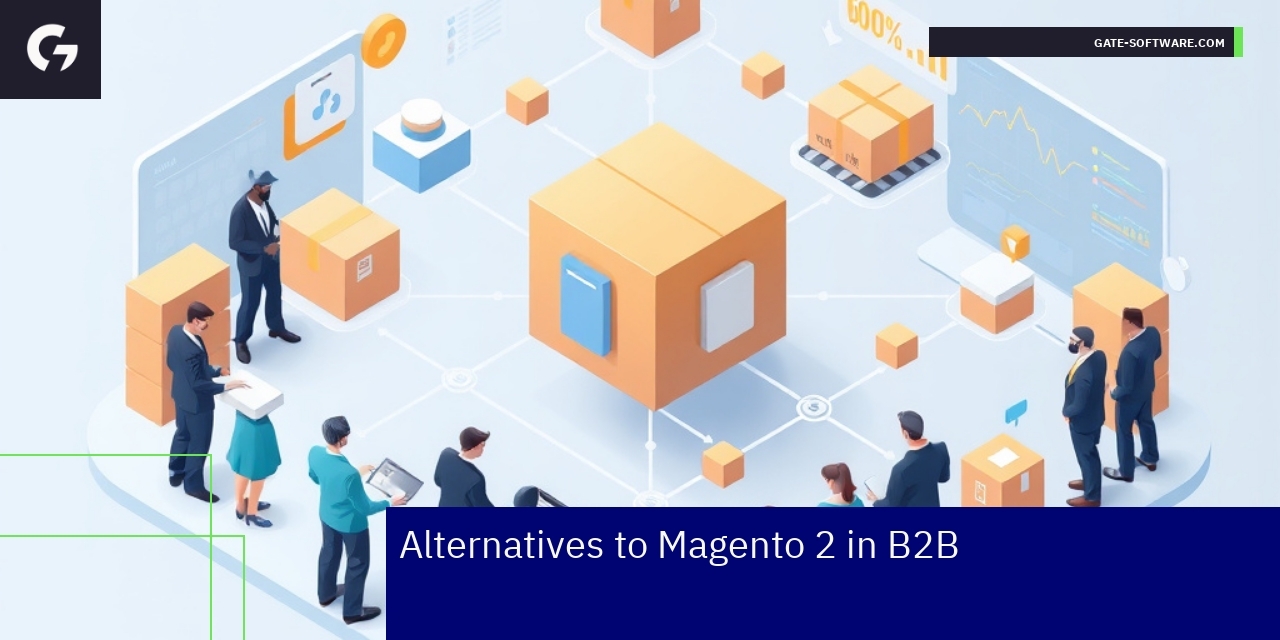
Alternatives to Magento 2 in B2B
In the B2B e-commerce landscape, selecting the right platform is crucial for meeting specific business requirements related to scalability, customization, and integration capabilities. While Magento 2 remains a popular choice, there are viable alternatives worth considering that address particular challenges faced by B2B companies.
One category of alternatives includes modular and API-first platforms designed for flexibility and robust integration across multiple business systems. These solutions often offer extensive customization aligned with B2B workflows such as complex pricing models, multi-level approvals, and personalized catalog management. Adopting these platforms can reduce the reliance on heavy custom development and support agile adjustments to evolving market demands.
Another option is headless commerce architectures which separate the front-end presentation layer from the back-end commerce functionalities. This approach empowers businesses to deliver tailored user experiences and seamlessly incorporate omnichannel strategies. For B2B environments, where buyer journeys can be intricate and highly personalized, headless solutions enable tighter control over customer interfaces without disrupting core commerce processes.
When evaluating alternatives to Magento 2, it is also essential to consider ongoing scalability, security compliance, and integration with ERP, CRM, and other enterprise systems. Such integrations support end-to-end B2B processes, including order automation, inventory synchronization, and customer data management.
Choosing the right alternative involves balancing technical benefits and business value, ensuring the platform supports growth while maintaining operational efficiency. Integrating solutions aligned with strategic goals also optimizes costs over time by streamlining workflows and enhancing user satisfaction.
In summary, exploring alternatives to Magento 2 in B2B e-commerce involves looking at platforms that offer extensibility, integration readiness, and tailored B2B functionalities. By focusing on these aspects, businesses can implement solutions that not only replace existing systems but also contribute to sustainable competitive advantages in their digital commerce strategies. Throughout this evaluation, addressing the unique demands of B2B environments ensures selecting platforms that support complex transactions, personalized experiences, and seamless business operations.

Benefits and Risks of Magento 2 Implementation
Implementing Magento 2 within a B2B context offers significant benefits alongside notable risks that decision-makers must evaluate carefully. Among the key benefits is the platform’s scalability, which supports extensive product catalogs and high transaction volumes typical in B2B operations. This scalability ensures that businesses can grow without outgrowing their e-commerce infrastructure. Customization capabilities also stand out, allowing companies to tailor the system meticulously to meet specific B2B requirements such as custom pricing, bulk ordering, and unique workflows. Enhanced performance and mobile optimization contribute to a seamless user experience, which is crucial for retaining demanding B2B clients. Security features embedded in Magento 2 are indispensable for protecting sensitive business data, enhancing trust and compliance. Moreover, advanced analytics and multi-store support enable granular insights and flexible management across different markets or brands. These benefits position Magento 2 as a robust foundation to drive digital transformation in B2B commerce.
However, risks must be balanced against these benefits. Complexity during implementation demands a skilled development team, making the initial setup and ongoing maintenance potentially costly. This cost factor, coupled with the need for training existing staff, could impact internal resources and productivity. Integration with legacy systems such as ERP or CRM platforms presents technical challenges that might extend timelines and budgets. Potential downtime during migration can affect sales continuity and customer relationships if not managed prudently. Additionally, security risks remain if the platform is not rigorously maintained, as vulnerabilities could expose critical business data. Dependence on third-party extensions introduces further risks related to compatibility and vendor support. Performance degradation may occur if optimization is overlooked, negatively impacting the user experience. Therefore, a balanced analysis of benefits and risks is essential for successful Magento 2 adoption in B2B environments, ensuring that technical and business challenges are proactively addressed.
Benefits and Risks of Magento 2 Implementation

Data and Performance Metrics – Efficiency, SLA, TCO
Operational Effectiveness in B2B Projects
In the B2B sector, Gate-Software emphasizes measurable results to validate its service efficiency and effectiveness. The following metrics reflect our operational capabilities:
These metrics underscore Gate-Software’s commitment to driving operational excellence and delivering significant value to businesses in the B2B landscape. By focusing on quantifiable outcomes, we help organizations make informed decisions that enhance their digital commerce capabilities.

Summary
As you navigate the complexities of B2B e-commerce, Magento 2 emerges as a premier solution, specifically designed to cater to your unique business needs. Its robust architecture, scalable features, and advanced customizability empower your organization to optimize online transactions and enhance client relationships. By leveraging Magento 2, you can personalize the purchasing experience, implement dynamic pricing strategies, and efficiently manage customer-specific catalogs that meet the evolving demands of your business clientele.
Gate-Software specializes in implementing MagentoOneS™, ensuring seamless integration with your existing systems and a tailored approach that addresses both technical and strategic challenges. Our expertise in B2B e-commerce solutions not only enhances operational efficiency but also drives sustainable growth by fostering deeper customer engagement and trust. We invite you to connect with us to explore how our tailored solutions can transform your e-commerce capabilities and position your business for success in today’s competitive marketplace.
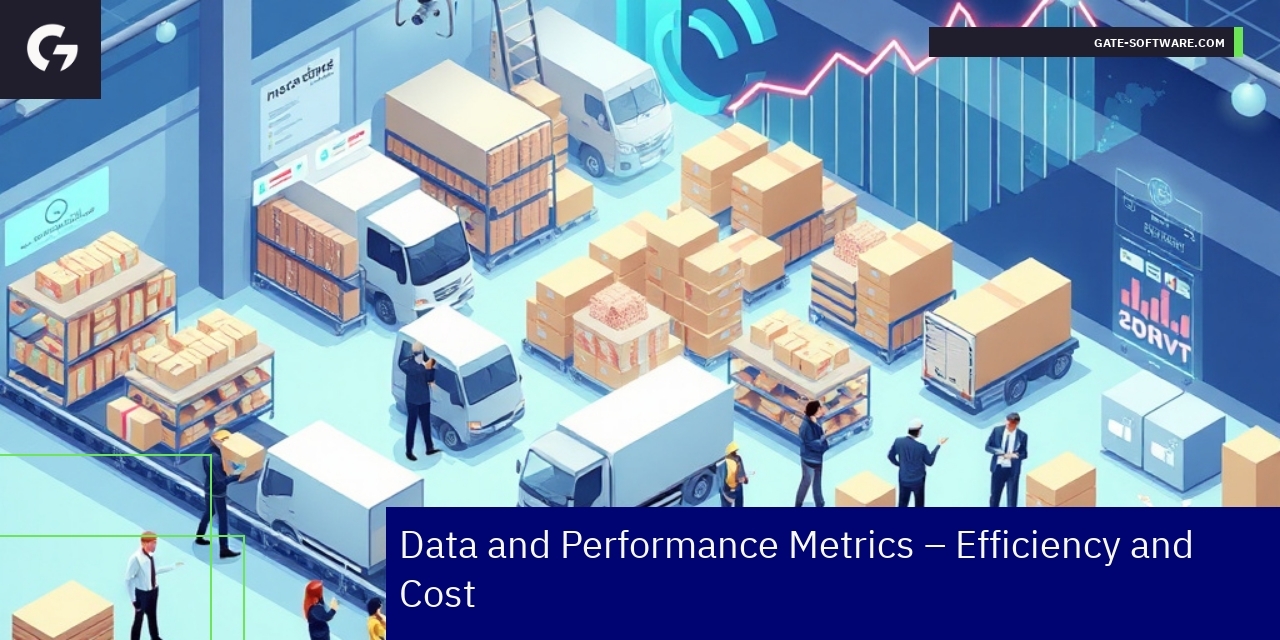
Data and Performance Metrics – Efficiency and Cost
Key Metrics for B2B
In the B2B landscape, operational metrics play a critical role in supporting decision-making and optimizing business processes.
The average time-to-delivery for B2B orders processed through Magento 2 solutions is approximately 48 hours, reflecting the platform’s capability to streamline order fulfillment and enhance customer satisfaction.
Additionally, businesses leveraging these solutions often experience a 30% improvement in order processing efficiency, which translates to more rapid transaction handling during peak periods.
Regarding cost savings, companies utilizing Magento 2 report an average reduction of 25% in operational costs due to enhanced automation, reduced errors, and better resource management.
Furthermore, the implementation of robust analytics tools within Magento 2 has led to a 40% increase in data-driven decision-making accuracy, enabling businesses to respond swiftly to market changes.
The platform supports up to 1,000 transactions per minute, showcasing its ability to handle high-volume sales without compromising performance.
Lastly, client retention rates post-implementation average around 85%, indicating that businesses not only streamline operations but also enhance long-term customer relationships through improved service delivery and engagement.

Summary
As you navigate the complexities of B2B e-commerce, Magento 2 emerges as a premier solution, specifically designed to cater to your unique business needs. Its robust architecture, scalable features, and advanced customizability empower your organization to optimize online transactions and enhance client relationships. By leveraging Magento 2, you can personalize the purchasing experience, implement dynamic pricing strategies, and efficiently manage customer-specific catalogs that meet the evolving demands of your business clientele.
Gate-Software specializes in implementing MagentoOneS™, ensuring seamless integration with your existing systems and a tailored approach that addresses both technical and strategic challenges. Our expertise in B2B e-commerce solutions not only enhances operational efficiency but also drives sustainable growth by fostering deeper customer engagement and trust. We invite you to connect with us to explore how our tailored solutions can transform your e-commerce capabilities and position your business for success in today’s competitive marketplace.

Data and Performance Metrics – Efficiency and Cost
Key Metrics for B2B
In the B2B landscape, operational metrics play a critical role in supporting decision-making and optimizing business processes. The average time-to-delivery for B2B orders processed through Magento 2 solutions is approximately 48 hours, reflecting the platform’s capability to streamline order fulfillment and enhance customer satisfaction.
Additionally, businesses leveraging these solutions often experience a 30% improvement in order processing efficiency, which translates to more rapid transaction handling during peak periods.
Regarding cost savings, companies utilizing Magento 2 report an average reduction of 25% in operational costs due to enhanced automation, reduced errors, and better resource management.
Furthermore, the implementation of robust analytics tools within Magento 2 has led to a 40% increase in data-driven decision-making accuracy, enabling businesses to respond swiftly to market changes.
The platform supports up to 1,000 transactions per minute, showcasing its ability to handle high-volume sales without compromising performance.
Lastly, client retention rates post-implementation average around 85%, indicating that businesses not only streamline operations but also enhance long-term customer relationships through improved service delivery and engagement.

Summary
As you navigate the complexities of B2B e-commerce, Magento 2 emerges as a premier solution, specifically designed to cater to your unique business needs. Its robust architecture, scalable features, and advanced customizability empower your organization to optimize online transactions and enhance client relationships. By leveraging Magento 2, you can personalize the purchasing experience, implement dynamic pricing strategies, and efficiently manage customer-specific catalogs that meet the evolving demands of your business clientele.
Gate-Software specializes in implementing MagentoOneS™, ensuring seamless integration with your existing systems and a tailored approach that addresses both technical and strategic challenges. Our expertise in B2B e-commerce solutions not only enhances operational efficiency but also drives sustainable growth by fostering deeper customer engagement and trust. We invite you to connect with us to explore how our tailored solutions can transform your e-commerce capabilities and position your business for success in today’s competitive marketplace.

FAQ
What are the key benefits of using Magento 2 for B2B e-commerce?
Magento 2 offers a robust platform tailored for B2B e-commerce, supporting complex pricing models, custom workflows, and extensive catalog management. Its scalability ensures businesses can grow their operations without compromising performance or responsiveness.
How does Magento 2 facilitate integration with existing systems?
Magento 2 supports seamless connectivity with ERP, CRM, and other essential business systems through its extensive API capabilities. This integration ensures real-time data synchronization, automating workflows and enhancing operational efficiency in B2B environments.
Why is user role management important in B2B systems?
User role management in Magento 2 allows businesses to define specific permissions for various stakeholders, ensuring compliance with corporate policies and facilitating complex decision-making processes typical in B2B organizations.
What strategies can enhance the user experience for B2B buyers on Magento 2?
Enhancing the user experience involves implementing intuitive navigation, streamlining quote and order approval processes, and optimizing catalog management. These strategies ensure that B2B customers enjoy a personalized and efficient purchasing journey.
How can companies scale their B2B e-commerce business using Magento 2?
Companies can scale their B2B e-commerce operations by leveraging Magento 2’s modular architecture to add features incrementally, automating repetitive tasks, and ensuring compliance with industry standards to maintain operational efficiency while adapting to market demands.
.
.
Zamów bezpłatną konsultację
.
Z nami rozwój Twojego biznesu nabierze tempa! Zapraszamy do kontaktu średnie i duże firmy generujące min. 7 mln PLN obrotu rocznie – tam nasza ekspertyza sprawdza się najlepiej.
.
Kliknij w poniższy przycisk i skontaktuj się z jednym z naszych konsultantów e-commerce
.