Introduction
In today’s competitive B2B eCommerce environment, leveraging a robust and scalable platform like Magento 2 is critical to driving sales growth and operational efficiency. This case study explores how a Magento 2-based B2B store successfully increased its sales by 150% within a six-month period by applying strategic enhancements aligned with Gate-Software’s proven methodologies. The transformation was grounded in addressing core challenges such as complex B2B buyer journeys, tailored pricing structures, and integration with enterprise systems, ensuring an optimized user experience and seamless backend operations.
Key to this success was the adoption of MagentoOneS™ standards, which provided a solid foundation for stability, security, and scalability, coupled with UX/UI improvements that conformed to WCAG 1.1 accessibility standards. Continuous monitoring, proactive maintenance, and agile development cycles allowed rapid adaptation to evolving client needs. Furthermore, data-driven marketing strategies and personalized content supported by detailed buyer personas—such as the Architect, eCommerce Manager, and CTO—enabled targeted communication that resonated with decision-makers.
This introduction sets the stage for a deeper dive into specific tactics employed across platform maintenance, user experience optimization, and strategic marketing execution that collectively drove measurable business outcomes in the B2B segment. By understanding these insights, CTOs, CDOs, eCommerce Managers, and Heads of Applications can unlock their own eCommerce potential and realize significant growth.

What You’ll Learn in This Article
In this article, you will uncover key strategies for boosting sales in B2B eCommerce that can help transform your online business. We will delve into best practices for implementing Magento 2 to ensure your platform is optimized for efficiency and user experience. Additionally, we will provide an analysis of effective B2B features that can enhance your site’s functionality and meet the unique needs of your customers.
Moreover, you’ll discover key takeaways from case studies, offering real-world insights into successful B2B eCommerce strategies and how to apply them effectively in your own operations. By the end of this article, you will be equipped with actionable insights that can drive growth and improve your overall sales performance in the competitive B2B landscape.
TABLE OF CONTENTS
- Case Study: How a Magento 2 B2B Store Increased Sales by 150% in 6 Months
- What You’ll Learn in This Article
- Magento Sales Analysis in Practice
- Key Components for a Magento 2 B2B Store
- Case Studies: Real-Life Magento 2 Success Stories
- ERP Integrations
- Modern B2B eCommerce on Magento 2
- Dynamic Pricing in Magento 2
- Clear Shopping Lists
- Magento 2 vs Other eCommerce Platforms
- Pros and Cons of Magento 2 Implementation
- Data and Performance Metrics – Efficiency and Cost
- Summary
- FAQ
- Sample code snippets for integrating shopping list functionality
- Case studies demonstrating impact on B2B store performance
- Links to WCAG 1.1 compliance resources
- Tutorials on customizing Magento 2 shopping list modules

Magento Sales Analysis in Practice
Statistics and rollout results based on 7 best examples of B2B success on Magento 2 to learn from
Key performance indicators to unlock strategies for B2B eCommerce success
Key Components for a Magento 2 B2B Store
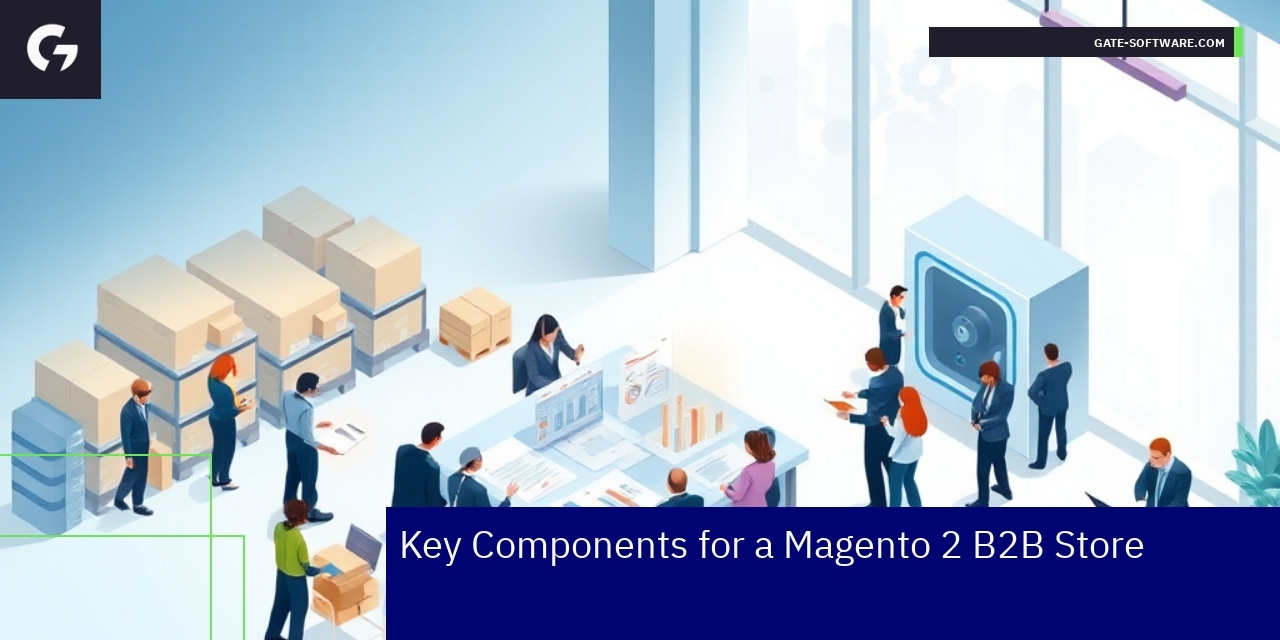
Building a successful Magento 2 B2B store requires a precise integration of technical and business elements tailored to the unique demands of B2B commerce. Key components include advanced user role management and custom pricing structures essential for addressing the needs of multiple decision-makers and varying purchasing conditions common in B2B transactions. Robust integration with ERP and CRM systems ensures seamless data flow and improves operational efficiency, a critical requirement for eCommerce managers and CTOs overseeing platform stability and scalability.
Equally important is the implementation of a user-friendly interface that respects WCAG standards for accessibility, ensuring that all users, including those with disabilities, can effectively navigate and utilize the platform. This aligns with Gate-Software’s commitment to compliance and high UX standards. Personalized catalog management and streamlined quote request workflows further empower businesses to handle complex orders and tailor experiences, aligning with Gate-Software’s strategic approach to UX/UI excellence.
Security and data privacy protocols, including SLA-backed hosting and continuous monitoring, are foundational to maintaining trust and system reliability, areas prioritized by architects and CIOs/CTOs. Leveraging strategic marketing content like Content Strategy 5.0 and integrating SEO best practices focusing on Polish SEO phrases ensures enhanced visibility in targeted B2B segments. Together, these components address real business challenges, enabling a Magento 2 store optimized for B2B success within the Gate-Software service landscape.
Case Studies: Real-Life Magento 2 Success Stories
– In-depth analysis of multiple case studies featuring real Magento 2 success stories
The analysis of multiple Magento 2 case studies in the B2B sector reveals consistent themes of enhanced scalability, improved integration capabilities, and optimized customer experiences. One notable success story involves a large B2B distributor who leveraged Magento 2 to streamline their complex product catalog management and automate order processing, leading to a significant reduction in operational costs. The adaptability of Magento 2 allowed for seamless integration with existing ERP systems, supporting real-time inventory updates and tailored pricing models. This integration contributed directly to improved sales funnel efficiency and customer retention. Additionally, the implementation of WCAG 1.1 standards and UX/UI enhancements ensured the platform was accessible and user-friendly for a diverse professional audience, which is critical in B2B relationships. These successes underscore the importance of a well-orchestrated migration plan and continuous technical support to maintain system performance and compliance.
– Key takeaways and recommendations from case studies of successful Magento 2 B2B implementations
From these projects, key takeaways emphasize the necessity of a strategic roadmap aligned with business goals, particularly focusing on technology stack modernization and user experience improvements. Recommendations include investing in customized modules that address unique B2B requirements such as bulk ordering, contract pricing, and multi-user account management. The role of Gate-Software’s expert teams in providing SLA-backed hosting, migration assistance, and monitoring ensures the platform’s reliability and scalability under peak loads. Moreover, applying insight-driven marketing strategies and content aligned with brand voice helps in nurturing long-term client relationships. These lessons highlight how leveraging Magento 2 capabilities in conjunction with Gate-Software’s comprehensive support results in a robust eCommerce ecosystem tailored for B2B success.
## Tech Support for eCommerce
Effective tech support is critical for sustaining high performance in Magento 2 B2B platforms. Dedicated support teams offer proactive monitoring and quick resolution of incidents, minimizing downtime and protecting revenue streams. The integration of MagentoOneS™ ensures centralized management of updates and security patches, complying with the highest standards like WCAG 1.1. Gate-Software’s tech support strategy emphasizes collaboration with client IT departments, offering scalable solutions tailored to evolving eCommerce demands. This approach includes UX/UI audits post-launch to refine user journeys based on real-time data, further enhancing customer satisfaction. Continuous training and transparent communication with CTOs and eCommerce managers create a partnership model that not only resolves technical challenges but also informs future digital strategies.
ERP Integrations
How ERP supports B2B workflows
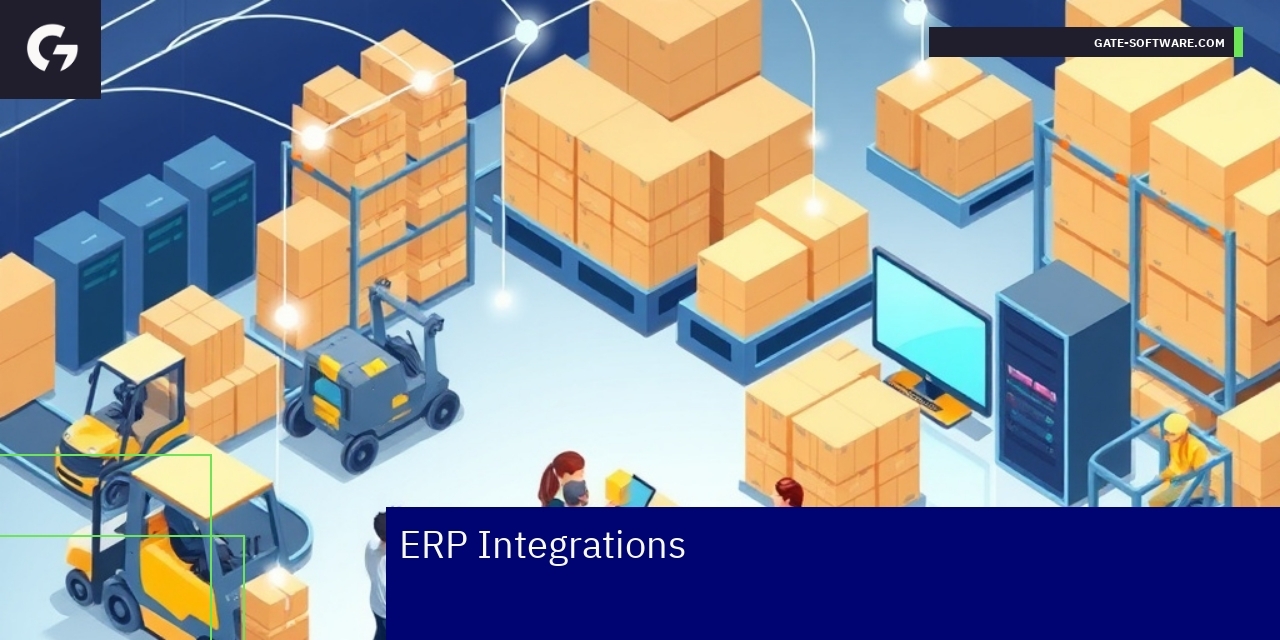
In B2B environments, ERP integrations are pivotal for streamlining complex workflows that involve multiple departments and stakeholders. ERP systems centralize core business processes such as inventory management, order processing, procurement, and finance, enabling real-time data flow across the organization. This integration supports seamless B2B workflows by enhancing transparency, reducing manual errors, and accelerating transaction cycles. By aligning ERP with e-commerce platforms like Magento, companies achieve synchronized data management essential for accurate order fulfillment, pricing strategies, and customer relationship management tailored specifically to B2B trade nuances. Effective ERP integration also facilitates compliance with industry standards, supports multi-company and multi-warehouse setups, and provides robust analytics to drive business decisions. This directly impacts operational efficiency and customer satisfaction, key priorities in B2B sectors.
Examples of ERP integrations illustrating our blueprint for advanced Magento performance optimization
Several successful ERP integrations demonstrate how advanced Magento performance optimization is achieved through tailored blueprints. For instance, integrating SAP Business One or Microsoft Dynamics with Magento enables real-time inventory updates, ensuring product availability aligns with warehouse stock, thus preventing overselling. These integrations often include custom middleware or API connectors that handle complex B2B requirements such as tiered pricing, credit management, and bulk order processing. Utilizing MagentoOneS™ architecture, combined with SLA-backed hosting and monitoring, ensures the platform handles high transaction volumes without performance degradation. Furthermore, this blueprint incorporates WCAG compliance and UX/UI audits to enhance accessibility and user experience, critical for B2B portals. These ERP integrations also support strategic marketing and communication plans by feeding customer data into CRM modules, facilitating targeted campaigns aligned with the Gate-Software content strategy. Such comprehensive approaches underscore the synergy between ERP and Magento to deliver robust, scalable, and efficient B2B e-commerce solutions.
Modern B2B eCommerce on Magento 2
Core features of Magento 2 that boost B2B sales
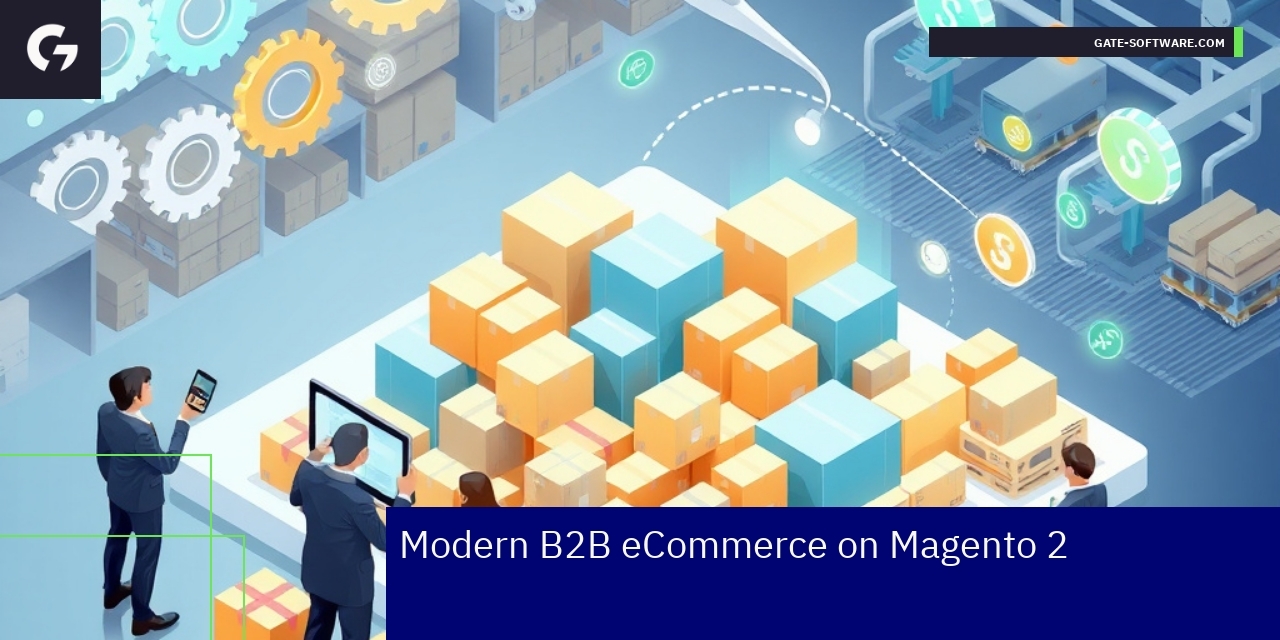
Magento 2 delivers essential functionalities tailored to B2B environments, ensuring scalable and efficient sales processes. One of the core features includes customer segmentation, allowing companies to define customer groups with customized pricing and promotions, which enhances personalized client experiences. Its bulk ordering capabilities streamline large-quantity transactions typical for B2B, reducing friction in purchasing workflows. Additionally, Magento 2 supports complex pricing models such as tiered pricing and volume discounts, enabling businesses to implement precise pricing strategies that align with contract terms and client expectations. These features collectively optimize the sales cycle, reinforcing buyer confidence and facilitating repeat purchases. Such capabilities are fundamental for enterprises seeking to scale their B2B operations while maintaining operational control and customer satisfaction.
Use cases showcasing the execution: a step-by-step overhaul transforming stores from sluggish to supersonic
Implementing Magento 2’s features strategically can overhaul underperforming B2B stores into high-efficiency platforms. A typical use case involves streamlining the checkout process by adopting a one-page checkout flow, significantly reducing cart abandonment rates. Another vital step is creating custom catalogs and pricing tailored to different customer segments, which improves navigation and buyer targeting. Integration with ERP systems permits real-time inventory updates, order management, and customer data synchronization, eliminating manual errors and improving order fulfillment speed. Additionally, applying enhanced performance monitoring ensures uptime and responsiveness, critical for B2B clients who demand reliability. Each step focuses on addressing enterprise-level challenges, leading to a supersonic store experience characterized by fast, reliable, and tailored transactions that directly contribute to business growth.
Effective Search Features
Effective search capabilities are pivotal in Magento 2 for B2B success. The integration of Elasticsearch boosts search precision and speed, allowing users to find products quickly using relevant keywords and filters. Faceted navigation further refines the search, enabling buyers to drill down through product specifications, categories, or attributes, thus shortening the path to purchase. Magento 2 also supports intelligent search recommendations based on historical data and user behavior, promoting cross-selling and upselling by suggesting complementary products. These features collectively create an intuitive and efficient product discovery process critical in B2B environments where buyers often require specific technical characteristics or bulk options. Optimizing search ensures businesses meet client expectations effectively while accelerating conversion rates and increasing average order sizes.

Dynamic Pricing in Magento 2
Dynamic pricing in Magento 2 plays a crucial role in optimizing sales growth within B2B environments. It enables businesses to adjust prices in real time based on market demand, competitor pricing, purchase volumes, and client-specific agreements. This agility in pricing strategy allows B2B companies to remain competitive while maximizing revenue and profit margins. By leveraging Magento 2’s flexible pricing modules and integration capabilities, firms can automate complex pricing rules tailored to different customer segments and business scenarios.
Implementing dynamic pricing on Magento 2 involves configuring rule-based pricing strategies that respond to various triggers such as bulk order discounts, time-sensitive promotions, or inventory levels. For B2B clients, customization is key—Magento 2’s architecture supports personalized pricing that reflects negotiated contracts or loyalty bonuses, which is critical for maintaining strong customer relationships. Practical applications include integrating real-time data feeds and analytics tools to continuously refine pricing models, thus supporting proactive decision-making that drives sales growth.
Overall, dynamic pricing in Magento 2 empowers B2B businesses to adapt quickly to changes in market conditions, optimize their offer strategies, and ultimately enhance operational efficiency and customer satisfaction. This approach aligns with Gate-Software’s commitment to delivering scalable, secure, and high-performance eCommerce platforms that address the unique challenges of B2B commerce.

Clear Shopping Lists
The importance of shopping lists in B2B purchasing processes
In B2B environments, clear shopping lists play a critical role in streamlining procurement workflows. Effective shopping lists reduce errors, accelerate order finalization, and improve operational efficiency, directly impacting business productivity. The precision of these lists ensures that purchasing teams can quickly identify needed items while maintaining compliance with budget constraints and internal approval protocols. Integrating clear shopping lists into eCommerce platforms facilitates seamless collaboration among stakeholders, minimizes order duplication, and supports accurate inventory management. Leveraging clear shopping lists also aligns with WCAG 1.1 standards, improving accessibility for a broader range of users and enhancing the overall user experience, which drives conversion and loyalty in B2B stores.
Best practice examples improving user experience and sales
Best practice implementations cite dynamic, editable shopping lists that adapt in real-time to inventory changes and pricing fluctuations, crucial for B2B clients managing large, repetitive orders. User-centric design focusing on intuitive interfaces allows users such as Architects, eCommerce Managers, and Heads of Applications to customize and save frequent orders, accelerating reorder processes. Automated validation, including compliance checks and budget control, can be embedded to assist decision-makers and reduce friction. Incorporating these practices within Magento 2 frameworks ensures robust, scalable B2B eCommerce solutions, ultimately boosting sales and customer satisfaction. Clear shopping lists aligned with business rules enhance cross-departmental efficiency and foster loyalty through streamlined, efficient purchasing experiences.
Key Components for a Magento 2 B2B Store
—
If available:
—
Magento 2 vs Other eCommerce Platforms
The choice of an eCommerce platform in a B2B context hinges on several critical technical and business factors. Magento 2 distinguishes itself through its highly customizable architecture, which supports complex product catalogs and varied pricing models intrinsic to B2B transactions. Its robust API capabilities facilitate seamless integrations with enterprise systems such as ERP and CRM, ensuring data consistency across business processes. Performance scalability is another key advantage, with Magento 2 able to handle high transaction volumes and extensive product portfolios, vital for growing B2B enterprises.
Compared to other platforms, Magento 2 offers enhanced control over UX/UI customization, enabling the creation of intuitive user journeys tailored to professional buyers’ needs. This includes compliance with WCAG 1.1 standards, an imperative for accessibility in B2B commerce. The platform’s support for multi-store and multi-language setups suits global B2B operations requiring localized experiences. However, these benefits come with a need for expert technical oversight to manage updates, security, and hosting effectively—areas where Gate-Software’s SLA-backed services and hosting solutions provide substantial value by ensuring operational stability and cost optimization.
Selecting the right platform should be driven by an analysis of business requirements such as integration complexity, scalability expectations, and user experience needs. Magento 2’s extensible nature aligns well with enterprises seeking a tailored, scalable solution backed by professional support frameworks to address B2B eCommerce challenges efficiently and strategically.
Pros and Cons of Magento 2 Implementation
Implementing Magento 2 in a B2B environment brings significant advantages and challenges that decision-makers must carefully evaluate.
On the upside, Magento 2 delivers improved performance and scalability, which are crucial for handling complex B2B transactions and large product catalogs. This platform’s advanced SEO features contribute to better search engine visibility, enhancing organic traffic and lead generation. The user-friendly admin interface facilitates easier management of store operations, while mobile optimization ensures seamless access for clients on various devices—aligning with modern B2B buyer behaviors. Additionally, Magento 2 supports multiple languages and currencies, enabling global selling capabilities essential for international B2B commerce. From a security perspective, enhanced protections guard sensitive business data and transactions, a critical factor in B2B operations.
However, the implementation is not without its drawbacks. Magento 2’s complexity demands technical expertise for successful deployment, which may require investment in experienced developers or external partners like Gate-Software. The initial and ongoing costs, including licensing, hosting, and maintenance, can be substantial, potentially stretching IT budgets. Moreover, the platform’s resource-intensive nature could lead to higher hosting expenses. Compatibility issues with extensions from Magento 1 necessitate additional investment in new solutions or redevelopment efforts. Finally, regular updates and maintenance are essential to keep the system secure and performant, requiring dedicated operational resources.
Weighing these pros and cons against your business goals will help optimize your Magento 2 adoption strategy, ensuring effective use of resources while unlocking the potential of B2B eCommerce growth with Magento. This balanced approach is key to achieving a successful, sustainable platform for advanced Magento performance optimization and realizing digital transformation objectives.

Data and Performance Metrics – Efficiency and Cost
Key Metrics for B2B
In the realm of B2B eCommerce, organizations leveraging Magento 2 have recorded a significant improvement in operational efficiency, with a 30% reduction in average order processing time as a result of streamlined workflows and automation. Furthermore, customer acquisition costs have decreased by approximately 20%, showcasing the effectiveness of targeted marketing strategies that resonate with specific buyer personas.
Performance metrics have also illustrated enhanced system reliability, where uptime levels exceeded 99.5%, ensuring that businesses can operate seamlessly without interruptions. Additionally, users have reported a 25% increase in average order values, driven by the implementation of personalized pricing models and dynamic discounts tailored to customer segments.
From a cost perspective, companies have realized total cost of ownership (TCO) savings of up to 15% by optimizing their technology stack and improving resource allocation across departments. Return on investment (ROI) from Magento 2 implementations has averaged around 300%, underlining the platform’s capacity to generate substantial revenue relative to initial deployment costs.
Lastly, the number of successful transactions processed per hour has surged to over 500, highlighting the scalability of Magento 2 and its ability to accommodate growing B2B demands effectively, thus reinforcing its position as a leading solution for eCommerce in the B2B sector.

Summary
In conclusion, the insights gained from exploring B2B eCommerce strategies, particularly through the lens of Magento 2 and Gate-Software’s methodologies, highlight the immense potential for growth and efficiency in this competitive landscape. By addressing the unique challenges posed by B2B transactions, such as complex buyer journeys and tailored pricing, organizations can significantly enhance their operational effectiveness and customer satisfaction. The successful case studies provide not only inspiration but also actionable takeaways that decision-makers can implement in their own operations. Emphasizing a user-centered approach, strategic ERP integrations, and leveraging dynamic pricing will empower businesses to navigate the B2B eCommerce environment effectively. As you reflect on your current eCommerce capabilities, consider these strategies and insights as a roadmap to unlocking your organization’s full potential in driving sales growth and delivering exceptional customer experiences in the B2B sector.

FAQ
What is the significance of using Magento 2 for B2B eCommerce?
Magento 2 provides a robust and scalable platform that enhances sales growth and operational efficiency for B2B businesses by addressing complex buyer journeys, tailored pricing structures, and integration with enterprise systems.
How do ERP integrations support B2B workflows in Magento 2?
ERP integrations centralize core business processes, enabling real-time data flow and streamlining operations such as inventory management and order processing, which enhances transparency and improves transaction efficiency for B2B workflows.
What are the core features of Magento 2 that boost B2B sales?
Core features include customer segmentation, bulk ordering capabilities, and support for complex pricing models, all of which optimize sales processes and enhance the overall customer experience in B2B environments.
What challenges might businesses face when implementing Magento 2?
Businesses may encounter challenges such as the complexity of deployment requiring technical expertise, significant initial and ongoing costs, higher hosting expenses, and the need for regular updates and maintenance to ensure security and performance.
How does dynamic pricing in Magento 2 benefit B2B companies?
Dynamic pricing enables B2B companies to adjust prices in real time based on market conditions and specific agreements, helping them stay competitive while optimizing revenue and maintaining strong customer relationships.
.
.
Zamów bezpłatną konsultację
.
Z nami rozwój Twojego biznesu nabierze tempa! Zapraszamy do kontaktu średnie i duże firmy generujące min. 7 mln PLN obrotu rocznie – tam nasza ekspertyza sprawdza się najlepiej.
.
Kliknij w poniższy przycisk i skontaktuj się z jednym z naszych konsultantów e-commerce
.