Introduction
Building an effective B2B e-commerce store requires a strategic approach that addresses the unique challenges and needs of business customers. Unlike B2C platforms, B2B e-commerce must focus on complex ordering processes, customized pricing, multiple buyer roles, and seamless integration with existing business systems. At Gate-Software, we emphasize solutions that combine robust Magento™ frameworks with best practices in UX/UI and compliance with WCAG standards to ensure accessibility and user-friendliness.
A successful B2B e-commerce store is built on a foundation of detailed customer personas, including roles such as Architect, eCommerce Manager, CDO, and CIO/CTO. Understanding these stakeholders helps tailor the platform to meet specific operational needs and drive business value. Our approach integrates effective communication strategies and content aligned with the target audience’s decision-making processes.
In addition, maintenance and continuous development (Utrzymanie i Rozwój) are crucial to keep the platform secure, scalable, and responsive to market changes. Gate-Software’s expertise in monitoring, SLA management, and cost optimization ensures a reliable and efficient e-commerce environment. This introduction sets the stage for exploring the technical, UX/UI, and strategic components essential for building a high-performing B2B e-commerce store.
TABLE OF CONTENTS
- How to Build an Effective B2B E-Commerce Store
- Must-Have Features for Your B2B eCommerce Website
- Popular B2B Platforms Compared
- Selecting the Right E-Commerce Platform for Your Business
- Target Group Identification
- Understanding B2B Market Specifics
- Business Client Expectations
- Product Range Planning
- Wholesale Pricing and Discounts
- Special Offers for Clients
- User-Friendly Interface
- Responsiveness and Speed
- Navigation and User Experience
- Payment System Integrations
- Logistics and CRM Integrations
- Personalization for Companies
- SEO and Content Marketing
- Email and Social Media Marketing
- Promotion and Advertising Strategies
- Client Communication Channels
- Support and Assistance
- Building Client Relationships
- Regular Functionality Tests
- User Data Analysis
- Continuous Store Optimization
- Data and Performance Metrics – Efficiency, SLA, TCO
- Summary
- FAQ
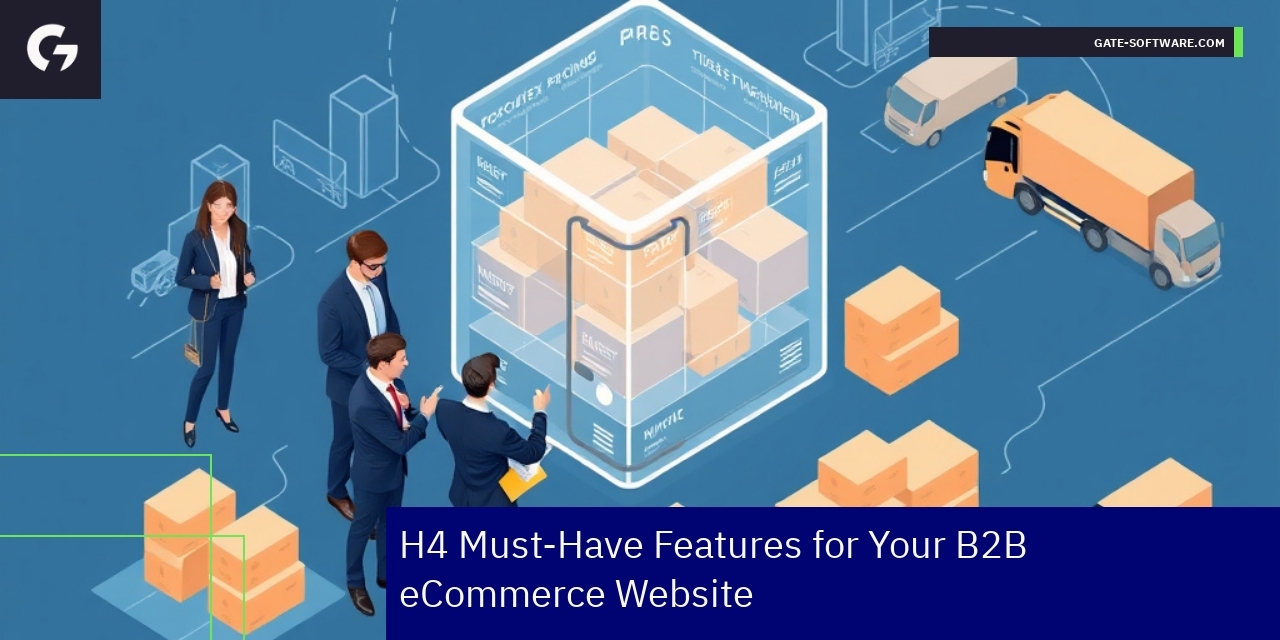
H4 Must-Have Features for Your B2B eCommerce Website
Selecting the right platforms B2B for your ecommerce B2B portal is foundational to meeting the unique demands of business clients. A robust system B2B must facilitate complex pricing structures, including tiered and volume-based discounts, allowing personalized offers tailored to different client segments. Bulk ordering capabilities are essential, enabling clients to efficiently process large volume purchases with streamlined workflows and minimal friction. Advanced account management tools provide granular control over user roles, permissions, and purchasing limits, essential for managing multiple stakeholders within client organizations. Moreover, seamless integration with ERP and CRM systems ensures data consistency and supports complex sales cycles typical in B2B scenarios. Seamless user experience design focused on clarity, speed, and accessibility enhances client satisfaction and retention. By addressing these features, a B2B ecommerce platform delivers not only transactional efficiency but also strengthens long-term business relationships, aligning technology with strategic sales objectives.
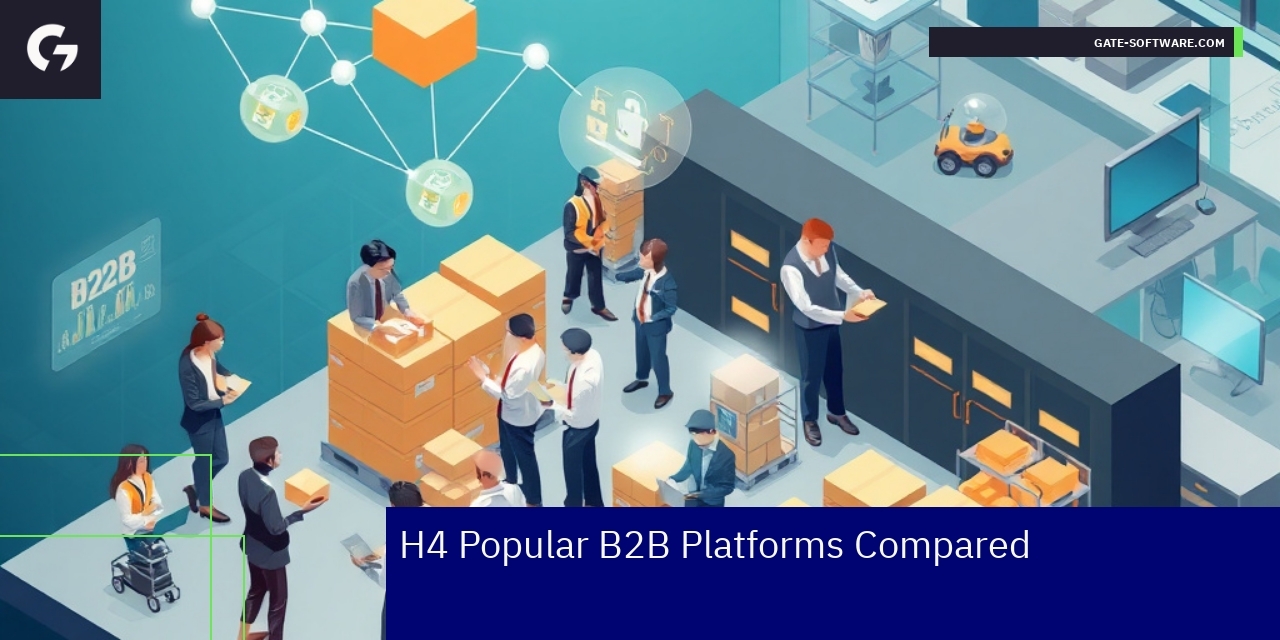
Popular B2B Platforms Compared
In the realm of platform B2B solutions, organizations face critical decisions that influence their ecommerce B2B success. Choosing the right system B2B is essential to meet unique industry demands, from scalability and integration capabilities to user experience and compliance. SaaS platforms often offer rapid deployment and hosted management, appealing to enterprises requiring fast implementation and lower upfront costs. In contrast, opensource platforms provide greater customization and control, enabling businesses to tailor their ecommerce B2B environments extensively.
Key considerations when evaluating platform B2B options include support for complex pricing models, multi-user account management, and seamless integration with ERP and CRM systems. Security features and compliance with standards such as WCAG enhance accessibility and trust among users. The optimal system B2B balances technical robustness with operational flexibility, ensuring the platform can evolve alongside business growth.
Gate-Software’s expertise lies in supporting clients through the selection, implementation, and optimization of ecommerce B2B platforms, addressing challenges from architecture to ongoing maintenance. This approach ensures a stable, efficient, and compliant system B2B that aligns with strategic goals and delivers measurable value.

Selecting the Right E-Commerce Platform for Your Business
Choosing the right ecommerce B2B platform involves careful evaluation of scalability, integration capabilities, and customization options to best fit your company’s unique needs. In the B2B sector, platforms B2B must support complex pricing models, multi-user accounts, and tailored workflows that reflect the unique buying processes. A robust system B2B should facilitate seamless integration with existing ERP, CRM, and inventory management systems, ensuring data consistency and operational efficiency. Scalability is critical as businesses grow or adapt to changing market demands; the platform should accommodate increased traffic, expanded product ranges, and evolving business rules without compromising performance. Equally important is the user experience for both buyers and internal users, which directly impacts adoption and satisfaction. Choosing a platform that offers flexible customization ensures that your ecommerce B2B solution can evolve alongside your business requirements, delivering long-term value and competitive advantage.
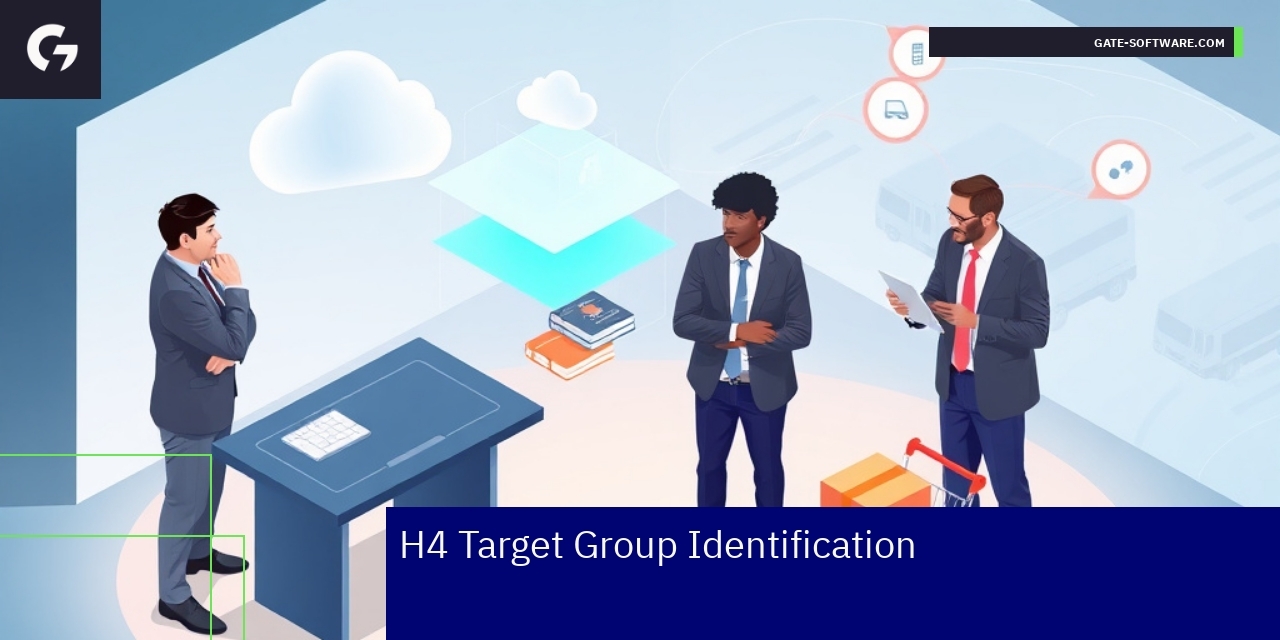
Target Group Identification
Identifying your target group is critical in B2B ecommerce strategies. The decision-makers and users within this group—primarily CTOs, Heads of Applications, and eCommerce Managers—play pivotal roles in shaping the platform B2B experience and system B2B functionalities. CTOs focus on technology infrastructure, ensuring the security, performance, and seamless integration of system B2B with existing enterprise solutions. Their insights drive the architectural choices that support scalable and reliable ecommerce B2B environments.
Heads of Applications oversee the deployment and management of the applications that enable ecommerce B2B operations. Their priorities include optimizing workflows, ensuring compatibility with other enterprise systems, and supporting administrative and user needs efficiently. This role ensures the smooth functionality of platforms B2B and system B2B, addressing technical complexities and user adoption challenges.
eCommerce Managers are responsible for the commercial and operational aspects of ecommerce B2B. This includes tailoring platform B2B features to client needs, managing product catalogs, pricing models, and marketing strategies focused on B2B audiences. Their role ensures that ecommerce B2B solutions provide a tailored, efficient, and engaging buying experience that meets the specific demands of B2B customers.
Integrating platforms B2B, system B2B, and ecommerce B2B strategies allows companies to develop flexible, scalable, and highly customized solutions. Such alignment ensures that the unique workflows and purchasing behaviors of B2B customers are well-supported, resulting in optimized user experience, operational efficiency, and positive business outcomes.
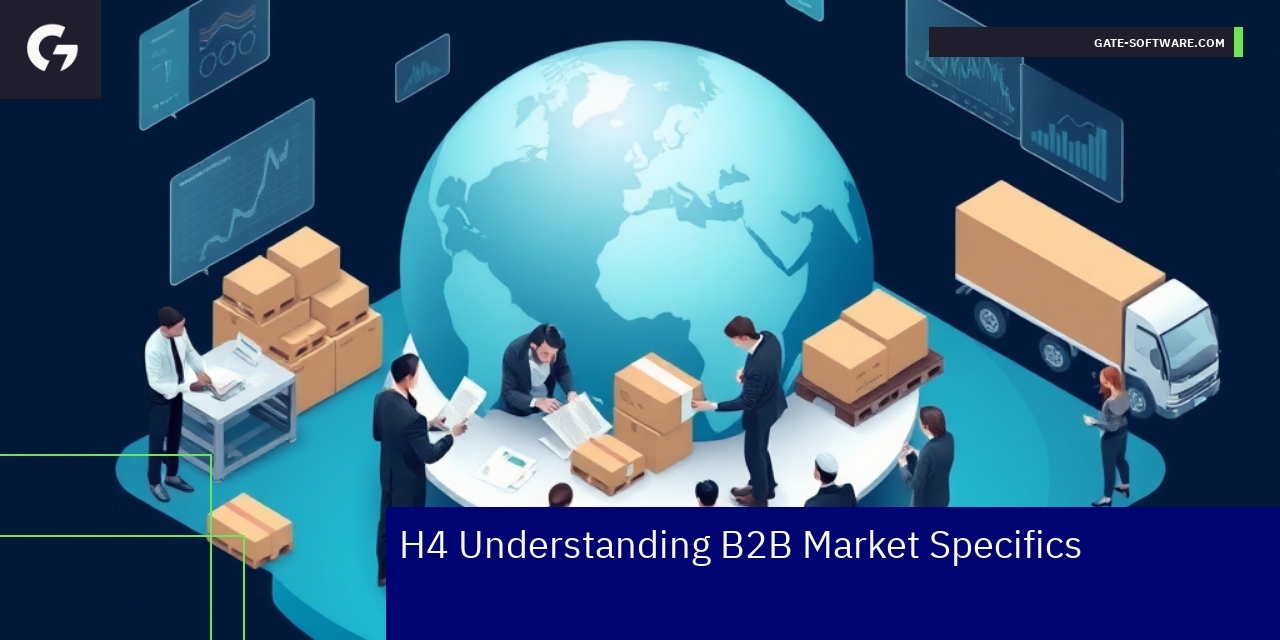
Understanding B2B Market Specifics
Grasping the specific dynamics of the B2B market is essential for developing and managing an effective ecommerce B2B platform. Unlike B2C environments, system B2B interactions demand a nuanced approach that considers longer purchase cycles, complex contract terms, and multi-stakeholder decision processes. An ecommerce B2B platform must accommodate these realities by providing advanced capabilities such as personalized pricing, scalable user roles, and flexible negotiation workflows. Additionally, integrating system B2B features ensures seamless communication and transaction flow between businesses, which helps in maintaining strong, long-term partnerships.
Platform B2B solutions need to reflect the operational intricacies of the industry, including compliance with specific legal and commercial frameworks. This includes support for tailored contract management and purchase approval hierarchies that mirror real business workflows. Failing to address these specifics can result in inefficiencies and lost opportunities. Therefore, understanding these market specifics allows businesses to optimize their ecommerce B2B systems, improving user experience for key decision-makers and streamlining procurement processes. Ultimately, aligning platform B2B capabilities with the unique requirements of B2B commerce supports sustained growth and competitive advantage in the digital marketplace.

Business Client Expectations
Knowing business client expectations allows your system B2B to offer personalized solutions, competitive pricing, and efficient transaction processes. In the landscape of platform B2B services, business clients demand not only reliable and scalable infrastructure but also flexibility in customization to fit their unique workflows. ecommerce B2B models must integrate seamless communication channels and data synchronizations that ensure quick responses and transparency. A well-architected system B2B supports multi-tier pricing, bulk ordering, and advanced user permissions—meeting the distinct needs of corporate clients and their purchasing cycles. Moreover, usability and accessibility aligned with WCAG standards enhance client satisfaction, making the platforms B2B more inclusive and efficient.
Defining Your Offer
Your ecommerce B2B offering must be based on deep understanding of client business processes and pain points. Platforms B2B nowadays extend beyond transactional systems, incorporating analytics, automation, and integrations that empower clients’ strategic decisions. Designing a system B2B requires attention to modularity and scalability, allowing the solution to grow alongside the client’s operations. Features such as personalized catalogs, contract-specific pricing, and flexible payment terms are critical differentiators. Investments in UX/UI tailored to business users improve adoption and reduce training time. Ultimately, a robust platforms B2B solution from Gate-Software provides clients with reliable performance, security, and the ability to innovate in their marketplaces.
Defining Your Offer
Product Range Planning
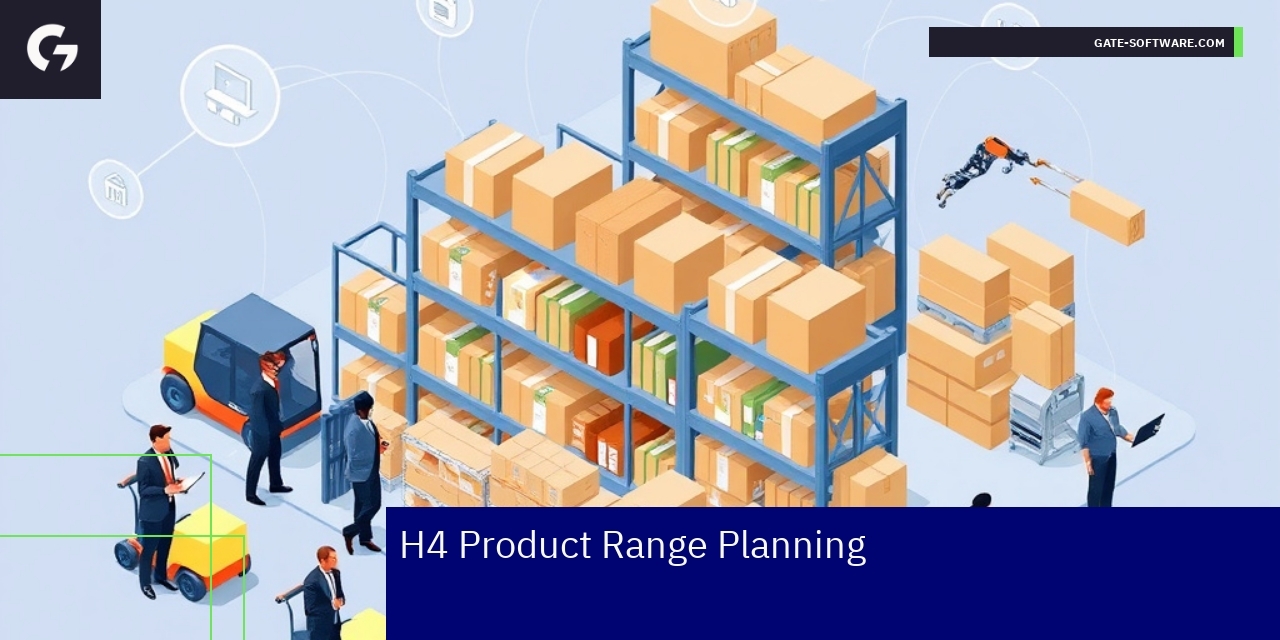
Careful consideration of your product assortment is vital for building a successful ecommerce B2B store that effectively serves diverse industry sectors. A well-planned product range within a platform B2B must balance breadth and depth, ensuring that relevant SKUs and categories are available to meet varying client requirements. Utilizing a robust system B2B infrastructure enables seamless management of inventory and product data, which supports accurate representation of the assortment and helps maintain up-to-date catalogs tailored to business customers.
An optimized ecommerce B2B solution empowers companies to adapt their product ranges dynamically, responding quickly to market trends and customer feedback. This flexibility helps attract and retain key decision-makers by providing precisely the offerings they need, when they need them. Additionally, incorporating comprehensive product range planning into your platform B2B strategy strengthens operational efficiency and improves user experience, making purchasing processes smoother for B2B buyers.
In summary, successful product range planning in ecommerce B2B hinges on integrating strategic assortment management with scalable system B2B capabilities, enabling businesses to deliver relevant, accessible, and well-structured catalogs to their target markets. This alignment between product offering and technological platform fosters growth, customer satisfaction, and competitive advantage in the B2B landscape.
Wholesale Pricing and Discounts
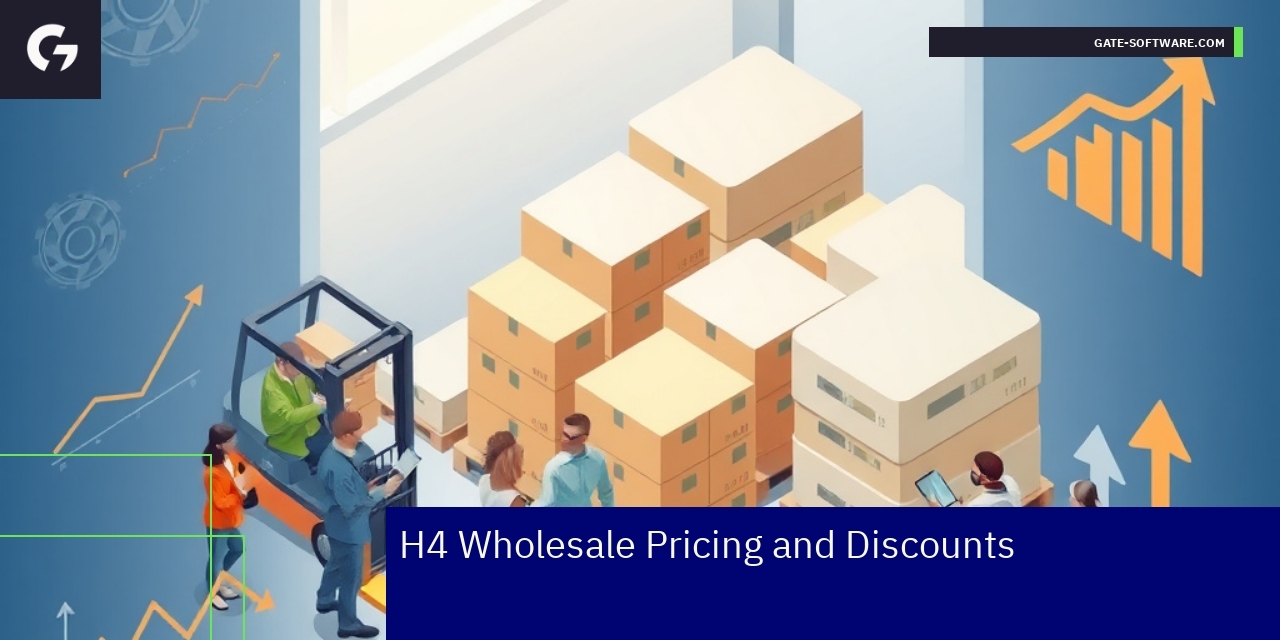
Implementing wholesale pricing models and tiered discounts is a fundamental advantage of a system B2B, allowing companies to encourage larger order volumes and foster long-term partnerships. Ecommerce B2B platforms benefit greatly from flexible pricing strategies that reflect customer segmentation, order frequency, and purchase volume, ensuring competitive positioning and customer retention. Platforms B2B must integrate these pricing mechanisms seamlessly to support automated calculations, real-time updates, and personalized discount tiers for different client categories. Such an approach not only improves operational efficiency but also aligns with strategic goals by increasing sales throughput and enhancing customer satisfaction. Tailored wholesale pricing and discounts, enabled by system B2B capabilities, play a crucial role in driving scalable growth within the ecommerce B2B space, providing the necessary agility to adapt to evolving market demands and client expectations.

Special Offers for Clients
In today’s competitive B2B environment, leveraging a robust platform B2B is essential to optimize business processes and gain a strategic edge. Special offers enabled by your platform B2B can significantly enhance client engagement, including tailored loyalty programs and exclusive deals designed to meet the complex needs of business customers. These incentives help differentiate your ecommerce B2B store by fostering long-term relationships and encouraging repeat business.
A well-integrated system B2B supports seamless transaction flows, enabling enterprises to manage orders, discounts, and client profiles efficiently. This integration ensures that your ecommerce B2B operations remain agile, scalable, and aligned with business goals. By leveraging these special offers within your system B2B, you can provide personalized experiences that resonate with key decision-makers and elevate customer satisfaction.
Ultimately, incorporating special offers within your platform B2B strategy transforms standard transactions into compelling business opportunities, strengthening client loyalty and driving sustained growth. This approach ensures your ecommerce B2B presence stands out, delivering tangible value and measurable outcomes in a competitive marketplace.
User-Friendly Interface
Designing an intuitive and user-friendly interface is foundational for a successful platform B2B, facilitating easy navigation and efficient purchasing. In the context of platforms B2B, the usability of the system B2B directly impacts the adoption rate among business users and the overall operational efficiency. A well-structured system B2B ensures that complex processes are simplified through clear workflows, reducing the learning curve for new users and minimizing errors during transactions. For ecommerce B2B environments, interface design must accommodate diverse user roles and permissions, providing tailored experiences that align with each stakeholder’s needs. Seamless integration of navigation elements, search functionalities, and data presentation within platform B2B encourages faster decision-making and boosts transaction throughput. Moreover, adhering to established UX/UI standards, including accessibility considerations aligned with WCAG guidelines, further strengthens user satisfaction and compliance. By prioritizing these principles in the design of a system B2B, companies can deliver ecommerce B2B solutions that not only meet technical requirements but also drive strategic business outcomes through enhanced user engagement and operational excellence.

Responsiveness and Speed
Ensuring your ecommerce B2B platform delivers optimal responsiveness and speed is essential for meeting the high performance demands of business clients. In B2B environments, system B2B reliability across all devices—desktop, tablet, and mobile—is critical to facilitate seamless interactions, from initial inquiries through complex order processing. Your platform B2B must be architected to minimize latency, handle peak loads efficiently, and provide consistently fast response times, enhancing user satisfaction and operational efficiency.
A responsive ecommerce B2B interface adapts fluidly to different screen sizes and inputs, enabling decision-makers and operational teams to perform tasks without friction. This adaptability reduces time-to-action and supports agile business workflows. Moreover, speed optimizations like advanced caching, CDN integration, and asynchronous data loading contribute to faster page loads and reduce downtime risk. Together, these elements bolster your system B2B’s capacity to meet both technical requirements and client expectations, providing a competitive edge and reinforcing long-term partnerships.
H4 Navigation and User Experience
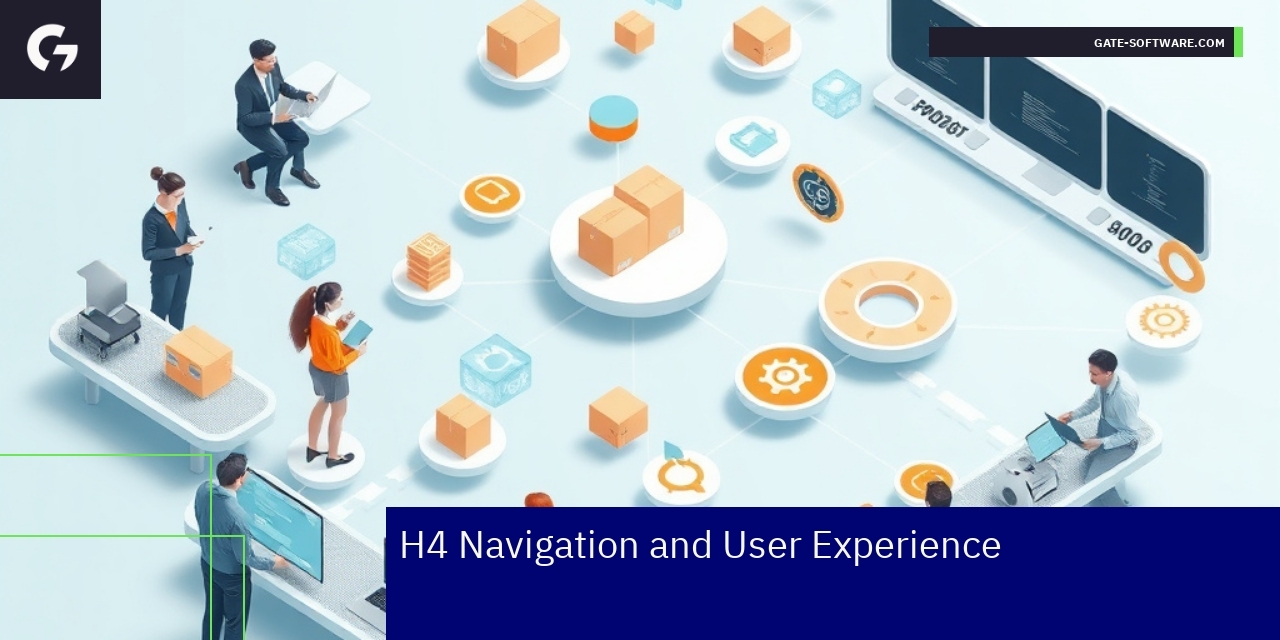
Optimizing navigation significantly enhances the overall user experience on any platform B2B environment. In complex ecommerce B2B systems, users often face intricate product hierarchies and detailed features that must be easily accessible and understandable. By streamlining navigation structures within your system B2B, you facilitate smoother interactions, reduce user friction, and improve task completion rates. Clear, intuitive navigation enables decision-makers and key users to find relevant products and services efficiently, boosting productivity and satisfaction. Proper categorization, search functionalities, and contextual menus tailored to the needs of the B2B sector contribute to more effective system B2B operations, ultimately supporting business growth and operational success.
Integrations and Features
A robust platform B2B must seamlessly integrate critical functions and features that support the unique demands of ecommerce B2B landscapes. Integration with ERP, CRM, and other enterprise systems ensures data consistency and operational efficiency across the entire system B2B infrastructure. Features such as personalized catalogs, custom pricing, and advanced analytics tailored to B2B buyers enhance decision-making and user engagement. Ensuring these integrations are stable and scalable is vital for maintaining system B2B reliability and responsiveness. By leveraging Gate-Software’s expertise in e-commerce B2B solutions, companies can develop a platform B2B that not only meets current demands but is also prepared for future technological advancements and market shifts.

Payment System Integrations
Integrating diverse payment systems into your ecommerce B2B platform is essential to meet the specific needs of business customers who demand flexibility, security, and efficiency in their transactions. For platforms B2B, this means supporting multiple payment methods, including invoicing, credit terms, corporate credit cards, and electronic fund transfers, all while ensuring compliance with industry standards and data protection regulations. Mature system B2B integrations enable seamless reconciliation processes, automate payment workflows, and reduce errors, thus improving cash flow and operational efficiency. Gate-Software solutions emphasize secure API-based connections with payment gateways and ERP systems to provide real-time payment status updates and transaction transparency. By leveraging these integrations, ecommerce B2B enterprises can enhance customer satisfaction, minimize payment delays, and support scalable growth through reliable and adaptable payment infrastructures tailored specifically for the B2B environment. Integrating diverse payment systems into your ecommerce B2B platform helps you provide flexible and secure payment options tailored to business customers.
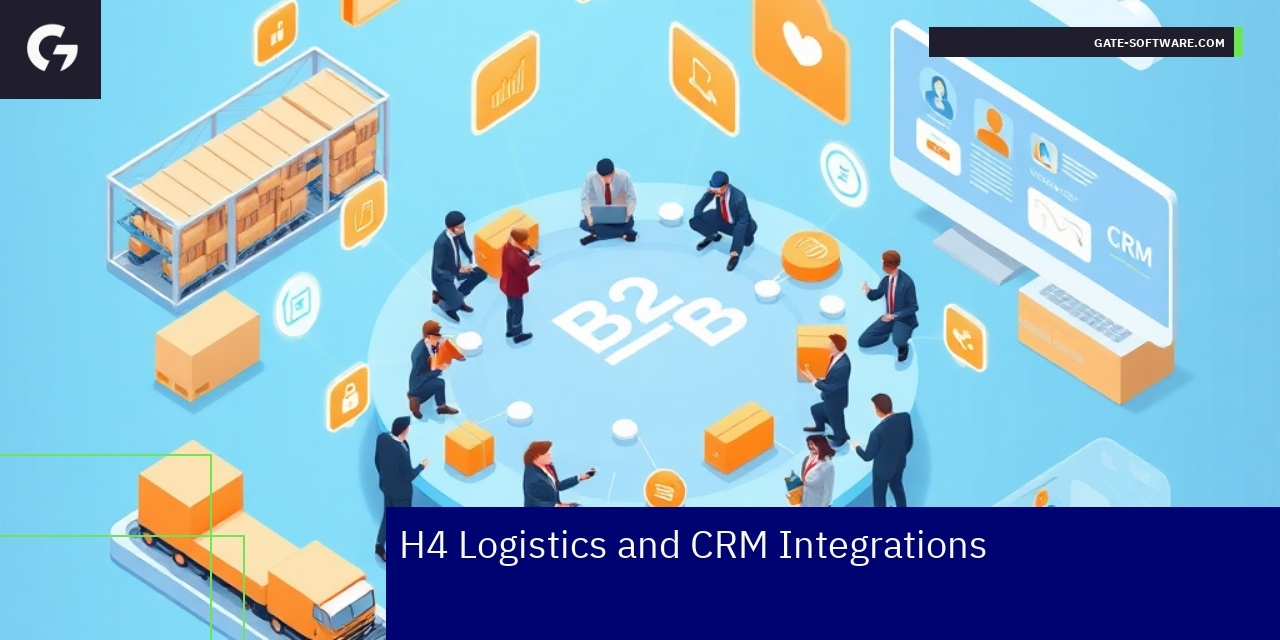
Logistics and CRM Integrations
Connecting your platform B2B with logistics and CRM software streamlines order fulfillment and enhances client relationship management. A system B2B that integrates logistics ensures real-time tracking of shipments, optimizes inventory management, and automates shipping processes, reducing errors and delivery times. This integration is crucial for maintaining efficiency in ecommerce B2B environments where order volumes and client expectations are high.
Moreover, linking CRM systems with your platform B2B allows for a comprehensive view of customer interactions, enabling personalized communication, improved sales strategies, and better after-sales support. By centralizing customer data and logistics workflows, businesses can respond swiftly to client needs, forecast demand accurately, and nurture long-term partnerships.
Effective integration supports scalability and flexibility, accommodating evolving business requirements and technological advancements. For decision-makers such as CTOs and eCommerce Managers, implementing seamless logistics and CRM integrations within a system B2B is vital to enhancing operational performance, achieving higher customer satisfaction, and driving sustainable growth.

Personalization for Companies
In the evolving landscape of ecommerce B2B, personalization has become a crucial element for platforms B2B and system B2B to effectively engage their diverse client base. Leveraging personalization features enables businesses to deliver customized pricing, catalogs, and tailored content specific to each company’s needs and purchasing behavior. This approach not only enhances the user experience but also drives higher conversion rates and customer loyalty within B2B markets. By integrating advanced personalization within your system B2B, you can accommodate the unique workflows and decision-making processes typical in B2B commerce, ensuring each stakeholder receives relevant information and offers. This level of customization is essential for platforms B2B aiming to differentiate themselves and provide value beyond traditional ecommerce solutions. Ultimately, a well-implemented personalization strategy in an ecommerce B2B environment supports deeper business relationships, optimizing operations and fostering sustained growth.

H4 SEO and Content Marketing
Optimizing your ecommerce B2B content for SEO is crucial to enhancing visibility and attracting targeted business clients searching for your products and services on platforms B2B. A tailored SEO strategy that integrates system B2B functionalities can significantly improve your platform’s discoverability in a competitive digital landscape. This involves carefully embedding keywords such as ecommerce B2B, system B2B, and platforms B2B naturally within your content, metadata, and technical SEO elements.
Effective SEO practices for ecommerce B2B platforms require understanding the decision-making process of business clients, which often involves longer sales cycles and multiple stakeholders. Content marketing should therefore focus on delivering high-value, informative content that addresses the specific challenges and needs of B2B buyers, such as integration capabilities, scalability, and system interoperability.
Moreover, leveraging platforms B2B capabilities enhances user experience and operational efficiency, which indirectly supports SEO by reducing bounce rates and improving engagement metrics. By aligning SEO efforts with system B2B characteristics, businesses can foster stronger partnerships and demonstrate expertise, establishing credibility within B2B communities.
In summary, integrating ecommerce B2B SEO strategies with platform capabilities and system functionalities creates a robust foundation for sustainable online growth in the B2B market. It ensures that content marketing not only attracts business clients but also supports their journey through relevant, accessible, and technically optimized touchpoints.

Email and Social Media Marketing
In the platform B2B landscape, deploying effective email and social media marketing campaigns is critical to fostering engagement and generating qualified leads. For ecommerce B2B enterprises, these channels provide direct pathways to decision-makers and influencers involved in complex buying processes.
Effective email marketing in the ecommerce B2B context relies heavily on segmentation, personalization, and automation within your system B2B infrastructure. Segmenting recipients by industry, role, or behavior enables tailored messaging that resonates with each audience subset. Personalization beyond simple name insertion—such as referencing recent interactions or business pain points—boosts open and conversion rates. Automated workflows maintain engagement throughout long sales cycles, nurturing leads with relevant content until they are ready to advance in the sales funnel.
Social media campaigns complement email efforts by expanding reach and enabling real-time interaction with your target audience. LinkedIn remains the cornerstone platform for B2B engagement, allowing precise targeting and thought leadership positioning. Content that sparks dialogue, such as expert insights, case studies, or industry updates, encourages meaningful interactions. Paid social media campaigns can strategically amplify visibility and direct traffic to your ecommerce B2B platform.
Measuring the impact of these initiatives through KPIs like open rates, click-through ratios, engagement metrics, and lead conversion rates is essential. This data informs continuous refinement of your system B2B marketing approach, ensuring alignment with overarching business goals.
In sum, integrating sophisticated email marketing and social media strategies within your platform B2B ecosystem strengthens relationships with key stakeholders, drives lead generation, and supports sustained growth in ecommerce B2B operations.

Promotion and Advertising Strategies
Developing targeted promotional strategies that leverage the capabilities of your system B2B and platforms B2B is essential to boost sales and client retention. In the B2B sector, it is critical to integrate ecommerce B2B solutions that enhance user experience while meeting complex business requirements. Optimizing your system B2B infrastructure to support seamless integration and data flow across platforms B2B enables personalized marketing campaigns adapted to specific customer segments.
Platforms B2B offer unique opportunities to deploy targeted advertising where decision-makers spend their time, ensuring messages resonate with business needs and challenges. Utilizing ecommerce B2B tools allows for effective lead generation and customer engagement by tracking purchase behavior and providing tailored offers. Strategic use of these interconnected elements—system B2B, platforms B2B, and ecommerce B2B—creates a robust ecosystem, facilitating measurable growth through high conversion rates and improved client loyalty.
Ultimately, aligning promotion efforts with business processes supported by gate-software’s system B2B solutions ensures campaigns are data-driven and scalable, directly contributing to sales growth and long-term client partnerships.

Client Communication Channels
In the B2B environment, effective communication channels are critical to maintaining strong client relationships and operational efficiency. Leveraging advanced platforms B2B allows businesses to offer multiple contact points tailored to the complex needs of business customers. A well-integrated system B2B facilitates seamless interactions by consolidating communication streams within a unified interface, enhancing both responsiveness and transparency.
A cohesive ecommerce B2B strategy hinges on responsive client support embedded directly within your platform B2B. Prompt resolution of technical inquiries and business requests ensures minimal downtime and fosters trust, which is paramount in B2B commerce. Ultimately, integrating flexible communication solutions within your ecommerce B2B framework optimizes collaboration and nurtures long-term partnerships essential for sustained growth.

H4 Support and Assistance
Comprehensive B2B Service Solutions
When it comes to navigating the complexities of ecommerce B2B, our platform B2B provides tailored support to ensure your business operations run smoothly. Our team is dedicated to enhancing your experience with expert guidance and resources tailored specifically for B2B service.
24/7 Customer Support
Our system B2B is backed by round-the-clock customer support. Whether you face a technical issue or need assistance with product integration, our support team is available 24/7 to help you resolve challenges promptly, allowing you to focus on your core business activities.
Training and Resources
To maximize the potential of our ecommerce B2B platform, we offer comprehensive training sessions and an extensive knowledge base. This ensures your team is well-equipped to utilize all features of the platform B2B effectively, resulting in enhanced productivity and performance.
Dedicated Account Management
Experience personalized service with our dedicated account management for your B2B service needs. Your account manager will work closely with you to understand your business requirements and provide ongoing support, ensuring you achieve your goals efficiently.
FAQs and Troubleshooting
For quick answers, our FAQ section addresses common inquiries related to our system B2B. This resource is designed to empower our users with immediate solutions to frequently encountered challenges, reducing downtime and increasing operational efficiency.
By focusing on these aspects of support and assistance, we ensure that your ecommerce B2B journey is as seamless and beneficial as possible.

Building Client Relationships
Fostering strong business client relationships via your platforms B2B ensures sustained growth and deeper engagement. In the system B2B environment, these relationships form the backbone of long-term success, as they enhance collaboration and trust between partners. Platforms B2B serve as critical tools, enabling seamless communication and streamlined workflows that reflect the unique demands of business clients. Leveraging ecommerce B2B capabilities to tailor interactions and personalize service can significantly improve client satisfaction and retention. By investing in robust platforms B2B integrated with intelligent system B2B solutions, companies can anticipate client needs, troubleshoot proactively, and deliver consistent value. This strategic approach not only strengthens partnerships but also builds resilience in competitive markets, making ecommerce B2B channels indispensable for modern business development.
Building Client Relationships

H4 Regular Functionality Tests
Conducting regular functionality tests of your platform B2B is essential to maintain and enhance the performance and reliability of ecommerce B2B systems. System B2B environments often involve complex integrations and workflows that support business-critical processes. Regular testing helps identify potential issues early, from transaction errors to user experience inconsistencies, ensuring that platforms B2B operate smoothly and securely.
Testing should cover a broad spectrum of scenarios, including load and stress testing to simulate real-world usage, usability tests focusing on key personas such as the eCommerce Manager and Architect, and compliance checks with standards like WCAG 1.1. Attention to these details not only safeguards the platform’s stability but also optimizes the customer journey, directly affecting conversion rates and long-term client satisfaction.
By systematically evaluating your ecommerce B2B platform, your organization gains actionable insights into system performance, identifies bottlenecks, and implements improvements proactively. This strategic approach reduces downtime, supports scalability, and aligns technology with business goals, fostering a resilient infrastructure tailored to the unique requirements of B2B commerce.

User Data Analysis
Analyzing user data from your ecommerce B2B system helps optimize the customer journey and drive better business outcomes. Leveraging data insights within a system B2B environment allows businesses to understand customer behaviors, preferences, and pain points effectively. This deep insight enables continuous refinement and personalization of the platform B2B experience, fostering stronger relationships with key decision-makers and stakeholders in the B2B space.
Within an ecommerce B2B framework, user data analysis provides critical metrics such as engagement rates, transaction patterns, and conversion funnels. This data informs strategic decisions that enhance platform functionality, streamline processes, and optimize resource allocation. By harnessing these insights, teams can proactively address issues, improve UX/UI tailored for professional users, and support scalable growth.
Ultimately, integrating detailed user data analysis into your system B2B empowers your organization to craft targeted marketing strategies, improve customer retention, and increase overall efficiency. This focus not only drives measurable business results but also secures competitive advantages in the evolving digital B2B marketplace.
User Data Analysis
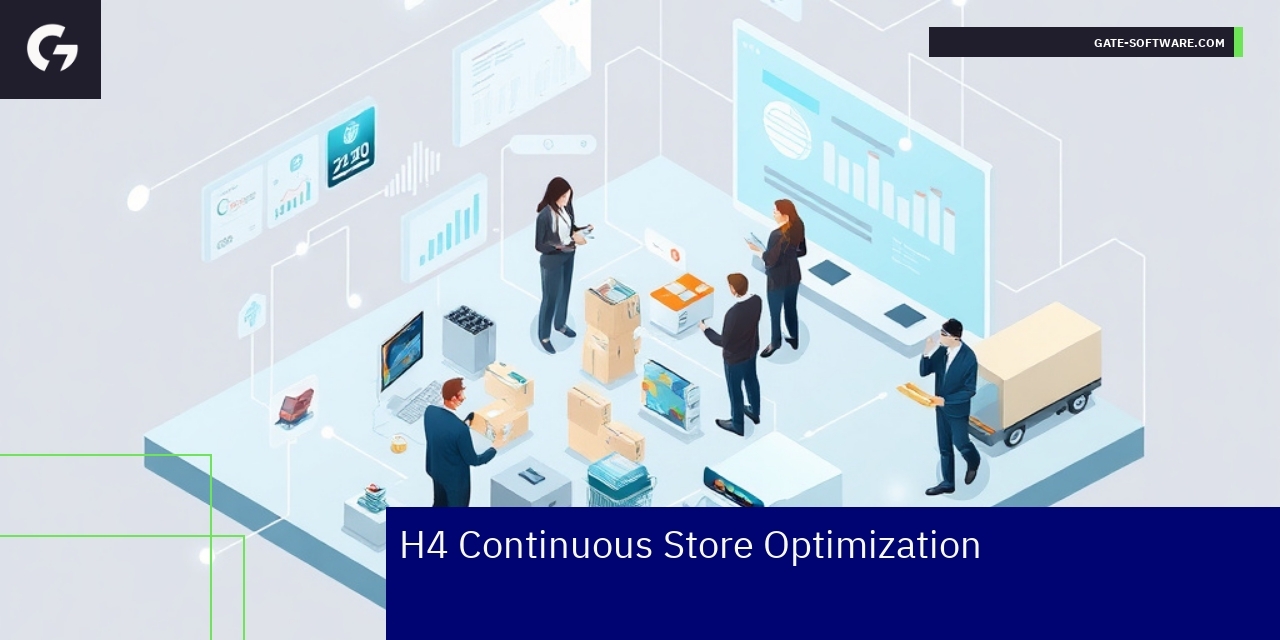
Continuous Store Optimization
Continuous store optimization is essential for maintaining a competitive edge in platforms B2B, ensuring your ecommerce B2B environment remains efficient and user-friendly. By systematically collecting and analyzing insights from user behavior, transaction data, and performance metrics, businesses can identify areas for improvement within their system B2B. This ongoing process allows rapid adaptation to changing customer needs and market trends, minimizing downtime and maximizing operational efficiency.
Optimizing the platform involves fine-tuning both technical and experiential aspects—from streamlining checkout processes to enhancing navigation tailored to B2B buyers’ complex workflows. Leveraging analytics tools and A/B testing empowers decision-makers like CTOs and Heads of Applications to implement data-driven enhancements. Additionally, prioritizing accessibility and performance aligns with WCAG standards, improving inclusivity and ensuring faster load times.
Incorporating continuous feedback loops with key stakeholders such as eCommerce Managers enables personalization which increases engagement and reduces friction in purchasing. Overall, continuous store optimization integrates strategic insights to evolve your platforms B2B, making your ecommerce B2B system more responsive, scalable, and aligned with business goals for lasting success.
Feedback and Personalization
[treść i struktura nagłówków H4 pozostają bez zmian]

Data and Performance Metrics – Efficiency, SLA, TCO
Operational Effectiveness in B2B Projects
At Gate-Software, we focus on delivering measurable value through our B2B projects by emphasizing operational efficiency and reliability. Here are some key performance metrics that underscore our commitment to excellence:
1. Project Takeover Time: Our average project takeover time is approximately 2 weeks, ensuring a swift transition and minimal disruption to your business operations.
2. On-time Project Delivery: We pride ourselves on our project management capabilities, achieving a high 95% on-time delivery rate. This metric reflects our dedication to meeting client deadlines and expectations consistently.
3. Average TCO Reduction: Clients utilizing our solutions can expect an average reduction in Total Cost of Ownership (TCO) by 20% over two years. This cost efficiency is a result of optimized processes and integrated technology solutions.
4. Number of Implementations: Gate-Software has successfully completed over 150 B2B implementations across various industries, showcasing our extensive experience and adaptability in delivering tailored solutions.
5. Uptime SLA: We offer an industry-leading uptime SLA of 99.9%, ensuring that your e-commerce platform remains operational and accessible to users at all times.
6. Average Client Relationship Duration: Our average client relationship spans beyond 5 years, indicating our commitment to fostering long-term partnerships through continual support and service enhancement.
These metrics highlight the effectiveness of our B2B offerings, reinforcing Gate-Software’s position as a trusted partner in creating tailored e-commerce solutions that drive business success.

Summary
In navigating the complex landscape of B2B e-commerce, it’s crucial to recognize that success hinges on a tailored approach that addresses the unique needs of business clients. At Gate-Software, we provide comprehensive solutions that integrate robust Magento™ frameworks with a keen focus on UX/UI design and compliance with WCAG standards. By understanding the distinct roles of key stakeholders—such as Architects, eCommerce Managers, and CTOs—we create platforms that do not just facilitate transactions but foster lasting relationships and drive strategic growth.
Our dedication to continuous maintenance and development ensures that your platform remains innovative, secure, and effective in adapting to market changes. By leveraging our expertise in SLA management and cost optimization, you gain a reliable e-commerce environment that enhances operational efficiency and user satisfaction. Choosing Gate-Software means partnering with a solution that prioritizes your business objectives, guiding you towards a seamless and successful B2B e-commerce journey. We invite you to connect with us to explore how we can help elevate your e-commerce B2B efforts and realize your full potential in this dynamic marketplace.
Summary

FAQ
What are the key features required for a B2B e-commerce platform?
A successful B2B e-commerce platform must support complex pricing structures, including tiered and volume-based discounts, bulk ordering capabilities, advanced account management tools, and seamless integration with ERP and CRM systems to enhance user experience and operational efficiency.
How does Gate-Software ensure the accessibility of its B2B platforms?
Gate-Software emphasizes compliance with WCAG standards, ensuring that its B2B e-commerce platforms are accessible and user-friendly. This focus on accessibility is fundamental to enhancing the experience for all users, including those with disabilities.
Why is understanding customer personas important in B2B e-commerce?
Understanding customer personas helps tailor the B2B platform to meet the specific operational needs of various stakeholders, such as Architects, eCommerce Managers, and CTOs. This approach drives business value by aligning the platform’s functionalities with the decision-making processes of its users.
How can businesses maintain and optimize their B2B e-commerce platforms?
Continuous maintenance and development are crucial for keeping B2B e-commerce platforms secure, scalable, and responsive to market changes. Gate-Software offers expertise in monitoring, SLA management, and cost optimization to ensure a reliable and efficient e-commerce environment.
What role does personalization play in B2B e-commerce?
Personalization is essential for engaging diverse client bases in B2B e-commerce. By delivering customized pricing, catalogs, and tailored content, businesses can enhance user experience, drive higher conversion rates, and build long-lasting relationships with clients.
.
.
Zamów bezpłatną konsultację
.
Z nami rozwój Twojego biznesu nabierze tempa! Zapraszamy do kontaktu średnie i duże firmy generujące min. 7 mln PLN obrotu rocznie – tam nasza ekspertyza sprawdza się najlepiej.
.
Kliknij w poniższy przycisk i skontaktuj się z jednym z naszych konsultantów e-commerce
.