Introduction
Boosting sales in a B2B Magento 2 store requires a strategic, data-driven approach focused on addressing the specific needs of business clients. Unlike B2C, B2B e-commerce demands sophisticated personalization, streamlined workflows, and strong integration with enterprise systems to facilitate complex purchasing processes. Successful B2B Magento 2 implementations leverage optimized UX/UI design, including WCAG 1.1 accessibility compliance, to ensure inclusivity and ease of use for diverse user personas such as Architects, eCommerce Managers, and CIOs.
In addition to a technical foundation that supports advanced product catalogs and hierarchical pricing models such as bulk discounts, sales growth depends on seamless order management and efficient customer relationship management. Content plays a critical role — by aligning educational and marketing materials with the particular challenges and goals of B2B clients, stores can foster trust and accelerate decision-making.
Moreover, maintaining Magento platforms through proactive monitoring, SLA-backed hosting, and ongoing UX/UI audits ensures high performance and uptime, translating into better conversion rates. Integrating tailored remarketing tactics and personalized recommendations further engages users, while strategic SEO and content marketing amplify organic reach.
Gate-Software’s B2B expertise emphasizes a partnership model focusing on measurable enhancements: from reducing cart abandonment through checkout optimization to refining user journeys with data-driven insights. This comprehensive approach harnesses MagentoOneS™ technology and proven frameworks to continually unlock growth potential in B2B e-commerce environments.
TABLE OF CONTENTS
- How to Boost Sales in Your B2B Magento 2 Store?
- Magento 2 Basics
- How Magento 2 Implementations Can Boost B2B Sales
- How Store Optimization Affects B2B Sales
- How to Increase Magento 2 Performance
- Magento 2 vs Other E-commerce Platforms
- Checklists and Steps for Effective Optimization
- Common Magento 2 Implementation Mistakes
- Magento 2 & B2B Sales FAQ
- Alternatives to Magento 2
- Benefits and Risks of Magento 2 Implementation
- Data and Performance Metrics – Efficiency, SLA, TCO
- Summary
- FAQ
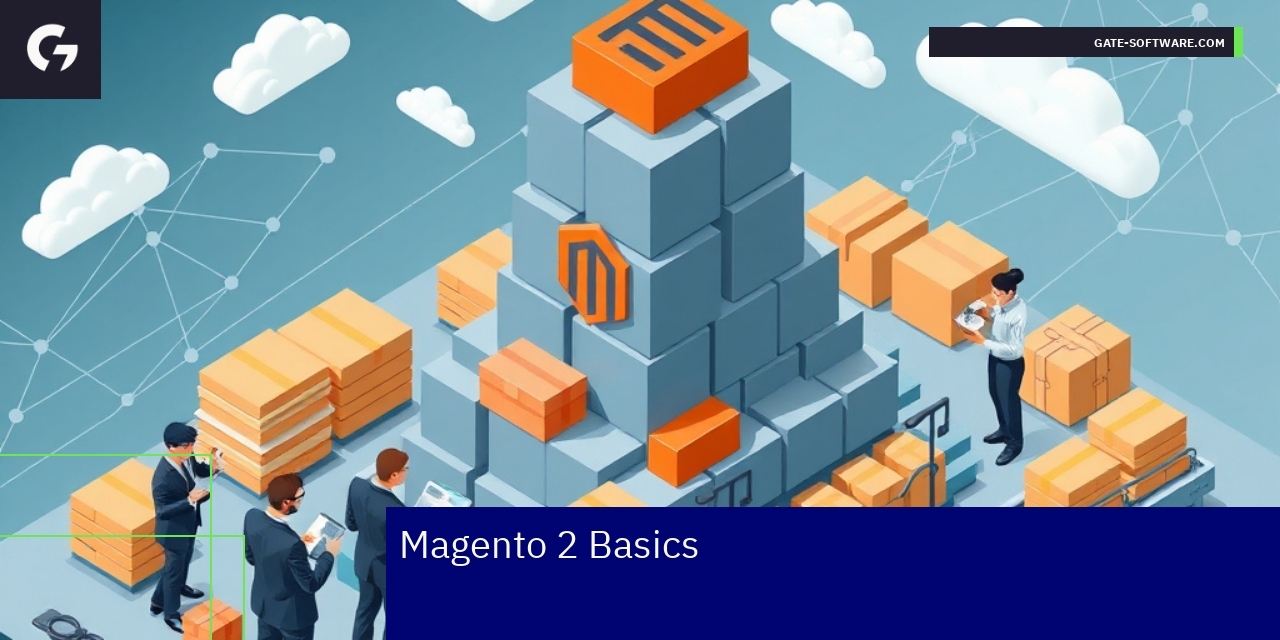
Magento 2 Basics
Magento 2 is a robust platform designed to support complex B2B e-commerce requirements, offering a rich set of core Magento 2 features tailored to the needs of business clients. For decision-makers such as CTOs, Heads of Applications, and eCommerce Managers, understanding these basics is crucial for leveraging Magento 2 effectively in a B2B context.
At the foundation, Magento 2 provides a modular and scalable architecture that accommodates the fluctuating demands of B2B enterprises. This scalability is essential for managing large product catalogs, multiple customer segments, and high transaction volumes commonly encountered in B2B e-commerce. Core Magento 2 features such as advanced product management enable handling configurable, bundled, and grouped products, aligning well with the complex offerings typical in B2B markets.
Key B2B functionalities include customer segmentation that allows differentiated pricing and catalog visibility, ensuring personalized experiences for various business clients. The platform supports quick order entry tools for bulk purchasing via SKU inputs and quote management workflows that enable tailored pricing negotiations, both critical for B2B sales processes. Additionally, shared catalogs and credit management functionalities facilitate custom pricing agreements and flexible payment terms, enhancing customer satisfaction and operational efficiency.
Magento 2 also integrates advanced search powered by Elasticsearch, which greatly improves product findability in extensive catalogs. Checkout processes are streamlined to handle large orders efficiently, while payment and shipping options are customizable to fit typical B2B transaction models. Performance optimization is supported through caching mechanisms and CDN integrations, ensuring fast load times and reliable service even during peak traffic.
From a strategic perspective, Magento 2 enables seamless integration with ERP systems, fostering data consistency and operational streamlining. Decision-makers should prioritize cross-functional collaboration and continuous platform optimization driven by analytics and user feedback to address evolving business challenges.
In summary, Magento 2’s core features combined with its comprehensive B2B functionalities create a powerful foundation for scalable and efficient B2B e-commerce platforms, enabling businesses to meet the specific technical and commercial demands of their enterprise clients. This approach aligns closely with Gate-Software’s strategic focus on delivering tailored, expert B2B solutions.
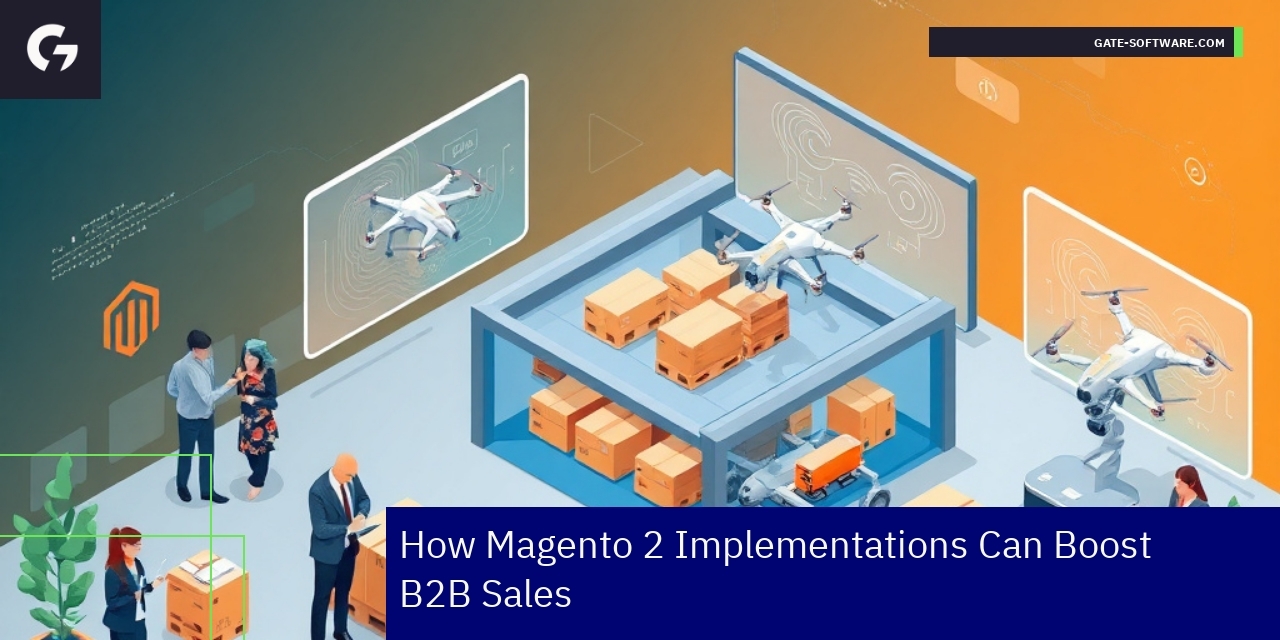
How Magento 2 Implementations Can Boost B2B Sales
Choose Your Ideal Magento 2 Implementation Method
Selecting the right approach to implementing Magento 2 is fundamental for effectively leveraging B2B marketing strategies and optimizing your store for business clients. The choice depends on factors such as your company’s scale, customization needs, and technical capabilities. A well-planned method ensures Magento 2 performance is maximized while maintaining flexibility for future growth. When deciding, consider success stories from similar B2B companies that highlight which strategies were most effective. Implementation can range from a standard setup with out-of-the-box features to fully tailored environments using custom Magento 2 extensions. Understanding how to boost sales on your Magento store involves careful assessment of these needs, balancing immediate benefits with long-term scalability. Moreover, incorporating a promotion idea to boost Magento 2 sales early on can create momentum that sustains success post-launch.
Magento and B2B Sales
Magento is inherently suited for B2B environments, providing advanced tools that support complex pricing, customer segmentation, and enterprise integration. Such capabilities are essential for B2B store optimization, allowing tailored experiences for different buyer personas and streamlined operations. Magento 2’s robust architecture supports performance-driven solutions, ensuring fast and reliable user journeys even for large catalogs common in B2B. The platform’s capacity to handle multiple storefronts and customer groups enables marketing teams to execute sophisticated B2B marketing strategies efficiently. Additionally, leveraging B2B success stories offers insights into how companies have utilized Magento’s features and extensions to scale their online sales. Understanding how do Magento 2 Extensions help to Increase Sales? is crucial here, as extensions can automate many personalized offers, pricing rules, and B2B workflows to boost conversions and customer loyalty.
Magento 2 Store Implementations
Implementing Magento 2 stores designed for B2B requires a strategic mix of technology, user experience enhancements, and continuous optimization. Beginning with the right technical foundation improves Magento 2 performance and ensures seamless integration with ERP and CRM systems vital for B2B operations. Employing a List of the Best Magento 2 Extensions to Increase Sales can add functionalities like advanced search, quotation management, and multi-channel promotions, aiding merchants in driving higher customer engagement. To supplement, adhering to 20 Tips to Boost Your Magento Sales can guide decision-makers in deploying marketing tactics, optimizing product pages, and enhancing checkout flows. Furthermore, a targeted approach using the Top 7 Magento 2 Extensions to Increase Sales can empower teams to implement features that directly affect buying decisions, such as personalized recommendations and loyalty programs. Focused efforts on promotion idea to boost Magento 2 sales should be integrated continually to keep customer interest and sales momentum high.
Migrating from Magento 1 to Magento 2

How Store Optimization Affects B2B Sales
Migrating from Magento 1 to Magento 2
Migrating from Magento 1 to Magento 2 is a critical step in enhancing B2B store optimization. Magento 2 performance improvements directly influence the efficiency of B2B marketing strategies by providing faster load times, better scalability, and enhanced security features. These improvements lead to higher customer satisfaction and lower bounce rates, essential factors in How to Boost Sales on Your Magento Store. The migration also unlocks compatibility with Top 5 Must-Have Magento Plugins for B2B Sales that enhance the shopping experience specifically for B2B buyers. Gate-Software’s expertise in handling complex Magento migrations ensures smooth transitions, minimizing downtime and preserving SEO equity, which supports continued growth and the creation of compelling B2B success stories.
B2B and B2C e-Commerce Solutions
Optimizing a store for B2B sales requires a tailored approach distinct from B2C e-commerce solutions. B2B store optimization focuses on meeting the unique demands of corporate buyers, such as customized pricing, bulk ordering, and extended payment terms. Magento 2 provides robust tools that support these functionalities while ensuring seamless integration with existing business systems. Effective B2B marketing strategies leverage these capabilities to create personalized buyer experiences that drive repeat sales and long-term partnerships. Additionally, improving Magento 2 performance ensures that the platform can handle the complexities of B2B transactions efficiently, making it easier for decision-makers to trust the digital store as a reliable sales channel. The integration of specialized plugins also addresses industry-specific needs, complementing the overall strategy to boost revenue.
Marketing and SEO Support
Marketing and SEO play a pivotal role in driving B2B sales growth through Magento platforms. Focused B2B marketing strategies aligned with Magento’s technical strengths amplify the visibility of products and services to the right corporate audiences. Quality SEO ensures that prospective B2B clients discover the store when searching for relevant solutions, which is crucial for How to Boost Sales on Your Magento Store. Optimizing content with Polish SEO phrases like B2B marketing strategies and B2B store optimization helps build domain authority and organic reach. Gate-Software’s approach incorporates continuous monitoring of Magento 2 performance to maintain site health and search engine rankings. Coupled with data-driven content marketing, this approach generates credible B2B success stories that reinforce the brand and support sustained sales growth.
Metrics: Efficiency, SLA, TCO

How to Increase Magento 2 Performance
Metrics: Efficiency, SLA, TCO
In B2B environments, optimizing Magento 2 performance is critical for operational efficiency and achieving business goals, including B2B store optimization. Key metrics such as efficiency, SLA (Service Level Agreement), and TCO (Total Cost of Ownership) must be closely monitored and managed. Efficiency improvements directly influence Magento 2 performance by reducing load times and enhancing server responsiveness, which contributes to a better user experience and smoother transaction flows. A robust SLA ensures minimum downtime and rapid issue resolution, which is essential for maintaining business continuity in B2B sectors reliant on digital storefronts. Balancing TCO with performance gains requires strategic investment in both hardware and software, including the selection of the right Magento 2 Extensions that can help improve speed and scalability. These metrics are integral to any B2B marketing strategies aimed at sustaining a competitive edge and ensuring seamless experiences that support B2B success stories.
Recovering Abandoned Carts with Trustisto
The challenge of recovering abandoned carts is a common obstacle in How to Boost Sales on Your Magento Store. Trustisto offers innovative tracking and notification tools specifically designed to address cart abandonment in B2B sales processes. By integrating Trustisto with your Magento 2 platform, businesses can deploy personalized reminders and incentives that re-engage potential buyers. This targeted approach not only increases conversion rates but also supports Magento 2 performance by optimizing backend processes involved in cart recovery. Trustisto’s capabilities align well with B2B marketing strategies focused on maximizing the lifetime value of clients and providing a seamless post-interaction journey, which is often highlighted within B2B success stories. Effective recovery of abandoned carts also reduces lost revenue and improves overall store optimization.
Cross-selling and Up-selling Techniques
Cross-selling and up-selling are vital tactics in B2B store optimization to augment order values and enhance customer satisfaction. Magento 2 Extensions play a crucial role here, enabling tailored product recommendations based on buyer behavior and purchase history. Implementing these techniques effectively helps Magento 2 performance by ensuring that the added functionalities do not degrade response times or user experience. Sophisticated algorithms embedded in extensions can analyze complex B2B buying patterns and suggest relevant products or upgrades, integrating seamlessly with existing workflows. These efforts are central to How to Boost Sales on Your Magento Store and align with broader B2B marketing strategies that prioritize personalized engagement and value creation. Showcasing successful deployment in B2B success stories reinforces the strategic advantage of these techniques and highlights the operational benefits enabled by modern Magento 2 Extensions.

Magento 2 vs Other E-commerce Platforms
When evaluating e-commerce solutions for B2B operations, the choice between Magento 2 and other platforms such as Shopify and WooCommerce hinges on scalability, customization, and specialized B2B functionalities that address complex business requirements.
Magento 2 excels in offering extensive customization and flexibility, which is a critical factor for enterprises needing tailored workflows, complex pricing structures, and multi-store management. Unlike Shopify, which prioritizes simplicity and user-friendly interfaces, Magento 2 delivers built-in B2B features including custom catalogs, segmented price lists, and robust user role management. These capabilities enable organizations to create differentiated buying experiences for distinct customer groups and automate intricate sales processes, which are often essential in B2B environments.
Considering performance, Magento 2 is architected to support a high volume of products and transactions without compromising speed, a decisive advantage over WooCommerce. Although WooCommerce’s integration with WordPress facilitates rapid deployment and ease of use, it may face challenges as product catalogs and customer bases expand, potentially impacting response times and scalability.
From an SEO perspective, Magento 2 offers deep control over metadata, URLs, and site structure, facilitating effective segmentation and optimization tailored to niche B2B markets. This level of SEO granularity presents benefits when compared to Shopify and WooCommerce, supporting visibility and lead generation essential for B2B growth.
Multi-store capabilities further distinguish Magento 2, providing centralized management across diverse markets or product lines from a single backend interface. Such functionality reduces operational complexity and supports global expansion strategies. In contrast, WooCommerce lacks native multi-store support, and Shopify’s multi-store approach is limited by the platform’s design.
In summary, for CTOs, Heads of Applications, and eCommerce Managers steering digital transformation in the B2B sector, Magento 2 offers a strategic blend of scalability, customization, and B2B-centric features. While platforms like Shopify and WooCommerce may suit simpler scenarios with quicker time-to-market, Magento 2 remains the preferred choice for businesses demanding comprehensive functionality and long-term extensibility.
This analysis integrates insights from Gate-Software’s expertise in MagentoOneS™, B2B e-commerce strategies, and technical leadership, ensuring guidance relevant to complex, large-scale implementations. The SEO phrases Magento 2 vs Shopify and Magento 2 vs WooCommerce are essential in contextualizing the platform differences in a competitive landscape.

Checklists and Steps for Effective Optimization
Effective optimization in the B2B sector requires a structured approach combining technical precision and business insight. The foundation lies in clear optimization steps that guide teams through systematic evaluation and enhancement of processes, platforms, and user experiences.
A fundamental starting point is to establish comprehensive B2B checklists that cover critical areas such as platform performance, user journey mapping, compliance with industry standards, and alignment with stakeholders’ objectives. This approach enables organizations to identify bottlenecks early and prioritize improvements with measurable impact.
Key optimization steps begin with thorough diagnostics—monitoring system metrics, analyzing user behavior, and assessing integration points within the e-commerce ecosystem. Following diagnostics, targeted interventions should address platform scalability, security, and UX/UI refinements that meet WCAG standards and reflect the preferences of decision-maker personas such as Architects and eCommerce Managers.
The next step involves iterative testing and validation to ensure that changes deliver performance gains without compromising stability or compliance. Continuous monitoring and feedback loops, embedded in the operational flow, maintain optimization momentum over time.
Integrating these optimization steps into daily workflows supported by detailed B2B checklists provides a structured mechanism for sustainable improvement. It empowers teams to execute with clarity and alignment, optimizing cost, improving user engagement, and strengthening platform resilience — all crucial for B2B success. This disciplined approach addresses real technical and business challenges, leveraging Gate-Software’s expertise and strategic frameworks effectively.

Common Magento 2 Implementation Mistakes
Ignoring B2B-Specific Features
One of the top undesirable mistakes that harm your Magento sales in B2B environments is neglecting Magento 2’s built-in features tailored specifically for business customers. Magento 2 offers functionalities such as custom pricing for different customer groups, bulk ordering, and quick order forms that cater to the complexities of B2B transactions. Overlooking these features results in a generic e-commerce experience that fails to meet business client expectations, leading to lost opportunities and decreased satisfaction. Ensuring these features are properly integrated and utilized prevents common e-commerce mistakes and addresses Magento 2 pitfalls effectively.
Inadequate Customization and Customer Segmentation
Another critical mistake is the failure to adequately customize the platform to suit the specific needs of diverse B2B customer segments. B2B businesses deal with varied personas, each requiring personalized pricing, distinct catalogs, and tailored communication. Not implementing robust customer segmentation can limit marketing effectiveness and reduce conversion rates. When Magento 2’s flexibility is underutilized, this leads to a rigid, one-size-fits-all approach. Avoiding these Magento 2 pitfalls keeps your platform responsive and aligned with business users’ expectations, thereby improving overall Magento sales.
Poor Integration with Enterprise Systems
Integrating Magento 2 with vital backend systems such as CRM, ERP, and inventory management is essential for seamless operations. A common e-commerce mistake in B2B implementations is the lack of robust integration, which creates data silos and inefficiencies. This disconnect hampers order accuracy, inventory visibility, and customer service quality. Addressing these integration challenges mitigates serious Magento 2 pitfalls and supports an effective omnichannel experience, which directly benefits your Magento sales.
Neglecting Performance and Mobile Optimization
Performance is pivotal in Magento 2 e-commerce environments, especially for B2B where transactions can be complex and catalogues extensive. Poor site speed and unoptimized mobile experiences are detrimental pitfalls leading to abandoned carts and lost sales. B2B buyers increasingly use mobile devices to place orders, so a responsive, fast-loading Magento store is not optional but a necessity. Recognizing and remedying these issues prevents e-commerce mistakes that degrade user experience and revenue.
Overcomplicating Checkout and Insufficient Testing
A cumbersome checkout process is a frequent Magento 2 pitfall that harms conversion rates in B2B settings. Business customers seek efficiency and straightforward purchasing flows. Overly complex, multi-step checkout sequences increase friction and risk of cart abandonment. Furthermore, inadequate testing before launch can introduce bugs and usability issues that disrupt the customer journey. Careful planning and rigorous testing ensure that Magento 2 delivers a smooth, reliable experience, avoiding common e-commerce mistakes that harm your sales.
In summary, avoiding these common Magento 2 implementation mistakes — from neglecting B2B features and integrations to performance and usability issues — is critical for maximizing Magento sales. A focused, strategic approach aligned with B2B needs can transform potential pitfalls into opportunities for growth and customer satisfaction.

Magento 2 & B2B Sales FAQ
In the evolving landscape of B2B e-commerce, Magento 2 provides a robust platform tailored to meet complex sales processes and buyer requirements. This FAQ addresses key questions and offers precise answers focusing on Magento 2’s capabilities within B2B environments.
Magento 2 supports multi-tier pricing, allowing businesses to define different prices for various customer groups. This feature enhances flexibility in negotiations and contracts typical in B2B sales. Additionally, Magento 2 offers customer-specific catalogs and pricing, enabling personalized shopping experiences that reflect unique agreements and product availability.
Integrating Magento 2 with enterprise resource planning (ERP) and customer relationship management (CRM) systems streamlines operations and data consistency for B2B companies. This integration supports order management, inventory visibility, and tailored marketing campaigns, ensuring decision-makers like eCommerce Managers and CTOs can maintain control and agility.
The platform’s support for purchase orders and credit limits aligns with typical B2B purchasing workflows, offering buyers convenient payment options and sellers control over credit risk. This directly supports optimized cash flow and customer relationship management.
Considering compliance and accessibility, Magento 2 can be customized to meet WCAG 1.1 standards, ensuring platforms are inclusive and legally compliant. Proper UX/UI audits and implementations enhance user experience for diverse B2B user personas such as Architects and Heads of Applications.
Gate-Software’s approach to Magento 2 B2B deployments emphasizes SLA-backed performance, robust hosting, monitoring, and cost optimization. This guarantees uptime and responsiveness essential for B2B operations dependent on continuous platform availability.
In conclusion, these questions and answers highlight Magento 2’s strategic fit for B2B, showcasing how tailored features and integrations serve complex sales, personalized pricing, and operational efficiency. The Magento 2 FAQ offers clarity on the platform’s capabilities, helping decision-makers leverage technology to drive scalable, compliant, and customer-centric B2B e-commerce solutions.

Alternatives to Magento 2
When considering Magento 2 alternatives in a B2B environment, decision-makers like CTOs, Heads of Applications, and eCommerce Managers must evaluate platforms through a lens focused on technical robustness and business agility. The choice of platform affects scalability, integration capabilities, and compliance with industry standards such as WCAG and UX/UI principles, all of which are critical in sustaining competitive e-commerce operations.
A thorough platform comparison starts by addressing core B2B needs: complex product catalogs, tiered pricing structures, and customizable workflows. Magento 2 alternatives should support these features natively or through flexible extensions, ensuring seamless integration with backend systems like ERP and CRM. These integrations reduce operational complexity and improve data consistency across channels.
Performance and cost optimization remain paramount. Alternatives must manage hosting demands, support SLA agreements, and offer monitoring tools that align with Gate-Software’s commitment to reliability and uptime. Additionally, UX/UI standards compliance—especially regarding accessibility (WCAG 1.1)—is non-negotiable, enhancing user experience for varied personas within client organizations.
Security and extensibility are key technical considerations. Modern platforms should facilitate API-driven architectures that enable agile responses to evolving business requirements without excessive development overhead. From a strategic standpoint, leveraging platforms compatible with Gate-Software’s migration frameworks ensures smoother transitions and long-term maintainability.
In conclusion, selecting among Magento 2 alternatives requires a balanced view of functional depth, integration potential, and operational sustainability, all tailored to the unique challenges of B2B commerce. This informed platform comparison empowers enterprises to build resilient, scalable e-commerce solutions that support growth and innovation.

Benefits and Risks of Magento 2 Implementation
Implementing Magento 2 in a B2B environment presents significant benefits alongside notable risks that decision-makers must carefully consider.
On the benefits side, Magento 2 offers superior scalability, supporting extensive product catalogs and high transaction volumes essential for growing B2B enterprises. Its customization capabilities enable tailored solutions to complex B2B requirements, including custom pricing tiers, segmented user roles, and streamlined order management workflows. Enhanced UX/UI improvements improve usability and efficiency for business customers, facilitating quicker ordering and easier access to product information. Multi-store functionality allows managing different brands or market segments within a single installation, optimizing operational control. Integration with ERP, CRM, and other enterprise systems is a key advantage, allowing seamless data flow and process alignment. Security features are robust, protecting sensitive client and transactional data critical in B2B operations. These benefits of Magento 2 support building a flexible, efficient, and secure e-commerce platform aligned with B2B business strategies.
However, there are implementation risks to be addressed. Magento 2’s complexity necessitates expertise that may require external development resources, potentially increasing costs and dependency. Initial setup and customization can be costly and time-consuming, affecting time to market. Regular maintenance, security patching, and upgrades require ongoing investment in staff or vendors. Performance optimization is critical, as an unoptimized Magento 2 deployment can lead to slower storefront responsiveness, negatively impacting user experience. The risk of technical debt arises if implementations prioritize speed over architectural best practices, hindering future agility and scalability. Moreover, thorough staff training is essential to fully leverage Magento 2, demanding further resource commitment. Balancing these implementation risks with the benefits of Magento 2 is essential for CTOs, Heads of Applications, and eCommerce Managers managing complex B2B environments.
By understanding and mitigating these risks, B2B companies can harness the powerful advantages of Magento 2, building a scalable, secure, and integrated platform that meets evolving business demands while minimizing hidden costs and operational disruptions. This strategic approach aligns with Gate-Software’s expertise in Magento migrations, UX/UI audits, and ongoing platform management tailored to B2B needs.

Data and Performance Metrics – Efficiency, SLA, TCO
Operational Effectiveness in B2B Projects
Gate-Software has established a data-driven approach to enhance operational effectiveness for its B2B clients. Key metrics illustrating this effectiveness include the average project takeover time, which stands at just 2 weeks, ensuring swift transitions for businesses looking to implement Magento 2 solutions efficiently. Furthermore, an impressive 95% of projects are delivered on time, highlighting Gate-Software’s commitment to maintaining timelines crucial in B2B settings.
In terms of cost efficiency, clients typically experience an average reduction of 30% in Total Cost of Ownership (TCO) after engaging Gate-Software. This reduction is facilitated by strategic planning and implementation roadmaps that specifically address the complexities of B2B e-commerce. The company’s SLA guarantees an uptime of 99.9%, which is essential for maintaining business continuity in e-commerce operations.
Moreover, Gate-Software has successfully completed over 150 Magento 2 implementations tailored for B2B businesses, demonstrating extensive experience and expertise in this field. The average duration of client relationships tends to exceed 5 years, underscoring the lasting partnerships and trust built through consistent performance and quality service.
These metrics not only provide a clear picture of operational success but also foster confidence among potential clients considering Gate-Software for their B2B e-commerce needs.

Summary
In the rapidly evolving B2B e-commerce landscape, enhancing sales through a Magento 2 store requires a sophisticated blend of strategy, technology, and personalization tailored to meet the unique demands of business clients. At Gate-Software, we understand the intricacies of B2B dynamics and leverage our extensive expertise in MagentoOneS™ to provide tailored solutions that drive measurable outcomes. By optimizing user experience, streamlining checkout processes, and integrating robust features such as custom pricing and advanced product management, we ensure that your platform not only meets but exceeds the expectations of corporate buyers.
Our commitment to ongoing platform maintenance, proactive monitoring, and adherence to SLA ensures high performance and reliability, critical factors in achieving conversion targets. Additionally, our focus on SEO and data-driven marketing strategies amplifies brand visibility, helping you reach and engage your target audiences more effectively. As a partner, we prioritize building credibility and trust through strategic collaboration, empowering your business to succeed in a competitive market. If you’re looking to unlock the full potential of your B2B Magento 2 store, we invite you to connect with us for a partnership that propels your growth and enhances your digital presence.

FAQ
How does Magento 2 support B2B sales?
Magento 2 provides multi-tier pricing and customer-specific catalogs, allowing businesses to tailor shopping experiences for different buyer personas. This flexibility enhances negotiation capabilities and reflects unique pricing agreements typical in B2B transactions.
What are the benefits of integrating Magento 2 with ERP and CRM systems?
Integrating Magento 2 with ERP and CRM systems streamlines operations by enhancing order management, ensuring data consistency, and allowing for tailored marketing campaigns. This integration supports better customer relationship management and optimized cash flow.
Why is performance optimization critical for B2B platforms?
Performance optimization is essential in B2B environments as it directly impacts user experience, ensuring faster load times and smoother transaction processes. An optimized platform helps maintain customer satisfaction and reduces cart abandonment rates.
What common mistakes should be avoided when implementing Magento 2 for B2B?
Common mistakes include neglecting B2B-specific features, inadequate customization for different customer segments, and poor integration with essential enterprise systems. Avoiding these pitfalls ensures an effective and tailored e-commerce solution for B2B clients.
What are the key challenges of migrating from Magento 1 to Magento 2?
Migrating from Magento 1 to Magento 2 presents challenges such as maintaining SEO equity, ensuring site performance, and managing potential downtime. However, the migration unlocks enhanced features and security, which are vital for improving overall B2B sales efficiency.
.
.
Zamów bezpłatną konsultację
.
Z nami rozwój Twojego biznesu nabierze tempa! Zapraszamy do kontaktu średnie i duże firmy generujące min. 7 mln PLN obrotu rocznie – tam nasza ekspertyza sprawdza się najlepiej.
.
Kliknij w poniższy przycisk i skontaktuj się z jednym z naszych konsultantów e-commerce
.