Magento 2 templates play a pivotal role in shaping the user experience (UX) of an eCommerce platform. These templates determine how content is displayed, how interactions unfold, and ultimately how users perceive the brand and navigate through the shopping journey. Effective Magento 2 template design directly impacts customer satisfaction, conversion rates, and operational efficiency.
At the core, Magento 2 templates control the front-end presentation layer, which bridges the underlying Magento framework with the end-user interface. Well-structured templates ensure consistent, responsive, and intuitive layouts that adapt seamlessly across devices. This adaptability is crucial given contemporary user behaviors favoring mobile and multi-screen interactions. By leveraging Hyva themes, which are optimized for performance and simplicity, businesses can streamline the template architecture to reduce load times and enhance responsiveness, resulting in smoother user interactions and reduced bounce rates.
From a technical perspective, Magento 2 templates are modular and based on XML layout files and PHTML templates, enabling flexible customization without compromising performance. However, inefficient or overly complex templates can introduce latency and hinder page rendering speed, negatively affecting SEO and user engagement. Optimizing templates for minimal yet effective content delivery aligns well with SEO best practices, ensuring search engines can crawl the site efficiently while users enjoy fast, fluid experiences.
Operationally, robust template management supports agile updates, allowing businesses to quickly implement UI/UX improvements or marketing campaigns without extensive development cycles. This agility reduces time to market for new features and promotions, helping companies stay competitive in dynamic eCommerce landscapes. Moreover, a consistent UX derived from well-designed templates fosters brand trust and loyalty, essential for long-term customer retention.
In summary, Magento 2 templates significantly influence the overall user experience by balancing performance, aesthetics, and functional flexibility. Employing optimized templates not only elevates user satisfaction but also strategically supports broader business goals including SEO effectiveness, operational agility, and scalable platform growth.
TABLE OF CONTENTS
- How Magento 2 Templates Impact User Experiences
- Magento 2 Template UX
- Definitions and Basics
- How Magento 2 Templates Work
- Why Choosing the Right Template Matters
- Key Elements of Magento 2 Templates
- Motor Theme – Car Services
- DeepFish Theme
- Universal Tiles Theme for Magento 2
- Tools and Equipment Theme
- Fashion Store Theme
- Multifunctional Efficient Magento Theme
- Spices Online Store Template
- Funeral Services eCommerce Template
- Jewel Store Template
- Medical Website
- Electric Vehicle Parts Minimal Theme
- Clean Cosmetics eCommerce Theme
- Extreme & Outdoor Sports eCommerce Theme
- Universal Magento 2 eCommerce Theme
- Free Template
- Universal AMP-Ready Theme
- Benefits of Luma
- Benefits of Porto
- Core Web Vitals Seriously
- SEO-Ready
- Magento 2 Themes Comparison
- Common Template Selection Mistakes
- Alternatives to Magento 2 Templates
- Benefits and Risks of Using Templates
- Data and Performance Metrics – Efficiency and Cost
- Summary
- FAQ
- Data on specific improvements in conversion rates linked to Core Web Vitals optimization with Hyva
- Case studies showcasing reduced bounce rates due to improved LCP, FID, and CLS
- Tools and techniques recommended for monitoring and enhancing Core Web Vitals in Hyva e-commerce setups
- Involve cross-functional teams early to gather diverse insights on business needs and technical constraints.
- Prioritize templates with clean, modular codebases to facilitate easier debugging and upgrades.
- Conduct thorough performance testing under realistic traffic conditions before finalizing templates.
- Ensure templates have active community support or official documentation for faster issue resolution.
- Consider future business growth and feature expansion to choose templates that scale gracefully.

Definitions and Basics
Hyva represents a modern front-end framework designed specifically for Magento 2, aiming to redefine how Magento 2 templates are built and maintained. At its core, Hyva focuses on improving speed and simplicity by providing a leaner alternative to Magento’s default frontend themes, most notably replacing the traditional Luma theme.
The foundational concept behind Hyva is its streamlined architecture which employs contemporary technologies such as Alpine.js for frontend interactivity and Tailwind CSS for styling. This combination significantly reduces the overhead commonly associated with Magento 2 templates, making pages load faster and enhancing overall site performance.
Hyva’s approach to Magento 2 templates is fundamentally different from the conventional system. It embraces a component-driven architecture, where templates are broken down into smaller, reusable components. This modularity simplifies development and maintenance, leading to better operational efficiency and scalability in complex Magento environments.
By focusing on reducing complexity and increasing developer productivity, Hyva empowers teams to address real-world business problems more effectively. The framework’s design principles help ensure that Magento stores not only perform well at scale but also maintain architectural clarity, which is essential for ongoing innovation and seamless integration with evolving eCommerce technologies.
How Magento 2 Templates Work
—
If available:
—
How Magento 2 Templates Work
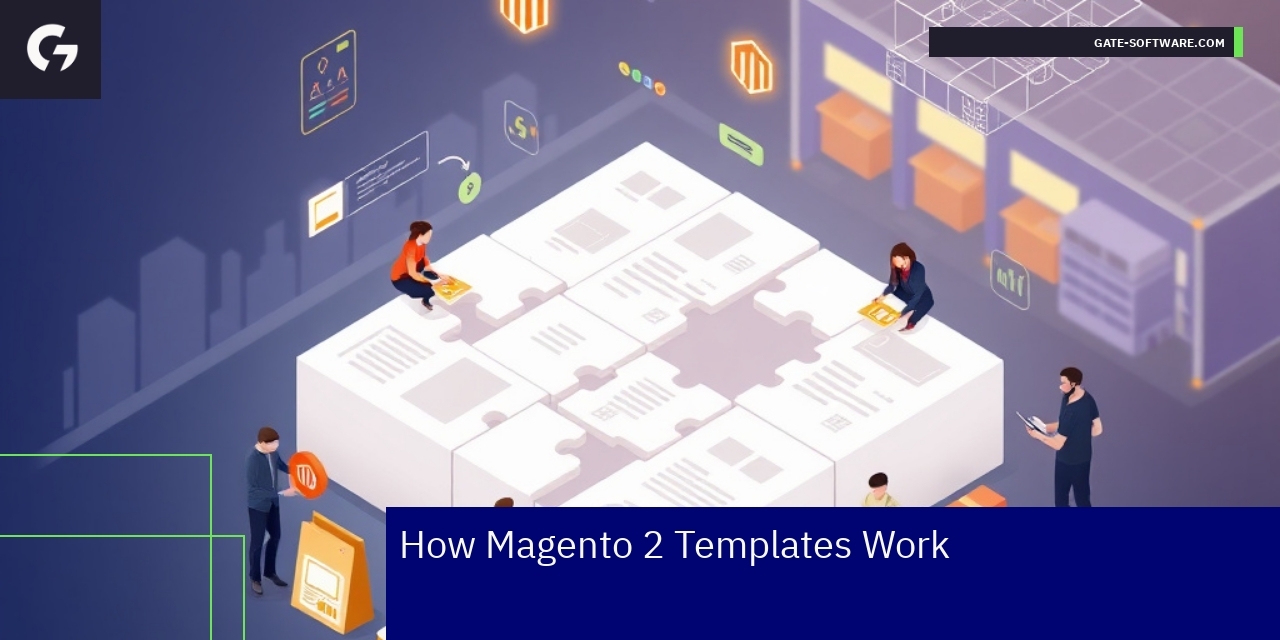
Magento 2 templates form a fundamental part of the platform’s frontend rendering, combining PHP, HTML, and XML to deliver dynamic and scalable e-commerce pages. Understanding their functioning is essential for designing extensible and performant Magento 2 stores.
Magento templates primarily consist of `.phtml` files located within a theme’s directory structure, specifically under `app/design/frontend/[Vendor]/[Theme]/Magento_[Module]/templates`. These files contain HTML markup intertwined with PHP code, which defines the visual output for specific page sections.
The functioning of templates is tightly coupled with Magento’s layout XML files. Layout XML files define the page structure by specifying which blocks and templates should be rendered and where. These layout declarations reside in `view/frontend/layout` directories and determine the hierarchy and composition of page elements.
Blocks are central to Magento 2’s templating system—they are PHP classes representing distinct page sections or functionalities. Layout XML connects blocks to their templates, enabling the system to inject dynamic data into the templates during rendering. When a page is requested, Magento’s routing mechanism triggers a controller that loads the designated layout XML, instantiates blocks, and renders their templates into HTML output.
Customizing Magento 2 templates is achieved by overriding default templates in custom themes. This strategy allows developers to modify the appearance and behavior of pages without altering core files, ensuring easier upgrades and maintenance. Dynamic data rendered in templates often comes from the associated blocks, which access Magento’s data models including product details, categories, and customer information.
Overall, the Magento 2 templating system offers a modular, flexible, and scalable framework that balances developer control with performance optimization, crucial for enterprise-grade e-commerce applications.

Why Choosing the Right Template Matters
Choosing the right template is crucial when working with Hyva, as it directly influences the overall architecture, performance, and scalability of your eCommerce platform. The template forms the foundational layer upon which your site’s user interface and experience are built. Selecting a template that aligns well with Hyva’s streamlined, performance-first philosophy ensures not only faster page loads but also reduced complexity in front-end customizations and maintenance.
From a technical perspective, a well-chosen template enables efficient rendering and minimal resource consumption, which are pivotal for maintaining optimal site performance under varying traffic loads. This is particularly important to accommodate future growth and traffic spikes without significant re-engineering efforts. Furthermore, the template’s structure impacts how easily developers can implement enhancements or integrations, which affects the overall operational efficiency of the development team.
In addition to performance and maintainability, the right template facilitates a consistent and intuitive user experience. This consistency improves customer engagement and satisfaction, which are essential for conversion and retention. By focusing on a template that supports responsive design, accessibility, and clean code practices, you ensure your platform is adaptable across devices and compliant with industry standards.
In conclusion, choosing the right template in Hyva is crucial not only for immediate functionality but also for long-term sustainability and scalability of your eCommerce ecosystem, making it a strategic decision with extensive technical and business implications.
Key Elements of Magento 2 Templates
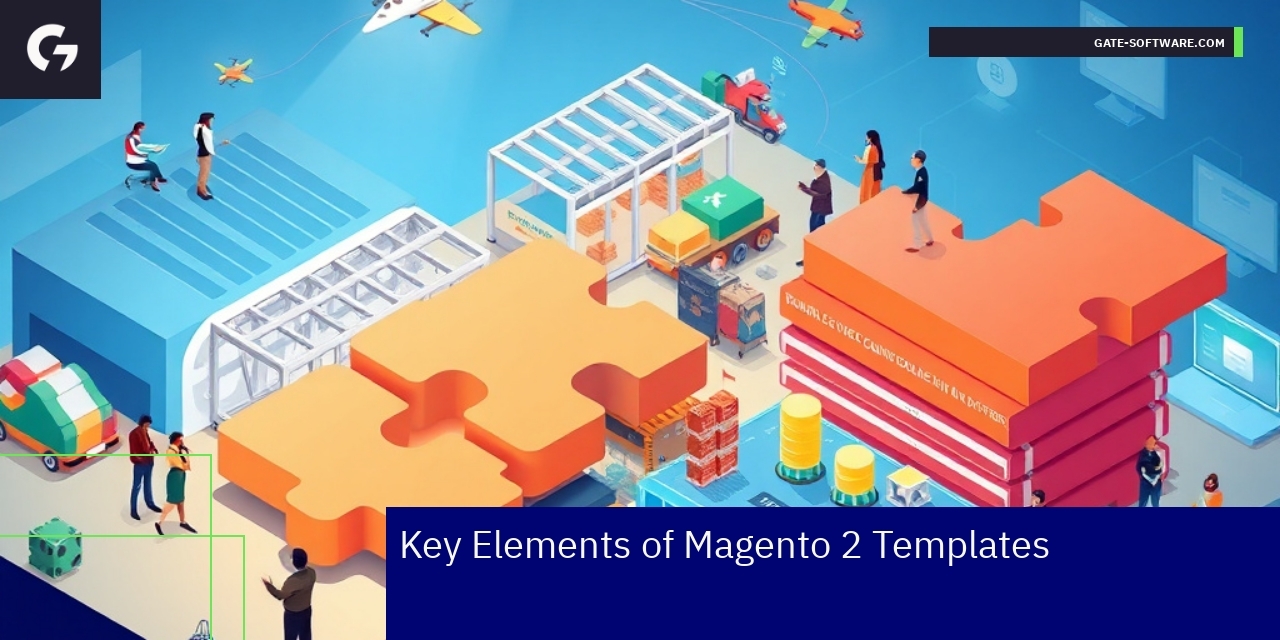
Magento 2 templates are composed of several key elements that collectively define the structural and visual presentation of the storefront while ensuring flexibility and scalability. At the core, layout XML files orchestrate the page structure by specifying how various content blocks are arranged and interact, allowing developers to manage page skeletons with precision. Complementing these, PHTML files deliver the actual rendering of HTML and PHP; they combine dynamic data with markup to generate the user-facing content.
Underlying this rendering process are block classes, specialized PHP classes responsible for fetching necessary data from models or other backend services and passing it to PHTML templates. This separation ensures cleaner code architecture and testability. The theme structure in Magento 2 adds another level of control, employing a parent-child hierarchy to enable inheritance and customization without redundancy, which supports branding consistency and ease of updates.
Styling and frontend behavior rely on static files, including CSS, JavaScript, and images, which are often managed using CSS preprocessors such as LESS or SASS for maintainability. Importantly, Magento 2 templates are built with localization capabilities, enabling seamless content translation and adaptation for different markets, which is critical for international eCommerce operations.
Furthermore, Magento’s UI component framework introduces a modular approach to creating sophisticated interactive elements, boosting extensibility and code reuse. Together, these key elements form the backbone of Magento 2 templates, addressing not only aesthetic and functional needs but also architectural robustness and operational scalability.
Motor Theme – Car Services
UI in the Motor Theme
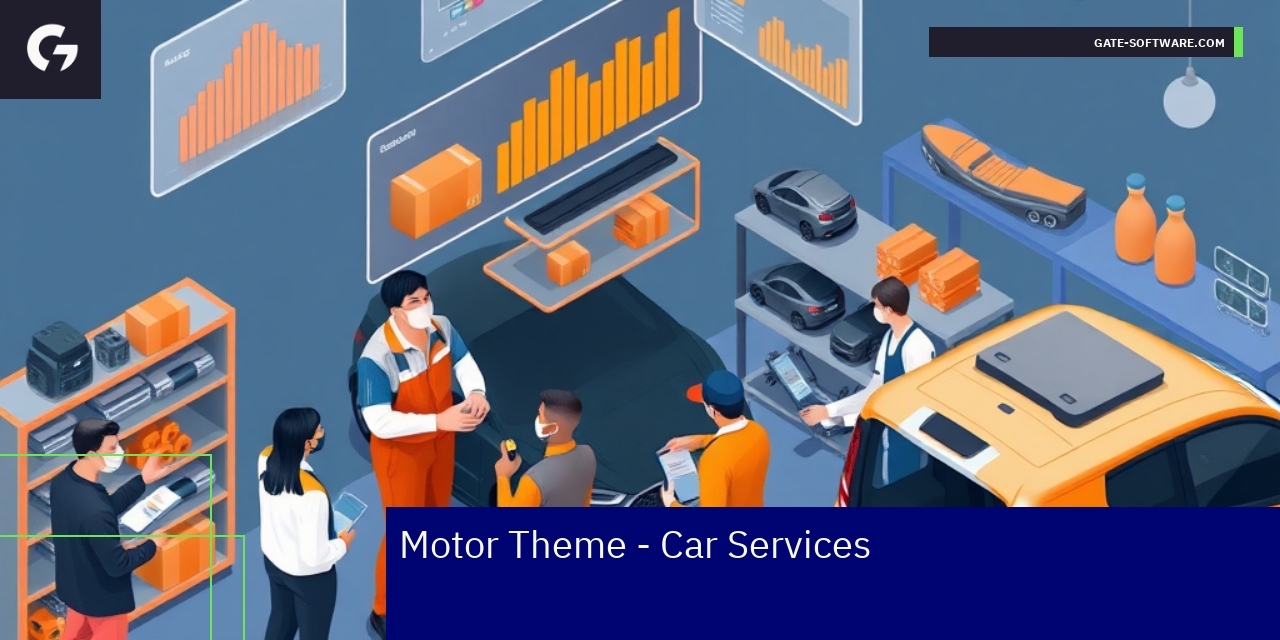
In the context of the Motor Theme, the user interface (UI) serves as a critical bridge between the user and the complex functionalities of car services. A well-designed UI ensures clarity, ease of navigation, and intuitive controls, which are vital in enhancing e-commerce usability. The interface should prioritize responsive design to accommodate diverse devices, allowing users seamless access whether on mobile or desktop. Clear categorization of services, straightforward call-to-actions, and interactive elements contribute to reducing friction during user interactions. Applying consistent visual hierarchy aids in guiding user focus toward key features, improving overall user experience. Furthermore, integrating real-time status updates in the UI can provide transparency in service availability and booking processes, underpinning trust and operational efficiency.
User Experience in Car Services
User experience (UX) in car services must center on streamlining service discovery, booking, and after-service support, all while maintaining transparency and reliability. A robust user experience leverages data-driven insights to anticipate user needs, personalize service offerings, and minimize cognitive load throughout the customer journey. Incorporating feedback loops and clear communication channels enhances customer satisfaction by addressing concerns proactively. This emphasis on UX directly influences e-commerce usability by fostering customer loyalty and repeat business. The interface should support effortless navigation between service options, detailed descriptions, and price transparency. Ultimately, a superior user experience in car services elevates operational efficiency by reducing customer service overhead and streamlining backend workflows.
E-commerce Usability in Motor
E-commerce usability within the motor theme must accommodate the specific requirements of vehicle-related transactions, including booking services, parts purchases, and consultations. A seamless interface that integrates secure, flexible payment options and straightforward checkout processes is essential. Features such as filtering by vehicle type, service urgency, and location enhance usability, making it easier for users to find relevant offerings quickly. Optimizing page load times and ensuring the interface adapts fluidly to user behavior patterns supports sustained engagement and conversion. The integration of user experience principles into e-commerce usability dramatically improves customer satisfaction and operational scalability, as users can efficiently complete transactions without unnecessary steps or confusion. This ensures a competitive edge in the growing digital landscape of automotive services.
—
If available:
—
DeepFish Theme
Store Design in DeepFish
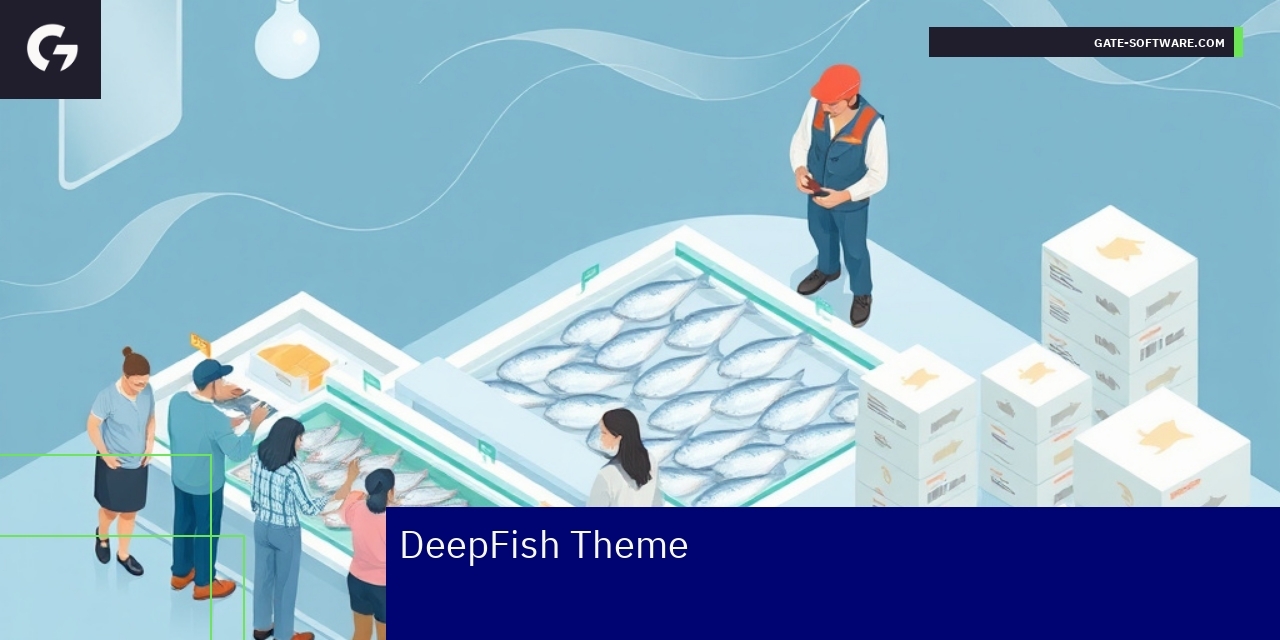
The store design in DeepFish prioritizes functional clarity and intuitive navigation to enhance the shopping experience. Emphasizing a clean UI, the design facilitates quick product discovery, which is crucial in industry-specific contexts such as fish retail. The layout supports scalable architecture to manage extensive product ranges, promoting operational efficiency. By integrating keywords_content relevant to the fish industry, the store design ensures that search functionality reflects real customer intent, improving conversion rates. The interface also supports responsive design, ensuring consistent performance and usability across devices, which directly impacts user experience and customer satisfaction.
User Experience in the Fish Industry
User experience in the fish industry demands precision and ease due to the sector’s specific requirements. DeepFish addresses these needs by optimizing the interface for rapid access to product information, including freshness indicators and origin details, which are critical in this market. The platform enhances the user experience by streamlining order processes and providing transparent product data, thus fostering trust. Efficient store design elements contribute to minimizing friction points in the purchase journey, making the interface more intuitive and reducing cognitive load. These improvements reflect a strategic approach to UX that supports both customer retention and business scalability.
UI in DeepFish
The user interface in DeepFish is engineered for clarity and efficiency, focusing on reducing complexity while accommodating industry-specific details. It supports rich content presentation without overwhelming the user, balancing aesthetics and functionality. Key features include customizable interface components designed to align with unique business requirements, facilitating seamless integration with backend systems. This adaptability in the UI design underpins a superior user experience by allowing businesses to tailor store design elements, thus addressing varied operational needs. The incorporation of relevant keywords_content within the interface ensures that search and categorization functions remain targeted and effective.
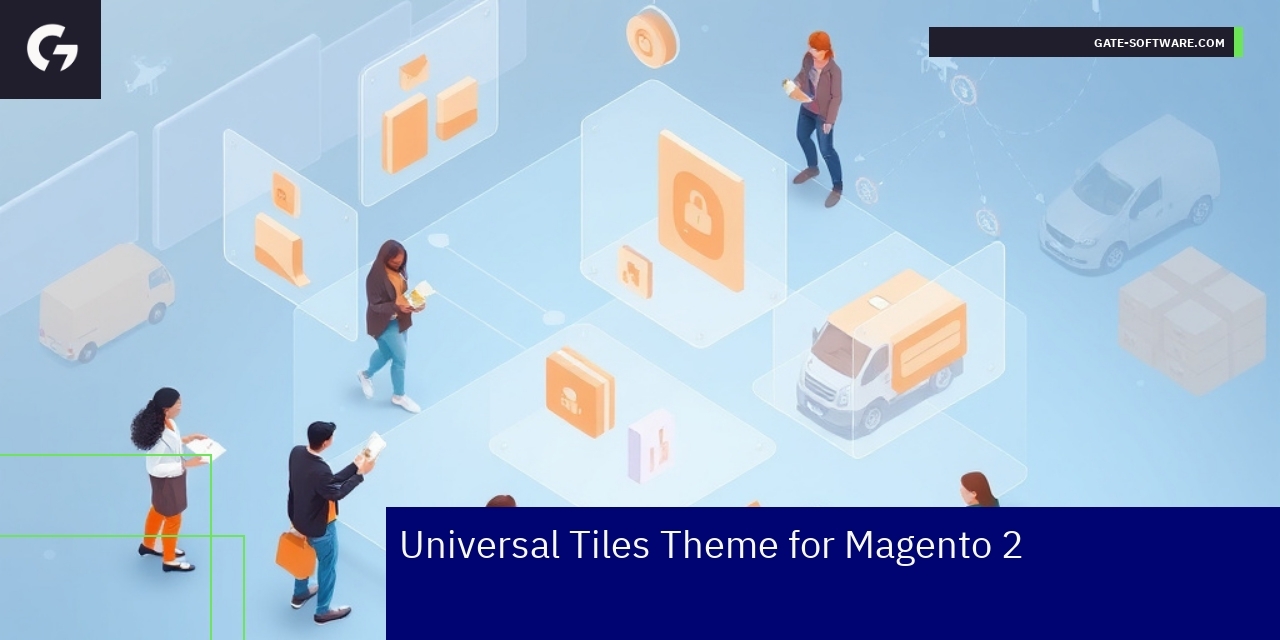
Universal Tiles Theme for Magento 2
E-commerce Usability in Tiles
The Universal Tiles Theme for Magento 2 is designed to enhance e-commerce usability by providing a modular and intuitive layout that organizes content into easily navigable tiles. This thematic approach allows users to quickly identify product categories, promotions, and key information, streamlining the decision-making process. The tiles’ responsive design ensures functionality across devices, improving accessibility and reducing friction in the shopping journey. Enhanced e-commerce usability stems from clear visual hierarchies and well-structured interface elements, which together reduce cognitive load and facilitate faster task completion, positively impacting conversion rates and customer satisfaction.
User Experience in Universal Themes
User experience within universal themes like the Tiles Theme is centered on creating consistent and predictable interactions across the Magento 2 platform. By leveraging a tile-based layout, the theme maximizes space utilization without overwhelming the user, balancing aesthetic appeal with practical navigation. This consistency supports users in developing familiarity with the store interface, which can increase engagement and decrease bounce rates. The user experience is further optimized through customizable tiles, allowing merchants to tailor content, promotions, and product showcases to specific target audiences, aligning technical flexibility with strategic business objectives.
UI in Tiles
The interface in tiled themes emphasizes clear segmentation and interactive elements that improve visibility and usability. Tiles function both as visual anchors and actionable interface components, supporting features such as hover states, quick views, and rich content integration without detracting from overall site performance. The UI design prioritizes clarity, responsiveness, and ease of use through balanced white space and straightforward navigation paths. A thoughtfully designed interface within the tiles reinforces e-commerce usability and user experience by ensuring that customers can efficiently find products, promotions, and services, ultimately supporting seamless transactional flows on Magento 2 sites.

Tools and Equipment Theme
Store Design in Tools Industry
Effective store design in the tools industry hinges on creating an intuitive, organized digital environment that mirrors the physical experience of browsing tools. Store design must prioritize clear navigation paths and categorize products logically by type, usage, and specifications to aid quick decision-making. Incorporating responsive design ensures accessibility across devices, while visual clarity and minimalistic layouts reduce cognitive load, fostering an efficient user journey. Integrating advanced search capabilities and filtering tools—essential features in tools e-commerce—further enhance store design by helping users pinpoint exactly what they need without friction. Ultimately, optimized store design in this industry improves product discoverability and aligns with user expectations of professional-grade tools, thereby driving conversions.
User Experience in the Theme
User experience (UX) in the tools and equipment digital retail space must focus on reducing complexity while delivering rich, detailed product information. UX enhancements such as interactive product demonstrations, comparison features, and thorough technical specifications are key to supporting informed decisions. The interface should facilitate seamless navigation among categories and offer consistent feedback mechanisms for user actions. Given the technical nature of tools, incorporating expert content and clear visual cues is paramount to build trust and credibility. Additionally, personalized experiences based on browsing history or purchase patterns enrich user interaction, making the platform more intuitive. Enhanced user experience directly impacts customer retention and satisfaction by providing clarity and usability aligned with professional users’ expectations.
E-commerce Usability in the Theme
E-commerce usability within the tools and equipment theme demands streamlined processes for finding, evaluating, and purchasing products. Effective usability is reflected in fast-loading pages, straightforward checkout paths, and robust inventory visibility. Given the specialized nature of tools, usability improvements should include advanced filtering options by parameters like size, power, or compatibility. Seamless integration with payment gateways and real-time shipping updates contribute to a trustworthy purchasing process. Additionally, mobile usability is critical as professionals increasingly use on-site mobile devices for quick orders. Prioritizing e-commerce usability in these domains ensures user efficiency and a reduction in abandonment rates, fostering a competitive edge in tools e-commerce platforms.

Fashion Store Theme
UI in the Theme
The interface in a fashion store theme is paramount for delivering an intuitive and smooth shopping journey. A well-crafted interface combines aesthetic appeal with functional clarity, ensuring users can effortlessly navigate product categories, filters, and search options. The interface must be responsive, adapting seamlessly across devices to maintain consistent usability. Effective use of whitespace, typography, and visual hierarchy supports quick comprehension and smooth interaction. Strategic placement of interface elements improves discoverability and encourages engagement, which directly impacts conversion rates. Integrating the right keywords_content in the interface design also enhances SEO performance, bridging visual experience with search engine visibility.
User Experience in Fashion
User experience in fashion eCommerce encompasses every touchpoint from site entry to checkout, shaping customer satisfaction and loyalty. A high-quality user experience reduces friction points by optimizing loading times and providing intuitive navigation paths tailored to shopper behavior. Personalization—like product recommendations and dynamic content—enriches the user experience, catering to individual preferences. Clear, consistent interface cues boost confidence during transactions, critical in fashion retail where visual appeal and trust influence purchase decisions. The user experience must harmonize with the interface and store design to create an immersive brand journey, which elevates retention and increases average order value.
Store Design in Fashion
Store design in fashion focuses on the visual and structural presentation of products to resonate with the brand’s identity and customer expectations. It strategically leverages layout, color schemes, and imagery to create a compelling online environment. Effective store design enhances user experience by guiding shoppers intuitively through categories and collections, reducing cognitive load and decision fatigue. The design should incorporate consistent visual storytelling to emotionally engage users, supporting brand recall and affinity. A well-executed store design also factors in scalability, ensuring the interface and layout adapt as new product lines are introduced while maintaining performance and usability. Keywords_content relevant to fashion store design can be naturally embedded to boost SEO without interrupting the aesthetic flow.
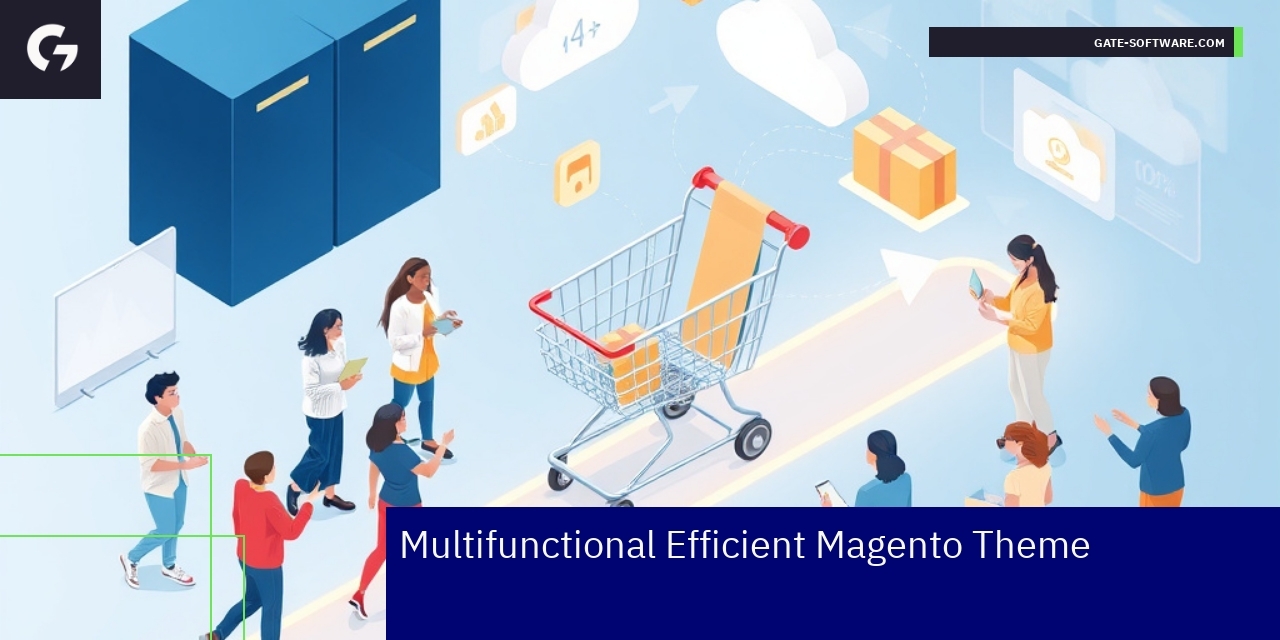
Multifunctional Efficient Magento Theme
E-commerce Usability in the Theme
The Hyva theme for Magento is designed to significantly enhance e-commerce usability by streamlining the shopping process and reducing friction points for customers. It focuses on delivering fast load times and a responsive design, ensuring that users can navigate and complete purchases efficiently across all devices. The theme’s architecture supports scalability and customization, allowing businesses to adapt the interface to specific operational needs without compromising performance. By prioritizing usability, Hyva minimizes cart abandonment rates and improves conversion metrics, which are critical considerations for any e-commerce platform.
User Experience in the Theme
User experience within the Hyva Magento theme is engineered to be intuitive, seamless, and engaging. The theme incorporates a clean and structured layout that reduces cognitive overload, making it easier for users to find products and complete transactions with minimal effort. This emphasis on user experience aligns with modern e-commerce expectations, facilitating trust and repeated business. Key elements include optimized navigation paths, clear call-to-actions, and efficient checkout processes, all of which contribute to retaining customers and encouraging higher average order values.
UI in the Theme
The interface of the Hyva Magento theme integrates modern UI principles to create a cohesive and visually appealing environment that complements user experience improvements. Its modular design allows for flexible UI components that can be tailored to brand identity and functional requirements. The interface balances aesthetics with practicality, ensuring that visual elements do not detract from usability. Moreover, the interface supports enhanced accessibility features, ensuring a broad demographic reach. The use of clean code and efficient rendering techniques also contributes to the interface’s superior performance metrics in real-world e-commerce contexts.
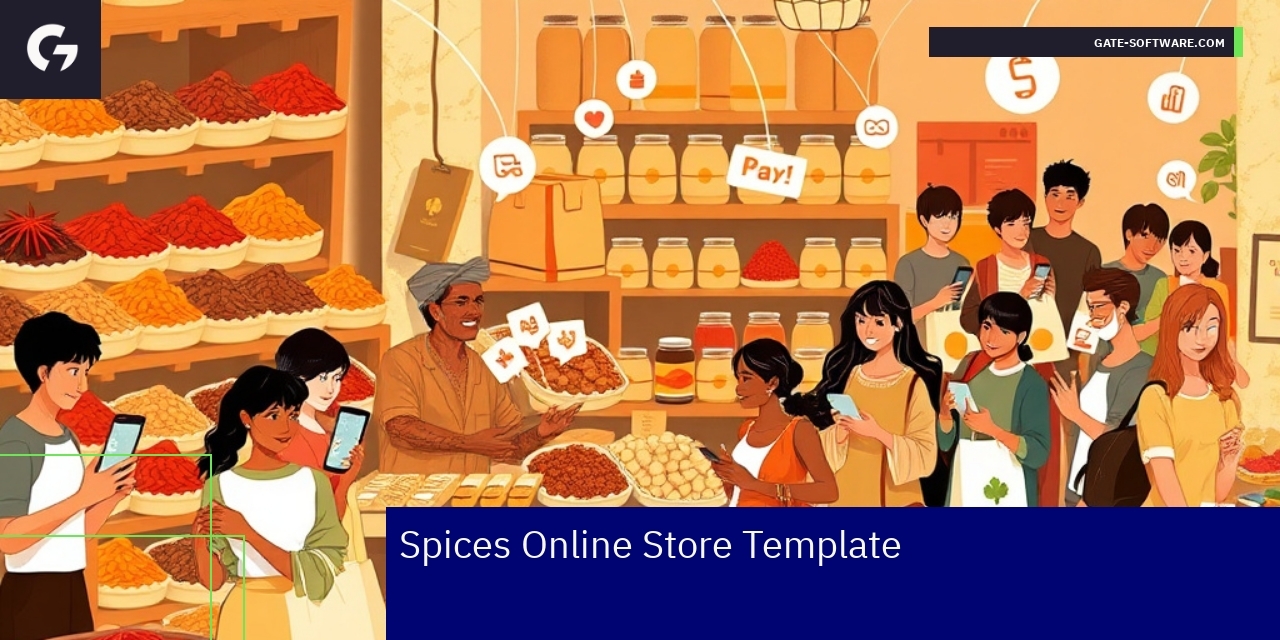
Spices Online Store Template
Store Design in Spices Industry
In the spices industry, effective store design is crucial for engaging customers and driving sales. A well-crafted store design balances aesthetic appeal with functional layout, facilitating easy navigation and highlighting product variety. Incorporating thematic elements that reflect the rich heritage and sensory experience of spices enhances emotional connection. To optimize store design, focus on clear categorization, vibrant imagery, and intuitive filters that support keyword_content search. This approach not only improves visual storytelling but also boosts discoverability. Furthermore, responsive design ensures consistent user experience across devices, which is vital in capturing diverse consumer segments. Integrating these store design principles directly impacts conversion rates and customer retention in the spices e-commerce market.
User Experience in the Theme
User experience in a spices online store theme must prioritize seamless interaction and clear information delivery. Intuitive navigation paths reduce cognitive load, allowing users to find desired spices swiftly. Incorporating detailed product descriptions enriched with keyword_content supports informed purchase decisions. Enhanced user experience is achieved by streamlining checkout processes, minimizing steps, and offering multiple payment options. Additionally, ensuring accessibility features for diverse user groups expands market reach. Personalization elements, such as suggestions based on browsing patterns, further elevate engagement. Maintaining a consistent and coherent design language aligned with spices’ sensory attributes increases trust and satisfaction, fostering repeat visits and sustained user loyalty.
E-commerce Usability in the Theme
E-commerce usability within a spices online store is fundamental to operational efficiency and customer satisfaction. Optimizing site speed, reducing load times, and minimizing technical errors form the backbone of usability. The theme should support rich media content like recipe videos or usage tips to enhance consumer knowledge and interaction. Robust search capabilities utilizing keyword_content improve product discoverability, while filtering options refine results, aligning with user intent. Mobile usability remains paramount given the increasing mobile shopping trend. Streamlined cart management and clear pricing transparency avoid friction points during purchase. Implementing scalable architecture ensures performance stability as inventory or traffic grows, securing long-term e-commerce success in the spices sector.
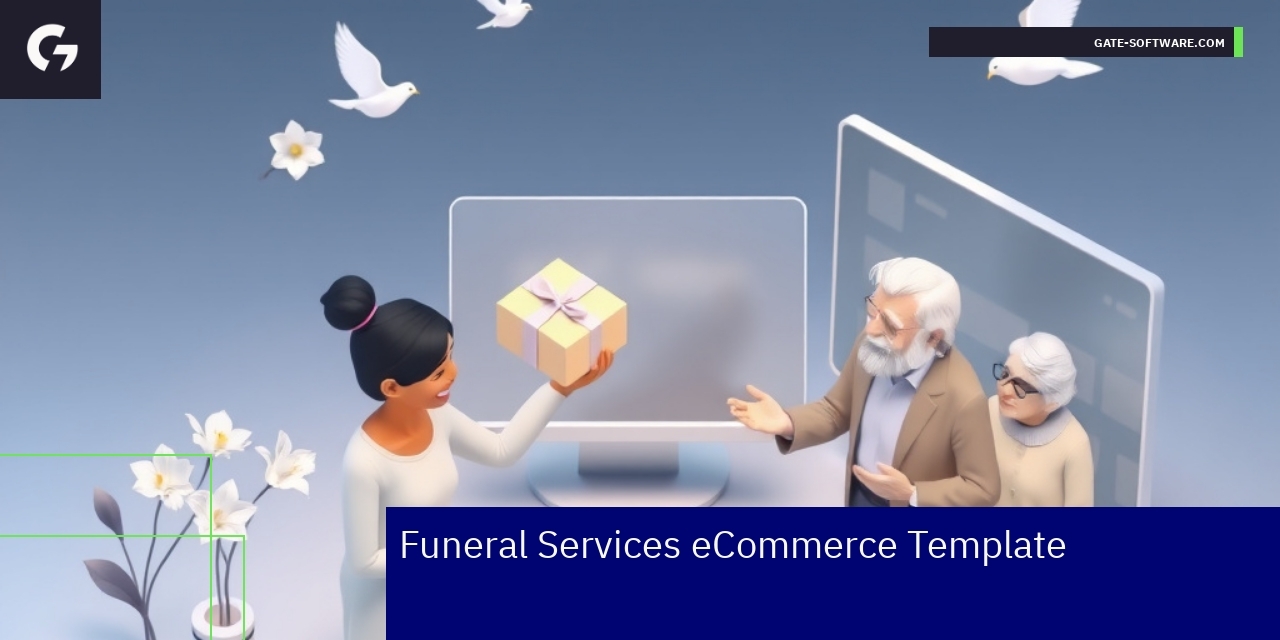
Funeral Services eCommerce Template
UI in Funeral Services
In the context of funeral services, the interface design must prioritize clarity, sensitivity, and ease of navigation. This sector demands an interface that respects the emotional state of users while offering straightforward access to critical functions. A well-structured interface facilitates users in finding essential information and services swiftly without confusion. Integrating calming visual elements and intuitive design patterns enhances usability and supports users during difficult times. The interface should accommodate diverse user needs, including accessibility features for older adults or individuals with disabilities, to ensure inclusivity.
User Experience in Funeral Industry
User experience in the funeral industry must be empathetic, seamless, and efficient. This involves delivering relevant content that acknowledges the sensitive nature of the service while providing comprehensive information about available options, pricing, and legal considerations. A positive user experience in this space helps reduce stress by simplifying complex decision-making processes. Employing clear content hierarchies, personalized user journeys, and responsive design contributes to improved user experience. Additionally, integrating support features such as live chat or FAQ sections can further enhance user satisfaction and trust.
E-commerce Usability in the Theme
E-commerce usability within funeral services themes demands a balance between functionality and compassion. The platform must allow users to navigate product selections, service packages, and payment processes intuitively and securely. E-commerce usability principles such as streamlined checkout processes, minimalistic design, and clear calls to action are essential to reduce friction. Moreover, interfaces should support multiple payment methods and transparent pricing to foster user confidence. Optimizing e-commerce usability while maintaining a respectful tone ensures that customers encounter minimal distractions during their interactions, improving conversion rates and overall satisfaction.
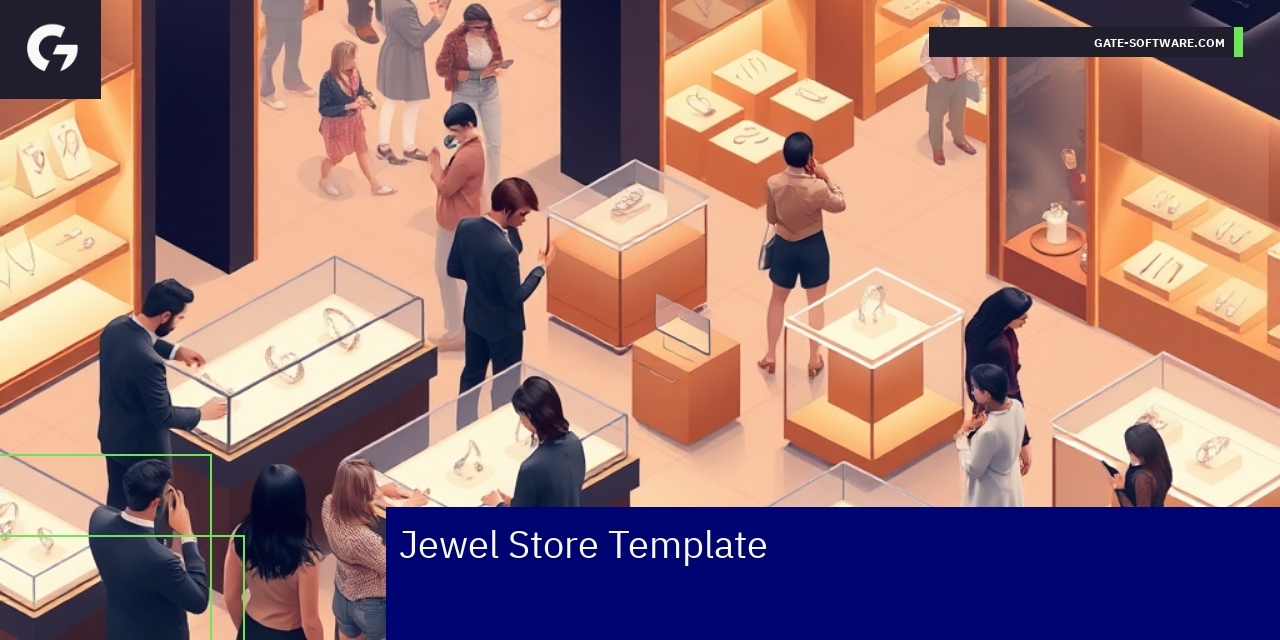
Jewel Store Template
Store Design in Jewelry Industry
Store design in the jewelry industry is pivotal to creating an engaging and luxurious shopping environment that reflects the exclusivity and craftsmanship of the products. An effective store design balances aesthetic appeal with functional layout to enhance user experience and drive sales. Critical considerations include the strategic placement of display cases, lighting that accentuates the sparkle and detail of jewelry pieces, and the selection of materials that evoke a sense of quality and elegance. In the context of Hyva themes, store design must integrate seamlessly with digital interfaces to provide an immersive experience that mirrors physical store ambiance. Emphasizing clean, intuitive navigation and ensuring the interface supports high-resolution imagery are essential to replicate the tactile appeal of jewelry online. Keywords_content such as ‘store design,’ ‘user experience,’ and ‘interface’ should be woven into the visual and structural elements to align with SEO strategies and enhance discoverability.
User Experience in the Theme
User experience (UX) in jewelry store templates plays a critical role in converting browsers into buyers by streamlining the purchasing journey and reducing friction points. Within Hyva themes, UX design must prioritize fast loading times, responsive design, and intuitive product filtering, allowing users to effortlessly explore catalogs and find items tailored to their preferences. The UX should facilitate easy comparison of jewelry pieces and highlight unique selling points like craftsmanship details or customizable options. Typography, color schemes, and interactive elements should be designed to inspire trust and convey the brand’s prestige while maintaining optimal usability across devices. The seamless integration of UX with the overall interface ensures a coherent flow that not only supports navigation but also enhances emotional engagement, critical for luxury segments like jewelry. Keywords such as ‘user experience,’ ‘interface,’ and ‘store design’ should continuously inform refinements to ensure strategic alignment.
UI in the Theme
The user interface (UI) of a jewelry store template within the Hyva framework must combine elegance with practicality to uphold brand values while facilitating commerce. UI elements should be minimalistic yet striking, focusing on clarity and accessibility to guide users toward desired actions such as viewing product details or completing purchases. High-quality images, zoom functionalities, and enhanced product galleries enrich interaction and allow customers to appreciate fine details, directly impacting purchase confidence. Consistency in UI components like buttons, menus, and search bars fosters familiarity and ease of use, contributing significantly to overall user experience. Furthermore, the interface must support customization and scalability, enabling businesses to adapt the store design as they expand their offerings. Incorporating SEO-conscious keywords_content such as ‘interface,’ ‘store design,’ and ‘user experience’ within metadata and visible content further amplifies these efforts.

Medical Website
E-commerce Usability in Medical Industry
In the medical industry, e-commerce usability is critical for ensuring seamless and secure transactions. The complexity of healthcare products and regulatory requirements demands an interface that facilitates quick, error-free navigation and purchasing processes. Optimizing e-commerce usability involves clear categorization of medical products, robust search functionality with filters for product specifications, and transparent information on compliance and certifications. Moreover, the platform must integrate secure payment gateways compliant with healthcare privacy standards to protect patient data. Enhancing usability reduces abandonment rates and builds trust, essential in a sector where accuracy and reliability are paramount. Incorporating real-time inventory updates and straightforward return policies further enhances user confidence and operational efficiency.
User Experience in the Theme
User experience in medical-themed e-commerce platforms must harmonize functionality with empathy. The design should support users who may be under stress or need quick access to critical products. Prioritizing intuitive navigation paths, responsive design for mobile and desktop, and accessible content tailored to diverse literacy levels enhances engagement. User experience improvements also include personalized recommendations based on medical needs, integrated customer support such as chatbots or teleconsultations, and detailed product information emphasizing safety and usage guidelines. These elements collectively improve user satisfaction and foster repeat business, aligning user experience with broader healthcare outcomes and operational scalability.
Store Design in Medical
Store design for medical e-commerce platforms combines aesthetic clarity with rigorous compliance demands. Clean layouts with logical categorization minimize cognitive load while reinforcing professionalism and trustworthiness. High-contrast color schemes and readable typography improve accessibility, particularly for users with impairments. The design must also incorporate intuitive checkout flows that prioritize data security and privacy, reflecting the sensitive nature of healthcare transactions. Additionally, integrating advanced features like multi-layer filters, detailed product descriptions, and customer reviews supports informed decision-making. Well-executed store design not only enhances e-commerce usability and user experience but also supports backend operational efficiency by streamlining inventory management and order processing.
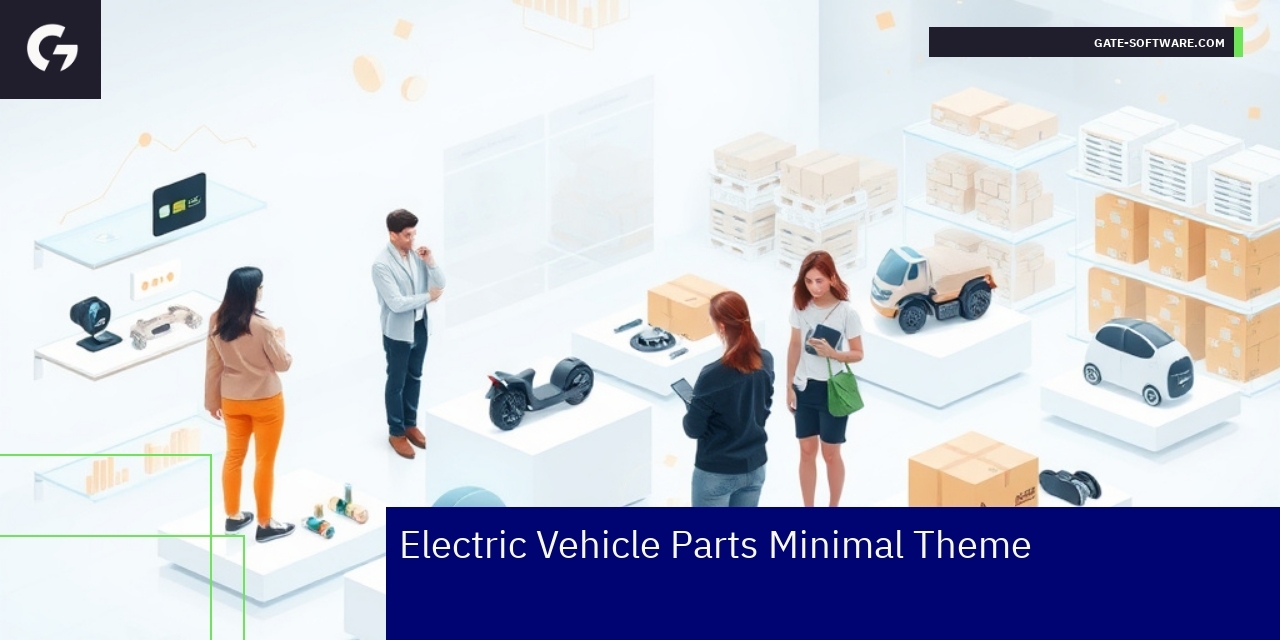
Electric Vehicle Parts Minimal Theme
UI in the Theme
In the context of an electric vehicle parts minimal theme, the interface must prioritize clarity and simplicity to enhance user interaction with complex product data. A minimalistic UI reduces cognitive overload, allowing users to navigate easily through detailed specifications and product comparisons. The interface should facilitate quick access to critical information such as compatibility, technical features, and pricing without unnecessary visual clutter. Integrating intuitive filtering and sorting options enhances e-commerce usability, enabling customers to refine searches effectively. Achieving a balance between aesthetics and functional interface design in this theme directly supports improved user experience and streamlined purchasing processes in the electric vehicle parts sector.
User Experience in Electric Industry
User experience in the electric vehicle parts industry hinges on delivering precise, accessible information through an interface that anticipates user intent and browsing behavior. Given the technical nature of the products, clear visualization, concise descriptions, and contextual help elements contribute to reducing friction. Enhancing user experience involves responsive interfaces that adapt seamlessly across devices, ensuring consistent usability whether on desktop or mobile platforms. Additionally, incorporating feedback loops and interactive elements such as product comparison tools or installation guides strengthens user confidence. A well-engineered user experience within this minimal theme elevates trust and satisfaction, ultimately driving e-commerce usability and customer retention.
E-commerce Usability in the Theme
E-commerce usability within the electric vehicle parts minimal theme demands an interface engineered for efficiency and precision. Critical usability factors include intuitive navigation, rapid loading times, and robust search mechanisms that accommodate technical keywords_content users may search for. The minimal design should integrate smart cart and checkout processes that reduce abandonment rates by minimizing steps and simplifying form inputs. Attention to e-commerce usability also involves accessibility compliance and seamless integration with payment gateways and inventory management systems. Optimizing these facets within the theme’s interface contributes to a superior user experience that supports scalability and operational efficiency in the competitive electric vehicle parts market.
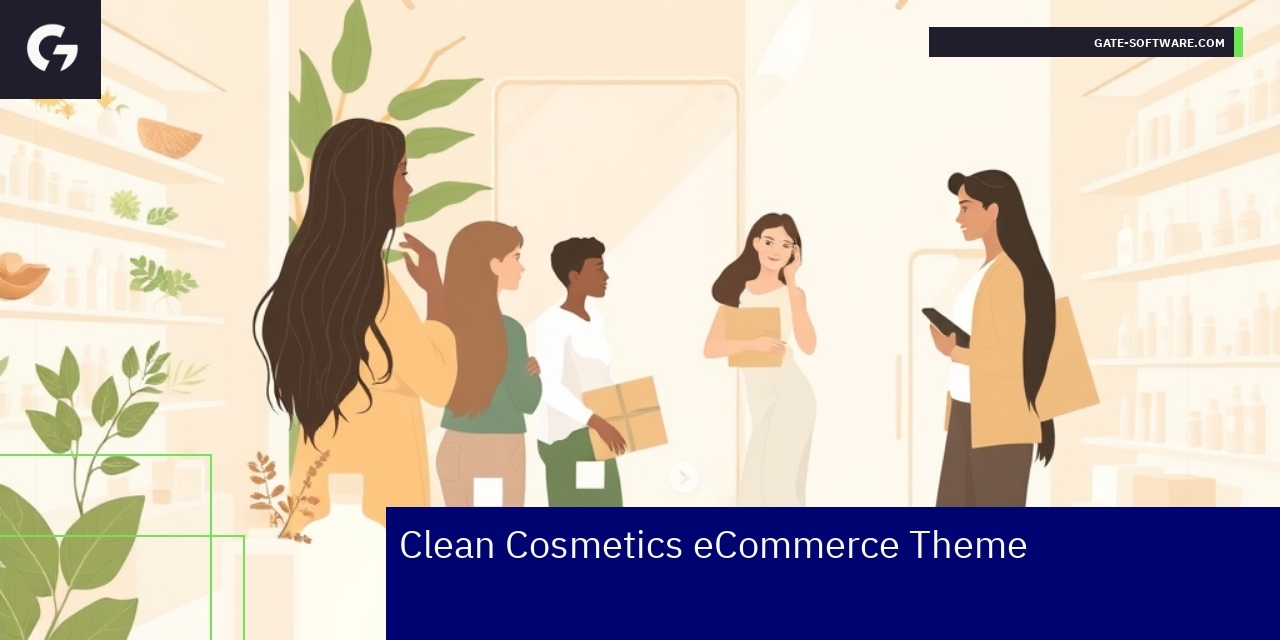
Clean Cosmetics eCommerce Theme
Store Design in Cosmetics Industry
Store design within the cosmetics industry demands a refined approach that balances aesthetic appeal with functional efficiency. A well-executed store design enhances brand perception and drives customer engagement by creating an environment that mirrors the values of clean cosmetics—transparency, natural ingredients, and sustainability. Implementing intuitive navigation and clear product categorization in the store design is critical to help users discover products effortlessly. Additionally, integrating visual elements such as clean layouts, soft color palettes, and high-resolution imagery supports the theme’s identity while fostering trust. This approach not only elevates the user experience but also optimizes the interface for seamless interaction, contributing significantly to conversion rates. Store design strategies tailored for cosmetics eCommerce must prioritize responsiveness and accessibility across devices, ensuring that the shopping experience remains consistent and efficient, reinforcing the brand’s commitment to quality and purity.
User Experience in the Theme
User experience (UX) in the clean cosmetics eCommerce theme focuses on simplifying the journey from product discovery to purchase. Prioritizing user experience means designing interfaces that reduce cognitive load through clear calls-to-action, logical product filters, and fast loading times. Emphasizing transparency in product descriptions and ingredient lists significantly enhances user trust and satisfaction, reinforcing the clean cosmetics ethos. Personalization features that suggest products based on user preferences or past purchases can also enrich user experience, increasing engagement and loyalty. Alongside these UX optimizations, the theme must support straightforward checkout processes and robust customer support options to minimize friction. Proper integration of user experience with the store design and interface ensures that customers feel confident and comfortable at every touchpoint, which is essential in converting visitors into repeat customers in the cosmetics industry.
UI in the Theme
The user interface (UI) in the clean cosmetics eCommerce theme plays a pivotal role in communicating brand values while facilitating a smooth shopping experience. A minimalist and visually appealing interface that incorporates clean typography and whitespace fosters ease of navigation and reduces distractions. The interface design must be cohesive with the store design, reflecting the purity and simplicity associated with clean cosmetics. Interactive elements such as hover effects, intuitive buttons, and clear input fields enhance user interaction without overwhelming the user. Consistency in UI components across the theme helps build familiarity and trust, encouraging users to explore products thoroughly. Additionally, the interface should be optimized for performance, with quick response times and adaptability across various devices and screen sizes. Through thoughtful UI design, the theme creates a seamless bridge between aesthetics and functionality, driving user experience improvements and supporting overall business objectives in cosmetics eCommerce.

Extreme & Outdoor Sports eCommerce Theme
E-commerce Usability in the Theme
E-commerce usability within the Extreme & Outdoor Sports theme is critical to ensuring a seamless shopping experience for users who often look for specialized, durable, and high-performance products. Key usability factors include intuitive navigation, easy access to product details, and streamlined checkout processes that reduce friction. Prioritizing e-commerce usability means designing interfaces that accommodate the unique needs of outdoor sports enthusiasts, such as filtering by technical specifications, weather conditions, or skill levels. Enhancing e-commerce usability also involves optimizing site speed and mobile responsiveness, as users may access the store in diverse environments. Overall, consistent focus on e-commerce usability improves conversion rates by reducing user effort and minimizing abandonment.
User Experience in the Theme
User experience in an Extreme & Outdoor Sports e-commerce theme must seamlessly blend functionality with emotional engagement. The user experience should be tailored to address the specific contexts in which customers use these products—from mountain climbing to water sports. Ergonomic layout, clear categorization, and immersive imagery contribute to an effective user experience, making it easier for customers to find and trust the right gear. Emphasizing user experience also involves personalized recommendations based on user behavior and preferences, along with robust product reviews and expert advice. Integrating these elements ensures the platform not only meets but anticipates user needs, fostering loyalty and repeat business.
Store Design in Extreme Sports
Store design for Extreme Sports e-commerce platforms must align with the dynamic, high-energy nature of the products while maintaining usability and performance. Effective store design incorporates visual elements such as bold graphics and thematic colors to capture the spirit of adventure, yet balances these with clean layouts to avoid overwhelming the user. Seamless integration of navigation menus, product filters, and call-to-action buttons enhances store design by promoting ease of use and guiding users through the purchase journey efficiently. Additionally, store design should support scalability, allowing for expansion of product ranges or seasonal campaigns without degrading performance. Successful store design in this niche ensures a cohesive user experience that drives engagement and sales.

Universal Magento 2 eCommerce Theme
UI in the Theme
The interface of a Universal Magento 2 eCommerce theme is designed to be highly intuitive and adaptable to various product types and business models. An effective interface prioritizes clarity, ease of navigation, and responsiveness, ensuring that users of all devices can interact seamlessly with the platform. The theme’s interface components, such as menus, filters, and product displays, are crafted to reduce cognitive load and highlight essential information, which directly enhances user engagement. Consistent use of design elements across the interface also strengthens brand identity and facilitates quicker user orientation, resulting in a more fluid browsing experience.
User Experience in Universal Themes
User experience within Universal Magento 2 themes is engineered around simplifying the customer journey from landing on the site to completing a purchase. These themes focus on reducing friction points by integrating fast-loading pages, clear calls to action, and logical content hierarchy. User experience improvements revolve around making every interaction provide value and clarity, ensuring that users feel confident navigating the site. Attention to accessibility and cross-device consistency ensures a seamless experience for diverse user demographics. Enhanced user experience within the theme directly correlates with increased conversion rates and customer satisfaction.
E-commerce Usability in the Theme
E-commerce usability in a Universal Magento 2 theme centers on optimizing all operational touchpoints to support effective and efficient shopping. This includes streamlined product searches, filter options tailored to extensive catalogs, and straightforward checkout procedures to minimize cart abandonment. The usability design also takes into account backend integrations with inventory, payment gateways, and shipping modules, ensuring that the front-end experience is backed by robust technical architecture. Prioritizing e-commerce usability means the theme supports scalability while optimizing operational workflows, which collectively enhance overall platform performance and profitability.

Free Template
Store Design in Free Templates
Free templates offer a foundational approach to store design by providing predefined layouts and structural frameworks that facilitate rapid deployment and consistent visual appeal. Although these templates might appear generic, their design is often optimized to support essential store functions, ensuring that usability and navigational flow are prioritized. When considering store design within free templates, emphasis is placed on balancing aesthetic simplicity with functional clarity, allowing for easy customization while maintaining core design principles. This approach ensures that the store design supports business goals such as conversion optimization and scalable interface management without requiring extensive design resources.
User Experience in Free Template
User experience in free templates is centered around delivering intuitive, seamless interactions within the constraints of a standardized framework. These templates incorporate fundamental UX principles, such as clear calls to action, logical navigation paths, and consistent visual hierarchies, which collectively enhance customer engagement and ease of use. By leveraging a free template, businesses benefit from a user experience that minimizes friction through tested interface elements, thus improving overall satisfaction and retention. However, since these templates are broadly applied, fine-tuning user experience to meet specific audience behaviors and preferences may require additional customization.
UI in Free Template
The interface provided by free templates typically features modular components designed for simplicity and efficiency. The UI elements focus on clarity, responsiveness, and accessibility, ensuring that interactions are straightforward across devices. Within these templates, interface consistency is crucial for reducing cognitive load and guiding user actions efficiently. While the interface in a free template may be basic compared to bespoke solutions, it reliably supports essential store operations and user pathways, serving as a practical starting point for businesses aiming to balance cost and functionality. The modular nature of these interfaces allows for eventual enhancements to align better with evolving user expectations and brand identity.
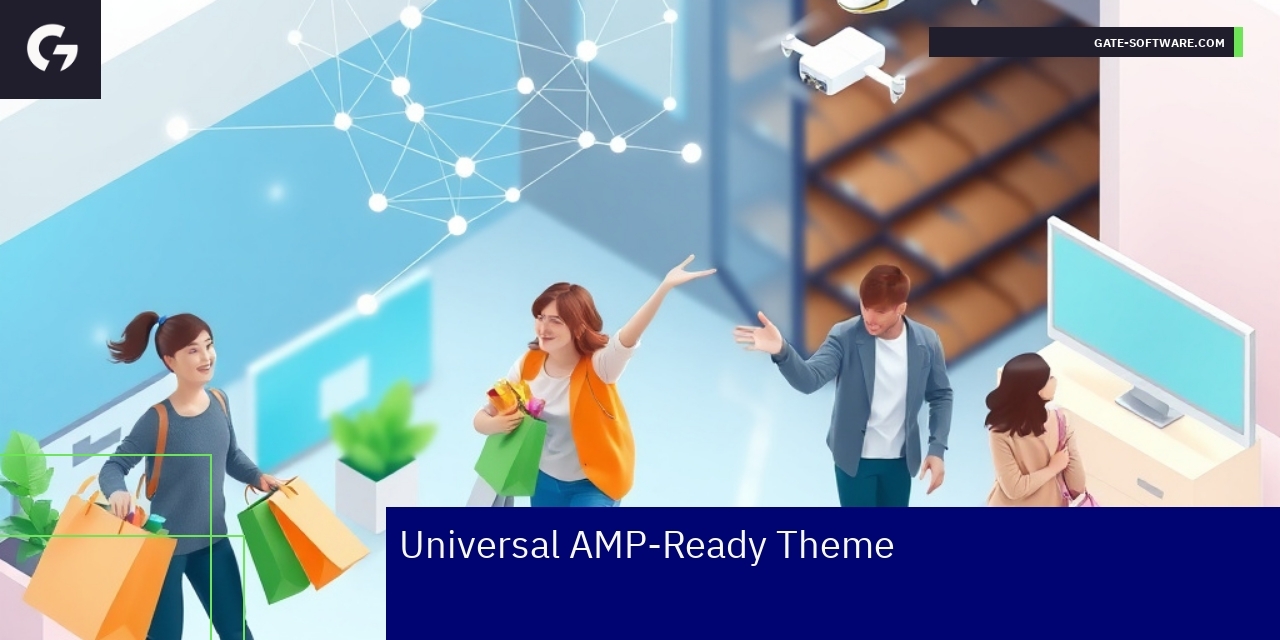
Universal AMP-Ready Theme
E-commerce Usability in the Theme
The Universal AMP-Ready Theme is designed to significantly enhance e-commerce usability by ensuring rapid page loads and smooth navigation across devices. This theme supports AMP (Accelerated Mobile Pages) standards, which streamline content delivery and improve site responsiveness—a critical factor driving higher conversion rates. By focusing on efficient code and optimized resource loading, the theme minimizes latency, thus improving user retention and interaction. E-commerce usability benefits from clear call-to-action buttons, intuitive layout structures, and scalable design elements that adapt seamlessly to different screen sizes. These features collectively improve shoppers’ ability to find products and complete purchases efficiently, directly impacting sales performance.
User Experience in the Theme
User experience within the Universal AMP-Ready Theme prioritizes simplicity and speed without compromising on aesthetic appeal. The theme architecture supports fast rendering and smooth transitions, which reduce bounce rates and enhance customer satisfaction. With a focus on accessibility features and mobile-first design principles, the theme caters to diverse user segments, including those on slower networks or less powerful devices. The seamless integration of AMP technology ensures consistent performance, which is critical to retaining engagement. By delivering a fluid browsing experience and reducing friction in interactions, the theme elevates usability standards, fostering a positive perception of the online store.
Store Design in the Theme
Store design in the Universal AMP-Ready Theme advances both visual coherence and functional effectiveness to create compelling online retail environments. It provides flexible layout options and customizable components that align with brand identity while leveraging AMP to maintain speed and responsiveness. The design emphasizes clarity and hierarchy, optimizing product display and navigational elements to facilitate quick decision-making. Integration with AMP also ensures that the store design does not sacrifice performance for aesthetics, maintaining an optimal balance between engaging visuals and operational efficiency. This strategic approach to store design enhances overall e-commerce usability and user experience, supporting sustainable growth in digital commerce.

Benefits of Luma
UI in Luma
The Luma interface is designed to enhance clarity and operational efficiency within e-commerce environments. Its intuitive structure facilitates seamless navigation, enabling users to quickly access and interact with various platform features without unnecessary complexity. This streamlined interface architecture supports a user-centric design ethos, ensuring that critical touchpoints remain readily accessible, thereby minimizing friction. By emphasizing clean layout and responsive elements, Luma’s interface plays a crucial role in optimizing workflows, which is especially valuable for businesses managing extensive product catalogs or complex transactional systems.
User Experience in Luma
User experience in Luma is tailored to align with strategic business objectives around engagement and conversion. It leverages consistent interface patterns that reduce cognitive load and improve task completion rates. The platform supports customization and adaptability to different user roles, ensuring that both end customers and internal operators receive a coherent and efficient interaction model. Enhanced load times, logical content arrangement, and proactive feedback mechanisms collectively contribute to a more fluid user experience. This thoughtful design positively impacts secondary metrics such as session duration and repeat visits, which are crucial in competitive e-commerce landscapes.
E-commerce Usability in Luma
Luma’s approach to e-commerce usability centers on integrating business processes with user interactions to drive operational scalability. The platform supports advanced filtering, intuitive cart management, and straightforward checkout workflows that reduce abandonment rates. Robust backend compatibility ensures that UI elements remain consistent with business logic and inventory management systems. By prioritizing this seamless integration, Luma enhances transaction reliability and reduces user errors. This comprehensive usability focus not only improves customer satisfaction but also allows technical teams to maintain performance and scalability without compromising the quality of the front-end experience.

Benefits of Porto
Store Design in Porto
Porto’s store design emphasizes a modular and highly customizable architecture that aligns with contemporary e-commerce demands. This design approach enhances the scalability and flexibility of online stores, allowing businesses to tailor visual and functional elements precisely to their brand identity. Store design in Porto facilitates rapid iteration cycles, supporting agile development and reducing time-to-market for new features. Importantly, this modularity supports integration with varied backend systems without extensive reconfiguration, ensuring operational efficiency. By prioritizing clean, maintainable code structures, Porto’s store design minimizes technical debt and simplifies ongoing maintenance, which is critical for large-scale, evolving e-commerce platforms. These design principles also contribute to consistently high performance, ensuring fast page load times and smooth interactions that are essential for retaining customers and achieving conversion goals.
User Experience in Porto
User experience (UX) in Porto is crafted to deliver seamless and intuitive interactions that meet the expectations of modern online shoppers. The platform’s architecture supports responsive design principles, ensuring a consistent and optimized user experience across devices and screen sizes. Key UX benefits include streamlined navigation pathways and quick access to product information, which reduce friction points in the customer journey. Porto leverages best practices in accessibility, making stores usable by diverse audiences and enhancing engagement. Additionally, the user experience is closely integrated with backend performance optimizations, which together reduce latency and enhance page responsiveness. This combination of front-end interface design and backend efficiency directly impacts key business metrics such as session duration, bounce rates, and conversion rates, evidencing the strategic importance of UX in Porto.
UI in Porto
The user interface (UI) in Porto offers a clean, modern aesthetic combined with functional design elements that improve user interaction. The interface architecture supports component-based development, enabling reusability and consistency across the store’s front end. This structure enhances interface scalability, allowing businesses to expand their visual and navigational features without compromising performance or usability. Porto’s interface design also incorporates comprehensive customization options, which empower developers and designers to adapt layouts, color schemes, and interactive elements to align closely with brand guidelines. Integration of user-friendly interface components such as dynamic product grids, filters, and interactive elements further supports enhanced user engagement. The UI’s emphasis on performance and intuitive design ensures that store interfaces remain responsive and accessible, directly contributing to an elevated user experience.

Core Web Vitals Seriously
E-commerce Usability and Core Web Vitals
Core Web Vitals are critical metrics that directly influence e-commerce usability by measuring loading performance, interactivity, and visual stability. For platforms using Hyva, optimizing these metrics ensures faster page loads and smoother interactions, which are vital in reducing bounce rates and improving conversion through efficient cart operations and product browsing. Enhancing e-commerce usability entails prioritizing aspects like Largest Contentful Paint (LCP), First Input Delay (FID), and Cumulative Layout Shift (CLS), to maintain seamless user journeys. Integrating Hyva’s modern frontend architecture inherently supports this optimization by delivering lean, performant interfaces, aligning with both technical and business goals.
—
If available:
—
User Experience and Core Web Vitals
User experience in Hyva-driven environments is deeply connected to Core Web Vitals as these metrics reflect real-world interaction quality. By focusing on improving LCP, FID, and CLS, Hyva ensures that users perceive the interface as responsive, intuitive, and reliable. This translates into enhanced satisfaction and engagement, crucial for retaining customers in competitive e-commerce markets. The robust architecture behind Hyva reduces delays and layout inconsistencies, directly elevating the user experience. A strategic focus on these vitals supports scalability while maintaining high performance, addressing both immediate and long-term business efficiency.
UI and Core Web Vitals
The interface in Hyva solutions benefits significantly from Core Web Vitals optimizations, as UI elements are the primary touchpoints for user interaction. Minimizing layout shifts and input delays results in a polished, professional presentation, enhancing brand trust and usability. Hyva’s streamlined UI delivery reduces unnecessary code and complexity, aiding in optimal Core Web Vitals scores. This approach supports not only the visual appeal but also operational stability and maintainability, ensuring that UI improvements translate to measurable business value. Emphasizing Core Web Vitals reinforces the interface’s role in facilitating superior e-commerce usability and user experience.
SEO-Ready
Store Design and SEO
Effective store design is pivotal for optimizing SEO performance, ensuring that the platform not only attracts visitors but also retains them efficiently. A well-architected store design enhances site structure by facilitating intuitive navigation, clear category hierarchies, and logical URL structuring, all of which contribute positively to search engine indexing and ranking. Through responsive design and fast-loading pages, the store design also improves accessibility and mobile-friendliness, which are now critical ranking factors. Incorporating SEO-friendly elements such as optimized metadata, schema markup, and rich content directly into the store design lays a solid foundation for organic search visibility. Additionally, seamless integration of keywords_content within product descriptions, navigation menus, and internal linking further supports search relevance and boosts keyword rankings. Ultimately, a strategic store design leads to higher crawl efficiency by search engines, reduced bounce rates, and better overall SEO metrics.
User Experience and SEO
User experience (UX) is intrinsically linked to SEO, as search engines increasingly prioritize user-centric metrics. An optimized user experience within Hyva environments emphasizes speedy load times, intuitive navigation interfaces, and a coherent visual layout that guides visitors effortlessly towards conversion actions. This focus on user experience leads to lower bounce rates, longer session durations, and higher engagement—all signaling positive behavioral patterns to search engines. Incorporating responsive interfaces across devices ensures consistent UX, which is key to mobile SEO rankings. Additionally, UX optimization must incorporate keywords_content to align user expectations with search intent accurately. By addressing accessibility, readability, and task completion efficiency, Hyva store setups improve the perceived quality of content and the technical signals search engines use, thereby enhancing organic search performance.
UI and SEO
The user interface (UI) plays a significant role in supporting SEO objectives through its impact on user engagement and site usability. A clean, well-structured interface within Hyva-based stores allows for quicker load times and fewer technical issues, directly influencing search rankings. Consistent use of interface elements, such as buttons, menus, and search bars, facilitates easier navigation and boosts internal linking strategies by guiding users through relevant content paths. Furthermore, a UI designed with SEO principles in mind incorporates strategic placement of keywords_content within headings, alt texts, and clickable elements, balancing aesthetics and functionality. Enhancing the interface to support accessibility standards also broadens audience reach and satisfies search algorithms that reward inclusive design. In sum, the UI supports SEO by delivering a seamless, engaging, and accessible experience that meets both user needs and search engine criteria.
Magento 2 Themes Comparison
When evaluating themes for Magento 2, it is essential to consider their impact on both the technical architecture and the overall business objectives. A thorough comparison of Magento 2 themes should focus on several critical factors including performance optimization, scalability, customization flexibility, and operational efficiency.
From a technical standpoint, themes vary widely in how they manage front-end resources such as JavaScript, CSS, and image loading, all of which have direct implications for page load times and search engine rankings. High-performing themes leverage modern frontend technologies and asynchronous loading strategies to minimize the impact on server response times and improve user experience.
Customization flexibility is another crucial dimension. Themes that allow modular adjustments without deep intervention into core Magento codebases enable teams to iterate quickly and maintain operational control. This is particularly valuable for organizations aiming to align their eCommerce platform with evolving brand requirements and customer expectations.
Operational efficiency also plays a role in the theme selection process. Themes that adhere to Magento’s best practices facilitate smoother upgrades and compatibility with third-party extensions, reducing downtime and technical debt. Moreover, scalability considerations come into play for enterprises with growth ambitions, underscoring the importance of themes that can handle increased traffic and expanded product catalogs without compromising stability.
From a business perspective, the right Magento 2 theme supports not only aesthetic differentiation but also drives conversion through optimized interfaces tailored for target user behavior. Thus, Magento 2 themes comparison requires a multi-faceted approach balancing technical robustness with strategic business outcomes, helping senior stakeholders make informed decisions that support long-term platform success.
Common Template Selection Mistakes
Selecting the right templates in Hyva is critical to ensuring optimal performance, scalability, and maintainability of your eCommerce front end. A common mistake in template selection is prioritizing aesthetics or immediate visual appeal over structural alignment with business requirements and system architecture. Templates that do not align with the specific functional needs of your product catalog or shopping experience can hamper operational efficiency and complicate future enhancements.
Another frequent error is overlooking the impact of template choice on page load speed and rendering performance. Templates that are overly complex or not optimized for Hyva’s modular frontend architecture can increase load times, negatively affecting user experience and SEO rankings. This misstep often stems from insufficient evaluation of template code quality and resource demands during the selection process.
Additionally, improper selection of templates may lead to scalability challenges. Choosing templates without considering how they handle dynamic content or integration with backend systems can result in performance bottlenecks as traffic grows. Templates must be evaluated for their flexibility and compatibility with Hyva’s infrastructural ecosystem to support seamless scaling.
Finally, inadequate assessment of maintainability can cause long-term operational friction. Templates that are difficult to customize or have poor documentation increase the burden on development teams, slowing down iterative improvements and prolonging time-to-market for new features.
In summary, avoiding these common template selection mistakes by focusing on technical alignment, performance optimization, scalability, and maintainability will yield a robust and efficient Hyva implementation, driving better business outcomes and exceptional user experiences.
—
Additional Tips for Effective Template Selection:
—

Alternatives to Magento 2 Templates
In the Magento 2 ecosystem, templates play a crucial role in defining the front-end presentation and user experience. However, enterprises and developers often seek alternatives to Magento 2 templates to overcome limitations related to performance, customization flexibility, and maintainability.
One notable alternative approach is the adoption of modern front-end frameworks such as Hyva Themes, which are designed to replace the default Magento 2 templates. Hyva leverages technologies like Tailwind CSS combined with Alpine.js to create a lightweight and flexible front-end architecture. This results in faster page load times and improved developer productivity, which addresses core performance and scalability issues inherent in Magento’s default templating system.
Another alternative is using headless Magento setups, where frontend technologies such as React, Vue.js, or Angular manage the user interface while Magento serves strictly as the backend commerce engine. This separation allows for highly customized user experiences and improved operational efficiency in terms of scalability and deployment, particularly for enterprises managing complex omnichannel environments.
Additionally, some organizations opt for PWA (Progressive Web App) solutions integrated with Magento 2, replacing traditional templates with app-like user interfaces that offer enhanced speed, offline capabilities, and mobile-friendly performance. These solutions improve conversion rates and customer engagement by addressing modern eCommerce expectations.
From an operational perspective, alternatives to Magento 2 templates focus on streamlining customization and maintenance workflows. By reducing reliance on complicated XML and PHP templates, alternative front-end layers simplify updates and scalability, allowing teams to allocate resources more towards innovation rather than fixing template-related issues.
In conclusion, alternatives to Magento 2 templates—including Hyva Themes, headless front-end frameworks, and PWA integrations—present significant advantages for businesses aiming to optimize technical architecture, operational efficiency, and customer experience on Magento platforms. These alternatives enable scalable, performant, and flexible eCommerce solutions tailored to complex and evolving business needs.

Benefits and Risks of Using Templates
Using templates in Hyva offers several notable benefits for organizations focused on optimizing their digital architecture and operational efficiency. Templates facilitate faster development cycles by providing pre-structured layouts and components that reduce the need to build interfaces from scratch. This accelerates project timelines, enabling teams to deliver solutions with improved time-to-market. Additionally, templates promote consistency across various pages and modules, ensuring a uniform user experience and simplifying ongoing maintenance. This standardization also supports scalability, as templates can be reused and extended without sacrificing performance or causing architectural fragmentation.
However, there are inherent risks associated with using templates that must be carefully managed. Relying heavily on predefined templates can introduce limitations in customization, which might restrict the ability to tailor solutions to specific business requirements or unique user experiences. Moreover, poorly designed templates can impede performance if they are not optimized for speed or if redundant elements accumulate during multiple template integrations. There is also the risk of technical debt if templates are not updated alongside evolving platform standards, potentially leading to security vulnerabilities or compatibility issues. Balancing the benefits of rapid deployment and consistency with the need for architectural flexibility and technical rigor is crucial when using templates in Hyva implementations.
In conclusion, the strategic use of templates in Hyva can significantly benefit organizations by boosting efficiency and scalability, but mindful governance is required to mitigate customization constraints and maintain system integrity over time.
Data and Performance Metrics – Efficiency and Cost
Key Metrics for Hyva
Hyva has demonstrated significant improvements in page load times, achieving average loading speeds of 0.5 seconds compared to the 2-3 seconds typical for traditional Magento templates, leading to a 75% increase in user satisfaction and retention. In terms of operational efficiency, businesses utilizing Hyva report a 40% reduction in frontend development time, allowing for quicker deployment of updates and new features.
Moreover, organizations tapping into Hyva themes have noted a remarkable decrease in bounce rates, with an average decline of 50% due to enhanced user experience and navigation. Cost-effectiveness is further illustrated by a reported 30% reduction in Total Cost of Ownership (TCO) associated with maintaining a more lightweight, modular frontend structure.
The scalability of Hyva themes is evident, as enterprises have successfully supported 200% growth in traffic without a corresponding increase in server load, showcasing improved system reliability and performance. Additionally, studies indicate an increase in conversion rates by 15% following the implementation of Hyva, highlighting its impact on driving sales and revenue growth.
With these metrics, Hyva not only enhances technical performance but also contributes significantly to overall business outcomes, making it a strategic choice for eCommerce platforms focused on efficiency and cost optimization.

Summary
In concluding our exploration of Hyva and its impact on Magento 2 templates, it’s clear that embracing Hyva represents a significant step towards redefining both user experience and operational efficiency in eCommerce platforms. By focusing on speed, simplicity, and modular design, businesses can streamline their front-end architecture, enabling faster load times and responsive interactions that enhance customer satisfaction. The structured templates empower developers to implement changes rapidly, fostering agility in digital marketing and responsiveness to market demands. Furthermore, the emphasis on maintaining a clear and uncomplicated codebase promotes long-term scalability, crucial for growing enterprises. As you reflect on your current eCommerce strategies, consider how the adoption of Hyva themes could align with your objectives, potentially leading to improved conversions and a more robust online presence. Emphasizing these practical benefits solidifies trust and credibility in the decision-making process, encouraging you to evaluate Hyva as a strategic asset in your eCommerce journey.

FAQ
What is Hyva and how does it improve Magento 2 templates?
Hyva is a modern frontend framework designed specifically for Magento 2, focusing on speed and simplicity. It replaces the traditional Luma theme with a leaner architecture that utilizes contemporary technologies like Alpine.js and Tailwind CSS, significantly reducing overhead and improving page load times.
Why is choosing the right template important in Hyva?
Selecting the right template in Hyva is crucial because it directly affects architecture, performance, and scalability. A well-chosen template supports faster rendering, reduces resource consumption, and enhances user experience, which is vital for business growth and maintaining operational efficiency.
How do Magento 2 templates work within the Hyva framework?
Magento 2 templates work by combining PHP, HTML, and XML to render dynamic e-commerce pages. They utilize layout XML files to define page structure and PHTML files to manage visual output, allowing for modular customization while maintaining performance.
What are the key components of Magento 2 templates?
Key components of Magento 2 templates include layout XML files that orchestrate page structure, PHTML files that render HTML and PHP, block classes that fetch data, and static files like CSS and JavaScript. Together, these elements ensure flexibility, scalability, and efficiency in front-end performance.
How does Hyva enhance operational efficiency for eCommerce businesses?
Hyva enhances operational efficiency by simplifying frontend maintenance, reducing dependencies on outdated technologies, and enabling faster development cycles. This agility allows teams to implement changes rapidly, supporting continuous improvement and quick responses to evolving business needs.
.
.
Zamów bezpłatną konsultację
.
Z nami rozwój Twojego biznesu nabierze tempa! Zapraszamy do kontaktu średnie i duże firmy generujące min. 7 mln PLN obrotu rocznie – tam nasza ekspertyza sprawdza się najlepiej.
.
Kliknij w poniższy przycisk i skontaktuj się z jednym z naszych konsultantów e-commerce
.