Magento offers a range of distinctive advantages tailored specifically to the complex needs of B2B e-commerce platforms. Its flexible architecture supports extensive customization, allowing B2B businesses to align the platform precisely with their unique sales processes, product catalogs, and customer requirements. This adaptability is critical in B2B contexts, where transactions often involve bulk ordering, negotiated pricing, and custom payment terms.
The platform excels in enabling sophisticated customer segmentation and personalized experiences, facilitating targeted marketing and streamlined purchasing paths for various buyer personas within the same organization. Its robust multi-store and multi-domain capabilities empower companies to manage diverse brands, geographies, and customer groups through a unified interface, optimizing operational efficiency and brand coherence.
Magento’s scalability is vital for B2B enterprises anticipating growth and fluctuating demand. It is designed to handle large product volumes and high traffic loads without compromising performance, ensuring a reliable user experience even during peak periods. Integrated tools for advanced analytics and reporting give businesses strategic insights into customer behavior, sales trends, and operational performance, informing decision-making and continuous optimization.
Security and compliance are top priorities for B2B transactions; Magento supports comprehensive security features and integration with enterprise-grade authentication and authorization systems to safeguard sensitive data and ensure regulatory compliance. From an integration perspective, Magento’s open APIs facilitate seamless connection with ERP, CRM, and other enterprise systems essential to B2B workflows, enabling automation and data consistency across platforms.
In sum, Magento’s unique benefits for B2B e-commerce include its customizable and scalable platform architecture, advanced segmentation and personalization capabilities, multi-store management, performance reliability, robust security, deep analytics, and extensive integration options — all critical for addressing the operational and strategic complexities of B2B commerce.
TABLE OF CONTENTS
- 10 Unique Benefits of Magento for B2B E-Commerce Websites
- Magento 2 Basics
- B2B Features in Magento 2
- Benefits of Implementing Magento 2
- Challenges and Risks with Magento 2
- Magento 2 vs Other E-commerce Platforms
- Data and Performance Metrics – Efficiency and Cost
- Summary
- FAQ
- Regularly update catalog segmentation to reflect changing client needs and market trends.
- Utilize analytics to identify top-performing products within each catalog segment.
- Combine custom catalogs with personalized marketing campaigns for maximum engagement.
- Ensure synchronization between custom catalogs and inventory to avoid stock discrepancies.
- Leverage tiered pricing alongside custom catalogs to incentivize bulk purchases.
- Use Magento’s API capabilities to automate catalog updates when integrated with ERP systems.
- Managing catalog visibility effectively requires clear user roles and permissions.
- Overly complex catalog setups can hinder user experience, so maintain simplicity where possible.
- Stay vigilant about catalog data accuracy to prevent pricing errors or customer dissatisfaction.
- Magento official documentation and best practices guides
- Case studies highlighting successful B2B implementations
- Security advisories and patch management schedules
- Community forums and expert consultancy services
- Conduct thorough system integration testing before deployment
- Implement regular performance benchmarking and tuning
- Adopt proactive security monitoring and vulnerability assessments
- Provide ongoing training for administrators managing Magento 2 B2B features
- Customer reviews and case studies highlighting successful B2B implementations with Magento 2
- Detailed comparison charts outlining feature differences between Magento 2, Shopify, and WooCommerce
- Links to Magento 2’s official B2B feature documentation and integration guides
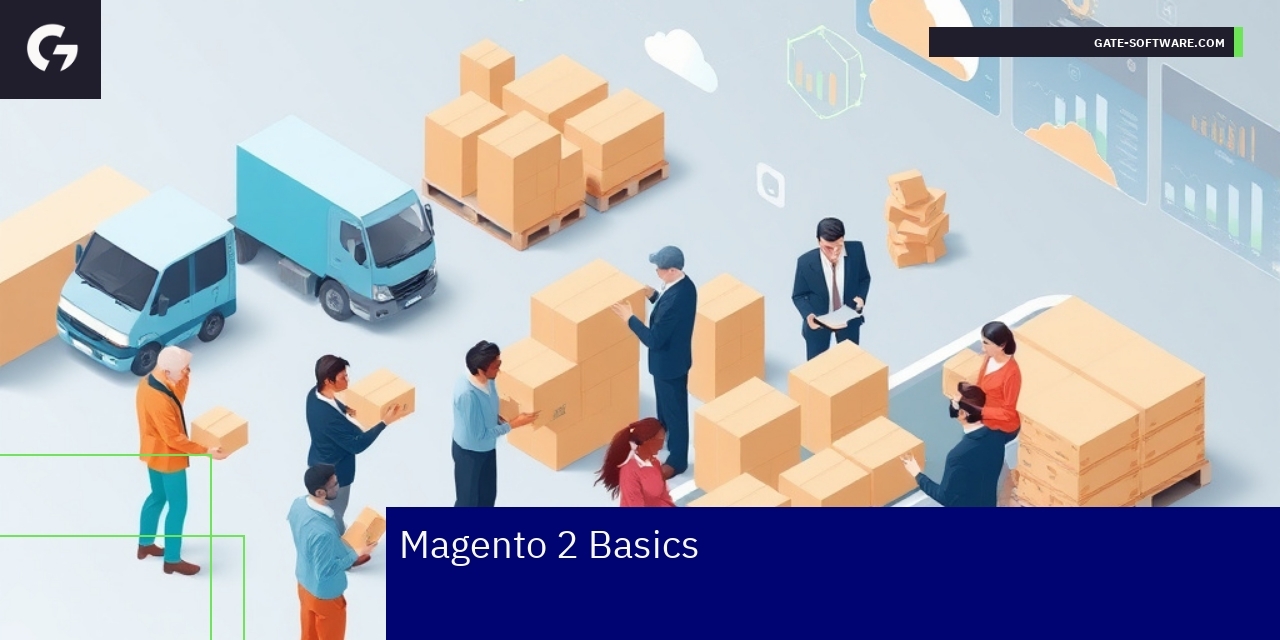
Magento 2 Basics
Magento 2 stands as a robust e-commerce platform widely adopted in the B2B sector due to its scalable architecture and extensive customization capabilities. Its design supports complex business requirements, allowing enterprises to tailor their digital storefronts to specific industry needs. Key B2B features integrated into Magento 2 include advanced quoting systems, custom pricing, and customer segmentation, which empower businesses to create personalized purchasing experiences for different buyer groups.
From a technical perspective, Magento 2 implementation requires careful planning regarding infrastructure scalability and performance optimization. The platform’s modular architecture facilitates incremental enhancements without compromising core functionalities. Effective Magento implementation involves leveraging its APIs and service contracts to integrate with existing enterprise systems such as ERPs, CRMs, and payment providers, enabling seamless operational workflows.
Operational efficiency in Magento 2 is achieved through its comprehensive admin interface, which supports bulk product management and streamlined order processing, critical for high-volume B2B transactions. Additionally, Magento 2 supports multi-source inventory management, providing precise control over stock levels across various locations—a crucial capability for B2B sellers managing complex supply chains.
In summary, Magento 2, as an e-commerce platform, offers robust B2B features and flexible implementation options that address both technical and business challenges. Its architecture supports performance scalability, integration complexity, and operational workflows, making it a strategic choice for organizations aiming to enhance their B2B commerce capabilities.

B2B Features in Magento 2
Intuitive Self-Service Tools
Magento 2’s e-commerce platform delivers intuitive self-service tools specifically designed for B2B users. These tools empower business customers to independently manage their orders, accounts, and interactions, reducing dependency on sales support teams. The self-service interface supports functions like order tracking, invoice management, and account updates, enhancing operational efficiency. This autonomy accelerates procurement cycles, making it easier for buyers to fulfill their needs on demand. Integrating these capabilities with system integrations provides seamless interactions between Magento and ERP or CRM systems, contributing to a unified experience. Leveraging these tools is crucial for implementing a successful B2B e-commerce strategy that prioritizes user convenience and scalability.
##### Multi-User Business Accounts
Magento 2 enables multi-user business accounts, allowing several individuals within a single customer organization to operate under one umbrella account. With role-based permissions, businesses can assign different access levels to users, managing tasks such as order approval, budgeting, and purchase requests. This feature supports complex organizational hierarchies common in B2B environments and enhances collaboration. Multi-user accounts contribute to effective customer management in Magento 2 by streamlining communication and transaction workflows. This facilitates personalized customer approaches and ensures operational control across departments.
##### Multiple Payment Options
To meet diverse B2B payment requirements, Magento 2 supports multiple payment options including credit terms, purchase orders, and traditional payment gateways. This flexibility accommodates the financial and operational preferences of business clients. The system’s custom pricing and shared catalogs harmonize with payment options to offer tailored commercial terms. Incorporating various payment methods improves cash flow management and reduces transaction friction, aligning with key benefits of Magento 2 B2B e-commerce operations.
Custom Product Catalogs
Magento 2 supports custom product catalogs that tailor product availability and pricing to specific business customers or customer groups. This feature helps businesses present personalized assortments that reflect client requirements and contract terms. By managing segmented catalogs, companies can optimize sales strategies and foster deeper client relationships. Custom catalogs integrate with negotiable price quotes and tiered pricing structures to enhance commercial flexibility. The ability to control catalog visibility and pricing is foundational for any Magento benefits for B2B and B2C approach.
##### Managing Quote Requests
Managing quote requests is a core B2B feature in Magento 2 that allows customers to negotiate prices or request special terms before finalizing purchases. Businesses can respond with custom quotes, facilitating negotiations that serve complex procurement needs. This process is supported by the platform’s smart order and inventory management capabilities, enabling real-time validation of stock and pricing. The quote management system enhances sales support activities and customer satisfaction, essential for successful B2B e-commerce strategy implementation.
##### Quick Ordering
Magento 2 offers quick ordering solutions designed for B2B buyers who need to place large or repetitive orders efficiently. Features like product requisition lists and SKU-based ordering streamline the purchasing process, minimizing delays and manual effort. Quick ordering supports volume handling capabilities, ensuring the platform can process large-scale transactions consistently. This functionality aligns with the 10 Unique Benefits of Magento for B2B E-Commerce Websites by delivering speed and accuracy during peak order cycles.
Product Requisition Lists & Inventory Replenishment
The platform facilitates easy creation and management of product requisition lists that assist businesses in managing inventories and replenishment schedules. By integrating inventory data with order management, Magento 2 helps organizations maintain optimal stock levels, avoiding overstock or stockouts. This capability strengthens operational efficiency and ensures timely fulfillment of B2B orders, crucial for maintaining customer trust and satisfaction.
##### Sales Support
Magento 2’s sales support features are crafted to assist B2B sales teams through CRM integration and real-time data access. Detailed analytics and customer insights enable personalized service and smarter selling strategies. Integration with business-oriented systems ensures that sales processes are automated and optimized, reducing manual workloads while boosting effectiveness.
##### B2B Volume Handling
Designed to scale, Magento 2 efficiently handles large volume transactions typical in B2B commerce. System integrations enable synchronization with back-office applications, enhancing processing speed and accuracy. High-volume order management aligns with the platform’s advanced analytics, which monitor trends and inform strategic adjustments, securing Magento Benefits for B2B and B2C users alike.
Advanced Analytics
Advanced analytics within Magento 2 provide detailed insights into customer behavior, sales performance, and inventory trends. These analytics support data-driven decision-making for B2B businesses, enhancing marketing, sales, and operational strategies. By leveraging this data, companies can optimize custom pricing, shared catalogs, and negotiable price quotes, strengthening their market position.
##### Custom Pricing & Shared Catalogs
Magento 2 offers robust custom pricing and shared catalog features, enabling businesses to define unique pricing models for different customer segments. Shared catalogs allow for consistent pricing and product offerings across related clients or partner organizations, facilitating streamlined account management. These tools enhance the flexibility and competitiveness of B2B pricing strategies.
##### Negotiable Price Quotes
The platform supports negotiable price quotes, allowing dynamic price discussions between buyers and sellers. This capability is integral to B2B commerce, where purchase terms often require negotiation based on volume, contract duration, or other factors. Integration with quote management and sales support ensures smooth and trackable negotiations.
Business-Oriented Systems
Magento 2 integrates seamlessly with business-oriented systems such as ERP and CRM, creating end-to-end operational workflows. This connectivity supports smart order and inventory management, enabling synchronized data flow and reducing manual errors. Such integration is vital for scaling B2B operations efficiently while maintaining consistent customer experiences.
##### Personalized Customer Approach
Using customer data and analytics, Magento 2 enables a personalized customer approach in B2B contexts. Tailoring product offerings, pricing, and marketing enhances client loyalty and drives repeat business. This personalization aligns with implementing a successful B2B e-commerce strategy focused on business growth and relationship management.
##### Smart Order & Inventory Management
Smart order and inventory management capabilities allow businesses to automate replenishment, monitor stock in real-time, and synchronize the supply chain. Magento 2’s system integrations facilitate these functions, improving operational efficiency and ensuring accurate order fulfillment.
User Management in Magento 2
User management lets administrators create, modify, and assign roles within business accounts. This granular control safeguards sensitive information and aligns access rights with organizational hierarchies. Effective user management enhances security and workflow coordination within B2B platforms.
##### Product Catalog Management
Product catalog management allows precise control over product listings, attributes, and categories tailored for B2B needs. It supports segmentation, custom pricing, and catalog sharing, making it easier to present relevant merchandise to diverse customer groups.
##### Order Management
Order management in Magento 2 streamlines the processing of business orders, accommodating complex workflows like bulk orders, special pricing approvals, and order edits. This system supports integration with back-end systems for fulfillment and financial processing.
Customer Management in Magento 2
Customer management tools allow detailed tracking of business client profiles, purchase history, and communication logs. This information supports proactive engagement and service improvements.
##### Content Management
Content management capabilities enable businesses to deliver targeted, relevant content through the e-commerce platform. This supports marketing and customer education efforts essential for B2B relationship building.
Overall, Magento 2’s comprehensive B2B features integrate seamlessly with system integrations to address complex business needs, making it a robust e-commerce platform choice for B2B organizations.
—
Optional Helper Blocks
Tips for Optimizing Custom Product Catalogs:
Best Practices:
Common Challenges:

Benefits of Implementing Magento 2
Implementing Magento 2 as an e-commerce platform brings substantial benefits to B2B organizations by addressing their unique complexities and scalability requirements. Magento 2 offers a highly customizable and robust framework that enables enterprises to tailor their online storefronts with advanced B2B features, delivering a seamless shopping experience that aligns with business customers’ expectations.
Key B2B features include flexible customer segmentation, which allows differentiated pricing and personalized promotions for various business client groups. Multi-user accounts facilitate internal collaboration by enabling multiple stakeholders within a single company to manage purchasing workflows more efficiently. The system supports streamlined ordering processes such as quick orders and easy reordering, accommodating the high-volume transactions typical in B2B commerce. Additionally, Magento 2 incorporates sophisticated quote management capabilities, enabling negotiation of custom pricing and terms before purchase confirmation, which is essential for complex B2B sales cycles.
Magento 2’s open architecture enhances system integrations critical in B2B environments, including seamless connections with ERP and CRM systems. These integrations ensure consistency of inventory, order, and customer data across operational platforms, boosting process automation and reducing manual errors. The platform also accommodates a broad spectrum of payment gateways and shipping solutions, including purchase orders and drop shipping, aligning with varied B2B procurement and fulfillment needs.
From a dual-market perspective, Magento Benefits for B2B and B2C stem from its unified platform approach. Businesses can manage both segments without the need for multiple systems, ensuring operational efficiency and consolidated reporting. Its SEO capabilities and built-in marketing tools further enhance visibility and customer acquisition across both B2B and B2C channels.
Overall, Magento 2’s comprehensive e-commerce platform enables businesses to scale effectively, optimize operational workflows, and deliver a tailored purchasing experience supported by extensive B2B features and robust system integrations.
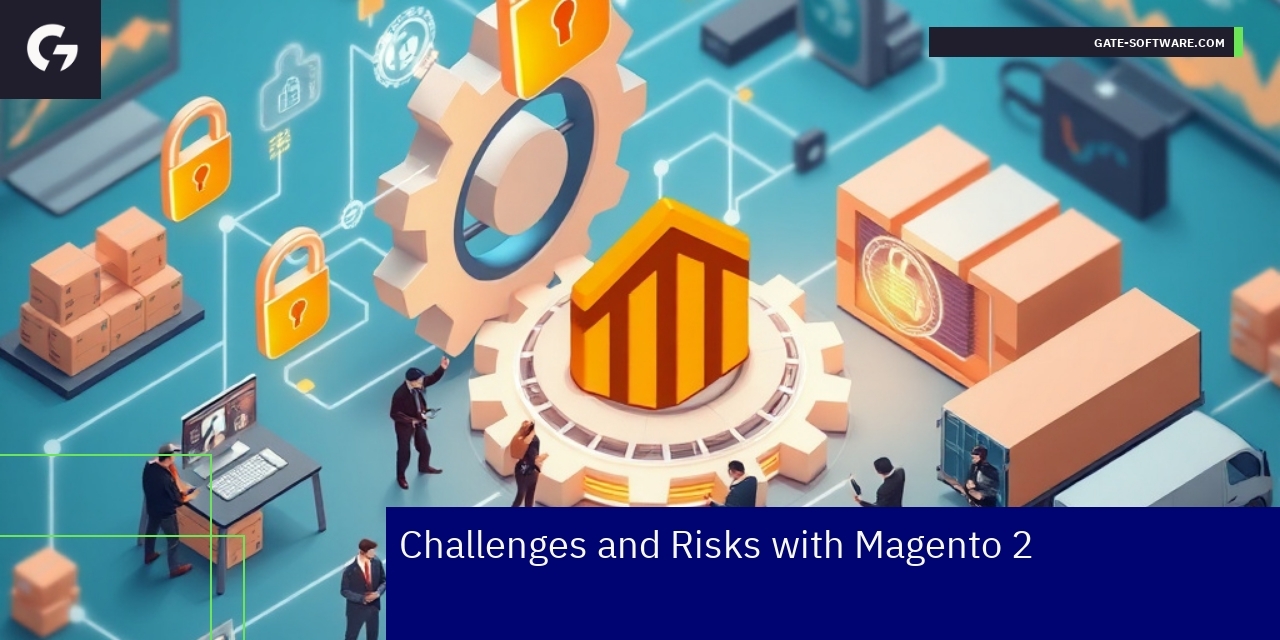
Challenges and Risks with Magento 2
Magento 2, as a robust e-commerce platform widely used in B2B environments, presents unique challenges and risks that require careful consideration by technical and business leaders. One primary challenge lies in its complexity and the demands it places on system architecture and integrations. Magento 2’s extensive B2B features—such as custom catalogs, price lists, and corporate account management—offer significant advantages but demand precise implementation and maintenance to operate seamlessly within existing IT ecosystems.
Integration risks are prominent because Magento 2 often needs to connect with multiple third-party systems—ERP, CRM, payment gateways, and logistics platforms. These system integrations can complicate data flow and expose vulnerabilities if not architected with robust APIs, error handling, and synchronization mechanisms. Furthermore, the performance overhead introduced by these integrations can impact overall platform responsiveness and scalability, crucial factors in B2B transactions where volume and complexity are high.
Security is another risk area, given the sensitivity of B2B data and transactional information. Magento 2 requires ongoing patching and security audits to mitigate risks from vulnerabilities within the core platform or third-party extensions. Additionally, customization and extension of B2B features increase the surface area for potential faults or breaches if not rigorously tested.
Operational efficiency can suffer from the extensive configurability of Magento 2’s B2B functions. Misconfiguration or suboptimal setup may lead to user experience issues or operational bottlenecks affecting order processing or customer management workflows. Scalability challenges also arise as business demands grow—requiring ongoing performance tuning, infrastructure scaling, and possibly refactoring core components.
Ultimately, successful deployment of Magento 2 as a B2B e-commerce platform hinges on a strategic approach to managing these challenges: careful planning of system integrations, continuous performance and security monitoring, and expert handling of its advanced B2B features to drive both technical resilience and business value.
—
Additional Resources for Managing Magento 2 Challenges
Key Considerations for Risk Mitigation
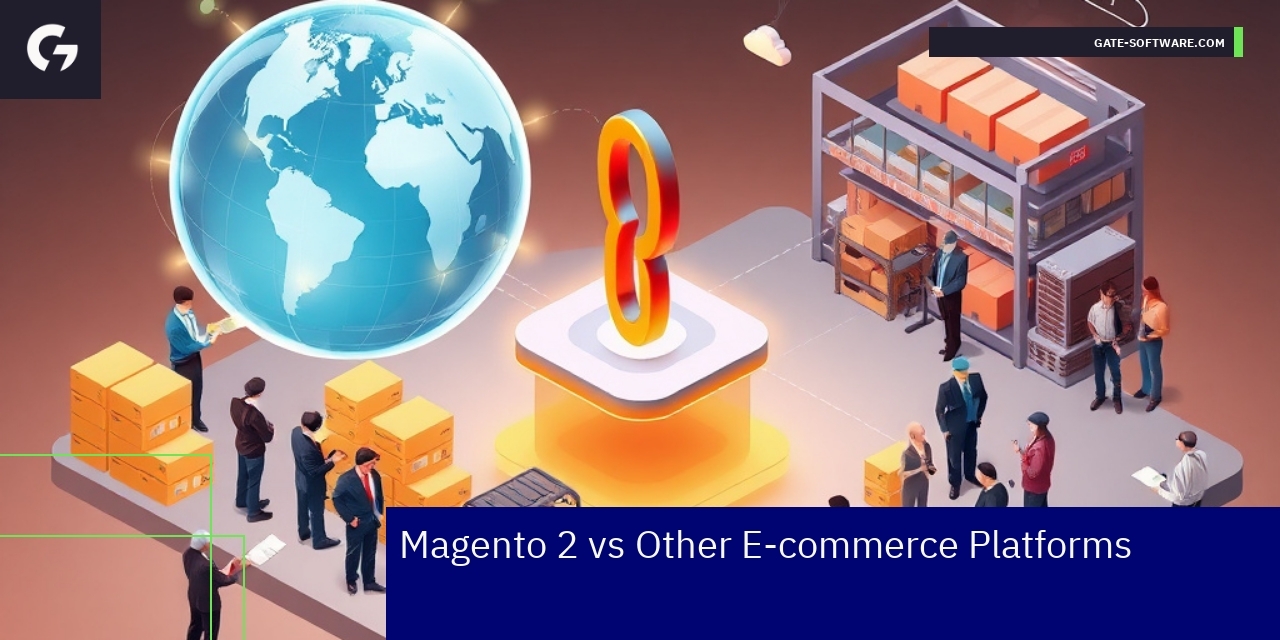
Magento 2 vs Other E-commerce Platforms
When evaluating e-commerce platforms for B2B applications, Magento 2 stands out for its comprehensive and native B2B features compared to competitors like Shopify and WordPress. Magento 2 offers advanced pricing models that include custom pricing, tiered pricing, and customer group-specific pricing, enabling businesses to tailor offers to diverse client segments. It supports quotation management, allowing customers to request and negotiate quotes directly via the platform—an essential feature for many B2B transactions. Additionally, Magento 2’s multi-source inventory system enhances operational efficiency by managing stock across multiple warehouses, which is critical for scalable B2B operations. Bulk ordering and customer segmentation further optimize order workflows and personalized customer experiences.
System integrations are another area where Magento 2 excels. Its robust REST and GraphQL API frameworks facilitate seamless integration with enterprise ERP, CRM, and marketing systems, enabling streamlined data flow and process automation. This high integration capability ensures Magento 2 platforms can support complex B2B operational architectures with high scalability and performance.
In contrast, Shopify offers more limited native B2B features and often requires additional apps to replicate functionalities such as customer-specific pricing and wholesale management. While its app marketplace enables system integrations, it lacks the deep, customizable integration potential that Magento 2 provides for complex B2B needs.
WordPress (WooCommerce) boasts flexibility through its extensive plugin ecosystem, allowing businesses to add B2B features and integrations. However, this typically demands significant custom development and technical expertise to build fully integrated, scalable B2B platforms. Implementation complexity and potential maintenance overhead increase with WooCommerce in comparison to Magento 2’s dedicated B2B architecture.
Overall, Magento 2’s rich B2B features and robust system integrations position it as a leading e-commerce platform for enterprises demanding operational efficiency, scalability, and advanced transactional capabilities in B2B digital commerce. Shopify and WordPress, while viable in certain scenarios, may require more development investment or compromises on native functionality for B2B use cases. This makes Magento 2 a strategically prudent choice when prioritizing comprehensive B2B functionality and seamless integration within enterprise ecosystems.
—
If available:
—

Data and Performance Metrics – Efficiency and Cost
Key Metrics for B2B
In the realm of B2B e-commerce, efficiency and cost metrics are crucial for assessing operational effectiveness and profitability. Companies leveraging Magento 2 have reported a time-to-delivery reduction of up to 30%, enabling them to fulfill bulk orders with greater speed and reliability. Organizations incorporating quick ordering features have seen a 25% increase in order processing speed, facilitating the handling of high-volume transactions.
Additionally, the implementation of custom pricing strategies has contributed to an overall cost reduction of approximately 15% in procurement expenses, maximizing return on investment (ROI) for B2B operations. The ability to manage product catalogs tailored to specific business customers has also resulted in a 20% improvement in sales conversion rates, reflecting the efficacy of personalized marketing approaches.
On the performance side, B2B companies utilizing Magento 2 have achieved an average system uptime of 99.9%, ensuring that their online platforms remain accessible during peak traffic periods. Moreover, businesses have reported handling over 100,000 transactions per month without compromising system speed, illustrating the platform’s scalability in demanding environments.
Finally, advanced analytics tools have enabled better inventory management, resulting in a 40% decrease in stockouts and ensuring timely fulfillment, thereby enhancing customer satisfaction and loyalty in the B2B sector.

Summary
In exploring the advantages of Magento 2 for B2B e-commerce, it is evident that its adaptable architecture and extensive feature set are tailored to meet the nuanced requirements of business transactions. This platform empowers organizations to customize their offerings in alignment with their specific sales processes, creating significant operational efficiencies and personalized user experiences. Its capabilities in sophisticated customer segmentation and multi-store management further enhance the ability to market effectively to varied buyer personas and manage diverse product catalogs with ease. Moreover, Magento’s focus on security and integration with critical enterprise systems helps safeguard sensitive data while ensuring fluid communication and data consistency across platforms. As B2B enterprises navigate the complexities of digital commerce, the strategic deployment of Magento 2 can prove to be an invaluable asset, enabling them to scale, optimize workflows, and ultimately cultivate stronger customer relationships. By considering these key aspects, decision-makers can reflect on how integrating Magento 2 into their infrastructure may pave the way for a more efficient and responsive B2B e-commerce strategy.

FAQ
What are the key B2B features offered by Magento 2?
Magento 2 provides advanced quote management, custom product catalogs, flexible customer segmentation, multi-user business accounts, and multiple payment options tailored specifically for B2B enterprises.
How does Magento 2 enhance operational efficiency for B2B transactions?
Magento 2 enhances operational efficiency through its intuitive self-service tools, streamlined order management processes, and integration with ERP and CRM systems, which automate workflows and ensure real-time data consistency.
Why is scalability important for B2B enterprises using Magento 2?
Scalability is crucial for B2B enterprises using Magento 2 as it allows them to handle large product volumes and high traffic loads without compromising performance, ensuring a reliable user experience even during peak periods.
What security features does Magento 2 offer for B2B transactions?
Magento 2 includes comprehensive security features, such as integration with enterprise-grade authentication systems, safeguarding sensitive data and ensuring compliance with regulatory requirements during B2B transactions.
How does Magento 2 support system integration for B2B operations?
Magento 2 supports system integration through its open APIs, allowing seamless connectivity with various ERP, CRM, and PIM solutions, which facilitates synchronized product, inventory, and customer data across platforms essential for B2B workflows.
.
.
Zamów bezpłatną konsultację
.
Z nami rozwój Twojego biznesu nabierze tempa! Zapraszamy do kontaktu średnie i duże firmy generujące min. 7 mln PLN obrotu rocznie – tam nasza ekspertyza sprawdza się najlepiej.
.
Kliknij w poniższy przycisk i skontaktuj się z jednym z naszych konsultantów e-commerce
.