Introduction
A B2B Store is a specialized e-commerce platform designed to meet the complex needs of business clients. Unlike consumer-focused portals, a B2B Store must integrate advanced features such as multi-level pricing, custom catalogs, and user role management to support varied corporate structures and procurement processes. At Gate-Software, we recognize these requirements and tailor solutions built on Magento™, ensuring scalable, secure, and efficient Magento-based e-commerce environments.
Key features typically include sophisticated UX/UI adaptations crafted with WCAG 1.1 compliance in mind, enabling accessibility while facilitating smooth navigation for decision-makers like CTOs, CDOs, and eCommerce Managers. The platform supports seamless integrations with ERP, CRM, and other enterprise systems to streamline workflows and maintain data integrity across channels.
Moreover, Gate-Software’s approach emphasizes ongoing Platform Utrzymanie i Rozwój (maintenance and development), ensuring continuous performance optimization, security updates, and feature enhancements that align with evolving market demands. This holistic strategy enables B2B enterprises to leverage technology as a competitive advantage, enhancing both operational efficiency and customer satisfaction.

What You Will Learn
The foundation of successful B2B stores lies in understanding the essential definitions and basics that distinguish them from B2C models. B2B stores focus on facilitating transactions between businesses rather than individual consumers. This involves complex pricing structures, negotiated terms, and specialized product catalogs tailored to business needs. Recognizing these fundamentals ensures that platform design and functionalities align with the unique requirements of business clients, delivering a seamless procurement experience.
B2B eCommerce platforms offer distinct features and advantages that set them apart from traditional online stores. Key functionalities include multi-user accounts with role-based permissions, integration capabilities with existing ERP and CRM systems, and support for bulk ordering and customized pricing tiers. These platforms enhance operational efficiency and customer satisfaction by enabling automated workflows, advanced reporting, and personalized buyer journeys designed specifically for business users.
Choosing the right B2B platform requires a thorough evaluation of technical compatibility, scalability, and security. Decision-makers such as CTOs and Heads of Applications must consider the platform’s ability to integrate with legacy systems, support extensive product catalogs, and handle complex order workflows. Additionally, compliance with industry standards, including WCAG for accessibility and robust SLA agreements, ensures reliability and inclusivity, which are critical for maintaining business continuity and trust.
Effective B2B digital marketing strategies are tailored to engage corporate clients through targeted messaging, account-based marketing (ABM), and content that addresses specific industry challenges. Leveraging data-driven insights allows precise segmentation and personalized communication. Utilizing channels like LinkedIn and industry-specific platforms combined with SEO strategies that incorporate Polish SEO phrases naturally drives higher visibility and lead generation. This approach aligns with the Gate-Software content strategy and brand voice, focusing on partnership and technical expertise to build long-term business relationships.
TABLE OF CONTENTS
- B2B Store – Key Info and Features for Your Business
- What You Will Learn
- What Is a B2B Store?
- Choosing a B2B Store
- Fast Reordering
- Extended Products (Training, Support, Services)
- Comparisons & Analysis
- Common B2B Store Mistakes
- FAQ on B2B Stores
- Alternatives to B2B Stores
- Data and Performance Metrics – Efficiency
- SLA
- TCO
- Summary
- FAQ
What Is a B2B Store?
B2B Store Definition
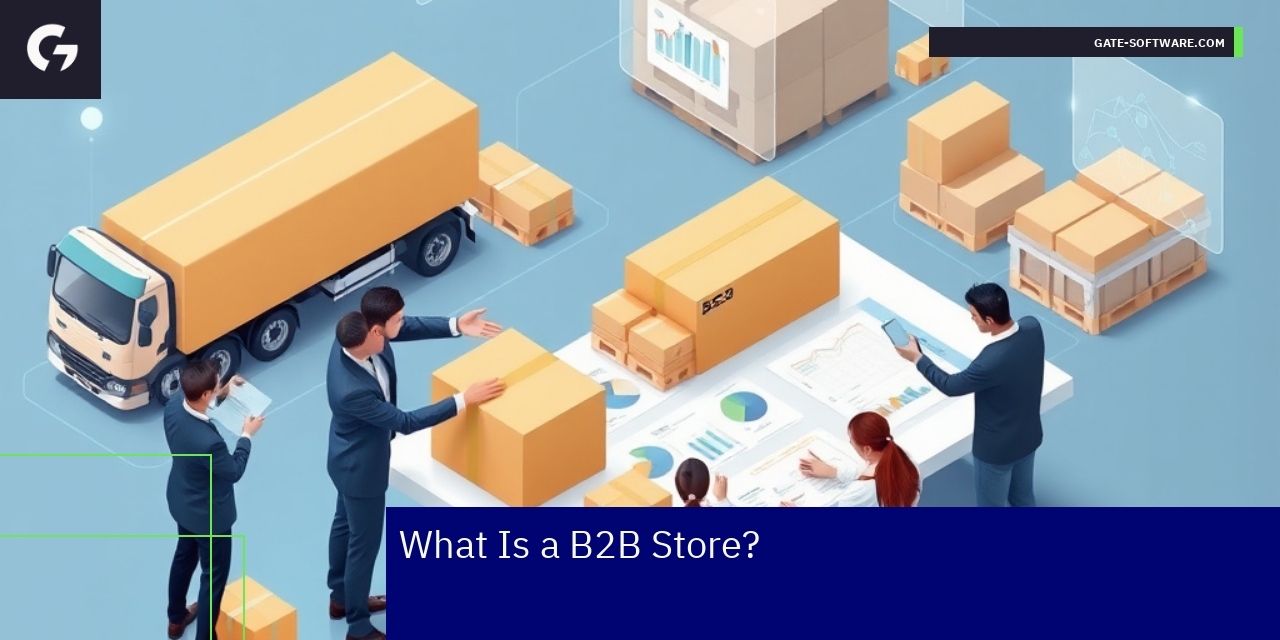
A B2B store is a specialized platform built to power wholesale buying and selling between companies. Unlike consumer-focused e-commerce, systems for system b2b transactions facilitate the sale of products and services directly between businesses. ecommerce b2b platforms are designed to streamline procurement processes, improve order management, and provide tailored solutions for business clients. These platformy b2b support complex workflows, including bulk orders, negotiated pricing, and multi-user accounts, reflecting the distinct needs of business customers.
Types of B2B Stores
There are several main types of B2B stores catering to diverse business needs. Wholesale B2B stores primarily focus on bulk sales to resellers or large buyers. Retail-focused B2B stores serve smaller businesses seeking business-specific products at competitive prices. Additionally, marketplace platforms offer companies the ability to sell and buy in multiple markets without the hassle of managing multiple vendor relationships. Each of these platformy b2b offers unique features tailored to optimize business transactions within their target segments, increasing sales efficiency and customer satisfaction.
Features of B2B Stores
Key features of successful B2B stores revolve around facilitating smooth business transactions. Electronic ordering systems enable efficient, accurate, and fast order placement, often integrated with customer relationship management (CRM) tools for personalized service. Seamless integration with existing ERP systems is vital, with many platforms providing one platform connected with 100+ ERPs to ensure data consistency and workflow automation. These features reduce manual work, minimize errors, and enable companies to respond quickly to market demands, making system b2b solutions essential for modern enterprises.
Benefits of B2B Stores
The benefits of implementing a B2B store include accelerated purchasing processes, improved operational efficiency, and increased flexibility in negotiations. Companies gain the ability to manage pricing strategies directly via the ecommerce b2b platform, enhancing margins and customer loyalty. By consolidating everything you need for selling wholesale in one platform, businesses reduce complexity and lower operational costs. Additionally, platformy b2b foster stronger supplier-buyer relationships through transparent communication and real-time data, making them indispensable tools in digital business ecosystems.
Personalized Pricing & Dynamic Catalogs
Choosing a B2B Store
How to Choose a B2B Platform?
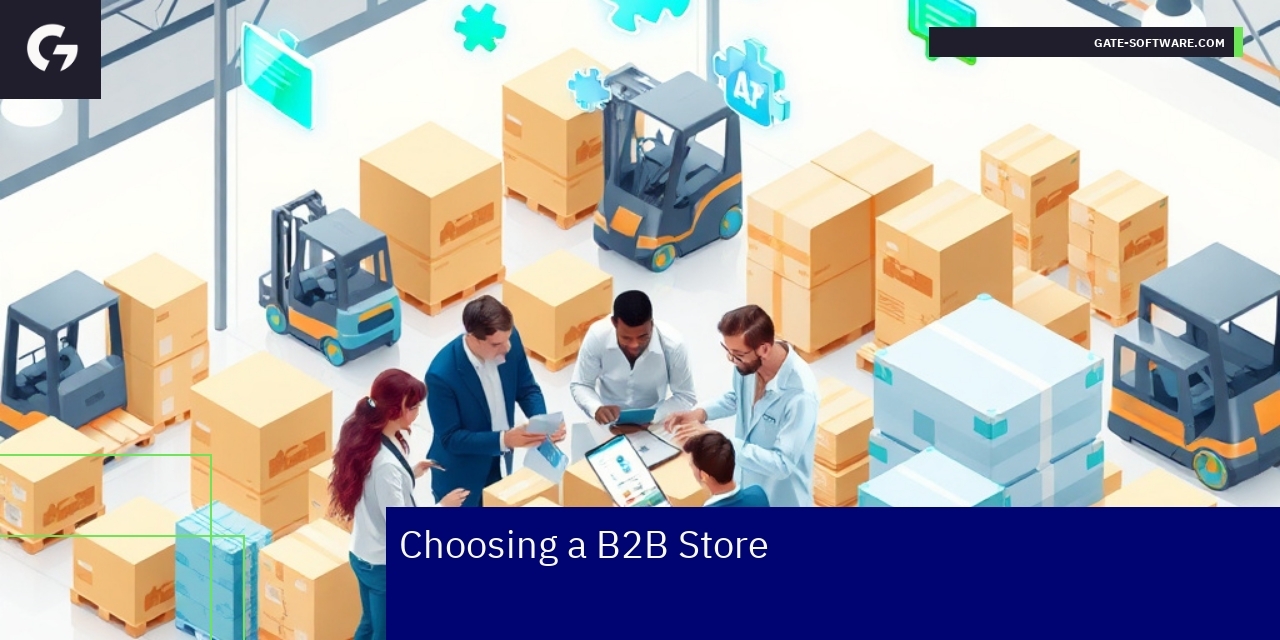
When selecting a platform for your B2B operations, prioritize functionality that supports complex workflows, scalability to handle growing transaction volumes, and reliable technical support to minimize downtime. Considering these factors ensures that your system b2b adapts as your business evolves. Deciding on the best B2B eCommerce platforms (at a glance) involves evaluating integration capabilities with existing ERP or CRM systems and ensuring compliance with industry standards. This strategic approach helps identify platformy b2b that align tightly with your operational and growth objectives.
B2B Store on WordPress
WordPress stands out among platformy b2b for its flexibility and extensive customization options, which are particularly valuable for businesses requiring tailored ecommerce solutions. Its plugin ecosystem supports a variety of ecommerce b2b functionalities, such as personalized pricing and secure B2B-only access. For organizations seeking to mix content-driven marketing with transactional capabilities, WordPress offers a robust foundation that integrates well with system b2b environments while maintaining scalability suited for growing enterprises.
Personalized Pricing & Dynamic Catalogs
A critical feature of effective ecommerce b2b platforms is the ability to offer personalized pricing and dynamically updated product catalogs. B2B buyers expect tailored offers reflecting negotiated terms, volume discounts, or customer-specific agreements. Dynamic catalogs adjust in real time to reflect these personalized prices and availability, enhancing the buyer’s experience and streamlining sales processes. Integrating these features makes the system b2b more responsive and aligned with client needs, fostering long-term relationships and repeat business.
Wholesale Buying
Wholesale buying functionality is central to many best B2B eCommerce platforms (detailed overview), allowing businesses to efficiently manage large volume orders. Features such as bulk order forms, tiered discount structures, and easy reordering streamline procurement for B2B customers while ensuring price transparency and operational efficiency. Wholesale capabilities within system b2b also facilitate better negotiation leverage and cost savings, which are critical for sustaining competitive advantage and profitability in B2B commerce.
B2B Digital Marketing Strategy
Fast Reordering
Shared Carts and Accounts
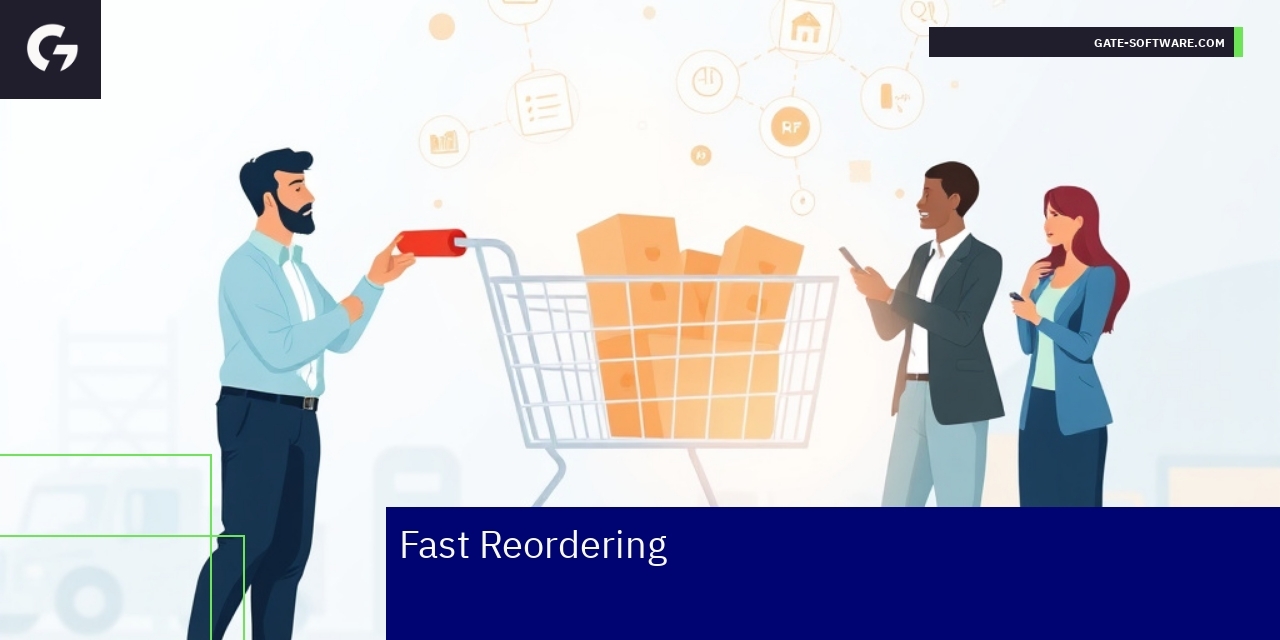
Sharing carts and accounts facilitates efficient order management among teams, speeding up the purchasing process in B2B eCommerce environments. This feature allows multiple users within the same organization to collaborate on order preparation, review, and approval, which is crucial for companies relying on complex approval workflows and bulk purchasing. By enabling shared carts, platformy b2b can reduce repetitive tasks and ensure accuracy in orders. This collaboration directly supports the demands of a system b2b, where streamlining internal processes significantly impacts overall business efficiency and customer satisfaction.
Offer Management & CRM Integration
Integration with CRM systems enhances the handling of offers and customer data in ecommerce b2b platforms. It allows businesses to personalize pricing, manage discounts, and provide tailored offers that reflect a customer’s purchasing history and preferences. This tight integration improves the accuracy and speed of offer creation and validation, which is critical for maintaining competitive advantage in platformy b2b. Additionally, better integration supports insight gathering for sales teams, improving relationship management and enabling proactive engagement based on real-time data available in the system b2b.
Advanced Product Info (PIM)
Product Information Management (PIM) systems are essential for managing the extensive and detailed product data typical in ecommerce b2b catalogs. With complex product hierarchies, varied specifications, and regulatory requirements, advanced PIM tools ensure consistency and accuracy across all sales channels. This capability is crucial for platformy b2b, where buyers expect detailed and reliable product information to make informed decisions. Properly managed product data directly supports the efficiency of a system b2b, reducing errors and enhancing the ordering experience by providing clear, comprehensive product descriptions and specifications.
Extended Products (Training, Support, Services)
B2B Order System
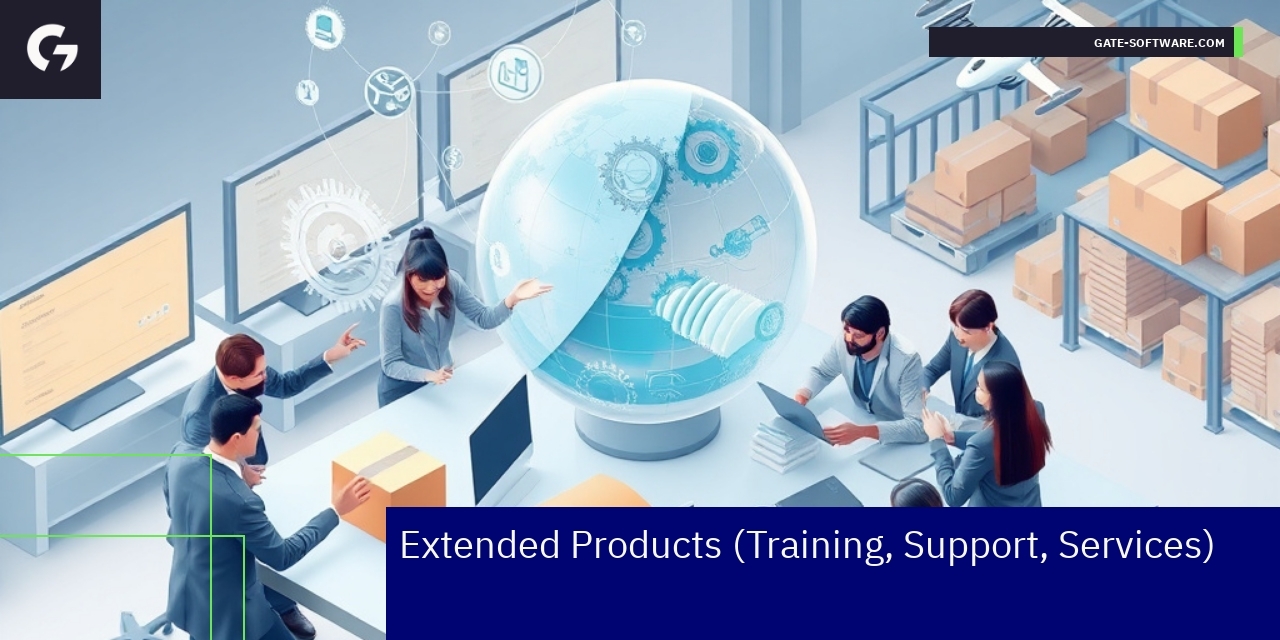
An effective system b2b order platform is essential for ensuring seamless transaction flows and operational efficiency. For businesses operating ecommerce b2b platforms, it is critical to integrate extended support and training services that empower users at all levels—from architects designing system layouts to eCommerce Managers handling daily operations. This holistic approach streamlines procurement processes, reduces errors, and enhances customer satisfaction. Training tailored to specific platformy b2b environments strengthens user competence, enabling companies to fully exploit technical capabilities and meet complex B2B demands with agility and reliability.
Omnibus Directive in B2B
Compliance with regulations such as the Omnibus Directive is a pivotal business challenge in platformy b2b operations. The directive introduces new obligations impacting ecommerce b2b transactions, particularly in transparency, data handling, and consumer protection protocols. Businesses must ensure their system b2b infrastructures are equipped for these evolving requirements through adaptive support services that guide legal adherence and system updates. Training initiatives focused on regulatory changes prepare teams to implement and sustain compliant operations, guaranteeing risk mitigation and fostering trust within B2B channels.
B2B Digital Marketing Strategy
In the competitive landscape of ecommerce b2b, adopting an effective B2B digital marketing strategy is indispensable. Extended services including analytics training, platform management support, and campaign optimization form the backbone of sustainable growth in system b2b environments. For platformy b2b providers, leveraging data-driven insights alongside comprehensive training programs allows marketing teams to better understand buyer personas, tailor content, and maximize lead conversion. Support services ensure continuous adaptation to market trends and platform capabilities, reinforcing the coherence and efficiency of the entire ecommerce b2b ecosystem.

Comparisons & Analysis
B2B Store vs. B2C Store
Differences between B2B and B2C stores lie primarily in customer approach and sales strategies, reflecting unique challenges and opportunities in B2B eCommerce platforms. In B2B environments, the sales process typically involves longer decision cycles, more stakeholders, and larger, often negotiable orders compared to B2C. The need for personalized pricing, complex product configurations, and integration with enterprise systems makes system b2b more sophisticated. Moreover, platformy b2b must support features such as multi-user accounts, purchase approvals, and detailed invoicing, which are less critical in B2C. While B2C prioritizes quick transactions and user-friendly interfaces, B2B platforms must balance usability with enterprise-grade functionalities and compliance standards, especially in sectors with strict regulatory demands. This distinction mandates a tailored approach in UX/UI design and backend architecture, demanding seamless integration with ERP and CRM systems, and often requiring customizations to meet specific client needs.
Pros & Cons of B2B Platforms
Analyzing popular platformy b2b reveals several strengths and weaknesses that impact business decision-making. On the positive side, dedicated B2B platforms offer robust tools for managing complex catalogs, volume-based pricing, and multi-tiered customer segmentation, facilitating efficient order management and improving customer satisfaction. Additionally, scalability and integration with existing infrastructure are key advantages of advanced system b2b implementations, enabling businesses to evolve alongside market demands. However, these platforms often come with higher implementation and maintenance costs, which can challenge budget-conscious organizations. Another downside can be the increased complexity for end-users if systems are not designed with clear workflows or intuitive interfaces, highlighting the ongoing importance of UX/UI audits and adherence to accessibility standards such as WCAG 1.1. Companies must weigh these factors carefully to select ecommerce b2b solutions that align with their operational goals and long-term strategy.
Common B2B Store Mistakes
In managing system b2b platforms, companies often encounter several recurring challenges that can significantly impact the effectiveness of their ecommerce b2b operations. One of the primary mistakes is underestimating the complexity of platformy b2b requirements. Unlike B2C systems, B2B solutions must cater to a broader range of transactional scenarios, complex pricing models, and integration with ERP or CRM systems. Failure to properly address these can lead to operational inefficiencies and dissatisfaction among business clients.
Another common issue is the neglect of user experience tailored specifically for business customers. system b2b platforms require intuitive navigation and streamlined workflows designed to accommodate the decision-making processes and procurement cycles unique to B2B buyers. Overlooking this aspect results in poor adoption rates and increased customer support needs.
In addition, many ecommerce b2b stores do not fully leverage automation and data-driven insights. Effective use of analytics can optimize stock management, order processing, and personalized marketing initiatives. Without these capabilities, B2B platforms often face delays and miscommunications that undermine customer trust.
Security and compliance represent further critical mistakes. Business customers expect robust data protection and adherence to legal standards, especially when handling sensitive transactional data. Insufficient attention to these aspects can expose platforms to risks and regulatory penalties.
Finally, inadequate post-launch support and governance in platformy b2b implementations can stall continuous improvement. Ensuring consistent monitoring, adapting to evolving business needs, and maintaining SLA commitments are essential for sustained success.
Addressing these common mistakes with strategic planning and technology aligned to B2B requirements enables smoother workflows, higher client satisfaction, and better overall performance in system b2b and ecommerce b2b environments.
Common B2B Store Mistakes
FAQ on B2B Stores
Frequently asked questions address typical concerns and provide insights to optimize the use of B2B eCommerce platforms.
B2B stores play a critical role in streamlining interactions between businesses by leveraging tailored system b2b features which enhance operational efficiency and customer satisfaction. Implementing ecommerce b2b solutions enables companies to manage complex ordering workflows, pricing tiers, and product catalogs designed specifically for business clients. These platformy b2b solutions often integrate with existing enterprise systems, providing seamless data flow and reducing manual processes.
Key challenges in B2B environments include ensuring scalability, security, and compliance while maintaining an intuitive user experience for diverse decision-makers like CTOs, eCommerce Managers, and Heads of Applications. Effective platformy b2b also support personalized customer journeys and robust analytics to inform strategic decisions. Companies focusing on system b2b must prioritize flexibility to accommodate evolving business needs, including multi-channel sales and sophisticated B2B pricing models.
Understanding these aspects empowers businesses to fully leverage ecommerce b2b platforms for growth and operational excellence. The right platformy b2b can thus become a competitive advantage by automating transactions, enhancing buyer relationships, and supporting long-term strategic goals in B2B commerce.
Alternatives to B2B Stores
Other business models, such as direct sales channels or marketplace platforms, present viable alternatives to traditional system b2b stores for companies aiming to diversify their sales strategies. In the context of ecommerce b2b, leveraging these alternatives can address specific technical and operational challenges while meeting the varied needs of key decision-makers like CTOs, eCommerce Managers, and Heads of Applications.
Direct sales allow businesses to have closer control over client relationships, offering tailored solutions and personalized service that may be constrained on platformy b2b. This model requires robust CRM integration and flexible backend systems to manage client-specific pricing, contracts, and order workflows, ensuring operational efficiency and customer satisfaction.
Marketplace platforms provide expansive reach and variety but demand seamless integration within existing B2B ecosystems. It necessitates sophisticated product data management, inventory synchronization, and compliance with security and accessibility standards such as WCAG 1.1 to uphold user experience and inclusivity. Moreover, marketplaces enable dynamic collaboration with various suppliers, expanding product offerings without heavy inventory commitments.
Choosing between system b2b stores, direct sales, or marketplace platforms involves assessing the company’s digital maturity, operational capabilities, and strategic goals. Gate-Software’s comprehensive approach—encompassing Magento™, SLA-backed hosting, UX/UI audits, and cost optimization—supports businesses in adopting or integrating these models efficiently to optimize revenue streams, enhance user experience, and maintain compliance within the ecommerce b2b landscape.
Alternatives to B2B Stores
Data and Performance Metrics – Efficiency, SLA, TCO
Operational Effectiveness in B2B Projects
In the context of B2B projects at Gate-Software, measurable data serves as a cornerstone for evaluating operational effectiveness and supporting decision-making processes. Below are key metrics that exemplify our commitment to delivering superior service and performance.
1. Project Takeover Time: Gate-Software successfully transitions approximately 85% of projects from initial consultation to live operation within a 4 weeks timeframe, showcasing our efficiency in onboarding new clients.
2. On-Time Delivery Rate: We pride ourselves on meeting deadlines, with 90% of B2B projects delivered on or before the scheduled launch date. This reliability highlights our effective project management practices.
3. Average TCO Reduction: Clients utilizing Gate-Software’s solutions experience an average 20-30% reduction in Total Cost of Ownership (TCO) through optimized processes and advanced automation features, enabling significant cost savings over time.
4. Number of Implementations: With over 250 successful B2B implementations completed, our track record reflects our expertise in customizing solutions that meet the unique needs of business clients across various industries.
5. Uptime SLA: We maintain a robust uptime SLA of 99.9%, ensuring that clients’ e-commerce platforms remain operational and accessible, ultimately supporting their business continuity and customer satisfaction.
6. Average Client Relationship Duration: Our long-term partnerships are evident, as the average client relationship lasts over 5 years, demonstrating high satisfaction and trust in our services.
7. Customer Support Response Time: Gate-Software boasts an average response time of less than 2 hours for customer support inquiries, ensuring that our clients receive timely assistance and effective solutions.
These metrics collectively illustrate how Gate-Software enhances operational efficiency, reduces costs, and fosters strong relationships in the B2B space, serving as a testimony to our commitment to client success and satisfaction.
Summary
In conclusion, Gate-Software’s robust B2B eCommerce solutions built on Magento™ empower businesses to navigate the complexities of B2B transactions with efficiency and confidence. By focusing on essential features such as personalized pricing, dynamic catalogs, and seamless integration with ERP and CRM systems, we address the unique needs of business clients and enhance overall operational performance. Our commitment to ongoing platform maintenance and development ensures that your eCommerce environment stays competitive and compliant in an ever-evolving market landscape. As you contemplate the best path forward for your B2B eCommerce needs, we encourage you to reach out for collaboration, allowing us to support your journey toward optimizations that drive growth and customer satisfaction in the B2B space. Trust Gate-Software to be your partner in unlocking the full potential of your B2B digital strategy.

FAQ
What is a B2B store?
A B2B store is a specialized e-commerce platform designed to facilitate transactions between businesses, rather than individual consumers. It incorporates features like multi-level pricing, custom catalogs, and user role management to cater to the complexities of business procurement processes.
Why should companies choose a B2B platform over a B2C platform?
Companies should opt for a B2B platform because it is tailored to handle unique business needs such as complex pricing structures, bulk ordering, and multi-user accounts, which are not typically addressed in B2C platforms that focus on quick transactions and a simpler user experience.
How does Gate-Software ensure the security and scalability of its B2B solutions?
Gate-Software ensures security and scalability by building its B2B solutions on Magento™, providing integration capabilities with existing ERP and CRM systems, and emphasizing ongoing maintenance and development that includes security updates and performance optimization.
What features are essential for effective B2B digital marketing strategies?
Effective B2B digital marketing strategies should include targeted messaging, account-based marketing (ABM), and the use of data-driven insights for precise buyer segmentation. Utilizing platforms like LinkedIn alongside tailored SEO strategies can significantly enhance visibility and lead generation.
How can businesses avoid common mistakes when implementing B2B stores?
To avoid common mistakes, businesses should ensure they understand the complexities of B2B workflows, prioritize a tailored user experience for business customers, leverage automation and data insights, adhere to security and compliance regulations, and maintain ongoing support for continuous improvement of their B2B platforms.
.
.
Zamów bezpłatną konsultację
.
Z nami rozwój Twojego biznesu nabierze tempa! Zapraszamy do kontaktu średnie i duże firmy generujące min. 7 mln PLN obrotu rocznie – tam nasza ekspertyza sprawdza się najlepiej.
.
Kliknij w poniższy przycisk i skontaktuj się z jednym z naszych konsultantów e-commerce
.