Introduction
Launching and managing a successful B2B online store requires a strategic approach that aligns technology with business goals. For enterprises entering the digital commerce space, especially within the Magento™ ecosystem, establishing a robust platform tailored for B2B needs is crucial. This involves integrating seamless UX/UI design that meets WCAG standards, ensuring accessibility and usability for diverse user personas like Architects, eCommerce Managers, and CDOs.
Effective B2B store management encompasses not only front-end excellence but also backend stability and scalability, supported by continuous utrzymanie i rozwój (maintenance and development). Gate-Software’s approach includes comprehensive strategies for migration, SLA-driven hosting, and monitoring to guarantee performance and security. Additionally, understanding the buyer journey and crafting content aligned with targeted personas helps optimize marketing and communication plans.
Ultimately, successful B2B stores leverage data-driven decision-making and agile processes to adapt to market demands, optimize costs, and enhance engagement across all digital touchpoints. This introduction sets the stage for a detailed exploration of best practices and strategic insights tailored for Gate-Software’s B2B clients.
TABLE OF CONTENTS
- B2B Store – How to Successfully Start and Run Your Online Store
- Want to Start a B2B Store? Check Out Automico B2B!
- Differences Between B2C and B2B Stores
- B2B Store Specifics – Start in a Few Steps
- Is Owning a B2B Store Worth It?
- How to Set Up a B2B Store?
- B2B Store FAQ
- B2B Store Features
- Benefits of a B2B Store
- Modern B2B Marketing
- Comparison of B2B Platforms
- Checklist for Choosing a B2B Platform
- Common Mistakes When Launching a B2B Store
- How to Avoid Pitfalls in B2B E-commerce?
- B2B Store Success Stories
- Analyzing Failures in B2B
- Data and Performance Metrics – Efficiency, SLA, TCO
- Summary
- FAQ
Want to Start a B2B Store? Check Out Automico B2B!
Launching a successful system b2b requires a strategic approach that addresses the unique challenges and needs of business clients. Automico B2B offers a robust platform b2b solution designed specifically for ecommerce b2b environments, supporting the complex workflows of wholesalers, manufacturers, and distributors. A B2B online store often serves as a wholesaler for manufacturers or distributors, so the platform must facilitate efficient order management, volume pricing, and integration with existing ERP systems. Automico B2B provides this seamless integration capability, ensuring operational continuity and scalability.
Platforms b2b like Automico empower businesses with the tools necessary to manage large catalogs and multiple customer segments while maintaining personalized pricing and contract terms. The system b2b supports advanced user roles and permissions, enabling sales teams and buyers to interact within a secure, customized ecosystem. Moreover, Automico B2B places emphasis on data-driven decision-making, providing analytics that help monitor customer behavior and optimize ecommerce b2b strategies.
For organizations considering a platform b2b upgrade or migration, Automico B2B stands out by offering a comprehensive solution compatible with Magento environments. See how B2B online wholesalers in Magento rate by customers to understand the importance of customer satisfaction in choosing a reliable ecommerce b2b platform. Automico’s commitment to UX/UI and compliance with WCAG standards ensures that B2B interactions are accessible and efficient, contributing to long-term business growth and partnership success.
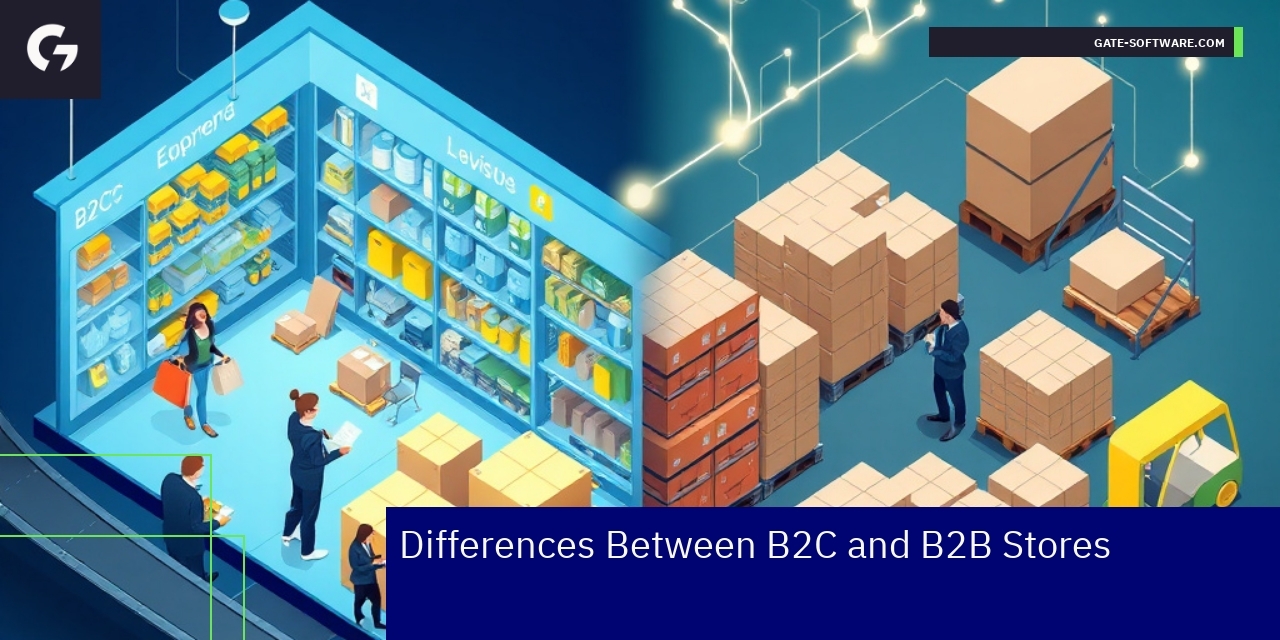
Differences Between B2C and B2B Stores
In the context of ecommerce b2b, understanding the distinct characteristics between B2C and B2B stores is crucial for designing effective platforms b2b that meet the specific needs of business clients. Unlike B2C, where the focus is on individual consumers, system b2b caters to Manufacturers selling retail and wholesale, demanding a more complex, customizable approach.
One key distinction lies in the sales process and customer relationships. B2B transactions often involve longer sales cycles with negotiations and tailored contracts. This calls for a platform b2b that enables personalized pricing, bulk order management, and detailed account oversight. In contrast, B2C platforms typically emphasize quick, impulse-driven purchases.
Another important aspect is the ability to integrate Possibility to add dedicated options, such as custom workflow automations, multiple user roles, and advanced reporting — features essential in system b2b environments. Ecommerce b2b platforms must also support integration with ERP and CRM systems to streamline operations across business units.
Additionally, pricing models in B2B stores are often more dynamic, reflecting volume discounts, tiered pricing, or negotiated terms — features less prevalent in consumer-focused platforms b2b. This complexity necessitates sophisticated backend management tools to ensure accuracy and flexibility.
User experience in B2B systems requires balancing intuitive interfaces with comprehensive functionality tailored to professional users’ needs, including compliance with industry standards and accessibility guidelines. Manufacturers selling retail and wholesale benefit from platforms b2b that combine robust operational capabilities with seamless user engagement.
In summary, ecommerce b2b platforms distinguish themselves by supporting intricate business processes, enabling Manufacturers selling retail and wholesale, and offering Possibility to add dedicated options that are vital for B2B success. This strategic differentiation sets system b2b apart, ensuring tailored solutions for the professional marketplace.
B2B Store Specifics – Start in a Few Steps
Launching a system b2b requires a clear understanding of both technical and business processes tailored to wholesale clientele. The foundation begins with choosing the right platform b2b that can seamlessly integrate with internal systems and wholesalers. Such platforms b2b typically offer features designed specifically for ecommerce b2b, including tiered pricing, bulk order management, and customer-specific catalogs.
Integration of the online store with wholesalers is a critical step to ensure real-time data exchange on inventory, pricing, and order fulfillment. This avoids discrepancies and supports efficient supply chain coordination. When considering how to prepare an offer for wholesale customers, it is essential to focus on personalized pricing strategies, flexibility in ordering volumes, and transparent terms that align with B2B purchasing behaviors.
Another important consideration is the question: How much does it cost to set up a B2B store? Costs vary depending on the complexity of the system, customization needs, and integration requirements. System b2b implementations often entail investments in platform b2b licensing, development for ecommerce b2b features, and ongoing maintenance. Early-stage planning should assess these elements to create a scalable and efficient B2B store environment.
By taking these few steps—selecting the appropriate platforms b2b, ensuring smooth integration of the online store with wholesalers, preparing tailored offers for wholesale customers, and understanding the associated costs—you can establish a robust ecommerce b2b presence that aligns with both technical capabilities and market demands.
Integration of the online store with wholesalers is a critical step to ensure real-time data exchange on inventory, pricing, and order fulfillment.
Is Owning a B2B Store Worth It?
Owning a system b2b store is a strategic decision that can significantly impact a company’s operational efficiency and market reach. Platforms b2b provide specialized functionalities tailored to the complexities of business-to-business transactions, such as handling larger order volumes, custom pricing, and complex approval workflows. This creates an environment where ecommerce b2b can thrive by addressing the unique needs of corporate clients compared to consumer-focused platforms.
One critical aspect to consider is how do wholesale and logistics work in an online B2B store system? Efficient management of wholesale logistics is crucial for maintaining timely deliveries and controlling costs. Platforms b2b typically integrate with inventory and supply chain management systems to streamline operations, ensuring accuracy in order fulfillment and transparency across the sales cycle.
In addition, platform b2b solutions often include features such as multi-user accounts, role-based access control, and personalized catalogs, which are essential in managing complex relationships and decision-making processes within corporate clients. These features enhance the customer experience and build loyalty, which is vital in the competitive ecommerce b2b landscape.
Moreover, investing in a system b2b allows for better scalability and customization compared to generic ecommerce platforms. Companies can adapt the platform to their specific workflows, integrations, and compliance requirements. This flexibility supports business growth and helps in maintaining a competitive edge.
However, the decision to own and operate a system b2b store must also factor in the costs of implementation, maintenance, and continuous improvement. Strategic partnerships with experienced providers like Gate-Software can mitigate risks by ensuring robust hosting, performance monitoring, WCAG compliance, and UX/UI optimization tailored to B2B needs.
In summary, while owning a system b2b store demands significant resources, the benefits of enhanced operational efficiency, tailored customer experiences, and scalable growth make it a worthwhile investment for businesses aiming to excel in the ecommerce b2b sector.
How to Set Up a B2B Store?
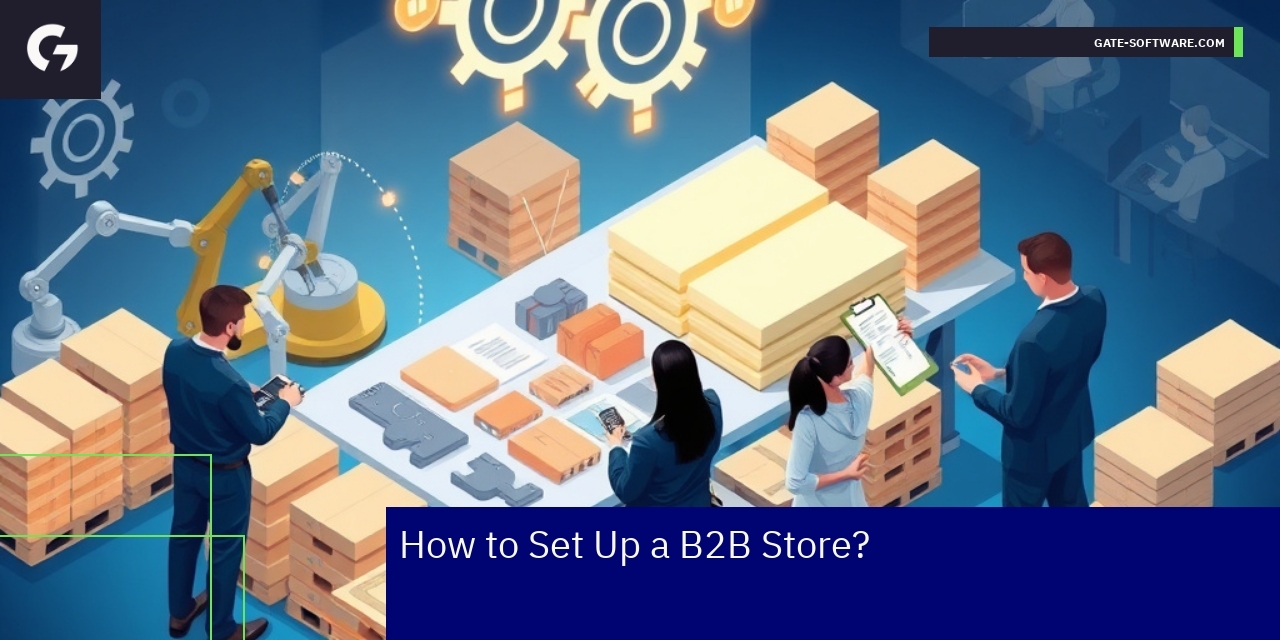
Setting up a system b2b involves a strategic approach that balances technical infrastructure with business needs. The foundation of a successful ecommerce b2b platform starts with selecting the right platform b2b that supports scalability, security, and integration with existing systems. Platforms b2b tailored for B2B typically offer advanced features such as customer segmentation, custom pricing, and complex order management, which are critical for addressing the unique demands of wholesale clients.
To begin, the architecture should prioritize seamless user experience aligned with the specific workflows of business buyers. This includes intuitive navigation, quick access to volume discounts, and personalized catalogs. The platform b2b must also comply with industry standards and accessibility guidelines to ensure all users can effectively engage with the system.
How to encourage wholesale customers to place orders? The key lies in leveraging the capabilities of ecommerce b2b systems to provide tailored incentives, streamlined reordering processes, and robust support tools such as integrated quotes and flexible payment options. Implementing automation around order approvals and inventory visibility enhances transparency and trust, fostering repeat business.
Finally, integrating the system b2b with your ERP and CRM ensures data consistency and operational efficiency, allowing your team to focus on strategic growth rather than manual tasks. Adopting a platform b2b that supports these integrations and offers reliable SLA and monitoring capabilities will position your B2B store for long-term success in the competitive B2B marketplace.
B2B Store FAQ
In the context of ecommerce b2b, a system b2b must address specific needs distinct from consumer-facing platforms. A platform b2b often serves multiple roles, facilitating complex transactions between businesses, managing diverse product offer elements in a B2B store that matter significantly for smooth operations and customer satisfaction.
Key product offer elements in a B2B store that matter include comprehensive product data, pricing tiers, custom catalogs, and integration capabilities with enterprise resource planning (ERP) systems. These features ensure that a platform b2b can accommodate the nuanced demands of corporate clients, including bulk ordering, contract-based pricing, and flexible payment terms.
Effective platforms b2b also prioritize seamless user experiences tailored to professional buyers, where reliability and speed are paramount. A system b2b must support scalability, multi-user accounts with roles, and advanced analytics for Business-to-Business optimization.
In summary, ecommerce b2b success depends on a platform b2b’s ability to integrate these critical product offer elements in a B2B store that matter while maintaining robust, secure, and scalable infrastructure tailored for enterprise interactions. Understanding these elements positions businesses to leverage their system b2b effectively, driving growth in complex B2B environments.
B2B Store Features
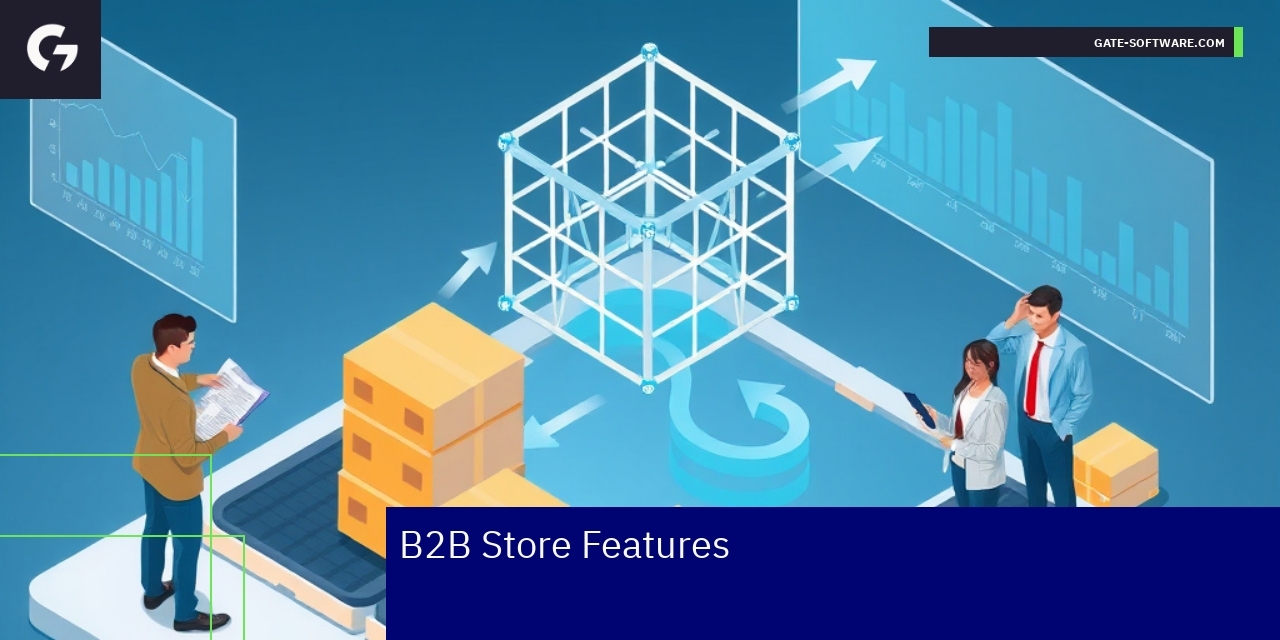
B2B platforms must address complex business processes and scalability requirements characteristic of business-to-business transactions. Key features and benefits of B2B platforms include advanced user management capabilities, enabling role-based access for various personas such as Architects, eCommerce Managers, and CIOs. This supports tailored experiences and secure handling of sensitive business data. Furthermore, flexible pricing models—such as volume-based pricing and customer-specific price lists—are essential to accommodate diverse client needs and contract terms. Efficient order management systems streamline bulk ordering, quote requests, and repeat purchases, reducing operational overhead. B2B platforms also emphasize compliance with WCAG 1.1 standards, ensuring accessible and user-friendly UX/UI designs for all users. Leveraging Magento™ infrastructure, these platforms benefit from high availability, robust monitoring, and SLA-backed hosting that guarantee uninterrupted business operations.
Essential integrations enhance the platform’s functionality by connecting seamlessly with ERP systems, enabling real-time inventory and order synchronization crucial for accurate supply chain management. Integration with CRM tools supports personalized customer relationship management and targeted marketing campaigns, aligning with strategic marketing and communication plans documented in Content Strategy 5.0. Payment gateways tailored for B2B transactions allow flexible invoicing and purchase order processing, accommodating extended payment terms. Social media and content management system integrations align with company brand voice and social media strategy, fostering cohesive communication and thought leadership. Together, these features and integrations empower enterprises to optimize workflows, drive e-commerce growth, and maintain competitive advantages in the B2B market.
Benefits of a B2B Store
A B2B store offers significant advantages tailored to the unique needs of business clients. One of the primary benefits is the targeted market approach, which enables precise meeting of business requirements and streamlines marketing and sales efforts. By focusing specifically on B2B customers, these stores facilitate bulk purchasing, often leading to cost optimization for both buyers and sellers. This not only supports competitive pricing but also enhances order efficiency.
Long-term relationships are a cornerstone in B2B commerce, with stores enabling consistent interaction and trust-building between partners. This foundation encourages repeated transactions and customer loyalty, contributing to increased lifetime value. Additionally, B2B stores provide specialized products or services, uniquely adapted to the operational demands of businesses, further distinguishing them from general consumer markets.
Advanced features such as bulk order processing and invoicing streamline transaction workflows, allowing faster turnaround times and reduced administrative overhead. Customization options are also prominent, permitting clients to adapt products to their precise specifications, enhancing satisfaction and operational compatibility.
Access to detailed analytics empowers businesses to understand purchasing patterns and optimize inventory management effectively. This data-driven insight supports strategic decisions and scalability as business growth demands increase. Furthermore, B2B stores often face reduced competition within niche sectors, enabling a stronger market position and focused innovation.
Overall, the benefits of a B2B store align closely with solving real technical and business challenges, emphasizing efficiency, partnership, and sustained growth tailored for B2B environments. This approach fits well within Gate-Software’s robust solutions landscape tailored for B2B e-commerce success.
Modern B2B Marketing
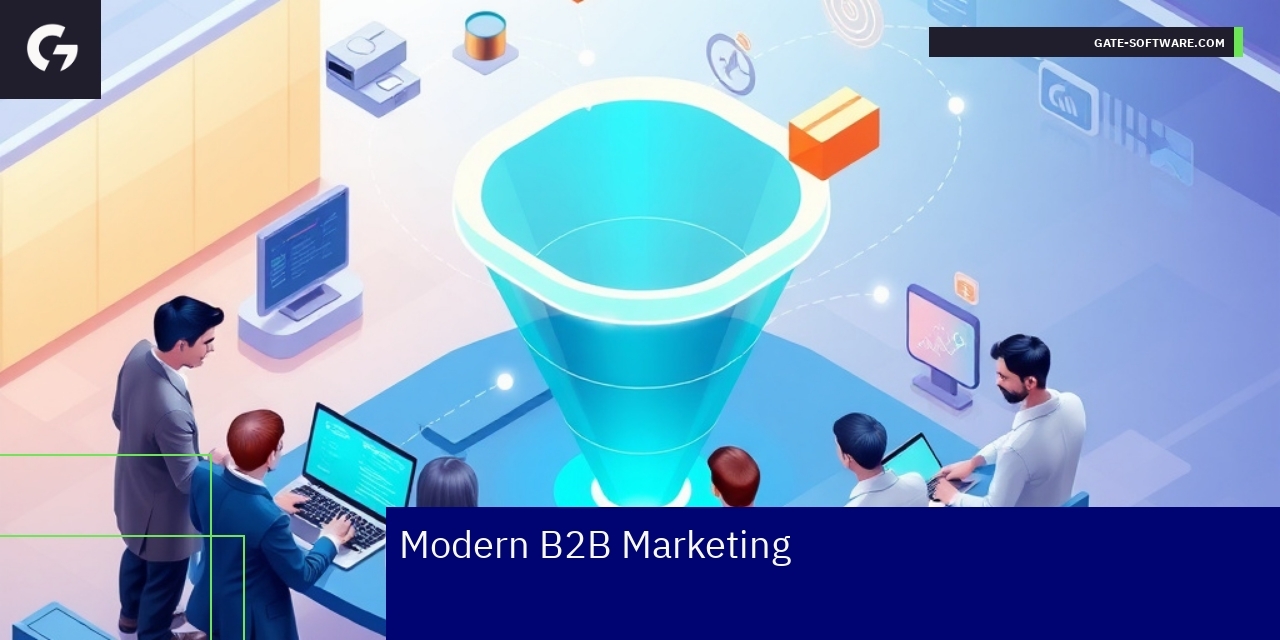
In today’s rapidly evolving business landscape, modern B2B marketing requires a strategic approach that aligns closely with the customer journey. Decision-makers such as CTOs, Heads of Applications, and eCommerce Managers must understand the needs and behaviors of their clients at each stage to create relevant and impactful touchpoints. This deep understanding enhances engagement and drives more efficient sales funnel optimization, ensuring prospects move seamlessly from awareness to decision-making.
Central to modern B2B marketing strategies is the integration of digital transformation. Incorporating advanced technologies and data analytics allows companies to refine targeting, personalize communication, and automate processes that historically slowed down outreach and follow-up. These improvements contribute directly to higher conversion rates and better customer experience across complex, multi-step sales cycles.
Moreover, focusing on customer retention is critical in B2B sectors where acquiring new clients is often costly and lengthy. By leveraging insights from the customer journey and applying feedback-driven adjustments, organizations can develop loyalty programs and tailored content strategies that foster long-term partnerships. This not only protects revenue streams but also amplifies client lifetime value.
Overall, effective modern B2B marketing combines a thorough grasp of the customer journey with robust digital transformation initiatives, strategic sales funnel optimization, and purposeful customer retention efforts, all working together to drive sustainable growth and competitive advantage.
Comparison of B2B Platforms
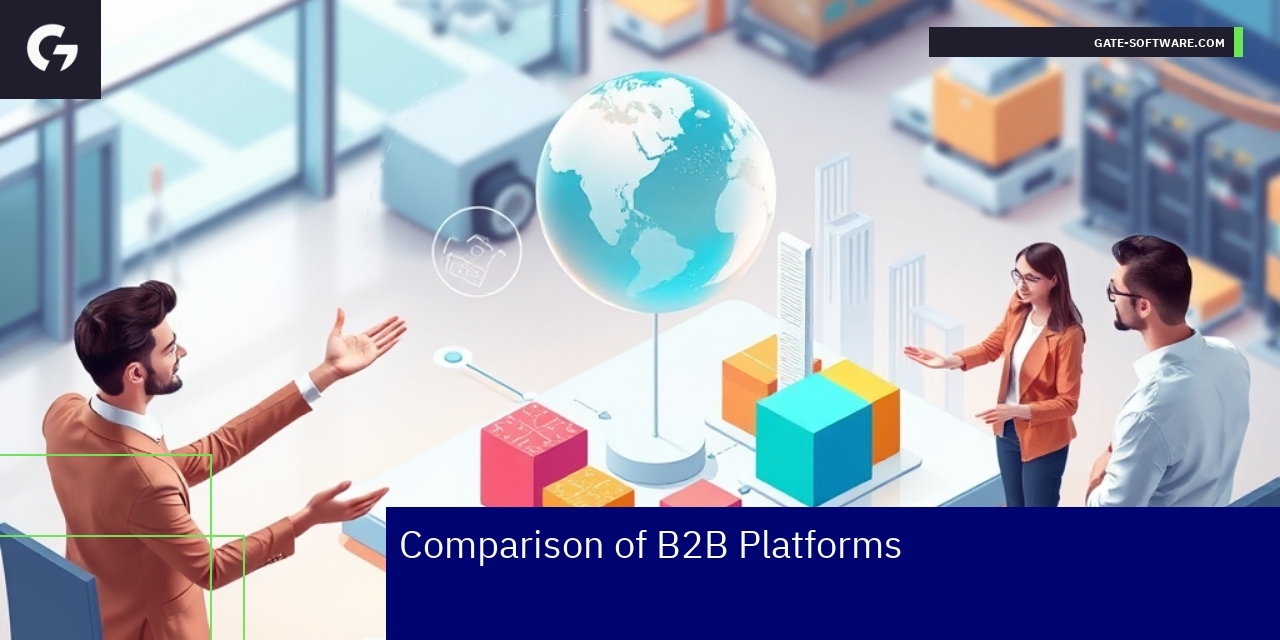
Selecting the right B2B platform is critical for addressing the specific needs of complex business-to-business interactions, where scalability, integration, and customization play pivotal roles. Best B2B eCommerce Platforms at a Glance are designed to support extensive product catalogs, varied pricing models, and multi-tiered customer segmentation, ensuring that businesses can tailor their offerings to diverse clients. Platforms must provide robust API capabilities and seamless integrations with ERP and CRM systems to streamline operations and data flow across organizational silos.
Most important features in B2B platforms encompass advanced user management with role-based access controls, comprehensive order management to handle bulk orders and repeat purchases efficiently, and flexible payment options suited to corporate terms. Equally vital are tools for personalized pricing, contract management, and customer-specific catalogs that enhance the buyer’s experience while maintaining operational efficiency. Ensuring compliance with standards like WCAG 1.1 improves accessibility, which can be a differentiator in serving global enterprise clients.
Gate-Software solutions emphasize these aspects, including expert UX/UI audits tailored to B2B workflows, Magento-based customizations enabling bespoke platform adaptations, and dedicated SLA provisions to guarantee high availability and performance. Security, scalability, and ongoing maintenance support align with the expectations of CTOs and Heads of Applications who require dependable infrastructure to support dynamic B2B ecosystems. Strategically, platforms must also enable precise data-driven marketing and sales activities, leveraging integrated analytics and content strategies like Gate’s Content Strategy 5.0 to maximize market reach and engagement.
Checklist for Choosing a B2B Platform
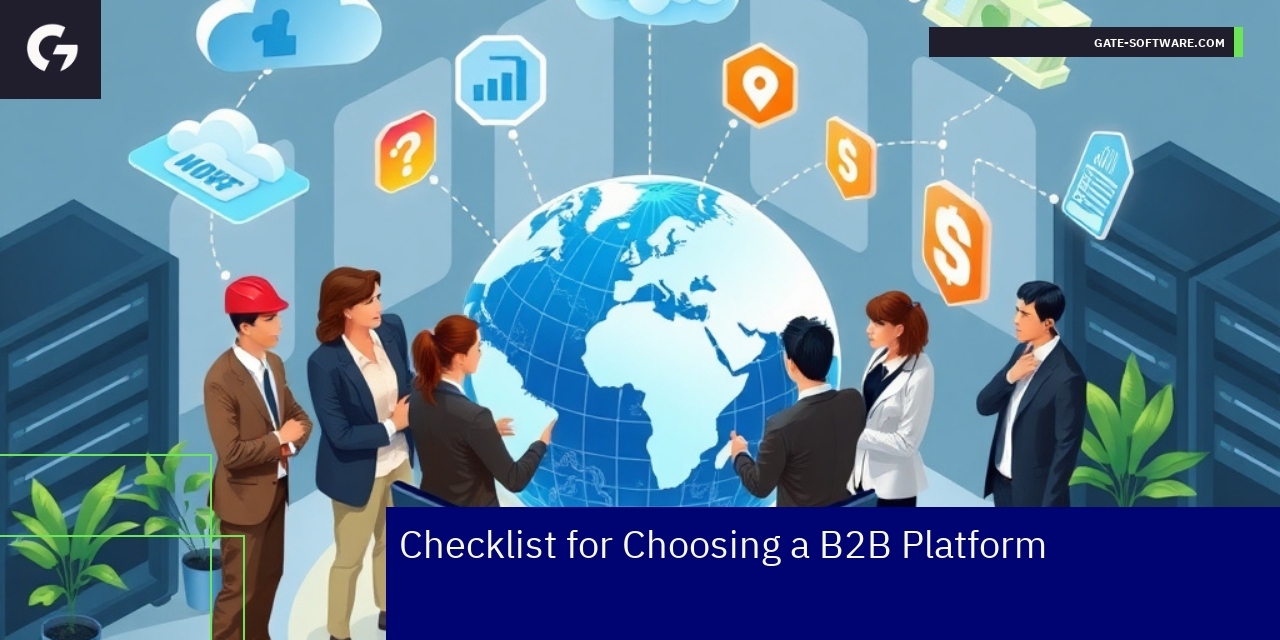
Choosing the right B2B platform is crucial for supporting complex business processes and ensuring scalability in e-commerce operations. Key considerations include the platform’s ability to integrate seamlessly with existing ERP and CRM systems, robust user management tailored for corporate clients, and flexible pricing models that reflect various buyer segments. The platform should also support advanced catalog management and personalized pricing to accommodate diverse customer needs.
Ensuring compliance with accessibility standards such as WCAG 1.1 is vital for inclusivity and legal adherence, alongside optimizing UX/UI to facilitate smooth navigation for decision-makers like Architects, eCommerce Managers, and CIOs/CTOs. Risk mitigation strategies should address data security and regulatory compliance, especially in multi-region operations.
Gate-Software’s expertise in Magento™ offers proven solutions for migration, cost optimization, hosting, and continuous monitoring, which are essential for maintaining platform reliability and performance. Asking key questions about SLA guarantees, customization capabilities, and support models can help in selecting a partner aligned with business goals.
Integrating these elements into your checklist will ensure a comprehensive evaluation process, balancing technical requirements and business priorities in a B2B context. This approach underpins effective decision-making on the best ecommerce platform tailored specifically to B2B market demands.
Common Mistakes When Launching a B2B Store
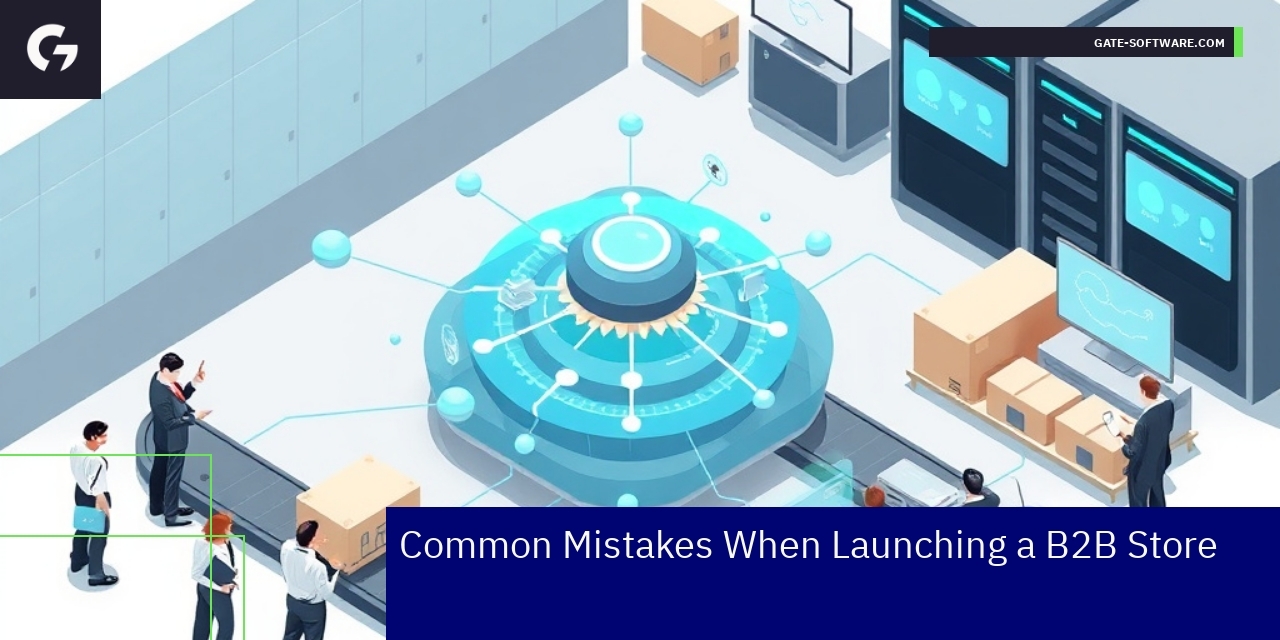
Launching a B2B store entails unique challenges that differ significantly from B2C models, and overlooking these can lead to costly pitfalls. One common mistake is underestimating the complexity of B2B buyer journeys. Unlike typical retail customers, B2B purchasers often involve multiple stakeholders, require detailed product specifications, compliance with industry standards like WCAG 1.1 for accessibility, and demand personalized solutions. Neglecting these aspects can result in poor user experience and lost sales opportunities.
Another frequent error is the lack of integration with existing business systems such as ERP, CRM, and inventory management. For efficient operations, the Magento platform must seamlessly connect with these systems to ensure accurate data flow and real-time inventory updates. Failure to optimize this integration leads to workflow disruptions and frustration for commerce managers and IT teams alike.
Ignoring the importance of clear UX/UI tailored to B2B personas—such as the Architect, eCommerce Manager, and CTO—also hampers adoption and satisfaction. The store must provide intuitive navigation, advanced search options, and detailed product information that supports decision-making processes. Additionally, B2B pricing strategies and custom quotations should be built into the platform to accommodate complex ordering scenarios.
Furthermore, insufficient attention to scalable hosting and SLA guarantees jeopardizes platform reliability. Given the critical business operations running on the store, downtime can severely impact revenue streams and client trust.
In summary, avoiding pitfalls like ignoring multi-stakeholder needs, lack of system integrations, disregarding user experience tailored to B2B buyers, and underestimating infrastructure robustness is essential. Incorporating Gate-Software’s strategic approach to Magento™, compliance standards, and marketing strategies will help navigate these challenges effectively. Ensuring your launch plan incorporates these aspects will provide a strong foundation for successful B2B e-commerce growth.
How to Avoid Pitfalls in B2B E-commerce?
B2B e-commerce presents unique challenges that require precise strategies to overcome pitfalls effectively. One of the biggest risks is overlooking the complex decision-making processes inherent to B2B transactions. To avoid this, focus on creating a seamless and transparent buying experience tailored to business clients. A user-friendly platform with intuitive UX/UI design is essential to support buyers through longer sales cycles and multiple stakeholder approvals. Equally crucial is integrating your e-commerce platform with existing ERP and CRM systems to streamline order processing and data accuracy.
Security and compliance form another cornerstone of B2B e-commerce. Implement robust security measures to protect sensitive data and adhere to relevant standards such as WCAG 1.1 for accessibility compliance, which can enhance user trust and expand your customer base. Transparent pricing models and flexible payment options should be clearly communicated, reflecting typical B2B expectations for volume discounts and negotiated terms.
Operational efficiency is achieved through optimizing logistics and inventory management, ensuring timely fulfillment without overstocking. Use data analytics to monitor purchasing trends and personalize marketing efforts, supporting long-term relationships rather than one-off sales. Open, consistent communication channels—including technical support—help address client concerns promptly and foster partnership-based collaborations.
Avoiding common pitfalls in B2B e-commerce requires a strategic, integrated approach focused on technical robustness, operational precision, and deep understanding of business customer needs, consistent with Gate-Software’s solutions and standards. This approach ultimately supports sustainable growth and maximizes ROI for enterprises navigating digital transformation in e-commerce.
B2B Store Success Stories
The success of B2B stores hinges on a clear understanding of the specific needs and challenges faced by businesses in their purchasing processes. A thorough analysis of successful business models reveals that tailored solutions, integration capabilities, and scalability are key pillars. Effective B2B platforms leverage deep insights into buyer personas such as eCommerce Managers, CTOs, and Heads of Applications to ensure that the user experience is not only intuitive but also compliant with standards like WCAG 1.1 for accessibility. These platforms prioritize seamless integration with ERP systems, automated workflows, and cost optimization strategies to support long-term growth and efficiency.
Moreover, the industry’s largest curated B2B network plays a crucial role in expanding market reach and creating robust ecosystems. This network fosters collaboration between suppliers and buyers, enabling the exchange of strategic resources and enhanced communication that drives business decisions. By harnessing this network, companies benefit from comprehensive marketing strategies, including tailored content aligned with brand voice and social media plans, enhancing visibility and customer engagement. Implementations guided by Gate-Software’s strategic frameworks emphasize reliability through SLA-backed hosting, monitoring, and Magento migrations, ensuring that B2B stores maintain uptime and performance critical for business continuity. The fusion of technical excellence and strategic partnership models results in B2B stores that are not only profitable but also resilient and adaptable to evolving market demands, exemplifying true success stories in the digital commerce landscape.

Analyzing Failures in B2B
What went wrong? Lessons for the future
Failures in B2B e-commerce often stem from a mismatch between the platform capabilities and the complex needs of wholesale operations. Issues such as inadequate integration with existing systems, poor UX/UI adapted for business users, and lack of compliance with WCAG standards can severely impact platform adoption and user satisfaction. Furthermore, neglecting the personas of key decision-makers like the Architect, eCommerce Manager, or CTO can lead to misaligned solutions that do not support strategic goals. It is essential to learn from these challenges by prioritizing comprehensive platform migrations, employing robust monitoring and SLA frameworks, and leveraging Magento™ capabilities to optimize costs and enhance reliability. Understanding these failures enables better preparation for future projects and alignment with Gate-Software’s strategic approach.
Summary and the Future of B2B E-commerce
Market forecasts
The B2B e-commerce market continues to grow steadily, driven by increasing digital transformation among enterprises and the demand for integrated wholesale solutions. Market forecasts emphasize the importance of scalable platforms that support personalized buyer journeys and complex transactional workflows, ensuring seamless B2B operations.
Key trends to watch
Emerging trends include heightened focus on compliance with accessibility standards such as WCAG 1.1, deeper integration of AI-driven analytics to optimize decision-making, and the adoption of omnichannel strategies to bridge offline and online wholesale experiences. Enhanced mobile and responsive UX/UI are also critical for catering to diverse user personas in the B2B space.
Why Choose Shopify Plus?
Shopify Plus offers an all-in-one platform designed for wholesale commerce, delivering the flexibility and scalability needed for B2B market demands. Its robust API ecosystem and ease of integration support complex backend systems, meeting the high standards expected by eCommerce Managers and CIOs for operational efficiency.
Everything You Need for Selling Wholesale, in One Platform.
A consolidated platform eliminates fragmentation, providing seamless management of product catalogs, pricing models, ordering processes, and customer relationship management. This integrated approach benefits decision-makers by reducing operational complexity and enabling faster adaptation to market changes.
Global Tradeshows Reinvented
In the post-pandemic era, virtual and hybrid global tradeshows have transformed networking and customer engagement opportunities for B2B companies. Leveraging digital platforms aligned with cutting-edge marketing and communication strategies enhances reach and ROI, supporting continuous business growth.
Data and Performance Metrics – Efficiency, SLA, TCO
Operational Effectiveness in B2B Projects
In the realm of B2B projects, measurable data plays a critical role in assessing operational effectiveness and driving informed decisions. Gate-Software strategically emphasizes several key performance metrics that showcase the efficiency and reliability of its services tailored for B2B environments.
One significant metric is the average project takeover time, which stands at 2 weeks for existing clients seeking to optimize their e-commerce platforms. This swift transition period is facilitated by robust integration processes and pre-existing knowledge of client infrastructures.
Moreover, Gate-Software prides itself on achieving a commendable 95% on-time delivery rate for project implementations. This high percentage reflects the organization’s commitment to adhering to project timelines, thus enhancing client satisfaction and trust.
Cost efficiency is another pivotal focus area, where clients have reported an average 30% reduction in total cost of ownership (TCO) following the implementation of Magento™ solutions. This reduction is primarily attributed to streamlined operations, enhanced automation, and reduced downtime due to effective maintenance and support.
In terms of uptime service level agreements (SLA), Gate-Software guarantees 99.9% uptime, ensuring that clients’ e-commerce platforms remain reliable and accessible, thereby minimizing potential revenue losses due to downtime.
Additionally, the average client relationship duration spans approximately 5 years, showcasing Gate-Software’s effectiveness in fostering long-lasting partnerships through dedicated support and ongoing optimization.
Finally, the organization boasts an impressive 10+ successful Magento™ implementations per quarter, underlining a strong market presence and the expertise in handling complex B2B transactions.
These metrics not only illustrate the operational strengths and performance of Gate-Software’s B2B initiatives but also empower potential clients to make data-informed purchasing decisions, reinforcing the value proposition for implementing B2B e-commerce solutions.
Summary
In conclusion, launching a B2B online store involves a strategic approach tailored to the unique needs of business clients, particularly within the Magento™ framework. Gate-Software provides comprehensive solutions that emphasize essential elements such as seamless integration, superior user experience aligned with WCAG standards, and effective backend support, all designed to facilitate complex workflows typical in B2B environments. As enterprises increasingly transition to digital commerce, recognizing the value of robust data-driven decision-making, personalized customer interactions, and adaptive scalability becomes critical. By focusing on these best practices, businesses can not only enhance operational efficiency but also foster long-term partnerships built on trust and reliability. We invite you to explore how Gate-Software can support your journey in the B2B e-commerce landscape, ensuring your platform is primed for sustainable growth and success.
Summary

FAQ
How can I ensure my B2B online store meets the needs of business clients?
To cater to business clients effectively, your B2B online store should integrate features like personalized pricing, bulk order management, and customer-specific catalogs. Additionally, ensuring compliance with accessibility standards such as WCAG 1.1 and seamless integration with ERP systems will enhance user experience and operational efficiency.
What are the key differences between B2B and B2C store setups?
B2B and B2C stores differ primarily in their target customers and purchasing processes. B2B transactions often involve longer sales cycles, personalized pricing, and complex contracts, whereas B2C transactions are usually more immediate and driven by consumer demand. Platforms for B2B must support features like bulk order processing and advanced user permissions.
Why is data-driven decision-making important in B2B e-commerce?
Data-driven decision-making is crucial in B2B e-commerce as it enables businesses to understand customer behavior, optimize inventory management, and refine marketing strategies. This approach ensures that offerings align with market demands, ultimately enhancing operational efficiency and customer satisfaction.
How do I choose the right B2B platform for my business?
Selecting the right B2B platform involves evaluating its integration capabilities with existing systems, the availability of advanced user management features, and compliance with accessibility standards. It’s essential to assess the platform’s scalability, security features, and support for personalized catalogs to match your business needs.
What common mistakes should I avoid when launching a B2B store?
Common mistakes include underestimating the complexity of B2B buyer journeys, neglecting system integration with existing ERP and CRM tools, and failing to prioritize user experience tailored to B2B buyers. Additionally, overlooking the importance of scalable hosting and reliable performance can lead to operational challenges and customer dissatisfaction.
.
.
Zamów bezpłatną konsultację
.
Z nami rozwój Twojego biznesu nabierze tempa! Zapraszamy do kontaktu średnie i duże firmy generujące min. 7 mln PLN obrotu rocznie – tam nasza ekspertyza sprawdza się najlepiej.
.
Kliknij w poniższy przycisk i skontaktuj się z jednym z naszych konsultantów e-commerce
.