Introduction
In the rapidly evolving digital landscape, B2B procurement is undergoing transformative changes that demand new approaches for optimizing efficiency and reducing costs. Companies face increasing pressure to streamline procurement processes while maintaining compliance, transparency, and agility. Digital tools and platforms play a critical role in enabling these goals by automating workflows, enhancing data visibility, and facilitating seamless collaboration between buyers and suppliers.
Efficiency in B2B procurement hinges on adopting integrated systems that unify purchasing, inventory management, and supplier relations, minimizing manual tasks and errors. Cost reduction is achieved not only through better spend analysis and strategic sourcing but also by leveraging technology solutions that enable predictive analytics and continuous process improvements.
At Gate-Software, our approach focuses on leveraging Magento™ and complementary technologies tailored for B2B environments. These solutions support scalable, secure, and user-centric procurement ecosystems aligned with WCAG standards, ensuring accessibility and usability. By emphasizing UX/UI excellence and operational reliability—including SLA-backed maintenance and monitoring—we help our partners optimize procurement workflows while controlling costs throughout the procurement lifecycle.
TABLE OF CONTENTS
-
-
- B2B Procurement in the Digital Age: How to Optimize Efficiency and Cut Costs
- Key Features of a B2B Procurement Platform
- Benefits of B2B Platforms
- Ecommerce B2B vs Traditional Models
- Choosing a B2B Platform
- Managing Purchasing Processes
- Success Stories in Ecommerce B2B
- Future of B2B Platforms
- Data and Performance Metrics – Efficiency, SLA, TCO
- Summary
- FAQ
-
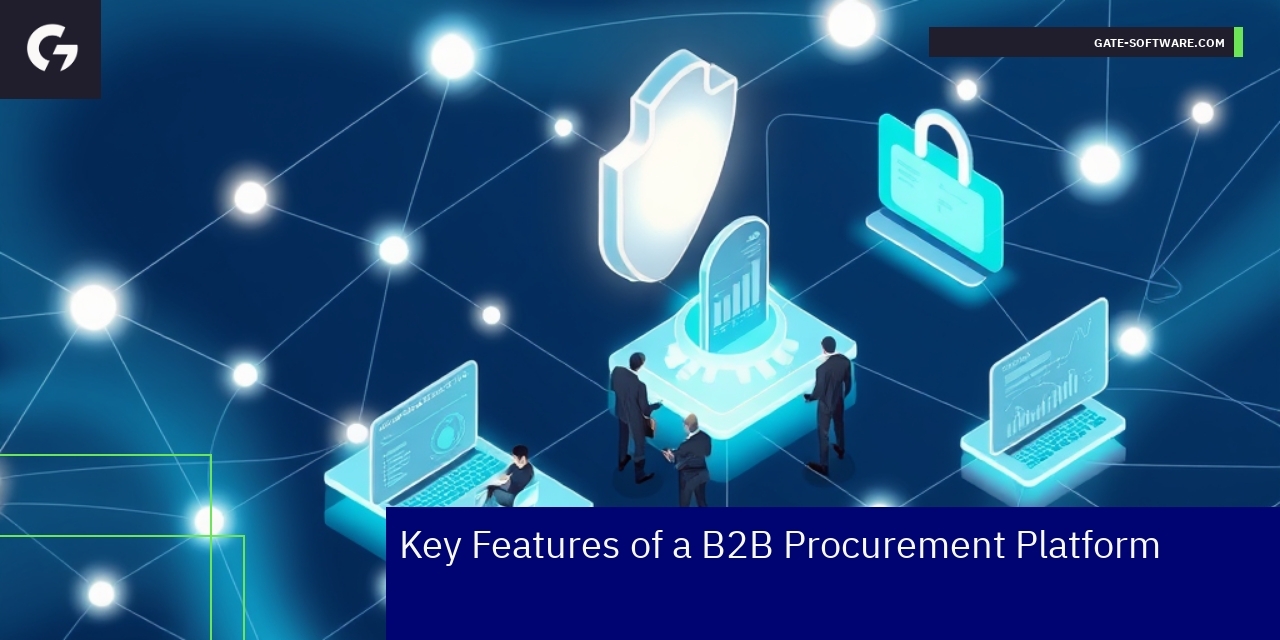
Key Features of a B2B Procurement Platform
Data Management
Effective data management is a key feature of an effective B2B procurement platform, enabling seamless operation of the platforma B2B within the ecommerce B2B environment and the wider system B2B framework. Proper data management ensures that procurement data is accurate, up-to-date, and accessible across the entire system B2B infrastructure. It supports efficient handling of product catalogs, vendor information, order histories, and transactional records, which are critical for decision-making and operational transparency. In the context of ecommerce B2B, this capability facilitates automation and optimization of purchasing workflows, reduces errors, and improves supplier relationship management. The platforma b2b’s ability to consolidate data from multiple sources also enables advanced analytics, reporting, and forecasting, which are essential for strategic procurement planning.
Integration with Other Systems
Streamline sourcing with a reliable B2B procurement platform by ensuring platformy B2B offer smooth integration with existing system B2B and platforma B2B solutions. Integration capabilities allow the procurement platform to connect with critical enterprise systems such as ERP, CRM, finance, and supply chain management tools. This integrated environment reduces redundant data entry, minimizes process delays, and ensures consistency across business functions. For ecommerce B2B operations, seamless integration supports real-time data exchange between purchasing, inventory, and fulfillment systems, enhancing agility and responsiveness. Additionally, it allows the platformy b2b to adapt to evolving business requirements without disrupting existing workflows, enabling continuous optimization of procurement activities across the enterprise.
Transaction Security
Transaction security is crucial in ecommerce B2B, where the platforma B2B must maintain integrity within a broader system B2B context, protecting sensitive procurement data. Secure transaction processing involves employing robust encryption protocols, multi-factor authentication, and compliance with relevant industry standards such as PCI DSS. These measures safeguard the confidentiality and integrity of purchase orders, payment details, and vendor communication. In a system B2B environment, transaction security also extends to maintaining audit trails and ensuring compliance with regulatory requirements, which are vital for risk management and trust-building among business partners. By prioritizing security, platformy B2b reduce the risk of fraud, data breaches, and operational disruptions, reinforcing confidence in the ecommerce B2B ecosystem.
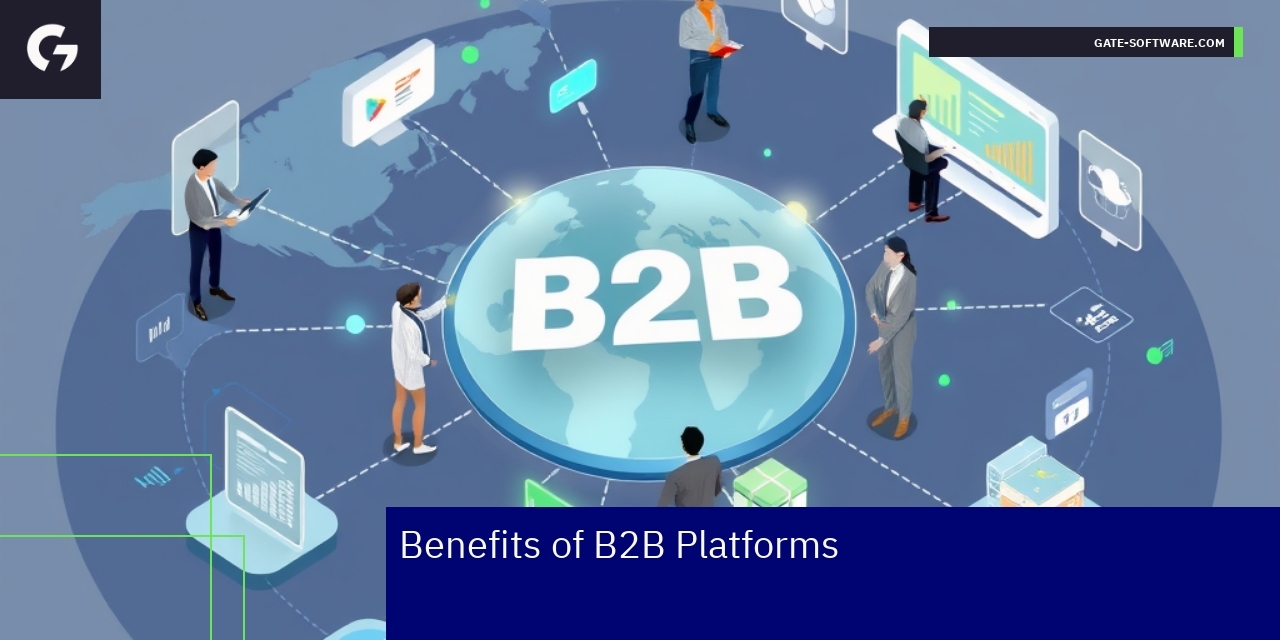
Benefits of B2B Platforms
Why a B2B procurement platform is crucial for modern businesses lies in the numerous benefits ecommerce B2B and system B2B solutions provide through an advanced platforma B2B. The integration of platforma b2b solutions streamlines procurement processes by automating transactions, reducing manual errors, and enabling seamless communication between buyers and suppliers. This not only enhances operational workflows but also provides real-time access to inventory and pricing data, ensuring businesses can make informed purchasing decisions swiftly. Moreover, ecommerce b2b solutions empower companies to handle complex purchasing scenarios with multiple stakeholders, contracts, and custom pricing, all managed efficiently within a system b2b architecture.
Operational Efficiency
Operational efficiency increases significantly when platformy b2b cooperate effectively within a system b2b and leverage ecommerce b2b tools to optimize workflows. The automation capabilities inherent in platformy b2b reduce administrative overhead by streamlining order processing, invoicing, and fulfillment operations, thus shortening procurement cycles. Through tight integration within the system b2b, data synchronization between various internal systems such as ERP and CRM is enhanced, reducing discrepancies and manual data entry. This synergy between platformy b2b and ecommerce b2b components delivers a scalable infrastructure that supports business growth while maintaining operational discipline and compliance with procurement policies.
Market Reach Expansion
A platforma b2b designed for system b2b environments helps expand market reach by enabling ecommerce b2b channels to connect businesses globally. These platforms break down geographical and transactional barriers, allowing companies to access new suppliers, distributors, and partners across various markets. The seamless online presence provided by ecommerce b2b platforms ensures 24/7 availability and accessibility, which is critical for international trade. Integration with logistics and payment systems embedded in system b2b architectures supports cross-border transactions efficiently, thereby accelerating entry into diverse markets and fostering business expansion.
Offer Personalization
Personalization of offers is achieved through system b2b intelligence combined with platformy b2b capabilities and responsive platforma b2b design. Leveraging detailed customer data and analytics within a system b2b allows platforms to tailor product catalogs, pricing models, and promotions to the specific needs of individual business clients. This level of customization enhances buyer engagement and satisfaction by providing relevant content and deals that mirror client purchasing behaviors and preferences. Moreover, platformy b2b that integrate personalization features increase loyalty and recurring business by delivering a user-centric experience that adapts dynamically to evolving market demands.
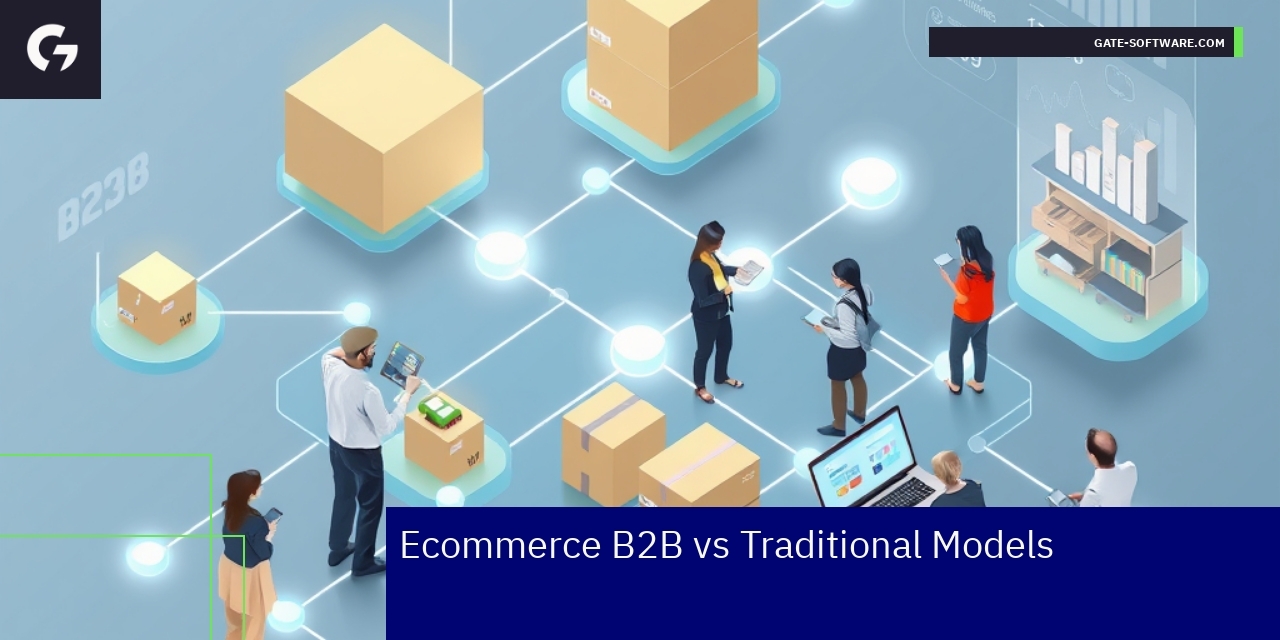
Ecommerce B2B vs Traditional Models
B2B buying process transformations show why ecommerce B2B outperforms traditional models when integrated with a versatile platforma B2B and robust system B2B. Unlike conventional sales channels, ecommerce B2B leverages digital platformy B2B to streamline order management, improve transaction transparency, and enable data-driven decision making. A modern system B2B accommodates complex buyer roles, bulk ordering, and tailored pricing schemes that traditional models struggle to handle efficiently. By centralizing business interactions within a platforma B2B, companies reduce lead times and operational costs, boosting responsiveness to buyer needs while ensuring compliance with corporate policies. Consequently, ecommerce b2b transforms the buyer journey, from initial interest through fulfillment, by embedding automation and customization deeply into the sales process. This integration not only enhances scalability but also delivers superior insights into customer behavior compared to legacy offline models. The dynamic capabilities of system b2b support continuous adaptation in volatile markets, positioning ecommerce b2b as the preferred approach for enterprises undergoing digital transformation.
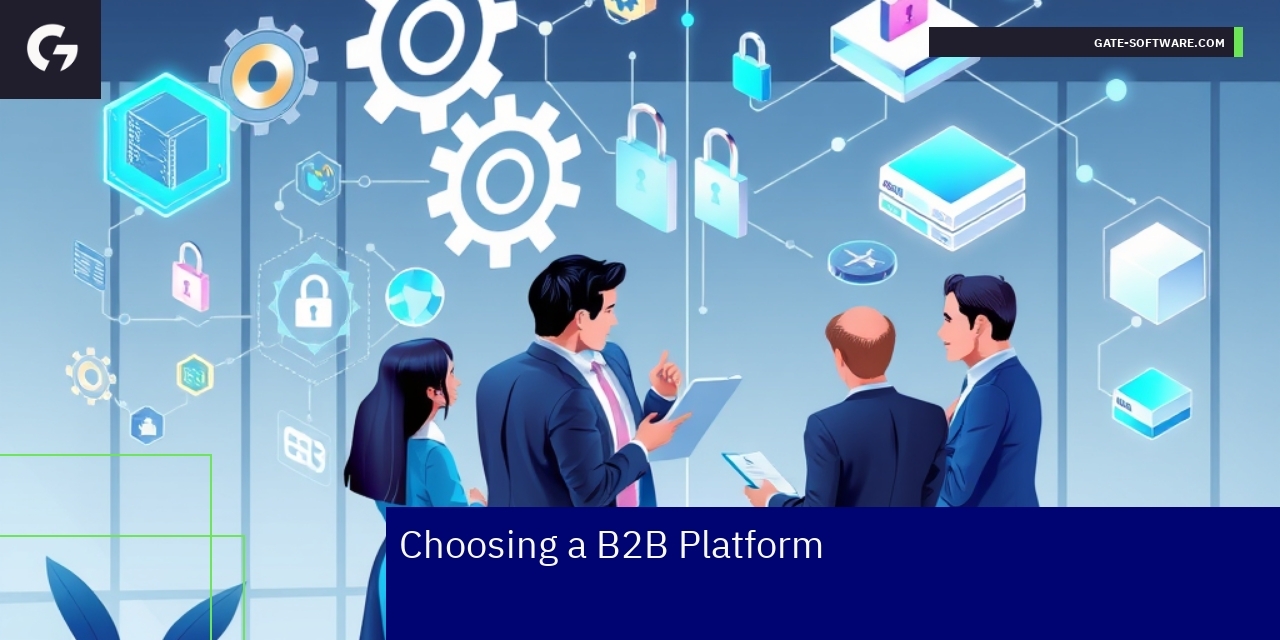
Choosing a B2B Platform
Selecting the right platforma B2B requires comprehensive understanding of system B2B needs and how ecommerce B2B tools fit within that context.
Choosing the appropriate platforma B2B is a strategic decision that demands a thorough understanding of system B2b requirements and how ecommerce B2b solutions integrate to support complex business processes. Evaluating system b2b capabilities involves assessing scalability, security, data management, and interoperability with existing IT infrastructure. The ecommerce b2b environment must offer functionalities tailored to B2B transactions, such as advanced pricing models, flexible payment terms, and bulk ordering processes. A deep grasp of platforma b2b features ensures alignment with procurement workflows and customer expectations, which drives efficiency and user satisfaction. Considering these elements collectively aids in selecting a platforma b2b that not only supports transactional efficiency but also enhances long-term business relationships and digital transformation initiatives.
Selection Criteria
Key features of an effective platformy B2B procurement solution revolve around clearly defined selection criteria that align with system B2B and ecommerce B2b demands. These include comprehensive integration capabilities with ERP and CRM systems, robust user management and role-based access control, customizable catalogs, and strong data analytics for decision support. Ensuring that platformy B2b deliver seamless integration with system b2b architectures enables automation and real-time communication across procurement channels. Additionally, ecommerce b2b capabilities must support customer-specific pricing, order tracking, and responsive support through digital channels. A well-rounded platformy b2b selection framework considers compliance with industry standards and the ability to adapt to evolving business needs, enabling organizations to maintain competitive advantage and operational excellence.
Popular Platforms Examples
Examples of popular platforma B2B solutions demonstrate the synergy achieved when ecommerce B2B and system B2B functionalities are combined effectively. Leading platforma b2b systems offer modular designs allowing for scalable growth and integration with various ecommerce b2b features such as personalized catalogs, advanced search, and omnichannel support. The practical coexistence of system b2b infrastructure with ecommerce b2b operations facilitates responsive procurement processes, real-time inventory updates, and efficient supplier management. These platforma b2b examples highlight how tailored ecommerce b2b tools enhance user experience while maintaining the robustness and security of system b2b backends. Such integration ensures streamlined workflows, reduced manual handling, and improved data accuracy, essential for B2B environments where precision and reliability are paramount.
Implementation and Adaptation
Successful implementation and adaptation of platformy B2B depend on how system B2B protocols integrate with ecommerce B2B workflows to deliver reliable and scalable business solutions. Aligning technical architecture with platformy b2b operational processes enables efficient onboarding, user training, and customization to industry-specific requirements. Emphasizing process automation through system b2b interfaces enhances transaction speed and accuracy, while ecommerce b2b features improve user engagement through personalized experiences and support. Continuous monitoring, maintenance, and iterative improvements help adapt platformy b2b systems to evolving market demands. Effective change management and cross-functional collaboration ensure that system b2b and ecommerce b2b solutions are fully leveraged to support procurement efficiency, customer satisfaction, and business growth in the B2B sector.

Managing Purchasing Processes
Managing purchasing processes effectively depends on how well a platforma b2b addresses system b2b requirements within an ecommerce b2b setup. In B2B environments, purchasing processes are often complex and require integration across multiple systems to ensure seamless operations. A robust platforma b2b must support functionalities such as order management, approval workflows, and real-time inventory checks that align with the overarching system b2b architecture. Ensuring that ecommerce b2b channels are tightly integrated into these processes enhances transparency and reduces delays in procurement cycles.
Process Automation
Automating processes through ecommerce b2b-compatible platformy b2b reduces manual effort and aligns with overall system b2b management goals. Automation allows businesses to streamline repetitive tasks such as invoice processing, supplier onboarding, and purchase order approvals. This not only improves operational efficiency but also minimizes errors inherent in manual handling. By leveraging platformy b2b built to support ecommerce b2b demands, companies can implement automated workflows that reflect their specific procurement policies and compliance requirements, ultimately fostering a more agile purchasing environment.
Data Monitoring and Analysis
Continuous monitoring and data analysis are facilitated by advanced system b2b tools embedded in a robust platforma b2b supporting ecommerce b2b. Effective purchasing management relies heavily on real-time data insights to make informed decisions, optimize costs, and identify potential supply chain risks. With integrated dashboards and analytics, decision-makers can track supplier performance, purchasing trends, and transaction histories seamlessly within the system b2b framework. The platforma b2b thus becomes a critical asset for delivering actionable intelligence that drives strategic sourcing and procurement excellence.
Supplier Relationship Management
Efficient supplier relationship management is achievable when ecommerce b2b trading is powered by a comprehensive platforma b2b integrated with system b2b. Maintaining strong supplier relationships requires visibility into contract terms, purchase histories, and communication channels—all of which must be consolidated within one system. A platforma b2b tailored for ecommerce b2b environments provides tools to manage these aspects systematically, fostering collaboration and ensuring compliance with negotiated agreements. The integration with system b2b ensures that supplier interactions are aligned with overall business objectives and data governance policies, enhancing both operational and strategic supplier management.
Success Stories in Ecommerce B2B
Examining success stories in ecommerce B2B reveals how platforma B2B and system B2B synergy drives business growth and streamlines sourcing. Companies leveraging robust platforma B2B solutions have managed to optimize procurement processes, reduce operational bottlenecks, and enhance customer engagement, demonstrating significant improvements in overall efficiency. Integrating system b2b components tailored to specific operational needs enables seamless data exchange across internal and external systems, which is critical for scaling B2B operations while maintaining accuracy and speed. The collaborative interaction between platforma B2B and system B2B ensures businesses remain agile, capable of adapting quickly to market demands and supplier requirements, fostering sustainable growth in ecommerce B2B environments.
Case Studies
Platformy B2B case studies highlight innovations in system B2B and ecommerce B2B adaptation. For example, a manufacturing enterprise deployed an advanced platformy B2B that integrated real-time inventory monitoring with their existing ERP system, creating a streamlined procurement workflow. This integration enhanced transparency and control, allowing for better forecasting and reduced stockouts. Other cases emphasize how customized system b2b solutions resolve complex data synchronization issues between partners, facilitating faster order processing and reducing compliance risks. These examples illustrate how platformy B2B serve as the backbone for evolving ecommerce B2B operations, enabling businesses to efficiently respond to evolving market challenges and customer expectations.
Best Practices
Following best practices in system B2B management ensures optimal use of platforma B2B for ecommerce B2B effectiveness. Prioritizing a modular system architecture allows for easier integration with diverse external partners while maintaining security and compliance standards across all transactions. Consistently updating platforma B2B to incorporate user experience insights and WCAG accessibility standards also enhances adoption among business users. Furthermore, leveraging data analytics within system b2b supports strategic decision-making, improving supply chain resilience and customer relationship management. These best practices collectively reinforce operational robustness and scalability of ecommerce B2B platforms.
Conclusions
Conclusions drawn from platformy B2B implementations underline the importance of ecommerce B2B and system B2B integration. Success hinges on aligning technological capabilities with business processes to create efficient, transparent, and scalable systems. By focusing on seamless data flow, compliance, and user-centric design, businesses can maximize the value of their platformy B2B investments. This integrated approach not only drives immediate operational improvements but also lays a foundation for sustainable business growth in the competitive ecommerce B2B landscape.
Future of B2B Platforms
The future of platforma b2b promises further synergy with ecommerce b2b and evolving system b2b technologies. As businesses increasingly shift toward digital ecosystems, integrating these elements will be critical for maintaining competitive advantage and operational efficiency in B2B contexts. Platforma b2b solutions will continue to evolve by leveraging new technologies and adapting to dynamic market demands within the ecommerce b2b field, thus streamlining workflows and enhancing customer experiences. This integration will create more robust, scalable, and agile system b2b infrastructures capable of responding swiftly to business needs and market fluctuations.
Technological Innovations
Technological innovations in system b2b and platformy b2b will continue to transform ecommerce b2b landscapes. Emerging technologies such as AI-driven automation, machine learning for predictive analytics, and blockchain for enhanced transaction security are reshaping these platforms. By implementing advanced system b2b features, businesses can automate complex processes, optimize supply chains, and improve transparency in ecommerce b2b transactions. Continuous innovation in platformy b2b environments will enable companies to deliver personalized and efficient solutions, reduce operational costs, and adapt to rapidly changing market conditions, thus driving sustainable growth.
Changing Customer Behaviors
Changing customer behaviors require platforma b2b solutions to adapt within the ecommerce b2b and system b2b ecosystems. Today’s B2B buyers demand seamless, intuitive, and responsive digital experiences akin to B2C interactions. This expectation drives the need for platforma b2b to offer user-friendly interfaces, mobile accessibility, and personalized commerce journeys. Additionally, system b2b integration ensures real-time data flow and enhanced communication between businesses, responding to the evolving demands of decision-makers in ecommerce b2b environments. Adaptation to these behavioral shifts is essential for maintaining customer engagement, loyalty, and long-term partnerships.
Market Growth Forecasts
Market growth forecasts indicate increasing reliance on ecommerce b2b platforms deeply integrated with system b2b and platformy b2b networks. As the digital transformation of B2B commerce accelerates, the adoption of sophisticated ecommerce b2b solutions is expected to rise sharply. Businesses are investing heavily in scalable system b2b architectures that support complex transactions and multi-channel sales strategies. This trend reflects the growing recognition that platforma b2b forms the backbone of modern B2B commerce, enabling companies to expand market reach, enhance operational efficiency, and cultivate meaningful client relationships in a competitive global market.
Data and Performance Metrics – Efficiency, SLA, TCO
Operational Effectiveness in B2B Projects
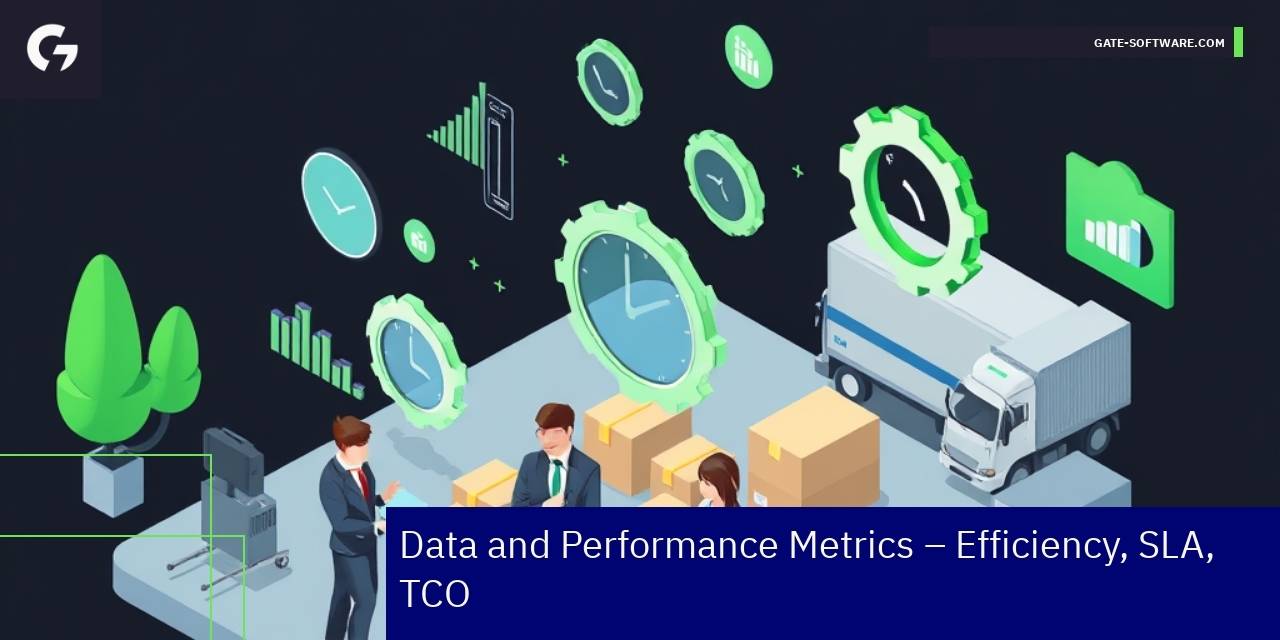
At Gate-Software, we prioritize operational excellence and performance metrics across our B2B services. Notable statistics highlighting our efficiency include an average project takeover time of just 3 weeks, significantly reducing lead time for clients transitioning to our solutions. Impressively, 97% of our projects are delivered on time, exceeding industry standards and ensuring client confidence in our capabilities.
Furthermore, our clients experience an average 20% reduction in Total Cost of Ownership (TCO) after adopting our platform, demonstrating our commitment to cost-effective solutions. We have successfully executed over 150 implementations of Magento™, showcasing our expertise and reliability in the B2B sector.
To ensure operational reliability, we maintain a 99.9% uptime SLA, which is crucial for our clients who rely on uninterrupted access to their procurement platforms. Additionally, the average duration of client relationships stands at 5 years, reflecting our dedication to long-term partnerships and ongoing support.
These metrics not only illustrate our operational effectiveness but also enhance decision-making for businesses considering B2B solutions with Gate-Software, offering a robust foundation for building strategic, efficient, and cost-effective procurement processes.
Summary
In the fast-paced realm of B2B procurement, leveraging advanced solutions is no longer just an option but a necessity for thriving in today’s market. Gate-Software’s commitment to integrating Magento™ and cutting-edge technologies enables businesses to optimize their procurement processes significantly while ensuring operational efficiency and cost-effectiveness. Our focus on creating user-centric, scalable, and secure procurement ecosystems aligns with WCAG standards, prioritizing accessibility and user experience. By automating workflows and enhancing data visibility, we empower our partners to make informed decisions that lead to successful market expansions and nurtured supplier relationships. Collaborating with Gate-Software means choosing a path toward sustainable growth in the competitive B2B landscape. Reach out to us to explore how our solutions can elevate your business operations and meet the evolving demands of the digital age.
Summary

FAQ
What are the key features of a B2B procurement platform?
Key features include effective data management for seamless operation, integration with existing enterprise systems like ERP and CRM for streamlined workflows, and transaction security measures to protect sensitive procurement data.
How does a B2B platform enhance operational efficiency?
A B2B platform enhances operational efficiency by automating purchasing processes, reducing manual interventions, improving order accuracy, and facilitating real-time data synchronization across various business systems.
Why is transaction security important in B2B ecommerce?
Transaction security is crucial as it protects sensitive customer and payment data, builds trust with business customers, and ensures compliance with regulatory standards, thereby fostering long-term partnerships.
How can B2B platforms expand market reach for businesses?
B2B platforms enable businesses to connect with global suppliers and customers, enhance visibility through digital presence, and support cross-border transactions, all of which drive sustainable business growth and market expansion.
What role does offer personalization play in B2B ecommerce?
Offer personalization enhances customer engagement by tailoring product recommendations and pricing structures based on detailed customer data, aligning with customers’ needs and behaviors, which increases conversion rates.
.
.
Zamów bezpłatną konsultację
.
Z nami rozwój Twojego biznesu nabierze tempa! Zapraszamy do kontaktu średnie i duże firmy generujące min. 7 mln PLN obrotu rocznie – tam nasza ekspertyza sprawdza się najlepiej.
.
Kliknij w poniższy przycisk i skontaktuj się z jednym z naszych konsultantów e-commerce
.