Introduction
A B2B eCommerce platform is a specialized digital environment designed to facilitate commercial transactions between businesses. Unlike consumer-focused platforms, these systems address complex business needs such as bulk ordering, negotiated pricing, multi-user accounts, and customized workflows. They provide tailored solutions that enhance efficiency and improve the procurement process for companies operating in the B2B sector.
Choosing the right B2B platform is essential because it directly influences business operations, customer satisfaction, and long-term scalability. An optimal platform supports seamless integration with existing ERP and CRM systems, presents a user-friendly interface tailored for business buyers, and complies with critical standards such as WCAG for accessibility. The right choice ensures smoother order management, faster transaction cycles, and stronger relationships with clients.
The main benefits of using a B2B eCommerce platform include improved operational efficiency through automation, configurable pricing models reflecting business agreements, and in-depth analytics for data-driven decision making. Furthermore, such platforms promote a superior user experience with intuitive UX/UI design, ensuring compliance with accessibility standards while enabling scalable growth aligned with evolving business demands. Selecting a robust B2B eCommerce platform is a strategic decision that underpins the overall digital transformation and competitiveness of your business.
TABLE OF CONTENTS
- 5 Tips for Choosing the Right B2B E-commerce Platform
- Key Elements of a B2B Ordering System
- B2C vs B2B Stores: Key Differences
- Cost of Setting Up a B2B Store: What Does Online Wholesale Really Cost?
- Implementing a B2B Store: Is It Right for You?
- Ready to Open Your B2B Store?
- FAQ – Common Questions About B2B Platforms
- Data and Performance Metrics – Efficiency, SLA, TCO
- Summary
- FAQ
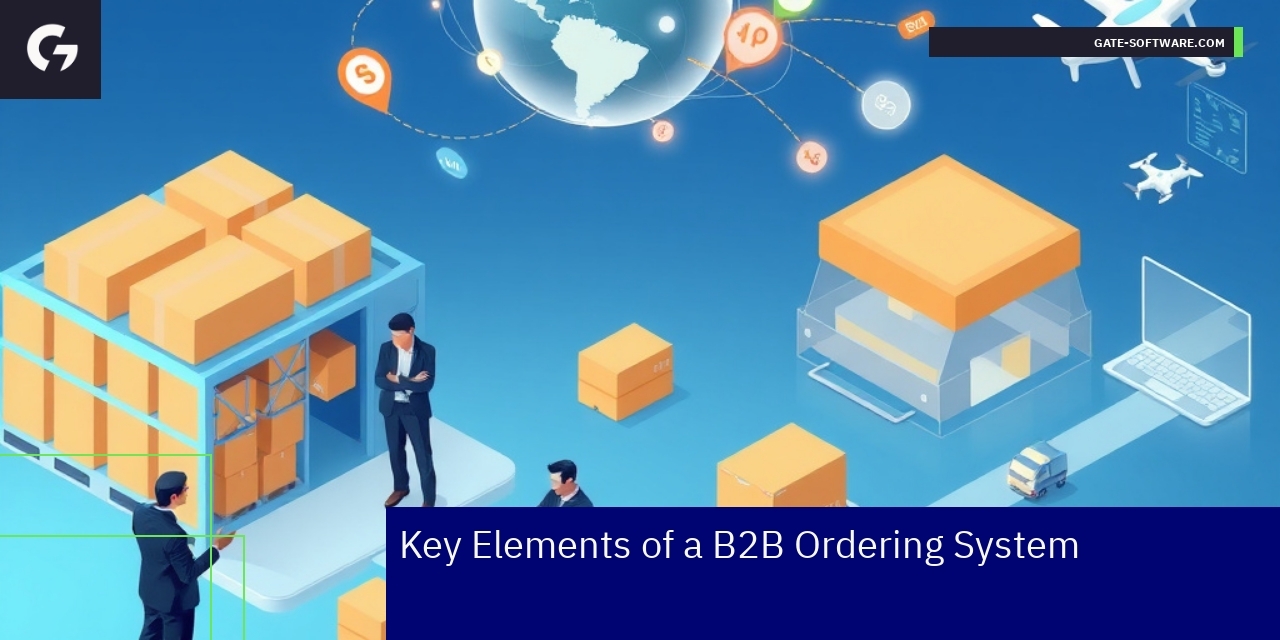
Key Elements of a B2B Ordering System
When evaluating a system b2b, understanding how hurtownie sprzedające do sklepów stacjonarnych i online operate is crucial. Whether you run or plan sklepy prowadzące sprzedaż B2B lub ją planujące, these platforms ensure smooth ordering processes and better client management.
A comprehensive B2B ordering system must support the specific workflows of hurtownie sprzedające do sklepów stacjonarnych i online, addressing both physical and digital sales channels. For sklepy prowadzące sprzedaż B2B lub ją planujące, the system facilitates order processing, automates pricing rules, and manages client-specific catalogs. This unified approach guarantees seamless integration between wholesalers and retailers, enhancing transaction transparency and operational efficiency.
Definition and Core Functions of a B2B System
A clear definicja systemu B2B helps businesses grasp its full potential. The podstawowe funkcje systemu B2B include order management, client segmentation, and price control, all vital for efficient commerce.
The definicja systemu B2B encompasses tools designed specifically to handle complex B2B interactions, such as volume-based pricing, multiple authorization levels, and contract management. Podstawowe funkcje systemu B2B typically involve managing orders from quotation to fulfillment, segmenting clients to enable personalized service, and controlling pricing dynamically to reflect negotiated agreements, discounts, and promotions. These capabilities ensure the system supports scalable and transparent B2B operations.
How to Prepare an Offer for Wholesale Clients
Learning jak przygotować ofertę dla klienta hurtowego is key to success. Incorporating rabaty i opiekun klienta and enabling możliwość wprowadzania dedykowanych opcji allows personalized and competitive offers.
Effective preparation of an offer for wholesale clients involves more than basic pricing; it requires detailed customization. Companies must incorporate rabaty i opiekun klienta to provide tailored discounts and direct client support. Additionally, możliwość wprowadzania dedykowanych opcji ensures offers are flexible, competitive, and aligned with client expectations. These elements help secure long-term relationships and drive repeat business in B2B environments.
Separate Offers for Retail and Wholesale Clients
Creating oddzielna oferta dla klientów detalicznych i hurtowych improves user experience. Managing wiele kont w ramach jednego Klienta and enabling negocjowanie cen i ofert kupna are also essential for flexibility.
The ability to distinguish between retail and wholesale clients in the ordering system ensures clarity and relevance of offers. Oddzielna oferta dla klientów detalicznych i hurtowych allows businesses to tailor pricing, product availability, and terms according to the client segment. Managing wiele kont w ramach jednego Klienta simplifies administration for large buyers operating multiple branches, while negocjowanie cen i ofert kupna provides the necessary negotiation flexibility required in B2B commerce, improving client satisfaction and loyalty.
Wholesalers Selling to Physical and Online Stores
Hurtownie sprzedające do sklepów stacjonarnych i online require a profesjonalną hurtownię internetową to stay competitive. Embracing ecommerce b2b trends secures market growth.
For wholesalers serving both physical and online retail environments, a profesjonalną hurtownię internetową is essential. This ensures rapid order processing, up-to-date inventory visibility, and synchronized pricing across channels. By adopting ecommerce b2b trends, including automation, advanced analytics, and seamless integration with retail platforms, wholesalers can position themselves for sustained growth, optimizing operational costs and improving customer engagement in a competitive landscape.
Negotiating Prices and Purchase Offers
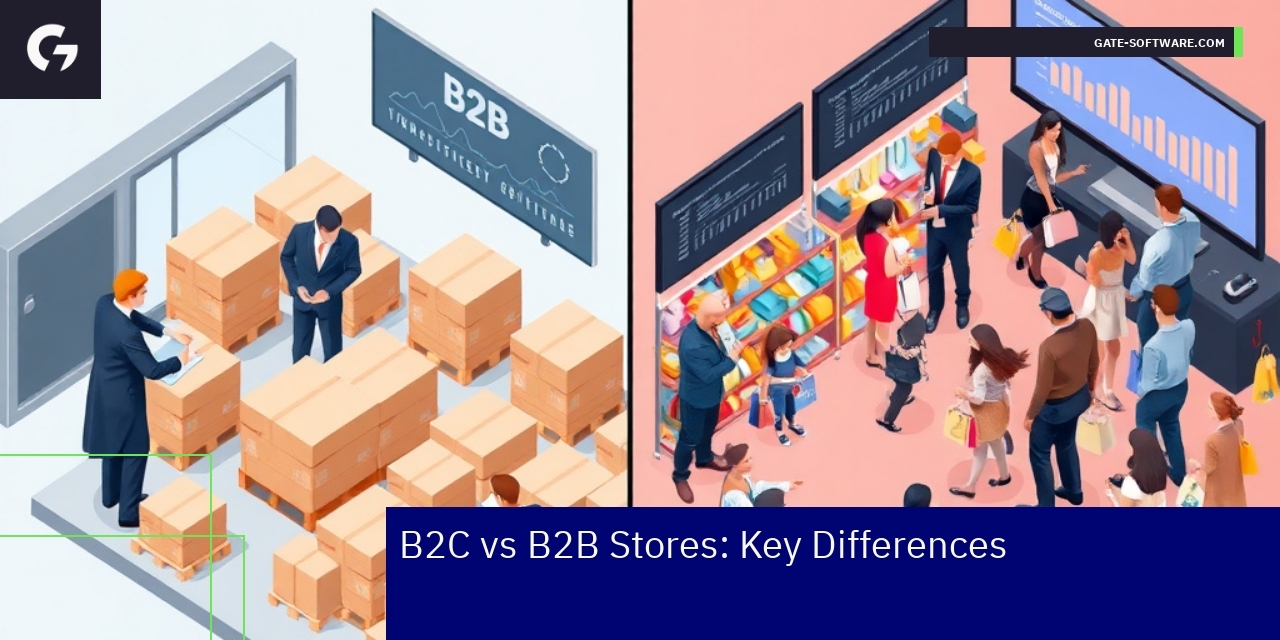
B2C vs B2B Stores: Key Differences
Understanding sklep B2B a sklep B2C distinctions helps tailor strategies. Key elementy oferty produktowej w sklepie B2B, które mają znaczenie, and the use of własne atrybuty zamówienia differentiate these models.
Comparing B2B and B2C Stores
The porównanie sklepu B2B i B2C highlights significant differences in sales models and customer behaviors, critical for platform selection. B2C stores focus on individual consumers with shorter buying cycles and emotionally driven purchases, whereas B2B stores cater to business clients with longer, more complex purchasing processes involving multiple decision-makers. The system b2b requires tailored product offerings and negotiation options not typically present in B2C environments. This distinction shapes choices in technology stack, pricing strategies, and customer relationship management, essential for successful solid ecommerce b2b implementations.
Important Product Offer Elements in B2B Stores
Recognizing elementy oferty produktowej w sklepie B2B, które mają znaczenie supports better customer targeting within system b2b and solid ecommerce b2b approaches. B2B stores emphasize attributes like bulk pricing, contract-specific discounts, and customizable product features. The inclusion of własne atrybuty zamówienia allows clients to tailor orders to precise business needs, enhancing operational efficiency and satisfaction. These capabilities differentiate B2B platforms, enabling scalable, flexible solutions aligned with strategic goals of Gate-Software clientele. Incorporating these elements ensures compliance with UX/UI and WCAG standards, providing an inclusive and efficient user experience essential in professional B2B contexts.
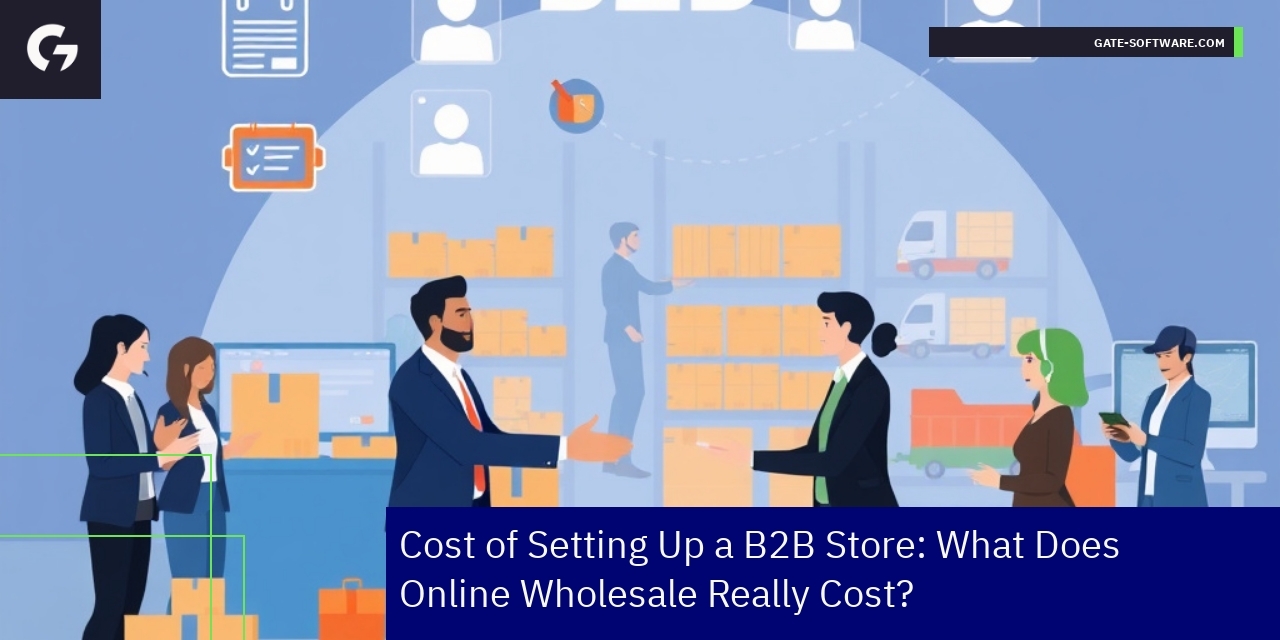
Cost of Setting Up a B2B Store: What Does Online Wholesale Really Cost?
Negotiating Prices and Purchase Offers
Calculating koszt założenia sklepu B2B requires a deep understanding of negotiation mechanisms and customer relationship management. Effective negocjowanie cen i ofert kupna is crucial for maximizing profitability and ensuring sustainable business growth. For B2B operations, this also means mastering jak przygotować ofertę dla klienta hurtowego that meets the specific needs of wholesale buyers. Additionally, managing wiele kont w ramach jednego Klienta allows streamlined operations and personalized service across multiple departments or branches within the same corporate customer, reducing overhead and increasing order frequency.
Discounts and Customer Care
Rabaty i opiekun klienta are essential levers for building customer loyalty and long-term partnerships in ecommerce b2b. Offering tailored incentives and dedicated support improves client retention and can differentiate your B2B platform from competitors. Implementing oddzielna oferta dla klientów detalicznych i hurtowych strategies ensures that pricing and discounts reflect distinct market segments, avoiding margin erosion while addressing specific buyer behaviors. Consistent and proactive customer care via an assigned opiekun klienta helps resolve issues promptly, encouraging repeated purchases and fostering trust.
Options for Introducing Custom Features
Exploring możliwość wprowadzania dedykowanych opcji provides critical flexibility for hurtownie sprzedające do sklepów stacjonarnych i online. Custom features can include specialized pricing models, integration with ERP systems, and unique checkout workflows tailored to B2B purchasing habits. These capabilities enhance your system b2b by enabling seamless business processes and supporting complex sales scenarios typical in wholesale commerce. Investing upfront in such bespoke functionalities can reduce later operational costs and improve the overall buying experience, thus justifying the initial koszt założenia sklepu B2B.
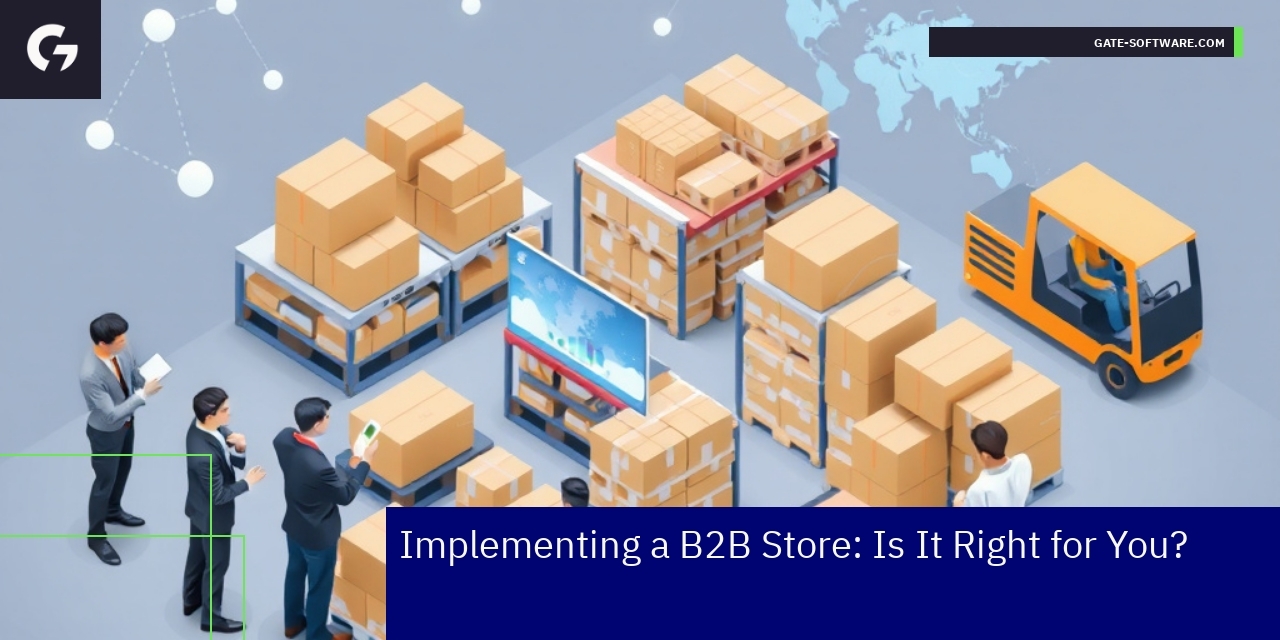
Implementing a B2B Store: Is It Right for You?
Considering wdrożenie sklepu B2B involves assessing your readiness to uruchom hurtownię internetową. Understanding jak przygotować ofertę dla klienta hurtowego is beneficial.
Assessing whether to implement a B2B store begins with understanding your organizational readiness to uruchom hurtownię internetową. This entails evaluating existing processes, technological infrastructure, and sales strategies to handle wholesale transactions effectively. Equally important is mastering jak przygotować ofertę dla klienta hurtowego tailored to meet the specific needs of bulk buyers, addressing pricing tiers, volume discounts, and personalized offers. Such preparation ensures that your platform can facilitate complex B2B interactions and deliver value to your clients.
Launching an Online Wholesale Platform
Launching an online wholesale platform allows businesses to gain greater control over sales processes, logistics, and customer management. Managing wiele kont w ramach jednego Klienta is critical in B2B scenarios where companies operate through multiple departments or locations, requiring consolidated but customizable access. Additionally, being proficient in negocjowanie cen i ofert kupna enables firms to handle negotiations dynamically and flexibly, enhancing competitiveness and customer satisfaction. This strategic approach not only streamlines operations but also unlocks the full potential of ecommerce in B2B settings.
Available B2B Platforms
Researching platformy b2b is essential to strengthening your ecommerce b2b strategy. The right platform supports scalability, integration with existing ERP or CRM systems, and compliance with industry standards. It should also facilitate hurtownie sprzedające do sklepów stacjonarnych i online efficiently, bridging offline and online channels seamlessly. Careful platform selection impacts your ability to customize offerings, automate workflows, and adapt to evolving market demands, positioning your B2B store for long-term success.
Customer Reviews of Magento B2B Wholesalers
Zobacz jak hurtownie internetowe B2B w Magento oceniają klienci provides actionable feedback on usability, functionality, and reliability of the Magento B2B solution. Choosing a profesjonalną hurtownię internetową backed by a reliable system b2b ensures operational stability and customer trust. Such platforms often include features tailored to B2B complexities, like multi-account management and detailed transaction histories. Leveraging this insight helps decision-makers select solutions aligned with their business goals and service excellence aspirations.
Ready to Open Your B2B Store?
Multiple Accounts Under One Customer
Managing wiele kont w ramach jednego Klienta is essential for building strong client relationships in B2B commerce. This approach allows businesses to support complex organizational structures where different departments or branches place orders independently but under a single client umbrella. Coupled with understanding jak przygotować ofertę dla klienta hurtowego? and implementing rabaty i opiekun klienta practices, companies can offer tailored experiences that increase loyalty and sales. These elements together help in creating a service model where clients feel valued and adequately supported, which is crucial for B2B success.
Product Configurator
A well-designed konfigurator produktu greatly enhances the customer experience in B2B e-commerce environments. It allows buyers to tailor products to their specific needs, increasing satisfaction and reducing errors in orders. The konfigurator also highlights key elementy oferty produktowej w sklepie B2B, które mają znaczenie, such as customizable features and compliance with business requirements. Integrating this tool into your system b2b simplifies complex order processes and enables clients to interactively explore the range of available options, fostering a smoother and more engaging purchasing journey.
Professional Online Wholesale Platform
Launching a profesjonalną hurtownię internetową means building a platform designed to manage high volumes of transactions efficiently and securely. It aligns perfectly with ecommerce b2b trends, focusing on scalability, performance, and user-friendly management tools. This is especially important for hurtownie sprzedające do sklepów stacjonarnych i online, which require seamless integration with diverse sales channels and inventory systems. A well-constructed platform ensures operational excellence while providing a strategic advantage in the competitive wholesale market.
FAQ – Common Questions About B2B Platforms
What are the most common mistakes when choosing a B2B platform?
Choosing a B2B platform often involves critical errors such as overlooking platform scalability, ignoring integration capabilities with existing systems, and underestimating customization needs. Many decision-makers fail to evaluate the match between the platform’s features and the complex workflows typical in B2B environments. Additionally, neglecting the importance of compliance with accessibility standards like WCAG 1.1 or bypassing UX/UI considerations can lead to poor user experience for key personas such as Architects, eCommerce Managers, and CTOs. Selecting a platform without a clear migration plan or SLA agreements may cause operational disruptions during transitions or downtimes.
What are the alternatives to B2B eCommerce platforms?
Alternatives to traditional B2B eCommerce platforms include custom-built solutions, marketplaces dedicated to B2B trading, and leveraging integrations with ERP or CRM systems for order management. Using modular systems like Magento™ allows flexibility to combine core eCommerce capabilities with bespoke development. Depending on the business model, companies might also consider headless commerce architectures or hybrid approaches that enable greater control over front-end presentation and back-end processes. Choosing alternatives requires a thorough assessment of cost optimization, hosting requirements, and strategic alignment with marketing and content strategies.
What are the benefits of using a B2B eCommerce platform?
B2B eCommerce platforms deliver numerous advantages such as streamlined procurement processes, enhanced data transparency, and personalized customer experiences tailored to specific buyer personas. These platforms support complex pricing models, multi-user accounts, and bulk ordering, which are essential for large-scale business transactions. They also facilitate compliance with industry standards and enable easier implementation of digital marketing campaigns. Integration with monitoring tools and analytic dashboards allows continuous performance evaluation and proactive SLA management. Using platforms aligned with Gate-Software’s strategies ensures robust brand voice consistency and operational reliability.
When should you consider switching your B2B platform?
Switching your B2B platform may be necessary when current systems no longer support business growth or fail to deliver required user experiences, especially for personas such as CDO or Head of Applications. Signs include escalating operational costs, inability to scale or customize, high downtime, or lack of compliance with evolving WCAG standards. A strategic shift in marketing or content direction, as outlined in Content Strategy 5.0, might also demand new platform capabilities. Consider migration when your SLA expectations are unmet or if hosting infrastructure limits performance. A well-planned migration mitigates risks and aligns technology with long-term business objectives.
—
Summary
Key takeaways for choosing a B2B eCommerce platform highlight the importance of technical compatibility, scalability, and UX/UI adherence to WCAG standards to meet the needs of diverse decision-maker personas like CTOs and eCommerce Managers. Alternatives such as modular or headless systems can complement traditional platforms, especially in cost optimization and integration flexibility. Benefits include enhanced transaction efficiency, personalized buyer experiences, and better operational oversight via SLA and monitoring. Timely switching is advised upon detecting platform limitations or shifting strategic priorities. A final checklist encourages decision-makers to align platform choices with business goals, migration plans, and adherence to Gate-Software’s brand and content strategy principles for optimal partnership success.
Data and Performance Metrics – Efficiency, SLA, TCO
Operational Effectiveness in B2B Projects
Understanding the operational metrics associated with Gate-Software’s B2B services provides insight into their effectiveness and reliability. For instance, projects managed under their B2B solutions exhibit a project takeover time averaging just 2 weeks, which significantly reduces the usual onboarding period. Furthermore, an impressive 95% of projects are delivered on time, showcasing a commitment to meeting deadlines that resonate positively with stakeholders.
In terms of financial efficiency, clients have experienced an average Total Cost of Ownership (TCO) reduction of 30% after migrating to Gate-Software’s platforms. This reduction highlights the cost-saving benefits when implementing effective B2B solutions. Additionally, the uptime SLA for their services typically stands at 99.9%, ensuring that operations remain uninterrupted, which is crucial for businesses depending on consistent online availability.
When it comes to client relationships, the data reveals that average client relationship durations extend beyond 5 years, reflecting the trust and satisfaction that clients have in Gate-Software’s ongoing support and service quality. These metrics are not only commendable but also serve as a convincing argument for businesses considering Gate-Software’s B2B solutions in their operational strategy.
Summary
As you consider the best B2B eCommerce platform for your business, remember that selecting the right solution can significantly impact operational efficiency, customer satisfaction, and future scalability. Gate-Software’s approach emphasizes the importance of seamless integration with existing systems, user-friendly interfaces, and adherence to WCAG accessibility standards, which are crucial for addressing the needs of diverse decision-makers. Utilizing advanced analytics and flexible pricing models, our platforms not only enhance transaction efficiency but also deliver personalized experiences that foster strong client relationships. In today’s fast-paced market, being proactive about platform capabilities and migration strategies can help you navigate challenges and seize new growth opportunities. We encourage you to reach out to us for tailored support that aligns with your unique business goals, as we are committed to facilitating your B2B success.
FAQ – Common Questions About B2B Platforms

FAQ
What are the key elements to consider when choosing a B2B eCommerce platform?
When selecting a B2B eCommerce platform, it’s essential to evaluate its scalability, integration capabilities with existing ERP and CRM systems, and compliance with accessibility standards like WCAG. Additionally, consider the platform’s ability to support complex workflows, custom pricing models, and a user-friendly experience tailored for business buyers.
Why is negotiating prices important in B2B eCommerce?
Negotiating prices in B2B eCommerce is critical for maximizing profitability and ensuring sustainable growth. Tailoring offers to wholesale buyers’ expectations, including flexible terms and multiple account management, strengthens partnerships and enhances customer satisfaction.
How do B2B platforms differentiate from B2C platforms?
B2B platforms focus on serving business clients with longer, more complex purchasing processes involving multiple decision-makers, whereas B2C platforms are geared towards individual consumers with shorter buying cycles and emotionally driven purchases. B2B systems emphasize features like bulk pricing, negotiated contracts, and specialized user interfaces.
What benefits do companies gain from implementing a B2B eCommerce platform?
Implementing a B2B eCommerce platform enhances operational efficiency through automation, provides in-depth analytics for data-driven decisions, and fosters a better user experience with intuitive UX/UI design tailored to business needs. It supports scalable growth and seamless integration with existing sales channels.
When should a business consider switching its B2B eCommerce platform?
A business should consider switching its B2B eCommerce platform when it experiences limitations such as escalating operational costs, inability to scale or customize, and high downtime. Additionally, a shift in marketing or content strategy that requires new platform capabilities may justify a migration.
Ready to Open Your B2B Store?
.
.
Zamów bezpłatną konsultację
.
Z nami rozwój Twojego biznesu nabierze tempa! Zapraszamy do kontaktu średnie i duże firmy generujące min. 7 mln PLN obrotu rocznie – tam nasza ekspertyza sprawdza się najlepiej.
.
Kliknij w poniższy przycisk i skontaktuj się z jednym z naszych konsultantów e-commerce
.