Introduction
Magento 2 support services are essential for sustaining and accelerating the growth of your e-commerce store. In a competitive digital marketplace, technical stability and continuous optimization underpin a positive customer experience, operational efficiency, and scalability. Reliable support ensures minimal downtime by promptly resolving technical issues, thereby maintaining your store’s availability and performance.
These services extend beyond mere troubleshooting; they encompass performance tuning, security management, and compliance with standards such as WCAG, which are critical for enhancing usability and accessibility. With Magento 2 being a robust yet complex platform, expert support facilitates the implementation of customizations tailored to specific business needs, ensuring your store evolves in alignment with market demands.
Moreover, ongoing Magento 2 maintenance supports SEO through optimized performance and updated functionalities, which directly impact your store’s visibility and conversion rates. For CTOs, CDOs, and eCommerce Managers, investing in professional Magento 2 support translates into a solid technical foundation that empowers strategic growth, drives innovation, and ensures a high-quality digital shopping experience.
TABLE OF CONTENTS
- The Role of Magento 2 Support Services in Your Store’s Growth
- Magento 2 Basics
- Store Growth and Technical Support
- Who Benefits Most from Magento Maintenance?
- Magento 2 Store Technical Audit Before Support
- Optimizing Magento Store Performance
- Magento Integrations with ERP, CRM, and Payments
- Data and Performance Metrics – Efficiency, SLA, TCO
- Summary
- FAQ
- Deployment Processes
- Best Practices in Installation and Configuration
- Preparing for Migration
- Migration Tools and Methods
- Definitions and Differences (What Are Magento Support Services and What Are Magento Maintenance Services?)
- When to Choose Ad Hoc Support?
- Benefits of Long-Term Maintenance (Could Your Business Benefit From Magento Support and Maintenance?)
- Best UX/UI Practices
- Examples of Effective Customizations
- Create an intuitive, accessible interface
- Meet WCAG standards
- Align with target personas such as eCommerce Manager and Architect
- Implement responsive design, clear navigation, consistent branding
- Personalized content blocks
- Optimized checkout processes
- Seamless integration of marketing tools
- What’s Included in Magento Support?
- How Often Should Updates Be Performed?
- Key Elements of Maintenance
- Common Problems and How to Solve Them
- Key Takeaways from the Article
- Encouragement to Keep Maintaining Your Magento eCommerce Store and Support
Magento 2 Basics
What Is Magento 2?
Magento 2 is a powerful, open-source eCommerce platform designed to provide businesses with a flexible and scalable solution for managing their online stores. It offers advanced architectural improvements that support efficient handling of large product catalogs and high traffic volumes, making it suitable for enterprises undergoing digital transformation. The platform is highly customizable, allowing organizations to tailor functionalities to specific business needs while maintaining a focus on improving customer experience and operational efficiency. For decision-makers such as CTOs and Heads of Applications, Magento 2 represents a strategic investment that supports sustainable growth and innovation in e-commerce.
Key Features and Capabilities of the Platform
Magento 2 introduces a range of key features optimized for performance, usability, and scalability. It boasts a user-friendly admin interface designed to simplify backend operations and reduce the learning curve for store management teams. Enhanced performance capabilities, including faster page load speeds and improved caching mechanisms, ensure stability during peak traffic, a critical requirement for „platforma Magento” environments. The platform’s responsive design delivers seamless experiences across devices, supporting the increasing trend of mobile commerce. Magento 2 also integrates advanced SEO features, enabling businesses to improve „optymalizacja SEO Magento” and increase organic traffic. Security enhancements safeguard sensitive data and meet compliance standards. Furthermore, Magento 2 supports multi-store management and extensive third-party integrations, enabling efficient operations across diverse sales channels and aligning with business strategies that emphasize „UX/UI Magento” excellence and WCAG accessibility standards.
Differences Between Magento 1 and Magento 2
Magento 2 addresses the limitations of Magento 1 by introducing significant improvements in performance, architecture, and user experience. It is built on a modern technology stack, including PHP 7+, enhancing both speed and security. Notably, the streamlined checkout process in Magento 2 reduces friction for customers, helping to decrease cart abandonment rates—a vital factor for e-commerce success. The newer platform also includes more out-of-the-box functionality, eliminating the need for extensive customization that was often necessary with Magento 1. Support for Progressive Web Applications (PWAs) and improved backend tools reflect Magento 2’s focus on future-proofing e-commerce operations. For strategic roles such as the Head of Applications or CTO, migrating from Magento 1 to Magento 2 is not merely a technical upgrade but a necessary step toward scalability, cost optimization, and enhanced digital customer experiences aligned with Gate-Software’s expertise in „migracje Magento” and „monitoring Magento.”

Store Growth and Technical Support
Completing Magento Deployments
Effectively completing Magento deployments is essential for ensuring robust platform management and enabling sustainable store growth. The deployment processes should be meticulously planned and executed to avoid disruptions in service and ensure seamless integration with existing e-commerce services. Best practices in installation and configuration involve rigorous testing, adherence to Magento service standards, and optimized setups tailored to the specific needs of the business. This foundation is critical for achieving scalability and supporting ongoing digital commerce initiatives.
Migrating to Magento 2
Migrating to Magento 2 demands comprehensive preparation to address potential challenges and maximize benefits. Preparing for migration involves detailed audits of current setups, data cleansing, and strategic planning to ensure compatibility and performance enhancements. Utilizing specialized migration tools and methods can streamline the transition, safeguard data integrity, and minimize downtime. Such migrations contribute directly to enabling store growth by leveraging the latest features and improved architecture inherent to Magento 2.
Ad Hoc Support vs Maintenance 🧰 🛠️ ⏳
Understanding the distinctions between ad hoc support and maintenance is fundamental to effective platform management. Magento support services typically refer to reactive assistance addressing immediate issues, while maintenance services encompass proactive, ongoing updates and optimizations. Choosing ad hoc support may be suitable for businesses with infrequent technical needs or during specific project phases. However, long-term maintenance offers consistent technical support, enhanced security, and performance stability, which are crucial for sustained store growth. Robust Magento service arrangements ensure operational continuity and empower enterprises to navigate evolving e-commerce landscapes efficiently.
Who Benefits Most from Magento Maintenance?
Types of Businesses Using Magento 2
Magento 2 is a robust platform widely adopted by various types of businesses, from SMEs to large enterprises operating in diverse sectors such as retail, manufacturing, and B2B commerce. Companies with complex product catalogs, high transaction volumes, or custom integration needs find Magento’s flexibility particularly beneficial. For these businesses, regular Magento maintenance ensures that the platform’s performance and security remain optimal, which is crucial for sustaining seamless operations and customer satisfaction. This is where cost and benefit analysis plays a key role — understanding the long-term value of continued support versus the risks of downtime or security breaches directly impacts the decision to opt-in for Magento support and maintenance services. Using strategic Magento maintenance, businesses maintain the superiority of their ecommerce store while optimizing operational costs.
Cost and Benefit Analysis (Top Reasons To Opt For Magento Support And Maintenance Services – Maintain the Superiority of Your Ecommerce Store)
Cost and benefit analysis reveals that investing in Magento maintenance is not merely a technical necessity, but a strategic business decision. Maintaining Magento involves proactive monitoring, regular updates, and timely troubleshooting to maximize uptime and security compliance against ever-evolving cyber threats. Businesses that choose Magento support and maintenance services benefit from expert guidance that reduces costly downtimes and improves customer experience through stable, fast, and secure ecommerce functionalities. The top reasons to opt for these services include maintaining compliance with WCAG, facilitating seamless UX/UI updates, and ensuring quick adaptation to market or technological changes, which collectively sustain brand reputation and competitiveness.
🟦 Cost vs Benefit Insights
🟦 Strategic Business Value
🟦 Key Service Advantages
What Are Magento Support Services?
Magento support services encompass a comprehensive range of technical and operational assistance tailored to the platform’s specific needs. This includes everything from patch management and bug fixes to performance tuning and security audits. The goal is to keep your ecommerce environment running smoothly and efficiently, with minimal interruptions. Effective support also involves customization adjustments, integration handling, and compliance with legal or commercial standards relevant to ecommerce. Gate-Software’s approach aligns maintenance activities with business objectives, leveraging expertise in MagentoOneS™ and hosting services to deliver robust and scalable support frameworks.
Scope of Support Services (7 Must-Have Support and Maintenance Services)
Key elements within Magento support include: 1) regular security patches and upgrades; 2) performance optimization; 3) monitoring and alerting services; 4) UX/UI audits for continuous improvement; 5) support for MagentoOneS™ hosting environments; 6) WCAG compliance checks; 7) proactive issue identification and resolution. These services ensure that the ecommerce platform not only functions within the latest standards but also adheres to usability and accessibility guidelines vital for inclusive customer engagement. The integrated support model improves system reliability and reduces the potential for costly disruptions.
Communication and Monitoring (Our Technical Support Communication Rhythm)
Maintaining a clear and consistent communication rhythm is essential in Magento support. Gate-Software prioritizes transparency and collaboration with clients through regular updates, scheduled monitoring reports, and swift responsiveness to incidents. Technical support teams operate under predefined SLAs ensuring agreed response times and issue resolution efficiency. The ongoing communication strategy fosters partnership and aligns operational steps with evolving client needs, securing the ecommerce platform’s continuous superiority and resilience.
Are Security Updates Included in Support?
Security updates are a fundamental part of Magento support agreements. Given the sensitive nature of ecommerce data and the increasing sophistication of cyber threats, businesses must keep their platforms fortified. Gate-Software includes all critical and recommended security patches as part of the standard support service, ensuring defenses are up-to-date against vulnerabilities.
Importance of Security Updates
Security updates protect ecommerce stores against data breaches, fraud, and service interruptions, which can severely damage customer trust and operational continuity. Regularly applying these updates mitigates risks associated with outdated software components, keeping compliance with PCI DSS and related standards intact.
Types of Offered Updates
The updates provided encompass security patches, bug fixes, version upgrades, and improvements that enhance functionality or system stability. This spectrum of updates ensures that the Magento store adapts to technological advances while maintaining peak performance and security.
Our Technical Support Communication Rhythm
Synchronization between technical teams and business stakeholders ensures that maintenance activities are planned and executed without disrupting business flows. Gate-Software sets clear communication protocols, including escalation paths and reporting structures, to maintain a proactive maintenance approach.
Steps to Start Cooperation
Engagement begins with a diagnostic audit of the current Magento environment followed by defining a custom support plan aligned with business priorities. Clear contractual terms establish the scope, SLAs, and communication expectations to build a solid maintenance partnership.
Key Contract Elements
Contracts cover scope of work, update schedules, SLA commitments, escalation processes, and confidentiality clauses. This ensures a transparent, accountable framework underpinning the ongoing Magento maintenance relationship, safeguarding the sustained superiority of ecommerce operations.
Magento 2 Store Technical Audit Before Support
What Is a Technical Audit?
A technical audit of a Magento 2 store is a comprehensive evaluation focused on identifying and analyzing the current state of the platform’s infrastructure, performance, security, and compliance with best practices. This audit assesses the codebase quality, system architecture, integration points, and configurations to detect potential risks and inefficiencies. Conducting a technical audit before initiating support ensures that all underlying technical issues are fully diagnosed, providing a solid foundation for effective support interventions. The audit covers aspects such as MagentoOneS™ compliance, SLA adherence, hosting environment, monitoring systems, WCAG standards for accessibility, and overall UX/UI alignment. By executing a thorough Magento 2 technical audit, businesses reduce downtime risks and prepare their eCommerce platform for smooth, manageable support processes.
Benefits of Auditing Before Support 📝🔍✅
Undertaking a Magento 2 technical audit before moving forward with support brings tangible benefits. Most notably, it enables precise identification of strengths and weaknesses in your platform, thus guiding tailored support solutions that enhance system stability and performance. A pre-support audit facilitates cost optimization by preventing expensive emergency fixes and prolonging the platform’s lifecycle. It amplifies SLA outcomes by ensuring that ongoing monitoring and hosting comply with the agreed standards. Additionally, auditing supports compliance with WCAG 1.1 accessibility standards, improving user experience and legal alignment. Gate-Software’s strategic approach guarantees an audit that is aligned with the business’s digital roadmap and infrastructure capabilities, enabling continuous operational excellence while integrating insights from key personas such as Architect, CDO, and Head of Applications.
What Does Magento Support Cost?
##### Typical Support Costs
Magento support costs vary depending on the complexity and scale of the store, the nature of services required, and the level of expertise involved. Typical cost components include routine maintenance, security patches, performance tuning, bug fixes, and monitoring through SLAs. Among UiR-focused services, costs often reflect the integration of advanced UX/UI audits, WCAG compliance tasks, and customizations aligned with business goals. Gate-Software’s models often emphasize transparent pricing based on SLA terms and support intensity to avoid unexpected expenditures. This clarity supports budgeting confidence in managing ongoing eCommerce operations.
##### Factors Affecting the Price
Several factors influence the pricing of Magento support services. The technical audit findings frequently guide necessary support scope and associated costs. Store complexity, including the number of integrations and custom modules, affects resource allocation and, consequently, prices. Compliance with WCAG 1.1 and the extent of UX/UI improvements demanded add to the workload. Hosting environment specifics such as cloud vs. on-premises setups, monitoring sophistication, and SLA rigor also play roles. Business growth plans and content strategy integration with Magento further influence costs, reflecting the need for scalable, future-proof solutions tailored by Gate-Software’s expert teams.
Continuous Growth of Your Online Store
##### Why Continuous Growth Matters
Sustaining continuous growth for your Magento 2 store is essential in the highly competitive eCommerce landscape. Technical audits and subsequent support ensure your platform remains agile, secure, and optimized to scale with market demands. Ongoing growth contributes to improved customer retention and conversion rates through better performance and UX/UI adherence to established brand voice and content strategies. Optimizing MagentoOneS™ and maintaining compliance with WCAG guidelines enhance accessibility and broaden market reach. Leveraging Gate-Software’s strategic insights, your store can adapt quickly to evolving digital needs while mitigating risks linked to outdated technologies or misaligned infrastructure.
##### Examples of Successful Growth
Successful Magento 2 stores demonstrate growth driven by structured technical audits and robust support frameworks. For instance, stores integrating comprehensive UX/UI upgrades and maintaining SLA monitoring report higher user satisfaction and revenue expansion. Other examples include migration projects that, informed by thorough initial audits, reduce downtime and improve system responsiveness. Gate-Software’s case studies emphasize collaboration with CTOs and eCommerce Managers to align technical operations with marketing strategies, resulting in measurable increases in traffic and conversion while ensuring continuous content optimization and accessibility compliance. These successes underscore the critical role of pre-support audits and ongoing maintenance in scaling Magento projects effectively.
Optimizing Magento Store Performance
Customizing Store Appearance
Customizing the appearance of your Magento store plays a crucial role in enhancing user experience and supporting store growth. Best UX/UI practices involve creating an intuitive, accessible interface that meets WCAG standards and aligns with the expectations of your target personas such as the eCommerce Manager and Architect. This includes responsive design, clear navigation, and consistent branding that reflects your company values. Effective customizations may incorporate personalized content blocks, optimized checkout processes, and seamless integration of marketing tools to boost conversion rates. Leveraging professional Magento service providers ensures proper platform management and the implementation of changes that drive both usability and visual appeal. By focusing on UX/UI excellence, you can significantly improve customer satisfaction and engagement as part of your broader e-commerce services strategy.
—
Best UX/UI Practices
Examples of Effective Customizations
—
Updates and Magento Care
Regular updates and maintenance are fundamental to secure, stable platform management and sustained store growth. Magento service typically includes patch management, security enhancements, performance tuning, and compliance with the latest industry standards. Comprehensive Magento support also covers monitoring, incident management, and continuous optimization tailored to your specific e-commerce services needs. The frequency of updates depends on the complexity of your setup and the pace of new Magento releases, but a best practice is to schedule reviews monthly, with major updates quarterly or as critical patches emerge. By partnering with professionals to Get professional IT support for your e-commerce, you ensure your store operates optimally, maintains high availability, and remains competitive in a fast-evolving market.
Magento Integrations with ERP, CRM, and Payments
Magento Maintenance and Technical Care
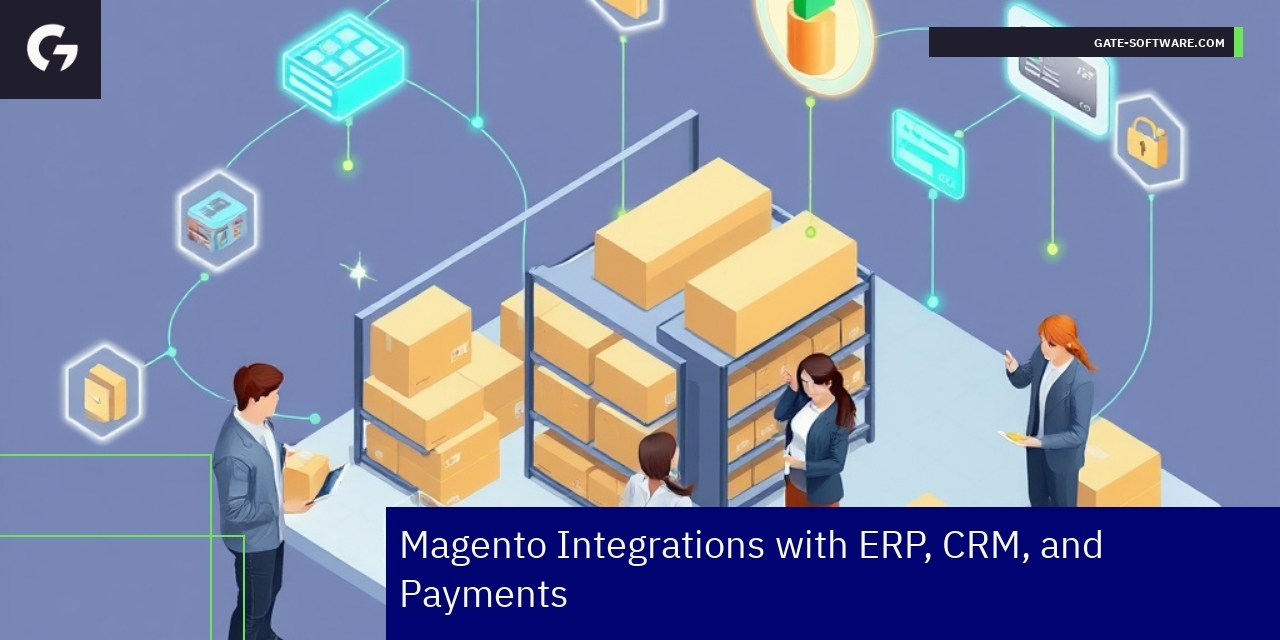
Integrating Magento with ERP, CRM, and payment systems is critical for store growth and effective platform management. Key elements include ensuring seamless data synchronization across systems to avoid discrepancies in inventory, customer data, and order processing. Proper integration reduces manual work, improves data accuracy, and supports scalable e-commerce services. A robust Magento service must include ongoing monitoring of these integrations to prevent failures, address API updates, and maintain security compliance requirements.
Common integration challenges involve data latency, mismapped fields, and API version mismatches that can disrupt business processes. Magento platform issues often arise from improper configuration or lack of testing before deployment. Issues like outdated payment gateways or ERP software can cause transactional errors or data loss. A proactive maintenance plan with regular audits and tests reduces downtime and ensures smooth operation. Leveraging middleware or integration platforms can also enhance reliability and reduce complexity.
—
Summary
Effective Magento integrations with ERP, CRM, and payments systems are essential for sustainable store growth and efficient platform management. Addressing integration challenges through structured Magento service and maintenance best practices minimizes typical Magento Platform Issues Can Arise, thereby supporting optimized e-commerce services.
Continued investment in maintaining integrations and platform health ensures your Magento store remains competitive and responsive to evolving business needs. Employing expert Magento service and regular technical care helps protect your e-commerce infrastructure and deliver seamless customer experiences consistently.
Data and Performance Metrics – Efficiency, SLA, TCO
Operational Effectiveness in UiR Projects
In evaluating the operational effectiveness of UiR (Usługi i Rozwiązania) projects by Gate-Software, several key metrics illustrate the performance and reliability of the service. Firstly, the average project takeover time is documented at an impressive 2 weeks, ensuring minimal disruption when clients transition to the UiR services. Furthermore, Gate-Software boasts an outstanding 98% of projects delivered on time, emphasizing strong organizational efficiency and commitment to deadlines.
Cost-effectiveness is a critical factor for decision-makers, and clients typically report an average Total Cost of Ownership (TCO) reduction of approximately 30% after engaging with Gate-Software’s maintenance and support services. This is particularly relevant for businesses looking to optimize their operational expenses while enhancing their e-commerce capabilities.
The service’s uptime SLA is another notable metric, with an industry-leading guarantee of 99.9% uptime, ensuring that clients’ online platforms remain consistently available and operational. Additionally, over the span of their relationships with clients, Gate-Software has maintained an average client relationship duration of 5 years, illustrating their dedication to long-term partnerships and continuous improvement.
In terms of implementations, Gate-Software has successfully completed over 300 Magento integrations within the last year alone, a testament to their capability to handle complex, high-volume projects effectively. Moreover, clients utilizing these services have reported an average increase in conversion rates by 25%, attributable to enhanced performance and tailored UX/UI strategies that align with best practices.
These statistics provide a clear picture of the operational, performance, and cost metrics that underline the effectiveness of Gate-Software’s UiR services, supporting informed purchasing decisions for prospective clients.

Summary
As you’ve read, investing in Magento 2 support services is not just about addressing immediate technical issues; it is about securing a solid foundation for the continuous growth and success of your e-commerce store. The advantages of reliable support encompass performance optimization, proactive security management, and the ability to tailor your platform to meet specific business needs. By implementing ongoing maintenance, your Magento store can enhance customer experience, drive innovation, and ensure compliance with essential standards like WCAG. This not only mitigates risks associated with downtime and security breaches but also positions your business competitively in the dynamic digital marketplace. We encourage you to reach out to us at Gate-Software to explore how our expertise in Magento support and maintenance can help you create a resilient, high-performing e-commerce environment tailored to your strategic goals. Together, we can ensure your Magento store remains agile, accessible, and poised for success in a challenging market landscape.

FAQ
What is Magento 2?
Magento 2 is an open-source eCommerce platform that provides businesses with a flexible and scalable solution for managing their online stores, offering advanced architectural improvements suitable for handling large product catalogs and high traffic volumes.
Why is ongoing Magento 2 maintenance important?
Ongoing Magento 2 maintenance is crucial for ensuring technical stability, optimizing performance, enhancing security, and maintaining compliance with standards like WCAG, which collectively improve customer experience, operational efficiency, and store visibility.
What are the key differences between Magento 1 and Magento 2?
Magento 2 addresses the limitations of Magento 1 by improving performance, architecture, user experience, and including more out-of-the-box functionality, facilitating a streamlined checkout process, enhanced security, and support for Progressive Web Applications (PWAs).
How do Magento support services benefit businesses?
Magento support services offer technical and operational assistance that includes regular updates, bug fixes, performance tuning, and security audits, which help businesses maintain optimal platform performance and reduce downtime, ultimately enhancing customer satisfaction.
What factors influence the cost of Magento support services?
The cost of Magento support services can vary based on factors such as the complexity of the store, required services, technical audit findings, integrations, and compliance with standards like WCAG, reflecting the tailored nature of the support to meet business goals.
.
.
Zamów bezpłatną konsultację
.
Z nami rozwój Twojego biznesu nabierze tempa! Zapraszamy do kontaktu średnie i duże firmy generujące min. 7 mln PLN obrotu rocznie – tam nasza ekspertyza sprawdza się najlepiej.
.
Kliknij w poniższy przycisk i skontaktuj się z jednym z naszych konsultantów e-commerce
.