Introduction
In B2B manufacturing environments, reliable sealing solutions are critical to ensuring operational efficiency and product integrity. Stock rubber profiles serve as essential components in seal and gasket fabrication, offering versatility, durability, and precision fit for various industrial applications. These profiles cater to sectors requiring rigorous standards for airtightness, fluid containment, and environmental resistance, such as automotive, machinery, and electronics manufacturing.
Choosing the right rubber profile involves evaluating material properties—such as resistance to temperature fluctuations, chemical agents, and mechanical wear—to meet the stringent demands of B2B clients. Utilizing stock profiles accelerates the production cycle by providing readily available standardized shapes and sizes, minimizing lead times without compromising on quality. This enables businesses to maintain lean inventory strategies while addressing diverse sealing needs promptly.
Our approach to stock rubber profiles emphasizes integration with established production workflows and compliance with industry standards. By focusing on reliability in material selection and fabrication precision, we support B2B partners in achieving durable sealing solutions that underpin their operational success. This aligns with Gate-Software’s commitment to delivering expert-driven, efficient, and scalable services tailored to B2B requirements, ensuring optimal product lifecycle and cost-effectiveness.
TABLE OF CONTENTS
- Stock Rubber Profiles for Seal and Gasket Fabrication
- Shipping Custom Orders
- LinkedIn B2B – Building Communication & Marketing
- Omnibus Directive in B2B – What to Know?
- Integrating Online Store with Wholesalers
- Implementing a B2B Store – Is It for Me?
- Want to Start a B2B Store? Check Automico B2B!
- B2B Store Basics – Start in a Few Steps
- Cost of Setting Up a B2B Store – What to Know
- Setting Up a B2B Store – Easier Than You Think!
- B2B vs B2C – Key Differences
- B2B Sales Methods – What to Choose?
- What is B2B?
- Key Terms: Wholesale, Retail, B2B Platforms
- Role of Rubber Gaskets in B2B Industry
- Data and Performance Metrics – Efficiency, SLA, TCO
- Summary
- FAQ
- First Steps to Take
- Tips for Beginners
- Key Takeaways from the Article
- Encouragement to Act and Explore Further
- What Are the Most Common B2B Questions?
- How do I order EPDM rubber seals and gaskets efficiently?
- What industries use rubber gaskets the most?
- Why buy rubber gaskets from Rubber Xperts Inc?
- How to understand rubber extrusion codes?
- What are the different types of rubber gaskets?
- How to choose the right rubber gasket for your needs?
- Key Takeaways from the Article
- Encouragement to Act and Explore Further
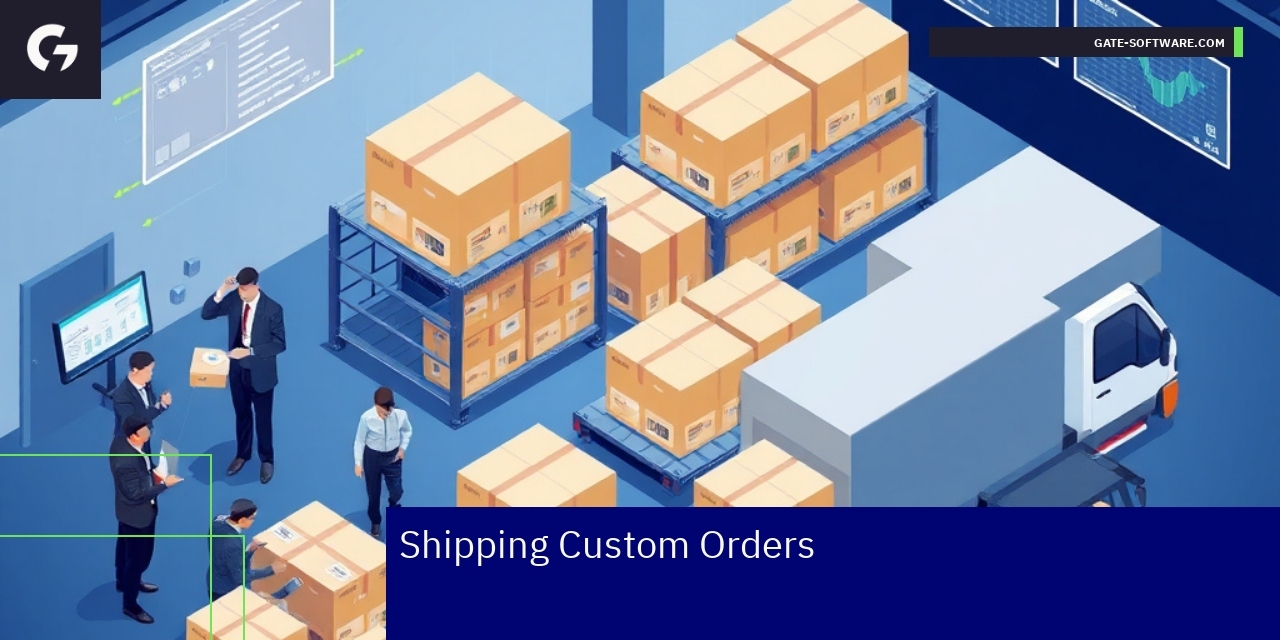
Shipping Custom Orders
Shipping custom orders in a B2B environment requires precise coordination and adherence to specific requirements to ensure smooth logistics and client satisfaction. Companies dealing with custom orders must accommodate varied shipping options tailored to the unique needs of business clients, often involving specialized packaging, handling instructions, and delivery schedules. It is essential to leverage integrated e-commerce platforms like Magento that support flexible shipping configurations and real-time tracking to enhance transparency and operational efficiency.
Understanding the requirements for custom orders involves close collaboration with clients to define exact specifications, including product dimensions, weight, and shipping destination constraints. Compliance with these specifications ensures that the shipping process aligns with business objectives such as cost optimization, SLA adherence, and user experience standards. Proper documentation and communication channels must be established to manage expectations and provide timely updates through automated notifications.
In B2B order fulfillment, the adoption of scalable solutions that integrate with existing CRM and ERP systems enables seamless data exchange and process monitoring. Utilizing platforms that support WCAG compliance and UX/UI best practices further enhances the experience for decision-makers and operational teams managing shipping processes. By focusing on these aspects, businesses can efficiently handle custom order shipping while maintaining high standards of service delivery and partnership trust.
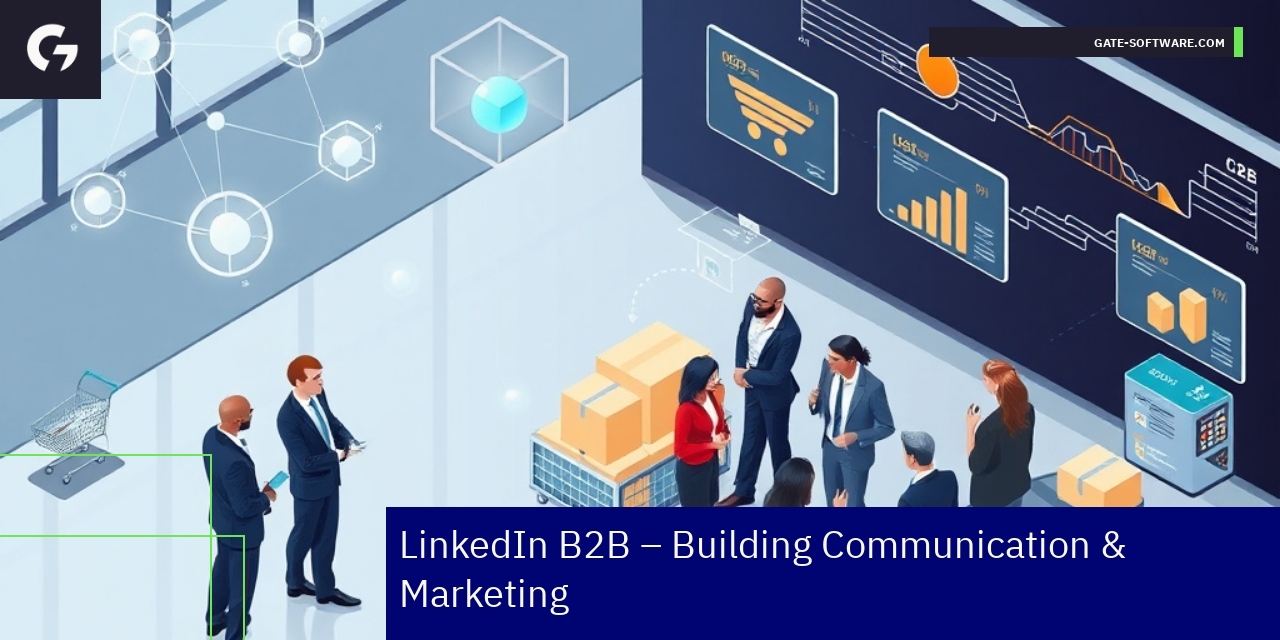
LinkedIn B2B – Building Communication & Marketing
LinkedIn is a critical platform for B2B communication and marketing, offering unique opportunities to engage decision-makers such as CTOs, Heads of Applications, and eCommerce Managers. Leveraging LinkedIn effectively requires a strategic approach tailored to B2B dynamics, focusing on building long-term relationships and showcasing technical expertise relevant to e-commerce and platform management.
The use of LinkedIn in B2B should begin with identifying and understanding key personas—such as Architects, CDOs, and CIOs/CTOs—ensuring content and messaging resonate with their specific challenges and goals. Content should highlight solutions addressing WCAG compliance, UX/UI improvements, migration strategies, and cost optimization, aligned with Gate-Software’s values and service offerings. Engaging posts, expert articles, and case studies that reflect real business and technical challenges provide the foundation for strong engagement.
For effective campaigns, it is essential to adopt a content strategy that balances educational and promotional content, integrating SEO phrases such as Magento™, SLA, hosting, monitoring, and migrations naturally. Campaigns showcasing successful project takeovers and cooperation models build credibility and trust. Consistent communication and a brand voice that is precise and partnership-oriented help maintain relevance and reinforce Gate-Software’s positioning as a dependable B2B partner.
By focusing on real-world problems and demonstrating measurable business value, LinkedIn campaigns in the B2B sector can create meaningful connections that lead to lasting business relationships and optimized platform performance.
Implementing a B2B Store – Is It for Me?
Omnibus Directive in B2B – What to Know?
Key Regulatory Changes
The Omnibus Directive introduces important regulatory changes that affect B2B transactions across the European market. It strengthens the transparency obligations for online platforms and marketplaces, demanding clear communication of terms, pricing, and customer rights. For B2B companies, this means adapting to stricter rules on how prices are displayed and how changes to business agreements are communicated. Understanding these evolving requirements is crucial for compliance and maintaining client trust in a B2B environment. It also impacts contractual frameworks, requiring greater attention to detail in negotiations and documentation to align with updated legal standards. Implementing these changes effectively helps B2B firms avoid penalties and enhances their reputation for reliability and transparency.
How to Adapt Your Business to New Rules
Adapting to the Omnibus Directive involves strategic and operational adjustments within B2B companies. Firms need to audit their current business processes and digital platforms to ensure they meet the directive’s transparency and communication standards. This includes integrating clear disclosure of prices and terms in all customer-facing interfaces, especially in e-commerce and online sales channels. Businesses should also enhance their contract management systems to reflect the directive’s requirements, minimizing legal risks. Training relevant teams, including sales, legal, and marketing, is essential for smooth compliance. Leveraging Gate-Software’s expertise in platform monitoring, SLA management, and WCAG-compliant UX/UI audits can streamline this transition, ensuring a robust and compliant B2B digital presence.
B2B Digital Marketing – Strategy Selection
Selecting an effective B2B digital marketing strategy in light of the Omnibus Directive is pivotal. It requires aligning marketing messages with the transparency standards mandated by the directive, which enhances credibility with B2B clients. Content strategies must incorporate clear legal and commercial information while emphasizing the company’s compliance and trustworthiness. Utilizing data-driven approaches to understand customer needs and decision-maker personas such as CTOs, eCommerce Managers, and Heads of Applications enhances targeted messaging. Gate-Software’s Content Strategy 5.0 and TOYA frameworks provide tailored guidance for crafting campaigns that respect regulatory frameworks and resonate with B2B audiences, facilitating long-term partnerships and business growth.
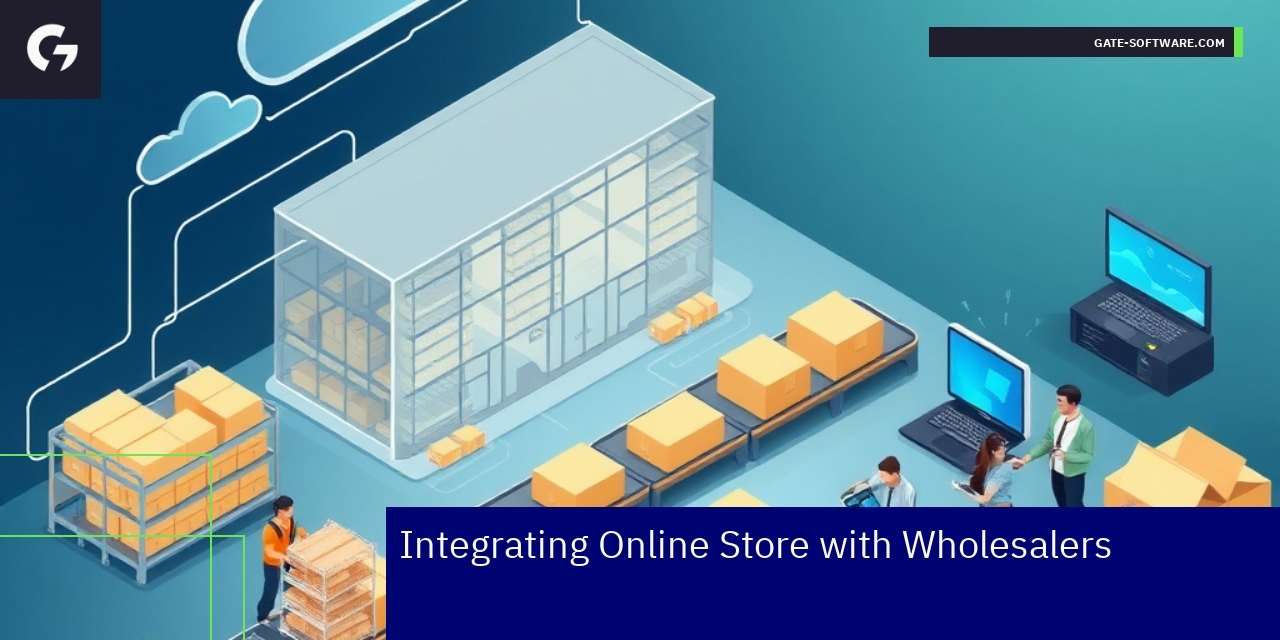
Integrating Online Store with Wholesalers
Integrating an online store with wholesalers in the B2B sector presents substantial advantages including streamlined operations, improved inventory management, and enhanced sales processes. This integration enables real-time data exchange, which is vital for maintaining accurate stock levels and ensuring timely order fulfillment. Utilizing robust B2B integration solutions allows businesses to automate ordering workflows and reduce manual errors, leading to operational efficiency and significant cost savings. The ability to synchronize product information and pricing dynamically supports better decision-making and enables the online store to reflect the latest wholesale offers instantly. Furthermore, such technology integration facilitates transparent communication channels between the online store and wholesale partners, fostering trust and long-term collaboration.
From a technical perspective, integrating Magento-based platforms with wholesalers via APIs or custom middleware solutions ensures scalability and adherence to industry standards, including compliance with security and data protection protocols necessary for B2B environments. Gate-Software’s expertise in maintaining WCAG compliance and optimizing UX/UI further supports seamless user experiences for wholesale clients navigating the platform. By focusing on these critical integration points, companies can enhance their supply chain resilience and adapt quickly to shifting market demands while adhering to strategic e-commerce goals. The comprehensive approach to integration not only benefits operational teams but also aligns with the strategic visions of CTOs and Heads of Applications in optimizing digital ecosystems for B2B commerce.
Implementing a B2B Store – Is It for Me?
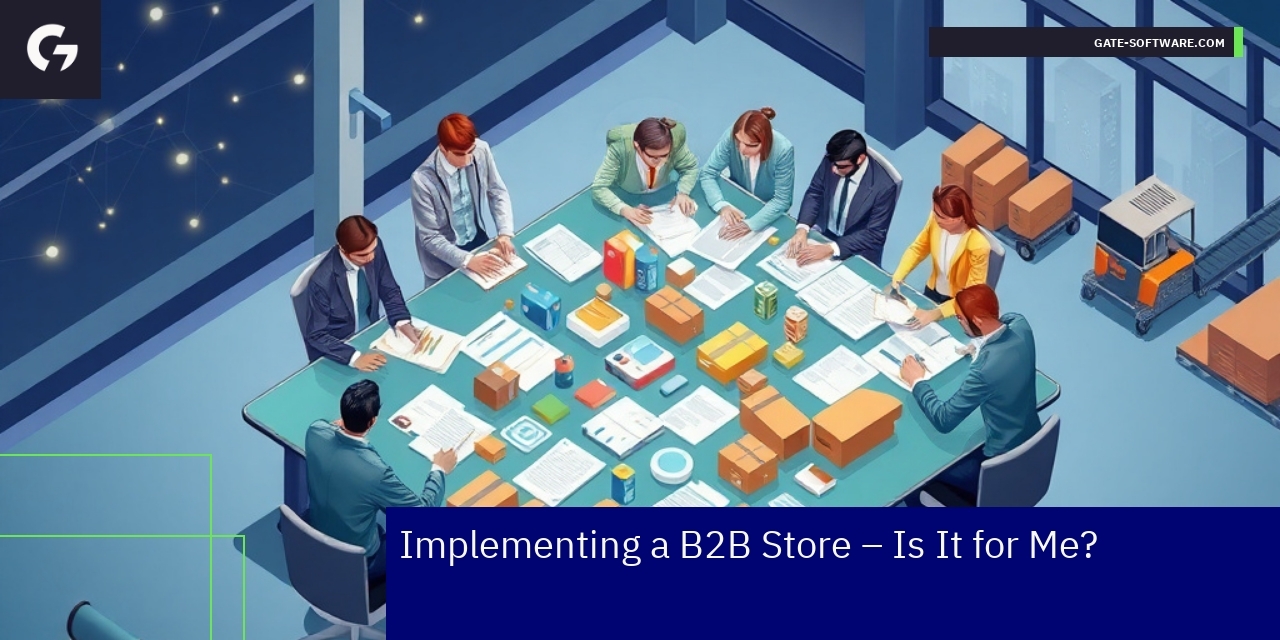
Implementing a B2B store requires careful consideration of business needs and technical capabilities. Before embarking on such an initiative, decision-makers like CTOs, Heads of Applications, and eCommerce Managers should evaluate whether the unique challenges of B2B commerce align with their strategic goals. Key questions to ask include: Do you have a clear understanding of your buyer personas and their purchasing behaviors? Are your current systems scalable and flexible enough to handle complex pricing models, customer-specific catalogs, and large order volumes? Additionally, considerations around integration with existing ERP and CRM systems, adherence to WCAG standards, and the capability for strong user authentication are paramount.
Tips for successful implementation emphasize thorough planning and leveraging proven strategies and technologies. Start by defining precise requirements based on in-depth UX/UI audits and persona analysis. Employ Magento™ or similar robust platforms capable of supporting B2B functionalities such as multi-user roles and permissions, contract management, and API integrations. Prioritize cost optimization by using effective hosting and monitoring solutions aligned with SLA agreements. Partnering with expert teams familiar with B2B e-commerce challenges ensures smoother project takeovers and migrations while maintaining platform security and performance. By comprehensively addressing these aspects, the decision to implement a B2B store becomes a strategic enabler for long-term growth and operational efficiency.
Want to Start a B2B Store? Check Automico B2B!
Why Choose Automico?
Automico B2B is a platform meticulously designed to meet the complex demands of B2B commerce, providing a resilient backbone for businesses aiming to expand digital sales channels. Its robust infrastructure supports high transaction volumes, essential for B2B operations featuring bulk orders and customized pricing models. Automico emphasizes seamless integration with ERP and CRM systems, ensuring data continuity and efficient process automation. For technical decision-makers like CTOs and Heads of Applications, its scalability ensures the platform grows alongside your business without compromising performance. The platform also prioritizes UX/UI consistent with WCAG standards, ensuring accessible and user-friendly customer journeys. Leveraging advanced analytics and real-time monitoring capabilities, Automico empowers eCommerce Managers with actionable insights that optimize sales strategies and operational efficiency. Choosing Automico translates to a strategic, secure, and scalable B2B store solution aligned with Gate-Software’s commitment to technological excellence and business value optimization.
Customer Success Stories
Success with Automico B2B is evidenced by multiple clients who have transformed their B2B eCommerce operations. A prominent manufacturing client leveraged Automico’s customization options to implement tiered pricing and streamlined order workflows, resulting in a 40% boost in customer retention and a tangible reduction in order processing times. Another B2B distributor integrated Automico with their existing ERP, which optimized inventory management and significantly lowered operational costs. These results align with Gate-Software’s SLA and monitoring best practices, ensuring system stability and responsiveness. These case studies showcase real-world applications of Automico, demonstrating its role in driving measurable business outcomes while maintaining compliance with industry UX/UI and accessibility standards, meeting the needs of critical personas like the Architect and the eCommerce Manager.
B2C vs B2B Stores – Key Differences
B2B stores fundamentally differ from B2C in several dimensions critical for strategic planning. Whereas B2C focuses on mass-market consumers driven by emotional buying patterns and shorter sales cycles, B2B commerce involves complex, longer sales processes, often including negotiations and approvals by multiple stakeholders. Pricing in B2B is highly customized, frequently involving volume discounts and contract terms, unlike the fixed pricing common in B2C. Additionally, B2B customer relationships prioritize long-term partnerships and trust-building, requiring platforms that support personalized experiences and complex catalogs. Marketing strategies in B2B are data-driven and emphasize ROI and operational efficiencies, contrasting with B2C’s brand and experience focus. Understanding these distinctions enables CTOs and CDOs to tailor their platform selection and development strategies appropriately, leveraging platforms like Automico to address these specific business needs and operational challenges effectively.
B2B Store Basics – Start in a Few Steps
Key Stages of Buying in B2B
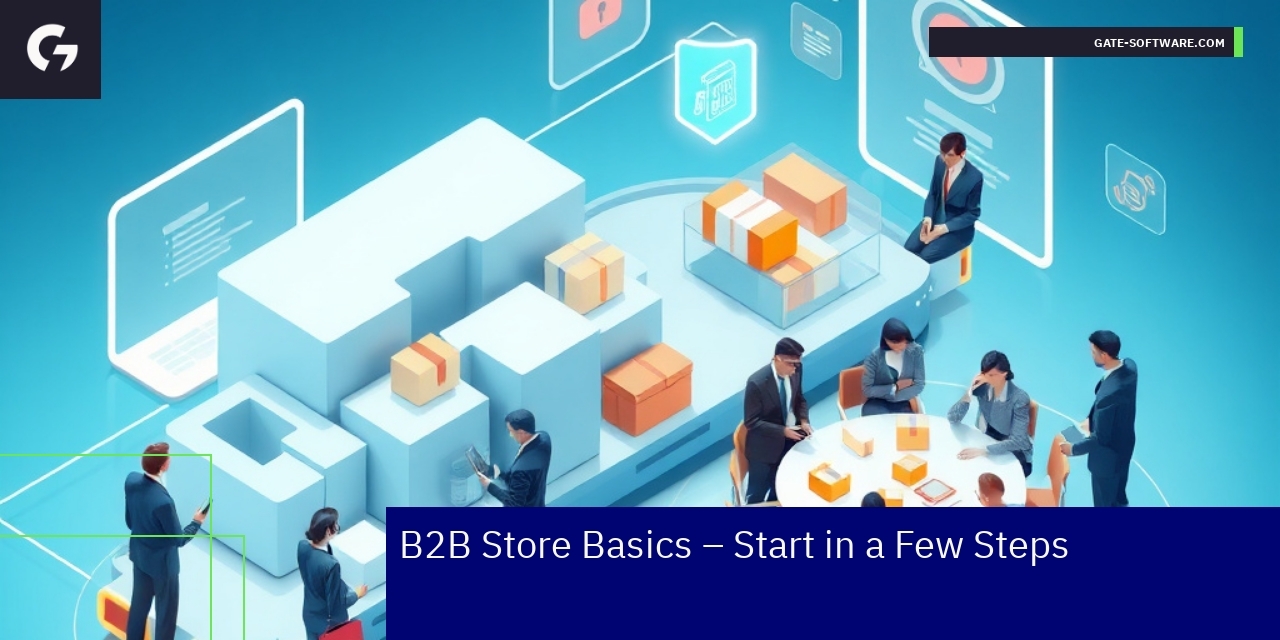
The B2B buying process is structured yet complex, involving multiple decision-makers and longer evaluation periods. Initially, businesses engage in detailed research to identify solutions that align with their operational needs, emphasizing efficiency and ROI. During this phase, terms like „B2B solutions” and „wholesale buying” become pivotal in content to attract targeted traffic.
Next, potential buyers evaluate alternatives through detailed product specifications, vendor reliability, and service level agreements (SLA). A transparent presentation of „transparent B2B pricing” and „easy B2B ordering” options supports informed decision-making. Integration of technical audits such as UX/UI and WCAG standards reassures buyers about product usability and accessibility.
The purchase decision phase benefits from a seamless and secure process, often involving contract negotiations. Highlighting „secure checkout for B2B transactions” and „mobile-friendly B2B shopping” enhances buyer confidence. Post-purchase, maintaining engagement through „B2B customer support” and „B2B relationship management” ensures satisfaction and repeat business.
Common Mistakes
A frequent error in B2B store launches is neglecting targeted SEO strategies. Without optimizing for niche terms like „B2B solutions” or „wholesale buying,” visibility suffers significantly. Another critical mistake is overcomplicating the user experience; B2B buyers value streamlined navigation and clear pathways to conversion.
Ignoring mobile optimization can also alienate a substantial segment of decision-makers relying on mobile access. Additionally, unclear pricing structures create mistrust—thus, employing „transparent B2B pricing” within content and design is essential. Lastly, failure to nurture post-sale relationships through regular communication and „B2B relationship management” weakens customer loyalty and lifetime value.
Addressing these stages and pitfalls with strategic content and technical precision aligns with Gate-Software’s expertise in Magento™, hosting, monitoring, and compliance with UX/UI and WCAG standards, supporting robust and effective B2B store deployments.
Cost of Setting Up a B2B Store – What to Know
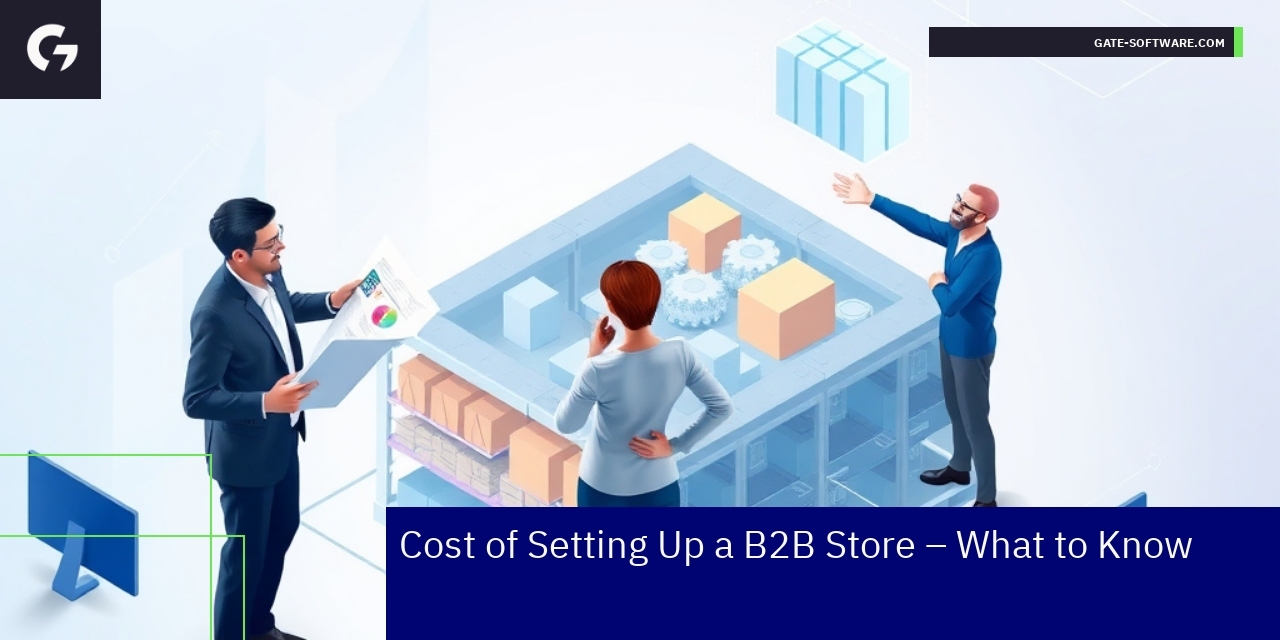
Setting up a B2B store involves a complex blend of technical and business considerations that directly affect the project’s cost. Key factors include the scope of platform customization, integration with existing ERP and CRM systems, compliance with WCAG standards, and ensuring a seamless UX/UI tailored to business buyers’ needs. The cost of setting up a B2B store also depends on the chosen eCommerce platform capabilities, migration or upgrade requirements such as moving to Magento™, and ongoing SLA for hosting and monitoring to guarantee stability and performance. Gate-Software’s approach emphasizes scalable architecture and efficient workflows, balancing front-end user experience with back-end system robustness.
Developing a site that aligns with detailed personae such as the Architect, eCommerce Manager, and Head of Applications involves strategic planning for content, brand voice alignment, and marketing-oriented features. Budget considerations should account for customization depth, compliance audits including WCAG norms (e.g., WCAG 1.1), and integration complexity. Additionally, plans must accommodate future growth in product catalogs and user base, impacting hosting and maintenance expenses.
Investing in expert UX/UI audits and developing user journeys focused on the B2B decision-making process ensures the store not only meets function but also maximizes client retention. Cost optimization strategies include leveraging Gate-Software proven cooperation models and migration strategies that reduce technical debt and streamline implementation timelines. This holistic view highlights the investment needed to create a fully functional, secure, and scalable B2B eCommerce store that delivers measurable business value.
Setting Up a B2B Store – Easier Than You Think!
Comparisons and Alternatives
B2B vs B2C – Key Differences
B2B and B2C business models represent fundamentally distinct approaches to commerce, each with unique challenges and operational frameworks. In the B2B context, transactions typically involve complex decision-making processes with multiple stakeholders such as CTOs, Heads of Applications, and eCommerce Managers, reflecting the need for tailored digital solutions and seamless integration with existing technologies. Conversely, B2C focuses primarily on end consumers, where quick decision cycles and user experience optimization drive sales performance.
In B2B, the scale and volume of transactions tend to be larger, with long-term contracts and sustained partnerships playing a pivotal role. This demands advanced solutions for platform stability, scalability, and compliance with standards such as WCAG for accessibility. Gate-Software’s expertise in Magento maintenance, UX/UI audits, and SLA management ensures that B2B platforms maintain both technical robustness and user trust, crucial in fostering multi-level relationships.
Marketing strategies differ significantly: B2B relies on personalized communication, nurtured leads, and content strategies aligned with key personas like the Architect or CDO, often leveraging social media and content marketing that align with the brand’s authoritative voice. Meanwhile, B2C strategies focus on broad engagement through promotions and responsive branding. Technical and business complexities in B2B also necessitate cost optimization and secure hosting infrastructures, areas where Gate-Software provides comprehensive solutions.
Understanding these key differences enables decision-makers to effectively target their resources, enhancing platform performance and achieving strategic objectives specific to B2B dynamics while maintaining alignment with Gate-Software’s core values and market approach.
Integrating Online Store with Wholesalers
B2B Sales Methods – What to Choose?
Different Sales Methods in B2B
In the B2B environment, choosing the right sales methods is crucial for building long-term partnerships and driving sustained growth. Methods such as direct sales, consultative selling, and account-based marketing are commonly employed. Direct sales focus on building personal relationships with decision-makers, often involving detailed technical and business conversations tailored to the client’s needs. Consultative selling emphasizes understanding the client’s pain points and offering tailored solutions, aligning well with digital transformation projects and platform migrations common in B2B e-commerce. Additionally, account-based marketing targets specific high-value clients with personalized campaigns and strategic engagement. Integrating these approaches with a solid digital platform such as Magento™ can enhance efficiency and ensure compliance with standards like WCAG and UX/UI best practices. These methods help address core challenges like integration complexity, cost optimization, and SLA adherence, which are critical for B2B customers.
Examples of Effective Strategies
Effective B2B sales strategies often combine technical expertise with a clear understanding of the client’s business ecosystem. One successful approach involves leveraging detailed personas — such as Architect, eCommerce Manager, CTO/CIO, and Head of Applications — to tailor communications and solutions. For instance, engaging with Architects might focus on system architecture and scalability, while conversations with eCommerce Managers would highlight user experience enhancements and platform monitoring. Real-world implementations include phased project takeovers and migration strategies that ensure minimal downtime and maintain operational security. Utilizing Gate-Software’s established frameworks for marketing and communication strategies allows for coordinated messaging that addresses both technological and business priorities. These strategies help ensure that sales efforts resonate with decision-makers responsible for technology investments and operational continuity.
FAQ – Frequently Asked Questions
##### What Are the Most Common B2B Questions?
In B2B sales, common questions revolve around system integration, cost justification, scalability, compliance with standards like WCAG 1.1, and ongoing support levels (SLA). Decision-makers often inquire about the flexibility of the offered e-commerce platform to adapt to evolving market needs, methods to optimize total cost of ownership, and how security and data privacy are managed. Another frequent concern is how a solution supports the user experience for both clients and end-users, ensuring accessibility and compliance with UX/UI guidelines. Questions also typically address the onboarding process, including how Gate-Software manages project takeovers and the timeline for realizing return on investment.
##### Answers to Key Concerns
Gate-Software addresses these concerns by offering scalable Magento™ platforms that comply with WCAG standards and provide robust hosting and monitoring solutions. Cost optimization is achieved through optimized infrastructure and strategic project planning. Compliance and accessibility are ensured via comprehensive UX/UI audits. The company’s transparent communication strategy and support SLAs provide ongoing operational security and reliability. For clients requiring project transition, Gate-Software’s proven cooperation models guarantee smooth takeovers with minimal disruption. All these factors combine to deliver tailored solutions that meet the technical and business needs of B2B clients.
Summary
Selecting the right B2B sales methods requires a strategic blend of direct engagement, consultative selling, and account-based marketing, supported by in-depth understanding of decision-maker personas and technical requirements. Leveraging platforms like Magento™, combined with compliance to WCAG 1.1 standards and tailored UX/UI solutions, addresses core e-commerce challenges in B2B. Effective strategies also integrate marketing and communication frameworks to ensure alignment with business goals, cost optimization, and operational continuity.
Decision-makers are encouraged to assess their current sales approaches critically, explore integrated solutions that align with Gate-Software’s business and technical standards, and leverage expert partnership models to optimize their B2B e-commerce operations. This will enable sustainable growth, improved client satisfaction, and greater competitive advantage in digital commerce.
What is B2B?
B2B, or business-to-business, refers to commercial transactions conducted directly between companies rather than between a company and individual consumers. Unlike B2C, where products or services target the end user, B2B transactions focus on serving other businesses such as suppliers, manufacturers, or wholesalers. This model typically involves more complex processes, longer sales cycles, and larger scale orders.
In B2B environments, products like stock rubber profiles for seal and gasket fabrication are commonly traded. Companies engage in bulk purchases and often require custom orders tailored to their specific technical and operational needs. This requires in-depth knowledge and understanding of production codes, such as rubber extrusion codes, to ensure precise specifications in contracts and avoid costly errors.
The strategic approach to B2B commerce involves not only transactional efficiency but also building long-term partnerships based on trust, compliance, and aligned business goals. For decision-makers like CTOs, eCommerce Managers, or Heads of Applications, successful B2B engagement demands robust technical infrastructure, seamless integration, and adherence to standards such as WCAG 1.1 for accessible digital platforms. Gate-Software supports such needs by offering expert guidance on Magento platform maintenance, UX/UI audits, and SLA-backed hosting and monitoring solutions tailored to complex B2B requirements.
Overall, the essence of B2B lies in facilitating scalable, specialized commercial relationships that drive operational growth and competitive advantage through precise specification management and reliable service delivery.
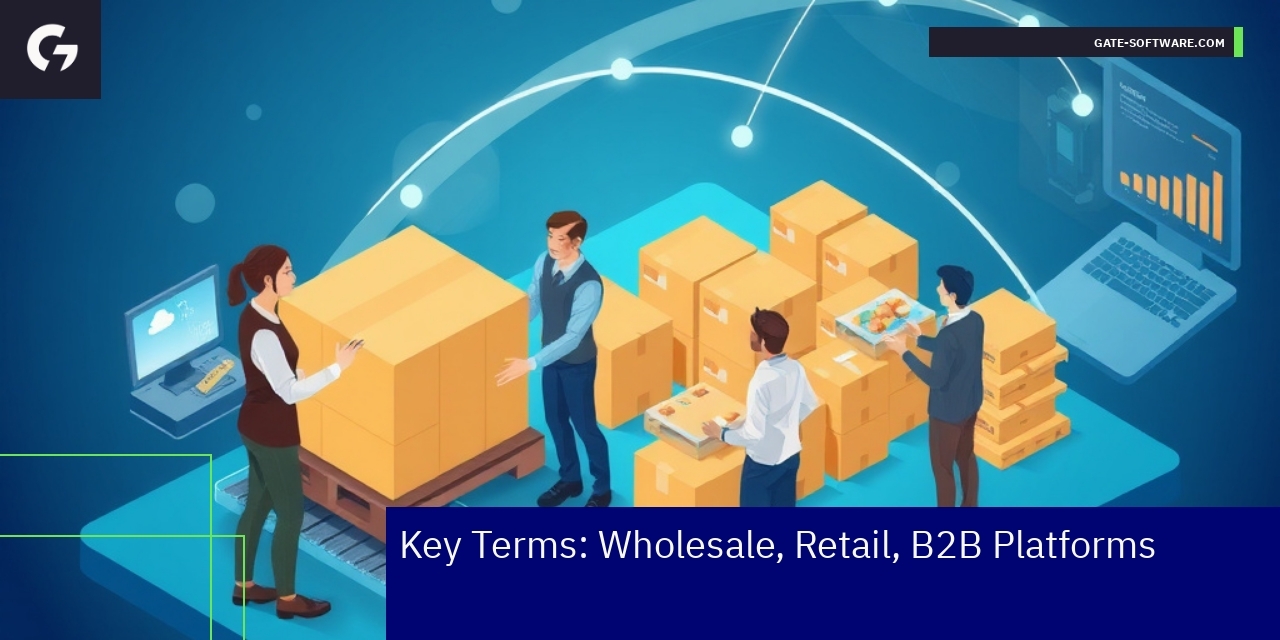
Key Terms: Wholesale, Retail, B2B Platforms
Wholesale involves selling products in large quantities, often intended for redistribution to other businesses. This approach is essential in B2B operations where bulk purchasing reduces costs and optimizes supply chains. Retail, on the other hand, targets end customers with smaller purchase volumes and focuses on individual consumption needs. In a B2B context, retail can sometimes overlap with wholesale, especially when businesses serve smaller clients or niche markets.
B2B platforms play a crucial role in connecting manufacturers, wholesalers, and retailers, streamlining the procurement process. These platforms facilitate efficient communication, order management, and logistics coordination, which are vital for maintaining competitive advantages in industrial markets. Moreover, B2B platforms often provide access to specialized products like various types of EPDM rubber gaskets and seals tailored for industrial applications. This specialization ensures that businesses can source component materials meeting precise technical standards and compliance requirements.
Understanding these key terms and their interplay helps decision-makers such as CTOs, Heads of Applications, and eCommerce Managers optimize their supply chains, improve procurement efficiency, and maintain robust B2B relationships. Integrating wholesale strategies with retail insights and leveraging advanced B2B platforms aligns with Gate-Software’s commitment to enhancing business processes through tailored digital solutions.
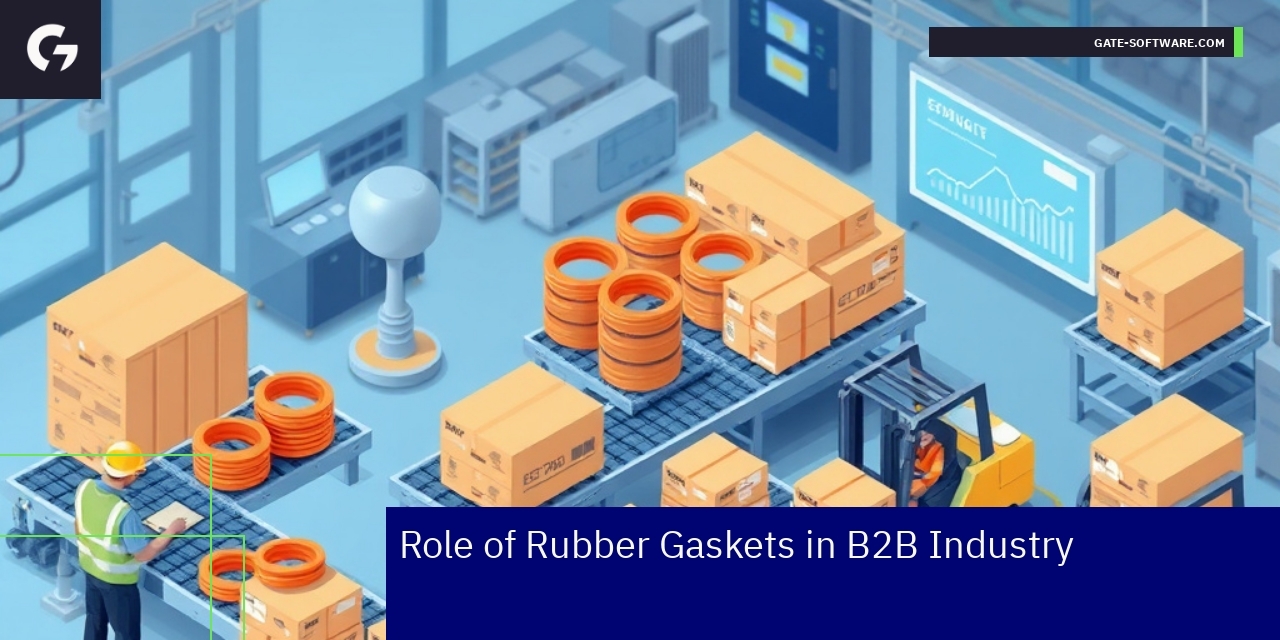
Role of Rubber Gaskets in B2B Industry
Rubber gaskets form critical sealing components in many industries, such as automotive, construction, and manufacturing. Knowing how to order EPDM rubber seals and gaskets correctly can reduce downtime and improve product quality. Applications of extruded silicone rubber P-channel seal and gaskets illustrate the wide usage and versatility crucial to many supply chains.
In the B2B sector, rubber gaskets serve fundamental functions such as leak prevention, vibration dampening, and thermal insulation, essential to maintaining system integrity and operational efficiency. Their ability to form tight seals helps prevent fluid and gas leaks, which is vital in industries relying on high precision manufacturing and machinery performance. This reliability significantly impacts maintenance schedules and cost optimization, aligning perfectly with business needs.
Ordering the correct EPDM rubber seals and gaskets involves understanding specific material properties and application requirements. EPDM rubber’s chemical resistance and durability make it ideal for many industrial uses, including outdoor and high-temperature environments. Proper specification and sourcing of these components ensure longer service life, less unplanned downtime, and better compliance with industry standards.
Extruded silicone rubber P-channel seals and gaskets are commonly used for their flexibility and resilience in dynamic environments, offering excellent sealing performance even under extreme conditions. Their design adaptability allows integration into various equipment and systems, enhancing user experience and operational continuity in complex B2B supply chains.
Overall, the role of rubber gaskets in the B2B industry is indispensable. They not only contribute to the physical integrity of machinery and products but also support efficient procurement strategies and seamless logistics. Efficiently managing the lifecycle of these components through knowledgeable ordering practices is key to maintaining robust and high-performance industrial operations.
B2B vs B2C – Key Differences
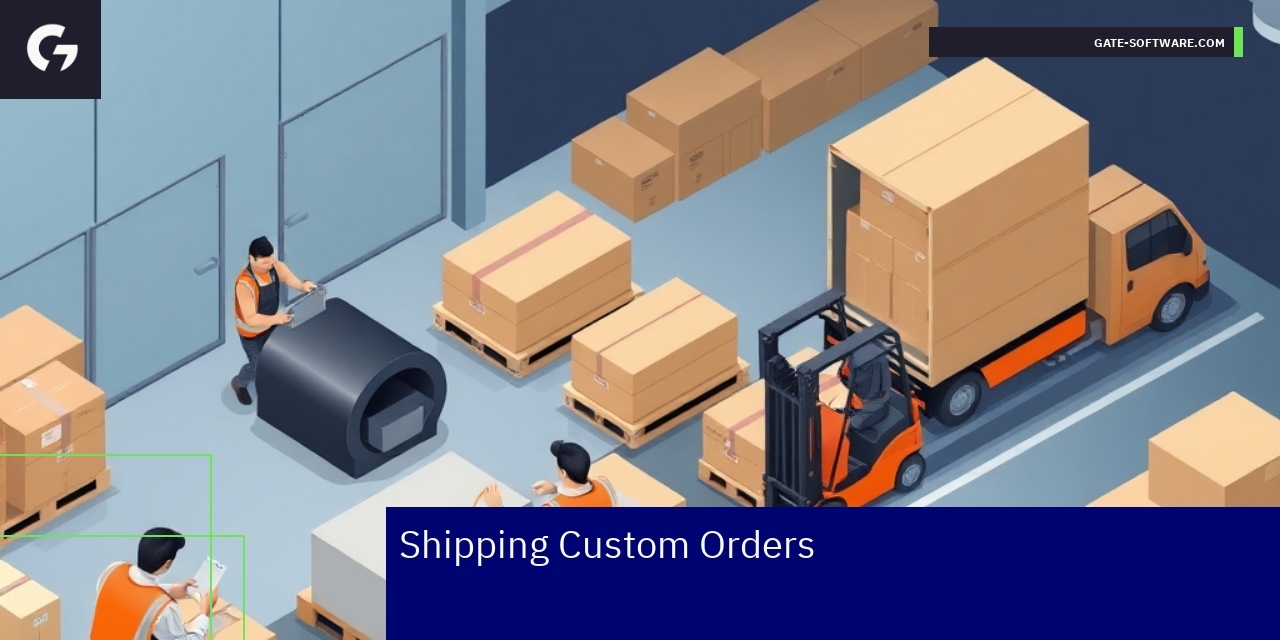
Shipping Custom Orders
What Are the Shipping Options?
When managing custom orders in the B2B segment, shipping logistics must be carefully tailored to meet the specific needs of the client. Shipping of specialized rubber profiles, including EPDM rubber seals and gaskets, requires consideration of transport methods that ensure product integrity and timely delivery. Companies often face challenges related to bulky or sensitive goods requiring customized freight solutions beyond standard shipping. Deciding how to order EPDM rubber seals and gaskets involves selecting transport options that align with contract requirements and customer expectations, balancing cost-efficiency with reliability. Effective logistics coordination helps prevent delays and damage, which are critical in maintaining strong B2B relationships. This approach reflects the imperative to adapt shipping processes to the unique properties of rubber extrusion products and their handling demands.
Requirements for Custom Orders
For custom orders, clear and precise communication regarding the specific rubber extrusion codes and types of EPDM rubber gaskets and seals is essential. B2B clients need to specify exact compound formulations and profiles, enabling suppliers to meet exacting industry standards and contractual obligations. Such detailed requirements facilitate smooth order processing, ensuring that products conform to quality assurances and performance criteria. The clarity in specifying types of EPDM rubber seals and gaskets also impacts how shipping and handling instructions are defined, contributing to the overall success in fulfillment and delivery. The coordination of product specifications with tailored logistics reflects the operational rigor required in B2B dealings to optimize supply chain efficiency and customer satisfaction.
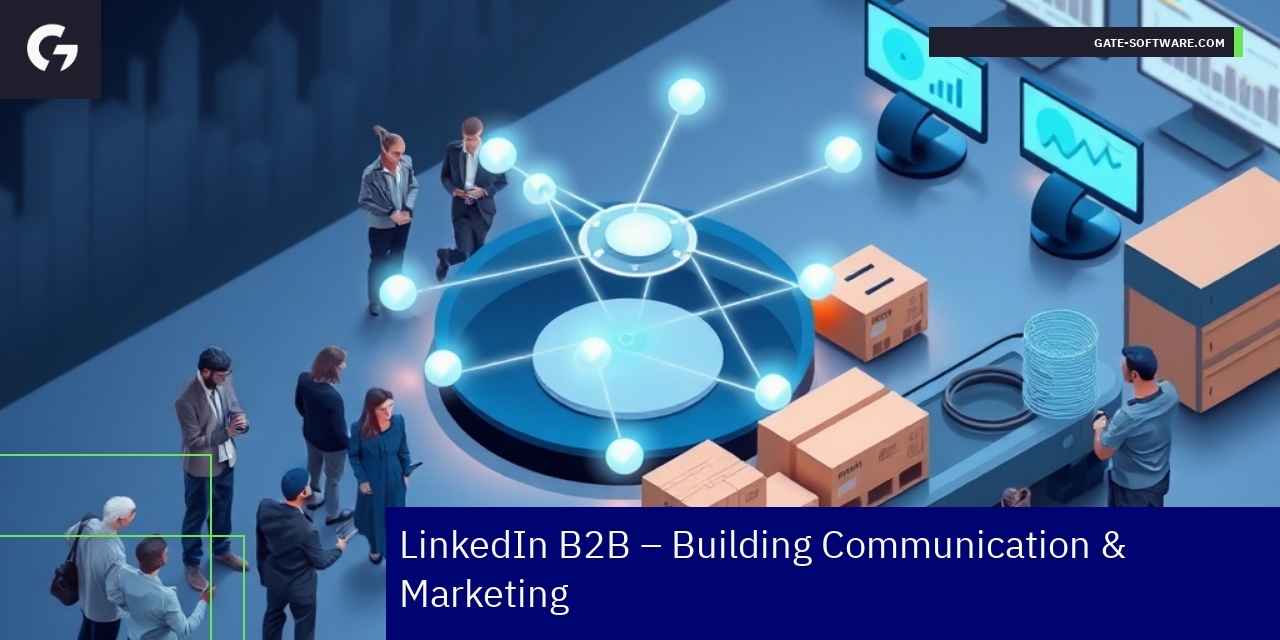
LinkedIn B2B – Building Communication & Marketing
How to Use LinkedIn in B2B?
LinkedIn serves as an essential platform for B2B communication and marketing, allowing companies to engage directly with decision-makers such as CTOs, eCommerce Managers, and Heads of Applications. Using LinkedIn effectively involves showcasing your products and services with clear technical specifications and business benefits tailored to your target audience. For example, firms specializing in stock rubber profiles for seal and gasket fabrication can highlight product features like durability and compliance with standards to address the real needs of industrial clients. Engaging content such as educational posts, expert articles, and industry insights supports lead generation and nurtures professional relationships. LinkedIn’s networking capabilities also enable precise targeting, facilitating connections with key personas such as Architects or CDOs who influence procurement and integration decisions. Implementing a structured content calendar aligned with company strategy ensures sustained interaction and visibility in competitive B2B markets.
Examples of Effective Campaigns
Successful LinkedIn campaigns in B2B often focus on the practical application and problem-solving aspects of products or services. Sharing detailed case studies on how extruded silicone rubber P-channel seals and gaskets contribute to operational efficiency or compliance helps build credibility. Explaining technical topics like what are the different types of rubber gaskets through whitepapers or video content educates the audience and positions the company as a specialist. Campaigns that integrate SEO phrases such as stock rubber profiles and manufacturing standards within content maximize organic reach. Additionally, highlighting operational benefits such as cost optimization, migration case studies, or UX/UI audit results reflects Gate-Software’s holistic approach to client needs. Cross-linking these content pieces with social media and website channels expands reach and supports sustained engagement with industrial buyers actively seeking solutions on platforms like LinkedIn.
Key Stages of Buying in B2B
Research and Awareness
Evaluation and Comparison
Decision and Purchase
Post-Purchase Engagement
Omnibus Directive in B2B – What to Know?
Key Regulatory Changes
The recent omnibus directives introduce significant regulatory changes that B2B companies must carefully consider. These regulations impact how businesses manage sales contracts and compliance, emphasizing stricter requirements for product standards and transactional transparency. For example, suppliers such as Rubber Xperts Inc, which provide rubber gaskets, need to ensure that their products meet updated compliance criteria under the new rules. These changes require a thorough review of current contracts and supply agreements to align with the directives and avoid potential legal and operational risks.
How to Adapt Your Business to New Rules
Adapting to the new omnibus directive involves revising sales and purchasing workflows, including selecting the right rubber gasket for specific industrial applications while adhering to compliance demands. B2B companies should implement robust compliance monitoring systems and adjust internal policies to reflect these regulatory updates. This adaptation is crucial to maintain seamless operations and uphold continuous compliance, safeguarding both supplier and client interests in the context of evolving legal frameworks. Strategic adjustments in procurement and contract management play a vital role in this transition.
Role of Rubber Gaskets in B2B Industry
Integrating Online Store with Wholesalers
Benefits of Integration
Integration with wholesalers allows real-time access to stock rubber profiles for seal and gasket fabrication, improving order accuracy and delivery speed. It expands availability of various types of EPDM rubber gaskets and seals. This seamless connectivity enables B2B eCommerce platforms to provide customers with up-to-date inventory data, ensuring that orders reflect current stock levels and reducing the risk of delays or backorders. Moreover, wholesalers benefit from streamlined workflows and automated communication channels that reduce manual errors and administrative overhead. The integration also supports advanced logistics coordination, facilitating faster and more reliable delivery schedules critical to maintaining strong B2B client relationships. By incorporating this digital synchronization, companies can leverage scalable solutions that accommodate fluctuating demand while maintaining high service standards and operational efficiency.
Examples of Successful Integrations
Companies mastering integration demonstrate improved customer satisfaction and better inventory management for popular products such as extruded silicone rubber P-channel seals. These success stories highlight how real-time synchronization with wholesalers’ stock databases helps to avoid stockouts and optimize replenishment cycles. Enhanced visibility of product availability also empowers sales teams and eCommerce managers to provide accurate information to buyers promptly, supporting higher conversion rates and repeat business. Additionally, integration enables tailored pricing and promotional mechanisms aligned with partner agreements, further strengthening B2B collaboration. Such implementations often require a robust technical architecture, typically involving middleware or APIs that ensure secure, reliable data exchange. Ultimately, these integrations contribute to a more agile supply chain and foster long-term strategic partnerships between online stores and wholesale suppliers.
Implementing a B2B Store – Is It for Me?
Key Questions Before Starting
Is your business ready to handle bulk sales of rubber gaskets? Considering what industries use rubber gaskets is vital before launching.
Before embarking on implementing a B2B store, it is crucial to assess your business’s readiness for handling bulk sales of rubber gaskets. Understanding the industries that typically require rubber gaskets—such as automotive, manufacturing, aerospace, and industrial machinery—helps in targeting the right customer segments effectively. You must evaluate your market demand thoroughly and establish whether your supply chain can support high-volume sales. The logistics of managing inventory, timely shipping, and handling large orders must be robust enough to meet client expectations. Additionally, your sales and customer support teams should be equipped to manage complex B2B relationships, including negotiations and custom order requirements. Assess your technology infrastructure: your platform must support product categorization, order customization, and seamless listing of types of rubber gaskets, reflecting your catalog diversity and ensuring an intuitive customer experience. This foundational analysis will determine if your business is positioned to leverage the benefits of a B2B eCommerce model.
Tips for Implementation
Focus on key features like product categorization, order customization, and listing types of rubber gaskets to ensure smooth operations.
For successful implementation of a B2B store, focusing on essential features such as detailed product categorization is paramount; this enables clients to quickly navigate and find specific types of rubber gaskets they need, enhancing the ordering process. Order customization functionalities must be integrated to allow customers to specify quantities, configurations, or special requirements directly within their orders, meeting diverse industrial needs. Clear and comprehensive listings of types of rubber gaskets provide transparency and aid decision-making. Incorporating these functionalities within your platform will streamline operations, reduce errors, and improve the overall customer experience. Ensuring that the digital storefront is aligned with these technical and operational requirements positions your business for scalability and responsiveness in the B2B market. Attention to these details supports your sales teams and meets the expectations of sophisticated industrial buyers efficiently.
Want to Start a B2B Store? Check Automico B2B!
Why Choose Automico?
Automico provides tailored solutions for businesses dealing in stock rubber profiles for seal and gasket fabrication, simplifying how to order EPDM rubber seals and gaskets. The platform is designed to meet the unique demands of B2B commerce, offering seamless integration with ERP systems and advanced features that support bulk ordering and personalized pricing. Automico ensures that businesses can efficiently manage complex product catalogs and provide their clients with clear, detailed product information essential for informed purchasing decisions. This focus on usability and operational efficiency helps reduce transaction costs and accelerates the sales process, making it easier to build trust and long-term business relationships.
Customer Success Stories
Several companies benefited from Automico’s platform, optimizing sales and communication around rubber gaskets from Rubber Xperts Inc., among others. These success stories highlight improved order accuracy and enhanced client satisfaction through streamlined online ordering and better product data management. By leveraging Automico’s capabilities, clients reported increased sales efficiency and more effective customer engagement in competitive B2B markets. The platform’s adaptability to various industries and complex workflows has made it a reliable partner in digital transformation journeys, enabling companies to modernize their commerce strategies while maintaining robust operational control and compliance.
—
B2C vs B2B Stores – Key Differences
B2B Store Basics – Start in a Few Steps
Key Stages of Buying in B2B
B2B purchasing processes are distinguished by the need for structured approval workflows and often leverage volume discounts to optimize costs. For companies dealing with technical products like rubber components, understanding rubber extrusion codes and types of EPDM rubber gaskets and seals is critical. This knowledge enables buyers to specify exact extrusion profiles and select the right sealing solutions that meet their operational requirements. A clear grasp of these technical aspects ensures that procurement aligns with both quality standards and budget constraints, streamlining vendor negotiations and reducing procurement cycles. Effective application of these insights in a B2B store setup can significantly enhance the purchasing experience and support strategic supplier relationships.
Common Mistakes
Common pitfalls in B2B purchasing arise when buyers overlook essential product details such as specifying extrusion profiles or neglect to inquire what are the different types of rubber gaskets available. Such omissions can lead to project delays, mismatched orders, and increased costs due to returns or replacing incorrect parts. Moreover, failing to understand volume discount structures or the nuances in approval workflows may hinder timely order processing and strain supplier relations. Addressing these challenges from the outset by educating stakeholders about product specifications and procurement procedures helps in avoiding costly mistakes and maintains smooth operational continuity in B2B environments.
Cost of Setting Up a B2B Store – What to Know
Cost Analysis: What to Consider?
When setting up a B2B store focused on stock rubber profiles for seal and gasket fabrication, careful cost analysis is critical. Investment in the digital infrastructure involves not only platform development but also integration with existing B2B systems and specialized features for product configuration like extruded silicone rubber P-channel seals and gaskets. Additionally, showcasing products effectively requires high-quality content and imagery tailored to technical buyers, emphasizing the unique properties relevant to seal and gasket fabrication. Digital marketing expenses must be strategically planned to target the B2B audience, leveraging SEO phrases like uszczelki i uszczelniacze, profile gumowe, and uszczelki silikonowe to drive sector-specific traffic. The costs also extend to compliance with WCAG standards ensuring accessibility which is increasingly important in B2B transactions. Finally, ongoing maintenance, hosting, and monitoring fees must be accounted for to guarantee platform stability and swift issue resolution, directly impacting customer satisfaction and operational continuity.
Budget Examples for Different Models
Budgeting for a B2B store varies according to sales models: direct sales, wholesaling, or integrated platforms with enhanced application capabilities. Direct sales platforms might focus heavily on personalized service and detailed product data, impacting the cost of backend development and account management tools. Wholesaling models generally require robust inventory and order management systems with scalable integrations to handle volume efficiently. Integrated platforms offering extruded silicone rubber P-channel seals and gasket applications demand sophisticated product configurators and possibly custom workflow automation to streamline the buyer’s process. Costs will reflect the complexity of integration and user experience enhancements targeting key personas such as the Architect, eCommerce Manager, and Head of Applications. Incorporating SEO phrases like profile gumowe for industry-specific search optimization and uszczelki silikonowe for product categorization supports marketing effectiveness and better market reach within the B2B sector.
Setting Up a B2B Store – Easier Than You Think!
First Steps to Take
Starting a B2B store begins with clearly identifying your niche, such as specializing in rubber gaskets from trusted suppliers like Rubber Xperts Inc or vendors focused on EPDM seals. This niche definition is crucial for targeting your audience effectively and tailoring your product offerings. Understanding your market’s specific demands and buyer personas—whether architects, eCommerce managers, or CTOs—allows you to align your platform’s UX/UI to meet their professional needs. Incorporate established WCAG standards to ensure accessibility, and consider integrating Magento-based solutions for robust platform stability and scalability. Early planning around hosting, monitoring, and SLA agreements helps set a strong foundation for a reliable B2B e-commerce experience. This initial groundwork positions your store to efficiently handle complex transactions and long-term business relationships while emphasizing your value proposition in the B2B sector.
Tips for Beginners
Choosing the right rubber gasket involves not only product quality but also structuring an intuitive and comprehensive catalog. Highlight key product features such as material type (with emphasis on EPDM seals), dimensions, certifications, and compatibility to simplify the buyer’s decision-making process. Ensure the catalog design adheres to user-centered design principles, providing easy navigation and filtering options tailored to professional users. Utilize SEO practices embedding Polish SEO keywords naturally to enhance visibility in competitive markets. Effective communication strategies and content marketing aligned with Gate-Software’s brand voice can further support lead generation and client retention. Focusing on these elements helps build trust and positions your B2B platform as a reliable partner for clients seeking specialized products in a complex buying environment.
B2B vs B2C – Key Differences
Comparing Business Models
B2B emphasizes relationships, volume, and customized solutions, including specialized stock rubber profiles for seal and gasket fabrication. B2B transactions typically involve detailed negotiations, longer sales cycles, and a strong focus on meeting the technical and operational needs of partner companies. Decision-makers like CTOs or Heads of Applications seek solutions that optimize efficiency and scalability within their enterprise environments. The B2B model depends on building trust through tailored support, long-term partnerships, and precise alignment with industry standards and compliance requirements. For example, companies requiring specialized rubber gasket profiles prioritize suppliers who can reliably deliver consistent quality and technical customization to support their manufacturing processes.
In contrast, B2C focuses on individual consumers, aiming for quick conversions and emotional engagement. Buyers make faster, often impulse-driven decisions based on brand appeal, pricing, or immediate needs rather than long-term business outcomes. The B2C approach centers around broad marketing strategies targeting consumer preferences, convenience, and user experience.
When to Choose B2B or B2C?
If your company serves industries that depend on durable and specialized components—such as those utilizing rubber gaskets or seal profiles for manufacturing—B2B is the natural and strategic choice. These industries benefit from customized product offerings and volume-based purchasing, which require the detailed attention and support typical of B2B relationships. Moreover, sectors like e-commerce platforms with B2B focus need robust integrations, compliance with industry standards (including WCAG 1.1 for accessibility), and scalable hosting and monitoring solutions ensuring uptime and performance.
Choosing B2B solutions also means addressing the technological challenges faced by key personas—Architects, eCommerce Managers, and CTOs—who require seamless, secure, and optimized platforms. The decision to prioritize B2B aligns with Gate-Software’s expertise in delivering highly tailored services and content strategies adapted to complex business needs, driving efficiency and long-term value over transactional sales volume.
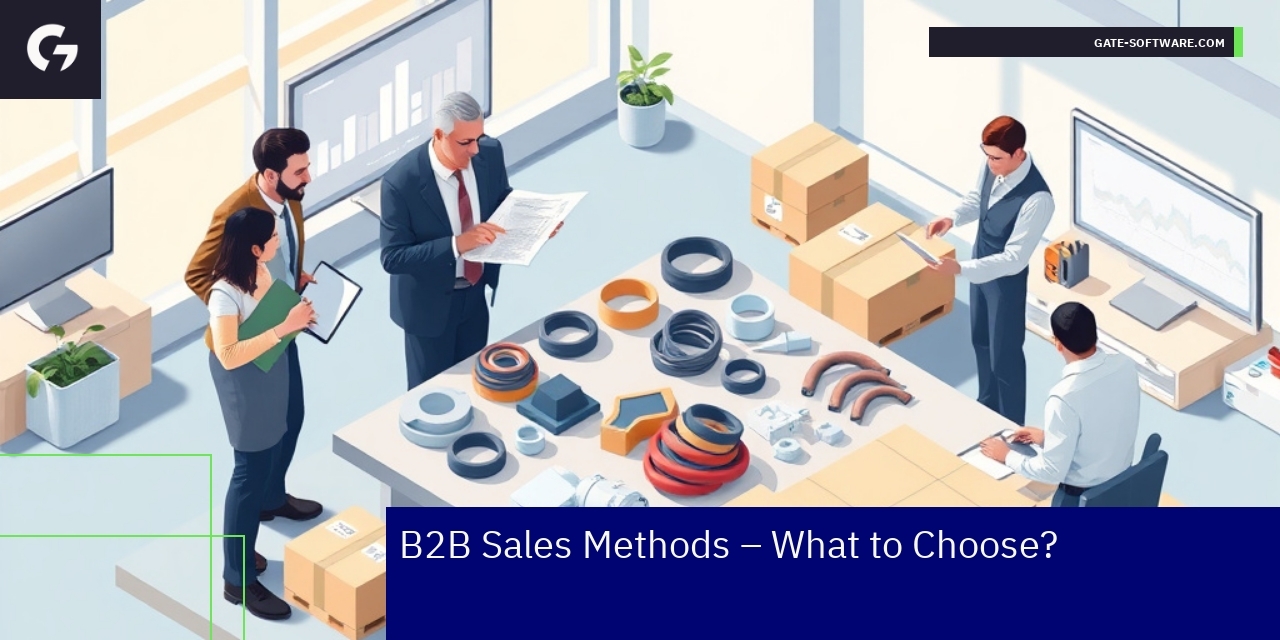
B2B Sales Methods – What to Choose?
Different Sales Methods in B2B
In B2B environments, selecting the right sales method is essential for aligning with your business structure and customer expectations. Direct sales remain a foundational approach, allowing personalized interaction and tailored solutions, especially when dealing with complex products like extruded silicone rubber P-channel seal and gaskets. Leveraging online platforms extends your reach and efficiency, enabling easier access to detailed product information and streamlined ordering processes critical for businesses sourcing stock rubber profiles. Incorporating digital channels enhances visibility and fosters long-term relationships, which is pivotal in B2B buying. The decision on sales methods should reflect the specific needs of your industry and buyer personas such as Architect, eCommerce Manager, and Head of Applications, ensuring that your approach addresses technical requirements and user experience optimally.
Examples of Effective Strategies
Utilizing LinkedIn B2B stands out as a productive strategy to connect with decision-makers and showcase the key features of your product offerings. Integrating content marketing with precision-targeted campaigns unlocks engagement by answering common B2B questions and clarifying complex topics like rubber extrusion codes. It is equally important to demonstrate expertise in advising clients on how to order EPDM rubber seals and gaskets efficiently and selecting the right rubber gasket for their needs. This approach amplifies trust and positions your company as a reliable partner. Partnerships forged through transparent communication and technical support differentiated on these platforms can significantly impact sales pipeline velocity and overall growth.
—
FAQ – Frequently Asked Questions
Summary
B2B sales of stock rubber profiles for seal and gasket fabrication require specific knowledge about product types, industry needs, and updated regulations. Effective B2B digital marketing and integration strategies are critical for success. Knowing how to order EPDM rubber seals and gaskets and the best sales methods gives you a competitive edge.
Explore tools like Automico B2B, leverage LinkedIn for marketing, and always focus on customer needs to boost your B2B store’s growth.
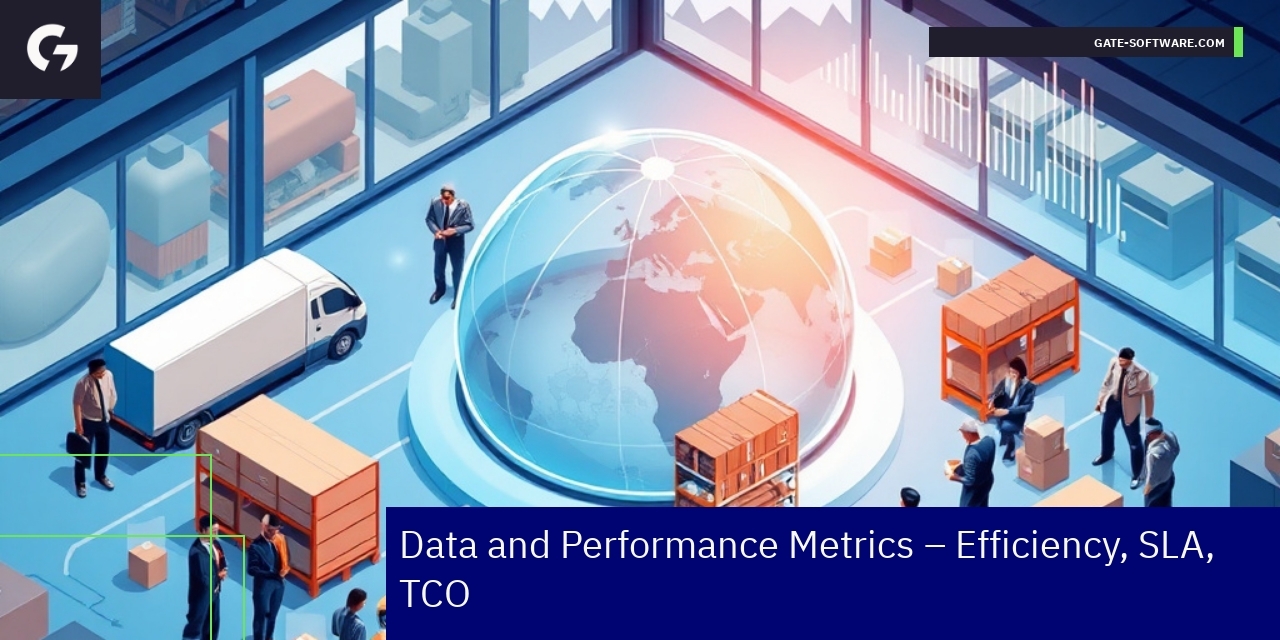
Data and Performance Metrics – Efficiency, SLA, TCO
Operational Effectiveness in B2B Projects
In assessing the operational effectiveness of Gate-Software’s B2B services, several key performance metrics highlight the company’s commitment to excellence and customer satisfaction:
1. Project Takeover Time: On average, Gate-Software successfully completes project takeovers within 3 weeks, ensuring minimal disruption and a seamless transition for clients.
2. % of Projects Delivered on Time: Gate-Software prides itself on its ability to meet deadlines, achieving a 95% on-time delivery rate across all B2B projects, which reflects its strong operational planning and execution capabilities.
3. Average TCO Reduction: Through strategic implementation and ongoing support, the average total cost of ownership (TCO) for clients who partner with Gate-Software is reduced by 20% over a three-year period compared to their previous systems.
4. Number of Implementations: Gate-Software has successfully implemented over 150 B2B eCommerce solutions in various industries, demonstrating its extensive experience and capacity to handle diverse business needs.
5. Uptime SLA: The uptime service level agreement (SLA) stands at 99.9%, ensuring that clients’ platforms remain operational and reliable, thereby supporting their business operations without interruption.
6. Average Client Relationship Duration: The average tenure of client relationships with Gate-Software is 5 years, underscoring the company’s ability to build lasting partnerships based on trust and performance.
7. Percentage of Successful Migrations: Gate-Software boasts a 98% success rate for migrations to its platforms, demonstrating its expertise in managing complex transitions without compromising on quality or performance.
These metrics not only illustrate Gate-Software’s operational capabilities but also provide measurable evidence that can guide potential clients in making informed purchasing decisions based on proven results and efficiency in B2B operations.
Summary
In navigating the complexities of B2B commerce, companies that prioritize tailored solutions and efficient operations can significantly enhance their market positioning. Gate-Software’s expertise in delivering platforms such as Magento™ provides the necessary foundation for businesses focused on stock rubber profiles for seal and gasket fabrication. By understanding critical aspects like rubber extrusion codes and types of EPDM rubber gaskets, decision-makers can optimize procurement processes, ensuring compliance and operational excellence. Furthermore, the integration of robust digital marketing strategies, coupled with a strong emphasis on user experience and compliance with WCAG standards, fosters lasting partnerships and trust with clients. We encourage you to explore our offerings and engage with us to leverage these insights for your B2B initiatives, ultimately driving sustainable growth and improved client satisfaction.
Summary
FAQ
What are the key considerations when choosing rubber gaskets for B2B applications?
When choosing rubber gaskets in B2B environments, it is essential to evaluate material properties such as resistance to temperature fluctuations, chemical agents, and mechanical wear. Understanding the specific application requirements and compliance with industry standards will ensure durability and a precise fit.
How do custom orders for rubber profiles in B2B differ from standard orders?
Custom orders require precise specifications that cater to unique business needs, such as specific dimensions or formulations of rubber profiles. This involves close collaboration with clients regarding handling requirements and shipping logistics, as well as adherence to regulatory standards to ensure product integrity and timely delivery.
Why is LinkedIn important for B2B marketing and communication?
LinkedIn serves as a critical platform for engaging with decision-makers in the B2B space, such as CTOs and eCommerce Managers. It allows businesses to showcase technical expertise, build long-term relationships, and share specialized content that resonates with the needs and challenges of their target audience.
How can integrating an online store with wholesalers benefit a B2B business?
Integrating an online store with wholesalers allows for real-time data exchange, improving inventory management and order accuracy. This integration helps streamline operations, reducing manual errors and enhancing communication, which collectively lead to better customer service and operational efficiency.
What are the implications of the Omnibus Directive for B2B businesses?
The Omnibus Directive introduces regulatory changes that affect pricing transparency, customer rights, and contractual communication in B2B transactions. Complying with these new requirements is crucial for maintaining client trust and avoiding potential legal risks, necessitating adjustments in business processes and documentation.
.
.
Zamów bezpłatną konsultację
.
Z nami rozwój Twojego biznesu nabierze tempa! Zapraszamy do kontaktu średnie i duże firmy generujące min. 7 mln PLN obrotu rocznie – tam nasza ekspertyza sprawdza się najlepiej.
.
Kliknij w poniższy przycisk i skontaktuj się z jednym z naszych konsultantów e-commerce
.