Introduction
B2B (Business-to-Business) ecommerce fundamentally differs from B2C (Business-to-Consumer) in its operational complexity and target audience. While B2C ecommerce focuses on selling directly to individual consumers with an emphasis on streamlined purchasing and appealing UX/UI, B2B ecommerce addresses the needs of professional buyers, such as procurement officers and business managers, who require a more sophisticated, data-rich, and efficient platform.
In B2B ecommerce, especially when implemented with solutions like Magento, the focus shifts towards supporting large-scale transactions, customized workflows, and integrations with enterprise systems. This includes handling bulk orders, negotiated pricing, and multi-level approvals within the sales process. User experience (UX/UI) in B2B platforms must be tailored to minimize operational friction while enhancing efficiency — customizable dashboards, quick reordering capabilities, and comprehensive product catalogs are essential.
Service Level Agreements (SLA) in B2B ecommerce are critical, ensuring platform uptime, rapid technical support, and guaranteed performance metrics are clearly defined. The business clients of such platforms depend heavily on reliability to maintain their operational continuity. As a result, hosting for B2B ecommerce demands scalable, secure infrastructure that can accommodate increasing transactional loads and data processing needs without compromising speed or availability.
Ongoing monitoring is another cornerstone of a successful B2B ecommerce operation. Continuous tracking of system performance, user interactions, and technical alerts enables proactive issue resolution and data-driven optimizations. For CTOs, CDOs, eCommerce Managers, and Heads of Applications overseeing these platforms, incorporating robust monitoring tools ensures sustainable operational excellence.
This nuanced understanding and execution of ecommerce tailored for B2B environments distinguishes it sharply from B2C models, underpinning the specialized strategies that Gate-Software offers for B2B stores.
TABLE OF CONTENTS
- What is the difference between B2B and B2C ecommerce?
- Practical E-commerce – B2B Store
- B2B and B2C Basics
- How Does B2B Ecommerce Work?
- Shipping Custom Orders
- LinkedIn B2B – Communication & Marketing
- Omnibus Directive in B2B – What to Know
- B2B Digital Marketing – How to Choose Strategy?
- Integrating Online Stores with Wholesalers
- Implementing a B2B Store – Is It for You?
- Want to Start a B2B Store? Check Automico B2B!
- Differences Between B2C and B2B Stores
- B2B Store Specifics – Start in Several Steps
- Cost of Setting Up a B2B Store – What Are the Real Costs?
- Starting a B2B Store – Easier Than You Think!
- FAQs About B2B Ecommerce
- Data and Performance Metrics – Efficiency, SLA, TCO
- Summary
- FAQ
B2B and B2C Basics
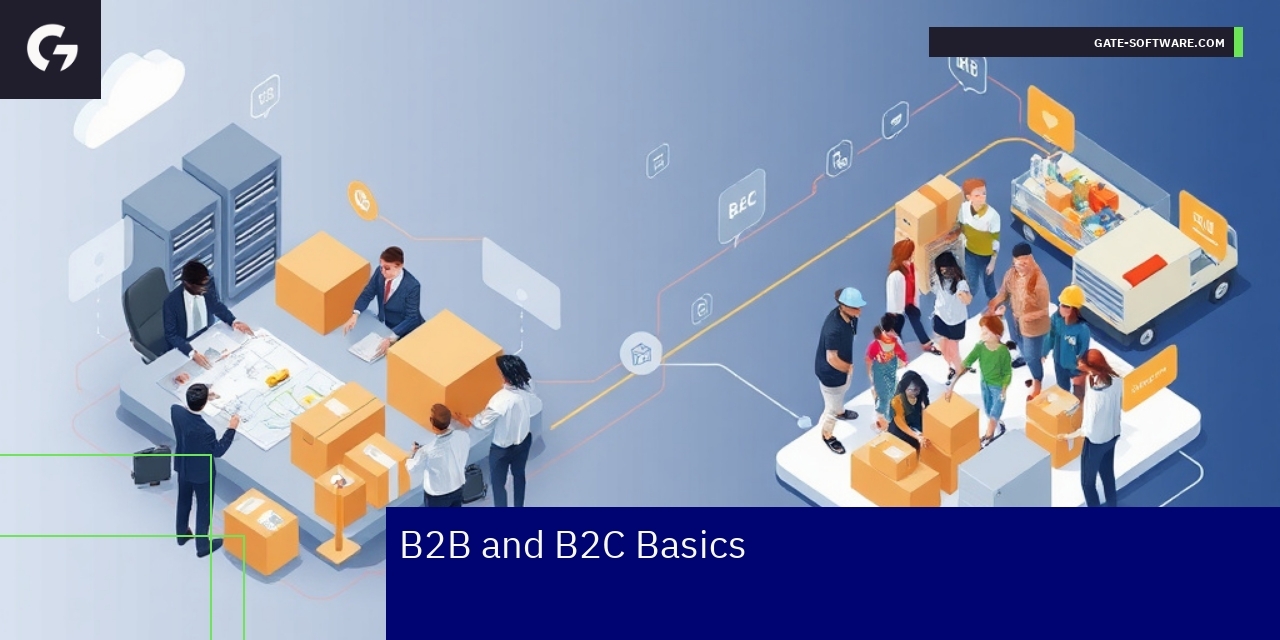
The distinction between B2B (business-to-business) and B2C (business-to-consumer) models is fundamental yet pivotal in shaping effective e-commerce and digital strategies. B2B involves transactions between businesses, requiring tailored solutions that address complex decision-making processes, long sales cycles, and multiple stakeholders such as Architects, eCommerce Managers, and CTOs. Conversely, B2C focuses on direct consumer engagement, which prioritizes faster buying decisions, user experience, and emotional marketing.
Key differences between B2B and B2C include the nature of the customer relationship and buying behavior. B2B transactions often demand robust integrations, thorough UX/UI audits, and compliance with standards such as WCAG 1.1 to ensure accessibility and seamless platform performance. These factors are critical to supporting sustained partnerships and operational scalability. Additionally, B2B platforms benefit from content strategies like Content Strategy 5.0 that emphasize tailored communication for key personas, facilitating clear and effective brand voice alignment.
In terms of application, B2B e-commerce projects demand specific approaches such as Magento™ hosting solutions, SLA-backed services, and precise cost optimization tailored to enterprise-level requirements. Examples range from industrial supply chain platforms to large-scale SaaS services, where security, performance monitoring, and migration strategies play a crucial role. Understanding these differences and implementing best practices catered to the B2B context ensures not only compliance with market standards but also drives competitive advantage through technology and strategic alignment with business goals.
How Does B2B Ecommerce Work?
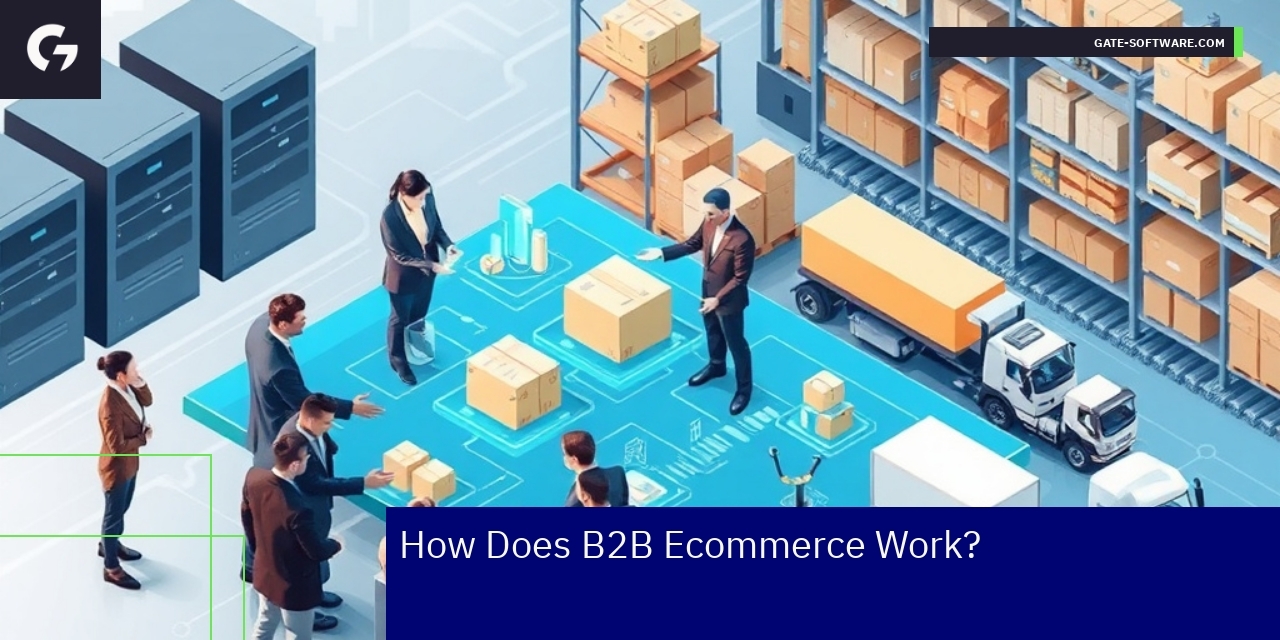
The purchasing process in B2B ecommerce involves multiple stages designed to meet the complex needs of business clients. Initially, businesses identify their requirements in terms of products or services. This is followed by a thorough search for potential suppliers who can fulfill those needs, often leveraging online platforms specialized for B2B transactions. The process frequently includes issuing Requests for Proposal (RFPs) to gather detailed offers and negotiate terms, which is crucial for optimizing costs and supply chain conditions.
Once suppliers and buyers agree on pricing, delivery schedules, and contractual terms, a purchase order formalizes the commitment. The supplier then proceeds with order fulfillment, ensuring timely and accurate delivery. Post-delivery, the purchasing business evaluates supplier performance to maintain quality standards and dependability. This evaluation is a critical feedback loop sustaining long-term cooperation and improving procurement strategies.
Technical and functional requirements play a pivotal role in enabling seamless B2B ecommerce operations. Platforms must offer a user-friendly interface tailored to business buyers, who demand efficient navigation through extensive product catalogs. Robust catalog management allows detailed product descriptions, pricing variations, and real-time inventory visibility. Integration capabilities are essential to connect ecommerce systems with ERP and CRM platforms, facilitating synchronized data flow and streamlined procurement processes.
Security is paramount, particularly in secure payment processing and safeguarding sensitive business information. Supporting multi-user accounts with varied roles ensures collaboration within purchasing teams, aligning with organizational hierarchies and approval workflows. Advanced search options help users quickly filter products by specifications, compliance, or availability. Additionally, real-time order tracking and responsive customer support are indispensable for maintaining transparency and resolving issues promptly.
Together, these elements ensure B2B ecommerce platforms accommodate the unique challenges of business sales, delivering efficiency, compliance, and user satisfaction aligned with Gate-Software expertise and solutions.
Understanding the B2B System
Shipping Custom Orders
Understanding the B2B System
Shipping custom orders in the B2B context requires a deep understanding of the system b2b’s complexities. Companies operating with ecommerce b2b platforms must manage diverse logistical and operational challenges, ensuring that manufacturers selling retail and wholesale products can efficiently fulfill orders. A robust platforma b2b supports customization options, allowing wholesalers selling to physical and online stores to tailor shipment processes according to client specifications. This adaptability is crucial for stores operating or planning B2B sales, where order accuracy and timely delivery are paramount. The system must also accommodate separate offers for retail and wholesale clients, making sure that shipping terms reflect these distinctions clearly and transparently within the ordering workflow.
Choosing the Right B2B Platforms
Selecting the appropriate platformy b2b is essential to handle the complexities of shipping custom orders effectively. The chosen platform must integrate seamlessly with existing ecommerce b2b infrastructure to streamline operations for manufacturers selling retail and wholesale. It should facilitate logistics management for wholesalers selling to physical and online stores by providing real-time tracking, automated documentation, and flexible shipping options. For stores operating or planning B2B sales, the platform needs to support differentiated shipping strategies aligned with separate offers for retail and wholesale clients. This ensures that customized orders are processed with precision, enhancing customer satisfaction and operational efficiency across the supply chain.
Cost of Setting Up a B2B Store – What Are the Real Costs?
Shipping Custom Orders
LinkedIn B2B – Communication & Marketing
Using B2B Platforms
In the B2B sector, leveraging system b2b solutions is critical for businesses aiming to optimize both communication and sales processes. Platformy b2b enable manufacturers selling retail and wholesale to streamline operations by integrating features such as efficient product search (Elastic Search), which enhances the customer journey by allowing buyers to find products quickly and accurately. For stores operating or planning B2B sales, a platforma b2b offers the flexibility to manage complex catalogs and volumes of orders., ensuring that wholesalers selling to physical and online stores. can fulfill demand promptly. Additionally, these systems support a personalized cooperation approach, establishing tailored workflows and communication channels that meet specific client needs, improving engagement and retention.
Advantages of B2B Systems
B2B ecommerce brings significant benefits, especially when implemented with advanced platformy b2b. Separate offers for retail and wholesale clients ensure that pricing, promotions, and product availability are optimized for varied buyer segments, preventing overlaps and confusion. Manufacturers selling retail and wholesale gain greater control over inventory and distribution with these systems, and the possibility to add dedicated options. enhances customization capabilities, addressing unique requirements such as contract terms, delivery schedules, and payment methods. This level of sophistication supports stores operating or planning B2B sales in scaling operations efficiently while maintaining high levels of customer satisfaction.
B2B Ecommerce in Practice
Practically, ecommerce b2b platforms must facilitate seamless order management and integration within existing workflows. Efficient product search (Elastic Search) technology plays a pivotal role in reducing friction during the product selection phase, vital for businesses processing large volumes of orders. A personalized cooperation approach ensures that manufacturers selling retail and wholesale, and wholesalers selling to physical and online stores. can deliver flexible solutions tailored to diverse client expectations. Furthermore, system b2b implementations allow for differentiated pricing models and exclusive catalogs through separate offers for retail and wholesale clients, fostering loyalty and repeat business. The success of platformy b2b in practice lies in their ability to adapt to complex market demands while ensuring operational efficiency.
Omnibus Directive in B2B – What to Know
Introduction to B2B Regulations
The Omnibus Directive plays a crucial role in shaping the landscape of system b2b and ecommerce b2b by setting clear standards that platforms must follow to ensure transparency and fairness in commercial transactions. For platformy b2b operating in diverse sectors, this directive demands precise adherence to regulations regarding product offer presentation. It emphasizes that manufacturers selling retail and wholesale must clearly distinguish offers intended for different client segments, supporting stores operating or planning B2B sales in maintaining compliance and competitiveness. Access to offers – modern B2B stores enable seamless and differentiated access, facilitating separate offers for retail and wholesale clients, which directly aligns with legal expectations. Understanding regulations in B2B ecommerce under the Omnibus Directive is essential for ensuring that all participants—from wholesalers selling to physical and online stores to emerging B2B platforms—remain trustworthy and compliant.
Understanding B2B Ecommerce Regulations
In the context of ecommerce b2b, the Omnibus Directive sets guidelines that directly impact how platforma b2b manage customer interactions, transactions, and disclosures. The directive requires clarity about the terms of sale and the presentation of product offers, which means ecommerce platforms must carefully tailor access and visibility of offers to meet varied business client needs. Modern system b2b must support wholesalers selling to physical and online stores by providing transparent processes and easy access tailored to B2B purchaser profiles. These requirements highlight the necessity of enabling separate offers for retail and wholesale clients, ensuring that stores operating or planning B2B sales can rely on their platform’s ability to efficiently segment and present product information. Navigating understanding regulations in B2B ecommerce also means staying on top of ongoing updates, ensuring that all product offer presentation strategies and access to offers – modern B2B stores enable – remain in full regulatory compliance to foster business growth and client trust.
B2B Digital Marketing – How to Choose Strategy?
Strategies for B2B Platforms
Choosing the right strategy for B2B digital marketing starts with leveraging the appropriate platformy b2b that align with business goals and client expectations. Platforma b2b must enable an efficient product search (Elastic Search) feature to help buyers find products quickly within extensive catalogs. For manufacturers selling retail and wholesale, and wholesalers selling to physical and online stores, the system b2b should support complex order workflows and accommodate various buying processes. A personalized cooperation approach is critical – strategies should focus on creating tailored experiences that meet the unique requirements of different B2B personas, offering the possibility to add dedicated options that enhance customer satisfaction and streamline ordering. By integrating ecommerce b2b solutions with seamless catalog management and product visibility, businesses can drive more effective engagement with their target clients.
Using the B2B System in Marketing
The use of a robust system b2b forms the backbone of a successful marketing strategy in the B2B sector. Such platformy b2b empower marketing teams to design targeted campaigns based on real-time insights into orders. They facilitate personalized cooperation approach possibilities by enabling businesses to customize offers and communications to specific client segments. Efficient product search (Elastic Search) functionalities embedded in these platforms enhance user experience, making product discovery intuitive and fast. For manufacturers selling retail and wholesale as well as wholesalers selling to physical and online stores, the platforma b2b must support scalable integration of dedicated options tailored to market demands. Leveraging these systems ensures streamlined operations and aligns marketing and sales strategies tightly with buyer journeys, thereby increasing conversion rates and fostering long-term partnerships.
Integrating Online Stores with Wholesalers
How to Choose B2B Platforms?
Selecting the right platformy b2b is a critical step for companies aiming to streamline their ecommerce b2b operations and enhance collaboration with wholesalers. Decision-makers such as CTOs and eCommerce Managers must evaluate systems based on their scalability, flexibility, and support for complex pricing and product configurations. A system b2b that supports both manufacturers selling retail and wholesale alongside wholesalers selling to physical and online stores will ensure seamless sales processes. Consideration should also be given to the platforma b2b’s ability to integrate with existing ERP and inventory management systems and the possibility to add dedicated options tailored to wholesale buyers. Understanding how to prepare an offer for wholesale buyers? is also essential—this includes incorporating key product offer elements in B2B stores. Choosing a platform that simplifies offer preparation while providing customization capabilities will directly support business growth and operational efficiency.
Benefits of B2B System Integration
Integrating online stores with wholesalers through a robust system b2b unlocks significant efficiencies and competitive advantages. Integration facilitates real-time inventory updates, automatic order processing, and synchronization of product catalogs across different sales channels, providing wholesalers and manufacturers selling retail and wholesale a unified view of their operations. This reduces errors, enhances customer satisfaction, and accelerates order fulfillment. Additionally, integration of platformy b2b supports advanced pricing models and the possibility to add dedicated options catering to the unique needs of wholesale buyers. It reinforces the relationship between wholesalers selling to physical and online stores by offering transparent communication and streamlined workflows. Properly integrated B2B systems also enable ecommerce b2b businesses to implement key product offer elements in B2B stores effectively, which enhances the buyer experience and supports smarter purchasing decisions.
Implementing a B2B Store – Is It for You?
Decisions on B2B Platforms
Implementing a system b2b store requires careful consideration of various technical and business factors essential for ecommerce b2b success. Modern platformy b2b provide not only sophisticated back-end architectures but also seamless front-end experiences focused on understanding the B2B system in practice. This understanding is pivotal in designing systems that allow manufacturers selling retail and wholesale their products effectively by balancing complex pricing, diverse customer types, and specialized catalogs. Access to offers – modern B2B stores enable dynamic and personalized product offer presentation, which is crucial for wholesalers selling to physical and online stores looking for tailored pricing and order workflows. Decision-makers such as CTOs and Heads of Applications must evaluate integration capabilities, scalability, and compliance with business rules unique to B2B transactions.
Selecting the right platforma b2b impacts how efficiently a business can manage customer hierarchies, negotiate terms, and streamline order processes. The ability to provide extensive access to offers – modern B2B stores enable comprehensive and segmented visibility into inventory and pricing directly influences buyer satisfaction and retention. In B2B ecommerce, systems must support complex workflows like bulk ordering, contract pricing, and reorder automations, which require robust platform functionalities. The implementation also demands a focus on technical extensibility and UX/UI principles to ensure clarity in product offer presentation across diverse user personas, encompassing both internal and external stakeholders. Given the dual sales channels for manufacturers selling retail and wholesale and wholesalers serving multiple store formats, flexibility in platform configuration is indispensable.
Furthermore, a successful system b2b must support evolving business needs, including integration with ERP, CRM, and custom analytics to provide real-time insights on sales and inventory. Gate-Software’s approach leverages these elements by aligning technical architecture with business strategies in B2B ecommerce b2b environments. The decision to implement or upgrade a platforma b2b hinges on the ability to deliver secure, scalable solutions with seamless access to offers – modern B2B stores enable multiple purchasing scenarios. Hence, comprehending the B2B system in practice and its implications on operational excellence is fundamental for enterprises intent on increasing market reach and operational efficiency through digital transformation initiatives involving wholesalers selling to physical and online stores.
Want to Start a B2B Store? Check Automico B2B!
Benefits of B2B Platforms
Launching a successful B2B operation requires a robust system b2b that efficiently supports both manufacturers selling retail and wholesale and wholesalers selling to physical and online stores. A specialized platforma b2b like Automico B2B offers tailored functionalities designed to manage complex sales workflows, multi-tier pricing, and custom catalogs, essential for managing diverse client needs in ecommerce b2b environments.
Understanding how does the B2B system work? is key to optimizing operational efficiency. Automico B2B integrates seamlessly with existing business processes, supporting automation and scalability. It enables precise control over user roles and permissions, streamlining order management and contract handling. This reduces errors and accelerates transaction cycles, which are pivotal benefits of B2B platform adoption for businesses aiming to enhance their digital presence.
With increasing digitization, platformy b2b must also ensure a user-friendly experience that addresses the unique demands of business customers. ecommerce B2B and Automico combine technical excellence with customizable features, facilitating a smooth buyer journey from catalog browsing to order fulfillment. By leveraging a system b2b built for wholesale and retail manufacturers and wholesalers selling to physical and online stores, organizations gain competitive advantage through efficient processes and improved customer satisfaction.
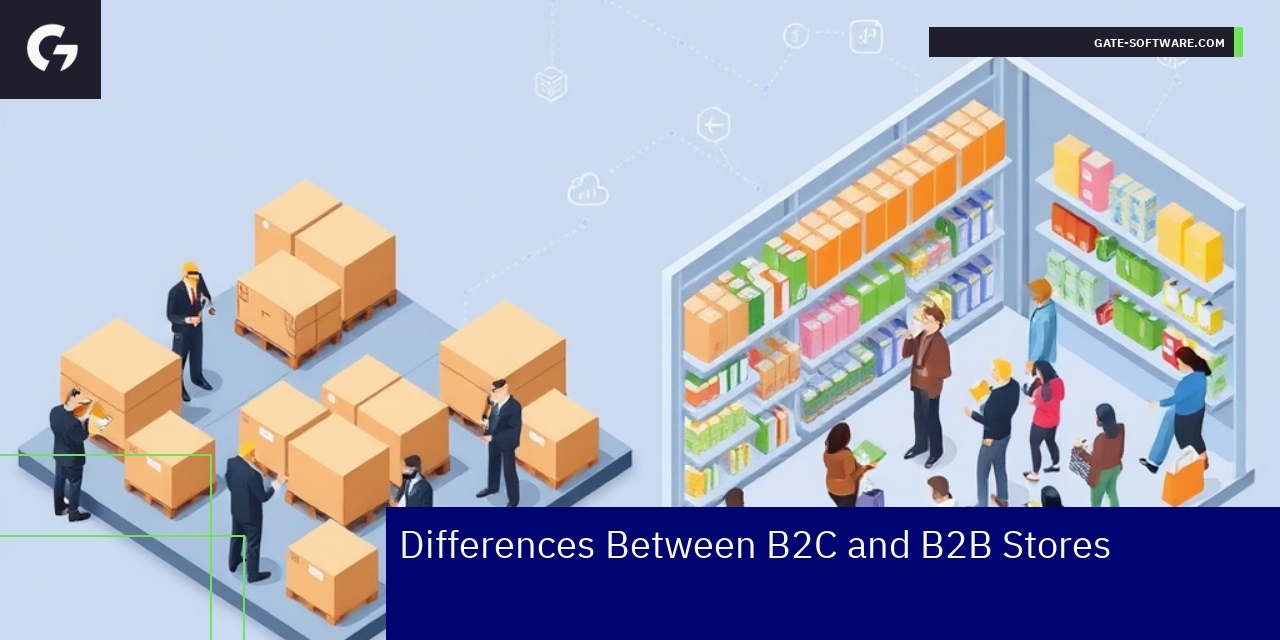
Differences Between B2C and B2B Stores
Comparing B2B and B2C Platforms
The fundamental distinctions between system b2b and B2C platforms lie in their intended audiences, transaction volumes, and complexity of processes. Ecommerce b2b platforms typically serve businesses requiring bulk orders, contract pricing, and extended payment terms, unlike the more straightforward, consumer-oriented interfaces found in B2C systems. Platformy b2b are built to accommodate business workflows, integrating features such as purchase order management and user roles aligned with organizational hierarchies. In contrast, B2C platforms prioritize rapid, intuitive user experiences for individual consumers.
Understanding ecommerce B2B and B2C dynamics is essential for tailoring solutions that address these differences effectively. B2B systems in the B2C context often demand hybrid capabilities, such as manufacturers selling retail and wholesale simultaneously, requiring seamless channel management. This includes wholesalers selling to physical and online stores through a single platforma b2b that supports diverse pricing models and logistics arrangements.
The comparison of B2B and B2C platforms underscores the need for scalability, security, and integration capabilities in system b2b implementations. While B2C focuses on customer engagement and brand experience, ecommerce b2b emphasizes operational efficiency and complex sales cycles. These factors shape how enterprises select and configure their platformy b2b to meet evolving business requirements.
B2B Store Specifics – Start in Several Steps
Choosing a B2B Platform
Selecting the right platforma b2b is a critical phase in launching an effective system b2b that meets the complex needs of manufacturers selling retail and wholesale as well as wholesalers selling to physical and online stores. The steps for choosing a B2B platform begin with understanding the distinct ecommerce b2b in practice requirements: the platform must support bulk orders, flexible pricing models, and user roles reflecting the hierarchical nature of B2B transactions. Since platformy b2b cater to differing market specifics, it is essential to evaluate how well each solution addresses integration with existing ERP systems, supports multi-channel sales, and enables custom workflows that reflect real business processes. The B2B system and market specifics further demand strong security, compliance, and scalability, ensuring that the platform grows alongside business needs. Proper selection aligns with the operational realities of manufacturers and wholesalers, ensuring seamless interaction between buying and selling parties across channels, thus driving efficiency and customer satisfaction in the B2B ecosystem.
Cost of Setting Up a B2B Store – What Are the Real Costs?
The cost of setting up a B2B store involves several critical components that decision-makers must carefully evaluate to fully understand B2B system costs. Choosing the right platforma b2b is the foundational step. Various B2B platforms offer different capabilities and pricing models, ranging from subscription-based ecommerce b2b solutions to custom-built systems tailored for manufacturers selling retail and wholesale or wholesalers selling to physical and online stores. Licensing and implementation fees vary accordingly.
Implementation costs in ecommerce b2b often include platform customization to specific business processes, integration with existing ERP systems, compliance with industry standards, and training key personnel. These costs depend heavily on the complexity of the B2B system and the scale of operations.
Beyond initial software expenses, ongoing B2B platforms and expenditures related to marketing, maintenance, and support are significant. Effective promotion targeting manufacturers selling retail and wholesale segments requires investment in SEO, digital marketing, and personalized communication approaches aligned with customer personas. Handling operational costs such as order management, customer service, and continuous platform optimization is equally important.
Understanding B2B system costs implies acknowledging not just technological investments but also strategic expenses over time. A well-planned cost structure allows businesses to maximize returns on their ecommerce b2b platforma b2b, ensuring scalability and responsiveness to evolving market demands. This holistic approach provides clarity for CTOs, Heads of Applications, and eCommerce Managers focusing on sustainable B2B growth.
Starting a B2B Store – Easier Than You Think!
Simple Steps to the B2B System
Starting a B2B store involves understanding the core aspects of system b2b and implementing ecommerce b2b solutions that align with your business objectives. The journey begins with selecting the right platforma b2b designed to support both manufacturers selling retail and wholesale as well as wholesalers selling to physical and online stores. These platformy b2b should facilitate efficient product management, flexible pricing strategies, and seamless integration with existing ERP or CRM systems. To simplify this process, focus on platforms that offer scalability and customization, enabling you to adapt to evolving market needs.
One of the advantages of ecommerce B2B is its ability to streamline complex sales processes, automate order handling, and provide a personalized shopping experience for business customers. For beginners venturing into B2B platforms, emphasis should be placed on user-friendly interfaces and comprehensive support. Simple steps to B2B system implementation include mapping business requirements, selecting the appropriate technology stack, and ensuring compliance with relevant standards such as WCAG for accessibility. By following these steps, organizations can effectively leverage the power of system b2b to enhance operational efficiency and boost customer satisfaction.
FAQs About B2B Ecommerce
Most frequently asked questions about B2B
Answers to key doubts
In B2B ecommerce, understanding the unique challenges and opportunities of digital trade between businesses is essential. Key concerns often include how to optimize platform performance for large-scale transactions, ensure compliance with industry standards such as WCAG 1.1 for accessibility, and tailor user experience (UX/UI) to meet the expectations of professional buyers with complex decision-making processes. Gate-Software’s extensive expertise in Magento platform maintenance and migration offers proven solutions to these issues, enabling seamless operations and scalability for B2B clients.
Business buyers in B2B environments require rich product data and integrations with ERP and CRM systems to streamline procurement processes. One critical aspect is adopting personalized content strategies that align with the decision-maker personas such as Architects, eCommerce Managers, and CTOs/CIOs. This approach improves engagement by addressing specific pain points and technical requisites.
Furthermore, the implementation of social media and content marketing strategies designed for B2B enhances brand visibility and leads generation. Gate-Software’s approach incorporates clear brand voice guidelines and leverages digital marketing plans to capture the attention of B2B audiences efficiently.
Operational challenges such as cost optimization, SLA adherence, and system monitoring are also pivotal topics. Gate-Software provides expert services that ensure reliable hosting environments, proactive maintenance, and real-time monitoring which reduce downtime and enhance customer satisfaction.
In summary, the focus in B2B ecommerce with Gate-Software centers on delivering tailored, efficient, and technically sound platforms that drive business growth while maintaining compliance and high-quality user experience, framed by strategies solidly rooted in understanding the decision-makers and market demands within the segment.
Data and Performance Metrics – Efficiency, SLA, TCO
Operational Effectiveness in B2B Projects
In the realm of B2B ecommerce, measurable data underscores Gate-Software’s commitment to delivering high-performance services tailored to business clients. Key operational metrics highlight our effectiveness:
1. Project Takeover Time: Gate-Software minimizes project takeover time, averaging just 2 weeks for transitioning clients onto our platforms, ensuring swift operational continuity.
2. On-Time Delivery Rate: An impressive 95% of our B2B projects are delivered on or ahead of schedule, reflecting our focus on adhering to SLAs and customer expectations.
3. Total Cost of Ownership (TCO) Reduction: Clients utilizing our Magento™ solutions experience an average TCO reduction of 30%, thanks to our effective hosting, maintenance, and integration strategies.
4. Number of Implementations: Since inception, Gate-Software has successfully implemented over 120 B2B ecommerce projects, demonstrating our extensive experience and reliability in this sector.
5. Uptime SLA: We guarantee an uptime SLA of 99.9%, ensuring that business operations remain uninterrupted and reliable for our clients, essential for maintaining trust and functionality in B2B environments.
6. Average Client Relationship Duration: Our commitment to client satisfaction leads to an average client relationship duration of over 5 years, indicative of successful partnerships and ongoing support.
7. Performance Monitoring Coverage: Our systems support continuous performance monitoring with 24/7 operational insights, allowing proactive adjustments and optimizations based on real-time data.
These metrics highlight the operational effectiveness, reliability, and cost-saving benefits offered by Gate-Software, providing a solid foundation for businesses seeking to enhance their B2B ecommerce platforms. Quantifiable data not only supports strategic decision-making but also reinforces the value of investing in our services.
Summary
As you navigate the complex landscape of B2B ecommerce, it’s essential to consider the unique benefits that Gate-Software brings to the table. With expertise in implementing advanced solutions like Magento, we understand the specific needs of B2B clients—ranging from custom workflows and sophisticated pricing models to robust SLAs that ensure operational continuity. Our commitment to ongoing monitoring and technical support means your platform remains reliable and efficient, allowing you to focus on strategic growth without the worry of operational downtime.
By partnering with Gate-Software, you gain access to tailored functionalities that enhance user experience, streamline order management, and deliver scalable solutions that grow with your business. Whether you are just starting your B2B journey or looking to enhance your existing infrastructure, our expertise in integrating with ERP and CRM systems, alongside our understanding of regulatory compliance, positions us as a trusted ally in your ecommerce endeavors. We invite you to reach out to us to discover how we can support your goals and elevate your B2B operations to new heights.
FAQ
What distinguishes B2B ecommerce from B2C?
B2B ecommerce focuses on transactions between businesses, requiring more complex processes, longer sales cycles, and multiple stakeholders, while B2C emphasizes direct consumer engagement and faster purchasing decisions.
How does the B2B purchasing process work?
The B2B purchasing process involves identifying needs, searching for suppliers, issuing Requests for Proposal (RFPs), negotiating terms, and formalizing orders through purchase agreements, followed by order fulfillment and evaluation of supplier performance.
Why are Service Level Agreements (SLAs) important in B2B ecommerce?
SLAs are crucial in B2B ecommerce as they ensure platform uptime, rapid technical support, and clearly defined performance metrics, which are vital for maintaining operational continuity and reliability for business clients.
What are the benefits of using a robust B2B platform?
Robust B2B platforms facilitate complex workflows, support bulk orders and contract pricing, enhance customization capabilities, and provide seamless integration with existing systems, ultimately improving operational efficiency and customer satisfaction.
How can businesses effectively implement B2B digital marketing strategies?
Effective B2B digital marketing strategies involve leveraging appropriate platforms for targeted campaigns, integrating personalized content strategies that cater to decision-makers, and utilizing advanced functionalities for product management and customer engagement.
.
.
Zamów bezpłatną konsultację
.
Z nami rozwój Twojego biznesu nabierze tempa! Zapraszamy do kontaktu średnie i duże firmy generujące min. 7 mln PLN obrotu rocznie – tam nasza ekspertyza sprawdza się najlepiej.
.
Kliknij w poniższy przycisk i skontaktuj się z jednym z naszych konsultantów e-commerce
.