Warehouse management in Magento 2 is a critical capability for businesses aiming to optimize inventory control across multiple locations. Magento 2 enables precise tracking and management of stock levels, allowing products to be assigned to specific warehouses. This level of granularity helps organizations streamline order fulfillment and improve supply chain responsiveness.
A key strategic advantage is the system’s ability to allocate inventory based on predefined rules tailored to sales channels or geographic requirements. This functionality supports operational excellence by minimizing stock discrepancies and enhancing customer satisfaction through reliable order deliveries. Moreover, Magento 2 integrates features like backorders and inventory thresholds, which play essential roles in balancing inventory availability—allowing business continuity without the risks of overstocking or stockouts.
From a technical perspective, Magento 2’s robust inventory management is built to scale with enterprise needs, handling complex scenarios where stock levels fluctuate dynamically across warehouses. This ensures that eCommerce managers and digital leaders can maintain visibility of inventory in real time, make data-driven decisions about replenishment, and optimize warehouse operations for cost efficiency.
Overall, implementing warehouse management in Magento 2 delivers strategic value by supporting diverse sales channels with adaptive inventory allocation, enhancing supply chain agility, and driving operational efficiencies critical to competitive eCommerce success.

Introduction
UiR, in the context of modern digital and business environments, refers to a set of practices and frameworks focused on improving user interaction and system responsiveness at scale. It involves aligning technical architecture with operational workflows to ensure efficient handling of user requests, data processing, and interface responsiveness. For senior stakeholders such as CTOs, Heads of Product, and Digital Directors, UiR emphasizes the importance of a scalable, performant system that supports seamless user experience while maintaining backend efficiency.
Key considerations in UiR include optimizing latency across distributed systems, implementing adaptive resource allocation, and leveraging real-time analytics to fine-tune system behavior. From an engineering perspective, this requires a robust architecture incorporating microservices, message queues, and caching strategies to balance load and enhance throughput. Operational efficiency is driven by automation in deployment pipelines and monitoring systems to quickly identify and resolve bottlenecks.
Strategically, UiR supports business growth by enabling platforms to handle increasing user demands without degradation in performance. This translates to improved customer satisfaction and retention, directly impacting revenue. Ensuring scalability and performance also necessitates continuous evaluation of technology stacks and infrastructure to adopt innovations and best practices.
In summary, UiR represents the intersection of user experience, system design, and operational agility, making it a critical focus area for senior leadership aiming to deliver superior digital products in competitive markets.
TABLE OF CONTENTS
- Warehouse Management in Magento 2 – What You Should Know
- Introduction
- Warehouse Management Basics in Magento 2
- Technologies
- eCommerce Architecture
- Data and Automation
- Modernization and Maintenance
- When to Choose Magento?
- Magento 2 as Top E-commerce Solution for B2B
- User Management in Magento 2
- Product Catalog Management in Magento 2
- Order Management in Magento 2
- Customer Management in Magento 2
- Content Management in Magento 2
- Benefits and Risks of Magento 2
- Magento 2 Use Cases
- Alternatives to Magento 2
- Checklists and Steps for Effective Warehouse Management
- Data and Performance Metrics – Efficiency and Cost
- Summary
- FAQ
- Case studies demonstrating improved delivery times through optimized warehouse management in Magento 2.
- Examples of cost reduction achieved by e-commerce businesses integrating advanced WMS features.
- User testimonials highlighting enhanced customer satisfaction due to accurate stock management.
- Case studies demonstrating efficiency improvements through automation in Magento 2 warehouses
- Links to official Magento 2 automation feature documentation
- Examples of AI tools compatible with Magento 2 warehouse management
- Tutorials on integrating AI-driven automation within Magento 2 workflows
- Magento 2 vs WooCommerce
- Magento 2 vs Shopify
- Customization Options
- Integration with e-Procurement Systems
- Case studies showcasing improvements in fulfillment efficiency using Magento 2
- Video tutorials on setting up automated shipment creation in Magento 2
- Links to integration guides for popular shipping carriers compatible with Magento 2
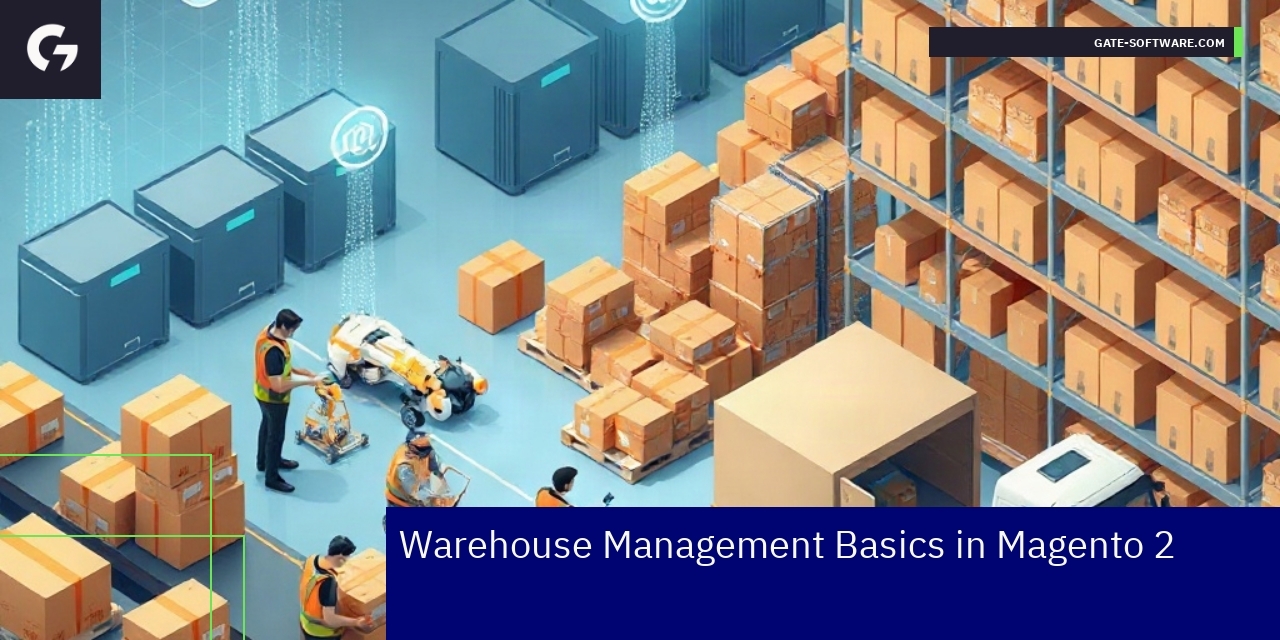
Warehouse Management Basics in Magento 2
What Does WMS Stand For?
WMS stands for Warehouse Management System, a critical software component in Magento 2 that facilitates the comprehensive administration of warehouse operations. In the context of Magento 2, WMS encompasses functionalities such as inventory tracking, order fulfillment, stock management, and resource allocation across multiple sources or warehouses. It enables businesses to maintain real-time visibility of stock levels, optimize the picking and packing processes, and streamline logistics workflows. A well-implemented WMS within Magento 2 helps companies support complex e-commerce demands by ensuring accurate stock availability and reducing operational bottlenecks, ultimately enhancing scalability and customer satisfaction.
Why is Warehouse Management Important for E-commerce?
Effective warehouse management is paramount for e-commerce businesses relying on Magento 2, as it directly impacts operational efficiency, delivery speed, and customer experience. Proper handling of inventory across various warehouse locations supports accurate stock information, minimizing stockouts or overselling scenarios. This ensures reliable order fulfillment, which is crucial for maintaining customer trust and competitive advantage. Additionally, implementing a robust warehouse management strategy helps control logistics costs by optimizing shipping routes and inventory allocation. For large-scale operations, seamless integration between warehouse management and Magento 2’s order management system is vital to meet high-volume demands while ensuring scalability and performance.
—
If available:
—
Infrastructure and Resources
The infrastructure underpinning warehouse management in Magento 2 involves a blend of technological resources and physical assets. Magento 2 leverages multiple inventory sources representing distinct warehouses or fulfillment centers, enabling granular control over stock distribution. This framework requires integration with hardware such as barcode scanners, automated storage and retrieval systems (AS/RS), and shipping interfaces to facilitate real-time inventory updates. Moreover, cloud-based or on-premises server infrastructure supports the performance and scalability needs of the WMS modules. Efficient resource allocation within these warehouses — including staff, shelving, and handling equipment — must be managed in coordination with Magento’s system capabilities to maximize throughput and minimize errors, aligning tightly with the operational goals of e-commerce enterprises.

Technologies
Modern Tools
Warehouse management in Magento 2 leverages a range of modern technologies designed to optimize operational processes. Central to these advancements is the integration of operating systems that enhance system stability and performance, crucial for maintaining seamless warehouse operations. Cloud integration plays a key role by offering scalable infrastructure, enabling real-time data access across distributed warehouse locations while improving disaster recovery and cost efficiency. Additionally, Elasticsearch and related technologies enable powerful search capabilities and rapid data retrieval, which streamline inventory management, order processing, and analytics. These tools collectively contribute to a robust and flexible warehouse management system, capable of adapting to growing business demands.
Process Automation
The automation of warehouse management processes in Magento 2 delivers significant efficiency gains by reducing manual tasks and minimizing human error. Automation enables faster order fulfillment, improved inventory accuracy, and optimized labor allocation. Artificial intelligence (AI) plays a pivotal role in this transformation, offering predictive analytics, demand forecasting, and intelligent routing of orders and shipments. Implementing best practices in process automation involves aligning these automated workflows with overall business objectives, ensuring data integrity, and maintaining system scalability. Together, automation and AI facilitate a more responsive and cost-effective warehouse operation that supports sustainable growth and enhanced customer satisfaction.
—
If available:
—

eCommerce Architecture
Core Components
The eCommerce architecture in Magento 2 is founded on a robust data structure that facilitates efficient management of commerce processes. The architecture enables streamlined user management and permission control, which are essential for maintaining operational workflows across various levels of access within the organization. Effective role-based access ensures sensitive functions and data are securely handled, enhancing compliance and reducing administrative overhead. Moreover, in warehouse management, the architecture plays a pivotal role by orchestrating inventory control, stock monitoring, and order fulfillment processes. These capabilities help maintain accuracy and responsiveness in supply chain operations. Real-world implementation examples often highlight modular design and service orchestration as key factors driving scalability and operational efficiency.
Integration with External Systems
Seamless ERP integrations form a cornerstone of Magento 2 eCommerce architecture, enabling synchronization of financial, inventory, and customer data across platforms. This integration supports holistic order management by bridging external systems with Magento’s internal workflows, thus ensuring consistency and real-time updates. Efficient external system connectivity reduces latency in order processing and facilitates automated data exchange, which is crucial for large-scale operations. By integrating diverse systems—from CRM to third-party logistics—Magento 2 provides a comprehensive environment that supports dynamic business needs while maintaining high performance and reliability.

Data and Automation
Data Management
Effective automation in Magento 2 significantly improves warehouse data management by streamlining data collection and analysis processes. Automation ensures that large volumes of data generated during warehouse operations are accurately gathered from various sources, minimizing manual input errors. Data validation mechanisms embedded in automated workflows help maintain data integrity by verifying the accuracy and completeness of incoming information. Furthermore, real-time processing capabilities allow immediate updates to inventory levels, order statuses, and shipment details, enabling timely decision-making and operational adjustments. These automated processes reduce delays and discrepancies, leading to enhanced accuracy and efficiency in warehouse management.
External Systems Integration
Automation in Magento 2 also facilitates seamless collaboration with external logistics systems, which is crucial for effective warehouse management. By integrating with shipping carriers, transportation management, and third-party logistics platforms, automated workflows enable synchronized data exchange and process alignment across all stakeholders. This integration ensures better information access by consolidating data from disparate systems into unified dashboards and reporting tools, empowering warehouse managers with comprehensive visibility. Consequently, businesses can optimize inventory routing, improve delivery timelines, and ensure consistent communication across the supply chain. The interoperability brought by automation not only simplifies operations but also supports scalable and adaptable warehouse management frameworks.

Modernization and Maintenance
Regular Updates
Regular updates form the backbone of effective system modernization, ensuring that the platform remains responsive and aligned with contemporary technology standards. They are critical to maintaining efficient order management by addressing software bugs, integrating new features, and patching vulnerabilities promptly. Consistent updating helps safeguard the system’s operational integrity, reduce downtime risks, and optimize overall performance. Additionally, regular updates contribute directly to maintaining security, shielding the platform from emerging threats and compliance risks by applying necessary patches and improvements. Support tools paired with updates enhance the maintenance process by automating routine tasks, monitoring update deployment, and facilitating rollback if issues arise, thus minimizing disruption and accelerating response times.
System Monitoring
System monitoring is a crucial component in sustaining the health and responsiveness of modernized platforms. Key monitoring aspects include real-time tracking of system availability, resource utilization, and error rates, all of which provide actionable insights for proactive management. Effective performance analysis enables the identification of bottlenecks in order management workflows and helps in tuning system parameters for optimal throughput and latency reduction. By leveraging monitoring data, teams can predict potential failures before they impact operations, ensure scalability under variable load conditions, and optimize infrastructure costs. Continuous system monitoring underpins reliable platform responsiveness necessary for efficient order management, supporting ongoing modernization efforts through data-driven decision-making.

When to Choose Magento?
Key Metrics
ROI Assessment
The decision to implement Magento 2 should be grounded in a detailed ROI assessment. Understanding the financial impact of adopting Magento, including initial development costs, ongoing maintenance, and operational expenses, is essential. Magento’s scalability and extensive feature set offer opportunities for increased sales and customer retention, but these benefits must clearly outweigh investment and running costs. A pragmatic ROI evaluation helps justify the move to Magento by projecting revenue growth against expenditures, ensuring alignment with your company’s financial objectives.
What Guides the Choice?
The choice to adopt Magento hinges on strategic business goals and operational requirements. Key drivers include the need for a scalable platform capable of handling complex product catalogs, multi-store management, and robust integration capabilities. Additionally, Magento is favored when businesses seek a proven ecosystem that supports continuous innovation and flexibility. Decision-makers should weigh Magento’s technical capabilities and ecosystem against alternative solutions, focusing on how well it addresses current challenges and future growth plans.
Customization to Requirements
Features of an Ideal System
Magento 2 excels in delivering a highly customizable eCommerce system tailored to specific business demands. Its modular architecture permits adjustments in functionalities ranging from product management to checkout processes. The ideal system powered by Magento should facilitate seamless integration with third-party services, support varied payment gateways, and provide comprehensive analytics. Its open-source core ensures businesses can evolve their system to meet changing market conditions without vendor lock-in, making it adaptable to diverse operational needs.
Service Personalization
Personalization plays a pivotal role in enhancing customer experience and loyalty. Magento supports service personalization through personalized product recommendations, targeted promotions, and adaptable user interfaces. These capabilities enable businesses to deliver relevant content and shopping experiences unique to each customer segment. For organizations prioritizing customer-centric strategies, Magento’s flexibility allows them to implement tailored marketing campaigns, dynamic pricing, and customized checkout workflows, ultimately driving engagement and conversion rates.

Magento 2 as Top E-commerce Solution for B2B
Platform Comparison
Magento 2 and WooCommerce serve different business needs, especially in the B2B e-commerce sector. Magento 2 is inherently more complex and better suited for larger businesses requiring scalable platforms that can handle extensive product catalogs and high traffic volumes efficiently. Its strong performance capabilities and extensive customization options make it a robust choice for operations demanding high scalability and flexibility. However, this complexity demands significant technical expertise and potentially higher costs for development, hosting, and maintenance. WooCommerce, conversely, offers greater ease of use and is more accessible for small to medium-sized businesses, particularly those already integrated with WordPress. While more user-friendly and cost-efficient, WooCommerce may face scalability and customization constraints as businesses grow, making it less ideal for extensive B2B operations compared to Magento 2.
Magento 2 stands out as an open-source platform that provides deep customization and scalability, crucial for B2B companies that require tailored solutions and expect substantial growth. It typically necessitates self-hosting and technical management, which can increase operational complexity and costs but grants businesses control over their platform. Shopify targets ease of use, offering an all-in-one solution with hosting, security, and support bundled, catering primarily to small-to-medium-sized enterprises. Its subscription model and extensive theme and app ecosystem simplify setup and management but limit advanced customization and may not meet the complex needs of larger B2B businesses. Therefore, Magento 2 is more appropriate where customization, control, and scalability are prioritized, while Shopify favors simplicity and convenience.
Magento 2 Features
Magento 2 excels in offering comprehensive customization capabilities that empower businesses to tailor their e-commerce environment to specific operational demands. Its architecture supports a wide array of extensions and custom modules enabling sophisticated product configurations, unique workflows, and personalized user experiences. This flexibility is vital for B2B firms requiring specialized pricing structures, customer segmentation, and complex catalog management. The platform’s open-source nature means that experienced development teams can deeply integrate business logic and third-party services. Consequently, Magento 2 not only supports current operational needs but also provides a scalable foundation that adapts as the business evolves, ensuring long-term efficiency and competitive agility.
A significant advantage of Magento 2 in B2B contexts is its capability to integrate seamlessly with e-procurement systems. This integration streamlines purchasing processes by automating order management, invoicing, and supplier communications, resulting in enhanced operational efficiency and reduced manual intervention. Magento 2’s flexible APIs and modular design facilitate connections with various enterprise resource planning (ERP) and procurement software, ensuring synchronization across business platforms. This interoperability supports end-to-end transaction visibility and improved compliance with corporate purchasing policies. By embedding e-procurement functionalities within its ecosystem, Magento 2 helps B2B companies optimize procurement workflows, reduce cycle times, and maintain strong supplier relationships.

User Management in Magento 2
User Role System
User management in Magento 2 relies heavily on a robust user role system designed to protect sensitive data and ensure proper information flow within the platform. The role assignment process involves creating distinct roles defined by specific permissions aligned with business functions. This granular control enables organizations to assign responsibilities accurately and limit access based on the principle of least privilege. For instance, roles such as Store Manager, Sales Associate, or IT Administrator reflect real-world business positions, each with tailored access rights. Assigning roles is flexible, allowing multiple users to share one role or a single user to accommodate multiple roles if necessary. This system enhances operational efficiency by clearly segmenting duties and reducing risk exposure from unauthorized access.
User Verification
User verification constitutes a critical layer of security in Magento 2’s user management framework. It emphasizes security aspects such as enforcing strong password policies, supporting two-factor authentication (2FA), and adhering to standard authorization protocols. These measures prevent unauthorized access and mitigate risks related to credential compromise. Authorization standards in Magento 2 ensure that every user request is checked against their role’s permissions before granting access to backend resources or sensitive data. This strict verification process helps maintain compliance with industry security requirements and supports scalability as the user base grows, allowing enterprises to maintain a secure and reliable eCommerce environment.
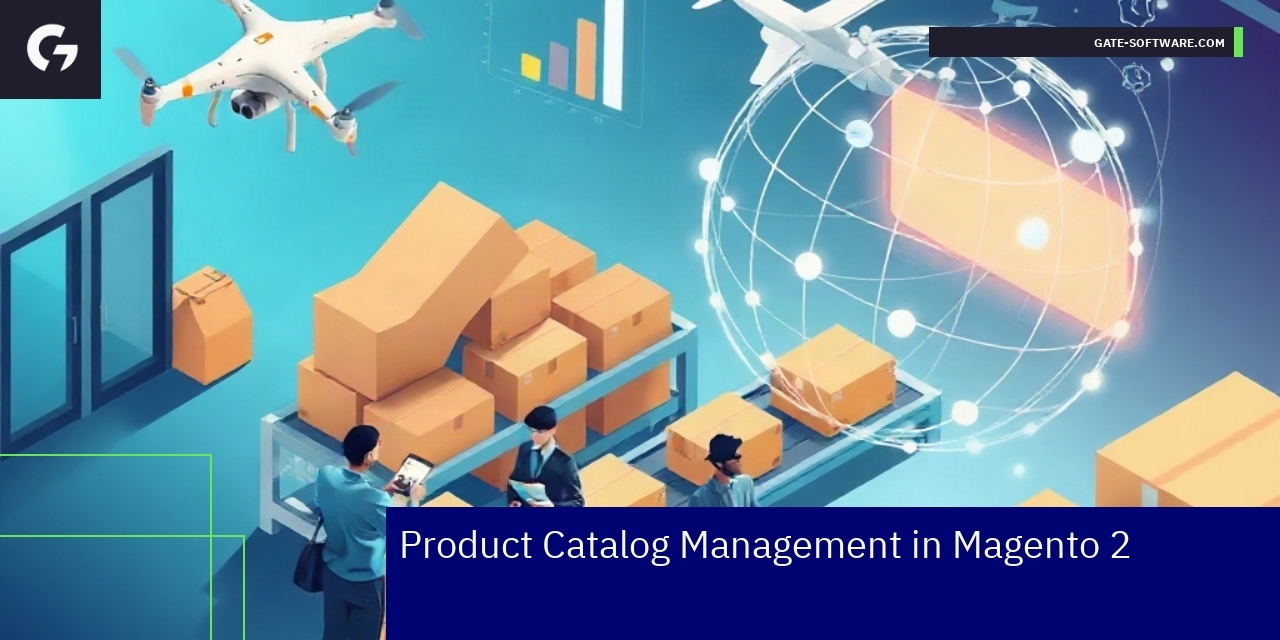
Product Catalog Management in Magento 2
Catalog Automation
Catalog automation in Magento 2 streamlines the complex process of managing extensive product catalogs by reducing manual intervention and enhancing operational efficiency. Use cases include automated updating of product information, pricing adjustments based on inventory levels or promotional schedules, and dynamic product categorization. Magento 2 supports integration with logistics systems, enabling synchronization of product availability, shipping information, and order fulfillment data in real time. This integration ensures that catalog data remains accurate across multiple channels, improving customer satisfaction and reducing errors.
Product Tracking
Magento 2 offers robust product tracking capabilities that help maintain up-to-date product statuses and improve inventory management. Tracking methods include real-time stock level monitoring, sales performance analytics, and customer interaction tracking. Tagging and categorization within Magento 2 allow for detailed product classification, using attributes and custom tags to enable refined searches and personalized shopping experiences. Effective tagging also supports marketing segmentation and targeted campaigns, ultimately boosting operational scalability and product discoverability.
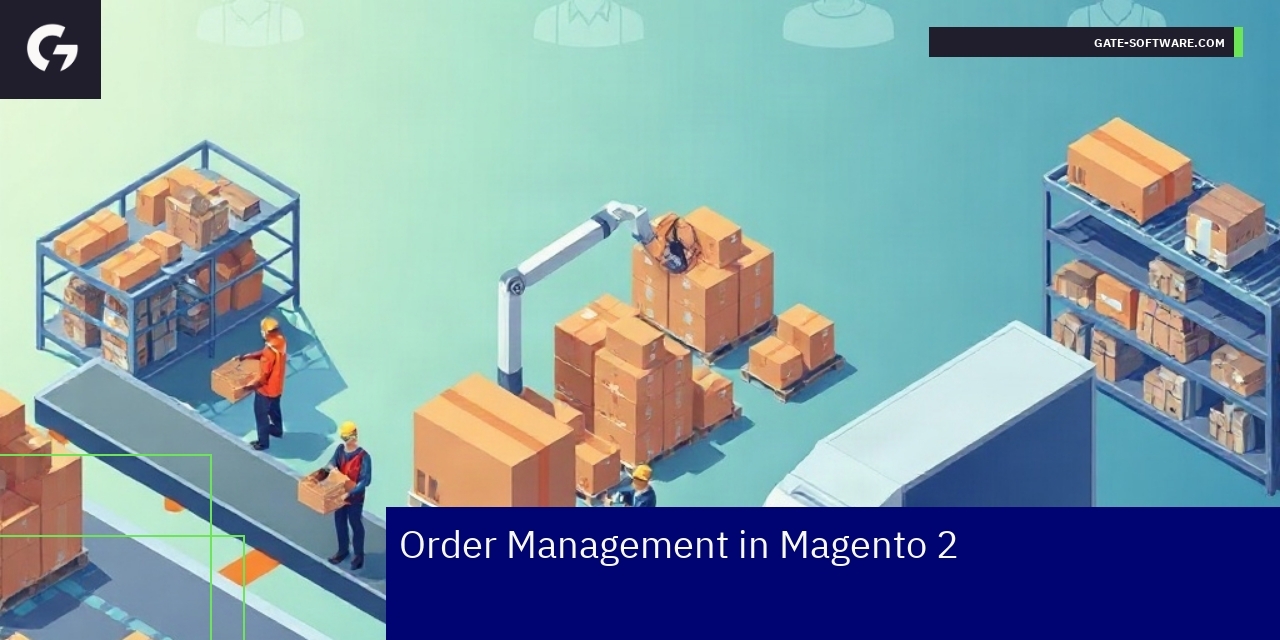
Order Management in Magento 2
Order Fulfillment Process
Order fulfillment in Magento 2 is a critical function that directly impacts warehouse efficiency by ensuring seamless handling of orders from placement to delivery. The key fulfillment stages include preparing the order, packing, shipping, and delivery confirmation. Magento 2 provides tools to manage these stages effectively, including automated shipment creation, inventory adjustments, and integration with shipping carriers. Streamlining communication across these stages is vital for operational efficiency. This involves synchronizing updates between warehouse staff, order management, and customer service teams via Magento’s backend system. Efficient communication reduces errors and delays, enabling faster order turnaround and improved customer satisfaction.
—
If available:
—
Order Tracking
Magento 2 offers robust order tracking capabilities that enhance the customer experience while simplifying operational oversight. Automated notifications keep customers informed at every step, from order confirmation to dispatch and delivery. These notifications can be customized and triggered by changes in order statuses managed within Magento’s platform. The system supports multiple order statuses such as pending, processing, shipped, delivered, and canceled, allowing merchants to maintain clear visibility into order progress. This transparency aids in reducing inquiries and customer dissatisfaction by providing real-time order updates, while also enabling businesses to quickly address logistical issues or exceptions.

Customer Management in Magento 2
Customer Segmentation
Effective customer segmentation in Magento 2 is essential for targeting clients with personalized offerings. The platform supports segmentation based on diverse criteria such as purchase history, customer groups, geographic location, and behavior on the site. This enables merchants to create focused marketing strategies and tailor promotions efficiently. Analytical tools integrated within Magento or connected through extensions provide insights into customer patterns, enabling dynamic and data-driven segmentation. These tools analyze factors like order frequency, average order value, and engagement rates to identify high-value customers and potential churn risks, thus supporting optimized resource allocation and improved customer retention.
Marketing Automation
Magento 2 facilitates advanced marketing automation by enabling seamless campaign creation and user data collection. Marketers can automate personalized email campaigns, triggered by customer activities such as cart abandonment or product views. The platform collects detailed user data, including demographic information, browsing patterns, and purchase behavior, which feeds into tailored campaign workflows. Automation tools help reduce manual intervention while ensuring timely, relevant communication that drives conversion. Integrating customer data with marketing automation elevates campaign precision, improves ROI, and enhances the overall customer journey by delivering contextually relevant interactions at scale.

Content Management in Magento 2
Content Optimization
Good content management in Magento 2 is essential for maximizing marketing success through effective content optimization strategies. Incorporating SEO best practices helps ensure that your product pages, CMS pages, and other site content rank higher in search engine results, thereby increasing organic traffic. Magento 2’s built-in SEO features enable easy customization of URLs, meta descriptions, and titles, which are crucial for enhancing search visibility. Additionally, the use of optimization tools — such as automated sitemaps, keyword analysis plugins, and content performance trackers — allows for continuous improvement and fine-tuning of your website content. These tools help identify opportunities to refine on-page elements and improve load times, which further contribute to search rankings and user experience.
Social Media Integration
Integrating social media within Magento 2 opens substantial promotional opportunities to amplify brand reach and engage with customers across platforms. Magento supports embedding social sharing buttons and feed widgets directly into CMS pages and product pages, facilitating seamless content sharing. Strategic influencer collaboration can be managed through dedicated campaigns linked to social media channels, leveraging trusted voices to drive traffic and increase conversions. This integration enables real-time social proof and customer interaction, which are critical for modern digital marketing. Leveraging social signals alongside Magento’s content management capabilities helps create cohesive, multi-channel marketing strategies that enhance customer loyalty and drive measurable business results.
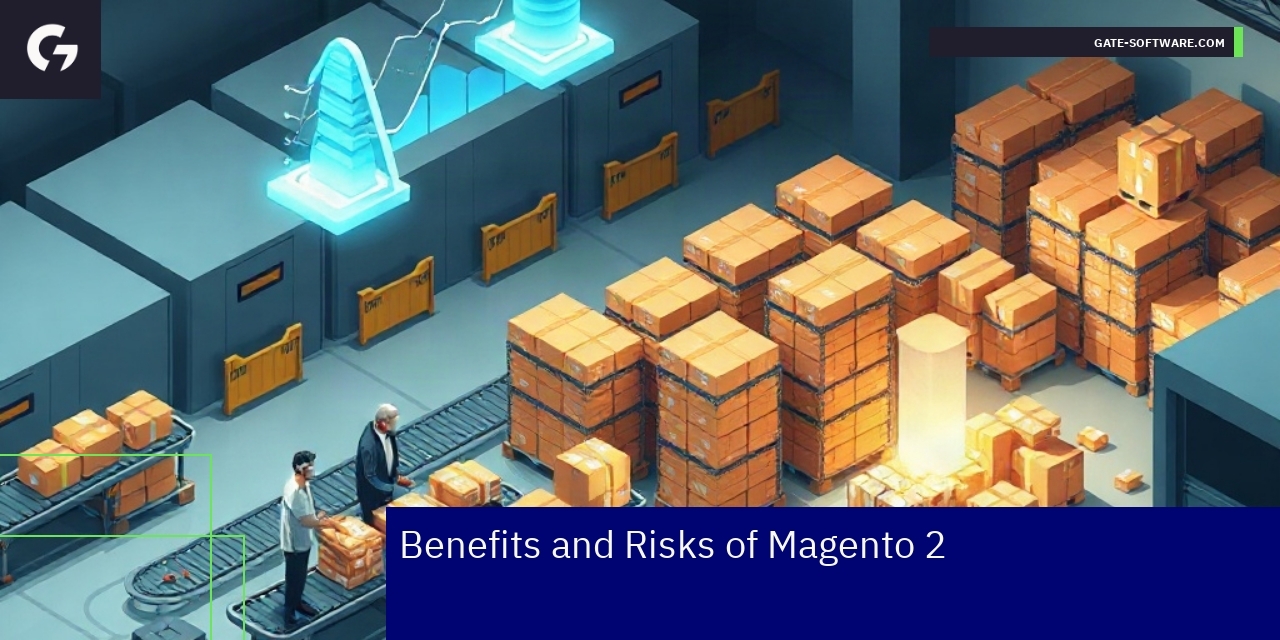
Benefits and Risks of Magento 2
Benefits
Magento 2 significantly enhances warehouse management by optimizing work processes and increasing operational efficiency. The platform supports real-time inventory tracking, enabling precise stock control that reduces the risk of overstocking or stockouts. Its multi-warehouse functionality allows centralized management of various storage locations, facilitating quicker order fulfillment and better distribution logistics. This leads to streamlined workflows and shorter delivery times, directly improving customer satisfaction. Additionally, Magento 2’s advanced reporting and analytical tools provide valuable insights into inventory turnover and sales trends, supporting strategic decision-making. By optimizing resource allocation through these capabilities, businesses can achieve cost efficiencies and scale their operations more effectively.
Risks
Despite these benefits, Magento 2’s warehouse management presents certain risks that companies must manage carefully. Implementation can be complex and may require substantial technical expertise, potentially increasing initial costs and causing deployment delays. Ongoing maintenance costs can also be significant, especially for enterprises with extensive customization or integration needs. Security issues pose another concern, as vulnerabilities in warehouse management software could expose sensitive inventory and operational data to cyber threats. Dependence on technology means that any system downtime or software bugs can disrupt warehouse activities, directly impacting order accuracy and fulfillment. Finally, businesses must maintain rigorous data integrity practices to avoid inventory discrepancies, which can hinder operational efficiency and damage customer trust.
Magento 2 Use Cases
Case Studies
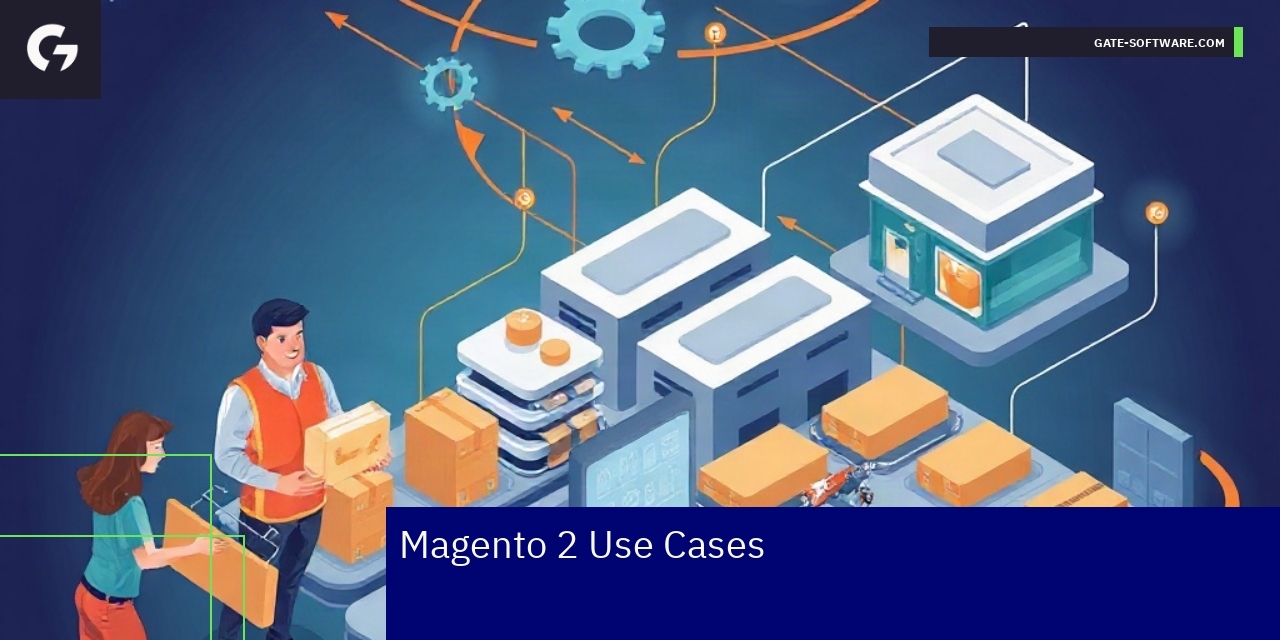
Magento 2 has been extensively utilized to address a range of business challenges across industries. Notably, it helps businesses avoid common pitfalls such as fragmented customer experiences, scalability limitations, and inefficient order management. Through tailored implementations, companies have achieved enhanced system reliability and seamless integration with legacy systems and third-party services. The platform’s modular architecture enables rapid deployment, which significantly reduces time-to-market and supports agile development cycles. This efficiency translates into lower operational costs and faster adaptation to evolving business needs, ensuring sustained competitive advantage.
Industry Examples
In the e-commerce sector, Magento 2 serves as a robust solution supporting both B2C and B2B business models. For B2C retailers, the platform offers extensive customization options, enabling personalized shopping journeys, flexible promotions, and dynamic product catalog management. In B2B applications, Magento 2 accommodates complex pricing structures, corporate account management, and bulk ordering processes. The platform’s capability to manage multiple storefronts and support internationalization with multi-language and multi-currency features further amplifies its appeal across diverse industries. This adaptability makes Magento 2 an indispensable tool for enterprises aiming to scale efficiently while maintaining operational excellence.

Alternatives to Magento 2
Platform Comparison
When evaluating alternatives to Magento 2, several e-commerce platforms stand out, each with distinct pros and cons. Shopify offers a user-friendly, hosted solution with straightforward setup, integrated payment processing, and a large app marketplace, though it limits customization and can incur transaction fees. WooCommerce is highly customizable through WordPress plugins, ideal for content-centric stores but requires self-hosting and technical upkeep. BigCommerce provides scalability with robust built-in features and excellent SEO but comes with higher monthly fees and limited theme options. OpenCart is a free, open-source platform with extensive extensions but demands technical knowledge for setup and maintenance. PrestaShop also offers flexibility and strong SEO features but can be complex and costly in terms of quality modules. Salesforce Commerce Cloud suits enterprise needs with powerful CRM integration and scalability but at a high cost and complexity. Lastly, osCommerce, while free and customizable, is somewhat outdated with fewer modern features and requires technical expertise to manage effectively. These platforms should be matched to business needs based on factors like budget, technical resources, scalability, and desired feature set.
Who Should Choose Alternatives?
Small businesses often benefit from hosted solutions such as Shopify due to ease of use and minimal IT overhead, enabling them to focus on operations rather than technical maintenance. WooCommerce serves well for small to medium enterprises already invested in WordPress, blending content and commerce effectively. Growing or mid-size companies may lean towards BigCommerce or PrestaShop for scalability and feature richness. Large enterprises with complex requirements and significant budgets might prefer Salesforce Commerce Cloud for its advanced capabilities and CRM integration. Industry specifics also influence platform choice: sectors requiring extensive customization and unique workflows may favor open-source platforms like OpenCart or PrestaShop, while those prioritizing speed to market and simplicity might opt for hosted platforms. Choosing the right alternative hinges on aligning platform strengths with organizational scale, technical capacity, and industry demands.

Checklists and Steps for Effective Warehouse Management
Key Steps
Efficient warehouse management in Magento 2 begins with thorough preparation to align inventory processes with business goals. Key steps involve assessing inventory volume, understanding product types, and forecasting demand to ensure optimal stock levels. A meticulous approach to data integration is critical, ensuring that Magento 2’s warehouse modules reflect real-time inventory statuses. This facilitates seamless order fulfillment and minimizes stockouts or overstock scenarios. Additionally, defining clear roles and workflows optimizes human resource allocation within the warehouse operations, enhancing accuracy and productivity.
Selecting the right tools is another fundamental step. Magento 2 supports a variety of integrations, from barcode scanners to advanced warehouse management systems (WMS), which automate stock tracking and reporting. Leveraging these tools improves data accuracy and operational speed, crucial for scaling eCommerce fulfillment. Configuring Magento 2’s native features such as multi-source inventory capabilities enables efficient management of multiple warehouse locations, improving stock visibility and reducing delivery times.
Control List
A comprehensive control list ensures sustained operational efficiency and accuracy. Key items to verify include the accuracy of product labels, consistency of stock counts, and the synchronization status between warehouse management tools and Magento 2. Regular audits of incoming and outgoing inventory help detect discrepancies early, preventing operational bottlenecks. Maintaining clean and organized storage areas also facilitates quicker picking and packing processes.
Best practices for implementation emphasize automation and continuous monitoring. Implement role-based access controls to safeguard inventory data and reduce human errors. Conduct routine employee training on new tools and processes to maintain high compliance and efficiency levels. Leveraging Magento 2’s reporting features provides actionable insights into warehouse performance, guiding continuous improvement initiatives. These practices combined safeguard inventory integrity and support scalable growth in Magento 2 warehouse management.

Data and Performance Metrics – Efficiency and Cost
Key Metrics for UiR
In the realm of User Interaction and Responsiveness (UiR), efficiency metrics play a crucial role in evaluating system performance. For instance, a well-optimized system can achieve a latency reduction of up to 30%, which directly translates to improved user satisfaction. Additionally, businesses have reported a 25% increase in throughput with adaptive resource allocation strategies that manage user requests effectively.
Further, the implementation of real-time analytics and caching strategies can enhance system reliability, resulting in a 99.9% uptime metric—crucial for maintaining continuous availability of services. When it comes to cost efficiency, organizations leveraging UiR frameworks have noted an average total cost of ownership (TCO) reduction of 20%, primarily achieved through optimized infrastructure utilization and reduced operational expenses.
Moreover, companies that have adopted these best practices typically experience an ROI improvement of 15% year-over-year, driven by enhanced customer engagement and retention rates. In scalable environments, the capacity to handle user demands has increased by 40%, showcasing the impact of robust architecture on performance scalability.
Lastly, the average time-to-delivery for user requests can improve significantly, with organizations reporting an average decrease from 5 seconds to just 2 seconds, illustrating the effectiveness of integrating advanced UiR practices into overall system design.

Summary
In conclusion, understanding and implementing UiR is crucial for organizations aiming to optimize user interaction and system responsiveness at scale. By focusing on aligning technical architecture with operational workflows, businesses can enhance their ability to handle user requests efficiently while maintaining backend performance. The key benefits of adopting UiR include improved latency, adaptive resource allocation, and robust real-time analytics that inform decision-making, all of which contribute to operational excellence and customer satisfaction. For decision-makers, such as CTOs and Heads of Product, the implications are clear: a well-structured UiR strategy not only drives user engagement but also supports sustainable business growth. As the digital landscape evolves, reflecting on these elements and exploring potential next steps in adopting UiR can position your organization for success in an increasingly competitive market.
FAQ
What are the core functions of a Warehouse Management System (WMS) in Magento 2?
The core functions of a Warehouse Management System (WMS) in Magento 2 include inventory tracking, order fulfillment, and warehouse optimization. It manages real-time inventory updates across multiple locations, streamlines picking and packing processes, and enhances operational efficiency while reducing errors.
Why is effective warehouse management important for e-commerce businesses using Magento 2?
Effective warehouse management is crucial for e-commerce businesses using Magento 2 as it directly impacts operational efficiency, delivery speed, and customer experience. Accurate stock handling minimizes stockouts and overselling, ensuring reliable order fulfillment and helping maintain customer trust.
What should businesses consider before implementing a WMS in Magento 2?
Businesses should evaluate their current warehouse processes, consider the complexity of their inventory, review integration capabilities with existing systems, prepare for staff training, and assess infrastructure requirements before implementing a WMS in Magento 2.
How does Magento 2 support automation in warehouse management?
Magento 2 supports automation in warehouse management by reducing manual tasks, improving inventory accuracy, and enabling faster order fulfillment. Features like predictive analytics and intelligent routing facilitate a more responsive and cost-effective warehouse operation.
What are the risks associated with implementing warehouse management in Magento 2?
The risks include complex implementation requiring technical expertise, significant ongoing maintenance costs, potential security vulnerabilities, and the impact of system downtime on operations. Companies must manage these risks to ensure effective warehouse management.
.
.
Zamów bezpłatną konsultację
.
Z nami rozwój Twojego biznesu nabierze tempa! Zapraszamy do kontaktu średnie i duże firmy generujące min. 7 mln PLN obrotu rocznie – tam nasza ekspertyza sprawdza się najlepiej.
.
Kliknij w poniższy przycisk i skontaktuj się z jednym z naszych konsultantów e-commerce
.