Introduction
Successfully implementing a B2B store requires a strategic, technology-driven approach tailored to the complexities of business-to-business e-commerce. Unlike B2C models, B2B commerce involves multiple stakeholders such as Architects, eCommerce Managers, CDOs, CTOs/CIOs, and Heads of Applications, each addressing unique technical and operational challenges. Gate-Software’s approach to B2B platform development and maintenance, especially with Magento™, emphasizes robust UX/UI design aligned with WCAG standards, ensuring accessibility and seamless user experience for diverse buyer personas.
Critical technical hurdles include integrating advanced business rules, managing complex pricing and catalog structures, and ensuring scalable performance under varying loads. The business challenges revolve around aligning technology solutions with evolving client demands, compliance, and efficient workflow management. Gate-Software’s expertise in maintaining and evolving B2B platforms ensures that these aspects are continuously optimized, reducing operational risks and enhancing digital growth potential.
This blueprint encapsulates essential elements for a successful B2B store launch and ongoing development, combining technological sophistication with strategic oversight, reflecting the core values and methodologies of Gate-Software in supporting enterprise-grade e-commerce solutions.
TABLE OF CONTENTS
- The B2B Commerce Blueprint: How to Successfully Implement a B2B Store
- B2B Definitions and Basics
- Implementing a B2B Store – Is It Right for Me?
- Launching a B2B Store – Easier Than You Think!
- Integrating Your Store with Wholesalers
- Examples and Case Studies
- Comparing B2B vs B2C
- Checklists and Implementation Steps
- Common Mistakes When Starting a B2B Store
- FAQ – Frequently Asked Questions
- Alternatives to the Traditional B2B Model
- Benefits and Risks of B2B E-commerce
- Data and Performance Metrics – Efficiency, SLA, TCO
- Summary
- FAQ
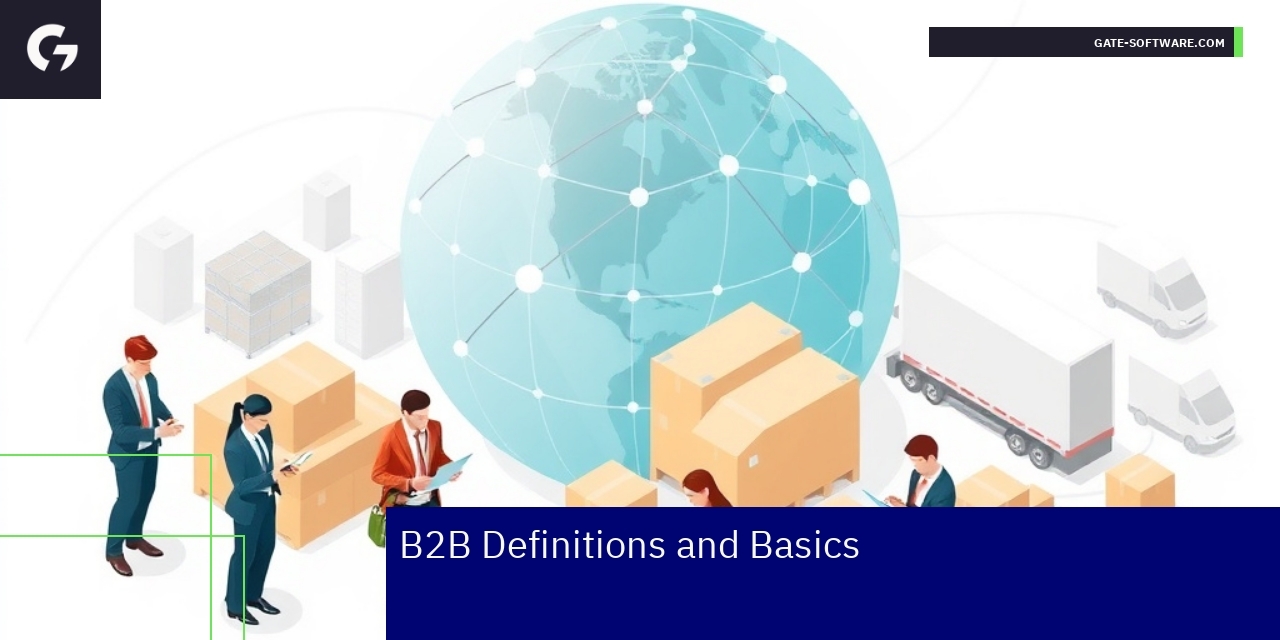
B2B Definitions and Basics
Understanding the state of B2B ecommerce requires a clear definition of what B2B entails in the digital commerce context. B2B, or business-to-business, involves transactions between companies rather than between a company and individual consumers. In digital commerce, this model leverages platforms and technologies tailored to the complex needs of corporate clients, including bulk ordering, personalized pricing, and integration with enterprise systems.
What Is B2B Ecommerce? A Guide for 2025 highlights the evolution of B2B purchasing processes, which are increasingly influenced by consumer-like expectations for seamless, intuitive online experiences. This guide emphasizes the importance of agility in digital platforms to support multi-channel interactions, real-time inventory updates, and sophisticated payment options, all crucial for effective B2B commerce.
Key Challenges in B2B Digital Commerce Transformation Programs often stem from legacy system integration, data synchronization, and aligning diverse stakeholder requirements across sales, IT, and marketing. Overcoming these challenges demands a strategic approach focused on scalable architecture, user experience optimization aligned with WCAG standards, and tight collaboration with technical and business teams. Gate-Software’s expertise in Magento™ and advanced hosting solutions supports these transformation efforts by ensuring system reliability, security, and performance tailored to B2B needs.
By addressing these core definitions and operational hurdles, businesses can build resilient B2B ecommerce frameworks that not only meet current market demands but also adapt to the fast-paced changes forecasted in What Is B2B Ecommerce? A Guide for 2025.
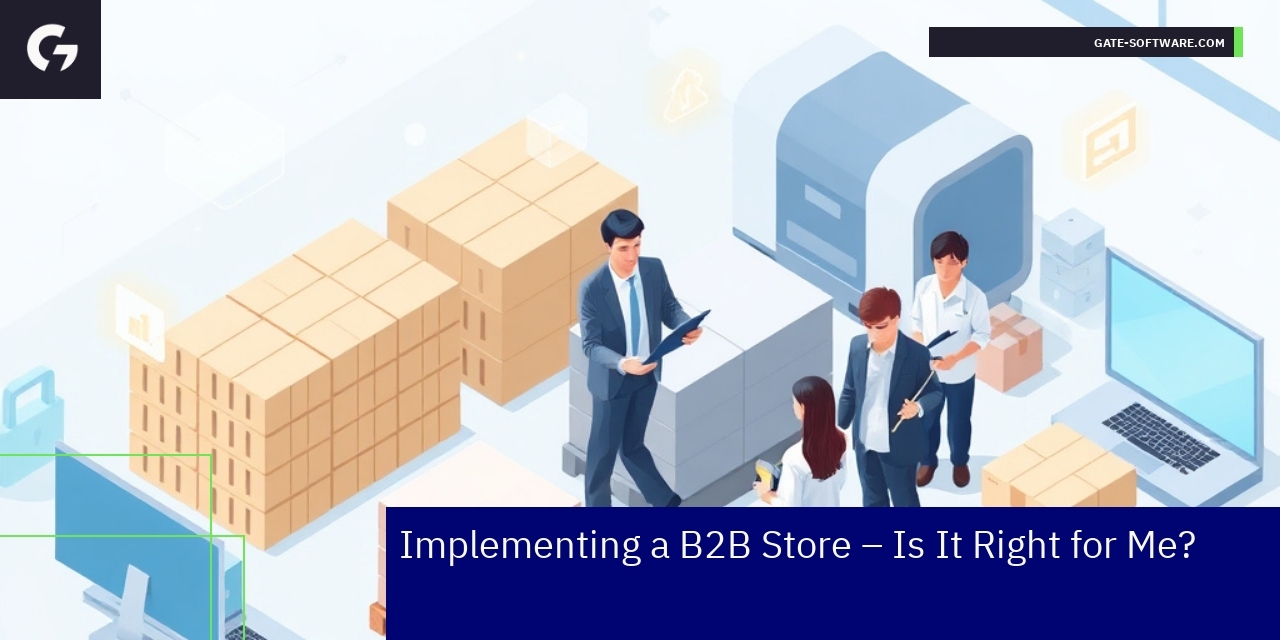
Implementing a B2B Store – Is It Right for Me?
How Does a B2B Store Differ from B2C?
A system b2b differs fundamentally from ecommerce b2b models focused on individual consumers (B2C). The key distinctions include longer sales cycles, more complex buyer decision processes, and larger order volumes typical in platformy b2b environments. Unlike B2C, where transactions are often impulse-driven with fixed pricing, B2B requires tailored pricing strategies, including bulk discounts and negotiated contracts. Payment terms in B2B stores may include invoicing and credit lines, contrasting with immediate payment expectations in B2C. Additionally, the relationship-driven nature of B2B calls for platforms that support account management, multiple user roles, and personalized catalogues. Evaluating new B2B ecommerce technology and platforms demands understanding these differences to select solutions aligning with business goals. Awareness of challenges B2B businesses face with their ecommerce tech stack helps to avoid pitfalls and optimize operations.
B2B Store Features – Start in a Few Steps
Launching a successful ecommerce b2b platform involves integrating features optimized for wholesale operations. Key components include advanced user role management, pricing tiers, and flexible payment options tailored to B2B buyer needs. Steps for how to digitally transform a B2B business should start with selecting platformy b2b solutions that seamlessly integrate with existing ERP and CRM systems for unified data flow. Incorporating secure authentication mechanisms and scalable infrastructure ensures compliance and performance. Customizable catalogs and streamlined ordering processes improve user experience and efficiency. Gate-Software’s approach addresses these points with a focus on cost optimization and compliance with WCAG standards, crucial for accessibility. By clearly defining top ecommerce goals for B2B businesses, such as increasing order frequency and improving customer retention, companies can align technical implementation with strategic business outcomes efficiently.
Cost of Starting a B2B Store – What Does Wholesale Online Distribution Really Cost?
Understanding koszty B2B is essential when considering digital transformation for wholesale distribution. Initial costs include platform acquisition or development, integration with existing systems, and configuring user roles and pricing structures. Ongoing expenses cover hosting, maintenance, monitoring, and support services, often necessitating SLA agreements to ensure uptime and security. Challenges B2B businesses face with their ecommerce tech stack often stem from hidden costs like custom development for specific workflows or compliance with accessibility standards (WCAG 1.1). Evaluating new B2B ecommerce technology and platforms should include a thorough analysis of these variables to control expenses effectively. Investing in reliable hosting and monitoring ensures platform stability, reducing costly downtime. A strategic approach encompassing technical and business perspectives helps balance upfront investments with long-term value aligned with top ecommerce goals for B2B businesses.
Integrating Your Store with Wholesalers
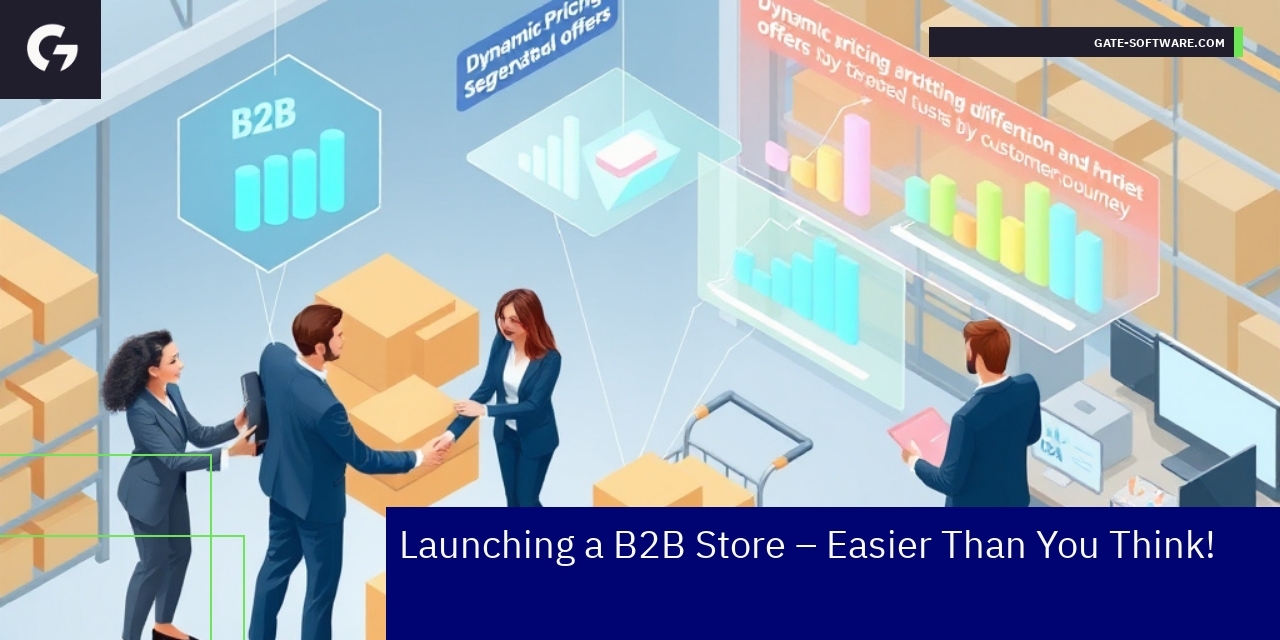
Launching a B2B Store – Easier Than You Think!
Customer Reviews of B2B Online Wholesalers Using Magento
Customer opinions play a pivotal role in shaping the success of any system b2b platform. Feedback from businesses using ecommerce b2b solutions like Magento consistently highlights the value of intuitive interface and robust backend integration that streamline operations and enhance purchasing experience. These reviews often emphasize how personalization of offers tailored to the specific needs of business clients significantly improves engagement and repeat purchases. Additionally, users appreciate the flexibility in managing discounts and dynamic pricing strategies within platformy b2b environments, which allows wholesalers to remain competitive and responsive to market demands. Positive customer opinions also note improvements in processing speed and overall reliability, which are critical for B2B offer management and scalability.
Options for Customizing Your Offer
In a competitive B2B landscape, the ability to provide tailored solutions is essential. ecommerce b2b platforms like Magento enable advanced options for personalization of offers, allowing businesses to configure pricing tiers, discounts, and product assortments that match the unique requirements of different client segments. This flexibility supports separate pricing models and customized terms that optimize profitability while honoring business relationships. Effective system b2b configurations integrate these features seamlessly with inventory and order management to ensure consistency and accuracy. Furthermore, personalization extends beyond pricing, influencing the entire customer journey, from targeted marketing communications to specific user experiences designed to enhance satisfaction and loyalty within platformy b2b ecosystems.
Separate Offers for Retail and Wholesale Customers
One of the fundamental capabilities of modern system b2b platforms is the ability to maintain separate B2B offer catalogs distinct from retail offerings. This segregation allows companies to manage different discounts and pricing structures transparently without compromising either customer segment. ecommerce b2b solutions facilitate this by supporting role-based access and customer segmentation, ensuring that wholesale buyers receive tailored product selections and exclusive benefits. The separation of retail and wholesale offers also aids in compliance with sales policies and streamlines internal workflows. Such differentiation is critical for maintaining clarity and trust with customers, elevating the perceived value of platformy b2b arrangements, and enhancing operational efficiency across the board.
Integrating Your Store with Wholesalers
Integrating your store with wholesalers in a B2B environment is essential for creating efficient, scalable, and reliable ecommerce b2b operations. This integration allows seamless communication between your system b2b and that of wholesalers, supporting real-time inventory updates, order management, and data exchange critical for B2B workflows. By implementing robust Integration B2B solutions, businesses can automate processes that traditionally involved manual coordination, reducing errors and accelerating order fulfillment.
A well-executed Integration B2B strategy leverages APIs and middleware to synchronize product information, prices, and discounts tailored to wholesale partners. This synchronization enhances transparency and trust, which are cornerstones of effective marketing B2B efforts. Moreover, integrated platforms provide valuable analytics that empower eCommerce Managers and CTOs to refine marketing strategies based on purchasing patterns and partner behaviors.
For marketing B2B success, integrating your store with wholesalers not only streamlines operations but also enables personalized communications and promotions aligned with each partner’s profile. This fosters stronger business relationships and drives growth through improved customer experience and operational efficiency. Overall, focusing on Integration B2B within your ecommerce b2b platform is a strategic move that supports long-term partnership development and competitive differentiation in complex B2B markets.
Benefits and Risks of B2B E-commerce

Examples and Case Studies
In the evolving landscape of B2B ecommerce, it is essential to look at tangible B2B examples and case studies that highlight successful strategies and solutions. Leveraging the Magento platform, many businesses have achieved significant ecommerce successes by focusing on robust maintenance practices, optimizing user experiences, and addressing common business challenges.
B2B Examples in Action
One notable B2B example is a manufacturing company that faced challenges with their outdated ecommerce platform. By migrating to Magento, they not only enhanced their site’s functionality but also improved performance and scalability. Through meticulous platform maintenance, they ensured their site remained secure, fast, and responsive. This transition resulted in a 50% increase in online sales within the first year, showcasing how effective platform management directly correlates with business growth.
Case Studies of Ecommerce Successes
Case Study 1: A Wholesale Distribution Company
A wholesale distributor specializing in electronic components struggled with high cart abandonment rates. By applying B2B ecommerce strategies, they revamped their site design according to the latest UX/UI standards. The integration of features such as quick reordering, simplified navigation, and an intuitive checkout process led to a 30% reduction in cart abandonment. This case exemplifies how strategic UX/UI improvements can drive customer engagement and increase conversion rates in B2B ecommerce.
Case Study 2: An Industrial Supply Firm
An industrial supply firm operated with a legacy system that hindered their ecommerce growth. After implementing Magento, they focused on personalized user experiences tailored to their diverse customer segments. By utilizing data analytics and customer feedback, they developed targeted marketing strategies and customized product recommendations. As a result, they experienced a remarkable 60% boost in repeat purchases and a solidified customer loyalty base, underscoring the importance of understanding customer needs in B2B scenarios.
Conclusion
These B2B examples and case studies illustrate how effective maintenance of the Magento platform, strategic B2B ecommerce practices, and adherence to strong UX/UI standards can resolve common business challenges and propel growth. Companies looking to enhance their ecommerce operations can draw valuable insights from these real-world successes, facilitating their journey toward achieving similar milestones in their own B2B endeavors.
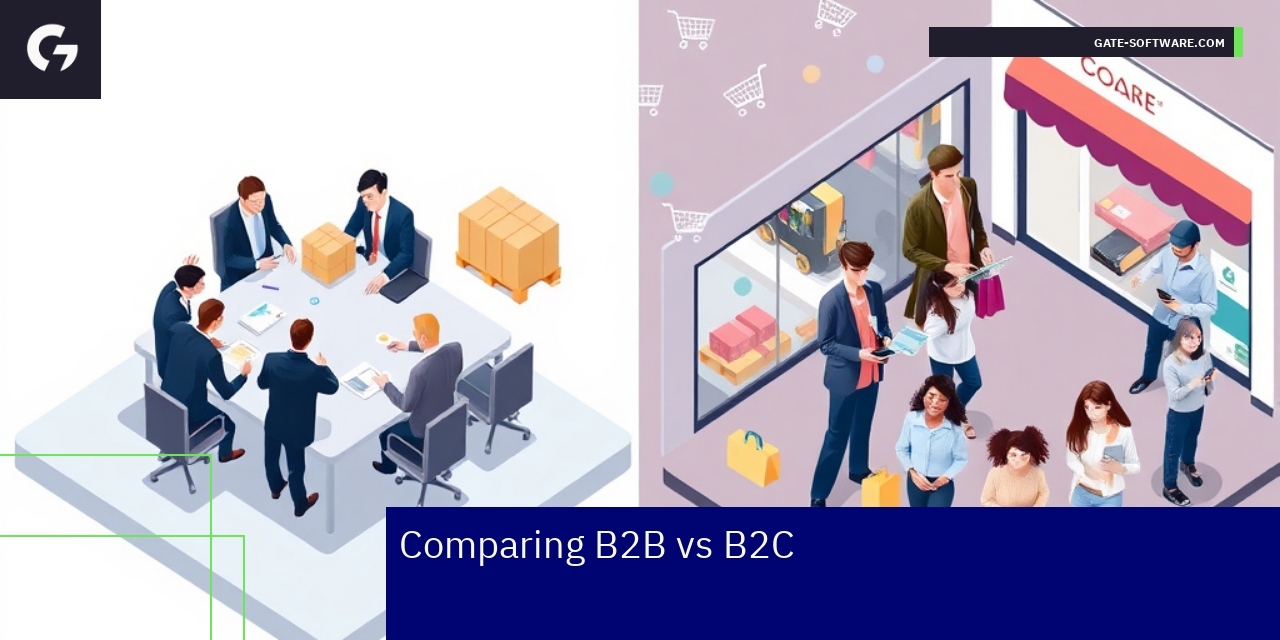
Comparing B2B vs B2C
The distinction between B2B and B2C models is fundamental to shaping effective business strategies, especially when considering the model comparison in terms of customer engagement, sales cycles, and marketing approaches. B2B focuses on transactions between businesses, often involving complex decision-making processes, longer sales cycles, and higher transaction volumes. In contrast, B2C targets individual consumers with shorter purchase timelines and typically smaller transaction sizes.
In B2B environments, strategy differences are profound, as success depends on building long-term relationships and trust with key decision-makers such as CTOs, eCommerce Managers, and Heads of Applications. Marketing strategies must emphasize value creation, detailed product specifications, and ROI, addressing the more rational and process-driven nature of B2B buying behavior. Moreover, B2B communication channels often rely on direct sales, account management, and content marketing tailored to professional audiences.
Conversely, B2C strategies typically leverage mass marketing, emotional appeal, and brand loyalty to attract consumers. The customer experience in B2C is designed to be seamless and intuitive, with an emphasis on ease of use and speed. UX/UI and WCAG standards ensure accessibility and smooth interactions in both models, but in B2B, there is an additional focus on integrating systems and ensuring compliance with enterprise workflows.
The model comparison between B2B vs B2C also highlights differences in technological requirements and e-commerce platform management. For B2B, platforms like Magento require customization for complex pricing, user roles, and procurement processes, while B2C platforms often prioritize scalability and customer engagement tools. Gate-Software’s expertise in Magento™, SLA management, and hosting solutions supports these distinct needs, ensuring optimized performance and cost-effective maintenance tailored to each model.
In conclusion, a clear understanding of model comparison, focusing on sales dynamics, customer profiles, and strategy differences, is essential for implementing successful e-commerce solutions in the B2B space. Tailoring approaches to address these factors enables businesses to build effective partnerships and achieve sustainable growth.
Checklists and Implementation Steps
When embarking on a B2B project, having detailed B2B checklists is crucial to guide every phase of store implementation. These checklists help structure workflows, prevent oversight, and ensure alignment with broader business goals. The initial step involves comprehensive requirement analysis to clarify needs of key personas such as the Architect, eCommerce Manager, and CTO. This fosters a shared understanding across teams and lays a foundation for tailored technical solutions.
The subsequent steps to success include setting up scalable Magento environments optimized for B2B transactions, integrating complex pricing and customer segmentation models, and ensuring compliance with standards such as WCAG for accessibility. Each phase requires validation against well-constructed checklists to verify functionality, performance, and security aspects. Close collaboration between IT and business stakeholders mitigates risks and adapts the store implementation to evolving market demands.
Finally, a structured rollout plan incorporating monitoring, SLA adherence, and feedback loops secures long-term operational stability and user satisfaction. Leveraging these B2B checklists and methodical steps to success empowers organizations to efficiently deploy robust B2B e-commerce platforms aligned with Gate-Software’s strategic framework. This ensures not only technical excellence but also business growth and competitive advantage.
Common Mistakes When Starting a B2B Store
Starting a B2B store involves unique challenges that differ fundamentally from B2C environments. One of the most critical errors leaders often make is Mistake #1: Ignoring Where Your Revenue Really Comes From. B2B transactions usually involve complex revenue streams tied to negotiated contracts, recurring orders, and bulk purchases. Overlooking these factors can lead to misguided sales strategies and missed opportunities for growth.
Another frequent pitfall is Mistake #2: Designing for Individual Shoppers Instead of Buying Teams. In B2B, purchasing decisions are rarely made by a single person. The user experience must accommodate collaborative buying teams, including influencers, decision-makers, and procurement specialists. Ignoring this dynamic can result in poor user engagement and decreased conversion rates.
Performance optimization must match the sales cycle’s nature. Mistake #3: Optimizing for Speed When Your Sales Cycle Takes Months is common. While fast loading times are important, B2B buyers often invest significant time reviewing detailed product information and negotiating terms. Prioritizing speed over comprehensive data display can undermine the necessary depth of information buyers require.
Mistake #4: Prioritizing Beautiful Design Over Functional Data Display is another critical issue. Aesthetics matter, but B2B buyers need clear, actionable data—pricing tiers, bulk discounts, contract terms—presented intuitively. Without functional design that focuses on these elements, the platform may fail to support complex decision-making processes.
How to Avoid These Mistakes: Practical Actions for B2B Success include aligning your platform development with real business revenue drivers, designing UX for teams rather than individuals, tailoring performance optimization to lengthy sales cycles, and prioritizing data-rich functional design over mere visual appeal. By addressing these core areas, B2B stores can build stronger client relationships and drive sustained growth.
FAQ – Frequently Asked Questions
What is the scope of B2B services offered by Gate-Software?
Gate-Software specializes in comprehensive B2B solutions tailored to complex business environments. Our offerings include maintaining and optimizing Magento e-commerce platforms, ensuring compliance with UX/UI and WCAG standards, and delivering strategic marketing and communication support. These services are designed to align with the needs of key decision-makers such as CTOs, Heads of Applications, and eCommerce Managers, addressing the real technical and operational challenges faced in B2B sectors. Our approach emphasizes partnership and precise execution, supporting clients in cost optimization, system migrations, and SLA governance, all essential for sustainable business growth.
How does Gate-Software approach B2B UX/UI and accessibility challenges?
We recognize that excellent user experience and accessibility are fundamental in B2B platforms. Gate-Software follows stringent UX/UI guidelines integrated with WCAG 1.1 standards to enhance usability for diverse user personas, including architects, eCommerce managers, and IT leaders. Through continuous UX/UI audits and improvements, our solutions ensure platforms are intuitive, compliant, and provide a seamless experience for all users. This focus not only supports better user engagement but also meets critical compliance needs, demonstrating commitment to inclusive digital experiences in B2B environments.
What are the typical business challenges B2B clients face that Gate-Software addresses?
B2B clients often grapple with platform scalability, system interoperability, security compliance, and the need for agile marketing strategies. Gate-Software addresses these challenges by providing robust support for platform migrations, performance monitoring, and secure hosting aligned with SLA requirements. Moreover, our content strategy and communication plans are tailored to bolster business positioning and lead generation in competitive B2B markets. Our expertise helps clients navigate the complexity of maintaining large-scale e-commerce ecosystems while optimizing operational costs and enhancing digital presence.
How does Gate-Software support B2B marketing and communication strategies?
Our team crafts marketing and content strategies rooted in a deep understanding of B2B buyer journeys and key personas. Leveraging the JPS one-page plan and social media 1.0 frameworks, we implement targeted campaigns that resonate with decision-makers like CIOs and CDOs. The strategic focus includes brand voice consistency and thought leadership to elevate client authority in their sectors. These efforts, combined with data-driven planning and continuous optimization, ensure that the content and campaigns effectively address core B2B needs and generate measurable business results.
What partnership model does Gate-Software employ for B2B clients?
Gate-Software builds partnerships based on transparency, agility, and shared goals. We offer flexible cooperation models ranging from project takeovers to long-term system maintenance and development collaborations. This adaptability allows us to integrate seamlessly with client teams, providing dedicated account management and technical expertise aligned with business timelines and objectives. Our partnership philosophy centers on delivering consistent value, fostering mutual growth, and addressing evolving B2B challenges proactively.
This FAQ section addresses key B2B questions with thorough answers. For additional inquiries or specific advice, please contact us directly to leverage our expert support tailored to your business needs.
Alternatives to the Traditional B2B Model
In today’s evolving market landscape, exploring B2B alternatives is crucial for companies aiming to remain competitive and innovative. Traditional B2B models, often characterized by long sales cycles and rigid procurement processes, are being challenged by new business models that focus on agility, digital integration, and customer-centricity. Innovations in technology enable enterprises to adopt flexible approaches such as platform-based ecosystems, subscription services, and data-driven customization, which better address the complex needs of modern business clients.
One significant alternative is the platform model, where companies create digital marketplaces or ecosystems that facilitate more dynamic interactions between suppliers and buyers. This reduces barriers, shortens transaction times, and enhances transparency. Another rising trend is the shift towards as-a-service models that offer scalability and ongoing value, contrasting with the one-time purchase mindset dominant in traditional B2B. Subscription and usage-based billing align providers’ incentives with client success, fostering longer-term partnerships.
Digital transformation also drives innovation in B2B by leveraging data analytics and automation to personalize offerings and optimize supply chains. Integrating advanced UX/UI principles and adhering to standards such as WCAG ensures accessibility and smooth experiences for diverse user personas like Architects, eCommerce Managers, and CTOs. Companies like Gate-Software support such transformations by delivering tailored Magento-based platforms, seamless migrations, and comprehensive monitoring to reduce total cost of ownership.
Overall, embracing B2B alternatives leads to enhanced operational efficiency, greater customer satisfaction, and stronger competitive positioning. Companies leveraging these innovations can anticipate more resilient growth and improved adaptability to market shifts while maintaining a strong focus on strategic partnerships and digital excellence.
Benefits and Risks of B2B E-commerce
B2B e-commerce brings significant B2B benefits that can transform business operations and growth strategies. One of the primary advantages is operational cost efficiency — automation of order processing, invoicing, and payments reduces manual workload and errors, optimizing resource allocation. Additionally, businesses gain a wider reach, accessing markets far beyond geographical limitations, which opens doors to new customer segments and partnerships. The streamlined processes in B2B e-commerce improve overall transaction speed and transparency, enabling better supply chain and inventory management. Moreover, improved data analytics provide insights for more informed decision-making, empowering eCommerce managers and CTOs to strategically plan growth. Another important B2B benefit is the enhanced customer experience; digital platforms offer convenient, real-time account management, order tracking, and tailored purchasing journeys that can strengthen client relationships.
However, alongside these advantages, e-commerce risks need careful consideration. Cybersecurity threats are paramount; given the sensitive nature of B2B transactions and data, businesses must invest in robust security measures to mitigate risks of breaches, fraud, or hacking incidents. Overdependence on technological infrastructure poses operational vulnerabilities, as system downtimes or platform outages can disrupt business continuity. The digital shift also presents challenges in maintaining personal connections critical in B2B dealings, potentially affecting trust-building and negotiation dynamics. Compliance with diverse regional regulations adds complexity, requiring constant updates in legal frameworks and standards. Moreover, market competition intensifies in digital environments, demanding continuous innovation and differentiation strategies. Addressing these challenges holistically ensures companies harness the full spectrum of B2B benefits while mitigating inherent e-commerce risks.
The Bottom Line is that successful B2B e-commerce implementation is a balance between leveraging digital efficiencies and managing the accompanying challenges. Strategic investments in technology, cybersecurity, and user experience combined with adherence to compliance frameworks create sustainable competitive advantages. By proactively addressing these e-commerce risks and challenges, organizations can maximize the substantial B2B benefits, driving long-term growth and operational excellence.
Data and Performance Metrics – Efficiency, SLA, TCO
Operational Effectiveness in B2B Projects
Gate-Software’s commitment to optimizing B2B e-commerce solutions can be substantiated through various measurable data points that reflect our operational effectiveness and service reliability. The average project takeover time for transferring existing platforms to Magento™ is approximately 4 weeks, allowing for a seamless transition with minimal disruption to business operations.
With a strong focus on timely delivery, 98% of our B2B projects are completed within the agreed timelines, showcasing our efficiency and dedication to client satisfaction. Furthermore, our average reduction in Total Cost of Ownership (TCO) for clients implementing our services stands at 25%, attributed to streamlined processes and reduced operational costs through effective platform management.
Our uptime SLA guarantees 99.9% uptime, ensuring that systems remain operational and available, which is critical for businesses relying on continuous access to their e-commerce platforms. In terms of customer engagement, we maintain an impressive 3-year average client relationship duration, demonstrating our commitment to building long-term partnerships that foster growth and success.
Additionally, our strategic approach has led to the successful implementation of over 500 B2B projects, significantly enhancing our experience and expertise in catering to diverse client needs. These metrics not only highlight the effectiveness of our services but also provide compelling evidence for decision-makers considering B2B solutions with Gate-Software.

Summary
In conclusion, the successful implementation of a B2B e-commerce store requires a tailored approach that acknowledges the unique complexities of business-to-business transactions. Gate-Software stands out in this sector by offering comprehensive solutions that address the specific needs of various stakeholders including Architects, eCommerce Managers, and CTOs. Our expertise in Magento™ ensures not only robust platform functionality but also adherence to accessibility standards, enhancing user experience across diverse buyer personas. Furthermore, by leveraging advanced integration practices and continuous optimization strategies, we help businesses navigate technical challenges while minimizing operational risks. The tangible benefits of partnering with Gate-Software include improved efficiency, increased customer satisfaction, and a stronger competitive position in the evolving B2B landscape. We invite you to reach out and explore how we can support your B2B initiatives and drive sustainable growth together.
FAQ
What is the scope of B2B services offered by Gate-Software?
Gate-Software specializes in comprehensive B2B solutions tailored to complex business environments. Our offerings include maintaining and optimizing Magento e-commerce platforms, ensuring compliance with UX/UI and WCAG standards, and delivering strategic marketing and communication support.
How does Gate-Software approach B2B UX/UI and accessibility challenges?
We recognize that excellent user experience and accessibility are fundamental in B2B platforms. Gate-Software follows stringent UX/UI guidelines integrated with WCAG 1.1 standards to enhance usability for diverse user personas. Our solutions ensure platforms are intuitive, compliant, and provide a seamless experience for all users.
What are the typical business challenges B2B clients face that Gate-Software addresses?
B2B clients often grapple with platform scalability, system interoperability, security compliance, and the need for agile marketing strategies. Gate-Software provides robust support for platform migrations, performance monitoring, and secure hosting aligned with SLA requirements.
How does Gate-Software support B2B marketing and communication strategies?
Our team crafts marketing and content strategies rooted in a deep understanding of B2B buyer journeys and key personas. We implement targeted campaigns that resonate with decision-makers, enhancing brand authority and generating measurable business results.
What partnership model does Gate-Software employ for B2B clients?
Gate-Software builds partnerships based on transparency, agility, and shared goals. We offer flexible cooperation models, allowing us to integrate seamlessly with client teams and provide dedicated account management and technical expertise tailored to business objectives.
.
.
Zamów bezpłatną konsultację
.
Z nami rozwój Twojego biznesu nabierze tempa! Zapraszamy do kontaktu średnie i duże firmy generujące min. 7 mln PLN obrotu rocznie – tam nasza ekspertyza sprawdza się najlepiej.
.
Kliknij w poniższy przycisk i skontaktuj się z jednym z naszych konsultantów e-commerce
.