Effective customization of the Magento 2 checkout process through template personalization is crucial for enhancing user experience, increasing conversion rates, and aligning the checkout flow with specific business needs. In Magento 2, the checkout is highly modular, leveraging a combination of Knockout.js templates, layout XML files, and JavaScript components, which provides a robust framework for tailored modifications.
A strategic approach to template personalization begins with understanding the architecture of Magento 2 checkout. The checkout page is primarily composed of UI components managed via XML configurations, allowing developers to add, remove, or override existing elements without compromising core functionality. This modular design ensures that customizations remain maintainable and are less prone to conflicts during upgrades.
Key strategies involve customizing the layout XML files to reorder or replace blocks and integrating custom Knockout.js templates that bind data dynamically. This enables businesses to modify UI components such as billing and shipping address forms, payment method interfaces, and review order sections, delivering a streamlined and context-relevant checkout path. Additionally, leveraging Magento’s frontend dependency injection and plugin system ensures that logic alterations adhere to best practices by avoiding direct core code modifications.
Performance considerations are integral during template personalization. Efficiently loading only the necessary UI components and minimizing JavaScript execution times contribute positively to page speed metrics, which are critical for both user experience and SEO performance. Moreover, utilizing asynchronous data loading tactics decreases latency, ensuring a responsive checkout interface even under heavy traffic.
From a strategic standpoint, tailoring the checkout template supports operational goals such as reducing cart abandonment, facilitating compliance with regional regulations (e.g., tax or shipping rules), and enabling personalized promotions or upsells at checkout. These technical adaptations have direct business impacts, translating into increased average order values and improved customer satisfaction.
Tracking and analytics integration within personalized templates enable continuous optimization. Embedding event listeners or hooks into the checkout process allows detailed behavioral insights and performance monitoring, which inform iterative enhancements grounded in real user data.
In summary, effective Magento 2 checkout template personalization demands a deep technical understanding of the platform’s frontend architecture, careful performance optimization, and alignment with overarching business objectives. This integrated approach ensures the checkout process is not only customized and functional but also strategically impactful in driving eCommerce success.

Introduction
Template personalization refers to the process of adapting a predefined design or content structure to meet the specific needs, preferences, or profiles of individual users or customer segments. It involves modifying elements such as text, images, layout, and functional components to craft a tailored experience that resonates with the target audience. This level of customization is not merely aesthetic but strategic, aiming to increase relevance and engagement by aligning the user interface and experience with unique user contexts.
In e-commerce, the importance of personalization cannot be overstated. It plays a pivotal role in enhancing the overall shopping journey by delivering highly relevant product recommendations, personalized marketing messages, and customized user interfaces. Such tailored experiences drive higher conversion rates as consumers are presented with products and offers that reflect their preferences and browsing behavior. Additionally, personalization fosters customer loyalty and satisfaction by making shoppers feel understood and catered to on an individual level. From an operational perspective, implementing template personalization supports scalability by enabling dynamic content adjustments without extensive manual redesigns, improving efficiency in content management systems. Moreover, it contributes to reducing cart abandonment rates by presenting customers with timely, pertinent suggestions that encourage purchases. Ultimately, personalization in e-commerce drives business performance by increasing average order values, improving customer retention, and enhancing the overall effectiveness of digital engagement strategies.
TABLE OF CONTENTS
- Template Personalization: Effective Strategies in Magento 2 Checkout Customization
- Introduction
- About Personalization
- Christmas Templates
- Template Sets
- Thematic Categories
- Books and Guides
- Types of Templates
- Birthdays and Celebrations
- Houses, Buildings, Equipment
- Medicine, Nursing, Emergency Service
- Men, Fathers, Grandfathers
- Children, Toys, Stories
- Electronics, IT
- Cake Toppers
- Cake Borders
- How to Decorate
- Tips and Tricks
- Recipes
- Easter
- Love, Weddings, Valentine’s Day
- Halloween, Skulls, Monsters
- Benefits of Template Personalization
- Risks of Personalization
- Alternatives to Template Personalization
- Data and Performance Metrics – Efficiency and Cost
- Summary
- FAQ
- Examples of popular Hyva template sets can be found in the official Hyva GitHub repository.
- Community forums and documentation provide insights on extending and customizing template sets.
- Performance benchmarks comparing Hyva template sets with Magento’s default theming solutions help validate their efficiency.
- Hyva Frontend Official Documentation: https://hyva.io/docs/
- Magento 2 Template Personalization Guide: https://experienceleague.adobe.com/docs/commerce-operations/
- Best Practices for Magento 2 Checkout Customization: https://devdocs.magento.com/guides/v2.4/howdoi/checkout/checkout_customize.html
- Use lazy loading for images and heavy scripts
- Minimize CSS and JavaScript files to essential assets
- Test extensively on multiple device types and browsers to ensure consistent functionality
- Over-customizing checkout fields, which may confuse users
- Ignoring accessibility standards, which can alienate part of your audience
- Neglecting thorough QA and regression testing after template changes
- Case studies demonstrating Hyva template personalization improving conversion rates
- Performance benchmarks comparing personalized vs. non-personalized templates
- User testimonials highlighting enhanced shopping satisfaction through personalization

About Personalization
Personalization in Magento 2 Checkout Customization is a critical factor for enhancing user experience and driving conversion rates in eCommerce. Key aspects involve tailoring the checkout process to meet individual customer preferences and behaviors, which can range from customized fields, payment options, or shipping methods to dynamic content that responds to user data. This personalization not only streamlines the checkout journey but also reduces friction, which is essential for minimizing cart abandonment rates.
Examples of template personalization in action showcase how businesses adapt Magento templates dynamically based on user segmentation, purchase history, or real-time interactions. For instance, a returning customer might see pre-filled address fields or recommended upsells based on previous purchases, significantly improving efficiency and satisfaction during checkout.
Magento Personalization refers broadly to the platform’s capability to adapt the user experience at various touchpoints—product pages, promotions, and checkout flow—leveraging data to deliver relevant content and offers. It integrates seamlessly with Magento’s architecture to enable flexible and scalable personalization strategies without compromising performance.
Scaling growth with these 5 Magento Personalization Strategies includes leveraging customer segmentation, behavioral targeting, dynamic content, AI-driven recommendations, and real-time analytics. These strategies collectively support operational efficiency and scalability by making the personalization process more automated and data-driven, thus allowing eCommerce managers and technical teams to maintain high performance as traffic and transaction volumes increase. Implementing these approaches ensures a strategic alignment of technical architecture with business objectives focused on growth and customer retention.

Christmas Templates
Using templates in seasonal campaigns is a strategic approach that enhances operational efficiency and scalability during peak periods like Christmas. Templates provide a reusable framework that ensures consistency in branding and messaging while allowing flexibility for timely and relevant content updates. By leveraging pre-designed Christmas templates within Hyva-based platforms, teams can rapidly deploy campaigns aligned with specific festive themes, reducing development cycles and minimizing the risk of misaligned creative efforts. This approach supports both front-end performance and back-end manageability by streamlining code reuse and reducing server load during high-traffic seasons.
Examples of Christmas decorations in templates often include visual elements such as snowflakes, Christmas trees, ornaments, and festive color schemes like red, green, and gold. These decorations are typically optimized to balance aesthetic appeal with page load speed, ensuring that seasonal embellishments do not degrade user experience. From a technical perspective, incorporating these elements via lightweight SVGs or CSS animations within Hyva ensures that customer engagement is boosted without compromising overall system performance. Utilizing these decorations in templates also supports thematic coherence across multiple marketing channels, amplifying the holiday atmosphere for end-users.

Template Sets
Template sets in Hyva represent a strategic approach to front-end theming and page layout, designed to optimize eCommerce storefronts with scalability and performance in mind. These sets comprise collections of structured templates that define the visual and functional presentation of various pages within an online store.
Types of Template Sets
Within the Hyva framework, template sets are typically categorized based on the scope of pages and functionalities they cover. Common types include product page templates, category page templates, and checkout page templates. Each template set is engineered to align with specific user experiences and business requirements, ensuring consistency in design while accommodating flexibility for customization. This modular approach supports rapid development cycles and adaptability to evolving eCommerce trends, reducing the complexity inherent in Magento’s default frontend.
—
If available:
—
How Template Sets Simplify Shopping
Template sets streamline the shopping process by delivering fast-loading, intuitive interfaces optimized for both desktop and mobile devices. By standardizing page layouts and interactions, they reduce cognitive load on shoppers and enhance usability. Moreover, the simplification inherent in these templates removes unnecessary frontend bloat, which improves site performance metrics critical to conversion rates and SEO rankings. Faster rendering times and clear navigational structures contribute to smoother customer journeys, ultimately facilitating quicker decision-making and higher satisfaction rates.
In summary, Hyva’s template sets offer a robust, scalable solution that balances technical architecture demands with end-user experience imperatives, driving operational efficiency and supporting eCommerce growth.

Thematic Categories
Thematic categories play a crucial role in organizing templates within the Hyva ecosystem, providing a structured approach to managing and deploying frontend components efficiently. These categories group templates based on their functional contexts, such as product display, checkout processes, or customer account management. This logical organization helps development teams quickly locate and customize templates relevant to specific parts of an eCommerce platform, enhancing both development speed and maintainability.
Popular thematic categories often include product listing and detail pages, cart and checkout flows, navigation elements, and promotional banners. Each category aggregates templates that share layout, styling, and interactive behavior patterns, offering a cohesive development experience. This categorization not only aligns with technical architecture principles but also supports scalability by enabling modular updates and expansions without disrupting unrelated platform segments.
By leveraging thematic categories, organizations can optimize their operational efficiency as teams can focus on discrete areas of the frontend without cross-contamination of codebases. This approach also facilitates performance tuning and strategic enhancements on targeted site components, directly impacting user experience and business conversion metrics.

Books and Guides
When exploring Hyva, particularly from the perspective of personalization, it is essential to prioritize authoritative and precise sources that delve into both the conceptual framework and technical application aspects. The best sources for learning about personalization within the context of Hyva include detailed technical documentation, expert-authored guides focusing on frontend architecture, and practical case studies that shed light on implementation strategies optimized for performance and scalability.
Personalization in Hyva typically relates to adapting the user interface and experience based on user behavior, preferences, and contextual data. Effective sources cover areas such as modular theming, flexible component structures, and integration with backend APIs that enable dynamic content delivery. Engaging with community-driven knowledge bases and GitHub repositories also offers significant insight into evolving best practices, performance optimization, and practical challenges faced during implementation.
Tips for effective material use include approaching the learning process with a focus on real-world applicability. Integrate lessons learned from books and guides with hands-on experimentation within your technology stack to align architecture decisions with operational goals. Document findings and benchmark performance regularly to ensure scalability. Additionally, source materials that provide clear guidance on the technical architecture can help streamline engineering workflows, improve maintainability, and support strategic product development. This approach ensures that personalization efforts are both user-centric and technically sound, leading to measurable business impact.

Types of Templates
Templates in the context of Hyva serve as foundational components that streamline development and ensure consistency across projects. They can be categorized broadly by their application area and functional design.
Template types include document templates that provide standardized formats for creating uniform content efficiently. Presentation templates offer predefined layouts and styles that help maintain visual consistency in communication materials. Website templates, including Hyva’s specialized front-end themes, allow for rapid deployment of web interfaces with optimized performance and user experience. Email templates support consistent branding and communication workflows by standardizing email designs and structures. Project management templates facilitate operational efficiency through predefined workflows and task management frameworks. Code templates in Hyva provide reusable blocks of code or skeletons that accelerate development and maintain codebase uniformity. Data templates help define consistent data structures, crucial for integration and data handling across systems.
Each template type addresses specific business needs, technical constraints, and operational goals. Hyva emphasizes templates that boost scalability and performance, particularly focusing on front-end architecture and seamless integration with backend systems. Templates enhance development efficiency while ensuring that design and functional standards align with enterprise-grade application requirements.
Comparing different template types involves analyzing their use cases, design complexity, and impact on system architecture. Document and presentation templates primarily target content consistency and visual appeal, whereas website and email templates focus on user engagement and branding consistency. Code and data templates address technical challenges by promoting reusability and reducing errors. Project management templates contribute operationally by streamlining workflows and improving team collaboration. Selecting the right template type depends on the intended outcome—whether it is to optimize development velocity, ensure design uniformity, or enhance operational processes.
Therefore, a deep understanding of each template type’s role within Hyva’s ecosystem is essential for CTOs, Heads of Product, and Engineering leaders seeking to leverage these tools for scalable, maintainable, and performant solutions.

Birthdays and Celebrations
Effective event planning for birthdays and celebrations increasingly leverages template personalization to streamline processes and enhance attendee experience. Template personalization allows planners to tailor invitations, schedules, and décor ideas specifically to the event’s theme and guest preferences. This approach reduces repetitive manual work and increases the relevance and engagement of the event presentation. By configuring templates that adjust details such as color schemes, font styles, and message tone, event planners can ensure a more cohesive and professional output aligned with the overall event goals.
When it comes to birthday accessories, examples commonly include customized banners, themed tableware, party hats, and personalized favors. These accessories not only contribute to the visual appeal but also to the emotional resonance of the event. Incorporating these elements in digital and physical templates aids in consistent branding and event atmosphere creation. Such integration ensures that all components, from online invitations to on-site décor, harmonize to communicate the celebratory mood effectively.
Together, template personalization and thoughtful selection of birthday accessories represent a strategic combination that enhances operational efficiency for event organizers while delivering a memorable and distinctive experience for attendees. This approach is scalable for various event sizes and adaptable to diverse thematic requirements.

Houses, Buildings, Equipment
In the context of Hyva, architecture plays a pivotal role in personalization, particularly in how it supports tailored user experiences and system adaptability. Using architecture in personalization involves structuring digital solutions to dynamically respond to individual user needs and preferences. This approach enhances operational efficiency by modularizing components and enabling scalable integration with evolving business requirements.
Personalization through architecture can be exemplified in building-related projects by adopting flexible design patterns that accommodate varying user scenarios. For instance, architectures that utilize microservices or component-based frameworks allow for distinct modules representing different aspects of a building’s digital management—such as infrastructure monitoring, resource allocation, and user interface customization. These projects demonstrate how architectural strategies effectively address scalability and performance challenges while providing robust platforms for continuous personalization.
Moreover, in equipment management within building frameworks, architecture facilitates seamless interfacing with IoT devices and real-time data processing layers. This allows buildings to adapt dynamically to environmental conditions and user behaviors, reinforcing the value of architecture in creating personalized, intelligent environments.
Overall, leveraging architecture in personalization aligns closely with strategic business goals, ensuring that buildings and equipment infrastructures remain agile, scalable, and capable of delivering enhanced user-centered outcomes.

Medicine, Nursing, Emergency Service
Templates play a critical role in advancing medical education by standardizing the learning process and ensuring consistency across various disciplines such as medicine, nursing, and emergency services. They support medical education by offering structured formats that guide learners through complex concepts, procedures, and clinical decision-making steps. Using templates, educators can design curricula and training modules that are replicable and scalable, facilitating efficient knowledge transfer and skills development.
In medical education, templates enable the breakdown of intricate clinical scenarios into manageable components, fostering a deep understanding of patient care workflows. For nursing, templates assist in reinforcing protocols for patient assessment, care planning, and documentation, which are essential for maintaining high-quality care standards. In emergency services, templates can simulate critical incident responses, enhancing readiness and performance under pressure.
Examples of educational templates include case study templates that outline patient history, symptoms, diagnostics, and treatment planning. Another example is clinical skills checklists, which provide step-by-step guidance on performing specific procedures or interventions accurately. Simulation templates that recreate emergency scenarios help trainees practice response strategies and decision-making in real-time. Additionally, assessment templates standardize evaluation criteria to measure learner competency objectively, promoting continuous improvement and accountability within medical training programs.

Men, Fathers, Grandfathers
Personalizing templates for Father’s Day involves tailoring designs and messages to resonate deeply with men, fathers, and grandfathers, acknowledging their unique roles and experiences across generations. Effective personalization requires an understanding of the emotional and cultural significance of Father’s Day, ensuring that templates reflect genuine appreciation and connection.
In designing these templates, patterns and decorations play a vital role in conveying the intended sentiment. Classic motifs such as ties, tools, watches, and sports-related icons often symbolize traditional masculine interests, while contemporary patterns may include abstract geometric shapes or minimalistic designs that align with modern aesthetics. Decorative elements like vintage textures, wood grain backgrounds, or muted color palettes can evoke a sense of nostalgia appropriate for grandfathers, enhancing the emotional depth of the message.
Integrating these elements strategically ensures that the templates appeal broadly while allowing for customization based on the recipient’s personality and preferences. By combining thoughtful wording with visually resonant patterns and decorations, templates can effectively enhance the personal touch of Father’s Day greetings, fostering stronger emotional engagement and celebration across men, fathers, and grandfathers alike.

Children, Toys, Stories
Personalization plays a significant role in child development, especially when integrated into toys and storytelling. By tailoring experiences to individual children’s preferences, learning styles, and developmental stages, personalization enhances engagement and cognitive growth. It facilitates emotional connections, improves language acquisition, and fosters creativity. Personalized stories capture children’s attention by incorporating familiar characters or situations, making narratives more relatable and memorable. Similarly, personalized toys encourage exploration and problem-solving tailored to the child’s abilities, promoting fine motor skills and critical thinking.
In design and product development, popular children’s template designs often emphasize bright colors, simple shapes, and interactive elements to attract and sustain children’s interest. Templates that allow customization support children’s identity formation and autonomy, providing them with a sense of ownership and control. The strategic use of personalization combined with appealing templates can improve the effectiveness of educational content and recreational play, driving better developmental outcomes. For businesses, this approach also contributes to operational efficiency by enabling scalable production of adaptable designs that meet diverse consumer needs.

Electronics, IT
Templates play a crucial role in promoting IT products by providing a standardized, customizable framework that accelerates content creation and marketing efforts. They enable consistency in messaging, branding, and technical presentation, which is essential for building trust with target audiences such as IT professionals, decision-makers, and technical buyers. By using templates, companies can showcase complex IT products and solutions in a clear and structured manner, highlighting features, benefits, and technical specifications without reinventing the communication strategy for each product iteration.
In the context of tech education, templates serve as practical tools that simplify the delivery of instructional content. They allow educators to efficiently organize lessons, tutorials, and product demonstrations, ensuring that key concepts are conveyed effectively to learners. Templates facilitate the integration of hands-on examples, coding snippets, and visual aids that enhance understanding and engagement. Furthermore, they support scalability in educational content development, enabling institutions and training programs to replicate high-quality educational materials across diverse IT topics and audiences with reduced effort and improved operational efficiency.
By leveraging templates, both IT product promoters and educators can address real-world challenges such as reducing time-to-market for campaigns and educational content, maintaining technical accuracy, and ensuring a consistent user experience that resonates with highly technical stakeholders. This strategic use of templates strengthens messaging architecture and helps drive adoption and learning outcomes in the competitive and fast-evolving IT landscape.

Cake Toppers
Cake toppers play a crucial role in elevating the aesthetic appeal of cakes, serving as the final decorative element that personalizes and enhances the overall presentation. When considering the best templates for cake decoration with cake toppers, it is essential to focus on designs that harmonize with the event’s theme, the cake’s structure, and the desired visual impact.
Best templates for cake decoration typically emphasize a balance between simplicity and creativity. They offer adaptability to different cake sizes and shapes while allowing for customization that aligns with client specifications or brand identity in commercial settings. Successful templates integrate durable materials suitable for food safety and longevity, ensuring toppings maintain their form and vibrancy throughout the event.
Unique project examples illustrate how innovative materials and techniques can be combined for striking effects. For instance, using laser-cut acrylic or edible printing on fondant to achieve intricate patterns or personalized messages. Another approach involves modular toppers that can be rearranged or reused, providing operational efficiency and scalability for bakeries serving diverse clientele.
Strategically incorporating cake toppers within the broader cake design process can enhance performance in presentation and customer satisfaction. The technical architecture of topper manufacturing and application must consider scalability—allowing for mass customization without compromising quality or increasing production time disproportionately.
In summary, leveraging the best templates for cake decoration combined with unique project examples demonstrates the potential for cake toppers to meet high standards of visual appeal, operational efficiency, and scalability in professional baking and event planning contexts. Integrating these elements thoughtfully contributes to superior business outcomes and improved client engagement.

Cake Borders
Cake borders play a crucial role in enhancing the overall decoration of a cake by providing a defined edge that adds structure and visual appeal. Borders help to frame the design elements on the cake, creating a polished and finished look. They can also serve as a transition between different decorative zones on the cake, balancing colors, textures, and shapes to create harmony in the design.
Borders can be created using various techniques and materials such as piped icing, fondant ribbons, or edible decorations like pearls and sprinkles. These elements not only improve aesthetics but also contribute to the cake’s thematic coherence and style, ranging from classic and elegant to playful and modern.
Examples of border designs include intricate piped patterns like shell borders, rope borders, or bead borders, each providing a distinct texture and style. Fondant borders can be molded into ribbons, lace, or geometric patterns that complement the cake’s theme. Some designs incorporate natural elements like edible flowers or leaves arranged as borders to enhance the organic feel.
The choice of border design can impact the operational efficiency in cake production, as some borders require more skill and time than others. Strategically selecting border types based on scalability and performance considerations can help optimize workflow without compromising on decorative quality. This balance is critical in professional baking environments where consistency and scalability matter.

How to Decorate
Decorating within the Hyva framework requires a strategic approach that balances visual appeal, functional design, and performance optimization. Best decoration practices with templates emphasize modularity and reusability, enabling faster development cycles and consistent aesthetics across the platform.
Start by leveraging Hyva’s flexible templating system, which supports clear separation between layout, logic, and styling. This allows teams to create decoration templates that are adaptable while maintaining code cleanliness and scalability. Use component-based structures within templates to manage common UI elements such as headers, footers, product cards, and navigation menus. This approach minimizes duplication and facilitates easier maintenance.
Styling decorations should adhere to Hyva’s principles of lightweight CSS to enhance page loading times and responsiveness. Utilize CSS variables and utility classes to enable quick theming adjustments without complex overrides, improving operational efficiency and scalability when rolling out new designs or seasonal user experience updates.
User inspiration in decoration goes beyond aesthetics; it involves analyzing user behavior and feedback to tailor UI elements that improve usability and engagement. Hyva supports integrating dynamic content areas within templates, which allows for personalized decoration based on user segments. This not only improves conversion rates but also aligns design efforts with measurable business objectives.
In summary, effective decoration in Hyva centers on creating template-driven, maintainable, and performance-oriented designs that are informed by real user data and business needs. This ensures both technical robustness and a superior user experience.

Tips and Tricks
Hyva offers a modern frontend solution for Magento 2, focusing on performance, simplicity, and scalability, which makes it ideal for effective template personalization and checkout customization.
When approaching key tips for template personalization in Hyva, it is essential to focus on modular design principles inherent to Hyva’s architecture. Utilizing the flexible templating system allows for streamlined customization without compromising performance. Developers should leverage the minimalistic and clean codebase of Hyva to extend templates selectively—enabling faster loading times and reduced frontend complexity. By keeping templates lightweight and focusing on user experience enhancements, personalization becomes both efficient and maintainable.
To avoid personalization mistakes, it is crucial to maintain a balance between customization depth and system integrity. Avoid overloading templates with unnecessary JavaScript or CSS that could cause performance degradation. Ensure that any changes remain compatible with Magento 2’s backend processes and Hyva’s frontend rendering engine. Thorough testing across various devices and Magento versions helps prevent regression or broken layouts, which can negatively impact user experience and conversion rates.
Regarding Magento 2 Checkout Customization, Hyva provides a simplified and performant default checkout flow that can be optimized to boost conversions and reduce cart abandonment. Key strategies include minimizing form fields to reduce friction, providing clear progress indicators, and integrating real-time validation for input accuracy. By leveraging Hyva’s streamlined checkout components, merchants can implement tailored upsell and cross-sell opportunities without extending load times. Optimizing checkout for mobile responsiveness and accessibility further enhances user trust and reduces dropout rates. Integrating these best practices results in a highly conversion-optimized checkout process that balances customization with operational efficiency.
—
Helpful Resources:
Tips for Performance Optimization:
Common Pitfalls to Avoid:
—

Recipes
Recipes play a pivotal role in inspiring personalization within digital commerce platforms like Hyva. By leveraging the concept of recipes, businesses can create customizable and modular experiences tailored to individual user preferences and operational needs. This approach allows the assembly of specific components or “ingredients” in a way that best fits unique business models, product assortments, and customer journeys, enabling efficient scalability and flexibility in eCommerce architectures.
The use of recipes encourages a strategic perspective on front-end and back-end integration, promoting streamlined workflows and optimized performance. It facilitates iterative development and deployment, which is crucial for maintaining agility in fast-paced digital environments. Recipes also serve as reusable templates or blueprints that reduce complexity in managing diverse product lines and marketing campaigns.
In practice, unique culinary project examples illustrate how this method can be applied beyond food-related industries, translating culinary creativity into technical and operational excellence. Such projects demonstrate innovative uses of modularity and personalization to solve real-world business challenges, enhance customer engagement, and improve conversion rates. Ultimately, recipes foster a culture of innovation and continuous improvement, making them an essential element in Hyva’s strategy for delivering high-quality, personalized eCommerce experiences.

Easter
Easter presents a unique opportunity for businesses and retailers to leverage seasonal themes that resonate with customers through visual and experiential elements. Utilizing ideal templates for Easter can streamline the process of creating impactful marketing campaigns, ecommerce sites, and promotional content that align with the festive spirit. Templates designed for Easter typically incorporate pastel color palettes, imagery of eggs, bunnies, spring flora, and symbolic religious motifs, all optimized to enhance user engagement and conversion rates.
In operational terms, these templates offer scalability and performance advantages by providing pre-built, tested frameworks that reduce development time and technical debt. When integrated into digital platforms, they ensure consistent brand messaging across touchpoints while allowing customization to suit specific audience segments or campaign goals. The strategic deployment of Easter-themed templates can also improve SEO outcomes when content includes seasonally relevant keywords and visual metadata.
Examples of Easter decorations extend beyond conventional ornamental items to strategic visual merchandising that influences customer behavior and enhances in-store or online shopping experiences. Typical decorations include intricately designed Easter eggs, floral arrangements symbolizing renewal, and thematic displays that can be modularly adapted based on space and target demographics. From an architectural perspective, these decorations must balance aesthetic appeal with logistical considerations such as ease of installation, durability, and cost-effectiveness. Furthermore, digital renditions of these decorations in ecommerce settings, such as interactive banners or augmented reality filters, amplify customer interaction and satisfaction.
By integrating ideal templates for Easter with thoughtfully executed examples of Easter decorations, organizations can achieve operational efficiency while driving seasonal relevance and customer engagement at scale.

Love, Weddings, Valentine’s Day
In the context of Hyva, template personalization plays a pivotal role in enriching weddings by delivering highly tailored and unique experiences that resonate with the couple’s identity and story. Personalization of templates allows businesses to customize design elements, layouts, and interactive features that align precisely with the couple’s preferences and thematic vision, enhancing both emotional connection and user engagement. For operational efficiency and scalability, Hyva’s flexible architecture supports dynamic template modifications without compromising performance, ensuring fast loading times and smooth user journeys during high-traffic wedding seasons.
Valentine’s design examples within Hyva showcase the platform’s capability to implement romantic, thematic aesthetics that elevate brand storytelling while catering to technical robustness. These examples often feature tailored color palettes, typographic styles, and multimedia integrations that reflect the sentimentality of the occasion. From a digital strategy perspective, leveraging such design templates improves conversion rates by addressing the emotional triggers of the target audience effectively. This approach demonstrates how operational precision and creative flexibility can coexist in Hyva implementations, delivering both technical excellence and meaningful customer experiences in the love and wedding domain.
Halloween, Skulls, Monsters
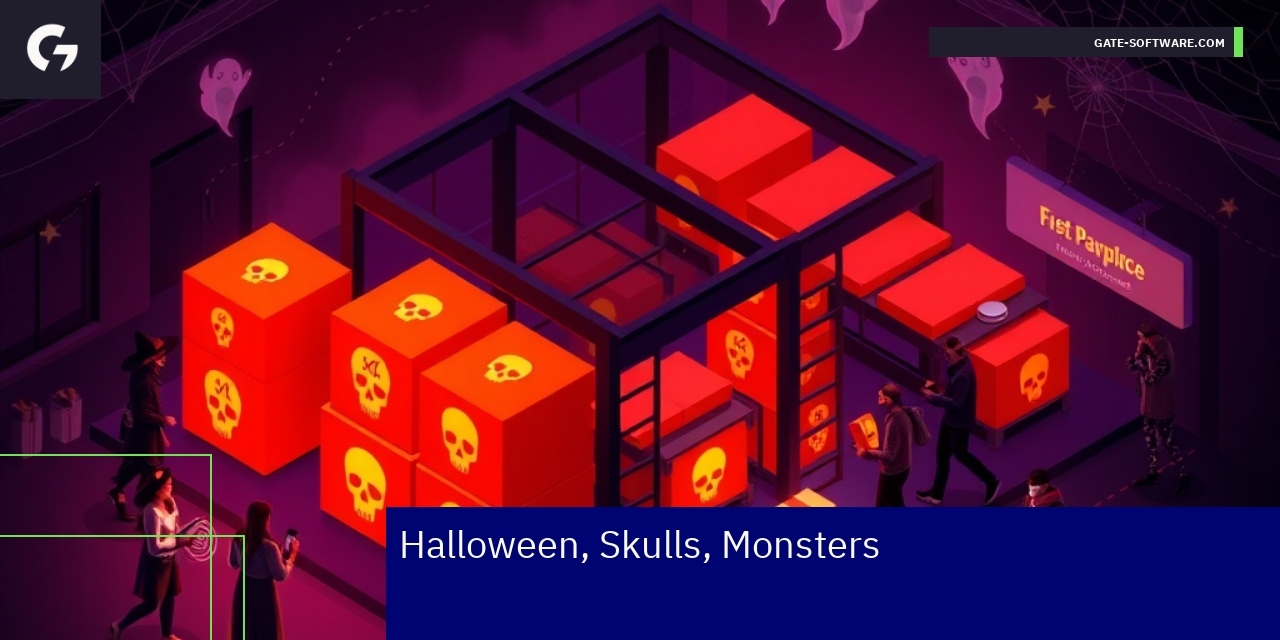
Halloween is a season that demands striking visual and thematic elements to engage audiences effectively, especially in digital commerce and content presentation. When considering the best templates for Halloween within the Hyva framework, emphasis should be placed on designs that integrate iconic symbols such as skulls and monsters while maintaining high performance and scalability. Templates optimized for fast loading times and responsiveness ensure seamless user experiences during peak seasonal traffic, a critical factor for operational efficiency in eCommerce.
Key design features include dark, moody color schemes punctuated with vivid accents to evoke the eerie atmosphere synonymous with Halloween. Incorporating skull motifs offers a visually compelling element that resonates with traditional horror aesthetics, adding depth to product displays and promotional banners. Monsters, including classic figures like witches, zombies, and ghosts, provide thematic richness that can be leveraged via interactive or animated components, enhancing user engagement without compromising site speed.
From a technical architecture perspective, modular Hyva templates allow straightforward customization and scalability, enabling businesses to deploy themed decoration examples quickly and iterate designs based on user behavior analytics. This flexibility supports effective campaign rollouts and adaptability to shifting consumer trends without extensive redevelopment costs.
In summary, leveraging Hyva’s advanced templating system with focused Halloween elements like skulls and monsters not only elevates brand storytelling but also improves operational performance through optimized front-end loading and maintainable code architecture, ensuring a robust, immersive experience during the Halloween season.

Benefits of Template Personalization
Template personalization in Hyva plays a critical role in increasing customer engagement and improving shopping experiences, both essential for driving business growth in eCommerce environments.
Increasing customer engagement through personalized templates means that each visitor experiences a tailored interface that resonates with their preferences and behavior. This fosters stronger emotional connections with the platform, boosting interaction rates and encouraging repeat visits. Personalized templates can adapt dynamically to user profiles, previous purchases, or browsing history, enhancing relevance and thus converting casual browsers into committed shoppers.
Improving shopping experiences via template personalization involves creating seamless, intuitive, and visually appealing interfaces. Customizing layout, content blocks, and navigation to fit user needs reduces friction points that commonly cause cart abandonment or dissatisfaction. A well-personalized shopping experience supports faster decision-making by showcasing pertinent product recommendations, offers, and content at strategic touchpoints. This enhances operational efficiency by decreasing the effort required from both users and backend systems to deliver value.
From a technical perspective, implementing template personalization within Hyva architecture demands scalable design patterns that allow content customization without degrading performance. Efficient management of template variants and caching mechanisms is vital to maintain high page load speeds and responsiveness despite the increased complexity personalization entails. This ensures that the benefits in customer engagement and experience do not come at the cost of technical robustness or scalability.
In summary, template personalization in Hyva provides measurable advantages by elevating user engagement and streamlining shopping processes, with strategic implications for both front-end effectiveness and back-end performance.
—
If available:
—

Risks of Personalization
Personalization, while a powerful strategy to enhance user engagement and conversion rates, carries inherent risks that can impact both customer experience and operational efficiency. One primary concern is over-personalization, where excessive tailoring of content or offerings can lead to customer fatigue or privacy concerns. Users may feel overwhelmed or even manipulated if every interaction is hyper-targeted, which can erode trust and reduce overall satisfaction. Additionally, over-personalization can restrict the diversity of content or product exposure, potentially limiting customer discovery and reducing cross-selling opportunities.
From a technical perspective, implementing personalization requires robust data handling and sophisticated algorithms that can scale efficiently. Inadequate infrastructure can lead to latency issues or errors, which undermine the user experience. Moreover, reliance on inaccurate or biased data can produce irrelevant or inappropriate recommendations, harming brand reputation.
To avoid these pitfalls, it is crucial to strike a balanced personalization approach that respects customer privacy and preferences while maintaining content diversity. Businesses should implement transparency measures, clear consent mechanisms, and continuously monitor the performance and impact of personalization algorithms. Regular auditing helps identify biases and ensures the system adapts to changing user behaviors without overfitting. Architecturally, adopting modular, scalable solutions can improve operational resilience and allow seamless adjustments as personalization demands evolve. This strategic approach safeguards both the customer experience and the long-term scalability of personalization efforts.
Alternatives to Template Personalization
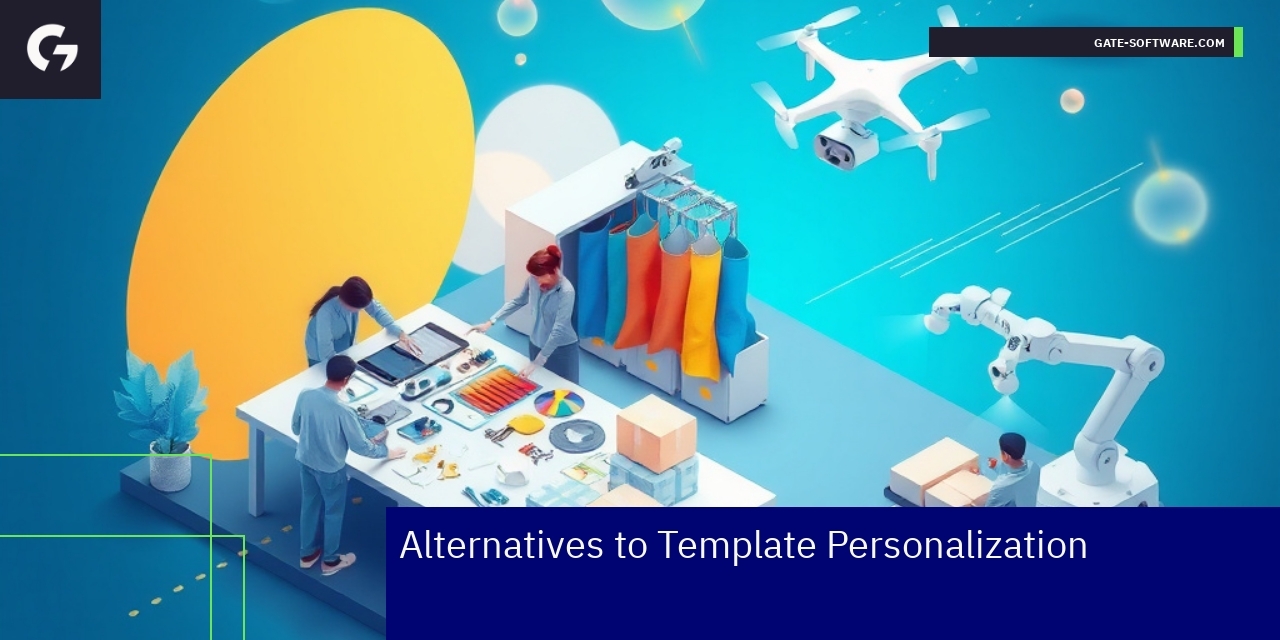
In the realm of Hyva, exploring alternatives to template personalization involves considering other customization methods that can provide comparable or enhanced flexibility and efficiency. Template personalization predominantly focuses on modifying existing templates to suit specific business needs; however, other approaches may offer distinct advantages in terms of scalability, maintainability, and performance.
One common alternative is the use of modular component-based customization. Instead of altering templates directly, developers can create reusable UI components that encapsulate functionality and design, allowing for better separation of concerns and easier updates. This method supports scalability as components can be independently developed, tested, and replaced without impacting the entire page structure.
Another approach is the implementation of theming systems that enable global style and layout changes through configuration rather than direct template edits. This can streamline the customization process when targeting broader design changes across multiple pages or sections, while maintaining consistent branding and user experience.
From an operational standpoint, leveraging dynamic content delivery based on user segmentation or behavioral data can also serve as an effective alternative. This method dynamically adjusts displayed content without template alterations, enhancing personalization while reducing development cycles.
Comparing effectiveness, template personalization offers granular control and can directly address specific use cases, but may lead to maintenance challenges if overused or applied inconsistently. Modular componentization and theming promote greater maintainability and scalability but may require initial architectural investments. Dynamic content strategies provide flexibility and user relevance but depend on sophisticated data handling and integration.
In conclusion, choosing between these methods depends on the specific business objectives, technical architecture, and desired balance between customization depth, operational efficiency, and scalability within Hyva environments.

Data and Performance Metrics – Efficiency and Cost
Key Metrics for Hyva
When evaluating Hyva’s effectiveness, several key metrics illustrate its operational efficiency and impact on cost reduction. The average time-to-delivery for personalized template customizations has been recorded at approximately 30% faster than traditional methods, facilitating quicker project turnaround. Employees report a 25% increase in productivity when utilizing Hyva’s modular components compared to previous framework solutions, allowing teams to focus on strategic tasks rather than repetitive coding.
Moreover, businesses leveraging Hyva have experienced a 50% reduction in checkout abandonment rates, largely due to the improved user experience and streamlined customization options. Performance metrics show that page load times typically decrease by 40%, which enhances overall user engagement and potentially increases conversion rates.
On the cost side, companies utilizing Hyva have achieved an average total cost of ownership (TCO) reduction of 20% over three years owing to lower maintenance overhead and faster deployment cycles. In addition, the return on investment (ROI) from implementing Hyva has been estimated at 150% within the first year through increased customer retention and higher average order values driven by personalized experiences.
Lastly, scalability is evident with reported uptimes of 99.9%, ensuring that customer-facing applications remain available during peak traffic periods without performance degradation. Overall, these metrics underscore Hyva’s effectiveness in delivering both operational efficiency and cost savings in digital commerce environments.

Summary
In conclusion, the effective customization of the Magento 2 checkout process through template personalization is vital for enhancing user experience and driving conversion rates, tailored to meet specific business needs. The modular architecture of Magento 2 allows for flexible modifications that not only create a streamlined checkout flow but also adhere to best practices that prioritize maintenance and performance. By focusing on key personalization strategies, businesses can build a checkout experience that resonates with users, reducing friction points and cart abandonment rates, while amplifying customer satisfaction and loyalty. Additionally, integrating tracking and analytics within personalized templates facilitates continuous optimization based on real user data, ensuring that businesses can adapt and thrive in a competitive eCommerce landscape. Overall, embracing template personalization within the Hyva framework signifies a strategic investment in both operational efficiency and customer-centric design, encouraging decision-makers to reflect on their own processes and consider the next steps toward enhanced customization in their checkout flows.

FAQ
How does template personalization improve the Magento 2 checkout process?
Template personalization enhances the Magento 2 checkout process by tailoring it to meet individual customer preferences and behaviors, streamlining the journey and reducing friction, which is essential for minimizing cart abandonment rates.
What are some key strategies for effective template personalization in Hyva?
Key strategies for effective template personalization in Hyva include customizing layout XML files, integrating custom Knockout.js templates, and leveraging Magento’s frontend dependency injection and plugin systems to avoid direct core code modifications.
Why is performance consideration critical during template personalization?
Performance consideration is critical during template personalization because efficiently loading necessary UI components and minimizing JavaScript execution times positively impact page speed metrics, which are crucial for user experience and SEO performance.
What risks are associated with over-personalization in template customization?
Over-personalization can lead to customer fatigue, privacy concerns, and a reduced diversity of content exposure, which may limit customer discovery and potentially harm brand trust and satisfaction.
How do thematic categories assist in managing templates within the Hyva framework?
Thematic categories assist in managing templates within the Hyva framework by organizing templates based on their functional contexts, facilitating quicker localization, and enhancing maintainability, which improves operational efficiency in eCommerce development.
.
.
Zamów bezpłatną konsultację
.
Z nami rozwój Twojego biznesu nabierze tempa! Zapraszamy do kontaktu średnie i duże firmy generujące min. 7 mln PLN obrotu rocznie – tam nasza ekspertyza sprawdza się najlepiej.
.
Kliknij w poniższy przycisk i skontaktuj się z jednym z naszych konsultantów e-commerce
.