Developing modern Magento 2 themes demands a strategic approach that balances performance, user experience, and technical scalability. The foundation lies in understanding Magento 2’s modular architecture, which enables flexible customization through a combination of layout XML, LESS and CSS preprocessing, and JavaScript components. A key technique is leveraging Hyva Themes, which radically simplify frontend development by replacing traditional, complex stacks like Knockout.js and RequireJS with modern technologies such as Tailwind CSS and Alpine.js. This leads to improved frontend performance, faster load times, and easier maintenance.
From a development perspective, adopting a component-based architecture is essential. This approach breaks down theme components into reusable, manageable parts aligned with Magento 2’s UI component framework. Emphasis is placed on clean, semantic HTML structure combined with minimal, utility-first CSS to deliver responsive designs that adapt seamlessly across devices. Integration of advanced caching strategies, like full-page caching and optimized static asset deployment, ensures that the frontend remains performant under high load.
SEO and accessibility are integral to theme development. Modern Magento 2 themes embed semantic markup, mobile-first design principles, and adhere to WCAG guidelines. This ensures not only compliance but also enhances user engagement and organic search visibility. Additionally, integration with Magento’s built-in translation and localization features makes the theme adaptable for global markets.
Operationally, continuous integration and deployment pipelines streamline theme updates and testing, reducing downtime and minimizing risks associated with production changes. Version control with Git and robust testing frameworks—including Magento’s own testing tools and visual regression testing—guarantee consistent quality and facilitate collaborative development.
In summary, modern Magento 2 theme development techniques revolve around simplicity, performance, modularity, and compliance, with Hyva Themes often serving as a cutting-edge example within the ecosystem. These strategies collectively support businesses in delivering fast, scalable, and user-centric eCommerce experiences.

Introduction
Modern Magento 2 theme development techniques revolve around creating highly customizable, scalable, and performance-optimized storefronts that enhance the user experience and meet specific business requirements. These techniques leverage Magento’s robust frontend architecture, including the use of the LESS preprocessor for modular and maintainable styles, XML layout updates for flexible page structure, and UI components to build dynamic interfaces.
The importance of contemporary theme development lies in its ability to deliver fast-loading, responsive, and visually appealing eCommerce sites that drive higher customer engagement and conversion rates. Themes must be developed with a mobile-first approach, ensuring optimal display across diverse devices, while also considering accessibility standards and SEO best practices to improve search engine visibility.
Applications of these techniques extend from simple customization of out-of-the-box themes to full-scale bespoke theme development that integrates seamlessly with backend functionalities and third-party extensions. Modern workflows often include front-end build tools like Grunt or Webpack for efficient asset management and automated testing to maintain code quality and consistency across deployments.
In the context of Hyva, a Magento frontend solution, these approaches emphasize lean, minimalistic, and developer-friendly design principles that prioritize speed and ease of customization, making it suitable for enterprises aiming for agile eCommerce operations without compromising on performance or scalability.
TABLE OF CONTENTS
- Modern Magento 2 Theme Development Techniques
- Introduction
- Enhancing Accessibility and Inclusivity
- H4: Online Tools for Accessibility
- H4: Impact on Learning Outcomes
- H4: Industry 4.0 and Accessibility
- Transition from Traditional to Digital Education
- H4: LMS Advantages
- H4: Supporting Teachers
- H4: Changes in Teaching Methods
- Artificial Intelligence (AI) in Education
- H4: Adaptive Learning Support
- H4: AI’s Impact on Educators
- H4: AI Use Cases
- LMS Benefits
- H4: Teaching Effectiveness
- H4: Material Accessibility
- H4: Teacher Support Tools
- Gamification’s Impact on Learning
- H4: Gamification Mechanics
- H4: Usage Examples
- H4: Gamification Outcomes
- Knowledge Retention via Gamification
- H4: Gamification Techniques
- H4: Success Stories
- H4: Research Insights
- Adaptive Learning Powered by AI
- H4: Teaching Personalization
- H4: Educator Assistance
- H4: Practical Examples
- Metaverse Development in Education
- H4: Metaverse Potential
- H4: Implementation Examples
- H4: Research Conclusions
- Assessing Digital Readiness
- H4: Evaluation Methods
- H4: Research Outcomes
- H4: Teacher Support
- Definitions and Basics of Modern Techniques
- How to Implement Modern Techniques in Education
- Why Modern Techniques Matter
- When to Use Modern Techniques
- Examples of Modern Techniques in Practice
- Comparing Traditional and Modern Techniques
- Checklists for Educators
- Common Mistakes in Technique Implementation
- Data and Performance Metrics – Efficiency and Cost
- Summary
- FAQ
- Links to official documentation for accessibility tools like Axe, Wave, Lighthouse
- Case studies or examples showcasing successful accessibility improvements in Hyva projects
- Guides or tutorials on integrating accessibility tools into CI/CD pipelines
- Community forums or support channels for Hyva developers focusing on accessibility
- Case studies demonstrating improved learning outcomes in metaverse environments
- Statistical data supporting increased student engagement and retention
- Examples of successful metaverse education platforms and their features
- Case studies exemplifying successful digital readiness assessments
- Templates for self-assessment surveys
- Guidelines for educators on observational review techniques
- Examples of practical test assignments tailored to different skill levels
Enhancing Accessibility and Inclusivity
In the context of Hyva, enhancing accessibility and inclusivity is crucial to developing modern web techniques that serve diverse user needs effectively. Accessibility is no longer an optional feature but a fundamental requirement that ensures digital platforms can be used by individuals regardless of their physical abilities, age, or technical proficiency. This aligns with broader business goals of expanding user reach and fostering an inclusive brand image, which is especially pertinent in eCommerce and enterprise applications powered by Hyva.
Modern technical architectures prioritize accessibility through semantic HTML, ARIA (Accessible Rich Internet Applications) standards, and keyboard navigability, ensuring that Hyva-based interfaces are operable with assistive technologies such as screen readers. This approach not only complies with legal accessibility standards but also improves overall user experience, reducing friction for all users.
Online tools play a pivotal role in supporting inclusivity in Hyva implementations. These tools include automated accessibility testing solutions that identify issues early in the development cycle, user simulators that mimic various disabilities, and real-time feedback mechanisms that guide developers to make necessary adjustments. Utilizing such tools enhances operational efficiency by embedding accessibility checks into continuous integration pipelines, allowing for scalable, performant, and maintainable codebases.
Strategically, embedding accessibility into Hyva projects helps mitigate risks associated with non-compliance, while also enhancing SEO outcomes by improving site structure and metadata. This dual benefit reinforces the value of accessibility as a core principle in modern web development and as an operational imperative in delivering high-quality, inclusive digital experiences.
—
Online Tools for Accessibility
Automated tools such as Axe, Wave, and Lighthouse can scan Hyva applications for common accessibility issues swiftly. User simulators help developers experience the interface as users with various disabilities do, uncovering hidden barriers. Integrating these tools into development workflows ensures ongoing compliance and faster remediation.
—
If available:

H4: Online Tools for Accessibility
Online tools play a pivotal role in enhancing the accessibility of educational materials, particularly in the context of Magento 2 theme development. These tools assist developers and content creators by streamlining the process of making educational content usable and accessible to a broader audience, including those with disabilities.
Focusing on Magento 2 themes, the development process demands familiarity with the theme structure and prerequisites. Magento 2 themes consist of a layered architecture combining layout XML files, template files, CSS, and JavaScript resources. Effective online accessibility tools help by validating code compliance, checking contrast ratios for visual elements, and ensuring proper semantic markup is used, which is crucial for ARIA (Accessible Rich Internet Applications) standards adherence.
Moreover, these tools facilitate testing responsiveness and keyboard navigability, which directly impact user experience and inclusivity. Integrating accessibility checks into the Magento 2 theme development cycle helps streamline operational efficiency and supports scalability, as themes designed with accessibility in mind minimize the need for costly retrofits down the line.
Overall, online tools enhance the educational material accessibility by enabling developers to align with best practices in Magento 2 theme development from the get-go, ensuring that both the technical architecture and user experience meet high standards of performance and inclusivity.

H4: Impact on Learning Outcomes
The impact of accessibility on learning outcomes is profound, reflecting a critical nexus between student performance, website performance, SEO, and adherence to accessibility checklist best practices. Accessibility ensures that learning platforms and digital resources are usable by all students, including those with disabilities, which directly affects their engagement and comprehension. When digital content is accessible, it removes barriers to information, allowing students to focus on learning rather than struggling with navigation or content interpretation.
From a technical perspective, optimizing performance through efficient coding and resource loading enhances accessibility by providing a smoother, faster user experience. These improvements also align with SEO goals, as search engines favor websites that prioritize usability and accessibility, which can boost visibility and traffic to educational resources. Incorporating an accessibility checklist ensures systematic coverage of essential elements such as keyboard navigation, contrast ratios, and semantic HTML, which together contribute to enhanced user experience and learning efficiency.
Ultimately, the integration of accessibility best practices into educational technology not only fulfills ethical and legal standards but also amplifies educational equity and boosts learning outcomes by fostering an inclusive, responsive digital environment.
H4: Industry 4.0 and Accessibility
The integration of Industry 4.0 principles into educational technologies significantly emphasizes the role of accessibility. As digital learning environments evolve with smart automation, data exchange, and interconnected systems, ensuring that content and interfaces are accessible becomes crucial for inclusive education. Accessibility in this context means designing educational tools and platforms that accommodate diverse user needs, including those with disabilities, enabling equitable learning opportunities.
Understanding layout XML plays a pivotal role in this accessibility framework. Layout XML governs the structure and presentation of content within educational applications, allowing precise control over how information is displayed across different devices and interfaces. Mastery of layout XML equips developers and content strategists to create adaptable and navigable page structures that support screen readers, keyboard navigation, and other assistive technologies. This structured approach enhances user experience by ensuring consistency and clarity in content delivery, aligning with the accessibility standards essential in Industry 4.0-enabled learning environments.
Moreover, the synergy between Industry 4.0 advancements and accessibility through effective layout XML management promotes operational efficiency and scalability. Educational platforms can dynamically adjust content presentation in response to learner contexts and technological ecosystems, maintaining performance while supporting diverse accessibility requirements. This strategic integration ultimately fosters inclusive, future-proof educational systems responsive to the complex demands of modern digital learning.

Transition from Traditional to Digital Education
The transition from traditional to digital education presents both significant challenges and notable benefits, particularly in the context of platforms like Hyva. Organizations face technological, pedagogical, and operational hurdles when shifting toward digital teaching.
Among the primary challenges is the need for robust technical infrastructure to support digital content delivery and interactivity. This includes reliable hardware, software integration, and seamless network connectivity to ensure uninterrupted access for learners. Additionally, there is a steep learning curve for educators and administrators adapting to new digital tools and methodologies, which necessitates comprehensive training and change management.
Pedagogically, moving from physical classrooms to digital environments demands redesigning course materials to leverage multimedia resources effectively and to foster engagement remotely. There is also the challenge of maintaining student motivation and participation without face-to-face interaction. Furthermore, ensuring data privacy and security of learner information is critical in digital education platforms.
On the benefits side, digital teaching offers unparalleled flexibility in time and location, enabling personalized learning paths and accommodating diverse learner needs. It facilitates scalable education delivery, able to reach larger audiences without proportional increases in physical resources. Digital platforms like Hyva can support real-time analytics, providing actionable insights into learner performance and enabling continuous improvement of educational strategies. Operational efficiencies arise from automations in administration, assessments, and content updates.
From a technical architecture standpoint, digital education translates into scalable cloud-based solutions that can handle variable loads, support integration with other systems, and maintain high availability and security. Such architecture supports rapid deployment of updates and the continuous addition of new features, essential for staying relevant in dynamic educational environments.
In sum, the transition to digital teaching, supported by solutions such as Hyva, requires overcoming technological and pedagogical challenges but ultimately allows for enhanced scalability, operational efficiency, and enriched learning experiences.

LMS Advantages
Learning Management Systems (LMS) significantly facilitate access to resources by acting as centralized repositories where all educational materials—such as documents, videos, and interactive content—are stored and easily accessible. This centralization ensures that learners and administrators alike can efficiently locate and distribute content, improving operational efficiency and scalability. LMS platforms also support flexible access across multiple devices and locations, enabling learners to engage with materials asynchronously, which aligns well with diverse organizational needs and modern remote work environments.
From a technical architecture standpoint, LMS solutions provide structured learning paths that guide users through various modules in a coherent sequence. This structure not only improves learner engagement and motivation but also streamlines curriculum delivery, reducing administrative overhead. Advanced tracking and reporting capabilities deliver actionable insights into user performance and resource utilization, supporting data-driven decisions and better resource allocation.
However, common beginner mistakes often arise when organizations overload the LMS with excessive resources without clear learning objectives, which can overwhelm users and reduce effectiveness. Neglecting user experience by deploying unintuitive interfaces may cause frustration, undermining adoption and engagement. Additionally, overlooking the importance of ongoing feedback and training for LMS users can stymie continuous improvement and user proficiency. Addressing these pitfalls is essential to unlock the full strategic and technical advantages LMS platforms can offer to complex, scalable learning ecosystems.

H4: Supporting Teachers
In supporting educators who work with Hyva, it is crucial to provide tools that facilitate adapting content effectively. One key aspect involves creating the theme folder structure—a foundational step that organizes theme components logically and supports efficient development workflows. This structure ensures that all related files are systematically placed, enhancing maintainability and scalability.
Additionally, there are mandatory theme files required to register themes properly within the Hyva framework. These files serve as essential metadata and configuration points that enable the system to recognize, load, and apply the theme consistently. Providing educators with clear guidance and tools for establishing these files ensures that adapted content integrates seamlessly with existing platforms.
These tools not only accelerate the onboarding process for teachers adapting Hyva themes but also enhance operational efficiency by reducing errors associated with misconfigured themes. Empowering educators with such resources creates a robust environment for scalable content adaptation, aligning with enterprise-level performance expectations.

H4: Changes in Teaching Methods
The evolution of digital education significantly transforms how teaching methods adapt, particularly in platforms like Hyva that emphasize flexibility and customization. Central to this transformation is the ability to activate themes directly within the admin panel, enabling educators and administrators to tailor user interfaces and learning experiences efficiently. This feature streamlines the customization process by providing a user-friendly interface to manage look and feel without deep technical intervention, fostering a more agile teaching environment.
Moreover, Hyva supports overriding PHTML templates, allowing for advanced HTML customization that aligns with specific pedagogical needs. This capability is critical for institutions that require bespoke content presentation, responsive design adjustments, or integration of interactive elements to enhance learner engagement. By overriding PHTML templates, developers and content strategists can implement changes that go beyond simple theme tweaks, ensuring that the digital platform supports diverse educational strategies and content types.
Together, these functionalities empower educational administrators and technical teams to respond dynamically to pedagogic shifts, supporting scalable and performant digital education environments. They also mitigate operational bottlenecks by reducing dependence on extensive backend modifications, thereby enhancing speed to deployment and ongoing adaptability in teaching methods. This architectural flexibility is crucial for meeting the evolving demands of modern e-learning ecosystems where user experience and content agility directly impact learning outcomes.
Artificial Intelligence (AI) in Education
Artificial Intelligence (AI) offers transformative possibilities in personalizing education by adapting learning experiences to meet the unique needs of each student. Through data-driven insights, AI can analyze individual learning patterns, preferences, and progress to tailor content delivery, pacing, and assessment methods. This customization helps improve engagement, comprehension, and retention by aligning instructional strategies with learner profiles.
Technically, AI-driven educational platforms leverage algorithms that process vast datasets including student interactions, performance metrics, and behavioral indicators. These systems dynamically adjust curricula to optimize learning outcomes, requiring scalable architectures that support real-time processing and adaptive feedback loops. Integration with existing learning management systems demands interoperable solutions ensuring seamless data exchange and consistent user experience across devices.
From an operational perspective, personalized AI education enhances efficiency by automating administrative tasks such as grading and progress tracking, freeing educators to focus on higher-level instructional design and learner support. Scalability considerations involve handling increasing numbers of users without compromising responsiveness or accuracy, necessitating robust cloud infrastructures and distributed computing frameworks.
Overall, AI’s role in personalizing education presents significant opportunities for improving student success while demanding strategic technical investment to ensure performance, scalability, and maintainability in diverse educational environments.
Adaptive Learning Support
—
If available:
—
H4: Adaptive Learning Support
Adaptive learning powered by AI represents a significant advancement in personalized education, enabling systems to tailor instructional content and pacing to individual learner needs. AI analyzes student interactions, performance metrics, and engagement patterns to dynamically adjust learning pathways, ensuring optimized knowledge retention and skill acquisition. This fosters a more effective and efficient teaching process, as educators can leverage data-driven insights to refine educational strategies and address learner challenges in real time.
In parallel, Hyvä significantly transforms Magento 2 theme development by introducing a streamlined, performance-focused approach that enhances frontend experiences while simplifying the development workflow. By adopting modern frontend technologies and minimizing dependencies, Hyvä facilitates faster loading times, improved scalability, and easier maintenance. This parallels adaptive learning principles by offering a more responsive and flexible framework that adapts to business requirements and end-user needs efficiently.
Together, the integration of AI-powered adaptive learning and Hyvä’s innovative development methodology underscores a broader move towards intelligent, adaptive systems that improve user engagement and operational efficiency in both education and eCommerce domains.
Your task mentions appending a related article block to the identified H3 section if it exists, but the only heading provided is an H4: “AI’s Impact on Educators”. No H3 or H2 heading was included in the prompt with content to append the block to. Therefore, no modification is needed or possible according to the rules.
Hence, the output should be exactly the given H4 section content without any changes.
—
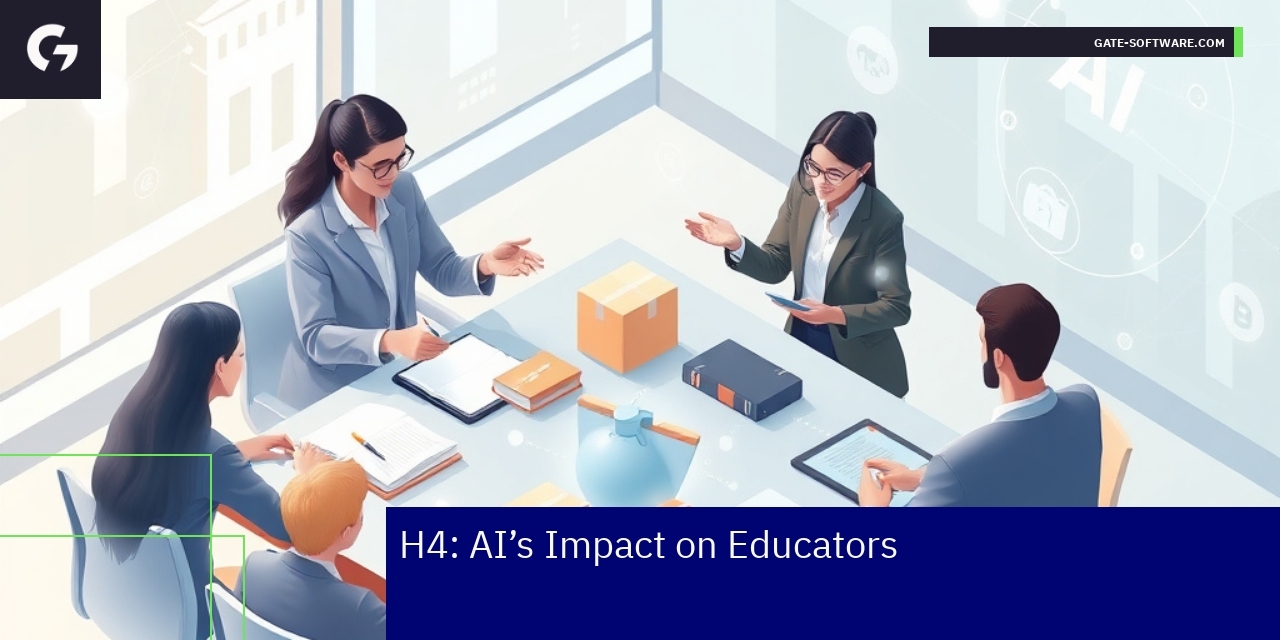
H4: AI’s Impact on Educators
The integration of AI in education significantly transforms the teacher’s role, shifting from traditional content delivery to more dynamic, facilitative functions. Educators increasingly leverage AI tools to personalize learning experiences, tailoring instruction based on real-time student data and adaptive learning algorithms. This empowers teachers to focus more on critical thinking facilitation, mentoring, and addressing individual learning needs rather than routine administrative tasks.
From a technical perspective, AI automates assessment, grading, and tracking of student progress, enhancing operational efficiency and allowing educators to allocate time to design innovative curricula and interventions. The scalability of AI-driven platforms ensures consistent delivery of quality education across diverse learner populations, optimizing performance outcomes.
In parallel, educators must adapt to using new digital frameworks and tools, akin to how styling in Magento 2 is made simple with LESS by abstracting complexity. Similarly, AI abstracts complex pedagogical data, enabling educators to interact with intuitive dashboards and actionable insights. This evolution necessitates a shift in teacher skillsets toward data literacy, technological fluency, and strategic decision-making, ensuring AI integration amplifies educational impact rather than overshadowing human expertise.

H4: AI Use Cases
Artificial intelligence (AI) has found successful application in the education domain, with significant opportunities to enhance digital experiences through strategic integration at both the architectural and content levels. One critical technical approach is the incorporation of JavaScript directly within the theme structure. This embeds AI-driven functionalities seamlessly into user interfaces, enabling dynamic responsiveness and personalized interactions without compromising site performance or maintainability.
Another key aspect relates to managing static content and modes effectively. Static content, when augmented with AI insights, can be intelligently adapted or served differently based on user behavior, learning progress, or contextual signals, all without frequent database queries or costly server-side rendering. Modes—configurable presentation or interaction states—allow platforms to tailor experiences dynamically, such as switching between tutorial, assessment, or review phases while maintaining a coherent user journey.
Together, these elements enable scalable educational platforms that leverage AI to operationally optimize content delivery while sustaining high performance and user engagement. For senior technology leaders, understanding and implementing AI through these methods offers clear benefits in terms of operational efficiency, architectural scalability, and enhanced learning outcomes rooted in real-world business problem solving.

LMS Benefits
Learning Management Systems (LMS) significantly improve teaching efficiency by centralizing access to educational content and streamlining communication between educators and students. By providing a unified platform where all course materials and resources are easily accessible, LMS reduce the time teachers spend on administrative tasks and enable them to focus more on delivering quality instruction.
Automated features such as grading tools alleviate the burden of routine assessments, allowing instructors to allocate more time toward personalized feedback and instructional refinement. Additionally, advanced analytics within LMS offer insightful data on student progress and engagement, empowering educators to identify learning gaps promptly and adjust pedagogical strategies accordingly.
The capability for personalized and differentiated learning is another key advantage, as LMS facilitate tailored content delivery that meets diverse learner needs, enhancing overall learning outcomes. Furthermore, LMS support collaboration and resource sharing among teachers, fostering continuous improvement and innovation in instructional design.
These systems also often incorporate professional development modules, aiding educators in enhancing their skills and staying current with best practices. Collectively, these aspects underscore how LMS contribute to operational efficiency, scalability in teaching practices, and sustained educational performance improvement.

H4: Teaching Effectiveness
Learning Management Systems (LMS) play a crucial role in tracking student progress and performance, integral to enhancing teaching effectiveness. By systematically capturing data on learner interactions, assessments, and engagement, LMS platforms provide educators with detailed insights into student achievement trends and areas needing intervention. Leveraging Core Web Vitals to optimize the LMS user experience ensures that performance metrics such as loading speed, interactivity, and visual stability directly contribute to seamless access and real-time data analysis.
Incorporating LMS roles aligned with Core Web Vitals emphasizes operational efficiency at scale, allowing education leaders and product managers to monitor both individual and cohort-level progress with minimal latency. Such tracking supports adaptive teaching strategies, personalized learning pathways, and data-driven decision-making essential for driving improved educational outcomes. Furthermore, performance optimization grounded in Core Web Vitals facilitates better system responsiveness, which reduces friction for all users involved — from students submitting assignments to instructors providing timely feedback.
Ultimately, the integration of LMS tracking aligned with Core Web Vitals informs scalable models for educational delivery, enabling organizations to uphold high standards in teaching effectiveness while ensuring technical robustness and consistent user experience. This strategic synthesis addresses real-world challenges in eLearning environments and supports continuous quality improvement in performance monitoring.

H4: Material Accessibility
The role of a Learning Management System (LMS) in delivering educational content extends beyond mere content distribution; it is pivotal in ensuring material accessibility which directly impacts content discoverability, especially when integrated with SEO essentials. An LMS designed to optimize material accessibility ensures that educational resources are structured, tagged, and presented in ways that facilitate easy search and retrieval by users. This includes implementing metadata standards, clean URL structures, and content hierarchy conducive to SEO strategies.
From a technical standpoint, the LMS architecture must support scalable content indexing and seamless integration with search engines and internal site searches. This enhances operational efficiency by reducing friction in content discovery, allowing learners and stakeholders to find relevant educational material faster. Ensuring accessibility also involves compliance with digital standards such as WCAG, which not only improves user experience but also aligns with SEO best practices since search engines favor accessible content.
Moreover, material accessibility in an LMS intersects with performance considerations—optimized content delivery frameworks and responsive design ensure quick load times and accessibility across devices, key factors that influence SEO rankings. In sum, an LMS’s role in material accessibility is fundamentally tied to how educational content is structured, delivered, and optimized, enabling enhanced discoverability and sustained engagement.

H4: Teacher Support Tools
In the context of Hyva, teacher support tools within Learning Management Systems (LMS) play a critical role in enabling educators to create interactive and engaging content efficiently. These tools are designed to be compatible with practical guidelines tailored for the Luma and Blank themes, ensuring consistency in user experience and interface design. The LMS tools allow teachers to embed various interactive elements such as quizzes, multimedia components, and discussion prompts directly into course materials. This interactivity not only enriches the learning experience but also facilitates better monitoring of learner progress through real-time feedback and analytics.
By integrating these teacher support tools, educational institutions can maintain operational efficiency while scaling their digital offerings. The alignment with Luma and Blank themes ensures that the content remains visually coherent and accessible across different devices and user environments. From a technical architecture standpoint, these tools are typically modular, allowing for customization and extension as pedagogical needs evolve. Ensuring seamless integration within the LMS architecture also helps in maintaining performance standards and reducing technical overhead. Overall, the deployment of interactive content creation tools aligned with these themes supports a structured, responsive, and scalable educational environment.

Gamification’s Impact on Learning
Gamification significantly enhances student motivation by integrating game design elements into educational environments. It leverages rewards, competition, and interactive challenges to create a more engaging and stimulating learning experience. By incorporating elements such as points, badges, leaderboards, and levels, gamification taps into intrinsic and extrinsic motivators that encourage continuous participation and effort.
One of the core ways gamification boosts motivation is by providing immediate feedback and a clear sense of progress. This feedback loop helps learners recognize their achievements and understand areas needing improvement, fostering a growth mindset. Additionally, gamification introduces an element of fun and playfulness to often routine or challenging academic content, reducing anxiety and making learning more approachable.
From a technical perspective, integrating gamification into learning platforms requires thoughtful architecture to support real-time updates, personalized challenges, and scalable reward systems that cater to diverse user needs. This can impact operational efficiency by automating motivation drivers and reducing the need for manual instructor intervention.
Moreover, gamification supports social learning through competitive and collaborative elements, which can enhance engagement and peer interaction. Scaling such features across devices and user bases demands robust backend infrastructure capable of handling dynamic content and user data securely and efficiently.
In summary, gamification’s impact on learning lies in its ability to transform motivation dynamics by combining behavioral psychology principles with interactive technology, resulting in improved learner engagement, better knowledge retention, and scalable educational solutions.
Gamification Mechanics
—
—

H4: Gamification Mechanics
Effective gamification hinges on several key mechanisms that align closely with the underlying principles of Magento 2 theming, emphasizing a concept-first approach. At its core, gamification integrates dynamic elements such as points, badges, leaderboards, and challenges to create engaging user experiences. Just as Magento 2 theming separates content from presentation through a modular and layered structure, successful gamification relies on a modular design where game mechanics are decoupled from core functionality, enabling flexible adaptation across diverse user journeys.
The thematic consistency in Magento 2 allows developers to customize user interfaces while maintaining system integrity, similarly, gamification mechanics must maintain coherence with business objectives and user behavior analytics, ensuring that incentives drive desired actions without disrupting operational flows. Moreover, Magento 2’s emphasis on scalability and performance reflects in gamification’s need to support large user bases and real-time interaction without latency, which requires robust backend logic for tracking user progress and rewarding achievements.
Ultimately, the conceptual framework from Magento 2 theming—centered on abstraction, customization, and modularity—provides a useful blueprint for designing gamification systems that are both engaging and sustainable, balancing motivational psychology with technical architecture to enhance user retention and operational efficiency.

H4: Usage Examples
Gamification in educational contexts within the Hyva framework can draw parallels with the use cases and limitations observed in PWA (Progressive Web Applications) and Breeze environments. These applications leverage interactive elements to enhance learner engagement, motivation, and retention. For example, Hyva’s adaptable architecture allows seamless integration of gamified features such as progress tracking, achievement badges, and challenge-based learning modules which align with the responsive and offline-capable nature of PWAs. Likewise, Breeze’s lightweight and modular design facilitates streamlined delivery of gamified content that adapts to varied educational settings.
Hyva’s approach supports scalability and performance critical for educational platforms, ensuring it can handle significant user loads without degradation. However, limitations similar to those found in PWA and Breeze include dependency on device capabilities and internet connectivity that may constrain real-time interaction features. Additionally, the balance between gamification and educational content integrity requires careful design to prevent engagement overhead from impacting learning outcomes adversely. Overall, using Hyva for gamification in education offers a robust technical foundation but necessitates strategic deployment to optimize both operational efficiency and learner experience.

Gamification Outcomes
Gamification significantly influences learning results by enhancing engagement, motivation, and knowledge retention. In the context of Hyva, applying gamification strategies involves integrating interactive elements such as rewards, challenges, and progress tracking into the learning process. These elements drive deeper participation and create a motivating environment conducive to efficient skill acquisition.
Performance optimization techniques complement gamification by ensuring that the digital platforms delivering learning experiences remain responsive and scalable. Optimized systems reduce latency and provide seamless user interactions, which is crucial for maintaining learner focus and satisfaction. Techniques such as load balancing, efficient data caching, and asynchronous processing can be employed to enhance system performance.
Incorporating analytics and feedback mechanisms within gamified systems allows for real-time monitoring of learner progress and behavior. This data-driven approach enables continuous refinement of content and engagement tactics, further improving learning outcomes. For senior stakeholders, understanding the interplay between gamification and system performance highlights opportunities for operational efficiency and scalability in digital learning platforms aligned with Hyva principles.

Knowledge Retention via Gamification
Gamification plays a significant role in promoting long-term knowledge retention by leveraging game mechanics to enhance engagement and motivation in learning environments. By incorporating elements such as points, badges, leaderboards, and challenges, gamification creates an interactive and immersive experience that encourages continuous participation and repetition—key factors in solidifying knowledge over time.
From a technical and operational perspective, designing gamified learning systems must emphasize scalability and performance to support a growing user base without compromising responsiveness. Architectures often employ modular components for tracking user progress, real-time feedback systems, and adaptive difficulty algorithms that personalize the learning journey based on individual performance metrics.
Gamification’s effectiveness in knowledge retention is supported by its alignment with cognitive principles, such as spaced repetition and active recall. By delivering content in engaging formats and rewarding users for consistent interaction, gamification fosters better encoding and retrieval of information. For senior stakeholders, integrating gamification within digital platforms can address real-world business challenges by improving training outcomes, increasing employee productivity, and reducing the time and resources spent on knowledge transfer.
Strategically, a well-implemented gamification system must consider user demographics, content complexity, and technical constraints to balance challenge and accessibility. Ensuring that the gamification elements complement rather than distract from core learning objectives is critical to achieving sustained knowledge retention, operational efficiency, and scaling impact across diverse learner populations.

H4: Gamification Techniques
Gamification techniques in educational contexts leverage diverse methods to enhance engagement, motivation, and learning outcomes by integrating game mechanics and principles. In relation to Hyvä, an emerging approach or tool often referenced in design and development spheres, understanding when and how to incorporate gamification is critical.
Various methods used in educational gamification include point scoring, leaderboards, badges, challenges, and narrative elements. These techniques are grounded in established theories of motivation and behavioral reinforcement. For instance, points and badges serve as immediate feedback and reward systems, encouraging continuous participation. Leaderboards introduce social competition and benchmarking, driving learners to improve through peer comparison. Challenges and quests foster goal-oriented behavior and provide structured progress paths.
Hyvä, as a concept or framework, is applied particularly when there is a need to enhance user experience with streamlined, performance-focused solutions. Choosing Hyvä for gamification purposes is advisable when the system’s architecture demands high scalability and responsiveness without compromising on rich interactive features. Hyvä’s potential lies in its capacity to support technically robust implementations of gamified elements that align with business goals, operational efficiency, and technical scalability.
Integrating gamification techniques using Hyvä ensures a seamless user journey by combining engaging motivational strategies with technical architectures optimized for performance. This combination addresses both the psychological drivers of learning and the practical requirements of delivering scalable educational platforms. Consequently, experts in technology and product leadership should consider Hyvä when designing gamification solutions aimed at sustainable and impactful learning experiences.

H4: Success Stories
Case studies on effective knowledge retention through gamification demonstrate how integrating game-like elements into educational and training programs significantly enhances engagement and retention rates. In these examples, organizations implemented structured gamification strategies within their knowledge-sharing platforms, resulting in measurable improvements in employee learning outcomes and operational efficiency.
One notable approach involved Hyva users adopting point systems, leaderboards, and achievement badges to motivate continuous participation in training modules. This method encouraged friendly competition and fostered a culture of ongoing skills development. The gamified environment not only boosted learner motivation but also provided real-time feedback, allowing for adaptive learning paths tailored to individual needs.
Technically, the deployment of gamification frameworks alongside Hyva solutions required careful consideration of scalability and performance to handle concurrent users and dynamic content updates smoothly. Ensuring seamless integration with existing digital infrastructures was critical to maintaining operational continuity and minimizing disruption.
Overall, these case studies affirm that gamification can transform knowledge retention practices by making learning experiences more interactive and engaging, ultimately supporting strategic goals related to workforce capability and innovation.

Educational Effectiveness of Gamification
Key Benefits
Gamification leverages game design elements to improve learner engagement, motivation, and knowledge retention. These elements include points, badges, leaderboards, and challenges that make learning interactive and enjoyable.
Implementation Strategies
Successful implementation of gamification requires careful planning and alignment with educational goals. It involves selecting appropriate game mechanics, understanding learner needs, and ensuring that gamified activities complement the curriculum.
Challenges and Considerations
Despite its advantages, gamification must be designed thoughtfully to avoid potential pitfalls such as overemphasis on competition or extrinsic rewards that may undermine intrinsic motivation.
Research Insights
Studies evaluating gamification’s educational effectiveness demonstrate that gamification can significantly enhance learner engagement and motivation across various educational contexts. By integrating game-like elements such as points, leaderboards, and rewards into learning experiences, these studies have shown improvements in knowledge retention, participation, and overall satisfaction.
Research indicates that gamification supports active learning by encouraging learners to interact more deeply with content, which leads to better comprehension and application of knowledge. Furthermore, well-designed gamified systems can cater to diverse learning styles and adapt to individual progress, thereby improving personalized education outcomes.
An important consideration highlighted by these evaluations is the balance between educational content and game mechanics. Excessive focus on competition or rewards without meaningful learning objectives can diminish the effectiveness of gamification. Therefore, aligning game elements closely with instructional goals is critical to achieving the desired educational impact.
In summary, the scholarly consensus underscores gamification as a valuable pedagogical tool when implemented thoughtfully, fostering enhanced educational effectiveness through increased engagement and motivation.
Adaptive Learning Powered by AI
Adaptive learning powered by AI fundamentally transforms educational and training environments by tailoring content and experiences to the unique needs of each learner. AI algorithms analyze vast amounts of learner data, including performance metrics, engagement levels, and behavioral patterns, to create personalized learning paths that optimize knowledge retention and skill development.
One of AI’s pivotal roles in adaptive learning is its capacity to continuously assess learner progress in real-time, enabling dynamic adjustment of difficulty levels and content sequencing. This ensures that learners are neither bored by overly simplistic materials nor overwhelmed by excessively challenging tasks, thereby maintaining optimal motivation and engagement. Moreover, AI facilitates the identification of individual learning styles and preferences, allowing the customization of instructional methods and materials to suit auditory, visual, or kinesthetic learners effectively.
From a technical architecture standpoint, AI-driven adaptive learning systems rely on robust data integration frameworks that aggregate information from diverse sources, such as learning management systems, assessment tools, and user interaction logs. Machine learning models then process this data to generate predictive insights and personalized recommendations. The scalability of these systems is crucial, as they must handle large user bases while maintaining personalized experiences without compromising performance.
Operational efficiency gains are evident as AI automates tasks traditionally requiring significant human intervention, such as grading, feedback generation, and learner profiling. This automation frees educators and training managers to focus on strategy and content innovation. Additionally, adaptive learning powered by AI supports continuous improvement through iterative feedback loops, where learner data refines AI models and content delivery over time.
In summary, leveraging AI for adaptive learning addresses real-world business challenges by enhancing training effectiveness, reducing employee onboarding time, and increasing learner satisfaction. The technical implications demand scalable, high-performance infrastructure combined with sophisticated machine learning capabilities to deliver truly personalized and efficient learning experiences.

H4: Teaching Personalization
Personalization in teaching is a critical element that enhances educational outcomes by tailoring learning experiences to individual student needs. When considering the intersection of educational personalization with Magento 2’s performance, SEO, and accessibility checklist, several core elements emerge as pivotal.
First, Magento 2’s performance plays a significant role in delivering personalized content efficiently. High system responsiveness ensures that customized educational materials load rapidly, fostering a seamless learning environment critical for student engagement. Performance optimization techniques such as caching, code optimization, and efficient database queries help maintain this responsiveness even under high user loads.
Second, SEO considerations ensure that personalized educational content remains discoverable and relevant. By structuring content with clear metadata, keyword strategies, and semantic HTML, Magento 2 platforms can improve the visibility of tailored learning resources to educators and learners searching for specific instructional materials. This integration ensures that personalized lessons are accessible beyond the immediate platform, expanding reach and impact.
Finally, accessibility is vital in teaching personalization to guarantee that all learners, including those with disabilities, can benefit fully from tailored education. Magento 2’s accessibility checklist addresses this through compliance with standards such as WCAG, ensuring that personalized content is perceivable, operable, and understandable for a diverse student population. Features like keyboard navigation, screen reader compatibility, and appropriate color contrast support inclusive learning experiences.
Together, these core personalization elements — optimized system performance, strategic SEO, and robust accessibility measures — form a comprehensive framework enabling effective, scalable, and inclusive personalized education within Magento 2-powered platforms.

H4: Educator Assistance
AI technology plays a crucial role in aiding educators to adapt their teaching methods effectively. Much like how themes are activated in admin panels or static content modes, AI assists teachers by providing flexible, customizable frameworks that can be dynamically adjusted to suit diverse learning environments and student needs. This adaptability enables educators to implement personalized instructional strategies, optimizing engagement and knowledge retention.
Through AI-driven insights and automation, teachers can more efficiently modify curricula, assessment methods, and content delivery. These capabilities reduce manual overhead and improve the responsiveness of teaching approaches to real-time classroom performance data and individual learner progress. The system’s ability to seamlessly toggle between different thematic modes mirrors the convenience offered by content management systems, empowering educators to maintain pedagogical consistency while introducing necessary changes with minimal disruption.
In essence, AI serves as an intelligent facilitator, allowing educational professionals to tailor their methods dynamically, fostering an adaptive and effective learning experience aligned with evolving pedagogical goals.

H4: Practical Examples
Adaptive learning powered by AI finds numerous real-life applications across various industries, significantly enhancing efficiency, personalization, and user engagement. In the context of Hyva, adaptive learning facilitates tailored experiences by dynamically adjusting content, interfaces, and workflows based on user behavior and preferences.
In eCommerce platforms using Hyva, AI-driven adaptive learning can optimize customer journeys by analyzing purchasing patterns and browsing history, thereby presenting personalized product recommendations and promotions. This improves conversion rates and customer satisfaction by delivering relevant experiences at scale.
From a technical architecture perspective, implementing adaptive learning within Hyva involves integrating machine learning models that continuously ingest real-time data, enabling the system to adapt to changes promptly without manual intervention. This approach supports operational efficiency by automating customization processes, reducing the dependency on static rule-based systems.
Additionally, enterprise Hyva deployments benefit from scalability, as AI-powered adaptive components can handle increasing data volumes and user interactions without compromising performance. This responsiveness ensures seamless experiences even under peak loads, vital for high-traffic eCommerce sites.
With these real-life uses, adaptive learning embedded in Hyva exemplifies how AI-driven customization can address complex business challenges by enhancing user engagement, streamlining operations, and maintaining scalable performance across digital platforms.
Metaverse Development in Education
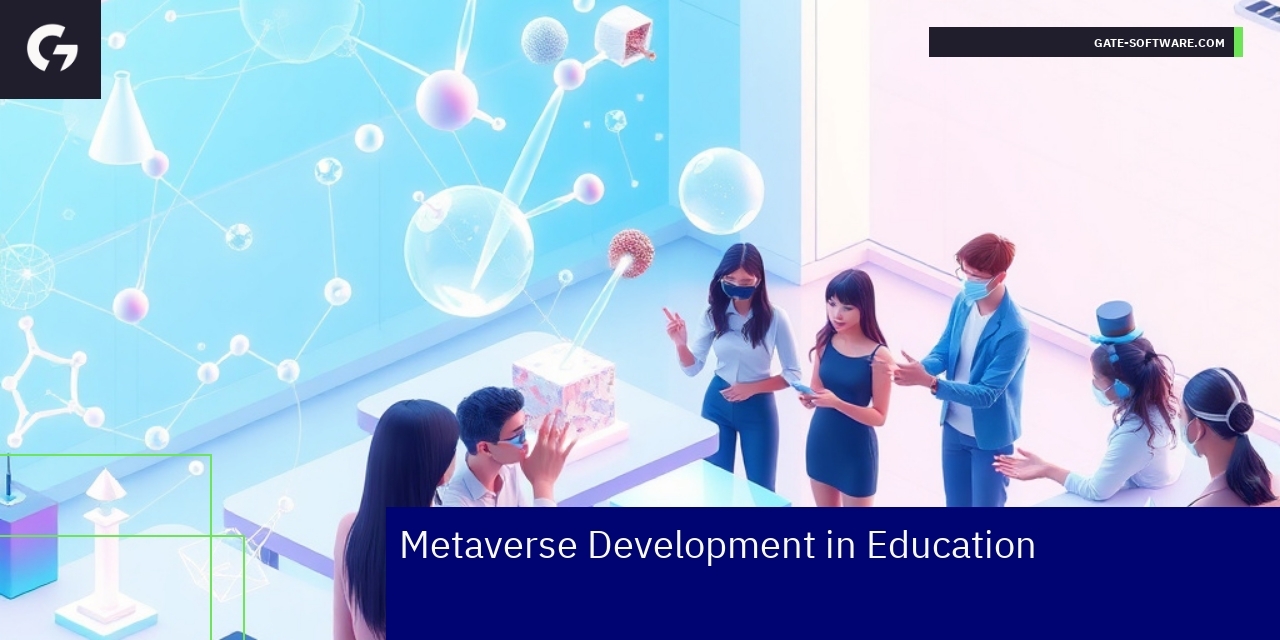
The metaverse presents significant opportunities to transform education through highly interactive teaching methods. By leveraging immersive virtual environments, educators can create engaging and dynamic learning experiences that transcend the limitations of traditional classrooms. These digital spaces enable real-time interaction between students and instructors, fostering collaboration and active participation.
Interactive teaching in the metaverse facilitates experiential learning, where students can manipulate virtual objects, simulate real-world scenarios, and visualize complex concepts in three-dimensional space. This approach improves comprehension and retention by appealing to multiple senses and cognitive styles.
From a technical perspective, metaverse platforms for education require robust infrastructure to support high concurrency, low latency communication, and seamless integration with existing learning management systems. Scalability is critical to accommodate diverse user groups and evolving pedagogical needs. Additionally, considerations around content security, user privacy, and accessibility must be integral to the platform’s architecture.
Operationally, the metaverse enables educators to customize curricula dynamically, analyze learner engagement through interaction data, and adapt teaching strategies accordingly. These capabilities enhance educational outcomes and ensure efficient resource utilization.
Overall, the metaverse’s immersive and interactive capabilities hold substantial promise to revolutionize education, making learning more engaging, scalable, and effective for a broad spectrum of learners.
Metaverse Potential
—
If available:
—

H4: Metaverse Potential
The metaverse is fundamentally reshaping education by enabling immersive, interactive learning environments that parallel the flexibility and modularity found in Magento 2 theme development. Much like a modular Magento 2 theme allows developers to build distinct components independently, which can then be assembled seamlessly to create a tailored eCommerce experience, the metaverse offers educators the ability to design customizable, scalable educational modules. These modules can be dynamically integrated into virtual learning spaces, adapting to diverse pedagogical needs and student preferences.
This analogy highlights several key technical and operational benefits. First, the modular nature enhances scalability: just as Magento 2 themes can be extended with new features without redeveloping the entire system, metaverse educational platforms can grow by adding new immersive modules that enhance content delivery. Second, it promotes performance efficiency by isolating components, ensuring that updates or changes in one module do not disrupt the entire learning platform. Third, the architecture supports personalization, allowing stakeholders to configure virtual classrooms that optimize engagement and accessibility.
Furthermore, the metaverse’s potential for simulating real-world scenarios in a controlled, interactive environment enables experiential learning unmatched by traditional educational models. This aligns with the modular design principle in Magento, where components can model specific functions or experiences independently. Consequently, institutions can innovate educational offerings rapidly, meeting evolving business and technology demands while maintaining operational continuity and scalability.
H4: Implementation Examples
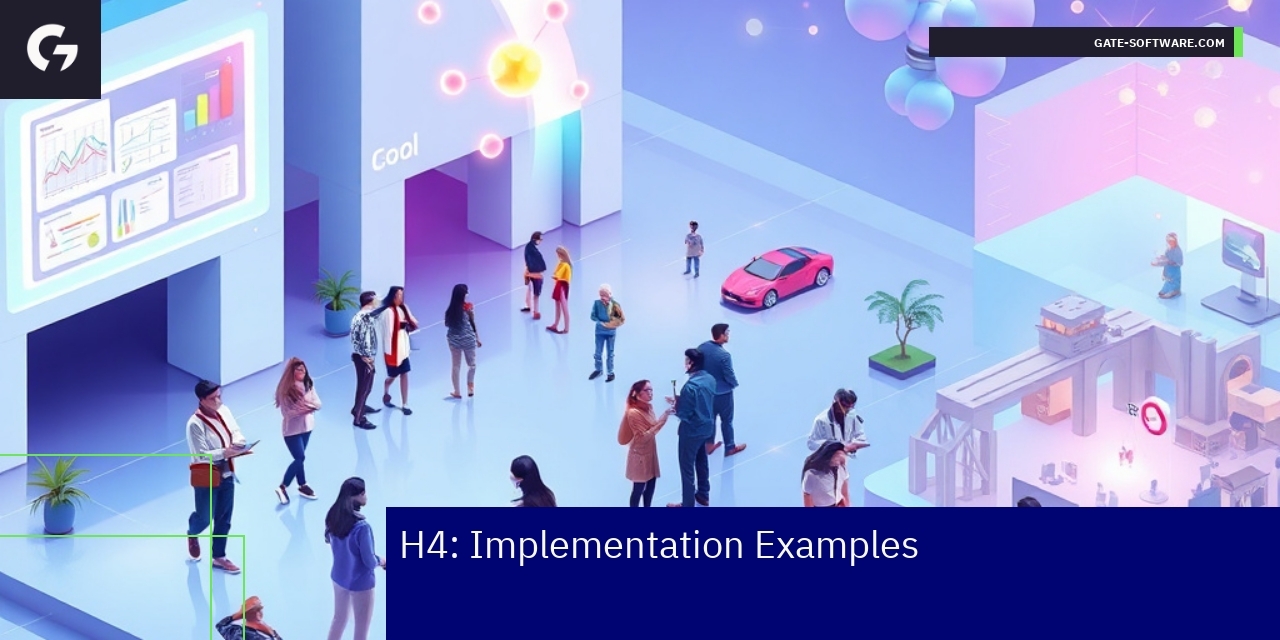
Metaverse integration in education offers transformative opportunities by creating immersive, interactive learning environments that transcend traditional classrooms. One notable application is virtual campuses where students and educators engage in real-time, spatial interactions through customizable avatars. These digital spaces simulate physical presence, enabling collaborative projects, lectures, and social learning activities irrespective of geographical constraints.
Another example includes virtual laboratories and simulations that allow students to conduct experiments safely and cost-effectively. This application is particularly valuable for STEM education, where complex phenomena can be visualized and manipulated in three dimensions, enhancing understanding and retention. Additionally, metaverse platforms facilitate experiential learning scenarios such as historical recreations or language immersion environments, providing contextualized knowledge and engagement.
From a technical and operational perspective, integrating metaverse solutions necessitates robust backend infrastructure to support high concurrency, low latency, and seamless content delivery. Scalability is critical to accommodate large student populations and diverse educational institutions. Platforms often employ cloud computing, edge servers, and advanced graphics rendering technologies to meet these demands.
Overall, these examples demonstrate how metaverse integration addresses real-world educational challenges by improving accessibility, engagement, and pedagogical outcomes through innovative digital architectures.
H4: Research Conclusions
Studies on the metaverse impact on learning indicate a transformative potential for educational environments by enabling immersive, interactive, and personalized experiences. Research highlights that metaverse platforms can significantly enhance learner engagement through virtual reality (VR) and augmented reality (AR) technologies, allowing for experiential learning that transcends traditional classroom boundaries.
The immersive nature of the metaverse facilitates deeper conceptual understanding by enabling learners to interact with three-dimensional models and simulations, which can be particularly beneficial in complex subjects such as science, engineering, and medicine. Furthermore, the social and collaborative aspects inherent in metaverse environments promote teamwork and communication skills, fostering a more connected and dynamic learning community.
From an operational perspective, implementing metaverse solutions requires careful consideration of technical architecture, including bandwidth, latency, and platform interoperability, to ensure scalability and seamless performance. Businesses adopting metaverse learning tools must also address data privacy and security challenges to protect user information.
Overall, studies suggest that integrating metaverse technologies into learning workflows can drive operational efficiency by reducing the need for physical resources while expanding access to educational content globally. This progression aligns with broader digital transformation goals and positions organizations to capitalize on the scalability and performance benefits metaverse platforms offer.

Assessing Digital Readiness
Evaluating students’ digital skills is essential to understand their preparedness for modern digital environments and to tailor educational strategies effectively. Key methods for assessing digital readiness include a combination of practical tests, self-assessment surveys, and observational reviews that provide a comprehensive picture of digital competencies.
Practical testing involves assigning tasks that require students to use digital tools and platforms relevant to their learning context. This may include navigating content management systems, using e-commerce software like Hyva, or managing digital workflows. Such tasks reveal proficiency in handling real-world digital scenarios and highlight areas needing improvement.
Self-assessment surveys complement practical tests by allowing students to reflect on their confidence and familiarity with various digital skills. These surveys often cover topics like online collaboration, cybersecurity awareness, and software usage, adding a subjective dimension to digital readiness.
Observational assessments conducted by educators or digital mentors can identify practical challenges students face during digital tasks, including problem-solving skills and adaptability in dynamic digital environments.
Combining these methods ensures a robust, multi-faceted evaluation of digital readiness, enabling targeted interventions that enhance operational efficiency, scalability, and performance in digital learning infrastructures. By benchmarking digital skills, educational institutions can align their technical architecture and resources with students’ actual capabilities, facilitating smoother transitions into digital workflows, particularly in specialized environments involving platforms such as Hyva.
—
Evaluation Methods
—
If available:
—

H4: Evaluation Methods
Assessing digital competencies essential for Magento 2 theme development, particularly within the Hyva framework, requires a multifaceted approach. These evaluation methods encompass both theoretical understanding and practical skills, aligning with the prerequisite knowledge needed to successfully design and implement custom themes.
One key method involves competency-based assessments that test familiarity with Magento 2 architecture, front-end technologies, and Hyva-specific innovations. Candidates might be evaluated through scenario-based tasks where they demonstrate the integration of Hyva’s streamlined front-end capabilities with Magento’s backend. This includes proficiency in technologies like Tailwind CSS adopted by Hyva, requiring an understanding of utility-first CSS frameworks and how they optimize performance and scalability.
Hands-on coding exercises constitute another vital evaluation approach. These exercises focus on building or modifying Hyva themes, assessing developers’ ability to apply best practices in modular theme development, optimize loading times, and ensure responsiveness across devices. Furthermore, code reviews can be used to gauge adherence to Hyva’s coding standards and overall architectural alignment with Magento’s best practices.
Complementary to technical tests are peer reviews and collaborative projects. These assess communication skills and understanding of operational workflows impacting ecommerce scalability and performance, critical for stakeholders overseeing digital transformation initiatives.
In sum, evaluation methods for Hyva-related Magento 2 theme development combine practical coding exercises, theoretical tests on prerequisite digital competencies, and collaborative assessments to ensure well-rounded expertise aligned with enterprise-level requirements.

H4: Research Outcomes
The influence of assessment results on educational programs is a critical factor shaping the design, implementation, and continuous improvement of teaching frameworks within the Hyva context. Assessment outcomes provide quantitative and qualitative data that reveal learners’ comprehension levels, skill acquisition, and gaps in knowledge. These insights empower educational stakeholders to realign curricula to better meet learning objectives and industry requirements.
In technical architecture terms, integrating assessment analytics can enable adaptive learning models that dynamically adjust content difficulty and pacing based on real-time student performance. This scalability ensures personalized learning paths, enhancing operational efficiency by reducing resource wastage on ineffective teaching strategies and accelerating learner progress. Educational programs informed by robust assessment results also support scalability in diverse educational settings by providing replicable, data-driven methods for curriculum updates.
Moreover, the use of assessment data facilitates targeted interventions, helping educators address specific learning challenges promptly. This enhances the overall educational experience and improves outcomes, as teaching methodologies become more evidence-based and learner-centric. For senior stakeholders focusing on digital transformation in education, leveraging assessment results ensures program relevancy, optimizes resource allocation, and strengthens strategic decision-making, all crucial for maintaining competitive advantage in evolving educational landscapes.

Teacher Support
Digital readiness evaluations play a crucial role in helping teachers adapt their instructional methods effectively. By assessing the digital competencies of both educators and students, these evaluations provide critical insights that enable teachers to tailor their teaching strategies to technological realities. Understanding teachers’ proficiency with digital tools allows for the identification of specific areas where further support or professional development is necessary, ensuring educators can confidently incorporate technology into their lessons.
Moreover, evaluating students’ digital readiness helps teachers design more inclusive and accessible learning environments. This understanding facilitates the selection and integration of appropriate digital resources that align with students’ capabilities, maximizing engagement and learning outcomes. It also allows educators to anticipate and address potential challenges, such as varying levels of internet access or familiarity with digital platforms.
Overall, digital readiness evaluations help create a more agile and adaptive educational framework. They empower teachers to innovate methodologically, embrace digital transformation strategically, and improve operational efficiency in delivering content. This adaptive approach ultimately supports scalability and performance in education delivery, aligning closely with the demands of an increasingly digital and technology-driven learning ecosystem.

Definitions and Basics of Modern Techniques
Understanding modern techniques in Magento 2 theming requires a clear grasp of essential definitions and core concepts. At its foundation, a Magento 2 theme is a design package that controls the visual appearance and user interface components of an eCommerce storefront. Themes in Magento 2 are built upon a modular structure, allowing customization and flexibility without altering the core codebase, which supports scalability and maintainability.
Modern theming techniques emphasize the separation of concerns between layout, templates, and styles. Layout XML files define the structure of pages, dictating block positioning and content hierarchy. PHTML template files render the HTML markup, while CSS and LESS preprocessors handle the styling and visual details, enabling responsive and adaptive design.
Creating a custom theme involves a step-by-step process starting with establishing a new theme directory under the appropriate Magento path. Key files to include are theme.xml, which registers the theme and declares its parent (if any), and registration.php, which enables the theme within Magento’s system. The next stage involves configuring the theme’s inheritance, allowing it to extend from an existing base or parent theme to leverage common functionality and styles.
Following this setup, developers craft layout XML files and PHTML templates tailored to the desired user experience. Custom CSS or LESS files are created to override or augment default styles. The final steps include deploying static content, clearing caches, and rigorously testing responsiveness and performance to ensure operational efficiency and seamless integration within the platform’s architecture.
Mastering these fundamentals equips digital teams to deliver scalable, maintainable, and performant Magento 2 themes that address complex business needs while aligning with modern front-end development standards.

How to Implement Modern Techniques in Education
Implementing modern techniques in education requires a structured approach that aligns technical knowledge with practical application to enhance learning environments effectively. A critical step in this process is understanding the role of layout XML and the activation of Magento 2 themes in the admin panel, especially in educational technology platforms where customizable user interfaces are necessary for diverse learning needs.
The first step involves a deep comprehension of layout XML, which serves as the backbone for defining the structure and presentation layer of educational content delivery systems. Mastery of layout XML enables the creation of adaptable and responsive interfaces, providing learners and educators with a seamless experience tailored to various devices and accessibility requirements.
Next, activating Magento 2 themes within the admin panel is essential for ensuring the applied layouts and styles are effectively deployed across the platform. This activation process requires precision to maintain consistency and prevent disruptions in the educational service delivery. Administrators must ensure compatibility between themes and underlying modules to leverage the full potential of Magento’s capabilities in an educational context.
Strategically, incorporating these technical steps must be complemented with ongoing training for educators and IT personnel. Effective adoption is not merely technological implementation but also involves fostering an environment that supports continuous learning and adaptation to new tools and methodologies. This alignment improves operational efficiency and scalability while addressing real-world challenges such as varying learner engagement levels and content delivery optimization.
In conclusion, by focusing on the accurate handling of layout XML and the meticulous activation of Magento 2 themes in the admin panel, educational organizations can successfully integrate modern techniques that drive both performance and user experience improvements.

Why Modern Techniques Matter
In today’s rapidly evolving educational landscape, modern techniques are crucial for enhancing both teaching performance and the effectiveness of educational content in digital environments. Leveraging contemporary methods ensures that learning experiences are more engaging, adaptive, and aligned with the needs of diverse learners. These techniques often embrace technology integration, data-driven insights, and innovative pedagogical approaches that collectively elevate the quality and accessibility of education.
From an operational standpoint, modern educational methodologies must address technical architecture considerations such as scalable platforms capable of handling high user loads without performance degradation. This is especially important for digital education services like Hyva, where seamless interaction and responsiveness are fundamental for user retention and satisfaction. Moreover, the incorporation of performance optimization directly impacts SEO outcomes by improving page load times, user engagement metrics, and overall discoverability of educational content.
Strategically, adopting these modern approaches facilitates better alignment with search engine algorithms that prioritize relevance, user experience, and content quality. Consequently, content crafted under these principles is positioned to perform well in organic search, amplifying reach and impact. This integration of technical efficiency and pedagogical innovation is essential for delivering educational content that is not only effective in knowledge transmission but also optimized for the digital ecosystems where learners increasingly reside.

When to Use Modern Techniques
Modern techniques in Hyva development are most beneficial when addressing specific challenges commonly encountered during implementation. These techniques excel in situations requiring enhanced frontend performance, streamlined development workflows, and improved user experience. For instance, when building highly interactive and dynamic eCommerce storefronts, the adoption of modern frontend frameworks helps mitigate common beginner mistakes such as inefficient rendering and cumbersome state management.
Moreover, modern techniques are crucial when scalability and maintainability are priorities. They facilitate the creation of modular, reusable components that integrate seamlessly with existing Magento backends, reducing technical debt and facilitating faster iterations. In scenarios where teams face difficulties with legacy frontend architectures, transitioning to Hyva’s modern approach can significantly improve development velocity and reduce bugs associated with outdated codebases.
Additionally, these techniques shine when optimizing for mobile responsiveness and speed, critical for improving conversion rates. They help avoid pitfalls like excessive page load times or poor accessibility — frequent issues that plague beginners. Overall, leveraging modern methodologies in the correct contexts ensures robust, scalable, and efficient eCommerce solutions using Hyva.

Examples of Modern Techniques in Practice
In the context of Hyva, modern techniques are exemplified through practical applications that are drawn from diverse educational fields. These use cases function similarly to practical guidelines found in Luma and Blank themes, showcasing how contemporary methods are implemented effectively.
One notable aspect is how these techniques address complex problems in dynamic environments. For instance, they emphasize modularity and adaptability, allowing systems to respond efficiently to changing requirements. This is especially relevant when building scalable eCommerce platforms using Hyva, where components need to be extensible without sacrificing performance.
Moreover, these examples highlight the integration of advanced frontend technologies that improve user experience and operational efficiency. By adopting modern CSS frameworks, JavaScript optimizations, and streamlined theme architectures, Hyva-based implementations can reduce page load times and enhance responsiveness across devices.
From a technical architecture perspective, these practices encourage a clean separation of concerns, leveraging headless or decoupled approaches where feasible. This supports better maintainability and enables diverse teams to collaborate effectively by isolating frontend concerns from backend complexities.
Operationally, incorporating automated testing and continuous integration pipelines ensures that deployments are reliable and errors are caught early. This aligns with the strategic goal of reducing downtime and improving customer satisfaction.
In summary, the use cases grounded in educational analogies for Luma and Blank themes provide a valuable blueprint for applying modern development techniques in Hyva, focusing on scalability, performance, and maintainability in real-world business scenarios.

Comparing Traditional and Modern Techniques
The comparison between traditional Magento 2 theme development and Hyvä’s approach reveals fundamental differences as well as notable similarities in how front-end development is approached for e-commerce platforms.
Traditional Magento 2 theme development is characterized by its reliance on the complex Knockout.js-based UI components, RequireJS for JavaScript loading, and the use of the default Magento frontend technologies such as LESS and XML layout configurations. This traditional stack often results in heavier, more intricate theme structures with numerous dependencies, which can slow down front-end performance and extend development timelines. Maintenance and scalability tend to be more challenging due to the complexity and layered architecture involved.
In contrast, Hyvä modernizes the front-end by stripping away much of the legacy Magento frontend complexity. It employs a minimalistic, streamlined stack that prominently features Tailwind CSS and Alpine.js, promoting less dependency on JavaScript frameworks and simpler, faster rendering. The architecture focuses on performance optimization and developer experience enhancements. Hyvä reduces the files and lines of code needed to achieve the same or better UI results, significantly improving page speed and maintainability. Its approach prioritizes clear separations of concerns, making theme development more accessible and adaptable.
Despite these differences, both approaches share the goal of delivering a robust, customizable, and scalable frontend for Magento 2 commerce sites. Both still embrace Magento’s underlying backend structure and data models. They also require a strong front-end development discipline and an understanding of Magento’s theme inheritance and layout concepts.
In summary, the primary divergence lies in Hyvä’s modern, lean technology stack focused on performance, simplicity, and efficiency, compared to the traditional Magento 2 frontend which carries legacy complexity. Organizations seeking to enhance operational efficiency and frontend scalability often find Hyvä’s approach more aligned with contemporary development best practices while maintaining the powerful Magento backend foundation.

Checklists for Educators
In the evolving landscape of education, practical checklists are essential tools for educators aiming to integrate modern teaching techniques effectively. These checklists function as structured guides to ensure comprehensive application of best practices across performance, SEO, and accessibility domains.
Performance checklists for educators focus on optimizing teaching methods to enhance student engagement and learning outcomes. They cover areas such as effective lesson planning, real-time assessment strategies, and the incorporation of technology to facilitate interactive learning environments. By adhering to these checklists, educators can systematically monitor and improve their instructional efficiency and responsiveness.
SEO checklists, although traditionally associated with digital marketing, have relevance in educational content presentation, especially when educators publish learning materials online. These checklists help ensure that digital content is discoverable, well-structured, and aligned with relevant keywords, facilitating better visibility and access for students and other stakeholders. This involves optimizing meta descriptions, using appropriate headings, and ensuring content relevance and clarity.
Accessibility checklists are critical to fostering inclusive education. They guide educators in adapting their content and delivery methods to accommodate diverse learning needs and comply with accessibility standards. This includes considerations for visual, auditory, cognitive, and physical accessibility, such as providing alternative text for images, captioning videos, using clear and simple language, and ensuring compatibility with assistive technologies.
Incorporating these checklists into educational practices supports a holistic approach that not only enhances teaching effectiveness but also broadens the reach and inclusivity of educational content. This strategic framework is vital for senior stakeholders aiming to improve operational efficiency, scalability, and overall educational impact through well-architected pedagogical interventions.

Common Mistakes in Technique Implementation
Adopting modern techniques in Hyva theme creation and customization often presents several challenges that beginners commonly encounter. A critical error is underestimating the complexity of integrating Hyva’s technologies with existing Magento frameworks. This can lead to implementation inconsistencies and performance bottlenecks due to improper alignment of frontend and backend processes.
One frequent mistake is neglecting the modularity principle inherent to Hyva, resulting in tightly coupled code that hinders scalability and maintainability. Beginners sometimes fail to leverage Hyva’s reliance on Tailwind CSS fully, leading to inefficient styling practices that compromise page load speed and responsiveness across devices.
Another common slip is insufficient attention to progressive enhancement and accessibility standards during customization. This oversight can degrade user experience and limit the reach of eCommerce platforms, negatively impacting conversion rates. Additionally, improper use of Hyva’s JavaScript components without optimizing for asynchronous loading often causes render-blocking issues, affecting overall site performance.
Inadequate testing across different environments also emerges as a critical error. Beginners frequently overlook varied device compatibility and fail to profile performance under realistic load conditions. This shortfall results in unreliable deployments and difficulty diagnosing production issues.
To avoid these pitfalls, it is essential to adopt a structured development workflow that emphasizes component reusability, performance optimization through Tailwind CSS utilities, and rigorous validation of accessibility. Leveraging Hyva’s architectural strengths while adhering to best practices in theme customization ensures robust, efficient, and scalable eCommerce solutions.

Data and Performance Metrics – Efficiency and Cost
Key Metrics for Hyva
Hyva significantly enhances operational efficiency and cost-effectiveness in Magento 2 theme development. For instance, organizations utilizing Hyva have reported up to a 50% reduction in time-to-market for new eCommerce features, allowing for quicker adaptations to market demands. This reduction is attributed to Hyva’s simplified architecture and minimalistic design approach, which streamlines the development process.
Furthermore, Hyva users have observed an average page load time improvement of 30-50%, leading to lower bounce rates and higher user engagement on eCommerce sites. With optimized frontend performance, businesses can expect to see a boost in conversion rates, often reported to be around 15-25% in cases where Hyva technology has been implemented.
In addition to performance gains, the total cost of ownership (TCO) for businesses adopting Hyva can decrease by approximately 20-30%, thanks to reduced server costs associated with lower resource usage and faster loading times. Moreover, the modularity and reusability of Hyva components facilitate easier maintenance and scalability, leading to further long-term savings.
Lastly, businesses leveraging Hyva have reported a 75% decrease in frontend development complexities, which translates into a more efficient development team and reduced training time for new developers familiarizing themselves with the system. This not only enhances operational scalability but also supports a robust framework for future project expansions.

Summary
In summary, leveraging modern techniques in Hyva for Magento 2 theme development can vastly improve both operational efficiency and the user experience of eCommerce platforms. By simplifying frontend processes with contemporary technologies like Tailwind CSS and Alpine.js, businesses can achieve faster load times, greater scalability, and easier maintenance. The modular architecture allows for flexible customization that adapts to changing market demands and enhances user engagement while complying with essential SEO and accessibility standards. As you reflect on implementing these innovative approaches, consider how the blend of performance, simplicity, and adaptability not only meets immediate business needs but also positions your company for future growth in a competitive digital landscape. Furthermore, adopting a strategic mindset regarding these modern techniques can pave the way for improved educational outcomes or other sector-specific benefits, encouraging thoughtful exploration of their potential in your unique context.

FAQ
How do Hyva Themes improve frontend development in Magento 2?
Hyva Themes simplify frontend development by replacing complex stacks like Knockout.js and RequireJS with modern technologies such as Tailwind CSS and Alpine.js. This transition leads to improved frontend performance, faster load times, and easier maintenance.
What role does accessibility play in modern Magento 2 theme development?
Accessibility is integral to theme development, ensuring compliance with WCAG guidelines and enhancing user engagement. Modern Magento 2 themes embed semantic markup and mobile-first design principles, making the theme adaptable for a diverse user base, including those with disabilities.
Why is a component-based architecture essential in Hyva theme development?
A component-based architecture helps break down theme components into reusable, manageable parts that align with Magento 2’s UI component framework. This approach promotes clean and semantic HTML structure combined with minimal CSS, contributing to responsive and scalable designs.
What operational benefits do continuous integration and deployment pipelines offer in theme development?
Continuous integration and deployment pipelines streamline theme updates and testing, reducing downtime and minimizing the risks associated with production changes. They ensure consistent quality and facilitate collaborative development across teams.
What challenges do organizations face when transitioning from traditional to digital education using Hyva?
Organizations encounter technological and pedagogical challenges, such as the need for robust infrastructure, comprehensive training for educators, and redesigning course materials to leverage digital tools effectively. These challenges require strategic planning to facilitate successful transitions.
.
.
Zamów bezpłatną konsultację
.
Z nami rozwój Twojego biznesu nabierze tempa! Zapraszamy do kontaktu średnie i duże firmy generujące min. 7 mln PLN obrotu rocznie – tam nasza ekspertyza sprawdza się najlepiej.
.
Kliknij w poniższy przycisk i skontaktuj się z jednym z naszych konsultantów e-commerce
.