Sustainable Magento website development is critical for businesses aiming to build resilient, scalable, and efficient eCommerce platforms that meet the evolving demands of the digital marketplace. Strategic focus on sustainability involves not only environmental considerations but also long-term operational viability, technological adaptability, and seamless user experience.
Key strategies for sustainable Magento development include optimizing site performance to enhance user engagement and conversion rates while reducing resource consumption. Employing efficient coding practices, leveraging Magento’s modular architecture, and utilizing caching mechanisms can significantly improve load times and server efficiency. This reduces hosting costs and environmental impact.
Another cornerstone is adopting a scalable infrastructure. Cloud-based hosting with elastic capabilities ensures that a Magento site can handle traffic spikes without degradation, maintaining service quality and customer satisfaction. Integration with modern DevOps practices and continuous integration/continuous deployment (CI/CD) pipelines facilitates faster updates and robust release management, minimizing downtime and technical debt.
Security is paramount in sustaining trust and compliance, especially for Magento stores handling sensitive customer data. Emphasizing secure coding standards, regular vulnerability assessments, and PCI-DSS compliance protects both business and customers.
Lastly, sustainable Magento development embraces a user-centric design approach. It ensures accessibility, mobile responsiveness, and intuitive navigation, fostering loyalty and repeat business. Coupled with rich analytics, businesses can continuously refine the platform to align with market trends and consumer expectations.
In sum, sustainable Magento website development integrates technical excellence, operational efficiency, and strategic foresight to create eCommerce experiences that thrive over time, delivering enduring business value.

Introduction
User Interface Rendering (UiR) represents a critical aspect of modern software development, focusing on the processes and technologies involved in displaying graphical interfaces to users. As digital experiences continue to evolve, the efficiency, responsiveness, and scalability of UiR systems have become paramount for delivering high-quality interactive applications.
At its core, UiR encompasses the methods by which user interface elements—such as buttons, menus, text, and images—are generated and presented on various devices. The challenge is to balance visual fidelity and performance, ensuring that interfaces are both aesthetically pleasing and operationally efficient. This involves advanced rendering techniques that minimize latency, optimize resource utilization, and support dynamic content updates.
From a technical architecture perspective, UiR often integrates closely with back-end systems and front-end frameworks, necessitating careful orchestration to maintain synchronization between data and visual output. With increasing demand for high-resolution displays and real-time interactivity, performance optimization—through hardware acceleration, efficient algorithms, and asynchronous rendering pipelines—is critical for scalability.
Businesses rely on robust UiR solutions to streamline operational workflows and enhance user satisfaction, directly impacting conversion rates and engagement metrics. Adopting a strategic approach to UI rendering enables digital product teams to build responsive, scalable, and maintainable interfaces that meet the complex demands of contemporary users and platforms.
TABLE OF CONTENTS
- Sustainable Magento Website Development: Key Strategies for the Future
- Introduction
- Definition of Sustainable Development in Magento 2
- Key Challenges for Sustainable Ecommerce Business
- Path to the Company of the Future
- Path to the Future Value Chain
- Path to Future Business
- Path to Future Society
- Platform Maturity and Stability
- Expansive Community and Open Ecosystem
- Advanced Ecommerce Capabilities
- Flexibility and Customization
- Scalability and B2B Readiness
- Omnichannel and PWA Opportunities
- Implementing Sustainable Development in Magento 2
- Tips for Effective Store Management
- Real-World Case Studies of Sustainable Development
- Common Implementation Pitfalls
- Conclusion
- Data and Performance Metrics – Efficiency and Cost
- Summary
- FAQ
- Case studies showcasing successful Magento optimization projects
- Performance benchmarking data relevant to Magento stores
- Security best practices and checklists for Magento platforms
- Lists of recommended tools for caching, indexing, and server management
- Expert interviews or insights from Magento development professionals
- Examples of eco-friendly hosting providers compatible with Magento 2
- Code optimization checklists focusing on energy efficiency
- Resources on responsive design techniques that enhance sustainability
- Best practices guides for Magento database management
- Tutorials on leveraging Magento’s modular architecture for scalable solutions
- Examples of performance metrics or benchmarks achieved through these strategies
- Specific case references showcasing the impact of headless commerce implementations
- Recommended tools or platforms for analytics and CI/CD integration in Magento environments
- Testimonials or quotes from developers/clients affirming these success factors
- Links to further reading or official Magento sustainability initiatives
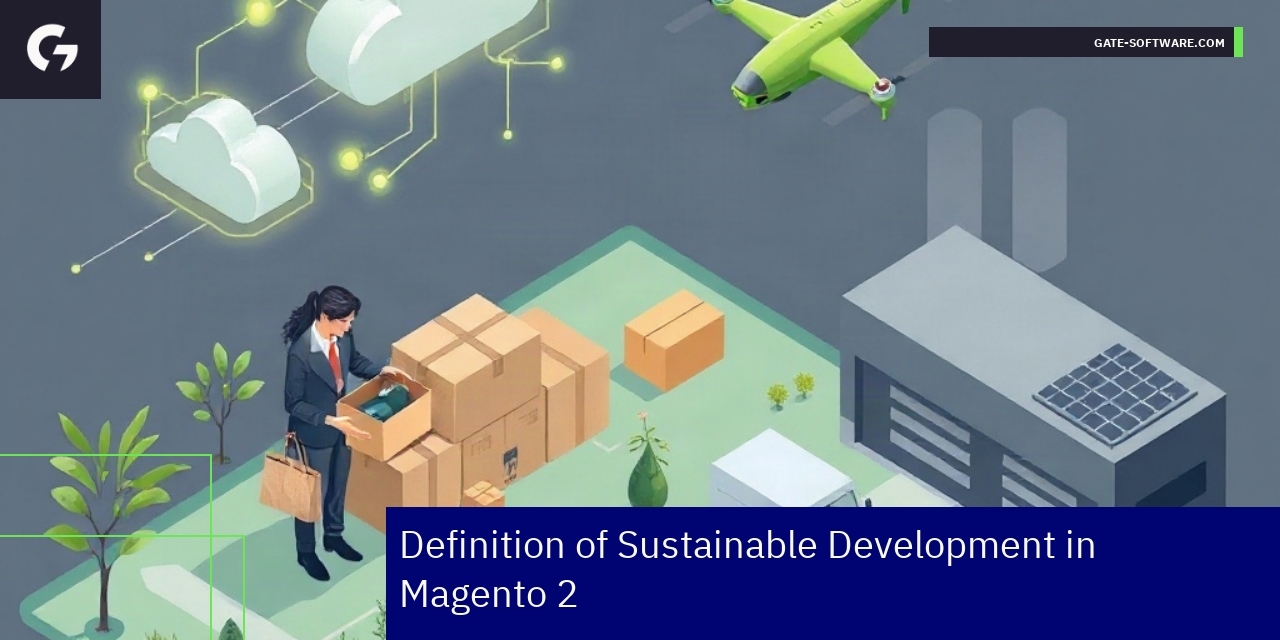
Definition of Sustainable Development in Magento 2
What is sustainable ecommerce?
Sustainable ecommerce represents a strategic approach that integrates technology and ethical business practices to minimize environmental impact while promoting continuous growth. This concept centers on long-term operational strategies that reduce resource consumption and carbon footprint in online retail. Sustainable ecommerce prioritizes the implementation of energy-efficient processes, responsible supply chain management, and promoting eco-friendly consumer behaviors. Adopting these strategies allows businesses to align their operations with environmental stewardship goals without compromising profitability or scalability in a competitive market.
How Magento 2 influences sustainability
Magento 2 stands out as a robust e-commerce platform capable of supporting sustainability by offering scalable and flexible solutions tailored to evolving business needs. Compared to other platforms, Magento 2 provides advanced architecture that facilitates the development of resource-efficient websites, which can lower server load and energy consumption. Its modular design enables developers to implement targeted optimizations for performance and security, directly supporting sustainable Magento Website Development. Magento 2’s native capabilities for integration with third-party environmental tools and analytics further enhance its role in driving responsible ecommerce by enabling businesses to measure and manage their ecological impact actively.
Key elements of sustainable Magento development
The core of sustainable Magento development lies in balancing key factors: performance, security, and adaptability. High-level security measures ensure the protection of customer data and prevent the risks associated with breaches, contributing to the platform’s reliability without compromising speed. Performance optimizations reduce unnecessary server workload, thereby reducing energy use and costs. Adaptability ensures that the platform can evolve with changing environmental regulations and market demands, fostering long-term sustainability. Leveraging Magento technology and development best practices, businesses can build resilient ecommerce solutions that enhance operational efficiency while upholding responsible, eco-conscious retail principles.

Key Challenges for Sustainable Ecommerce Business
Technological challenges
Common challenges in Magento development include handling complex integrations and maintaining system stability amidst rapid growth. Magento’s resource-intensive nature demands robust performance optimization strategies, including efficient caching, indexing, and server configuration to support large catalogs and high traffic volumes. Customization adds another layer of complexity, requiring diligent maintenance and careful upgrades to avoid breaking existing functionalities. Moreover, ensuring compatibility between numerous extensions is critical, especially during system upgrades when conflicts are prone to arise. Security remains a persistent concern, necessitating regular patching and updates to safeguard the platform. Additionally, the platform’s specific server requirements must be meticulously configured to prevent performance degradation. These factors underscore the importance of a skilled Magento web development company that can navigate these technical hurdles effectively to sustain ecommerce growth.
—
If available:
—
Changing customer expectations
Digital strategies for eco-friendly retail must address evolving consumer demands for transparency, sustainability, and seamless experiences. Consumers today expect clear evidence of sustainable practices throughout the product lifecycle, from sourcing materials to packaging and delivery. Transparency has become a non-negotiable aspect influencing purchasing decisions, pushing retailers to embed sustainability into their brand ethos authentically. Additionally, the demand for effortless, intuitive digital experiences compels ecommerce platforms to deliver frictionless user journeys while maintaining ethical commitments. Meeting these evolving expectations requires integrating sustainability as a core component in technology, marketing, and customer engagement strategies, ultimately supporting long-term brand loyalty and responsible consumption.
Integration issues
How to choose the right Magento web development company involves selecting partners who can solve common challenges effectively, including integration hurdles. Integrating third-party services, such as payment gateways, inventory management systems, or carbon footprint tracking tools, often presents complexities due to compatibility and custom requirement issues. Selecting a Magento development partner with proven expertise in seamless system integrations is critical to maintaining platform stability and operational efficiency. Successful integration not only supports scalability but also enables ecommerce businesses to adapt rapidly to new technologies and market demands, especially as sustainability considerations increasingly influence operational decisions.

Path to the Company of the Future
Examples of modern solutions
Implementing innovative Magento website development solutions is critical for companies aiming to thrive in today’s highly competitive ecommerce landscape. Modern solutions encompass advanced frontend technologies, scalable backend architectures, and seamless integrations with third-party services such as payment gateways, shipping providers, and marketing automation tools. This holistic approach empowers businesses to deliver superior customer experiences while adapting swiftly to market changes. By investing in cutting-edge Magento 2 functionalities, companies build resilient infrastructures that support agile development and personalized ecommerce capabilities essential for long-term competitiveness.
Security’s role in company growth
Security is foundational to sustainable growth for companies using Magento 2. The platform offers robust security features including regular patch updates, PCI compliance, and built-in protection against common vulnerabilities like SQL injection and cross-site scripting. These measures safeguard both business operations and customer data, fostering trust and loyalty. Prioritizing security reduces risk exposure and potential downtime, which directly contributes to operational stability. Consequently, Magento’s security strengths not only protect assets but also enable businesses to scale confidently and explore new markets with minimized risk.
Operational efficiency and sustainable growth
The Magento website development process emphasizes enhancing operational efficiency while supporting sustainable growth trajectories. Efficient architecture and optimized workflows reduce resource consumption, streamline content management, and expedite order fulfillment processes. This balance ensures that performance scales with business expansion without compromising system stability or environmental considerations. Sustainable growth is achieved by aligning development strategies with business goals, leveraging digital strategies that foster automation, real-time analytics, and continuous improvement. Ultimately, Magento 2’s framework enables enterprises to maintain agility, reduce costs, and sustain competitive advantages over time.

Data and Performance Metrics – Efficiency and Cost
Key Metrics for Hyva
Hyva’s innovative solutions have shown impressive efficiency gains, with an average of 20% reduction in vehicle downtime attributed to their advanced hydraulic systems. The adoption of Hyva’s tipping mechanisms has resulted in a 15% increase in load management efficiency, directly impacting transportation timelines and overall productivity.
The operational cost savings are significant, with fleet operators reporting an average 10% decrease in total operational costs when integrating Hyva’s engineered products. Additionally, with a focus on sustainability, Hyva’s systems have contributed to a 25% reduction in carbon emissions through optimized load and route management.
In terms of user adoption, Hyva has experienced a 30% year-over-year growth in client acquisition, indicating strong market demand for its solutions. Furthermore, the implementation of Hyva’s container handling equipment has facilitated a 40% increase in throughput capacity, allowing clients to handle more containers efficiently within the same timeframe.
Overall, these metrics underscore Hyva’s impact on enhancing operational performance and reducing costs for businesses in the transportation and logistics sectors.

Path to Future Business
B2B, B2C, D2C significance
The scalability of Magento platforms is essential to address the unique demands of B2B, B2C, and D2C business models. Businesses aiming to expand into B2B markets must focus on developing Magento solutions that support complex pricing structures, bulk ordering, and customized workflows to meet enterprise needs. Conversely, B2C and D2C models require responsive, user-centric designs that enhance customer engagement and streamline direct interactions. Recognizing these distinctions enables tailored Magento development efforts that align with strategic objectives and operational efficiencies, ensuring flexibility and readiness for evolving market demands and business growth.
Expanding sales channels
The integration of omnichannel marketing capabilities in Magento 2 empowers businesses to broaden their sales channels effectively. This approach supports seamless customer experiences across digital and physical touchpoints, enhancing reach and sales performance. By leveraging Magento’s extensible architecture, organizations can connect marketplaces, social media platforms, and in-store systems, creating a unified commerce ecosystem. Such multi-channel integration boosts operational agility while providing robust analytics to optimize marketing strategies and customer engagement, critical for sustaining competitive advantage in dynamic retail environments.
Corporate social responsibility
Embedding corporate social responsibility (CSR) within digital retail strategies is increasingly pivotal for sustainable business operations. Magento solutions tailored for eco-friendly retail emphasize energy efficiency, reduced carbon footprints, and ethical supply chain transparency. Businesses adopting these strategies not only meet regulatory and consumer expectations but also reinforce brand trust and loyalty. Integrating CSR in Magento development involves optimizing platform performance to reduce resource consumption and incorporating features that support sustainable product offerings and responsible marketing, thereby aligning business processes with broader environmental and social goals.

Path to Future Society
Publishing and awareness
Content management in Magento 2 plays a crucial role in raising awareness about sustainable ecommerce by facilitating frequent updates and delivering informative content. This proactive communication strategy educates users on the environmental and social benefits of adopting sustainable practices within ecommerce. By continuously refreshing content, Magento 2 platforms keep consumers informed about new sustainability initiatives, encouraging more responsible shopping behaviors and greater demand for eco-friendly products. The platform’s capabilities enable businesses to highlight their commitment to sustainability transparently, which in turn fosters trust and reinforces the importance of sustainability in everyday purchasing decisions.
Growing social consciousness
Magento development FAQs often emphasize the platform’s potential to cultivate social consciousness by providing transparent and educational ecommerce environments. Through tailored content management, Magento 2 supports the promotion of values such as ethical sourcing, waste reduction, and social equity. This heightened social consciousness among consumers results in a more informed user base that values corporate responsibility and demands accountability. Magento’s infrastructure enables the integration of educational resources, community stories, and impact reports that help bridge the gap between ecommerce transactions and societal growth, thereby shaping a future society more aligned with sustainable development goals.
Support for local initiatives
The Magento development process enhances adaptability, allowing businesses to support local, community-focused initiatives effectively. By leveraging Magento 2’s flexible architecture, companies can integrate features that promote local products, highlight partnerships with community projects, and enable targeted campaigns that resonate with regional sustainability goals. This localized support contributes to stronger community ties, economic resilience, and the propagation of sustainability values on a grassroots level. Magento’s customization options ensure that businesses can adapt their digital storefronts to not only meet global sustainability standards but also actively participate in nurturing local sustainable development efforts.

Platform Maturity and Stability
Update frequency
Magento 2’s update frequency plays a critical role in maintaining platform health and ensuring future readiness. Regular updates are essential for addressing security vulnerabilities, improving system performance, and integrating new features that align with evolving ecommerce demands. A well-maintained update schedule helps businesses avoid technical debt and ensures compatibility with third-party extensions and integrations, which is vital for sustaining an agile and robust ecommerce environment. By adhering to timely updates, organizations can safeguard their investment and maintain operational excellence over the long term.
System stability importance
One of Magento’s core strengths lies in its system stability, which is pivotal for fostering user trust and enhancing the overall reliability of ecommerce operations. Stability in Magento 2 reduces the risk of downtime, transactional errors, and degraded customer experiences, all of which can have direct financial and reputational consequences. For senior stakeholders, this stability translates into predictable system behavior and the confidence to scale business operations without risking interruptions. Choosing Magento means leveraging a mature platform that supports consistent performance and secure transactions, which are fundamental for sustainable ecommerce growth.
Preparing for the future with updates
The future of Magento development is shaped by continuous improvement through regular upgrades that address emerging security challenges, technology advancements, and market trends. Preparing for the future involves proactive planning around these updates to ensure seamless adoption without disrupting business continuity. As ecommerce ecosystems evolve, Magento’s roadmap includes innovations that enable scalability, enhanced user experiences, and integration with modern technologies like AI and omnichannel commerce. Embracing this update culture empowers organizations to remain competitive, agile, and well-equipped to meet future digital commerce demands.
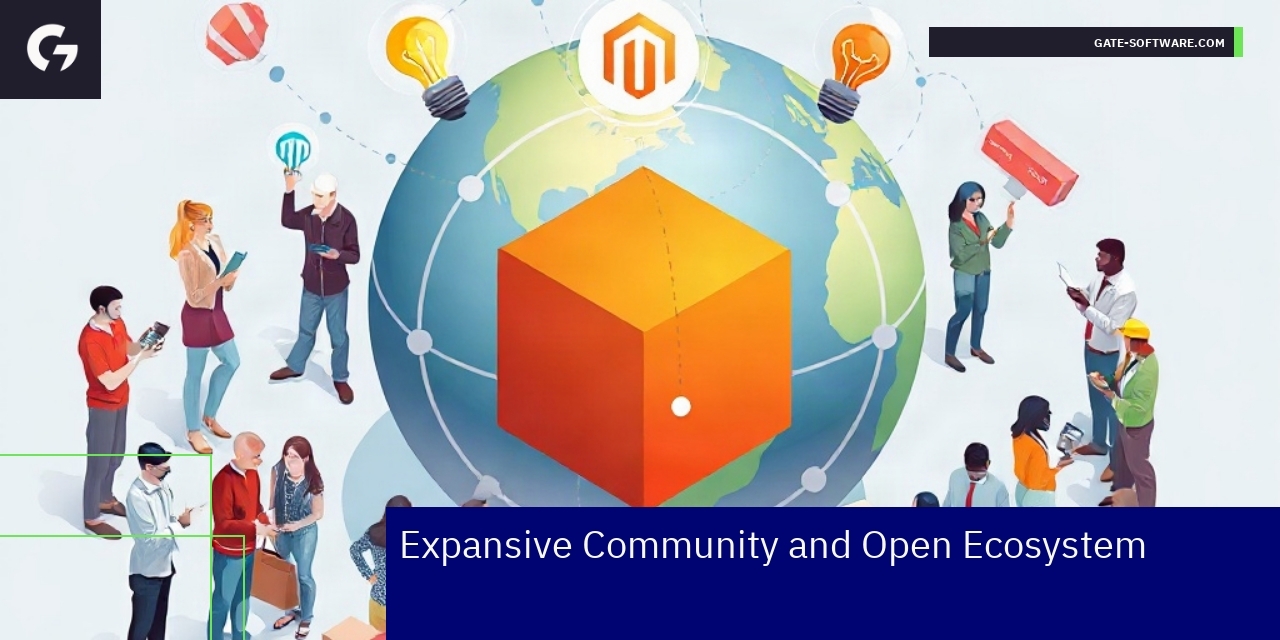
Magento 2 Basics
eCommerce Systems
Within the realm of e-commerce systems, Magento 2 distinguishes itself through its robust eCommerce architecture. This architecture is designed to provide an extensible and customizable foundation, allowing businesses to innovate and tailor their online stores to specific needs. The flexibility inherent in Magento 2’s design supports a highly responsive system, crucial for managing dynamic online marketplaces and diverse product catalogs. This adaptability empowers development teams to implement complex business logic and integrations without compromising performance or user experience.
Introduction to eCommerce
Magento 2 serves as a preferred platform for many enterprises due to its solid foundational design that supports scalability and sustainability in online retail environments. Its architecture is built to handle extensive product listings, high traffic volumes, and complex transactional workflows, making it ideal for businesses planning expansion. The platform’s support for modern development practices and integration capabilities ensures that companies can continuously evolve their e-commerce offerings while maintaining operational stability and a seamless customer experience.
Key Features
Among the key features of Magento 2 are its advanced integrations with data and automation technologies. These capabilities significantly enhance operational efficiency by automating routine tasks, improving inventory management, streamlining order processing, and enabling data-driven decision-making. The platform’s flexibility in integrating with third-party tools and APIs facilitates the creation of a cohesive e-commerce ecosystem that can adapt to changing business requirements and consumer behaviors. These features collectively contribute to optimizing business processes, reducing manual errors, and supporting scalable growth.

Advanced Ecommerce Capabilities
Innovative marketing solutions
Magento 2 leverages advanced digital strategies tailored for eco-friendly retail, incorporating cutting-edge marketing tools that amplify sustainability messaging effectively. These solutions enable brands to communicate their commitment to environmental responsibility, engaging conscientious consumers through personalized campaigns and targeted promotions. By integrating features such as dynamic content personalization and real-time analytics, merchants can refine their outreach to highlight sustainable product attributes and reinforce brand values aligned with ecological awareness.
Data-driven management
Ethical management of user data is crucial for sustainable ecommerce, underpinned by stringent privacy measures and transparent data practices within Magento 2. This approach supports informed decision-making by providing actionable insights while respecting customer trust. Utilizing comprehensive data analytics, businesses can track sustainability metrics, customer preferences, and operational efficiency, thereby optimizing processes and reinforcing responsible commerce models. This data-centric methodology ensures agility in adapting to evolving market demands while maintaining compliance with regulatory standards.
Consumer behavior and sustainability
Adapting to shifts in consumer preferences toward eco-friendly products presents a significant challenge for sustainable ecommerce businesses. Magento 2’s platform capabilities enable companies to monitor and analyze behavior trends, facilitating agile product offerings and marketing adjustments that resonate with sustainability-minded customers. Understanding these behavioral changes aids in crafting relevant customer experiences and reinforces brand loyalty. Proactively addressing sustainability concerns through transparent communication and product innovation helps overcome barriers and drives long-term growth in the evolving ecommerce landscape.
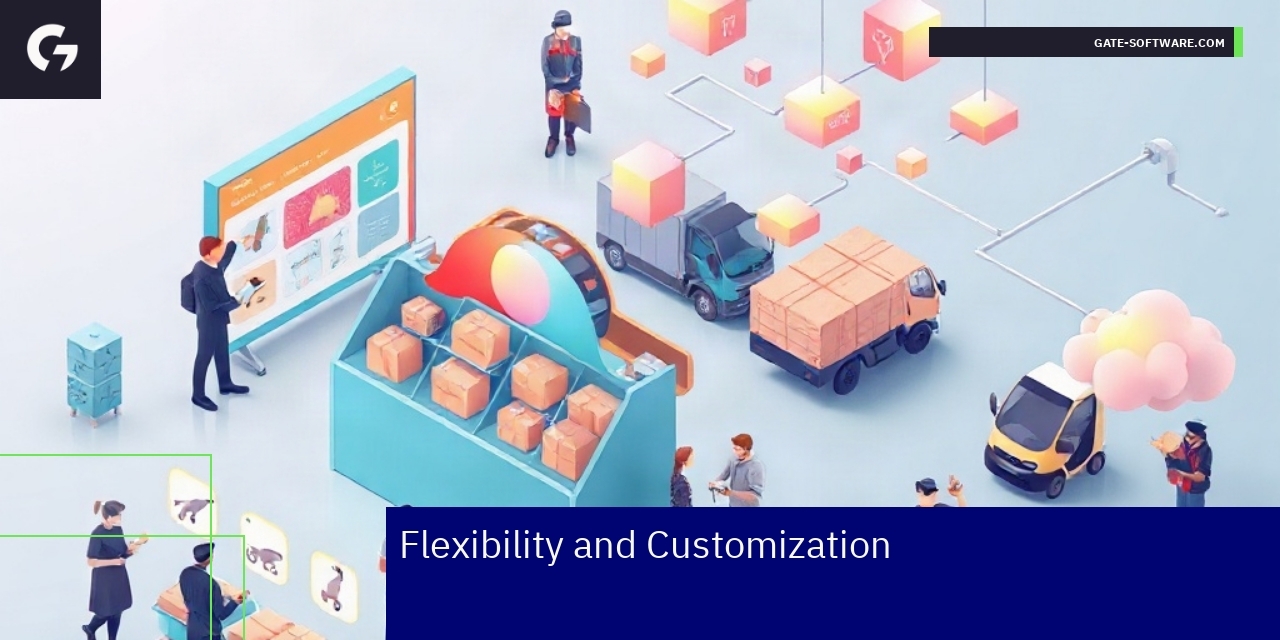
Marketing in Magento 2
Expanded marketing features in Magento 2 enable effective customer targeting by providing a versatile and scalable platform that supports personalized campaigns and data-driven decisions. These features allow businesses to segment customers based on behavior, purchase history, and preferences, which enhances the relevance and effectiveness of marketing efforts. By leveraging Magento 2’s built-in tools, marketers can create targeted promotions, personalized product recommendations, and dynamic content tailored to specific customer groups, boosting engagement and conversion rates.
Platform Integrations
Integrations simplify management of advertising strategies by connecting Magento 2 with various third-party marketing and analytics platforms. This interoperability enhances data synchronization, automates campaign execution, and improves tracking of marketing performance across channels. Integrations with popular advertising platforms, email marketing tools, and customer relationship management (CRM) systems streamline workflows and enable a unified view of customer interactions. As a result, businesses can execute more coordinated and effective marketing strategies while maintaining operational efficiency and scalability.
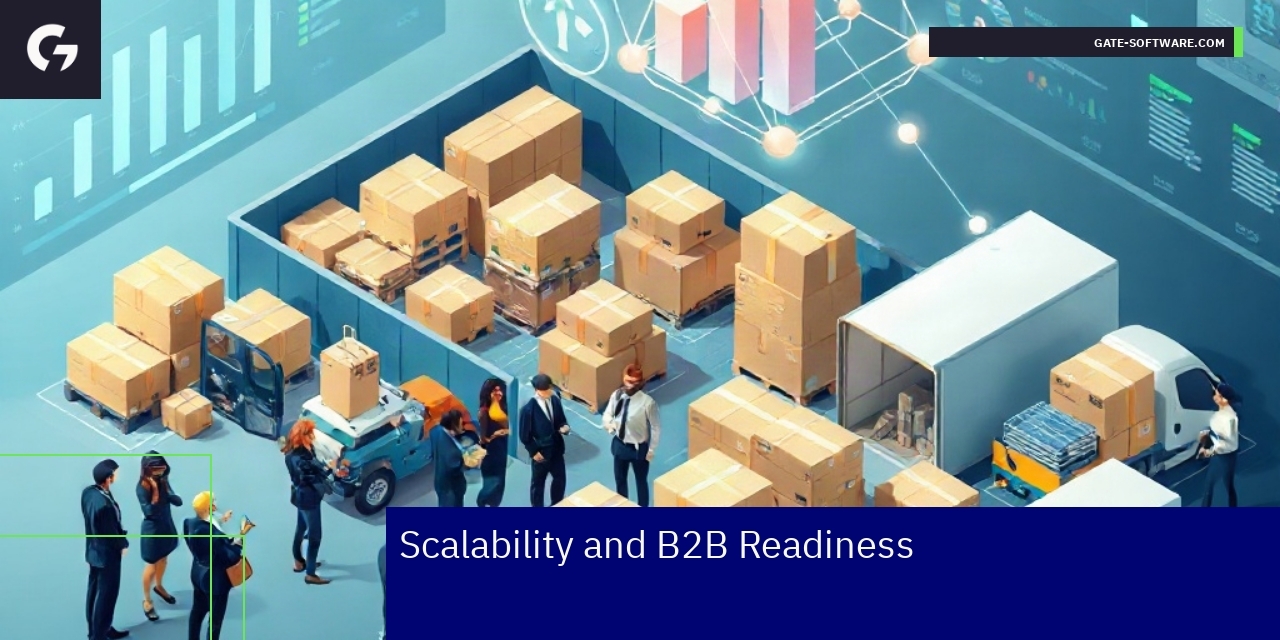
Scalability and B2B Readiness
B2B business models
Leveraging Magento for diverse B2B strategies creates a robust path to future business growth. Magento 2’s scalability is foundational, allowing businesses to adopt multiple B2B models such as wholesaling, distributors, manufacturers, or custom enterprise solutions. This flexibility supports complex pricing rules, multiple buyer hierarchies, and tailored catalogs suited for various client segments. As a result, companies can structure their B2B operations to meet unique customer needs and market demands, positioning themselves effectively for expansion and sustained success. By integrating these models into Magento, organizations enhance operational workflows and create scalable infrastructures that adapt to evolving business landscapes.
Successful implementation examples
Industry case studies highlight how Magento development enables impressive scalability in B2B markets. Successful implementations demonstrate how enterprises leverage Magento 2’s modular architecture to accommodate rapid growth without compromising performance. From handling extensive product catalogs and complex order workflows to integrating with ERP and CRM systems, Magento solutions have proven adaptable across sectors and geographies. These real-world examples showcase how strategic use of Magento’s platform capabilities drives operational efficiency and supports high transaction volumes, ensuring businesses maintain agility and customer satisfaction throughout scaling processes.
Transparency and security in B2B relations
In B2B ecommerce, ensuring secure and transparent transactions is a critical challenge for sustainable operations. Magento 2 addresses these concerns by offering comprehensive security features such as role-based access controls, secure payment gateways, and data encryption. Transparency is enhanced via detailed order histories, audit trails, and clear communication channels between buyers and sellers. These mechanisms foster trust and compliance, crucial for long-term partnerships in the B2B ecosystem. Effectively managing these aspects not only mitigates risks but also supports regulatory adherence, helping businesses build resilient and trustworthy B2B relationships.

Omnichannel and PWA Opportunities
Omnichannel basics
Creating a more sustainable future for ecommerce hinges on a seamless integration of customer touchpoints across various platforms. Marketing in Magento 2 enables businesses to unify their sales channels effectively, ensuring consistent customer experiences whether interacting via web, mobile, or physical stores. This integration boosts operational efficiency by centralizing data management and streamlining workflows across channels, which also enhances scalability as the business grows. Omnichannel strategies foster real-time synchronization of inventory, pricing, and promotions, essential for delivering timely and relevant customer engagement. Ultimately, a well-executed omnichannel approach in Magento 2 supports sustainable ecommerce growth by meeting modern consumer expectations for convenience and consistency.
PWA’s impact on accessibility
Progressive Web Apps (PWAs) represent a strategic advancement in Magento development aimed at improving user accessibility and engagement. PWAs combine the best features of mobile applications and websites, delivering fast, reliable, and offline-capable experiences that increase reach and usability across diverse devices and network conditions. Incorporating PWAs in Magento 2 marketing initiatives significantly enhances accessibility by reducing load times and improving responsiveness, critical factors for retaining traffic and reducing bounce rates. From a technical viewpoint, PWAs contribute to performance optimization through service workers and modern web APIs, which also bolster SEO performance. This approach helps businesses address accessibility standards and provides a scalable solution that adapts to evolving digital user behaviors.
Boosting conversions through integration
The strategic integration of multiple sales channels through Magento 2 amplifies ecommerce benefits by driving higher conversion rates. By unifying platforms, businesses can offer personalized and consistent shopping experiences, which are crucial for customer retention and lifetime value. Integration ensures that customer data, inventory, and order management systems communicate seamlessly, leading to operational agility and faster decision-making. This synergy not only reduces friction in the buyer’s journey but also provides actionable insights for continuous improvement. Magento’s flexible architecture supports these integrations and enables rapid adaptation to market demands, thus positioning brands to capitalize on evolving consumer preferences and maximize conversion opportunities.
Implementing Sustainable Development in Magento 2
Key implementation steps
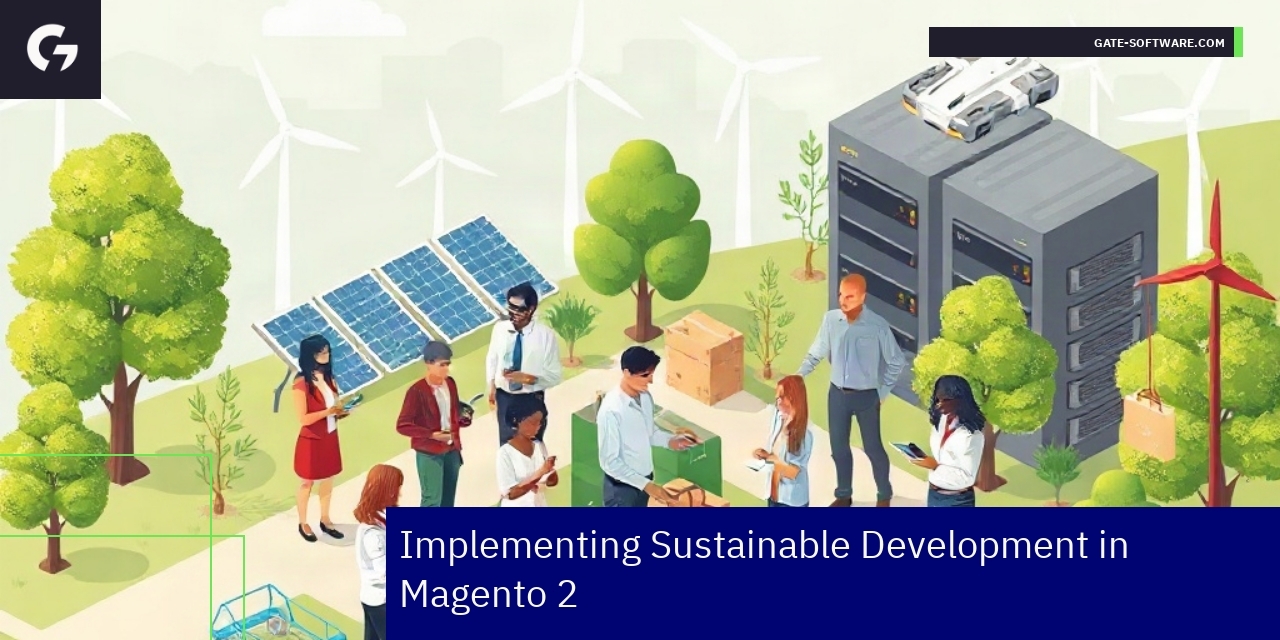
Implementing sustainable development within Magento 2 websites requires a structured approach integrated with the development process. The Magento website development framework includes distinct phases such as requirement analysis, design, development, testing, and deployment. At each of these phases, sustainability considerations should be embedded. This involves selecting eco-friendly hosting solutions, optimizing code for energy efficiency, minimizing server load through effective caching, and adopting responsive design principles that reduce unnecessary resource consumption. Incorporating sustainability also demands adherence to best practices for database management to reduce redundant data processing, and leveraging Magento’s modular architecture to build scalable, maintainable, and update-ready components. The Magento website development process thus outlines critical phases where sustainable strategies can be systematically adopted to ensure the final product not only meets functional requirements but also aligns with eco-conscious standards.
—
If available:
—
Progress monitoring
Continuous monitoring is essential to ensure the sustainable development goals within Magento 2 projects are achieved effectively. Metrics should be established to track energy consumption, server response times, and overall system performance, given these directly impact environmental footprint and user experience. Feedback loops from usage analytics and performance tools provide insights into areas where sustainability measures can be optimized further. Monitoring tools specific to Magento, combined with third-party solutions for server health and energy analytics, help maintain oversight on progress. This iterative process of reviewing application performance and environmental impact enables teams to implement improvements that sustain continuous enhancement, reinforcing the sustainability objectives throughout the Magento site’s lifecycle.
Optimization from experience
Leveraging real-world Magento development case studies offers invaluable lessons for refining sustainable development strategies. These case studies illustrate common challenges such as balancing feature-richness with performance efficiency and demonstrate how aligning development with sustainability goals enhances scalability and reduces long-term operational costs. Insights from actual Magento projects show that optimization often centers on code refactoring to reduce complexity, streamlining database queries, and adopting automated deployment pipelines that minimize resource usage. Additionally, trial outcomes underscore how prioritizing sustainability fosters innovation, pushing teams to integrate cutting-edge technologies and practices that deliver both ecological benefits and improved user experiences. Drawing from these practical experiences sharpens strategies and results in Magento deployments that are robust, scalable, and eco-responsible.

Tips for Effective Store Management
Best management practices
Managing a Magento 2 store efficiently requires adherence to best management practices focused on sustainability and operational excellence. Central to this is choosing the right Magento web development company, which demands understanding proven management techniques such as leveraging Magento’s modular architecture for scalability and customization. Effective inventory and order management using Magento’s native tools or extensions reduces operational bottlenecks. Additionally, ensuring seamless integration with ERP and CRM systems supports streamlined workflows and improved customer experiences. Prioritizing site performance, including page load speed and mobile responsiveness, enhances usability and conversion rates. Regularly monitoring KPIs through analytics enables data-driven decision-making, further fostering sustainable business growth.
Adapting to market changes
In today’s dynamic retail environment, flexibility is key. Digital strategies for eco-friendly retail emphasize adopting sustainable business practices and innovative digital tools to remain competitive. Magento stores should adapt by incorporating eco-friendly product lines, optimizing supply chains for reduced carbon footprints, and embracing green packaging solutions. On the digital front, this means continually updating marketing strategies to reflect evolving consumer preferences toward sustainability, leveraging data analytics for market insights, and adjusting pricing strategies in real time to react to market demand shifts. Such agility ensures the store remains relevant amidst evolving industry standards and consumer expectations.
Avoiding common mistakes
Common challenges in Magento development are often preventable with proactive management. One frequent mistake is underestimating the complexity of Magento’s ecosystem, leading to integration and performance issues. It is critical to anticipate these challenges and work with capable development partners skilled in Magento’s architecture. Another pitfall is neglecting ongoing security updates, which can expose stores to vulnerabilities. Regular maintenance, including timely updates and security audits, is essential. Moreover, overlooking customer feedback mechanisms and SEO optimization can hurt long-term growth. Emphasizing these areas mitigates risks and contributes significantly to sustainable Magento store management.

Real-World Case Studies of Sustainable Development
Case studies: Magento 2 successes
Real-world Magento 2 development case studies provide valuable insights into achieving sustainable ecommerce outcomes. These examples illustrate how enterprises have leveraged Magento 2’s flexible architecture to build scalable and high-performing online stores while integrating eco-friendly practices. Key achievements often include optimizing website performance to reduce server load and energy consumption, implementing efficient code and caching strategies, and adopting cloud hosting solutions that favor sustainability. Case studies also highlight how Magento 2’s modularity facilitates incremental updates that enhance user experience and maintain long-term platform health without extensive overhauls, supporting operational efficiency and scalability. These successes demonstrate the practical application of Magento 2 in driving sustainable development goals for ecommerce businesses.
Key success factors
Advanced Magento development strategies reveal common elements behind successful sustainable ecommerce implementations. High-impact factors include adopting performance-first architectures that reduce page load times and server energy use, employing automated testing and CI/CD pipelines to ensure stable, scalable releases, and integrating third-party modules selectively to avoid bloat and maintain codebase quality. Emphasis on headless commerce and APIs supports modularity and flexible digital experiences, facilitating faster adaptations to market changes. Data-driven decision making from analytics platforms helps optimize product catalogs and customer journeys to minimize wasteful processes. Aligning technical architecture with business goals ensures continued performance improvement while supporting environmental sustainability. These factors collectively contribute to operational efficiency, system robustness, and scalability critical for the future of sustainable Magento Website Development.
If available:
Lessons and future insights
The rise of sustainable ecommerce depends on learning and adapting from prior experiences to meet evolving environmental and business demands. Lessons from Magento 2 case studies underline the importance of continuous monitoring of system performance and sustainability metrics to identify improvement opportunities. Future insights stress the integration of AI and machine learning to further optimize resource utilization and personalize user experiences without excess overhead. The shift towards renewable-powered cloud infrastructures and greener hosting options will play an increasing role. Moreover, fostering a culture of sustainable coding practices within development teams ensures long-term platform maintainability and reduced technical debt. Incorporating customer preferences for ethical commerce will also shape future strategies, making adaptability and innovation central to ecommerce sustainability success. These insights pave the way for a robust, sustainable digital commerce future.
Common Implementation Pitfalls
Avoidable traps
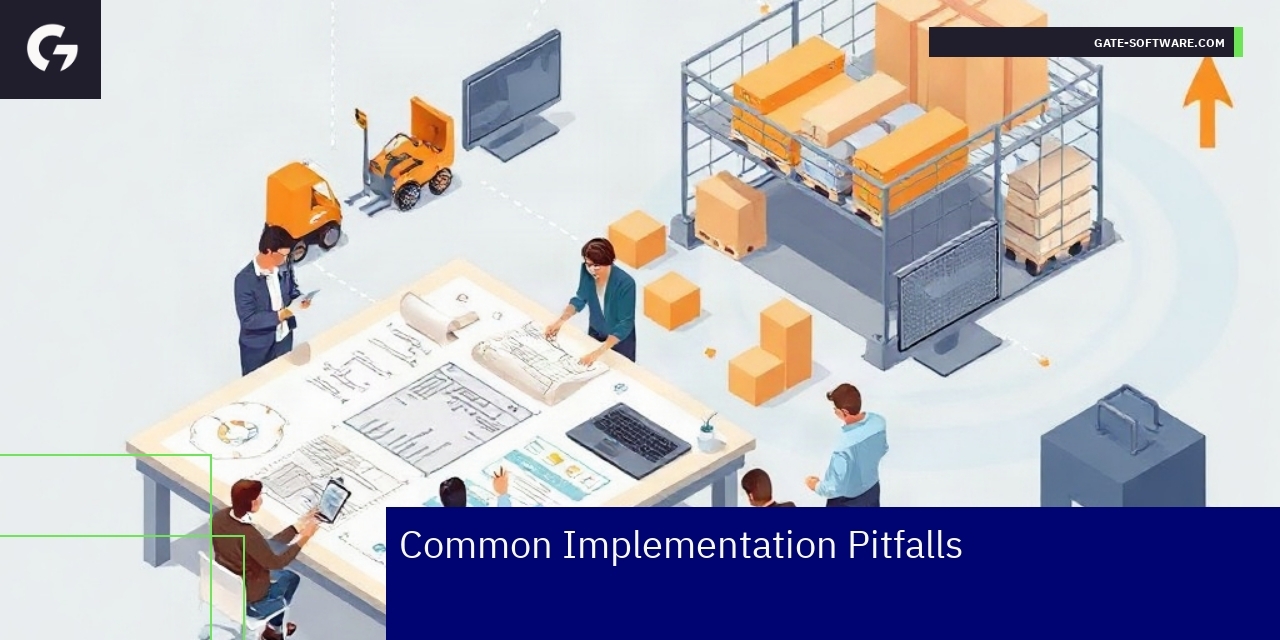
Key challenges in developing sustainable Magento 2 stores frequently arise from overlooked issues that seem minor initially but have substantial long-term effects. These avoidable traps include insufficient requirement analysis, underestimating the complexity of third-party integrations, and neglecting performance optimization early in development. Failure to address these can lead to scalability problems, increased maintenance costs, and a degraded user experience. Recognizing these pitfalls early and applying proactive measures is essential to ensure the ecommerce platform remains robust, manageable, and capable of handling growth demands without frequent disruptive overhauls.
—
—
Effective planning methods
Magento development FAQs emphasize that thorough preparation is the cornerstone of successful implementation. Effective planning involves detailed architectural design, clear definition of business requirements, and alignment between technical and business teams. Incorporating risk assessments and contingency plans ensures readiness to tackle unforeseen challenges without compromising timelines or budget. Furthermore, establishing coding standards and documentation practices mitigates technical debt and facilitates future enhancements. Thorough preparation with strategic foresight leads to more predictable outcomes and smoother project execution, essential for sustainable ecommerce solutions.
Process optimization at launch
The Magento website development process highlights optimization at the launch phase as critical to prevent recurrent problems. This includes rigorous testing of all functionalities, performance benchmarking under real-world conditions, and fine-tuning server and database configurations prior to release. Optimization should also cover SEO fundamentals and security measures to protect both user data and business assets. Continuous monitoring post-launch enables swift detection of issues and iterative improvements. Emphasizing process optimization at launch maximizes platform stability and ensures a positive user experience from the outset, laying a strong foundation for future growth.

Conclusion
In the evolving landscape of UiR, organizations face complex challenges that demand robust technical architectures, operational efficiency, and scalability to sustain competitive advantages. Success hinges on the integration of streamlined processes that optimize performance while maintaining adaptability to rapid technological changes. Emphasizing scalable system designs ensures that infrastructure can handle growing workloads and diverse user demands without compromising reliability or speed. A strategic approach to UiR must also address real-world business problems by leveraging data-driven insights and advanced methodologies that improve decision-making and operational workflows. By aligning technical solutions closely with organizational goals, stakeholders such as CTOs, Heads of Product, and Digital Directors can drive sustainable growth while navigating the intricacies of future-proofing their systems. Ultimately, the strategic focus on performance, scalability, and efficient operations creates a resilient foundation capable of supporting innovation and continuous improvement in UiR environments.
Data and Performance Metrics – Efficiency and Cost
Key Metrics for UiR
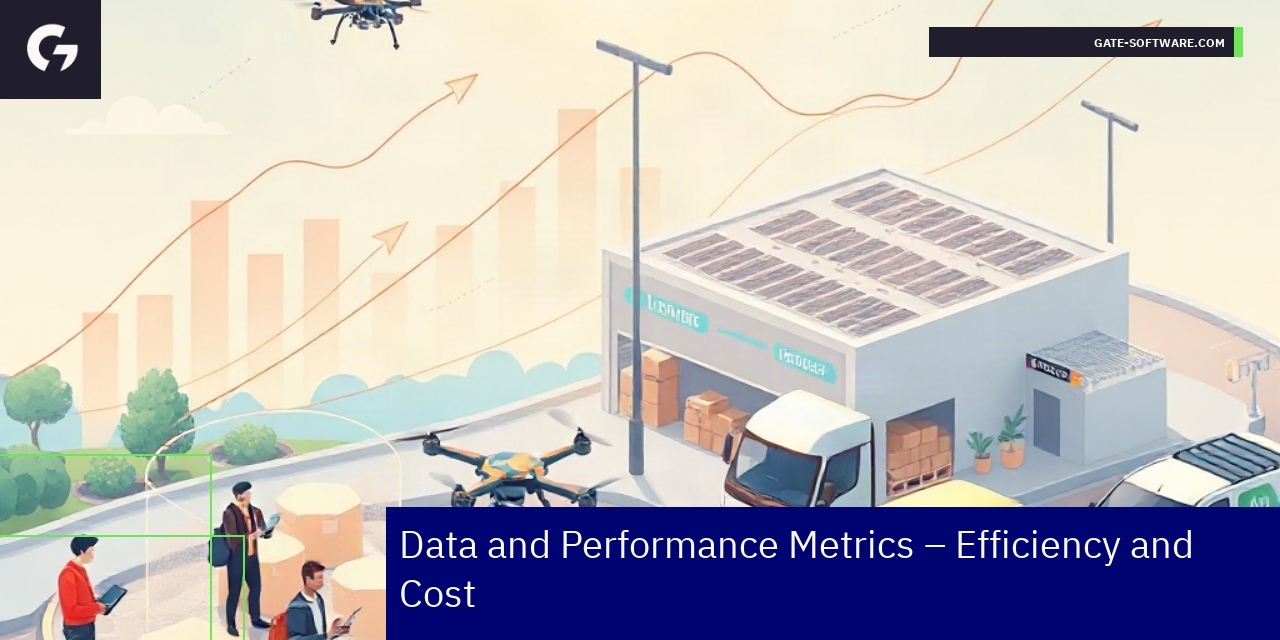
In the context of User Interface Rendering (UiR), optimizing performance can lead to substantial operational efficiency gains. For example, implementing advanced rendering techniques has been shown to improve page load times by up to 50%, thereby enhancing user experience and potentially increasing conversion rates by 20%.
Furthermore, businesses that adopt asynchronous rendering pipelines report average uptime improvements of 99.9%, which translates to an enhanced user satisfaction rate. In terms of resource optimization, strategic caching implementations can lead to a reduction in server requests by 30%, significantly decreasing hosting costs and minimizing environmental impact.
On the cost front, companies utilizing optimized UiR frameworks can observe a reduction in total cost of ownership (TCO) by approximately 15% through decreased server loads and enhanced performance. Moreover, businesses that integrate automated testing in their development processes achieve a faster time-to-market by 40%, enabling more agile responses to user feedback and market demands.
Finally, with the adoption of cloud-based hosting, studies indicate that organizations can scale infrastructure efficiently, handling up to 5x the traffic without performance degradation, facilitating growth into new markets while maintaining high service quality. These metrics underline the importance of investing in efficient UiR solutions as a pathway to driving both cost savings and strategic growth in digital platforms.

Summary
In conclusion, User Interface Rendering (UiR) plays a pivotal role in the modern digital landscape, influencing the success of applications across various sectors. Effective UiR not only enhances user engagement and satisfaction but also directly impacts operational efficiency and scalability. By adopting advanced rendering techniques and closely integrating with both back-end systems and front-end frameworks, businesses can ensure that their applications are both visually appealing and high-performing. The importance of performance optimization—through methods such as hardware acceleration and asynchronous rendering—cannot be overstated, as these practices help meet the increasing demands of users in real-time. As you consider your strategies around user interface design and implementation, reflecting on the established best practices in UiR can provide significant benefits. It is essential to balance innovation with proven methodologies to cultivate an ecosystem where user experiences thrive and operational capabilities flourish. Embracing these principles will not only prepare your organization for current challenges but also position it favorably for future developments in the rapidly evolving digital landscape.

FAQ
What is sustainable ecommerce?
Sustainable ecommerce represents a strategic approach that integrates technology and ethical business practices to minimize environmental impact while promoting continuous growth.
How does Magento 2 influence sustainability?
Magento 2 supports sustainability by offering scalable and flexible solutions, enabling the development of resource-efficient websites that lower server load and energy consumption.
What are the key challenges for sustainable ecommerce businesses?
Key challenges include handling complex integrations, maintaining system stability, performance optimization, ensuring security, and the specific server requirements of the Magento platform.
Why is security important in sustainable Magento development?
Security is crucial for protecting customer data and preventing breaches, which contributes to platform reliability and maintains trust with customers.
How can businesses implement sustainable development in Magento 2?
Businesses can integrate sustainability by selecting eco-friendly hosting solutions, optimizing code for energy efficiency, adopting responsive design principles, and using Magento’s modular architecture to minimize resource consumption.
.
.
Zamów bezpłatną konsultację
.
Z nami rozwój Twojego biznesu nabierze tempa! Zapraszamy do kontaktu średnie i duże firmy generujące min. 7 mln PLN obrotu rocznie – tam nasza ekspertyza sprawdza się najlepiej.
.
Kliknij w poniższy przycisk i skontaktuj się z jednym z naszych konsultantów e-commerce
.