Introduction
The rapid expansion of B2B eCommerce is fundamentally transforming how enterprises operate, interact, and grow in today’s digital landscape. This growth impacts both the strategic and operational dimensions of businesses, pressing the need for tailored solutions to effectively run B2B online stores. Success in this domain demands not only advanced eCommerce platforms, such as Magento™, but also a comprehensive understanding of the specific challenges B2B buyers and sellers face. These include complex buying processes, multi-level decision-making, personalized pricing, and integrations with existing ERP and CRM systems.
From a technical standpoint, businesses must prioritize scalability, security, and performance while maintaining compliance with standards such as WCAG 1.1 to ensure accessibility. The increasing importance of UX/UI tailored for B2B personas—Architect, eCommerce Manager, CDO, CIO/CTO, and Head of Applications—cannot be overstated, as seamless user experience drives adoption and retention.
Gate-Software’s focus on B2B eCommerce combines strategic consultancy with robust maintenance and development services. This ensures that B2B stores evolve efficiently, leveraging continuous monitoring, SLA-backed hosting, and cost-optimization strategies. Understanding the dynamics of B2B purchasing cycles and providing intuitive yet powerful functionality enable businesses to respond rapidly to market demands, optimize customer journeys, and ultimately boost revenue. This article will explore key facets for effective operation of B2B stores, reflecting Gate-Software’s strategic insights and technical expertise.
TABLE OF CONTENTS
- Rapid Growth of B2B eCommerce And Its Impact on Business
- How to Effectively Run a B2B Store
- Technology Use
- Experience Personalization
- Process Automation
- Types of Platforms
- Selection Criteria
- Popular Platform Examples
- Deployment Planning
- Change Management
- Team Training
- Content Marketing
- SEO for B2B eCommerce
- Social Media in B2B
- CRM Tools
- Communication Personalization
- Customer Feedback
- Success Metrics
- Process Optimization
- Continuous Improvement
- Emerging Technologies
- Shifts in Buying Behavior
- Ethics and Sustainability
- Data and Performance Metrics – Efficiency, SLA, TCO
- Summary
- FAQ

Technology Use
Technology adoption is pivotal in shaping the fast-paced evolution of ecommerce b2b. Selecting the appropriate platforma b2b aligned with business needs directly influences operational performance and customer satisfaction. An agile system b2b integration supports seamless workflows, enabling enterprises to respond quickly to market demands and scale efficiently.
In ecommerce b2b environments, the emphasis is on systems that enhance data accuracy, integration capabilities, and user experience while maintaining compliance with industry standards. The right technology stack facilitates better management of complex product catalogs, pricing tiers, and customized buyer journeys essential in B2B transactions.
Platforma b2b solutions must support flexibility and interoperability, integrating with ERP, CRM, and other enterprise applications to foster streamlined processes. Cloud-based approaches and API-driven architectures enable businesses to innovate rapidly while reducing infrastructure overhead.
Furthermore, the evolution of ecommerce b2b involves implementing tools for advanced analytics and personalization that empower decision-makers to optimize sales strategies and customer engagement. Investing in secure, scalable technologies strengthens competitive positioning and drives sustainable growth in the B2B digital marketplace.

Experience Personalization
Experience personalization is a critical driver for B2B success, enabling companies to create highly relevant and efficient customer journeys. Within platformy b2b, personalization manifests through adaptive interfaces and tailored content delivery that respond dynamically to the unique needs and roles of B2B buyers. Implementing a robust system b2b architecture that supports granular data segmentation and real-time analytics is essential for powering such personalized ecommerce b2b environments. These systems harness rich behavioral and transactional data to anticipate customer needs, streamline purchasing processes, and elevate user satisfaction.
Personalized experiences in ecommerce b2b go beyond simple customization; they integrate complex pricing models, procurement rules, and historical data to deliver context-aware product recommendations and offer configurations. This precision drives operational excellence and fortifies customer relationships by reducing friction and fostering loyalty. From the perspective of the eCommerce Manager and Head of Applications, investing in scalable personalization tools within platformy b2b platforms translates directly into measurable business outcomes such as higher conversion rates, increased average order values, and reduced churn.
Moreover, ensuring these personalization capabilities align with broader digital transformation roadmaps is vital. They leverage insights from multiple channels and support compliance with industry standards, including accessibility (WCAG), which broadens usability across diverse client profiles. Gate-Software’s approach integrates personalization into platformy b2b with an emphasis on reliability, extensibility, and security—elements crucial for satisfying stakeholders like CTOs and CDOs responsible for sustainable ecommerce b2b growth. Ultimately, sophisticated personalization via system b2b empowers organizations to deliver a seamless, responsive B2B commerce experience that distinguishes them in competitive markets.

Process Automation
Process automation in ecommerce b2b environments plays a crucial role in enhancing operational efficiency and accelerating business growth. By automating repetitive and manual tasks within platforma b2b and system b2b setups, companies can significantly reduce human errors and streamline workflow processes. This automation allows teams to focus more on strategic initiatives such as business development and customer engagement rather than routine operations.
A well-implemented automation strategy integrates seamlessly with existing workflows, ensuring that order processing, inventory management, and customer communications are handled swiftly and accurately. In ecommerce b2b, this reduces lead times and enhances the customer experience by providing timely updates and reducing delays.
Moreover, automation within a platforma b2b environment supports scalability. As businesses grow, automated processes can handle increased volumes without the need for proportional increases in staffing. This capability is especially valuable for companies aiming to expand their market reach and improve service levels.
System b2b frameworks benefit from automation by enabling real-time data synchronization and analytics. This supports better decision-making and ensures that operational adjustments can be made proactively. Overall, process automation is a fundamental component for optimizing performance, reducing costs, and maintaining competitive advantage in the dynamic ecommerce b2b landscape.
Process Automation
Types of Platforms
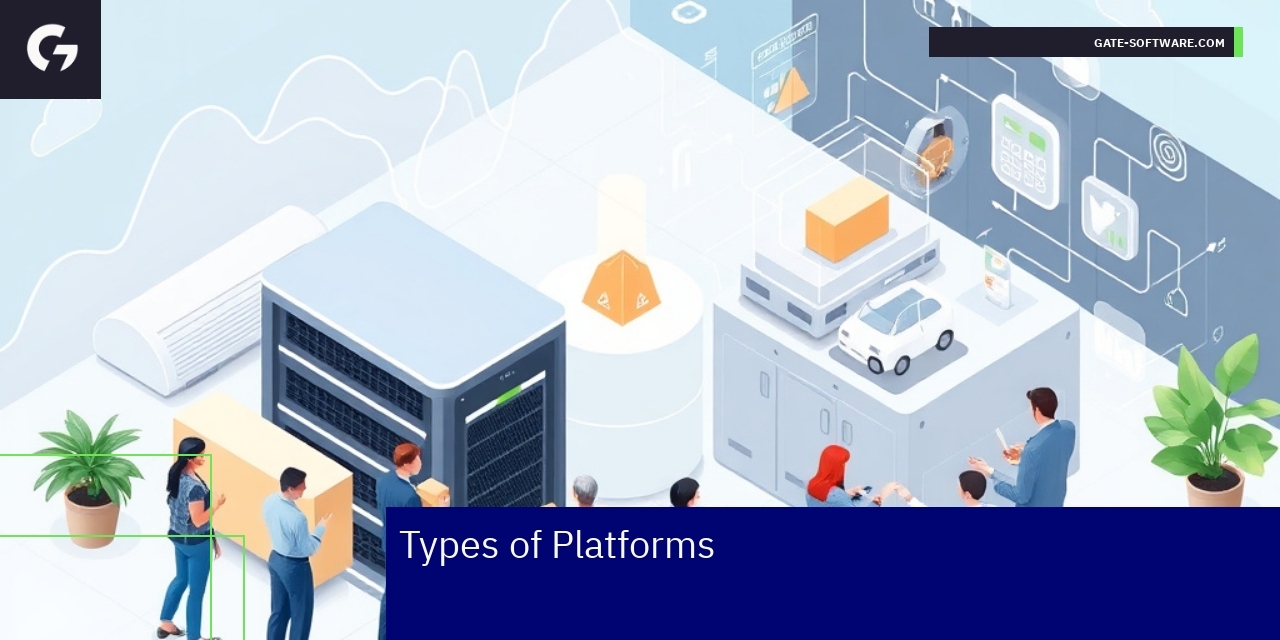
Choosing the right platformy b2b is crucial for businesses aiming to optimize their ecommerce b2b operations. A system b2b must not only support the complexity of B2B transactions but also integrate seamlessly with existing enterprise systems and workflows. Among the main types of platforms are hosted solutions and custom-built platforms, each offering distinct advantages depending on scalability, customization needs, and integration complexity.
Hosted solutions provide faster deployment times and lower upfront costs, ideal for businesses looking to streamline their entry into ecommerce b2b. These platforms often come with built-in compliance and security features, catering to typical B2B requirements such as complex pricing models and multi-user accounts. However, their flexibility may be limited when unique business processes or integrations are needed.
In contrast, custom-built system b2b platforms allow for tailored functionalities and close alignment with specific operational workflows. This approach supports advanced personalization, complex catalog management, and specialized checkout processes crucial in platformy b2b environments. Although developing a custom solution involves higher initial investment and longer time to market, it delivers significant benefits in terms of adaptability and competitive differentiation in ecommerce b2b.
Furthermore, understanding emerging trends in platform capabilities for 2025 is vital. These include API-driven architectures facilitating seamless integration, AI-powered personalization engines tailored for B2B buyers, and enhanced security protocols addressing increasingly stringent compliance demands. Selecting the appropriate platformy b2b can thus significantly impact efficiency, customer satisfaction, and long-term growth.
Gate-Software’s expertise in implementing and maintaining robust system b2b solutions ensures that businesses can navigate these technical and strategic challenges effectively. Their knowledge of ecommerce b2b best practices supports the deployment of platforms that not only fulfill current needs but are also scalable to adapt to future B2B market dynamics. Integrating platformy b2b with comprehensive UX/UI design and WCAG standards further enhances usability and accessibility, critical factors in B2B ecosystems where decision-makers require intuitive yet powerful tools.
In conclusion, the choice of platformy b2b and system b2b is a foundational decision in ecommerce b2b strategy. Whether opting for hosted platforms or custom development, aligning technology with business goals and emerging market trends positions companies for operational excellence and sustained competitive advantage.

Selection Criteria
Choosing the right system b2b and platforma b2b requires a comprehensive evaluation of multiple technical and business factors critical to the success of ecommerce b2b operations. Key criteria include scalability, ensuring that the system can handle growing transaction volumes and expanding product catalogs without compromising performance. Seamless integrations are also paramount; the platforma b2b must support connectivity with existing ERP, CRM, and other enterprise systems to streamline workflows and data consistency.
User experience must be crafted specifically for B2B buyers, who often require complex ordering processes, multi-user accounts, and personalized pricing. A robust system b2b should provide intuitive interfaces aligned with the unique demands of B2B sales cycles, enhancing adoption and satisfaction. Security and compliance features tailored to B2B transactional requirements play a crucial role in protecting sensitive data and meeting industry standards.
Operational efficiency hinges on the flexibility of the platforma b2b to support custom workflows, automate repetitive tasks, and enable rapid adaptation to market changes. The ecommerce b2b solution must facilitate thorough analytics and reporting capabilities to empower decision-makers with actionable insights.
In summary, the selection of system b2b and platforma b2b should focus on scalability, integration capabilities, user-centric design, security, and operational agility. Aligning these criteria ensures ecommerce b2b initiatives not only meet but exceed customer expectations while driving sustainable business growth.

Popular Platform Examples
In today’s rapidly evolving digital landscape, businesses are increasingly turning to B2B platforms to streamline operations, enhance customer experiences, and drive growth. The right platformy b2b can significantly improve efficiency and reduce costs, yet the selection of suitable systems and technologies presents genuine technical and business challenges. Understanding these challenges is critical for decision-makers, including CTOs, Heads of Applications, and eCommerce Managers.
Understanding B2B Platforms
B2B platforms, such as ecommerce b2b systems, are designed to facilitate transactions, communication, and collaboration between businesses. They provide the necessary infrastructure for companies to engage with each other efficiently, ensuring that products and services can be delivered seamlessly.
Among the most sought-after features in platforma b2b solutions is the ability to integrate with existing systems. Many businesses, especially larger enterprises, operate with a mix of legacy systems alongside newer technologies. This complexity can create hurdles during implementation, affecting both efficiency and user adoption.
Technical Challenges
1. Integration Complexity: One of the primary challenges facing CTOs and Heads of Applications is integrating B2B platforms with existing infrastructure. Legacy systems often have different data formats, operating standards, and user interfaces. A new system b2b needs to harmonize operations without requiring a complete overhaul, which can be resource-intensive and disruptive.
2. Scalability Issues: B2B platforms must be able to scale with the growth of the business. As transaction volumes increase, the platform should maintain performance levels. It’s essential to choose a platformy b2b that provides a robust, cloud-based architecture to accommodate future growth without hindering performance.
3. Data Security and Compliance: With the rise of regulations such as GDPR and various industry-specific guidelines, ensuring data security is paramount. Decision-makers must prioritize B2B platforms that offer strong compliance features and robust security protocols. Any data breaches can result in severe reputational and financial consequences.
4. User Experience: The success of a ecommerce b2b platform depends significantly on user experience. Stakeholders often overlook end-user engagement during the platform selection process. A poor user experience can hinder adoption, reducing the overall effectiveness of the system and risking ROI on technology investments.
Business Challenges
1. Choosing the Right Technology: With numerous available technologies, selection can be overwhelming for eCommerce Managers. Stakeholders need to evaluate platforms based on their specific needs—considering customization capabilities, support, and total cost of ownership.
2. Change Management: Implementing a new system b2b can lead to resistance among employees accustomed to existing processes. Effective change management strategies are essential. Users must feel involved in the transition process and be provided with adequate training to ensure a smooth shift to new systems.
3. Cross-Organizational Collaboration: Decision-makers need to facilitate collaboration between various departments (sales, operations, IT) to choose the right platform. Misalignment within the organization can lead to gaps in requirements, limiting the platform’s effectiveness and causing frustration during and after implementation.
4. Achieving ROI: Establishing a clear understanding of how a platforma b2b will contribute to business goals is crucial. Decision-makers must assess KPIs before and after implementation to ensure the technology delivers the anticipated value. This involves regular evaluation of usage, user feedback, and performance metrics.
Conclusion
Navigating the complexities of choosing and implementing B2B platforms requires a strategic approach. Decision-makers like CTOs, Heads of Applications, and eCommerce Managers must address technical and business challenges head-on to make informed choices. By focusing on integration, scalability, compliance, and user experience, companies can harness the full potential of platformy b2b solutions to drive growth and enhance operational efficiency. With the right strategies in place, the transition to a new system b2b can be a pivotal step towards robust and scalable B2B operations that deliver real value.

Deployment Planning
Effective deployment planning in ecommerce b2b environments demands a strategic approach that aligns technical implementation with business objectives. The complexities of platformy b2b necessitate a detailed understanding of both system architecture and user requirements to ensure seamless integration and scalability. Deploying a system b2b foundation involves configuring robust infrastructure that supports high availability, security, and compliance with industry standards.
Key factors in deployment planning include thorough testing protocols, phased rollouts, and stakeholder engagement to mitigate risks associated with system disruptions. Integration with existing enterprise systems and data workflows must be designed to optimize operational efficiency and provide a consistent customer experience. Furthermore, platformy b2b solutions require flexible customization options to address diverse buyer personas and transactional models specific to B2B commerce.
The planning process prioritizes clear communication between IT teams, eCommerce Managers, architects, and decision-makers such as CTOs. By leveraging Gate-Software’s expertise in system b2b implementations, organizations can anticipate challenges related to scalability, data migration, and compliance while ensuring compliance with UX/UI standards and WCAG guidelines. Ultimately, successful deployment reinforces competitive advantage by enabling a resilient and efficient ecommerce b2b platform that drives business growth and customer satisfaction.
Deployment Planning
Change Management
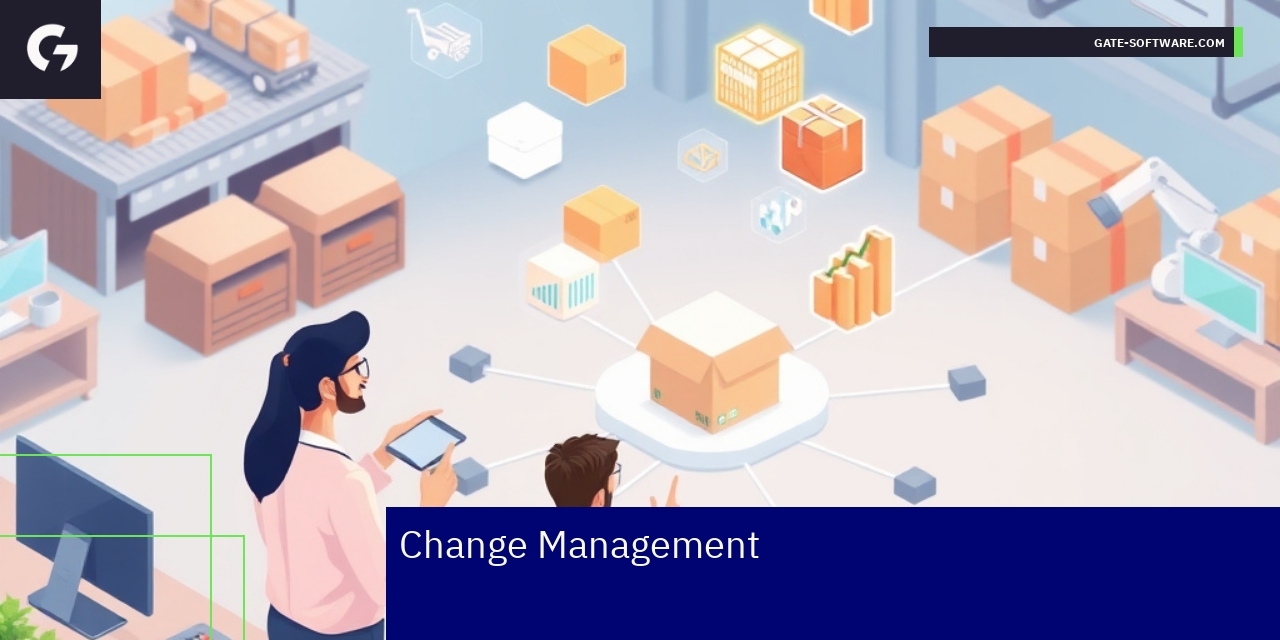
Managing change in B2B environments requires a strategic focus on the integration and adoption of the platforma b2b and system b2b to drive sustainable growth in ecommerce b2b. The complexity of B2B processes, including multiple stakeholders and longer sales cycles, demands a robust approach that communicates clear benefits and ensures seamless user experience across the system.
Effective Change Management starts with understanding the pain points inherent in legacy B2B systems and the operational challenges companies face when transitioning to modern platforma b2b solutions. Communicating tangible benefits such as improved transactional efficiency, scalability, and enhanced data analytics helps align expectations across the organization. It supports adoption by key personas, including the Architect, eCommerce Manager, and Head of Applications, who are instrumental in endorsing the system b2b’s value within their teams.
Another critical aspect is training and support tailored to the specific needs of B2B users, enabling them to leverage the new system’s features fully. This includes UX/UI optimizations adhering to WCAG standards to ensure accessibility and intuitive interfaces, minimizing resistance to change. Enhanced collaboration via integrated communication channels reduces friction during transition phases.
Sustaining ecommerce b2b growth hinges on embedding these changes into corporate culture, supported by ongoing monitoring and feedback loops. Utilizing Gate-Software’s expertise in Magento™ hosting and SLA-backed support ensures performance reliability, vital for business continuity. The partnership approach in change management strengthens trust and transparency—key factors in optimizing adoption and realizing long-term benefits of platforma b2b and system b2b implementations.

Team Training
Effective team training is paramount for organizations utilizing system b2b tools and platformy b2b functionalities. Comprehensive training ensures that teams are equipped with the knowledge and skills required to maximize the potential of ecommerce b2b platforms. Understanding how to navigate and utilize platforma b2b features allows teams to streamline workflows, reduce errors, and enhance overall operational efficiency. This expertise directly translates to improved customer experience, as well-informed teams can respond faster and more accurately to client needs.
Training programs focused on system b2b environments should emphasize real-world applications and scenarios relevant to the specific industry and business context. This approach helps team members grasp the intricacies of platformy b2b operations and ecommerce b2b strategies, bridging the gap between technical capabilities and business objectives. Continuous learning and skills updating are critical given the rapid evolution of digital B2B solutions.
Moreover, well-trained teams contribute to smarter utilization of platforma b2b data analytics and automation tools, enabling proactive decision-making and personalized customer engagements. Investing in structured, role-specific learning paths helps organizations sustain high performance and leverage their technology investments in ecommerce b2b to drive growth and competitive advantage.

Content Marketing
Content marketing targeted at B2B buyers is an essential strategy to effectively communicate the value of platformy b2b, system b2b, and ecommerce b2b solutions. In the B2B ecosystem, decision-makers such as CTOs, Heads of Applications, and eCommerce Managers seek precise, actionable information that addresses their business challenges. Content that educates and informs about the strategic benefits and operational advantages of these platforms and systems helps build trust and encourages adoption.
Within platformy b2b, content highlights features that enable seamless integration, scalability, and compliance with industry standards, emphasizing how these platforms can optimize complex business workflows and enhance collaboration between companies. For system b2b, the focus lies on showcasing technological interoperability, automation capabilities, and security measures that ensure reliable and efficient management of business processes. Detailed case studies and technical whitepapers validate these claims and provide insights into successful implementations.
Regarding ecommerce b2b, content marketing addresses the unique challenges of online B2B sales, such as personalized user experiences, bulk ordering, and contract management. Educational materials—such as how-to guides, webinars, and expert articles—help businesses leverage ecommerce platforms to increase conversion rates and streamline procurement. By integrating SEO phrases naturally, content supports discoverability while maintaining professionalism.
This approach ensures that content marketing for B2B audiences not only drives awareness of platformy b2b, system b2b, and ecommerce b2b but also supports informed decision-making, leading to greater engagement and long-term partnerships.

SEO for B2B eCommerce
Optimizing SEO for B2B digital platforms requires a clear understanding of the unique characteristics and needs of the B2B market. In the context of ecommerce b2b, the focus should be on designing a system b2b that not only attracts but also engages and converts professional buyers. The platforma b2b must be structured to meet the search intent of decision-makers such as CTOs, Heads of Applications, and eCommerce Managers who prioritize efficiency, scalability, and integration capabilities.
A well-optimized system b2b begins with comprehensive keyword strategy that includes highly relevant terms like system b2b, platforma b2b, and ecommerce b2b. These keywords need to be naturally integrated into technical documentation, product descriptions, and UX/UI content while maintaining a professional tone. Incorporating SEO phrases seamlessly helps the platform rank higher in searches specific to B2B purchasing cycles, often characterized by longer sales funnels and multiple stakeholders involved.
The platforma b2b should be designed to comply with accessibility standards such as WCAG 1.1, ensuring usability for all users and improving SEO ranking through better user experience. Gate-Software emphasizes this in its Magento™ solutions by offering flexible configurations and high-performance hosting that support fast loading times—an essential ranking factor for ecommerce b2b sites.
Technical SEO aspects for system b2b include structured data markup to facilitate product indexing by search engines, clean URL structures, and comprehensive sitemap integration. These improve the discoverability of the platforma b2b’s diverse offerings. Additionally, implementing analytics and monitoring tools enables continuous SEO performance evaluation, ensuring that ecommerce b2b platforms adapt to evolving search algorithms and user behavior insights.
Content strategy aligned with SEO must be technical yet accessible, focusing on problem-solving and the value proposition of the system b2b. Thought leadership articles, detailed case studies, and technical whitepapers serve to build authority while embedding the essential SEO phrases naturally. These content types resonate with the targeted decision-makers, supporting long-term organic growth for the platforma b2b.
From a business perspective, the integration of SEO efforts into the broader marketing and communication strategy ensures consistent brand messaging and a user-centric approach. This drives qualified traffic that is more likely to convert in the ecommerce b2b environment, characterized by customized pricing, bulk ordering, and complex service agreements.
In summary, effective SEO for B2B eCommerce hinges on a system b2b architecture that supports optimized, accessible, and technically sound content delivery. The platforma b2b must cater to the nuanced needs of professional buyers, using seo phrases like ecommerce b2b throughout all digital touchpoints to enhance visibility and business growth in the competitive B2B marketplace.

Social Media in B2B
Social media channels provide platforms where businesses can showcase their system b2b competencies and platforma b2b advantages, enhancing ecommerce b2b visibility and trust. In the B2B sector, social media is not just a marketing tool but a strategic asset that influences customer decisions and supports long-term relationships. By effectively leveraging social media, companies can demonstrate their technical expertise in system b2b implementations, highlighting how their platforma b2b solutions meet complex business needs and drive operational efficiency.
Utilizing social media channels enables B2B companies to amplify the value of their ecommerce b2b offerings, making it easier for decision-makers such as CTOs and Heads of Applications to discover and evaluate their solutions. These platforms serve as forums for sharing insightful content—case studies, technical whitepapers, and real-world success examples—that prove the robustness and scalability of system b2b environments. This transparency builds trust and credibility essential for converting leads into lasting partnerships.
Additionally, social media fosters deeper customer engagement and collaboration by facilitating conversations around platforma b2b features and ecommerce b2b trends. Targeted content distributed through professional networks nurtures client relationships, educates prospects on digital ecosystem integration, and supports ongoing customer relationship management strategies. Therefore, integrating social media into the B2B digital strategy is crucial to standing out in a competitive market, strengthening brand authority, and accelerating growth.
Social Media in B2B

CRM Tools
Implementing effective CRM Tools within a system b2b environment is crucial for managing complex customer relationships and driving ecommerce b2b growth. In the B2B sector, transactions often involve multiple stakeholders, longer sales cycles, and a higher need for personalized communication, making CRM systems central to operational success. Integrating CRM tools seamlessly with your platformy b2b allows businesses to capture and analyze customer data, track interactions, and optimize sales pipelines efficiently.
A robust CRM embedded in your system b2b provides a single source of truth for customer information, enabling the eCommerce Manager and Head of Applications to align marketing, sales, and support strategies. This integration supports advanced segmentation, tailored outreach, and better forecasting, all essential for scaling B2B operations. Moreover, CRM solutions that comply with WCAG standards ensure accessibility for all users, enhancing user experience across platformy b2b.
Data-driven decision-making is enhanced by CRM tools that aggregate insights from all client touchpoints. This capability allows Chief Digital Officers and CTOs to monitor campaign effectiveness, customer lifetime value, and retention metrics within the ecommerce b2b domain. Real-time dashboards and automated workflows facilitate agile responses to market changes and customer needs, reducing manual errors and operational costs.
Furthermore, aligning CRM functionalities with Gate-Software’s strategic IT infrastructure—such as Magento™ hosting and SLA-backed maintenance—ensures system reliability and scalability. This is particularly relevant for enterprises managing multiple business units or geographic regions, where system b2b stability is paramount.
In sum, leveraging CRM tools integrated into your platformy b2b setup not only streamlines customer and sales management but also empowers organizations to execute sophisticated ecommerce b2b strategies. By ensuring data consistency, accessibility, and actionable insights, these systems contribute directly to enhanced revenue generation and long-term client partnerships.

Communication Personalization
Effective communication personalization within the B2B environment is a critical driver for deepening relationships between businesses and their clients. Leveraging a robust system b2b and platforma b2b allows companies to tailor their messaging and interactions according to the unique needs and behaviors of each partner or customer. This level of customization not only improves the relevancy of communications but also accelerates the decision-making process, fostering trust and engagement that are essential in the B2B landscape.
A system b2b integrated with advanced data analytics enables the collection and interpretation of customer data at a granular level. This insight supports crafting targeted content, offers, and support that resonate specifically with different buyer personas, whether they are architects, eCommerce managers, or CTOs. Through such personalization, the ecommerce b2b platform can anticipate client needs, optimize user experience, and streamline workflows which in turn contribute to higher efficiency and satisfaction.
Moreover, personalized communication improves customer loyalty by reinforcing the value delivered through consistent, relevant, and timely interactions. This loyalty enhances the lifetime value of each client, making investments in system b2b and platforma b2b not merely technology expenditures but strategic assets. Tailored communications also facilitate stronger social proof and word-of-mouth referrals within the ecommerce b2b ecosystem, propelling growth.
In summary, the integration of personalized communication through specialized system b2b and platforma b2b solutions is indispensable for businesses aiming to elevate their ecommerce b2b capabilities. It addresses the complexity and specificity of B2B transactions, ensuring communication is not only heard but also understood and acted upon, thereby driving sustained business success.

Customer Feedback
Customer feedback plays a crucial role in refining and advancing any system b2b solutions. Within ecommerce b2b environments, capturing precise and actionable insights from users helps businesses adapt to evolving demands and maintain competitive advantages. Platformy b2b enable continuous dialogue with customers, ensuring that feedback is integrated not only into product development but also into service enhancements and interface improvements.
A robust platforma b2b fosters transparent communication channels where clients can share their experiences regarding usability, functionality, and reliability. Such feedback directly influences optimization strategies, allowing organizations to fine-tune their offerings to better align with buyer expectations and operational realities. eCommerce b2b transactions rely heavily on seamless system performance, meaning that monitoring and responding to customer feedback helps identify pain points early, mitigating potential disruptions.
Moreover, leveraging system b2b analytics tools facilitates deep dives into user satisfaction metrics, providing data-driven foundations for iterative improvements. The synergy between platformy b2b capabilities and customer insights empowers companies to innovate thoughtfully while sustaining trust and loyalty. Ultimately, integrating feedback into the continuous development cycle ensures that ecommerce b2b platforms not only meet but anticipate the complex needs of B2B clients, supporting scalable growth and efficiency in rapidly changing markets.

Success Metrics
Defining success metrics for system b2b and platformy b2b is essential to quantifying ecommerce b2b ROI and guiding strategic decisions. Key performance indicators (KPIs) must accurately reflect both technical efficiency and business impact within B2B operations.
One fundamental metric is sales growth generated through the platformy b2b. Tracking year-over-year revenue increases enables decision-makers to assess the effectiveness of the system b2b in driving business expansion. It is equally critical to monitor Customer Acquisition Cost (CAC), which helps evaluate the efficiency of marketing and sales efforts in attracting new B2B clients.
Customer Lifetime Value (CLV) also plays a pivotal role. Understanding the total revenue expected from a B2B customer over their entire relationship allows companies to prioritize retention strategies and optimize resource allocation on system b2b features that encourage loyalty.
Conversion rate measures the percentage of platform visitors who complete purchases, providing insight into the platformy b2b’s user experience and sales funnel efficiency. Average Order Value (AOV) should be tracked as well to evaluate the purchasing power and transaction sizes within ecommerce b2b.
Another important operational metric is cart abandonment rate, indicating friction points in the purchasing process that must be addressed to minimize lost sales. Retention rate and churn rate metrics help assess customer satisfaction and ongoing platform engagement, offering signals for improvement in system b2b functionalities.
Order fulfillment efficiency reflects the backend performance and integration of the platformy b2b with logistics and inventory systems, impacting customer satisfaction significantly. Lastly, user engagement metrics such as session duration and return visits illustrate how effectively the platform retains interest, which is crucial for long-term ecommerce b2b success.
Collectively, these metrics provide a comprehensive view of how system b2b and platformy b2b contribute to sustaining and growing ecommerce b2b operations. Utilizing them enables informed strategic decisions and maximizes return on investment.
Process Optimization
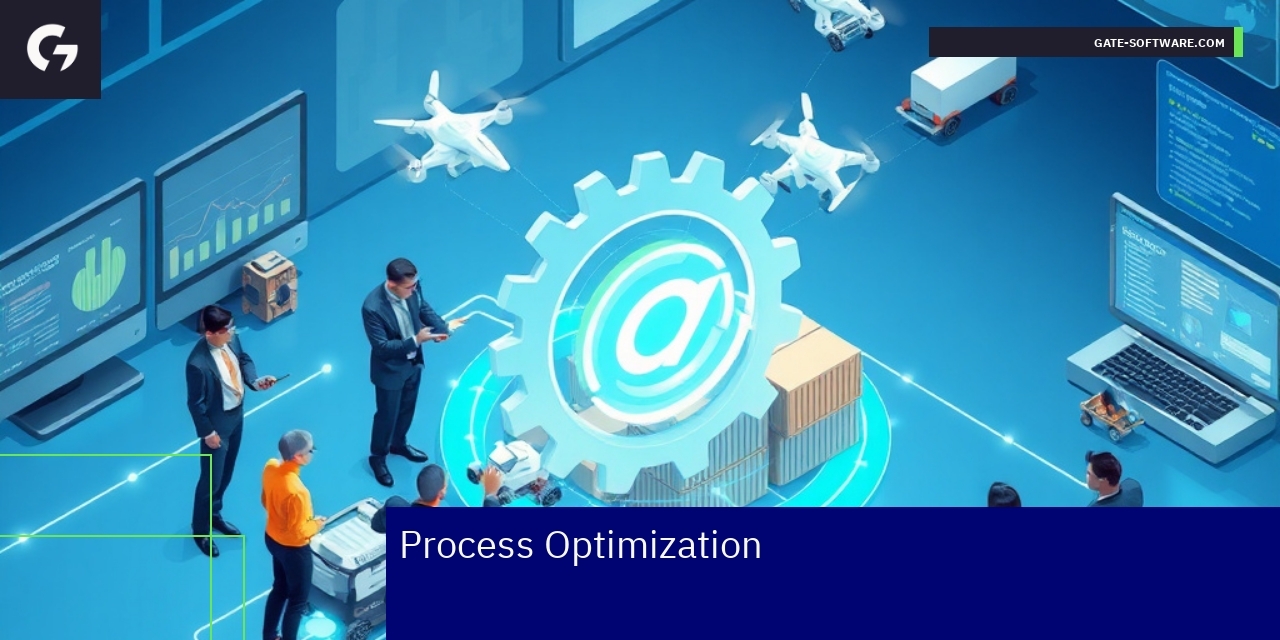
Optimizing processes within ecommerce b2b environments requires a strategic focus on both system b2b upgrades and platforma b2b functionalities that drive operational excellence. Effective process optimization enables organizations to streamline workflows, minimize manual interventions, and accelerate transaction throughput, which is essential for maintaining a sustained competitive edge.
A robust system b2b forms the backbone of seamless business interactions by integrating core ERP functionalities, automating order processing, and ensuring reliable data synchronization. This foundation reduces errors and enhances responsiveness across the supply chain. Concurrently, leveraging a flexible platforma b2b tailored to business-specific requirements facilitates customized user experiences and scalable architecture, directly impacting customer satisfaction and retention.
Key challenges in process optimization include managing complex pricing structures, accommodating varying contract conditions, and ensuring compliance with industry standards. Gate-Software approaches these challenges by implementing modular components within the platforma b2b, incorporating advanced workflows and rule-based automation that adapt to diverse client needs without compromising stability.
Furthermore, continuous monitoring and optimization of the ecommerce b2b infrastructure through advanced analytics and performance metrics enable proactive identification of bottlenecks and optimization opportunities. This aligns IT and business objectives, empowering decision-makers such as CTOs and Heads of Applications to prioritize improvements that generate measurable ROI.
In summary, sustained competitive advantage in the B2B sector hinges on an integrated approach that enhances system b2b capabilities and platforma b2b adaptability, delivering streamlined, compliant, and scalable processes tailored to evolving market demands.
Continuous Improvement
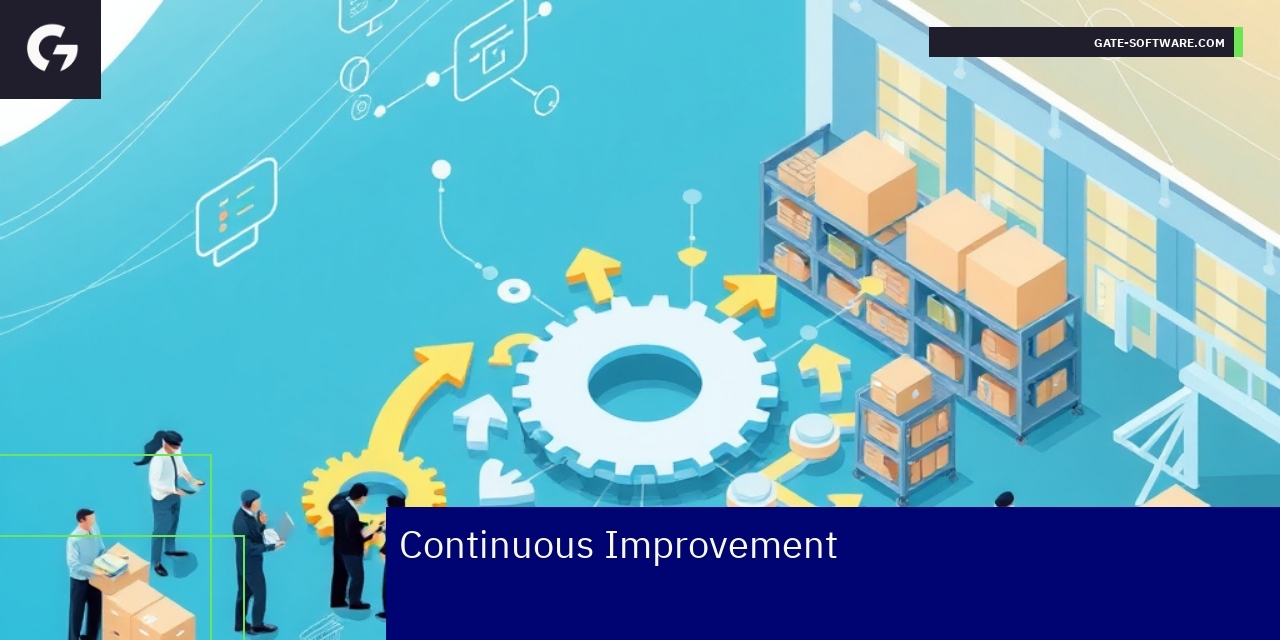
In the B2B landscape, continuous improvement is essential for maintaining competitive advantage within ecommerce b2b environments. Success depends on consistently optimizing platformy b2b and system b2b to meet evolving client needs and technological advancements. Organizations adopting platforma b2b solutions must focus not only on initial implementation but also on iterative enhancements that drive operational efficiency and user satisfaction.
Continuous improvement in system b2b involves regularly analyzing performance data, soliciting feedback from users, and promptly addressing issues that hinder seamless transactions or integration with other business systems. Such a proactive approach ensures that the platform remains aligned with both market demands and internal business goals.
Furthermore, ecommerce b2b platforms require scalable architectures that can support expanding product catalogs, complex pricing models, and personalized workflows. Gate-Software’s expertise in advancing platforma b2b through rigorous testing and optimization enables firms to navigate these challenges efficiently.
Overall, embedding continuous improvement within your ecommerce b2b culture is not just a technical mandate but a strategic necessity. It fosters agility, enhances customer experience, and ultimately drives sustainable growth in digital B2B commerce. This approach consolidates the value of platformy b2b and system b2b as indispensable tools for modern business transformation.

Emerging Technologies
Emerging technologies are revolutionizing the landscape of ecommerce b2b by enabling more efficient and integrated system b2b solutions and innovative platformy b2b architectures. As B2B enterprises demand seamless interactions between multiple systems and platforms, the adoption of advanced technologies such as AI-driven automation, API-first architecture, and cloud-native platforms is becoming critical. These technologies not only enhance scalability and flexibility but also improve data accuracy and real-time decision-making capabilities, essential for complex B2B transactions.
Cloud-based platformy b2b leverage microservices and containerization to provide modular, adaptable environments where businesses can customize workflows and integrations according to their specific needs. This approach facilitates smoother system b2b interoperability, allowing companies to connect CRM systems, ERP software, and various logistic providers under a unified ecommerce b2b umbrella.
Additionally, the integration of advanced analytics and machine learning empowers eCommerce Managers and CTOs to optimize supply chains, forecast demand, and personalize buyer experiences more effectively. Ensuring these emerging solutions comply with UX/UI standards and WCAG guidelines also supports accessibility and usability, further strengthening B2B platform adherence to enterprise requirements.
Investing in these technologies addresses key challenges such as legacy system modernization, data silos, and the need for real-time responsiveness within system b2b environments. Consequently, innovative platformy b2b solutions shape the future of ecommerce b2b by enhancing operational efficiency, scalability, and customer-centricity, ensuring businesses remain competitive in an evolving digital ecosystem.

Shifts in Buying Behavior
In the B2B sector, shifts in buying behavior have become a critical consideration for companies aiming to optimize their platforma b2b and system b2b capabilities. Buyers increasingly expect seamless digital experiences that mirror or exceed those found in B2C environments. This evolution puts pressure on ecommerce b2b platforms to adapt by offering intuitive interfaces, personalized interactions, and robust backend integrations to meet complex purchasing requirements.
Modern B2B buyers demand greater transparency, detailed product information, and flexible purchasing options, often requiring systems that support multi-level approvals and dynamic pricing models. Consequently, the system b2b must facilitate these processes efficiently, ensuring security, compliance, and scalability. As companies streamline their procurement workflows, a well-designed platforma b2b becomes instrumental in reducing friction, shortening sales cycles, and improving customer satisfaction.
Moreover, the rise of mobile and self-service channels in ecommerce b2b demands platforms that are responsive and user-friendly. Buyers expect to interact with digital catalogs, place orders, and track shipments with ease, driving the need for continuous innovation in ecommerce b2b solutions. By focusing on these shifting preferences, businesses can future-proof their system b2b investments and strengthen their competitive positioning in an increasingly digital marketplace.

Ethics and Sustainability
As businesses within the B2B sector advance, embedding ethics and sustainability into system b2b and platformy b2b operations becomes imperative. These considerations are no longer peripheral but central to how companies build trust, ensure compliance, and drive long-term success in ecommerce b2b markets. Decision-makers such as CTOs and Heads of Applications increasingly recognize that sustainable practices and ethical governance within their digital infrastructures are vital for resilience and competitive advantage.
In system b2b environments, sustainability manifests through optimized resource use, transparent supply chains, and adherence to social responsibility standards that align with global guidelines. Platforms that facilitate these processes allow businesses to track and minimize environmental footprints while maintaining compliance with regulatory and ethical norms. This alignment enables companies to meet growing stakeholder expectations around corporate responsibility without compromising operational efficiency or security.
Platformy b2b further enable collaboration among partners committed to sustainable growth. By leveraging integrated tools for monitoring supplier ethics, compliance, and environmental impact, these platforms foster transparency and accountability across complex networks. This strengthens trust within ecosystems, enhances reputational capital, and supports scalable sustainable practices embedded in everyday procurement and operational workflows.
The role of ecommerce b2b systems extends beyond transactional efficiency to incorporate sustainability metrics directly into purchasing processes. Advanced analytics offered by these platforms help managers evaluate vendor impacts and operational carbon footprints, guiding smarter, environmentally-conscious decisions. Consequently, sustainability becomes a measurable business driver integrated into core B2B digital commerce activities, reinforcing ethical sourcing and responsible vendor management.
Ultimately, embedding ethics and sustainability in system b2b and platformy b2b is no longer optional but a strategic imperative reflecting evolving global standards and customer values in ecommerce b2b. Organizations embracing these principles reduce risks related to regulatory non-compliance, enhance partner relations, and gain competitive differentiation through sustainable innovation. For B2B decision-makers, aligning technology and strategy around ethics and sustainability ensures not only compliance but also business continuity and leadership in a responsible digital economy.
Sustainability through optimized resource use and supply chain transparency

Data and Performance Metrics – Efficiency, SLA, TCO
Operational Effectiveness in B2B Projects
In today’s competitive B2B landscape, operational efficiency and measurable performance are pivotal for success. Gate-Software emphasizes these elements through various performance metrics that reflect the efficacy of its B2B services.
One key metric is the average project takeover time, which stands at approximately 14 days, ensuring a seamless transition for new clients. Gate-Software boasts an impressive 90% of projects delivered on time, underscoring its commitment to meeting client expectations and deadlines. Additionally, clients have reported an average Total Cost of Ownership (TCO) reduction of around 20%, directly attributable to optimized processes and the strategic implementation of Magento™ solutions.
Over the past year, Gate-Software has successfully executed 150 implementations, showcasing its robust capacity for scaling projects within the B2B sector. The uptime SLA stands at a remarkable 99.9%, reflecting the reliability and stability of the hosting environment provided for B2B applications. Furthermore, the average client relationship duration averages 5 years, reflecting the trust and satisfaction clients have in the solutions provided by Gate-Software.
These measurable outcomes not only highlight operational effectiveness but also bolster decision-making processes for prospective B2B clients considering Gate-Software’s services. Engaging with a partner who prioritizes these metrics ensures that businesses can achieve their strategic goals efficiently and effectively.

Summary
In the rapidly evolving world of B2B eCommerce, aligning your business strategy with the right technology can make all the difference. Gate-Software’s services are designed to enable businesses not only to navigate the intricacies of a B2B environment but also to thrive within it. From the adoption of advanced platforms like Magento™ to ensuring compliance with accessibility standards such as WCAG 1.1, we prioritize scalability, performance, and user experience tailored for B2B decision-makers. By combining strategic consultancy with robust maintenance and development services, we ensure that your B2B store evolves effectively to meet market demands.
Effective implementation of system b2b solutions and platformy b2b can drive substantial operational efficiencies, foster personalized customer experiences, and implement process automation that reduces errors and operational costs. Our methodical approach to deployment planning, change management, and team training guarantees seamless transitions and maximizes the benefits of your investment. The result is a digital ecosystem that not only meets current needs but is also adaptable for future growth.
The essence of our services lies in a commitment to continuous improvement through data-driven insights and performance optimization. By leveraging Gate-Software’s expertise, businesses can gain a competitive edge, optimize customer journeys, and ultimately drive substantial revenue growth. We encourage you to consider partnering with us to unlock your full potential in the B2B digital marketplace. Your success is our priority, and we are here to support you every step of the way.

FAQ
What are the key trends influencing B2B eCommerce?
The key trends include technology adoption for system integration, experience personalization through AI and machine learning, and process automation to enhance operational efficiency and reduce errors.
How should businesses choose the right B2B platform?
Businesses should evaluate platforms based on scalability, integration capabilities, user experience, security, and operational efficiency to ensure that they meet their specific needs and grow with the company.
Why is process automation important in B2B environments?
Process automation minimizes manual intervention, reducing errors and speeding up order processing, which is crucial for maintaining competitive advantage and providing a seamless customer experience.
What role does customer feedback play in B2B eCommerce?
Customer feedback is essential for refining system B2B solutions; it helps businesses adapt to changing demands, optimize user experience, and ensures that their offerings align with customer expectations.
How can B2B companies incorporate sustainability into their operations?
B2B companies can integrate sustainability metrics into their purchasing processes by using advanced analytics to evaluate vendors based on their environmental impact, thus promoting responsible sourcing and operational transparency.
.
.
Zamów bezpłatną konsultację
.
Z nami rozwój Twojego biznesu nabierze tempa! Zapraszamy do kontaktu średnie i duże firmy generujące min. 7 mln PLN obrotu rocznie – tam nasza ekspertyza sprawdza się najlepiej.
.
Kliknij w poniższy przycisk i skontaktuj się z jednym z naszych konsultantów e-commerce
.