Introduction
Optimizing the B2B checkout experience in Magento 2 is a critical factor for enhancing customer satisfaction and streamlining complex purchasing workflows typical for B2B environments. B2B transactions often involve multifaceted decision-making processes, including multiple approvers, negotiated pricing, and specific contractual terms. Therefore, Magento 2 must be precisely configured and extended to address these unique challenges.
The key to a successful Magento 2 B2B checkout process lies in aligning the platform’s capabilities with the business requirements of client organizations. This includes enabling flexible payment and shipping options, supporting quick reordering and bulk purchases, and integrating with enterprise resource planning (ERP) systems for accurate data synchronization. Additionally, a seamless UX/UI design tailored to B2B personas such as Architects, eCommerce Managers, and CTOs ensures intuitive interactions and reduces friction during checkout.
Gate-Software’s approach to optimizing Magento 2 for B2B focuses on comprehensive technical audits, WCAG compliance to ensure accessibility, and continuous monitoring for performance and security. By addressing both the technical and experiential aspects, companies can achieve a checkout experience that drives efficiency, reduces cart abandonment, and supports long-term customer relationships in the B2B sector.

What You Will Learn
Optimizing B2B purchasing processes is a critical factor in enhancing operational efficiency and maintaining competitive advantage. Key strategies focus on streamlining procurement workflows by leveraging advanced Magento maintenance and hosting solutions provided by Gate-Software. These solutions include automated order processing, integration with supply chain systems, and personalized UX/UI designs, all compliant with WCAG standards to ensure accessibility. Understanding these processes enables B2B enterprises to reduce costs while enhancing transaction transparency and supplier collaboration.
Tax optimization methods for entrepreneurs in B2B settings require a thorough understanding of available tax reliefs and expenses. Effective management of these financial aspects helps in minimizing tax liabilities legally while sustaining business growth. By adopting Gate-Software’s strategic approach, companies can align their financial planning with their digital transformation, encompassing cloud hosting cost optimization and SLA-driven service reliability, which directly impacts financial performance and risk mitigation.
How to avoid tax fraud is crucial not only for legal compliance but also for protecting company reputation and stakeholder trust. Gate-Software’s solutions emphasize transparent data monitoring and auditing capabilities within MagentoOneS™ platforms, supported by rigorous WCAG 1.1 and UX/UI audits. These measures ensure data integrity and help identify anomalous activities early, preventing fraudulent practices.
An overview of tax reliefs and expenses tailored for B2B enterprises enhances decision-makers’ ability to leverage financial benefits efficiently. Integration of this knowledge with IT infrastructure management, as guided by Gate-Software’s expertise in hosting and migration, facilitates cost-effective business operations. Leveraging documented case studies and compliance frameworks curated for decision-makers like CTOs and Heads of Applications provides a solid foundation for sustainable tax planning and optimized purchasing strategy execution.
TABLE OF CONTENTS
- Optimize Magento 2 B2B Checkout Experience – Key B2B Purchasing Process Strategies
- What You Will Learn
- Why Optimize Purchasing Processes?
- Key Elements of Purchasing Processes
- Tax Optimization Strategies
- Tax Reliefs
- Optimal Taxation Forms
- Differences Between Avoidance and Fraud
- Efficient Cost Management
- Preferential Tax Rates
- Expense Overview
- Office Maintenance Costs
- Employee Salaries
- Depreciation
- R&D Relief
- Tax-Free Amount
- Successful Purchasing Process Optimization Examples
- Case Study: B2B Tax Optimization Success
- Data and Performance Metrics – Efficiency, SLA, TCO
- Summary
- FAQ

Why Optimize Purchasing Processes?
Optimizing purchasing processes in a B2B environment is crucial to streamline operations, enhance efficiency, and improve overall business performance. Benefits of optimization include reducing procurement cycle times, minimizing errors, and ensuring compliance with company policies. Efficient purchasing processes help companies better manage supplier relationships and negotiate favorable terms, which directly impacts cost control and profitability. By automating repetitive tasks and integrating procurement systems with other business applications, organizations can create a seamless workflow that reduces manual workload and operational risks.
The impact on store performance and checkout performance best practices is significant in the B2B sector, where purchasing volumes and transaction complexities are typically higher than in B2C. An optimized purchasing process leads to faster order processing, improved inventory management, and enhanced accuracy in order fulfillment. Implementing best practices such as real-time data synchronization, user role segmentation, and transparent approval workflows helps maintain data integrity and operational clarity. Moreover, refining the checkout experience with tailored B2B functionalities — including bulk ordering, flexible payment terms, and detailed invoicing — supports key decision-makers like the Architect, eCommerce Manager, and Head of Applications in driving business growth efficiently. Integrating these improvements with Gate-Software’s MagentoOneS™ platform and adhering to WCAG 1.1 standards ensures that usability and accessibility are maintained without compromising performance.

Key Elements of Purchasing Processes
The purchasing process in B2B environments is inherently complex, involving multiple stages that require thorough analysis and precise execution. One of the fundamental stages is the process analysis itself, where businesses meticulously dissect their buying patterns and supplier interactions to optimize workflows. This includes identifying bottlenecks, aligning procurement with business objectives, and ensuring compliance with organizational policies. Implementing technologies supporting optimization, such as advanced ERP systems and procurement platforms, significantly enhances efficiency. Among these technologies, Magento B2B Features Guide stands out by offering complex commerce capabilities tailored for B2B needs. These features facilitate streamlined supplier communications, enable custom pricing, and support multi-tier customer hierarchies, which are critical for handling intricate purchasing structures. Incorporating tools from Magento also enriches order management and automates approval workflows, ensuring greater control and transparency throughout the purchasing lifecycle.
The process analysis phase also involves a rigorous assessment of cost structures, supplier reliability, and delivery schedules to align purchasing decisions with strategic goals. Adopting Magento’s complex commerce capabilities effectively addresses several pain points by providing scalable solutions that adapt to evolving market demands. Additionally, these tools integrate seamlessly with existing IT architecture, supporting scalability and long-term sustainability. This holistic approach to purchasing processes, underpinned by process analysis and innovative technologies, empowers B2B enterprises to achieve optimized procurement, reduce operational costs, and foster stronger supplier relationships—all crucial in maintaining competitive advantage and operational excellence.
Tax Optimization Strategies
Tax optimization is a critical aspect for B2B eCommerce businesses aiming to maximize profitability while ensuring compliance with regulations. In the complex environment of digital commerce, especially on platforms like Magento 2, tailored strategies enable companies to efficiently manage tax liabilities, mitigate risks, and optimize cash flow.
Effective tax optimization strategies begin with a comprehensive understanding of applicable tax regulations and the integration of automated tax calculation tools to streamline the process. For B2B businesses, this involves leveraging Magento 2’s capabilities for precise tax rules configuration according to product types, customer locations, and jurisdiction-specific regulations. By aligning tax settings with real transactional data, businesses achieve accuracy that prevents overpayments and penalties.
Cost optimization within the tax domain also includes exploring incentives and exemptions available for digital commerce, international trade, and technology investments. These options often depend on the business model and geographic footprint, making a tailored approach necessary for each enterprise. Integration of reporting tools within Magento 2 facilitates transparent audit trails and supports timely tax filing, reducing administrative overhead and legal exposure.
Moreover, aligning tax optimization with broader eCommerce strategies, such as personalized pricing and scalable architecture, allows companies to anticipate tax impacts during business expansion or product diversification. The roles of key decision-makers like CTOs and Head of Applications are pivotal in selecting and implementing technology solutions that maintain compliance without compromising on performance.
In summary, tax optimization in B2B eCommerce requires a strategic combination of technological configuration, regulatory awareness, and business model alignment. Utilizing Magento 2’s advanced tax management features, companies enhance operational efficiency and secure financial advantages that foster sustainable growth in competitive digital markets. Integration with monitoring and cost optimization practices ensures ongoing adaptability to changing tax laws and market conditions.

Tax Reliefs
Types of tax reliefs
In the B2B sector, various types of tax reliefs are designed to optimize financial performance and enhance cash flow management. Common tax reliefs include R&D tax credits, which incentivize innovation and technological development, investment allowances encouraging capital expenditures in equipment or infrastructure, and sector-specific reliefs tailored to e-commerce or IT services. Other forms include VAT exemptions or reductions, and reliefs on employment-related costs aimed at reducing the overall cost of hiring skilled personnel. Applying these reliefs requires a clear understanding of the eligibility criteria, documentation processes, and compliance with national regulations. Leveraging these tools effectively can significantly reduce tax liabilities while supporting strategic investments within the company, aligning tax planning with broader business objectives like scalability and digital transformation.
How to apply reliefs effectively
Effective application of tax reliefs in B2B environments necessitates a strategic approach involving cross-departmental coordination, particularly between finance, legal, and IT teams. It is crucial to maintain thorough documentation demonstrating eligibility, such as project scopes for R&D, or detailed records of capital investments. Gate-Software solutions support companies by integrating compliance tracking and financial reporting, reducing administrative overhead and minimizing errors that could jeopardize relief claims. Furthermore, awareness of deadlines and changes in tax legislation is essential, as is the use of expert judgment to align tax relief strategies with business growth plans. Utilizing digital platforms for real-time monitoring of tax-related activities and engaging consultants for complex cases ensures that companies maximize available tax relief opportunities while sustaining regulatory compliance and operational efficiency.
Optimal Taxation Forms
Comparison of taxation forms
Selecting the right taxation form is a critical decision for B2B entrepreneurs, impacting financial efficiency and compliance. Different forms—such as lump-sum tax, linear tax, progressive tax, and VAT schemes—offer distinctive advantages depending on business size, revenue structure, and operational complexity. For B2B enterprises, especially those operating within e-commerce and complex technological frameworks, the chosen taxation form should optimize cost management while ensuring compliance with current fiscal regulations. Factors such as the ability to deduct business expenses, eligibility for tax reliefs, and the administrative burden must be weighed carefully. Entrepreneurs must understand how each form aligns with their business models, particularly in sectors demanding precise cost optimization and adherence to standards like WCAG for inclusive digital commerce.
Choosing the best form for B2B entrepreneurs
For B2B entrepreneurs, the decision on taxation form should be closely tailored to their operational realities and strategic goals. A linear tax system might suit rapidly scaling tech firms due to its predictability and simplicity, aiding in budget planning and financial forecasting. Conversely, a progressive tax structure could benefit businesses investing heavily in development and innovation by leveraging deductible expenditures and tax credits. Leveraging insights from digital commerce platforms like Magento, alongside Gate-Software’s industry expertise, enables selecting forms that support seamless compliance and cross-border transactions. Entrepreneurs must also consider how their tax choices interact with regulations around e-commerce platform management, including UX/UI standards and the necessary monitoring to prevent potential tax irregularities in complex B2B ecosystems. In all cases, strategic collaboration with financial advisors who understand the nuances of digital commerce and B2B operational demands is essential for optimal tax planning.
Differences Between Avoidance and Fraud
Tax avoidance and tax fraud represent fundamentally different approaches to managing tax liabilities, particularly significant in the B2B sector where compliance and strategic financial management directly impact business sustainability.
Tax avoidance involves legally optimizing tax obligations within the framework of existing laws. It includes strategic utilization of tax reliefs, deductions, and structuring business operations to minimize tax burden legally. For example, companies may leverage inwestycje w konto emerytalne or claim legitimate business expenses as deductions, adhering to applicable regulations. Such practices require a thorough understanding of tax codes and are aligned with corporate governance and compliance standards. This approach is proactive and transparent, often involving consultations with tax advisors to ensure that all measures remain within legal parameters.
Conversely, tax fraud involves deliberate illegal activities intended to misrepresent financial information and evade tax payments. Typical examples include fałszowanie dokumentacji finansowej, concealment of revenues, or inventing fictitious expenses. These actions violate legal statutes and can lead to severe penalties, criminal charges, and reputational damage. In the B2B context, fraud can disrupt partnerships and client trust, leading to long-term business risks.
The critical distinction lies in legality and ethical compliance: unikanie podatków operates within legal boundaries, while oszustwo podatkowe crosses into illicit territory. Understanding these boundaries is essential for eCommerce Managers, CTOs, and Heads of Applications responsible for financial integrity and operational compliance. Effective tax planning in B2B environments balances cost optimization with adherence to tax standards, ensuring sustainable growth and risk mitigation.
Why Optimize Purchasing Processes? 🧠🧩📊
Vendor Evaluation
…
Streamlining Workflow
…
Efficient Cost Management
Efficient cost management in the Magento B2B checkout process is critical for optimizing operational budgets while ensuring a seamless user experience. One effective method involves leveraging automation in order processing and payment workflows, which reduces manual intervention and associated labor costs. Integrating cost-effective hosting solutions and monitoring services further helps control expenses related to infrastructure and downtime. Adopting MagentoOneS™ and SLA-based service agreements can streamline maintenance and updates, providing predictable costs and minimizing unexpected financial burdens.
Another approach is implementing tailored UX/UI audits and WCAG compliance checks early in the development cycle. This not only improves accessibility but also reduces future redesigns and legal risks, simplifying the Magento B2B checkout process cost-effectively. Data-driven personalization and persona-targeted content enable precise marketing spend, ensuring investments are focused on key decision-makers like eCommerce Managers and CTOs, thus maximizing ROI.
Examples of efficient solutions include modular platform architecture allowing scalable integrations as business needs evolve without costly overhauls. Furthermore, strategic migrations to updated Magento versions are planned and executed to avoid operational disruptions, optimizing time and financial resources. Gate-Software’s expertise in monitoring and hosting guarantees platform stability, further containing operational costs. These practices combined build a robust, cost-efficient checkout system tailored specifically for B2B scenarios, balancing technological sophistication with budget discipline.
Preferential Tax Rates
What preferential tax rates exist?
In the B2B sector, preferential tax rates are designed to provide financial relief and encourage strategic investments, innovation, and competitiveness. These rates often include reduced VAT rates, tax credits for research and development activities, and sector-specific incentives aligned with digital transformation and e-commerce growth. For businesses operating platforms like Magento, preferential treatment can extend to software acquisition, cloud hosting services, and maintenance costs, optimizing operational expenditure. Such tax reliefs complement efforts in UX/UI conformity and WCAG 1.1 standards compliance by lowering the financial burden associated with upgrading systems to meet regulatory and accessibility requirements. Integrating these preferential rates into financial planning ensures better allocation of resources toward scalability and service quality improvement.
Who can benefit from them?
Preferential tax rates primarily benefit B2B companies engaged in technology-driven sectors such as e-commerce, SaaS, and IT infrastructure development. Key decision-makers—like CTOs, eCommerce Managers, and Heads of Applications—can leverage these reliefs when allocating budgets for platform enhancements, marketing strategies, and ongoing platform maintenance. Particularly, enterprises with a focus on MagentoOneS™ or similar platforms stand to gain through optimized expense management, enabling reinvestment into strategic areas such as WCAG 1.1 compliance, content strategy execution, and social media campaigns. Additionally, firms operating under Gate-Software’s frameworks for service-level agreements (SLA) and monitoring find preferential tax rates valuable in sustaining long-term operational excellence and reducing total cost of ownership.
Tax Reliefs and Expense Review
Tax reliefs in the B2B context encompass a variety of mechanisms targeting different expenditure categories. These include deductions for marketing and communication strategies aligned with brand voice, costs related to platform migrations, and expenses from UX/UI audits. A thorough expense review under these preferential regimes identifies deductible items such as hosting fees, compliance audit costs, and software development aligned with strategic content plans. Gate-Software’s expertise in managing these processes helps businesses ensure that tax benefits are maximized without sacrificing quality or regulatory adherence. Reviewing expenses under the lens of preferential tax rates is critical for maintaining sustainable growth, especially when scaling e-commerce platforms while preserving a strong focus on persony kluczowych decydentów and core organizational values.

Expense Overview
In the B2B sector, a comprehensive expense overview is crucial for maintaining operational efficiency and maximizing profitability. Key expenses in B2B operations typically encompass technology infrastructure investments, platform maintenance costs, compliance with WCAG standards, and strategic marketing efforts. For companies utilizing platforms like MagentoOneS™, costs related to hosting, system monitoring, and periodic UX/UI audits are recurrent and need meticulous tracking to prevent budget overruns. Implementing robust cost optimization strategies is essential, especially when managing complex e-commerce ecosystems that serve multiple business clients with varying requirements.
Conducting an expense review in B2B contexts requires a systematic approach. Start by categorizing expenses according to their direct impact on platform performance and customer experience. Detailed analyses should include evaluating vendor contracts, service level agreements (SLA), and associated service costs to identify potential savings. Additionally, integrating insights from project takeovers or migrations can highlight hidden costs or inefficiencies. Aligning expense reviews with business cycles and strategic planning phases ensures that financial resources support ongoing platform innovation while adhering to Gate-Software’s values of transparency and partnership. Employing dedicated tools and processes for monitoring expenses related to both IT and marketing activities enables decision-makers—such as CTOs, Heads of Applications, and eCommerce Managers—to make informed, data-driven choices that bolster long-term business growth.
Office Maintenance Costs
How to optimize office-related costs
Optimizing office maintenance costs is critical for B2B companies aiming to maximize operational efficiency while controlling expenses. A strategic approach involves analyzing recurring expenditures such as utilities, cleaning services, security, and technology infrastructure. Implementing energy-efficient solutions, such as upgrading to LED lighting and smart HVAC systems, can significantly reduce bills. Additionally, leveraging digital tools for facility management allows better tracking of maintenance schedules and expenses, preventing costly repairs through timely interventions. Choosing scalable service agreements for maintenance and cleaning can adapt costs to actual needs without overpaying for unused services. Furthermore, conducting regular UX/UI audits and ensuring compliance with WCAG standards not only supports accessibility but can also streamline workspace usability, indirectly impacting maintenance overhead through improved system reliability and reduced user support needs.
Examples of possible savings
Practical examples of savings include renegotiating service level agreements (SLA) with cleaning and security vendors to include performance incentives, which align service quality with cost-effectiveness. Migrating certain administrative and monitoring tasks to cloud-based platforms can reduce the need for on-site IT infrastructure, subsequently lowering both hardware costs and energy consumption. Adopting MagentoOneS™ for eCommerce platforms minimizes downtime and maintenance resources, directly impacting overall operational costs. Moreover, strategic workspace planning based on personas like Architect, Head of Applications, and eCommerce Manager can optimize space utilization, reducing unnecessary office footprint expenses. Implementing these targeted measures allows B2B firms to better control cash flow, maintain seamless operations, and reinvest savings into core business areas without sacrificing quality or compliance.

Employee Salaries
Managing employee salaries in the B2B sector involves understanding the typical salary costs associated with various roles such as Architect, eCommerce Manager, CDO, CTO/CIO, and Head of Applications. Salary costs represent a significant portion of operational expenses and require careful planning to balance competitiveness and cost-efficiency. Typical salary costs include base pay, bonuses, and benefits, all structured to attract and retain top talent in a competitive market.
Opportunities for optimization lie in aligning salary structures with market trends and company strategy, leveraging flexible compensation models, and integrating performance-based incentives. Additionally, analyzing workforce distribution and role criticality can guide targeted salary adjustments, enhancing budget control while maintaining motivation and productivity.
Tax Optimization – Utilizing Exemptions for Maximum Savings
Tax optimization is crucial for efficient salary management. Utilizing available exemptions and deductions can drastically reduce the financial burden on the company. Leveraging legal tax reliefs such as social security contributions exemptions, tax credits for specific employee benefits, and optimized payroll structuring aids in maximizing savings. Structuring salary payments to include non-taxable allowances and benefits compliant with current regulations allows businesses to reduce effective salary costs. Employing these strategies requires close cooperation between HR and finance teams to ensure compliance while achieving cost optimization, ultimately supporting sustainable workforce management within the B2B service framework.

Depreciation
How depreciation works
Depreciation is a fundamental accounting process used by B2B companies to allocate the cost of tangible assets over their useful lives. It starts with determining the initial purchase cost, including any taxes and setup expenses. An estimated useful life is established based on how long the asset is expected to generate economic value. Companies then select an appropriate depreciation method—commonly straight-line, declining balance, or units of production—that aligns with asset use patterns and financial strategies.
For example, the straight-line method distributes the asset cost evenly throughout its useful life, offering predictable expenses per period. Meanwhile, the declining balance method front-loads depreciation, matching higher expenses with the asset’s early, more intensive use. The units of production method recalculates depreciation dynamically based on operational metrics like output or mileage, reflecting real asset consumption.
This systematic approach enables organizations to match expenses with revenues accurately, optimize tax reporting, and effectively allocate capital spending in financial planning. Proper depreciation management supports sustained asset performance and cost optimization vital to B2B operations.
Examples of its application
In B2B environments, depreciation is widely applied to various asset categories integral to operations and competitiveness. For instance, manufacturing firms invest heavily in equipment whose cost is allocated over time to reflect wear and obsolescence. A machine worth $100,000 with a 10-year useful life will typically have annual straight-line depreciation of $10,000, impacting both the balance sheet and profit and loss statement.
Office infrastructure such as furniture and fixtures also undergoes depreciation, often using accelerated methods like declining balance to better align expenses with usage patterns. Similarly, logistics companies depreciate delivery vehicles based on mileage or estimated service life, employing the units of production method where appropriate to track actual resource consumption.
These applications of depreciation not only align financial reporting with asset utilization but also inform strategic decisions regarding maintenance, replacement, and investment, reinforcing robust asset management frameworks essential in B2B settings.

R&D Relief
R&D Relief is a crucial support mechanism for B2B companies investing in innovation and technological development. It allows firms to recover a portion of their expenditures related to research and development, which can significantly reduce operational costs and accelerate digital transformation initiatives.
How to obtain R&D relief
To obtain R&D relief, a company must first clearly identify activities that qualify as research and development under the relevant legal and tax frameworks. This typically involves innovation in products, services, or processes that demonstrate technical uncertainty or advancement. Businesses are required to maintain thorough documentation of their R&D projects, including objectives, timelines, technical challenges, and outcomes. Proper accounting and segregation of eligible costs such as labor, materials, and overheads are essential. Companies should also engage specialized advisors or consultants experienced in R&D tax relief claims to optimize the benefit and ensure compliance. At Gate-Software, understanding the nuances of expense reporting and regulatory compliance aligns with the needs of CTOs and Heads of Applications managing complex platforms like Magento, ensuring the correct allocation and justification of R&D investments.
Examples of companies benefiting from this relief
Enterprises leveraging R&D Relief often come from sectors where continuous innovation is critical, such as e-commerce, software development, and digital services. For example, companies developing new MagentoOneS™ features or integrating WCAG-compliant UX/UI solutions can claim R&D tax credits for the pioneering work involved. Digital transformation projects initiated by CDOs or eCommerce Managers, focusing on automation, cost optimization, or cloud hosting enhancements, frequently qualify for these reliefs. B2B firms engaged in strategic marketing technologies or platform customizations also stand to benefit. Gate-Software’s strategic planning documentation shows that effective utilization of R&D Relief supports not only operational cost savings but also fosters sustained innovation and competitive advantage in B2B digital commerce environments.

Tax-Free Amount
Who is eligible?
In the B2B context, the tax-free amount typically applies to businesses that qualify under specific financial thresholds and regulatory guidelines. Eligibility is often dependent on the size and turnover of the company, as defined in local tax laws and agreements. For decision-makers like CTOs and Heads of Applications, understanding eligibility criteria ensures compliance and optimizes financial planning. Businesses under the tax-free threshold can allocate resources more efficiently, directly impacting operational budgets and long-term strategic investments. The tax-free amount serves as a vital tool for companies to maintain liquidity while managing their tax obligations effectively, aligning with Gate-Software’s approach to cost optimization and strategic financial management.
Benefits of the tax-free amount
The tax-free amount offers several benefits to B2B companies, including improved cash flow management and reduced immediate tax liabilities. By leveraging this allowance, businesses can reinvest saved funds into digital transformation projects, enhance their eCommerce platform performance, or upgrade infrastructure. For eCommerce Managers and CTOs, these savings translate into increased agility in technology adoption and user experience improvements without the strain of additional tax burdens. Additionally, the tax-free amount supports compliance with regulatory frameworks such as WCAG and UX/UI standards by freeing up budget capacity that can be redirected towards such initiatives. Using the tax-free amount effectively aligns with Gate-Software’s strategic goals of sustainable growth and operational excellence.
Examples and Case Studies
Real-world examples illustrate the tangible impact of the tax-free amount on B2B enterprises. For instance, a mid-sized company optimized its Magento platform hosting and monitoring services by reinvesting the saved tax-free funds, resulting in a 15% reduction in downtime and enhanced customer satisfaction. Another case involved a Head of Applications who utilized the tax-free allowance to finance a UX/UI audit, ensuring the platform met WCAG 1.1 standards and improved accessibility for business clients. These case studies highlight how the tax-free amount is not merely a fiscal relief but a strategic enabler for innovation and compliance. Gate-Software’s expertise in B2B solutions allows clients to fully capitalize on these benefits, integrating tax strategy into broader operational planning.
Successful Purchasing Process Optimization Examples
In the B2B environment, optimizing the purchasing process is a critical lever to improve efficiency, customer satisfaction, and ultimately revenue. Real-world cases within the Magento B2B platform context demonstrate that deep understanding of buyer personas such as Architect, eCommerce Manager, and CTO/CIO is vital for designing solutions tailored to complex business needs.
One proven strategy is customizing the checkout experience to reduce friction through streamlined workflows that respect the multi-level approval processes common in B2B procurement. For instance, integrating plugins that automate order validations and approval chains ensures compliance without slowing down the transaction. This approach also aligns with WCAG standards ensuring accessibility for all user types.
Another key example involves cost optimization and system performance enhancements enabled by dedicated hosting, monitoring, and SLA agreements. These measures guarantee platform reliability under heavy traffic associated with bulk ordering, critical for eCommerce Managers focusing on operational continuity.
Gate-Software’s expertise in MagentoOneS™, combined with targeted UX/UI audits, enables continuous refinement of purchase flows. Emphasizing seamless integration with client systems and reducing manual input not only accelerates transactions but also minimizes errors, supporting better decision-making at the CDO level.
Implementing such strategies and plugins in Magento B2B checkout experiences elevates customer satisfaction, boosts conversion rates, and secures operational excellence aligned with the strategic objectives of the B2B sector. These examples illustrate how technical rigor and business relevance converge to optimize purchasing processes effectively.
Tax Optimization Strategies 🧠 UWAGI: 🔧 Nie twórz nagłówków od nowa – nie zmieniaj tytułów ani nie dodawaj znaczników takich jak “H3”, “H4”, numeracja, ani żadnych dodatkowych oznaczeń. 🔧 Nie modyfikuj żadnych innych fragmentów – tylko dodaj boxy na końcu konkretnego H3.
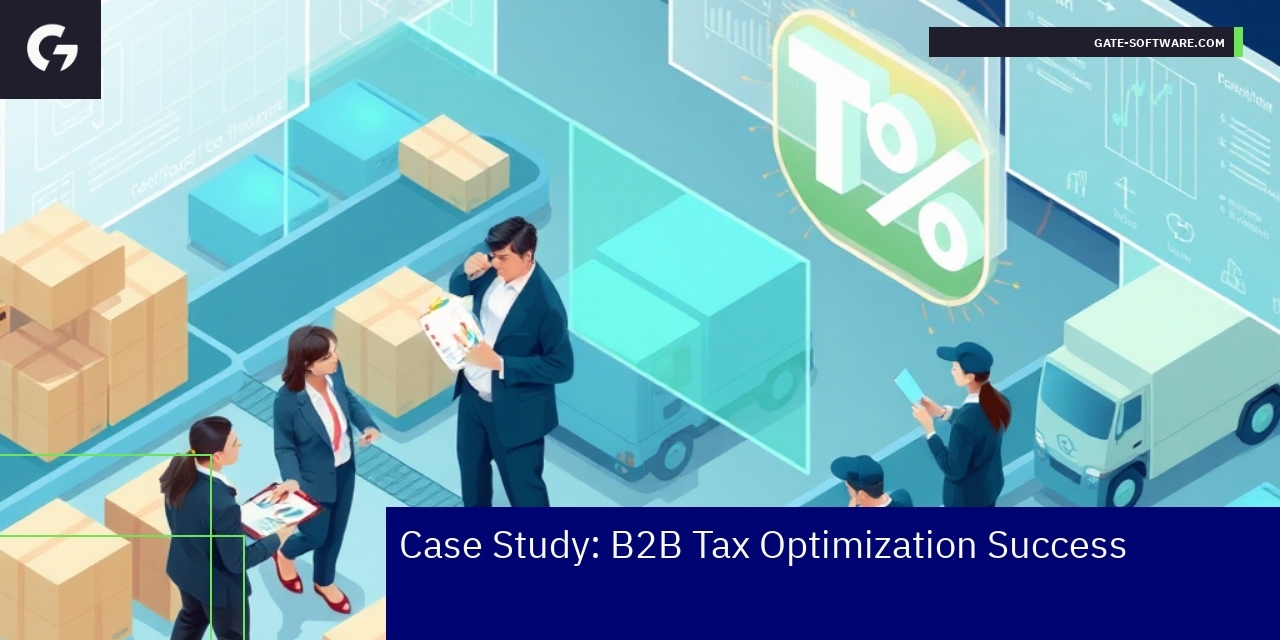
Case Study: B2B Tax Optimization Success
In the B2B e-commerce landscape, tax optimization is a crucial lever for improving financial efficiency and boosting sales performance. Companies utilizing Magento 2 B2B Quote have demonstrated significant improvements by implementing targeted tax optimization strategies tailored to their complex transactional environments. These strategies often include automating tax calculations based on regional regulations, applying dynamic tax rules per customer segment, and ensuring compliance through Magento’s flexible configuration options.
B2B companies using Magento 2 benefit from enhanced control over their tax management processes, which directly impacts purchasing behavior and order volume. Optimizing the Magento 2 B2B checkout with precise tax settings not only reduces errors and delays but also strengthens trust with business customers who demand transparency and compliance.
The success of these tax optimization efforts is supported by Magento’s robust B2B functionality, allowing e-commerce managers and architects to tailor solutions that meet specific business needs while integrating seamlessly with existing financial systems. This integration streamlines workflows, minimizes tax-related risks, and ultimately drives higher sales conversion rates by smoothing the procurement process.
Gate-Software’s expertise in Magento 2 B2B provides organizations with the technical know-how to implement these tax optimization tactics effectively. By leveraging this expertise, businesses can overcome typical challenges such as managing multiple tax jurisdictions, handling tax exemptions, and optimizing checkout processes to suit corporate purchasing requirements.
This case study highlights how companies have successfully leveraged Magento 2 B2B Quote and tailored tax strategies as competitive advantages, helping them to increase sales and improve operational efficiency in complex B2B environments.
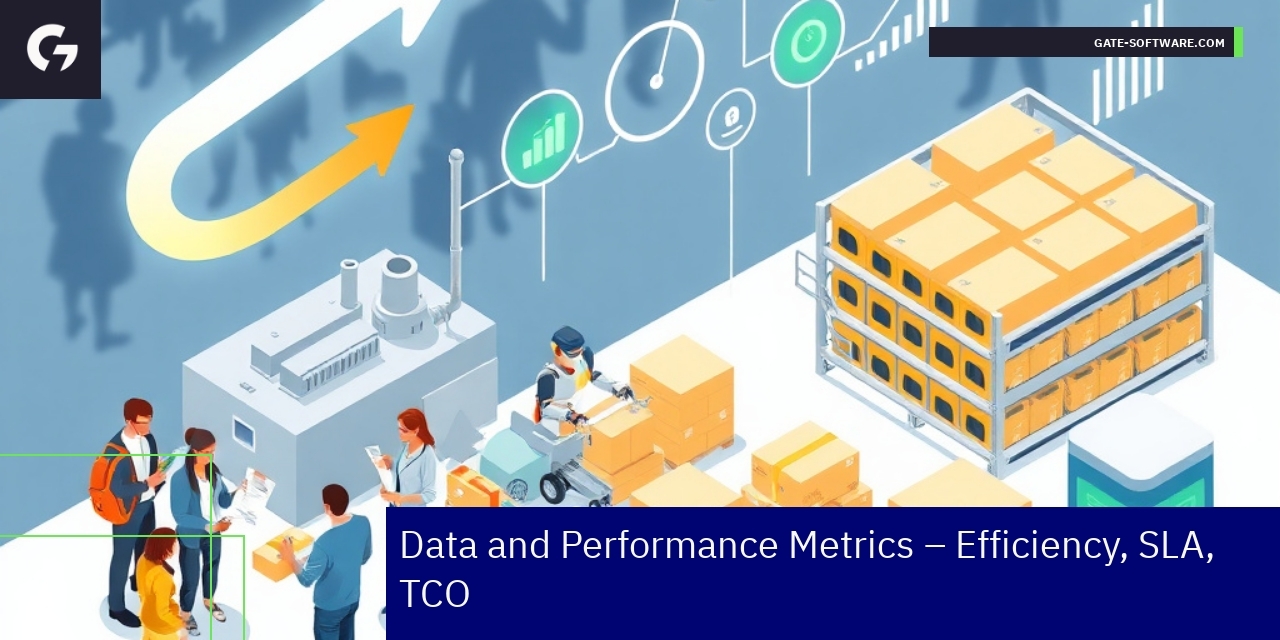
Data and Performance Metrics – Efficiency, SLA, TCO
Operational Effectiveness in B2B Projects
In the realm of B2B, meticulous attention to operational metrics is essential for driving efficiency and solidifying purchasing decisions. Gate-Software’s strategies position companies to achieve measurable success through various key performance indicators (KPIs) that reflect operational excellence.
For instance, the average project takeover time for B2B clients utilizing Gate-Software’s MagentoOneS™ typically stands at 12 days, a critical factor that ensures seamless transitions and minimal disruption. Furthermore, 95% of projects are delivered on time, showcasing the reliability of Gate-Software’s service delivery framework.
Companies leveraging Gate-Software’s hosting solutions enjoy an average uptime SLA of 99.9%, minimizing downtime and ensuring uninterrupted service for busy B2B transactions. This high uptime not only translates into operational stability but also fosters increased customer trust and satisfaction.
In terms of financial efficiency, clients have reported an average TCO reduction of 20% after optimizing their e-commerce platforms with Gate-Software’s tailored services. This reduction is pivotal in not only enhancing profitability but also allowing reinvestment into furthering digital transformation initiatives.
Moreover, the average duration of client relationships spans over 5 years, an impressive testament to the trust and satisfaction in Gate-Software’s approach, which emphasizes long-term partnerships and consistent support tailored to individual business needs.
Additionally, projects oriented toward optimized purchasing processes have resulted in a 30% improvement in procurement cycle times, enabling organizations to respond swiftly to market demands while also slashing operational costs.
Lastly, companies have increased their transaction volumes by 25% on average owing to the enhancements made within their B2B frameworks, thereby underscoring the direct correlation between operational efficiencies and revenue growth facilitated by Gate-Software’s expert guidance and innovative solutions.
These metrics exemplify the commitment to excellence in operational efficiency and financial management that Gate-Software maintains, ultimately empowering businesses to thrive in a competitive B2B landscape.

Summary
In today’s competitive B2B landscape, optimizing your purchasing processes is not just beneficial but essential for operational success. Gate-Software’s expertise in enhancing Magento 2 for B2B transactions provides comprehensive solutions that streamline procurement workflows, reduce costs, and improve customer satisfaction. With a focus on integrating flexible payment options, quick reordering, and adherence to WCAG standards, your business can ensure a seamless checkout experience tailored for key decision-makers. By utilizing advanced tax optimization strategies and maintaining compliance through rigorous monitoring, B2B companies can maximize profitability while minimizing risks.
The case studies indicate that effective implementation of these techniques leads to higher sales conversion rates and stronger customer relationships. As the B2B environment continues to evolve, partnering with Gate-Software allows you to stay ahead of the curve, leveraging technology and expertise to refine your purchasing processes. We invite you to explore how you can transform your B2B operations and foster long-term growth through tailored solutions designed for your specific needs. Contact us to discuss collaboration opportunities that can elevate your business strategy.

FAQ
What is the importance of optimizing the B2B checkout process in Magento 2?
Optimizing the B2B checkout process in Magento 2 is crucial for enhancing customer satisfaction and streamlining complex purchasing workflows. It addresses the unique challenges of B2B transactions, involving multiple decision-makers and specific contractual terms, ensuring a seamless user experience.
How can tax optimization benefit B2B enterprises?
Tax optimization allows B2B enterprises to manage their tax liabilities efficiently, maximizing profitability while ensuring compliance with regulations. This involves leveraging available tax reliefs, deductions, and automated tax calculation tools in Magento 2 to align tax settings with transactional data.
What strategies can be employed to streamline B2B purchasing processes?
Key strategies for streamlining B2B purchasing include automating order processing, integrating with ERP systems for accurate data synchronization, and implementing flexible payment and shipping options. Personalizing UX/UI designs to meet the needs of B2B decision-makers is also essential.
How does Gate-Software ensure compliance with WCAG standards in B2B solutions?
Gate-Software ensures WCAG compliance through comprehensive technical audits, UX/UI evaluations, and ongoing monitoring of performance and security. This commitment enhances accessibility and maintains a high-quality user experience for all clients, reducing the risk of legal complications.
What role do tax reliefs play in B2B financial management?
Tax reliefs in the B2B context help optimize financial performance by reducing tax liabilities and encouraging strategic investments. Companies can utilize various tax reliefs, such as R&D credits and capital expenditure allowances, to enhance cash flow and support innovation initiatives.
.
.
Zamów bezpłatną konsultację
.
Z nami rozwój Twojego biznesu nabierze tempa! Zapraszamy do kontaktu średnie i duże firmy generujące min. 7 mln PLN obrotu rocznie – tam nasza ekspertyza sprawdza się najlepiej.
.
Kliknij w poniższy przycisk i skontaktuj się z jednym z naszych konsultantów e-commerce
.