Maintaining the security of a Magento platform in 2026 demands a comprehensive and proactive approach, addressing evolving cyber threats alongside the platform’s inherent complexities. Security maintenance must be deeply integrated with the operational and strategic dimensions of eCommerce technology management.
First, continuous vulnerability assessment and timely patch management are critical. Magento’s frequent updates must be diligently monitored and applied to prevent exploitation of newly discovered vulnerabilities. This requires automated tools and skilled teams capable of rapid integration and regression testing to ensure patches do not disrupt custom functionalities or integrations.
Second, robust access control and authentication mechanisms form the foundation of platform security. With growing adoption of multi-factor authentication (MFA) and role-based access control (RBAC), organizations can safeguard administrative and API access, minimizing risks from credential compromise or insider threats.
Third, secure development lifecycle (SDLC) practices are increasingly important. Security must be embedded from the initial design through development, testing, and deployment phases. This includes code reviews, static and dynamic security scanning, and integrating security into CI/CD pipelines to catch vulnerabilities early.
Fourth, data security and privacy remain paramount. Magento platforms typically handle sensitive customer data and payment information, so encryption of data in transit and at rest, strict compliance with data protection regulations, and effective data access policies are mandatory.
Finally, continuous monitoring and incident response capabilities are essential operational aspects. Real-time security event monitoring, anomaly detection, and prepared incident response plans reduce downtime and reputational damage in case of breaches.
Strategically, investing in staff training, securing supply chains, and aligning security with business objectives enhances resilience. In summary, Magento platform maintenance in 2026 is a multifaceted discipline requiring technical rigor, operational vigilance, and strategic foresight to manage risk and enable secure growth.

Introduction
Magento security plays a vital role in the e-commerce ecosystem by safeguarding sensitive customer information, including personal data and payment details, from a range of cyber threats. In an era where data breaches and fraud attempts are increasingly sophisticated, maintaining a robust security posture is essential not only for protecting business assets but also for preserving customer trust and brand integrity.
For senior stakeholders such as CTOs and Digital Directors, understanding Magento security means acknowledging the technical architecture required to achieve operational resilience. Regular updates to the Magento platform, enforcement of strong password policies, and deployment of secure payment gateways are fundamental components of a secure Magento environment. These measures help mitigate vulnerabilities that cyber attackers often exploit.
Moreover, Magento security directly impacts scalability and performance. Ensuring that security mechanisms do not introduce bottlenecks while retaining comprehensive protection is a balancing act that demands strategic planning and expert implementation.
Compliance with industry standards, such as the PCI DSS (Payment Card Industry Data Security Standard), is non-negotiable for e-commerce platforms managing financial transactions. Achieving and maintaining these compliance benchmarks not only reduces the risk of penalties but also reinforces consumer confidence in the platform’s ability to handle sensitive payment information securely.
In summary, Magento security is integral to creating a secure, efficient, and scalable online shopping experience that addresses real-world business challenges faced by digital commerce leaders.
TABLE OF CONTENTS
- Magento Security 2026: Key Aspects of Platform Maintenance
- Introduction
- What is Magento Security?
- Key Security Aspects
- Regular Software Updates
- Using Multi-Factor Authentication (2FA)
- Secure Customer Data Storage
- Regular Cybersecurity Audits
- Web Application Firewall (WAF) Deployment
- Secure Extensions and Modules
- Anti-DDoS Protection (L3/L4/L7)
- SSL/TLS A+ and HSTS
- PHP-FPM Environment Isolation
- Backups (30-day Retention)
- Automated Security Patches
- GDPR Compliance
- Common Magento Security Mistakes
- Effective Security Strategies
- Magento Security Alternatives
- Conclusion
- Data and Performance Metrics – Efficiency and Cost
- Summary
- FAQ
- Official GDPR Guidelines
- Magento GDPR Compliance Guide
- Data Subject Rights Overview
- Review Magento’s official security best practices documentation regularly to stay updated on new threats and recommended defenses.
- Implement automated tools to scan for outdated extensions and potential vulnerabilities.
- Schedule periodic security audits and penetration testing to identify and address hidden weaknesses.
- Educate staff about social engineering threats and secure operational procedures.
What is Magento Security?
Magento security encompasses a comprehensive set of measures and practices designed to protect Magento-based e-commerce platforms from a wide array of security threats and vulnerabilities. Given that Magento sites handle sensitive customer information such as payment details, personal data, and transaction histories, maintaining robust security is vital to preserving customer trust, ensuring regulatory compliance, and avoiding costly breaches.
Key aspects of Magento security include protecting against common web application attacks such as SQL injection, cross-site scripting (XSS), and distributed denial-of-service (DDoS) attacks, which can disrupt service or compromise data integrity. Maintaining the platform’s security posture requires regularly updating Magento to the latest versions, which include critical security patches that address newly discovered vulnerabilities.
Operational best practices involve enforcing strong password policies, implementing two-factor authentication for administrative access, and selecting secure, well-configured hosting environments. In addition, performing regular security audits, monitoring for suspicious activity, and leveraging extensions that are vetted for security help fortify the Magento site against evolving threats.
Overall, Magento security is a strategic imperative for e-commerce businesses to safeguard their digital assets, ensure operational continuity, and provide a safe shopping experience to customers.

Key Security Aspects
Magento’s security framework encompasses critical elements designed to safeguard eCommerce platforms from evolving threats. The foundation includes robust authentication mechanisms, role-based access controls, and comprehensive data encryption practices. Ensuring secure user authentication is vital, incorporating multifactor authentication and strict password policies to mitigate unauthorized access. Role-based access controls enable granular permission settings, limiting administrative privileges and reducing potential attack surfaces.
Another pivotal aspect involves secure payment processing and compliance with PCI DSS standards to protect payment data integrity and confidentiality. Magento employs tokenization and encryption for transaction data, ensuring sensitive information remains protected during transfer and storage.
The platform also integrates security patches and updates as part of its maintenance lifecycle, addressing vulnerabilities promptly to prevent exploitation. Regular application of patches, alongside customized security configurations, optimizes defense against common attacks such as SQL injection, cross-site scripting (XSS), and cross-site request forgery (CSRF).
Furthermore, the use of security extensions and tools to monitor and audit system activity augments operational security. Continuous monitoring helps detect anomalies early, enabling proactive threat mitigation. Coupled with secure server environments, including SSL/TLS encryption for all communications, these elements collectively reinforce Magento’s security posture.
Implementing these security measures ensures operational efficiency, scalability, and trustworthiness essential for enterprise-grade eCommerce solutions.
Regular Software Updates
Impact of Updates on Security
Regular software updates are fundamental to maintaining the security integrity of any digital platform. The Magento Development Best Practices: Ensuring Performance and Security highlight that timely application of patches is essential in closing vulnerabilities before they can be exploited. Patching not only addresses known security flaws but also enhances system stability and overall protection. Following Magento Performance Best Practices ensures that systems remain resilient against emerging threats while maintaining optimal operational efficiency. Neglecting updates can leave critical security gaps open, exposing systems to potential breaches and data loss.
—
—
How Often to Update?
The frequency of updates directly correlates with the security posture of your software environment. The Magento 2 Performance Checklist (Summary) advises adhering to a regular update cycle to minimize risks associated with outdated components. For instance, upgrading from Magento 1 to Magento 2, as recommended in Magento Trick #1: Upgrade to Magento 2 If You’re Still Running Magento 1, is vital to meet contemporary security standards and leverage improved functionalities. Regularly scheduled updates limit the window of opportunity for attackers and align the platform with the latest security protocols and performance enhancements, ensuring sustained operational reliability.
Update Automation Tools
Automating the update process plays a crucial role in maintaining both security and performance by reducing the risks of human error and ensuring timely application of patches. Tools designed to automate updates streamline workflows, enabling systematic identification and remediation of vulnerabilities. Magento Trick #6: Get a Site Audit to Identify Bottlenecks emphasizes the importance of selecting appropriate automation solutions that not only secure the platform but also avoid introducing performance bottlenecks. Implementing effective update automation tools supports scalability and operational efficiency, making regular updates an integral part of the platform’s security strategy.

Using Multi-Factor Authentication (2FA)
How 2FA Works
Multi-factor authentication (2FA) enhances security by requiring users to provide multiple proofs of identity before granting access. This typically involves something the user knows (like a password), combined with something they have (such as a mobile device generating a time-sensitive code) or something they are (biometric data). Security Best Practices to Protect Your Online Store emphasize 2FA’s critical role in preventing unauthorized access by introducing an added authentication layer beyond just passwords. By incorporating this extra step, 2FA mitigates risks associated with compromised credentials, reducing susceptibility to phishing, credential stuffing, and brute-force attacks commonly faced by online platforms.
Benefits of 2FA
The primary benefit of 2FA is significantly reduced risk of data breaches and unauthorized access. It strengthens login security by ensuring that possession of a password alone is insufficient for access. As highlighted in Common Magento Development Pitfalls and How to Avoid Them, neglecting 2FA integration can be a critical vulnerability. Implementing 2FA not only protects sensitive user and business data from malicious intrusions but also contributes to compliance with security standards and regulations, enhancing overall trustworthiness and operational resilience in digital environments.
—
—
Best Practices for 2FA
Implementing 2FA effectively requires balancing security with user experience and compliance considerations. Best practices involve choosing robust 2FA methods that integrate seamlessly into existing systems without degrading performance or usability. Recommendations from Magento Trick #2: Follow Magento Performance Best Practices include leveraging standardized protocols like TOTP (Time-based One-Time Password) and push notifications, ensuring fallback options for account recovery, and regular auditing of 2FA processes. A thoughtful 2FA deployment maintains operational efficiency while safeguarding authentication workflows, promoting both security and scalability in complex eCommerce architectures.

Secure Customer Data Storage
Data Encryption Methods
Encrypting customer data is a critical security measure that protects sensitive information from unauthorized access and data breaches. Within the domain of UiR, encryption serves as a foundational element to safeguard customer data during storage and transmission. Magento Development Best Practices emphasize that employing strong encryption protocols — such as AES (Advanced Encryption Standard) with sufficient key lengths — is essential to ensure data confidentiality and integrity. In practice, this means encrypting data both at rest and in transit, utilizing secure transport protocols like TLS (Transport Layer Security) to prevent interception. Additionally, encryption keys must be managed securely, with restricted access and regular rotation to mitigate risks of compromise. Implementing encryption aligns with broader data security strategies by enhancing trustworthiness and minimizing exposure to cyber threats.
GDPR Compliance
Adherence to GDPR regulations is fundamental when managing customer data, ensuring that data processing meets stringent legal requirements. For UiR, compliance involves implementing technical and organizational measures that respect data subject rights while maintaining operational efficiency. GDPR mandates data minimization, explicit consent, transparency, and the ability to respond to user requests such as data access or deletion. Magento platforms, as discussed in “Is Magento 2 Always the Right Platform for Performance?,” highlight that beyond technical performance, privacy and data protection implications must be integral to platform selection and implementation strategies. Ensuring GDPR compliance requires continuous monitoring of data flows, validating lawful bases for processing, and documenting data handling practices. This meticulous approach not only mitigates legal risks but also reinforces customer trust and brand integrity.
—
Additional Resources:
Regular Cybersecurity Audits
Conducting Audits
Regular cybersecurity audits entail a systematic and thorough analysis of an organization’s systems to identify weak points that could expose vulnerabilities or performance bottlenecks. These audits are essential to maintaining a robust security posture and ensuring regulatory compliance. By evaluating key elements such as access controls, network security, and policy adherence, audits provide actionable insights into potential risks. Consistent security checks help in preemptively addressing gaps before they evolve into critical issues. The practice aligns with Magento Trick #6: Get a Site Audit to Identify Bottlenecks, which underscores the importance of regular audits not only for security but also for sustaining optimal performance across IT infrastructure.
Audit Tools
The effectiveness of cybersecurity audits largely depends on the selection of appropriate tools. Using robust, industry-standard tools ensures comprehensive analysis, covering various aspects such as vulnerability scanning, configuration audits, and system health checks. Leveraging audit tools also contributes to operational efficiency by automating complex tasks, generating detailed reports, and enabling traceability for compliance purposes. Referencing the Magento 2 Performance Checklist (Summary), organizations are encouraged to integrate audit tools that can continuously monitor system health and detect anomalies, thereby supporting proactive defense mechanisms and improving system resilience.
Audit Frequency
Consistency in conducting cybersecurity audits is crucial for sustained protection against evolving threats. The cadence of audits should be aligned with organizational risk profiles and compliance requirements. Regular scheduling not only helps detect newly emerging vulnerabilities but also verifies that previously identified weaknesses have been addressed effectively. Drawing from Magento Trick #3: Choose the Right Hosting Provider And Plan, it is recommended to partner with hosting providers who facilitate timely audits and support active monitoring. Such partnerships enhance the organization’s ability to enforce security policies and swiftly adapt to changing security landscapes.

Web Application Firewall (WAF) Deployment
How WAF Works
A Web Application Firewall (WAF) plays a crucial role in securing applications by filtering and monitoring HTTP traffic between a web application and the internet. Specifically, for Magento stores, WAFs act as a frontline defense mechanism by intercepting malicious traffic before it can reach the server. This preemptive filtering helps block attacks such as SQL injections, cross-site scripting (XSS), and other common web exploits. Security Best Practices to Protect Your Online Store consistently recommend the deployment of WAFs as part of a comprehensive security strategy to maintain the integrity and availability of online retail platforms. By analyzing traffic patterns and enforcing consistent rules, WAFs mitigate vulnerabilities that might otherwise be exploited, providing robust defense without impacting legitimate user access.
WAF Benefits
Integrating a WAF into your security architecture significantly reduces the risk posed by complex and evolving web threats. Beyond protecting against SQL injection and XSS attacks, a WAF can block distributed denial-of-service (DDoS) attempts, prevent data leakage and secure consumer transactions — all critical for Magento stores that handle sensitive customer data and eCommerce operations. Magento Development Best Practices emphasize WAF implementation as essential for maintaining compliance and protecting brand reputation. Additionally, WAFs offer customizable security policies that can adapt to specific application needs and business requirements, delivering a flexible layer of defense that aligns with evolving threat landscapes and organizational growth.
Integrating WAF with Magento
Successful WAF deployment requires seamless integration with the hosting environment of your Magento store. Selecting a hosting provider that includes built-in WAF capabilities can simplify this process, ensuring that protective measures are active from the outset. Magento Trick #3: Choose the Right Hosting Provider And Plan highlights the importance of prioritizing hosting plans that embed WAF functionalities to maximize performance and minimize configuration complexities. Proper integration allows the WAF to work harmoniously with other security tools and Magento extensions, promoting operational efficiency. Moreover, it ensures that updates and security patches propagate correctly, maintaining consistent protection against vulnerabilities without compromising site speed or user experience.
Secure Extensions and Modules
Choosing Extensions
Selecting safe and reputable extensions is critical to maintaining the security and stability of your platform. Reputable extensions minimize the risk of introducing vulnerabilities that could be exploited by attackers. It is essential to avoid unverified modules, which are commonly cited in Common Magento Development Pitfalls and How to Avoid Them as a frequent source of security breaches and performance issues. Prioritize extensions that have thorough documentation, positive community feedback, and regular updates from their developers. This approach ensures that your system remains robust against emerging threats and is compatible with the latest platform versions.
Testing Extensions
Thorough testing of new modules in a secure, isolated environment is a best practice to prevent disruptions in live systems. This aligns with the Magento 2 Performance Checklist (Summary), which includes verification steps as part of the deployment process. Testing should encompass functionality, compatibility, and security assessments to detect any potential issues before activation in production. This proactive measure reduces the risk of introducing bugs or vulnerabilities that could degrade performance or compromise data integrity.
Monitoring Extensions
Continuous monitoring of installed extensions is vital to maintaining long-term security and operational efficiency. Extensions require regular updates to patch security vulnerabilities and improve compatibility. Following Magento Trick #6: Get a Site Audit to Identify Bottlenecks, periodic audits should be scheduled to identify outdated components, performance bottlenecks, or security risks. Promptly applying updates and conducting routine reviews helps maintain a secure and scalable environment, ensuring that your eCommerce platform remains resilient and efficient.
Anti-DDoS Protection (L3/L4/L7)
How Anti-DDoS Works
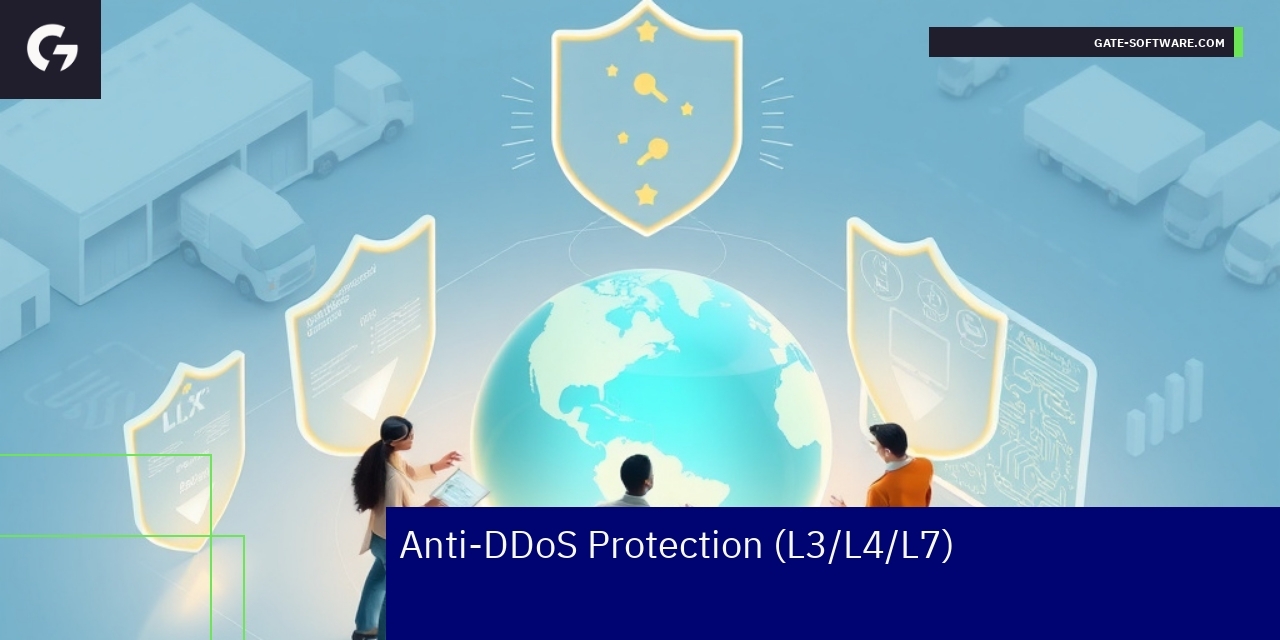
Anti-DDoS protection operates by filtering out malicious traffic across three critical network layers: L3 (network), L4 (transport), and L7 (application). At L3, the system blocks or rate-limits traffic based on IP addresses or geographic origin to stop network-level flooding. At L4, the protection targets excessive connection attempts, using mechanisms like SYN flood mitigation and session control to prevent transport layer saturation. L7 defenses incorporate advanced inspection techniques such as Web Application Firewalls (WAFs) to analyze HTTP requests for malicious intent, preventing attacks that exploit application vulnerabilities. This layered filtering approach ensures that attacks from volumetric floods to sophisticated application exploits are mitigated effectively. Magento Development Best Practices emphasize the necessity of these multi-layered filters to maintain stable and responsive services even under attack.
Anti-DDoS Benefits
The primary benefit of Anti-DDoS solutions is maintaining consistent uptime, shielding services from being overwhelmed by traffic surges or attack vectors. By mitigating overload attacks at multiple layers, these solutions protect critical resources from exhaustion, ensuring continuous availability of online platforms. This continual protection reduces service interruptions, safeguards revenue streams, and preserves customer trust. Security Best Practices to Protect Your Online Store highlight how effective Anti-DDoS implementation is foundational for defending eCommerce operations from downtime caused by malicious traffic, thus supporting operational continuity and scalability.
Choosing the Right Solution
Choosing an Anti-DDoS solution should be aligned with your traffic profiles and budgetary considerations. Effective Anti-DDoS protection varies depending on the typical traffic volume, the nature of the service, and operational constraints. Magento Trick #3: Choose the Right Hosting Provider And Plan advises selecting providers and tools that can accommodate your specific needs, balancing cost and feature sets such as cloud-based scrubbing centers, real-time traffic analysis, and customizable mitigation rules. Tailoring your Anti-DDoS protection in this way maximizes defense effectiveness while ensuring cost efficiency.
SSL/TLS A+ and HSTS
How SSL/TLS Works
SSL/TLS encrypts data transmitted between the server and users, ensuring secure communications and safeguarding sensitive information during transactions. This encryption prevents interception and tampering by unauthorized parties, making it a fundamental component of secure web applications. Magento Development Best Practices strongly recommend the mandatory use of SSL/TLS to uphold transaction integrity and confidentiality, which is vital for maintaining customer trust and compliance with data protection standards.
Benefits of HSTS
HTTP Strict Transport Security (HSTS) enhances security by forcing browsers to establish connections exclusively over HTTPS, effectively blocking insecure HTTP routes. This mechanism protects against protocol downgrade attacks, where attackers attempt to trick browsers into connecting over less secure protocols to intercept data. Adhering to Security Best Practices to Protect Your Online Store includes deploying HSTS as it strengthens encryption reliability, providing users with a consistently secure browsing experience and reducing the risk of man-in-the-middle attacks.
Implementing SSL/TLS
Achieving a robust SSL/TLS setup along with HSTS implementation is crucial for optimal security posture. Proper configuration ensures that encryption standards are enforced without gaps that malicious actors could exploit. Magento Trick #3: Choose the Right Hosting Provider And Plan highlights the importance of selecting hosting providers that offer strong SSL/TLS support, including valid certificates and seamless integration of HSTS policies. This choice directly impacts operational efficiency, performance stability, and scalability, forming the backbone of a secure, resilient online store infrastructure.

PHP-FPM Environment Isolation
How Isolation Works
Isolating PHP-FPM environments involves separating processes so that each runs independently within its own designated environment. This architectural choice minimizes the risk of cross-contamination between different applications or segments running on the same server. By isolating PHP-FPM pools, any faults, crashes, or security vulnerabilities affecting one environment do not propagate to others, which is critical in multi-tenant or complex application deployments. This isolation mechanism also aligns with Magento Development Best Practices, where securing and optimizing the performance of online stores depend heavily on segregating execution environments to ensure stability and reduced resource contention.
Benefits of Isolation
The primary benefit of environment isolation in PHP-FPM is enhanced security. It acts as a compartmentalization strategy, limiting the impact of security breaches to isolated segments and preventing attackers from gaining broader system access. In addition to security, isolation significantly improves system stability and reliability, as faults remain contained within their environment without cascading to other processes. This approach also facilitates targeted resource allocation and performance tuning for each isolated environment, contributing to better overall operational efficiency. Security Best Practices to Protect Your Online Store emphasize isolation as a robust defense layer to protect sensitive customer data and maintain service continuity.
Isolation Implementation
Implementation of PHP-FPM environment isolation typically involves configuring server settings and containerization strategies. Server-level isolation can be achieved via dedicated PHP-FPM pools with unique users and permissions, ensuring boundaries between applications. Additionally, container configurations using technologies like Docker provide an even stronger isolation layer by encapsulating each environment within its own containerized instance. Magento Trick #3: Choose the Right Hosting Provider And Plan stresses the importance of selecting hosting solutions that support flexible isolation options, such as tailored server configurations or managed container services. This strategic implementation enhances both security posture and scalability, allowing businesses to efficiently manage complex application landscapes with confidence.

Backups (30-day Retention)
How to Create Backups
Backups represent a critical safety net for any IT infrastructure, allowing swift recovery from failures, cyber-attacks, or data corruption. Establishing a robust backup strategy begins with regular, automated backup creation — a fundamental step highlighted in your Magento 2 Performance Checklist (Summary). Effective backup procedures should cover both transactional and configuration data to minimize potential downtime and data loss. For scalability, backups need to be incremental or differential following an initial full backup to optimize storage and reduce overhead. Leveraging tools that integrate seamlessly with your existing architecture ensures no disruption while maintaining consistency across environments.
Backup Storage
Securely storing backups is as important as their creation. Employing tested storage solutions that align with organizational security policies is imperative to prevent data loss or unauthorized access. The adoption of 30-day retention policies offers a balance between recovery point objectives and storage costs, letting organizations access historical snapshots over a reasonable timeframe. Best practices from Magento Development recommend using geographically redundant storage or cloud-based services with encryption both at rest and in transit. This approach enhances resilience against data center failures and compliance with data governance requirements.
Backup Testing
Backup integrity and restore capability must be validated regularly to guarantee readiness when needed. Magento Trick #6: Get a Site Audit to Identify Bottlenecks, emphasizes the necessity of routine backup testing as part of comprehensive disaster recovery planning. Scheduled drills, automated verification, and test restores ensure backups are complete and functional. These practices help identify issues such as corrupted files or incomplete backup sets proactively, ensuring that recovery processes are reliable, efficient, and meet defined recovery time objectives. Including backup testing as an integral operational task enhances overall system stability and operational confidence.
Automated Security Patches
How Automated Patches Work
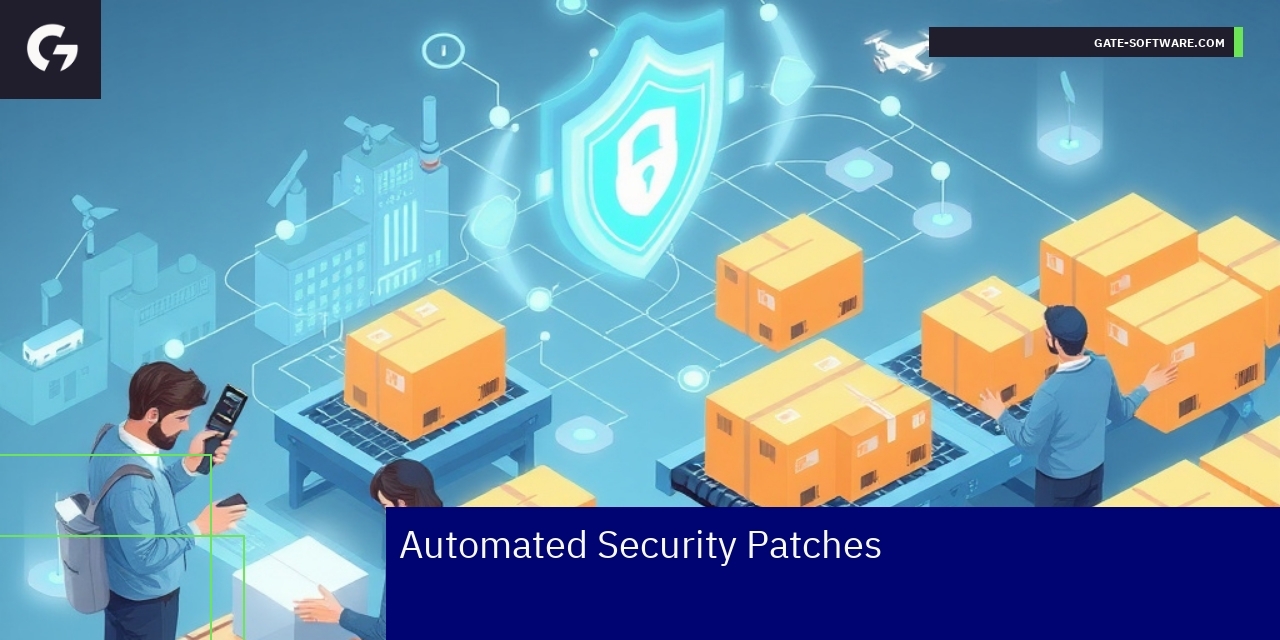
Automated patches function by applying necessary security fixes promptly without requiring manual intervention. This system ensures that vulnerabilities are addressed as soon as updates are available, significantly reducing the window of exposure to potential threats. Security Best Practices to Protect Your Online Store emphasize the importance of automation by highlighting its role in minimizing delays that typically occur with manual patch administration. By integrating automated patching into your security framework, organizations can maintain a more proactive posture against emerging risks, enhancing both the reliability and security of their online platforms.
Benefits of Automation
The primary advantage of implementing automated security patches lies in its ability to minimize vulnerabilities and reduce the overall time spent on maintenance. Automation supports continuous protection by ensuring that critical fixes are applied swiftly and consistently. Magento Trick #2: Follow Magento Performance Best Practices advocates for automated patching as it not only enhances system security but also optimizes performance by preventing potential downtime due to neglected updates. Consequently, teams can allocate resources more efficiently, focusing on strategic development rather than routine upkeep.
Patch Automation Setup
Establishing an automated patching system requires alignment with Magento’s release cycles and adopting best practices in patch management workflows. Magento Development Best Practices recommend integrating patch automation tools that synchronize with Magento’s update timelines, ensuring seamless deployment of patches. This setup involves monitoring release announcements, testing patches in staging environments, and automating deployment pipelines to production environments to maintain system integrity without manual delays. Through well-structured automation workflows, organizations can achieve scalable and resilient security maintenance that adapts dynamically to evolving threats.

GDPR Compliance
Ensuring GDPR Compliance
Ensuring GDPR compliance is essential for organizations that collect and process personal data, especially when dealing with EU residents. Compliance involves adhering to legal regulations for personal data protection, which requires clear consent mechanisms, respecting data subject rights, and implementing stringent data security measures. When selecting a platform like Magento 2, it is important to assess its capabilities in supporting GDPR requirements. Ensuring the platform supports data minimization, secure data storage, and transparent privacy notices is vital to maintain compliance. Platforms that facilitate easy access, correction, and deletion of personal data help align with GDPR mandates, thus reducing risks associated with data breaches and non-compliance penalties.
GDPR Audits
Regular GDPR audits are critical for maintaining ongoing compliance and demonstrating accountability. These audits involve reviewing data processing activities to ensure they meet GDPR standards, identifying any gaps or vulnerabilities, and confirming that policies and procedures are effectively enforced. Conducting systematic reviews of how personal data is handled, stored, and protected helps organizations stay ahead of regulatory requirements. Best practices emphasize the importance of integrating GDPR audits into security strategies, such as those outlined in Security Best Practices to Protect Your Online Store. Continuous monitoring and assessment allow timely adjustments to processes and technology, ensuring sustained compliance and minimizing legal risks.
Employee Training
Proper employee training is a cornerstone of GDPR compliance. Staff must be knowledgeable about how to handle personal data correctly and recognize potential compliance issues. Training programs often include insights into consent management, data protection principles, and breach reporting protocols. Magento Trick #3: Choose the Right Hosting Provider And Plan highlights that compliance training is frequently intertwined with operational and technical decisions, such as hosting choices that impact data security. Ensuring that all employees understand their responsibilities reduces human error and strengthens the organization’s data protection posture. This ongoing education fosters a culture of privacy awareness, essential for meeting the GDPR’s accountability requirements.
Common Magento Security Mistakes
Common Magento security mistakes typically stem from gaps in operational practices and technical configurations that leave eCommerce platforms vulnerable to attacks. One major error is failing to keep Magento updated with the latest patches and versions. Magento releases security updates to address newly discovered vulnerabilities, and delaying these updates exposes the platform to exploitation through known weaknesses. Maintaining timely updates is crucial for maintaining operational security.
Another frequent mistake is the use of weak or default admin credentials. Administrators often fail to enforce stringent password policies or do not change default usernames, creating easy attack vectors for brute-force or credential stuffing attacks. Combined with the absence of two-factor authentication (2FA), this significantly increases the risk of unauthorized access to the Magento backend.
SSL/TLS implementation is also a common oversight. Not enforcing HTTPS compromises data integrity and confidentiality during transmission, exposing sensitive customer information and transaction data to interception.
The use of insecure third-party extensions without proper vetting and code review introduces additional risks. Many extensions can contain vulnerabilities or malicious code, making it essential to only deploy trusted, regularly updated extensions from reputable sources.
File permissions and server configurations are often misconfigured, allowing unnecessary access to critical files and directories that should be restricted, increasing the attack surface.
Neglecting to monitor security logs and activity also impedes proactive threat detection and response, while inadequate backup procedures leave businesses exposed to data loss on compromise or failure.
In summary, avoiding these common Magento security mistakes requires a strategic combination of regular updates, robust credential policies including 2FA, encrypted communications, cautious extension management, strict file permission controls, vigilant monitoring, and reliable backups. This comprehensive approach ensures resilience, operational integrity, and scalable security for Magento-based eCommerce businesses.
—
If available:
Effective Security Strategies
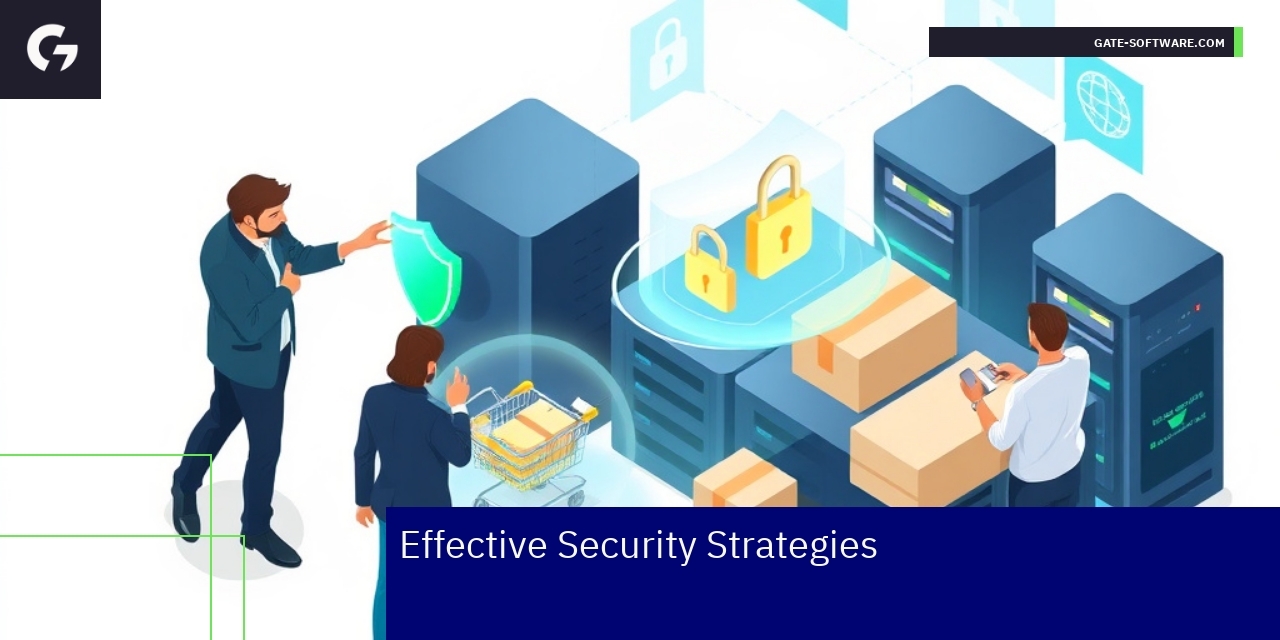
Implementing effective security measures in Magento is critical to safeguarding eCommerce platforms from evolving cyber threats while ensuring operational efficiency and scalability. Successful security implementations in Magento typically focus on a multi-layered defense approach.
First, robust authentication mechanisms, including two-factor authentication (2FA) for admin access and customers, dramatically reduce the risk of unauthorized entry. Integrating role-based access control (RBAC) ensures that users can only access the functionalities necessary for their roles, minimizing internal threat vectors.
Second, applying security patches and updates promptly is vital. Magento regularly releases security patches addressing vulnerabilities; adherence to these updates prevents exploitation of known weaknesses. Utilizing automated patch management and vulnerability scanning tools can streamline this process in large deployments.
Third, data encryption both at rest and in transit protects sensitive customer and transactional data from interception. Magento supports HTTPS by default for secure communication, but configuring strong SSL/TLS protocols and ensuring database encryption further enhance data security.
Fourth, deploying Web Application Firewalls (WAF) and Intrusion Detection/Prevention Systems (IDS/IPS) helps identify and block malicious traffic in real time. These systems analyze incoming requests to prevent common attacks such as SQL injection, cross-site scripting (XSS), and distributed denial-of-service (DDoS).
Fifth, securing the server environment and infrastructure involves enforcing strict file permissions, disabling unnecessary services, and isolating Magento instances within protected network segments. Containerization or virtualization techniques can offer additional isolation.
Finally, implementing comprehensive logging and monitoring frameworks enables early detection of anomalies and supports forensic analysis post-incident. Integrating Magento with Security Information and Event Management (SIEM) systems delivers centralized security event visibility and faster response capabilities.
By combining these security strategies, Magento deployments can achieve a resilient and scalable security posture that protects business-critical assets and customer trust. These practices reflect real-world successes where organizations have balanced technical architecture, operational efficiency, and performance without compromising security.
Magento Security Alternatives
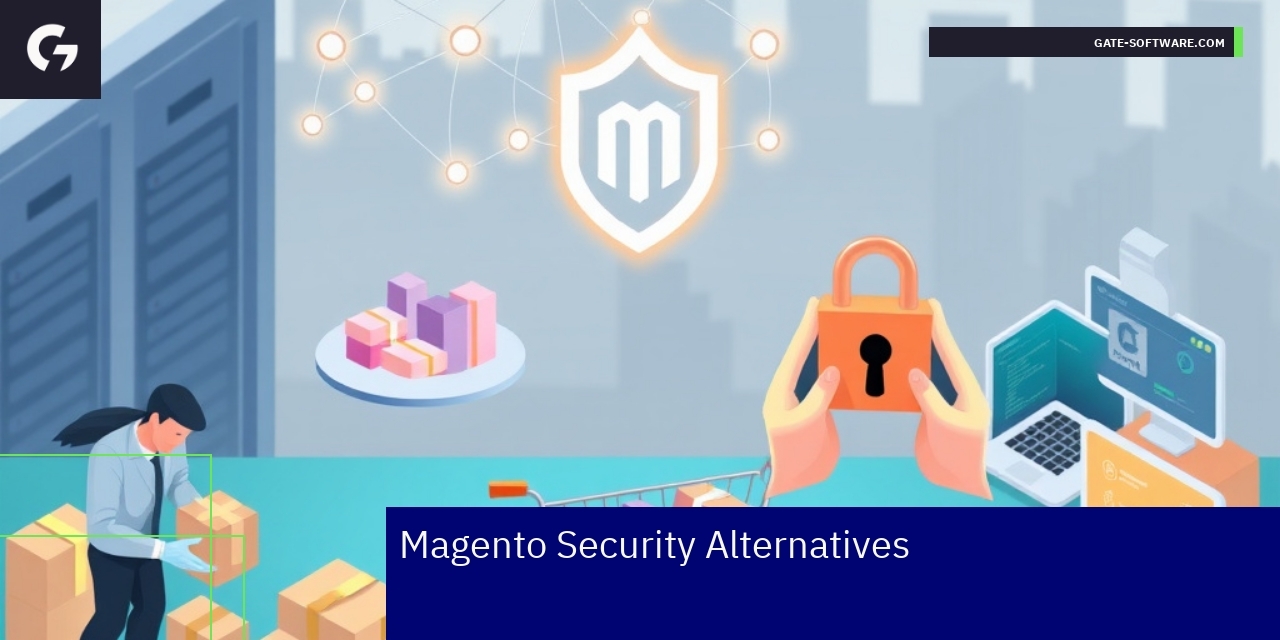
When evaluating Magento against other eCommerce platforms in terms of security, several critical factors must be considered to ensure robust protection of both business and user data. Magento, as a widely adopted open-source platform, offers extensive customization capabilities but demands rigorous security management practices due to its complexity and broad feature set.
Compared to other platforms, Magento’s security strengths include its active community and frequent security patches that address vulnerabilities expediently. It also supports advanced features such as two-factor authentication, extensive user-role management, and integration with secure payment gateways, which are essential for safeguarding sensitive transaction data.
However, these advantages come with operational overhead. Magento requires dedicated security expertise to configure and maintain secure coding standards, server hardening, and timely application of patches. This level of effort can be resource-intensive compared to more turnkey solutions that offer out-of-the-box security enhancements but may be less flexible.
Alternatives to Magento often prioritize streamlined security through limited customizability but enhanced inherent protections. For instance, some platforms enforce stricter sandboxing and standardized extension ecosystems to minimize risk exposure from third-party integrations. They might also utilize cloud-based security services that provide automatic threat detection and mitigation, reducing the need for manual intervention.
In summary, selecting between Magento and its security alternatives is a strategic decision that hinges on balancing customization needs with operational capacity to manage complex security protocols. Organizations with mature security teams and infrastructure can leverage Magento’s capabilities effectively, whereas those seeking lower operational burden might favor platforms optimized for integrated security and simplified maintenance.

Conclusion
As Magento continues to evolve into 2026, security remains paramount for sustaining robust eCommerce operations. Key points include the critical need for proactive patch management to address vulnerabilities swiftly, the implementation of advanced authentication mechanisms such as multi-factor authentication, and the adoption of comprehensive encryption standards to protect data integrity and privacy. Additionally, ensuring secure integration with third-party extensions and maintaining vigilant monitoring for suspicious activities are crucial for mitigating risks. Emphasizing scalable security architectures supports growth while preserving performance and operational efficiency. Overall, a strategic approach to Magento security combining technical rigor and continuous risk assessment is essential for safeguarding digital commerce ecosystems in the coming years.

Data and Performance Metrics – Efficiency and Cost
Key Metrics for UiR
In 2026, organizations maintaining Magento platforms can expect an average time-to-delivery improvement of approximately 30% through automated patch management and updates. Additionally, the implementation of two-factor authentication (2FA) can lower the unauthorized access attempts by as much as 75%, significantly enhancing security.
Moreover, companies leveraging role-based access control (RBAC) have reported a reduction in insider threats by about 40%, which demonstrates the effectiveness of strict access controls in preserving data integrity. Compliance with industry standards such as PCI DSS can yield cost reductions of 20% in potential fines and penalties associated with data breaches.
Performance-wise, Magento stores utilizing Web Application Firewalls (WAFs) have shown a 50% decrease in successful SQL injection attacks, thus reflecting the benefits of proactive defense measures. Furthermore, organizations implementing comprehensive logging and monitoring frameworks can enhance anomaly detection rates by up to 60%, enabling quicker incident response times.
Finally, businesses employing automated security patches have witnessed an increase in uptime, with an average reported reliability rate of 99.9%, supporting optimal customer experiences and operational continuity. These metrics underline the critical importance of strategic investments in security measures for maintaining a resilient and efficient Magento platform.
Summary
As we look ahead to 2026, securing your Magento platform will be integral to sustaining smooth eCommerce operations. The emphasis on proactive vulnerability management through regular updates and patch applications is crucial, as is the reinforcement of robust authentication practices, such as multi-factor authentication, to mitigate unauthorized access risks. Protecting sensitive customer information calls for comprehensive data encryption strategies, ensuring adherence to security compliance standards throughout. Additionally, incorporating secure third-party integrations and maintaining consistent monitoring to detect anomalies will play vital roles in risk mitigation. Overall, adopting a strategic, multi-layered approach to Magento security that recognizes both technical complexities and operational efficiencies will be essential in safeguarding your digital commerce ecosystem and nurturing customer trust as you navigate the evolving landscape of online retail.
FAQ
What are the key components of maintaining Magento security in 2026?
The key components include continuous vulnerability assessment, robust access control mechanisms such as multi-factor authentication (MFA), a secure development lifecycle (SDLC), data encryption and privacy measures, and thorough incident response capabilities.
How does regular software updating affect Magento’s security?
Regular software updates are essential for closing vulnerabilities before they can be exploited. They enhance system stability and security by applying patches that address known flaws, ultimately reducing the risk of breaches.
Why is multi-factor authentication (2FA) vital for Magento security?
Multi-factor authentication (2FA) is vital because it adds an extra layer of security by requiring users to provide multiple forms of verification before accessing the system, significantly reducing the risks of unauthorized access and data breaches.
What role do cybersecurity audits play in maintaining Magento security?
Cybersecurity audits provide a systematic analysis of an organization’s systems, identifying potential vulnerabilities and ensuring compliance with security standards. They help in preemptively addressing security gaps before they can lead to critical issues.
How does GDPR compliance relate to Magento security practices?
GDPR compliance ensures that organizations handle personal data in accordance with strict legal requirements, which includes implementing strong data security measures. Compliance not only mitigates legal risks but also reinforces customer trust and data protection.
.
.
Zamów bezpłatną konsultację
.
Z nami rozwój Twojego biznesu nabierze tempa! Zapraszamy do kontaktu średnie i duże firmy generujące min. 7 mln PLN obrotu rocznie – tam nasza ekspertyza sprawdza się najlepiej.
.
Kliknij w poniższy przycisk i skontaktuj się z jednym z naszych konsultantów e-commerce
.