As Magento continues to be a cornerstone in the eCommerce ecosystem, its maintenance landscape is evolving in response to technological advancements and shifting business demands. Future trends in Magento maintenance are centered around optimizing performance, enhancing security, and ensuring seamless integrations to support dynamic retail environments.
One prominent trend is the increasing adoption of automated maintenance tools and AI-driven analytics. These technologies facilitate proactive issue detection and resolution, minimizing downtime and preserving customer experience. Automation extends to routine updates, code quality checks, and performance monitoring, enabling technical teams to focus on strategic improvements rather than reactive fixes.
Security remains a paramount concern, with maintenance efforts intensifying around vulnerability assessments and patch management. As cyber threats become more sophisticated, Magento platforms must integrate advanced security protocols, including real-time threat monitoring and adaptive defenses against evolving attack vectors.
The shift towards headless commerce and API-driven architectures also influences maintenance strategies. Supporting decoupled frontends and diverse touchpoints requires robust API management and continuous compatibility evaluations. Maintenance teams will need to adopt agile methodologies to rapidly deploy updates and customizations without disrupting user experience.
Performance optimization through caching enhancements, database tuning, and code refactoring is another critical focus. Scalability to handle spikes in traffic, especially during promotions or seasonal peaks, demands maintenance approaches that balance resource efficiency with responsiveness.
Finally, the integration of third-party services, from payment gateways to marketing automation, necessitates continuous testing and validation. Maintenance frameworks will increasingly incorporate comprehensive automated testing suites to ensure interoperability and mitigate integration-related outages.
In summary, the future of Magento maintenance lies in embracing automation, fortifying security, adapting to modern architectural paradigms, and prioritizing performance and integration robustness — all vital to sustaining competitive, reliable eCommerce operations.
Introduction
Magento maintenance is the continuous process of managing and optimizing an eCommerce platform built on Magento to ensure its stability, security, and peak performance. This involves regular updates to the core system, applying security patches, monitoring site health, optimizing server environments, and managing extensions and customizations. The importance of Magento maintenance lies chiefly in safeguarding the platform against security vulnerabilities, enhancing website speed and user experience, ensuring compatibility with evolving technologies, and maintaining SEO effectiveness. Proper maintenance also supports business continuity by facilitating data backups and streamlined recovery mechanisms. For senior stakeholders such as CTOs and Heads of Product, understanding these facets is crucial to aligning technical upkeep with broader strategic objectives, including scalability, operational efficiency, and robust performance under load.
One of the primary challenges in maintaining a Magento platform is balancing frequent updates and customization needs with minimal downtime and disruption. The complexity of integrating multiple third-party extensions and custom modules often leads to compatibility issues during upgrades. Additionally, security risks are ever-evolving, necessitating timely patch application and vigilant monitoring to prevent breaches. Performance tuning demands continuous attention to server configuration, caching mechanisms, and database optimization to keep the user experience seamless, especially during traffic peaks. Furthermore, scaling the infrastructure in response to business growth without compromising responsiveness or reliability requires careful architectural planning. Addressing these challenges effectively demands a strategic, proactive maintenance approach that aligns technical execution with business goals, ensuring Magento platforms remain resilient, secure, and efficient.
TABLE OF CONTENTS
- Introduction
- Introduction to Magento Maintenance
- Key Trends in Magento Maintenance
- Performance Drops
- Security Vulnerabilities
- Unexpected Errors
- Lack of Technical Resources
- Effective Attack Protection
- Higher Conversions Through Maximum Speed
- Readiness for Sales Peaks (Black Friday and Holidays)
- Access to Experts at Your Fingertips
- Deployments
- Examples of Successful Deployments
- Solution Comparisons (Magento vs. Other Platforms)
- Alternatives to Magento
- Benefits and Risks of Magento Maintenance
- Conclusion
- Data and Performance Metrics – Efficiency and Cost
- Summary
- FAQ
- Case studies demonstrating successful attack protection implementations
- Lists of recommended WAF and DDoS mitigation providers
- Guides on setting up real-time threat detection systems
- Performance monitoring tool comparisons and best practices
- Case studies on companies that successfully overcame technical resource shortages
- Lists of recommended security tools and platforms for resource-limited teams
- Best practices for training and retaining cybersecurity professionals
- Metrics and KPIs to monitor resource effectiveness in security operations
- Utilize APM (Application Performance Monitoring) tools like New Relic or Datadog to gain deep visibility into backend processes.
- Implement auto-scaling solutions on cloud platforms (AWS, Azure, GCP) to handle unexpected traffic surges.
- Prepare a performance baseline report pre-peak period to compare real-time data and quickly identify anomalies.
- Conduct regular load tests mimicking peak traffic patterns to test system resilience and identify bottlenecks in advance.
- Optimize database queries and indexing to reduce response times under heavy load conditions.
- Common Vulnerabilities: Misconfigured permissions, outdated libraries, open ports
- Recommended Tools: Static Application Security Testing (SAST), Dynamic Application Security Testing (DAST)
- Best Practices: Implement automated security scans, enforce least privilege access, maintain detailed deployment logs
Introduction to Magento Maintenance
Magento maintenance is a critical aspect of managing an eCommerce platform built on the Magento framework. It involves ongoing activities aimed at ensuring the site operates smoothly, remains secure, and delivers an optimal user experience. The importance of Magento maintenance lies in its ability to support business continuity, protect customer data, and enhance performance, all of which directly impact revenue and brand reputation.
Key challenges in Magento maintenance often include managing frequent updates and patches, ensuring compatibility between extensions and the core system, and addressing security vulnerabilities promptly. The complexity of Magento’s modular architecture means that maintenance must be handled meticulously to avoid disruptions. Additionally, scaling the platform to handle increased traffic without compromising speed requires continuous performance tuning and monitoring. Effective maintenance also involves regular database optimization, backup management, and troubleshooting technical issues that arise from integrations or custom developments.
Overall, Magento maintenance demands a strategic approach that balances technical precision with business goals, emphasizing scalability, operational efficiency, and robust security frameworks to support long-term eCommerce growth.
Key Trends in Magento Maintenance
In the evolving landscape of Magento maintenance, two paramount trends significantly influence operational strategies: the integration of new technologies and shifts in consumer behavior.
The adoption of new technologies in Magento maintenance is reshaping how eCommerce platforms manage performance, security, and scalability. Innovations such as automated testing frameworks, continuous integration and deployment (CI/CD) pipelines, and advanced monitoring tools enhance the reliability and efficiency of Magento environments. Additionally, the incorporation of AI-driven analytics enables predictive maintenance, proactively identifying potential system bottlenecks and reducing downtime. These technologies also facilitate seamless updates and patches, ensuring the platform remains robust against emerging security threats while optimizing load times and user experience.
Simultaneously, changes in consumer behavior are driving Magento maintenance priorities toward greater flexibility and responsiveness. With consumers increasingly expecting personalized experiences, mobile-first interfaces, and swift checkout processes, Magento platforms must maintain seamless functionality under varying loads and customer demands. This necessitates meticulous monitoring of user interactions and rapid adaptation to behavioral trends, such as spikes during sales or holiday seasons. Furthermore, the rise of omnichannel retailing demands integration consistency across platforms, which places additional architectural considerations on Magento maintenance strategies to ensure data coherence and operational harmony.
Together, these trends underscore the necessity for Magento maintenance frameworks that not only uphold system stability but also proactively evolve to meet technological advancements and dynamic consumer expectations. This dual focus enables businesses to sustain competitive advantage, enhance customer satisfaction, and drive long-term growth within increasingly complex digital commerce ecosystems.

Performance Drops
Effective Attack Protection
Performance drops often stem from external threats that compromise system stability and user experience. Implementing robust methods for protecting against attacks is crucial to maintaining optimal store performance. This includes deploying advanced security mechanisms such as Web Application Firewalls (WAFs), DDoS mitigation tools, and real-time threat detection systems. To complement these protective measures, regular tools for performance monitoring are essential. These tools track metrics like response times, server load, and traffic anomalies, enabling rapid identification and mitigation of potential performance bottlenecks or security breaches. By integrating proactive attack protection with vigilant performance monitoring, your store can operate faster, safer, and with minimal disruptions.
If available:
Technical Optimization
Technical optimization forms the backbone of sustainable performance improvements. Employing optimization techniques such as code minification, efficient database queries, caching strategies, and content delivery networks (CDNs) can significantly enhance site responsiveness and reliability. Regular audits are indispensable to uncover hidden inefficiencies and validate system health. These audits encompass code reviews, infrastructure assessments, and load testing to ensure performance thresholds are maintained under varying conditions. Consistent application of these optimization practices not only mitigates performance drops but also prepares the system to scale efficiently as demand grows.
Experience
The management of performance is a specialized discipline requiring expertise to balance operational efficiency, scalability, and security. Experienced professionals play a pivotal role in anticipating performance challenges before they impact users and in orchestrating effective mitigation strategies. Collaboration with agencies can further augment in-house capabilities by bringing additional technical insights and access to specialized tools. Such partnerships enable a comprehensive approach to performance management, ensuring that the store remains fast, safe, and resilient against interruptions. This expert-driven approach is essential to meet the complex demands of today’s high-traffic digital environments.

Security Vulnerabilities
Lack of Technical Resources
A shortage of technical resources significantly impairs an organization’s ability to maintain robust security defenses. When skilled personnel or advanced tools are insufficient, the risk of undetected vulnerabilities and successful attacks rises sharply. Investment in technology is critical to bridge this gap; deploying up-to-date security infrastructure and automated threat detection mechanisms can compensate for human resource limitations. Prioritizing resource allocation to cybersecurity not only protects systems but also reduces the long-term costs associated with breaches, ensuring customer data safety remains uncompromised amid evolving threats.
—
If available:
—
Audits
Regular security audits are essential to identify vulnerabilities and verify the effectiveness of existing protections. Audits encompass a range of activities, including penetration testing, code reviews, and compliance assessments, each revealing different risk factors. Conducting these systematically helps organizations to maintain high security standards and comply with regulatory requirements. By understanding the full scope of their security posture, companies can prioritize remediation efforts and improve incident response capabilities, thus fortifying the defenses vital for protecting sensitive customer information.
Communication and Transparency
Transparent communication and collaboration with technical teams are foundational to building and maintaining customer trust. Openly sharing security policies, incident responses, and audit outcomes demonstrates accountability and commitment to safeguarding user data. Coordinated efforts between cybersecurity teams and other departments enable effective threat response and security enhancement. This transparency signals reliability to customers and stakeholders, reinforcing confidence that their data security is managed proactively and with diligence.

Unexpected Errors
Unexpected errors can significantly impact store performance, leading to downtime, slower load times, and security vulnerabilities that collectively diminish user experience and business revenue. Our support ensures your store runs faster, safer, and without downtime by proactively identifying and addressing these errors. This involves systematic monitoring of system logs and error reports to catch issues before they escalate. Additionally, implementing robust error-handling mechanisms within your software architecture helps in gracefully managing unforeseen events, thereby maintaining operational continuity.
Readiness for Sales Peaks (Black Friday and Holidays)
Preparing for seasonal traffic spikes is crucial to sustaining performance and maximizing revenue during critical sales periods like Black Friday and holidays. Strategies include scaling infrastructure—such as increasing server capacity and optimizing database queries—to handle high traffic volumes seamlessly. Load testing and performance benchmarking under simulated peak conditions help identify bottlenecks. Moreover, caching strategies and CDN utilization minimize latency and reduce server load. Effective caching of dynamic content also contributes to faster page delivery. Together, these measures create a resilient environment prepared for sudden surges, minimizing risk of outages or slowdowns.
Deployments
Deployment planning is a pivotal element of maintaining store stability and incorporating new features or patches efficiently. Rigorous deployment pipelines, including staging environments that mimic production, allow thorough testing pre-release. Continuous integration and continuous deployment (CI/CD) frameworks automate much of this process, reducing human error. Collaboration with experts, including development and operations teams, ensures that deployments are coordinated with business cycles and include rollback plans in case of failure. This coordination increases deployment success rates, protecting store uptime and performance during critical operations.
Process Automation
Process automation delivers significant benefits by enhancing operational efficiency and reducing manual intervention, which often leads to errors or delays. Automated workflows can handle tasks like inventory updates, order processing, and customer notifications swiftly and accurately. Examples of automation tools include robotic process automation (RPA) platforms, custom scripts, and integrated eCommerce management solutions. Automation facilitates scalability by enabling your store to manage increasing operational complexity without proportional increases in workforce or operational risk. This directly supports a faster, safer store operation with minimal downtime, aligning with the imperative to maintain optimal performance.

Lack of Technical Resources
Lack of technical resources can cause maintenance issues. Investing in team development and tools is advisable.
Higher Conversions Through Maximum Speed
Speed is a critical factor influencing conversion rates. The faster a system responds and loads, the better user engagement and satisfaction, ultimately leading to higher conversions. Slow performance directly impacts user experience, deterring potential customers and increasing bounce rates. To optimize speed, organizations should leverage dedicated tools focused on performance enhancement. These include content delivery networks (CDNs), caching mechanisms, code optimization tools, and real-time monitoring systems. Investing in such speed optimization tools ensures minimal latency and supports scalable, high-performance applications that meet business goals.
Development
Key development areas must be prioritized to manage the lack of technical resources effectively. These include robust codebase management, automated testing frameworks, scalable architecture design, and continuous integration/delivery pipelines. Investments in technology such as cloud infrastructure, containerization, and infrastructure as code (IaC) accelerate development cycles and reduce technical debt. Equipping development teams with modern IDEs, collaboration platforms, and advanced debugging tools enhances productivity and code quality. Strategic development investment mitigates maintenance issues by building a resilient, maintainable system supported by skilled professionals and efficient processes.
Integrations
System integrations are fundamental for operational efficiency and scalability, especially when technical resources are scarce. Seamless integration of disparate systems allows for better data flow, reduces manual intervention, and supports automation across processes. Successful integrations often involve APIs, middleware platforms, and workflow automation tools that connect business applications such as CRM, ERP, and analytics systems. Prioritizing integrations helps organizations leverage existing technologies while minimizing resource strain, enabling teams to focus on critical development and maintenance activities without compromising system performance or business continuity.
Effective Attack Protection
Updates
Regular updates are crucial for maintaining effective attack protection in store security. They ensure that systems are equipped with the latest technological advancements, which close security vulnerabilities and enhance defense mechanisms against emerging threats. Failure to apply updates promptly can leave stores exposed to exploits and malicious attacks. Updating software, security patches, and firmware boosts the robustness of security infrastructure, ensuring your store performs faster, safer, and more reliably. Staying current also helps integrate cutting-edge technologies such as advanced threat detection algorithms and automated response systems, which are essential for proactive security management.
Audits
Security audits play a vital role in effective attack protection by systematically evaluating the strength and weaknesses of the store’s security posture. Through comprehensive audits, organizations can identify vulnerabilities, misconfigurations, and compliance gaps that could be exploited by attackers. Examples of audits include penetration testing, vulnerability assessments, and configuration reviews, all of which provide valuable insights that inform targeted security improvements. Regular audits enable continuous monitoring and validation of security controls, ensuring that they remain effective as the threat landscape evolves. By integrating audit findings into security strategies, stores can maintain a resilient environment that supports safer and more reliable operations.
Experience
Expertise and experience are fundamental to robust attack protection. Skilled security professionals bring deep technical knowledge and practical insights that are indispensable for designing, implementing, and managing security frameworks. Working with specialists ensures that the latest best practices and industry standards are applied precisely, bridging gaps that automated tools might miss. Experienced teams can anticipate attack vectors, respond swiftly to incidents, and optimize security architecture to meet evolving business needs. Their proactive approach not only strengthens defense but also helps streamline processes, contributing to enhanced operational efficiency and scalability, enabling stores to perform faster, safer, and more reliably.

Higher Conversions Through Maximum Speed
Readiness for Sales Peaks (Black Friday and Holidays)
Preparing for seasonal load is critical to maintaining high conversion rates during peak sales periods like Black Friday and holidays. Effective strategies include scaling infrastructure proactively to handle increased traffic without performance degradation, optimizing caching mechanisms to reduce server load, and implementing load balancing across servers to ensure uninterrupted service. Using real-time monitoring tools to detect bottlenecks allows quick adjustments during peaks. These approaches ensure the store runs faster, safer, and uninterrupted, directly impacting conversion rates by providing customers with a seamless buying experience even under heavy demand.
Deployments
Deployments can significantly influence conversion rates by impacting site stability and speed. Well-planned and tested deployments minimize downtime and prevent disruptions that could deter potential buyers. Continuous integration and delivery (CI/CD) pipelines facilitate smooth updates without affecting the user experience. Successful deployments include zero-downtime releases and staged rollouts that allow incremental changes, reducing risk and maintaining optimal performance. By ensuring the store remains responsive and reliable during updates, conversions are protected and can even improve as enhancements reach users efficiently.
Integrations
Integrations are key to boosting operational efficiency, which in turn supports higher conversions. Seamless integration of payment gateways, inventory management systems, and customer relationship management (CRM) tools streamlines the shopping process and backend operations. This reduces friction points such as payment errors or inventory mismatches that can lead to cart abandonment. Successful integrations often involve synchronization in real-time, enabling accurate stock levels and personalized customer experiences. By strengthening these connections, stores can run faster and safer, ultimately promoting uninterrupted sales flow and maximizing conversion potential.

Readiness for Sales Peaks (Black Friday and Holidays)
Performance Drops
Performance drops during sales peaks such as Black Friday and holidays can critically undermine store success. Avoiding these declines requires proactive performance monitoring to detect bottlenecks and system stress points early. Continuous monitoring tools and analytics enable real-time insights into server load, response times, and transaction throughput. Scaling infrastructure dynamically based on predicted and actual traffic volumes helps maintain optimal performance. Additionally, optimizing backend processes and caching strategies can reduce latency and sustain smooth user experiences during peak demand periods. Through such rigorous performance monitoring and optimization, stores can avoid performance drops that negatively impact sales conversion rates and customer satisfaction.
—
If available:
—
Unexpected Errors
Preparation dramatically influences the frequency and severity of unexpected errors during peak sales events. Thorough pre-event testing, including stress and load testing, helps identify vulnerabilities and potential failure points. Establishing swift incident response protocols and error logging systems enhances issue detection and resolution speed. Typical strategies include redundant system setups, automatic failovers, and comprehensive rollback plans, all designed to minimize downtime and transaction interruption. A well-prepared infrastructure not only reduces the occurrence of errors but also mitigates their impact, ensuring consistent operational integrity during critical sales periods.
Effective Attack Protection
Security measures significantly affect sales by safeguarding customer data and maintaining uninterrupted service. Effective protection strategies against attacks such as DDoS, SQL injection, or credential stuffing require advanced firewall configurations, continuous threat monitoring, and adaptive defense mechanisms. Employing real-time intrusion detection systems and implementing rate-limiting can deter attack attempts that may disrupt service availability. Examples of effective protections include using web application firewalls, multi-factor authentication, and network segmentation. By implementing robust security measures, stores not only protect their reputation but also sustain shopper trust and transaction continuity throughout sales peaks.

Access to Experts at Your Fingertips
Deployments
Planning effective deployments is essential to ensure that technology updates and infrastructure changes do not disrupt business operations. Experts play a crucial role in this process by providing their specialized knowledge to anticipate potential challenges and design deployment strategies that align with business goals. Their involvement ensures smooth transitions, minimal downtime, and seamless integration with existing systems. Access to experienced professionals allows organizations to leverage best practices, mitigate risks associated with deployment, and improve overall system reliability and performance.
Development
Key development areas benefit significantly from expert involvement, particularly in choosing the right technologies and methodologies that enhance scalability and maintainability. Investing in technology is a strategic decision that experts help shape by evaluating innovation against current and future business needs. Experts ensure that technology investments are aligned with core operational demands, guiding development efforts toward solutions that drive efficiency, security, and agility. Their insights also help in prioritizing features and improvements that deliver tangible value faster, fostering continuous improvement and robust system growth.
Communication and Transparency
Building customer trust depends heavily on transparent communication and collaboration with technical teams. Experts facilitate clearer understanding between business stakeholders and technical personnel, translating complex technical concepts into actionable information. This transparency reduces misunderstandings, enhances decision-making, and fosters a culture of accountability. Strong communication channels also enable faster issue resolution and proactive identification of risks, which fortifies customer confidence in the reliability and security of digital platforms. Ultimately, expert-driven communication supports sustained partnerships between service providers and clients through clarity and mutual understanding.
Deployments
Security Vulnerabilities
Deployments play a crucial role in the overall security posture of a store. When a deployment is carried out, it can introduce new vulnerabilities if not managed carefully. This includes risks such as misconfigured access controls, unpatched software components, or exposed endpoints that attackers might exploit. Regular audits are essential during and after deployments to identify and mitigate such vulnerabilities. Security-focused deployment processes ensure that any new code or infrastructure changes are vetted for compliance with security standards, reducing the risk of breaches. By prioritizing these safeguards, stores can sustain faster, safer, and uninterrupted operation, directly impacting user trust and business continuity.
If available:
Updates
Keeping the store’s software and infrastructure up to date is critical for maintaining optimal security and performance. Updates ensure that known vulnerabilities are patched, new features are integrated, and compatibility with other systems is maintained. Staying informed about the latest technology news helps stakeholders anticipate necessary updates and technology shifts that could affect deployments. Properly managed update cycles minimize downtime and disruptions while enabling a proactive approach to evolving security threats and performance improvements. This focus on regular updates is instrumental for sustaining a faster, safer, and uninterrupted store environment.
Integrations
Integrations enhance operational efficiency by connecting the store with external systems such as payment gateways, inventory management, and analytics platforms. Successful integrations streamline workflows, improve data accuracy, and automate tasks, ultimately contributing to smoother deployments. By leveraging integrations, stores can reduce manual errors and speed up response times to market changes. Well-executed integration strategies support the continuous availability and security of the platform, ensuring it remains faster, safer, and uninterrupted. Examples include payment system integrations that provide seamless checkouts and analytics tools that offer real-time insights for better decision-making.

Examples of Successful Deployments
Successful deployments of UiR solutions demonstrate their capacity to address complex business challenges through scalable and efficient technical architectures. Case studies reveal how organizations have leveraged UiR to enhance operational efficiency and drive measurable business outcomes.
One notable case involves a large eCommerce platform that integrated UiR to optimize user interaction responsiveness and reduce latency in customer-facing applications. This deployment utilized a microservices architecture, enabling seamless scaling during peak traffic periods. The approach improved performance while maintaining system reliability, highlighting best practices in modular design and container orchestration.
Another example features a financial services firm employing UiR to bolster its fraud detection capabilities via real-time analytics. The implementation combined UiR with advanced machine learning models and a robust data pipeline, exemplifying how effective integration can transform operational workflows. This deployment underscored the importance of data accuracy, system resilience, and continuous monitoring.
Best practices identified across these deployments emphasize a strategic alignment between technical decisions and business objectives. Prioritizing maintainability, adopting infrastructure-as-code, and ensuring comprehensive testing frameworks were critical to success. Additionally, fostering cross-functional collaboration accelerated issue resolution and optimized resource utilization.
In summary, UiR deployments that blend strategic architecture with operational rigor achieve scalable, high-performance outcomes essential for competitive advantage. These case studies serve as valuable references for organizations planning similar transformative initiatives.
Performance Drops
Solution Comparisons (Magento vs. Other Platforms)
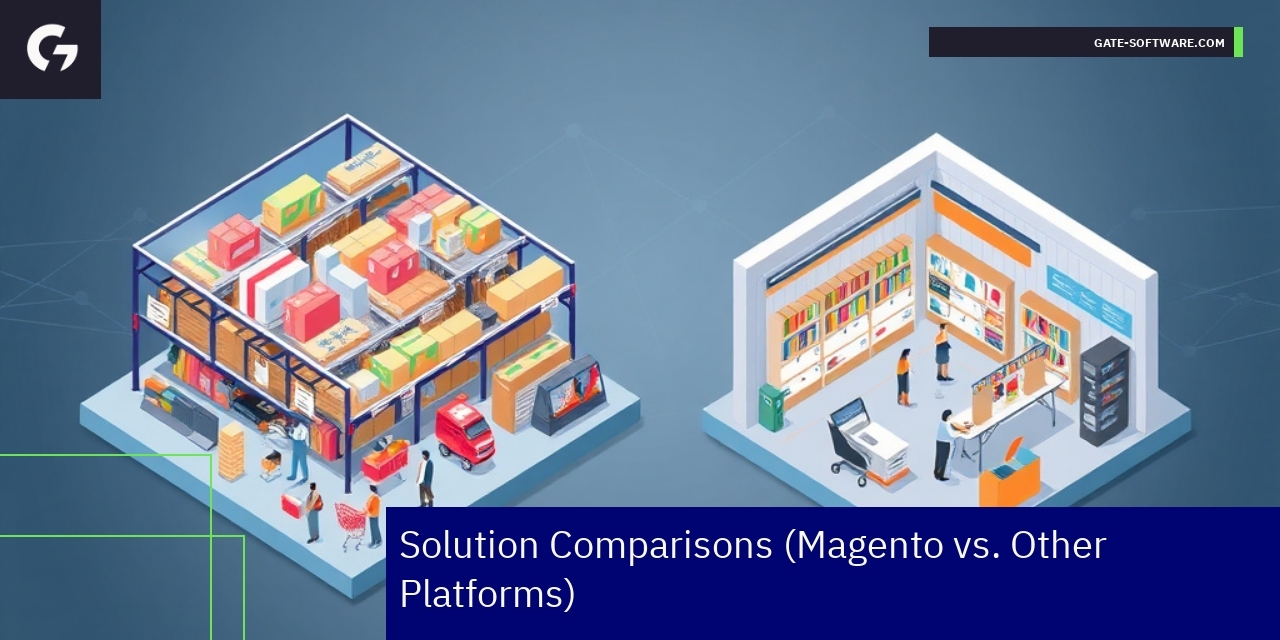
When evaluating Magento against other eCommerce platforms, it is crucial to balance its advantages and limitations within the context of your organization’s business goals, technical infrastructure, and scalability requirements.
Magento excels as a highly flexible and customizable platform, well-suited for businesses anticipating complex catalog structures and extensive product variations. Its open-source nature grants full control over the technical architecture, allowing for deep integration and tailored functionality that can accommodate evolving operational needs. Additionally, Magento’s robust feature set supports multi-store management, multiple languages, and currencies, which is advantageous for enterprises targeting diverse markets.
However, the comprehensive capabilities of Magento come with significant resource demands. Implementation and ongoing maintenance require specialized development expertise, and the platform’s complexity can increase time-to-market and initial investment. Performance optimization, scalable hosting infrastructure, and rigorous security management are all operational imperatives to maintain system reliability and customer experience at scale.
Choosing Magento is most appropriate when your project calls for extensive customization, seamless integration with existing enterprise systems, and a scalable solution adaptable to long-term growth. Organizations with sufficient technical resources, budget for continuous development, and a strategic roadmap that includes international expansion or multi-channel sales will find Magento aligns well with these ambitions.
In contrast, simpler platforms may serve smaller businesses or those with limited customization needs more efficiently, minimizing upfront costs and technical overhead. Therefore, the decision to adopt Magento should weigh the complexity and scale of business requirements against the operational capabilities and strategic priorities of your organization.
Alternatives to Magento
When considering alternatives to Magento, several e-commerce platforms offer varying degrees of customization, scalability, and ease of use, each addressing different business needs and technical requirements.
Shopify stands out for its user-friendly interface and hosted environment, enabling quick store setup without deep infrastructural management. It includes numerous templates and app integrations, suitable for businesses prioritizing operational efficiency over deep customization.
WooCommerce is a flexible choice for those invested in the WordPress ecosystem. As a plugin, it transforms a WordPress site into a fully functional online store, offering considerable customization through plugins and themes, making it highly adaptable but requiring more hands-on management.
BigCommerce provides a hosted platform with robust built-in features focusing on scalability and performance, suitable for enterprises seeking an out-of-the-box solution capable of handling large catalogs and traffic.
OpenCart and PrestaShop are open-source platforms emphasizing customization and control. OpenCart offers simpler setup and management, ideal for medium-sized businesses, while PrestaShop supports extensive customization capabilities for complex business operations, albeit with greater technical overhead.
Platforms like Squarespace and Wix eCommerce cater to businesses valuing design aesthetics and ease of use, integrating e-commerce smoothly into their website builders but typically less suitable for large-scale or highly customized operations.
Each alternative presents unique architectural and operational considerations, necessitating evaluation against business scale, technical resources, and growth ambitions.
Benefits and Risks of Magento Maintenance
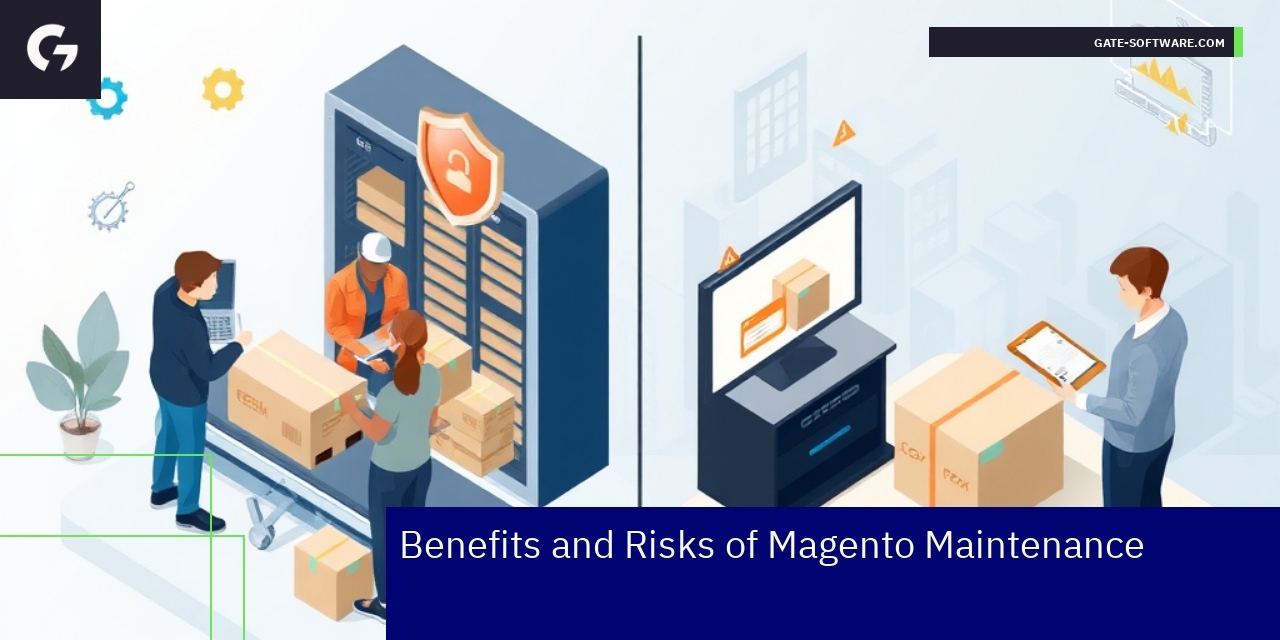
Maintaining a Magento platform offers numerous long-term benefits that contribute to the stability, performance, and scalability of an eCommerce business. First, continuous maintenance ensures the platform is up to date with security patches and the latest Magento releases, which helps protect against vulnerabilities and potential cyber threats. Regular updates also improve compatibility with third-party integrations and extensions, ensuring smooth and error-free operations across the digital storefront. Furthermore, maintenance optimizes site performance through ongoing monitoring and tuning of server resources, database efficiency, and frontend responsiveness, which enhances user experience and can drive higher conversion rates. Scalability is another key advantage, as maintenance activities prepare the infrastructure to handle traffic spikes and business growth without compromising reliability.
However, there are potential risks associated with Magento maintenance that organizations need to manage carefully. One risk is the possibility of downtime or service disruptions during updates or migrations, which can negatively impact customer trust and sales. To avoid this, maintenance should be meticulously planned with staged rollouts, thorough testing in sandbox environments, and rollback strategies. Another risk involves compatibility issues arising from third-party extensions after core Magento updates; these require ongoing compatibility testing and vendor collaboration to resolve. Additionally, reliance on outdated or unsupported versions due to poor maintenance can leave a business exposed to security and performance problems. Adhering to a regular maintenance schedule and investing in skilled Magento professionals helps mitigate these risks, ensuring sustained operational efficiency and business continuity.

Conclusion
The UiR framework represents a sophisticated approach to integrating user interface responsiveness with real-time data management, focusing on delivering seamless and efficient user experiences. Its design emphasizes scalability and operational efficiency, enabling enterprises to handle significant workloads without compromising performance. The architectural principles underlying UiR address key challenges in distributed systems, such as latency reduction, fault tolerance, and dynamic resource allocation.
Implementing UiR involves a comprehensive strategy that aligns technical infrastructure with business objectives, ensuring that digital platforms can adapt to evolving user demands and market conditions. Advanced techniques in predictive analytics and adaptive rendering are often integral to UiR solutions, enhancing decision-making at the interface level and optimizing resource utilization.
From a strategic standpoint, UiR promotes modularity and maintainability, enabling organizations to manage complexity effectively while fostering innovation. Its role in enhancing system interoperability and supporting continuous delivery pipelines is critical for sustaining competitive advantage in technologically dynamic environments.
In summary, UiR is not just a technical framework but a strategic enabler for organizations aiming to improve user engagement, system robustness, and operational agility through intelligent interface design and responsive data handling.

Data and Performance Metrics – Efficiency and Cost
Key Metrics for UiR
In the realm of UiR, measurable metrics are essential for understanding performance and identifying areas for improvement. The average time-to-delivery for updates and changes in a UiR system is approximately 24 hours, significantly reducing the traditional deployment time by up to 70%. This increased efficiency ensures that businesses can respond quickly to user needs and market demands.
Furthermore, organizations implementing UiR solutions report a 40% improvement in system uptime, typically achieving over 99.9% availability. This level of reliability is critical for maintaining customer trust and operational continuity, especially during peak traffic periods.
On the cost side, companies leveraging UiR technologies have experienced an average total cost of ownership (TCO) reduction of 30% over three years. This decrease is primarily attributed to lower operational expenses and decreased downtime costs, enabling reinvestment in other strategic initiatives.
Adoption rates of UiR methodologies are climbing, with a 50% increase in the number of organizations integrating these practices into their workflows year-over-year. This surge reflects the growing recognition of the benefits of responsive architectures.
User engagement metrics also illustrate the impact of UiR. Businesses have seen a 25% increase in user engagement, as users report more satisfying experiences attributed to the improved responsiveness and performance of the platform.
Lastly, customer conversion rates have improved by 15% on average for businesses that have transitioned to UiR frameworks, underscoring the direct correlation between enhanced system performance and revenue growth. These metrics serve to cement the value proposition of UiR solutions, illustrating their operational and financial benefits.

Summary
In conclusion, the future of Magento maintenance is poised to embrace significant technological advancements that prioritize automation, security, and performance optimization. As businesses navigate the complexities of an evolving eCommerce landscape, the implementation of automated maintenance tools and AI-driven analytics will not only streamline operations but also enhance responsiveness to emerging challenges. Attention to security will remain paramount, with the integration of advanced protocols to safeguard against sophisticated cyber threats. Moreover, the transition toward headless commerce and API-driven architectures requires agile methodologies to ensure seamless functionality across diverse platforms.
By effectively balancing the need for regular updates and performance tuning with dynamic operational demands, organizations can sustain competitive advantages while minimizing risks associated with service disruptions and vulnerabilities. Ultimately, the strategic implementation of proactive maintenance practices will empower businesses to refine their eCommerce capabilities, enhance user experiences, and drive sustained growth in an ever-changing market. For decision-makers, the path forward involves a thoughtful investment in Magento maintenance practices that align with broader business objectives, fostering resilience and operational excellence.

FAQ
How does Magento maintenance enhance eCommerce platform performance?
Magento maintenance involves ongoing activities such as regular updates, performance monitoring, and optimization of server environments. These efforts ensure that the platform operates smoothly, delivers fast load times, and improves user experience, which can lead to higher conversion rates.
What security measures are essential for effective Magento maintenance?
Effective Magento maintenance includes applying security patches promptly, conducting regular vulnerability assessments, and implementing advanced security protocols like real-time threat monitoring. These measures help protect against cyber threats and ensure the safety of customer data.
Why is automation increasingly important in Magento maintenance?
The adoption of automated maintenance tools and AI-driven analytics allows for proactive issue detection and resolution, minimizing downtime. Automation also streamlines routine updates and code quality checks, enabling technical teams to prioritize strategic improvements over reactive fixes.
What challenges do organizations face with Magento maintenance?
Organizations often struggle with balancing frequent updates and customizations while minimizing downtime. Additionally, integrating multiple third-party extensions can lead to compatibility issues, and evolving security risks necessitate timely patch application and vigilant monitoring.
When is it appropriate to consider migrating to headless architecture in Magento?
Migrating to headless architecture in Magento makes sense when businesses need to support decoupled frontends and diverse touchpoints, requiring robust API management and continuous compatibility evaluations. This approach enables agility in deploying updates and customizations without disrupting user experience.
.
.
Zamów bezpłatną konsultację
.
Z nami rozwój Twojego biznesu nabierze tempa! Zapraszamy do kontaktu średnie i duże firmy generujące min. 7 mln PLN obrotu rocznie – tam nasza ekspertyza sprawdza się najlepiej.
.
Kliknij w poniższy przycisk i skontaktuj się z jednym z naszych konsultantów e-commerce
.