Introduction
In the contemporary B2B e-commerce landscape, integrating Magento 2 effectively is a fundamental driver of commercial success. B2B commerce demands seamless coordination of complex processes such as customer-specific pricing, bulk ordering, multi-user accounts, and integration with ERP and CRM systems. Magento 2’s inherent modular architecture and flexible API framework enable comprehensive integrations tailored to these specialized needs, supporting scalability and operational efficiency.
At Gate-Software, we recognize that true B2B excellence hinges not only on technology but on aligning integrations with strategic business goals and user experience demands. Our approach ensures that integrations maintain data integrity and synchronization across platforms while improving the UX/UI to meet high accessibility standards, including WCAG compliance. This results in streamlined workflows for key decision-makers such as CTOs, CDOs, and Heads of Applications, who require reliable, measurable solutions that reduce operational costs and accelerate time-to-value.
Integrating Magento 2 securely with back-office systems, payment gateways, and marketing tools enhances sales automation and communication strategies, supporting personalized marketing and account management. This approach delivers a competitive edge by optimizing the entire customer journey from onboarding to repeat orders, reflecting the strategic values and methodologies that Gate-Software fosters in its B2B service portfolio.
TABLE OF CONTENTS
- Magento 2 B2B Integrations: The Key to Success in B2B E-commerce
- Definitions and Basics of Magento 2 B2B Integration
- Magento 2 B2B Integrations and ERP Systems
- E-commerce Platform as Integration Foundation
- Benefits of Integration for B2B Success
- The Freedom of Open Source in Magento 2
- Essential Magento B2B Features
- Logistics Management in Magento 2
- Magento B2B Scalability: Ready for the Future
- Magento B2B Integrations
- Security in Magento 2
- Data and Performance Metrics – Efficiency, SLA, TCO
- Summary
- FAQ
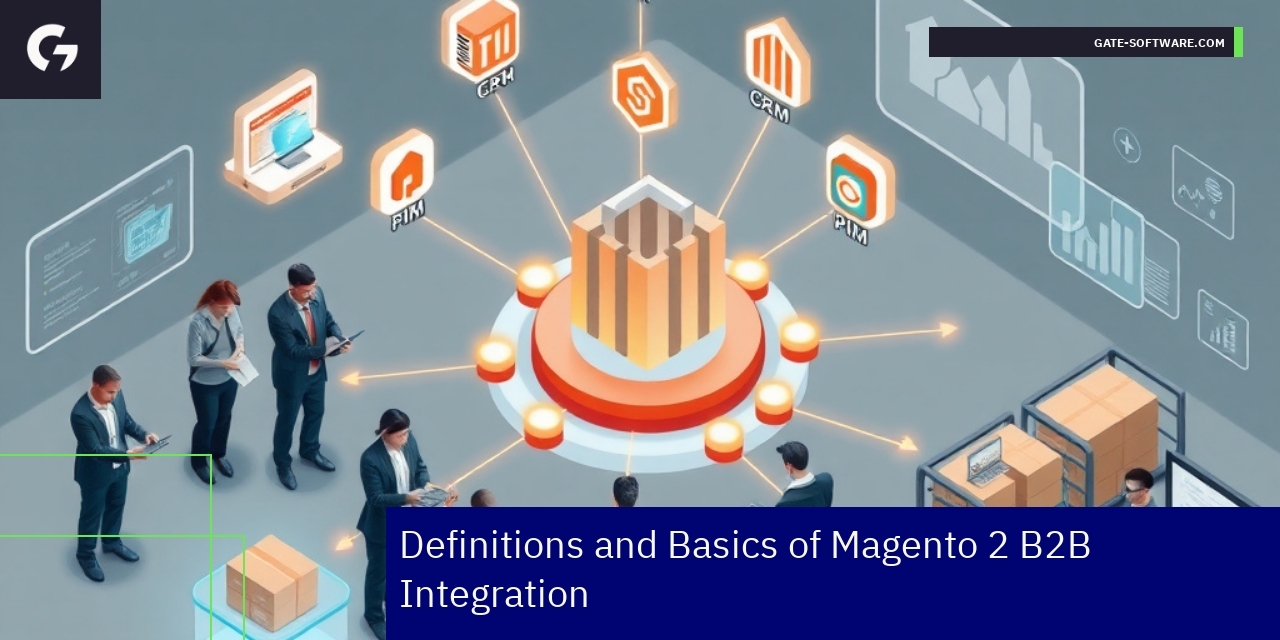
Definitions and Basics of Magento 2 B2B Integration
Magento 2 B2B integrations are a cornerstone for companies looking to enhance their business operations by connecting Magento 2 with various enterprise systems. These integrations enable seamless data exchange and automate workflows that are critical in a B2B environment, such as customer account management, pricing structures, order processing, and inventory synchronization. By leveraging Magento 2 B2B integrations, organizations can reduce manual errors, improve order accuracy, and increase operational efficiency, ultimately driving better customer satisfaction and fostering long-term partnerships.
At the core of Magento 2 B2B integrations lies the ability to connect with ERP, CRM, PIM, and other backend systems, allowing businesses to maintain consistent and up-to-date information across all sales and operational channels. This integration ensures that large-volume transactions, complex pricing tiers, and customized workflows specific to business customers are handled smoothly. Implementing these integrations requires a deep understanding of both technical infrastructure and business processes, highlighting the importance of collaboration between technical architects, eCommerce managers, and IT leadership to align technology with organizational goals.
Moreover, Magento 2 B2B integrations support personalized buying experiences tailored to different buyer personas by managing customer-specific catalogs and negotiated pricing. With keywords_content strategically integrated, businesses can enhance content relevance within their B2B digital storefronts, improving discoverability and engagement. Leveraging Magento 2 B2B integrations not only streamlines the sales cycle but also enables robust analytics and reporting, empowering decision-makers to optimize sales strategies based on comprehensive data insights.
Ultimately, understanding the definitions and basics of Magento 2 B2B integrations is essential for companies aiming to digitalize and scale their B2B commerce efforts. Effective integration serves as a foundation for operational agility, competitive advantage, and scalable growth in increasingly complex B2B marketplaces.
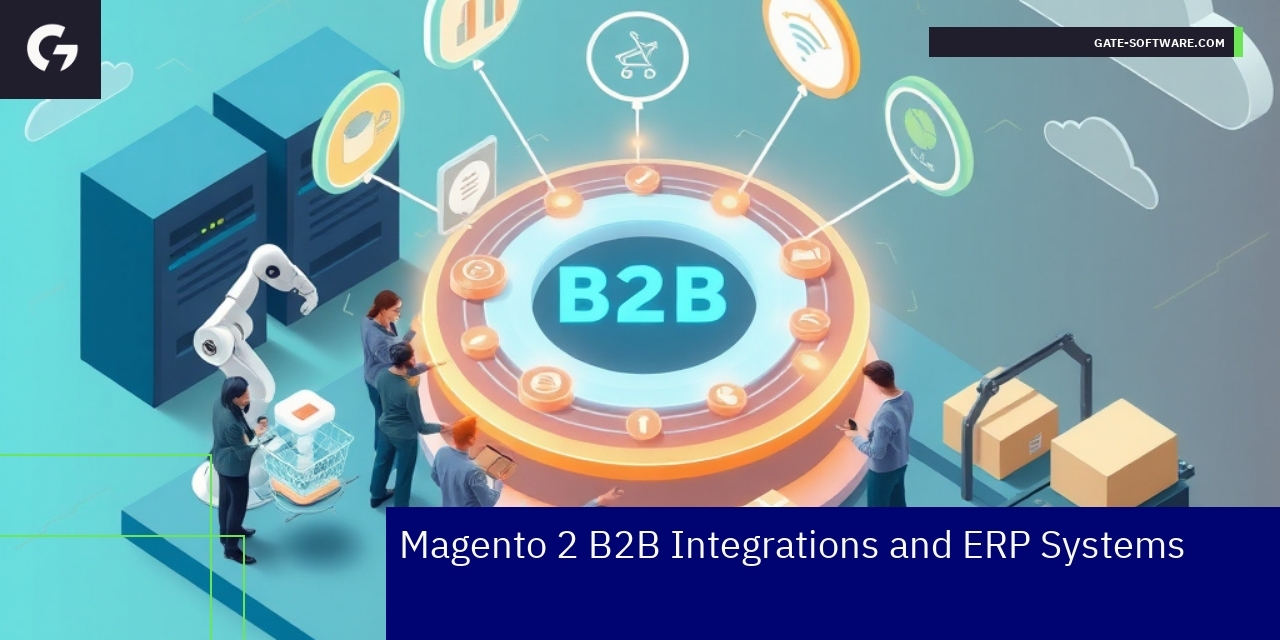
Magento 2 B2B Integrations and ERP Systems
ERP Systems Benefits in E-commerce
The role of ERP systems in B2B operations cannot be overstated. Integrating ERP systems with Magento 2 enables businesses to automate core processes, ensuring real-time synchronization of sales, inventory, and financial data. This seamless data flow reduces manual errors and accelerates decision-making, which is critical for Magento 2 B2B environments where transaction volumes and complexity are high. ERP systems improve operational efficiency by streamlining order processing, procurement, and customer relationship management, thus providing a unified platform for business activities. Magento ERP integration: 7 expert steps for seamless success thoroughly details these benefits, highlighting how a well-executed implementation can improve the efficiency and scalability of B2B e-commerce stores.
How ERP Systems Support Growth
ERP systems provide comprehensive insights crucial for scalable growth in the B2B segment. By consolidating data from different departments, they enable companies to plan resources effectively, forecast demand, and manage supply chains proactively. Magento B2B e-commerce: key features that drive success emphasize the necessity of strong ERP system integration to support business expansion. This integration empowers decision-makers with accurate, real-time analytics to adjust strategies swiftly, optimize inventory levels, and enhance customer satisfaction. As B2B businesses grow, ERP systems help maintain control over complex operations while enabling agility in a dynamic market.
Choosing the Right ERP System
Selecting the right ERP system for Magento 2 B2B integration is a strategic decision with significant implications. It requires evaluating compatibility with existing Magento 2 infrastructure, scalability to support business growth, and the ability to automate and streamline key workflows. Best practices for Magento B2B and ERP integration emphasize the importance of aligning ERP capabilities with specific business objectives, including user experience, data security, and compliance. Thorough testing and phased implementation reduce integration risks and ensure the ERP system supports rather than hinders operational efficiency. This strategic alignment enhances the value drawn from ERP systems and drives sustainable business outcomes.
ERP Systems Examples
Several popular ERP systems, such as SAP and Microsoft Dynamics, are widely used in Magento 2 B2B environments due to their robust integration capabilities and extensive functional coverage. These platforms help synchronize complex B2B transactions, manage multi-channel sales, and optimize supply chain processes. The case study: successful integration example demonstrates the practical benefits of deploying such ERP systems with Magento 2, showcasing improvements in inventory accuracy, order fulfillment speed, and customer relationship management. Selecting from these proven ERP systems ensures businesses leverage best-in-class tools that complement Magento 2’s B2B features and deliver measurable operational advantages.
E-commerce Platform as Integration Foundation
Why choose Magento 2 for B2B e-commerce?
Magento 2 stands out as a robust e-commerce platform, providing a solid foundation for seamless integration between diverse sales channels and backend systems. This capability is critical for B2B environments where complex workflows and multiple touchpoints must be efficiently connected. Magento 2’s architecture supports extensive customization and scalability, enabling businesses to tailor their online commerce to the evolving needs of their operations. Leveraging Magento 2 as the backbone ensures that data synchronization, order management, and customer interactions are unified, which simplifies system management and enhances operational agility.
Advantages of Flexible E-commerce Platforms
Flexible e-commerce platforms, such as Magento 2, enable businesses to implement bespoke solutions that meet unique B2B requirements. These platforms support modular extensions and APIs, fostering adaptability and rapid feature development. This flexibility is crucial for addressing industry-specific needs, such as tiered pricing, contract management, and account hierarchies. Integrating Magento 2 B2B extensions further enhances this adaptability, allowing companies to scale their capabilities as market demands evolve. By adopting flexible e-commerce platforms, organizations also ensure continuity and future-proofing of their digital commerce strategy.
Choosing the Right E-commerce Platform
Selecting the right e-commerce platform for B2B involves balancing flexibility, scalability, and integration capabilities. Magento 2 excels in providing an open-source environment that empowers businesses to customize workflows and interface designs according to their operational models. In the B2B context, scalability to handle growing product catalogs and customer bases is paramount. Additionally, the platform’s capacity to integrate seamlessly with ERP, CRM, and other critical backend systems ensures business processes remain connected and efficient. These factors position Magento 2 as a preferred choice among e-commerce platforms focused on B2B sustainability.
Integrations with Magento 2
A key strength of Magento 2 as an e-commerce platform lies in its ability to integrate with a broad range of ERP and CRM systems, which is vital for maintaining a connected business ecosystem. This integration capability facilitates real-time data exchanges for inventory, customer management, and order processing, enhancing accuracy and responsiveness. For B2B organizations, this connected environment supports complex sales cycles and multi-user accounts while ensuring compliance and operational oversight. The seamless interaction between Magento 2 and backend systems ultimately drives more efficient workflows and improved customer experiences.
Platform Comparison (Magento vs Competitors)
When comparing Magento 2 with other e-commerce platforms in the B2B arena, Magento’s open-source freedom and integration ease stand out. Its scalability supports extensive product lines and customer segmentation, adapting to the complex pricing and contract structures typical in B2B commerce. Unlike some closed platforms, Magento enables deeper customization without compromising security or performance. This flexibility in development and its strong ecosystem of B2B modules provide businesses with a comprehensive, connected platform that aligns with their technical and commercial strategies. Such advantages make Magento 2 a compelling choice for enterprises seeking a resilient e-commerce platform.

Benefits of Integration for B2B Success
How Integrations Improve Efficiency
Benefits of integration in the B2B context are centered on automation and accuracy, which are critical for operational efficiency. Integrations automate previously manual tasks such as order processing, inventory updates, and invoicing, significantly reducing human error and processing times. Real-time data accuracy—ensured by seamless data synchronization between systems—allows decision-makers to rely on up-to-date information for forecasting and planning. This eliminates inefficient data reconciliation efforts and improves workflow continuity across departments. In B2B environments, where transactions are typically complex and high-volume, these benefits of integration translate directly into cost savings and streamlined operations, fostering greater agility and responsiveness in business processes.
Success Examples from Integrations
Concrete examples from Magento 2 B2B integrations illustrate how businesses unlock growth potential by linking their e-commerce platforms with ERP and CRM systems. For instance, integrating Magento with enterprise resource planning software has empowered companies to consolidate customer data, automate order workflows, and optimize inventory management seamlessly. This benefits of integration enable faster order fulfillment and improved customer satisfaction, which are essential components of B2B success. Such implementations act as catalysts for scaling operations without proportional increases in overheads. The ability to leverage these integration benefits encourages sustained business growth and competitive differentiation in demanding markets.
Challenges in Integrations 🛠️ Compatibility Issues | 🔄 Data Mapping | 🔒 Security & Compliance | ⏳ Project Timelines | 🧑💻 Technical Expertise | 📈 Scalability & Monitoring
Despite the clear benefits of integration, challenges remain inherent to B2B projects. These include ensuring compatibility between diverse legacy systems, managing complex data mapping, and maintaining data security and compliance standards. Integration complexity can lead to extended project timelines and require specialized technical expertise. Moreover, scaling integrations while preserving system performance demands robust architecture and continuous monitoring. Addressing these challenges requires adherence to best practices tailored for Magento B2B and ERP integration frameworks, including clear documentation, stakeholder alignment, and phased rollout strategies. Recognizing and mitigating these challenges ensures that the anticipated benefits of integration are fully realized without disruptive setbacks.
Checklists for Successful Integrations
To achieve the benefits of integration in a B2B setting, structured checklists prove invaluable. Critical items include defining clear business objectives, establishing data governance protocols, and selecting integration tools compatible with existing infrastructure. Validation steps must verify data synchronization accuracy and system reliability under load. Additionally, stakeholder engagement throughout the integration lifecycle promotes alignment and facilitates issue resolution. Post-integration audits and performance assessments ensure continuous optimization aligned with evolving business needs. Such methodical approaches enhance the probability of integration success, ensuring that the technical benefits of integration translate into tangible business value, sustained operational efficiency, and improved customer outcomes.

The Freedom of Open Source in Magento 2
Open Source Benefits for B2B
In the B2B sector, the freedom of open source is a critical advantage, enabling businesses to benefit from cost efficiency by avoiding expensive proprietary licenses. Magento 2’s open source nature allows enterprises to engage with a vibrant community that continuously contributes improvements and security enhancements. This community support ensures that B2B platforms can leverage flexible features specifically designed to meet complex business demands, such as multi-tier pricing, custom workflows, and integration capabilities. The freedom of open source, therefore, not only reduces operational costs but also fosters an environment where customization aligns tightly with business goals, enhancing overall agility and responsiveness.
How Open Source Drives Growth
How open source drives growth for B2B enterprises is measurable through the accelerated development cycles and the transparency in code quality Magento 2 provides. The freedom of open source empowers developers and IT leaders to innovate without restrictions, enabling rapid prototyping and iterative improvements. This results in quicker time-to-market for new features essential for competitive advantage in B2B e-commerce. Moreover, the visibility into the source code ensures high security standards and compliance, which are paramount in enterprise environments. Consequently, the platform becomes a scalable foundation for sustained growth, adapting readily to evolving technological and business requirements.
Examples of Open Source Use
Examples of open source use within Magento 2 highlight the platform’s extensibility through numerous third-party modules and tailor-made custom developments. This freedom of open source unlocks the potential to design unique user experiences, integrate advanced B2B functionalities, and implement strategic business processes that drive efficiency. B2B enterprises leverage this extensibility to align their e-commerce solutions with broader growth strategies, such as omnichannel selling and personalized commerce. By embracing open source, organizations can harness both off-the-shelf innovations and bespoke solutions, facilitating continuous evolution and differentiation in their markets.

Essential Magento B2B Features
Key Features That Drive Success
Magento B2B e-commerce platforms rely heavily on essential features designed to meet the complex needs of business clients and streamline sales management. Key essential features include advanced pricing structures, enabling businesses to offer tailored price lists and volume discounts to different customer segments. Quote management is also critical, as it allows clients to request and negotiate prices within the platform, ensuring transparency and flexibility. Furthermore, customer segmentation helps in categorizing clients according to their business profiles, purchase history, or volume, thus enabling more personalized marketing and sales strategies. These essential features not only facilitate smoother transactions but also enhance the user experience, which is vital for retaining business customers and driving repeat sales.
How Features Impact Sales
Implementing essential features has a direct positive impact on sales performance in a Magento B2B environment. Advanced pricing and quote management simplify purchasing negotiations, reducing friction in the sales funnel and accelerating deal closures. Streamlined user experiences, with clear pricing and flexible terms, increase customer satisfaction and confidence. Additionally, customer segmentation allows businesses to target their communications and sales efforts more effectively, promoting relevant product offerings and improving conversion rates. These factors combine to create an efficient sales process that supports higher transaction volumes and larger order sizes, making essential features a cornerstone for business growth in a competitive marketplace.
Feature Customization
Customization of essential features ensures that Magento B2B stores align precisely with the specific needs and workflows of each business client. Essential features like pricing models, quote workflows, and customer segmentation must be adaptable to unique company policies, industry requirements, and buyer personas. Tailoring these features enables businesses to maintain competitive advantages by offering differentiated experiences and service levels. For example, integrating custom approval processes for quotes or aligning pricing with contractual agreements are common customization needs. Such flexibility not only boosts operational efficiency but also reinforces long-term client relationships and supports scalable growth within diverse B2B sectors.
Common Implementation Mistakes
Despite the availability of robust essential features, many Magento B2B implementations face challenges due to common mistakes. One frequent error is inadequate planning around the complexity of pricing and quote workflows, which can lead to cumbersome processes that frustrate users. Insufficient customer segmentation often results in generic sales approaches that fail to engage key decision-makers effectively. Another pitfall is neglecting the customization of essential features to the unique requirements of the business client, which undermines the competitive edge that these features are meant to provide. Careful and detailed planning, alongside thorough testing and stakeholder involvement, is critical to avoid these pitfalls and to achieve the full benefits of Magento B2B’s essential features in driving business success.
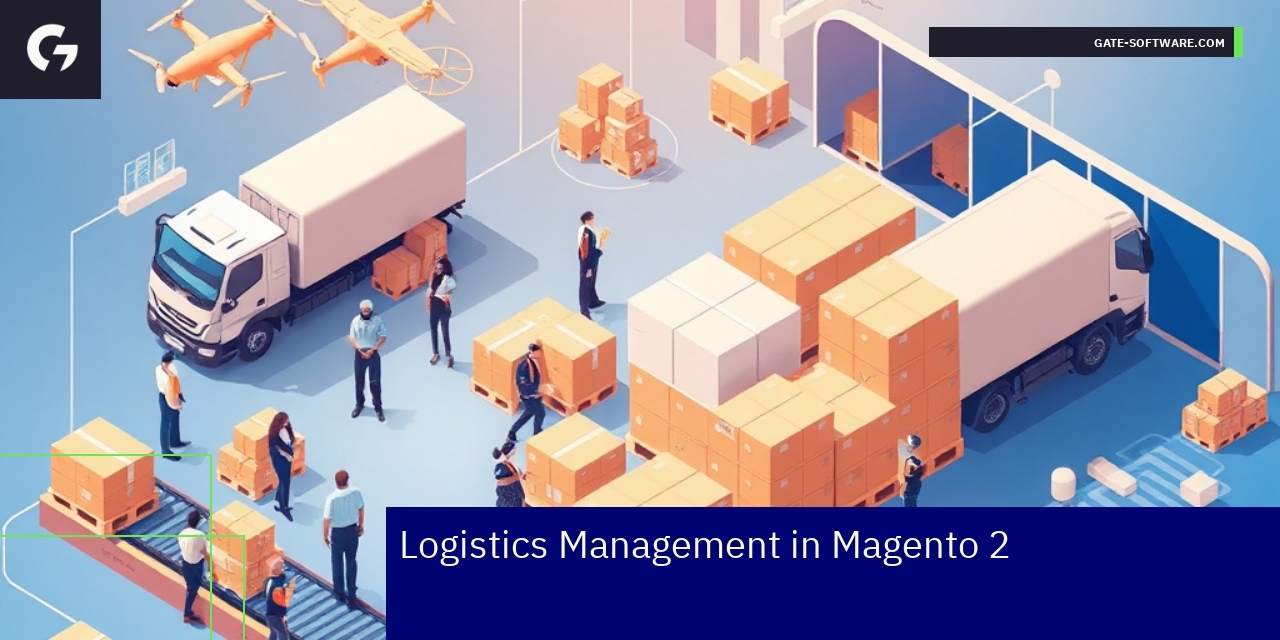
Logistics Management in Magento 2
Integration with Logistic Systems
Integrating logistic systems with Magento 2 is essential in B2B environments to streamline logistics management. This integration automates shipment tracking and inventory updates, providing real-time operational visibility which is crucial for businesses managing high volume orders and multiple warehouses. Automating these processes minimizes manual errors, facilitates timely stock replenishments, and improves coordination across supply chains. Effective logistics management in Magento 2 thus hinges on seamless connectivity with third-party logistic providers and ERP systems, enhancing order processing accuracy and customer satisfaction through transparent shipment tracking.
Delivery Management
Robust delivery management in Magento 2 ensures that B2B order fulfillment is both timely and accurate. Given the complex nature of B2B transactions, which often involve bulk shipments and varied delivery terms, logistics management must incorporate sophisticated scheduling, routing, and carrier selection tools. This enables companies to meet delivery deadlines, reduce lead times, and maintain compliance with customer requirements. Additionally, real-time status updates and predictable delivery workflows contribute to stronger relationships with key stakeholders by preventing delays and enabling proactive issue resolution.
Optimizing Logistic Processes
Optimizing logistic processes in Magento 2 directly impacts cost-efficiency and operational agility in B2B settings. By leveraging Magento’s integration capabilities, companies can automate repetitive tasks, synchronize demand forecasting with inventory management, and streamline warehouse operations. This holistic approach to logistics management reduces overheads, lowers delivery times, and enhances scalability. Continuous analysis of logistic workflows also identifies bottlenecks and enables data-driven decision making, positioning businesses to adapt quickly to evolving market demands and sustain competitive advantage.
Benefits of Logistics Automation
Logistics automation in Magento 2 brings significant benefits for B2B enterprises by improving accuracy, scalability, and resource utilization. Automated workflows reduce manual errors that can cause shipment delays or inventory discrepancies, ensuring reliable order fulfillment. Furthermore, automation supports handling of complex order volumes without proportional increases in workforce, facilitating scalability during peak seasons or rapid growth phases. Enhanced data integration across systems also enables comprehensive reporting and performance monitoring, empowering companies to refine logistics strategies continuously and enhance overall customer satisfaction through dependable service delivery.
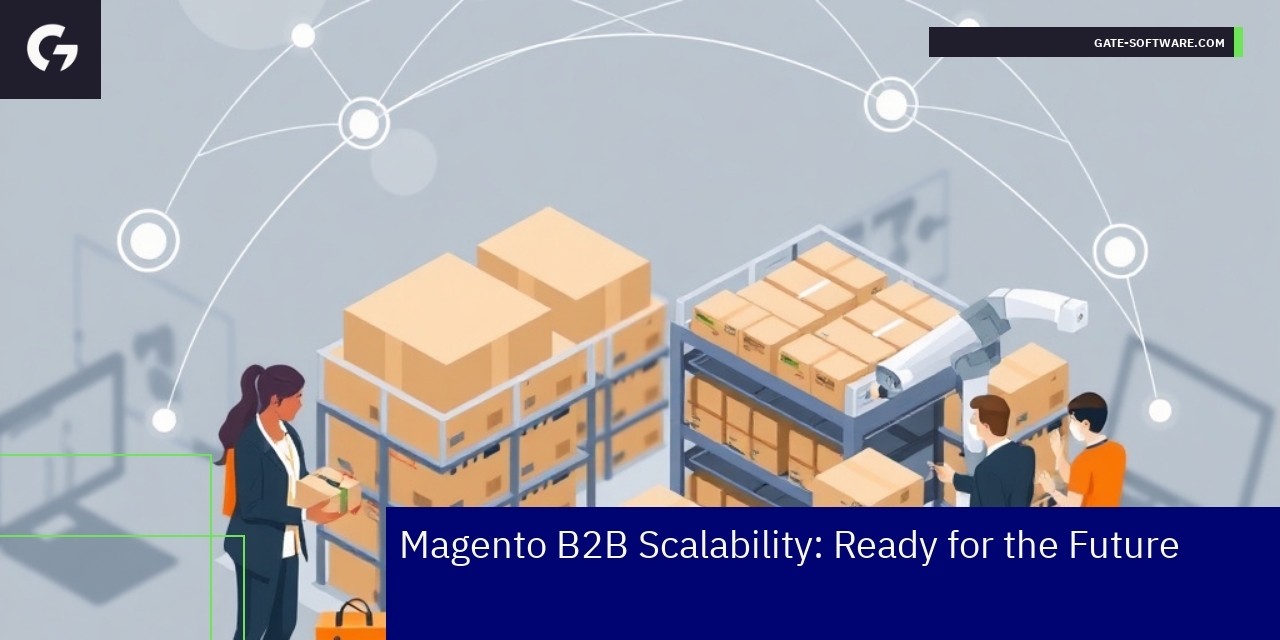
Magento B2B Scalability: Ready for the Future
Why Scalability Matters
Scalability is a critical factor in sustaining and growing B2B operations as it directly impacts a business’s ability to manage increasing customer bases and transaction volumes without compromising system performance. In B2B environments, where transaction complexity and client expectations are high, scalability ensures that the platform can handle peak loads and evolving business needs. Without proper scalability, businesses risk slowdowns or downtime that can disrupt operations and damage client relationships. As such, prioritizing scalability aligns with long-term strategic growth, allowing companies to capitalize on new opportunities efficiently while maintaining reliable service delivery.
How Magento 2 Supports Growth
Magento 2 fosters scalability through a modular architecture that supports flexibility and customization tailored for B2B requirements. This design promotes extensibility, allowing integration with various third-party systems essential for complex B2B workflows such as ERP, CRM, and advanced payment gateways. The platform’s robust APIs enable smooth data exchange and automation, enhancing operational efficiency. Magento 2’s scalability also stems from its ability to support cloud-based deployments and horizontal scaling strategies, which prepare the platform for fluctuating demand and future growth. By leveraging Magento 2, businesses gain a scalable foundation that adapitates to evolving market needs while preserving performance and stability.
Scalable Solutions Examples
Scalable solutions in the Magento B2B ecosystem illustrate how the platform can accommodate expanding business demand without performance degradation. Examples include multi-warehouse inventory management, complex pricing rules configuration, and personalized customer portals that adapt dynamically as client portfolios grow. Implementations often feature load balancing, CDNs, and optimized caching to maintain speed at scale. These technical solutions empower B2B companies to maintain agile, high-performing e-commerce environments capable of handling large product catalogs, diverse user roles, and intricate transaction workflows. Such scalability ensures operational continuity, reduces costs, and drives better user experiences for B2B stakeholders.
Magento 2 Alternatives
While alternatives to Magento 2 exist in the marketplace, few offer the combination of open-source flexibility and deep scalability specific to B2B needs. Competing platforms may provide turnkey solutions but often lack the customization and modularity that Magento delivers for complex B2B ecosystems. Open-source nature enables enterprises to tailor the system extensively, optimizing scalability while controlling total cost of ownership. For strategic B2B growth, Magento 2 remains a preferred choice because it balances adaptability with robust scalability, enabling businesses to innovate and scale confidently into the future. This flexibility is crucial for addressing diverse market requirements and integrating seamlessly with existing enterprise infrastructures.

Magento B2B Integrations
Magento B2B integrations form the backbone of connected business processes and digital transformation.
Types of Integrations
Types of integrations include ERP, CRM, payment gateways, and logistics, each vital to a seamless business ecosystem. These integrations empower businesses to streamline operations by ensuring data consistency and real-time synchronization across platforms. For example, ERP integration automates inventory and order management, while CRM integrations enhance customer relationship handling and lead tracking. Payment gateways ensure secure and efficient payment processing, crucial for B2B transactions involving various payment methods. Logistics integrations facilitate real-time shipment tracking and delivery management, providing transparency for business partners. Implementing comprehensive Magento B2B integrations supports scalable and agile business operations, directly impacting operational efficiency and customer satisfaction.
Best Practices for Integration
Best practices for Magento B2B and ERP integration ensure smooth deployment and long-term success. Begin with a thorough needs analysis to align integration objectives with business goals. Utilize API-first strategies to maintain flexibility and scalability in system communication. Ensure data mapping and transformation rules are clearly defined to avoid synchronization errors. Emphasize secure data transfer protocols to protect sensitive B2B information. Rigorous testing phases, including integration and user acceptance testing, should validate the system before production deployment. Continuous monitoring post-integration facilitates early detection and resolution of issues, thereby sustaining system reliability. Following these best practices guarantees that Magento B2B integrations deliver real value without disrupting existing workflows, optimizing the digital transformation journey.
Integration Challenges
Challenges when integrating deeper systems can be overcome by strategic planning and expert execution. Complex data structures between ERP and Magento platforms may cause synchronization issues, requiring specialized middleware or custom connectors. Managing data security and compliance with industry standards remains a crucial hurdle, demanding robust encryption and audit capabilities. Disparate update cycles between integrated systems can introduce downtime or data inconsistency, which necessitates coordinated version control and fallback mechanisms. Moreover, scalability challenges arise when business volumes grow rapidly, requiring elastic infrastructure and optimized database queries. Addressing these technical and organizational challenges through proactive project management and skilled technical architects ensures that Magento B2B integrations remain resilient and effective in the dynamic B2B environment.
Magento B2B Integration FAQ
Frequently asked questions help clarify common integration concerns, aiding informed decision-making. How long does a typical Magento B2B integration take? Duration depends on system complexity but averages between several weeks to a few months. What level of customization is possible? Magento B2B integrations can be highly customized but should balance that with maintainability. How are data security and compliance ensured? Through encrypted data transfers, role-based access, and adherence to standards such as GDPR. What support is available post-integration? Continuous monitoring, SLA-backed support, and regular updates are essential for stable operations. These FAQs help decision-makers understand the scope and implications of Magento B2B integrations, facilitating better planning and risk management aligned with keywords_content.

Security in Magento 2
Security Threats
Security in Magento 2 is vital to protect sensitive B2B data and maintain trust. In the B2B context, where transactions often involve large volumes and critical business data, understanding common security threats is essential. These threats include data breaches, unauthorized access, and injection attacks that can compromise sensitive customer and transactional data. Magento 2 B2B integrations present specific challenges because they connect various business systems, potentially exposing integration points to vulnerabilities. Attackers often target ERP and CRM integrations, making the assessment and management of integration-related security risks critical. Properly identifying these threats enables decision-makers like CTOs and eCommerce Managers to implement targeted safeguards, safeguarding the integrity of business processes and ensuring compliance with industry security standards.
Ensuring Security
Implementing robust protocols and regular updates is central to ensuring security in Magento 2 environments. This includes enforcing two-factor authentication, deploying role-based access control (RBAC), and maintaining continuous patch management, which is crucial in mitigating vulnerabilities. For B2B firms, Magento 2 B2B integrations require a particular focus on secure data transfer mechanisms and encryption of sensitive information during ERP integration. Regularly auditing security settings and leveraging Magento’s Security Scan Tool aids in identifying weak points proactively. Emphasizing automation and monitoring in security operations ensures real-time detection of threats. Such structured, up-to-date protective layers form the foundation of a secure Magento ecosystem, reducing risks and preserving trust with business clients.
Good Security Practices
Good security practices include encryption, access control, and secure integrations across systems. Within B2B environments, encryption of both data-at-rest and data-in-transit is non-negotiable to prevent data leakage or interception. Access control needs to be tightly managed, ensuring that only authorized personnel with appropriate roles can access sensitive functions, reducing insider risks. Secure API and ERP integrations must adhere to strict authentication and authorization protocols, ideally using OAuth or token-based systems, to avoid exposing credentials or data. Regular security training for teams managing Magento instances complements technical controls by fostering vigilance. Integrating these practices ensures that security is woven into the operational fabric of Magento 2 B2B deployments, mitigating risks inherent to complex digital ecosystems.
Integration-Related Security Risks 🛡️🔐⚠️
Integration-related security risks must be assessed and managed carefully during Magento ERP integration. Such risks arise from the complexity and interconnected nature of B2B integrations which can widen the attack surface. Challenges include data synchronization errors, insecure data exchange protocols, and inconsistent permission models across integrated systems. Magento 2 B2B integrations require secure middleware and API gateways that enforce strict authentication, encryption, and logging of integration activities. Failure to address these risks can result in data breaches or operational disruptions. Therefore, a thorough security review as part of the integration planning process is critical. By embedding security controls into every phase of Magento ERP integration, companies can safeguard their business data and maintain compliance with regulatory frameworks, ensuring a resilient digital supply chain.

Data and Performance Metrics – Efficiency, SLA, TCO
Operational Effectiveness in B2B Projects
In evaluating the operational effectiveness of Gate-Software’s B2B services, numerous key performance indicators illustrate the impact of our solutions. Gate-Software has maintained an impressive uptime SLA of 99.9%, ensuring high availability for client operations. We have successfully completed over 150 Magento B2B implementations in the past year, showcasing our commitment to delivering tailored solutions that meet diverse business requirements.
On average, our clients experience a 25% reduction in time-to-market for new features, thanks to our efficient integration processes. Additionally, 90% of projects are delivered on time, reflecting our dedication to timeline adherence and project management excellence. The average total cost of ownership (TCO) reduction our clients enjoy stands at 30%, making our services not only effective but also cost-efficient.
Furthermore, we prioritize long-term relationships with our clients, as evidenced by an average client relationship duration of 4 years, suggesting sustained satisfaction and the successful alignment of our services with their evolving needs. These metrics serve to highlight Gate-Software’s strategic capabilities in enhancing operational efficiency and supporting sustainable growth in the B2B landscape.

Summary
In the rapidly evolving world of B2B e-commerce, integrating Magento 2 effectively can unlock significant operational efficiencies and drive sustainable growth. Gate-Software’s approach focuses not just on technology implementation but also on aligning integrations with business objectives, ensuring user-friendly experiences and data integrity. Our commitment to high accessibility standards and seamless workflows positions key decision-makers to rely on Magento 2 as a vital tool for enhancing sales automation and customer engagement strategies. The benefits of our tailored integrations provide measurable competitive advantages that streamline the purchasing process, optimize inventory management, and improve customer satisfaction. We invite you to reach out to explore how Gate-Software can partner with your organization to elevate your B2B e-commerce initiatives, ensuring a future-ready digital landscape that aligns with your strategic goals.

FAQ
How does integrating Magento 2 benefit B2B companies?
Integrating Magento 2 allows B2B companies to automate complex processes such as customer-specific pricing, bulk ordering, and multi-user account management, facilitating seamless data exchange and improved operational efficiency.
What are the key features of Magento B2B?
Key features include advanced pricing structures, quote management, customer segmentation, and tailored buying experiences, all designed to enhance transactions and improve user satisfaction in a B2B context.
Why is ERP integration important for B2B success?
ERP integration is crucial as it ensures real-time synchronization of inventory, sales, and financial data, automating core processes, reducing manual errors, and providing comprehensive insights essential for strategic growth.
How does Magento 2 support scalability for B2B businesses?
Magento 2’s modular architecture and robust APIs support flexible customization and cloud-based deployments, allowing businesses to adapt to fluctuating demands while maintaining system performance and operational agility.
What security measures should be considered in Magento B2B integrations?
Key security measures include enforcing two-factor authentication, role-based access control, secure data transfer protocols, and regular security audits to protect sensitive information and maintain compliance with industry standards.
.
.
Zamów bezpłatną konsultację
.
Z nami rozwój Twojego biznesu nabierze tempa! Zapraszamy do kontaktu średnie i duże firmy generujące min. 7 mln PLN obrotu rocznie – tam nasza ekspertyza sprawdza się najlepiej.
.
Kliknij w poniższy przycisk i skontaktuj się z jednym z naszych konsultantów e-commerce
.