Adobe Commerce, formerly known as Magento Commerce, is a powerful platform designed to support businesses in scaling their e-commerce operations efficiently and securely. Particularly relevant for Utrzymanie i Rozwój (UiR) services, Adobe Commerce excels in providing a solid foundation for maintaining and developing e-commerce ecosystems that meet evolving market demands.
For CTOs, CDOs, and eCommerce Managers, the platform’s architecture requires attentive maintenance to ensure stability, security, and compliance. UiR services focus on continuous monitoring, timely upgrades, and swift resolution of technical issues, which are essential to prevent downtime and optimize system performance. Scalability is another critical aspect, as Adobe Commerce supports flexible resource allocation that accommodates peak traffic and expanding product catalogs without sacrificing responsiveness.
User experience and interface customization capabilities are central to Adobe Commerce’s value proposition. eCommerce Managers benefit from a wide array of tools to tailor UX/UI elements that enhance shopper engagement, facilitate navigation, and improve conversion rates. Mobile responsiveness and accessibility, aligned with WCAG standards, are incorporated into ongoing UiR audits and development processes to ensure inclusive and seamless customer journeys.
Integration with existing IT ecosystems, including CRM and ERP solutions, data analytics for informed decision-making, and future-proofing the platform for emerging technologies are strategic concerns addressed through UiR activities. Adobe Commerce empowers Gate-Software’s clients to maintain competitive advantage by delivering reliable, scalable, and user-centric e-commerce environments, supported by expert maintenance and continuous platform evolution.
TABLE OF CONTENTS
- Introduction to Adobe Commerce: Growing Your E-commerce
- What Is an eCommerce Platform?
- Importance of eCommerce Platforms for Business Growth
- eCommerce Platforms and Their Impact on B2B Commerce
- Platform History: From Magento to Adobe Commerce
- Magento Development: How Does It Work?
- B2B and B2C Clients: Challenges and Solutions
- Examples of Adobe Commerce Use Cases
- Data and Performance Metrics – Efficiency, SLA, TCO
- Summary
- FAQ

What Is an eCommerce Platform?
An eCommerce platform is a comprehensive software solution that enables businesses to conduct online sales and manage their digital storefronts effectively. The definition of an eCommerce platform encompasses its role as a centralized system where critical business functions converge to facilitate seamless customer experiences and operational efficiency.
Key features of an eCommerce platform include product management, which allows for catalog creation and inventory control, ensuring that offerings are accurately represented and readily available. Another fundamental feature is payment processing, supporting multiple payment methods securely and efficiently. Integration capabilities with third-party services such as shipping providers, ERP systems, and marketing tools are vital functionalities that enhance overall workflow automation and reduce manual interventions.
Functionalities extend to user experience enhancements focused on intuitive navigation, responsive design, and compliance with accessibility standards such as WCAG. This ensures inclusivity for diverse user groups while maintaining high engagement rates. Real-time analytics and reporting tools embedded within the platform provide actionable insights into customer behavior, sales trends, and inventory levels, empowering decision-makers like CTOs and eCommerce Managers to optimize strategies pragmatically.
In the context of UiR services, it is crucial that an eCommerce platform aligns with enterprise-grade requirements, offering scalability, security, and integration with existing IT landscapes. Gate-Software solutions emphasize these aspects, delivering platforms that integrate seamlessly into complex ecosystems while adhering to stringent performance and security benchmarks. Thus, choosing the right eCommerce platform involves assessing not only its functionalities but also its adaptability to specific business needs and strategic objectives.
This comprehensive perspective on the eCommerce platform definition, key features, and functionalities underscores its indispensable role in modern digital commerce ecosystems.
Importance of eCommerce Platforms for Business Growth
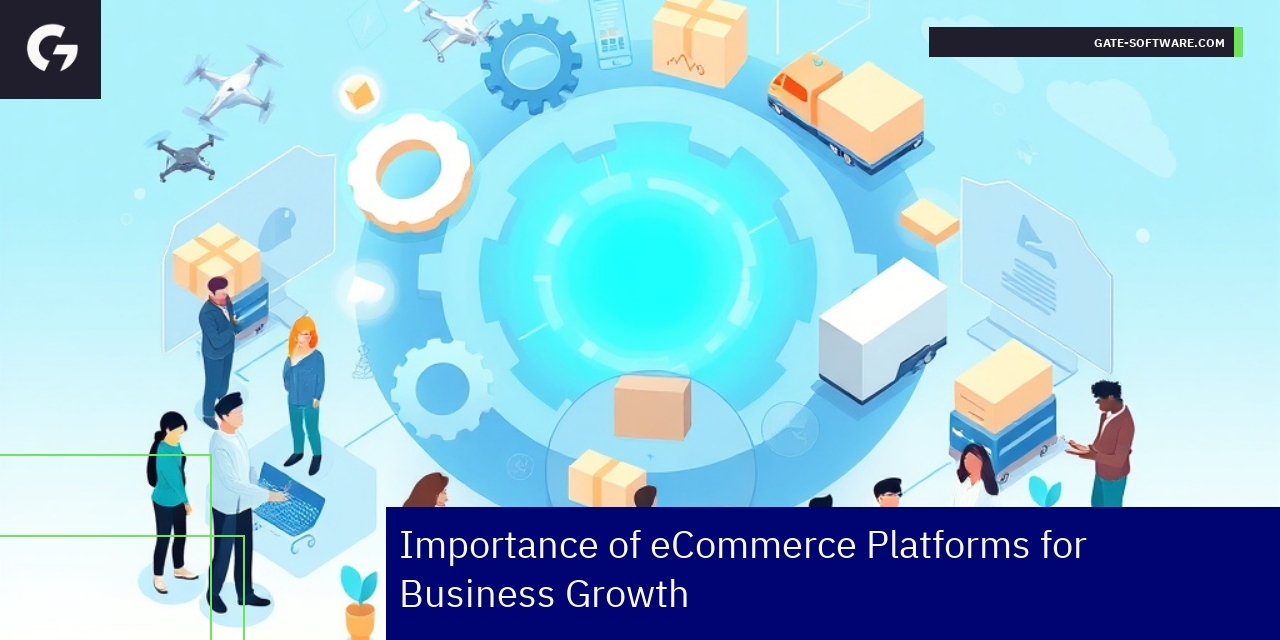
In the contemporary digital economy, the role of eCommerce platforms is pivotal for driving e-commerce growth and enhancing a company’s market presence. For decision-makers such as CTOs, Heads of Applications, and eCommerce Managers, understanding the platform importance involves recognizing how these systems directly influence operational efficiency, scalability, and customer experience. A robust eCommerce platform can streamline sales processes, reduce time-to-market for new products, and integrate seamlessly with other business systems—factors essential for sustainable growth.
One of the critical impacts of eCommerce platforms lies in their ability to affect the sales impact directly. Platforms that support advanced analytics, personalized user experiences, and omnichannel capabilities enable businesses to target customers more effectively and convert interactions into revenue. This adaptability also plays a crucial role in maintaining competitiveness in a fast-evolving market, where customer expectations and technology trends shift rapidly. Moreover, platforms compliant with standards like WCAG and optimized UX/UI ensure inclusivity and usability, which further supports retention and acquisition.
Overall, investing in the right eCommerce platform is not just a technical decision but a strategic business imperative. It aligns IT capabilities with commercial goals, fostering an environment where continuous innovation can thrive, and market positioning improves. Ensuring that the platform supports comprehensive integrations, monitoring, and scalability will safeguard the company’s capacity to respond proactively to market demands, thus underpinning long-term e-commerce growth and solidifying its platform importance for future success.
eCommerce Platforms and Their Impact on B2B Commerce
Additional Integrations in Magento
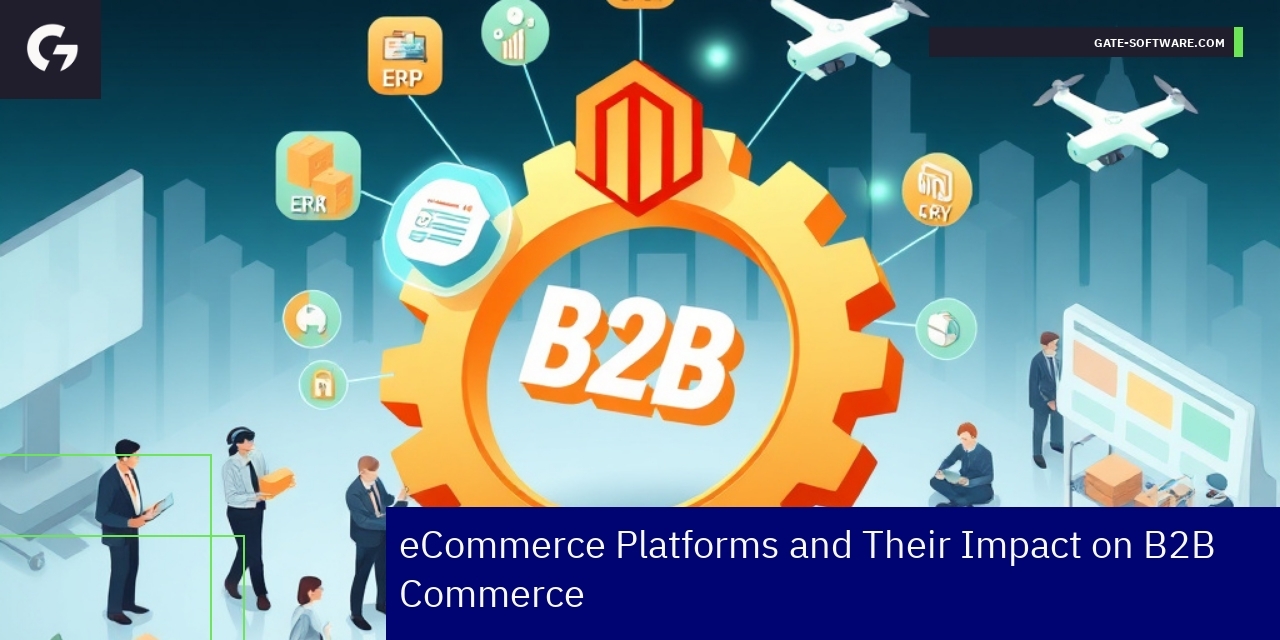
Magento, as a versatile eCommerce platform, offers considerable platform flexibility essential for B2B e-commerce success. Its architecture supports extensive system integrations that enable seamless trade solutions tailored for complex B2B environments. Additional integrations in Magento often include ERP systems, CRM platforms, and advanced payment gateways that enhance operational efficiency. These integrations support platform customization to meet unique business requirements, facilitating smoother workflows and enhanced data synchronization across systems. By leveraging these features, companies can improve e-commerce growth while ensuring that various facets of their e-commerce ecosystem communicate flawlessly. Additionally, Magento’s open framework allows for continuous migration and upgrades without disrupting ongoing business activities, ensuring consistent maintenance and optimization of the platform.
Tech Support for B2B eCommerce 🛠️🖥️📞
Efficient tech support is vital in maintaining robust operations within B2B e-commerce. Given the complexity of eCommerce platforms and the criticality of uninterrupted service, technical support plays a strategic role in sustaining business continuity. Businesses benefit from comprehensive technical support that addresses issues related to system integrations, platform customization, and migration challenges. Expert tech support enables quick resolution of problems, minimizing downtime and safeguarding the platform’s operational integrity. This support ensures smooth user experiences and scalability as business needs evolve, directly contributing to sustained e-commerce growth. For eCommerce managers and CTOs, reliable tech support is a cornerstone for confident decision-making and investment in platform capabilities.
Other Services Supporting eCommerce Growth
Beyond core platform functionalities, additional services empower B2B companies to accelerate their e-commerce growth. These services encompass consulting on integrations and platform customization, specialized migration assistance, and ongoing maintenance tailored to client needs. They also include marketing and analytics services aligned with gate-software’s comprehensive understanding of B2B e-commerce dynamics. Such additional services ensure the platform remains adaptable and responsive to emerging market trends and customer demands. By incorporating these services, businesses can maximize the value of their eCommerce platform investments while supporting ongoing optimization and feature enhancements. Overall, these layers of support contribute to a resilient and scalable e-commerce ecosystem that aligns with long-term strategic goals.

Platform History: From Magento to Adobe Commerce
Top Benefits of Adobe Commerce
Adobe Commerce represents the evolution of Magento, building upon the strong foundation of the Magento platform history to deliver enhanced functionalities tailored for modern e-commerce environments. Key changes in this platform evolution include improved scalability, more sophisticated integration capabilities, and advanced tech support services that aid businesses in maintaining robust online presence. Benefits of Adobe Commerce extend beyond traditional e-commerce features, offering optimized performance, better security protocols, and seamless integration with third-party tools and systems. This results in a platform that supports complex B2B and B2C needs efficiently, addressing the varied requirements of enterprises looking to expand their digital commerce. The platform also embraces advanced UX/UI standards, essential for creating engaging user experiences aligned with WCAG 1.1 guidelines, a critical aspect in today’s accessibility-conscious market.
Is Magento Free?
Magento, initially launched as an open-source platform, is celebrated for its flexibility and wide adoption. However, understanding Magento cost involves distinguishing between the free Magento Open Source version and the paid Adobe Commerce editions. While Magento Open Source offers extensive functionalities suitable for small to medium-sized businesses, larger enterprises often require the premium features and dedicated support bundled in Adobe Commerce. Magento cost thus varies depending on the scale of deployment, desired functionalities, and support needs. Moreover, the differences between versions—Magento Open Source versus Adobe Commerce—reflect in capabilities such as advanced marketing tools, enhanced security features, and integration options that support diverse business processes.
Is Magento a CMS?
Magento historically has been perceived primarily as an e-commerce platform, but its functionalities expand into CMS territories. Magento as CMS allows businesses to manage both content and commerce within a unified system, offering tools for product management, content creation, and customer engagement. Its integration with Adobe Experience Manager through Adobe Commerce further reinforces its role by combining content management with dynamic e-commerce functionalities. This comparison with other systems highlights Magento’s versatile architecture capable of handling complex workflows, sophisticated catalog management, and customizable user experiences. This adaptability ensures that businesses leveraging Magento are well-equipped to address various operational needs from a single platform, increasing efficiency and reducing overhead related to managing separate CMS and e-commerce systems.
Magento Development: How Does It Work?
Is Adobe Commerce Right for Your Store?
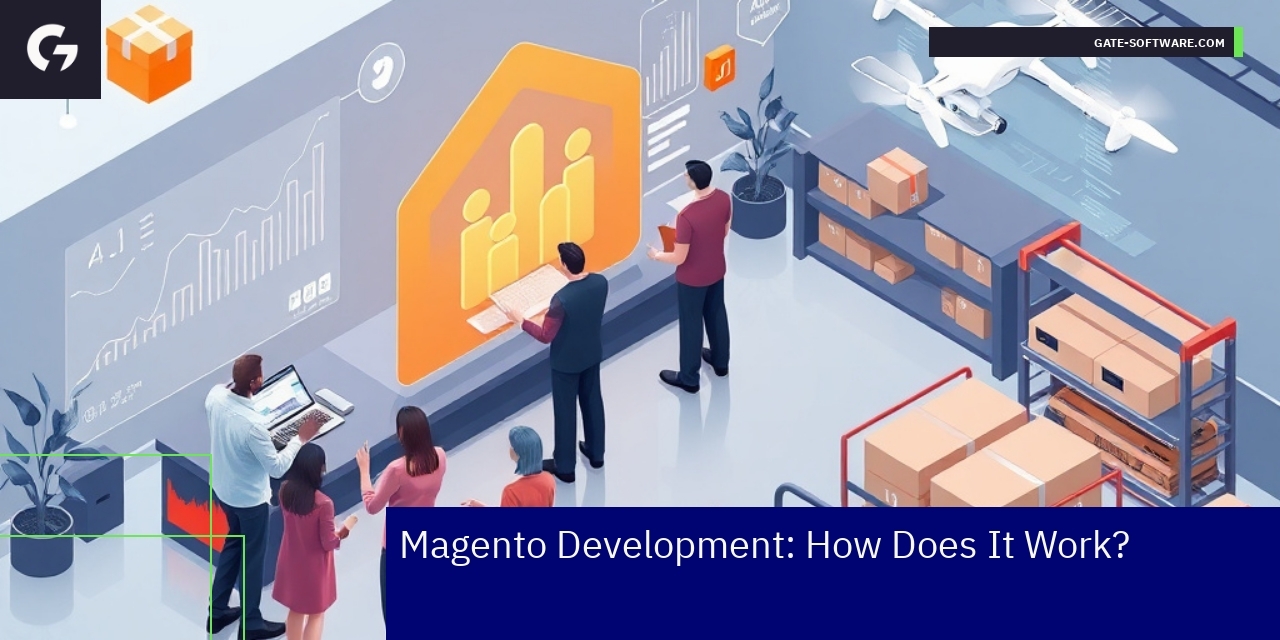
Choosing the right platform is a critical step in the Magento development process. Adobe Commerce, the enterprise version of Magento, offers extensive features tailored for stores that require advanced capabilities such as full B2B support, personalized shopping experiences, and complex inventory management. Evaluating Magento against your store’s specifics involves examining your catalog size, expected traffic, and operational complexity. If scalability and technical support are priorities, Adobe Commerce provides a robust solution integrating seamlessly with broader Adobe ecosystem tools. However, you’ll need to consider the investment required both in initial development and ongoing technical support to ensure platform growth and flexibility align with your business goals.
Creative Ideas in Magento Development
Magento development is not just about building a functional e-commerce site; it’s also about leveraging innovations to foster e-commerce growth and enhance user experience. Creative ideas include the adoption of Progressive Web Apps (PWAs) that deliver seamless mobile experiences, or implementing AI-driven personalization engines to boost customer engagement. Using scalable solutions, developers can integrate AR for product visualization or embed subscription models to introduce recurring revenue streams. Such development ideas ensure your Magento platform is flexible enough to scale and adapt, supporting continuous platform growth while maintaining performance and technical support to meet evolving business needs.
Scalability and Technical Support 🧠 UWAGI:
📦 FORMAT ODPOWIEDZI:
🔧 Nie twórz nagłówków od nowa – nie zmieniaj tytułów ani nie dodawaj znaczników takich jak “H3”, “H4”, numeracja, ani żadnych dodatkowych oznaczeń.
🔧 Nie modyfikuj żadnych innych fragmentów – tylko dodaj boxy na końcu konkretnego H3.
This approach helps businesses maximize Magento’s capabilities while controlling operational risks.
B2B and B2C Clients: Challenges and Solutions
Integration with External Systems
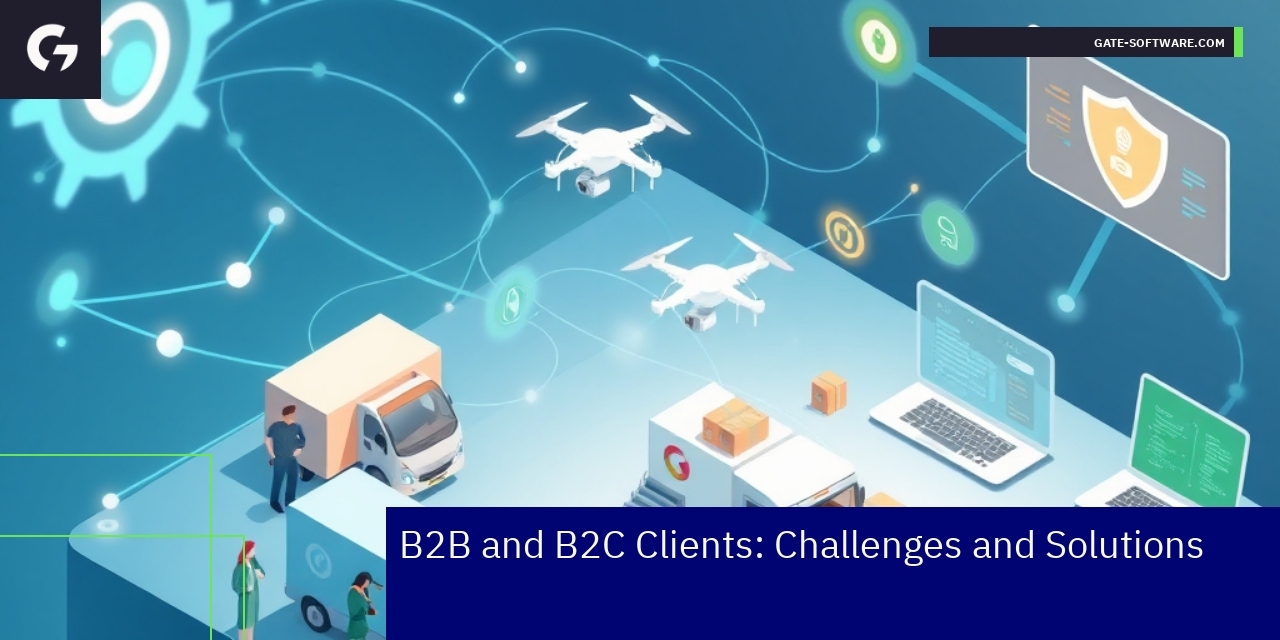
In the context of UiR services, integration with external systems presents both a critical challenge and a key solution for B2B clients and B2C clients alike. Effective integration is essential for streamlining processes and ensuring seamless data flow between e-commerce platforms and external tools such as ERPs, CRMs, and payment gateways. For e-commerce growth, this integration must support not only transactional efficiency but also real-time synchronization and scalability. Challenges often arise from discrepancies in data formats, legacy systems compatibility, and the complexity of multiple system interactions. Gate-Software focuses on providing robust integration solutions that mitigate these issues by leveraging middleware and APIs designed to ensure smooth interoperability. Such integration supports smoother tech support operations, reduces downtime, and ensures that updates and audits can be performed without disrupting core business functions. Moreover, integration enhances security by centralizing control and monitoring of data exchanges, vital for protecting sensitive commercial information between B2B and B2C channels. Recommendations usually emphasize a phased approach to integration, continuous testing, and adherence to strict compliance standards to minimize risks and guarantee system resilience.
Security and Updates 🛡️🔄📊
Security and regular updates remain pivotal challenges for both B2B clients and B2C clients in UiR environments. The complexity of integrating multiple external systems and managing vast volumes of data intensifies vulnerabilities that can be exploited if not addressed proactively. Maintaining a secure environment requires continuous monitoring, penetration testing, and adherence to the latest security protocols. Gate-Software prioritizes implementing stringent security measures aligned with industry standards to ensure e-commerce growth without exposing platforms to cyber threats. Updates are crucial not only for patching vulnerabilities but also for supporting new features and enhancing performance. However, frequent updates can disrupt operations, thus requiring meticulous planning and coordination with tech support teams. Audits serve as essential checkpoints to evaluate the effectiveness of security strategies and the integrity of the systems. Recommendations for clients emphasize a proactive approach, combining automated update systems with expert oversight to ensure seamless transitions and minimize downtime. This strategy preserves trust from both B2B clients and B2C clients, safeguarding sensitive data and maintaining platform stability.

Examples of Adobe Commerce Use Cases
Case Studies: E-store Successes 🧠 UWAGI:
Adobe Commerce has proven to be a robust platform for diverse e-commerce implementations, delivering practical uses and tangible results. Many case studies highlight success stories where businesses achieved significant growth by leveraging Adobe Commerce’s flexible architecture and advanced features. These examples demonstrate how Adobe Commerce supports scalable online stores with complex product catalogs and integrations. The platform’s extensive customization options enable eCommerce Managers and Heads of Applications to tailor UX/UI experiences aligned with WCAG standards, enhancing accessibility and user engagement. Success in these projects often stems from employing a SaaS model or custom hosting environments paired with professional monitoring and SLA agreements, ensuring high availability and performance. These success stories emphasize Adobe Commerce’s strengths in meeting technical requirements and marketing strategy goals, helping companies maintain competitiveness in fast-evolving markets.
Comparison: Adobe Commerce vs. Other Platforms
When evaluating various platforms, Adobe Commerce stands out through its comprehensive set of features, offering a rich ecosystem for building scalable and secure e-commerce environments. This comparison highlights the pros and cons of Adobe Commerce relative to other platforms, focusing on parameters such as customization flexibility, compliance with WCAG 1.1, ease of integration with B2B functionalities, and support for complex UX/UI designs. Adobe Commerce excels in providing tools that meet the needs of CTOs and Architects aiming for robust, future-proof solutions. However, considerations around total cost of ownership and migration efforts occasionally contrast with alternative platforms known for simpler setups. The analysis of applications and success stories serves decision-makers by outlining real-world results, facilitating informed choices based on business and technical considerations while maintaining alignment with Gate-Software’s strategic goals.
Data and Performance Metrics – Efficiency, SLA, TCO
Operational Effectiveness in UiR Projects
In the realm of UiR services, Gate-Software has effectively streamlined operations and enhanced performance metrics that underscore its commitment to delivering quality e-commerce solutions. Recent data indicates that the average project takeover time has been reduced to approximately 14 days, showcasing a commitment to swift integration and efficiency. Impressively, 95% of projects are delivered on time, demonstrating Gate-Software’s dedication to meeting client deadlines and expectations.
When it comes to cost efficiency, companies leveraging Gate-Software’s services have reported a noticeable 20% reduction in total cost of ownership (TCO) compared to previous systems, allowing for better budget allocation and resource management. In terms of service reliability, Gate-Software guarantees an uptime SLA of 99.9%, ensuring that clients experience minimal disruptions in their e-commerce operations.
Furthermore, the average client relationship duration stands at an impressive 4 years, reflecting the trust and satisfaction clients have in Gate-Software’s services. On average, clients implement 3 major upgrades per year, ensuring their platforms remain cutting-edge and fully optimized for market demands. This focus on continuous improvement underscores Gate-Software’s role as a vital partner in maintaining robust and competitive e-commerce platforms.
These metrics not only illustrate the operational effectiveness of UiR projects but also provide a data-driven foundation for making informed purchasing decisions.

Summary
In conclusion, the integration of Adobe Commerce within the scope of UiR services stands as a transformative opportunity for businesses aiming to enhance their e-commerce operations. By ensuring continuous monitoring, timely upgrades, and expert technical support, UIR services significantly mitigate the risks associated with system downtime and performance issues. The platform’s inherent scalability allows businesses to adapt seamlessly to fluctuating market demands, ensuring that they remain competitive in an increasingly digital landscape. Furthermore, Adobe Commerce’s robust user experience capabilities empower eCommerce Managers to deliver personalized interactions that foster customer loyalty and drive conversions. As you reflect on these benefits, consider the potential for collaboration with Gate-Software to harness the full power of Adobe Commerce. Engaging with our expert team can position your business for sustainable growth and success in today’s fast-paced e-commerce environment. We look forward to the opportunity to support your digital transformation journey.

FAQ
What is Adobe Commerce and how does it support e-commerce operations?
Adobe Commerce, formerly known as Magento Commerce, is a powerful platform designed to help businesses efficiently and securely scale their e-commerce operations. It provides a solid foundation for maintaining and developing e-commerce ecosystems that meet evolving market demands.
Why are UiR services important for Adobe Commerce users?
UiR services are essential for Adobe Commerce users as they focus on continuous monitoring, timely upgrades, and swift resolution of technical issues. This ongoing support prevents downtime, optimizes system performance, and ensures stability, security, and compliance with market demands.
How does Adobe Commerce enhance user experience and interface customization?
Adobe Commerce offers a wide array of tools for customizing UX/UI elements. These capabilities help eCommerce Managers tailor user experiences to enhance shopper engagement, facilitate navigation, and improve conversion rates, ensuring mobile responsiveness and accessibility aligned with WCAG standards.
What role does integration with IT ecosystems play in Adobe Commerce?
Integration with existing IT ecosystems, including CRM and ERP solutions, is crucial for Adobe Commerce. It enables data analytics for informed decision-making and future-proofs the platform for emerging technologies, thereby maintaining a competitive edge in the market.
How does Adobe Commerce address the scalability needs of businesses?
Adobe Commerce supports flexible resource allocation to accommodate peak traffic and expanding product catalogs without sacrificing responsiveness. This scalability is vital for businesses aiming to grow and adapt to changing market conditions while ensuring optimal system performance.
.
.
Zamów bezpłatną konsultację
.
Z nami rozwój Twojego biznesu nabierze tempa! Zapraszamy do kontaktu średnie i duże firmy generujące min. 7 mln PLN obrotu rocznie – tam nasza ekspertyza sprawdza się najlepiej.
.
Kliknij w poniższy przycisk i skontaktuj się z jednym z naszych konsultantów e-commerce
.