Introduction
Setting up a B2B eCommerce platform in WordPress using WooCommerce requires a strategic approach tailored to the unique demands of B2B business models. Unlike typical B2C setups, B2B eCommerce must address complex ordering processes, account hierarchies, pricing structures, and integration with enterprise systems like ERP or CRM.
The initial step is conducting a thorough business requirements analysis to understand your company’s and your clients’ specific needs. This includes mapping key workflows, defining product catalogs, and specifying customer segmentation, which directly influences user experience (UX) and interface design (UI). Optimizing UX/UI for B2B involves creating intuitive navigation paths, responsive layouts, and enabling customized user roles and permission levels—a key factor for decision-makers such as eCommerce Managers, CDOs, and CTOs who demand efficient operational control and data accessibility.
Selecting the right WooCommerce extensions that support B2B functionalities—such as account management with multiple user roles, tiered pricing, and bulk ordering—is essential. Equally vital is ensuring secure environments, complying with GDPR regulations, and maintaining SSL protocols to protect sensitive business data.
Comprehensive testing and iterative optimization help refine the platform’s functionality and performance, backed by ongoing monitoring and analytics to align with evolving market demands. Training your internal teams on platform usage and workflows guarantees smooth rollout and operational efficiency.
By approaching the WooCommerce B2B store setup with a data-driven, partnership-focused mindset, and leveraging Gate-Software’s expertise and frameworks, organizations can build a robust, scalable, and user-oriented eCommerce ecosystem suited for enterprise B2B challenges.

What You Will Learn
Understanding the key differences between B2B and B2C stores is fundamental for tailoring your eCommerce strategy effectively. Unlike B2C models, B2B stores cater to business clients who typically engage in complex purchasing processes that involve bulk orders, negotiated pricing, and long-term contractual relationships. The decision-making in B2B usually involves multiple stakeholders and requires personalized product catalogs, volume discounts, and tailored payment terms. Adapting your platform to these specific needs ensures alignment with your clients’ expectations and streamlines operations.
Navigating the buying and selling process in B2B eCommerce demands a comprehensive approach that accounts for the longer sales cycles and detailed buyer journeys characteristic of the sector. Sales in B2B often involve detailed quotations, approval workflows, and integration with procurement systems. Gate-Software’s expertise highlights the necessity of robust backend systems and seamless UX/UI that support multi-level negotiations and reordering capabilities, providing both efficiency and transparency to your clients. Understanding this process allows businesses to build trust and foster repeat transactions.
Launching a B2B WooCommerce store requires astute financial planning due to the costs involved in launching a B2B WooCommerce store. Beyond the initial setup expenses—including platform customization, integration with ERP or CRM systems, and advanced security measures—ongoing costs like hosting, maintenance, and compliance with industry standards (e.g., WCAG for accessibility) are significant. Knowing these costs upfront enables informed decision making and facilitates partnerships focused on scalability and cost optimization, avoiding unexpected expenses down the line.
Lastly, implementing the best practices for marketing WooCommerce B2B stores is crucial for sustained growth. Effective marketing in B2B eCommerce is less about impulse buying and more about educating decision-makers like CTOs, eCommerce Managers, and Heads of Applications. Strategies often focus on content marketing, SEO with relevant keywords, targeted social media campaigns, and personalized communication that showcase value propositions aligned with business goals. Gate-Software’s approach integrates these practices with data-driven insights to fuel conversion and client retention.
By mastering these core areas — key differences in store types, the unique buying-selling process, cost structures, and marketing best practices — you position your B2B WooCommerce operation for strategic success, delivering measurable business outcomes with precision and professionalism.
TABLE OF CONTENTS
- How to Setup B2B eCommerce in WordPress – Beginner’s Guide: Effective WooCommerce B2B Store
- What You Will Learn
- B2B Store Definition and Basics
- Launching a B2B Store – Is It For You?
- B2B Store Setup Costs – The Real Price of Wholesale Online
- Omnibus Directive in B2B – What You Should Know
- Examples and Case Studies
- Comparisons and Alternatives
- Benefits and Risks
- FAQ – Common Questions
- Data and Performance Metrics – Efficiency, SLA, TCO
- Summary
- FAQ
- The average project takeover time for B2B implementations is 2 weeks, ensuring a swift transition without disrupting the client’s business operations.
- Approximately 95% of projects are delivered on time, reflecting our adherence to project timelines and schedules, which is essential for maintaining trust with our business clients.
- Clients typically experience an average Total Cost of Ownership (TCO) reduction of 30% after implementing our solutions, demonstrating our focus on cost-efficiency and value-for-money.
- Gate-Software has successfully completed over 100 B2B implementations in the last year, showcasing our expertise and capacity to handle diverse and complex requirements.
- We maintain an uptime SLA of 99.9% for our hosted solutions, ensuring that businesses can rely on our services without interruptions, which is critical for online commerce.
- The average duration of client relationships with Gate-Software is over 5 years, underscoring the long-term partnerships we build based on trust and consistent performance.
B2B Store Definition and Basics
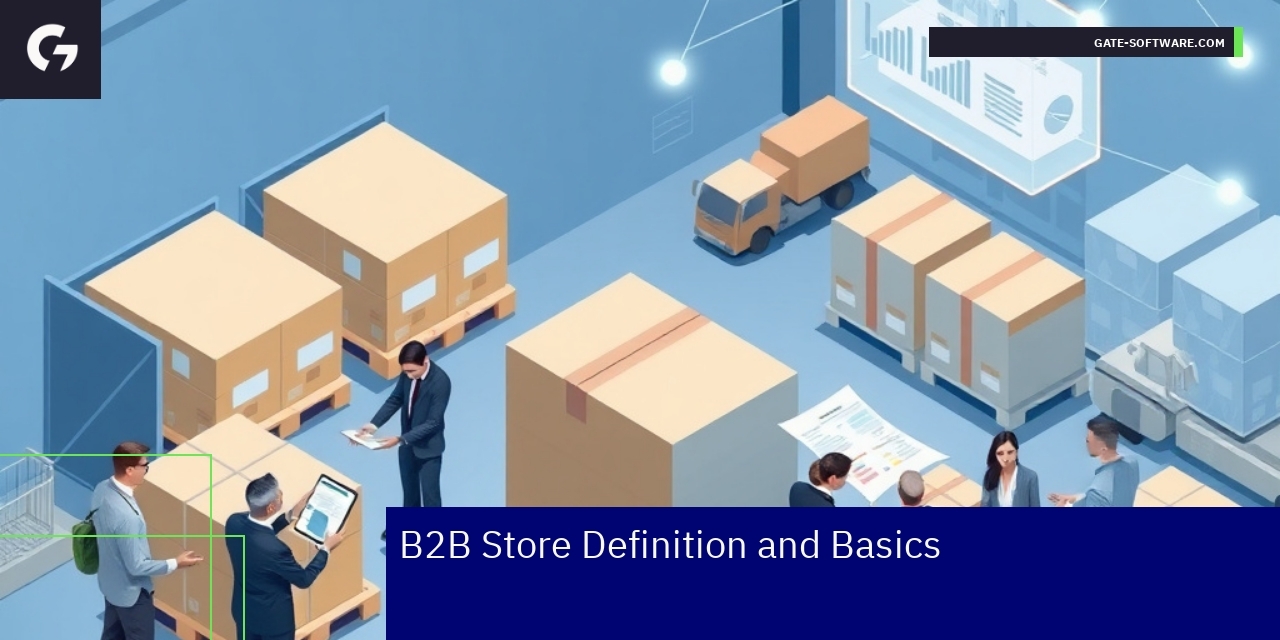
A B2B (Business-to-Business) store is a specialized online platform that facilitates transactions between businesses rather than between a business and individual consumers. This type of system b2b caters primarily to organizational buyers, whose purchasing needs and decision-making processes differ significantly from retail consumers. The platform b2b chosen for managing such a store must support essential wholesale features like bulk ordering, tiered pricing, and customer-specific discounts, which are integral to B2B commerce.
The foundation of any successful B2B store lies in selecting a system b2b that aligns with the specific operational demands of the business. This includes handling complex pricing models, integrating with existing enterprise systems, and ensuring seamless user experiences for business clients. Unlike B2C platforms, a B2B store often requires functionality to manage sales teams, negotiate contracts, and accommodate longer payment terms such as net 30 or net 60.
Moreover, effective management of a platform b2b involves leveraging advanced content strategies to facilitate clear communication of product specifications, legal terms, and service level agreements relevant to the purchasing entity. In this context, keywords_content related to system b2b and platform b2b helps optimize search and navigation within the store, enhancing the user journey for decision-makers such as CTOs and Heads of Applications.
In essence, the B2B store is designed to streamline procurement processes, promote scalable business relationships, and provide a reliable infrastructure that supports complex transactions, ultimately establishing a robust technological and commercial foundation for B2B eCommerce success.
Launching a B2B Store – Is It For You?
How to Setup B2B eCommerce in WordPress – Beginner’s Guide
Setting up a B2B store in WordPress begins with understanding if a WooCommerce-based system b2b aligns with your organization’s strategic goals. The platform b2b features offered by such solutions enable businesses to address the complex requirements of wholesale commerce, including customer-specific pricing, bulk ordering, and flexible payment terms. By evaluating these capabilities, you can identify the most appropriate platforma b2b for your operations. An informed decision about the system b2b architecture and integration potential within your current e-commerce b2b ecosystem is critical to scalability and performance.
Starting a B2B Store? Check Out B2BKing!
B2BKing is a well-established ecommerce b2b plugin designed to streamline wholesale operations in WooCommerce stores. This platformy b2b tool includes advanced features such as custom roles, tiered pricing, and seamless order management, which are essential for buyers in a B2B environment. Using B2BKing simplifies the process of launching your platforma b2b, ensuring that the system b2b meets the expectations of business clients looking for efficiency and reliability in their purchasing processes.
Differences Between B2B and B2C Stores
Understanding what makes B2B e-commerce distinct from B2C is crucial to designing an effective ecommerce b2b strategy. Unlike B2C, B2B stores focus on large volume sales, negotiated pricing frameworks, and repeat bulk orders, driven by business client relationships rather than individual consumer behavior. These system b2b distinctions impact everything from user experience to backend processes in platformy b2b solutions. Tailoring your platforma b2b to these specific needs enhances operational efficiency and client satisfaction.
B2B Store Specifics – Start in a Few Steps
Launching a WooCommerce B2B store involves configuring critical features such as complex pricing structures, multi-user accounts, and personalized shipping options. Leveraging platformy b2b functionalities helps optimize workflow, reduce errors, and boost ordering speed, which are vital for wholesale clients. Implementing these best practices ensures that your system b2b is robust and scalable, supporting sustainable growth within your ecommerce b2b landscape.
Setting Up a B2B Store Is Easier Than You Think!
B2B Store Setup Costs – The Real Price of Wholesale Online
How to Setup B2B eCommerce in WordPress – Beginner’s Guide helps you understand costs involved. A well-structured system b2b implementation affects your budget significantly, including ecommerce b2b platform fees, hosting, and maintenance.
Setting up a B2B ecommerce store on WordPress requires careful budgeting and planning. A system b2b implementation impacts the overall costs through platform fees, necessary hosting, security measures, and ongoing maintenance. Choosing the right ecommerce b2b platform can help optimize operational expenses by providing integrated tools that automate processes like order management and customer segmentation. Besides platform fees, consider the cost of integrations specific to wholesale needs, such as customized pricing tiers and user permissions for different client groups. Hosting costs vary depending on traffic and data storage needs, while maintenance budgets need to cover updates, security patches, and technical support. Leveraging platforma b2b solutions designed for wholesale ensures smoother setup and effective long-term management, helping to control costs while scaling.
Setting Up a B2B Store Is Easier Than You Think!
Focus on your core business while entrusting the technical aspects like website speed, uptime, security, and updates to expert teams. Using established platformy b2b reduces complexity during setup by providing turnkey solutions tailored to wholesale ecommerce features. These platforms include automation of workflows, customer management, and seamless integration with ERP and CRM systems. The blend of a robust system b2b with these features lowers operational costs and minimizes the need for extensive manual interventions. This efficiency translates into faster deployment times and reduced total cost of ownership, which is critical for businesses aiming to optimize investments in their ecommerce b2b ventures.
Shipping Custom Orders
Efficient management of shipping for custom and bulk orders is essential in WooCommerce B2B Store Management. System b2b solutions often include capabilities to handle specialized shipping rules that cater to unique wholesale requirements. These features enable flexible shipping methods, volume-based pricing, and coordination with multiple carriers, simplifying logistics operations. Automation of shipping workflows through platformy b2b helps reduce errors and shipping costs, improving the customer experience and operational efficiency. Proper shipping logistics are a significant part of controlling costs in wholesale ecommerce, as inaccuracies and delays can result in increased expenses and dissatisfied clients.
LinkedIn B2B – Building Communication and Marketing
A successful B2B WooCommerce store extends beyond operations into strategic marketing and communication. LinkedIn B2B is an essential channel for engaging the right target audience within ecommerce b2b. The platform supports building meaningful relationships with decision-makers and influencers in wholesale sectors. Creating educational content, sharing insights, and fostering a professional network on LinkedIn enhances brand visibility and trust. Implementing targeted marketing campaigns through LinkedIn complements the ecommerce b2b sales funnel, driving qualified leads and improving conversion rates. Integrating these strategies with platforma b2b capabilities ensures aligned messaging and maximized ROI in B2B commerce initiatives.
Common Mistakes in B2B Store Launches
Omnibus Directive in B2B – What You Should Know
Understanding regulations such as the Omnibus Directive is vital when managing platformy b2b stores. Compliance with system b2b laws ensures smooth operations and trustworthiness in the B2B marketplace.
Understanding and complying with the Omnibus Directive is crucial for any business operating within platformy b2b environments. This directive introduces key legal requirements affecting ecommerce b2b platforms, aiming to enhance transparency and consumer protection in B2B transactions. For system b2b setups, aligning your operations with these regulations helps safeguard your business from potential legal risks and builds trust with your commercial partners. Ensuring compliance involves integrating clear information disclosure, transparent pricing policies, and fair contract conditions into your platforma b2b. By doing so, you can create a reliable and secure digital marketplace, which is paramount for maintaining long-term relationships and efficiency in B2B trade ecosystems.
B2B Digital Marketing – Choosing the Right Strategy
A targeted approach to B2B digital marketing is essential for driving success in ecommerce b2b ventures. Recognizing the specific needs and behavior of B2B buyers enables more precise and effective marketing strategies on platforma b2b channels. Leveraging data-driven tactics, content personalization, and optimized customer journeys are key elements. Integrating SEO strategies that include system b2b keywords_content improves discoverability and enhances lead generation potential. Moreover, adopting advanced marketing automation and CRM integrations boosts engagement and conversion rates in the highly specialized B2B sector. By aligning your marketing efforts with the unique characteristics of system b2b customers and the technical requirements of platformy b2b, you position your ecommerce b2b store for measurable growth and heightened industry presence.
Examples and Case Studies
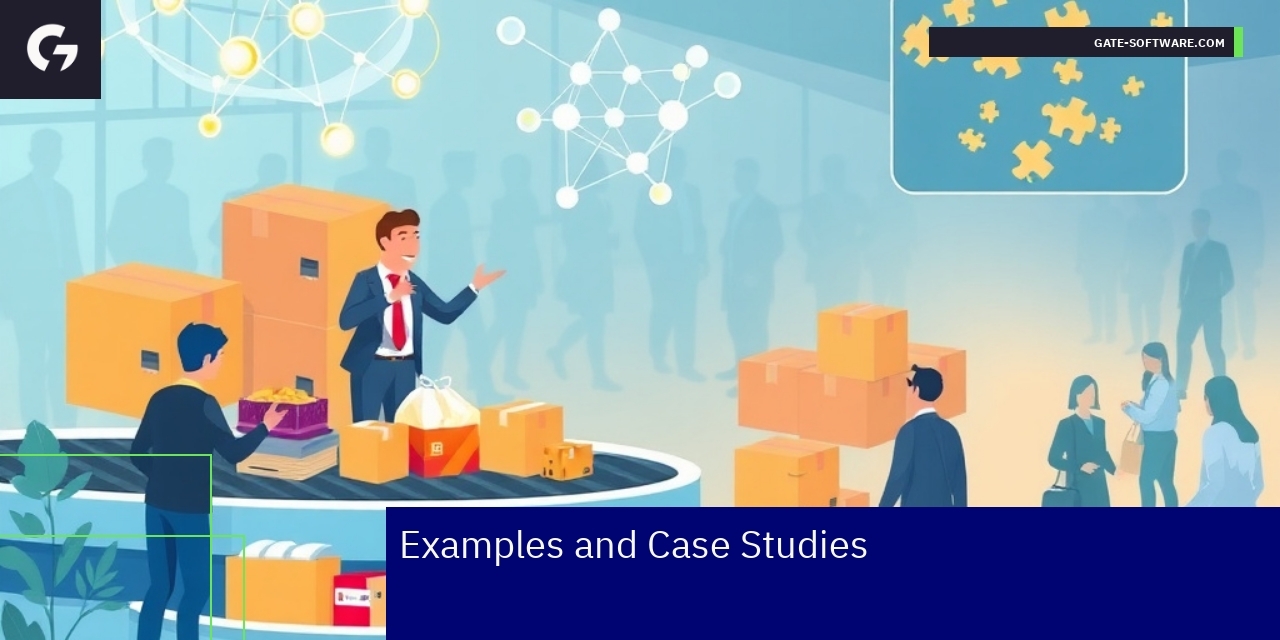
In the competitive landscape of B2B services, learning from successes and mistakes can provide invaluable insights. This section outlines some notable success stories as well as common pitfalls in B2B store launches, using real examples and case studies that illustrate the journey of various businesses navigating this space.
B2B Store Success Stories
Successes in the B2B realm showcase the potential for growth and efficiency when implemented correctly. For instance, one company that implemented a robust online platform saw a sukcesy b2b spike in sales after optimizing their SEO strategies. By strategically using keywords_content, they increased their visibility and attracted targeted leads.
Another example highlights a tech firm that restructured its customer engagement process. Their case studies showed a 40% increase in returning clients after introducing personalized marketing tactics tailored to their audience. Such przykłady b2b demonstrate the impact of focusing on customer experience and the innovative approaches various businesses have adopted to achieve their sukcesy.
Common Mistakes in B2B Store Launches
While numerous businesses achieve great outcomes, many also encounter significant setbacks. Common błędy b2b in store launches often stem from insufficient market research or unclear value propositions. For example, a recent case study revealed that a startup failed to clearly articulate its service benefits, leading to low customer interest and engagement.
Another frequent mistake involves neglecting the importance of online presence and SEO. Businesses that overlook effective keywords_content strategies may find themselves invisible to potential clients, stifling their growth right from the outset. Understanding and avoiding these pitfalls is crucial for any organization looking to establish a successful B2B store.
In conclusion, by analyzing both successes and failures through targeted case studies, businesses can glean practical insights to guide their strategies and enhance their chances of success in the B2B sector.
Comparisons and Alternatives
B2B vs B2C – Key Differences
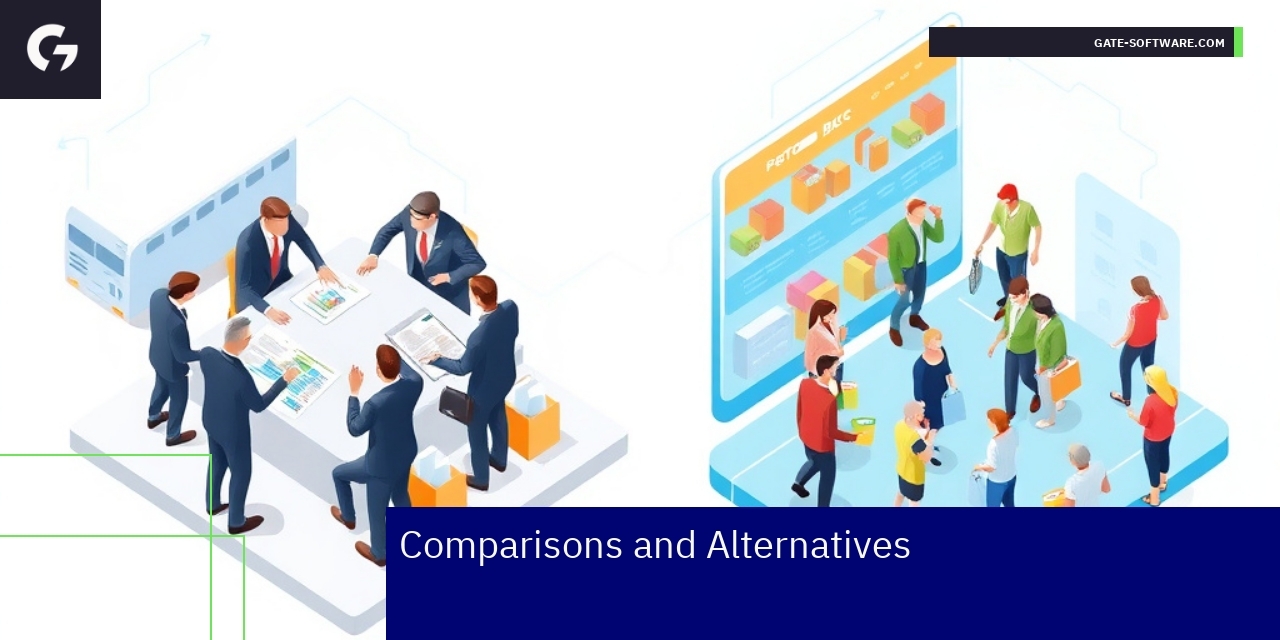
In the realm of eCommerce, understanding the porównania b2b (B2B comparisons) compared to B2C (Business to Consumer) is crucial for decision-makers. While B2C focuses on high-volume sales with swift transactions, B2B deals with complex purchases involving multiple stakeholders and lengthy sales cycles. This porównanie b2b b2c highlights the necessity for tailored user experiences; B2B customers often require detailed product information, custom pricing, and negotiation processes. Gate-Software addresses these specific needs by offering robust solutions that facilitate intricate catalog management and dynamic pricing mechanisms. Decision-makers such as CTOs and eCommerce Managers should emphasize these differences when developing a strategy for their B2B eCommerce platforms. Understanding the distinct nature of B2B operations allows for the creation of more effective online strategies that align with the unique expectations and behaviors of business customers.
Alternatives to WordPress for B2B eCommerce
While WordPress offers a flexible platform for many businesses, there are several alternatywy (alternatives) that serve the specific needs of B2B eCommerce more effectively. Options like Magento, Shopify Plus, and BigCommerce provide comprehensive tools that cater to complex business requirements such as multi-user account management, advanced inventory systems, and tailored checkout processes. For B2B companies, these platforms are vital as they streamline purchasing experiences and enhance operational efficiencies. Gate-Software acknowledges that selecting suitable alternatywy b2b improves overall customer satisfaction and boosts sales efficiency. By integrating these specialized platforms, businesses can unlock potential growth and manage the diverse demands of B2B transactions more effectively. CTOs and eCommerce Managers are encouraged to evaluate these alternatives to ensure their eCommerce strategy is not only functional but also scalable for future business needs.
Benefits and Risks
Must-Have Features for a Successful B2B WooCommerce Store include maximizing korzyści b2b while managing potential zagrożenia.
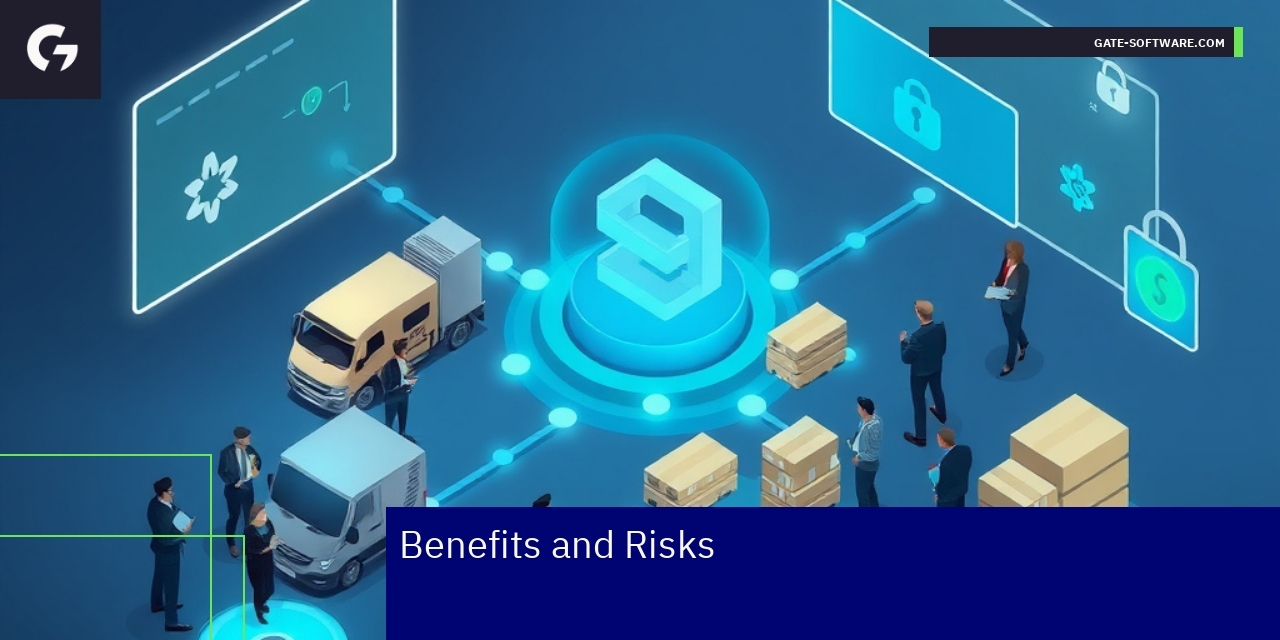
To maximize korzyści b2b, a successful WooCommerce B2B store must integrate features that streamline complex business transactions, enhance user experience, and ensure robust security. These include customizable pricing, role-based access control, and seamless integration with ERP and CRM systems. Efficient handling of large orders and flexible payment terms are essential to meet B2B customer expectations. Managing zagrożenia involves implementing strong data protection measures and compliance with industry standards to mitigate risks related to data breaches and fraud. Understanding keywords_content around korzyści b2b and zagrożenia helps tailor content that educates decision-makers about these functional needs, positioning your store as a trusted partner in the B2B ecosystem.
Advantages of Owning a B2B Store
The 5 Pillars of a Successful Wholesale Store (WooCommerce B2B & Wholesale Store) embrace key zalety b2b such as consistent revenue streams through recurring orders and enhanced customer loyalty fostered by personalized service and flexible contract terms. Automation of routine processes reduces operational costs and errors, increasing efficiency. Improved data insights enable proactive management decisions, supporting growth and scalability. Furthermore, the enhanced ability to integrate with existing business systems creates a unified commerce platform that supports real-time inventory visibility and order tracking. These zalety b2b empower businesses to build long-term partnerships and improve overall profitability.
Potential Risks in B2B Sales
Identifying zagrożenia b2b early is crucial to avoid operational, financial, and reputational pitfalls inherent in WooCommerce B2B store management and broader ecommerce b2b growth. Key zagrożenia include supply chain disruptions, inaccurate order processing, and insufficient cybersecurity controls. Risks may also arise from misaligned customer expectations and inadequate support for complex pricing and contract terms. Proactively addressing these issues requires robust risk management frameworks, continuous monitoring, and agile IT infrastructure capable of adapting to evolving market demands. Understanding and mitigating zagrożenia b2b helps prevent losses and ensures sustainable business growth in competitive B2B markets.
FAQ – Common Questions
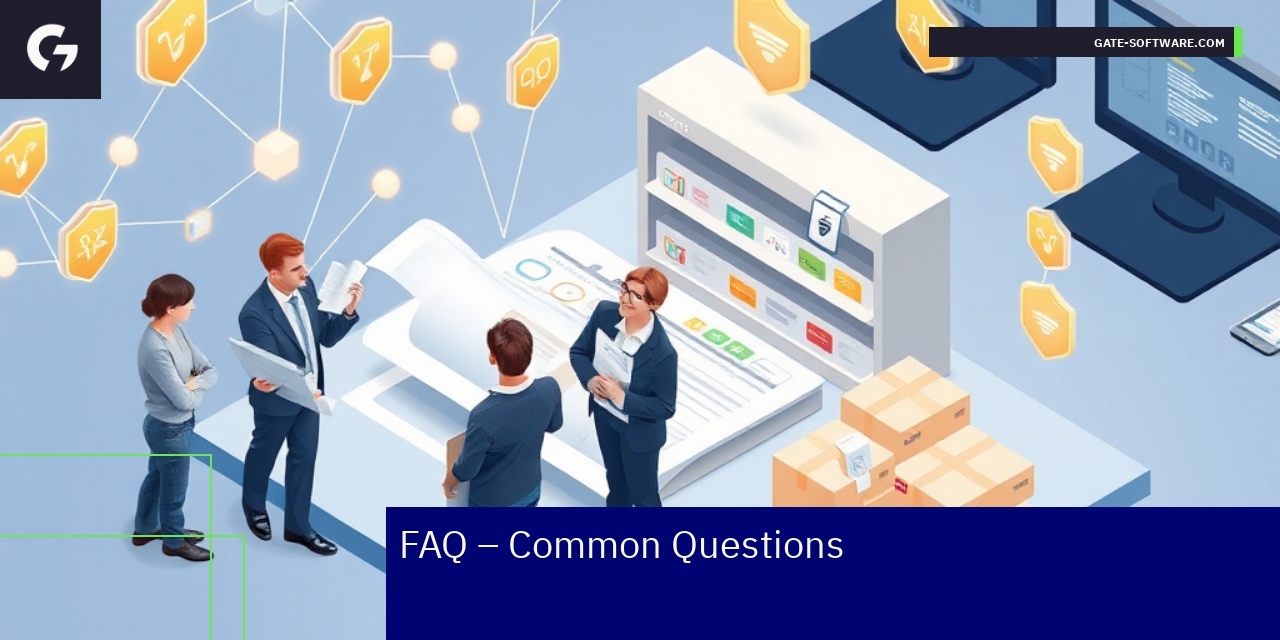
Navigating the complexities of a WooCommerce B2B store requires understanding the specific technical and strategic aspects unique to B2B commerce. Key pytania b2b often revolve around integration with existing ERP systems, ensuring secure and efficient data exchange, and optimizing the user experience for different business personas such as Architects, eCommerce Managers, and CTOs. A crucial part of addressing these queries includes implementing advanced authentication mechanisms and personalized pricing structures that accommodate diverse customer tiers.
Another significant area covered by pytania b2b involves compliance with accessibility standards like WCAG 1.1, which ensures inclusive digital experiences aligning with legal and ethical standards. Additionally, businesses focus on migration strategies that minimize downtime while preserving valuable data integrity and SEO rankings. Effective use of keywords_content helps tailor product descriptions, metadata, and category pages to enhance search visibility within B2B markets.
Moreover, questions about scaling infrastructure, hosting solutions, and SLA agreements are prevalent among decision-makers seeking robust performance under heavy transactional loads. Gate-Software’s expertise in Magento platform maintenance, proactive monitoring, and cost optimization provides actionable insights to these common challenges. Understanding these factors supports smoother onboarding and long-term success within B2B e-commerce ecosystems.
FAQ

Data and Performance Metrics – Efficiency, SLA, TCO
Operational Effectiveness in B2B Projects
In the realm of B2B services, the measurement of performance metrics is crucial for understanding the efficiency and effectiveness of operational processes. At Gate-Software, our commitment to excellence is reflected in several key statistics that underline our operational capabilities:
These metrics not only reflect the operational capabilities of Gate-Software but also serve as a reliable basis for decision-makers when evaluating potential service providers in the B2B eCommerce space. By focusing on quantifiable results, we provide data-driven insights that support purchasing decisions.
Summary
In conclusion, setting up a successful B2B eCommerce platform using WooCommerce can be a transformative step for your business. By understanding the unique needs of B2B operations, such as complex pricing models, customized user permissions, and multi-stakeholder engagement, you can create an efficient and user-centered system that enhances client satisfaction and streamlines purchasing processes. Gate-Software’s expertise in developing customized solutions ensures that your platform is equipped with essential features that handle the intricacies of B2B transactions. By leveraging the appropriate tools and strategies, you can position your business for sustained growth and profitability. We invite you to connect with us for a partnership that fosters innovation and success in your B2B endeavors.
FAQ
How is a B2B eCommerce platform different from a B2C platform?
A B2B eCommerce platform caters to business clients, focusing on complex purchasing processes involving bulk orders, negotiated pricing, and long-term contractual relationships, whereas B2C platforms target individual consumers with simpler buying paths.
What are key features to include in a B2B WooCommerce store?
Essential features for a B2B WooCommerce store include customizable pricing, role-based user access, bulk ordering capabilities, integration with ERP or CRM systems, and support for complex payment terms to meet the unique needs of business clients.
Why is UX/UI important in B2B eCommerce?
Optimized UX/UI is crucial in B2B eCommerce as it enhances user navigation, improves accessibility, and facilitates personalized experiences. Effective design addresses the unique challenges of B2B buyers, leading to improved operational efficiency and customer satisfaction.
How can I ensure compliance with GDPR in my B2B platform?
To ensure GDPR compliance in your B2B eCommerce platform, implement robust data protection measures, secure user authentication processes, provide clear privacy policies, and regularly assess data handling practices to align with legal obligations.
What costs should I expect when launching a B2B WooCommerce store?
When launching a B2B WooCommerce store, costs can include platform fees, hosting, custom integrations, security measures, and ongoing maintenance. It’s essential to budget for both initial setup costs and long-term operational expenses to avoid unexpected financial challenges.
.
.
Zamów bezpłatną konsultację
.
Z nami rozwój Twojego biznesu nabierze tempa! Zapraszamy do kontaktu średnie i duże firmy generujące min. 7 mln PLN obrotu rocznie – tam nasza ekspertyza sprawdza się najlepiej.
.
Kliknij w poniższy przycisk i skontaktuj się z jednym z naszych konsultantów e-commerce
.