In 2026, personalizing B2B customer experiences on Magento 2 requires a strategic integration of technology, data insights, and tailored operational processes. Magento 2’s architecture supports advanced customization and scalable functionality, making it a robust platform to address the unique needs of B2B clients.
To start, leveraging customer data is critical. Magento 2 allows the aggregation of detailed customer profiles incorporating purchasing history, buying behaviors, and business-specific attributes, enabling highly targeted segmentation. Using this data, you can implement dynamic catalogs that display products and pricing specifically aligned with each client’s contract terms or industry segment.
Furthermore, personalized pricing models and custom catalog visibility encourage stronger customer loyalty and support complex business negotiations typical in B2B environments. Automation of workflows such as approval processes, quote requests, and easy reordering also enhances the buyer experience by reducing operational friction.
From a technical perspective, integrating Magento 2 with CRM systems and advanced analytics platforms ensures continuous refinement of personalization strategies based on real-time customer interaction data. Utilizing APIs enables seamless integration with external data sources for enriched customer context.
Operationally, empowering your sales and service teams with insights derived from personalized data streams optimizes client engagement and supports proactive cross-selling and upselling strategies. Additionally, Magento 2’s mobile-responsive design ensures that personalized experiences are consistent and efficient across device types, essential for B2B clients often on the move.
In summary, succeeding in personalizing B2B customer experiences on Magento 2 in 2026 will depend on combining robust data management, flexible technical integration, and streamlined operational processes to deliver tailored, efficient, and consistently relevant customer interactions that drive long-term business growth.

Introduction
In the B2B sector, introductions serve as the foundational step toward establishing meaningful business relationships between companies. Whether initiated through meetings, networking events, emails, or digital platforms, these introductions are strategic moments that enable stakeholders to identify mutual business opportunities and align on shared objectives.
A successful B2B introduction is structured and purposeful, typically incorporating key elements: the individual’s name and professional role, a concise overview of their company’s background and core offerings, and a clear articulation of the value propositions relevant to the counterpart. This careful framing provides clarity on how each party can contribute to and benefit from a potential collaboration.
From a technical and operational standpoint, delivering these introductions effectively requires an understanding of each organization’s business model and market positioning. This ensures the conversation progresses beyond surface-level pleasantries to address scalable solutions, efficiency gains, or integration possibilities that align with both companies’ strategic priorities.
Strategically timed calls to action within the introduction set clear directions for next steps, whether that’s a follow-up meeting, a collaborative pilot project, or a technical deep dive. For senior leaders such as CTOs, Heads of Product, or Digital Directors, these introductions are critical gateways to assessing partnership potential, evaluating technical compatibility, and ultimately driving operational scalability and performance improvements within their respective organizations.
TABLE OF CONTENTS
- How to Personalize B2B Customer Experiences on Magento 2 in 2026
- Introduction
- What is B2B Customer Experience Personalization?
- B2B vs B2C Personalization
- Benefits of Personalization
- Key Trends in Personalization
- Why is Personalization Key in B2B?
- Trust in B2B Relations
- Impact on Customer Loyalty
- Personalization and ROI
- Top E-commerce Platforms for B2B
- Leading Platform Features
- Integration with Other Systems
- Successful Implementations
- The Role of PIM Systems in Personalization
- What is a PIM System?
- How PIM Supports Personalization
- Challenges in PIM Implementation
- System Integrations: The Key to Success
- Integration Methods
- Best Integration Practices
- Benefits of Integration
- Analytics as the Foundation of Personalization
- Analytical Tools
- Measuring Marketing Effectiveness
- B2B Analytics Case Studies
- Cloud Solutions in E-commerce
- How Cloud Helps Personalization
- Cloud Implementation Challenges
- The Future of Cloud in B2B
- Our Experts as Support
- Finding the Right Experts
- Benefits of Expert Collaboration
- Expert Partnership Examples
- Consistent Branding in B2B
- Why Consistency Matters
- Building Consistent Branding
- Branding’s Role in Personalization
- How Emotions Influence B2B Purchases
- Emotional Sales Approach
- Personalization and Emotions
- Emotion-Focused Case Studies
- Effective Content Marketing Strategy
- Key Strategy Elements
- Measuring Content Success
- Content Marketing Case Studies
- Challenges in Personalization Approach
- Common Personalization Mistakes
- Technological Challenges
- Enhanced customer satisfaction through tailored experiences
- Improved client retention and loyalty
- Increased efficiency in marketing and sales efforts
- Greater alignment of products and services with client needs
- Scalable personalization that supports business growth
- Case studies demonstrating ROI from personalization initiatives
- Industry benchmarks on personalization impact
- Tools and technologies recommended for effective B2B personalization
- Enhanced data accuracy and consistency
- Improved operational efficiency and reduced costs
- Greater agility in deploying new technologies
- Elevated customer satisfaction through personalization
- Streamlined compliance and reporting capabilities
- Analytics platforms like Google Analytics, Adobe Analytics, and Mixpanel that offer comprehensive customer behavior tracking
- Predictive analytics tools such as SAS, IBM SPSS, and RapidMiner for forecasting client trends
- Machine learning frameworks including TensorFlow and PyTorch for advanced model development
- CRM integrations that enable unified customer data views for enhanced personalization
- Real-time data processing technologies like Apache Kafka and AWS Kinesis for dynamic engagement adjustments
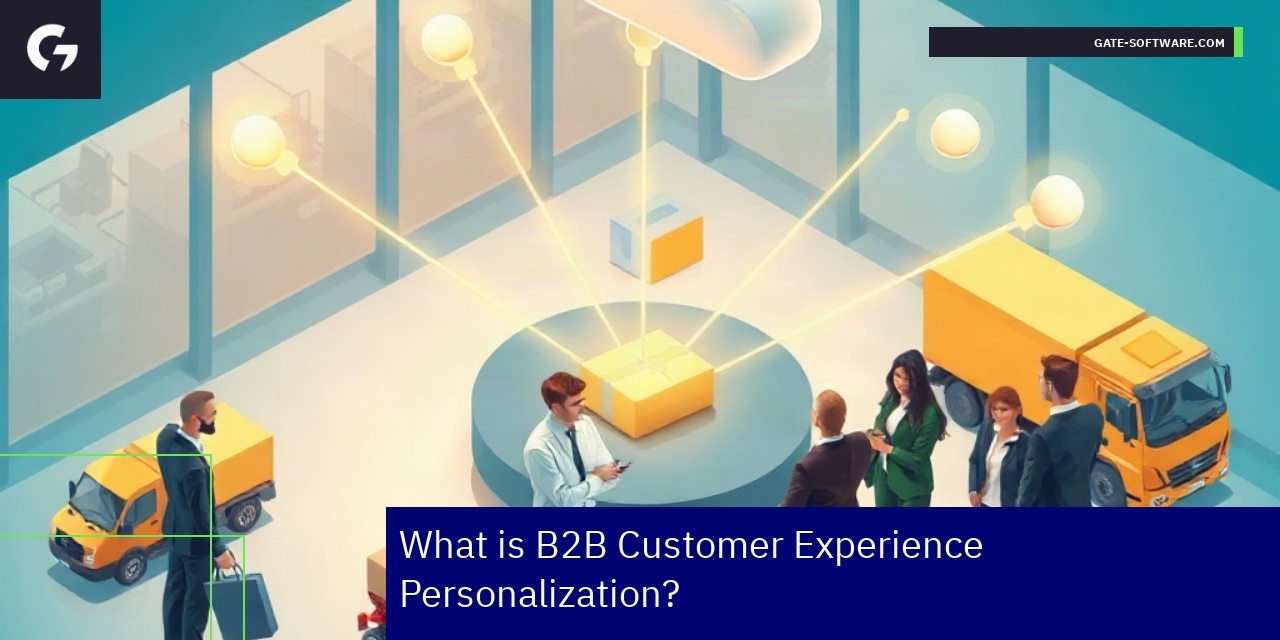
What is B2B Customer Experience Personalization?
B2B Customer Experience Personalization is a strategic approach focused on tailoring the interactions, services, and communications that a company delivers to its business clients in order to address their specific needs and preferences. Unlike generic marketing tactics, personalization in the B2B realm requires a deep understanding of each client’s unique operational context, procurement processes, and decision-making criteria.
In a B2B context, personalization goes beyond surface-level customization; it involves adapting product recommendations, content, and service delivery based on detailed customer data such as industry vertical, company size, buyer roles, and previous engagement patterns. This approach enables companies to present relevant solutions and information that directly contribute to solving clients’ business challenges.
Implementing B2B Customer Experience Personalization is significant in modern marketing strategies because it fosters stronger, more enduring client relationships. Personalized experiences increase customer satisfaction by making clients feel understood and valued, which in turn enhances loyalty and reduces churn. Moreover, personalized engagements improve the efficiency of marketing and sales efforts by focusing resources on high-impact, customer-specific initiatives that drive revenue growth and operational scalability.
From a technical and operational standpoint, personalization in B2B requires robust data integration capabilities, scalable content management systems, and analytics platforms that can track customer behavior and preferences in real time. Effective personalization also benefits from automation tools that allow seamless delivery of tailored content across multiple touchpoints, ensuring a cohesive and efficient customer journey.
In summary, B2B Customer Experience Personalization is a critical element in contemporary B2B marketing strategies, delivering measurable benefits in customer retention, operational efficiency, and revenue optimization by aligning offerings precisely with client needs and expectations.
Benefits of Personalization
—
If available:
—
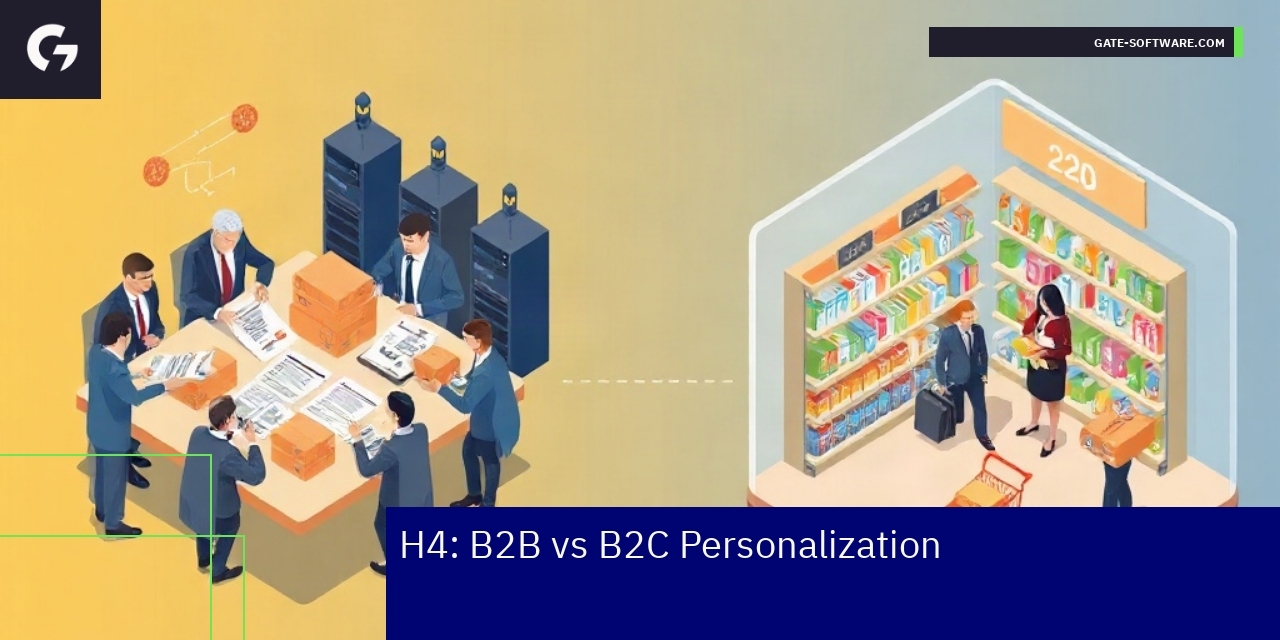
H4: B2B vs B2C Personalization
Understanding the differences between B2B and B2C personalization is crucial for mastering B2B eCommerce and B2B website personalization techniques in 2024. B2B personalization fundamentally differs from B2C in several key dimensions, from the complexity of customer relationships to decision-making processes and sales cycles.
In B2B, personalization must address multiple stakeholders within organizations, often requiring tailored content and product offerings that consider industry specifics, organizational roles, and purchase history. The decision-making process is typically longer and involves several influencers and approvers, making dynamic, account-based personalization essential. B2B buyers expect personalized interactions that acknowledge their company’s unique needs and procurement procedures, alongside a seamless integration with backend systems for pricing, inventory, and contract management.
Conversely, B2C personalization often focuses on individual consumer preferences, browsing behavior, and quick purchase decisions, emphasizing emotional engagement and immediacy. B2B personalization strategies emphasize operational efficiency, scalability, and technical robustness to support complex catalogs, bulk orders, and recurring purchases with negotiated terms.
Mastering B2B eCommerce and B2B website personalization in 2024 means leveraging data-driven insights, AI-driven recommendations, and flexible content delivery that adapts to each account’s lifecycle stage and evolving requirements. Optimizing these personalization layers drives higher conversion rates, stronger client relationships, and improved overall performance in B2B digital sales channels.
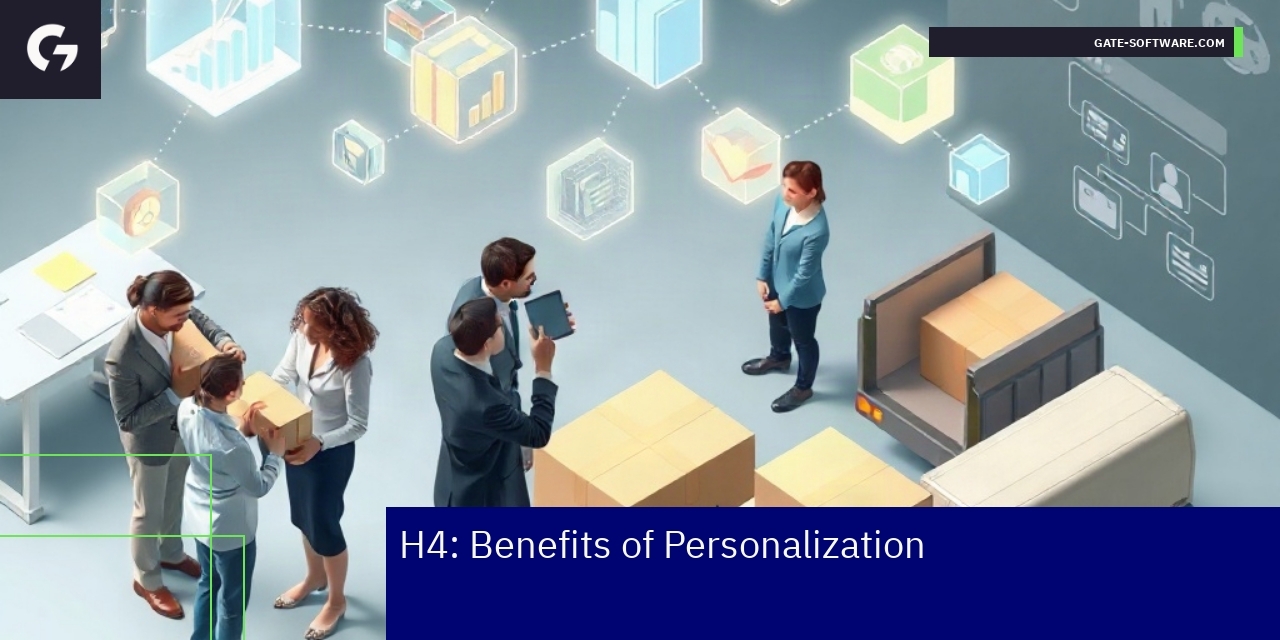
H4: Benefits of Personalization
Investing in personalization within B2B ecommerce is vital for driving meaningful outcomes that impact both operational efficiency and customer engagement. Personalization enhances the customer experience by tailoring product recommendations, content, and interactions to the specific needs of individual business clients, which increases satisfaction and loyalty. This targeted approach directly contributes to higher conversion rates as buyers are presented with relevant offerings that precisely match their buying criteria.
Beyond improving conversion, personalization fosters stronger relationships by enabling businesses to engage with clients on a more individual level, building trust and long-term partnerships. Additionally, personalized upselling and cross-selling tactics increase average order values, thereby boosting overall revenue. From a strategic perspective, personalization enables more effective allocation of marketing resources by focusing campaigns on the most relevant segments, which enhances efficiency and reduces wasted spend.
Data collected through personalization efforts provides crucial insights into customer behavior and preferences, informing better product development and market strategies. This data-driven approach supports scalability and performance in the technical architecture of B2B ecommerce platforms, ensuring solutions can adapt to evolving client demands. Ultimately, personalization delivers a competitive advantage by differentiating businesses in the crowded B2B market, increasing customer retention and loyalty through a highly relevant and engaging buying experience. All these factors underscore why investing in personalization is essential for 2024 and beyond.

H4: Key Trends in Personalization
In the B2B ecommerce landscape, personalization has become a pivotal strategy to enhance customer engagement and drive sales. One of the key trends in personalization involves leveraging Magento’s robust capabilities to deliver tailored shopping experiences that address the unique needs of B2B customers. Advanced segmentation is allowing businesses to customize product catalogs, pricing, and promotions based on specific buyer profiles, industries, and purchase histories. This granularity helps in presenting relevant offerings, streamlining the procurement process, and reducing decision-making time.
Another significant trend is the integration of AI-driven recommendations within Magento platforms. These recommendations analyze user behavior and historical data to suggest products and services that align closely with customer preferences and past buying patterns. For B2B buyers, this means quicker access to the right products, enhancing operational efficiency.
Moreover, Magento personalization is facilitating account-based experiences, where content, pricing, and even checkout processes can be customized at the account level. Such flexibility supports complex B2B purchasing workflows and long-term client relationships. This focus on personalization not only improves customer satisfaction but also promotes scalability and performance optimization within ecommerce systems, meeting the technical demands of enterprise environments.
Overall, Magento’s personalization features align well with the evolving expectations of B2B customers, driving better shopping experiences through targeted, data-informed strategies that improve conversion rates and operational outcomes.
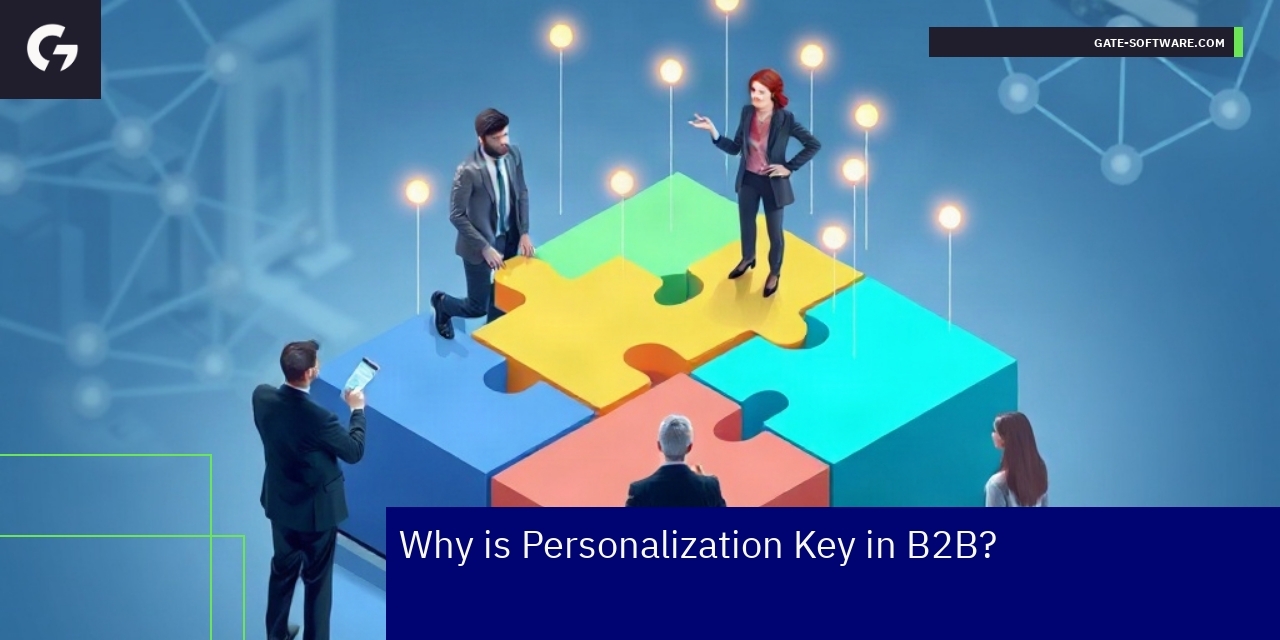
Why is Personalization Key in B2B?
Personalization plays a crucial role in B2B environments by fundamentally enhancing customer relationships and driving conversion rates. The complexity of B2B transactions—often involving multiple stakeholders, longer sales cycles, and higher investments—makes a one-size-fits-all approach ineffective. By tailoring interactions, communications, and solutions to the specific needs and preferences of each client, companies can greatly improve the customer experience.
Personalization in B2B enables businesses to engage clients more meaningfully, addressing their unique pain points and operational challenges. This targeted engagement builds trust and loyalty, which are essential for maintaining long-term partnerships. Furthermore, personalized marketing and sales strategies tend to yield higher conversion rates because offers and messages resonate more deeply with the client’s context.
From an operational standpoint, personalization leverages data and analytics to deliver relevant content, optimize solutions, and anticipate client needs. It supports scalable yet flexible approaches, allowing companies to maintain efficiency while customizing the buyer journey. This strategic focus on personalization also provides a competitive edge, as it differentiates a business in crowded marketplaces by demonstrating a genuine commitment to client success.
Ultimately, personalization in B2B drives better alignment between products and services and the specific business environments of customers, fostering stronger, longer-term relationships and measurable business outcomes.
H4: Trust in B2B Relations
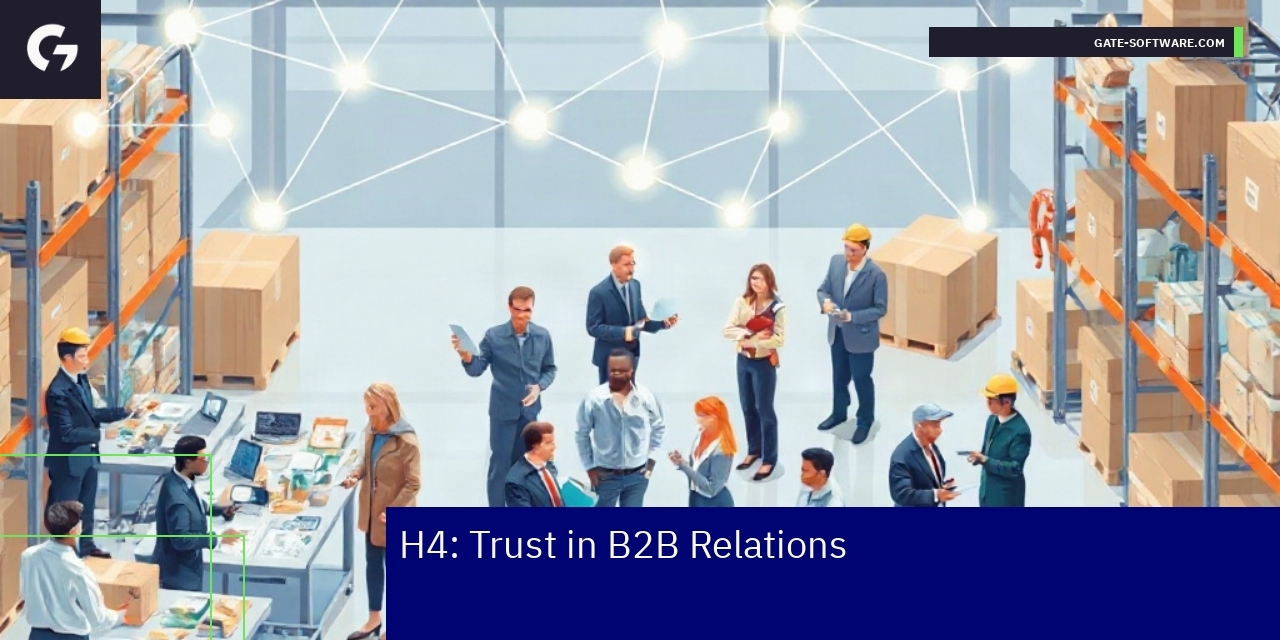
Customer segmentation is a critical process in building trust within B2B relationships. It involves categorizing business customers into distinct groups based on factors such as industry, company size, purchasing behavior, and specific needs. This segmentation allows companies to personalize their communications and offerings effectively, ensuring that each business partner receives relevant and tailored information. Personalization fosters stronger business partnerships by demonstrating that a company understands and values the unique challenges and goals of each customer segment.
By customizing interactions and solutions, businesses can enhance the relevance of their propositions, thereby increasing the confidence their partners place in them. Such targeted approaches reduce the risk of generic communications that may appear impersonal or irrelevant, which can erode trust. Moreover, segmentation allows for improved customer experience by addressing specific pain points with precision, streamlining operational processes, and facilitating clearer, more efficient communication channels.
As a result, segmentation-driven personalization cultivates deeper engagement and credibility, which are vital for establishing and maintaining trust in B2B relations. This strategic alignment between customer understanding and service delivery ensures scalable, long-term partnerships built on mutual respect and proven reliability.

H4: Impact on Customer Loyalty
A tailored approach significantly boosts customer loyalty in B2B ecommerce by addressing the specific needs and preferences of individual buyers. Personalization creates a more relevant and engaging experience, making customers feel valued and understood, which naturally increases retention rates. Omnichannel strategies enhance this effect by enabling seamless interactions across multiple touchpoints, such as online portals, mobile apps, sales representatives, and customer service channels. This ensures consistency and convenience, crucial factors in B2B relationships where decision cycles are complex and involve multiple stakeholders.
Incorporating personalization and omnichannel capabilities helps companies deliver customized recommendations, pricing, and content, thereby streamlining the procurement process and reducing friction. These technologies also enable data-driven decisions that anticipate customer needs and proactively address potential issues before they escalate, reinforcing trust and satisfaction. Ultimately, a tailored omnichannel approach aligns with the operational and strategic demands of B2B clients, fostering deeper engagement and long-term loyalty by improving both user experience and business efficiency.
H4: Personalization and ROI
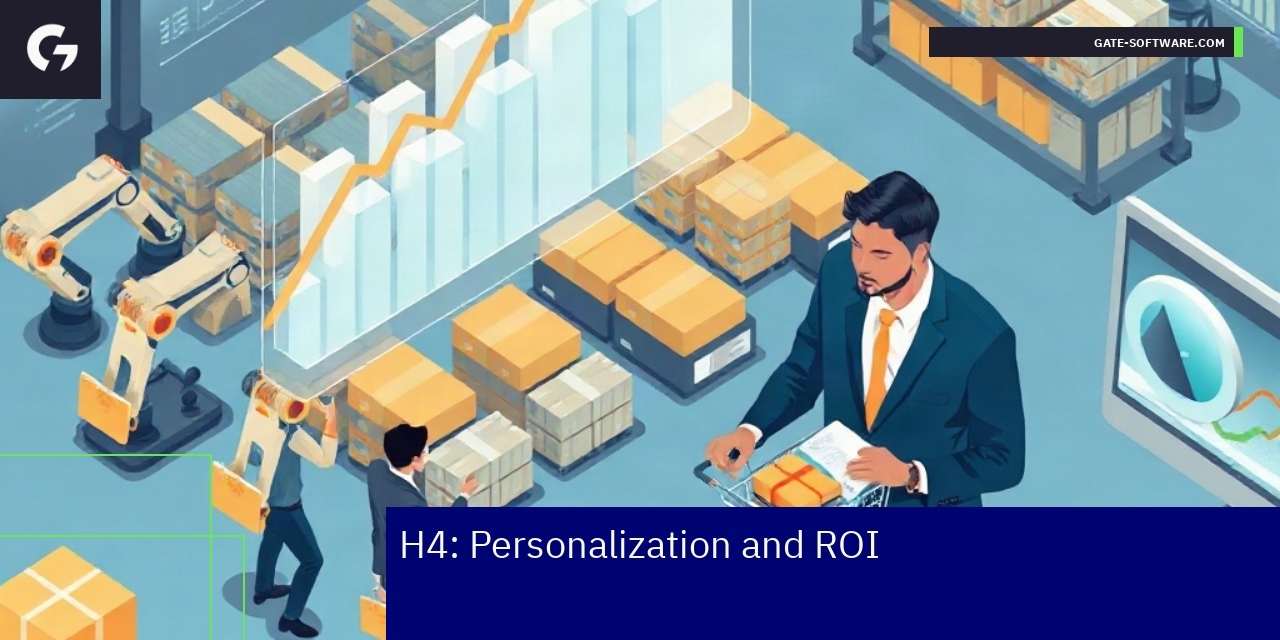
Measuring return on investment (ROI) for personalization efforts in a B2B context requires a methodical approach that aligns with business objectives and leverages data-driven insights. First, defining clear KPIs such as increased sales, higher average order value, improved lead conversion rates, and enhanced customer retention is essential. These metrics provide a quantifiable foundation for assessing the impact of personalization.
Calculating the total costs related to personalization—including software, development, and maintenance—is the next critical step. This allows for a comprehensive view of investment versus gain. Tracking revenue growth attributable to personalized experiences, such as targeted emails, product recommendations, and customized content, establishes a direct link between personalization and financial outcomes.
Advanced segmentation and behavioral analytics enable deeper insights by evaluating the effectiveness of personalization across different customer groups. This supports more precise adjustments to strategies, optimizing ROI. A/B testing plays a pivotal role by comparing personalized versus non-personalized experiences to isolate the effect on conversion rates and sales.
The ROI calculation—expressed as the net profit from personalization minus the costs, divided by the costs—provides a clear quantitative measure of success. Importantly, long-term tracking is necessary as personalization’s benefits often manifest over time through increased customer loyalty and lifetime value.
Top Magento personalization strategies emphasize dynamic content tailored by user data, personalized product recommendations leveraging algorithms, customized user journeys for segmented audiences, and targeted marketing campaigns driven by granular customer insights. These approaches move beyond simple tactics to holistically enhance operational efficiency, scalability, and performance, ensuring measurable ROI in B2B environments.
Top E-commerce Platforms for B2B
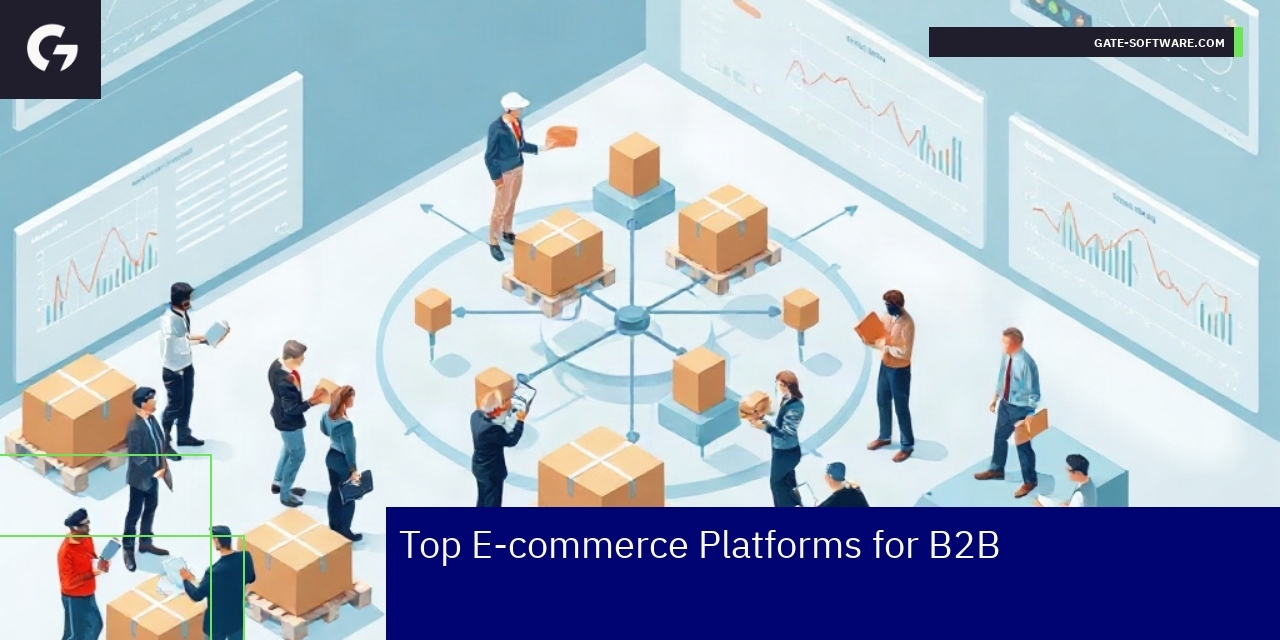
In the B2B e-commerce landscape, selecting a platform that effectively supports customer experience personalization is essential for driving operational efficiency and scaling business performance. Leading solutions offer robust architectures that enable advanced segmentation, tailored pricing, and personalized product recommendations, all critical for meeting complex B2B buyer expectations.
Popular B2B platforms typically feature modular designs allowing seamless integration with ERP and CRM systems, thereby streamlining data flows and enhancing real-time personalization capabilities. Scalability remains a core requirement, with platforms supporting multiple storefronts, diverse pricing models, and complex catalog management to accommodate various buyer personas and workflows.
Key technical considerations include API-first architectures, headless commerce capabilities, and flexible data models facilitating deep customer insights and bespoke user experiences. Platforms emphasizing AI-driven analytics enable dynamic personalization—adjusting content, offers, and communication based on buyer behavior and historical data—to increase conversion rates and customer loyalty.
Operationally, the platforms must support efficient onboarding processes, user role management, and secure transactional workflows tailored to B2B procurement cycles. Delivering consistent omnichannel experiences, from web to mobile interfaces, further enhances buyer engagement and retention.
Overall, successful B2B e-commerce platforms combine advanced technology stacks with business-centric personalization features that address distinct buyer needs, enabling companies to optimize revenue streams while maintaining scalable, performant systems.
Leading Platform Features
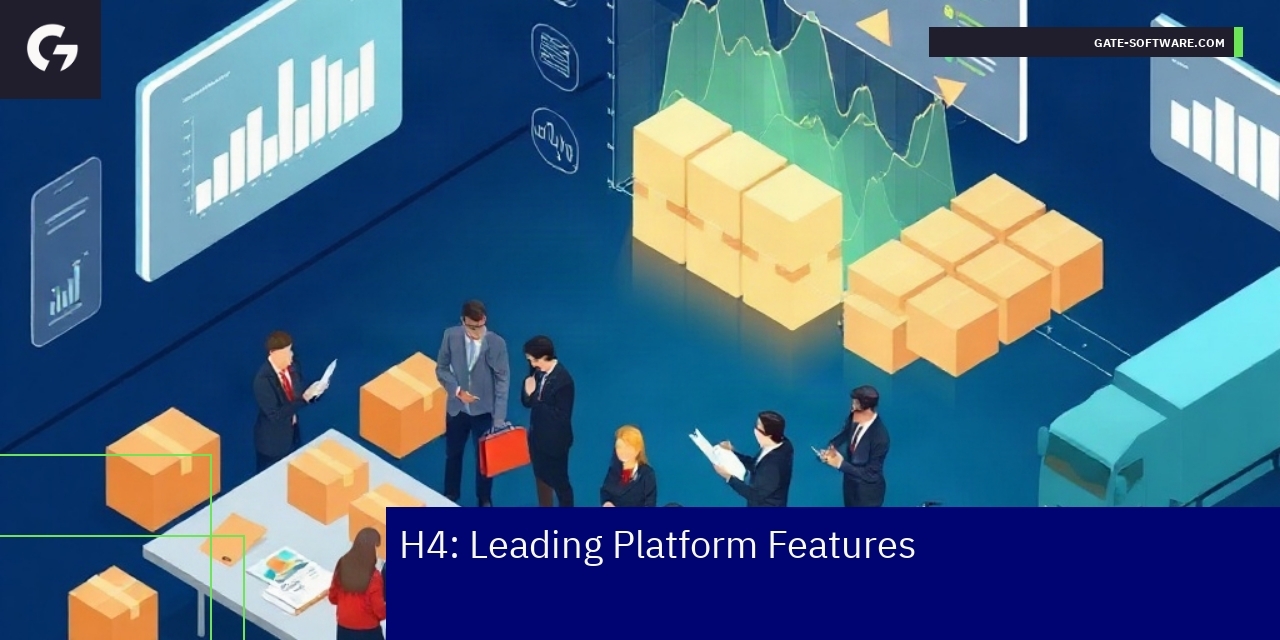
B2B ecommerce platforms offer a comprehensive suite of features designed to address the complexities of business transactions and enhance operational efficiency. Core functionalities include bulk ordering capabilities that streamline large-quantity purchases with volume-based pricing models. Platforms support sophisticated user roles and permissions management, enabling multiple users within a business to operate under differentiated access controls, thereby ensuring security and process governance.
Custom pricing frameworks allow businesses to manage individualized pricing models reflecting negotiated agreements or purchasing history, which is critical for maintaining strategic partnerships. Quote management workflows facilitate the negotiation process by allowing customers to request and receive tailored quotes for bulk orders. Additionally, robust account management tools track order histories, invoices, and preferences to centralize critical business data.
Integration with enterprise systems such as ERP, CRM, and inventory management solutions creates a seamless technology ecosystem, improving data consistency and operational scalability. Flexible payment options accommodate traditional purchase orders, credit terms, and standard payment gateways, matching the varied financial workflows of B2B clients. Inventory management features ensure real-time visibility and control over stock levels, preventing supply chain disruptions.
Personalization in these platforms is executed through account-specific customization, enabling tailored shopping experiences that recognize the unique requirements and behaviors of individual business clients. Advanced product recommendation engines apply analytics to past purchases and browsing patterns to suggest relevant products, optimizing cross-selling and upselling opportunities. Dynamic pricing and promotional offers adjust in real-time based on customer segmentation and buying behavior, enhancing engagement and loyalty. Personalized marketing campaigns leverage customer insights to deliver targeted communications. Finally, customized product catalogs offer clients access to specialized product selections and pricing structures that align with their business needs.
These combined features empower B2B ecommerce businesses to deliver nuanced, scalable, and efficient purchasing experiences tailored to complex buyer demands.
H4: Integration with Other Systems
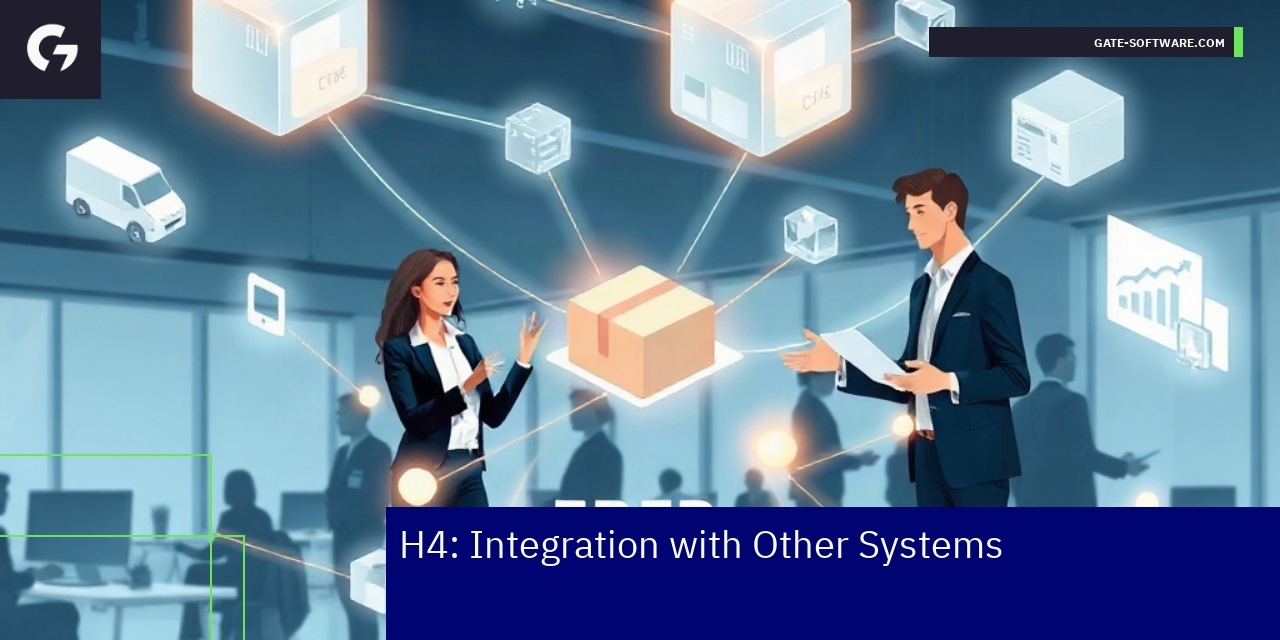
Integrations with other systems in B2B ecommerce ecosystems are highly beneficial, enabling seamless omnichannel experiences and advanced personalization capabilities. By connecting disparate platforms like ERP, CRM, inventory management, and marketing automation tools, businesses can create a unified data flow that supports real-time decision-making and consistent customer journeys across multiple channels. This integration reduces data silos and manual interventions, increasing operational efficiency and scalability.
In omnichannel B2B ecommerce, integrated systems ensure that product information, inventory levels, and customer data remain synchronized whether interacting through web portals, mobile apps, sales teams, or marketplaces. This consistency strengthens the buyer experience and supports personalized offerings tailored to unique business buyer profiles and purchase histories.
Personalization fueled by system integrations allows dynamic content delivery, targeted promotions, and customized product recommendations based on comprehensive customer insights aggregated across all touchpoints. Such capabilities improve engagement, customer retention, and ultimately drive revenue growth by meeting complex B2B requirements with precision.
From a technical perspective, designing robust APIs and middleware to facilitate these integrations is critical to maintaining performance and scalability. Modern B2B ecommerce platforms rely on microservices architectures and cloud-native integrations to adapt quickly to evolving business needs while ensuring secure and reliable data exchanges.

Magento Personalization in B2B eCommerce
Magento personalization offers B2B businesses a suite of tools to tailor the online shopping experience to the specific needs and behaviors of business buyers. By leveraging data-driven insights and segmentation, businesses can deliver customized product recommendations, dynamic pricing, and personalized marketing messages that resonate with individual client profiles. These capabilities empower businesses to create more efficient and engaging buyer journeys, reducing friction and enhancing customer satisfaction.
Key Features of Magento Personalization
Magento’s personalization features include behavior-based product recommendations, targeted promotions, customer segmentation, and customizable content blocks. These tools integrate seamlessly with the Magento platform, allowing for real-time personalization based on browsing history, previous purchases, and customer attributes. Advanced features such as AI-driven analytics further enhance the granularity and effectiveness of personalization strategies.
Successful Implementations
Magento personalization has been successfully implemented in various B2B contexts to enhance shopping experiences through targeted and relevant customer interactions. Effective personalization use cases highlight how Magento’s capabilities can tailor product recommendations, pricing, and content based on buyer behavior and segment data. For instance, personalized product catalogs enable businesses to show only relevant items to different client profiles, reducing search friction and accelerating purchase decisions.
Another impactful implementation involves dynamic pricing and discounting strategies, where Magento personalization adjusts offers based on customer loyalty, purchase history, or negotiated agreements, thereby increasing conversion rates and average order value. Additionally, customized marketing content, such as tailored banners and personalized email campaigns integrated into the shopping interface, supports deeper engagement and repeat purchase behavior.
From a technical perspective, these use cases often rely on Magento’s flexible data architecture, supporting real-time data processing and scalable deployment to manage large client bases with complex requirements. By integrating customer analytics and AI-driven personalization engines, Magento can deliver seamless, contextual shopping journeys that meet business buyers’ expectations for efficiency and relevance.
Overall, these case studies demonstrate Magento personalization’s ability to transform B2B eCommerce by driving operational efficiency, improving user experience, and ultimately boosting revenue growth through intelligent, user-centric design.
The Role of PIM Systems in Personalization
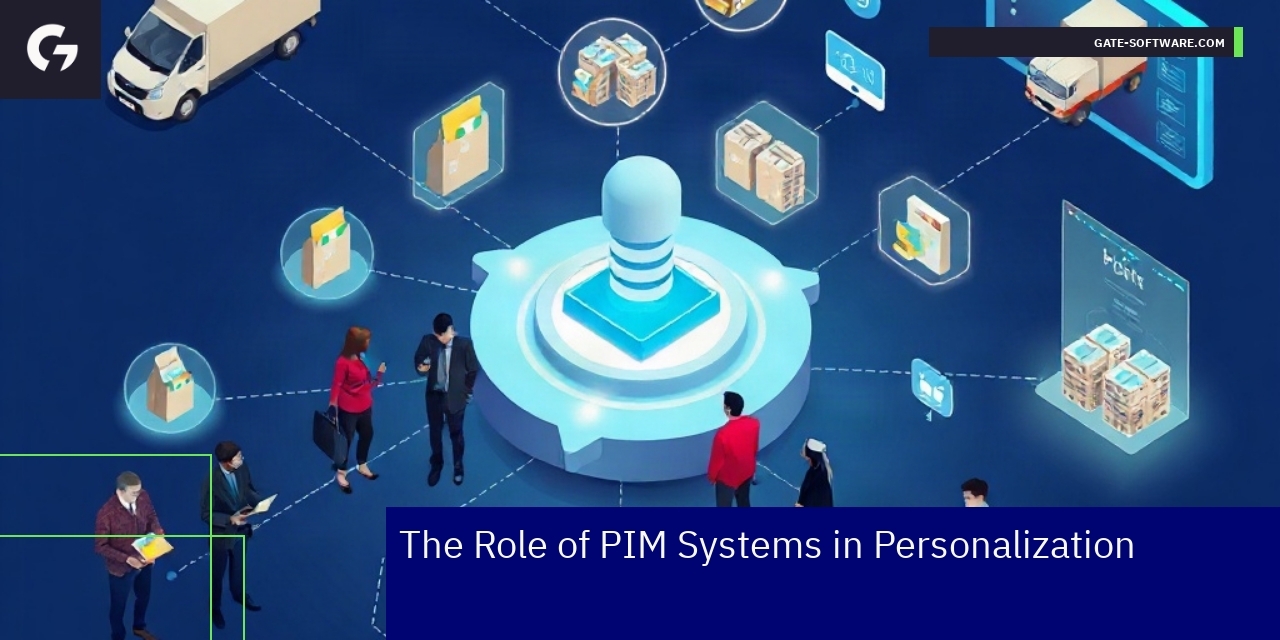
Product Information Management (PIM) systems play a critical role in enabling personalized client experiences in B2B environments. These systems serve as centralized repositories for all product-related data, ensuring that accurate, consistent, and up-to-date information is readily available across all customer touchpoints. This foundational capability empowers businesses to tailor interactions and content specifically to the unique needs and preferences of each client.
From a technical perspective, PIM systems enhance personalization by integrating with customer relationship management (CRM) and marketing automation platforms. This integration allows for dynamic adaptation of product information based on client segments, purchase history, and behavioral data, facilitating highly relevant recommendations and customized product offerings. Moreover, PIM systems improve operational efficiency by automating data updates and reducing inconsistencies, which are common barriers to effective personalization at scale.
Scalability is another significant advantage; as businesses expand their product catalogs and customer bases, PIM systems ensure that the personalization infrastructure can handle increased complexity without compromising performance. By maintaining a single source of truth for product data, companies also streamline workflows across product management, sales, and marketing teams, enabling faster time-to-market for personalized campaigns.
In summary, PIM systems underpin effective personalization strategies by providing reliable, integrated, and scalable product data management that meets the sophisticated demands of B2B clients, ultimately driving better engagement and business outcomes.
What is a PIM System?
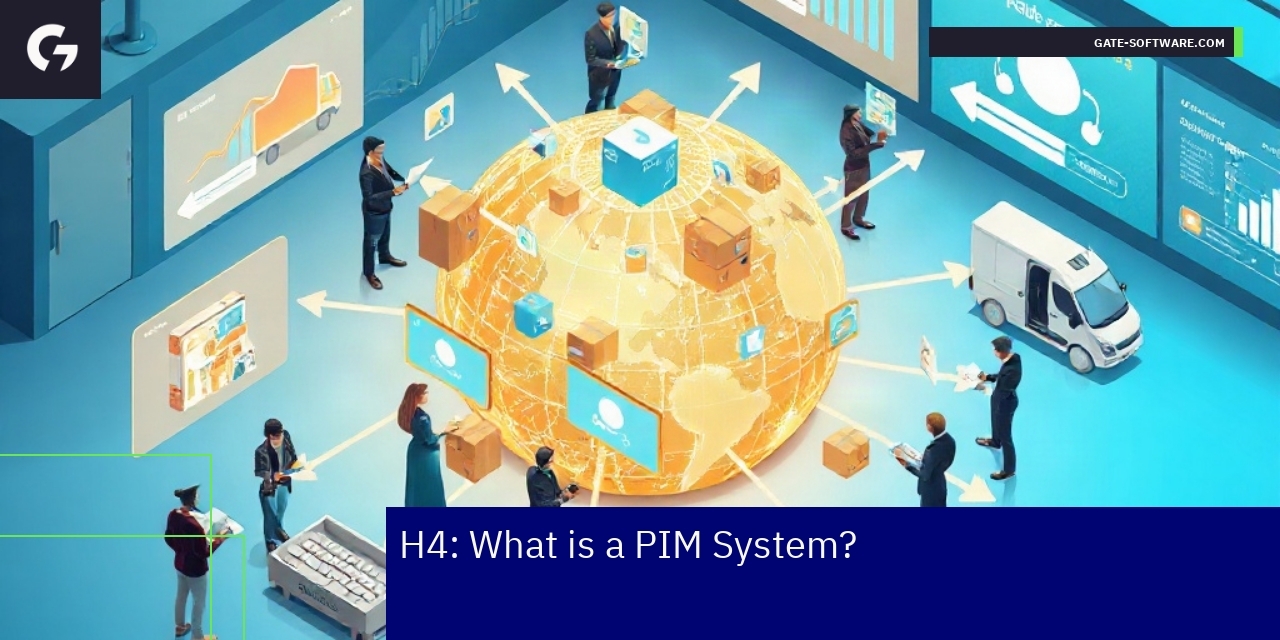
A Product Information Management (PIM) system is a centralized software platform designed to collect, manage, and distribute all product-related data across various channels. In B2B ecommerce personalization contexts, a PIM system serves as the single source of truth for product information, ensuring accuracy, consistency, and completeness in product data.
Core functions of a PIM system include:
1. Data Centralization: It consolidates product specifications, pricing, descriptions, and digital assets like images and videos in one unified repository, eliminating data silos.
2. Data Enrichment: PIM enhances basic product information with detailed attributes and rich media, which improves product discoverability and supports informed purchasing decisions by B2B clients.
3. Consistency Across Channels: The system ensures uniform product information presentation across multiple platforms—including ecommerce sites, marketplaces, and partner portals—critical for reliable B2B transactions.
4. Personalization and Segmentation: PIM enables tailored product content delivery to different customer segments or individual business buyers, aligning with personalization strategies to improve customer experience and drive conversions.
5. Operational Efficiency: By streamlining workflows and enabling cross-departmental collaboration, a PIM reduces errors and accelerates time-to-market for product data updates, essential for scalable B2B operations.
6. Multi-Channel Distribution: It supports the dissemination of customized product content across diverse sales and marketing touchpoints, ensuring B2B buyers receive relevant and consistent information regardless of where they interact with the brand.
In summary, a PIM system is foundational in B2B ecommerce personalization, enhancing data quality and operational scalability while enabling precise, relevant product communication across channels.
H4: How PIM Supports Personalization
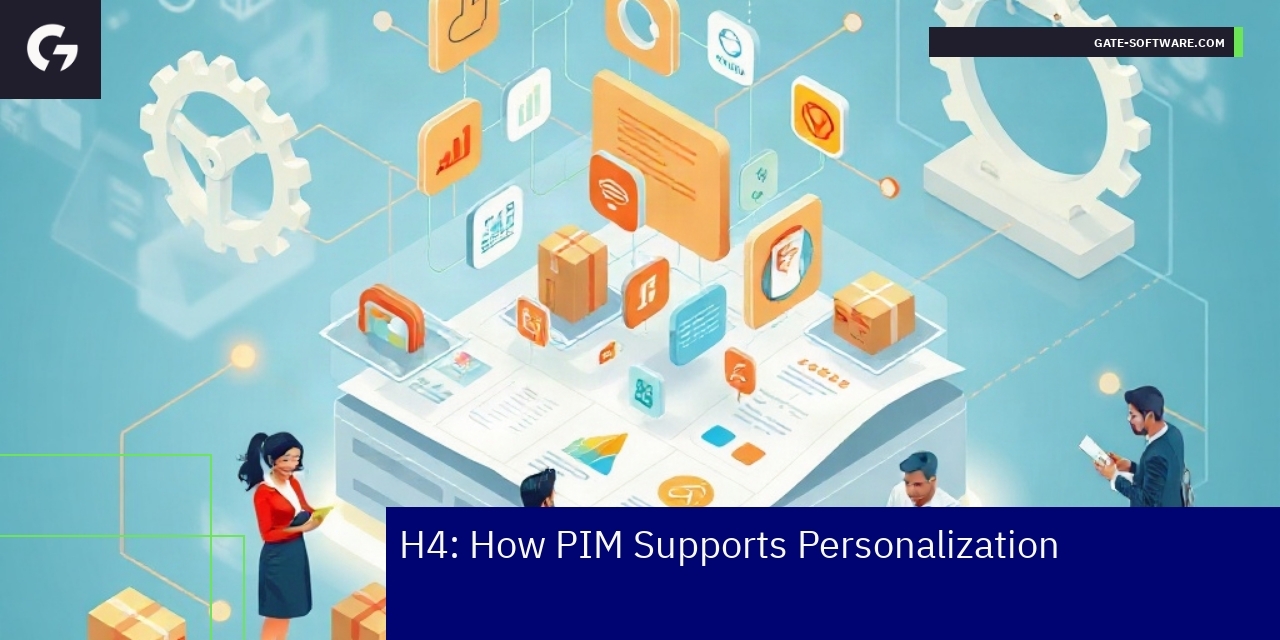
In B2B ecommerce, effective personalization fundamentally depends on accurate and comprehensive product data. Product Information Management (PIM) systems play a critical role in enabling this personalization by centralizing, organizing, and enriching product data to support tailored offers that meet the specific needs of business customers.
PIM systems consolidate product attributes, descriptions, pricing, and availability from multiple sources into a single, consistent repository. This unified data enables segmentation and targeting based on detailed product features relevant to diverse buyer personas and industries. By maintaining high-quality, up-to-date product information, PIM ensures that personalized content, recommendations, and pricing are accurate and relevant.
Moreover, PIM supports dynamic customization by facilitating flexible catalog management and integration with ecommerce platforms, CRM systems, and marketing automation tools. This integration allows businesses to deliver personalized product assortments, promotions, and pricing rules at scale, responding to the unique requirements of different B2B clients. The operational efficiency gained from streamlined product data management also enhances scalability and performance in delivering personalized experiences.
Ultimately, understanding B2B ecommerce personalization hinges on product data — see how PIM enables tailored offers by providing trustworthy, rich product information that drives intelligent segmentation, contextual relevance, and optimized buyer journeys.
H4: Challenges in PIM Implementation
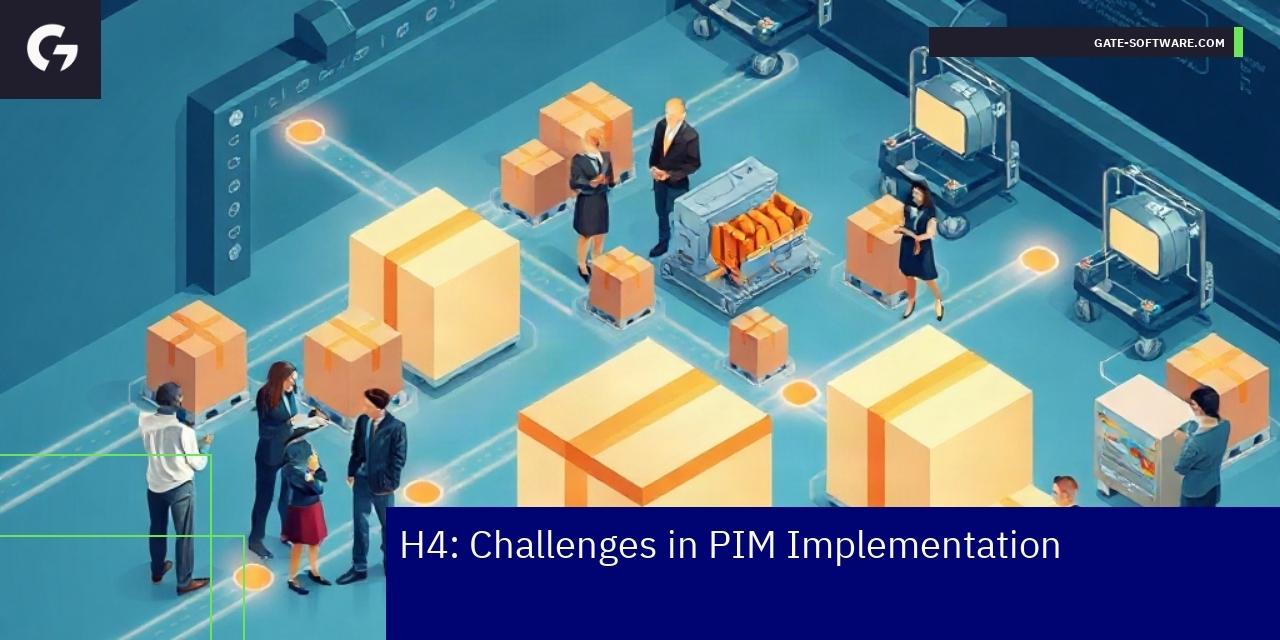
Implementing a Product Information Management (PIM) system within a B2B context presents distinct challenges that require strategic consideration. One common hurdle is data consistency across multiple sources. Ensuring that product information from diverse suppliers, internal systems, and external partners is accurate and harmonized is complex but essential for operational efficiency and reliable personalization.
Another significant challenge lies in system integration. A PIM must seamlessly integrate with existing enterprise resource planning (ERP), customer relationship management (CRM), and eCommerce platforms to enable real-time data synchronization. Without robust architecture ensuring compatibility and scalability, PIM adoption risks creating silos or bottlenecks in information flow.
Organizational alignment also poses difficulties. Cross-functional teams—from IT to marketing and sales—must coordinate efforts to define data governance policies and workflows that support the PIM’s objectives. Resistance to change and unclear ownership of data can slow the personalization journey.
To overcome these hurdles, enterprises should focus on establishing a centralized data governance framework that enforces standards and quality control. Investing in modular and API-driven PIM systems enhances integration flexibility. In parallel, fostering a collaborative culture that aligns stakeholders around shared data goals ensures smoother adoption. Addressing these challenges thoughtfully enables the PIM to unlock personalization potential, improving customer experiences and driving business growth.

System Integrations: The Key to Success
In the B2B landscape, system integrations are pivotal to delivering a seamless and personalized customer experience. Integrating disparate systems—such as CRM platforms, ERP solutions, marketing automation tools, and customer support software—enables data to flow cohesively across the business ecosystem. This connectivity eliminates data silos, reduces manual processes, and ensures that customer interactions are informed by comprehensive and up-to-date information.
A seamless integration architecture supports real-time data synchronization, allowing businesses to tailor communications and offerings based on accurate insights into customer behaviors and preferences. Personalized experiences arise naturally from integrated data streams, enhancing customer satisfaction, loyalty, and ultimately driving revenue growth.
From a technical standpoint, robust API design and middleware platforms play a crucial role in facilitating integrations, balancing the need for scalability, security, and performance. Such integrations support operational efficiency by automating workflows and minimizing error-prone manual interventions, which is critical in complex B2B environments where precision and reliability are non-negotiable.
Furthermore, system integrations provide the scalability needed to adapt to evolving business requirements, enabling organizations to incorporate new tools and technologies without disrupting established customer journeys. This flexibility positions businesses to respond swiftly to market changes and customer expectations with agility and confidence.
Overall, in the B2B context, investing in comprehensive system integrations is a strategic imperative that drives a coherent, personalized, and efficient customer experience.
Benefits of Integration
—
If available:
—
H4: Integration Methods
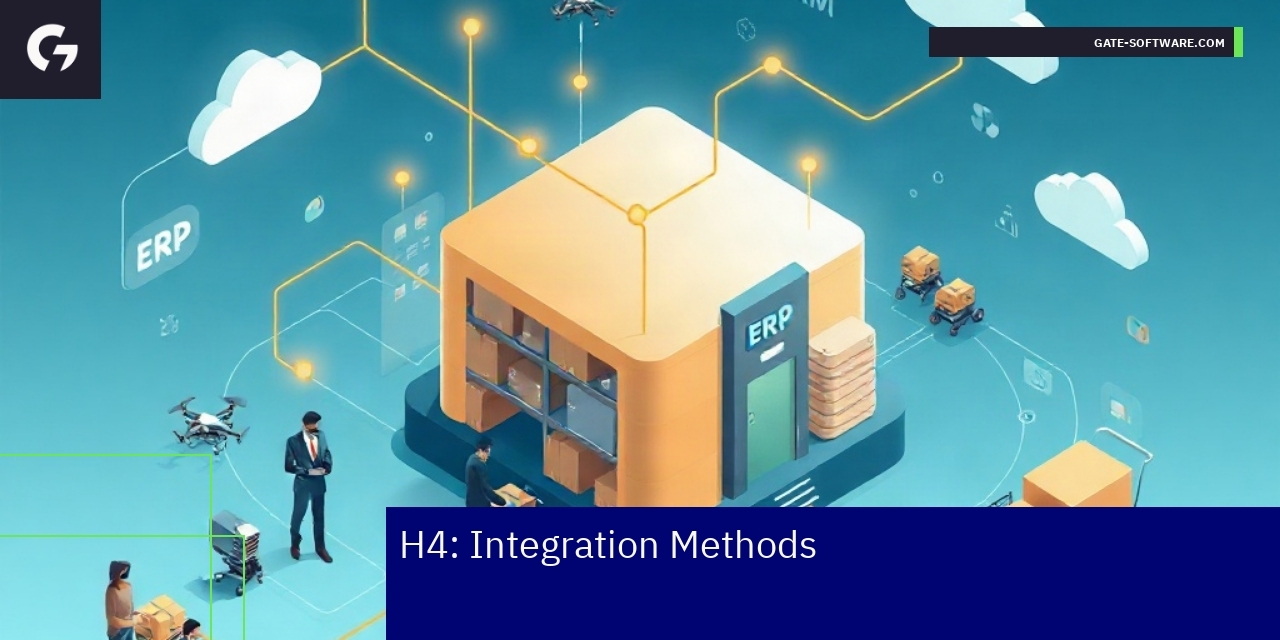
System integration in B2B eCommerce is a critical foundation for enabling personalized experiences and operational efficiency. There are several primary methods to achieve effective integration, each with distinct architectural and functional implications.
One common approach is API-based integration, which allows real-time data exchange between disparate systems such as ERP, CRM, and eCommerce platforms. APIs facilitate tight coupling and synchronization vital for personalized B2B interactions, enabling dynamic pricing, customer-specific catalogs, and tailored promotions. This method supports scalability but requires robust management of API endpoints and security protocols.
Middleware integration utilizes an intermediary layer to connect multiple systems without direct coupling. This method enhances operational flexibility by allowing asynchronous data flow, transformation, and orchestration across systems. It is particularly effective for complex workflows and legacy system integration, ensuring seamless data consistency and reducing latency impacts in personalized processes.
Another method is EDI (Electronic Data Interchange), which remains prevalent in B2B for structured transactional data exchange. While less flexible than APIs, EDI is standardized and reliable for order processing, invoicing, and inventory updates, supporting large-scale B2B networks.
Cloud-based integration platforms (iPaaS) offer scalable, managed solutions that reduce infrastructure overhead while supporting diverse integration patterns. They enable accelerated deployment of personalization capabilities and can dynamically adapt to changing business requirements.
Implementing these methods strategically ensures not only interoperability but also optimizes operational efficiency, scalability, and performance required to master B2B eCommerce personalization. Selecting the right combination depends on technological landscape, business complexity, and the desired level of real-time interaction.

H4: Best Integration Practices
Successful system integrations that enhance personalization impact rely on several core principles. First, ensuring seamless interoperability between systems is crucial. This requires the use of standardized APIs and data formats to enable smooth data exchange and real-time synchronization. Second, data integrity and consistency must be maintained across all integrated platforms to provide accurate and unified customer profiles, which are foundational for effective personalization.
Scalability is another key principle. Integrated systems should be designed to handle increasing data volumes and complexity without compromising performance. This involves adopting modular architectures and leveraging cloud-based services for flexibility and resource optimization.
Security and compliance are essential in integration strategies, especially when handling sensitive customer data. Robust encryption, access controls, and adherence to relevant regulations ensure that personalization efforts do not compromise data privacy or corporate compliance.
Finally, continuous monitoring and analytics should be embedded within the integration. This enables proactive detection of issues, performance insights, and iterative improvements, ensuring that personalization strategies evolve based on real-world feedback and shifting business needs.
By addressing these integration principles—interoperability, data integrity, scalability, security, and monitoring—organizations maximize the impact of personalization in B2B environments, optimizing customer engagement and operational efficiency.
H4: Benefits of Integration
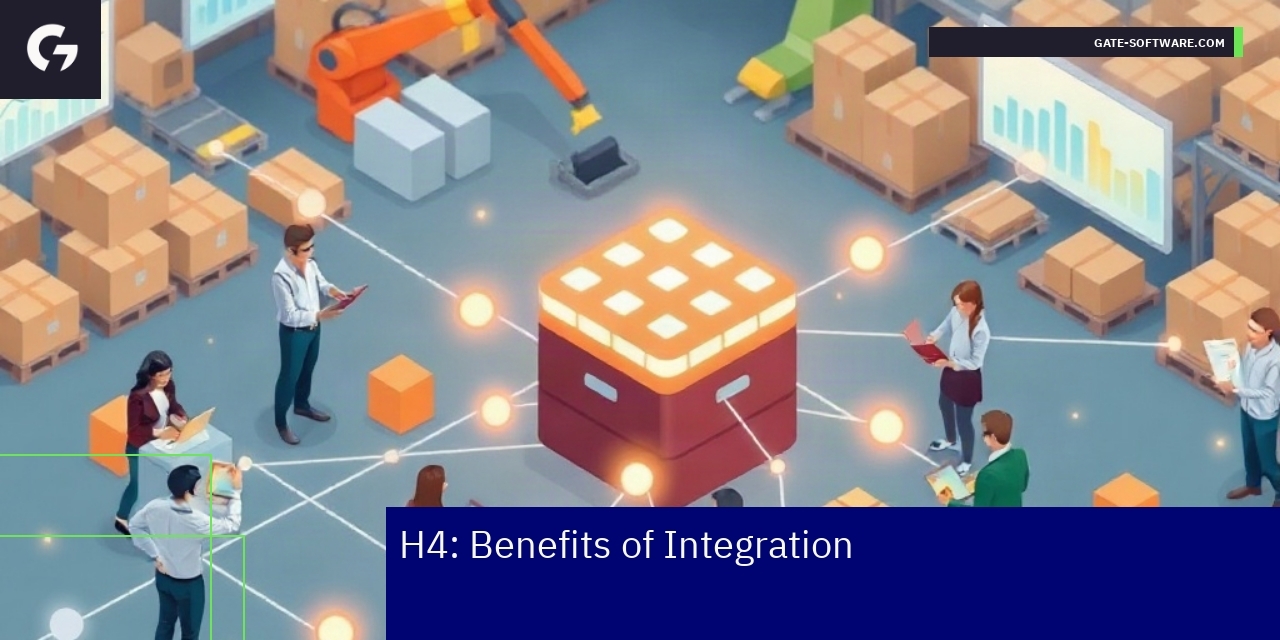
Integration systems in Magento 2 play a crucial role in amplifying personalization and enhancing the overall shopping experience, especially in a B2B context. By connecting disparate systems such as CRM, ERP, inventory management, and customer data platforms, businesses can create a seamless flow of information that drives deeper customer insights and tailored interactions.
A key benefit of integration is the ability to leverage real-time data for dynamic personalization. With integrated systems, Magento 2 can deliver customized product recommendations, pricing, and promotions based on the specific needs and purchasing behavior of each business customer. This level of personalization not only improves the relevance of the shopping experience but also increases customer satisfaction and loyalty.
Operational efficiency is another significant advantage. Integration reduces manual data entry and synchronizes key processes across sales, fulfillment, and customer service channels. This leads to faster order processing, fewer errors, and greater scalability, which are vital for maintaining competitiveness in complex B2B environments.
From a technical architecture perspective, Magento 2’s open APIs and modular structure facilitate seamless integration with various third-party solutions. This flexibility allows businesses to architect high-performance, scalable eCommerce platforms that can evolve with growth and changing market demands.
Overall, integration in Magento 2 empowers businesses to offer personalized, efficient, and scalable shopping experiences that meet the sophisticated expectations of B2B buyers.
Analytics as the Foundation of Personalization
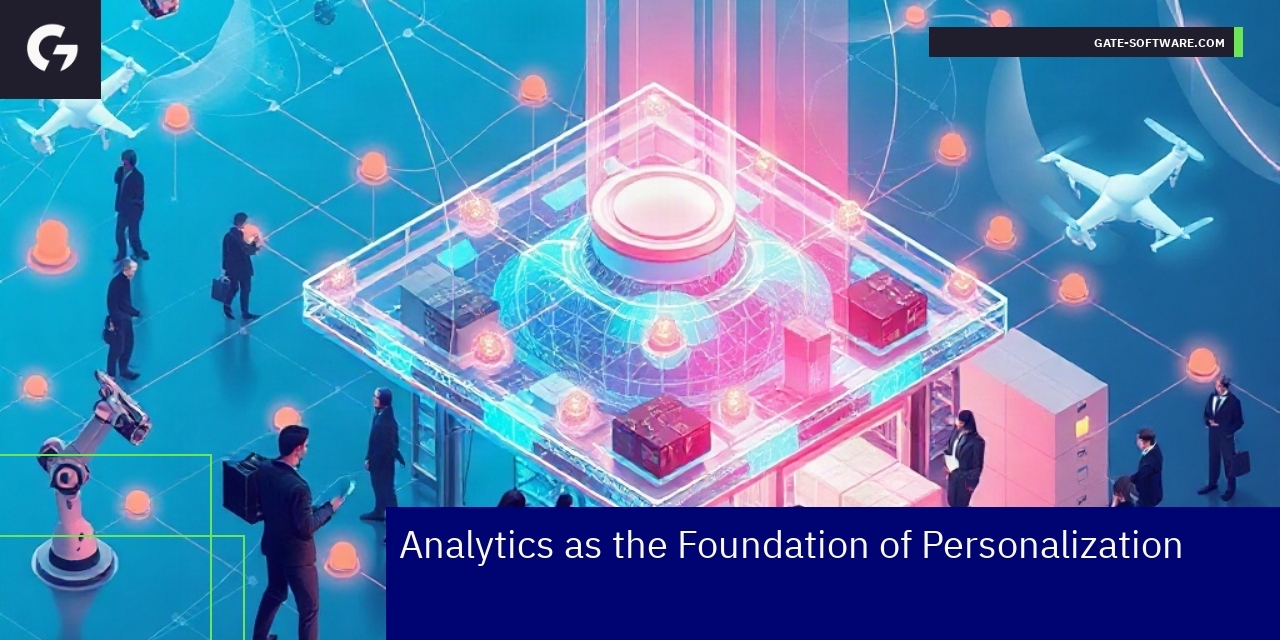
Analytics is essential for delivering effective personalization in B2B client experiences, enabling businesses to tailor interactions at scale with precision and operational efficiency. It begins with collecting and analyzing vast amounts of customer data—ranging from firmographics, behavioral patterns, transactional history, to engagement metrics. This data forms the core input that drives the segmentation and profiling processes, allowing B2B organizations to identify distinct client needs and preferences.
Advanced analytics techniques such as predictive modeling and machine learning enable deeper insights beyond descriptive data. These approaches uncover latent patterns, forecast future client behaviors, and recommend optimal engagement strategies. Utilizing these insights, companies can optimize their digital platforms, messaging, and product offerings dynamically to individual clients or client segments, enhancing relevance and satisfaction.
From a technical architecture standpoint, building a robust analytics infrastructure that supports real-time data processing, integration with CRM systems, and scalability is crucial. This infrastructure must efficiently handle large volumes of structured and unstructured data while ensuring data quality and compliance. Moreover, analytics-driven personalization gains from continuous performance monitoring and iterative refinement based on outcome measurement, feeding back into the system to enhance decision-making accuracy.
In operational terms, analytics enables cross-functional alignment by providing transparent, data-driven client insights accessible to marketing, sales, product, and service teams. This fosters coordinated strategies that respond swiftly to evolving client needs and market dynamics, thereby improving client retention and lifetime value.
Ultimately, analytics serves as the foundation of personalization in the B2B context by transforming complex, multidimensional customer data into actionable intelligence that drives tailored, scalable, and performance-oriented client engagement.
Analytical Tools
—
If available:
—
H4: Analytical Tools
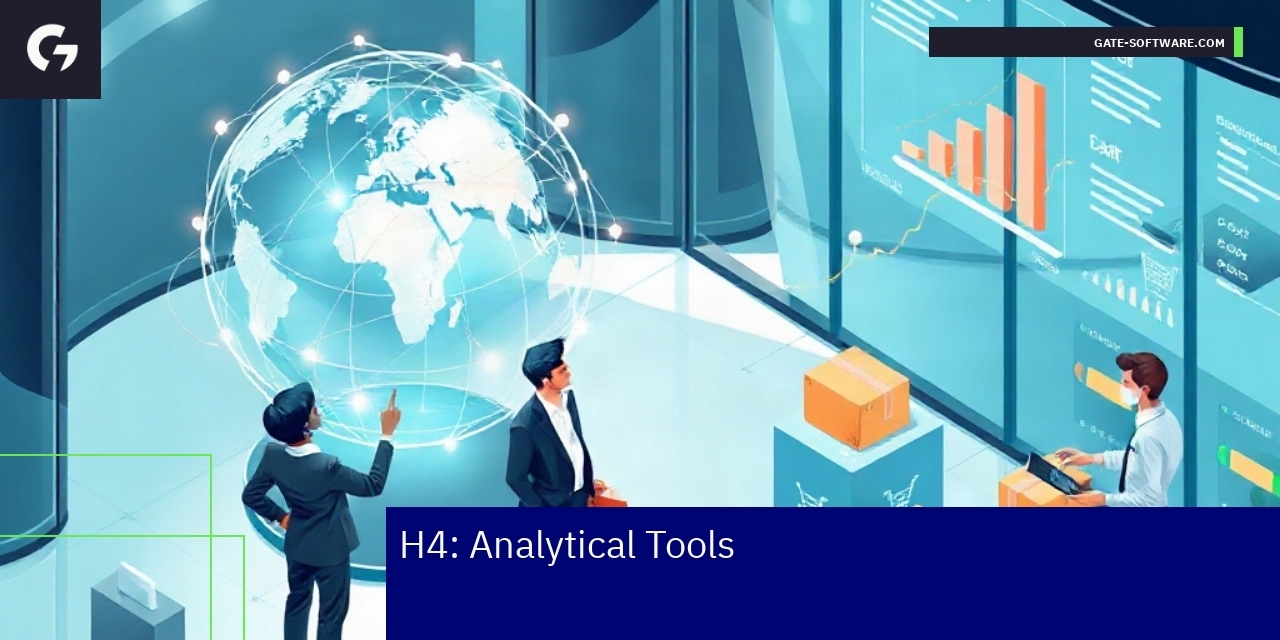
In B2B personalization and data-driven strategies, analytical tools play a critical role in extracting actionable insights from complex data sets. These tools support the segmentation of audiences, behavioral analysis, and real-time decision-making essential for personalized experiences. Key tools often include advanced customer data platforms (CDPs), predictive analytics software, and machine learning models that analyze customer interactions across multiple touchpoints.
Customer data platforms consolidate all customer-related data into unified profiles, facilitating granular segmentation based on firmographics, purchase history, and engagement patterns. Predictive analytics tools forecast future client behaviors by applying statistical algorithms to historical data, which enables proactive personalization strategies tailored to individual business needs.
Machine learning models enhance data-driven strategies by identifying latent patterns and optimizing content delivery and product recommendations. Additionally, integrating business intelligence dashboards allows for comprehensive tracking of personalization KPIs, supporting continuous optimization and scalability.
Together, these analytical tools enable organizations to harness the full potential of their data, improve operational efficiency, and deliver highly relevant, personalized B2B experiences that drive engagement and conversion.
H4: Measuring Marketing Effectiveness
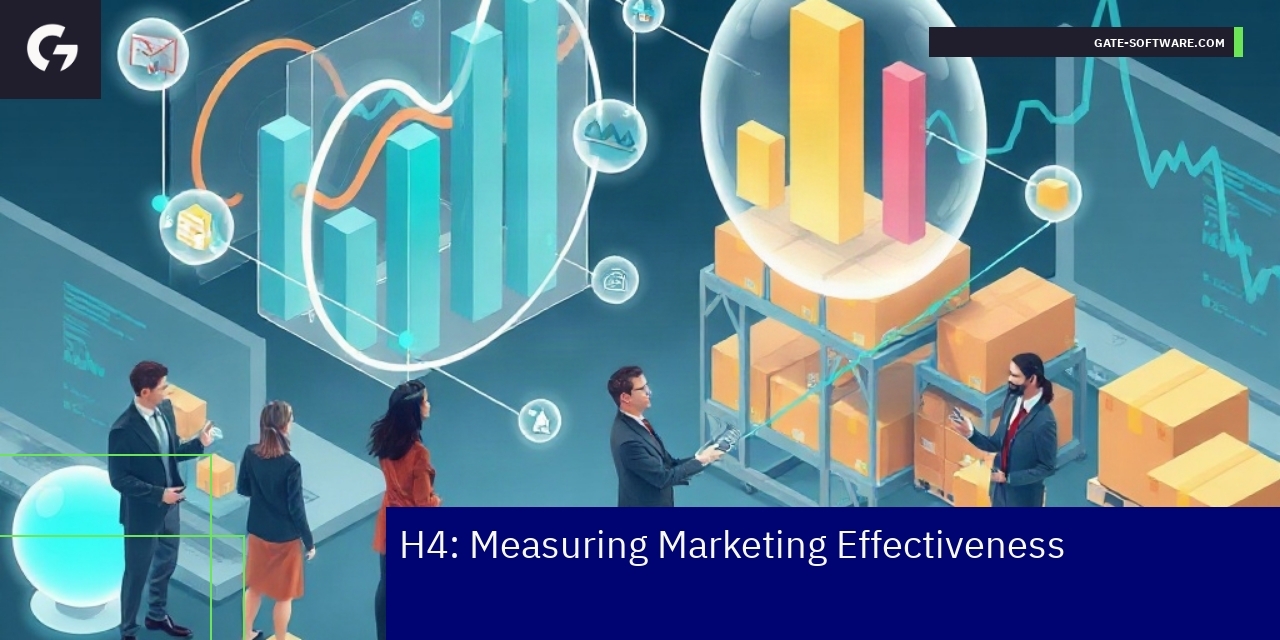
Measuring marketing effectiveness in a B2B context requires a strategic approach focused on data-driven insights and impactful KPIs. To optimize ecommerce strategy through personalization, it’s essential to identify and track metrics that reveal how tailored marketing efforts influence customer engagement, conversion rates, and overall business outcomes. Practical KPIs such as customer lifetime value (CLV), conversion rate by segment, average order value, and personalized content engagement rate provide measurable signals of personalization impact. These metrics help businesses assess not only the immediate returns of marketing campaigns but also the long-term customer relationships fostered through individualization.
In operational terms, integrating marketing analytics with CRM and ecommerce platforms offers scalability and real-time performance tracking, enabling agile adjustments to campaigns. A technical architecture that supports data collection from multiple touchpoints ensures comprehensive visibility into buyer journeys. Additionally, measuring attribution accurately allows for better resource allocation and prioritization of high-impact personalization tactics, thus enhancing operational efficiency.
Ultimately, learning to measure personalization impact with practical KPIs empowers senior stakeholders—such as CTOs, Product Heads, and Digital Directors—to make informed decisions that drive revenue growth and strengthen competitive positioning in the B2B ecommerce landscape.
Personalization and Segmentation in B2B Analytics
Analytics plays a pivotal role in enhancing personalization design and refining customer segmentation in B2B contexts. By leveraging detailed data insights, companies can identify nuanced customer behaviors, preferences, and purchasing patterns. This enables the creation of highly targeted personalization strategies that cater to specific segments, improving engagement and conversion rates.
In B2B analytics case studies, data-driven personalization often incorporates predictive analytics to anticipate client needs and tailor communications accordingly. For instance, segmentation models can classify customers not only by demographic factors but also by transaction history, digital interaction patterns, and product usage data. This multifaceted approach supports more effective product recommendations and customized marketing messages.
Furthermore, advanced analytics tools help uncover latent customer segments that traditional methods might overlook. By analyzing large volumes of behavioral data, businesses can segment their audience based on complex attributes such as buying cycles and service preferences. Such refined segmentation improves the precision of targeting efforts and resource allocation across channels.
These analytics-driven insights contribute directly to operational efficiency by aligning sales and marketing strategies with real customer profiles, ensuring scalability through automated data processes and sustained performance improvements across B2B engagements. Ultimately, B2B companies that integrate robust analytics into their personalization and segmentation efforts achieve better alignment with client expectations and more strategic decision-making.
B2B Analytics Case Studies
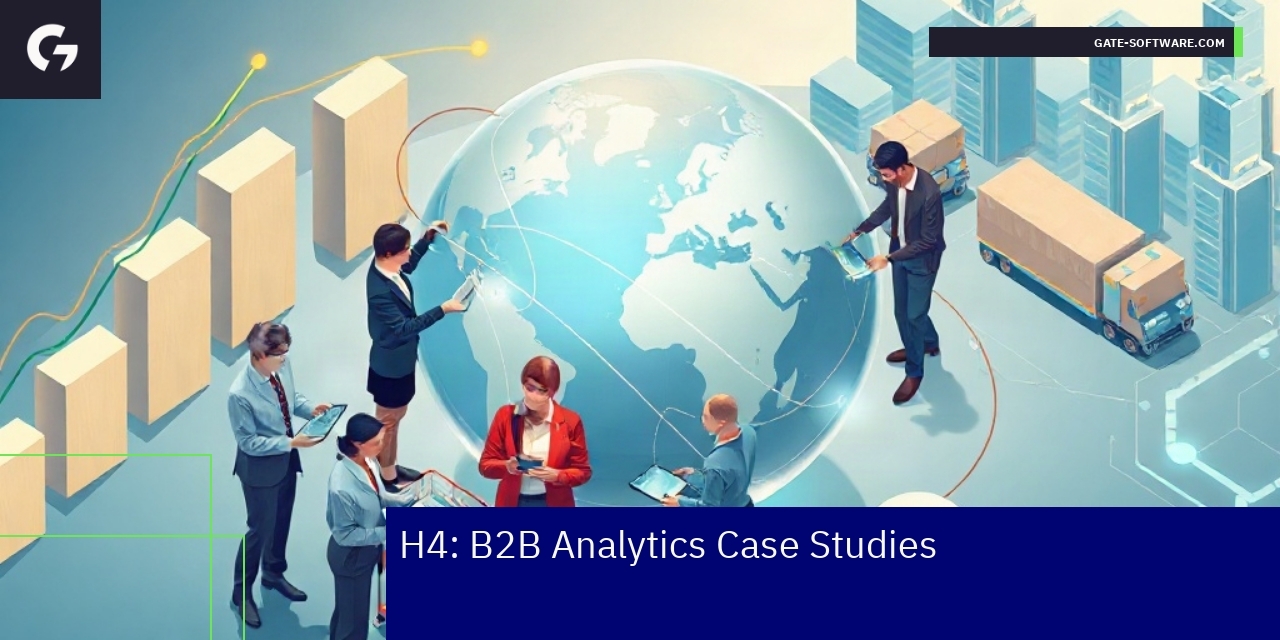
Analytics plays a pivotal role in enhancing personalization design and refining customer segmentation in B2B contexts. By leveraging detailed data insights, companies can identify nuanced customer behaviors, preferences, and purchasing patterns. This enables the creation of highly targeted personalization strategies that cater to specific segments, improving engagement and conversion rates.
In B2B analytics case studies, data-driven personalization often incorporates predictive analytics to anticipate client needs and tailor communications accordingly. For instance, segmentation models can classify customers not only by demographic factors but also by transaction history, digital interaction patterns, and product usage data. This multifaceted approach supports more effective product recommendations and customized marketing messages.
Furthermore, advanced analytics tools help uncover latent customer segments that traditional methods might overlook. By analyzing large volumes of behavioral data, businesses can segment their audience based on complex attributes such as buying cycles and service preferences. Such refined segmentation improves the precision of targeting efforts and resource allocation across channels.
These analytics-driven insights contribute directly to operational efficiency by aligning sales and marketing strategies with real customer profiles, ensuring scalability through automated data processes and sustained performance improvements across B2B engagements. Ultimately, B2B companies that integrate robust analytics into their personalization and segmentation efforts achieve better alignment with client expectations and more strategic decision-making.

Cloud Solutions in E-commerce
Cloud solutions play a critical role in scaling and flexibilizing the personalization of B2B customer experiences in e-commerce. By leveraging cloud technologies, businesses can handle large volumes of customer data and interactions efficiently, enabling tailored experiences that adapt dynamically to individual client needs. The scalability of cloud infrastructure supports fluctuating demand, ensuring performance consistency during peak usage or growth phases, which is essential for B2B platforms dealing with complex purchasing processes and varied buyer personas.
Moreover, cloud platforms facilitate integration with advanced analytics, AI, and machine learning tools that analyze customer behavior in real-time. This allows businesses to deploy hyper-personalized marketing, product recommendations, and customer service solutions that enhance engagement and loyalty. Cloud-native architectures also promote agility by enabling rapid development cycles and iterative feature improvements, aligning with evolving B2B customer expectations.
Operationally, cloud solutions reduce the burden on internal IT resources through managed services and automation, allowing companies to focus on strategic initiatives rather than infrastructure management. Security and compliance capabilities embedded within cloud services help protect sensitive B2B data while maintaining regulatory standards.
In summary, cloud computing underpins effective personalization strategies in B2B e-commerce by offering scalable, flexible, and integrated platforms that drive superior customer experiences while optimizing technical and operational efficiencies.

Cloud and Personalization in Magento
Benefits of Using Cloud for Magento Personalization
Cloud-based tools significantly enhance the implementation of top Magento personalization strategies by providing scalable, flexible, and integrated environments critical for modern eCommerce demands. Leveraging cloud infrastructure allows businesses to manage vast amounts of customer data efficiently, enabling real-time analysis and dynamic content delivery tailored to individual user behaviors and preferences. This capability is vital in B2B contexts where personalized user experiences must align with complex purchasing processes and diverse buyer personas.
The cloud supports seamless integration with other essential services such as CRM systems, analytics platforms, and AI-driven recommendation engines, fostering a data-driven personalization ecosystem. Additionally, cloud platforms offer robust computational power and storage with elasticity, ensuring Magento systems can handle traffic spikes and large-scale personalization computations without performance degradation. This operational efficiency reduces latency, thus improving customer engagement and satisfaction.
Security and compliance features embedded in cloud solutions further safeguard sensitive B2B transactional data while maintaining regulatory standards. Moreover, cloud-based tools facilitate continuous updates and innovations in personalization algorithms without significant downtime or resource constraints, ensuring Magento implementations remain at the forefront of personalization capabilities. In summary, adopting cloud technologies empowers businesses to deliver sophisticated, scalable Magento personalization strategies that directly contribute to stronger customer relationships and improved conversion rates.
How Cloud Helps Personalization
Cloud-based tools significantly enhance the implementation of top Magento personalization strategies by providing scalable, flexible, and integrated environments critical for modern eCommerce demands. Leveraging cloud infrastructure allows businesses to manage vast amounts of customer data efficiently, enabling real-time analysis and dynamic content delivery tailored to individual user behaviors and preferences. This capability is vital in B2B contexts where personalized user experiences must align with complex purchasing processes and diverse buyer personas.
The cloud supports seamless integration with other essential services such as CRM systems, analytics platforms, and AI-driven recommendation engines, fostering a data-driven personalization ecosystem. Additionally, cloud platforms offer robust computational power and storage with elasticity, ensuring Magento systems can handle traffic spikes and large-scale personalization computations without performance degradation. This operational efficiency reduces latency, thus improving customer engagement and satisfaction.
Security and compliance features embedded in cloud solutions further safeguard sensitive B2B transactional data while maintaining regulatory standards. Moreover, cloud-based tools facilitate continuous updates and innovations in personalization algorithms without significant downtime or resource constraints, ensuring Magento implementations remain at the forefront of personalization capabilities. In summary, adopting cloud technologies empowers businesses to deliver sophisticated, scalable Magento personalization strategies that directly contribute to stronger customer relationships and improved conversion rates.

Cloud Implementation Challenges
Implementing cloud solutions in B2B ecommerce poses several common barriers that organizations must strategically address to ensure successful deployment. One significant challenge is the integration of cloud infrastructure with existing enterprise systems. Complex legacy systems prevalent in B2B environments often require meticulous planning to avoid disruption. Ensuring seamless data flow between on-premises platforms and the cloud demands robust middleware and API management.
Security and compliance present another critical hurdle. B2B data usually involves sensitive client and transactional information requiring adherence to stringent industry regulations. Companies must implement comprehensive security frameworks, including encryption, access controls, and continuous monitoring, to mitigate risks while remaining compliant.
Operational efficiency during the transition phase is vital. Cloud migration can temporarily impact business processes if not managed carefully. Organizations benefit from phased rollouts and detailed change management plans to maintain service continuity.
Scalability and performance optimization also require consideration. Cloud architectures should be designed to handle variable workloads typical in ecommerce, leveraging auto-scaling and load balancing. This enhances responsiveness and supports growth without overspending on resources.
Navigating these challenges entails a multidisciplinary approach involving IT leadership, engineering, and business stakeholders, ensuring that cloud deployment aligns with strategic objectives and delivers tangible operational benefits.
H4: The Future of Cloud in B2B
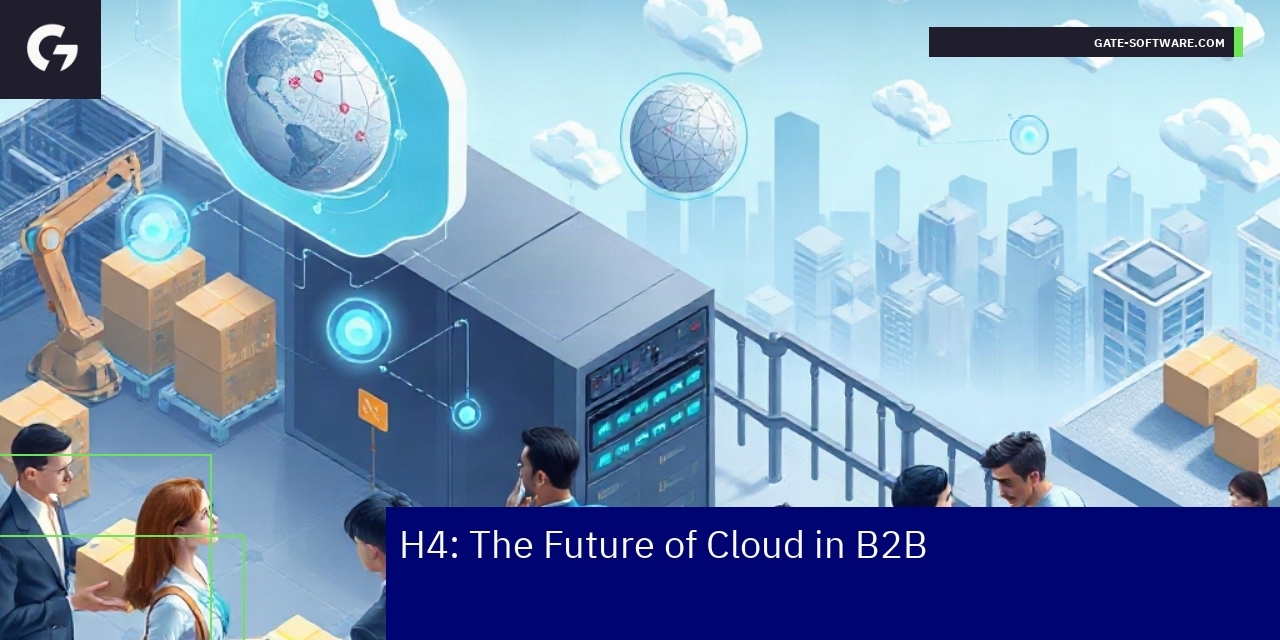
The future of cloud computing in B2B environments is poised to be driven by several key trends and innovations that enhance personalization solutions. As businesses increasingly rely on cloud platforms to manage and analyze vast amounts of customer data, the ability to deliver highly tailored experiences through cloud-based personalization will be a critical differentiator.
One predicted trend is the integration of advanced artificial intelligence and machine learning capabilities within cloud infrastructures. These technologies enable more sophisticated predictive analytics and real-time data processing, allowing B2B companies to anticipate customer needs with greater accuracy and personalize offerings dynamically.
Another innovation shaping this landscape is the adoption of edge computing in conjunction with the cloud. By processing data closer to the source, businesses can reduce latency and improve the responsiveness of personalization engines, which is especially important for applications requiring real-time interaction.
Furthermore, the evolution of multi-cloud and hybrid cloud strategies provides enterprises with enhanced flexibility and resilience. This enables seamless data interoperability across platforms, which is essential for comprehensive customer insights and unified personalization efforts.
Security and compliance measures are also evolving rapidly to protect sensitive B2B data in cloud environments, ensuring that personalization solutions do not compromise data integrity or privacy.
Overall, these trends collectively enhance operational efficiency, scalability, and performance of cloud-based personalization in B2B contexts, enabling companies to forge deeper, more meaningful customer relationships.

Our Experts as Support
Expert involvement is crucial when rolling out B2B customer experience personalization projects because these initiatives are inherently complex and require a deep understanding of both business-to-business dynamics and technical implementation. B2B customer journeys often involve multiple stakeholders and longer decision-making cycles, making personalization a sophisticated task that cannot rely solely on generic solutions.
Experts bring strategic insight into customer data segmentation, enabling businesses to tailor experiences precisely to varied client needs and preferences. They guide the integration of personalization technologies within existing architectures, ensuring seamless data flow, scalability, and performance optimization.
Moreover, specialized knowledge is essential to navigate operational challenges such as aligning sales and marketing efforts, respecting data privacy regulations, and maintaining consistent messaging across channels. Experts help design personalization frameworks that enhance operational efficiency by automating relevant touchpoints while allowing manual overrides where necessary.
From a technical perspective, experts ensure that the personalization solution accommodates the complexity of B2B environments — accounting for hierarchical accounts, multi-user roles, and diverse buying behaviors — while maintaining system scalability and minimizing latency to deliver real-time customized experiences.
In summary, expert support in B2B personalization projects reduces risk, accelerates implementation, and drives measurable outcomes by combining business acumen with technical proficiency to optimize customer engagement strategies.
Benefits of Expert Collaboration
—
If available:
—

H4: Finding the Right Experts
Identifying specialists skilled in personalization and Magento 2 eCommerce requires a strategic approach across several professional avenues. Firstly, freelance platforms such as Upwork, Freelancer, and Toptal host a diverse pool of experts specifically experienced in Magento 2 development and eCommerce personalization strategies. These platforms allow for targeted searches and vetting based on portfolios and client feedback.
LinkedIn is another critical resource, offering advanced search capabilities to identify professionals or agencies with demonstrable Magento 2 expertise. Using precise keywords and industry filters can help target senior-level specialists who understand the architecture and operational nuances needed for scalable eCommerce solutions.
The official Magento Marketplace is a valuable channel, showcasing certified solution partners and developers who have proven competency in Magento 2. Engaging partners listed here can ensure compliance with Magento’s best practices and proven performance benchmarks.
Additionally, professional forums such as the Magento community forums serve as hubs for knowledge exchange and networking. Engaging in these communities or attending specialized Magento or eCommerce conferences can uncover trusted specialists and allow assessment of thought leadership and practical knowledge.
B2B service directories like Clutch.co or GoodFirms provide vetted listings of service providers based on client reviews and project scope, facilitating informed decisions on partnerships.
Finally, leveraging referrals from industry peers who have successfully integrated personalization into Magento 2 stores can guide identification of reliable and technically proficient experts, ensuring alignment with business objectives and operational scalability.

H4: Benefits of Expert Collaboration
Partnering with experts significantly enhances personalization initiatives within B2B environments by injecting specialized knowledge and experience into complex processes. Experts bring a deep understanding of industry-specific customer behaviors, enabling companies to tailor their personalization strategies more precisely. This targeted approach not only improves customer engagement but also drives higher conversion rates, directly impacting return on investment (ROI).
Expert collaboration facilitates access to advanced analytics and insights, ensuring that personalization efforts are data-driven and aligned with evolving market trends. It also accelerates innovation by applying best practices in technology integration, such as AI and machine learning, which optimize content delivery and user experience at scale.
Moreover, working with experts helps organizations overcome operational challenges related to scalability and performance. They guide the development of flexible technical architectures that can adapt to growing data volumes and diverse customer segments without compromising efficiency.
In summary, expert partnerships offer businesses a strategic advantage by combining sophisticated personalization with operational excellence, resulting in enhanced ROI and sustained competitive positioning.

H4: Expert Partnership Examples
In the realm of B2B personalization projects, successful teamwork often hinges on the strategic collaboration between technology providers and enterprise clients. One exemplary case is the partnership between a leading software vendor and a multinational manufacturing firm. Together, they implemented a highly scalable personalization engine integrated into the client’s existing CRM and ERP systems. This integration enabled real-time customer data analysis and adaptive content delivery, significantly improving customer engagement metrics and operational efficiency.
Another compelling example involves a B2B eCommerce platform teaming up with a data analytics company to create personalized product recommendations based on buyer behavior and purchase history. By leveraging AI-driven algorithms within their technical architecture, the partnership addressed the complex needs of enterprise buyers, delivering tailored experiences at scale. This collaboration not only enhanced the customer journey but also optimized backend processes related to inventory and supply chain management.
These case stories showcase how expert partnerships blend deep domain knowledge, technical competence, and strategic vision to solve real-world business challenges in B2B personalization. They highlight essential operational considerations, such as maintaining scalability under high transaction volumes and ensuring seamless integration across diverse enterprise systems, critical for sustained success in digital transformation initiatives.
Consistent Branding in B2B
Consistent branding in B2B is foundational for building trust and establishing credibility within business relationships. It ensures that customers perceive a unified identity across every interaction and touchpoint, reinforcing reliability and professionalism. This consistent brand expression spans visual elements such as logos and color schemes, as well as the messaging tone and communication style deployed across various platforms including websites, social media, sales materials, and customer service.
A well-defined brand identity anchors these efforts by clarifying the mission, vision, and core values that shape all external and internal communications. In turn, unified messaging enhances recognition and alignment, as every piece of content and customer interaction conveys coherent language that resonates with a B2B audience focused on technical accuracy and business value.
Consistency must extend across channels—online and offline—ensuring that whether a client encounters the company via digital platforms, trade shows, or direct contact, the brand experience remains seamless and instantly recognizable. Internally, alignment is pivotal: employees must be engaged and educated about brand principles so that they embody these values in operational execution, affecting how customers experience the brand at every stage.
Importantly, consistent branding serves as the foundation for effective personalization in the B2B customer experience. By establishing a stable brand framework, companies can tailor communications and solutions that feel bespoke without diluting the core identity. This balanced approach drives operational efficiency, scalability, and performance by delivering personalized experiences that are still cohesive and reflective of the brand promise.
In summary, consistent branding in B2B enables companies to cultivate durable client relationships, distinct market positioning, and optimized customer interactions through strategic, unified, and personalized brand management.
H4: Why Consistency Matters
Consistent messaging in B2B environments significantly strengthens brand perception by fostering trust and reliability among business clients. When a company maintains uniformity in its communication, it reinforces key brand attributes and values, making the brand instantly recognizable across various channels and touchpoints. This reliability is crucial in B2B markets where decisions often involve multiple stakeholders and long-term commitments.
Moreover, consistency enhances the impact of personalization efforts. When messaging aligns seamlessly with a client’s expectations and prior interactions, it creates a cohesive and tailored experience that resonates more deeply. Personalization guided by consistent messaging ensures that clients perceive the brand as attentive and responsive, rather than fragmented or disconnected.
From an operational standpoint, maintaining consistency reduces the risk of miscommunication and streamlines content creation workflows, enabling scalability and efficiency. It helps internal teams to stay aligned around a clear brand narrative, which translates into better coordinated marketing, sales, and customer success efforts.
In essence, consistent messaging not only builds stronger brand equity but also amplifies the effectiveness of personalization strategies, delivering measurable improvements in client engagement and conversion in B2B contexts.
H4: Building Consistent Branding
Creating a unified brand identity that supports personalization in B2B requires a strategic approach anchored in defining core brand values that guide all communications and experiences. It begins with articulating a clear mission, vision, and value proposition that resonates across diverse customer segments while providing a stable foundation for personalized outreach.
Central to consistent branding is developing a detailed brand style guide encompassing visual elements such as logos, color schemes, typography, and tone of voice. This guide ensures cohesion across all customer touchpoints, from digital channels to offline interactions, fostering brand recognition and trust. Understanding the target audience deeply through segmentation allows businesses to tailor personalized content that aligns with the unified brand voice without fragmenting the overall identity.
Leveraging advanced personalization technologies such as CRM systems and marketing automation platforms enables the collection and analysis of customer data, facilitating highly relevant, segmented messaging. Tailored content—whether in the form of case studies, whitepapers, or customized communications—must reflect the brand’s consistent identity while addressing specific customer needs and pain points.
Maintaining ongoing feedback loops and training internal teams to embody the brand ensures continuous alignment and refinement of branding strategies. Finally, monitoring key performance indicators tied to brand perception and personalization effectiveness allows businesses to adapt dynamically. These best practices collectively empower B2B organizations to build consistent branding that supports scalable and impactful personalized experiences.
H4: Branding’s Role in Personalization
Branding strategies significantly enhance customer segmentation and personalized outreach in B2B contexts by providing a clear framework to differentiate and target distinct customer groups. A well-defined brand identity serves as a foundation that aligns messaging with the specific values, needs, and pain points of each segment. This alignment allows companies to tailor communications effectively, fostering emotional connections that increase engagement and loyalty.
Personalization is further enabled through consistent brand voice and tone, which can be adapted to resonate authentically with diverse audience segments. Branding guides content marketing efforts, ensuring that materials are relevant and focused on addressing the challenges unique to each group. This targeted approach improves the overall customer experience by setting clear expectations and delivering consistent value across all touchpoints.
Moreover, branding strategies leverage data-driven insights to refine segmentation and outreach, enabling B2B companies to optimize their marketing campaigns for efficiency and impact. By integrating customer behavior analysis into the branding process, organizations can continuously enhance personalization, driving stronger relationships and business growth. In this way, branding is integral to scalable, high-performance marketing operations that meet the complex demands of B2B markets.

How Emotions Influence B2B Purchases
In B2B purchase decisions, emotions play a significant and often underestimated role despite the traditionally rational and data-driven nature of these transactions. Understanding how emotions influence B2B buyers is critical for developing more effective personalized marketing strategies that resonate deeply with decision-makers.
B2B buyers are typically involved in complex decision-making processes that include multiple stakeholders. Although these decisions hinge on logic, ROI, and performance metrics, emotions such as trust, fear of risk, confidence, and the desire for security heavily impact the final choice. Emotional factors can influence how buyers perceive the credibility of a vendor, their confidence in the potential solutions, and their loyalty to the brand. Fear of making costly mistakes or losing competitive advantage can also drive urgency and preference towards vendors that evoke reliability and empathy.
Personalized marketing in B2B leverages these emotional triggers by tailoring content, messaging, and interactions to address the specific pain points, aspirations, and personalities of buyers. Utilizing insights about client challenges and motivations allows marketers to craft narratives that build trust and emotional connection while reinforcing value propositions. For example, addressing operational efficiency concerns directly with data-backed solutions can simultaneously appeal rationally and emotionally by reducing anxiety related to implementation risks.
Furthermore, storytelling and case studies personalized to the target industry or client context help humanize the offering, fostering emotional engagement beyond pure product features. Emotional intelligence in communications, timely responses, and authentic relationship-building efforts also support long-term partnerships by nurturing trust and loyalty.
In summary, incorporating emotional understanding into B2B purchase decision frameworks and personalized marketing enhances relevance, accelerates buyer confidence, and ultimately drives more consistent business outcomes. Recognizing the interplay of emotions and reason equips organizations to better anticipate buyer behavior and shape strategies that connect on both analytical and emotional levels.

H4: Emotional Sales Approach
Emotions significantly influence buying decisions in the B2B sector, despite the traditionally analytical nature of business purchases. Individuals involved in B2B procurement are not immune to emotional triggers such as trust, fear, satisfaction, and excitement, which shape their perception and choice of products or services. Trust-building is paramount; buyers prefer vendors who demonstrate an understanding of their unique challenges and needs, which personalization can effectively achieve by tailoring communications and solutions.
Perceived value is another key emotional factor: when a product or service aligns emotionally by promising to solve critical problems or enhance professional status, it gains higher perceived worth. Personalization highlights these benefits in a context sensitive to the buyer’s emotional drivers. Additionally, emotions like fear of missing out (FOMO) can drive urgency in decision-making. Personalized marketing that emphasizes exclusivity or limited-time offers can leverage this to accelerate purchase decisions.
Beyond acquisition, positive emotional experiences foster loyalty and repeat business. Personalized interactions that reflect past behaviors and preferences enrich the buyer’s journey, creating satisfaction that sustains long-term relationships. Ultimately, emotional considerations influence choices that may override purely rational comparisons. Personalization must address these emotional triggers, employing segmented strategies and empathetic messaging that resonate deeply, enhancing operational efficiency and decision effectiveness in B2B sales contexts.
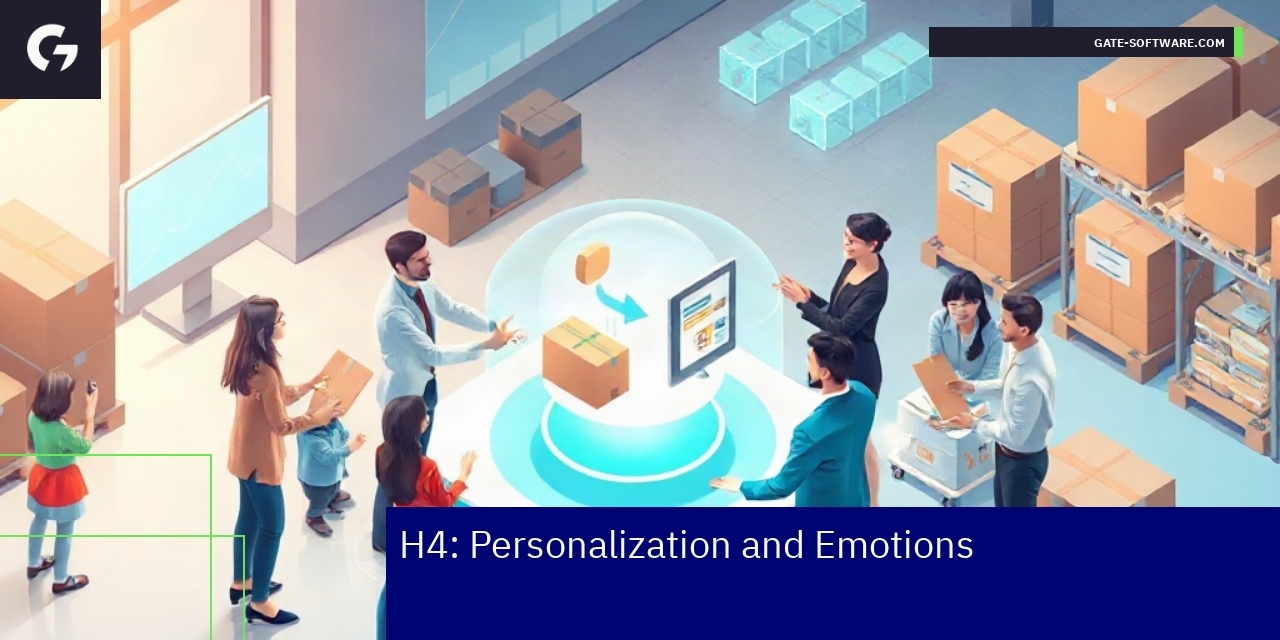
H4: Personalization and Emotions
In B2B contexts, personalization plays a crucial role in forging deeper emotional connections between businesses and their clients. Customized experiences cater specifically to the unique needs, challenges, and goals of each business client, demonstrating a profound understanding of their operational realities. This attentiveness fosters trust and loyalty, as clients feel valued beyond transactional interactions. Emotionally, personalized approaches can reduce friction in decision-making processes, alleviate concerns about scalability and performance, and enhance overall satisfaction by aligning solutions closely with technical architecture and business objectives.
Moreover, personalization in B2B settings often involves leveraging data analytics to tailor communications, product recommendations, and support services, thereby increasing relevance and impact. This heightened engagement addresses real-world business problems more effectively, contributing to stronger relational bonds and smoother operational workflows. As emotions drive trust and commitment in high-stakes B2B transactions, customized experiences become strategic levers to improve not only client retention but also collaborative innovation and long-term partnership scalability. In essence, personalization transforms impersonal business dealings into meaningful, trust-based relationships grounded in mutual understanding and performance efficiency.

H4: Emotion-Focused Case Studies
In B2B personalization, several companies have demonstrated the effective use of emotions to deepen client relationships and enhance engagement. By integrating emotional intelligence into their personalized marketing and sales strategies, these companies have addressed real-world business challenges such as complex decision-making processes and long sales cycles typical in B2B environments.
One notable approach involves leveraging emotional data to tailor communications that resonate with clients’ values and pain points, thereby building trust and loyalty. For example, companies have used sentiment analysis from client interactions to create personalized content that acknowledges specific industry pressures and goals, increasing operational efficiency in customer engagement.
Additionally, emotional cues have been embedded in technical architectures through adaptive user interfaces that respond to client sentiment, enhancing scalability by dynamically adjusting messaging across platforms. This approach ensures that every touchpoint delivers a performance-optimized experience aligned with the client’s emotional state and needs.
By focusing on emotional personalization, these companies improve their product offerings and service delivery, advancing strategic objectives such as long-term partnership development and better alignment with customer business contexts. This synthesis of emotional data with B2B personalization exemplifies how understanding and addressing emotional drivers can transform complex B2B relationships into scalable and high-impact engagements.

Effective Content Marketing Strategy
Crafting a content marketing strategy that supports B2B customer personalization requires a structured approach grounded in deep understanding of your audience and leveraging data-driven insights. Start by thoroughly researching your target B2B customers to uncover their specific needs, pain points, and decision-making processes. Develop detailed buyer personas that reflect these insights to serve as foundational guides for your content creation efforts.
Segmentation is key to effective personalization. Divide your audience into meaningful groups based on industry, company size, role, challenges, and buying stage. Tailor your content to address the particular interests and obstacles of each segment. This can include thought leadership articles, case studies, whitepapers, and videos that showcase solutions relevant to each group’s context.
Data analytics plays a central role in refining personalization. By tracking content engagement metrics and user behavior across digital touchpoints, you can understand what resonates best with each segment and individual. Implement marketing automation and CRM integration to deliver personalized content and messaging dynamically, adapting to user actions and preferences in real time.
A robust B2B content marketing strategy also employs a multi-channel distribution framework, ensuring that personalized content reaches prospects through preferred communications channels like email, LinkedIn, industry forums, and company websites. Continuous engagement should be encouraged through interactive formats, feedback loops, and personalized follow-ups to build deeper relationships.
Finally, align your content strategy closely with sales objectives to provide the sales team with tailored assets that support specific conversations and buyer journeys. Regularly monitor performance metrics to optimize content effectiveness, scalability, and operational efficiency, thereby supporting sustained, scalable B2B customer personalization.
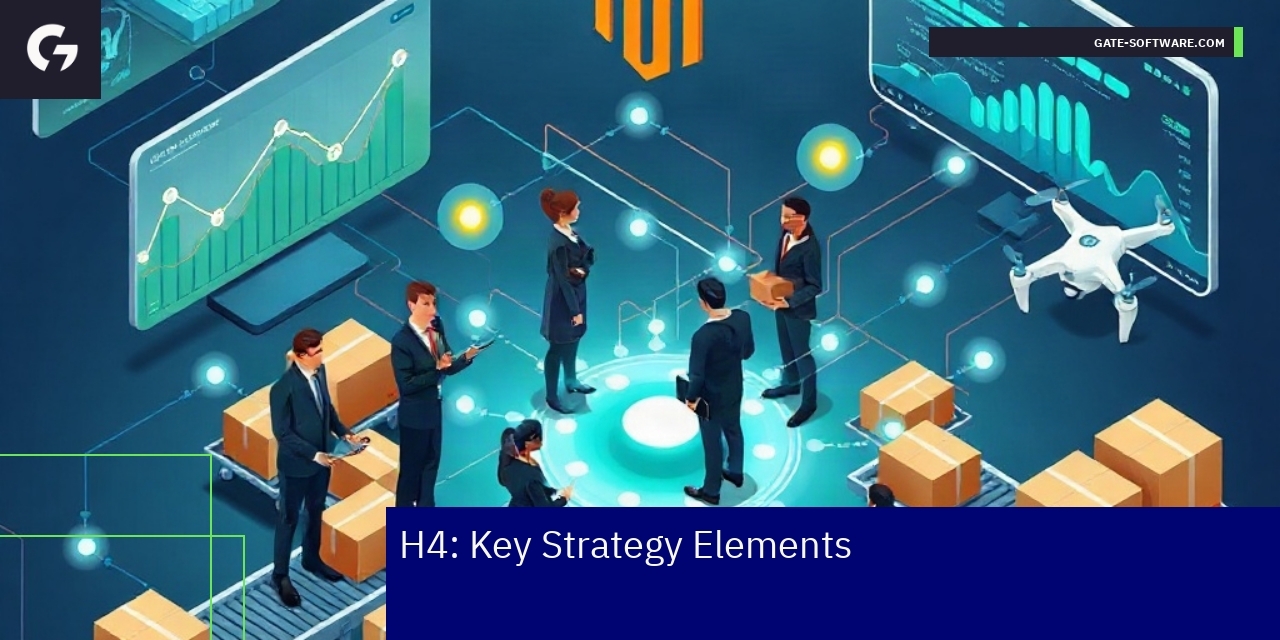
Key Strategy Elements
Content marketing aligned with Magento personalization strategies requires a well-defined framework that ensures relevance, engagement, and conversion efficiency in B2B environments. Central components include the integration of dynamic content customization with user behavior analytics. By leveraging Magento’s robust personalization capabilities, businesses can tailor content delivery to specific customer segments, enhancing the buyer’s journey and improving lead nurturing processes.
Effective segmentation is foundational, enabling marketers to address the diverse needs of B2B clients based on industry, company size, role, and buyer intent. Sophisticated data collection and real-time analysis empower this segmentation, supported by Magento’s flexible data architecture that accommodates complex B2B datasets.
Moreover, content development must prioritize technical accuracy and depth to resonate with senior decision-makers. Incorporating thought leadership and case studies into personalized content fortifies credibility while addressing specific technical challenges and operational goals relevant to CTOs, Heads of Product, and Digital Directors.
Finally, scalability and performance considerations are essential. The content strategy must integrate seamlessly with Magento’s scalable infrastructure to maintain responsiveness across multiple touchpoints and geographies, ensuring consistent delivery of personalized experiences that drive engagement and operational efficiency. This alignment maximizes the strategic use of Magento personalization to support sustainable business growth in B2B markets.

H4: Measuring Content Success
Evaluating the effectiveness of content marketing in personalization efforts requires a data-driven and multi-dimensional approach, particularly in the B2B sector where decision-making is complex and stakeholder engagement is critical. Key metrics to consider include engagement rates, conversion rates, and customer retention figures tied to personalized content initiatives. Engagement metrics such as click-through rates, time spent on personalized pages, and interaction depth help quantify how well content resonates with target audiences. Conversion metrics focus on lead generation quality, sales pipeline acceleration, and account-based marketing outcomes attributable to tailored content experiences.
Another critical angle is operational efficiency—assessing how personalization efforts impact content production workflows and scalability. Measuring the velocity of content deployment against the accuracy of audience segmentation provides insights into process improvements and resource allocation. It is also vital to analyze data on personalization algorithm performance to understand if content relevance models adapt effectively to evolving user needs.
Content success measurement should incorporate feedback loops involving sales and customer success teams to link content interaction with downstream business results. Integrating CRM and analytics platforms enables a comprehensive view of how personalized content drives strategic B2B objectives such as client acquisition and retention, operational cost reduction, and market differentiation. By anchoring evaluation within these multifaceted metrics, organizations can optimize their content personalization strategies for sustained competitive advantage.
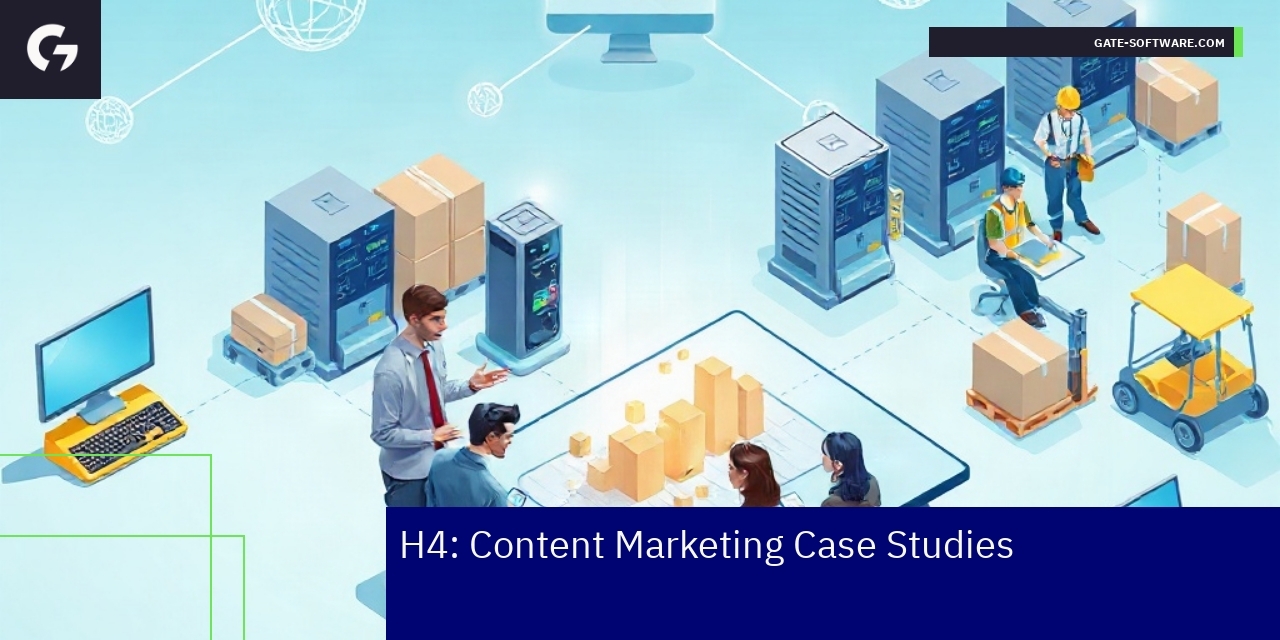
H4: Content Marketing Case Studies
Content-driven personalization in B2B ecommerce has shown measurable success in improving customer engagement and operational efficiency. Successful examples often revolve around tailoring content to distinct buyer personas and purchase stages within complex B2B sales cycles. For instance, companies leveraging dynamic content modules on their ecommerce platforms can present highly relevant product information, case studies, and technical documentation that align with the specific industry challenges or roles of their visitors.
By integrating behavioral data and purchase history, these businesses deliver personalized recommendations that not only improve product discovery but also enhance the overall customer journey with contextualized insights. This approach drives scalability by automating content relevance without compromising the specificity required in B2B transactions.
Moreover, advanced segmentation enables the creation of targeted content campaigns that address nuanced buyer needs, from compliance concerns to integration capabilities. In operational terms, this reduces the sales cycle duration by equipping prospective clients with precisely the information needed to make informed decisions faster. Implementing content-driven personalization also supports cross-functional teams by aligning marketing and sales efforts around consistent, data-informed messaging.
Overall, successful B2B ecommerce personalization aligns technical architecture—such as content management systems, analytics platforms, and AI-driven recommendation engines—with strategic business objectives for growth, performance, and customer satisfaction.
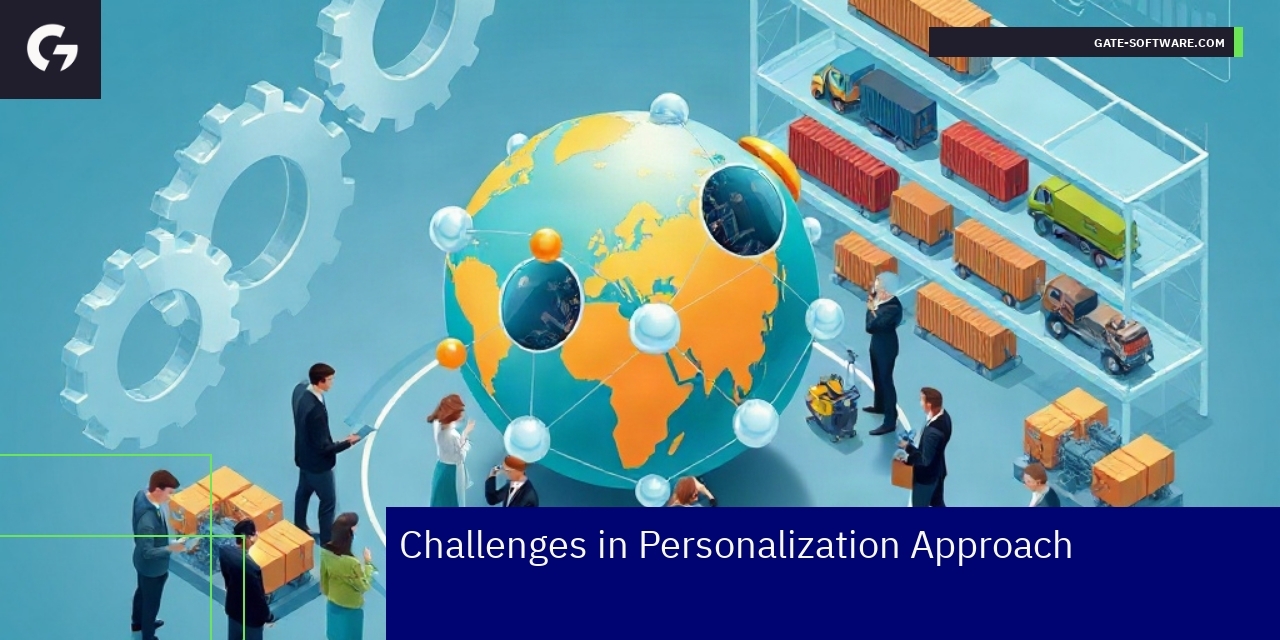
Challenges in Personalization Approach
Implementing personalization in a B2B context presents a complex set of challenges that require strategic consideration at multiple levels. Unlike B2C, where personalization frequently targets individual consumer preferences, B2B personalization must account for the intricacies of organizational structures, longer sales cycles, and diverse stakeholder involvement.
One major challenge lies in data integration and management. B2B organizations often operate with siloed data sources spread across CRM systems, marketing automation platforms, and sales databases. Harmonizing this data to create coherent customer profiles that accurately reflect the multifaceted needs of businesses is both technically challenging and operationally demanding. In addition, ensuring data quality, consistency, and compliance with privacy regulations adds layers of complexity.
Another hurdle is the identification and mapping of various decision-makers and influencers within a client organization. Personalization strategies must address the needs, pain points, and roles of multiple stakeholders, which requires sophisticated segmentation and role-based content delivery. This necessitates advanced technical architectures capable of dynamically adjusting content based on real-time context and user behavior.
Scalability also poses significant challenges. Delivering personalized experiences across broad account portfolios demands scalable infrastructure that balances performance with customization depth. Organizations must architect solutions that can efficiently process and serve personalized content without degrading system responsiveness.
Finally, measuring the effectiveness of personalization efforts and continuously optimizing them represents an ongoing operational challenge. Organizations must deploy robust analytics frameworks to capture meaningful engagement metrics and tie them back to business outcomes. This involves cross-functional coordination between marketing, sales, and data teams to translate insights into actionable strategies.
Addressing these challenges requires a holistic approach that integrates technology, data governance, organizational alignment, and continuous measurement to realize the operational efficiencies and competitive advantages promised by B2B personalization strategies.
H4: Common Personalization Mistakes
Mastering B2B ecommerce and personalization techniques requires avoiding critical pitfalls that can undermine effectiveness. One common mistake is deploying overly generic personalization strategies that fail to account for the complex buying processes and diverse decision-makers typical in B2B environments. This lack of granularity results in irrelevant experiences that do not resonate with specific buyer roles or stages in the purchasing journey.
Another frequent error is neglecting data quality and integration. Personalization relies on accurate, comprehensive, and up-to-date customer data gathered from multiple touchpoints. Without seamless integration across CRM, ERP, marketing automation, and ecommerce systems, personalization efforts may deliver inconsistent or conflicting messages, damaging credibility and trust.
Additionally, underestimating the importance of scalability can limit long-term success. Many B2B organizations initiate personalization pilots that do not scale efficiently, leading to excessive operational overheads and technical bottlenecks as their customer bases grow. It’s critical to architect personalization platforms with robust infrastructures capable of handling complex product catalogs, large transaction volumes, and evolving business rules.
Lastly, failing to rigorously test and measure personalization outcomes hinders continuous improvement. Using analytics to validate assumptions, segment performance, and user behavior enables informed adjustments and optimization, enhancing both user experience and business metrics.
Avoiding these common personalization mistakes is essential for achieving operational efficiency, technical robustness, and scalable B2B ecommerce success.
H4: Technological Challenges
In B2B environments, personalization efforts often face significant technological obstacles that can impede effective implementation. A primary challenge lies in the integration of disparate data sources. B2B companies typically operate with multiple legacy systems, CRM platforms, and third-party tools, which can create data silos. These silos prevent a unified view of the customer, limiting the ability to tailor personalized experiences accurately.
Another critical technological hurdle is the scalability of personalization solutions. B2B transactions tend to involve complex product configurations and multiple stakeholders, increasing data volume and processing needs. Ensuring that personalization systems handle such complexity without compromising performance requires robust architecture and efficient data processing pipelines capable of real-time updates.
Data quality and governance also pose challenges. Inconsistent or incomplete data affects machine learning models and personalization algorithms, reducing their effectiveness. Establishing stringent data validation, cleansing mechanisms, and compliance with regulatory frameworks is indispensable for operational efficiency.
To overcome these obstacles, B2B firms should invest in middleware that facilitates data unification across platforms and enhances interoperability. Leveraging cloud-based, scalable personalization engines can accommodate the dynamic and multifaceted nature of B2B transactions. Additionally, implementing strong data governance policies ensures reliable data input for personalization, enhancing accuracy and trustworthiness of recommendations.
Addressing these technical challenges strategically can unlock the full potential of personalization initiatives, driving better engagement, operational scalability, and sustained business growth.
H4: Overcoming Barriers
Overcoming personalization challenges in B2B requires a strategic approach that addresses the complexity of decision-making units and the diversity of stakeholder needs. One effective strategy is to develop detailed buyer personas based on integrated data from CRM, sales, and customer interaction systems. This comprehensive customer view enables tailored messaging and content personalization that resonates with different buyer roles and stages in the sales cycle.
To navigate the long sales cycles typical in B2B, maintaining dynamic and evolving customer profiles is essential. Employ automation and AI-driven tools to track changes in customer context and preferences over time, ensuring sustained relevance in communications and offers. Scalability can be achieved by leveraging modular personalization frameworks that adapt to increasing customer segments without losing precision or operational efficiency.
Data integration and resource constraints are often resolved by prioritizing critical data sources and deploying specialized teams or external partners with expertise in data management and personalization technologies. This focus helps in overcoming operational bottlenecks and ensures compliance with stringent data privacy regulations.
Content personalization should be analytically driven, using data insights to craft relevant, technically sophisticated content that addresses specific business problems and decision criteria. Ultimately, a combination of advanced data strategies, scalable technological frameworks, and cross-functional collaboration forms the best strategy to effectively resolve B2B personalization challenges.
The Future of B2B Customer Experience Personalization
As B2B markets advance, personalization in customer experience is forecasted to become more dynamic and data-driven, leveraging sophisticated technology to meet the rising expectations of business clients. The evolution is centered on integrating AI and machine learning to analyze vast amounts of customer data—from purchasing behavior and engagement patterns to industry-specific needs—allowing companies to deliver hyper-personalized interactions seamlessly at scale.
One significant trend shaping this future is the adoption of AI-powered predictive analytics, which enables anticipatory service by predicting client needs before they surface, thus enhancing decision-making and operational efficiency. This shifts personalization from reactive to proactive, creating a more resilient, client-centric approach that drives deeper relationships.
Another critical factor is the growing use of real-time personalization across digital touchpoints, facilitated by enhanced data integration from multiple internal and external sources. This delivers highly relevant content, product recommendations, and customizable offerings that align precisely with each customer’s current context and strategic priorities, improving conversion rates and long-term retention.
Scalability and performance are pivotal; personalization frameworks are increasingly designed to handle diverse, complex B2B ecosystems without compromising speed or reliability. This necessitates flexible architecture capable of continuous learning and adaptation, ensuring consistent experience quality even as the volume and variety of customer data expand.
Finally, operational efficiency is being optimized through automation of personalized campaigns and workflows, reducing manual intervention and error while enabling more rapid iteration and responsiveness to market changes. Organizations investing strategically in these technologies are well-positioned to secure competitive advantage by transforming how B2B customers engage and derive value across their journey.
H4: New Personalization Technologies
Innovations in personalization technologies are set to fundamentally transform how Magento platforms deliver tailored shopping experiences in the B2B segment. These advancements focus on leveraging machine learning algorithms and real-time data analytics to create highly individualized interactions that go beyond traditional static profiles. By integrating contextual data such as industry-specific buying patterns, company size, and user behavior analytics, Magento personalization can now dynamically adapt content, product recommendations, and pricing models to fit each business customer’s unique requirements.
Technically, these new personalization technologies rely on scalable data architectures that support the ingestion and real-time processing of large volumes of structured and unstructured data. This facilitates rapid segmentation and micro-targeting without compromising system performance, addressing one of the primary operational challenges in large-scale B2B commerce environments.
From a strategic perspective, leveraging AI-driven personalization tools enables enterprises to enhance customer engagement meaningfully, increasing conversion rates while streamlining backend processes through automation. These technologies also support multichannel consistency, ensuring that B2B buyers experience seamless personalization whether interacting through online portals, mobile applications, or sales teams.
In summary, the innovations poised to transform how Magento personalization drives better shopping experiences revolve around advanced analytics, AI integration, and scalable infrastructure designed to meet the complex needs of B2B commerce.
H4: Changing Customer Expectations
B2B customers increasingly demand more sophisticated personalization in their interactions, reflecting broader shifts in technology and buyer behavior. They expect tailored communications that anticipate their needs, leveraging data insights to deliver relevant content and product recommendations. This trend moves beyond simple customization to predictive personalization, where interactions are proactive rather than reactive.
Customers now favor seamless, multichannel experiences that allow consistent engagement across digital platforms—websites, mobile apps, and direct sales channels—without losing context or requiring repeated inputs. Integration of AI and machine learning enables real-time adaptation to customer preferences, optimizing both user experience and operational efficiency.
Moreover, privacy and data security have become paramount, with customers expecting transparent data usage policies and control over their information. This trust is foundational for personalization to be effective.
In sum, B2B buyers foresee interactions characterized by hyper-personalization, enhanced by robust data analytics and AI, delivered consistently across channels while upholding stringent privacy standards. Organizations aligning with these expectations can improve scalability, performance, and long-term client relationships.

H4: Future Impact on Brand Value
Advancing personalization in B2B environments significantly enhances brand value by creating deeper, more meaningful relationships with clients. Personalization allows businesses to tailor communications, offerings, and experiences to the unique needs and preferences of individual corporate customers. This targeted approach not only improves client satisfaction but also strengthens perceived brand relevance and trustworthiness.
From an operational perspective, implementing advanced personalization requires scalable data architecture capable of integrating diverse customer insights in real-time. Leveraging machine learning models and AI-driven analytics ensures that personalized interactions remain relevant as client needs evolve. This adaptability directly supports long-term customer loyalty by continuously delivering value aligned with business objectives.
Moreover, personalization fosters differentiation in competitive B2B markets by addressing complex buying processes and multiple stakeholders within client organizations. It drives higher engagement rates and accelerates sales cycles by aligning marketing and sales efforts more closely with client priorities.
In essence, the future impact of advancing personalization on B2B brand equity lies in its ability to transform static brand perceptions into dynamic, relationship-driven experiences. This evolution not only elevates brand prestige but also establishes enduring loyalty by consistently meeting and anticipating client demands.

Data and Performance Metrics – Efficiency and Cost
Key Metrics for B2B
In the B2B landscape, efficiency and cost management are paramount for driving sustainable growth. A recent analysis indicates that companies leveraging personalized B2B strategies can reduce their time-to-delivery by up to 30%, significantly accelerating project timelines. Additionally, organizations report an average sales cycle reduction of 25% when utilizing targeted personalization techniques, allowing for quicker decision-making processes among stakeholders.
On the cost front, businesses that implement advanced personalization technologies experience an average return on investment (ROI) of 150%, illustrating the financial benefits of tailoring customer interactions. Furthermore, personalization efforts have been shown to enhance customer retention rates by approximately 20%, reducing churn and associated acquisition costs.
Operationally, companies can witness up to a 40% increase in upsell and cross-sell opportunities when personalized recommendations are implemented effectively, translating to higher average order values. Moreover, organizations that utilize data analytics in their personalization strategies report a 70% improvement in lead conversion rates, underscoring the importance of data-driven insights in optimizing marketing efforts.
Lastly, the scalability of these personalization initiatives is reflected in their performance metrics, with businesses managing to handle an increase of 50% in customer queries and interactions without compromising service quality, thereby reinforcing operational efficiency across all customer touchpoints.

Summary
As we look towards the future of B2B customer experience personalization, it is evident that success hinges on a comprehensive integration of technology, data analytics, and robust operational frameworks. The ability to leverage detailed customer insights to create tailored interactions is not just advantageous but essential in today’s competitive landscape. By utilizing platforms like Magento 2, organizations can harness the power of advanced segmentation, personalized pricing, and dynamic catalog management to meet the specific needs of their business clients.
Through strategic use of data management and system integrations, businesses can streamline workflows and improve customer engagement, making the purchasing process more efficient and user-friendly. Moreover, engaging experts in the personalization journey can mitigate the complexities and ensure that solutions align with long-term strategic goals. As B2B buyers increasingly seek personalized experiences that reflect their unique challenges and operational contexts, companies that invest in sophisticated personalization strategies will not only enhance their customer relationships but also set themselves apart in the marketplace. Reflecting on these aspects may prompt decision-makers to consider next steps for implementing a more personalized approach that drives growth and operational excellence in their organizations.

FAQ
What is B2B Customer Experience Personalization?
B2B Customer Experience Personalization is a strategic approach focused on tailoring interactions, services, and communications to meet the specific needs and preferences of business clients, utilizing detailed customer data such as purchasing history and engagement patterns.
Why is personalization key in B2B?
Personalization is essential in B2B as it enhances customer relationships, fosters trust and loyalty, and delivers targeted solutions that align with clients’ operational challenges, ultimately improving conversion rates and customer satisfaction.
How does data management influence B2B personalization?
Robust data management is crucial for B2B personalization, as it enables companies to aggregate detailed customer profiles and employ data insights to deliver relevant content, personalized pricing, and tailored product recommendations, enhancing the overall customer experience.
What role do system integrations play in B2B personalization?
System integrations facilitate seamless data flow between various platforms such as CRM and ERP systems, ensuring that customer interactions are informed by real-time insights, which significantly enhances the relevance and effectiveness of personalized offerings.
What are the future trends in B2B customer experience personalization?
Future trends in B2B personalization include the increased use of AI and machine learning for predictive analytics, real-time personalization across digital touchpoints, and enhanced data integration, allowing businesses to deliver hyper-personalized interactions that meet evolving customer expectations.
.
.
Zamów bezpłatną konsultację
.
Z nami rozwój Twojego biznesu nabierze tempa! Zapraszamy do kontaktu średnie i duże firmy generujące min. 7 mln PLN obrotu rocznie – tam nasza ekspertyza sprawdza się najlepiej.
.
Kliknij w poniższy przycisk i skontaktuj się z jednym z naszych konsultantów e-commerce
.