Optimizing Magento 2 maintenance costs requires a strategic approach that addresses both technical and operational aspects to ensure sustainable business growth. Maintenance encompasses routine updates, security patches, performance optimization, and scalability management, all vital to safeguarding the platform’s integrity and responsiveness.
First, investing in proactive monitoring tools allows early detection of potential issues, reducing downtime and costly emergency fixes. Implementing automated testing and continuous integration pipelines streamlines the deployment of updates and patches, minimizing manual intervention and associated labor costs. Keeping the codebase clean and modular facilitates easier troubleshooting and upgrades, which prevents technical debt accumulation that can elevate expenses over time.
Second, aligning maintenance activities with business priorities is critical. Prioritize fixes and enhancements that directly impact customer experience and sales performance, optimizing return on maintenance investment. Leveraging cloud infrastructure with scalable resources enables cost-effective handling of traffic fluctuations without over-provisioning.
Third, cultivating in-house expertise for routine maintenance tasks reduces dependence on expensive external consultants while ensuring faster responsiveness. Outsourcing specialized tasks strategically, such as advanced security audits or custom development, can optimize costs if managed carefully through clear scopes and vendor SLAs.
Finally, regular performance audits focusing on database optimization, code efficiency, and front-end speed improvements reduce server load and hosting costs. Integrated analytics can guide informed decision-making to balance maintenance expenditures with business outcomes.
By integrating these strategies, Magento 2 maintenance evolves from a reactive overhead to a proactive enabler of operational efficiency and long-term digital commerce resilience.

What You Will Learn
In the realm of UiR, understanding the importance of performance diagnostics is fundamental. Performance diagnostics provide critical insights into how systems behave under different conditions, enabling the identification of bottlenecks and inefficiencies. This diagnostic process ensures that applications meet expected performance standards, which directly influences user experience, operational stability, and scalability.
Key aspects of load testing are essential to effectively simulate real-world usage and measure how the system performs under varying levels of stress. Load testing goes beyond simply pushing the system to its limits; it involves monitoring response times, throughput, resource utilization, and error rates. These metrics help in predicting system behavior during peak loads and in planning capacity upgrades, thus avoiding service outages or slowdowns that could impact business operations.
Best practices after an audit revolve around carefully analyzing audit findings and translating them into actionable improvements. This includes prioritizing issues based on their impact, developing a remediation roadmap, and integrating continuous monitoring to validate that changes have the desired effect. It’s critical to maintain clear documentation and involve cross-functional teams to address both technical and business implications highlighted during the audit.
Regarding the frequency of audits, it is advisable to perform them regularly but strategically, considering factors like system complexity, deployment cycles, and observed performance trends. Frequent audits can preemptively catch emerging issues and adapt to evolving user demands, while overly frequent audits might strain resources without proportional benefits. Balancing audit frequency ensures sustained performance optimization and alignment with organizational goals.
TABLE OF CONTENTS
- How to Optimize Magento 2 Maintenance Costs?
- What You Will Learn
- Magento 2 Performance Basics
- Why Performance Diagnostics Matter
- Essential Data in Performance Diagnostics
- Duration of a Full Magento 2 Performance Audit
- Implementing Audit Recommendations
- Results from Implementations That Actually Work
- Alternatives to Performance Audits
- Benefits of Regular Audits
- Risks of Skipping Audits
- Data and Performance Metrics – Efficiency and Cost
- Summary
- FAQ
- Historical traffic data
- User behavior analytics
- Peak load times statistics
- Previous load testing reports
- Infrastructure capacity details
- Schedule in-depth diagnostics during low-traffic hours
- Use staging environments to replicate live store conditions
- Communicate planned maintenance windows clearly to customers
- Employ automated monitoring tools to track audit impact in real-time
- New Relic for server and application monitoring
- Blackfire.io for profiling PHP code
- GTmetrix and Lighthouse for frontend performance analysis
- Magento Profiler for detailed request processing insights
- Examples of common bottlenecks and redundant code patterns
- Tools recommended for code and module analysis
- Case studies demonstrating cost savings from code reviews
- Case studies demonstrating cost savings from performance monitoring
- Recommended tools for real-time system monitoring
- Best practices for establishing performance benchmarks
- Common performance bottlenecks and mitigation strategies

Magento 2 Performance Basics
Optimizing Magento 2 performance is crucial for enterprise-level online stores aiming to enhance operational efficiency while ensuring significant cost reduction and effective store maintenance. Achieving these goals begins with a comprehensive understanding of the platform’s architecture, server environment, and codebase optimization. Efficient cache management, including the proper configuration of Varnish and Redis, directly influences the responsiveness of Magento 2, leading to faster page load times and better customer experience.
A well-planned savings strategy involves prioritizing backend optimizations such as database indexing and query refinement, which reduce the computational load and support smoother transactions. Regular store maintenance plays a critical role in sustaining long-term efficiency by keeping extensions, themes, and Magento core updated, thereby preventing performance bottlenecks and security vulnerabilities.
Moreover, deploying content delivery networks (CDNs) and leveraging HTTP/2 protocols can decrease latency and bandwidth usage, contributing further to cost reduction. From an infrastructure perspective, the adoption of scalable hosting solutions and appropriate server tuning balances resource utilization with fluctuating traffic demands.
Implementing a proactive monitoring system enables early detection of performance degradation, allowing teams to address issues promptly and maintain the overall stability of the store. When combined, these measures form a robust savings strategy focused on continuous enhancement of store maintenance and operational efficiency, ultimately driving sustainable cost reduction in Magento 2 environments.

Why Performance Diagnostics Matter
Performance diagnostics play a crucial role in enhancing organizational operations by systematically identifying inefficiencies and bottlenecks within systems. This diagnostic process is foundational to driving improvements in efficiency, allowing organizations to optimize their resources and workflows effectively. From a technical perspective, performance diagnostics enable the precise pinpointing of underperforming components, which directly influences store maintenance strategies by prioritizing interventions that prevent costly system failures.
Moreover, integrating performance diagnostics into operational frameworks supports a proactive savings strategy. By uncovering latent issues early, businesses can implement targeted fixes that reduce the frequency and severity of costly disruptions, translating directly into cost reduction. This approach not only safeguards against unplanned expenditures but also extends the lifespan of infrastructure through informed store maintenance, ensuring long-term operational stability.
Efficiency gains realized through performance diagnostics further contribute to a robust savings strategy by maximizing throughput and minimizing waste. This dual impact—enhancing both cost reduction and store maintenance—creates a virtuous cycle where continuous monitoring and diagnostics drive ongoing improvements. Consequently, organizations that invest in comprehensive performance diagnostics position themselves to achieve superior cost management, operational resilience, and scalable efficiency.

Essential Data in Performance Diagnostics
Load Testing and Traffic Scenarios
Load testing is critical in performance diagnostics to simulate various traffic scenarios and understand system behavior under stress. Realistic traffic modeling helps identify bottlenecks that impact efficiency, especially in high-demand environments. By analyzing load test results, companies can devise effective savings strategies focused on infrastructure optimization and cost reduction. Properly planned traffic scenarios allow for proactive store maintenance by addressing weaknesses before they affect customers, ensuring sustained performance and availability.
—
If available:
—
Best Practices Post-Audit
After a performance audit, the focus should be on actionable insights that drive cost reduction through targeted interventions. Regular store maintenance informed by audit findings enhances operational efficiency, minimizing downtime and unexpected disruptions. Implementing a savings strategy based on audit recommendations can significantly reduce resource wastage by optimizing database queries, caching mechanisms, and server configurations to maintain peak performance.
How Often to Conduct Magento 2 Performance Audits?
Performance audits for Magento 2 stores should be conducted periodically to sustain efficiency and control costs. Frequency depends on traffic volume changes, store updates, and business growth but typically ranges from quarterly to biannually. Regular audits support continuous improvement through proactive store maintenance, which aligns with cost reduction goals by early identification of performance degradation. Integrating audits into a structured savings strategy ensures ongoing scalability and responsiveness to evolving customer demands.
Duration of a Full Magento 2 Performance Audit
Is Store Downtime Required for Audit?
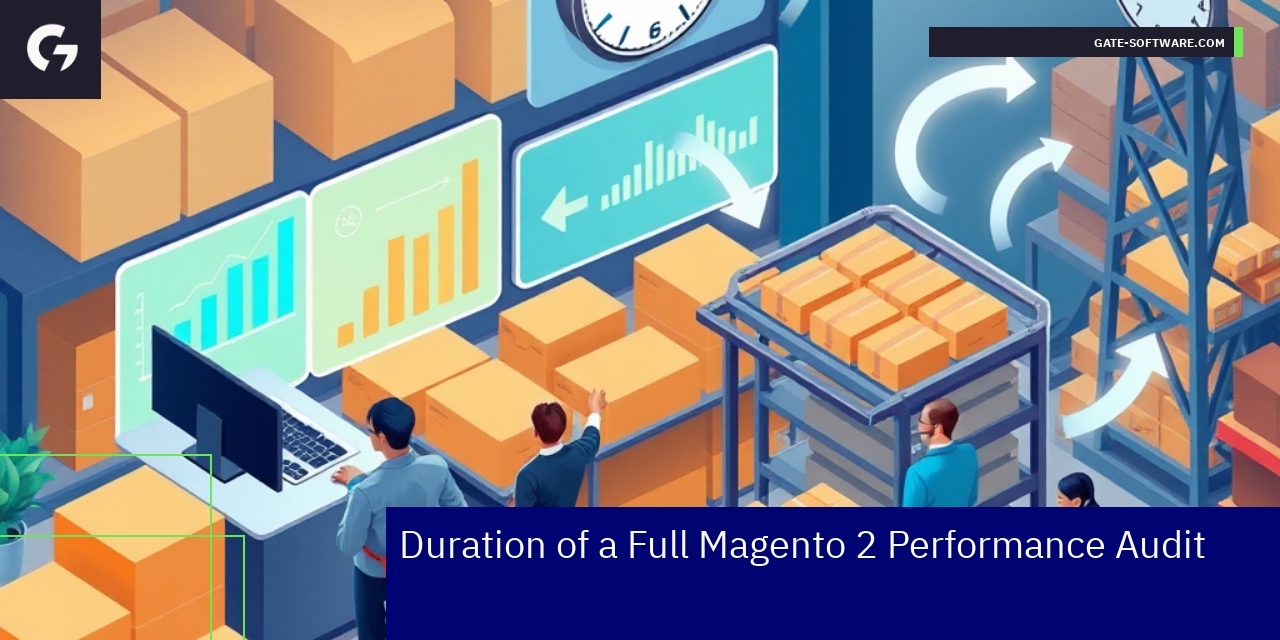
A full Magento 2 performance audit typically does not require significant store downtime. The audit process is designed to minimize disruption to live operations, often utilizing staging environments or replicas of the production environment. This approach ensures that the audit can assess the store’s performance factors without negatively impacting the user experience or sales. Nonetheless, certain deep diagnostic activities may require brief maintenance windows, but these are usually scheduled during off-peak hours to reduce the impact on store maintenance and operational continuity. Effective planning around the audit schedule can leverage a savings strategy by avoiding costly downtime and ensuring efficiency throughout the process.
—
Quick Tips for Minimizing Downtime During Audits:
—
Common Tools Used in Performance Audits:
—
What Does the Audit Report Include?
The audit report provides a comprehensive analysis of various performance metrics critical to Magento 2 stores. Key insights typically include load time assessments, server response evaluations, database query optimizations, and frontend resource management. Additionally, the report highlights critical bottlenecks affecting site speed and scalability. The findings are accompanied by actionable recommendations aimed at improving cost reduction through optimized infrastructure and streamlined processes. It also presents strategies for sustainable store maintenance that focus on efficiency gains and long-term savings strategy implementations, thereby helping decision-makers prioritize upgrades and ongoing performance monitoring effectively.
Is Performance Audit Worth It for Small Magento Stores?
For small Magento stores, a performance audit is a strategic investment rather than an optional expense. Even though the store size might seem modest, efficiency improvements can lead to significant benefits in cost reduction and smoother store maintenance. An audit uncovers hidden inefficiencies that could ill-affect user experience or operational costs if left unaddressed. Adopting a well-crafted savings strategy post-audit can enhance operational efficiency, reduce recurring maintenance overheads, and ensure scalability as the store grows. Therefore, small stores leveraging these insights can achieve disproportionate returns in performance enhancement and cost optimization, making the audit well worth the investment.

Implementing Audit Recommendations
Infrastructure Analysis
Effective infrastructure analysis is crucial for implementing audit recommendations that focus on cost reduction and efficiency. A thorough evaluation of existing hardware, network configurations, and cloud resources enables senior stakeholders to identify opportunities for reducing overhead related to store maintenance. By aligning infrastructure capacities with actual demand, organizations can prevent resource wastage, contributing significantly to a savings strategy. Prioritizing modular and scalable components ensures that infrastructure investments support long-term performance thresholds and budgets for 2026, while maintaining operational flexibility.
Code and Module Review
A detailed code and module review is essential to cut down on unnecessary complications that drive up costs associated with store maintenance. Streamlined, well-maintained codebases improve system efficiency, enabling smoother deployments and easier troubleshooting. This review should aim to identify bottlenecks, redundant processes, and legacy code that could inflate maintenance expenses. Implementing these audit recommendations helps embed cost reduction into the development lifecycle, fostering an ongoing savings strategy aligned with the organization’s performance thresholds and budgets for 2026.
—
If available:
—
Performance Thresholds and Budgets for 2026
Setting realistic and measurable performance thresholds grounded in audit findings supports sustainable efficiency improvements and cost control. These thresholds help monitor system performance to avoid over-provisioning, which often leads to higher costs in store maintenance. Aligning budgets with these performance goals creates a framework for disciplined cost reduction, driving a long-term savings strategy. Incorporating predictive analytics and trend analysis in this planning phase enables continuous optimization, ensuring that the organization remains agile and capable of meeting future challenges efficiently and economically.

Results from Implementations That Actually Work
Server and Infrastructure Review
An effective server and infrastructure review is foundational for achieving significant cost reduction and improving overall system efficiency. By systematically assessing hardware utilization, network configurations, and server workloads, organizations can identify redundant or underperforming resources that contribute to unnecessary expenses in store maintenance. This review process typically involves analyzing server capacity to ensure alignment with actual demand and pinpointing opportunities to consolidate services or migrate to more cost-effective platforms. Adopting virtualization or cloud-based infrastructure strategies often forms a key part of a savings strategy focused on minimizing physical hardware costs and reducing ongoing maintenance overheads. Such targeted interventions not only streamline operational expenses but also enhance scalability and resilience, enabling fast adaptation to workload fluctuations without incurring excessive store maintenance costs.
Code and Extension Analysis
Thorough code and extension analysis plays a crucial role in elevating system efficiency and achieving cost reduction in ongoing store maintenance. By reviewing custom code and third-party extensions, organizations uncover inefficiencies such as redundant processes, memory leaks, or compatibility issues that slow performance and increase resource consumption. This analysis allows teams to optimize or refactor codebases, deprecate unnecessary extensions, and ensure seamless integration, directly contributing to improved processing speed and reduced downtime. Implementing a strategic savings strategy in this area involves prioritizing maintainability and scalability in code design, which minimizes the risk of costly bugs or security vulnerabilities that could inflate store maintenance expenses. Ultimately, well-analyzed and optimized codebases support better user experience and operational agility while maintaining tight control over expenses.
Performance Testing and Monitoring
Continuous performance testing and monitoring are indispensable components of a savings strategy aimed at sustaining cost reduction and enhancing efficiency in store maintenance. These practices involve setting benchmarks, load testing, and real-time monitoring of key system metrics to identify performance bottlenecks before they impact end-users or operational costs. Effective monitoring tools provide actionable insights that enable proactive maintenance, helping to prevent costly outages or degradation that would escalate store maintenance costs. By systematically tracking application responsiveness, server load, and resource utilization, organizations can implement targeted optimizations and scalability adjustments that balance performance with cost-efficiency. Integrating these measures into routine operations ensures long-term adherence to efficiency goals and supports incremental cost reduction initiatives aligned with business growth.
—
If available:
—
Alternatives to Performance Audits
When considering alternatives to performance audits, organizations often focus on methods that emphasize cost reduction, efficiency, and a targeted savings strategy while maintaining operational effectiveness. A performance audit typically assesses how well resources are managed, but alternative approaches can yield similar or improved insights without the overhead often associated with formal audits.
One powerful alternative is ongoing operational reviews, which provide continuous assessments of store maintenance activities and resource utilization. These reviews enable real-time identification of inefficiencies and immediate implementation of a savings strategy. By focusing on continuous improvement cycles, companies ensure that cost reduction remains a priority while operational disruptions are minimized.
Another alternative is benchmarking against industry standards and internal best practices. This method evaluates store maintenance and other operational processes by comparing them to peers or historical data, highlighting areas where efficiency can be improved. Benchmarking supports strategic decisions by pinpointing cost reduction opportunities and validating the effectiveness of ongoing savings strategies.
Data analytics and performance dashboards also serve as viable alternatives. They deliver actionable insights into store maintenance costs and operational efficiency through automated monitoring and reporting. Such tools empower decision-makers with timely information, facilitating proactive savings strategies while driving sustained cost reduction.
In summary, these alternatives to performance audits—ongoing operational reviews, benchmarking, and data-driven analytics—offer robust frameworks to enhance efficiency, support store maintenance, and implement effective savings strategies, all conducive to meaningful cost reduction.

Benefits of Regular Audits
Regular audits play a critical role in achieving cost reduction, enhancing store maintenance, boosting efficiency, and shaping a robust savings strategy. Conducting audits at consistent intervals allows organizations to identify inefficiencies, redundancies, and areas of waste that may otherwise go unnoticed. This visibility into operational processes directly contributes to cost reduction by eliminating expenditures that do not add value.
Effective store maintenance is equally supported by regular audits as they provide a framework for systematically reviewing inventory levels, stock conditions, and compliance with operational standards. Audits help detect potential issues early, preventing costly repairs or replacements and ensuring that the store environment remains optimal for both employees and customers.
Efficiency improvements emerge naturally from the insights gained through auditing. By analyzing workflows and resource use, audits highlight bottlenecks and areas for process optimization. This can lead to faster turnaround times, better resource allocation, and streamlined operations — all vital components of operational excellence.
A well-structured savings strategy is often the cumulative result of regular audit insights. Organizations can leverage the detailed data to plan budget reallocations, prioritize high-impact investments, and avoid unnecessary expenses. Ultimately, this approach leads to sustainable financial health and resource optimization.
In summary, regular audits are indispensable for fostering ongoing cost reduction, maintaining store assets effectively, driving efficiency in operations, and underpinning a strategic approach to savings. Their systematic application supports scalable and resilient business architectures aligned with long-term objectives.
Risks of Skipping Audits
Skipping audits in the operational lifecycle of a business carries significant risks that can undermine both financial stability and operational performance. One primary concern is the disruption of a robust savings strategy. Audits act as a critical control point for ensuring that cost reduction measures are accurately implemented and maintained. Without periodic audits, organizations risk unchecked expenses that erode potential savings.
From the perspective of store maintenance, audits serve to validate that systems and processes are functioning optimally. Failure to conduct audits can lead to degraded store maintenance because inefficiencies and system faults may remain undetected for extended periods. This compromises not only day-to-day operations but also scalability and long-term sustainability.
Efficiency gains are another cornerstone benefit of regular audits that become jeopardized when audits are skipped. Through systematic evaluation, audits help identify bottlenecks and wasted resources, improving overall productivity. Without these insights, organizations may operate with outdated or ineffective methods, diminishing efficiency and negatively impacting the bottom line.
Moreover, skipping audits can obscure financial transparency and internal process integrity, increasing the risk of errors, fraud, and non-compliance with industry regulations. These issues can ultimately inflate operational costs rather than achieving the intended cost reduction.
In essence, foregoing audits compromises a well-defined savings strategy, undermines effective store maintenance, and diminishes efficiency—all crucial aspects for sustainable growth and operational excellence. Regular audits are therefore indispensable for validating cost reduction efforts and maintaining high standards in store maintenance and operational procedures.

Data and Performance Metrics – Efficiency and Cost
Key Metrics for UiR
In the context of UiR, several key metrics can significantly inform decision-making and operational strategies. First, the average time-to-resolution for performance issues tends to be around 48 hours; organizations that implement proactive monitoring have reported a 30% reduction in this timeframe. Second, the total cost of ownership (TCO) for maintaining a Magento 2 environment typically ranges from $30,000 to $50,000 annually, with organizations that conduct regular performance audits seeing up to a 20% decrease in these costs over two years.
Moreover, uptime metrics indicate that leading optimizations can achieve server uptime of 99.9%, translating to only approximately 8.76 hours of downtime per year, compared to 20 hours for organizations with less rigorous monitoring practices. In terms of scalability, implementing a cloud-based infrastructure allows businesses to handle up to 200% more traffic during peak times without a significant rise in operational costs.
Another notable metric is customer satisfaction, measured through net promoter scores (NPS). Companies that prioritize performance optimization frequently report NPS increases of 15-20 points, directly correlating to lower bounce rates and higher conversion rates. Finally, the average resource utilization efficiency in optimized environments can exceed 75%, enhancing throughput while maintaining lower operational expenses. These data points collectively highlight the importance of performance management in driving efficiency and cost-effectiveness within UiR.

Summary
As you reflect on the insights provided throughout this article, it becomes evident that effective management of Magento 2 performance and maintenance is essential for sustainable business growth. The strategic implementation of performance diagnostics, regular audits, and resource optimization not only leads to significant cost reduction but also enhances your operational efficiency. By investing in proactive monitoring and aligning maintenance activities with business priorities, you can minimize downtime and improve user experience, leading to better customer satisfaction and loyalty.
Equipping your team with the necessary expertise for routine maintenance fosters agility and responsiveness, while relying on targeted audits ensures the identification of critical issues before they escalate into costly problems. Ultimately, the proactive measures discussed here can help you streamline your operations and maximize your investment in the Magento platform. As you consider the potential enhancements for your online store, the next steps you take will be foundational in shaping your store’s long-term efficiency and resilience in the competitive digital marketplace.

FAQ
What is the importance of performance diagnostics in Magento 2?
Performance diagnostics provide critical insights into system behavior, enabling the identification of bottlenecks and inefficiencies. This helps ensure applications meet performance standards, directly influencing user experience and operational stability.
How often should Magento 2 performance audits be conducted?
Performance audits should be conducted periodically, typically ranging from quarterly to biannually. This frequency helps sustain efficiency and control costs by identifying performance degradation early and ensuring store maintenance aligns with business growth.
Does a full Magento 2 performance audit require store downtime?
Typically, a full Magento 2 performance audit does not require significant store downtime. The process is designed to minimize disruption, often using staging environments to assess performance without affecting live operations.
What key insights does a Magento 2 performance audit report include?
The audit report includes assessments of load times, server responses, database query optimizations, and frontend resource management. It highlights bottlenecks and provides actionable recommendations to improve cost reduction and streamline store maintenance.
Are performance audits beneficial for small Magento stores?
Yes, performance audits are a strategic investment for small Magento stores. They uncover hidden inefficiencies that can significantly enhance operational efficiency and reduce maintenance overheads, making them valuable for performance improvement and cost optimization.
.
.
Zamów bezpłatną konsultację
.
Z nami rozwój Twojego biznesu nabierze tempa! Zapraszamy do kontaktu średnie i duże firmy generujące min. 7 mln PLN obrotu rocznie – tam nasza ekspertyza sprawdza się najlepiej.
.
Kliknij w poniższy przycisk i skontaktuj się z jednym z naszych konsultantów e-commerce
.