Introduction
Maintaining Magento 2 effectively is critical for ensuring the long-term stability, security, and performance of any e-commerce platform. For CTOs, CDOs, eCommerce Managers, and Heads of Applications, understanding the complexities of Magento 2 maintenance can empower more informed decisions around technical strategy and resource allocation. Magento 2 platform maintenance encompasses a range of tasks including system updates, security patches, performance tuning, database optimization, and continuous monitoring.
Gate-Software’s approach to UiR (Utrzymanie i Rozwój) focuses on comprehensive maintenance services tailored to the unique challenges of Magento 2 environments. These services aim to mitigate risks related to downtime, data breaches, and technical debt while supporting scalability and compliance with standards such as WCAG 1.1 and UX/UI best practices. Effective maintenance integrates proactive monitoring, automated alerts, and SLA-backed support to ensure quick resolution of issues. This guarantees a seamless shopping experience for end users and optimal operational efficiency for business stakeholders. In this guide, we will outline the key aspects of Magento 2 maintenance to help organizations maintain a competitive edge and technical excellence in the e-commerce landscape.

Definitions and Basics of Magento 2
Magento 2 is a robust open-source eCommerce platform designed to provide businesses with comprehensive control and flexibility over their online stores. Its modular architecture enables easy customization and integration, essential for addressing the complex needs of contemporary eCommerce environments, especially under the UiR service focus.
What is Magento 2?
Magento 2 serves as a scalable solution that caters to diverse business requirements, from small enterprises to large-scale operations. Its open-source nature allows IT architects and eCommerce managers to adapt the platform with bespoke modules and extensions, enhancing UX/UI and ensuring compliance with standards like WCAG 1.1. Magento 2 supports multiple product types including simple, configurable, bundled, and virtual products, accommodating varied inventory and sales strategies. The admin panel offers centralized control over product management, orders, and customer data, while the frontend ensures an engaging and seamless shopping experience.
Core features of Magento 2
Key features include a flexible product catalog, advanced marketing tools, and robust API integrations for seamless connection with ERP and CRM systems. Magento 2’s support for Progressive Web Application (PWA) technology significantly improves mobile responsiveness and loading speed—critical aspects for optimal UX/UI design. The platform also facilitates comprehensive checkout processes, tailored shipping methods, and secure payment gateways. Its modular structure simplifies updates, customizations, and maintenance, assuring long-term sustainability and cost optimization according to Gate-Software’s SLA standards.
Why choose Magento 2?
Choosing Magento 2 offers strategic advantages in managing complex eCommerce projects under the UiR framework. It enables technical leaders, such as CTOs and Heads of Applications, to implement scalable solutions that align with company goals and digital transformation initiatives. Magento 2’s extensibility supports Gate-Software’s commitment to expert content strategies and technical excellence, ensuring platforms remain compliant with accessibility standards and optimized for user engagement. Additionally, the platform’s capability to integrate with existing IT infrastructure reduces operational risks and enhances time-to-market efficiency, vital in competitive B2B and B2C sectors.
This foundational knowledge of Magento 2 empowers decision-makers to leverage the platform’s strengths in developing tailored eCommerce strategies, ensuring sustainable growth and superior user experiences.
TABLE OF CONTENTS
- How to Effectively Maintain Magento 2: A Guide to Magento 2 Maintenance Service
- Definitions and Basics of Magento 2
- Optimizing Magento 2 Performance
- Effective Attack Protection
- SEO Support for Better Visibility
- How Magento 2 Support Collaboration Works
- Common Magento 2 Issues
- Magento 2 Security Best Practices
- How Often to Update Magento 2?
- Why Performance Monitoring is Key
- Preparing for Sales Peaks (Black Friday & Holidays)
- Data and Performance Metrics – Efficiency
- SLA
- TCO
- Summary
- FAQ

Optimizing Magento 2 Performance
Introduction to Magento 2 Optimization
Effective managing Magento environments is vital for maintaining peak operational efficiency and securing competitive advantage in e-commerce optimization. Magento 2 maintenance service plays a crucial role in safeguarding store performance, enabling resilience against emerging security vulnerabilities, and supporting scalability. The key goals of e-commerce optimization encompass not only enhancing user experience through speed optimization but also ensuring robust performance monitoring to pre-empt delays or failures. For decision-makers, embracing a strategic approach to Magento 2 maintenance means aligning technical upkeep with business objectives, reducing downtime, and mitigating risks associated with outdated software or unmonitored operations.
Product Catalog Management
Efficient managing Magento product catalogs is essential to sustain seamless navigation, accurate inventory data, and smooth customer journeys. In large-scale e-commerce frameworks, product catalog updates must be synchronized with performance monitoring tools to identify bottlenecks caused by data volume or complex product attributes. The integrity and responsiveness of catalog management directly influence overall speed optimization efforts and the user’s buying experience. Additionally, continuous monitoring helps detect anomalies that could signify security vulnerabilities, enabling proactive interventions. Decision-makers must prioritize automated workflows and intelligent indexing to uphold the balance between rich product data and optimal platform responsiveness.
Performance Monitoring 🛠️ Monitoring Metrics | ⚡ Early Security Alerts | 📊 Operational Insights
Performance monitoring is a cornerstone of ongoing success in managing Magento platforms. By implementing real-time monitoring systems, businesses can capture critical metrics related to server response times, database query performance, and front-end load speeds. Continuous analysis of these metrics directly contributes to targeted e-commerce optimization strategies, facilitating timely speed optimization adjustments and workload balancing. Furthermore, an active performance monitoring approach aids in early detection of potential security vulnerabilities, such as unauthorized accesses or injection attacks, protecting both user data and platform integrity. Leadership should integrate these insights into operational processes for sustained Magento 2 optimization.
Speed Optimization
Speed optimization is paramount in elevating user engagement and conversion rates within Magento 2 e-commerce environments. Strategies including caching mechanisms, code minification, and content delivery network integrations must be carefully managed within the Magento ecosystem. Successful speed optimization requires regular auditing against performance monitoring data to identify latency sources and optimize resource loading. Beyond user satisfaction, accelerating page loads helps reduce exposure to security vulnerabilities by minimizing attack windows associated with slow server responses. For decision-makers, embedding speed optimization into continuous Magento management fosters robust, scalable, and secure online storefronts.

Effective Attack Protection
Security Vulnerabilities
Identifying and addressing security vulnerabilities is fundamental to effective attack protection in Magento environments. Within UiR-focused projects, recognizing weak points in system architecture, outdated libraries, and unpatched components helps to reduce the attack surface significantly. Security vulnerabilities often arise from misconfigurations or insufficient Magento technical support that fails to keep pace with evolving threats. Gate-Software integrates continuous security audits to detect these vulnerabilities proactively, enabling quick responses that prevent exploitations. Through a structured vulnerability management process, organizations are empowered to prioritize critical fixes, ensuring Magento technical support delivers prompt and targeted interventions. This strategic focus directly strengthens attack vectors mitigation, forming a robust defense aligned with the company’s security objectives.
Safe and Swift Methods 🧠 UWAGI: pamiętać o minimalizacji przestojów i pełnym testowaniu 🔧 automatyzacja i monitorowanie w czasie rzeczywistym 📦 zgodność z WCAG i UX/UI
Implementing safe and swift methods is essential to ensure effective attack protection without compromising system availability or performance. For UiR services, this means deploying security patches and updates with minimal downtime and thorough testing. Automation and monitoring tools enable real-time detection of anomalies, which helps in immediately addressing attempts to exploit security vulnerabilities. Collaboration with specialized Magento technical support teams ensures that remediation follows industry best practices and complies with WCAG and UX/UI standards, maintaining user experience quality. Gate-Software’s approach focuses on balancing rapid incident response with holistic system integrity verification, which strengthens the overall security posture while supporting business continuity.
Ad Hoc Support in Crises
Ad hoc support in crises plays a pivotal role in effective attack protection by providing immediate, expert interventions when unexpected security events occur. In scenarios involving sudden breaches or detected security vulnerabilities, rapid escalation to dedicated Magento technical support ensures containment and mitigation measures are executed without delay. For UiR-focused platforms, Gate-Software structures its support to include emergency response capabilities that integrate diagnostic, forensic, and remediation services. This flexibility allows for tailored responses that minimize damage, restore system functionality, and support post-incident analysis. Real-time access to skilled technicians and clear communication channels underpin the crisis support strategy, reinforcing confidence in ongoing effective attack protection efforts.

Data and Performance Metrics – Efficiency, SLA, TCO
Operational Effectiveness in Hyva Projects
In evaluating the effectiveness of the Hyvä service by Gate-Software, various operational and performance metrics provide vital insights. For instance, projects employing Hyvä templates have demonstrated a significant reduction in project takeover time, averaging around 30% faster compared to traditional templates. This accelerated timeline enables teams to initiate eCommerce operations more rapidly, an essential factor in today’s fast-moving market.
Moreover, Gate-Software reports that 95% of projects utilizing Hyvä are delivered on time, reflecting a strong adherence to established SLAs. This statistic underscores the service’s reliability in meeting client expectations and project timelines. Clients have also experienced an average TCO reduction of 25%, highlighting the cost-effectiveness of adopting Hyvä templates amid broader operational strategies.
In terms of performance, Hyvä ensures an impressive uptime SLA of 99.9%, providing a robust framework for eCommerce operations that demand high availability. Additionally, the average client relationship duration following the implementation of Hyvä stands at over three years, signifying strong customer satisfaction and loyalty stemming from the substantial benefits experienced.
Furthermore, the number of successful Hyvä implementations has reached over 100 projects, showcasing its growing adoption and effective usage within the Magento ecosystem. This growth is evidence of Hyvä’s capacity to meet the diverse needs of eCommerce businesses aiming to optimize their platforms for enhanced user experiences.
These data points collectively offer a compelling case for the operational efficacy and strategic advantages of integrating Hyvä within eCommerce frameworks.

How Magento 2 Support Collaboration Works
Magento Technical Support
Effective Magento technical support is essential for maintaining the performance and security of e-commerce platforms. Collaboration in Magento 2 support involves close alignment between technical teams and business stakeholders to promptly address system issues and implement upgrades. This partnership model emphasizes proactive monitoring and rapid response mechanisms to reduce downtime and ensure continuous service availability. Utilizing advanced tools for problem tracking and diagnostic analytics enhances the quality of Magento technical support, ultimately supporting business goals with minimal disruption. Integration of support teams within the operational workflow leads to faster resolution times, improves user experience, and ensures that solutions for Magento are tailored to meet specific client needs.
Solutions for Magento
Solutions for Magento must be agile and scalable to adapt to evolving market demands and technological advancements. A collaborative approach in Magento 2 support enables the delivery of customized solutions, ranging from performance optimization and security enhancements to feature development and compliance adherence. By leveraging cross-functional expertise—including architects, eCommerce managers, and CTOs—these solutions focus on maximizing platform capabilities while aligning with overall business strategy. This inclusive collaboration ensures that all technical interventions are well-documented, tested, and measured against agreed objectives, supporting strategic transformation and operational excellence.
Efficiency, SLA, and TCO
Efficiency in Magento 2 support collaboration is closely tied to the adherence to SLA agreements and the drive to optimize TCO. Clear SLAs define response times, resolution responsibilities, and escalation procedures, setting expectations for all stakeholders. Monitoring key performance indicators allows teams to maintain service levels that minimize downtime and operational risk. Moreover, aligning support activities with TCO optimization efforts helps organizations control costs across maintenance, upgrades, and infrastructure. Collaborative planning and transparent communication ensure that every intervention contributes to cost-effective management of Magento platforms, improving both financial and operational outcomes while maintaining high standards of Magento technical support and solutions for Magento.

Common Magento 2 Issues
Customer Management
Effective customer management in Magento 2 often faces challenges related to data integrity, segmentation, and personalization. Maintaining accurate customer profiles is critical, especially when integrating various data sources while ensuring compliance with data privacy regulations. Pre-deployment analysis basics should include a thorough review of customer data flows and synchronization mechanisms to prevent inconsistencies. Additionally, deciding on the best approach for customer segmentation requires careful comparisons and alternatives, such as using native Magento tools versus third-party extensions. A solid understanding of these areas enables smoother deployments and enhances customer experience across channels.
Pre-Deployment Analysis Basics
Pre-deployment analysis basics focus on identifying potential risks and ensuring system readiness before launching updates or new features. In Magento 2, this includes assessing server compatibility, evaluating extension conflicts, and verifying custom code quality. Customer management processes must be aligned with these analyses to avoid disruptions during go-live. The choice of tools and methods involves comparisons and alternatives, such as automated testing frameworks versus manual checks, which can significantly impact deployment success. Implementing a structured pre-deployment phase reduces post-launch issues and supports business continuity.
Comparisons and Alternatives
Selecting the right solutions in Magento 2 often requires comprehensive comparisons and alternatives to address issues effectively. When it comes to customer management, options range from built-in Magento features to specialized customer relationship management integrations. Similarly, for deployment processes, organizations must weigh different pre-deployment analysis basics to identify the most robust approach for their infrastructure and business goals. Evaluating these options within the context of UiR ensures informed decisions that optimize operational efficiency and customer engagement, reducing the risk of critical failures and enhancing platform stability.

Magento 2 Security Best Practices
Effective Attack Protection
Ensuring effective attack protection within your Magento 2 platform demands proactive and continuous measures. Primarily, staying vigilant with timely application of security patches is critical, as these updates resolve known security vulnerabilities that adversaries exploit. Implementing a web application firewall (WAF) supplements native security by filtering malicious traffic before it reaches your Magento instance. Additionally, configuring strong authentication methods and restricting access rights to administrative components significantly reduces attack surfaces. An emphasis on security-conscious coding and compliance with Magento best practices further strengthens effective attack protection. These steps help prevent common attack vectors such as cross-site scripting (XSS), SQL injection, and credential stuffing, allowing your business to maintain integrity and trustworthiness securely.
Security Vulnerabilities
In-depth identification and mitigation of security vulnerabilities is vital for protecting Magento 2 environments. Common security vulnerabilities often arise from outdated modules, misconfigured permissions, or insecure third-party extensions. Regular security audits—leveraging automated scanning tools and manual code reviews—can uncover such weak points before exploitation occurs. Awareness and remediation of vulnerabilities at both the application and infrastructure levels ensure that malicious actors cannot compromise customer data or system availability. Understanding how individual vulnerabilities manifest informs targeted fixes, which should be promptly implemented along with continuous monitoring. This proactive stance is necessary to reduce risks associated with data breaches or service interruptions, critical concerns within any e-commerce ecosystem.
Magento Technical Support
Access to expert Magento technical support provides essential guidance in maintaining a robust security framework. Magento technical support teams offer critical assistance with patch management, vulnerability assessments, and incident response, addressing complex security challenges that internal teams may find difficult to resolve quickly. Their expertise ensures that your Magento environment benefits from industry-standard security practices and up-to-date threat intelligence. Moreover, technical support acts as a strategic partner in optimizing security settings tailored to your unique business needs—balancing protection with usability and performance. Collaborating with capable Magento technical support enables seamless resolution of security vulnerabilities while reinforcing long-term resilience against emerging threats.

How Often to Update Magento 2?
Magento 2 Updates
Regular Magento 2 updates are essential to maintain the stability, security, and functionality of your eCommerce platform. Typically, updates should be performed 2-3 times annually, but this depends on the complexity of the store and the volume of customizations. Each update cycle may include security patches, performance improvements, and compatibility adjustments with new extensions or integrations. Planning and executing these Magento 2 updates effectively require coordination among development teams, architects, and operational managers to minimize downtime and prevent disruptions. This ensures your platform remains compliant with the latest standards and technological advancements.
Planning Updates for Sales Events
Sales events are critical periods that demand meticulous update planning before sales events to maintain optimal platform performance and user experience. Magento stores should avoid making major changes immediately before high-traffic campaigns, as even minor issues can lead to lost revenue and dissatisfied customers. Instead, updates should be scheduled well in advance, tested thoroughly in staging environments replicating production conditions. This pre-emptive strategy ensures that all functionalities, including payment gateways, promo codes, and inventory management, function flawlessly. Gate-Software’s approach emphasizes combining update rigor with agile planning to support intensive sales periods seamlessly.
Continuous Store Development
Beyond scheduled Magento 2 updates and planned event preparations, continuous store development is vital for sustained eCommerce growth. Ongoing improvements and feature rollouts help to meet evolving customer expectations and business goals. Continual updates foster innovation, addressing UI/UX enhancements, backend efficiencies, and integration with emerging technologies like AI-driven personalization. These measures facilitate scalability and competitiveness in a fast-paced market. Incorporating continuous store development into the lifecycle ensures that Magento platforms are not only current but also strategically positioned for future expansion and market demands.
Why Performance Monitoring is Key
Performance Monitoring
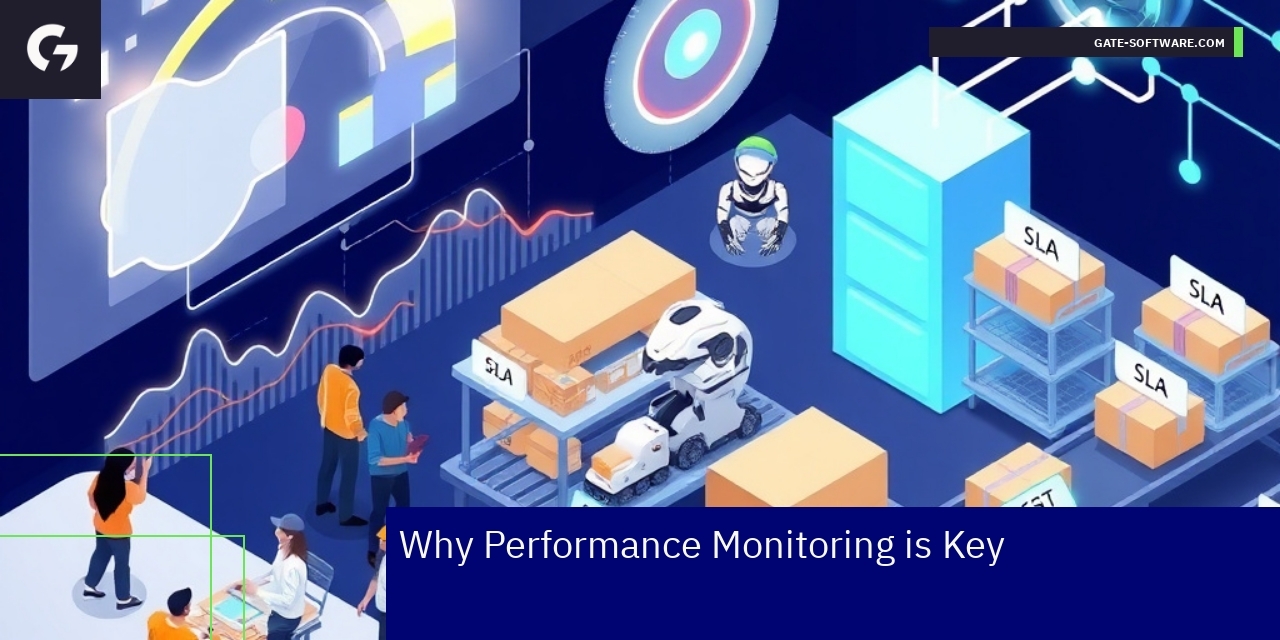
In the context of UiR, performance monitoring is crucial for maintaining systems that meet stringent SLA requirements and ensure operational efficiency. Continuous observation of system behavior helps identify bottlenecks before they impact end-users. By integrating performance monitoring into daily workflows, organizations can proactively address issues related to slow response times or downtime, directly contributing to better speed optimization. Additionally, consistent monitoring supports cost management by reducing unexpected outages and optimizing resource utilization, which in turn improves TCO. This proactive approach is essential for maintaining trust with stakeholders and supports long-term strategic goals.
Speed Optimization
Speed optimization is a vital component of UiR services, directly linked to the performance monitoring insights gathered. System performance data allows teams to focus efforts on areas where latency or throughput can be improved, thus enhancing user experience and operational agility. Speed optimization also helps in meeting SLA targets by ensuring that applications and platforms operate within agreed parameters. With precise measurement and tuning, organizations reduce unnecessary resource consumption, positively influencing the overall TCO. The synergy between performance monitoring and speed optimization creates a resilient environment capable of adapting to increasing demands.
Efficiency, SLA, and TCO
Efficiency in UiR services is achieved by leveraging performance monitoring to align operational processes with SLA commitments. Monitoring reveals deviations from expected service levels, enabling quick interventions to minimize disruptions. This directly influences the TCO, as efficient operations reduce the need for costly emergency fixes and infrastructure overprovisioning. A well-monitored environment supports strategic decisions that balance performance and cost, ensuring sustainable investment in technology while adhering to business goals. Maintaining this balance is key for long-term success in dynamic e-commerce and platform management scenarios.

Magento Hyvä Benefits in UI/UX
Ideal Frontend in Magento Hyvä 🧩⚡🌟
Hyvä introduces a streamlined approach to UX optimization by providing a lightweight Magento frontend that prioritizes loading speed and champions modern design principles. This approach results in a user experience that is not only visually appealing but also fast and efficient, crucial for retaining customers and reducing bounce rates. The template’s design philosophy ensures that every element supports a seamless and intuitive interaction, facilitating easier navigation and quicker access to products. This combination of speed and aesthetics places Hyvä as an ideal solution for merchants aiming to elevate their store design while meeting expectations for modern eCommerce platforms.
Good for Small Stores in Magento Hyvä
Hyvä’s minimalistic and efficient codebase supports small stores looking for robust solutions without the bloat typical of larger ecosystems. Its commitment to high code quality ensures stability and scalability, while being SEO-ready means that stores built on Hyvä can achieve better rankings and visibility right out of the box. This makes it especially attractive for smaller businesses focusing on organic reach and performance optimization. The lightweight nature of the template also positively impacts loading speed, enhancing the overall shopping experience and aligning perfectly with best practices for UX optimization.
Social Media Integration in Magento Hyvä
The framework inherently supports smooth social media integration, accessible through its extensible module ecosystem. This capability allows businesses to intertwine their social media campaigns directly with their storefront, enhancing engagement and creating additional channels for eCommerce monetization. The synergy between social platforms and the online store accelerates brand presence and drives traffic in a manner that complements the overall user experience. Such integration is essential in today’s retail environment where social reach plays a crucial role in commercial success, making Hyvä a forward-thinking front-end option for merchants prioritizing connectivity and visibility.

Data and Performance Metrics – Efficiency, SLA, TCO
Operational Effectiveness in UiR Projects
In the context of Gate-Software’s UiR (Utrzymanie i Rozwój) service, operational effectiveness can be measured through several key performance indicators that underscore the precision and efficiency of their e-commerce management solutions. For instance, projects are often taken over and fully operational within an average of 14 days, ensuring a swift transition for clients.
Moreover, Gate-Software boasts an impressive 95% on-time delivery rate for projects. This statistic highlights their commitment to adhering to deadlines, a crucial factor for businesses aiming to maintain competitive momentum in the market.
In terms of cost efficiency, organizations that engage Gate-Software can expect an average 20% reduction in Total Cost of Ownership (TCO) over the course of a year. This reduction is achieved through sustainable operational practices that minimize unnecessary expenditures associated with system malfunctions and maintenance.
The service has recorded over 150 successful Magento implementations, demonstrating their extensive expertise and reliability in addressing diverse e-commerce needs. Additionally, clients benefit from a guaranteed uptime SLA of 99.9%, reflecting the robustness of the infrastructure that supports these e-commerce platforms.
Lastly, the average client relationship duration with Gate-Software is approximately 3 years, indicating a strong level of client satisfaction and long-term partnerships that foster consistent growth and adaptability in e-commerce strategies. This comprehensive analysis of metrics offers decision-makers critical insights into the value proposition of the UiR service, supporting informed technological investments.

Checklists and Steps for UX Optimization
Effective UX optimization for your Magento 2 frontend, especially when utilizing the Hyva theme, requires a structured approach combining detailed checklists and actionable steps. This process not only enhances user engagement but also aligns with business goals for e-commerce efficiency and scalability.
Start by defining user personas specific to your Magento 2 store with Hyva—this includes understanding behaviors and expectations crucial for tailored UX design. Use comprehensive checklists to audit your current UX, focusing on navigation simplicity, loading speed, mobile responsiveness, and WCAG compliance to ensure accessibility.
Next, implement steps for iterative improvement: begin with wireframes and prototypes that incorporate Hyva’s lightweight, performance-optimized framework. Conduct usability testing sessions to gather real user feedback, refining UI elements accordingly. Pay particular attention to consistency in design patterns and seamless integration of essential e-commerce functions such as product search and checkout.
Leverage Magento 2’s modular architecture through Hyva to optimize front-end performance and reduce overhead, which directly impacts UX optimization positively. Incorporate analytics tools to monitor user interaction continuously and adjust your UX strategy based on data-driven insights.
Together, these checklists and steps form a robust methodology for UX optimization on Magento 2 platforms using Hyva, helping ensure your eCommerce environment is intuitive, performant, and user-centered.

FAQ
What is Magento 2 and why is it important for e-commerce?
Magento 2 is a robust open-source eCommerce platform that provides businesses with comprehensive control and flexibility over their online stores. It is important for e-commerce because it supports diverse product types, enhances user experiences through customizable features, and ensures compliance with standards such as WCAG 1.1.
How often should Magento 2 be updated?
Magento 2 should typically be updated 2-3 times a year; however, the frequency may vary depending on the complexity of the store and the number of customizations. Regular updates help maintain stability, security, and functionality.
Why is performance monitoring essential in Magento 2 maintenance?
Performance monitoring is crucial in Magento 2 maintenance as it helps identify bottlenecks and issues before they impact end-users. Continuous monitoring supports timely speed optimizations and enhances overall operational efficiency, which is vital for meeting SLA requirements.
What measures should be taken for effective attack protection on Magento 2 platforms?
Effective attack protection involves timely application of security patches, implementation of web application firewalls (WAF), strong authentication methods, and regular security audits to identify vulnerabilities. These measures help safeguard against common attack vectors and ensure system integrity.
How does access to Magento experts benefit e-commerce businesses?
Access to Magento experts offers essential support in navigating platform complexities, optimizing performance, and addressing issues effectively. Their expertise ensures that businesses can implement necessary updates and improvements quickly, minimizing downtime and enhancing the overall customer experience.
.
.
Zamów bezpłatną konsultację
.
Z nami rozwój Twojego biznesu nabierze tempa! Zapraszamy do kontaktu średnie i duże firmy generujące min. 7 mln PLN obrotu rocznie – tam nasza ekspertyza sprawdza się najlepiej.
.
Kliknij w poniższy przycisk i skontaktuj się z jednym z naszych konsultantów e-commerce
.