Introduction
Integration of ERP systems with Magento 2 in B2B environments is a critical factor for ensuring seamless business operations, data consistency, and efficient process management. For CTOs, CDOs, eCommerce Managers, and Heads of Applications, the challenge lies in aligning complex backend systems with the digital commerce platform to support personalized B2B customer journeys, optimize inventory and order management, and enhance overall UX/UI performance.
Effective ERP-Magento 2 integration involves a careful assessment of business workflows, data synchronization needs, and system scalability. It requires a robust middleware or API-driven approach that supports real-time exchange of orders, product data, pricing, and customer information while maintaining compliance with business rules and WCAG accessibility standards.
Gate-Software approaches these integrations by leveraging MagentoOneS™ frameworks combined with custom connectors tailored for B2B specifics, including multi-user accounts, contract pricing, and flexible payment terms. This strategy supports continuous platform development and maintenance (Utrzymanie i Rozwój), ensuring that systems evolve without disrupting critical operations.
In this article, you will find insights on managing technical and business challenges, maintaining data integrity, and implementing scalable, secure integration solutions designed for B2B ecosystems. Our focus emphasizes strategic decision-making supported by precise execution, driving measurable business value through a seamless ERP and Magento 2 synergy.

What You Will Learn
In this section, you will gain comprehensive insights into key aspects of managing B2B services tailored for decision-makers such as CTOs, Heads of Applications, and eCommerce Managers. The focus is on mastering technical and strategic challenges to optimize your B2B operations and enhance your business impact, especially within the Polish market context.
First, you will learn how to align your technological infrastructure with business objectives to ensure seamless integration across platforms. This includes leveraging service models that promote efficiency and scalability, crucial for maintaining competitive advantage in B2B ecosystems. Emphasis is placed on Polish SEO phrases to boost your platform’s discoverability and organic reach, directly impacting lead generation and customer acquisition.
Next, you will explore data-driven approaches to service management. By incorporating advanced analytics and monitoring systems, you can make informed decisions grounded in real-time performance metrics and user behavior. This enables continuous optimization of user experience, service reliability, and responsiveness—factors that are decisive in B2B customer retention and satisfaction.
Additionally, the section covers agile methodologies specifically tailored for B2B environments. You will understand how agile frameworks help your teams quickly adapt to market shifts and technological innovations, ensuring your service delivery remains aligned with evolving business needs. Integrating these practices supports effective project management and reduces the time to market for new features or service upgrades.
Risk mitigation strategies are also addressed, focusing on compliance with industry regulations, securing sensitive data, and managing operational risks. These are vital competencies for CTOs and Heads of Applications to safeguard organizational assets and uphold trust with partners and clients.
Finally, the importance of building and sustaining strategic partnerships is highlighted. Cultivating collaborative relationships with technology providers and stakeholders expands service capabilities and enhances customer experiences. By implementing a partnership-centric approach, you ensure that your B2B services remain robust, innovative, and customer-focused.
Throughout this learning, the strategic use of Polish SEO phrases will be integrated naturally to maximize your service’s online presence, blending linguistic precision with strategic marketing to address your targeted B2B audience effectively.
TABLE OF CONTENTS
- How to Effectively Integrate ERP with Magento 2 B2B Systems
- What You Will Learn
- Definitions and ERP Integration Basics
- Benefits of Magento B2B
- ERP Systems Integration with Magento
- Improving Business Operations
- Integration with Comarch ERP Optima
- PIM Integration
- Comparisons and Alternatives
- Data and Performance Metrics – Efficiency, SLA, TCO
- Summary
- FAQ
Definitions and ERP Integration Basics
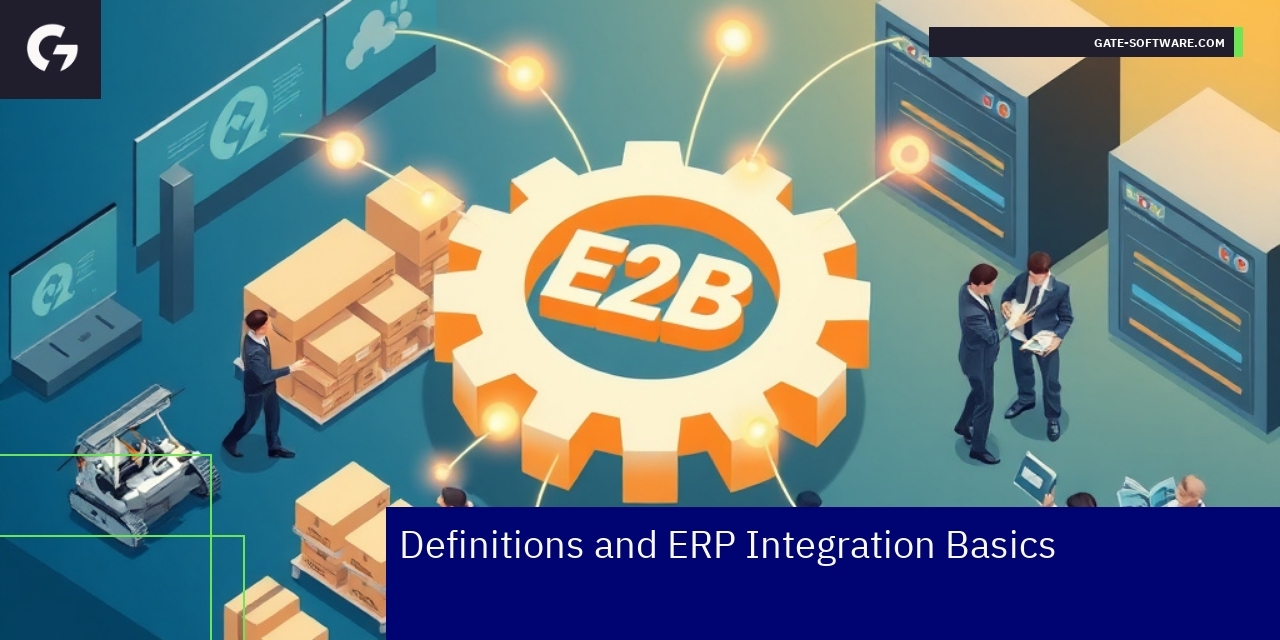
In the B2B context, understanding what ERP (Enterprise Resource Planning) entails and how it integrates with other systems like Magento is crucial for efficient business operations. ERP is comprehensive software that consolidates key business processes — including inventory management, order processing, finance, and customer relations — into a unified platform. This centralization ensures data consistency and visibility across departments, vital for B2B companies managing complex supply chains and multiple stakeholders.
Magento, as a leading eCommerce platform, complements ERP by managing online sales, product catalogs, and customer interactions. Its integration with ERP systems enables seamless data exchange: orders placed via Magento sync directly with ERP for inventory updates, invoicing, and fulfillment. This connection eliminates redundant manual data entry, reduces errors, and accelerates order processing, essential to meet B2B customers’ higher expectations for reliability and transparency.
Key principles of integration include data synchronization, real-time communication between platforms, and scalable architecture to handle growing transaction volumes. Security and compliance with standards like WCAG are also critical, ensuring safe, accessible operations for business users. For decision-makers such as CTOs and Heads of Applications, prioritizing a robust ERP-Magento integration setup supports optimized workflows, cost-efficient resource management, and enhanced customer satisfaction — all pillars of a thriving B2B enterprise. Implementing such integrations requires precise planning, expert technical execution, and alignment with business goals to harness full digital transformation benefits.
Benefits of Magento B2B
Full Integration 🔍 Integracja | ⚙️ ERP | 📊 Synchronizacja
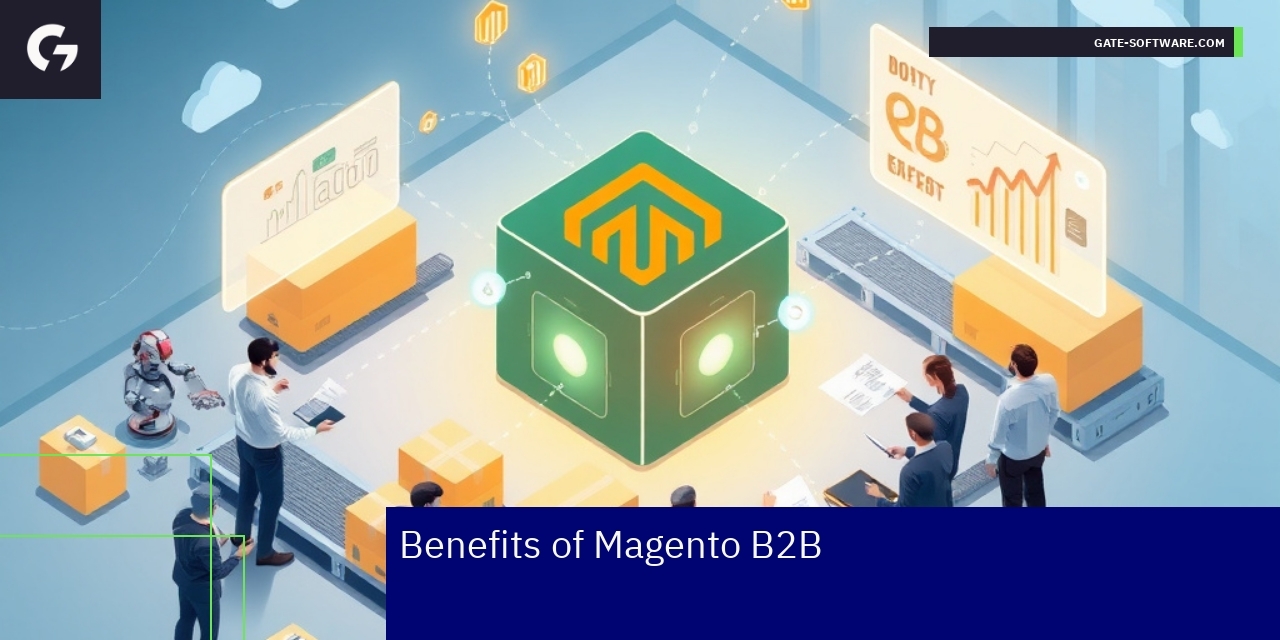
Full integration of ERP Magento with Magento 2 is fundamental for businesses aiming to streamline their operations. This integration allows platform B2B and ERP systems to work seamlessly together, providing a unified approach to business management. Magento 2 integrations enable real-time data synchronization between e-commerce operations and backend processes such as inventory management, order processing, and financial accounting. This harmony reduces manual errors, accelerates workflows, and enhances operational transparency. For companies leveraging platform B2B, ERP Magento integration supports efficient management of complex product catalogs, pricing tiers, and customer segmentation typical in B2B commerce. Ultimately, these Magento 2 integrations facilitate a robust infrastructure that aligns sales channels with enterprise resource planning, which is essential for scaling business and improving responsiveness to market changes.
Flexibility
The combination of ERP Magento and platform B2B offers unparalleled flexibility, catering to diverse business requirements. ERP systems integration with Magento 2 integrations allows organizations to adapt their processes dynamically, whether managing multiple warehouses, different VAT regimes, or customized payment terms common in B2B environments. This flexibility ensures that workflows can be tailored to specific market conditions and client needs without compromising operational efficiency. Additionally, ERP Magento integration supports seamless adaptation to evolving business models such as subscription-based services or complex supply chain structures. Leveraging these Magento 2 integrations enables continuous optimization of processes, empowering e-commerce managers and IT teams to respond quickly to new opportunities while maintaining data integrity and process automation across the platform B2B.
Key Magento B2B Features
The top features of Magento B2B are significantly enhanced by ERP Magento integration, which is critical for accelerating e-commerce success. ERP systems play a vital role in automating order management, credit limit control, and customer-specific pricing, all essential for B2B sales. When combined with Magento 2 integrations, these functionalities offer a comprehensive toolset that ensures consistent, accurate, and scalable operations. Features such as bulk ordering, quote management, and customer-specific catalogs benefit from ERP systems integration, reducing administrative overhead and improving customer experience. Furthermore, Magento 2 integrations support enhanced reporting and analytics capabilities, allowing decision-makers such as CTOs and Heads of Applications to monitor performance metrics and optimize business strategies efficiently. This synergy between Magento B2B platform functions and ERP systems is essential for driving growth and maintaining competitive advantage in B2B e-commerce.
ERP Systems Integration with Magento
ERP Role in Magento Integration
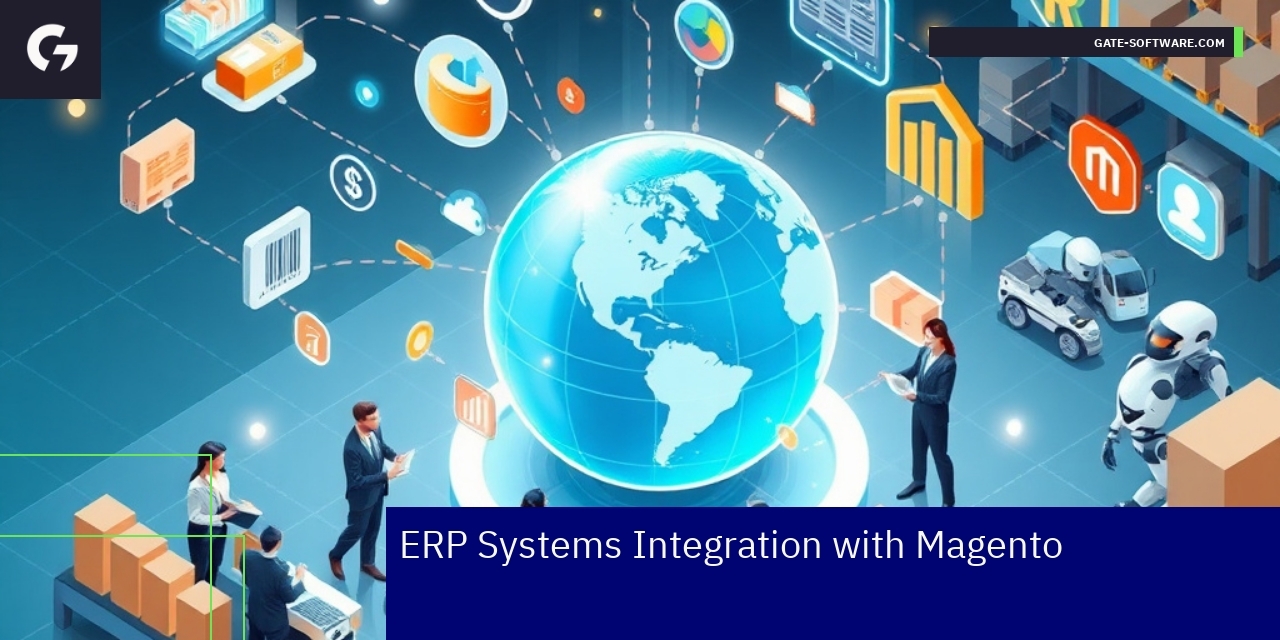
In platform B2B ecosystems, ERP Magento plays a pivotal role as the central system that organizes and manages core business processes. ERP systems are essential for Magento 2 integrations because they provide a unified data backbone that ensures consistency and accuracy across sales, inventory, finance, and customer management. Through effective Methods of Magento ERP Integration, businesses can automate workflows, reduce manual errors, and improve operational efficiency. ERP Magento facilitates real-time data exchange, which is crucial for complex B2B transactions and for maintaining a seamless commerce platform.
Goals and Benefits of ERP Integration
The primary goal of integrating ERP Magento with platform B2B solutions is to synchronize critical business data, thereby eliminating silos and streamlining operations. This integration enables ERP systems to communicate seamlessly with Magento 2 integrations, ensuring data consistency across orders, stock levels, and customer information. The benefits include enhanced visibility into business performance, faster order processing, and improved customer service. Such connections empower businesses to scale effectively while optimizing operational costs and workflows specific to the B2B environment.
Advantages of ERP-Magento Integration
Key advantages of ERP Magento integration include superior data management and operational efficiency within platform B2B frameworks. By aligning Magento 2 integrations with ERP systems, companies can achieve automated inventory updates, synchronized financial reporting, and improved order accuracy. This operational synergy reduces processing time and errors, enhances real-time decision-making, and supports complex B2B sales models such as custom pricing and multi-tiered customer structures. Ultimately, these advantages foster business agility and a stronger competitive position in the market.

Improving Business Operations
Time Savings
Integrating ERP Magento with a platform B2B model enables significant time savings by automating routine business processes that traditionally consume valuable resources. ERP systems streamline operations such as order processing, inventory management, and customer data handling, while Magento 2 integrations provide seamless connectivity between the eCommerce platform and backend operations. This synchronization reduces manual data entry, minimizes errors, and accelerates workflows. For decision-makers like CTOs and Heads of Applications, this means freeing up teams to focus on higher-value tasks and innovation, rather than administrative overhead. The tight integration ensures that updates and changes made in the ERP system reflect instantly on the Magento-powered B2B platform, resulting in an agile, responsive business environment that can quickly adapt to market demands and client needs.
Product Info Consistency 🧠 UWAGI:
🔧 Nie twórz nagłówków od nowa – nie zmieniaj tytułów ani nie dodawaj znaczników takich jak “H3”, “H4”, numeracja, ani żadnych dodatkowych oznaczeń.
🔧 Nie modyfikuj żadnych innych fragmentów – tylko dodaj boxy na końcu konkretnego H3.
Automated Financial Data Sync
One of the more complex yet vital aspects of managing platform B2B operations involves financial data synchronization between sales channels and accounting systems. Leveraging Magento 2 integrations with ERP Magento enhances the accuracy and timeliness of financial data flows, including invoicing, payments, and revenue reporting. ERP systems maintain financial records and compliance data, while integration ensures that all transactional information captured on the B2B platform is reflected automatically in the ERP system without delays or manual intervention. This automated synchronization reduces the risk of errors, improves audit readiness, and accelerates financial closing processes. From the perspective of CDOs and CFOs, this integration supports stronger financial governance and reliable analytics, empowering better budget management and strategic financial planning.)
Integration with Comarch ERP Optima
Integration with Comarch ERP XL
Integration with Comarch ERP XL within platform B2B scenarios highlights the strategic role of ERP Magento in harmonizing business processes. Using Magento 2 integrations alongside ERP systems, businesses can streamline order management, inventory control, and customer data synchronization. This integration enhances operational efficiency by ensuring real-time data flow between the e-commerce platform and ERP system, reducing errors and manual interventions. The synergy between ERP Magento and Comarch ERP XL supports scalability and responsiveness to market demands, essential for B2B operations. Leveraging ERP Magento in combination with Magento 2 integrations facilitates seamless platform B2B functionality, empowering e-commerce managers to optimize workflows and improve overall system reliability in managing large product catalogs and complex transactions.
Integration with Streamsoft Prestiż
Streamsoft Prestiż’s compatibility with ERP Magento integrations underscores its vital role within ERP systems and Magento 2 integrations on platform B2B. By combining Streamsoft Prestiż with ERP Magento, businesses benefit from a unified approach to handle invoicing, accounting, and warehouse management efficiently. This integration supports the unique needs of B2B platforms, where transaction volumes and customer relationships are more complex than in B2C. Utilizing Magento 2 integrations, the system ensures synchronized updates between the sales platform and backend ERP, facilitating accurate data flow which is crucial for timely decision-making. This approach strengthens operational coherence, enabling eCommerce managers and CTOs to maintain control over business processes while using ERP Magento as a robust backbone system.
Examples of Magento Integrations with Other Platforms
Case studies of diverse Magento ERP integration methods demonstrate how ERP Magento, platform B2B, ERP systems, and Magento 2 integrations work together synergistically. These examples illustrate the flexibility of Magento when integrated with various ERP platforms, each addressing different business needs such as inventory optimization, automated order processing, and enhanced customer data management. The integrative capacity of Magento 2 integrations combined with ERP systems enables seamless workflows and support for complex B2B requirements. By applying these integration principles, eCommerce managers and CIOs can ensure scalable, adaptable solutions tailored to their operational environments. This enhances competitive advantage by improving efficiency and accuracy across sales, logistics, and finance functions within platform B2B settings.
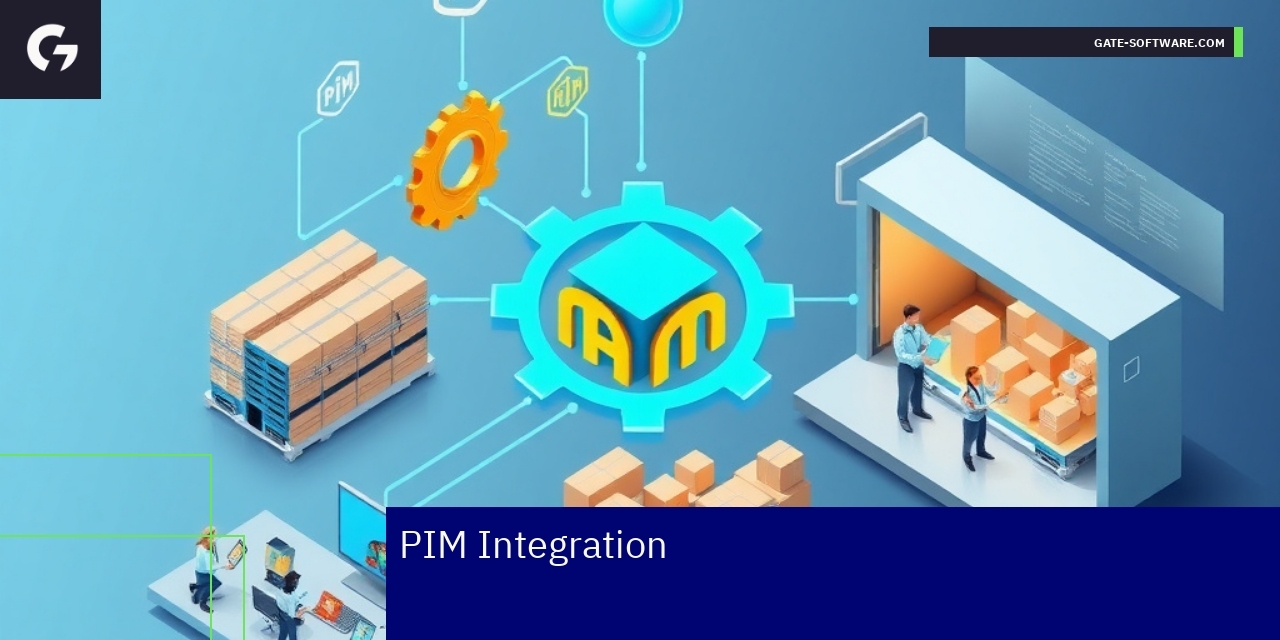
PIM Integration
Mentions ERP Magento, platform B2B, ERP systems, and Magento 2 integrations evenly while introducing Product Information Management integration into Magento ecosystems.
Integrating Product Information Management (PIM) with Magento ecosystems is essential for optimizing B2B platform efficiency and ensuring seamless data flows. This integration facilitates the synchronization of extensive product data across various channels, enhancing consistency and accuracy. Especially in the context of ERP Magento solutions, PIM acts as a centralized hub, reducing manual errors and streamlining processes. Implementing PIM within platform B2B environments supports complex product catalogs and improves the management of product attributes, pricing, and availability. Leveraging ERP systems alongside Magento 2 integrations, businesses can manage product information with greater agility and respond more effectively to dynamic market demands.
How to Integrate ERP Systems with Magento
Successfully integrating ERP systems with Magento 2 involves a structured approach that aligns technical and business requirements. The first step is a thorough assessment of current ERP Magento and platform B2B workflows to identify integration points. Next, choosing the right integration method—whether through APIs, middleware, or custom connectors—is critical for a scalable solution. Third, ensure data mapping between ERP systems and Magento to maintain consistency in product, inventory, and order data. Fourth, testing plays a vital role in validating data synchronization and system performance. Fifth, monitoring and support mechanisms should be established to address issues proactively after deployment. Lastly, continuous optimization based on business feedback ensures the integration supports evolving B2B needs while leveraging the strengths of Magento 2 integrations and ERP systems harmoniously.

Comparisons and Alternatives
ERP vs. Other Management Systems
In the context of platform B2B operations, understanding the differences between ERP systems and other management systems is crucial. ERP Magento integration serves as a pivotal bridge, enhancing efficiency by unifying business processes such as inventory management, sales, and customer relations under one architecture. Unlike standalone management systems that may focus solely on specific areas, ERP systems provide a comprehensive operational environment. Integrating Magento with ERP streamlines workflows, reduces data silos, and supports real-time decision-making, thus optimizing business strategies. The platform B2B model demands seamless data exchange and adaptability to complex supply chains, which ERP solutions address more effectively than alternative systems. This holistic integration ensures that all departments operate with synchronized information, enhancing scalability and responsiveness in fast-evolving markets.
Pros and Risks of ERP Integration with Magento
ERP Magento integration brings significant advantages to platform B2B enterprises, including automated data synchronization, improved order processing accuracy, and enhanced inventory control. These benefits translate into increased operational efficiency and better customer satisfaction, crucial in B2B environments where transaction volumes and order complexity tend to be high. However, there are inherent risks to consider. Integration challenges such as data inconsistencies, system incompatibilities, and the complexity of maintaining ERP systems alongside evolving Magento platforms can impact project timelines and costs. Furthermore, successful implementation requires alignment with business processes and skilled resources to mitigate potential disruptions. Evaluating ERP systems and Magento 2 integrations entails balancing these benefits and risks to ensure strategic alignment and long-term platform stability. Well-planned integration strategies help avoid common pitfalls while leveraging ERP’s full potential for B2B growth.

Data and Performance Metrics – Efficiency, SLA, TCO
Operational Effectiveness in B2B Projects
In the context of B2B services, Gate-Software demonstrates a commitment to delivering measurable outcomes that enhance operational effectiveness. For instance, the integration processes typically experience a project takeover time averaging just 2 weeks, ensuring swift transition and minimal disruption to ongoing operations.
Furthermore, 95% of projects are delivered on time, reflecting our efficient workflows and adherence to deadlines that are crucial for our clients’ business continuity. In terms of cost efficiency, clients have reported an average Total Cost of Ownership (TCO) reduction of 20% after implementing our solutions, accentuating the financial benefits of our integrated approach.
Gate-Software also maintains a stringent uptime Service Level Agreement (SLA) of 99.9%, providing clients with the reliability essential for their business operations. Our efforts in client relationship management result in an average client relationship duration of 4 years, underscoring our focus on building lasting partnerships.
Additionally, our integration work encompasses the successful execution of over 100 implementations, highlighting our extensive experience and capability in handling complex projects across various sectors. These metrics not only illustrate our operational efficiency but also affirm our commitment to delivering value through tailored B2B solutions.

Summary
In the dynamic landscape of B2B operations, the integration of ERP systems with Magento 2 stands out as a pivotal strategy for enhancing efficiency and driving business growth. Gate-Software’s approach leverages the MagentoOneS™ framework and custom connectors to ensure seamless synchronization of critical business data, enabling organizations to maintain data consistency and optimize their workflows. By automating processes such as order management, inventory control, and financial data synchronization, businesses can reduce manual errors and significantly improve response times to market demands.
Moreover, our focus on building strategic partnerships empowers B2B companies to remain agile and responsive to customer needs while securing a competitive edge. By implementing advanced analytics and agile methodologies, decision-makers like CTOs and eCommerce Managers can make informed choices that foster customer satisfaction and retention. Our commitment to ongoing support and maintenance ensures that your systems evolve in tandem with changing business requirements, allowing you to capitalize on new opportunities without disrupting operations.
We invite you to explore how Gate-Software can assist you in navigating the complexities of ERP-Magento integration. Let us work together to enhance your B2B operations and drive measurable value for your organization.
FAQ
What are the most common mistakes in ERP Magento integration?
One of the most frequent mistakes in ERP system integration with Magento involves underestimating the complexity of synchronizing data between platforms. Common issues include poor mapping of product data and inventory levels, leading to discrepancies that affect order fulfillment and customer satisfaction. Another critical error is neglecting the customization needs that B2B clients often require, such as tailored pricing structures and multi-user account management. Additionally, failing to ensure full compliance with WCAG standards can negatively impact UX/UI accessibility, reducing the platform’s effectiveness.
What are the best practices for integrating ERP with Magento?
Effective ERP Magento integration starts with a thorough analysis of existing business processes and data flows to align them with Magento’s eCommerce system. Utilizing a modular approach allows for phased implementation, minimizing disruptions. Ensuring real-time data synchronization between the ERP and Magento platform helps maintain data integrity, vital for B2B scenarios that involve complex order management and invoicing. Employing experts who understand both systems’ technical nuances ensures adherence to best UX/UI practices and WCAG standards.
What are the costs involved in ERP system integration with Magento?
Costs in ERP system integration with Magento typically vary depending on the project’s scope, complexity, and custom development needs. Key cost factors include software licensing or subscription fees, custom connector development, and data migration efforts. Investment in SLA-based support and ongoing maintenance is crucial for reliable platform operations and should be budgeted accordingly. Integrations requiring additional UX/UI audits to meet WCAG 1.1 accessibility standards may also increase costs.
How does ERP integration improve business operations in B2B environments?
ERP integration with Magento enhances business operations by automating routine processes, reducing manual errors, and accelerating order processing. This integration allows for real-time data synchronization between sales channels and backend operations, ensuring accurate inventory management and customer data handling. Decision-makers benefit from increased efficiency, enabling teams to focus on higher-value tasks and innovation rather than administrative overhead.
Why is compliance with WCAG standards important in ERP Magento integration?
Compliance with WCAG standards is crucial in ERP Magento integration to ensure accessibility for all users, particularly in B2B environments where diverse stakeholders may interact with the platform. Adhering to these standards enhances user experience, supports legal compliance, and promotes inclusivity, allowing businesses to reach a broader audience and improve customer satisfaction.
.
.
Zamów bezpłatną konsultację
.
Z nami rozwój Twojego biznesu nabierze tempa! Zapraszamy do kontaktu średnie i duże firmy generujące min. 7 mln PLN obrotu rocznie – tam nasza ekspertyza sprawdza się najlepiej.
.
Kliknij w poniższy przycisk i skontaktuj się z jednym z naszych konsultantów e-commerce
.