Introduction
Building a B2B eCommerce platform involves multiple strategic and technical considerations that directly impact the overall cost. For organizations led by CTOs, CDOs, eCommerce Managers, and Heads of Applications, understanding cost factors is essential to align the platform’s capabilities with business objectives. Costs encompass platform selection, customization, UX/UI design adhering to WCAG standards, integration with existing systems, hosting, security, and ongoing maintenance under structured SLA agreements.
Gate-Software’s approach leverages Magento™ as a robust foundation tailored for B2B environments, emphasizing scalability, reliability, and compliance with accessibility guidelines. Investing in expert UX/UI audits ensures seamless user journeys for key personas such as Architects and decision-makers. Additionally, cost optimization strategies include monitoring, migration planning, and agile development cycles to manage budget predictability while adapting to evolving market needs.
This guide walks through these elements, focusing on practical business and technical factors driving expenditures, and presents insights grounded in Gate-Software’s experience supporting complex B2B eCommerce projects. This enables stakeholders to make informed decisions that balance innovation, usability, and cost efficiency.
TABLE OF CONTENTS
- How Much Does Building a B2B eCommerce Platform Cost?
- B2B eCommerce Platform Costs: A Comprehensive Guide
- Definitions and Basics
- Is a B2B Store Right for You?
- B2B Store Specifics – Start in Steps
- Customer Reviews of Magento’s B2B Wholesalers
- Comparisons and Analyses
- Common Mistakes When Launching B2B Stores
- FAQ – Top Questions
- Alternatives to B2B Platforms
- Benefits and Risks of B2B eCommerce
- Data and Performance Metrics – Efficiency, SLA, TCO
- Summary
- FAQ
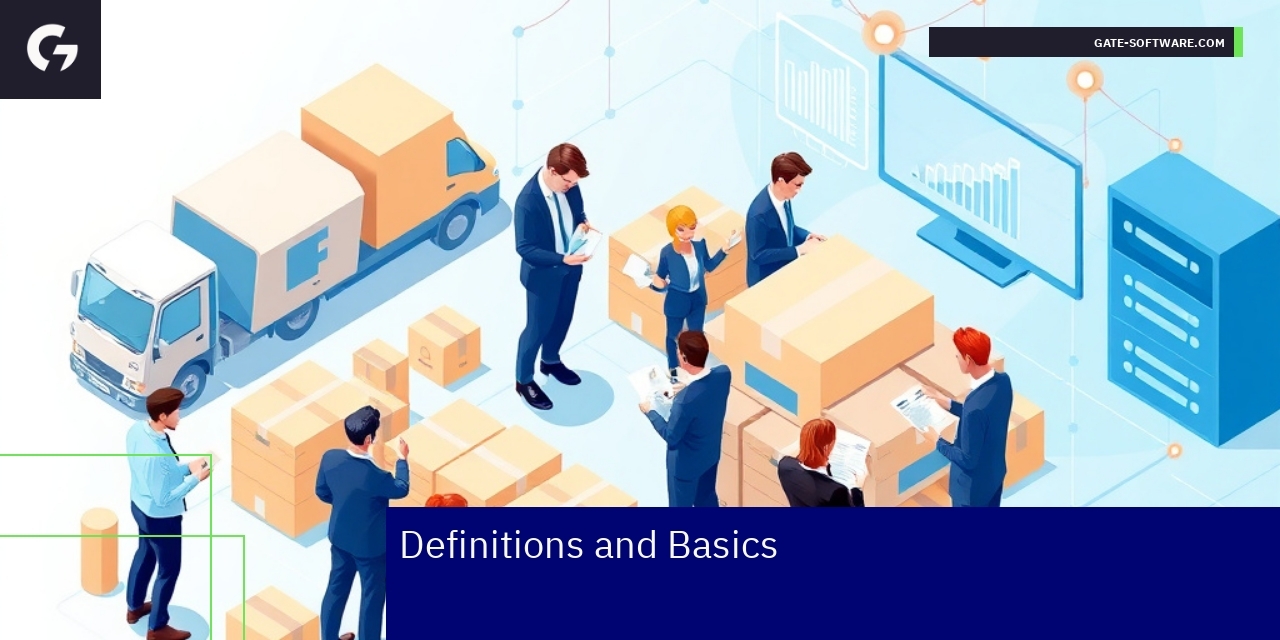
Definitions and Basics
Business-to-Business (B2B) eCommerce platforms serve as critical digital tools enabling enterprises to conduct trade transactions efficiently. A B2B eCommerce platform is a specialized online marketplace designed to handle complex procurement processes, bulk ordering, and long-term contractual relationships between businesses. Unlike B2C platforms, these prioritize features such as comprehensive product catalogs, tiered pricing models, and seamless integration with enterprise resource planning (ERP) systems to support workflows typical for B2B clients.
Key concepts underpinning B2B eCommerce include managing extensive product catalogs with precise attribute management to facilitate easy navigation and optimized purchasing paths. Wholesale pricing strategies and negotiated contracts play an essential role in attracting and retaining business customers. Another critical aspect is handling purchase orders (POs) which formalize transactions and keep accounting consistent. Customer relationship management (CRM) integration is leveraged to nurture leads and maintain strong client engagement over extended sales cycles.
SEO for B2B differs by focusing on industry-specific keywords and technical content that addresses clients’ professional needs and pain points. This helps in generating qualified leads and increasing brand visibility in an increasingly digital B2B environment. Gate-Software’s approach ensures adherence to WCAG standards and UX/UI guidelines, delivering accessible, intuitive, and compliant interfaces that meet the expectations of key personas such as Architects, eCommerce Managers, and CTOs.
Delivering versatile, secure payment solutions tailored for invoicing and account management complements the digital customer journey. Meanwhile, leveraging analytics provides measurable insights into user behavior and sales performance, enabling continuous optimization and growth within the B2B sector. Integrating these elements reflects Gate-Software’s commitment to B2B excellence through scalable, resilient Magento™ platforms, service-level agreements (SLA), hosting solutions, and ongoing technical support tailored to complex business requirements.
Definitions and Basics

Is a B2B Store Right for You?
How to Buy
In B2B ecommerce, the buying process differs significantly from B2C, focusing on efficiency, precision, and flexibility to meet business needs. A B2B eCommerce platform should facilitate quick product addition to cart and allow customers to access documents in their Client Zone, streamlining ordering and account management. Integration with wholesalers is essential, enabling seamless Online store integration with wholesalers to ensure up-to-date inventory and pricing information. Moreover, the system b2b must support verified customer systems to maintain secure transactions and appropriate pricing. Separate offers for retail and wholesale customers are often necessary to cater to different buyer types, while features like warning or blocking deferred payment purchases help manage credit risk.
B2B vs B2C: Key Differences
The main distinctions between B2B and B2C platforms lie in complexity and customization. B2B platforms typically require the ability to add dedicated options and offer price negotiation and purchase offers, features rarely seen in B2C. The presence of a product configurator is also vital, allowing business buyers to tailor products according to specific requirements. Currency and payment methods must be flexible to accommodate international and corporate transactions. Minimum wholesale order value settings prevent inefficient small orders and optimize supply chain logistics. Unlike B2C, where purchases are often impulsive, B2B ecommerce b2b transactions emphasize contract compliance, bulk ordering, and long-term customer relationships.
Costs of Setting Up a B2B Store Online
Establishing a B2B store involves technical and strategic investments guided by platforms b2b capabilities. Development costs include integrating Custom product feed solutions to efficiently broadcast product data across sales channels. Ensuring system performance to support quick product addition to cart and robust customer access to documents is critical. Licensing and configuration for verified customer systems and the implementation of warning or blocking deferred payment purchases require secure, compliant infrastructures. Marketing and sales strategies also factor in costs related to creating Separate offers for retail and wholesale customers. Lastly, handling multiple currency and payment methods requires thoughtful backend architecture. Investing in these elements ensures a scalable, compliant B2B eCommerce platform that meets complex business demands.
Manufacturers Selling Retail & Wholesale
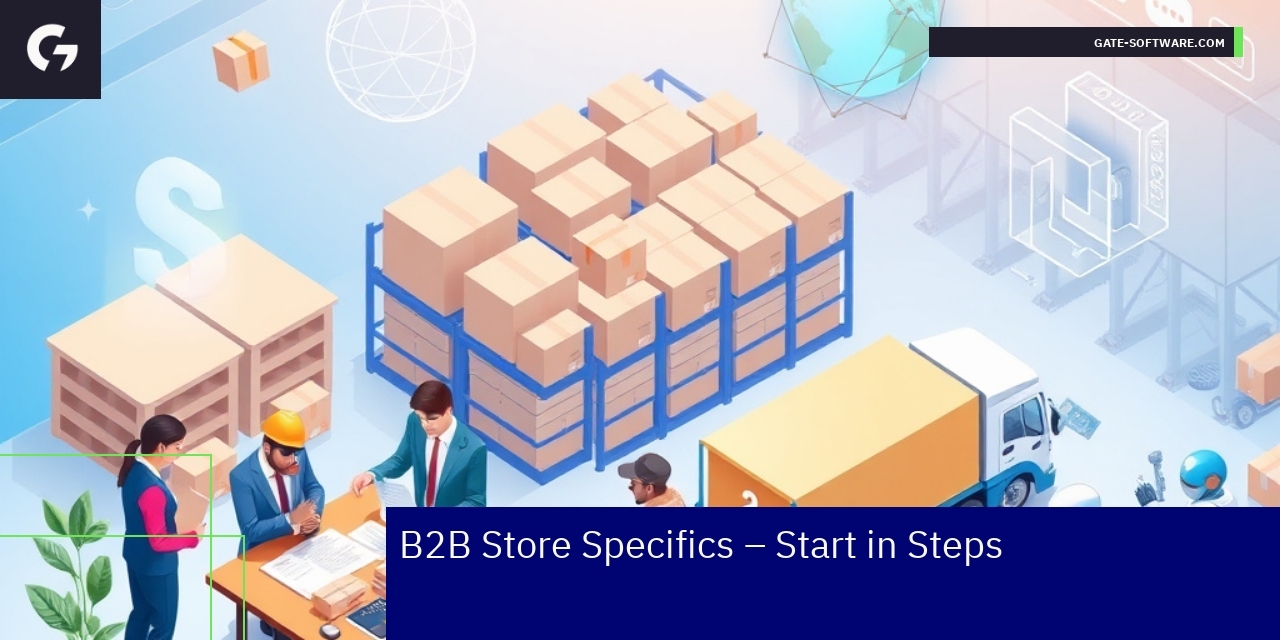
B2B Store Specifics – Start in Steps
Manufacturers Selling Retail & Wholesale
Manufacturers operating in both retail and wholesale spheres require a robust system b2b to manage diverse sales channels efficiently. Implementing platforms b2b that support a B2B eCommerce platform enables manufacturers to launch a professional online wholesaler seamlessly. This dual approach allows the differentiation between retail and wholesale offers, catering to distinct customer needs and pricing structures. Key features include the ability to add dedicated options for specific client requirements and additional order parameters that streamline order processing. Quick product addition to cart functionalities enhance buyer experience, while client access to promotions via e-Store maintains engagement and loyalty. Manufacturers benefit from document access in Client Zone to facilitate smooth communication and transparency. Integrating a product configurator and custom product feed further customizes offerings, supporting complex B2B transactions. Warning or blocking deferred payments helps manage credit risk. Moreover, currency and payment method flexibility ensures transactions across various markets are handled efficiently, complementing price and purchase offer negotiation capabilities critical in B2B environments.
Wholesalers Serving Offline and Online Stores
Wholesalers serving both offline and online stores must rely on ecommerce b2b solutions that unify operations across channels while offering seamless client experiences. Platforms b2b designed for these wholesalers provide tools to launch a professional online wholesaler storefront quickly, expanding reach and increasing sales opportunities. Maintaining separate retail and wholesale offers within the same system b2b is essential for clear pricing strategies and inventory management. Additional order parameters and the ability to add dedicated options cater to complex purchasing behaviors typical in wholesale transactions. Client access to promotions via e-Store and quick product addition to cart streamline ordering processes, reducing friction and increasing efficiency. Document access in Client Zone ensures that wholesalers and their clients maintain clear communication and easy access to invoices and orders, while warning or blocking deferred payments mitigates financial risks. Price and purchase offer negotiation features support flexible business deals, and integration of custom product feeds with currency and payment method options enhances wholesaler adaptability to diverse markets and customer needs.
Stores Doing or Planning B2B Sales
Stores either currently engaging in or planning to enter B2B sales must invest in platforms b2b tailored to industry-specific challenges. Selecting a B2B eCommerce platform that provides system b2b capabilities enables these stores to launch a professional online wholesaler presence efficiently. Central to success is maintaining separate retail and wholesale offers, ensuring clarity for customers and optimized pricing strategies. Quick product addition to cart features improve user experience, while additional order parameters and the ability to add dedicated options provide customization to meet varied client demands. Client access to promotions via e-Store fosters customer retention and stimulates sales growth. Document access in Client Zone supports transparency and efficient account management. Managing financial operations with warning or blocking deferred payments protects the business against credit risks. Price and purchase offer negotiation tools aid in securing mutually beneficial agreements. Employing a product configurator and custom product feed enhances the attractiveness of the online store, while currency and payment method options accommodate international clients and diverse payment preferences, setting a strong foundation for scalable ecommerce b2b success.

Customer Reviews of Magento’s B2B Wholesalers
Customer feedback on Magento’s B2B Wholesalers highlights the robust capabilities of the system b2b, designed to streamline complex commercial transactions in ecommerce b2b environments. Users appreciate the platform’s architecture that supports scalability and integration flexibility, making it a reliable platforms b2b choice for diverse industry needs. The B2B eCommerce platform excels in its ability to cater to intricate ordering processes, especially through features like Quick addition of products to cart, which significantly accelerates the checkout experience and enhances operational efficiency for wholesale clients.
Clients particularly value the Minimum wholesale order value functionality, which helps maintain profitability and manage order flow effectively, aligning with internal business policies. Additional order parameters allow for customization of the ordering process, accommodating specific business rules and client requirements, which is crucial in the B2B sector where transactions are rarely one-size-fits-all.
The system’s interface and backend infrastructure reflect a deep understanding of B2B ecommerce dynamics, allowing for seamless integration with existing ERP and CRM systems, thus supporting business continuity and data accuracy. Overall, Magento’s solution receives commendations for balancing technical sophistication with user-centric features that address real-world challenges in B2B eCommerce platform management. These reviews underscore the platform’s role in optimizing wholesale operations, improving order accuracy, and supporting strategic sales growth through advanced system b2b functionalities.
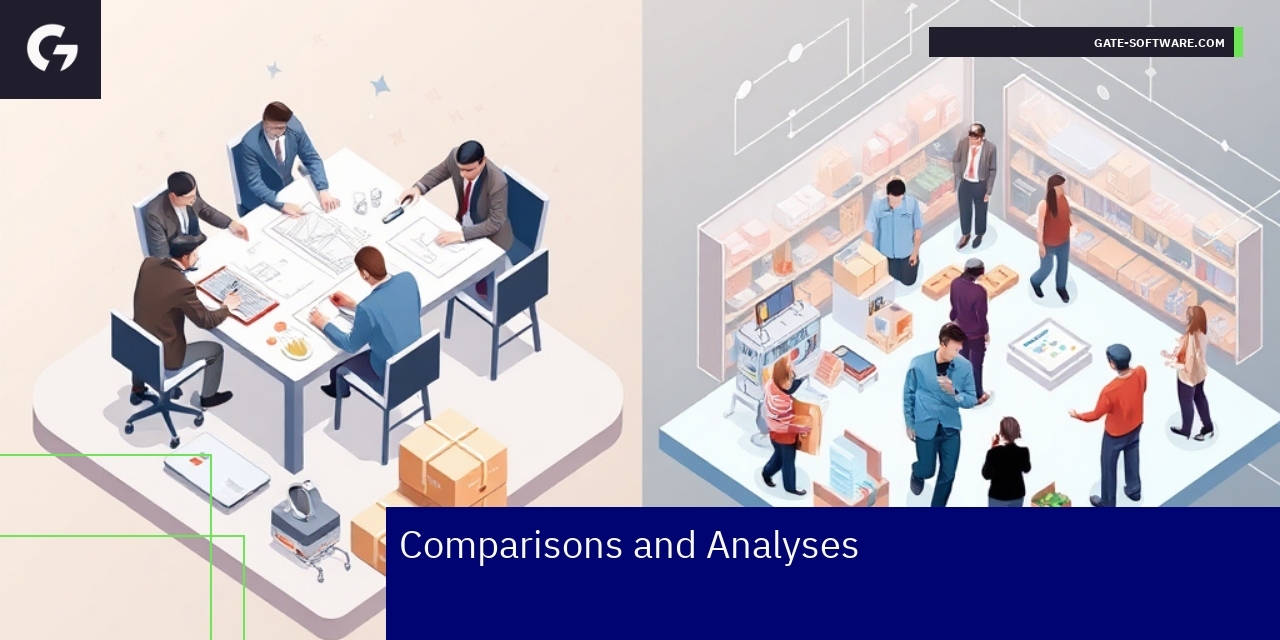
Comparisons and Analyses
B2B vs B2C – Core Differences
The fundamental distinctions between B2B and B2C models shape sales dynamics and marketing approaches significantly. In B2B, transactions typically involve higher-value contracts, longer sales cycles, and multiple stakeholders, including roles such as Architect, eCommerce Manager, and CTO/CTO, reflecting the complexity and strategic nature of purchases. Sales model comparison reveals that B2B requires a consultative selling process emphasizing custom solutions, scalability, and integration capabilities, crucial for platforms like Magento™. This necessitates a marketing strategy that focuses on detailed, technical content, trust-building, and long-term relationship management. The impact on marketing strategy in B2B also means prioritizing channels and messaging tailored to professional decision makers, using precise UX/UI principles and compliance with WCAG standards to enhance platform accessibility and user experience for enterprise clients. These approaches contrast with B2C’s broader reach and simpler transactional nature, reinforcing the importance of specialized communication and product positioning in B2B markets.
B2B Costs Across Industries
B2B cost analysis varies significantly across industries, reflecting different operational complexities and technological requirements. For instance, in the e-commerce sector, the costs associated with maintaining and hosting robust Magento platforms, implementing SLA agreements, and conducting UX/UI audits are critical investments to ensure reliable, scalable service delivery. Industry X might incur higher expenses due to increased compliance and security demands, while Industry Y may focus more on integration and customization costs linked to unique business processes. Cost optimization strategies highlighted in Gate-Software’s portfolio emphasize balancing these expenditures by leveraging specialized cooperation models and project takeovers to reduce overhead. Understanding these nuanced cost structures enables eCommerce Managers and Heads of Applications to allocate resources effectively, ensuring that B2B platforms not only meet current requirements but also align with the company’s long-term digital transformation and marketing strategies.
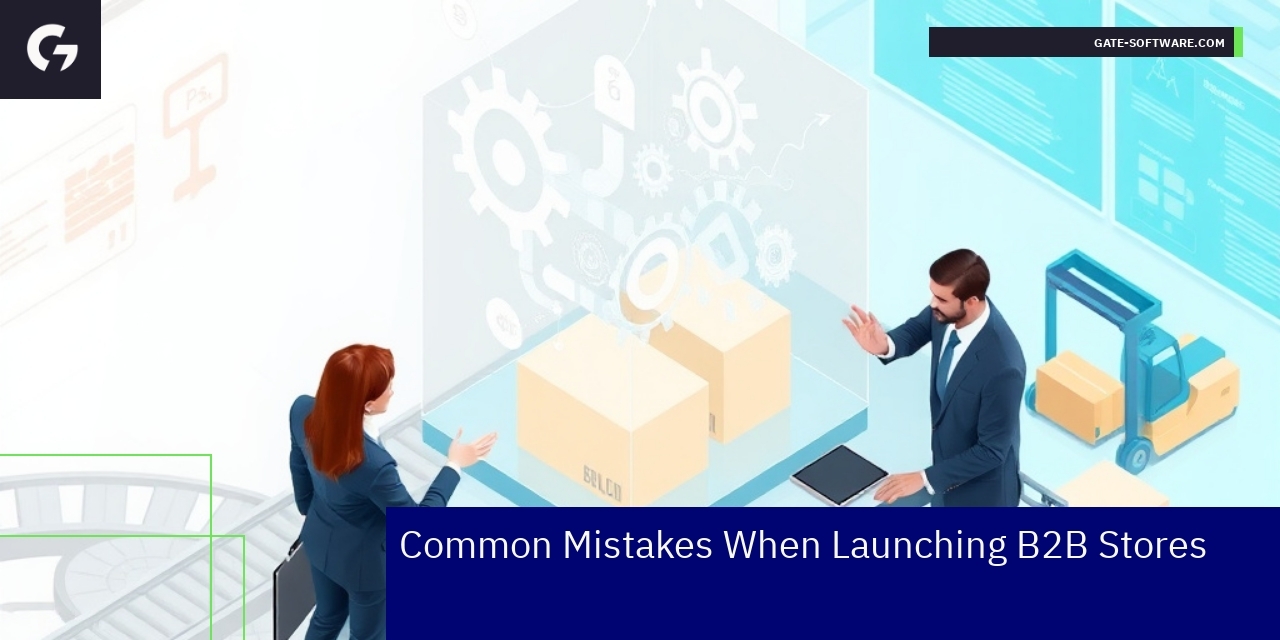
Common Mistakes When Launching B2B Stores
Launching B2B stores involves unique challenges that require careful navigation to avoid costly errors. Among the most critical missteps are pricing strategy errors and system integration problems. These mistakes can significantly impact the store’s performance, customer satisfaction, and overall business success.
Pricing strategy errors often emerge from a failure to align the pricing model with the complex requirements of B2B buyers. Unlike B2C, B2B pricing must consider bulk orders, negotiated contracts, and tiered pricing structures. Neglecting these factors can lead to reduced competitiveness and lost sales opportunities. Additionally, insufficient attention to transparent pricing policies can erode trust with key decision-makers such as the Architekt or Head of Applications, who demand clarity and predictability in procurement processes. Integrating dynamic pricing tools within the Magento™ platform, complemented by cost optimization strategies, helps mitigate these pricing challenges while maintaining profitability.
System integration problems represent another significant pitfall, where incomplete or incompatible connections between the e-commerce platform and existing enterprise systems hamper operational efficiency. Disjointed integration between inventory management, CRM, ERP, and order fulfillment systems results in data silos, order inaccuracies, and delayed deliveries. These issues frustrate eCommerce Managers and CTOs who depend on seamless workflows and real-time data to support business decisions. Implementing robust API-driven integrations, following WCAG guidelines for accessibility, and leveraging Gate-Software’s expertise in platform migrations and SLA monitoring ensure reliable system cohesion and consistent user experiences.
Addressing these common mistakes requires a strategic approach that emphasizes user-centric UX/UI design, adherence to WCAG standards for accessibility, and ongoing alignment with the digital transformation goals of B2B stakeholders. Utilizing Gate-Software’s comprehensive knowledge base and tailored solutions empowers decision-makers to launch B2B stores that are technically sound, commercially viable, and primed for long-term growth.

FAQ – Top Questions
Common questions about B2B stores and the main concerns of entrepreneurs in B2B e-commerce often revolve around platform reliability, customer experience, and integration capabilities. Entrepreneurs demand robust solutions that support complex sales processes, including personalized pricing, multi-level approvals, and seamless B2B workflows. Gate-Software addresses these by leveraging Magento™, ensuring scalable hosting, SLA-backed availability, and advanced monitoring tools tailored for B2B environments.
Key challenges include maintaining high standards in UX/UI and WCAG 1.1 compliance, which Gate-Software meets through continuous audits. This commitment ensures accessibility while enhancing the buyer journey, crucial for converting professional clients. The integration of detailed personae such as Architect, eCommerce Manager, and CTO into solution design helps align technical and business goals, improving project outcomes.
Cost optimization and efficient platform migration remain priorities. Gate-Software’s expertise supports transitions without downtime, essential for B2B continuity. Social media and content strategies also play a role in B2B customer acquisition and retention, guided by brand voice frameworks and communication plans aligned with Gate-Software’s values. By understanding and addressing these aspects, enterprises can leverage B2B e-commerce for sustained growth and competitive advantage.
FAQ – Top Questions
Alternatives to B2B Platforms
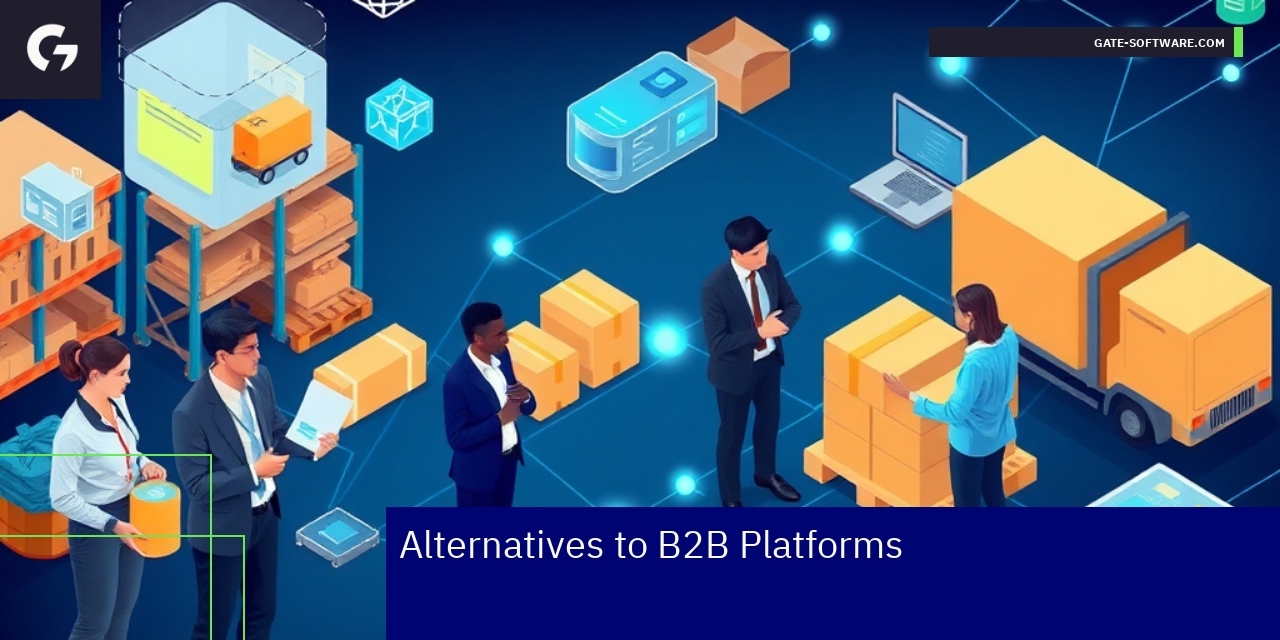
Other eCommerce models offer viable alternatives to traditional B2B platforms, addressing specific business needs and operational structures. These models include direct sales via dedicated B2B eCommerce websites, marketplace integrations, and hybrid approaches combining elements of both. Direct sales channels emphasize bespoke customer experiences, tailored pricing structures, and customization options aligned with strategic objectives. Integrations with marketplaces expand reach while maintaining control over brand presentation and product data. Such alternatives require robust backend systems, seamless data synchronization, and compliance with standards like WCAG for accessibility. Choosing the right model demands careful evaluation of technical architecture, user experience (UX/UI), and scalability, all critical aspects supported by Gate-Software expertise and solutions.
Comparison of different B2B platforms highlights distinct technical and business characteristics that influence platform selection. Platforms differ in their ability to handle complex product catalogs, pricing rules, and customer segmentation essential in B2B relations. Integration capabilities with ERP, CRM, and other enterprise systems are pivotal for operational efficiency. Security standards and compliance, including authentication and authorization, are non-negotiable in B2B environments. Gate-Software offers consultancy and implementation services focusing on Magento platform maintenance, cost optimization, and performance monitoring, ensuring that digital strategies align with business goals. This comprehensive approach underpins competitive eCommerce strategies that leverage the full potential of digital tools while maintaining focus on core B2B challenges like scalability, user experience, and operational excellence.
Benefits and Risks of B2B eCommerce
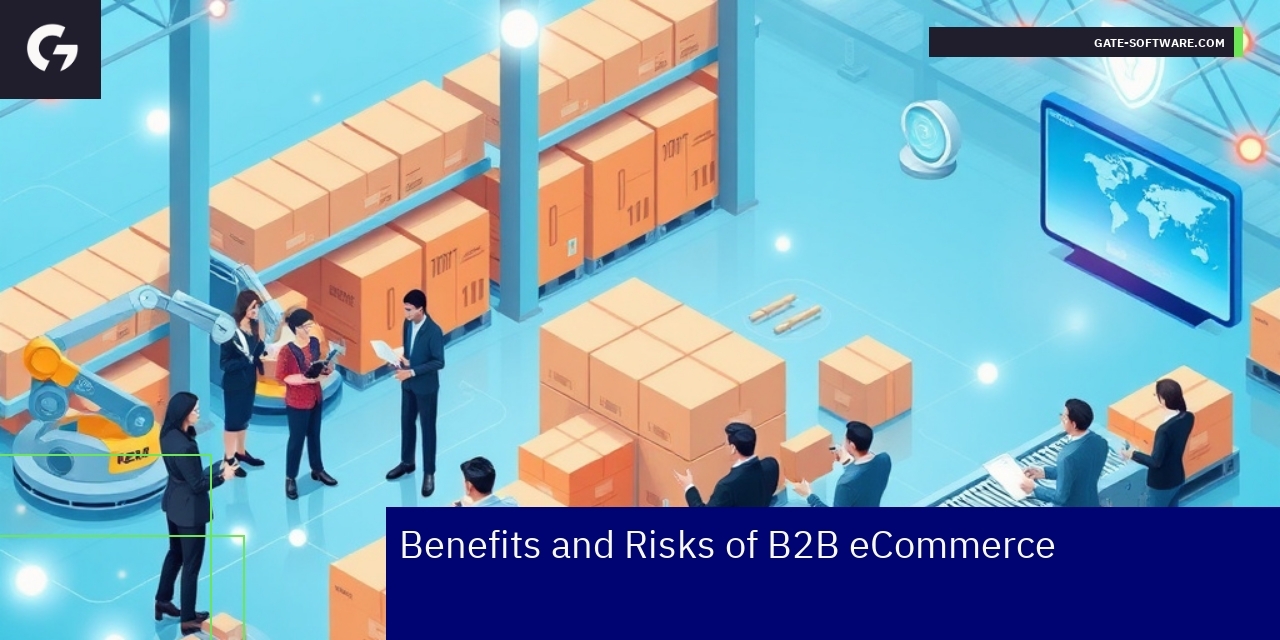
Implementing a B2B eCommerce platform brings significant advantages that drive modern business growth and efficiency. One of the most critical benefits is the expanded market reach, allowing companies to engage with more clients beyond traditional geographic boundaries. This enables businesses to tap into new segments and increase sales volumes more effectively. Additionally, eCommerce solutions reduce operational costs by automating processes such as order processing, invoicing, and inventory tracking, which minimizes human error and accelerates transaction cycles. Enhanced customer insights derived from platform analytics enable firms to tailor their offers and optimize the customer journey, thus improving loyalty and retention. The availability of a B2B store 24/7 also meets the growing demand for on-demand purchasing, increasing convenience for clients and driving revenue growth.
However, successful deployment requires awareness and mitigation of potential risks. Cybersecurity remains a paramount concern, as B2B transactions often involve sensitive corporate data; robust security protocols and continuous monitoring are essential to protect against attacks and data breaches. Dependence on technology infrastructure means that any system downtime or failures can directly impact sales and client trust. Market competition intensifies as barriers to entry lower, pushing businesses to innovate constantly to retain their competitive edge. Moreover, managing logistics—especially in global supply chains—introduces complexities related to inventory management and timely delivery. Compliance with evolving legal frameworks across different markets requires dedicated resources to avoid costly regulatory pitfalls. Therefore, while the implementation of a B2B store opens valuable opportunities, a strategic approach that addresses these risks ensures sustainable success in B2B eCommerce.

Data and Performance Metrics – Efficiency, SLA, TCO
Operational Effectiveness in B2B Projects
Gate-Software places a strong emphasis on measurable outcomes in its B2B projects. For instance, the average project takeover time is reported to be just 3 weeks, allowing for faster transitions and less disruption for clients. Moreover, 92% of projects are delivered on time, demonstrating the company’s commitment to meeting deadlines and maintaining efficiency.
In terms of cost management, organizations leveraging Gate-Software’s services have experienced an average Total Cost of Ownership (TCO) reduction of 15% within the first year due to optimized workflows and technology integrations. Over the past year, Gate-Software has successfully completed more than 25 implementations of the Magento™ platform, showcasing the robust demand for its solutions.
Additionally, the uptime SLA for services offered stands at an impressive 99.9%, ensuring reliability and minimal downtime, which is critical for maintaining operational continuity in B2B environments. The average duration of client relationships is around 5 years, reflecting the trust and satisfaction clients have in Gate-Software’s offerings.
These metrics underline Gate-Software’s operational effectiveness, providing potential clients with quantifiable data to support their purchasing decisions and demonstrating the tangible benefits of partnering with Gate-Software for B2B eCommerce solutions.
Summary
In conclusion, choosing an effective B2B eCommerce platform is a strategic move that can significantly enhance your business operations and market reach. Gate-Software’s expertise in utilizing Magento™ ensures that your platform is not only robust and scalable but also tailored to the unique challenges of B2B environments. By focusing on essential elements such as user-centric design, compliance with WCAG standards, and seamless system integration, Gate-Software empowers you to optimize your eCommerce processes while managing costs effectively. With a clear understanding of your business requirements and the support of a dedicated partner like Gate-Software, you can navigate the complexities of B2B transactions confidently. Should you wish to explore how we can collaborate to elevate your B2B eCommerce strategy, we invite you to reach out and discuss your vision with our team.
Summary

FAQ
What are the key considerations when building a B2B eCommerce platform?
Building a B2B eCommerce platform involves various strategic and technical considerations, including platform selection, customization, UX/UI design adhering to WCAG standards, integration with existing systems, and ongoing maintenance under structured SLA agreements.
How does Gate-Software’s approach enhance B2B eCommerce?
Gate-Software utilizes Magento™ as a robust foundation tailored for B2B environments, focusing on scalability, reliability, and compliance with accessibility guidelines. This approach ensures expert UX/UI audits and cost optimization strategies to manage budget predictability.
What are the main differences between B2B and B2C platforms?
The primary differences between B2B and B2C platforms lie in their complexity and customization requirements. B2B platforms require features like price negotiation, bulk ordering, and dedicated options to cater to the specific needs of business clients, unlike the more straightforward transactions of B2C platforms.
How do I ensure a successful B2B store launch?
To ensure a successful B2B store launch, it’s crucial to avoid common mistakes such as pricing strategy errors and system integration issues. Prioritizing user-centric UX/UI design, adhering to WCAG standards, and leveraging expert support can help construct a technically sound and commercially viable platform.
What risks should businesses consider when implementing a B2B eCommerce platform?
When implementing a B2B eCommerce platform, businesses should be aware of potential risks including cybersecurity threats, system downtime, market competition, logistics complexities, and compliance with evolving legal frameworks across different markets. Addressing these concerns through strategic planning is essential for sustainable success.
.
.
Zamów bezpłatną konsultację
.
Z nami rozwój Twojego biznesu nabierze tempa! Zapraszamy do kontaktu średnie i duże firmy generujące min. 7 mln PLN obrotu rocznie – tam nasza ekspertyza sprawdza się najlepiej.
.
Kliknij w poniższy przycisk i skontaktuj się z jednym z naszych konsultantów e-commerce
.