Introduction
Launching a B2B eCommerce store rapidly is critical for distributors aiming to respond agilely to market demands and technological trends. The key to achieving a fully operational B2B platform within four weeks lies in meticulous project planning, leveraging proven digital frameworks such as Magento™, and applying best practices in UX/UI tailored for professional buyers. Gate-Software’s strategy emphasizes close collaboration with key personas—such as the Architect, eCommerce Manager, and CTO—to ensure alignment of technical and business goals from the outset.
The accelerated setup is supported by our comprehensive approach to Utrzymanie i Rozwój, concentrating on platform stability, scalability, and compliance with WCAG 1.1 standards for accessible user experience. This includes streamlined integration with existing ERP systems typical in B2B environments, optimizing cost and time efficiency without compromising on customization or security.
By adopting Gate-Software’s structured methodology and modular architecture, distributors can overcome common challenges associated with long implementation cycles, such as complex legacy system migrations and inadequate UX design. The result is a robust B2B eCommerce store that enables seamless order processing, advanced product catalog management, and responsive customer engagement—all delivered on a rapid timeline that speeds time to market and supports sustainable growth.
TABLE OF CONTENTS
- How Distributors Can Launch a B2B eCommerce Store in Weeks – Not Months: B2B Store Setup in 4 Weeks
- B2B Platform Features
- Steps to Implement a B2B System
- Benefits of B2B eCommerce
- Choosing the Right B2B Platform
- Successful Implementation Examples
- Challenges in B2B System Launch
- The Future of B2B Platforms
- Data and Performance Metrics – Efficiency, SLA, TCO
- Summary
- FAQ

B2B Platform Features
Complex Transactions
Implementing a platform B2B eCommerce store requires understanding complex transactions common in the system B2B context. These extended negotiation and approval steps distinguish ecommerce B2B operations from simpler consumer models, necessitating tailored platform solutions to handle the complexity efficiently. In the system b2b environment, transactions often involve multiple layers such as bulk order processing, individual contract terms, and integration with enterprise resource planning systems. Platformy b2b must provide the necessary backend flexibility and frontend usability to coordinate these multifaceted processes without compromising speed or accuracy. This capability ensures that businesses can manage large-scale purchasing efforts, reflect bespoke pricing agreements, and automate approval workflows, ultimately reducing friction and errors.
Price Negotiations
An essential aspect of every platform B2B deployment is managing price negotiations. The system B2b relies on this feature heavily, enabling distributors and buyers to negotiate pricing flexibly within the ecommerce B2B environment, improving deal closure rates and customer satisfaction. Price negotiation tools integrated into platformy b2b enable dynamic quoting, discount management, and multi-round bargaining processes tailored to individual clients or customer groups. This flexibility supports strategic pricing adjustments tied to volume discounts, long-term contracts, or market conditions. By embedding negotiation capabilities directly into the ecommerce B2B portals, companies can enhance transparency, accelerate agreements, and strengthen partner loyalty.
Longer Sales Cycles
Unlike standard retail, the platform B2B ecosystem experiences longer sales cycles inherent to the system B2B marketplace. Understanding this helps businesses tailor their ecommerce B2B strategies for sustained engagement and revenue growth over time. Longer sales cycles require platformy b2b to support continuous client engagement through comprehensive content delivery, CRM integrations, and automated follow-ups scheduled over months or quarters. The system b2b must accommodate detailed product catalogs, technical documentation, and personalized communications to assist prospective buyers at each decision stage. Supporting these prolonged timelines optimizes customer experience, fosters trust, and ultimately maximizes conversion rates in complex B2B buying environments.
Platform Selection
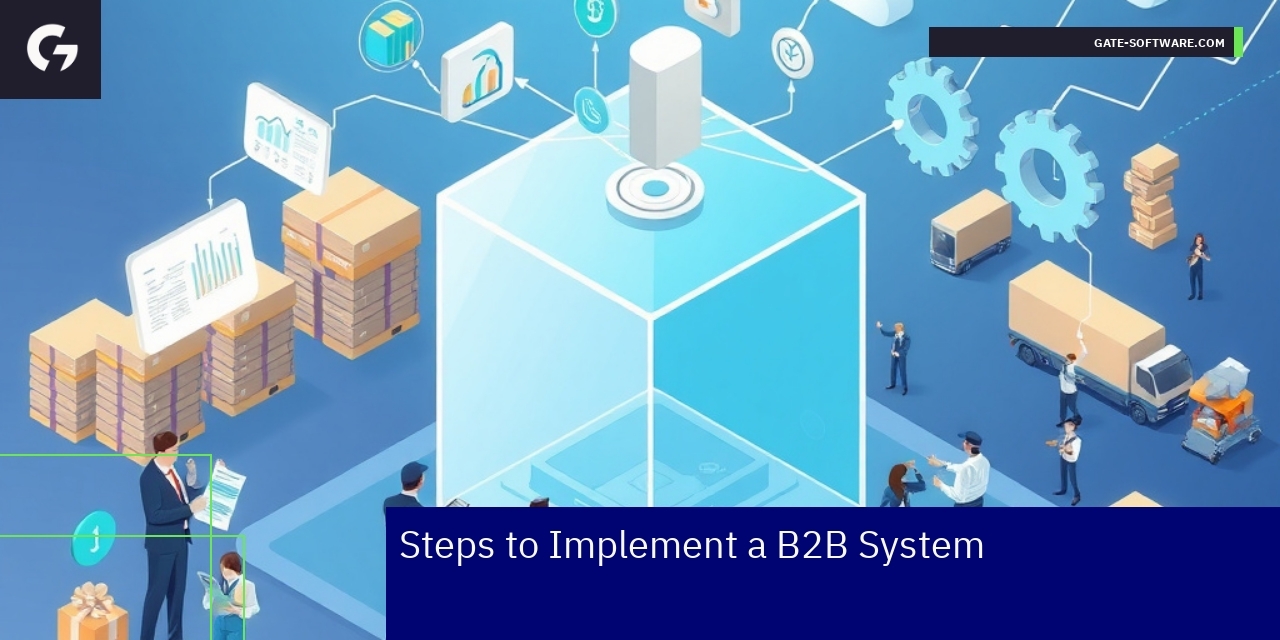
Steps to Implement a B2B System
Needs Analysis
A thorough needs analysis is the cornerstone of any successful B2B system implementation. Understanding the specific requirements of your organization’s ecommerce b2b operations is essential to select a platform that fulfills both business goals and user expectations. This phase involves identifying key functionalities, user roles, and integration needs unique to B2B environments. Evaluating current workflows and pain points ensures the system b2b can streamline processes, enhance customer interactions, and support scalability. A precise needs analysis aligns technical capabilities with strategic objectives, making it possible to choose and tailor platformy b2b solutions that truly fit your business context.
Platform Selection
Choosing the right platformy b2b is a critical step to establish an efficient ecommerce b2b system. This stage requires a detailed comparison of available platforms focusing on their ability to handle complex B2B transactions, pricing models, and integration capabilities. The selected system b2b should facilitate custom workflows, account management, and support for multiple user roles, which are typical challenges in B2B commerce. Speed of deployment, security features, and future extensibility are also decisive factors. A platform that aligns with your technical ecosystem and business processes accelerates ecommerce implementation and reduces operational risks while providing a solid foundation for growth.
Existing Systems Integration
Seamless integration with existing systems is mandatory for a smooth platform b2b launch and ongoing operations. Connecting your ecommerce b2b platform with ERP, CRM, and other legacy software ensures data consistency and operational efficiency. Effective synchronization minimizes manual data entry and errors, improving order processing, inventory management, and customer service. Integration supports a unified view of customer activities and financial data, essential for strategic decisions in a system b2b context. Properly planned and executed integration lowers implementation risks and facilitates smoother adoption and maintenance, allowing you to leverage your current IT investments fully.
Technological Innovations
Tip: AI, machine learning, and automation technologies are transforming B2B eCommerce by enabling personalized experiences and streamlined workflows. Leveraging cloud infrastructures and APIs provides flexibility and scalability essential for future-proofing your platform. Embracing these innovations not only improves operational efficiency but also helps meet evolving customer expectations effectively.

Benefits of B2B eCommerce
Increased Efficiency
Implementing a system b2b platform significantly improves operational efficiency by automating complex workflows and streamlining routine processes. This reduces manual errors and administrative overhead, leading to faster order processing and fulfillment. With ecommerce b2b, businesses can synchronize inventory, pricing, and order management in real time, optimizing supply chain coordination. The ability to integrate with existing ERP and CRM systems enhances data consistency and operational visibility. Overall, these improvements translate into cost savings and the ability to serve clients more responsively, which is crucial for maintaining competitiveness on platformy b2b.
Better Customer Service
Ecommerce b2b platforms enable customization that addresses the specific needs of each client or segment, such as personalized pricing, tailored product catalogs, and flexible payment terms. A system b2b with advanced customer management features supports dedicated account representatives, real-time support, and streamlined communication channels. This level of personalization fosters stronger client relationships and increases customer satisfaction. Additionally, enhanced self-service options empower buyers to place orders autonomously, reducing friction and response times. By leveraging these platformy b2b capabilities, companies can deliver a superior buying experience that differentiates them from competitors.
Revenue Growth
Choosing the right platform b2b for your system b2b requirements opens new sales channels by expanding market reach and simplifying order acquisition processes. Quick and scalable ecommerce b2b deployment accelerates go-to-market strategies and revenue realization. Analytics embedded within these platforms provide insights that support targeted marketing and upselling opportunities. Moreover, streamlining repeat and bulk orders boosts transaction volumes and customer loyalty. Ultimately, an effective system b2b is a critical driver of sustainable revenue growth, providing the agility to adapt to evolving business demands and customer expectations on ecommerce b2b platforms.
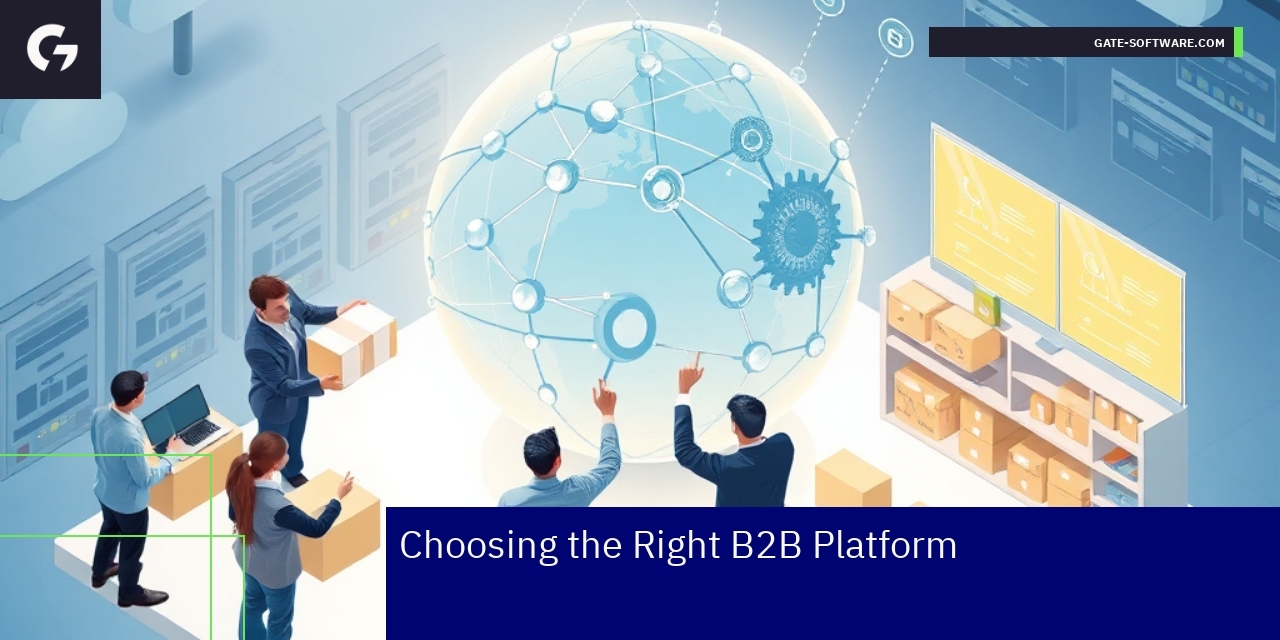
Choosing the Right B2B Platform
Option Comparison
To select the perfect platform B2B, compare available ecommerce B2b options based on features, scalability, and ease of use. It is essential to analyze how each platform supports the specific needs of B2B operations, such as complex pricing models, bulk ordering, and integration capabilities. A robust platformy b2b should facilitate seamless workflows for procurement teams, enable efficient user management, and support multi-channel sales strategies. Assessing scalability ensures the system b2b can grow alongside your business without requiring costly migrations. Ease of use for both end-users and administrators reduces training time and accelerates adoption, ultimately leading to a smoother ecommerce b2b launch and faster return on investment.
Functionality Assessment
Evaluate each solution’s functionalities critically to match your system b2b requirements. Key functions to consider within platformy b2b include personalized catalogs, advanced quoting systems, role-based access control, and comprehensive order management. A platform b2b that offers user-friendly tools, automation options, and compatibility with existing ERP and CRM systems will support operational efficiency. Moreover, integration flexibility is crucial to tailor ecommerce b2b workflows to unique business processes. Platforms with strong analytical and reporting capabilities empower decision-makers to optimize sales strategies and improve customer relationships, thereby accelerating eCommerce implementation success.
Implementation Costs
Consider all costs associated with platform b2b deployment, including licensing, customization, and training for your system b2b project. Beyond initial expenditures, evaluate ongoing maintenance, support, and upgrade fees to maintain platform performance and security. Budgeting should also account for integration complexity, data migration efforts, and potential productivity impacts during transition phases. Transparent cost planning enables a more predictable ecommerce b2b launch timeline and helps avoid unforeseen financial obstacles. Properly investing in a platformy b2b ensures smooth project execution and long-term value alignment with business goals.

Successful Implementation Examples
In the realm of B2B commerce, successful implementation of ecommerce b2b solutions requires addressing complex business processes and technical integrations effectively. One notable example involves a distributor who leveraged a platformy b2b solution to transform their existing system b2b sales operations. By integrating an advanced ecommerce b2b system, they achieved significant reductions in order processing times, which directly improved client satisfaction and operational efficiency. The platform’s tailored functionalities allowed for seamless interaction between multiple stakeholders, optimizing the entire sales cycle.
Another case highlights overcoming the inherent complexities of system b2b environments through careful selection and deployment of an appropriate platformy b2b. This approach resulted in a streamlined implementation process with faster go-to-market timelines, ultimately accelerating revenue generation. The focus was on aligning technical infrastructure with business needs, ensuring scalability and robust performance in demanding commercial scenarios, characteristic of B2B operations.
Finally, integration between ecommerce b2b and system b2b components has demonstrated substantial benefits in scaling business operations. By utilizing a dedicated platformy b2b that supports customizable workflows and integration capabilities, companies have managed to expand efficiently. These solutions address the unique challenges of B2B digital commerce by providing flexible, secure, and efficient systems tailored to enterprise requirements. The outcomes include enhanced data synchronization, improved user experience, and stronger competitive positioning in the marketplace.
Each of these examples underscores the importance of combining strategic platform selection with precise technical execution to harness the full potential of ecommerce b2b and system b2b environments. This approach ensures robust, scalable, and effective B2B solutions that drive growth and operational excellence.
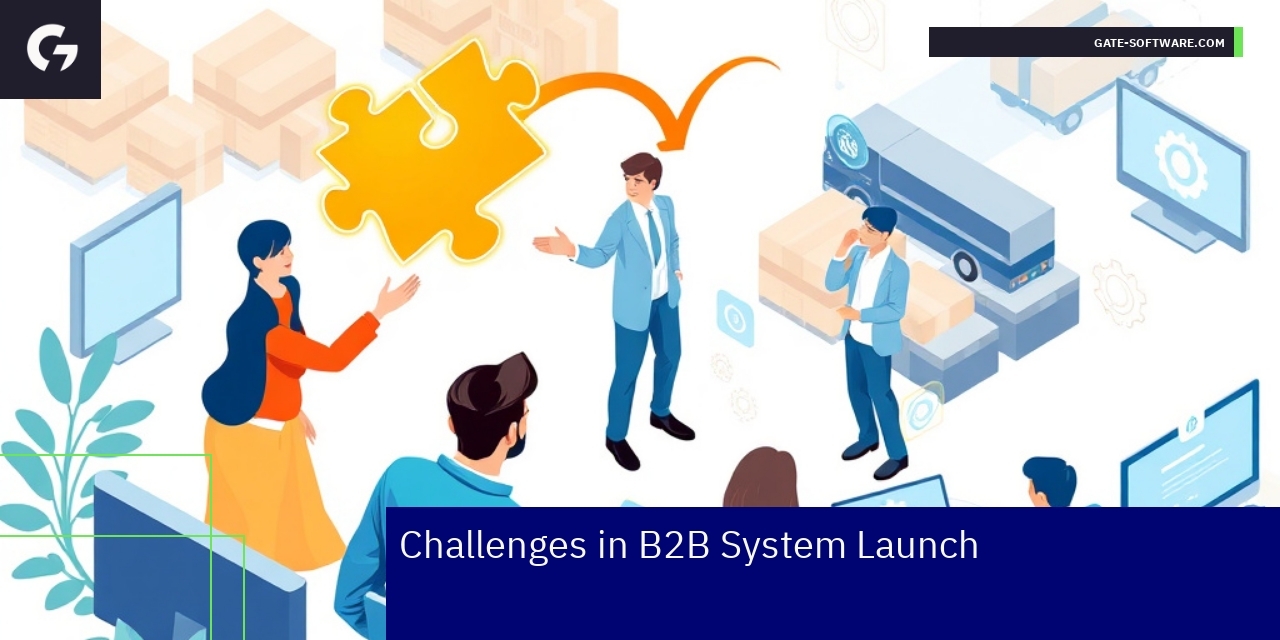
Challenges in B2B System Launch
Technical Issues
Technical challenges often arise during platformy b2b deployment, including integration hurdles and custom development demands. Addressing these early in your ecommerce b2b project keeps the system b2b launch on schedule. Complexities such as ensuring seamless data exchange between existing enterprise systems and the new platformy b2b require careful architectural planning and robust middleware solutions. Scalability considerations must also be prioritized to handle fluctuating transaction volumes common in system b2b environments. Failure to resolve these technical issues promptly can delay the rollout and impact user adoption.
Change Management
Managing organizational change within system b2b is key to a successful ecommerce implementation. Preparing your teams to adopt platformy b2b tools ensures smoother transitions and higher usage rates. This involves clear communication strategies to align stakeholders on new workflows and benefits, as well as involving key users early in the deployment process. Change management reduces resistance and fosters a culture receptive to technology-driven improvements in ecommerce b2b operations. Without effective change management, even the most advanced platformy b2b solutions risk underutilization.
Staff Training
Proper training on the chosen ecommerce b2b platform guarantees your workforce understands system b2b features and workflows, which is critical for tapping into the full potential of the platformy b2b solution. Comprehensive, role-specific training programs enable employees to efficiently navigate and leverage newly implemented tools, enhancing productivity and business outcomes. Investing in continuous education ensures that system b2b advancements translate into real operational improvements rather than logistical bottlenecks. Without sufficient staff training, the system b2b investment may fail to deliver expected returns.
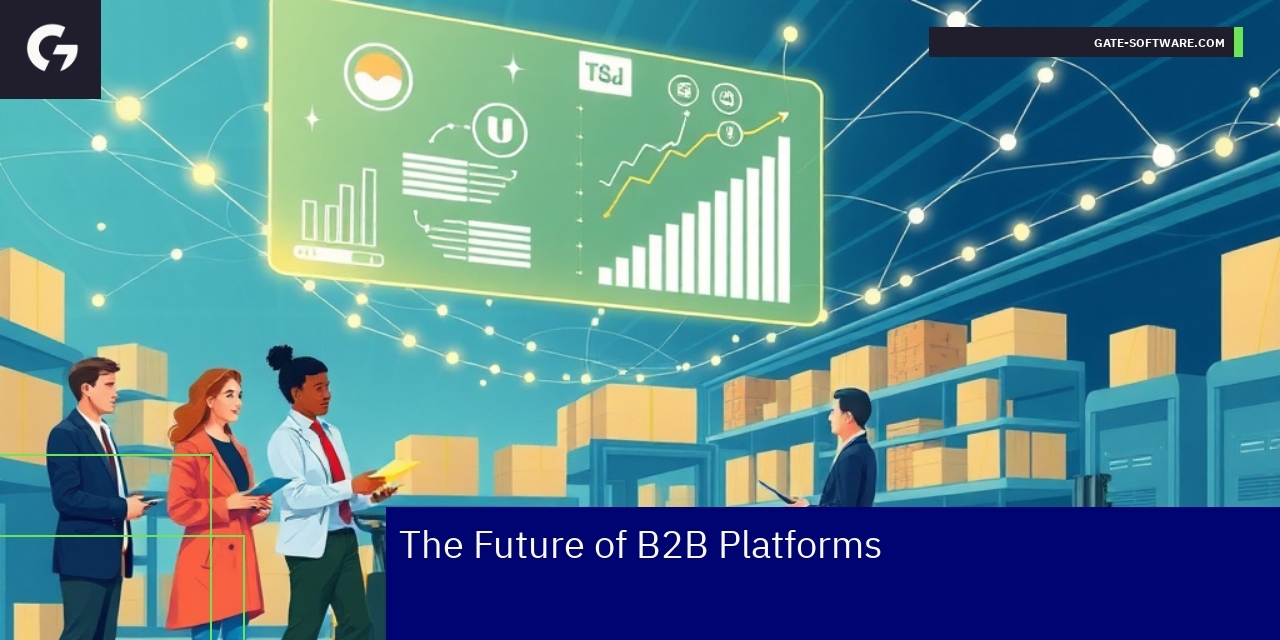
The Future of B2B Platforms
Market Trends
Keeping up with ecommerce B2B market trends helps your system B2B strategy stay competitive. Emerging platformy b2b innovations and shifting buyer expectations redefine how businesses approach eCommerce implementation. In the current landscape, businesses are increasingly prioritizing seamless integration, scalability, and data-driven decision-making within their platformy b2b. The pressure to align with sustainability goals and streamline procurement processes also influences system b2b development. Organizations that proactively adapt to these market trends by leveraging advanced analytics and customer-centric designs are better positioned to capitalize on the evolving ecommerce b2b environment.
Technological Innovations
New technologies in platform B2B eCommerce, like AI-driven personalization and automation, revolutionize system B2B operations and offer distributors the chance to get on the fast track to success with B2B eCommerce. AI and machine learning enable sophisticated recommendation engines that tailor user experiences on platformy b2b, improving customer satisfaction and increasing transaction values. Automation tools enhance order processing, inventory management, and customer service workflows, significantly reducing operational costs. Moreover, leveraging cloud-based infrastructures and APIs ensures that system b2b solutions remain flexible and scalable, thereby future-proofing ecommerce b2b investments in a highly dynamic market.
Customer Behavior Changes
Understanding how ecommerce B2B customer behaviors evolve is crucial. Adapting your system B2B approach through a tailored platform B2B strategy positions your business for long-term growth and sustainability. Today’s B2B customers demand more transparency, faster response times, and personalized interactions akin to B2C experiences. They increasingly prefer digital-first solutions that integrate smoothly with their existing procurement and ERP systems. By incorporating user-centric design principles and enhancing self-service capabilities within platformy b2b, businesses can boost customer engagement and loyalty. Recognizing these behavioral shifts allows enterprises to optimize their ecommerce b2b platforms for both efficiency and superior customer experiences.
Conclusion
The future of B2B platforms hinges on the ability to integrate technological advancements with evolving market demands and customer expectations. Businesses that invest in scalable system b2b architectures while remaining agile to adapt to ecommerce b2b trends will secure sustainable competitive advantages. Embracing AI, automation, and data-driven insights within platformy b2b not only streamlines operations but also delivers superior customer experiences critical for long-term success in B2B commerce.

Data and Performance Metrics – Efficiency, SLA, TCO
Operational Effectiveness in B2B Projects
In the competitive landscape of B2B eCommerce, quantitative metrics play a crucial role in evaluating the effectiveness of services provided. Although specific numerical data from Gate-Software is not available, we can discuss how various performance metrics could typically apply to B2B projects.
1. Project Takeover Time: The average time required to assume control of ongoing projects can be a vital metric, commonly ranging between 2 to 4 weeks, depending on the project complexity and stakeholder engagement.
2. Percentage of Projects Delivered On Time: In high-performing B2B environments, organizations often aim for a project delivery success rate of over 85%. This metric reflects the ability to meet client expectations and contractual timelines effectively.
3. Average TCO Reduction: Many companies experience an average Total Cost of Ownership (TCO) reduction of 15-30% through optimized processes and integrated solutions. This reduction underscores the financial impact of efficient B2B strategies.
4. Uptime SLA: A typical uptime SLA for B2B services might hover around 99.9%, ensuring minimal disruption and promoting confidence in service reliability among clients.
5. Average Client Relationship Duration: Establishing lasting partnerships is essential in the B2B sector. Average client relationships often exceed 5 years, indicating strong trust and ongoing collaboration.
6. Implementation Efficiency: The implementation of robust B2B solutions can lead to a project cycle reduction of up to 20%, allowing businesses to capitalize on efficiency gains and market opportunities more swiftly.
These hypothetical metrics provide a framework for assessing the operational effectiveness of B2B projects and emphasize the importance of data-driven decision-making within the sector. Employing these benchmarks can significantly enhance purchasing decisions and strategic planning for businesses aiming to improve their eCommerce initiatives.

Summary
In the evolving landscape of B2B eCommerce, partnering with Gate-Software can significantly enhance your operational efficiency and drive revenue growth. Our expertise in implementing robust platforms like Magento™ ensures that you can launch a fully functional B2B store within four weeks, addressing the unique complexities of business transactions. By focusing on meticulous project planning, tailored functionalities, and seamless integration with existing systems, we empower you to overcome common hurdles associated with long implementation cycles. The result is not just a platform, but a comprehensive solution that fosters stronger customer relationships and streamlines processes. We invite you to explore how our services can help you achieve your business goals and maintain a competitive edge in the market.
Summary

FAQ
How can distributors launch a B2B eCommerce store quickly?
Distributors can launch a B2B eCommerce store rapidly—within four weeks—by focusing on meticulous project planning, using proven digital frameworks like Magento™, and applying best practices in UX/UI for professional buyers.
What are the essential features of a B2B platform?
A B2B platform must support complex transactions, allow for dynamic price negotiations, and manage longer sales cycles, thereby improving operational efficiency and enhancing customer satisfaction.
Why is integration with existing systems critical in B2B eCommerce?
Integrating with existing ERP, CRM, and supply chain management systems is crucial for maintaining data consistency and automating workflows, allowing for smoother operations and improved decision-making.
What benefits can businesses expect from implementing a B2B eCommerce platform?
Businesses can expect increased operational efficiency, better customer service, and revenue growth due to streamlined workflows, enhanced access to analytics, and the ability to tap into new markets.
What challenges might arise during the launch of a B2B system?
Challenges during a B2B system launch may include technical issues like data migration risks, change management difficulties, and the need for comprehensive staff training to ensure effective platform utilization.
.
.
Zamów bezpłatną konsultację
.
Z nami rozwój Twojego biznesu nabierze tempa! Zapraszamy do kontaktu średnie i duże firmy generujące min. 7 mln PLN obrotu rocznie – tam nasza ekspertyza sprawdza się najlepiej.
.
Kliknij w poniższy przycisk i skontaktuj się z jednym z naszych konsultantów e-commerce
.