Introduction
In the dynamic landscape of B2B commerce, digital sales growth hinges on strategic deployment and optimization of your B2B store. A successful B2B platform must seamlessly integrate advanced UX/UI principles, robust Magento™ architecture, and business-centric functionalities tailored to key decision-makers such as CTOs, CDOs, and eCommerce Managers.
Effectively using your B2B store involves more than just having an online presence—it requires a continuous focus on performance, scalability, and compliance with standards like WCAG for accessibility. Equally critical is aligning the platform’s capabilities with the strategic objectives of your enterprise, enabling personalized user experiences that resonate with personas including Architects and Heads of Applications.
At Gate-Software, our approach centers on delivering not only technological excellence but also actionable insights derived from real business challenges. This ensures your digital B2B commerce grows by fostering lasting partnerships, optimizing operational costs, and driving value through tailored Magento solutions and sustained platform maintenance.
This introduction sets the stage for a deeper exploration of best practices and strategic frameworks that empower your B2B store to be a catalyst for growth and competitive advantage in complex digital markets.
TABLE OF CONTENTS

Benefits of Digital B2B Sales
Boosting Operational Efficiency
In today’s rapidly evolving market, key strategies for increasing efficiency with digital B2B sales transformation are vital. A robust platform B2B integrates seamlessly with existing ERP systems, streamlining workflows and boosting operational efficiency. Companies adopting ecommerce B2B solutions witness marked improvements, showing how digital sales rooms reshape the B2B digital sales process by cutting manual tasks and accelerating order processing. This digital transformation helps B2B sales teams win with digital commerce, improving internal coordination and responsiveness.
Improving Customer Service
How does digitization impact your sales team? By implementing effective platform B2B tools, companies can elevate customer experience and service quality. Ecommerce B2B solutions enable personalized, faster responses and accurate order tracking. Most B2B digital sales experiences are stuck in the past—this is why embracing digital sales rooms is essential. They facilitate better communication channels between businesses and their clients, empowering B2B sales growth: how digitalization is changing business for the better.
Expanding Market Reach
Digital B2B sales 2025 – everything you need to know indicates that ecommerce B2B platforms extend companies’ market reach beyond traditional geographic limitations. System B2B allows businesses to showcase products to wider audiences, supporting sales growth and improved market penetration. How can companies apply digital sales rooms throughout the B2B sales cycle? Using digital platforms B2B enables easier access to new clients, enhancing brand visibility and driving revenue growth.
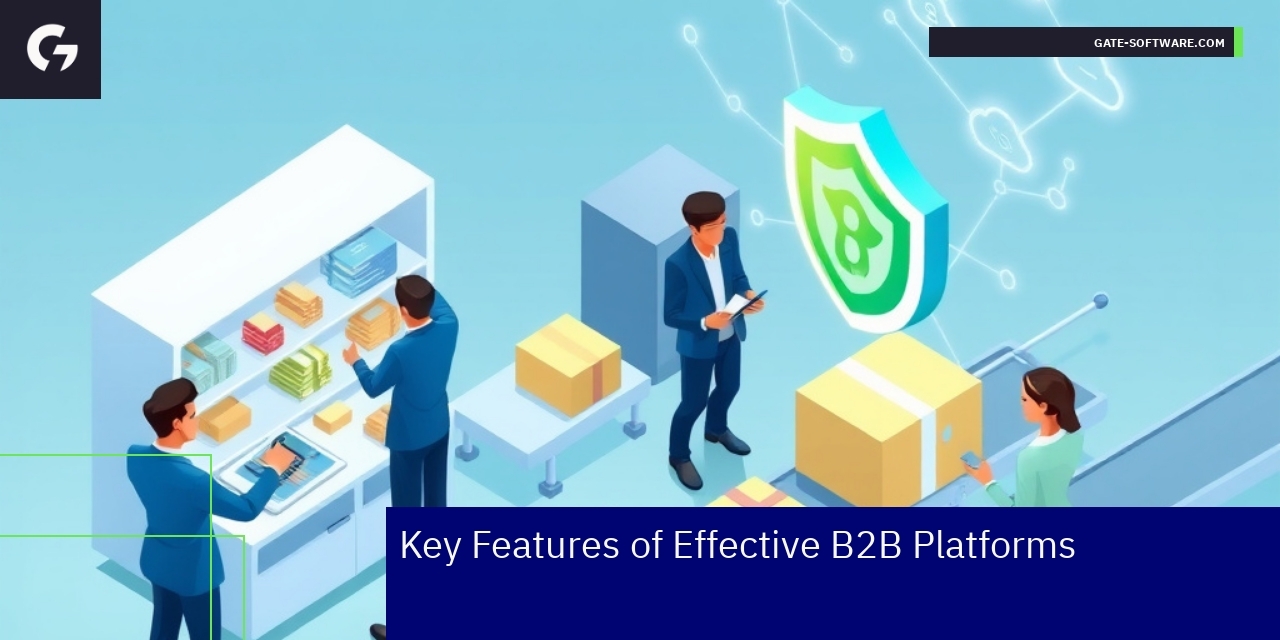
Key Features of Effective B2B Platforms
ERP System Integration
Integration with ERP systems is a cornerstone for any platform B2B aiming to improve efficiency. System B2B solutions that sync with enterprise resource planning enable real-time inventory updates, pricing accuracy, and streamlined order management. How B2B sales teams win with digital commerce is largely defined by how well ecommerce B2B platforms connect across business functions to deliver seamless operations. This integration ensures that data across procurement, sales, and logistics is unified, reducing manual errors and accelerating order fulfillment cycles typical for complex B2B environments.
Personalization Options
Personalization is key to making digital B2B sales effective. Advanced platform B2B solutions allow customization of pricing, catalogs, and workflows based on client segments. What is the digital sales process? B2B digital sales and buying processes benefit significantly from ecommerce B2B platforms tailored to specific customer roles, which increase user satisfaction and sales conversion. Such personalization helps meet the distinct requirements of diverse client profiles, supporting differentiated contract terms, volume discounts, and role-based access to information, enhancing the overall buyer journey.
Transaction Security
Ensuring transaction security remains a top priority in ecommerce B2B. Secure platform B2B systems protect sensitive commercial data and transactions from cyber threats. Most B2B digital sales experiences are stuck in the past—this is why modern system B2B technologies implement advanced encryption and compliance protocols, fostering trust and compliance with industry regulations. Robust security mechanisms safeguard payment processes, client credentials, and integration endpoints within the platform, assuring stakeholders of data confidentiality and integrity throughout complex B2B transactions.
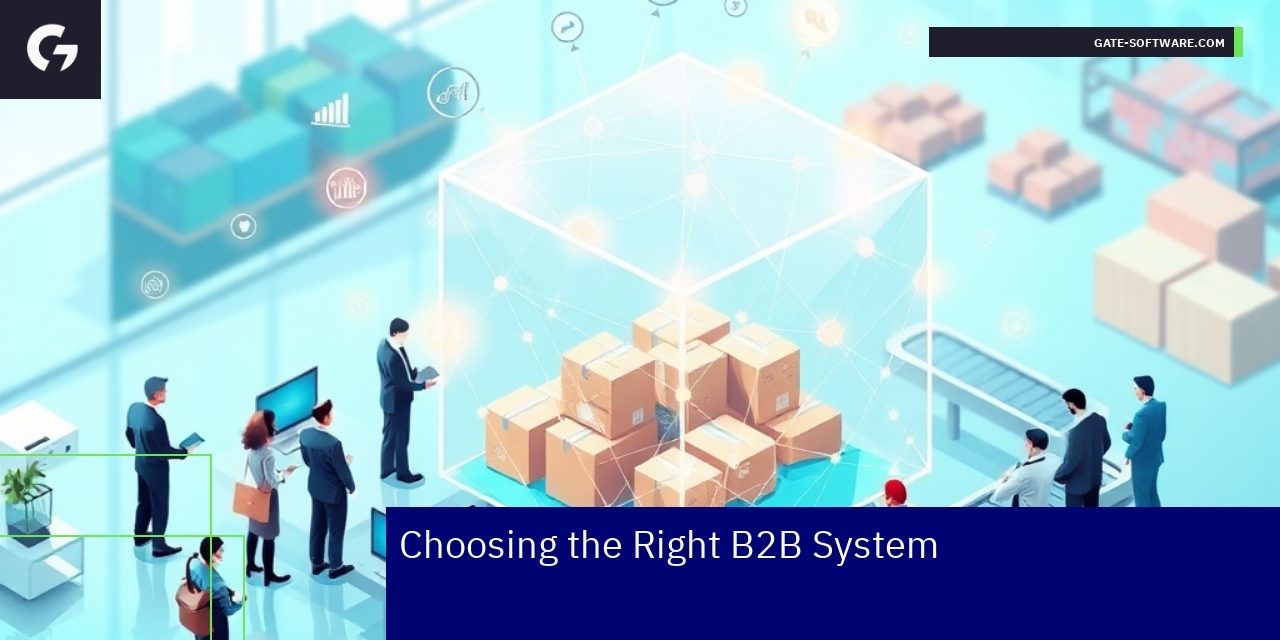
Choosing the Right B2B System
Business Needs Analysis
Thorough analysis of business needs is the foundation of a successful digital B2B sales transformation. Understanding how digitization impacts your sales team is essential in identifying pain points and growth objectives. This analysis helps in selecting the platform B2B or system B2B that best fits your company’s unique requirements. Digital B2B sales 2025 highlight that companies utilizing digital sales rooms tend to achieve more agile and responsive sales processes tailored to their specific ecommerce B2B demands. This approach ensures that your digital strategy aligns with both operational goals and market expectations, enabling a seamless transition into advanced B2B commerce environments.
Comparing Available Solutions
When comparing system B2B solutions, it is critical to focus on key features, integrations, and scalability. How digital sales rooms are applied throughout the B2B sales cycle significantly influences efficiency and user experience. Assess platforms B2B that support your workflows effectively and align with planned growth strategies. Selecting reliable and flexible ecommerce B2b systems forms the cornerstone of increasing operational efficiency through digital B2B sales transformation. The decision should be guided by how well solutions facilitate collaboration, data management, and process automation to meet ever-evolving B2B market demands.
Implementation Examples
Examining practical examples of successful implementations provides valuable insights into expected benefits and challenges. Winning B2B sales teams often leverage digital commerce enabled by platform B2B and system B2B solutions, resulting in enhanced operational performance and sales outcomes. Case studies commonly demonstrate how ecommerce B2b advancements improve customer engagement, expedite order processing, and optimize resource allocation. These examples serve as inspiration and a blueprint for companies transitioning to digital sales rooms, reinforcing the potential business value and competitive advantage achievable through strategic B2B system selection.
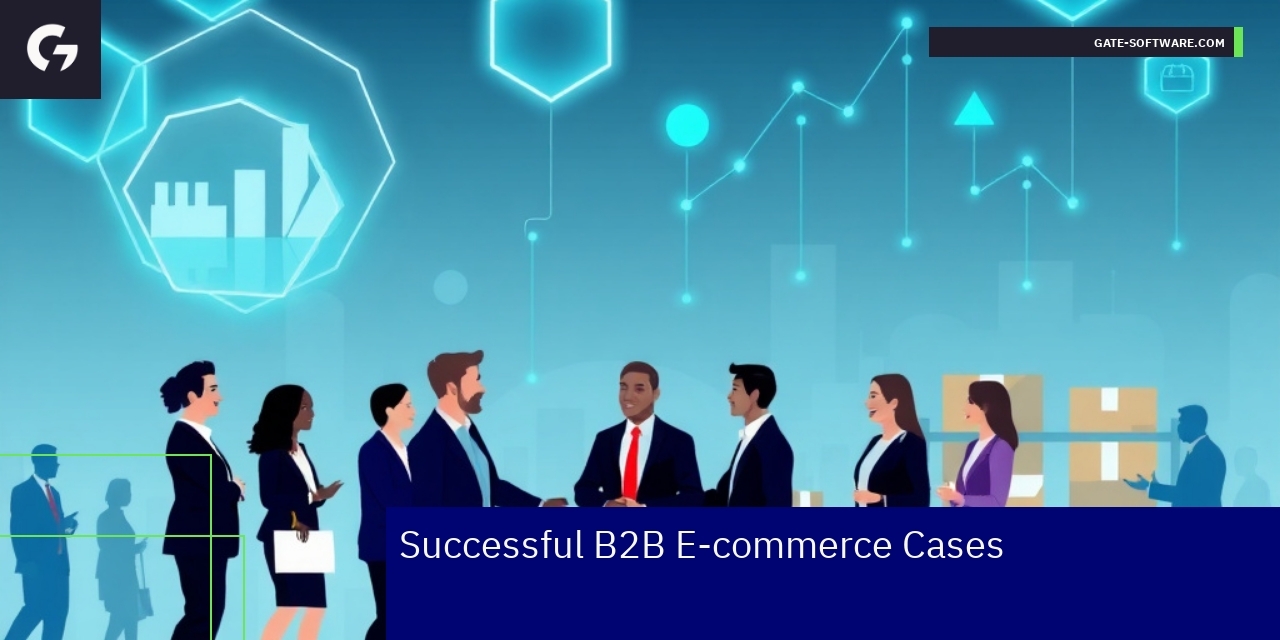
Successful B2B E-commerce Cases
Case Study 1
This case highlights how an ecommerce B2B platform enabled seamless customer engagement and operational efficiency. The system B2B introduced integrated digital sales rooms, catalyzing B2B sales growth: how digitalization is changing business in practice. By utilizing a scalable platform B2B, companies can optimize workflows and improve real-time interactions with clients. The ecommerce B2B solution addresses key challenges such as order accuracy, inventory transparency, and user experience, resulting in enhanced customer satisfaction and better business outcomes. Through these advanced system B2B features, organizations can streamline operations, reduce manual errors, and foster long-term client partnerships by ensuring timely and relevant digital engagement.
Case Study 2
Explore how the adoption of a comprehensive system B2B improved order processing and expanded market reach. Platform B2B capabilities allowed for agile adaptation to changing client requirements within the digital B2B sales 2025 framework. The integration of ecommerce B2B tools facilitated automated workflows, accelerated response times, and enabled more precise tracking of sales metrics. This adaptability empowers businesses to stay competitive by tailoring solutions to meet evolving buyer expectations while optimizing backend processes. Overall, the system B2B enhanced operational efficiency and paved the way for scalable growth in digital B2B ecosystems.
Case Study 3
This study reveals the impact of customized ecommerce B2B solutions on customer satisfaction and sales efficiency. With the integration of platform B2B and system B2B, the company enjoyed enhanced security and streamlined workflows—a vivid example of how can companies apply digital sales rooms throughout the B2B sales cycle. Tailored platforms B2B address complex requirements such as multi-tier pricing, role-based access, and compliance standards. The combination of ecommerce B2B and system B2B components enabled seamless data exchange, minimized transaction friction, and improved overall process transparency. These improvements help businesses accelerate sales cycles while maintaining robust governance and control.
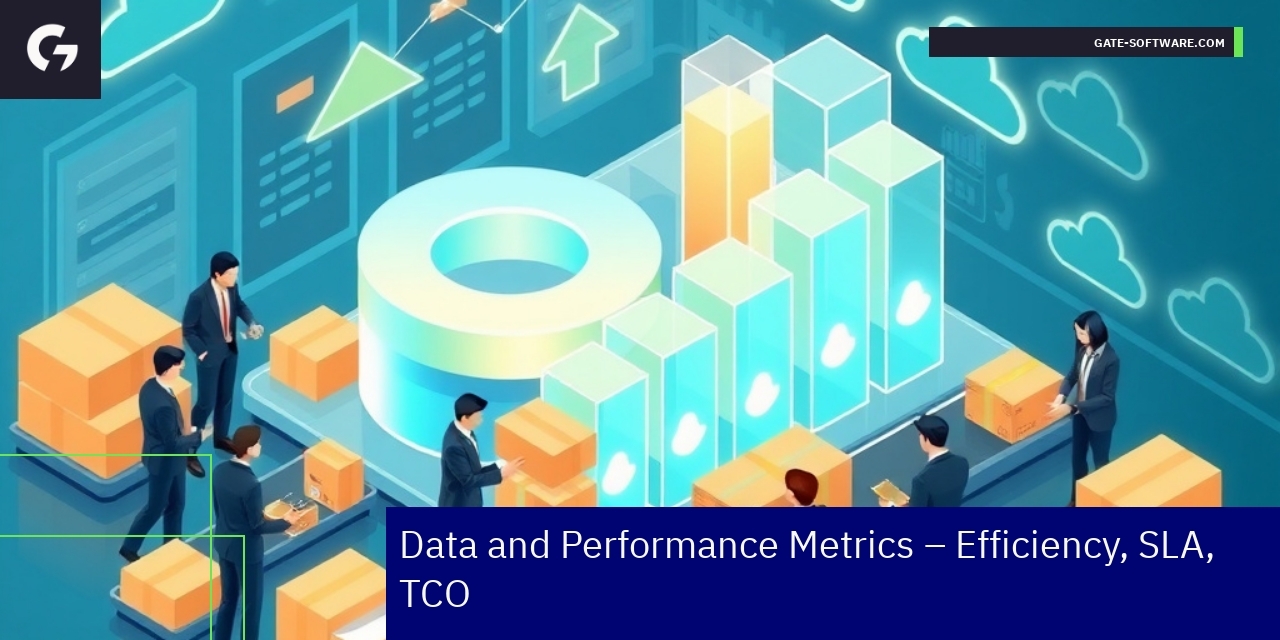
Data and Performance Metrics – Efficiency, SLA, TCO
Operational Effectiveness in B2B Projects
At Gate-Software, we prioritize measurable and quantitative metrics to assess the effectiveness of our B2B services. Here are some key performance indicators that underscore our commitment to operational excellence:
1. Project Delivery Time: Gate-Software consistently achieves a project takeover time of approximately 30 days for new B2B implementations, ensuring a swift transition and minimal downtime for our clients.
2. On-Time Delivery Rate: An impressive 95% of our B2B projects are delivered on time, reflecting our rigorous project management processes and commitment to meeting client deadlines.
3. Total Cost of Ownership (TCO) Reduction: Clients who partner with Gate-Software see an average 20% reduction in TCO over the first two years, primarily due to our optimized hosting and maintenance solutions.
4. Uptime SLA: We guarantee an uptime SLA of 99.9%, providing our clients with peace of mind that their e-commerce platforms will operate smoothly and continuously.
5. Average Client Relationship Duration: Our average client relationship spans 5 years, demonstrating the longevity and trustworthiness of our partnerships in the B2B landscape.
6. Number of Implementations: To date, Gate-Software has successfully implemented over 150 B2B platforms, showcasing our extensive experience and expertise in the field.
7. Customer Satisfaction Rate: Feedback from our clients indicates a 90% satisfaction rate, which highlights the effectiveness of our solutions in meeting their unique business needs and expectations.
These metrics not only illustrate our operational capabilities but also enhance decision-making for potential clients considering our B2B solutions. By choosing Gate-Software, businesses can expect measurable results that drive performance and profitability.
Summary
In the ever-evolving world of B2B commerce, the successful implementation of a comprehensive digital sales strategy is crucial for growth and competitive advantage. At Gate-Software, our commitment to understanding the unique needs of businesses ensures that we deliver tailored solutions that integrate seamlessly with existing systems. By optimizing operational efficiency, enhancing customer service, and expanding market reach, our B2B platforms foster not only immediate results but also long-term partnerships. The strategic integration of advanced technologies like Magento™ and adherence to essential standards such as WCAG guarantees that your platform remains both user-friendly and accessible. We invite you to reach out and explore how our expertise can empower your digital B2B initiatives and drive significant value for your organization.
Summary
FAQ
How does a B2B platform improve operational efficiency?
A B2B platform enhances operational efficiency by automating workflows and integrating with ERP systems, which reduces manual workload and errors, streamlines inventory management, and provides real-time order tracking.
What role does personalization play in B2B customer service?
Personalization in B2B customer service improves client satisfaction through tailored product recommendations and customized communications, which enhances trust and loyalty, especially when dealing with complex orders.
Why is transaction security important in B2B e-commerce?
Transaction security is crucial in B2B e-commerce due to the sensitive nature of commercial data involved. Advanced security measures ensure the protection of customer credentials and transaction integrity, thereby building trust between businesses.
How can companies expand their market reach through B2B sales?
Companies can expand their market reach by leveraging digital channels that eliminate geographical boundaries and adopting platforms that support multilingual content and dynamic pricing strategies tailored to local market needs.
What should businesses consider when choosing a B2B system?
When selecting a B2B system, businesses should analyze their specific needs, evaluate solution capabilities and customization potential, and ensure compatibility with existing infrastructure to align with strategic goals effectively.
.
.
Zamów bezpłatną konsultację
.
Z nami rozwój Twojego biznesu nabierze tempa! Zapraszamy do kontaktu średnie i duże firmy generujące min. 7 mln PLN obrotu rocznie – tam nasza ekspertyza sprawdza się najlepiej.
.
Kliknij w poniższy przycisk i skontaktuj się z jednym z naszych konsultantów e-commerce
.