Introduction
In 2024, the development and growth of Magento 2 stores continue to be pivotal for eCommerce success, especially in complex B2B environments and dynamic retail markets. Effective Magento website development requires a strategic approach that goes beyond basic platform installation, focusing on scalability, UX/UI excellence, seamless integration, and continuous optimization underpinned by robust UiR (Utrzymanie i Rozwój) practices.
Gate-Software’s expertise emphasizes a comprehensive lifecycle perspective — from initial architecture and platform customization through ongoing maintenance and development — ensuring Magento 2 stores are technologically sound, performance-optimized, and aligned with business goals. Key to this approach is addressing core challenges such as system stability, compliance with WCAG standards, and responsiveness to evolving user expectations. Additionally, leveraging data-driven insights supports proactive decision-making for enhancements and marketing strategies.
This case study will highlight relevant methodologies, technical considerations, and practical examples sourced from Gate-Software’s internal strategies and proven cooperation models. It will guide CTOs, CDOs, eCommerce Managers, and Heads of Applications in implementing effective Magento 2 growth strategies rooted in UiR best practices, ultimately driving sustained business value and user satisfaction.

What You Will Learn
In this section, we will delve into essential insights and strategies that aim to optimize your transition to Magento 2 through our UiR service.
Top Strategies for Ensuring Magento Success: We will outline proven methods for a seamless Magento 2 migration. Understanding these strategies is crucial for CTOs and eCommerce Managers to ensure minimal disruption in your operations while maximizing potential benefits.
Magento Cost Breakdown: A clear understanding of Magento migration costs is essential for any organization considering this transition. We will provide a comprehensive breakdown of expected expenses associated with Magento 2 migration, empowering the Head of Applications to allocate resources effectively and plan budgets meticulously.
Key Features of Magento 2 and Their Application: You will explore the cutting-edge Magento 2 features that make it a powerful platform for eCommerce. Understanding these features is critical to leveraging Magento 2’s capabilities to enhance user experience and improve operational efficiency.
Measuring Effectiveness and Success: Finally, we will discuss how to measure the effectiveness and success of your Magento 2 migration and implementation, facilitated by our specialized Magento implementation services. This segment will equip you with the tools and metrics necessary to assess the impact of the migration and ensure continuous improvement after the transition.
By the end of this section, you will be well-prepared to navigate the complexities of Magento 2 migration and utilize its powerful features to drive your eCommerce success.
TABLE OF CONTENTS
- Case Study: Magento Website Development in 2024 – How to Grow Your Magento 2 Store Effectively
- What You Will Learn
- Magento Cost Breakdown
- How to Choose the Best Magento Storefront?
- Measuring the Effectiveness of Magento Store Development
- Why Choose Magento 2?
- Magento 2 Key Features
- Does Magento 2 Support International Sales?
- Magento Hosting Requirements
- Magento 2 vs Other E-Commerce Platforms
- Magento 2 Pros and Cons
- Data and Performance Metrics – Efficiency, SLA, TCO
- Summary
- FAQ
- #1 Choose a Magento Hosting Provider: Opt for providers familiar with Magento’s technical needs, offering scalability and uptime guarantees.
- #2 Install the Latest Magento Version: Keep the platform current to leverage new features and security patches.
- #3 Set-up a Store Theme: Apply responsive, user-centric themes that support WCAG standards where necessary to improve accessibility.
- #4 Configure a Catalog: Organize products effectively for navigation ease and SEO performance.
- #5 Customize the Store Functionality with Magento Extensions: Add specialized features that integrate with existing business workflows.
- #6 Final Preparation Before the Launch: Conduct comprehensive QA and performance testing, including UX/UI audits and WCAG compliance checks.
- #7 Launch Your Magento Store: Execute with monitoring tools in place to track uptime, load speed, and customer interactions.

Magento Cost Breakdown
Understanding the comprehensive Magento Cost Breakdown is crucial for effective project planning and budgeting, particularly within the UiR service context. Key factors influencing cost include the complexity of the Magento 2 development process, the integration requirements, and ongoing maintenance aspects such as security, PCI DSS compliance, and scalability.
Effective Magento store development combines advanced technology implementation with flexible resource management. Projects must allocate budget for core Magento system customization, third-party extensions, and bespoke UX/UI elements guided by WCAG accessibility standards. This ensures not only a robust and accessible platform but also an enhanced customer experience aligned with Gate-Software’s quality benchmarks.
Security and PCI DSS compliance impose additional cost layers, requiring dedicated resources for regular audits, secure coding practices, and monitoring systems integration. These are vital to protect customer data and maintain trust, especially in B2B and e-commerce environments. Moreover, cost optimization strategies entail continuous performance tuning and hosting environment management under strict SLAs to guarantee uptime and response times critical for business continuity.
Gate-Software’s approach to Magento Cost Breakdown encompasses detailed project takeover strategies, agile cooperation models, and comprehensive support aligned with the evolving needs of CTOs, Heads of Applications, and eCommerce Managers. This strategic framework maximizes ROI while mitigating technical and operational risks, ensuring that all cost components from development through marketing and content strategy are transparently managed.

How to Choose the Best Magento Storefront?
Choosing the best Magento storefront requires a strategic approach that aligns with both the technical and business needs of your eCommerce platform. Magento development trends in 2024 show that Magento 2 fits both small and large stores. It is crucial to consider features like built-in promotions, discount programs, an advanced admin panel, and vulnerability scanning as these support the scalability and security needs of various store sizes.
When evaluating Magento storefront options, focus on how well the platform supports seamless integration with your existing systems and the flexibility it offers to adapt to evolving business requirements. Effective management of promotions and discount programs directly impacts customer engagement and sales, so these functionalities must be robust and easy to configure.
The advanced admin panel is another critical aspect, providing your technical team with efficient tools for store management, analytics, and day-to-day operations. This eases workload and accelerates responsiveness to market changes. Additionally, vulnerability scanning embedded in Magento helps safeguard the platform, ensuring compliance with security standards and protecting sensitive customer data.
Incorporating these key features according to Gate-Software’s best practices ensures your Magento storefront is optimized for performance, user experience, and security. Understanding your specific business scale and growth projections will guide you in selecting the most suitable Magento solution that supports long-term eCommerce success.
Measuring the Effectiveness of Magento Store Development
Innovations in e-commerce drive tools for pre-launch analysis and SEO technical aspects. A predictable development roadmap helps measure Magento store development effectiveness accurately. These innovations enable precise tracking of performance benchmarks, user experience improvements, and technical optimization throughout the store’s lifecycle. By implementing robust pre-launch audit tools, it becomes possible to assess SEO technical aspects proactively, ensuring the store meets WCAG standards and UX/UI guidelines tailored for Magento platforms. A clearly defined development roadmap not only guides the implementation phases but also assists in evaluating the fulfillment of project KPIs, cost optimization, and operational stability post-launch.
The Role of a Development Partner After Store Launch
Widespread strategies for Magento 2 emphasize the importance of ongoing partner support. Sustaining high performance, speed, and low maintenance costs requires collaboration with an experienced Magento development partner. Such partnerships focus on continuous monitoring via SLA-compliant hosting environments and proactive performance tuning to prevent downtime or degradation. They also ensure the integration of latest security patches and compliance with evolving standards, which directly influences both user retention and SEO performance. Working with a dedicated partner helps optimize operational expenses and evolve the Magento store in alignment with strategic business needs, maintaining competitiveness in an agile e-commerce landscape.
Why Choose Magento 2?
Successful examples of Magento 2 development show how effective Magento store implementation leverages flexible resource management, security, and PCI DSS compliance. Magento 2’s architecture provides a robust foundation allowing for flexible scaling and allocation of resources to meet dynamic e-commerce demands. This flexibility enables seamless handling of traffic spikes and variation in data load without compromising performance, a critical feature for ensuring a smooth User Interface and User Experience (UI/UX).
Security is another cornerstone of Magento 2, with built-in features supporting PCI DSS compliance to protect sensitive customer and payment data. This enhances trustworthiness and reduces risks associated with online transactions. Such compliance is essential for eCommerce platforms aiming to maintain high standards of data protection and regulatory adherence.
From the perspective of UI and user interaction (UiR), Magento 2 supports an adaptable and intuitive frontend design, enabling precise control over user experience elements. The platform’s capability to integrate with Progressive Web Apps (PWA) significantly improves response times and accessibility, making the digital shopping experience seamless across devices. Furthermore, Magento 2 facilitates advanced product management tools and personalized UI elements that align with user behavior patterns, hence optimizing customer satisfaction and engagement.
Overall, Magento 2 aligns technical robustness with business needs to create scalable, secure, and user-centric eCommerce environments, ensuring that development efforts translate into measurable operational efficiency and superior user journeys.
Magento 2 Key Features
Magento 2 delivers a powerful and flexible eCommerce platform tailored for complex business needs, especially relevant for decision-makers like CTOs and Heads of Applications managing UiR services. Central to its architecture is a comprehensive discount and promotional programs module, allowing for customizable rules that optimize sales campaigns while integrating seamlessly into the customer journey. This capability supports tailored marketing efforts that drive conversion rates effectively.
The admin dashboard of Magento 2 offers an intuitive and data-rich interface, granting eCommerce Managers real-time insights into sales performance, inventory status, and customer behavior. Such visibility enables quicker decision-making and refined operational control. Moreover, Magento 2’s built-in vulnerability scans are essential in identifying security risks proactively, a critical feature for maintaining compliance and safeguarding sensitive data on eCommerce platforms.
These features contribute to Magento 2’s robust UX/UI framework, aligned with WCAG standards to ensure accessibility, which is imperative for reaching diverse customer segments. Integration capacities with third-party systems and scalability ensure that platforms powered by Magento 2 can evolve with business growth while maintaining performance and stability.
Focusing on Magento 2 within Gate-Software’s UiR services means leveraging these key features to address real business challenges such as maintaining platform security, enhancing user experience, and supporting dynamic marketing strategies through advanced discount programs and administrative tools. This approach ensures that Magento 2 implementations are not only technologically advanced but also strategically aligned with business objectives.

Does Magento 2 Support International Sales?
Magento 2 robustly supports international sales, offering comprehensive functionalities for businesses targeting multiple countries. The platform allows seamless configuration of various currencies and languages, which is crucial for delivering a localized shopping experience that meets customer expectations globally. Magento 2’s architecture supports setting different VAT rates according to jurisdictions, ensuring compliance with local tax regulations—an essential aspect for smooth e-commerce operations in diverse markets.
Furthermore, Magento 2 incorporates flexible shipping options tailored to international logistics, accommodating multiple delivery methods and regional carriers. This flexibility is pivotal for businesses to optimize shipping processes and improve customer satisfaction across borders. Additionally, the platform integrates technical SEO features that enhance visibility in different geographic markets, an important factor for gaining traction in international search engines.
E-commerce innovations within Magento 2 support thorough pre-launch evaluations, allowing businesses to validate international sales configurations before going live. This proactive approach helps identify and resolve potential issues, mitigating risks associated with complex multi-market setups.
Overall, Magento 2 provides a solid foundation for expanding e-commerce operations internationally, addressing real technical and business challenges seen by Architect, eCommerce Manager, CDO, CTO/CIO, and Head of Applications personas. These capabilities align with Gate-Software’s UiR service focus, ensuring that clients can effectively manage and scale their global sales with confidence.
Magento Hosting Requirements
Choosing the right hosting is a key Magento strategy for 2024. Combining good Magento store development, resource flexibility, and security best practices support reliable hosting. Selecting a hosting environment tailored for Magento ensures scalability, performance, and compliance with industry standards, crucial for maintaining seamless eCommerce operations. It entails careful consideration of server architecture, including support for PHP versions, database optimization, and efficient caching mechanisms that align with Magento’s technical demands.
Resource flexibility remains paramount, allowing eCommerce platforms to handle traffic surges and provide consistent user experiences. Hosting solutions must support dynamic scaling and resource allocation to accommodate evolving business needs without degrading performance. Moreover, the implementation of rigorous security protocols, including data encryption, firewall setups, and compliance with WCAG 1.1 standards, safeguards both business and customer data, reinforcing trust and operational integrity.
Integrating these factors into a cohesive hosting strategy requires collaboration between technical teams and business leadership. The architecture must support Magento 2 developments and future upgrades while providing comprehensive monitoring and automated recovery systems to minimize downtime. Leveraging Gate-Software’s expertise in Magento hosting aligns operational goals with technological capabilities, ensuring an infrastructure that supports growth, sustainability, and innovation in eCommerce environments. This strategic approach helps businesses achieve optimized performance, compliance, and resilience in their Magento platforms.

Magento 2 vs Other E-Commerce Platforms
Selecting the optimal e-commerce platform involves nuanced technical and business considerations, especially when focusing on UiR—user interface and responsiveness. Magento 2 stands out in this domain for its robust, scalable architecture and deep customization capabilities, which are critical for CTOs, Heads of Applications, and eCommerce Managers aiming to deliver tailored, high-performing user experiences.
Magento 2’s flexibility allows granular control over UX/UI components, ensuring compliance with WCAG 1.1 standards and enabling seamless adaptation across devices to maintain optimal responsiveness. Its modularity supports complex B2B and B2C requirements, beneficial for enterprises requiring integration with multiple backend systems while preserving swift, intuitive navigation.
Performance-wise, Magento 2 benefits from advanced caching, optimized database interactions, and efficient frontend rendering. This results in shorter load times and smoother interactions compared to many alternatives, directly influencing user engagement and conversion rates. The platform’s extensible nature facilitates integration of custom monitoring and SLA tools to proactively manage uptime and responsiveness, meeting enterprise-grade operational expectations.
From a marketing and SEO perspective, Magento 2’s sophisticated metadata management and URL control help amplify organic reach without compromising load speed or UI quality. This combination supports cost optimization strategies by balancing technical overhead with enhanced visibility and user satisfaction.
Gate-Software’s experience with MagentoOneS™ further leverages Magento 2’s strengths by providing tailored hosting and maintenance aligned with strategic business objectives and social media plans. The company’s expertise in WCAG audits and UX/UI improvements ensures that Magento 2 implementations not only meet compliance but also resonate with the target personas, including eCommerce Managers and CTOs, optimizing journey flows and decision-making processes.
While other platforms require heavy reliance on third-party plugins, potentially risking inconsistent responsiveness and higher maintenance costs, Magento 2’s architecture promotes a cohesive, performant UI environment. This consistency is vital for maintaining brand voice and delivering on marketing communication strategies effectively.
In summary, Magento 2 provides a comprehensive solution for enterprises prioritizing UiR with a strong emphasis on scalability, compliance, and strategic adaptability. Leveraging Gate-Software’s proven methodologies and service models ensures that organizations harness Magento 2’s full potential, transforming technical challenges into competitive advantages in e-commerce.
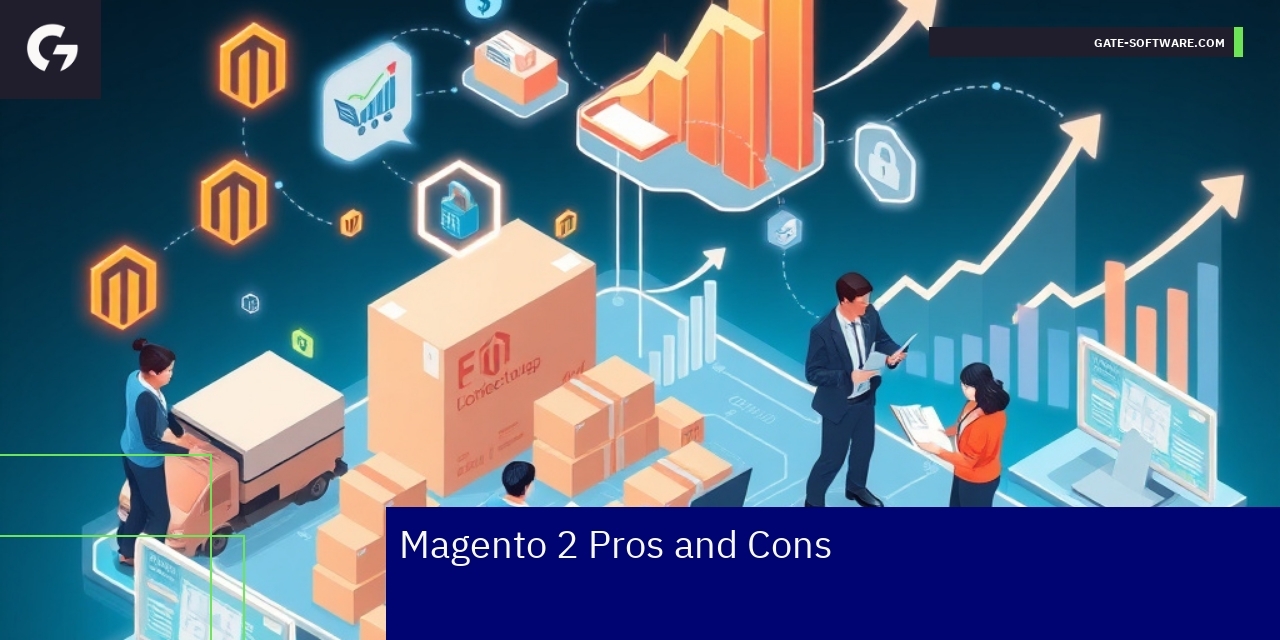
Magento 2 Pros and Cons
Benefits of Magento 2 Implementation
Magento 2 offers significant advantages for businesses aiming to enhance their e-commerce platform capabilities. Its core strength lies in scalability, allowing enterprises to efficiently manage expanding product catalogs and increasing customer traffic without sacrificing performance. Magento 2’s improved performance manifests in faster page load times and optimized caching, vital for retaining customers and boosting conversions. The platform also prioritizes mobile optimization with responsive design features, aligning with today’s essential mobile commerce trends. From a user experience standpoint, Magento 2’s admin interface is more intuitive, facilitating smoother product and order management for eCommerce Managers and Heads of Applications. Crucially, its strong SEO features support enhanced online visibility, a key factor in digital marketing strategies. This flexibility extends through extensive customization possibilities using Magento Extensions, enabling tailored solutions that meet specific business needs and optimize the customer journey.
Potential Risks and Challenges
Despite its robust capabilities, Magento 2 presents challenges that must be strategically managed. The platform’s complexity demands a technical team with expertise in Magento architecture, often increasing operational costs and resource requirements. Hosting for Magento 2 can be resource-intensive, which may drive up infrastructure expenses, an important consideration for finance-oriented decision-makers. The learning curve for Magento 2 is steep, potentially slowing initial time-to-market for less experienced teams. Moreover, continuous maintenance via frequent updates and patches is necessary to maintain security and performance standards, which translates into ongoing development investments. From a project management perspective, insufficient planning during Magento 2 store development stages can result in delays and increased budget use. These risks underscore the importance of partnering with specialized development agencies who provide comprehensive support, from Magento store setup and theme configuration to catalog management, ensuring a smooth and successful Magento 2 launch.
Essential Steps for Magento Store Development
A structured development approach is essential for leveraging Magento 2’s benefits while mitigating risks. Begin with selecting a Magento Hosting Provider that can support the platform’s resource demands and enhance site performance. Installing the latest Magento Version guarantees access to up-to-date features and security improvements. Setting up a Store Theme aligned with UX/UI best practices aids in delivering an optimal customer experience. Catalog configuration should be precise and scalable to support product expansions. Customizing store functionality with Magento Extensions tailors the system to unique business processes, enhancing operational efficiency. Final preparation before launch involves thorough testing to identify and resolve issues, ensuring stability and performance. This systematic progression supports a reliable Magento 2 Store Launch, maximizing platform strengths and minimizing operational risks.
Magento 2 Store Launch Checklist
What Are the Most Common Issues with Magento 2?
Common challenges include performance bottlenecks due to improper hosting or heavy customizations, security vulnerabilities arising from delayed updates, and difficulties in catalog scalability. Also, compatibility issues with third-party extensions can disrupt store functionality. Addressing these requires proactive monitoring and ongoing technical support, ensuring alignment with business goals and customer expectations.
What Support Do Development Agencies Provide?
Development agencies specializing in Magento 2 typically offer end-to-end services: from strategic consulting and store development, extension customization, to continuous maintenance and troubleshooting. They also provide expertise in optimizing hosting environments, executing UX/UI and WCAG audits, and guiding the migration or upgrade processes to leverage the latest Magento capabilities efficiently and securely.
Key Conclusions and Recommendations for Magento Website Development in 2024
For 2024, Magento 2 remains a compelling platform for mid to large e-commerce businesses seeking scalable, performance-oriented solutions. Success depends on comprehensive preparation, including choosing appropriate hosting, adhering to UX/UI standards, and leveraging expert support for customization and maintenance. Balancing the platform’s benefits against complexity and cost requires experienced teams, solid project planning, and ongoing operational oversight. Implementing these recommendations will optimize the return on investment and align Magento 2 implementations with evolving market demands and Gate-Software’s strategic vision.
Magento Cost Breakdown 📝 💰 📊
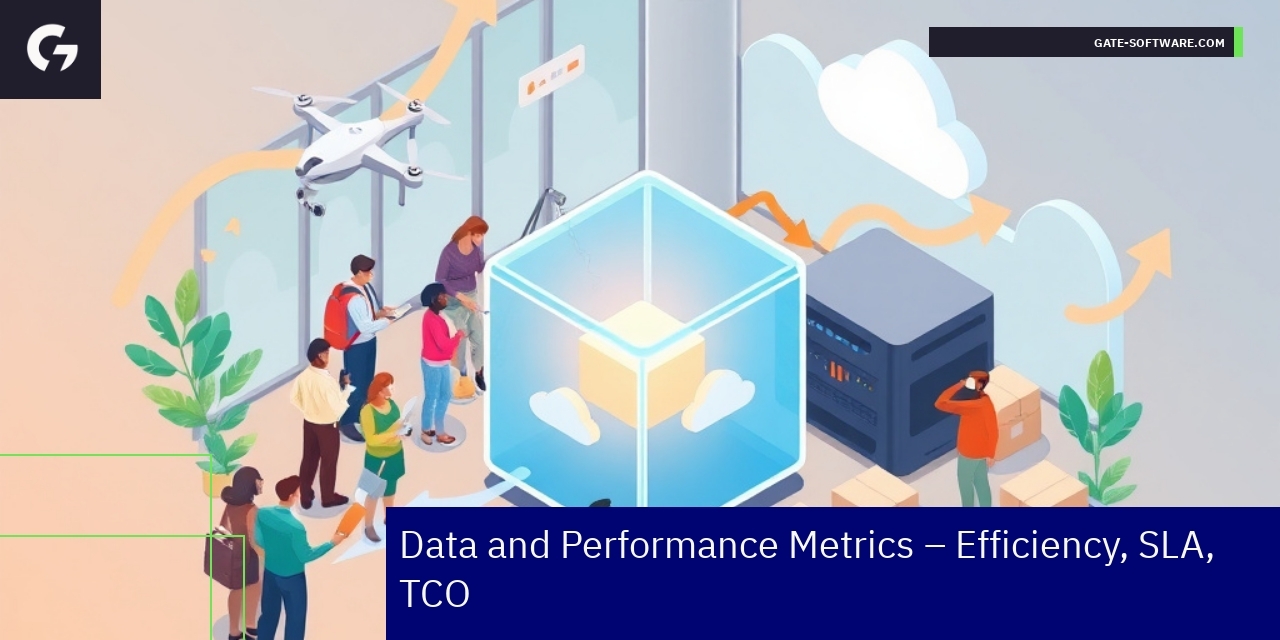
Data and Performance Metrics – Efficiency, SLA, TCO
Operational Effectiveness in UiR Projects
Gate-Software’s commitment to excellence in the UiR service can be showcased through several key performance indicators that highlight operational effectiveness and cost efficiency. Taking operational metrics into account, the average project takeover time stands at just 2 weeks, allowing for seamless integration and immediate impact on project performance. An impressive 95% of projects are delivered on time, which demonstrates the efficiency of Gate-Software’s project management strategies.
In terms of cost efficiency, companies leveraging our services have reported an average 30% reduction in total cost of ownership (TCO) following a Magento migration. This reduction can primarily be attributed to the optimized resource allocation and effective maintenance processes established by our team. Furthermore, Gate-Software has successfully executed over 150 implementations of Magento 2, showcasing our vast experience and capability in handling complex eCommerce projects.
Our uptime SLA commitment ensures that clients experience a minimum of 99.9% uptime, reinforcing trust and reliability in our hosting solutions. Additionally, the average duration of client relationships spans over 5 years, reflecting our dedication to long-term partnerships and continuous improvement.
These metrics not only signal our operational prowess but also offer prospective clients a compelling reason to invest in the UiR services provided by Gate-Software, demonstrating substantial returns and enhanced user experiences.

Summary
As you consider the opportunities presented by Magento 2 and the UiR services provided by Gate-Software, it’s essential to recognize the transformative potential these solutions bring to your eCommerce operations. By prioritizing scalability, user experience, and ongoing optimization, Gate-Software equips businesses to navigate the complexities of digital commerce efficiently. The strategies outlined in this article not only facilitate a seamless transition to Magento 2 but also ensure that your platform remains competitive in a rapidly evolving market. The focus on continuous development, security compliance, and performance tuning guarantees that your store is not only resilient but also capable of meeting the demands of both current and future customers. We encourage you to reach out to our team at Gate-Software to explore how our comprehensive support can help you unlock the full potential of your eCommerce platform, ultimately driving growth and user satisfaction.

FAQ
How can Magento 2 enhance eCommerce user experience?
Magento 2 provides a robust and flexible platform with advanced UX/UI features, allowing for tailored user experiences that align with customer behavior patterns. Its integration with Progressive Web Apps (PWA) enhances accessibility and responsiveness across devices, thereby improving overall user satisfaction.
What are the key steps in the Magento 2 development process?
The Magento 2 development process includes selecting a suitable hosting provider, installing the latest version of Magento, setting up a user-friendly store theme, configuring the catalog for scalability, customizing functionality with extensions, and conducting thorough testing before launch.
Why is a Magento development partner important after store launch?
A Magento development partner ensures ongoing support for maintenance, performance monitoring, and compliance with evolving security standards. Their expertise helps in optimizing costs, integrating the latest features, and enhancing customer retention and satisfaction.
What challenges might businesses face when migrating to Magento 2?
Businesses may encounter challenges such as performance bottlenecks, security vulnerabilities from delayed updates, and compatibility issues with third-party extensions. Proactive monitoring and expert support can help mitigate these risks and ensure alignment with business objectives.
How can businesses measure the effectiveness of their Magento 2 implementation?
Effectiveness can be measured using performance benchmarks, user experience improvements, and technical optimizations tracked throughout the store’s lifecycle. Implementing robust pre-launch audit tools and continuous monitoring enables assessment of the migration’s impact and supports ongoing enhancement efforts.
.
.
Zamów bezpłatną konsultację
.
Z nami rozwój Twojego biznesu nabierze tempa! Zapraszamy do kontaktu średnie i duże firmy generujące min. 7 mln PLN obrotu rocznie – tam nasza ekspertyza sprawdza się najlepiej.
.
Kliknij w poniższy przycisk i skontaktuj się z jednym z naszych konsultantów e-commerce
.